Category: News

  • The Best Boots for Different Leg Shapes and Style Preferences According to a French Fashion Editor

    The Best Boots for Different Leg Shapes and Style Preferences According to a French Fashion Editor

    This is a practical, experience-led guide to choosing boots based on different silhouettes—calves, height, proportions—and understanding why certain styles work better than others. It’s not about rigid body-type formulas, but about balance, comfort, and real-life dressing, shaped by years of fittings, styling sessions, and trial and error.

    Boots are often discussed purely through an aesthetic lens—trends, shaft heights, or what supposedly lengthens or slims a silhouette. Far less attention is given to what actually happens once you put them on: how you move, how you stand, how you feel, and how comfortable you are with what the mirror reflects.

    After years of trying boots on myself and fitting them on countless others across endlessly varied silhouettes, I’ve reached one clear conclusion: there is no universal boot style. There are only boots that work—or don’t—depending on proportions, habits, and which parts of your body you enjoy highlighting or prefer to keep understated.

    What follows are reference points and observations, not rules.

    Boot Choices for Slim, Streamlined Legs

    With slim legs, the challenge is rarely a lack of options—it’s excess volume. Boots that are too wide can create a floating effect, visually swallowing the leg rather than supporting it.

    Fitted yet structured boots in leather that holds its shape tend to work best. Sleek, tall boots with a modest heel or a solid block heel support the leg without weakening its line. Even chunky, army-inspired boots—often assumed to be too heavy—can look striking on streamlined legs when the contrast feels intentional. Adding thick knee-high socks, tights, or bare skin ensures the boots read as a deliberate styling choice rather than an afterthought.

    I’m particularly drawn to architectural, chunky boots with substantial heels. They add weight and presence, grounding the silhouette and creating a strong, fashion-forward sense of density. However, I avoid pairing them with dresses or skirts. The contrast is often too abrupt and can visually shorten the figure, especially when the hemline sits at or just above the knee.

    Where these boots truly excel is with trousers—straight-leg pants, slightly long jeans, or softly breaking hems. In these combinations, the chunky heel does exactly what it should: it structures the outfit, adds substance, and grounds the silhouette without disrupting balance.

    Boots for Legs with Strength and Presence

    I prefer to think in terms of strength and presence rather than framing fuller legs as a challenge. Certain boots simply need to be inhabited rather than fought.

    The most common misstep is choosing boots that are too narrow, compressing the calf and creating both visual and physical tension. Instead, straight or slightly flared shafts, rigid leather, and clean lines work far better. Heights that reach the knee or extend above it tend to feel the most balanced.

    Biker boots are a natural fit here. Their wider construction accommodates volume rather than resisting it, offering comfort, confidence, and a sense of authority. Over-the-knee boots also belong in this category. Thigh-high styles benefit from density and substance, working best when they aren’t trying to “fix” anything.

    I favor non-stretch versions, worn simply with a straight-cut dress or a long coat, without any exaggerated attempt at sensuality. The result feels grounded, confident, and unforced.

    How Petite Women Can Choose the Right Boots

    For petite silhouettes, everything hinges on visual continuity. The height of the boot matters less than how seamlessly it integrates into the overall outfit.

    Mid-height, stable heels are especially effective, particularly when the boots closely match the color of the trousers or tights. This tonal alignment naturally elongates the figure without effort.

    Pointed-toe ankle boots are another reliable option. In contrast, sharp color breaks or very tall, flat boots paired with skirts that hit directly at the knee often shorten the silhouette and disrupt flow.

    For Those Who Prefer Not to Show Their Knees

    This preference is far more common than it’s given credit for. Many women simply feel uncomfortable showing their knees, and that choice is entirely valid. In these cases, tall boots offer an elegant solution.

    Paired with skirts or dresses, they allow for leg exposure while keeping the knee covered. Suede or shearling-lined boots, particularly in beige or natural shades, are especially effective. They shift attention toward texture, material, and tone rather than focusing on a specific body area.

    The goal isn’t concealment—it’s redirecting the eye.

    Flat Boots for All-Day Wear and Comfort

    This is a practical reality for many people and is too often framed as a compromise. When heels aren’t an option, flat boots are not a downgrade. In many cases, they’re the stronger choice.

    My top pick here is riding boots. They offer understated elegance, clean lines, and leather that improves with age. They provide structure without aggression and can be worn for hours without discomfort, all while carrying an entire outfit effortlessly.

    I also appreciate reimagined rain boots. Worn with short dresses or skirts—almost in contrast to their original purpose—they become unexpectedly chic. On rainy days, they work just as well with slightly cropped trousers that hit at the ankle. Once again, it’s about proportion and ease.

    Then there are cowboy boots, which I wear often—either layered over trousers for a sharp finish or tucked neatly underneath. It’s a bold choice, but when it works, it feels confident, personal, and unapologetic. It’s the kind of styling detail that doesn’t aim to please everyone, and that’s precisely why it succeeds.
  • Here’s How Long You Should Hold a Plank at Every Age According to Fitness Experts

    Here’s How Long You Should Hold a Plank at Every Age According to Fitness Experts

    Plank duration can vary widely, and fitness professionals agree that age plays a key role. The plank is a classic strength exercise performed by balancing on your forearms and toes while keeping your body straight, much like a wooden board.

    This simple movement delivers multiple health benefits, including better core strength, improved posture, and positive effects on mental wellbeing. One of its biggest advantages is accessibility, as planks can be done at home without any gym equipment.

    According to Guinness World Records, the longest plank ever recorded lasted nine hours, 38 minutes, and 47 seconds, achieved by Czech therapist and lecturer Josef Šálek. While impressive, most people will find holding a plank for even short periods challenging.

    Here’s a general guide to recommended plank times based on age.

    Plank Goals for Ages 20–39

    If you’re in your twenties or thirties, aiming for 45 to 60 seconds is considered a strong benchmark. Personal trainer Joseph Webb explains that holding a plank for this duration reflects solid core endurance and stability.

    He also notes that the goal isn’t to chase a specific number, but rather to develop functional core strength that supports everyday movement and activities outside the gym.

    Plank Expectations for Ages 40–59

    For individuals in their forties and fifties, typical plank times may reduce to around 30 to 45 seconds. Webb shares that consistently holding a plank within this range, while maintaining proper form, demonstrates very good trunk stability.

    Reaching 60 seconds at this stage is often seen as a sign of excellent core control and overall strength for this age group.

    Plank Recommendations for Ages 60 and Above

    For those aged sixty and older, a target of 15 to 30 seconds is generally advised. Building up to a 30-second hold is considered an excellent indicator of functional core strength later in life.

    Key Benefits of Doing Planks Regularly

    Back protection is one of the main advantages of planking. A strong core helps support the spine during daily movements such as lifting children or bending forward during household tasks, according to exercise physiologist Katie Lawton.

    Planks also enhance flexibility. Health experts note that the plank position stretches the hamstrings and foot arches, making it both a strengthening and stretching exercise.

    Developing core strength through planks can reduce the risk of exercise-related injuries. A stable core helps maintain proper spinal alignment during movements like squats and deadlifts, improving overall performance.

    There are also mental health benefits. Regular exercise, including planking, can boost confidence and motivation as you notice improvements in strength and endurance.

    Finally, planks support better posture. By strengthening isometric core muscles, planks help prevent hunching while standing or sitting for extended periods.

  • No Touch-Ups Needed These Affordable Drugstore Lip Stains Stay Put All Day Without Fading

    No Touch-Ups Needed These Affordable Drugstore Lip Stains Stay Put All Day Without Fading

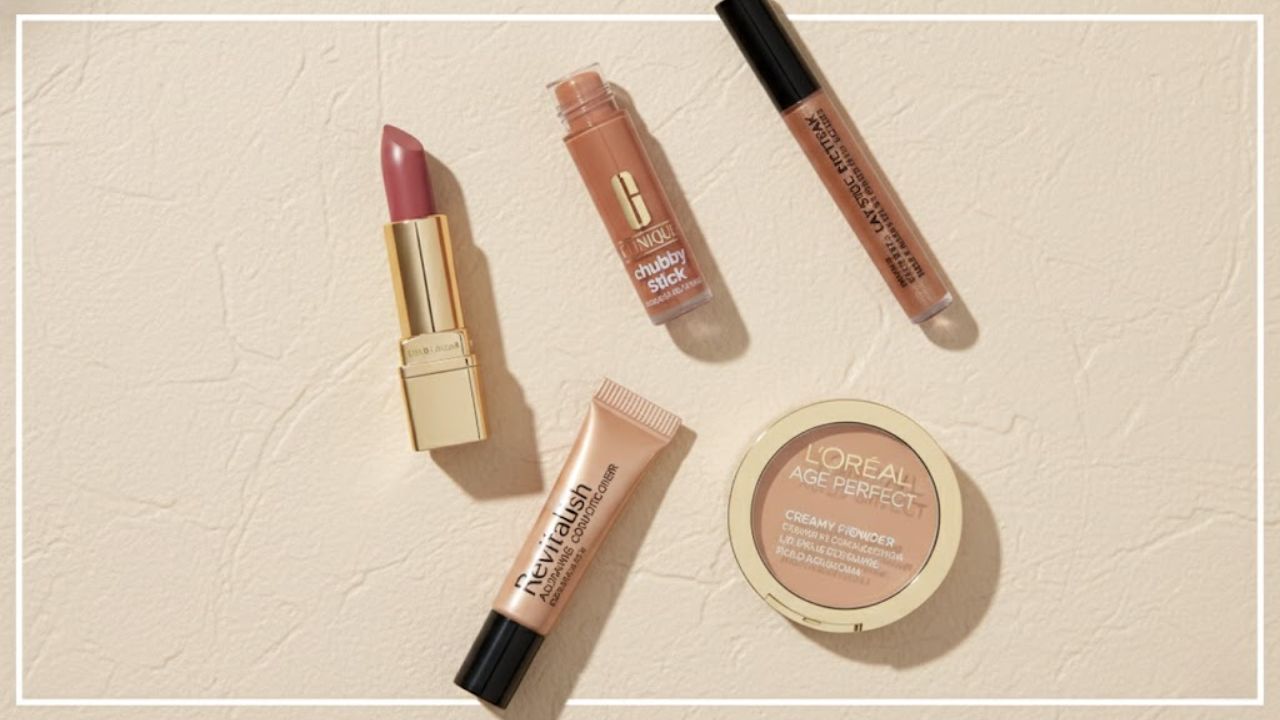
    Long-lasting lip color is a must for busy routines, and in the United States, affordable beauty products are becoming smarter than ever. Drugstore lip stains now promise all-day wear without constant touch-ups, making them ideal for workdays, travel, and social plans. These formulas focus on comfort, color payoff, and durability while staying budget-friendly. From lightweight tints to bold pigments, many options rival high-end brands. This guide breaks down how these affordable lip stains work, why they last, and what makes them a reliable choice for everyday makeup lovers.

    Affordable Drugstore Lip Stains That Last All Day

    Drugstore lip stains have evolved to deliver impressive staying power without the heavy feel of traditional lipsticks. Many use advanced pigments that bond gently to the lips, creating long-wear color that resists fading. Users appreciate the budget-friendly beauty factor, especially when performance rivals luxury brands. These stains often dry down quickly, helping avoid smudging during meals or drinks. With transfer-resistant finish and lightweight comfort feel, they suit everyday wear. The growing range of shades also means there’s something for minimal looks and bold statements alike.

    Why No-Touch-Up Lip Stains Are So Popular

    The appeal of no-touch-up lip stains lies in their practicality. Once applied, many formulas lock in pigment, offering fade-proof formula that stays consistent for hours. This makes them ideal for long workdays or events where reapplying isn’t convenient. Consumers also value the mask-friendly wear and reduced mess compared to creamy lip products. Thanks to quick-dry pigments and natural tint look, lips appear fresh without feeling overdone. Popularity has surged as shoppers look for reliable makeup that fits fast-paced lifestyles.

    Choosing the Best Drugstore Lip Stain for You

    Selecting the right lip stain depends on comfort, shade, and finish. Some people prefer sheer stains for an everyday glow, while others want richer tones with buildable color payoff. Checking ingredients can help avoid dryness and support hydrating stain blends that feel soft on lips. Many top options offer all-day staying power without cracking or flaking. It’s also smart to test applicators, as precise tips help achieve clean edge application. The right choice balances durability with a comfortable, natural feel.

    Summary and Practical Takeaways

    Affordable drugstore lip stains prove that lasting color doesn’t have to come with a high price tag. With improved formulations, shoppers can enjoy reliable daily wear and consistent color throughout the day. These products cater to modern needs by combining convenience with style. Whether you prefer subtle tones or vibrant hues, the market offers wide shade variety and dependable results. Ultimately, choosing a stain that matches your routine ensures effortless makeup days without constant mirror checks.

    Feature What to Expect
    Wear Time Up to 8–12 hours
    Finish Matte to natural tint
    Price Range Affordable drugstore pricing
    Comfort Level Lightweight and non-sticky
    Best For Daily wear and long events

    Frequently Asked Questions (FAQs)

    1. Do drugstore lip stains really last all day?

    Many formulas are designed to hold color for most of the day with minimal fading.

    2. Are lip stains drying on the lips?

    Modern stains often include moisturizing ingredients to maintain comfort.

    3. Can lip stains be worn under lip balm?

    Yes, applying balm after the stain sets can add shine without reducing wear.

    4. Are drugstore lip stains suitable for sensitive lips?

    Most are gentle, but checking ingredient lists helps avoid irritation.

  • What Is the 4-2-3k Workout Method and Why Fitness Experts Say It Delivers Fast Results

    What Is the 4-2-3k Workout Method and Why Fitness Experts Say It Delivers Fast Results

    The 4-2-3k workout method is gaining attention across the United States as a time-efficient fitness approach that promises visible results without marathon gym sessions. Designed for busy adults who want measurable progress, this method blends structured intensity with smart recovery. Instead of guessing how hard or how long to train, the 4-2-3k format gives clear targets that support strength, endurance, and fat loss. Fitness experts say its simplicity, paired with strategic effort, makes it easier to stay consistent and see improvements quickly.

    How the 4-2-3k workout method works in real life

    At its core, the 4-2-3k workout method is built around intentional structure rather than random exercise. The numbers guide how you divide effort, rest, and output during a session, helping you avoid overtraining while still pushing hard. Supporters highlight its clear training blocks, which remove confusion and decision fatigue. Because sessions are short, people report consistent workout adherence even on busy weeks. The format also encourages measurable performance goals, making progress easier to track. Over time, this balance supports steady fitness gains without the burnout common in longer routines.

    Why fitness experts recommend the 4-2-3k workout plan

    Trainers often praise the 4-2-3k workout plan because it aligns with how the body adapts to stress. Short bursts of focused effort followed by controlled recovery help improve cardiovascular capacity and muscular endurance together. Experts point to efficient calorie burn as a major benefit, especially for people aiming to lose fat. The method also supports muscle retention focus, which is critical for long-term metabolism. Because it scales easily, beginners and advanced athletes can both experience balanced training intensity without needing complex programming.

    Who should try the 4-2-3k workout for fast results

    The 4-2-3k workout for fast results appeals to a wide range of people, from office workers to recreational athletes. Those short on time often appreciate its time-saving workout design, while goal-driven individuals like its progress-driven structure. It can be adapted for cardio machines, bodyweight routines, or light resistance training, making it highly flexible. Many users also report improved motivation due to quick feedback loops that show improvement early on. For anyone seeking sustainable fitness habits, this method offers a practical entry point.

    Overall analysis of the 4-2-3k training approach

    Looking at the bigger picture, the 4-2-3k training approach succeeds because it respects modern lifestyles while still delivering physical challenge. Rather than promising miracles, it focuses on repeatable training sessions that fit real schedules. The structure encourages discipline without rigidity, helping people avoid all-or-nothing thinking. Experts believe its popularity comes from realistic effort demands paired with visible progress. When combined with proper nutrition and rest, it supports long-term body adaptation, making it more than just another fitness trend.

    Aspect 4-2-3k Workout Traditional Workouts
    Average Session Time 20–30 minutes 45–60 minutes
    Structure Number-based format Often unstructured
    Adaptability Beginner to advanced Varies by program
    Motivation Level High due to tracking Moderate

    Frequently Asked Questions (FAQs)

    1. Is the 4-2-3k workout suitable for beginners?

    Yes, beginners can start at lower intensity and gradually build up.

    2. How many days per week should you do the 4-2-3k workout?

    Most experts recommend three to five sessions per week.

    3. Do you need special equipment for the 4-2-3k method?

    No, it can be done with bodyweight or basic gym equipment.

    4. How soon can you see results from the 4-2-3k workout?

    Many people notice improved stamina and tone within a few weeks.

  • How to Choose the Right Yoga Mat Based on Grip Cushioning Durability and Practice Style

    How to Choose the Right Yoga Mat Based on Grip Cushioning Durability and Practice Style

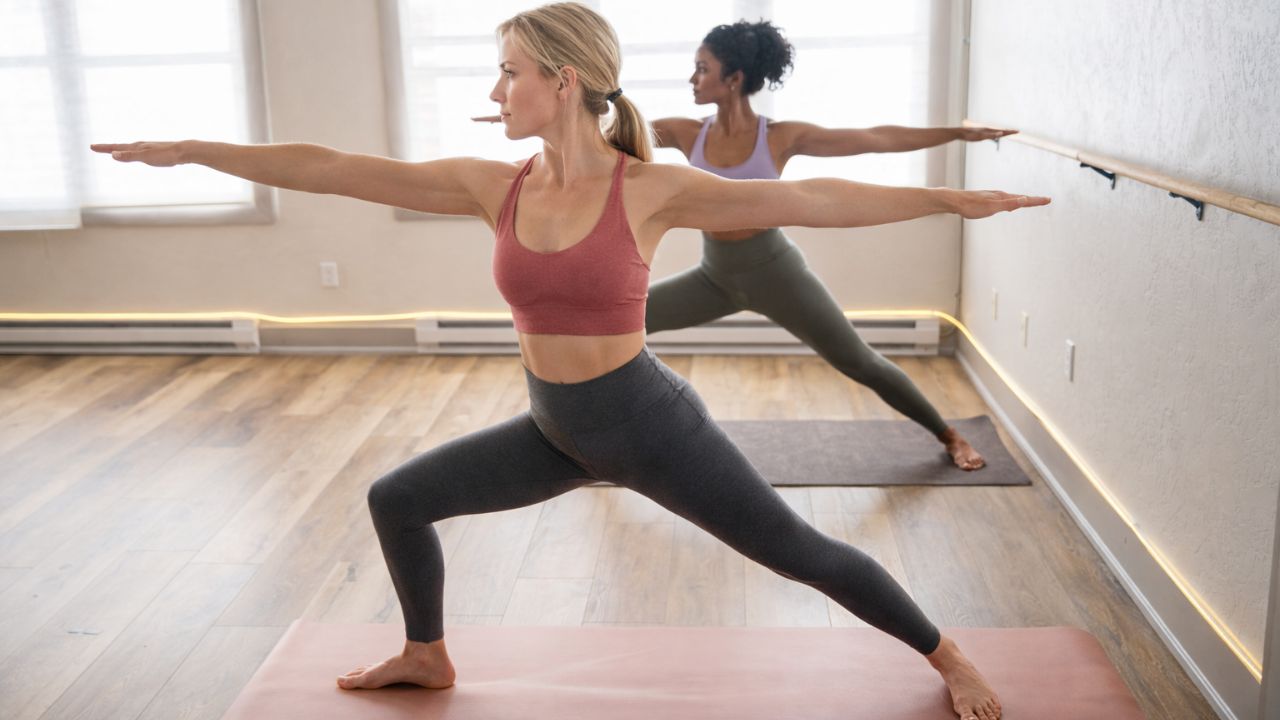
    Yoga mats often look alike in size and thickness, but they are far from identical. Just as yoga itself includes many styles and approaches, mats also come in different variations. What feels supportive and comfortable for one person may not suit someone practicing on the mat beside them.

    You might be searching for a lightweight travel mat, or you may need extra joint cushioning for added comfort. Maybe you are new to yoga and unsure where to start, or you want a mat designed for hot yoga sessions. No matter how you practice or what your budget looks like, there is a yoga mat designed to match your needs.

    How to Select the Right Yoga Mat

    Yoga mats are made using a wide range of materials. Many designs combine different layers, each serving a specific purpose. The outer surfaces typically focus on grip and texture, while the inner layers are designed for support and cushioning.

    Yoga Mat Materials Explained

    The best material depends on where and how you practice. For example, hot yoga requires a mat that handles moisture well. Materials commonly include cork, jute, natural rubber, and various blended options.

    PVC (Polyvinyl Chloride)

    PVC is a synthetic plastic material often used in gym flooring and yoga mats. While not natural, it is valued for its durability and longevity. Mats made from PVC typically last longer than many natural alternatives.

    FSC-Certified Rubber

    Mats labeled with FSC certification indicate that the rubber was sourced through responsible forest management. This makes them a more environmentally conscious option for practitioners seeking sustainable products.

    Jute

    Jute mats are crafted from plant-based fibers, making them a natural material choice. They offer a distinctive texture and are often preferred for their eco-friendly composition.

    Cork

    Cork mats are produced from tree bark fibers. Because the trees are not cut down and the bark regenerates, cork is considered a sustainable and renewable resource.

    Blended Materials

    Many yoga mats use a combination of materials, especially reversible designs. One side may feature cork or jute, while the other includes rubber or foam. This allows flexibility for different class styles, from hot yoga to restorative sessions.

    Overall, no material is universally better than another. Most offer similar levels of grip, durability, and density. Choosing the right one comes down to personal preference and how the mat feels during practice.

    Yoga Mat Thickness and Comfort

    Standard yoga mats are commonly 5mm or 6mm thick, though options range from very thin travel mats to extra-thick designs. Thicker mats are ideal for those needing added joint support or dealing with chronic discomfort.

    Excessive thickness can sometimes reduce balance and stability, as the body sinks into the mat. Still, thicker mats are beneficial for practitioners who prioritize comfort and cushioning.

    Thinner mats provide greater stability and are easier to transport. They work well for outdoor use or studio classes but may feel less forgiving on rough surfaces.

    Firmness and Density

    Firmness works closely with thickness to affect how a mat feels underfoot. Different materials and constructions influence the overall density and support level.

    Highly cushioned mats may make certain poses more challenging, while denser mats help maintain control during faster transitions. Restorative yoga often benefits from softer surfaces, while dynamic practices require firmer support.

    Materials such as dense foam, natural rubber, and mats with firm top layers offer stability while protecting joints during movement.

    Yoga Mat Length Options

    Most yoga mats measure around 72 inches in length. Shorter practitioners may prefer slightly smaller mats, while taller individuals benefit from extra-long designs.

    Having additional length allows more room to stretch and step without slipping off the mat. Extra-long mats can extend up to 85 inches, providing comfort and safety for taller users.

    Understanding Yoga Mat Width

    Yoga mats usually range between 24 and 26 inches wide. This width suits most practitioners, though wider mats may feel more comfortable for restorative poses and stretching.

    For maximum portability, some foldable mats are designed to be compact and narrow, making them ideal for travel.

    Why Grip Matters

    Grip is a crucial feature for any yoga mat. A well-designed mat balances traction and comfort, helping prevent slipping without irritating the skin.

    Insufficient grip can reduce confidence during poses, while excessive texture may feel uncomfortable. The mat’s underside should also feature a non-slip surface to prevent movement on the floor.

    Sustainability Considerations

    Eco-friendly yoga mats are widely available. Some are made with sustainably harvested rubber, biodegradable materials, or produced through zero-waste processes.

    Other options incorporate materials like sugarcane-based components, supporting both sustainability and agricultural communities.

    Portability and Convenience

    If you practice outside your home, portability is important. The mat’s size and weight affect how easy it is to carry.

    Some mats include built-in carrying straps, which can add value and convenience without the need for separate accessories.

    Helpful Yoga Mat Accessories

    Most practitioners only need a mat and a way to carry it. For hot yoga, however, a yoga towel can be useful.

    Yoga towels often feature a grippy underside and an absorbent top layer. They help maintain traction during sweaty sessions and reduce the need for frequent mat cleaning.

    How to Properly Clean a Yoga Mat

    Cleaning your mat after use helps maintain hygiene and longevity. Light use may only require a damp cloth wipe followed by air drying.

    For deeper cleaning, a mixture of mild, unscented soap and water can be used. Some brands recommend only their own cleaning solutions, so it’s important to follow manufacturer guidelines.

    Always allow the mat to dry completely before rolling it up. Storing a damp mat can lead to odors or mold. Cleaning methods vary by material, so checking care instructions is essential.

    Final Thoughts on Choosing a Yoga Mat

    Finding the right yoga mat means understanding your practice style, physical needs, and personal preferences. Factors like material, thickness, grip, size, and portability all shape your experience.

    There is no universal solution, but identifying what matters most to you makes the choice easier. The right mat supports your body and allows you to stay focused on your flow and poses.

  • After Years of Searching I Finally Found a Vitamin C Serum That Truly Delivers Results

    After Years of Searching I Finally Found a Vitamin C Serum That Truly Delivers Results

    Plenty of skincare categories promise big results yet fall short when it comes to solid clinical backing. Trend-driven ingredients like exosomes may sound exciting, but they still need far more research before earning a place in my routine. Others, such as sheep placenta, are an immediate pass. Vitamin C, however, is a proven staple I trust enough to use daily. Its ability to fight free radical damage and help slow premature skin aging makes it hard to ignore. The real challenge lies in creating a formula that delivers visible benefits while staying stable and gentle, since vitamin C is notoriously fragile and can irritate sensitive skin.

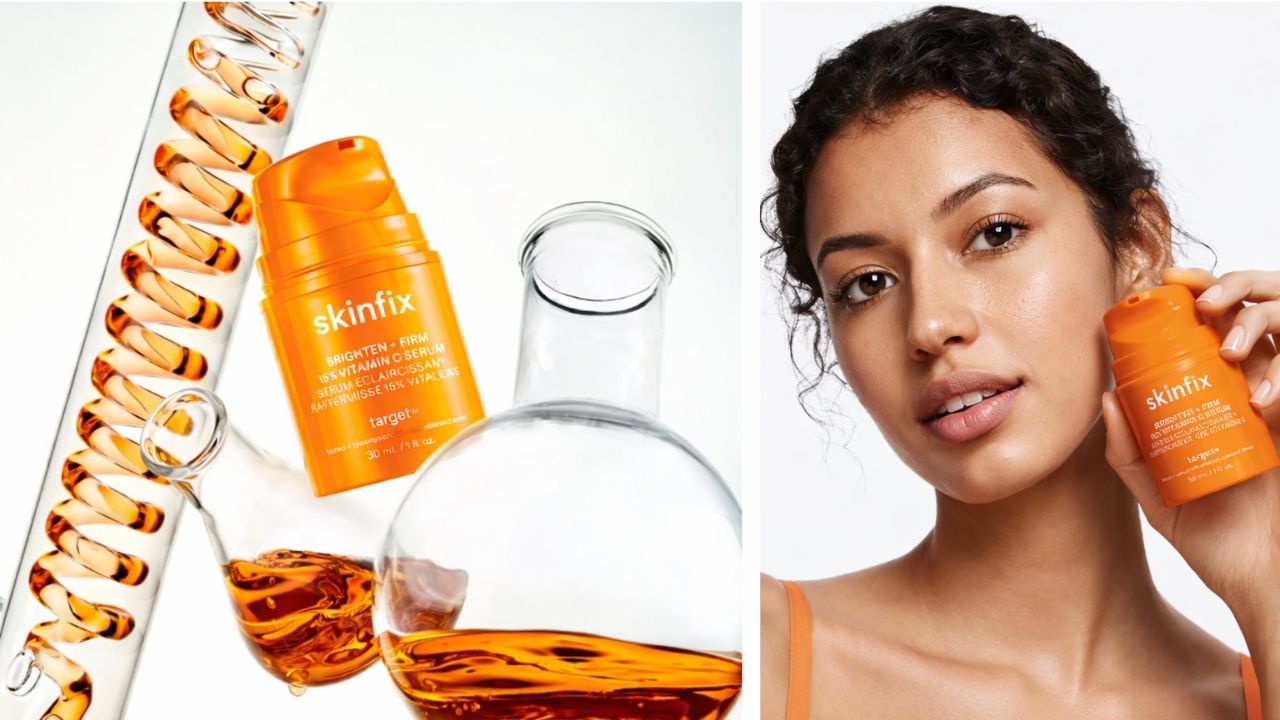
    That’s where the Skinfix Brighten + Firm 15% Vitamin C Serum comes in. As the newest release from a brand I’ve relied on for years, it immediately caught my attention. I started testing it earlier this year, giving it ample time to perform, since meaningful skincare results often take at least a month, and sometimes closer to three or four. I wanted to see if this ingredient-packed serum truly lived up to its brightening and firming claims.

    Read on to find out whether this much-talked-about launch deserves a permanent place on your top shelf.

    Brighten + Firm 15% Vitamin C Serum – 1 Oz

    Skinfix Brighten + Firm 15% Vitamin C Serum is priced at $69 and available directly from Skinfix.

    The Formula Breakdown

    This serum is formulated with 15% THD vitamin C, an oil-soluble form known for its superior stability compared to traditional options like L-ascorbic acid. Vitamin C may lead the formula, but it’s far from the only standout ingredient. The blend also includes a 2% tetrapeptide solution, featuring biomimetic peptides that are clinically shown to reduce the appearance of dark spots by 48% in 28 days.

    In addition, the formula contains a 2% PGA peptide solution. Peptides, which are short chains of amino acids that support proteins like collagen and elastin, are already popular in skincare. PGA peptides go a step further by offering intense hydration while helping to firm, plump, and reinforce the skin barrier.

    Texture and Application Experience

    To be completely honest, the scent wasn’t my favorite. It has a distinct aroma reminiscent of the well-known vitamin C smell many products share, which may be noticeable if you’re sensitive to fragrance. That said, the payoff came quickly. Upon application, my extremely dry skin felt exceptionally soft, almost as if I had applied a rich moisturizer rather than a lightweight serum. The hydrating peptides likely play a big role here.

    I used one pump each morning, which easily covered my face and neck. On more thorough days, I added another pump for my décolletage and hands. The slightly watery texture spread effortlessly and absorbed fairly quickly. While there was a brief tacky finish, it disappeared once I layered moisturizer and sunscreen, leaving no greasy residue despite the serum’s creamy feel.

    Final Results and Overall Impressions

    Instant benefits like smoothness and soft skin are always welcome, but long-term performance matters most. One bottle lasted me about six weeks with daily use. Even with my somewhat sensitive skin, I experienced no irritation, aside from the occasional unrelated hormonal breakout.

    I tested this serum during late summer and early fall, when my melasma is typically at its worst. While stubborn pigmentation often requires professional treatments, I did notice my overall skin tone looked more even by the time I finished the bottle. I’ve since added a new one to my winter routine, appreciating how it supports hydration levels, something I never expected from a vitamin C product.

    As for firmness, the change was subtle, but my skin consistently appeared radiant throughout use. Over time and with continued application, the peptide benefits may become even more noticeable. Ultimately, I came for the vitamin C but stayed for the peptides, and I can confidently say I’m a devoted fan of the Skinfix Brighten + Firm 15% Vitamin C Serum.

  • To Look Polished Without Trying Style Experts Say Minimalists Swear By This No Makeup Upgrade

    To Look Polished Without Trying Style Experts Say Minimalists Swear By This No Makeup Upgrade

    Let’s be honest: finding time for a full glam routine isn’t always realistic. As beauty editors, we’re surrounded by shimmering, hydrating, beautifully scented products daily, yet most mornings are rushed. Even so, there’s one step that instantly makes us feel polished—even without mascara or a fresh manicure—and that’s well-groomed brows. A swipe of clear brow gel creates a defined, pulled-together look in seconds, and professional makeup artists swear by it.

    “Brows are my ultimate finishing step; I begin and end every look with them,” says celebrity makeup artist Kirin Bhatty. Because brows frame the face, choosing the right gel matters. Whether you prefer clean precision, full fluffy arches, or a sleek laminated effect, the formula must perform. According to Bhatty, the essentials are a flake-free texture that can be adjusted easily and a natural yet firm hold that separates hairs without stiffness.

    After testing, we narrowed down the best clear brow gels that keep brows lifted all day without flaking, drooping, or leaving a white residue. From cult favorites to budget-friendly options, these picks start at just $10.

    The Best Clear Brow Gels at a Quick Glance

    • Best Overall: Benefit Cosmetics 24-Hour Brow Setter Brow Gel
    • Best Drugstore: NYX Professional Makeup The Brow Glue Laminating Setting Gel
    • Best Thickening: Grande Cosmetics GrandeBrow-Fill Volumizing Brow Gel
    • Best for Fluffy Brows: Anastasia Beverly Hills Brow Freeze Gel
    • Best for a Natural Look: Glossier Boy Brow

    Best Overall Clear Brow Gel for All-Day Hold

    Benefit Cosmetics 24-Hour Brow Setter Brow Gel earns the top spot thanks to its 24-hour wear and flexible, flake-resistant hold. The innovative wand features two bristle lengths—one side perfect for soft, feathered brows and the other ideal for clean definition. A flat edge also helps create a laminated-style finish. What truly sets it apart is its ability to keep brows in place without turning crusty or flaky. It works seamlessly for everyday wear and special occasions alike.

    Customer review: “My favorite eyebrow gel! Easy to use and dries beautifully. This is already my second tube.”

    Best Affordable Drugstore Clear Brow Gel

    NYX Professional Makeup The Brow Glue proves that excellent brow hold doesn’t have to be expensive. This budget-friendly gel delivers a strong, long-lasting hold without leaving behind stickiness or visible flakes. Its glue-like texture grips even thick, unruly brows while drying down naturally. Once set, it stays put all day without looking shiny or gummy, making it an unbeatable option for a drugstore find.

    Customer review: “Better than high-end brow gels I’ve tried. This is easily the best one I’ve ever used.”

    Best Clear Brow Gel for Thicker-Looking Brows

    Grande Cosmetics GrandeBrow-Fill Volumizing Brow Gel is ideal for anyone focused on brow fullness. Infused with peptides and volumizing fibers, it instantly makes brows appear thicker and denser while supporting long-term brow health. The flexible formula enhances natural shape without crunchiness, offering both immediate and ongoing benefits. While some users note the wand can pick up extra product, the results are worth the learning curve.

    Customer review: “Keeps my brows set all day and looks natural. I love the small brush—it makes styling easy with no flakes.”

    Best Clear Brow Gel for Fluffy, Lifted Brows

    Anastasia Beverly Hills Brow Freeze Gel is a go-to for achieving full, fluffy brows with serious staying power. A gel version of the brand’s iconic brow wax, it offers a strong hold that locks each hair in place while remaining flake-free. The thick wand grips brows effortlessly, making it especially effective for those who want a brushed-up, voluminous look that lasts from morning to night.

    Customer review: “Hands down the best brow gel I’ve tried. No white residue and incredible hold that still looks natural.”

    Best Clear Brow Gel for a Natural Finish

    Glossier Boy Brow is a classic choice for effortless, natural-looking brows. Known for its flexible hold and non-flaking formula, it enhances brows without making them appear overly styled. The thoughtfully designed brush coats hairs evenly, making grooming quick and intuitive. If subtle definition and soft structure are your goals, this cult favorite delivers consistently.

    Customer review: “It holds all day, doesn’t flake, and I only need a small amount. Perfect for thick brows.”

    Best Clear Brow Gel for a Laminated Effect

    Kosas Air Brow Clear Lifting Treatment Gel combines brow styling with conditioning benefits. Designed to create a sleek, laminated look, it lifts and separates hairs while keeping them set. The formula is infused with hydrating ingredients like hyaluronic acid and panthenol, helping brows look healthier over time. Its brush fans out hairs evenly, delivering a polished finish without stiffness.

    Customer review: “It holds just enough without feeling sticky. My brows stay lifted but still look full.”

    Best Conditioning Clear Brow Gel

    Milk Makeup Kush Clear Brow Gel stands out for its hydrating, conditioning formula. Featuring a small, tree-shaped brush, it captures even the finest hairs for precise styling. The gel dries completely clear and keeps brows in place while maintaining natural flexibility. Enriched with aloe, cucumber, and hemp-derived cannabis seed oil, it supports healthy, moisturized brows throughout the day.

    Customer review: “No white residue at all. My brows stay put without feeling stiff or laminated.”

    What to Consider When Choosing a Clear Brow Gel

    Formula quality is essential. Look for gels that promise flake-free wear and flexible hold to avoid crunchy brows. Longevity also matters—many formulas offer extended wear without sacrificing a natural finish. Finally, consider your preferred brow style. Laminated looks call for stronger hold, while softer shapes benefit from lighter, more adaptable gels.

    Does Clear Brow Gel Actually Work?

    Yes, when applied correctly. Using a light hand is key, as too much product can cause gunky buildup or flaking. Once applied, shape brows quickly before the gel sets, since most formulas dry fast and can crumble if overworked.

    Popular Gen Z Eyebrow Trends

    Current trends include fluffy boy brows, thin ’90s-inspired shapes, and the ever-popular laminated soap brow look. These styles range from soft and natural to sleek and structured, allowing for plenty of personal expression.

    When to Apply Brow Gel in Your Routine

    Brow gel is best used toward the end of your routine. Start by shaping brows with a pencil or powder, complete the rest of your makeup, then finish by combing and setting brows into place. This final step helps tie the entire look together.

    How Our Picks Were Selected

    Our editors evaluated both new releases and long-standing favorites over several years. Each product was tested for performance, wear time, and ease of use, with insights from professional makeup artists helping guide final selections.

    Why You Can Trust Our Recommendations

    Our beauty team has tested thousands of products across makeup, skincare, hair, and nails. By combining hands-on experience with expert input, we ensure every recommendation is well-researched, reliable, and genuinely useful.

  • Short Haircuts for Fine Hair These Four Styles Add Volume and Make Thin Hair Look Thicker

    Short Haircuts for Fine Hair These Four Styles Add Volume and Make Thin Hair Look Thicker

    A woman sits in a salon chair, gazing at her reflection and murmuring, “My hair just lies flat.” Her bob is smooth, glossy, and pressed close to her scalp. The stylist gently lifts a section with a comb and replies with a knowing smile: “You don’t need more hair, you need the right shape.” Around them, dryers buzz, someone laughs after an unexpectedly short fringe, and a client in the corner scrolls through photos of fluffy pixie cuts, zooming in on every hint of texture.

    For fine hair, going short is always a risk. It can look bold and full, or fragile and see-through at the ends. One poorly placed layer can sink the whole look. The right cut, however, can make it seem like your hair doubled overnight. There are four short haircuts that quietly perform this illusion.

    Why Volume Feels So Elusive With Fine, Short Hair

    Fine hair rarely behaves the way it does in imagination. From the front, it might seem acceptable, until you turn and notice the back falling flat. Short styles make this contrast obvious because every detail of the shape is visible. That same visibility is what makes short hair powerful: structure and lift are easier to control when length is reduced.

    People with thick hair discuss how much to remove; those with fine hair focus on not losing what they have. A stylist in London once noticed that her fine-haired clients returned sooner after cutting their hair short. They felt their hair looked fuller and more polished with a sharp cut than it ever did when worn long.

    This makes sense when you break it down. Long, fine hair is pulled down by its own weight. That heaviness flattens the roots and leaves ends looking thin, especially near the neck and shoulders. Short cuts remove that drag. With the right outline, compact layers, and smart graduation, hair naturally lifts away from the scalp. You’re not adding strands; you’re using existing hair more intelligently.

    Four Short Haircuts That Instantly Look Thicker

    The first is the French-inspired blunt bob, cut clean at the ends and slightly shorter at the back. That strong horizontal line acts as a visual boundary, making the hair appear dense rather than wispy. Worn at the jaw or just above, with minimal layering, it keeps the perimeter solid. A light fringe or subtle face-framing pieces can soften the look without sacrificing fullness.

    Next comes the textured pixie, a style that looks intimidating online but surprisingly wearable in real life. Cropped sides, extra length on top, and plenty of fine, choppy layers create separation. When point-cutting is used, each strand moves independently, adding lift and motion. On very fine hair, this texture prevents clumping and creates a soft, plush finish.

    The third option is the stacked or graduated bob. At the back, layers are built tightly at the nape, almost like steps resting on each other. From the side, the shape curves away from the neck, instantly signaling volume. Even before styling, the structure alone creates the appearance of thickness.

    The final choice is the shaggy short crop, somewhere between a bob and a pixie. With uneven layers, a longer fringe, and intentionally imperfect ends, it thrives on a slightly undone finish. This cut loves dry shampoo and quick finger styling, disguising thinner areas by never looking too polished.

    How to Style Short Fine Hair Without Losing Lift

    All four styles share one advantage: they respond best to light styling, not heavy routines. After gently towel-drying, apply a lightweight volumising foam or mousse only at the roots. Comb it through lightly to avoid clumps. Blow-dry with your head tilted down, directing air from roots to ends to encourage lift.

    Round brushes can help, but they’re not essential. A simple approach is lifting sections at the crown with your fingers while drying. Use medium heat and keep the dryer moving. Once fully dry, finish with a cool blast to set the shape. The aim isn’t a perfect blowout, but a loose, airy base you can refine quickly.

    The most common mistake is using too much product. Oils, heavy creams, and rich serums weigh fine hair down and erase volume. Start with less than you think you need. Warm waxes or pastes between your hands until nearly invisible, then apply only to the ends and surface.

    A New York stylist summed it up simply: “Fine hair doesn’t need more product. It needs lighter hands.”

    • Choose lightweight products like foams or sprays instead of thick creams.
    • Dry roots in the opposite direction of where you want them to fall.
    • Use texturising spray on mid-lengths and ends, not directly at the roots.

    Looking Thicker Is as Much a Mindset as a Haircut

    When someone with fine hair finally finds the right short cut, a subtle change happens. At first, they keep touching their hair, checking the volume. After a few days, the habit fades. The haircut stops being a concern and becomes background. That’s when it works: when you stop thinking about it.

    Most people know the feeling of catching their reflection and noticing flat hair ruin their mood. A good short cut doesn’t eliminate that moment entirely, but it softens it. The thought shifts from panic to practicality: “It just needs two minutes of styling.” In that space, confidence quietly builds.

    Short hair on fine strands may require attention on wash days and very little effort the day after. It rewards small habits you can actually keep: quick upside-down drying, a touch of dry shampoo, regular trims every six to eight weeks. It’s less about chasing perfect volume and more about choosing a forgiving shape that works with real life. The smartest cuts don’t fight reality. They adapt to it and make fine hair look fuller in the process.

    Key Takeaways for Fine, Short Hair

    • Right haircut: blunt bob, textured pixie, stacked bob, or short shag to enhance density.
    • Styling approach: root lift, upside-down drying, and lightweight products.
    • Realistic maintenance: simple daily habits and regular salon visits for lasting fullness.
  • I’m a Yoga Teacher and This Stretch Reliably Releases Shoulder and Upper Back Stiffness

    I’m a Yoga Teacher and This Stretch Reliably Releases Shoulder and Upper Back Stiffness

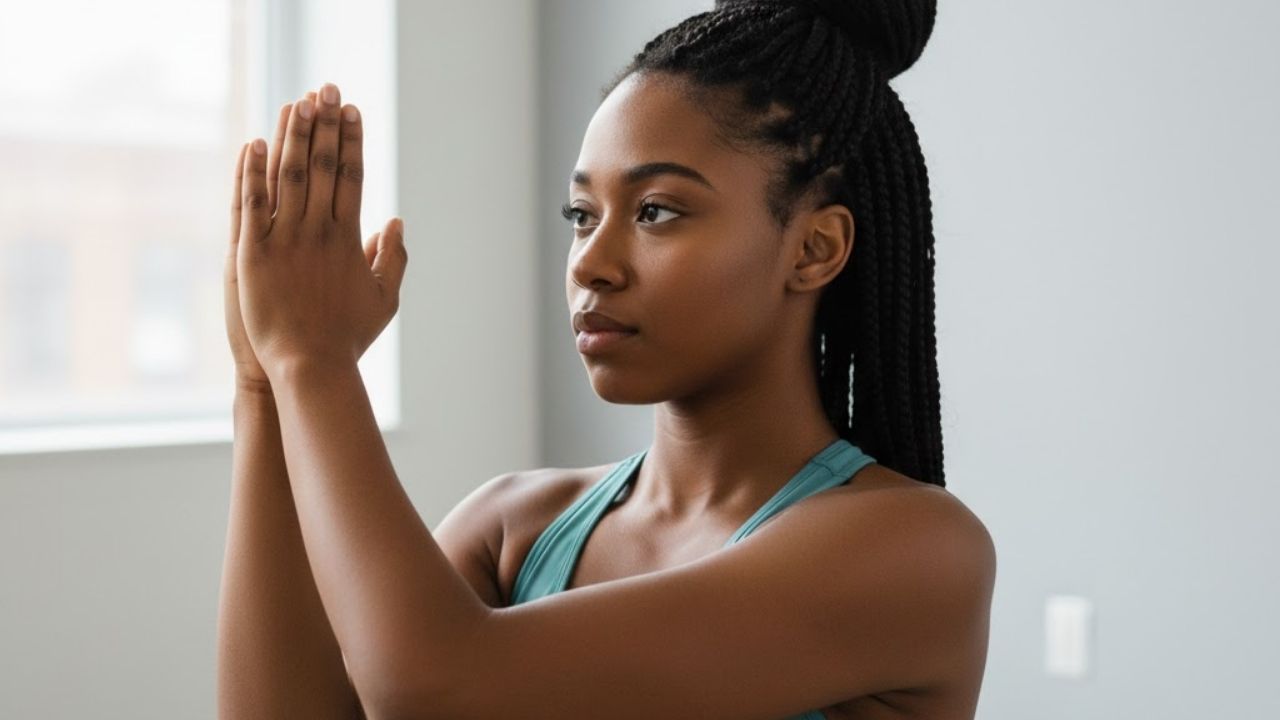
    As a yoga teacher working with students across the United States, I see the same issue again and again: tight shoulders and an achy upper back caused by long hours at desks, phones, and driving. The good news is that stiffness doesn’t always require complex routines or intense workouts. One carefully chosen stretch, practiced mindfully, can create noticeable relief in a short time. When done correctly, this movement helps release tension, restore mobility, and reconnect breath with posture in a way that feels natural and sustainable.

    Yoga Stretch for Shoulder Stiffness Relief

    This stretch focuses on gently opening the shoulder girdle while calming the nervous system. Many students feel instant changes because it targets built-up tension rather than forcing flexibility. By supporting the arms and allowing gravity to assist, the body can soften without strain. I often cue slow breathing to improve muscle awareness and prevent overdoing it. The position encourages joint hydration, which supports smoother movement over time. Practiced consistently, it also improves postural balance, especially for people who round their shoulders during the day. The key is patience—letting the stretch work gradually instead of pushing for sensation.

    Upper Back Stretch Used by Yoga Teachers

    The upper back responds best to stretches that combine movement with stillness. This technique allows the shoulder blades to spread and glide, reducing pressure around the neck. Students often notice spinal decompression within the first few breaths, especially when they relax the jaw and face. I emphasize controlled breathing to help release guarding patterns that keep muscles tight. Over time, the stretch supports thoracic mobility, which is essential for healthy posture and easier rotation. Because it’s gentle, it suits beginners while still offering depth for experienced practitioners seeking mindful release.

    Daily Shoulder and Upper Back Stretch Routine

    What makes this stretch reliable is how easily it fits into daily life. It can be done on a mat, bed, or even during a short break. Regular practice helps retrain the body away from chronic tightness caused by repetitive habits. I recommend holding the position long enough to feel gradual softening rather than intensity. With time, students report improved range comfort during everyday tasks like reaching or turning the head. Combined with awareness, the stretch supports long-term ease instead of temporary relief.

    Why This Stretch Works So Well

    This stretch succeeds because it respects how the body actually releases tension. Instead of aggressive pulling, it uses alignment, breath, and time to encourage natural relaxation. The shoulders and upper back are closely tied to stress responses, so calming the breath plays a huge role in nervous system balance. When practiced consistently, the movement builds trust in the body, leading to sustainable mobility rather than quick fixes. For many students, it becomes a go-to tool for managing daily discomfort and maintaining comfort without relying on external treatments.

    Aspect Details
    Primary Area Shoulders and upper back
    Best Time Morning or evening
    Difficulty Level Beginner-friendly
    Recommended Hold 60–120 seconds
    Equipment Needed Mat or folded blanket

    Frequently Asked Questions (FAQs)

    1. How often should I practice this stretch?

    Practicing once daily is enough for most people to feel steady improvement.

    2. Is this stretch safe for beginners?

    Yes, it is gentle and can be adjusted easily for different comfort levels.

    3. Can this help with desk-related shoulder pain?

    Yes, it is especially effective for tension caused by prolonged sitting.

    4. Do I need to warm up before doing it?

    A light warm-up helps, but the stretch can also be done on its own.

  • 7 Winter Skincare Essentials That Rescue Dry Dehydrated Skin During Cold Weather Months

    7 Winter Skincare Essentials That Rescue Dry Dehydrated Skin During Cold Weather Months

    Cleansing, always. This is the step that quietly shapes everything that follows. When it’s done properly, serums absorb smoothly, moisturisers perform better, and skin stays balanced. Skip or rush it, and even the most advanced formulas struggle to work. A gentle but thorough cleanse resets the skin, lifts away daily pollution, and helps prevent congestion before it forms. It may not feel exciting, but it is easily the most impactful step in any routine.

    The Most Overlooked Skincare Ingredient

    Peptides once held that title, but they’re now firmly in the spotlight. For me, that role belongs to PDRN. Hugely popular in Korea, it’s only a matter of time before it becomes more mainstream elsewhere. It acts as a kind of deep repair support for skin exposed to stress, pollution, and hormonal changes. PDRN encourages regeneration, soothes irritation, and gives skin a stronger, more resilient look. I value it because it works quietly in the background, improving how everything else in your routine performs.

    The Royal Fern PN Boosting Serum is a standout example. It earns its place by helping skin feel steadier and more robust with consistent use. It’s understated, but reliably effective.

    The At-Home Device That Truly Delivers

    The Ziip Halo is one tool where results are genuinely noticeable. By combining microcurrent and nanocurrent technology, it helps refine contours, improve tone, and recreate that lifted, post-facial finish usually achieved in clinic. What sets it apart is its accuracy. It supports circulation, trains facial muscles, and creates a firmer, more awake appearance, with long-term benefits when used consistently.

    The Treatment I Recommend During Winter

    As soon as the seasons change, I book time at the Keren Bartov Clinic. There’s no preset treatment list. You book a slot, and your skin is assessed on the day. From there, a bespoke plan is built using a wide range of advanced machines. Downtime is optional. I always opt out and still leave with skin that looks lifted, bright, and luminous. It’s personalised skin strategy at its smartest and a worthwhile investment.

    A Skincare Myth Worth Letting Go

    There’s a common belief that skincare needs to tingle, sting, or feel tight to be effective. That’s simply not true. Those sensations usually signal irritation, not results. The most visible improvements come from consistency and ingredients that support the skin barrier rather than overwhelm it. Calm, comfortable, balanced skin is a sign things are working.

    A Beauty Classic I Still Rely On

    Sudocrem remains an old-school essential that still earns its keep. It soothes inflamed spots, reduces irritation, and helps settle skin during flare-ups. I always keep it on hand because it does exactly what it promises, without complications.

    My Three Winter Skincare Non-Negotiables

    • Protect the skin barrier. Cold weather and indoor heating quickly drain moisture, so richer formulas and humectants are essential. Products that help retain water, like Augustinus Bader’s Soothing Cream, act as a vital buffer.
    • Keep exfoliating. Many people stop entirely, but gentle, regular exfoliation maintains smoothness and allows hydrating products to penetrate properly.
    • Use an occlusive at night. A light layer over your routine seals everything in, helping skin look refreshed by morning rather than dry and stressed. This step may not suit very oily skin types.

    Why Lifestyle Matters As Much As Skincare

    I won’t pretend to follow a flawless diet. I enjoy chocolate and sweets, and that hasn’t changed. What has made a difference is that I’ve never been much of a drinker, which has paid off over time. Now at 50, sleep is the deciding factor. Without it, my skin doesn’t settle until halfway through the day. With enough rest, everything appears smoother, brighter, and more lifted. No skincare routine can truly replace the impact of proper sleep.