Category: News

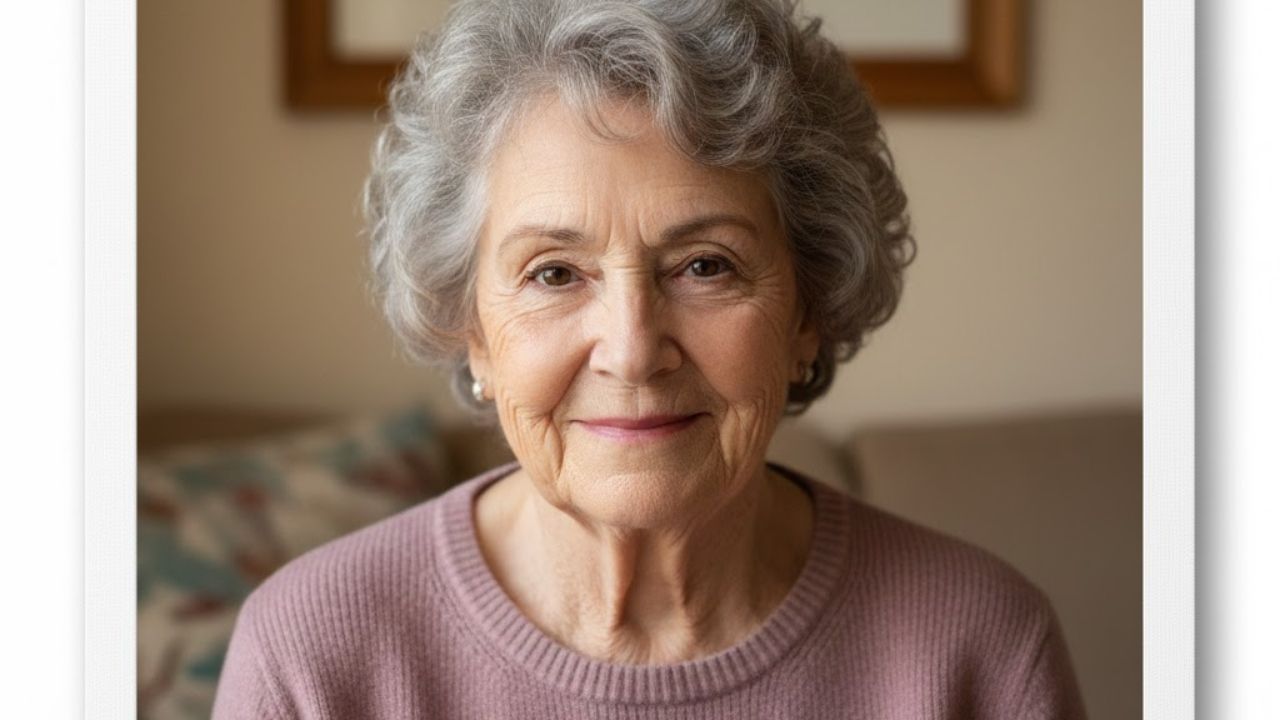
  • After 70 Not Daily Walks or Gym Sessions This Movement Pattern Delivers Better Long Term Healthspan

    After 70 Not Daily Walks or Gym Sessions This Movement Pattern Delivers Better Long Term Healthspan

    You wouldn’t guess it from how casually he moves. While most people circle the park on autopilot, heads down and counting steps on their watches, he’s doing something entirely different. He shifts sideways for a few metres, then walks backwards. He pauses, lowers into a slow squat to touch a bench, rises, pivots, and continues. No headphones. No Lycra. Just a quiet sequence of playful, deliberate movement.

    Nearby, a woman around the same age scrolls through an article about 10,000 steps a day, sighs, and sinks deeper onto the bench. She’s following what health headlines recommend: walk more, maybe attend a gym class once a week. He’s doing what her body silently craves. One of them is preparing for a longer, steadier healthspan without even calling it exercise.

    Why Walking and Weekly Gym Sessions Aren’t Enough After 70

    Healthy ageing has been reduced to two neat checkboxes: daily walks and weekly gym visits. On paper, it looks perfect. In reality, it leaves a quiet gap that only reveals itself when someone trips on a curb and struggles to get back up.

    Walking in a straight line trains exactly that: straight-line movement. Gym machines strengthen isolated muscles along fixed paths. Real life is messier. It asks you to twist for a high shelf, catch yourself during a slip, or stand from a low chair without pushing off with both arms. The missing element isn’t more exercise, but more varied movement, scattered through the day like seasoning.

    Look at what actually sends people over 70 to hospital. It’s not failing to hit a step target. It’s falls, awkward bends, and sudden movements that the body can’t manage. Research consistently shows that falls remain a leading cause of injury and loss of independence in older adults.

    Many active seniors move in narrow patterns: the same flat route, same pace, same shoes, same surface. Perhaps a weekly class at the same time, then long hours of sitting on sofas and chairs. In that gap between structured exercise and everyday movement, balance, reflexes, and joint mobility slowly fade, season by season.

    The Missing Pattern: Micro-Varied Movement Throughout the Day

    The pattern that truly supports healthspan after 70 is surprisingly simple. It isn’t a workout. It’s a way of moving: small, frequent, and varied motions woven into daily life. Think of it as micro-varied movement.

    This might mean standing up from different seats, reaching overhead on purpose, fully turning your head while reversing the car, or walking on grass instead of only pavement. Even pausing at the kitchen counter for three slow calf raises counts. These actions train what prevents disaster: balance, joint range, coordination, and the nervous system’s reflexes. The beauty is that they fit into things you already do, without memberships or long time blocks.

    A real example brings this to life. Maria, a retired teacher of 74, walked 40 minutes every morning on the same loop at the same pace. She felt confident until she tripped on a tree root and realised her body didn’t know how to respond.

    After visiting a physiotherapist, she didn’t extend her walks. She changed her pattern. Every hour at home, she added one movement snack: standing from a chair without using her hands, gently rotating her torso while holding the counter, or walking heel-to-toe along the hallway like a balance beam.

    She kept her morning walk, added line dancing once a week, and chose a slightly uneven park path twice weekly. Six months later, the change wasn’t about weight. It was quieter. She could turn quickly to answer the door without grabbing the wall, a sign of renewed coordination.

    Studies support this. Older adults who move in multiple directions, on varied terrain and at different speeds experience better balance and fewer falls than those who only track distance. It’s the richness of movement, not intensity, that matters.

    How Micro-Varied Movement Protects the Body After 70

    After 70, muscles don’t just lose strength. The nervous system also loses precision in telling them what to do, especially during unexpected moments. Repeating the same walk maintains a baseline. Varied repetition keeps the system alert.

    When you sprinkle different movements throughout the day, the brain repeatedly relearns how to coordinate hips, knees, ankles, eyes, and inner ear. Systems used in many ways age more slowly. Joints that move through their full, comfortable range keep more of that range. Feet that feel different surfaces send richer signals to the brain. The body stays better at answering life’s constant question: “What now?”

    Building a Micro-Varied Day Without Overthinking It

    Start with one anchor habit. Every time you stand up from a chair, stand up twice. Rise, sit back down, then stand again, a little slower, letting your legs do the work. This single tweak turns a routine motion into a strength and balance drill repeated many times a day.

    Next, choose two small movement snacks and attach them to habits you already have. After brushing your teeth, do ten gentle calf raises while holding the sink. Before lunch, take ten heel-to-toe steps along the counter. These actions are tiny and repeatable, which makes them stick.

    Many people hear advice about 150 minutes a week and feel either guilty or resistant. Both reactions stall progress. You don’t need a perfect week, just a few safe experiments that feel slightly playful.

    Common traps appear quickly: trying to compensate for years of sitting with intense gym sessions that cause days of soreness, copying younger routines that ignore arthritis or balance concerns, or telling yourself it’s too late. Progress after 70 is allowed to be modest. If you feel unsteady, shrink the movement, hold support, reduce range, and build gradually.

    Moving More Interestingly, Not More Perfectly

    No one executes every planned exercise session. The shift happens when everyday movements become your baseline training. Even on a slow day, your body still gets a meaningful signal.

    Think less about workouts and more about patterns. Once a day, walk but change something: path, speed, surface, or direction. Once an hour, add one micro-movement. Once a week, do something that challenges balance in a pleasant way, like dancing, gardening, tai chi, or gentle yoga.

    Gradually, getting off the floor stops feeling like an expedition. Tying shoes becomes easier. Turning quickly feels safer. Not overnight, but steadily.

    The Quiet Shift That Extends Healthspan

    There’s freedom in realising you don’t need a flawless fitness routine after 70. You need a life with more movement than sitting and more variety than repetition. When you think in patterns instead of workouts, opportunities appear everywhere.

    Picking something up becomes a slow squat. Reaching a shelf turns into a stretch. Walking to the mailbox includes a few faster steps and a brief backward walk. The question shifts from “Did I exercise enough?” to “Did I move in enough ways today?”

    There’s also a social layer. Varied movement often brings new places and people: a dance class at the community hall, a trail walk with a friend, or gardening with a neighbour. Loneliness quietly shortens healthspan. Movement that draws you into shared spaces trains the body while feeding the nervous system what it also needs: human connection.

    Maybe the change starts smaller than you think. Choose one doorway today and decide that every time you pass it, you’ll touch the top frame. One reach at a time, shoulders remember their range. One careful stand, hips relearn power. One sideways step, the brain sharpens its map of where your feet are.

    The man in the blue windbreaker isn’t chasing youth. He’s rehearsing being 85 and still walking there alone, steady on damp grass after rain.

    Key Takeaways to Remember

    • Micro-varied movement: Small, frequent, diverse motions woven into daily life help protect balance and mobility.
    • Patterns over willpower: Attaching movement to existing habits makes change easier to sustain.
    • Richer environments: Uneven paths, social activities, and multi-directional movement extend healthspan by training body and brain together.
  • I Had Extremely Tight Hips but This Daily Stretch Gradually Improved My Mobility and Comfort

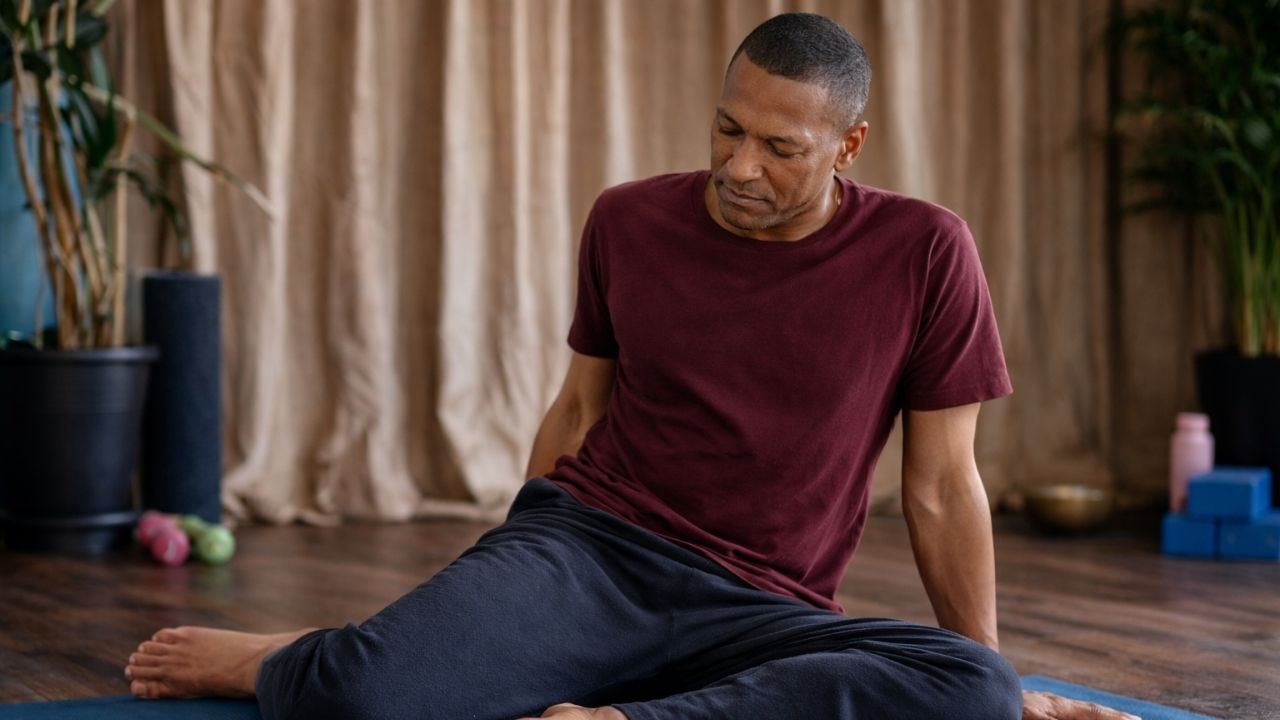
    I Had Extremely Tight Hips but This Daily Stretch Gradually Improved My Mobility and Comfort

    For years, tight hips quietly shaped how I moved, sat, and even slept, until discomfort became impossible to ignore. In the United States, long hours of sitting, commuting, and screen time have made hip stiffness a common issue for adults of all ages. This article shares a personal yet practical experience of how one simple daily stretch helped ease tension, restore mobility, and improve everyday comfort. Rather than quick fixes, the focus is on gradual change, consistency, and listening to the body while building healthier movement habits.

    Living With Tight Hips Every Day

    Before starting any routine, daily life revolved around managing discomfort. Simple tasks like standing up or tying shoes felt harder than they should. The tightness wasn’t dramatic pain, but a constant sense of restriction that affected posture and mood. Long sitting hours led to constant hip stiffness, while walking felt less fluid due to restricted movement patterns. Over time, this created lower body imbalance and noticeable posture-related discomfort. Ignoring it only made things worse, highlighting how tight hips can quietly influence energy levels, confidence, and overall physical ease without obvious warning signs.

    The Daily Stretch That Helped Tight Hips

    The turning point came from committing to one simple stretch performed daily, without rushing or forcing progress. The goal wasn’t flexibility overnight, but patience and awareness. This stretch gently targeted deep hip muscles, encouraged controlled breathing focus, and promoted gentle range expansion. Within weeks, movements felt smoother, and stiffness eased after long sitting periods. The real benefit came from consistency, allowing the body to adapt naturally while rebuilding joint comfort balance without strain or aggressive effort.

    Mobility and Comfort Improvements Over Time

    Progress showed up gradually, often in subtle ways. Getting out of bed felt easier, walking strides lengthened, and sitting for long periods caused less tension. Improved hip mobility supported better movement flow, reduced daily stiffness buildup, and encouraged natural posture alignment. Over time, this led to improved comfort levels that carried through workouts and rest alike. The biggest lesson was that small, repeated actions can create meaningful physical change when practiced with care and consistency.

    Why Consistency Matters for Tight Hips

    Stretching works best when treated as a habit rather than a temporary fix. The body responds to repetition, not intensity, especially in areas like the hips that store tension from daily routines. By focusing on long-term mobility gains, maintaining realistic progress expectations, and honoring body adaptation time, sustainable results become possible. This approach builds trust with the body, supports lasting movement comfort, and reduces the risk of setbacks caused by overdoing it or quitting too soon.

    Aspect Before Daily Stretch After Consistent Practice
    Hip Flexibility Limited and stiff Noticeably improved
    Sitting Comfort Frequent discomfort More relaxed posture
    Walking Movement Restricted stride Smoother motion
    Overall Mobility Low confidence Increased ease
    Daily Energy Often drained More consistent

    Frequently Asked Questions (FAQs)

    1. How long did it take to feel improvement?

    Noticeable changes began after a few weeks of consistent daily stretching.

    2. Do tight hips come back if you stop stretching?

    Yes, stiffness can return over time if regular movement and stretching stop.

    3. Is one stretch really enough?

    One well-chosen stretch can help significantly when done correctly and consistently.

    4. Can beginners safely try daily hip stretches?

    Most beginners can start gently, focusing on comfort rather than pushing limits.

  • Everyday Movements That Keep Your Body Mobile Into Your 70s Without Needing a Gym Membership

    Everyday Movements That Keep Your Body Mobile Into Your 70s Without Needing a Gym Membership

    Many people believe exercise only matters if you change head to toe into gym gear and block out a full hour. In truth, it’s often the small daily movements you repeat without thinking that help keep you mobile, strong and confident as you age, explains Andy Carr, master trainer and head of fitness at Snap Fitness UK. These simple, consistent actions support healthy ageing by preserving balance, joint function and muscle strength.

    According to physiotherapist and clinical Pilates practitioner Elizabeth Muir, many of these movements are so easy to weave into everyday life that you can do them while watching TV, waiting for food to cook, or standing in the kitchen. Together, Carr and Muir share their top 14 bodyweight movements designed to help you stay independent well into your 70s and beyond.

    Meet the Experts

    Andy Carr is a master trainer and head of fitness at Snap Fitness UK. Elizabeth Muir is a physiotherapist, clinical Pilates practitioner and breathwork coach at Dr Finlay’s private practice, specialising in restoring mobility and working with people managing chronic fatigue, Lyme disease and Long Covid. She has supported clients up to the age of 97.

    Standing Heel-to-Toe Rock

    Gently shifting your weight from heels to the balls of your feet keeps your ankles flexible and builds strength in the lower legs, which is essential for maintaining balance as you get older.

    • Muscles worked: calves, ankles, feet
    • Stand tall and slowly shift your weight back onto your heels.
    • Roll forward onto the balls of your feet with smooth, controlled movement.

    Comfortable Squat

    A short, manageable squat keeps your hips, knees and ankles working together, supporting everyday actions like sitting, standing and stair climbing.

    • Muscles worked: quadriceps, glutes, hips, core
    • Stand with feet shoulder-width apart and push your hips back as if sitting.
    • Lower only as far as feels comfortable, using support if needed.

    Shopping Bag Switch

    Carrying weight on one side naturally challenges your grip, shoulders and core. Switching sides helps maintain balanced strength.

    • Muscles worked: obliques, lower back, grip
    • Hold shopping bags in one hand.
    • Swap to the other hand halfway through your walk.

    Calf Stretch

    If you sit often, calves can tighten quickly, affecting how you walk. A simple wall stretch helps keep your stride smooth and comfortable.

    • Muscles worked: calves, Achilles tendon, ankles
    • Place hands on a wall and step one foot back, heel flat.
    • Bend the front knee until you feel a stretch; hold 20–30 seconds and switch.

    Floor Sit-to-Stand

    Being able to get down to the floor and back up is a strong indicator of long-term independence, combining strength, balance and coordination.

    • Muscles worked: legs, glutes, core, arms
    • Lower yourself using support if needed.
    • Step one foot forward to stand, using hands if required.

    Shoulder Rolls

    Slow shoulder circles help undo hours of sitting and screen time, keeping the upper body loose and mobile.

    • Muscles worked: shoulders, upper back, neck
    • Lift shoulders up, roll them back, then down in a smooth circle.
    • After several repetitions, switch direction.

    Standing Weight Shifts

    Moving your weight gently from side to side activates hip muscles that are vital for walking stability and balance.

    • Muscles worked: hips, inner thighs
    • Stand tall and shift weight from one foot to the other with control.

    Slow Stair Descent

    Walking downstairs slowly builds strength through controlled movement, supporting knee health and confidence on uneven surfaces.

    • Muscles worked: quadriceps, hamstrings, knees
    • Place your whole foot on each step and lower yourself gradually.

    Seated Forward Stretch

    Stretching forward while seated helps maintain flexibility in the back and legs during everyday moments.

    • Muscles worked: hamstrings, calves, spinal muscles
    • While seated, reach toward your knees, ankles and toes.
    • Alternate hands to gently increase the stretch.

    Doorway Chest Stretch

    This stretch opens the chest and shoulders, helping counteract rounded posture.

    • Muscles worked: chest, front shoulders
    • Stand tall in a doorway and hold the frame with one hand.
    • Adjust hand height for comfort and repeat on the other side.

    Kitchen Counter Spine Reach

    Maintaining spinal flexibility reduces fall risk by allowing you to rotate and reach with ease.

    • Muscles worked: neck, upper back, spine
    • Stand with your back to the counter and reach one arm behind to touch it.
    • Alternate sides, returning to the start each time.

    Kitchen Tightrope Walk

    This barefoot balance drill improves foot awareness and ankle mobility, both key for fall prevention.

    • Muscles worked: foot stabilisers, calves
    • Walk heel-to-toe in a straight line without looking down.
    • Take four steps forward, then four steps back.

    Worktop Cat Stretch

    Using a kitchen surface for support allows you to stretch the spine and shoulders safely.

    • Muscles worked: hamstrings, glutes, back, shoulders
    • Place hands on the counter and step feet back.
    • Hinge at the hips, keeping your back long and relaxed.

    Chicken Head

    This exercise helps correct forward head posture and gently releases neck tension.

    • Muscles worked: deep neck flexors
    • Stand tall and gently draw your chin back, creating multiple chins.
    • Release and repeat, adding a side-to-side head tilt if comfortable.
  • Goodbye Hair Dye: The New Grey Hair Coverage Trend That Helps You Look Younger Without Chemicals

    Goodbye Hair Dye: The New Grey Hair Coverage Trend That Helps You Look Younger Without Chemicals

    “I’m exhausted from chasing my roots,” she murmured, studying herself beneath the harsh salon lights. Around her, bowls of dye sat ready, brushes poised to attack every trace of grey. Nearby, a man in his forties scrolled through old photos, squinting at his receding hairline. The room hummed with dryers and chatter, yet a shared worry lingered beneath it all: looking older too soon. Then the colorist leaned closer and said softly, “You don’t actually need dye to look younger.” Even the mirror seemed to pause.

    Why People Are Letting Go of Hair Dye

    A quiet shift is happening in bathrooms and salons. More people are sliding permanent dyes aside and asking a new question: not how to hide grey, but how to make it work for them. This subtle change reframes everything. Instead of constant battles with regrowth, the focus moves to texture, tone, and shine, allowing grey to exist while easing signs of fatigue. It’s no longer about denying age, but about not looking worn down by it. Hair becomes part of the story, not something to erase, and that often looks surprisingly flattering.

    Back in 2019, Pinterest searches for “going grey gracefully” surged by over 800%, and the momentum never slowed. During lockdowns, many skipped salon visits and watched their roots grow. What they discovered surprised them: natural silver often looked brighter, even kinder to the skin, than harsh, dark dyes. For some, their complexion appeared less washed out, their features softer without solid color weighing them down.

    How Social Media Helped Normalize Grey

    Online platforms turned private experiments into a quiet style movement. Grey-blending transformations gathered millions of views, and salons began offering transition services for those wanting to step away from full coverage while staying polished. A London colorist shared that most new clients now ask how to work with grey instead of fighting it, a request that would have sounded unthinkable a decade ago.

    The reasoning behind this shift is simple. After the mid-thirties, skin tone evolves, contrast softens, and heavy, opaque color can flatten the face. When hair becomes one dense shade, every fine line stands out. Strategically revealed grey can do the opposite. Small flashes of silver reflect light like highlights, while softer roots make regrowth less harsh. The result avoids that rigid, artificial “helmet” effect.

    The Emotional Relief of Not Chasing Roots

    There’s also a mental shift. Choosing not to color every few weeks breaks the cycle of panic. That ease shows in posture, expression, and confidence. People move differently when they’re not constantly worried about their scalp being exposed. Oddly enough, that calm often reads as more youthful than the most meticulous dye job.

    A Softer Way to Manage Grey Hair

    This approach has a name in many salons: grey blending. Instead of masking silver with strong pigment, stylists add ultra-fine highlights and lowlights to blur contrast. The effect resembles a soft-focus filter. Lighter strands around the face can make grey look intentional, almost like refined highlights, while toners can cool dull tones into chic, silvery hues. Nothing is erased; it’s simply edited with care.

    Emma, 45, experienced this after years of box dye. Her natural brown base had darkened unnaturally, while grey at her temples stood out harshly on video calls. Instead of reapplying dark color, her stylist introduced delicate highlights and a smoky beige toner. The grey blended seamlessly into soft browns and cool blondes. Some silver remained, but what people noticed wasn’t grey, it was brightness and glow.

    Why Dimension Reads as Youth

    From a technical standpoint, this works because our eyes associate dimension with youth. Children’s hair naturally holds variation, even if it’s subtle. One flat color feels artificial. Blending restores harmony. It also helps at the scalp, where heavy dyes can create stark lines that highlight thinning. A more translucent approach lets natural tone peek through, giving the illusion of fullness. Showing a little grey along the part can actually make hair appear thicker than overly dark color ever could.

    Simple Ways to Look Fresher With Grey

    If a full silver look feels intimidating, start at the front. Subtle face-framing highlights, placed near the temples and cheekbones, help blend grey and act like a built-in light source for your face. Pair this with toners and glosses instead of permanent dye. A translucent gloss every few weeks can boost shine, soften brassiness, and gently tint grey without creating a harsh root line.

    One common mistake is going too dark. While dark shades seem bold, they can drag features down, deepen shadows, and emphasize lines. Another trap is expecting instant perfection. Transitioning is a process, and in-between phases are normal. On off days, simple styling choices can carry you through.

    What Stylists Focus On Instead

    Professionals who guide this transition often repeat the same idea: the aim isn’t zero grey, but hair that looks alive. When hair moves well and reflects light, the face follows. Supporting habits make a difference, such as choosing cuts with movement, using shine-enhancing products, keeping brows defined, balancing cool grey with warmer makeup, and limiting excessive heat that dulls silver strands.

    Redefining What “Younger” Means

    Behind this shift lies a deeper rethink of youth itself. Younger no longer means perfectly covered hair. It’s about energy, presence, and ease. People who stand out often aren’t those with flawless color, but those who look comfortable and current. As conversations change, grey becomes a style choice rather than something to hide. A silver streak can signal confidence, not defeat.

    Most of us know the feeling of spotting a lone grey hair and reacting more strongly than to a birthday candle. That’s why this trend resonates. It doesn’t demand instant acceptance of every silver strand. It offers a gentler path: blend some, soften others, ignore the rest. The mirror becomes less judgmental, and more collaborative. Instead of hearing “Did you change your color?”, people hear “You look fresh.” And that can change how a day begins.

    Key Takeaways From the Grey Blending Approach

    • Grey blending uses highlights, lowlights, and toners to soften silver while keeping a youthful finish.
    • Shine over shade prioritizes gloss and light reflection for healthier-looking hair without constant touch-ups.
    • Face-framing focus brightens the face and delivers a fresher appearance with minimal color work.
  • 10 Things People With Genuine Kindness Do Instinctively That Manipulative Personalities Cannot Imitate

    10 Things People With Genuine Kindness Do Instinctively That Manipulative Personalities Cannot Imitate

    You know that comforting moment when you meet someone and immediately feel relaxed around them? Not because they are trying to impress or persuade you, but because their presence feels genuinely warm and sincere.

    I have been reflecting on this feeling recently, especially during my time volunteering at a literacy center. Certain people naturally radiate authentic kindness and make those around them feel truly valued.

    The reality is that people with pure hearts move through life differently. They act in ways that feel instinctive and real, while more calculated individuals often struggle to imitate the same behavior. Even when we cannot clearly explain it, we almost always sense the difference.

    1. They celebrate achievements without comparison

    When someone with a pure heart hears about your promotion or success, their happiness is immediate and sincere. There is no internal calculation or silent comparison taking place. They are simply glad for you.

    More calculated individuals may offer polite words, but there is often a brief pause as they assess how your success affects them. Some may quickly redirect the focus back to themselves. In contrast, those with genuine hearts ask questions, listen closely, and share in your joy with unfiltered enthusiasm.

    2. They remember small details without keeping score

    A student once mentioned his granddaughter’s dance recital during a lesson at the literacy center. Weeks later, I asked him how it went without any reminder. His reaction showed pure surprise and appreciation.

    This habit is not about having an exceptional memory. People with genuine care remember small details because others matter to them. While calculated people may also remember facts, they often treat them as future leverage. Pure-hearted individuals remember because human connection matters, not because information holds value.

    3. They admit mistakes without building narratives

    Some apologies bring relief, while others leave tension behind. People with pure hearts admit mistakes plainly: “I was wrong” and “I’m sorry”. There are no elaborate explanations or subtle attempts to shift blame.

    Calculated apologies often include justifications and deflections designed to protect one’s image. In contrast, a pure-hearted apology focuses on responsibility and repair. The goal is not to defend pride, but to make things right.

    4. They show up when there is nothing to gain

    After a neighbor lost her husband, the most meaningful help came weeks later. The people who quietly returned to assist with chores and repairs were not seeking recognition or attention.

    Those with pure intentions respond to need, not opportunity. They help when no one is watching and stay present long after attention fades. Calculated individuals are more likely to appear when there is visibility or personal benefit involved.

    5. They give credit openly and clearly

    While mentoring younger colleagues, I noticed that those with sincere hearts regularly acknowledged others by name. They naturally said things like “She helped me” or “He caught that mistake”, even in casual conversation.

    More calculated people tend to protect credit carefully, offering vague recognition while highlighting their own role. Pure-hearted individuals understand that sharing recognition does not lessen their own contributions.

    6. They respect boundaries without resentment

    When you decline a request, people with pure hearts respond with genuine understanding. There is no guilt, no passive remarks, and no lingering discomfort afterward.

    Calculated individuals may appear accepting at first, but their reaction often changes over time. They may quietly record the refusal as a slight. Pure-hearted people respect boundaries because they see relationships as human connections, not transactions.

    7. They listen without rehearsing a response

    You can sense it when someone is fully present. A person with a pure heart listens attentively, without preparing a reply or planning how to redirect the conversation.

    I once witnessed someone stop to listen to a homeless veteran while others passed by. There was no attempt to gain praise or recognition. They listened because they recognized a shared humanity and understood the value of being heard.

    8. They experience joy without documenting it

    During meaningful moments, pure-hearted people remain present. They may take a quick photo, but their focus stays on the experience itself.

    Calculated individuals often feel compelled to record everything for validation. For them, experiences become proof rather than memories. Pure-hearted people allow joy to exist without needing external acknowledgment.

    9. They help quietly without seeking attention

    When my youngest grandchild was born deaf, I began learning basic sign language. I mentioned it once when asked, and that was all.

    People with pure hearts do good without announcing it. The act itself is enough. Calculated individuals often turn kindness into a public display. For pure-hearted people, quiet generosity holds its own reward.

    10. They disagree without dismissing others

    When someone with a pure heart disagrees, respect remains intact. They respond to ideas thoughtfully and invite understanding rather than conflict.

    Calculated individuals argue to win. They focus on rebuttal instead of understanding and often diminish opposing views. Pure-hearted disagreement preserves dignity and reflects mutual respect.

    Final thoughts

    People with pure hearts reveal themselves through consistent, quiet actions. Their behavior feels natural, sincere, and grounded in respect for others. While these qualities may seem subtle, they leave a lasting impression that is difficult to imitate and easy to feel.

  • If You Want to Look Younger in 60 Days Start Practising These 8 Science Backed Daily Habits

    If You Want to Look Younger in 60 Days Start Practising These 8 Science Backed Daily Habits

    The journey to looking younger is not about denying your age. It is about embracing your love for life while feeling comfortable, confident, and vibrant in your own skin.

    Instead of relying on costly creams or invasive treatments, what if a more youthful appearance came from simple daily habits you can easily control?

    Below are eight practical habits that can help you feel refreshed and look more youthful. The beauty of these habits is that you decide which ones fit naturally into your lifestyle.

    Let’s explore the habits you can start today if you want to begin looking younger in just 60 days. Yes, only 60 days. Ready to begin?

    Hydration supports youthful skin

    Have you noticed how people who drink plenty of water often seem to have clear, glowing skin?

    There is a reason hydration is constantly emphasized by skincare experts. Since the human body is made up of nearly 60% water, proper hydration is essential for overall health, including skin function.

    Your skin, the body’s largest organ, relies on adequate moisture to stay smooth, elastic, and youthful. When skin becomes dehydrated, fine lines and wrinkles can appear sooner.

    Hydration goes beyond simply drinking water. Water-rich foods and consistent use of moisturizers also play an important role in keeping skin plump and fresh.

    This habit is easy to maintain, and noticeable changes can appear within 60 days.

    Keep your water bottle nearby and make hydration part of your routine. Just remember to keep things balanced, as moderation is always important.

    Start your day with movement

    This is a habit that has made a visible difference for me.

    Each morning, I make time to move my body. Some days it is a gentle stretch, other days a walk or a more intense workout. Over time, the benefits became impossible to ignore.

    While waking up early was challenging at first, the results were worth it. My energy levels increased, my skin looked healthier, and my productivity improved.

    Daily movement boosts blood circulation, helping oxygen and nutrients reach skin cells more efficiently, which supports a younger appearance.

    Looking younger is not only about appearance. It is also about how you feel. When your body feels strong and active, it reflects outward.

    Try setting your alarm slightly earlier and adding a bit of morning movement. It may quickly become one of your favorite habits.

    Make mindfulness a daily practice

    Mindfulness is the practice of being fully present, paying attention to your thoughts, emotions, and surroundings without judgment.

    Long-term stress has been linked to faster cellular aging, which can show up as wrinkles and age spots.

    Mindfulness practices such as meditation and yoga help reduce stress levels and may slow the effects of cellular aging.

    Lower stress supports healthier skin and promotes overall well-being. A calm mind often leads to a healthier body.

    Start small by setting aside a few minutes for mindful breathing, focused eating, or a peaceful walk. Even brief moments of calm can have lasting benefits.

    Prioritize quality sleep

    During sleep, your body repairs itself, including the regeneration of skin cells. Missing sleep, even occasionally, can lead to a dull complexion and visible fine lines.

    Lack of rest often shows up as dark circles and tired-looking eyes, which can make you appear older.

    Aim for seven to nine hours of sleep each night whenever possible. Establishing a consistent sleep routine can make a noticeable difference.

    Sleep is one of the simplest and most cost-effective ways to support healthier, younger-looking skin.

    Smile more often

    Think about a genuine smile, the kind that naturally lights up your eyes. It instantly makes a person appear more youthful and approachable.

    Smiling encourages the brain to release chemicals that boost happiness and calmness, improving both mood and appearance.

    Make smiling a regular part of your day. Smile at others, smile during small moments, and even smile at yourself.

    A youthful glow is not just about smooth skin. It is about energy, warmth, and positivity, all of which a sincere smile conveys.

    Choose a more nourishing diet

    Diets high in sugar and unhealthy fats can contribute to inflammation and early skin aging, while also reducing natural moisture levels.

    Shifting toward meals rich in fruits, vegetables, and lean proteins can improve how you feel and how your skin looks.

    Colorful fruits and vegetables supply essential nutrients that support skin health, while antioxidant-rich foods help protect against cellular damage.

    Exfoliate regularly but gently

    Exfoliation helps remove dead skin cells that can build up on the surface and dull your complexion.

    When these cells are cleared away, newer skin is revealed, improving texture and brightness.

    Gentleness is key. Over-exfoliating can irritate the skin and strip away natural oils. Most people benefit from exfoliating once or twice a week.

    There are many options available, including physical scrubs and chemical exfoliants. Choose what works best for your skin type.

    Make sunscreen a daily habit

    Never overlook the importance of sunscreen.

    Sun exposure is one of the main causes of premature skin aging, leading to wrinkles, fine lines, and age spots. It can also increase the risk of skin damage.

    Apply sunscreen daily, regardless of the weather. Use a broad-spectrum sunscreen with an SPF of 30 or higher and cover all exposed areas.

    Those few moments spent applying sunscreen each day can help protect your skin and preserve its youthful appearance over time.

  • Psychology: 9 Personality Traits Commonly Seen in People Who Prefer Solitude Over Social Noise

    Psychology: 9 Personality Traits Commonly Seen in People Who Prefer Solitude Over Social Noise

    The café is busy, yet she feels slightly removed from it all. With her headphones on and her gaze drifting toward the rain-streaked window, she quietly watches the moment pass. Around her, people scroll, laugh, and call the waiter. She feels no pressure to reply instantly, no need to prove she’s having a productive or meaningful day. Instead, she sits inside a calm bubble amid the noise.

    Some would label this feeling as loneliness. She calls it breathing room.

    Modern life celebrates constant connection: group chats, shared workspaces, weekends planned weeks in advance. Admitting “I enjoy being alone” can still sound unusual, almost like an admission. Yet more people are intentionally choosing solitude, not to escape life, but to experience it more fully.

    Psychologists are beginning to understand who these people are. Their personalities tend to share several unexpected characteristics.

    Deep Self-Awareness and Quiet Confidence

    Those who appreciate solitude often move through life with a gentle confidence. They don’t need to dominate conversations or fill every pause. They understand their feelings, their thoughts, and their limits.

    This comfort with their inner world removes the fear many feel when left alone with their thoughts. Solitude becomes a safe place, not something to avoid.

    Imagine someone taking a solo walk after work. Their phone is on Do Not Disturb, their hands tucked into their pockets as they replay a meeting in their mind. Instead of seeking reassurance from others, they reflect: “Where did I feel uncomfortable? What did I want to say?”

    Research on self-concordant goals shows that people who reflect this way tend to make choices aligned with their core values. The walk may look ordinary, but internally, it’s a quiet process of self-alignment.

    This level of self-awareness often reduces social anxiety. When you understand your own triggers, you stop overanalyzing others. You can enjoy company without depending on it. Social interaction becomes a choice, not a necessity.

    Clear and Healthy Boundaries

    Another common trait is an unusually clear sense of boundaries. People who enjoy solitude often say no without excessive explanations. They may cancel plans without guilt, not out of disrespect, but to protect their mental balance.

    This clarity usually develops after a period of overextending themselves.

    Think of the coworker who once joined every after-work outing. Always available, always exhausted. Eventually, burnout appears. They begin to say, “I’ll skip tonight. I need some time to myself.” At first, others tease them. Over time, the new rhythm settles.

    They notice they feel more focused, less resentful, and more present when they do engage. Psychologically, this reflects an internal locus of control. They see their time and energy as resources they manage, not obligations owed to others.

    A quiet evening at home isn’t accidental. It’s a deliberate commitment to themselves.

    Depth Over Constant Stimulation

    People drawn to solitude often dislike shallow noise. Endless small talk drains them. Constant notifications feel intrusive. They aren’t antisocial; they simply prefer focus over fragmentation.

    They would rather invest deeply in one conversation, one book, or one project than juggle many surface-level interactions.

    On a weekend evening, you might find them surrounded by books, sketches, or music playing on repeat. Time becomes fluid. Hours disappear.

    Psychologists call this a flow state, where deep focus quiets self-awareness. To outsiders, it may look uneventful. Internally, it’s immersive and rich.

    This preference for depth extends to relationships. Their social circle is often smaller, but their connections are meaningful and layered. Daily messages aren’t required for closeness. Honesty and presence matter more than frequency.

    Observation Before Action

    Those who enjoy solitude often observe before they speak. In group settings, they may stay quiet initially, reading the room and noticing subtle dynamics.

    This isn’t shyness. It’s information gathering.

    Studies on introversion and social perception show that people who prefer lower stimulation often excel at sensitive observation. They notice shifts in tone, expressions, and energy that others miss.

    In everyday life, this might mean recognizing a friend’s discomfort before it’s voiced. Solitude sharpens this awareness by slowing the mind and allowing patterns to emerge.

    Intentional Energy Management

    People who value solitude rarely see free time as something to fill. They treat energy like a limited battery.

    Social plans either recharge or drain them, so they build small rituals to recover: a quiet coffee, a walk, a calm commute, or moments of intentional stillness.

    Many rely on what could be called a buffer hour. They leave space between demanding interactions and home life. No calls. No tasks. Just decompression.

    This habit helps their nervous system reset, even if life doesn’t always allow it daily. They understand the cost of skipping these pauses and protect them when possible.

    Comfort With Missing Out

    A surprising trait is their lower sensitivity to fear of missing out. Curiosity still exists, and sometimes envy, but the discomfort of not attending is often outweighed by the relief of staying aligned with their own rhythm.

    They don’t feel compelled to document every outing online. Their digital presence may appear quiet, not because they’re disengaged, but because they don’t treat life as a performance.

    This reflects lower levels of social comparison. While they may occasionally feel excluded, they also feel grounded in the understanding that their time is theirs to shape.

    Rich Inner Worlds and Creativity

    Many solitude seekers describe their mind as constantly active. Ideas, scenarios, and future possibilities flow continuously.

    This inner richness isn’t limited to artistic expression. It shows up in problem-solving, planning, and reflection. Silence gives these thoughts room to surface.

    Research consistently links constructive solitude with creativity. The mind needs space to wander away from constant input.

    For them, boredom is rarely empty. It’s potential.

    Emotional Independence Without Detachment

    People who enjoy solitude often don’t expect others to regulate their emotions. They seek support, but not rescue.

    They develop personal ways to self-soothe, whether through music, writing, movement, or quiet reflection. This doesn’t eliminate pain, but it makes it manageable.

    On difficult days, they may withdraw briefly before reconnecting. This isn’t rejection. It’s emotional maintenance.

    Psychologically, this reflects earned security: trust in their ability to endure and recover. Solitude becomes a refuge, not a threat.

    Living With a Love for Solitude

    If these traits feel familiar, you may already be shaping a life with more intentional quiet. Many solitude lovers schedule alone-time with the same respect as social commitments.

    If you live with someone like this, understanding their need for space is key. It isn’t distance. It’s trust.

  • 25 Birthday Nail Designs That Bring Bold Colour Fun Details and Instant Celebration Vibes

    25 Birthday Nail Designs That Bring Bold Colour Fun Details and Instant Celebration Vibes

    Every birthday deserves a little self-gifting, and a fresh manicure is one of the most satisfying ways to celebrate. Whether you save salon visits for major moments or keep your nails perfectly polished year-round, your birthday nails should feel genuinely special. It’s also the ideal moment to experiment—especially since experts are calling 2026 the year of maximalist nails. There’s no better time to embrace that main-character energy.

    Even if your style leans minimal, there are subtle ways to elevate a classic look. A hint of glitter, confetti, or shimmer can instantly transform a milky nude. And once you see the creative designs top nail artists are serving up, you may feel inspired to go all in.

    Below, you’ll find standout inspiration for birthday manicures, from zodiac-driven designs to bold colors and playful party-ready styles. Pick your favorite early, then get back to planning the celebration.

    Party Stars

    This manicure strikes the perfect balance between celebratory and wearable. A nude base with a dimensional cat-eye finish paired with star decals adds just enough sparkle to last well beyond your birthday week.

    Birth-Year Manicure

    Celebrate your roots by honoring the year you were born. A retro-inspired design turns your nails into a bold, personal statement.

    Aura Nails

    If birthdays put you in a reflective mood, an aura manicure in a color that resonates with you is a meaningful choice. This look is also surprisingly achievable at home using a simple sponge technique.

    Funfetti Nails

    For a joyful, throwback vibe, lean into a color-packed glitter mix. The brighter and more chaotic the combo, the better it complements every birthday outfit.

    Holographic Pink

    Nothing says party-ready quite like hot pink nails. Add a holographic or glitter topcoat, and the look instantly feels playful, bold, and celebration-approved.

    Cat-Eye Star Sign

    Your birthday may last a day, but your zodiac season lives on. A celestial, horoscope-inspired manicure is a stylish way to celebrate your sign.

    Bejeweled Birthday Nails

    Bedazzled manicures are trending in 2026, making them a natural choice for birthdays. Mix and match gems, or spotlight your birthstone for a meaningful centerpiece.

    Champagne Pop Tips

    Champagne-toned cat-eye tips deliver a refined blend of minimalism and celebration. They pair effortlessly with any outfit—and a celebratory toast.

    Rainbow Disco Nails

    Disco-inspired nails aren’t reserved for New Year’s Eve. Multicolor tile sequins bring a fresh, fun energy that’s perfect for welcoming a new year of life.

    Rockstar Manicure

    This design proves short nails can still make an impact. Stars, subtle studs, and hints of cowhide print create an effortlessly cool, edgy look.

    Multicolor Dot Nails

    For minimalists craving a festive touch, polka-dot nails never fail. Using multiple colors keeps the design playful while staying clean and simple.

    Classic Spicy Red

    A solid red manicure is timeless for a reason. Bold, chic, and eye-catching, it’s a confident choice for any birthday celebration.

    Confetti Ombré

    Sometimes the theme can be literal. Blending glitter with mini tinsel flecks creates a confetti-inspired ombré that feels unmistakably festive.

    Butterfly Nails

    Birthdays often mark transformation, making butterfly nail art a fitting symbol as you step into a new age.

    Golden Birthday Flames

    These sculpted flames capture the spirit of a golden birthday week. It’s a stylish way to tap into the 3D gilded nail trend defining 2026.

    Dainty Heart Details

    A sweetheart manicure pairs perfectly with a day meant to be filled with love, warmth, and celebration.

    Silver Velvet Nails

    Gold often steals the spotlight, but silver manicures can feel just as festive. A magnetic cat-eye effect adds depth and dimension.

    Birthday Blues

    If the birthday blues strike, flip the mood with soft blue French tips accented by delicate sparkle for a cheerful finish.

    Signature Cocktail Nails

    Turn your favorite drink into nail art. A cocktail-inspired manicure looks especially charming when raising a glass for a birthday toast.

    Main Character Orange

    Orange is having a major moment in 2026. As a statement shade, it delivers confidence, energy, and undeniable main-character vibes.

    Bauble Manicure

    This is your year to shine. Let your nails reflect it with pearl and bauble-inspired accents.

    Let’s Get Wild

    Animal prints are a standout nail trend for 2026. Leopard or cheetah designs bring bold energy that’s perfect for a birthday statement.

    Funky Star Designs

    Unexpected color pairings and maximalist star patterns define this playful look—ideal for stepping out of a neutral nail routine.

    Bow Manicure

    While plans may not always tie together perfectly, your nails can. This delicate bow design feels festive, polished, and right on theme without feeling overdone.

  • At 56 Jennifer Aniston Credits This 30 Minute Fitness Class for Maintaining Strength and Muscle Tone

    At 56 Jennifer Aniston Credits This 30 Minute Fitness Class for Maintaining Strength and Muscle Tone

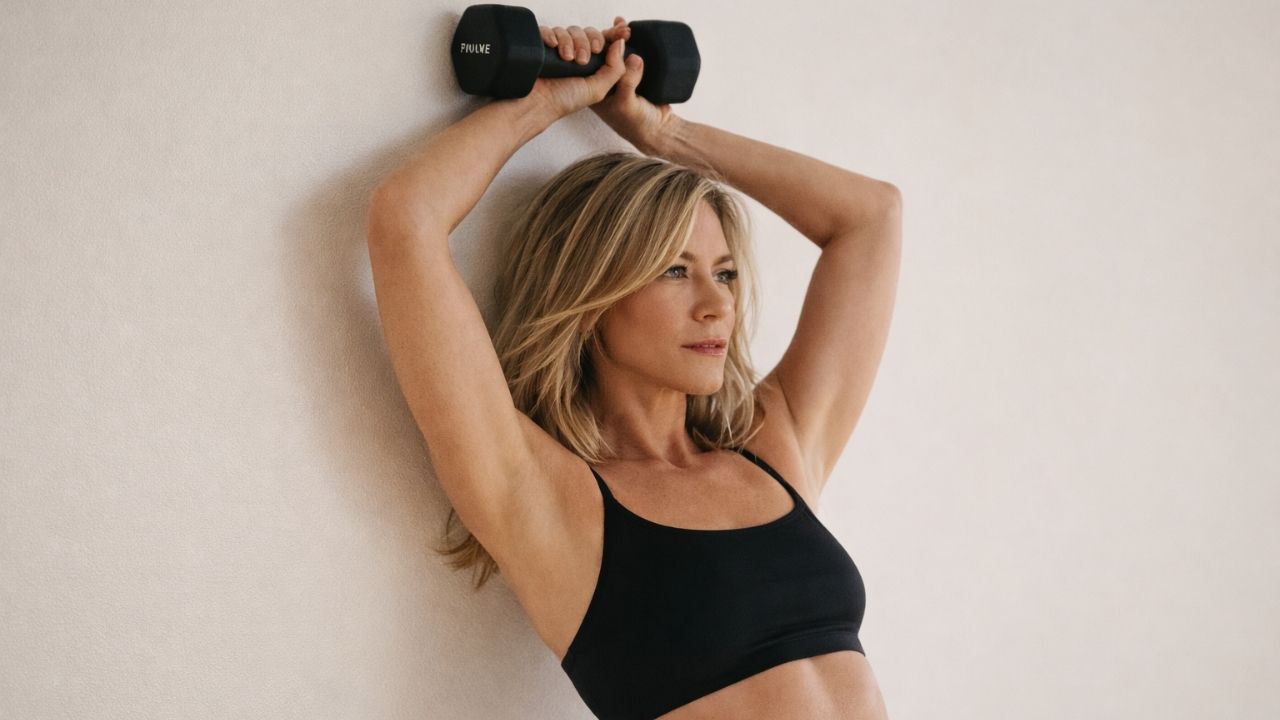
    For Hollywood legend Jennifer Aniston, working out once meant spending 45 minutes on high-intensity cardio like running or boxing. After years of demanding, high-impact routines, her body began craving movement that was gentler—but still powerful. That change led her to Pvolve, a low-impact workout centered on functional strength training.

    Guided by her trainer, Dani Coleman, the 56-year-old has been focusing more on strength and longevity rather than intensity alone.

    Why Strength Matters More With Age

    Muscle supports our skeleton,” Jennifer explains. “As we get older and lose muscle mass, our bones can become brittle and may lead to osteoporosis. One of the main causes of injury among older adults is falling and breaking a bone because there isn’t enough muscle support—we want to avoid that.”

    Wellness Beyond the Workout

    Exercise is just one piece of Jennifer’s overall wellness routine. She recently spoke with Women’s Health about the many habits that help her stay balanced, energized, and happy—including time spent with her two beloved dogs.

    Jennifer Aniston’s Healthy Habit Q&A

    After letting my dogs, Clyde and Chesterfield, outside to run around, I prepare 16 ounces of water mixed with colostrum, hair-growth peptides, and the juice of a whole lemon. That’s the first thing I consume, about 30 to 45 minutes before coffee or breakfast.

    Who inspired you early on?

    My grandmother. I loved sitting with her in the kitchen while she made spanakopita, cookies, and Greek pastries. She always made me laugh and took such loving care of me.

    Nothing makes me happier than curling up on the couch with my two dogs, getting cozy, and watching a great show.

    Your go-to habit for physical longevity?

    Maintaining healthy muscle mass is essential. I do Pvolve workouts with my trainer, Dani, three to five times a week, and I’ll add a Pilates class occasionally to keep things varied.

    How do you care for your mental health?

    I try to meditate daily. Some days are too busy for a full 20 minutes, but I’ll still find 10 minutes—or even a short pause—to breathe and quiet my mind.

    When did you last feel truly on top of the world?

    I always feel that way when I finish a project. Wrapping something that required real effort and meant a lot is incredibly fulfilling. The most recent project I completed was season four of The Morning Show.

  • 11 Things Highly Intelligent People Do at Home That Often Confuse Average Thinkers

    11 Things Highly Intelligent People Do at Home That Often Confuse Average Thinkers

    Many people recognize that truly brilliant minds operate on a different frequency. Their rapid thinking, sharp observations, and unexpected habits often set them apart from everyone else. At home, these differences become even more noticeable. What may seem confusing, inefficient, or even strange to others is often intentional and deeply connected to how highly intelligent people think, recharge, and stay mentally engaged.

    These individuals tend to design their home lives around mental clarity, curiosity, and long-term creativity rather than comfort or convention. Their environments may look unconventional, their routines may seem irregular, and their habits are easy to misunderstand. But behind each choice is usually a thoughtful purpose that supports how their minds work best.

    Unusual Things Brilliant People Often Do at Home

    Speaking Their Thoughts Out Loud

    One habit that often surprises others is talking to themselves aloud. While it may appear odd from the outside, this behavior helps intelligent people work through complex ideas. Cognitive psychology research shows that verbalizing thoughts can improve focus and performance. By hearing their own reasoning, brilliant minds process information more effectively and organize their thoughts with greater clarity.

    Scheduling Time to Do Nothing

    Unlike most people who stumble into downtime, brilliant individuals often plan periods of intentional rest. This may sound counterproductive, but it protects them from mental burnout. Because they constantly engage their brains, scheduling time to do absolutely nothing ensures they recharge properly while keeping their overall routines balanced and sustainable.

    Leaving a Mess on Purpose

    While many people prefer spotless spaces, some highly intelligent individuals intentionally tolerate or even maintain a messy environment. Research published in Psychological Science suggests that disorderly spaces can enhance creative thinking. For these individuals, a bit of chaos encourages originality and helps spark new ideas rather than causing stress.

    Working During Unconventional Hours

    Brilliant minds often feel most productive outside traditional schedules. Late nights or early mornings can provide the quiet and mental freedom they crave. Even though they understand the importance of sleep, they are often drawn to odd working hours because that’s when their creativity and focus naturally peak.

    Constantly Rearranging Their Living Space

    Many people rarely move furniture once it’s in place, but intelligent individuals often reconfigure their surroundings. Rearranging furniture or redecorating helps stimulate their minds and prevent boredom. Mental health experts note that shaping one’s environment can support psychological well-being and serve as a powerful form of self-expression.

    Enjoying Content Others Find Boring

    Instead of turning to typical entertainment, brilliant people often relax by consuming informational or educational content. Documentaries, factual books, and in-depth discussions provide enjoyment because learning itself feels rewarding. For them, expanding knowledge is just as satisfying as traditional forms of fun.

    Turning Off Notifications at Home

    To protect their mental space, many intelligent individuals mute digital notifications once they’re home. Constant alerts can disrupt focus and increase anxiety. Psychologists have linked nonstop notifications to digital fatigue, making this boundary essential for maintaining calm and concentration.

    Taking Extremely Cold Showers

    Cold showers may seem unnecessary, but some brilliant people swear by them. Studies show that cold exposure can increase feelings of alertness, motivation, and emotional resilience. While uncomfortable, this habit supports mental clarity and reduces stress, making it surprisingly beneficial.

    Practicing Explaining Their Ideas

    Even without an upcoming presentation, intelligent individuals often rehearse explaining their thoughts. Public speaking anxiety is common, but practicing ideas aloud helps them stay prepared. This habit sharpens communication skills and ensures they can clearly express complex concepts when needed.

    Choosing Ambient Music Over Popular Songs

    Rather than listening to lyric-heavy music, many brilliant minds prefer ambient or instrumental sounds. This type of music creates a calming background without distracting the brain. For individuals who struggle to quiet their thoughts, ambient music helps establish a focused and relaxed mental state.

    Intentionally Breaking Their Routine

    While routines offer comfort, highly intelligent people regularly step outside their usual patterns. They understand that growth comes from unfamiliar experiences. Mental health professionals emphasize that life is shaped by all experiences, not just comfortable ones. By challenging themselves, brilliant individuals keep their minds flexible and engaged.