Category: News

  • 10 K Beauty Serums That Keep Skin So Hydrated It Looks Smooth Glossy and Glass Like

    10 K Beauty Serums That Keep Skin So Hydrated It Looks Smooth Glossy and Glass Like

    When it comes to skincare innovation, South Korea consistently sets the global standard. K-Beauty has produced some of the world’s most celebrated sun protection formulas, introduced treatments like the widely discussed salmon sperm facial, and continues to outperform many Western products when it comes to addressing redness, uneven tone, and texture. During a trip to Seoul last year, a visit to Olive Young—often compared to Sephora—felt essential. That stop resulted in over $400 worth of skincare and, eventually, an extra suitcase.

    After spending the past 12 months testing nearly every product I bought, the timing feels perfect as Olive Young arrives in New York City. With firsthand experience across categories, it’s now easier to pinpoint which formulas truly deliver and are worth repurchasing. Below is a curated breakdown of the standout products that earned a permanent spot in my routine.

    Glass Skin Essentials for Smooth, Luminous Texture

    The concept of glass skin originates from Korean beauty culture and refers to skin that looks exceptionally smooth, clear, and radiant. These products focus on refining skin texture, evening tone, minimizing the look of pores, and restoring a plump appearance with lasting hydration.

    Sulwhasoo First Care Activating Serum

    This luxurious serum immediately shows why it’s considered a K-Beauty staple. Formulated with ginseng extract, it supports skin barrier repair while helping improve brightness through a vitamin C derivative. A blend of traditional Korean herbal extracts enhances hydration, leaving the skin balanced and revitalized after each application.

    Peach & Lily Glass Skin Refining Serum

    Designed to live up to its name, this lightweight serum enhances daily radiance with consistent use. A single pump helps smooth uneven texture and delivers a soft pearlescent glow. It performs especially well on makeup-free days, giving the complexion a polished, refreshed finish.

    Targeted Solutions to Calm Redness

    For those dealing with persistent flushing or rosacea-prone skin, reducing redness can be challenging. Alongside lifestyle adjustments and prescription care, these formulas help visibly neutralize skin redness both instantly and over time.

    Erborian CC Red Correct

    This multitasking formula combines the benefits of a calming serum, SPF protection, and color-correcting pigments. It adapts to the skin upon application, disguising redness while soothing irritation. Its long-term place in my routine speaks to its consistent performance.

    Cicapair Sensitive Skin Serum

    When skin feels overheated or inflamed, this serum offers immediate relief. Powered by centella asiatica and allantoin, it helps calm irritation on contact while supporting barrier repair. Chilling it beforehand enhances its cooling effect.

    Gentle Yet Effective Care for Acne-Prone Skin

    K-Beauty approaches acne by prioritizing barrier restoration and hydration rather than harsh treatments. The goal is to calm flare-ups while maintaining skin balance, making these formulas suitable for sensitive complexions.

    Innisfree Gentle Retinol & Salicylic Acid Serum

    This formula blends salicylic acid with a low-strength retinol to address breakouts without causing dryness. A green tea complex supports hydration, reduces visible redness, and helps strengthen the skin barrier for a more resilient complexion.

    SKIN1004 Madagascar Centella Tea-Trica Relief Ampoule

    Ideal for sensitive, acne-prone skin, this ampoule uses plant-based calming extracts to minimize redness, refine pores, and support overall balance. Its non-comedogenic formula makes it suitable for regular use.

    Advanced Serums for Aging Skin Concerns

    South Korea is known for its advanced anti-aging treatments, both in-office and at home. For those unable to travel, these serums help address fine lines, uneven tone, and loss of firmness.

    Medicube PDRN Pink Peptide Serum

    This topical serum uses PDRN technology derived from salmon DNA, paired with hydrating peptides. The formula supports skin regeneration, improves elasticity, and helps even out pigmentation for a smoother appearance.

    Haruharu Wonder Black Rice Hyaluronic Serum

    With a lightweight, lotion-like texture, this serum targets visible wrinkles through black rice extract and hyaluronic acid. Applied as a spot treatment, it helps create a visibly plumped effect within weeks.

    Lightweight Eye Serums That Deliver Results

    K-Beauty eye serums are designed to be thinner than traditional creams while still delivering high-performance actives. They focus on smoothing fine lines, improving dark circles, reducing puffiness, and restoring hydration.

    CosRx Snail Peptide Eye Cream

    Building on the popularity of snail-based skincare, this eye formula uses snail mucin and peptides to brighten and firm the under-eye area. It effectively reduces puffiness without irritating sensitive skin.

    Beauty of Joseon Revive Eye Serum Ginseng + Retinal

    This eye serum blends ginseng extract with retinal to target dark circles and fine lines. Its lightweight consistency layers smoothly under concealer, making it suitable for both morning and evening routines.


  • Not Once a Week, Not Alternate Days: Dermatologists Reveal How Often You Should Wash Hair for Scalp Health

    Not Once a Week, Not Alternate Days: Dermatologists Reveal How Often You Should Wash Hair for Scalp Health

    A teenager tugging oily bangs into a knot, a professional smoothing frizz, and a fitness enthusiast sniffing their scalp all share the same dilemma: uncertainty about hair-washing frequency. The dermatologist sees this question daily—should you wash every day, every other day, or once a week? The truth is more nuanced than any viral trend. Hair-washing frequency isn’t a one-size-fits-all rule; it’s about listening to your scalp and understanding its unique needs rather than following a calendar.

    Personalized Hair Care for Every Scalp

    The dermatologist emphasizes that hair-washing routines should reflect the scalp’s behavior rather than fixed schedules. Some scalps crave daily cleansing, while others react negatively to frequent shampooing. Think of shampooing like brushing teeth: you wouldn’t dictate a universal schedule for oral hygiene, so why enforce one for scalp oil and sweat? There isn’t a single “X times per week” magic number. Instead, observe your scalp’s cues, considering factors like genetics, hormones, lifestyle, and environment to determine the ideal routine.

    Signs Your Hair Routine Needs Adjustment

    Patients often display extremes: the office worker washing weekly who develops flaking and build-up by midweek, and the gym enthusiast shampooing twice daily, only to face dry, brittle strands. Both cases show the scalp sending strong signals about imbalance. Too little washing leads to sebum and sweat accumulation, feeding bacteria and yeast. Too much washing, especially with harsh shampoos, strips the protective barrier, triggering irritation and rebound oil production.

    Tracking Your Optimal Wash Rhythm

    Instead of relying on social media trends, start with a proper wash and track your scalp over the next several days. Check roots at 24, 48, and 72 hours to see if they feel greasy, itchy, or odorous. The moment your scalp signals discomfort is your maximum interval. Adjust your routine accordingly—daily, every two days, or once every few days—depending on your scalp’s needs and real-life constraints like schedules, styling habits, and hair type. Consistency, not perfection, is key.

    Hair Type / Lifestyle Recommended Wash Frequency Notes
    Oily, fine, straight hair; urban, active Daily or every other day Use mild shampoo, avoid heavy conditioner on roots
    Normal scalp, medium hair; desk-based life Every 2–3 days Optional quick water rinse after heavy sweat
    Curly, coily, or fragile hair Once or twice a week Include scalp-only washes or co-wash in between
    Scalp issues (flaking, redness, psoriasis) Follow dermatologist-prescribed medicated schedule Slot in gentle washes on non-medicated days
    Very oily, active lifestyle Daily with gentle shampoo Choose “daily use” or mild formulas to avoid irritation

    Step-by-Step Dermatologist Guidelines

    • Focus on the scalp: Massage gently for 60 seconds with fingertips, letting foam slide down lengths.
    • Rinse thoroughly: Remove all shampoo residue without scrubbing hair ends aggressively.
    • Alternate washing: For curly or textured hair, mix real shampoo days with co-wash or scalp-only cleanses.
    • Use mild formulas: Especially for frequent washing, choose gentle shampoos with fewer sulfates and light fragrances.
    • In-between care: Quick scalp rinses or micellar water on hairline help manage sweat and odor without full washes.

    Rethinking “Clean Hair”

    Clean hair isn’t about a perfect, blown-out look. It’s scalp comfort, odor-free roots, and no sticky build-up. Observing your scalp throughout daily life—after workouts, long commutes, or stressful weeks—helps determine whether washing is needed. Listening to these subtle cues rather than algorithm-driven routines allows you to build a sustainable, effective hair-care rhythm. In essence, healthy hair begins with responding to your scalp, not social trends.

  • Hygiene After 65: Medical Experts Reveal the Shower Routine That Keeps Skin Healthier Over Time

    Hygiene After 65: Medical Experts Reveal the Shower Routine That Keeps Skin Healthier Over Time

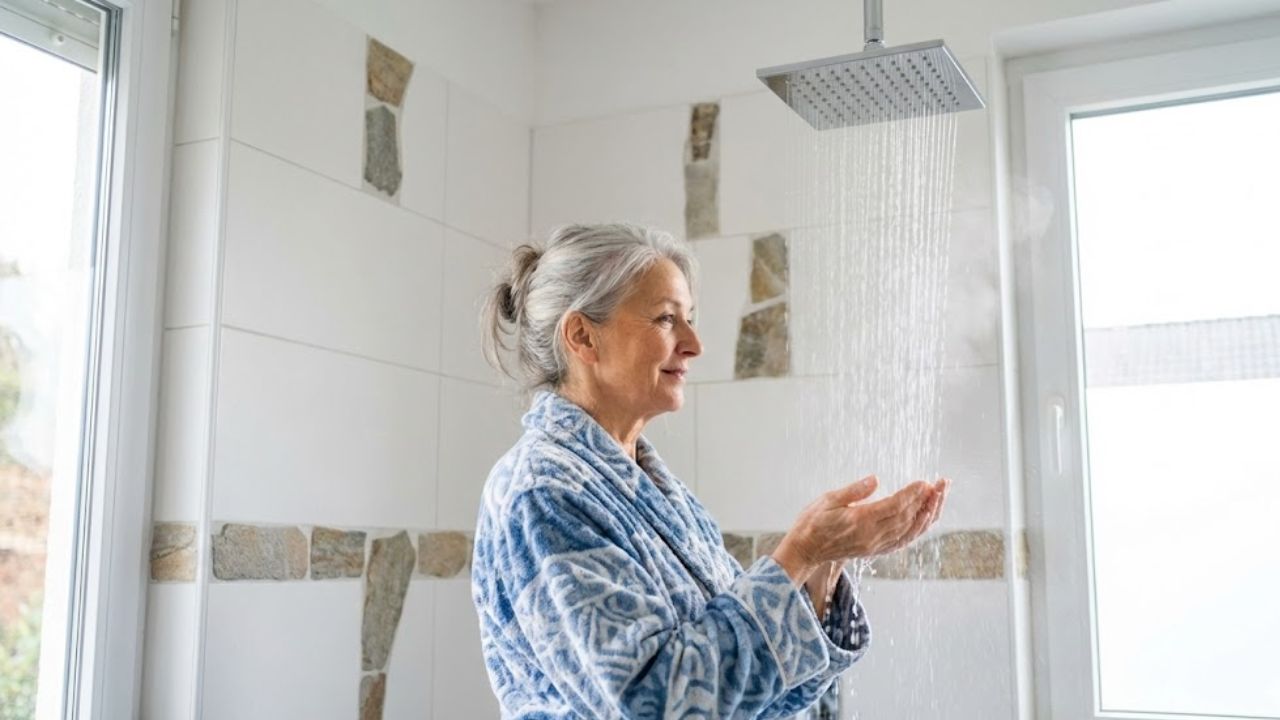
    Her skin still feels tight after yesterday’s hot shower. Her knees protest when she bends. She remembers a time when hygiene felt uncomplicated: one shower a day, no debate. Now, everything feels less certain. Her doctor warns her about excessive dryness. Her daughter gently reminds her to “stay fresh.” Friends murmur that showering too often can do more harm than good. She turns on the tap, watches the steam curl upward, and hesitates. What if our beliefs about hygiene after 65 aren’t entirely right?

    How Often Should You Really Shower After 65?

    Ask ten people over 65 about their shower habits, and you’ll get ten confident answers. Some stick firmly to a daily routine they’ve followed since youth. Others admit they manage a full shower only once or twice a week, relying on quick sink washes in between. Modern culture often equates being clean with showering daily. Yet specialists in ageing skin repeatedly stress the same point: as the body ages, skin changes, and hygiene habits should evolve too.

    In clinics and care homes, professionals see the consequences. An 80-year-old man showers twice daily “to feel right,” yet struggles with cracked, itchy legs. A 68-year-old woman avoids bathing due to fear of slipping and develops infections in skin folds. One British survey suggests that nearly a third of people over 65 don’t shower every day, even if they believe they should. The gap between expectation and reality is wide, and that gap often breeds quiet guilt.

    Experts who focus on ageing largely agree. For most healthy older adults, a full-body shower two to three times a week is enough to stay clean while protecting the skin. On non-shower days, washing key areas—armpits, groin, feet, skin folds, and face—keeps odour and bacteria in check. This approach respects the fact that older skin produces less oil, heals more slowly, and becomes irritated more easily. The body at 70 is not the body at 30, and treating it as if nothing has changed can cause unnecessary problems.

    The Expert-Recommended Hygiene Rhythm After 65

    Many geriatricians suggest a simple baseline: a full shower or bath two to three times weekly, combined with gentle partial washes on other days. For example, full showers on Monday and Friday, a lighter wash midweek, and targeted cleansing with a warm cloth on remaining days. Water should be lukewarm, showers kept short, and soap used only where needed.

    This rhythm helps reduce dryness, itching, and eczema flare-ups while still controlling sweat and bacteria. One French dermatologist described a 69-year-old patient convinced she had a serious skin condition. She showered twice daily using scented products and scrubbed every evening, driven by fear of “smelling old.” Her treatment began with fewer showers, fragrance-free cleanser on key areas only, and water alone elsewhere. Within weeks, the symptoms faded. The issue wasn’t her skin, but her routine.

    Why Balance Matters More Than Frequency

    The skin hosts its own microbiome, a protective community of bacteria and fungi. Overwashing strips natural oils and disrupts this balance, increasing irritation and infection risk. Underwashing allows sweat and moisture to build up, especially in skin folds. Specialists aim for moderation: enough washing to stay healthy, but not so much that the skin barrier weakens. That balance defines true cleanliness after 65.

    Adjusting Daily Habits Without Harming Skin

    A helpful approach is thinking in terms of zones rather than the whole body. Armpits, groin, feet, and face usually need daily attention. Arms, legs, and back often do not, unless they’re sweaty or dirty. A soft cloth, warm water, and a small amount of gentle cleanser can be just as effective as a full shower. Pat skin dry instead of rubbing, especially on fragile areas, then apply a fragrance-free moisturiser where dryness is common. After 65, hygiene is less about foam and more about care.

    Many older adults feel ashamed if they skip daily showers, especially on painful or low-energy days. That shame can push them into unsafe habits, like standing too long under hot water or entering slippery baths alone. Planning hygiene around real energy levels is safer and more realistic. A simple wash area at the sink, clear routines, or reminders can maintain freshness without risk.

    A geriatric nurse summed it up clearly: “Clean isn’t about how often you shower. It’s about healthy skin, comfort, and confidence.”

    A Practical Checklist for Hygiene After 65

    • Full-body wash or shower: 2–3 times per week, short and lukewarm
    • Daily targeted washing: armpits, groin, feet, skin folds, face
    • Cleansing approach: mild, fragrance-free cleanser on key zones only
    • Moisturising: apply to dry areas immediately after washing
    • Safety support: grab bars, non-slip mats, or shower chairs if needed

    This list isn’t a rulebook. It’s a starting point to adapt to your body, your space, and your needs.

    Hygiene as Self-Respect, Not Punishment

    With time, hygiene becomes less about social expectations and more about personal comfort. For someone with arthritis, a shower chair and a gentler schedule can restore enjoyment instead of dread. For others, accepting that three showers a week are enough can free up energy and ease discomfort. You are allowed to change rules that no longer serve you.

    Water on skin remains a simple pleasure: warm towels, quiet moments, the small ritual of applying cream. Feeling clean enough—not perfect—reduces stress when socialising or accepting help. Hygiene routines also carry memories, and letting them evolve can be quietly liberating. Not showering daily isn’t giving up; it’s choosing what truly supports your health now.

    Talking openly about shower habits can feel personal, yet it opens the door to flexibility and relief. Many find that fewer, well-planned showers combined with daily targeted washing feel better than rigid daily routines. The real story of hygiene after 65 isn’t about soap or schedules. It’s about living comfortably in your body, as it is today.

  • Hygiene After 65: It’s Not Daily or Weekly Showers Experts Reveal What Truly Protects Aging Skin

    Hygiene After 65: It’s Not Daily or Weekly Showers Experts Reveal What Truly Protects Aging Skin

    On the bedroom chair sits a neat pile of clean towels, folded carefully, as if order alone could answer the question many older adults quietly face: how often should you shower after 65? According to a growing number of geriatric dermatologists, the answer is neither daily nor weekly. It falls somewhere in the middle, adjusted to a body that changes more quickly than expected. The long-held belief that a daily shower equals good hygiene begins to crumble as skin becomes thinner and joints less forgiving.

    The routine that worked at 30 doesn’t always return the favor at 70.

    The changing hygiene needs after 65

    After 65, the skin no longer behaves as it once did. Natural oils regenerate more slowly, and hot water can strip them away in minutes. Many seniors still associate a “proper wash” with a long, soapy shower every morning. It feels responsible, almost virtuous. Yet dermatologists consistently observe the same outcomes: dry, itchy skin, red patches, and recurring eczema, especially during colder months.

    These issues are signals. What once felt refreshing may now weaken the skin’s protective barrier. This doesn’t suggest avoiding showers altogether or relying only on quick wipe-downs. It means adjusting the rhythm to suit aging skin.

    What bathing patterns reveal in older adults

    In a U.S. geriatric clinic, bathing habits of 100 patients over 70 were monitored. Those who showered daily reported more itching, minor skin tears, and recurring fungal infections. At the opposite extreme, individuals showering once every ten days or less often experienced strong body odour, rashes in skin folds, and higher rates of urinary tract infections linked to insufficient hygiene.

    Between these extremes was a middle group. They showered two to three times per week, cleaned key areas on non-shower days, and used gentle products. Their medical notes showed fewer infections, less dryness, and reduced need for medicated creams. While not a formal clinical trial, these observations align with current geriatric advice.

    Why moderation protects aging skin

    After 65, hygiene becomes less about being spotless and more about preserving a fragile skin ecosystem. The skin hosts beneficial bacteria that support health. Frequent hot showers and harsh soaps remove these defenses, creating tiny cracks that invite irritation and germs. On the other hand, infrequent washing allows sweat, moisture, and dead skin to build up in folds, encouraging unwanted bacteria and fungi.

    For most older adults, balance matters. Two to three full showers per week, supported by light daily hygiene, helps manage odour and bacteria without damaging the skin.

    Practical shower guidance for those over 65

    Many geriatric dermatologists quietly suggest the same approach: full showers two or three times a week. On other days, focus on “priority areas” — armpits, groin, feet, and skin folds — using warm water and a soft cloth. Keep showers short and lukewarm, ideally under ten minutes. Use mild, fragrance-free cleanser only where needed; much of the body cleans well with water alone.

    Hair typically needs washing only once or twice a week unless there is heavy sweating or a medical condition. Aging scalps are more prone to dryness, and frequent shampooing can worsen itchiness. This approach may feel unfamiliar, but it often reduces bathroom fatigue, skin issues, and fall risk.

    Emotional and social barriers to changing habits

    Although this routine sounds sensible, it often clashes with guilt and long-standing habits. Family members may encourage daily showers out of concern or cultural beliefs about cleanliness. Older adults may hide how tiring bathing has become, fearing it will be seen as a loss of independence. The bathroom, quietly, becomes one of the most emotionally loaded spaces in the home.

    In reality, many people adapt privately — a quick wash at the sink, dry shampoo, or skipping a shower during pain flare-ups. When hygiene routines align with physical limits and skin needs, people often feel calmer and more in control.

    As one French geriatric nurse put it:

    “At 80, the right shower is the one that keeps you safe, clean enough, and still feeling like yourself.”

    What really matters in daily hygiene

    Three principles guide healthy hygiene after 65. Safety: a warm, well-lit bathroom with grab bars and non-slip mats. Clean enough: odour managed, skin folds dry, intimate areas washed regularly. Autonomy: the person retains choice over when and how they bathe.

    • Frequency: 2–3 full showers weekly with targeted daily washing
    • Skin care: Lukewarm water, gentle cleanser, moisturise within 3 minutes
    • Warning signs: New odour, redness in folds, cracked or painful skin

    Building a routine that works day to day

    Many older adults benefit from linking shower days to familiar patterns, such as specific weekdays. Preparing the bathroom in advance — warming the room, placing towels and clothes within reach — conserves energy and improves comfort. Small adjustments can make a significant difference.

    On non-shower days, a warm washcloth or disposable glove can effectively clean armpits, skin folds, genitals, and feet. This brief routine often supports hygiene better than a rushed shower. Intimate areas should be cleaned gently and dried thoroughly to prevent moisture buildup.

    Common mistakes that irritate aging skin

    Problems usually stem not from shower frequency but from how bathing is done. Long, hot baths can inflame sensitive skin. Strongly scented or antibacterial soaps remove protective oils. Vigorous towel-drying increases the risk of micro-tears.

    Shame also plays a role. Criticism from family can cause withdrawal and avoidance. Supportive conversations focused on comfort and safety tend to work better. On difficult days, a sponge bath may replace a shower — not as a failure, but as a practical adjustment.

    Respecting dignity while adapting hygiene

    Hygiene after 65 goes beyond health advice. It touches on dignity, memory, and independence. For some, stepping into the shower signals control over the day. For others, a shower chair feels like a loss. One occupational therapist described helping a man who resisted assistance until shower time was moved to late morning, after medication took effect.

    “We didn’t add more products or rules,” she explained. “We fit the shower into his life, not the other way around.”

    This personalized approach reflects what experts now emphasize: not daily, not weekly, but tailored to the individual. The ideal routine won’t look perfect on a chart, but it works in real life.

  • Goodbye Hair Dyes: The Viral Grey Hair Trend Making Natural Coverage Look Youthful Again

    Goodbye Hair Dyes: The Viral Grey Hair Trend Making Natural Coverage Look Youthful Again

    The woman staring back from the mirror doesn’t look “old.” Her skin still has a healthy glow after a short walk, her eyes are clear and bright. Yet her focus drops to the fine silver line emerging at her roots. She lifts a strand, tilts her head, zooms in with her phone. The reaction is almost audible. Grey again. Too soon.

    Bottles on the shelf whisper promises: “10 years younger”, “salon results at home”. They all sell time, but none offer calm. Her hand hesitates, then moves past them to a soft brown hair gloss she bought on a whim.

    She applies it quickly, without ceremony. Twenty minutes later, the greys aren’t erased. They’re softened, diffused, woven into her natural colour. She looks closer. She looks rested. Her shoulders drop, just a little.

    Goodbye full-coverage dye. Something else is taking its place.

    A quiet shift away from full grey coverage

    This emerging movement isn’t about eliminating grey hair. It’s about letting it exist without dominating the look. In salons from London to Los Angeles, conversations are changing. Stylists talk more about blending, glazing, toning, and glossing, and less about heavy coverage, flat colour, and monthly root anxiety.

    Clients aren’t asking to rewind time. They’re saying, “I’m exhausted from chasing my roots.” They want shine, softness, and dimension. Above all, they want hair that doesn’t announce how long they spent trying to hide age. The difference may look subtle online, but in real life, it’s transformative.

    A Paris-based colourist followed her regular clients over twelve months. Out of 120 women who once booked full coverage every four to six weeks, more than half extended appointments to eight or even twelve weeks after switching to lower-maintenance techniques. Many chose to keep some grey visible, deliberately.

    One woman in her early fifties moved from dark box dye to a semi-permanent blend that allowed silver to show at the temples. She didn’t appear dramatically younger. She looked softer and more refreshed. Friends didn’t comment on her colour; they asked if she’d been resting more.

    That’s the understated strength of this approach. When every grey strand isn’t treated as an enemy, facial features relax. Heavy, opaque colour on ageing skin can sharpen lines and flatten texture. Softer tones and blended greys create depth and light, similar to a subtle filter that doesn’t draw attention to itself. Modern hair formulas now prioritise this balance, using demi-permanent colours, tinted masks, and clear glosses that respect the hair fibre instead of stressing it month after month.

    How grey-blending techniques actually work

    The principle is simple: stop aiming for zero grey and aim for better-looking grey. Hair glosses, tinted conditioners, and demi-permanent colours don’t mask silver strands completely. They gently stain them, soften their brightness, and often turn them into natural highlights. The result is familiar, just calmer—less contrast, fewer harsh root lines, and more light reflecting off the hair.

    One widely used salon method is the root smudge. Instead of applying a solid colour from scalp to ends, the stylist uses a slightly deeper, softer shade at the roots and blends it seamlessly into the existing colour. Grey hairs are toned rather than buried. As the hair grows, the transition remains blurred, turning natural regrowth into part of a gradient rather than a stark divide.

    Another technique flips traditional highlighting on its head. Rather than placing bright streaks on untouched hair, colourists add fine babylights and lowlights around areas where grey concentrates, such as the temples and parting. This disperses dense silver patches and spreads light evenly. A clear or tinted gloss finishes the look, allowing grey to read as intentional shimmer. The visual logic is straightforward: high contrast signals ageing, while harmony suggests youthfulness.

    Covering grey without fully hiding it

    If a salon visit feels like too big a step, begin with small changes at home. Replacing your regular conditioner once or twice a week with a tinted mask close to your natural shade can make a noticeable difference. Leave it on for five to ten minutes before rinsing. The greys won’t disappear, but they’ll soften, reducing the sharp white line that shows up under bright lighting.

    The next option is a demi-permanent gloss, either applied at home or professionally. Unlike permanent dye, these formulas fade gradually and don’t create a rigid regrowth line. Shades labelled “sheer,” “translucent,” or “grey-blending” are designed for this purpose. Choosing a slightly warmer tone can help revive a dull complexion by reflecting more light. If the result isn’t right, it washes away over time.

    In the salon, describe the outcome you want rather than focusing only on colour names. Saying “I want to look rested” opens the door to techniques like root smudging, low-contrast balayage, and glossing. Many stylists welcome clients who are comfortable keeping some grey, as it allows for a more tailored and creative approach. What begins as a simple cover-up request often ends with a result that feels natural, lived-in, and easy to maintain.

    Building a routine that fits real life

    Let’s be honest: few people maintain elaborate routines every day. What looks impressive on social media often falls apart on a rushed morning. The goal is a low-effort rhythm you can realistically sustain, focusing on consistency rather than intensity.

    One effective habit is prioritising scalp health. A healthier scalp supports shinier hair and reduces frizz around coarse silver strands. Gentle massage with a light oil or serum once or twice a week before washing can improve circulation and encourage smoother growth. Keep heat styling minimal and controlled, as excessive heat can make grey hair feel rough and more noticeable.

    Common missteps include going too dark or too opaque too quickly. Jumping from a medium shade with greys to very dark colour often has the opposite of the intended effect, drawing attention to facial lines. Another frequent issue is layering box dye repeatedly, which leads to dull, flat hair where new greys stand out even more.

    “I used to believe youthful hair meant no grey at all,” says Anna, 49, who transitioned from permanent dye to grey-blending glosses. “Now I feel younger with some silver showing, because I’m no longer playing a part that doesn’t fit me.”

    This mindset reflects a broader, quieter change. Many recognise that the discomfort they feel isn’t about ageing itself, but about a hair colour that no longer matches who they are. That realisation is guiding them toward a softer, more cohesive version of looking younger—less about numbers, more about alignment.

    • Start small with one tinted product or gloss instead of a full colour change.
    • Describe feelings at the salon, not just shades.
    • Protect shine with gentle shampoo, cooler water, and heat protection.
    • View silver as texture, not failure.
    • Give changes time, allowing at least two growth cycles before judging.

    Redefining what “younger hair” means

    Beneath these techniques lies a deeper shift. Looking younger no longer means pretending grey hair doesn’t exist. It now means appearing energised, cohesive, and natural, as if hair and face belong to the same moment in life. When colour is rigid, facial features carry the emotional weight. When it’s softened, they’re free to relax.

    There’s also a psychological ease in stepping off the root-chasing treadmill. Missing an appointment isn’t catastrophic. Travel plans don’t revolve around colour schedules. Swimming no longer comes with calculations about damage. That freedom shows on the face as clearly as any cosmetic change.

    Full-coverage dye will always be the right choice for some, and that remains valid. This shift isn’t about limiting options, but expanding them. Grey-blending techniques, tinted masks, and glosses offer a middle ground between embracing full silver and hiding every strand. For many, that middle space is where true youthfulness lives—not as a miracle solution, but as a gentler conversation with time.

    Key Point Updated Explanation Why It Matters for You
    Grey Blending over Full Coverage Soft techniques like demi-permanent colour, gloss treatments, and subtle highlights are used to blend greys naturally instead of completely hiding them. Prevents harsh regrowth lines and creates a smoother, more youthful appearance.
    Low-Maintenance Hair Care Root smudging, tinted conditioning masks, and extended gaps between salon visits reduce daily upkeep. Saves time, lowers salon dependency, and gives more freedom in everyday routines.
    Shine & Tone Focus, Not Grey Elimination Emphasis is placed on hair shine, balanced tones, warmth, and overall scalp health rather than removing every grey strand. Brightens the face naturally and refreshes your look without drastic colour changes.
  • The Ordinary New Serum Nicknamed Filler in a Bottle Gave My Skin a Youthful Look in My 40s

    The Ordinary New Serum Nicknamed Filler in a Bottle Gave My Skin a Youthful Look in My 40s

    In India, skincare conversations in your 40s often revolve around firmness, fine lines, and finding products that actually deliver visible results. That’s why The Ordinary’s new serum, often nicknamed a “filler in a bottle,” has been creating so much buzz among women looking for subtle yet noticeable skin improvements. Rather than promising overnight miracles, this serum focuses on hydration-driven plumping and smoother texture, making skin look refreshed and youthful without invasive treatments. For many Indian users balancing work, family, and self-care, this kind of simple, effective skincare feels both practical and empowering.

    The Ordinary serum that works like a filler alternative

    What sets this Ordinary serum apart is how it mimics the effects of professional fillers using hydration science instead of needles. The formula focuses on attracting and retaining moisture deep within the skin, creating a naturally plump appearance. With consistent use, skin begins to show visible plumping effect, especially around areas prone to lines like the cheeks and smile zones. Users in their 40s often notice smoother skin texture and a soft bounce that makes makeup sit better. Rather than feeling heavy, it delivers lightweight hydration boost, making it suitable for India’s varied climates. Over time, many report improved facial fullness without irritation.

    Why this filler-like serum suits skin in your 40s

    Skin in your 40s tends to lose moisture faster, which can exaggerate fine lines and dullness. This serum targets that exact concern by reinforcing the skin’s hydration reserves. Regular application supports deep moisture binding, helping skin appear more resilient throughout the day. Many users appreciate the non-greasy finish, especially in humid Indian weather. The formula also encourages softened fine lines by keeping skin supple rather than tight. Over weeks of use, there’s often a noticeable refreshed youthful look, making the face appear well-rested even on busy days.

    How to use the serum for best youthful results

    Using this serum correctly can make a real difference in the results you see. It works best when applied to slightly damp skin, allowing better absorption and performance. A few drops are enough to deliver intense hydration layers without overwhelming the skin. Follow with a moisturiser to lock in the benefits and enhance the plump skin appearance. Many users prefer it both morning and night for consistent results. Over time, this routine supports daily skin resilience and maintains long-lasting smoothness that feels natural, not overdone.

    Summary and real-world results

    For women in their 40s across India, this Ordinary serum offers a realistic approach to youthful-looking skin. It doesn’t replace cosmetic procedures, but it delivers visible improvements that feel achievable at home. With continued use, skin often shows healthier skin bounce, a more even surface, and a subtle glow. The appeal lies in its simplicity and affordability compared to in-clinic treatments. When paired with good skincare habits, it supports naturally fuller skin and enhances confidence without drastic changes. For many, it’s a smart addition to a mature skincare routine.

    Feature What It Offers
    Main Benefit Hydration-based plumping effect
    Ideal Age Group 40s and above
    Texture Lightweight, fast-absorbing
    Usage Frequency Once or twice daily
    Skin Types Normal, dry, combination

    Frequently Asked Questions (FAQs)

    1. Is this serum suitable for sensitive skin?

    Yes, it is generally well-tolerated, but a patch test is recommended.

    2. Can it replace professional fillers?

    No, it offers a temporary plumping effect, not permanent filler results.

    3. How long before results are visible?

    Many users notice improved hydration and smoothness within one to two weeks.

    4. Can it be used under makeup?

    Yes, its lightweight texture works well as a makeup-friendly base.

  • 8-Second Challenge: Spot 3 Differences in the Grandma and Dog Image

    8-Second Challenge: Spot 3 Differences in the Grandma and Dog Image

    Spot the Difference” puzzles have remained a favorite activity for anyone who enjoys testing their attention to detail. These challenges are both entertaining and mentally stimulating, making them a great way to sharpen your mind. In this puzzle, your goal is to find three differences between two nearly identical images of a grandma and her dog. The twist? You have just 8 seconds to identify all the changes. This fast-paced task pushes your visual awareness, focus, and quick-thinking abilities under pressure.

    Why “Spot the Difference” Puzzles Are So Popular

    For decades, “Spot the Difference” puzzles have appeared in books, magazines, and online platforms. People of all ages enjoy them as a light mental workout or a relaxing way to pass the time. Although they often look easy at first, these puzzles can be deceptively challenging. The objective is to carefully compare two similar images and detect small variations, which may include altered colors, missing items, or subtle background changes.

    Beyond entertainment, these puzzles offer meaningful mental benefits. Regularly solving them can strengthen focus, concentration, visual memory, and pattern recognition. They also train the brain to process visual information more quickly and accurately, skills that are useful in everyday situations like multitasking and problem-solving.

    What Makes This Puzzle Especially Difficult?

    Finding differences within a limited time frame requires fast and accurate visual processing. In this challenge, the images of the grandma and her dog look almost identical at first glance, but small differences are hidden within fine details. These changes are carefully placed to test your ability to separate tiny variations from the overall image.

    When time is limited, the brain often focuses on larger, more noticeable elements, causing smaller details to be overlooked. Some differences are so subtle that they only become visible when each part of the image is examined closely.

    The 8-second countdown adds another layer of difficulty. Working against the clock increases pressure, forcing your brain to stay alert while processing information quickly. This tests not just your visual memory, but also your speed and mental flexibility.

    Smart Ways to Spot the Differences Faster

    Success in any “Spot the Difference” puzzle depends on careful observation. These tips can help improve your chances of finding all three differences in time:

    Pay Attention to Small Details: Major elements like the grandma and the dog usually stay the same. Look closely at minor details such as clothing, accessories, or background items where changes are more likely.

    Scan the Image Systematically: Avoid jumping around the picture. Start from one corner and move section by section. This organized approach helps prevent missed details.

    Watch for Color and Shape Variations: Many differences involve slight changes in color, size, or shape. Carefully examine areas like clothing, objects, and the dog’s posture.

    Stay Calm Under Time Pressure: The short time limit can feel stressful, but rushing often leads to mistakes. Stay focused and look for one difference at a time.

    Practice Regularly: The more puzzles you solve, the faster your brain becomes at spotting differences. With practice, your visual processing and observation skills naturally improve.

    Mental Benefits of Playing Spot-the-Difference Games

    These puzzles are more than just fun challenges. They help improve attention span by requiring sustained focus on visual details. Over time, this can support better concentration in daily tasks.

    They also strengthen pattern recognition skills. By repeatedly comparing similar images, your brain becomes better at identifying small inconsistencies, a useful ability in many real-world situations.

    Another key benefit is enhanced visual memory. As you analyze and compare images, your brain quickly stores and recalls visual details. This skill is essential for everyday activities such as reading, driving, and recognizing faces.

    Three Key Differences in the Grandma and Dog Puzzle

    This puzzle includes three carefully hidden changes between the two images. Here’s a clear breakdown of what to look for:

    Grandma’s Collar: In the second image, the grandma’s collar differs in both shape and color. This subtle alteration stands out once you focus on her clothing.

    Dog Treat Bowl: A banana appears next to the treats in the bowl in the second image. This item is missing in the first image.

    Dog’s Chest Patch: The shape of the patch on the dog’s chest changes slightly in the second image, making it a small but important detail.

    Each difference is designed to test your memory and attention. None are instantly obvious, which makes careful inspection essential for success.

    Final Thoughts: Can You Beat the Clock?

    “Spot the Difference” puzzles like this one offer a fun and effective way to challenge your visual skills and keep your mind active. Whether you aim to finish before the timer runs out or simply enjoy the process, these puzzles help sharpen focus and improve attention to detail. The next time you try one, stay calm, observe closely, and see how quickly you can uncover every difference.

  • Awake Look Hack: The Eyebrow Trick Makeup Artists Use for Instant Freshness

    Awake Look Hack: The Eyebrow Trick Makeup Artists Use for Instant Freshness

    The woman in the café looked tired. She had her laptop open and held a triple espresso while dark circles showed faintly beneath her concealer. But when she raised her head she appeared awake. It wasn’t the kind of awake that comes from a spa day but rather the look of someone who had actually gotten sleep. The reason was subtle and sat just above her eyes. Her eyebrows were gently lifted & lightly highlighted in a way that made her eyes seem bright and alert even under harsh café lighting with terrible Wi-Fi. Makeup artists working at fashion weeks & posting on social media keep saying the same thing. If you only have one minute in the morning then focus on your eyebrows. A small adjustment creates a simple illusion. It’s the type of change that makes coworkers wonder if you started using new skincare products when really you just drew your eyebrow pencil two millimeters higher than usual. One small eyebrow adjustment can make a noticeable difference in how your face looks.

    Why a Brighter, More Awake Look Begins With Brows

    Look at backstage photos from any fashion show & you will notice something. Models might have half-finished makeup and foundation still being applied but their eyebrows are already done. The tails are slightly lifted and the arches are shaped and the area under the brow bone looks cleaner. This small detail makes the upper face look instantly more awake. Makeup artists understand that people notice eyebrows before most other facial features. The angle and starting point and how they frame the eyes all matter. Small adjustments send different messages about whether someone looks tired or stern or surprised or relaxed. When eyebrows tilt down or sit too low the whole face looks sleepy. When they are gently lifted and opened up the eyes look rested even after a bad night of sleep. You can spot this on any morning commute. A woman wearing gym clothes and a hoodie might skip foundation but if her brows are brushed up and the inner corners are brightened she looks alert and ready. A man in a suit with puffy eyes from working late can look meeting-ready just by tidying his brows & lifting the arch slightly. Social media users love this trick too. Some post before and after videos where only the eyebrows & a bit of highlighter under the arch change. The before photo looks fine but the after looks awake and alert and sometimes younger. A 2023 TikTok trend called “eyebrow lift hack” got tens of millions of views because everyone wanted to know how to look less tired without wearing heavy makeup. These tricks work because they solve a basic human worry about looking worn out when we need to appear present and professional. Not glamorous necessarily but awake enough to be taken seriously in the morning. The reason this works comes down to simple face structure. Eyebrows work like curtains for the eyes. When they sit low or straight or heavy they visually press down on the eyelid. This makes under-eye shadows and puffiness more noticeable. It also reduces the space between the brow and lash line which makes people look tired or sad. Lifting the tail slightly and cleaning up the area under the arch opens up that vertical space. The whites of the eyes look brighter because they are not competing with shadows from above. Even though nothing physically moves the illusion of lift changes how people read your face instantly. Light also plays an important part. Brightening certain points around the eyebrow catches & reflects light where faces naturally look awake. This includes the brow bone and inner corner and top of the arch. This small play of shadow and highlight is what makeup artists use when they refresh a tired face in just two minutes backstage.

    The Subtle Eyebrow Adjustment Makeup Artists Always Rely On

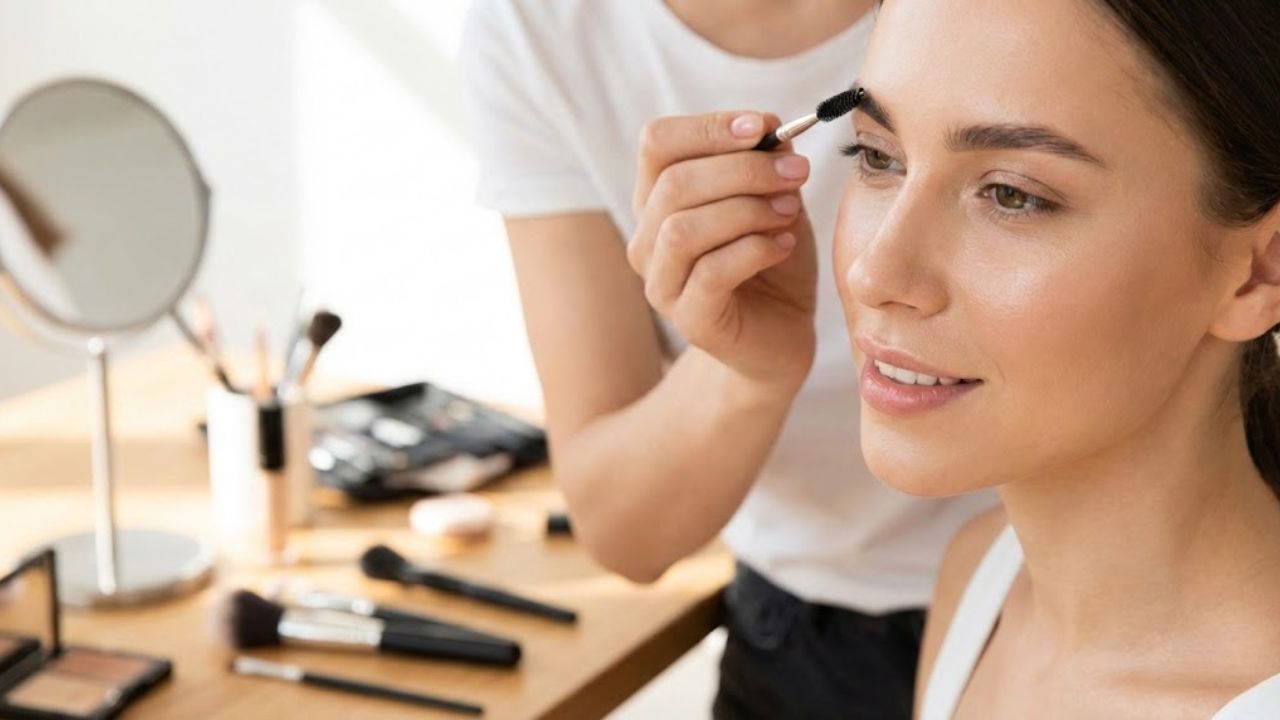
    The method is surprisingly straightforward. You create a gentle invisible brow lift using three small steps. First you fill and lift. Begin by lightly filling the top edge of your brow instead of just the bottom. Focus on the outer third and use hairlike strokes that subtly raise the tail by a millimeter or two. This single change alters how your face looks. Next you clean and brighten. Use a small brush or fingertip to tap a skin-tone concealer or brightening pen right under the highest point of your arch and then blend downward onto the lid. You are not drawing a stripe but removing heaviness. Finally you highlight strategically. Add a tiny amount of satin highlighter right under the arch and in the inner corner of the eye. Tap instead of dragging. In real life this takes about 45 seconds per eye once you have practiced it a few times. It does not look like an obvious brow trend. It just makes you appear more awake than you actually feel. Here is where it often goes wrong. Many people overfill the bottom of the brow and make it thicker & heavier right above the eyelid. That weight pulls the whole gaze down particularly if the tail extends too far toward the temple. The result is sharper and darker brows that somehow make you look more tired instead of less. There is also the temptation to use too much concealer under the brow with a shade that is too light. Halo brows might work under studio lighting but in daylight they can look chalky & harsh. The lift should feel like a whisper instead of a neon sign. Choose a concealer as close as possible to your skin tone with just a touch more brightness & blend it so it melts into your lid rather than sitting as a hard line. And honestly nobody has the patience to carve their brows like a YouTube tutorial at 7 a.m. This trick only works if it is simple enough to become muscle memory. Two strokes to raise the tail & a tiny swipe to clean under the arch and a dot of light. Done. No extra 20 minutes and no seven products.

    One Minimal Brow Shift That Instantly Elevates Your Face

    Once you start using this technique something gradually changes. You will see yourself in your phone screen during the afternoon and notice you appear less tired than you actually feel. You might decide to skip foundation on a warm day and only apply eyebrow makeup and mascara while realizing that is sufficient to look presentable during an unexpected video call. There is also something reassuring about these small routines. Those ninety seconds standing in front of the mirror are frequently the only time in the morning when you actually look at your face with purpose instead of criticism. Fixing an eyebrow or covering a small dark circle is not about being vain but rather a simple way of preparing yourself for the day ahead. It sends a message that you are tired but ready to face whatever comes next. When nothing seems to work right and your schedule feels overwhelming & you barely slept the night before that subtle eyebrow enhancement becomes a small gesture of determination. When things are going well it simply helps your appearance reflect how you feel inside. Whether you are on a video screen or in a meeting or waiting in line for coffee your eyes will look alert even when your mind is still waking up.

    Astuce clé Comment l’appliquer Bénéfice visible
    Rehausser subtilement la queue du sourcil Remplir légèrement la partie haute et raccourcir la fin du sourcil Apporte immédiatement un effet réveillé et lifté, sans retouche ni intervention
    Illuminer sous l’arche Appliquer un correcteur léger sous le point le plus haut, puis bien fondre Élargit le regard et réduit visuellement l’aspect des paupières tombantes
    Travailler les points de lumière Ajouter une touche lumineuse sous l’arc et au coin interne de l’œil Donne l’illusion d’un regard frais et éclatant en moins de deux minutes
  • Naturally Enhance Lashes and Brows With Daily Castor Oil Care

    Naturally Enhance Lashes and Brows With Daily Castor Oil Care

    The first time you notice the sound of your own eyelashes, it almost feels like a quiet magic trick. Lean close to a window on a windy evening, or rub your eyes after a long, tiring day, and there it is—a soft brush of sound, tiny bristles whispering against skin. Lashes and brows are so small, so subtle, we usually forget they exist. Until one day, they don’t look the same. They seem less full less dark, less bold than before. Under harsh bathroom lighting, you pause and think, When did my lashes get this sparse? or My brows used to be thicker. And suddenly, you’re searchingserums, pencils, gels anything that promises dramatic growth by next week.

    The Slow Beauty of Ritual

    There is another path—slower, quieter, and strangely satisfying. It sits in a small amber bottle, thick and golden, carrying a faint earthy scent: castor oil. Not the glossy, silver-packaged “miracle serum,” but something that looks like it belongs in a grandmother’s medicine cabinet. A simple plant oil, pressed from castor bean seeds, its story with lashes and brows isn’t flashy. It’s built on consistency, patience, and small daily rituals that feel almost like a form of self-prayer.

    Creating a Nightly Rhythm

    Imagine the rhythm. The day has softened, the house is quiet, screens finally dim. You stand at the sink and move through familiar motions—warm water, cleanser, towel. Makeup dissolves like watercolor on paper. Then comes the extra minute you’ve promised yourself. You reach for the bottle, roll the glass between your fingers, and watch the oil catch the light.

    It doesn’t promise overnight miracles, and that’s the point. Instead, it invites a gentler relationship with your face and your sense of time. Night after night, your hands learn the path—dip, dab, smooth. You’re not forcing your body with harsh chemicals. You’re supporting what wants to grow, gently and steadily, on its own terms.

    The Soft Science Behind Castor Oil

    Castor oil’s texture surprises many people. It’s thick, almost syrup-like, but when warmed between fingers, it loosens and glides smoothly. This richness comes from ricinoleic acid, the fatty acid that gives castor oil its weight and staying power. While research on lash- and brow-specific growth is limited, what is known is practical: this oil helps by locking in moisture and protecting fragile hairs from dryness, rubbing, and makeup stress.

    Think of each lash and brow hair as a thread in delicate fabric. Daily mascara, eye rubbing, makeup wipes, and harsh cleansers slowly fray those threads. Castor oil doesn’t create new hair out of nowhere—it helps protect what you already have from snapping and shedding too soon.

    The Power of Gentle Massage

    There’s another quiet benefit: touch. Applying oil encourages you to handle your lashes and brows with more care than usual. That gentle massage can support local circulation and help follicles stay comfortable and nourished, especially when paired with an overall soft routine.

    How to Begin a Lash and Brow Ritual

    Picture the bathroom mirror, the low hum of a fan, water draining from the sink. This is where the ritual begins.

    Step 1: Remove Everything Gently

    No mascara residue, no brow gel, no eyeliner clinging to the lash line. Use a gentle cleanser and warm water. Press a towel softly against your face—don’t drag—until lashes and brows are clean and dry.

    Step 2: Choose Simple Tools

    A clean mascara wand or cotton swab is enough. If you reuse a wand, wash it with mild soap every few days and let it dry completely. Keep tools clean to avoid irritation.

    Step 3: Decant, Don’t Dunk

    Instead of dipping tools into the bottle, place a small drop of castor oil on the back of your hand or a tiny dish. This keeps the oil cleaner and reduces contamination.

    Step 4: Apply to Lashes Sparingly

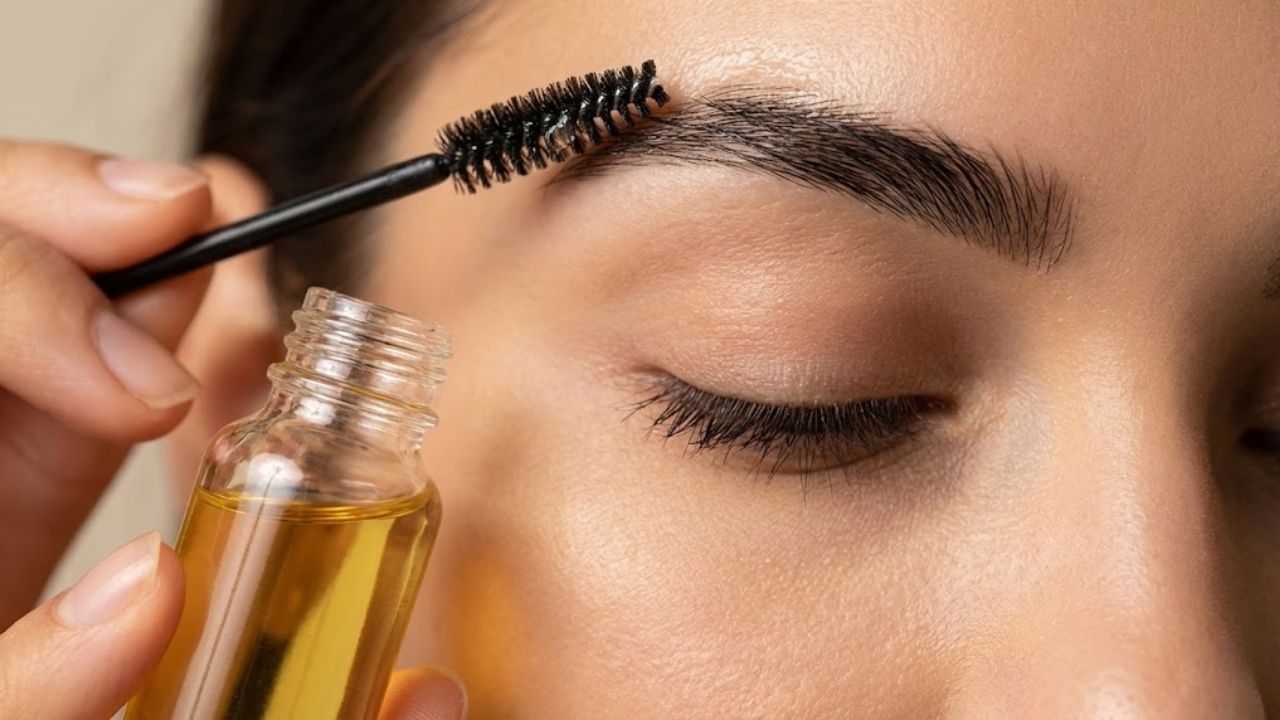
    Dip the wand lightly, then wipe away excess. Close one eye and gently brush oil from mid-length to the tips of your lashes. Avoid soaking the roots or waterline. Repeat on the other eye. If lashes feel heavy, you’ve used too much.

    Step 5: Nourish the Brows

    With what remains, softly comb oil through brows, following the natural direction of growth. You’re not styling—just whispering nourishment into each hair.

    Noticing Change Over Time

    The hardest part is waiting. Natural routines don’t shout results. In the first few weeks, you may notice softness before length. Lashes feel less brittle, brows smoother, makeup easier to apply. There’s no dramatic reveal—just a quiet realization one day: these feel healthier.After one to two months of gentle care, you may notice subtle fullness. Not exaggerated drama, but fewer gaps, softer edges, and baby hairs lasting longer in their growth cycle.

    Supporting the Ritual with Daily Habits

    Castor oil works best as part of a larger system of care. Small changes matter:

    – Use lash curlers sparingly and only on clean lashes.

    – Take mascara-free days to reduce stress.

    – Over-tweeze less and let brows rest.

    – Remove makeup gently with balm or oil cleansers.

    – Nourish from within with healthy fats, protein, and hydration.

    Making It Feel Like a Treat

    Habits last when they feel like something you enjoy. Let this ritual be a pause, not a chore. Dim the lights, enjoy the quiet, feel the oil’s weight between your fingers. This isn’t about perfection—it’s about care and relationship.

    Listening to Your Skin

    Even natural oils deserve respect. If you notice redness, itching, or small bumps, pause. Rinse gently and reduce frequency. Some people thrive using castor oil every other night. Choose a pure, fragrance-free oil, and if you have eye sensitivities, consult a professional.

    Letting Your Natural Frame Return

    When lashes and brows grow stronger, your face feels more like you. You may use less makeup, rely on lighter touches, or skip products entirely some days. The change feels earned—like tending a small, private garden over time.

  • Lip Definition Trick: Liner Placement That Makes Lips Look Fuller Without Overlining

    Lip Definition Trick: Liner Placement That Makes Lips Look Fuller Without Overlining

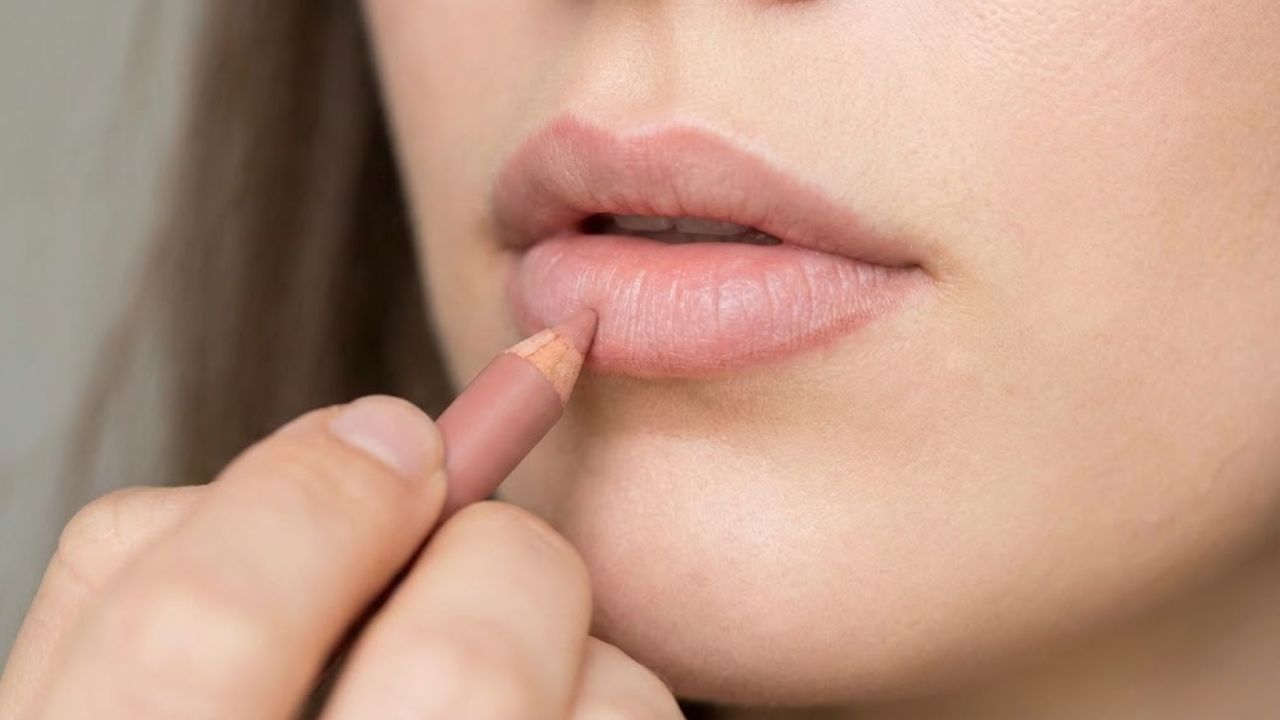
    The girl in the cafe bathroom has no idea anyone is watching but several people in line are quietly fascinated by what she does with her lips. She runs a pencil along her lips with two fast strokes and presses them together before adding some gloss. She skips the exaggerated overlining and the complicated contouring routine. When she faces the mirror her lips look like she just came back from vacation and got plenty of rest. The effect is so natural that you cannot identify exactly what she did. There is no obvious outline or dramatic Instagram border. Her lips just appear soft and full and somehow more dimensional than other people’s lips. Later when you stand in front of your own mirror you attempt to recreate the look. You use the same pencil and the same gloss and the same expression. The result still looks flat though. Something about where she placed the pencil is different. It seems like a minor detail but it makes all the difference.

    This Isn’t About Bigger Lips — It’s About Guiding Where the Eye Lands

    Why the Classic Lip-Liner Rule Starts to Fail

    You know the traditional lip-liner advice: trace slightly outside your natural lip line, blur it, fill everything in, and you’re done. It’s a technique many of us learned early on, and for a long time, it worked well enough. But on real faces, in real daylight, heavy overlining can start to feel disconnected. Instead of enhancing your features, it can look like your lips and the rest of your face aren’t quite in sync, especially when seen up close or in natural light.

    The Subtle Shift Modern Lip Artists Are Making

    Today’s top lip artists are taking a more refined approach. Rather than trying to create the illusion of a dramatically bigger mouth, they focus on directing attention to very specific areas. The fullness you notice isn’t the goal—it’s a side effect. That’s why this method photographs so well, whether it’s a selfie, a Zoom call, or a casual conversation across a table. The change is subtle, but the impact is surprisingly strong.

    Millimetres Matter More Than Bold Lines

    The real trick happens in tiny adjustments, not thicker outlines. Once you notice where the pencil is actually placed, it completely reframes how you see lip lining. It’s not about reshaping your lips into something new; it’s about highlighting the natural structure that’s already there. This micro-precision approach keeps everything looking believable and softly enhanced rather than obviously drawn on.

    Where Makeup Artists Really Place the Liner

    If you scroll through TikTok or Instagram, you’ll start spotting the same pattern. Artists barely define the corners of the mouth. Instead, they concentrate pigment on three key zones: the peak of the Cupid’s bow, the center of the lower lip, and the small “pillows” just off-center. Around the edges, the liner is diffused and whisper-light, creating an outline that’s more suggestion than statement.

    Why the Results Look Effortlessly Natural

    A London-based makeup artist once explained that she uses the same lip pencil on every client, but changes the placement based on how light naturally hits their lips. People constantly ask her which filler clinic she recommends. She just laughs and replies with the name of a £7 lip liner and a grainy, low-light video of her technique. The most common reaction? “I don’t know what you did, but I look rested.” Fuller lips read as healthier, but the real effect is balance—the mouth suddenly feels in harmony with the rest of the face.

    The Science Behind Why This Technique Works

    There’s a simple reason this approach is so convincing. Our eyes don’t scan faces evenly; they jump to areas of contrast and shape changes. The dip of the Cupid’s bow, the soft curve at the center of the lower lip, and the light-catching areas where gloss naturally sits all pull attention. By enhancing these points and softening the corners, your brain quietly interprets the lips as fuller—without needing a bold or obvious outline.

    The Precise Liner Placement That Creates Fullness Without Crossing Your Natural Lip Line

    Start with dry lips and keep your mouth relaxed. No posing or duck face. Take a sharpened nude liner that matches your lip tone. Draw a tiny bridge straight across the cupid’s bow and connect the two peaks just slightly above your natural dip. Not a full M shape but a softened plateau. Next move to the center of your lower lip. Place the pencil about a millimeter outside your natural line at the fullest point only and sketch a short arc no wider than your iris when you look straight ahead. Leave the outer thirds of your lower lip almost untouched. Now join these central sections to your natural corners with feathery upward strokes that fade as they reach the edges. You’re almost losing the line as you move outwards. Smudge lightly with a fingertip and then tap a hint of gloss or balm just in the center. That’s it. The corners stay softer and the middle looks pillowy and nobody can quite see why. This trick sounds simple but the temptation is to overdo it. You add a little more on the sides and a bit more height and suddenly you’re in full overline territory again. On a phone screen it might look fine but in a lift with harsh lighting not so much. The restraint is what keeps it believable. We’ve all had that moment where we catch ourselves in daylight and think was my bathroom lying to me this morning. That’s usually the corners giving you away. When the liner hugs those outer edges too tightly any mismatch between skin & pencil becomes obvious. So work in stages. Line the center and check in a mirror from a step back and then gently connect to the corners only where you truly need it. Let’s be honest because nobody really does this every day. But learning this on a slow Sunday means you can swipe it on almost from muscle memory when you’re half awake before work.

    Why This Soft-Blur Lip Liner Technique Looks Natural on Real, Unfiltered Faces

    Rewritten Text Part of what makes this placement appealing goes beyond just how it looks. On a difficult Tuesday morning applying a sharp line around your lips can feel like putting on protective gear. This gentler approach feels more like enhancing what you already have. People will notice you look refreshed rather than obviously made up. From a practical standpoint it also reduces pressure. If your hand trembles slightly or the line comes out a bit uneven the effect still works because people see the overall impression rather than tiny imperfections. On days when your skin isn’t cooperating or your confidence is low that small margin for error means more than most people acknowledge. During an evening out this technique holds up well under different lighting conditions from bright bar lights to soft restaurant ambiance. Your lips maintain definition in the middle while staying soft on the edges & they move naturally with your facial expressions instead of looking stiff. It’s makeup that recognizes you’re a living person rather than a frozen image.

    Principe clé Nouvelle approche Bénéfice visible
    Mise au point centrale Le liner est appliqué principalement sur l’arc de Cupidon et le centre de la lèvre du bas Crée une impression de volume instantanée sans contours trop marqués
    Coins de la bouche allégés Application minimale ou absente du liner sur les commissures, avec un léger flou Aspect doux et équilibré, naturel même en plein jour
    Accent lumineux ciblé Gloss ou baume appliqué uniquement au centre des lèvres Amplifie le relief et donne des lèvres plus charnues en photo comme en réalité