Author: admin

  • Skipping the Gym for Walking Works Only When You Maintain Continuous Movement at a Steady Pace

    Skipping the Gym for Walking Works Only When You Maintain Continuous Movement at a Steady Pace

    Every January, gyms crowd with people chasing a fresh start, yet a growing number quietly step away. Some feel uncomfortable in gym spaces, others struggle to stay motivated, and many simply dislike indoor workouts altogether. For these individuals, walking has become the preferred alternative. It requires no contracts, no mirrors, and no entry barriers. Just a pair of shoes and an open path. Increasingly, people are discovering that walking can deliver meaningful health benefits without the pressure or complexity often associated with gym-based exercise.

    Scientific research supports this shift. Regular walking helps strengthen the heart and lungs, supports weight management by encouraging fat use, improves circulation, protects bones and muscles, and reduces the risk of chronic conditions such as type 2 diabetes and cardiovascular disease.

    Walking can function as a quiet yet effective workout for those who avoid gyms, but only when it reaches the right intensity and duration.

    The challenge is that a slow, interrupted stroll between errands does not produce the same results as a focused, continuous walk. Public health advice can feel vague, leading many people to overestimate what casual steps achieve.

    The 30-minute guideline and why steady walking matters

    Sports nutritionists and trainers often highlight a simple rule: when walking replaces structured exercise, it should last at least 30 minutes, completed in one continuous session, without frequent stops, at a steady pace of around 5 km/h (3.1 mph).

    This pace places most healthy adults in the moderate-intensity zone. The heart works harder, breathing becomes faster, and the body shifts toward using fat as a primary fuel source. Shorter or broken walks still offer benefits, but they rarely challenge the cardiovascular system in the same way.

    The practical target is clear: 30 minutes without stopping, at roughly 5 km/h, where speaking in short sentences is possible but singing feels uncomfortable.

    How a 5 km/h pace feels in real life

    Many people are unsure how fast they actually walk. While fitness trackers provide numbers, the body gives reliable signals that indicate the right pace:

    • You can hold a conversation in short sentences, but long explanations feel tiring.
    • Your breathing becomes deeper and slightly quicker, without gasping.
    • You feel warm or lightly sweaty after 10–15 minutes, even in cool weather.
    • Your stride naturally lengthens, and your arms swing more freely.

    This is not race walking. It is brisk, intentional movement that keeps you progressing forward, without long pauses at shop windows or constant phone use at crossings.

    Why continuous effort outperforms scattered steps

    Many people accumulate 8,000 or even 10,000 steps across an entire day, yet notice limited changes in fitness or body weight. Continuous walking affects the body differently than low-intensity movement spread over many hours.

    How walking patterns influence results

    • Short, scattered walks: Support joint mobility and circulation, but provide only mild cardiovascular stimulation.
    • One 30-minute brisk walk: Creates a stronger challenge for the heart and lungs, increases calorie use, and has a clearer effect on mood and sleep.

    During a sustained 30-minute walk, the cardiovascular system remains engaged long enough to adapt. Blood flow increases, the heart pumps more efficiently, and muscles use oxygen more effectively. Hormones involved in mood and stress regulation, including endorphins, respond more strongly to continuous effort.

    Health benefits that extend beyond weight management

    Weight control often dominates conversations about walking, but the benefits reach much further. Regular brisk walking is linked to better digestion and fewer episodes of constipation, as body movement stimulates gut activity. Improved circulation and sleep quality also support immune function.

    The brain benefits as well. Moderate, consistent activity is associated with stronger memory, improved focus, and a lower risk of age-related cognitive decline. Researchers highlight the hippocampus, a region critical for memory formation, which appears to shrink more slowly in physically active adults.

    Brisk walking supports mental health and cognitive function, not just physical fitness.

    Outdoor walking adds further advantages. Exposure to daylight supports vitamin D production, which contributes to bone strength and immune health. Time outside also helps regulate the body’s internal clock, improving sleep patterns and overall rest quality.

    Reduced swelling, improved posture, and a calmer mind

    Regular walking can reduce leg swelling by improving venous return. The calf muscles act as a pump, helping blood flow back toward the heart, which is especially important for people who sit or stand for long periods.

    Posture often improves over time. Brisk walking encourages an upright position, relaxed shoulders, and gentle core engagement. This reduces strain on the lower back and neck, particularly when combined with simple habits such as looking ahead instead of down at a phone.

    Mentally, daily walking is associated with lower perceived stress, fewer low-mood episodes, and better sleep. Many people use their walk as a transition between work and home, creating a simple routine that helps the mind reset.

    Who the 30-minute brisk walk is suitable for

    One reason health authorities consistently recommend walking is its wide accessibility. Young adults, working professionals, and many older individuals can all adjust it to their ability. Beyond comfortable footwear and weather-appropriate clothing, no special equipment is required.

    This accessibility matters in regions where gym access is limited or costly. Walking transforms streets, parks, and even long corridors into usable training spaces. For people with mild joint discomfort, it often feels gentler than running while still offering meaningful physical challenge.

    From students to retirees, a daily 30-minute brisk walk can anchor a healthier routine.

    When 30 minutes at 5 km/h feels too demanding

    Not everyone should begin at this pace and duration. Individuals with heart conditions, severe joint pain, respiratory issues, or long periods of inactivity may need medical guidance before increasing intensity.

    A gradual progression can help:

    • Weeks 1–2: 10–15 minutes at a comfortable pace, once daily.
    • Weeks 3–4: 20 minutes, including 5–10 minutes at a brisk pace.
    • Weeks 5–6: 30 minutes total, aiming to maintain a steady, faster rhythm.

    Those unable to walk continuously can divide the time into two 15-minute brisk sessions. The focus remains on maintaining rhythm and limiting idle pauses.

    Making walking a consistent daily habit

    Turning guidelines into habits often depends on small adjustments rather than major promises. Many people succeed by scheduling their walk like an appointment, whether before breakfast, during lunch, or after work, with backup indoor routes for poor weather.

    • Use a timer to ensure the full 30 minutes is completed.
    • Choose a familiar loop that takes roughly the same amount of time.
    • Walk with a friend occasionally for accountability.
    • Keep simple gear ready, such as a cap, gloves, or a light waterproof layer.

    Combining walking with other low-impact activities, such as light strength exercises or mobility work at home, enhances results. Stronger leg and core muscles make brisk walking easier and help protect joints.

    Additional benefits and potential risks to note

    Even those who train regularly can benefit from a 30-minute brisk walk. It works well on recovery days, improving circulation and reducing muscle stiffness without adding heavy strain. Office workers gain valuable movement after long hours of sitting.

    There are some risks. Sudden increases in speed or distance can lead to overuse injuries such as shin splints or knee discomfort. Poor lighting and uneven surfaces increase fall risk. Choosing stable footwear, well-lit routes, and progressing gradually helps reduce these issues.

    For individuals with pre-diabetes or borderline blood pressure, daily brisk walking often acts as a supportive health measure. It assists with blood sugar control, weight management, and vascular flexibility. When combined with adequate sleep and modest dietary adjustments, this routine can meaningfully influence long-term health without any gym attendance.

  • The 8 Best Self Help Books for 2026 That Reshape Mindset Habits Finances and Career Direction

    The 8 Best Self Help Books for 2026 That Reshape Mindset Habits Finances and Career Direction

    Self-help books have become a vital resource for individuals in Canada seeking to improve their personal growth, financial management, and career direction. As 2026 unfolds, readers are exploring new titles that promise to reshape mindset habits, boost financial knowledge, and inspire career growth strategies. From understanding daily routines to mastering emotional intelligence, these books offer practical guidance for those aiming to take control of their lives. Whether you’re a young professional or a senior looking to refresh your outlook, the latest self-help books provide tools that are both accessible and transformational.

    Top Self Help Books for Mindset Transformation

    The best self-help books in 2026 focus on cultivating a resilient growth mindset and breaking free from limiting beliefs. Titles that guide readers through daily reflection exercises and offer practical goal-setting techniques are leading the way. Canadian readers are particularly drawn to works that combine psychological insights with actionable advice, allowing individuals to tackle stress management and enhance overall wellbeing. By incorporating habit-building strategies, these books empower readers to make lasting changes in their personal and professional lives, reshaping how they approach challenges and opportunities.

    Essential Self Help Books for Financial Mastery

    Financial literacy remains a top priority in 2026, and self-help books targeting this area are in high demand. Readers can discover methods for budget optimization, smart investing, and debt reduction techniques that align with Canadian economic realities. Many books also provide retirement planning tips and strategies for generating multiple income streams, helping individuals secure long-term stability. By translating complex concepts into approachable steps, these books make managing finances less intimidating while encouraging readers to take charge of their monetary future confidently.

    Leading Self Help Books for Career Development

    Career-focused self-help books are transforming how Canadians navigate professional growth in 2026. They emphasize leadership skills, effective communication, and strategic networking to accelerate career advancement. Many guides offer insights into job transition strategies and techniques for enhancing productivity at work. These books cater to professionals aiming to pivot roles, climb the corporate ladder, or launch entrepreneurial ventures. By integrating both mindset and skill development, they help readers unlock potential and align their career trajectory with long-term personal goals.

    Summary of 2026 Self Help Trends

    Overall, the self-help landscape in Canada for 2026 emphasizes a holistic approach to personal growth. The most impactful books combine mindset reshaping, financial empowerment, and career guidance in ways that are practical and inspiring. Readers benefit from structured habit formation, actionable insights, and motivational techniques that encourage consistent improvement. By choosing titles tailored to their unique goals, Canadians can embrace lasting transformation in multiple areas of life, making self-help literature a cornerstone for success in the coming year.

    Book Title Focus Area Recommended Audience Key Takeaway
    Mindset Reset 2026 Mindset Adults & Young Professionals Break limiting beliefs
    Financial Freedom Guide Finance Individuals & Seniors Smart money management
    Career Compass Career Professionals & Entrepreneurs Strategic career planning
    Habits for Success Mindset & Habits All Adults Build consistent routines
    Invest Smart Canada Finance Young Adults & Retirees Grow wealth safely

    Frequently Asked Questions (FAQs)

    1. What is the best self-help book for mindset?

    “Mindset Reset 2026” is highly recommended for reshaping personal beliefs.

    2. Which books help improve financial skills?

    “Financial Freedom Guide” and “Invest Smart Canada” offer practical tips.

    3. Are these books suitable for seniors?

    Yes, most titles include strategies for adults of all ages.

    4. Can these books boost career growth?

    Yes, “Career Compass” provides actionable strategies for professional advancement.

  • Spot the Difference Test: Can You Find 3 Differences in the Dog Images Within 10 Seconds

    Spot the Difference Test: Can You Find 3 Differences in the Dog Images Within 10 Seconds

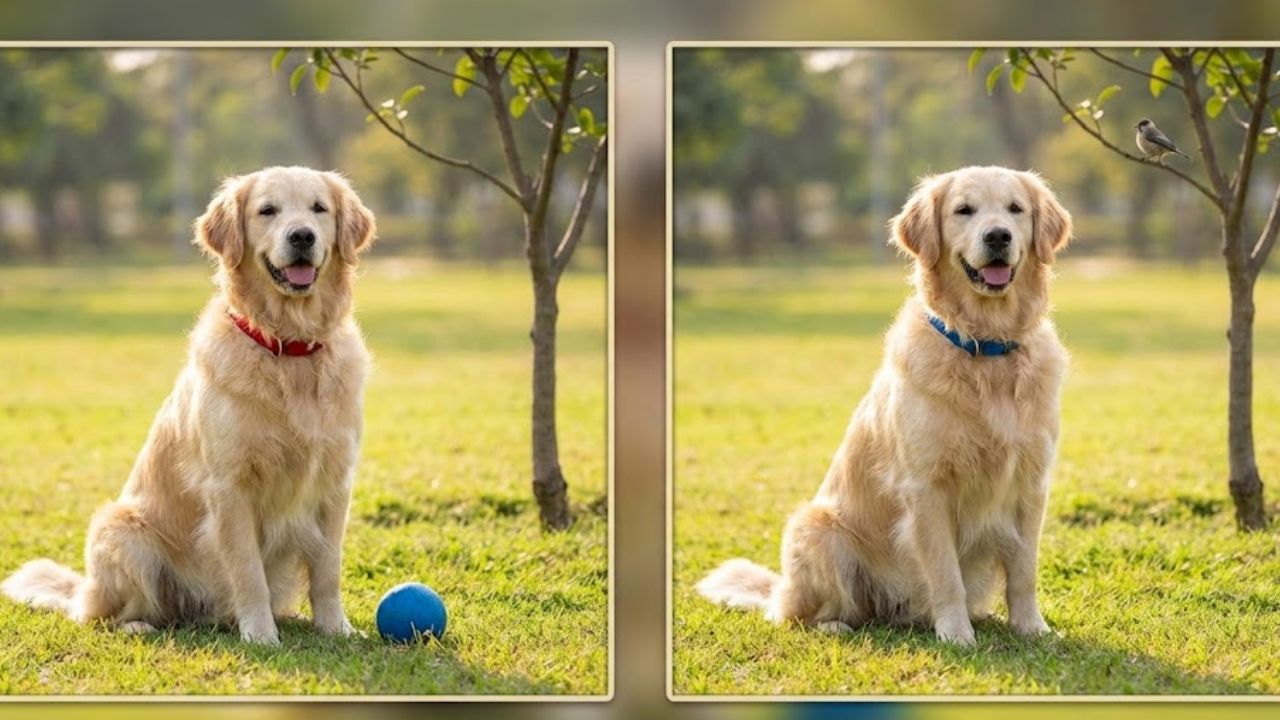
    Spot the Difference games remain among the most popular visual puzzles for everyone regardless of age. They appear easy and feel calming but they secretly test your brain in meaningful ways. In this 10 second challenge you see two dog pictures that look nearly identical. Your goal is to find three hidden differences before the timer ends. When you first look at them both images appear to match perfectly. The dog seems the same & the background looks familiar and nothing seems wrong. But this is exactly how the puzzle tricks you. The differences are small & deliberately hidden to measure how well you catch tiny details when you’re under pressure.

    Why Spot the Difference Games Are So Popular

    The appeal of spot the difference puzzles lies in how they combine entertainment with mental exercise. No special abilities or complicated rules are required. The only thing needed is concentration. These puzzles attract people of all ages including kids, grown-ups and older individuals because they are simple to grasp yet often challenging to complete. They appear regularly in newspapers puzzle collections, school lessons and smartphone applications. Over recent years they have gained traction on the internet since they take little time to try and can be easily shared with others.

    How This Dog Puzzle Challenges Your Brain

    This puzzle evaluates three fundamental abilities. It measures observation skills attention to detail and visual memory. The brain attempts to conserve energy when it encounters two similar images placed next to each other by treating them as identical. This automatic process frequently leads people to overlook minor modifications. The dog images exploit this tendency deliberately. The primary subject remains unchanged to reduce vigilance. The differences are concealed in sections that most viewers examine hastily or disregard entirely.

    The Role of the 10 Seconds Time Limit

    Adding a 10 second limit transforms a relaxed task into a thrilling test. The pressure of time alters brain function. Rather than methodically examining each part most people hurry & depend on rapid instincts. Successful participants typically use an organized method. They examine the picture systematically from one side to the other or from top to bottom rather than looking around randomly. Maintaining composure during the countdown often determines whether someone succeeds.

    Common Mistakes Players Make

    One common mistake is focusing only on the dog itself. While the dog matters these puzzles often hide changes in the background. Flowers and grass and small objects are popular hiding places. Another mistake is assuming differences must be large. In reality the smallest changes are often the hardest to spot. A missing color or a tiny object or a slight shape change can be enough to throw off the entire image.

    The Three Hidden Differences Explained

    If you found all three differences in 10 seconds your observation skills are excellent. If you did not find them here is what changed between the two images. The first difference is on the left side. One purple flower from the original picture became a group of white flowers in the second image. This change is hard to notice because the flowers blend into the background. The second difference is on the dog. The red ring around the tag on the dog’s collar is gone in the second image. Many people miss this detail even though the collar is still there. The third difference is near the dog’s tail on the right side. A section of green grass was replaced with gray rocks in the second image. This background change is subtle but you can see it when you look closely at that spot.

    What Your Result Says About Your Observation Skills

    Finding all three differences quickly shows that you have strong attention to detail and good visual processing abilities. It means your brain can resist making assumptions and can carefully analyze what it sees. If you missed one or more differences it does not mean you have poor observation skills. It simply shows how powerful visual illusions can be. With practice your ability to notice small changes will improve significantly.

    Mental Benefits of Spot the Difference Puzzles

    Spot the difference games offer more than just entertainment. They help improve concentration by making the brain stay focused on a single task. They also build visual memory since you need to remember details from one image while looking at another. These puzzles appear frequently in educational settings because they promote patience and careful thinking. Just a few minutes of daily practice can help sharpen mental clarity.

    Tips to Get Better at Spot the Difference Games

    To improve your performance you should divide the image into sections and scan one section at a time. This approach reduces the chance of missing hidden details. Another useful tip is to look for color changes first since they are often easier to detect than shape changes. Most importantly you need to stay relaxed. A calm mind processes visual information more accurately than a rushed one.

    Final Thoughts on the Dog Spot the Difference Challenge

    The “Within 10 Seconds Spot the 3 Differences in the Dog Pictures” game shows how small details matter. What seems easy at first often turns into a real challenge that tests your focus & patience. Whether you found all the differences right away or needed help with the answer every try helps improve your brain function. Keep working on similar puzzles and you will see your observation skills improve with each new challenge.

  • 15 Chic Winter Nail Art Designs Perfect for Your Next Cold-Season Manicure Refresh

    15 Chic Winter Nail Art Designs Perfect for Your Next Cold-Season Manicure Refresh

    The first truly cold winter day always seems to arrive without warning, often right when a manicure appointment is overdue. Suddenly, gloves become essential, warm drinks are everywhere, and that familiar neutral nail polish starts to feel a little out of place. Winter weather has a way of changing beauty moods, and nails are no exception.

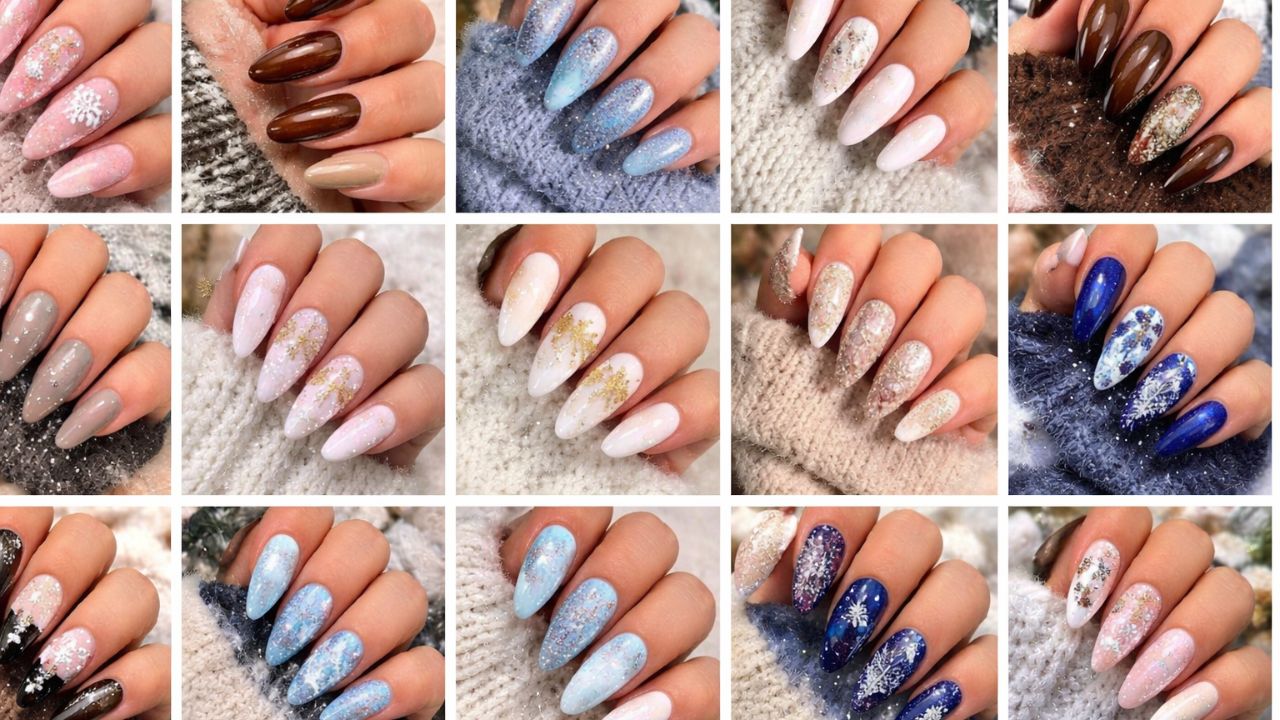
    This is where winter nail inspiration really shines. Cooler colour palettes, cozy textures, and subtle shimmer finishes feel far more suited to chunky knits and frosty mornings than a standard pink manicure. Whether you’re craving something playful or leaning toward a more detailed winter nail design, the colder months offer the perfect reason to refresh your look.

    Below are some of the most stylish winter nail ideas to inspire your cold-weather manicures.

    Silver Accents on Soft Lavender

    Silver nail art layered over a light purple base creates a dreamy, snow-goddess effect. Fine metallic lines and soft pastel tones work together for a look that feels elegant yet seasonal. A slim nail art brush and metallic polish help achieve this delicate design.

    Blue and Silver Mixed Designs

    A combination of blue and silver nail designs gives this winter manicure a clean, icy aesthetic. Each nail features a unique pattern, from chrome finishes to metallic accents, while the cohesive colour palette keeps the overall look refined.

    Tortoise Nails with a Blue French Tip

    Tortoise shell nails paired with a bright blue French tip offer a fresh winter update to a classic animal print. The contrast feels bold yet balanced, making it a fun seasonal twist.

    Bedazzled Snowflake Details

    For lovers of winter maximalism, bedazzled snowflake nails bring all the drama.  Layered snowflake patterns, crystal embellishments, and glossy finishes.

    Striped Sweater-Inspired Tips

    Striped sweater tips add warmth to the traditional French manicure. Knit-inspired lines that echo cozy winter sweaters create a subtle yet stylish manicure that’s perfect for cold days.

    Textured Snowfall French Tips

    These textured French tips resemble a soft snowfall resting on your nails. Raised detailing and delicate patterns add depth while keeping the design crisp and elegant.

    Plaid Scarf Nail Design

    If matching your nails to your favourite plaid scarf sounds appealing, this manicure delivers. Start with a neutral base, then layer thin multicoloured lines vertically and horizontally to recreate a cozy plaid effect.

    Soft Snowstorm Manicure

    This manicure captures the look of freshly fallen snow. A neutral base, subtle shimmer, and gentle texture come together to create a soft, swirling winter finish.

    Silver-Textured Marble Nails

    Marble nails provide a refined take on a white manicure. Soft silver detailing adds gentle dimension, giving the nails a minimalist yet elevated appearance suitable for the entire season.

    High-Shine Chrome White Nails

    A glossy chrome finish transforms a basic white manicure into something winter-ready. High shine and sleek texture make this look polished, modern, and effortlessly chic for colder months.

  • Anyone Can Do It This Easy 10 Minute Morning Workout Boosts Fitness Levels Faster Than Expected

    Anyone Can Do It This Easy 10 Minute Morning Workout Boosts Fitness Levels Faster Than Expected

    So, the gym isn’t happening today. Your schedule is packed, your steps are falling short, and the thought of squeezing into cold, tight workout clothes just doesn’t appeal.

    We get it. That’s exactly where the Fit (Enough) Club comes in. It focuses on small, realistic habits that slot neatly into everyday life. Simple changes you can actually maintain. With that in mind, GH fitness expert Kim has created a clever solution: a workout you can do straight from bed.

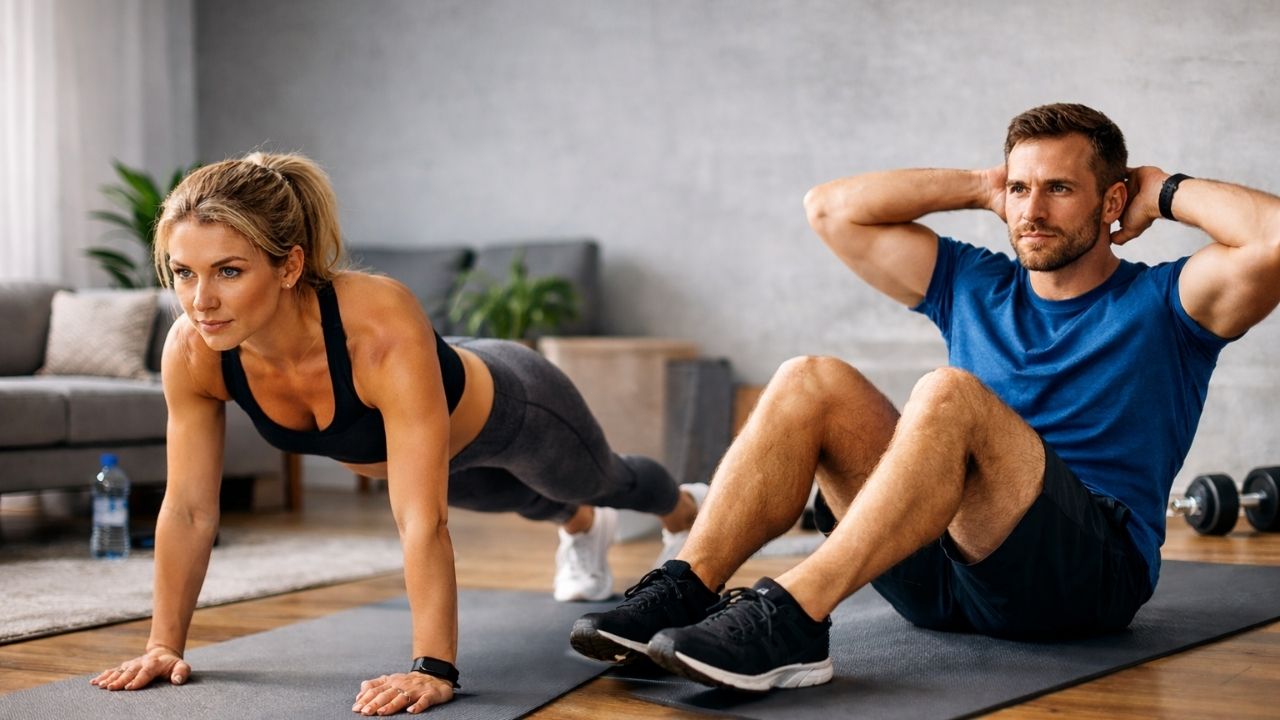
    This ten-minute morning routine is designed for everyone, regardless of age, fitness level, or how chaotic your mornings are. Ten minutes is manageable before the day truly begins. Kim has also included easy modifications, so you can adjust each move depending on your energy levels. There’s only one guideline: if you’re doing this first thing, Kim says, “please remember to put a bra on.”

    The routine includes eight simple exercises, with enough time to move comfortably between positions. Practised regularly, it helps build strength, increase energy, and support overall wellbeing. Looking after yourself, after all, is just good everyday maintenance.

    Two Minutes: Gentle Warm-Up

    Start by tapping your toes from side to side, adding loose arm swings overhead, then wide circles, and finally movements up and down in front of your body. Rise onto your toes and bounce lightly to wake up your muscles, get your blood flowing, and prepare your heart for the workout ahead.

    One Minute: Squats for Lower Body

    Stand with your feet at shoulder width. Push your hips back as you lower into a squat, then press through your heels to stand again. Beginners can lower slightly, while others may go halfway down. Feeling confident? Lower halfway, then rise up onto your toes to increase intensity.

    One Minute: Push-Ups for Arms and Core

    Move down onto all fours with your hands under your shoulders, slightly wider apart. Slide your knees back, lower your chest toward the floor, then push up. Breathe in on the way down and out as you rise. To challenge yourself, lift onto your toes. If it feels tough, simply do what you can and build strength gradually.

    One Minute: Lunges to Strengthen Legs

    Stand tall with feet hip-width apart. Step one foot forward, bending both knees so your back knee lowers toward the floor. Alternate legs at a steady pace. On your final step, hold the lunge and pulse gently eight times. Switch legs and repeat. Feeling good? Add another round.

    One Minute: Tabletop Hold for Core Stability

    Return to all fours with hands beneath your shoulders. Tuck your toes, draw your belly button in, and lift your knees just an inch off the floor. Hold steady. For more challenge, gently shift one knee at a time forward and back, or try touching your knee to the opposite hand.

    Two Minutes: Side Squats for Legs and Glutes

    Stand with feet slightly narrower than hip width. Step one leg out to the side, then return to centre, alternating sides. To make it harder, sink into a squat with each step. Turn your feet out, letting your knees follow, and lower into a plié-style squat. The deeper you go, the more your legs will work.

    After one full round, hold the wide stance. With knees and toes turned out, rise to standing and lower again. Keep your chest lifted and smile. Aim for eight reps, then hold and pulse gently for 20 seconds if possible.

    One Minute: Crunches to Finish Strong

    Lie on your back with knees bent and feet flat on the floor. Draw your rib cage inward. Place your hands behind your head and lift gently, just enough to raise your shoulders off the floor. Lower with control, keeping your chin away from your chest as you complete the final move.

  • This Abs Exercise Targets the Core Deeply Without Putting Stress on Your Lower Back

    This Abs Exercise Targets the Core Deeply Without Putting Stress on Your Lower Back

    Want to skip the sit-ups? Here’s an alternative that I find much easier on my lower back and it doesn’t require heavy weights or standing.

     This move might look simple but it focuses on building stability & control while keeping your muscles under tension. It comes from Pilates and you only need a Pilates ball and your mat.

    Instead of the repetitive up and down motion of sit-ups that can hurt some people’s backs you’ll rest your back on a ball at about shoulder blade height. I recommend using one of the best yoga mats for your butt and feet. This exercise will challenge those deeper stabilizer muscles and activate your abs so consider yourself warned.

    Learning to engage your core properly does not guarantee that every exercise will feel comfortable or right for your body. Sit-ups are not necessarily bad, but you should think about whether other exercises might work better for your specific needs and goals.

    Pilates offers a gentle workout approach that focuses on building core strength and improving posture. When you practice Pilates regularly for about an hour at a time the positive changes in your body can be remarkable.

    This particular crunch variation using a Pilates ball has some unique advantages. Between repetitions you can extend your head and upper back down toward the floor behind you. This movement allows you to stretch your spine and chest muscles at the same time as working your core.

    Focus on breathing out strongly as you reach forward and lift your chest upward. Keep your hands resting gently against your head while pulling your elbows back & opening your chest wide.

    Notice in the video above that Savanna keeps her back straight as she lifts with her core and then presses lightly back down into the ball. Her knees stay bent and her feet stay pressed into the floor. You could consider slowing this down to control the movement even more and focus on crunching your abdominals as you lift. Think about curling yourself up & peeling your back away from the ball that will be positioned at your shoulder blades and then slowly unfurling down into the ball. As mentioned I have been taught this exercise with a fuller range of motion that involves lowering your upper back & head fully to the floor behind you for a deep stretch & increased intensity. This is totally optional but if you do it imagine uncurling your spine slowly into the ball as you open your chest.

    –  Start seated with a Pilates ball behind you with your knees bent and your feet planted on the mat in front of you.

    –  Lower your back onto the ball and rest along the shoulder blades.

    – Place your hands behind your head and gaze forward.

    – Engage your core & then as you exhale lift your chest and upper back away & drive up while thinking about pulling your ribcage down.

    – Pause and then lower your back onto the ball again with light pressure without arching your lower back.

    – Keep it controlled. Repeat for 10 to 15 reps and several rounds and the option to lower fully to the ground each rep is there to release the spine.

     If you watch the demonstration carefully you will notice not much is happening. There is not a huge amount of movement and nowhere near as much work on the back as regular sit-ups. This is about stability and control and contraction in the abs and deep abdominal muscles. A little bit of trembling is pretty much mandatory but if you experience pain stop immediately and do not push your body further than it wants to go.

    Sam Hopes works as a level 3 qualified trainer and holds a level 2 Reiki practitioner certification. She serves as the fitness editor at Tom’s Guide & is currently studying to complete her Yoga For Athletes training course. Throughout her career Sam has contributed to numerous fitness brands and websites. She has worked with several Future brands including Live Science, Fit&Well, Coach and T3. Her background includes coaching experience at fitness studios such as F45 and Virgin Active where she worked as a personal trainer. These days Sam focuses mainly on teaching outdoor bootcamps & specializes in bodyweight training calisthenics and kettlebell workouts. She teaches mobility and flexibility classes multiple times each week. Sam believes that genuine strength develops through a comprehensive approach to physical training that addresses the whole body. Sam has participated in two mixed doubles Hyrox competitions held in London and the Netherlands. She completed her first doubles event with a finishing time of 1:11.

  • 11 Nail Polish Shades Trending Everywhere This Winter for a Fresh Modern Look

    11 Nail Polish Shades Trending Everywhere This Winter for a Fresh Modern Look

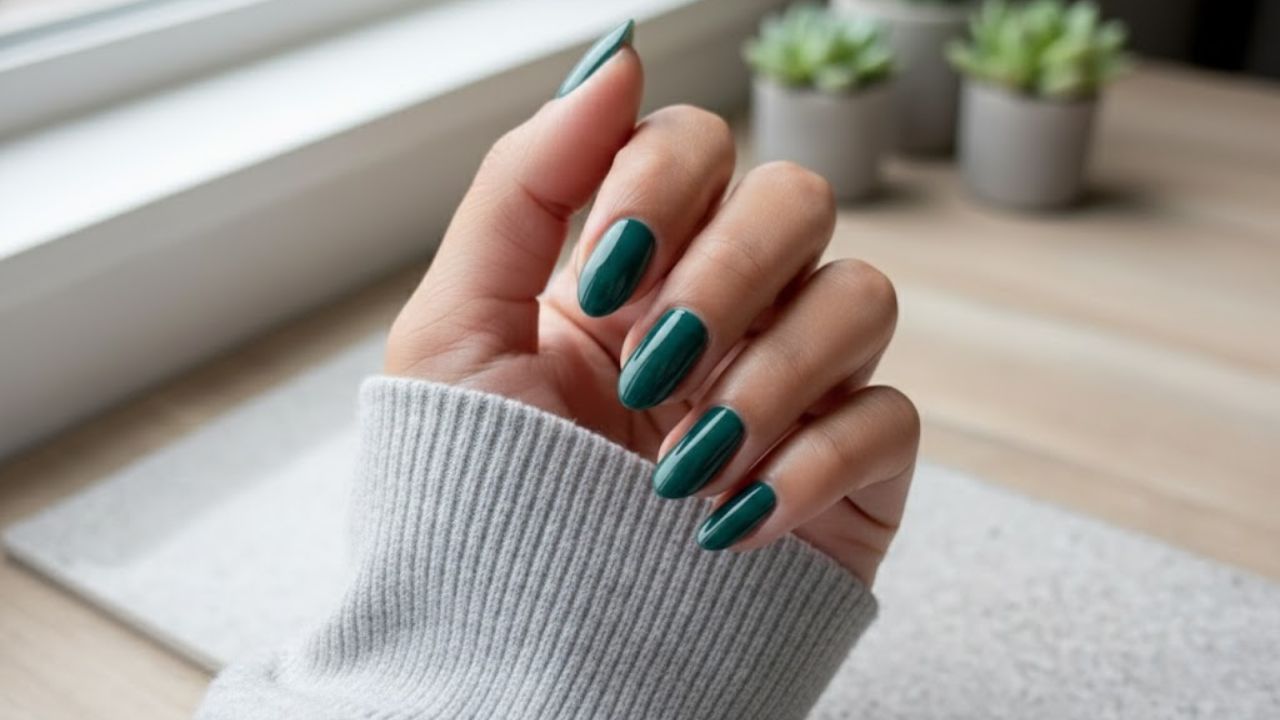
    Royal purple and ruby red are just a glimpse of the striking nail polish shades embraced by True Winter color enthusiasts. Even those drawn to neutral palettes will find an impressive range of options. Lovers of cool tones, in particular, may be surprised by the variety of whites available—each reflecting light differently, much like snow shimmering before it melts. The same depth applies to gray hues, as well as rich burgundy variations such as cranberry, deep berry, and merlot. World champion nail artist and beauty educator Valeriia Telemaniuk told Byrdie that winter typically signals a return to timeless nail styles. Expect classic French manicures, elegant grays, blue-based tones, and deep reds—both bold and understated—to dominate the season. Below, discover the winter nail colors professional artists predict will trend and where to shop them.

    Chocolate Ganache Nails Take Center Stage

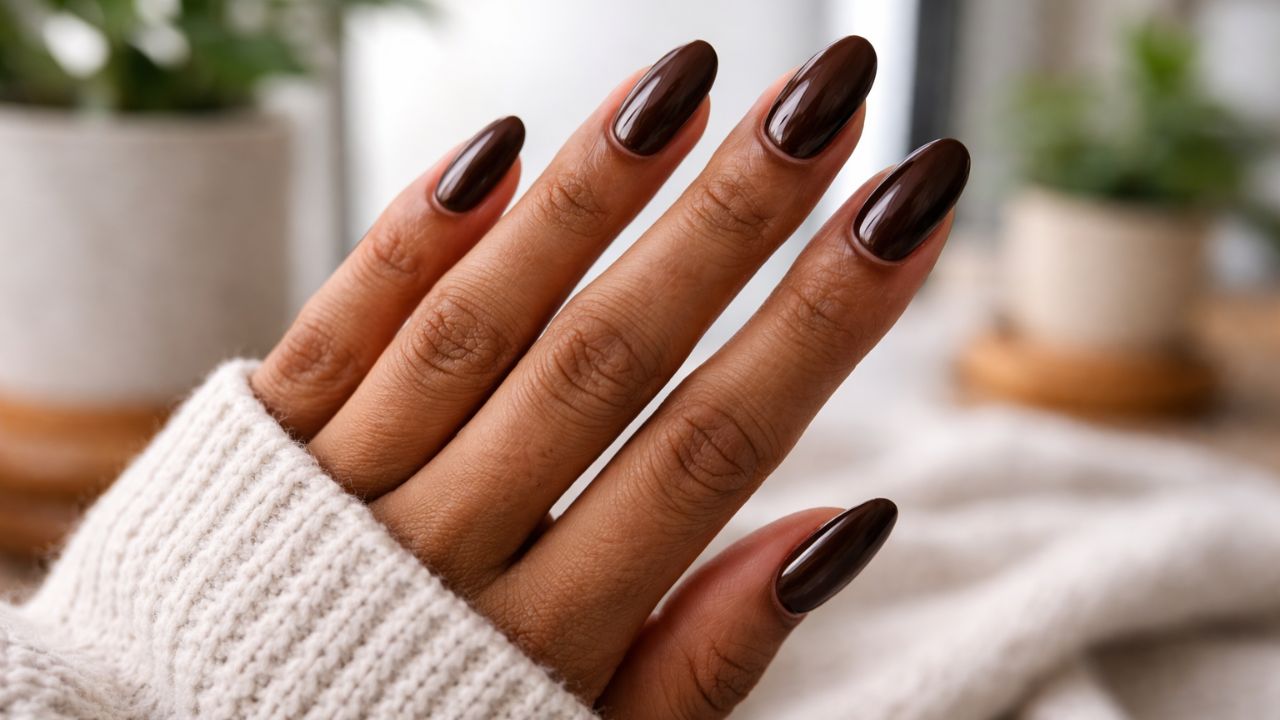
    As brownie pudding shades fade, a more indulgent winter favorite is emerging: ganache nails. Nail artist and educator Sofiia Mazur describes this color as a rich, velvety brown reminiscent of melted dark chocolate. Think shades similar to Red Iguana’s Ganache gel or Dazzle Dry’s Fringe. The tone feels warm, luxurious, and perfectly suited to colder months or anyone drawn to understated sophistication. On nails, ganache conveys quiet confidence—polished without being flashy. It pairs seamlessly with gold jewelry, neutral outfits, and minimalist black ensembles, making it both timeless and versatile.

    Muted Berry Tones Gain Momentum

    Grounded, deeper hues are increasingly popular this season. Juanita Huber-Millet, founder and creative director of Townhouse Salons, notes a growing interest in espresso browns, soft mauves, and muted berry shades. These colors offer a refined balance of warmth and elegance while remaining subtle enough for daily wear. Muted berries, in particular, provide a sophisticated alternative to brighter reds, delivering richness and depth without overwhelming the overall look.

    Light Ocean Blue Adds a Soft Glow

    Light ocean blue with a pearlescent finish is another shade expected to shine this winter. Nail expert Amy Ling Lin describes these blues as calm, luminous, and uplifting. Shades such as Sundays Studio’s L09 offer a refreshing contrast to winter’s darker color palette. The soft pearl finish reflects light beautifully, adding dimension and a gentle glow. This color evokes a soothing, airy mood—quietly joyful while remaining modern and refined.

    Cool Gray Emerges as a Winter Neutral

    Cool gray is quickly becoming a go-to winter neutral. According to OPI Global Ambassador Coca Michelle, it’s a chic and sophisticated shade that blends effortlessly with winter wardrobes. Cool gray also highlights jewelry beautifully, especially for those who enjoy mixing metals. Notable options include OPI’s Peace of Mined, Case of Glamnesia, and Suzi Talks with Her Hands, all known for their versatile and polished finishes.

    Deep Navy for a Clean Seasonal Reset

    Deep navy is being hailed as the ideal post-holiday reset color. Calming and timeless, it transitions smoothly from winter into the New Year. Easy to wear, this shade works just as well for special occasions as it does for everyday office looks. Recommended polishes include OPI Nail Lacquer shades such as Less is Norse, Havin’ a Candy Ol’ Time, and Suzi & the Arctic Fox, each offering a rich and wearable navy tone.

    Soft “Barely-There” Shades Offer a Fresh Start

    Winter often inspires a desire for simplicity and calm, reflected in the rise of barely-there nail colors. According to Huber-Millet, soft milky hues, cool neutrals, and subtle pastels are trending. Shades like Coconut Milk, Glazed Marshmallow, and Milkshake from Townhouse’s Flawless Collection feel clean, restorative, and refreshing after autumn’s deeper tones. For pink-toned neutrals, experts suggest adding French tips—either crisp white or softer modern variations—for a timeless finish.

    Warm Deep Red Remains a Winter Classic

    A warm, deep red continues to be a cold-weather essential. Amy Ling Lin describes this shade as chic, cozy, and quietly powerful. It brings instant warmth during colder months while maintaining a polished, festive feel. This versatile red transitions effortlessly from everyday elegance to seasonal celebrations, offering sophistication without feeling heavy.

    Earthy Metallics Bring Subtle Shine

    Earthy metallic shades are also set to trend throughout winter. Sofiia Mazur highlights tones like bronze, clay gold, and olive chrome, often paired with matte or stone-inspired textures. These finishes reflect light softly, creating a refined glow that feels elevated rather than flashy. Inspired by fashion runways such as Balmain’s fall collection, earthy metallics work beautifully as full nail looks or understated accent shades.

    Black Cherry Nails Deliver Understated Drama

    Black cherry nails strike a balance between deep darkness and subtle red warmth. Mazur notes that this combination keeps the shade elegant and highly wearable. Long favored by fashion icons and celebrities, black cherry complements both evening attire and casual looks like oversized blazers or vintage denim. It has become a reliable cold-season staple that returns year after year.

    Crisp White Makes a Winter Statement

    Crisp white nail polish is enjoying a strong resurgence this winter. Following Pantone’s selection of Cloud Dancer, pure white shades such as Mineral Fusion Ice Breaker are seeing increased demand. This clean, modern color reflects snowy landscapes, cozy knits, and frosty mornings. Once considered strictly a summer shade, white has firmly secured its place in winter minimalism.

    Gray-Lavender Blends Cool and Soft Tones

    Gray-lavender merges cool gray with a subtle hint of purple, making it especially fitting for winter. According to Telemaniuk, shorter days and cooler atmospheres naturally draw clients toward muted hues like this. Gray-lavender feels modern, elegant, and versatile—minimal yet refined—making it an ideal nail color choice for the colder months.

  • 9-Second Visual Challenge Test Sharp Eyes by Finding 3 Differences in the Boy Skiing Scene

    9-Second Visual Challenge Test Sharp Eyes by Finding 3 Differences in the Boy Skiing Scene

    If you enjoy optical puzzles, this challenge is sure to grab your attention. Spot the Difference games are both entertaining and mentally stimulating, helping sharpen focus and observation skills. Today’s challenge features a cheerful boy skiing down a snowy mountain. Your mission is to identify three subtle differences between two nearly identical winter scenes in just 9 seconds.

    At first look, both images appear identical, showing a bright sun, snow-covered slopes, and a skier gliding happily downhill. But a closer inspection reveals a few small yet important changes. Can you catch all of them before time runs out? Let’s jump into this engaging brain teaser and test your observation speed.

    Why Spot the Difference Puzzles Are So Engaging

    Spot the Difference puzzles have remained popular for years because they offer real mental benefits. These visual challenges serve as a simple yet effective way to exercise the brain while staying entertained. Many people enjoy them as a relaxing activity that also helps keep their minds active.

    Here are some key reasons these puzzles continue to attract puzzle lovers:

    • Improved Focus and Attention: Carefully searching for tiny changes trains your mind to concentrate better, which can help with everyday tasks.
    • Enhanced Memory Skills: Comparing images strengthens your ability to remember visual patterns and small details.
    • Sharper Visual Awareness: Regular practice improves how quickly and accurately you notice visual cues.
    • Stress Relief and Relaxation: Solving puzzles provides a calming mental break from daily routines.

    The 9-Second Skiing Boy Challenge Explained

    Now let’s focus on today’s puzzle. The scene shows a happy boy skiing through a winter landscape. He wears a bright orange helmet, ski goggles, and a colorful outfit that contrasts beautifully with the snowy surroundings.

    The background includes snow-covered trees and a shining sun in a clear blue sky. While both images seem identical at first glance, there are three small differences hidden within the scene. Your challenge is to find them in under 9 seconds. Sounds easy? Let’s see how sharp your eyes really are.

    Effective Techniques to Spot Differences Faster

    Before revealing the answers, here are some useful strategies to help you solve difference puzzles more efficiently:

    • Scan Both Images Quickly: Start with a rapid overview to understand the overall layout.
    • Compare Symmetry: Differences often appear in balanced areas, such as left versus right or top versus bottom.
    • Watch Small Details: Tiny changes like missing lines or altered shapes are common.
    • Use a Time Limit: Short challenges train your brain to process visual information faster.
    • Practice Regularly: Consistent exposure improves visual memory and attention to detail.

    The Three Hidden Differences Revealed

    Ready for the answers? Here’s a clear explanation of the three differences hidden in the skiing boy images:

    1. The Missing Sun Ray

    The first change appears in the sun. In the left image, several rays extend outward. In the right image, one ray is missing. It’s subtle, but focusing on the sun’s outline makes it noticeable.

    2. The Skier’s Scarf Length

    The second difference involves the scarf. In the left image, the scarf appears longer and more flowing. In the right image, it is shorter with a slightly different shape.

    3. The Ski Pole Tip Detail

    The final change is found at the end of the ski pole. The left image lacks a small detail at the tip, while the right image clearly shows it.

    Ways to Improve Your Visual Observation Skills

    Even if you spotted all the differences quickly, continued practice can make you even better. Here are a few simple ways to sharpen your visual skills:

    • Try Different Difficulty Levels: More challenging puzzles train your eyes to notice finer details.
    • Break Images into Sections: Scan corners and edges first, then move toward the center.
    • Practice Often: Regular practice improves both speed and accuracy.
    • Stay Calm and Patient: Some differences are very subtle, so take your time and enjoy the process.
  • 11 Winter Nail Polish Shades Trending Everywhere This Season for a Fresh Polished Modern Look

    11 Winter Nail Polish Shades Trending Everywhere This Season for a Fresh Polished Modern Look

    Royal purple and ruby red remain favorites among True Winter color lovers, while those who prefer neutral looks still have plenty of refined choices. Cool-toned enthusiasts can explore a wider range of white shades than expected—much like freshly fallen snow shimmering in sunlight. The same variety applies to gray tones, along with rich burgundy hues such as cranberry, deep berry, and merlot. World champion nail artist and beauty educator Valeriia Telemaniuk shared with Byrdie that winter often revives classic nail styles, bringing renewed attention to French manicures, cool grays, soft blues, and both bold and muted deep red shades.

    Rich Chocolate Ganache Brown

    Previously popular brownie pudding nails are giving way to a more refined winter favorite: ganache brown. Nail artist and educator Sofiia Mazur describes this shade as a deep, indulgent brown reminiscent of melted dark chocolate. Similar to tones like Red Iguana’s Ganache gel or Dazzle Dry’s Fringe, this color feels warm, luxurious, and polished. Ganache brown offers understated confidence and pairs beautifully with gold jewelry, neutral outfits, and minimalist black ensembles.

    Soft and Muted Berry Shades

    This winter highlights a shift toward deeper, grounding nail colors. Juanita Huber-Millet, founder and creative director of Townhouse Salons, observes growing interest in espresso browns, gentle mauves, and muted berry tones. These shades balance warmth with sophistication, making them suitable for everyday wear. Muted berries provide a subtle alternative to brighter reds, delivering richness without overpowering the overall look.

    Light Ocean Blue with a Pearly Glow

    A light ocean blue finished with a soft pearlescent sheen stands out this season. Nail professional Amy Ling Lin describes these tones as calm, luminous, and uplifting. Shades like Sundays Studio’s L09 offer a refreshing contrast to darker winter palettes, while the pearl finish reflects light gently, adding dimension and a refined glow.

    Modern Cool Gray Neutrals

    Cool gray nails are becoming a staple winter neutral. According to OPI Global Ambassador Coca Michelle, this shade feels chic, effortless, and sophisticated, pairing easily with seasonal wardrobes. Cool gray also complements mixed-metal jewelry. Notable options include OPI Peace of Mined, Case of Glamnesia, and Suzi Talks with Her Hands, each offering a polished, versatile finish.

    Timeless Deep Navy Blue

    Deep navy nails are considered an ideal post-holiday reset shade. This calming color transitions smoothly through winter and into the New Year while remaining easy to wear. A true classic, navy suits both special occasions and everyday office looks. Popular choices include OPI Less is Norse, Havin’ a Candy Ol’ Time, and Suzi & the Arctic Fox.

    The Popularity of Barely-There Nails

    As winter arrives, many are drawn to nail shades that reflect calm and clarity. Huber-Millet notes rising demand for soft milky tones, cool neutrals, and subtle pastels. Shades such as Coconut Milk, Glazed Marshmallow, and Milkshake from Townhouse’s Flawless Collection feel clean, restorative, and fresh—offering a gentle reset after autumn’s deeper hues.

    Warm and Deep Red Classics

    A warm, deep red continues to be a winter essential. Amy Ling Lin describes this shade as warm, chic, and quietly powerful. It adds instant coziness during colder months while maintaining a polished, festive feel. This versatile color transitions seamlessly from everyday elegance to holiday-ready looks.

    Earth-Inspired Metallic Finishes

    Earth-toned metallic nails are also gaining attention this winter. Sofiia Mazur highlights shades such as bronze, clay gold, and olive chrome, often styled with matte or stone-like textures. These finishes reflect light softly, creating a refined glow that feels luxurious without appearing flashy, whether worn alone or as subtle accents.

    Elegant Black Cherry Tones

    Black cherry nails deliver understated drama by combining deep darkness with a hint of red warmth. Mazur explains that this balance keeps the shade elegant and wearable. Long favored by fashion icons, black cherry pairs effortlessly with evening wear as well as casual looks like oversized blazers or vintage denim.

    Clean and Crisp Winter White

    Crisp white nails are making a strong return this winter. Following Pantone’s introduction of Cloud Dancer, pure white shades such as Mineral Fusion Ice Breaker are seeing renewed interest. This clean, modern color reflects snowy landscapes and frosty mornings, establishing white as a key tone in winter minimalism.

    Soft Gray-Lavender Blends

    Gray-lavender nails merge cool gray bases with a subtle hint of purple, making them especially suitable for winter. Telemaniuk notes that shorter days and cooler atmospheres are drawing attention to muted, calming shades like this. Gray-lavender feels modern, minimal, and refined, offering a versatile option for the colder season.

  • No More Hair Dye: The Modern Grey Coverage Trend That Softens Ageing and Brightens Appearance

    No More Hair Dye: The Modern Grey Coverage Trend That Softens Ageing and Brightens Appearance

    The woman in the salon chair looks flawless from the shoulders down. A sharp blazer. Fine gold hoops. Sneakers that quietly signal she knows trends before they hit social feeds. Then she leans closer to the mirror, parts her hair, and exhales. A stark line of grey sits at the roots, cutting through her worn brown dye.

    Her colorist smiles, lowering her voice. “There’s another option now. No full coverage. We work with your grey instead of battling it.” Around the room, it’s visible on other heads too: light-catching strands, soft shadows, hair that glows rather than looks painted. They don’t appear artificially younger. They look rested. Calmer.

    The question lingers: what if covering grey no longer meant pretending it wasn’t there?

    Grey coverage reimagined: from concealment to subtle blend

    Grey hair is no longer treated as a flaw to erase. The emerging approach is to blend it gently, not smother it under opaque dye. Stylists speak of “grey veiling,” “low-maintenance blending,” and “reverse highlights” designed to reduce contrast between silver strands and natural color.

    The result avoids the familiar helmet-like finish. Instead, hair looks translucent and dimensional, reflecting light and softening greys rather than creating a hard edge at the roots. People don’t ask if you’ve colored your hair. They ask something far more flattering: “Did you sleep better?”

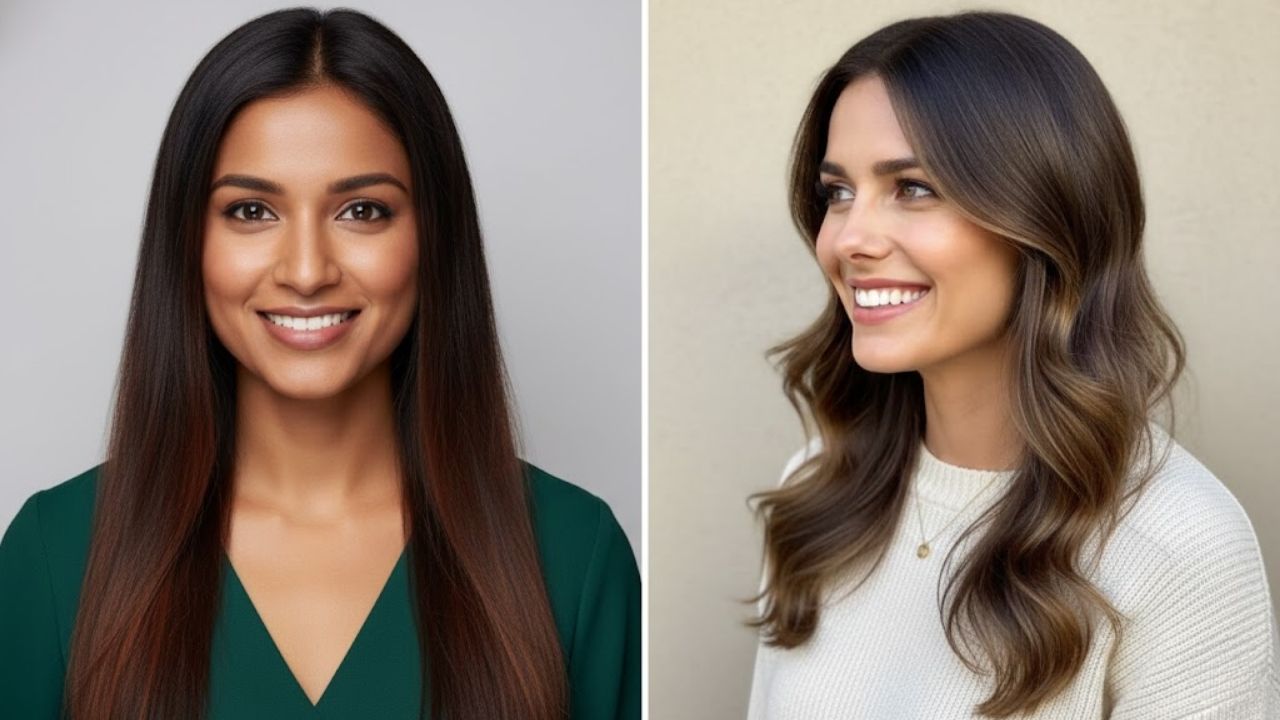
    On a quiet Tuesday in London, colorist Jade Morgan scrolls through photos of a 52-year-old client. In the first image, her hair is a uniform chocolate brown—shiny, but heavy, sharpening her jaw and deepening shadows under her eyes.

    The second image tells a different story. Smoky beige highlights and deeper lowlights frame her face, allowing natural grey at the temples to remain visible. The grey isn’t erased; it’s strategically placed. Her skin appears brighter, her eyes clearer. No fillers. No weight loss. Only a new way of treating grey.

    “She messaged me the next day,” Jade says. “Her colleagues thought she’d taken time off. Same haircut. Completely different effect.”

    Why blending works better than solid color

    The reasoning becomes obvious once you notice it. Solid dye turns hair into a single block of color, especially with darker shades. As grey grows in, the contrast is harsh, forcing constant root touch-ups every few weeks.

    Blended coverage softens that boundary. By mixing tones close to your natural shade and letting some grey exist between them, regrowth fades into a gradual transition instead of a stark line. Light moves through the hair, creating a natural soft-focus effect around the face.

    This isn’t about denying the presence of grey. It’s about guiding where the eye settles. And visually, that reads as fresher, lighter, and more youthful.

    Key point Details Why it matters to readers
    Choose blending, not full coverage Ask your colorist for grey blending, lowlights, or a gloss that softens harsh lines instead of a single permanent shade from roots to ends. Reduces visible root regrowth, makes grey look intentional, and typically means fewer salon visits across the year.
    Match technique to your natural base Dark hair often benefits from subtle shadow roots and soft lowlights; lighter hair usually looks fresher with babylights and a cool‑toned glaze. A method adapted to your starting color avoids flat, wig‑like results and keeps you in the “you, but rested” zone rather than “obviously dyed”.
    Maintain with gentle, tinted care Use sulfate‑free shampoo, occasional purple or blue shampoo to fight yellow tones, and weekly masks with a hint of pigment (beige, pearl, or smoky). Keeps grey and blended strands bright instead of dull, extends time between color appointments, and protects already delicate hair from damage.

    How modern grey-blending techniques actually work

    The foundation of this trend is targeted color, not full saturation. Often, that means a semi-permanent gloss to neutralise yellow tones in grey hair, paired with ultra-fine lowlights where natural color looks flat. It’s closer to airbrushing than repainting.

    For darker hair, stylists often use “shadowing,” subtly deepening the root area so grey appears softer without disappearing. On lighter hair, delicate “babylights” blur silver strands into a luminous, halo-like finish. The appointment feels less like an emergency fix and more like a thoughtful plan.

    At home, the same philosophy applies. Modern root sprays and pens are more sheer, designed to blur rather than mask. Tinted masks cool brassy tones or add hints of beige or pearl, turning dull grey into something intentional.

    Practically speaking, this approach extends the time between major salon visits. Many women shift from four-week appointments to eight or even twelve. That’s less expense, less time, and less mental load. Soyons honnêtes : personne ne fait vraiment ça tous les jours.

    The aim isn’t flawlessness in every mirror and every light. It’s looking like yourself on a good day, most days.

    There’s also an emotional side. Paris stylist Nina B. describes the moment clients see their blended grey for the first time. Shoulders relax. Some tear up. It’s more than hair—it’s a quiet agreement with time.

    She cautions against a common mistake: jumping straight from dark permanent dye to icy silver. That path is stressful for hair and patience alike. A smarter route is gradual blending—warmer tones first, then cooler, then silver—allowing both hair and perception to adapt.

    How to approach grey blending wisely

    • Begin with a consultation and bring photos that actually show grey hair.
    • Use specific language: ask for lowlights, gloss, or grey blending, not total coverage.
    • Plan a 6–12 month transition rather than a single dramatic change.
    • Choose gentle shampoos and heat protection—partly grey hair is more fragile.
    • Photograph your hair in daylight after each visit to see what truly flatters your face.

    Why blended grey often looks younger than total coverage

    When people say you look younger, they’re usually responding to light. Patchy or yellowed grey absorbs light unevenly, casting shadows on the face. A thoughtful blend redirects that light, like a soft lamp that’s always on.

    These techniques rely on micro-shifts in tone—subtle caramel, muted ash, cool beige. Those tiny contrasts signal vitality rather than fatigue. Flat, uniform color tends to do the opposite, especially as skin naturally loses brightness over time.

    The irony is hard to miss: chasing perfect coverage can age you more than the grey itself.

    Culturally, things are shifting. Younger people deliberately add silver streaks, while women in their 40s and 50s discuss transition plans openly with their stylists. The old shame around grey is weakening.

    This doesn’t mean everyone should go fully silver. It means you can decide how visible your grey is, rather than defaulting to “same as always.” Giving names to options—blending, veiling, contouring—creates space for something less defensive.

    Yes, there’s vanity in it. There’s also relief.

    At its core, this trend is about control. You don’t choose when the first white hair appears. You do choose how to respond. For some, that’s bold silver. For others, a refined mix that leaves people wondering what changed.

    The modern approach to grey doesn’t force a choice between embracing everything or hiding everything. It offers a middle ground. A softer narrative when you look in the mirror.

    Maybe you’ll keep coloring—just more intelligently. Maybe you’ll let the grey take over slowly, on your terms. Or maybe you’ll catch your reflection in a bus window one day and realise the best compliment isn’t “You look young,” but “You look like yourself again.”