Blog

  • Achieve Fuller Thicker Brows at Home With a Lamination Technique That Delivers Lasting Shape

    Achieve Fuller Thicker Brows at Home With a Lamination Technique That Delivers Lasting Shape

    The first moment you notice your eyebrows looking thinner can feel unexpectedly important. It might happen under unforgiving bathroom lighting or in a casual selfie where your eyes suddenly appear less defined. The ends seem faded, the arch vanishes from certain angles, and no brow pencil quite fills the gap. That’s usually when the idea of a salon brow lamination pops up. Then come the thoughts of booking appointments, spending money, traveling, and dealing with strong chemical smells. Eventually, you close the tab, rinse your face, and decide there has to be a simpler way.

    A Calm and Personal Approach to Shaping Your Own Brows

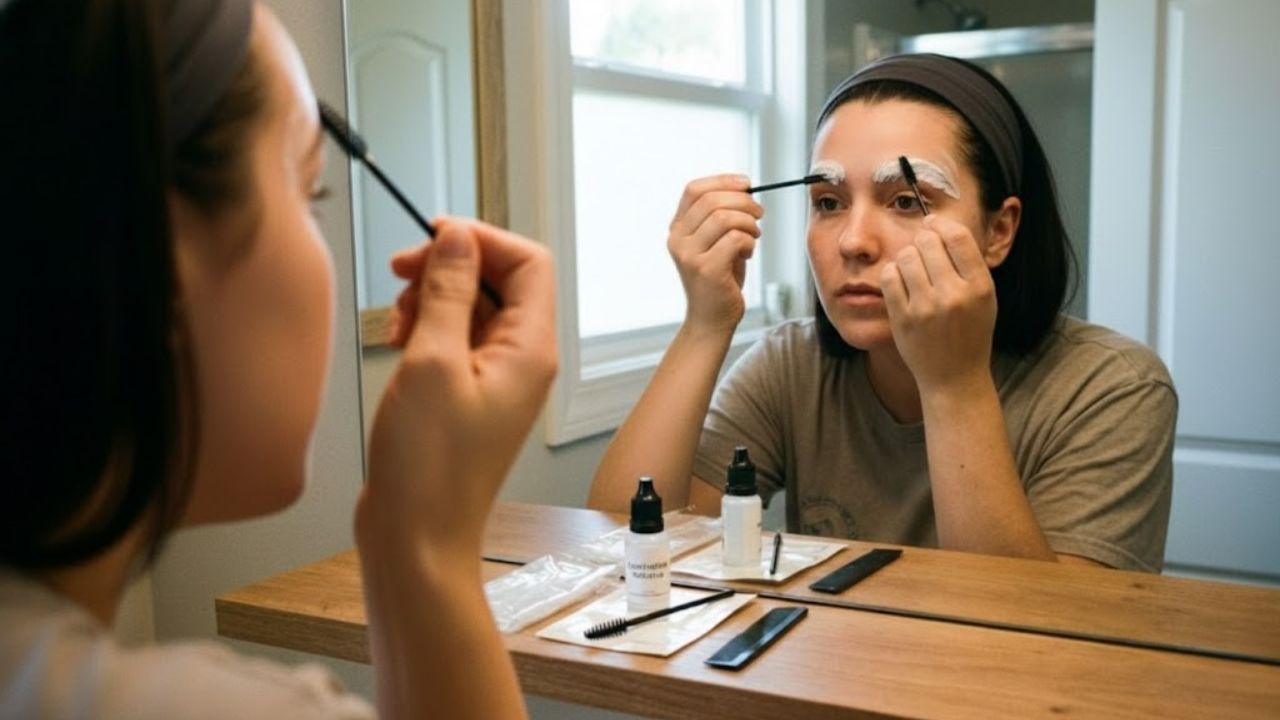
    There’s a quiet satisfaction in sitting at your bathroom counter late at night, the fan softly buzzing, music playing low, and realizing you can change your brows on your own. No harsh lights. No forced conversation. Just you, a mirror, and a small brush. At-home brow lamination may sound complicated, but the concept is actually simple. You’re gently guiding your natural brow hairs to rest in a more flattering direction so they appear fuller and more defined. You aren’t creating a new shape—you’re helping your existing brows show their best side. Once the intimidating terminology is stripped away, the process becomes clear: soften the hairs, shape them, set them, and nourish them afterward. When you understand this pattern, it turns into an easy routine you can repeat every few weeks.

    Preparing Your Brow Tools Like a Small Self-Care Ritual

    Before touching your brows, it helps to prepare your space. Clear a section of your counter and remove anything distracting. Lay out your tools in the order you’ll use them. This small step creates a sense of ease that makes the process feel almost meditative. Most at-home lamination methods rely on only a few essentials. Some people choose full brow lamination kits, while others use gentle alternatives already available at home. These can include mild lash-lift products or soft-setting formulas labeled safe for the eye area. No matter the option, the principle stays the same: use minimal product and always choose the gentlest method. Standing in front of your mirror with these simple tools feels less like a major procedure and more like thoughtful daily care.

    A Slow and Intentional Brow Lamination Process

    Your first at-home lamination attempt should be unhurried. Move slowly enough to notice small details—the temperature of the water, the coolness of your fingertips, the light brushing sound as a spoolie passes through your brows. The goal isn’t only the final look but also the calm moments you give yourself during the process.

    Start with a completely clean brow area

    Brows collect residue from sunscreen, moisturizer, makeup, and even natural oils. Begin by cleansing the area with a gentle, fragrance-free cleanser. Rinse with lukewarm water and pat dry using a soft towel. Run a cotton pad lightly over the brows to remove any remaining residue. When brows are truly clean, each hair lifts more naturally, making them easier to shape.

    Observe how your brows naturally grow

    Before applying any product, take time to study your brows. Use a clean spoolie to brush them upward and see how each hair behaves. Some will stand straight, others angle sideways, and a few may resist completely. Notice sparse areas, the thickness of the tail, and any uneven growth near the arch. Understanding these natural patterns helps you work with your brows instead of against them.

    Gently soften brow hairs for shaping

    Using a micro brush or cotton swab, apply a small amount of your lamination or lifting solution directly onto the brow hairs, avoiding the skin as much as possible. This step works like softening clay before shaping it. The product loosens the hair structure so it can hold a new position. With a spoolie, brush the solution through your brows, guiding the hairs upward and slightly outward based on your earlier observations. Move carefully and patiently. You’ll notice the hairs beginning to stay where you place them. Let the product sit for the time recommended in the instructions, usually just a few minutes. If your brows are fine or delicate, less time is always safer than more.

  • Knife Sharpening at Home: The Expert Method That Restores Razor-Sharp Edges Safely Every Time

    Knife Sharpening at Home: The Expert Method That Restores Razor-Sharp Edges Safely Every Time

    After long days navigating busy cities and shared living spaces across India, many people are rethinking what “clean” really means at home. Strong chemical smells and disposable plastic bottles no longer feel harmless when indoor air quality, skin sensitivity, and environmental impact are taken seriously. This shift has sparked growing interest in natural, eco-friendly cleaning methods that rely on simple household ingredients. These approaches aim to keep homes hygienic without overwhelming the senses or harming ecosystems, offering a more balanced way to care for living spaces while staying practical for everyday Indian households.

    Natural cleaning methods for everyday homes

    Natural cleaning works best when it fits easily into daily routines rather than feeling like extra work. Ingredients such as vinegar, baking soda, and lemon are valued for their gentle cleaning power while remaining affordable and widely available. In many Indian kitchens, these items already serve multiple purposes, making them ideal for multi-use household staples. When used correctly, they help reduce chemical exposure indoors and support healthier breathing spaces. The goal isn’t perfection but consistency—small changes that gradually replace harsh products with options that feel familiar, effective, and easier on both people and surfaces.

    Eco-friendly cleaning routines that actually work

    Building eco-friendly cleaning habits is more about awareness than strict rules. Simple routines like wiping surfaces with diluted vinegar or deodorizing fabrics using baking soda encourage low waste habits without sacrificing cleanliness. Over time, these choices contribute to reduced plastic reliance and help households feel more intentional about consumption. Many people also notice calmer sensory experience when strong artificial fragrances are removed. In Indian climates where ventilation matters, these routines support better indoor airflow and make cleaning feel less like damage control and more like regular home care.

    DIY green cleaning ideas for Indian households

    DIY green cleaning allows flexibility, especially in diverse Indian homes with different materials and needs. From tiled kitchens to wooden furniture, homemade solutions can be adjusted to suit specific surfaces, encouraging surface-specific care. This approach supports budget friendly solutions while reducing unnecessary purchases. Mixing small batches also ensures fresh ingredient effectiveness and avoids long-term storage concerns. Most importantly, DIY methods promote mindful household choices, helping people reconnect with how their homes function rather than relying on one-size-fits-all products.

    Why eco-friendly cleaning feels more sustainable

    Eco-friendly cleaning goes beyond removing dirt; it reshapes how people relate to their living spaces. When homes are cleaned with simple ingredients, there’s a sense of environmental responsibility tied to everyday actions. These practices align with long term sustainability by reducing harmful runoff and excess packaging. Many households report improved skin comfort and fewer headaches once harsh chemicals are eliminated. Over time, this shift builds conscious home ecosystems where cleanliness supports well-being without creating new environmental or health concerns.

    Ingredient Main Use Best For
    Baking Soda Scrubbing & deodorizing Sinks, carpets, refrigerators
    White Vinegar Degreasing Glass, tiles, countertops
    Lemon Odor removal Cutting boards, drains
    Castile Soap General cleaning Floors, dishes

    Frequently Asked Questions (FAQs)

    1. Is eco-friendly cleaning effective for daily use?

    Yes, when used consistently, natural ingredients handle most routine household cleaning needs.

    2. Can natural cleaners replace all chemical products?

    They cover most tasks, but heavy mold or disinfection may still require commercial products.

    3. Are these methods safe for Indian homes?

    Yes, common ingredients like vinegar and baking soda are safe when used correctly.

    4. Does eco-friendly cleaning save money?

    Using multi-purpose household ingredients often reduces long-term cleaning expenses.

  • This New Grey Hair Coverage Trend Is Making People Look Younger Without Traditional Hair Dye

    This New Grey Hair Coverage Trend Is Making People Look Younger Without Traditional Hair Dye

    Grey hair is no longer something people feel pressured to hide, especially in India where beauty trends are shifting toward healthier, low-maintenance routines. A new grey hair covering trend is helping people look younger without relying on traditional hair dye. Instead of harsh chemicals, this approach focuses on gentle colour blending, nourishing treatments, and smart styling techniques that soften the appearance of greys. The result is a more natural, refreshed look that suits modern lifestyles, busy schedules, and growing awareness around long-term scalp and hair care.

    This new grey hair covering trend gaining popularity

    This new grey hair covering approach is built around subtle enhancement rather than drastic colour change. Many people now prefer tinted conditioners, colour-depositing masks, or plant-based blends that slowly tone grey strands. These options create depth instead of flat colour, making hair look naturally vibrant. Users often highlight the soft colour blend, gradual visible change, natural hair finish, and easy weekly use as major advantages. Because the process is gentle, hair texture often improves with continued use. This trend suits anyone who wants flexibility and authenticity without committing to full-time colouring.

    Why this grey hair covering method helps you look younger

    Looking younger often has more to do with balance than hiding every grey strand. This grey hair covering method works by reducing harsh contrast between dark hair and greys, which can make facial features appear sharper or tired. By softening tone differences, hair frames the face more gently. Many users notice a brighter overall tone, less harsh contrast, polished hair appearance, and healthy natural shine after consistent use. Since these products also condition the hair, strands appear fuller and smoother, creating a youthful effect without dramatic transformation.

    How this new grey hair covering replaces traditional dye routines

    Traditional hair dye routines often involve frequent touch-ups, strong chemicals, and long salon visits. This new grey hair covering trend fits better into everyday life. Instead of setting aside hours, users simply include the product in their regular wash or weekly care routine. The biggest advantages include a low maintenance routine, scalp friendly formula, flexible colour control, and reduced chemical exposure. Over time, people appreciate being able to adjust intensity or stop altogether, making it a practical choice for those seeking control without long-term commitment.

    Summary and overall analysis

    This modern grey hair covering trend reflects a larger shift toward mindful beauty choices in India. Rather than fully masking greys, it enhances natural hair in a way that feels effortless and confidence-boosting. The combination of care and colour supports healthier looking strands, age positive styling, simple beauty routines, and everyday confidence boost. For many people, this balance between youthfulness and authenticity feels more sustainable than traditional dye methods, showing that modern beauty is about smarter, gentler choices.

    Feature New Grey Hair Covering Traditional Hair Dye
    Application style Gradual and flexible Full colour coverage
    Maintenance level Low and adjustable High with frequent touch-ups
    Hair health impact Nourishing and gentle Can be drying
    Commitment required Short-term, optional Long-term colour commitment

    Frequently Asked Questions (FAQs)

    1. What is this new grey hair covering trend?

    It uses gentle toning products to blend greys naturally without harsh dyes.

    2. Is this method suitable for all hair types?

    Yes, most formulas are designed to work across different hair textures.

    3. How long does it take to see results?

    Most users notice visible improvement within a few applications.

    4. Can I stop using it anytime?

    Yes, the colour fades gradually without leaving strong regrowth lines.

  • Boost Lash and Brow Growth Naturally With a Consistent Daily Castor Oil Care Routine

    Boost Lash and Brow Growth Naturally With a Consistent Daily Castor Oil Care Routine

    The first time you become aware of the faint sound your eyelashes make, it feels almost unreal. Lean toward an open window on a breezy evening, or rub your tired eyes after a long day, and you’ll hear it—a delicate whisper, tiny hairs brushing softly against skin. Lashes and brows are so subtle that we rarely think about them. That is, until one day, they look different. Less full. Less dark. Less defined. Under unforgiving bathroom light, a quiet question appears: When did my lashes thin out? or My brows were thicker once. Suddenly, you’re scrolling through serums, pencils, and gels that promise dramatic results in days.

    The Quiet Elegance of a Slower Beauty Practice

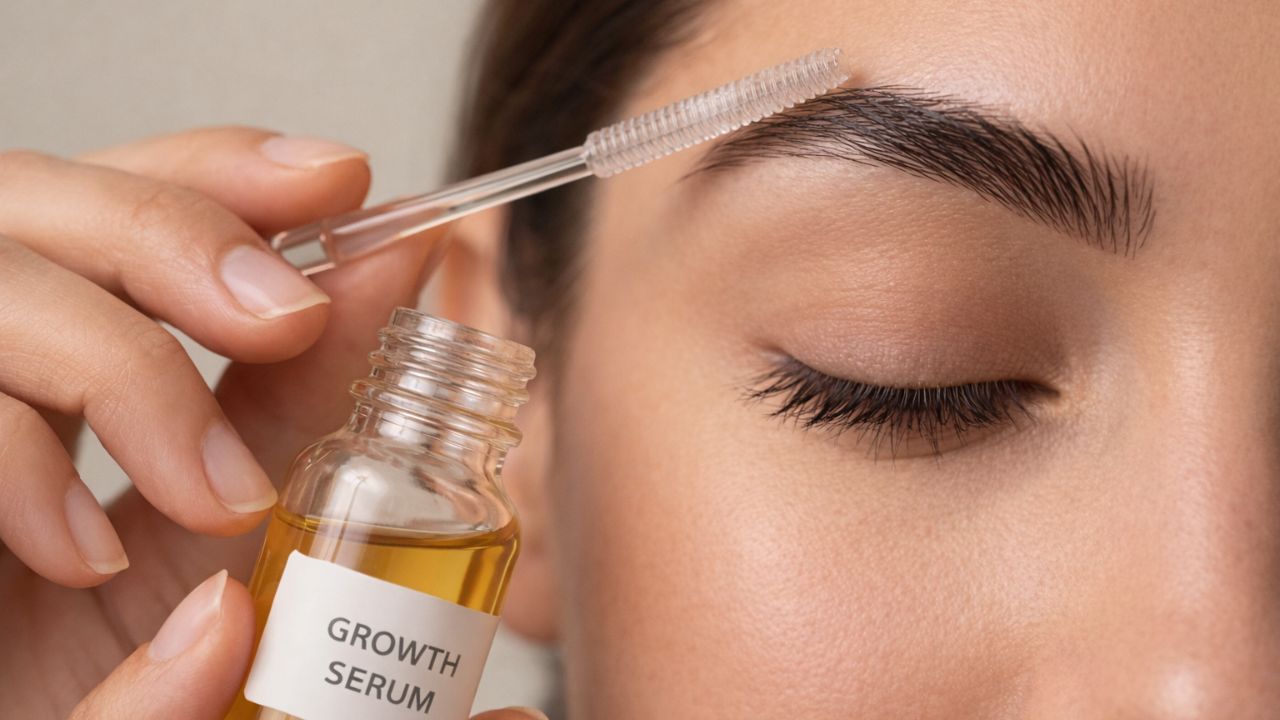
    There is another approach—unhurried, understated, and deeply grounding. It comes in a small amber bottle, dense and golden, carrying a soft, earthy scent: castor oil. Not the sleek, metallic “miracle serum,” but something that feels inherited, like it belongs on an old wooden shelf. This humble plant oil, pressed from castor bean seeds, doesn’t rely on spectacle. Its story with lashes and brows is rooted in consistency, patience, and gentle ritual—small acts of care that feel almost meditative.

    Building a Calm Nightly Routine

    Imagine the cadence of the evening. The noise of the day fades, lights soften, and screens finally go dark. You stand at the sink, moving through familiar motions—warm water, cleanser, towel. Makeup melts away like watercolor on wet paper. Then comes the extra moment you’ve reserved just for yourself. You reach for the bottle, feel the glass warm in your palm, and watch the oil catch the light. It makes no grand promises, and that’s the beauty of it. Instead, it invites a slower relationship with your face, one rooted in care rather than urgency.

    The Gentle Science Behind Castor Oil

    Castor oil often surprises people with its texture. It’s thick, almost syrupy, yet when warmed between your fingers, it loosens and spreads easily. This richness comes from ricinoleic acid, the fatty acid responsible for its weight and staying power. While direct research on lash and brow growth remains limited, the practical benefits are clear. Castor oil helps seal in moisture and shield delicate hairs from dryness, friction, and the stress of daily makeup.

    Each lash and brow hair is like a fine thread in fragile fabric. Mascara, rubbing, wipes, and harsh cleansers slowly weaken those threads. Castor oil doesn’t create new hairs—it simply helps protect the ones you already have, reducing breakage and premature shedding.

    The Subtle Power of Touch

    There’s another quiet advantage: intention. Applying oil encourages a level of gentleness most routines skip. That light massage supports local circulation and helps follicles remain comfortable and nourished, especially when paired with an overall soft approach to skincare.

    How to Start a Simple Lash and Brow Ritual

    Picture the mirror, the low hum of a fan, the sink slowly draining. This is where the ritual takes shape.

    Step 1: Clean Without Rushing

    Remove all traces of mascara, brow gel, and eyeliner. Use a gentle cleanser with warm water. Press a towel softly against your face—no dragging or rubbing—until lashes and brows are clean and dry.

    Step 2: Keep Tools Minimal

    A clean mascara wand or cotton swab is all you need. If you reuse a wand, wash it with mild soap every few days and allow it to dry fully. Clean tools help prevent irritation.

    Step 3: Pour, Don’t Dip

    Instead of placing tools directly into the bottle, add a small drop of castor oil to the back of your hand or a tiny dish. This keeps the oil fresh and reduces contamination.

    Step 4: Apply Lightly to Lashes

    Dip the wand gently and wipe away excess. Close one eye and brush the oil from mid-length to the tips of your lashes. Avoid the roots and waterline. Repeat on the other eye. If lashes feel heavy, you’ve applied too much.

    Step 5: Soften and Feed the Brows

    Using what remains, comb the oil through your brows, following their natural direction. This isn’t styling—just quiet nourishment for each hair.

    Recognizing Progress Without Rushing

    Patience is the hardest part. Natural routines don’t announce themselves. In the early weeks, you may notice softness before anything else. Lashes feel less brittle, brows smoother, and makeup glides on more easily. There’s no dramatic moment—just a subtle realization one day that things feel healthier. After one to two months of steady care, you may see gentle fullness: fewer gaps, softer edges, and baby hairs staying longer in their growth cycle.

    Small Daily Habits That Support Growth

    • Use lash curlers sparingly and only on clean lashes.
    • Take occasional mascara-free days to reduce stress.
    • Avoid over-tweezing and allow brows time to rest.
    • Remove makeup gently with balm or oil cleansers.
    • Support hair health with hydration, protein, and healthy fats.

    Turning Care Into a Moment of Calm

    Rituals last when they feel rewarding. Let this be a pause, not another task. Lower the lights, enjoy the silence, feel the oil warm between your fingers. This practice isn’t about perfection—it’s about consistent, mindful care.

    Paying Attention to Your Skin

    Even natural oils require awareness. If you notice redness, itching, or small bumps, stop and rinse gently. Some people do best using castor oil every other night. Choose a pure, fragrance-free oil, and if you have sensitive eyes, seek professional advice.

    Allowing Your Natural Features to Reemerge

    As lashes and brows strengthen, your face begins to feel more like itself. You may reach for less makeup, choose lighter touches, or skip products altogether on some days. The change feels earned—like tending a quiet, personal garden over time.

  • Create a Natural Eyebrow Gel at Home Using Aloe Vera and Cocoa for Flexible All-Day Hold

    Create a Natural Eyebrow Gel at Home Using Aloe Vera and Cocoa for Flexible All-Day Hold

    The radiator started up with its usual metallic ticking sound that normally meant warmth was coming. Outside the wind moved through empty branches and shook the window frames like a quiet signal that colder weather was ahead. Inside the air was warm enough but it felt thin and dry. Your throat felt scratchy & your skin felt tight on your hands while your nose seemed ready to sneeze at any moment. Then you remembered something you heard before from maybe an older family member or somewhere online about putting a glass of water near the radiator to make the room feel better. You look toward the kitchen and think about how strange it seems that an ordinary glass of water could actually help with the dryness. It sounds like some kind of old myth or superstition. But as the evening goes on and the air gets even drier you fill a glass completely & carry it back to set it down next to the radiator. As the water slowly heats up something small begins to change. It happens in a quiet way that you can barely notice at first but winter always reveals its secrets like this.

    The Quiet Science Inside an Ordinary Glass of Water

    At first thought, the idea that a simple glass of water can make a room feel warmer—without raising heating costs—sounds misleading. Water does not create heat, nor does it act as a hidden heater on a windowsill. The explanation is more refined. Rather than generating warmth, the water helps your body perceive existing heat more efficiently. The comfort comes from how moisture in the air interacts with your skin and breathing, subtly shifting how warmth is experienced indoors.

    Why Low Humidity Makes Heated Rooms Feel Chilly

    Your body is constantly balancing heat with its surroundings. In dry indoor air, moisture evaporates quickly from your skin and through each breath you release. This evaporation pulls heat away from your body, creating a mild cooling sensation—even when the room temperature appears adequate. The heater may be working as intended, but your body senses something different.

    Placing a glass of water near a heat source allows it to absorb warmth and release small amounts of moisture into the air through slow evaporation. Even a slight rise in humidity can reduce moisture loss from skin and lungs. The temperature stays the same, yet the space feels gentler and warmer, making the environment noticeably more comfortable.

    Aloe Vera: A Soft and Supportive Base

    For centuries, aloe vera has been valued for its calming effect on skin, long before it became a packaged cosmetic staple. Pure aloe gel feels cool, lightweight, and smooth—never stiff or tacky. When used on eyebrows, it acts as a subtle styling aid, providing structure without harshness.

    In a homemade brow gel, aloe serves as the core ingredient. Its natural consistency offers light to medium hold, helping brow hairs stay in place while remaining flexible. When sourced with minimal additives, aloe also delivers gentle hydration with each application, turning a simple grooming step into a moment of care.

    Cocoa Powder: Natural Depth and Warm Pigment

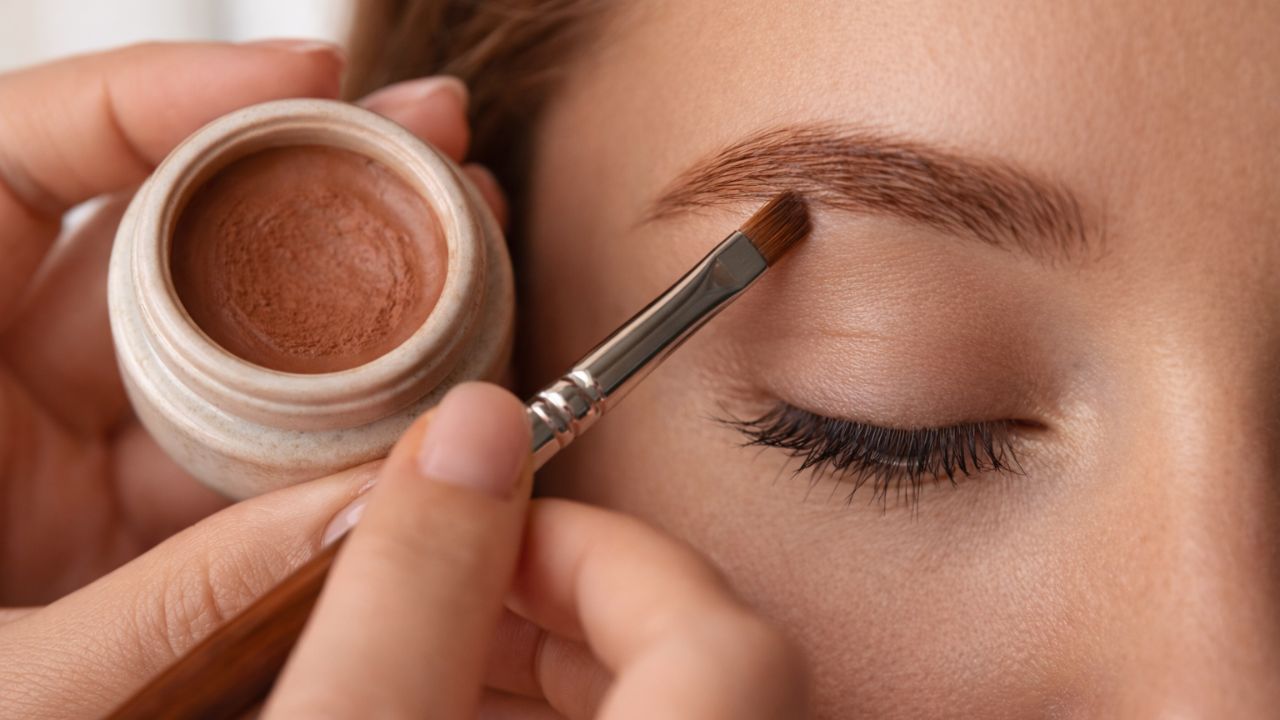
    Cocoa powder adds warmth and rich, earthy color. Its brown pigment works well for brows, particularly for light to medium-dark tones. When blended with aloe, cocoa creates a soft, diffused tint instead of a bold, painted look.

    The strength of this ingredient lies in adjustability. A small amount provides subtle definition, while adding more deepens the shade. The result blends naturally with brow hairs and avoids sharp edges. There is a quiet satisfaction in using the same ingredient found in the kitchen to softly frame the face.

    Assembling Your Simple Mixing Setup

    Preparing your own brow gel feels calm and intentional rather than technical. Clean containers, a small spoon, and a spoolie brush are all you need. Each tool has a role, and the process remains unhurried and hands-on.

    The basic formula requires only aloe vera gel and cocoa powder. Optional additions—such as a drop of jojoba oil for smoothness or small amounts of coffee or charcoal for deeper tones—can be added later. The beauty of this recipe lies in its simplicity, relying on just two thoughtfully combined ingredients.

    Item Role & Use
    2 teaspoons pure aloe vera gel (clear, unscented) Acts as the main base, providing natural hold, smooth application, and moisture
    ¼–½ teaspoon unsweetened cocoa powder Adds a soft, natural tint to enhance brow color
    Small clean glass jar or lidded container Used to safely store the prepared mixture
    Clean spoolie or angled eyebrow brush Helps apply and shape the product evenly on brows
    Mini spoon or mixing stick Used to combine and blend all ingredients smoothly

    Blending the Gel: Simple Steps, Smooth Results

    Add about two teaspoons of aloe vera gel to a clean jar. Sprinkle in roughly a quarter teaspoon of cocoa powder, then stir slowly, pressing out any lumps. The clear gel gradually shifts into a smooth, natural brown.

    Test the shade on the back of your hand and allow it to dry briefly. Adjust as needed by adding more cocoa for depth or more aloe for softness. The final texture should be creamy and easy to spread, yet thick enough to coat a brush evenly. Once mixed, seal the jar and let it rest for an hour so the color settles evenly.

    Applying the Gel with Precision and Patience

    This homemade gel encourages a measured approach. Begin with clean, dry brows. Dip a spoolie lightly into the jar, removing excess product. Brush through the brows using short, gentle strokes that follow the natural hair direction.

    Start at the inner brow and move outward, shaping rather than drawing. For added definition, allow the first layer to dry before applying another, focusing on sparse areas. An angled brush can help create hair-like strokes when needed. The finish stays soft, flexible, and natural, never stiff or heavy.

    Simplicity, Skin Awareness, and Thoughtful Choices

    Making a product at home carries quiet significance. It reduces waste, limits unnecessary ingredients, and reconnects you with the act of creating something yourself. Each refill replaces another disposable tube, and each use reinforces that beauty routines can be straightforward.

    Natural approaches are personal, and listening to your skin is essential. Patch testing remains important, and adjustments are part of the process. Still, there is value in slowing down, mixing by hand, and shaping brows with intention. In that small ritual, beauty becomes gentle, practical, and personal, often beginning with the simplest elements.

  • Natural Home Treatments That Strengthen Hair From the Roots and Reduce Ongoing Hair Loss

    Natural Home Treatments That Strengthen Hair From the Roots and Reduce Ongoing Hair Loss

    The first time you notice more hair on your pillow or in the shower drain something changes inside you. You stand there touching your scalp and try to remember when your hair started feeling thinner. It creates a quiet panic that you can mostly hide from other people but hiding it from yourself is impossible. You might tell yourself it’s just stress or maybe the weather. Perhaps you changed shampoos recently or tied your hair too tight. These explanations feel safer than admitting something might actually be wrong.

    Hair communicates quietly. It reflects late nights, skipped meals, hurried showers, tight hairstyles, harsh products, and extended periods of stress. Changes in hormones, shifts in seasons, and the steady passage of time are often recorded strand by strand. Long before hair fall feels alarming, the body sends subtle signals asking for rest, nourishment, and gentler care. Modern routines make these signs easy to overlook. Coloring, heat styling, and frequent washing push hair to keep up. When shedding increases, quick fixes feel tempting, yet a slower, more supportive approach exists—home remedies that work alongside the body rather than forcing rapid results.

    Oil Rituals That Nourish Hair From Root to Tip

    Hair oiling is a long-standing tradition rooted in care and intention. Warming oil between the palms and massaging it into the scalp does more than soften strands—it supports circulation and relaxation. Coconut oil helps limit protein loss and protects dry, fragile hair. Castor oil, thicker in consistency, is often used sparingly to maintain scalp moisture. Almond, sesame, and olive oils each offer unique benefits. There is no universal “best” oil; blended oils often work well. When practiced regularly with gentle massage, oiling nourishes the scalp, supports stronger roots, and creates a calming pause in busy routines.

    Scalp Massage: A Simple Habit With Powerful Benefits

    Scalp massage is just as valuable as the oil itself. Using fingertips in slow, circular motions encourages blood flow, helping deliver oxygen and nutrients to hair follicles. Beginning at the hairline and moving backward gradually stimulates the skin beneath the hair. Even five to ten minutes a few times a week can make a noticeable difference. Beyond physical effects, this practice signals the body to slow down, easing tension and stress that can quietly contribute to hair shedding over time.

    Herbal Oils and Thoughtful Natural Infusions

    For those who prefer a more hands-on approach, oils can be infused with herbs at home. Rosemary, curry leaves, hibiscus, and fenugreek are commonly used. Gently warming these herbs with oil and allowing them to steep transfers plant compounds into the mixture. Rosemary is often linked to improved circulation, while hibiscus and fenugreek support conditioning and strength. The process is slow and intentional, creating a personalized oil that feels both grounding and deeply nourishing.

    Kitchen-Based Remedies That Support Hair Health

    Many effective hair treatments already exist in the kitchen. Simple ingredients such as seeds, yogurt, eggs, and aloe can help maintain scalp health and reduce breakage. These remedies do not promise instant change, but they encourage consistency and awareness. Preparing them by hand reconnects hair care with self-care, reinforcing the idea that nourishment does not always come from packaged products.

    Fenugreek Seeds: Gentle Care for Thicker-Looking Hair

    Fenugreek seeds are traditionally soaked overnight and blended into a paste for scalp use. Rich in proteins and natural compounds, fenugreek is often used to reduce shedding and improve hair texture. Applied once or twice a week for short durations, it can help hair feel stronger and more resilient. As with all natural remedies, moderation and sensitivity to the scalp are important.

    Aloe Vera: Cooling Relief for the Scalp

    Aloe vera provides soothing support for irritated or oily scalps. Its gel helps calm inflammation, balance oil levels, and gently remove buildup that may block follicles. Applied directly to the scalp for twenty to thirty minutes, aloe creates a healthier environment for hair growth. It can also be combined with oils or yogurt to enhance nourishment.

    Simple Protein Masks for Fragile Hair

    Hair often benefits from protein support, especially after heat styling or sun exposure. Masks made with egg and plain yogurt temporarily strengthen the hair shaft, improving smoothness and reducing breakage. Applied to damp hair and rinsed with cool water, these masks are best used occasionally, offering reinforcement without overwhelming the hair.

    Nutrition, Stress, and the Foundation of Hair Strength

    Hair health mirrors overall well-being. Nutrient deficiencies, ongoing stress, hormonal changes, and poor sleep often appear first through increased shedding or thinning. While topical treatments support the scalp, internal balance plays an equally important role. Diets rich in protein, iron, zinc, and healthy fats provide essential building blocks. Adequate hydration and mindful eating quietly support long-term hair strength and growth.

    How Stress Quietly Influences Hair Shedding

    Periods of stress or illness can trigger delayed hair fall, a response in which hair enters a resting phase before shedding months later. Managing stress through gentle movement, breathing practices, adequate rest, and reduced screen time supports the body’s natural repair cycles. As stress hormones settle, hair growth patterns can gradually return to balance.

    Everyday Habits That Help Preserve Hair Health

    Daily routines play a major role in hair strength. Using mild shampoos, avoiding excessive washing, and focusing cleansing on the scalp help preserve natural oils. Conditioning the lengths minimizes friction and breakage. Reducing heat styling, choosing loose hairstyles, and using smooth pillowcases all help protect delicate strands from unnecessary damage.

    Nutrient Role in Hair Health Common Daily Food Options
    Protein Essential for forming keratin, which gives hair its strength and structure. Lentils, pulses, eggs, fish, paneer, tofu, mixed nuts, seeds
    Iron Helps carry oxygen to hair roots, supporting healthy growth cycles. Spinach, beetroot, kidney beans, lentils, pumpkin seeds
    Biotin & B-Complex Vitamins Promote energy production and cell renewal in hair follicles. Whole grains, eggs, almonds, seeds, green leafy vegetables
    Omega-3 Fatty Acids Maintain scalp moisture and help calm inflammation around follicles. Flaxseeds, chia seeds, walnuts, oily fish
    Zinc & Selenium Assist in repairing hair tissue and protecting follicles from damage. Seeds, nuts, whole grains, milk products, legumes
  • Natural Henna Hair Dye Blends That Provide Safe Vibrant and Long-Lasting Colour at Home

    Natural Henna Hair Dye Blends That Provide Safe Vibrant and Long-Lasting Colour at Home

    The first time many people try henna, it feels less like using hair dye and more like stepping into an old-world ritual. In India, where henna has been trusted for generations, this plant-based color is still valued for its safety and simplicity. Unlike chemical dyes that rely on harsh reactions, natural henna works slowly and gently, staining hair while supporting scalp health. Natural henna hair dye recipes for safe coloring appeal to those who want rich tones without damage, turning hair coloring into a calm, sensory experience rather than a rushed cosmetic task.

    Natural henna hair dye recipes for safe coloring at home

    At its core, henna coloring is beautifully simple. Pure henna powder mixed with a warm liquid releases pigment that binds to hair naturally. This process avoids ammonia and peroxide, making it ideal for sensitive scalps. What surprises many beginners is how nourishing it feels—hair often emerges thicker and shinier. The experience includes plant-based coloring, slow dye release, scalp-friendly process, and natural strand coating. Instead of forcing color into the hair, henna wraps each strand gently, creating depth that looks alive rather than flat or artificial.

    Safe natural henna recipes for copper, auburn, and brown tones

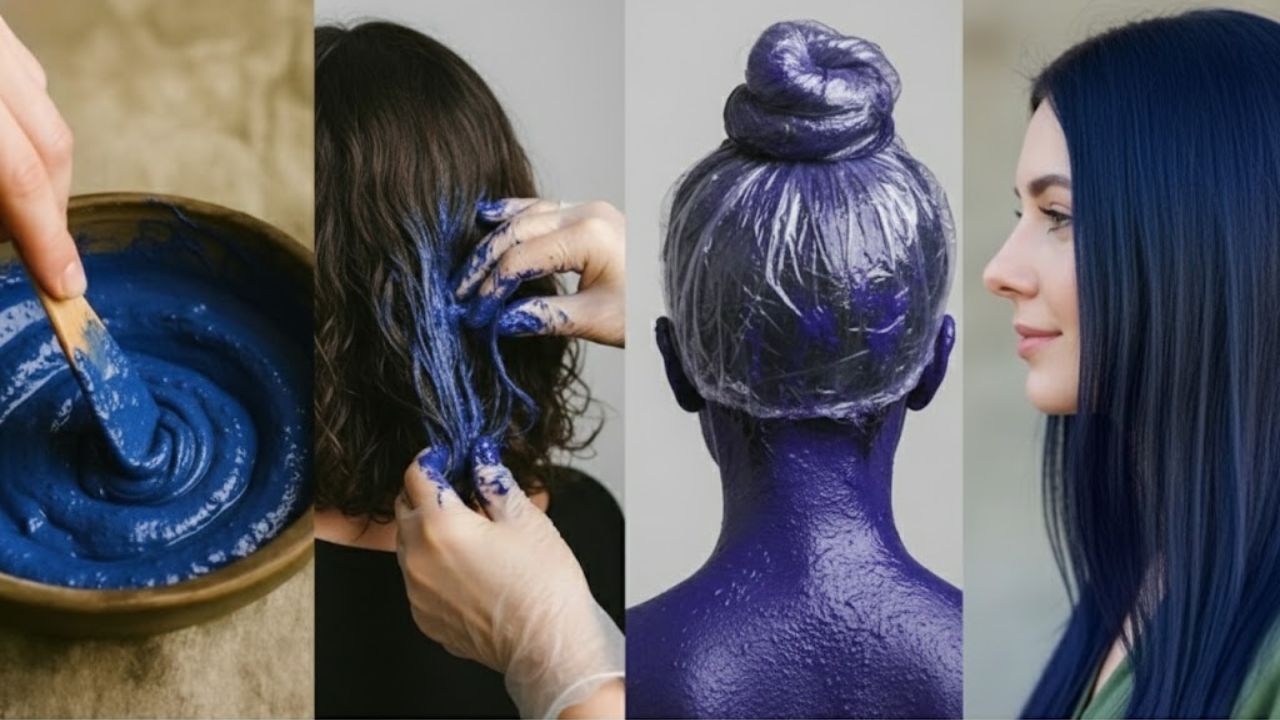
    Different shades come from thoughtful ingredient pairing. For classic copper, henna mixed with strong tea works well. To soften brightness, amla powder is often added, while indigo deepens color toward brown or near-black. This flexibility allows gradual adjustment rather than one irreversible result. These blends rely on herbal shade control, two-step coloring, warm tone balance, and gradual color build. Because henna oxidizes over days, the final shade settles slowly, giving you time to understand how your hair responds.

    Why pure henna matters in safe hair dye recipes

    The success of henna depends almost entirely on quality. True henna should be finely sifted, earthy-smelling, and free from additives. Many problems blamed on henna actually come from compound powders mixed with salts or synthetic dyes. Choosing carefully protects both hair and scalp while delivering reliable color. Look for signs like body-art quality powder, fresh green hue, no metallic salts, and clean ingredient list. When henna is fresh and pure, the results are consistently richer and far more predictable.

    Understanding results, patience, and long-term benefits

    Henna rewards patience. Unlike instant dyes, it develops character over time, deepening after application and lasting for weeks. Grays become warm highlights instead of stark contrasts, and repeated use improves texture. This long view of beauty emphasizes hair strength improvement, color longevity, natural gray blending, and low damage routine. Over time, many people find they need fewer products overall because their hair feels healthier and more resilient.

    Ingredient Main Purpose Best For
    Henna Powder Primary natural dye Copper and red tones
    Amla Powder Softens red shades Auburn or cooler tones
    Indigo Powder Darkens color Brown to black shades
    Cassia Adds shine Subtle golden warmth
    Black Tea Enhances depth Richer overall tone

    Frequently Asked Questions (FAQs)

    1. Is henna safe for regular use?

    Yes, pure henna is generally safe when used correctly and sourced responsibly.

    2. How long does henna color last?

    Henna fades very slowly and can last several weeks or longer.

    3. Can henna cover gray hair?

    Henna blends grays into warm highlights rather than fully masking them.

    4. Should I do a patch test?

    Always patch test to check for sensitivity, even with natural products.

  • Collagen-Rich Broth Rituals That Gradually Improve Skin Hydration Firmness and Elasticity

    Collagen-Rich Broth Rituals That Gradually Improve Skin Hydration Firmness and Elasticity

    The first time many people in India try a slow-simmered collagen broth, it often feels less like cooking and more like creating a moment of calm. This traditional drink, once common in home kitchens, is now being rediscovered for its skin-supportive benefits. Unlike quick meals or topical creams, collagen-rich broth works gently from within. It relies on time, warmth, and simple ingredients to nourish the body. As interest in holistic wellness grows, more people are turning to this comforting ritual to support hydration, elasticity, and overall skin health.

    Collagen-rich broth for skin nourishment from within

    Collagen-rich broth supports skin in a way that feels steady and grounding. Instead of acting on the surface, it delivers nutrients that travel through your system and assist natural repair. When bones and connective tissue simmer slowly, collagen converts into gelatin and amino acids the body can use. These nutrients help maintain skin elasticity support, improve natural moisture balance, and encourage inner tissue repair. Many people also notice joint comfort benefits and digestive calm. In busy daily routines, sipping a warm cup feels intentional. It becomes a pause that reminds you skin health is deeply connected to overall nourishment, not just what you apply externally.

    How collagen broth supports hydrated, resilient skin

    Healthy skin depends on what lies beneath its surface. Collagen forms part of the dermal structure that keeps skin firm and smooth. As production slows with age, skin may appear thinner or less supple. Drinking broth provides building blocks that aid dermal structure strength and long-term hydration. Amino acids like glycine and proline assist collagen renewal process while gelatin can support gut lining comfort. When digestion improves, inflammation may ease, allowing skin to reflect better balance. Over weeks, people often see softer skin texture rather than overnight changes.

    Making collagen broth a daily skin-care ritual

    Turning collagen broth into a habit doesn’t require perfection. Many enjoy it in the morning as a calm start, while others prefer an afternoon break. Holding a warm mug and breathing in the steam creates a sense of care. This simple act encourages mindful nourishment habit and supports consistent nutrient intake. Small touches like ginger or lemon add flavor and keep it enjoyable. Over time, the body recognizes this ritual as supportive, aiding overall body balance, promoting stress-soothing warmth, and reinforcing skin care consistency without adding complexity.

    Why collagen broth fits into a holistic skin approach

    Collagen broth works best as part of a broader lifestyle rather than a standalone fix. Adequate sleep, hydration, and balanced meals all influence how skin looks and feels. Broth contributes by offering minerals and amino acids in an easily absorbed form, encouraging internal hydration support and nutrient absorption efficiency. It may also help maintain inflammation balance, which is closely linked to skin clarity. The gradual nature of results teaches patience and reinforces long-term skin wellness. Instead of chasing quick fixes, this approach values steady care and respect for the body’s natural rhythms.

    Aspect Details
    Main source Bones and connective tissue
    Key nutrients Gelatin and amino acids
    Typical intake 1–2 cups daily
    Best timing Morning or afternoon
    Storage Refrigerate or freeze portions

    Frequently Asked Questions (FAQs)

    1. How long does it take to see skin benefits?

    Most people notice subtle improvements after several weeks of regular intake.

    2. Can store-bought broth work?

    Yes, if it is slow-simmered and free from unnecessary additives.

    3. Is collagen broth suitable for daily use?

    Drinking it daily in moderate amounts is generally well tolerated.

    4. Are there plant-based alternatives?

    Plant foods support collagen production but do not provide collagen directly.

  • 12 Yoga Poses That Release Body Stiffness and Improve Flexibility Without Intense Effort

    12 Yoga Poses That Release Body Stiffness and Improve Flexibility Without Intense Effort

    Body stiffness is a common issue for people in India, especially with long work hours, frequent screen use, and limited daily movement. Tight muscles, aching joints, and reduced flexibility often develop from prolonged sitting, stress, or aging. Over time, even simple movements can feel uncomfortable. Yoga offers a gentle and effective way to counter this stiffness without placing strain on the body. By combining slow stretches with controlled breathing, yoga helps muscles relax naturally. Practicing the right poses regularly can restore mobility, improve posture, and make everyday movement feel smoother and easier.

    Yoga poses to reduce body stiffness through gentle movement

    When stiffness builds up across the body, starting with simple standing and spinal poses can make a noticeable difference. Movements like Mountain Pose and Cat–Cow encourage gentle spinal mobility while helping the body reconnect with proper alignment. These poses improve posture awareness and activate muscles that often go unused during the day. Coordinating motion with mindful breathing allows tight areas to soften without forcing a stretch. Over time, these basic poses support healthier joints and smoother transitions in daily movement, making them ideal for beginners or anyone easing back into physical activity.

    Yoga poses for body stiffness in hips, back, and legs

    Many people feel stiffness most intensely in the hips, lower back, and legs, especially after long periods of sitting. Poses such as Low Lunge, Standing Forward Bend, and Butterfly Pose focus on hip joint release while lengthening tight muscles. Seated postures and twists improve seated flexibility and help relieve compression around the spine. As tension eases, practitioners often notice lower back ease and better comfort during daily tasks. These poses also promote circulation support, helping muscles feel warmer, looser, and more responsive with regular practice.

    Yoga poses to release body stiffness and promote relaxation

    Restorative poses play a key role in reducing stiffness that comes from stress and overexertion. Positions like Child’s Pose, Supine Figure Four, and Legs Up the Wall encourage restorative relaxation while gently stretching tired areas. These poses calm the mind and create a sense of nervous system calm, which allows muscles to let go of hidden tension. They also support muscle recovery after long days or intense workouts. Because they rely on passive stretching, these poses are accessible to all fitness levels and ideal for winding down.

    How regular yoga practice improves flexibility over time

    Practicing yoga consistently helps the body adapt gradually, leading to long term flexibility without strain or discomfort. As muscles lengthen and joints move more freely, the risk of aches and strains decreases, supporting injury prevention. The key is consistent practice rather than intensity, allowing the body to respond at its own pace. Over weeks and months, posture improves, movement feels lighter, and stiffness becomes less frequent. Beyond physical benefits, yoga also enhances overall wellbeing, making it a sustainable and calming solution for everyday stiffness.

    Yoga Pose Main Benefit Target Area Recommended Duration
    Cat–Cow Pose Spinal flexibility Spine and shoulders 1–2 minutes
    Low Lunge Hip opening Hips and thighs 30–60 seconds each side
    Butterfly Pose Inner thigh stretch Hips and groin 1–3 minutes
    Child’s Pose Deep relaxation Back and shoulders 2–5 minutes
    Legs Up the Wall Improved circulation Legs and lower back 5–10 minutes

    Frequently Asked Questions (FAQs)

    1. How often should I practice yoga to reduce stiffness?

    Practicing gentle yoga at least three to five times a week can noticeably reduce stiffness.

    2. Can beginners do these yoga poses safely?

    Yes, these poses are beginner-friendly and can be modified for comfort.

    3. Is yoga better than stretching for body stiffness?

    Yoga combines stretching with breathing, making it more effective for overall stiffness relief.

    4. When is the best time to do yoga for stiffness?

    Morning or evening sessions work well, depending on when your body feels tight.

  • Japanese Hair-Washing Method Delivers Healthier Shinier Hair Without Expensive Salon Treatments

    Japanese Hair-Washing Method Delivers Healthier Shinier Hair Without Expensive Salon Treatments

    Some evenings, washing your hair feels like a rushed task rather than a moment of calm. In Japan, however, hair care is often treated as a mindful ritual rather than a routine chore. The Japanese Hair-Washing Method focuses on scalp health, gentle handling, and low-stress techniques that support natural shine and strength. This approach has gained attention worldwide, including in Japan itself, for helping hair look smoother and healthier without expensive salon treatments. By slowing down and following intentional steps, even a simple wash can become a relaxing self-care habit.

    Japanese Hair-Washing Method for Scalp Care

    The foundation of the Japanese Hair-Washing Method is caring for the scalp, not just the hair strands. Instead of aggressively scrubbing, the process emphasizes scalp-first cleansing, gentle pressure, and steady movements. A brief massage before shampooing helps improve circulation and loosen buildup while creating a calming effect. Shampoo is applied mainly to the roots, allowing the foam to cleanse the lengths naturally. This reduces friction and preserves moisture. Over time, people notice less scalp tension, balanced oil levels, and improved hair texture. The method encourages awareness, turning an everyday task into a grounding experience.

    Japanese Hair-Washing Method and Washing Frequency

    Another key part of the Japanese Hair-Washing Method is understanding how often to wash your hair. There is no universal rule, as scalp type, hair texture, and lifestyle all matter. Many people benefit from washing one to three times a week rather than daily. This helps protect natural scalp oils that keep hair flexible and shiny. Straight hair may need more frequent washing, while curly or dry hair thrives with longer gaps. Paying attention to your scalp’s signals leads to healthier wash cycles, reduced oil buildup, and stronger strands over time.

    Japanese Hair-Washing Method with Gentle Drying

    Drying is where many people unknowingly damage their hair, which is why the Japanese Hair-Washing Method stresses patience. Wet hair is fragile, so instead of rubbing with a towel, gently press out water using a soft fabric. Letting hair air-dry briefly before blow-drying on low heat makes a noticeable difference. Keeping the dryer moving and directing airflow downward helps smooth the cuticle. These habits reduce heat-related breakage, support long-term smoothness, and encourage natural shine retention without relying on heavy products.

    Why This Japanese Hair Ritual Works Long Term

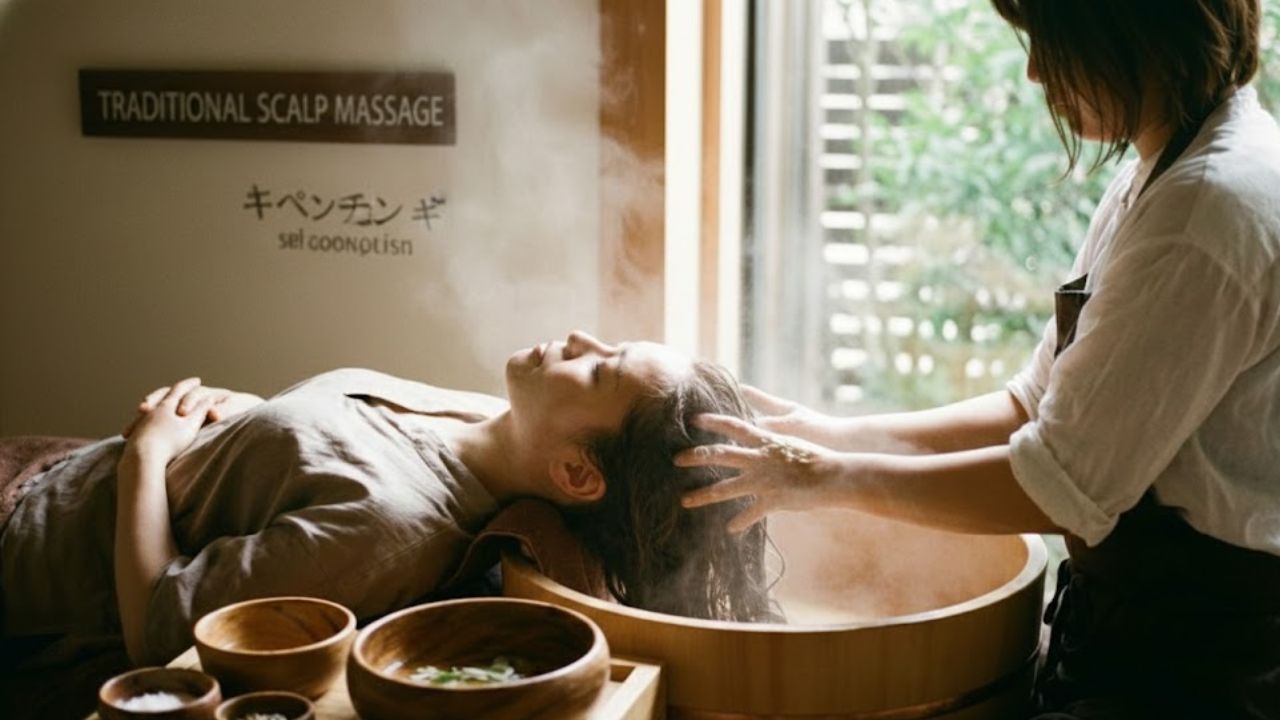
    What makes this routine effective is consistency rather than complexity. Small habits, when repeated, protect both scalp and hair structure. Combining massage, mindful washing, and gentle drying leads to overall hair resilience, calmer self-care moments, reduced daily stress, and easier styling results. Instead of chasing quick fixes, this approach allows hair to respond naturally over time. Inspired by Japanese Head Spa traditions, it shows that slowing down can quietly improve not just how your hair looks, but how you feel while caring for it.

    Routine Step Purpose Recommended Frequency
    Scalp Massage Boost circulation Before each wash
    Targeted Shampooing Clean scalp gently 1–3 times weekly
    Gentle Towel Drying Reduce friction Every wash
    Low-Heat Blow-Dry Prevent heat damage As needed

    Frequently Asked Questions (FAQs)

    1. Is the Japanese Hair-Washing Method suitable for all hair types?

    Yes, it can be adapted to straight, wavy, curly, and coily hair types.

    2. Do I need special products to follow this method?

    No, gentle shampoo and basic tools are enough to start.

    3. How long does each wash take?

    It usually takes 5–10 minutes longer than a rushed routine.

    4. When will results become noticeable?

    Most people notice softer, calmer hair within a few weeks.