Category: Timesco

  • A mobility coach recommends these 4 hip exercises to strengthen instead of stretch

    A mobility coach recommends these 4 hip exercises to strengthen instead of stretch

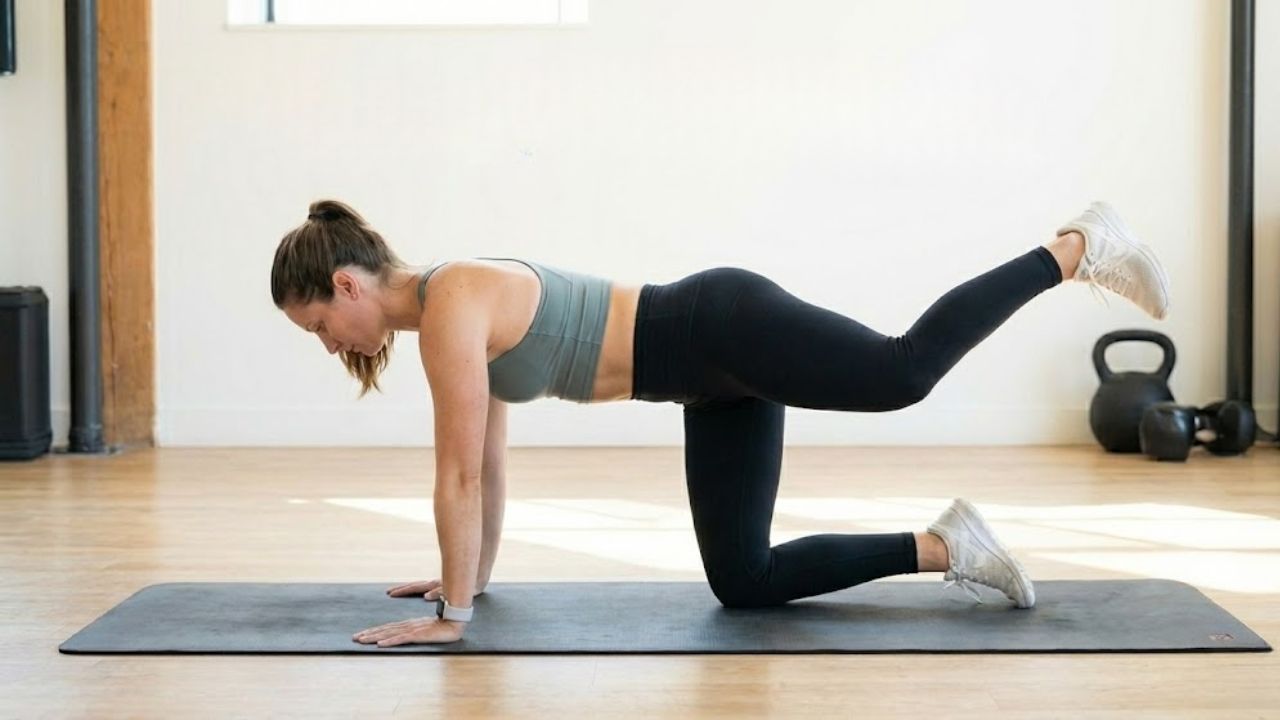
    These four exercises are designed to help strengthen and stabilize hypermobile hips and come directly from a movement and mobility coach. If you experience hip pain, pinching sensations, instability, or lingering discomfort in your lower back or knees, hypermobility may be a contributing factor. In these cases, focusing on stability rather than additional stretching can be more beneficial.

    While movement can be powerful, it can also be counterproductive if performed incorrectly. Always pay attention to how your body responds and consider consulting a physical therapist or medical professional before beginning any new exercise routine.

    Andy Hsieh, movement specialist and owner of Movement Reborn, emphasizes a whole-body approach. He explains that improving hip stability may also involve addressing factors such as nervous system regulation or recovery habits alongside your workouts. If you plan to try these exercises, follow his guidance closely and allow yourself time to progress. Below are some of the key benefits these movements can offer your hips.

    Understanding the Purpose of These Hip Exercises

    “Learning how to stabilize the hip isn’t just about the hip itself,” Hsieh explains. “It’s about the connection from the feet through the knees, into the hips, and up through the rest of the body.” In other words, hip discomfort often signals an issue elsewhere along this chain, forcing the hips to compensate.

    When hips feel unstable, the joints may not move or sit correctly, making actions like squatting or lunging uncomfortable. You might also notice your hips pushing outward to compensate when the knee collapses inward during lower-body movements.

    1. Glute and Quad Engagement Drill

    Stand with most of your weight on one leg and gently draw that hip inward. From there, firmly contract your glutes and quadriceps, helping to straighten the knee without locking it out or hyperextending. Since hip instability often affects knee stability, this drill helps activate the glutes, quads, and knees together, supporting proper joint alignment.

    2. Controlled Static Kneeling Lunge

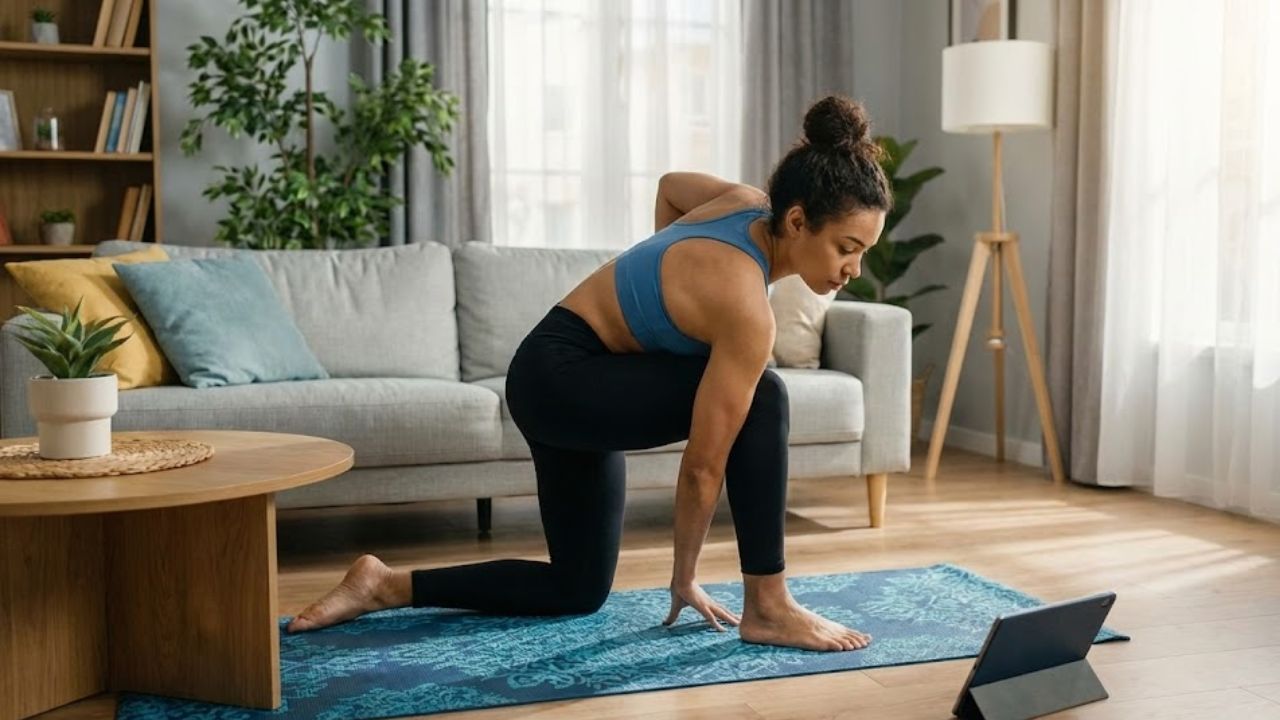
    Begin in a kneeling position with your front knee stacked directly over your ankle. Slightly pull the knee back while shifting your torso forward over the front foot. Then, draw the hip subtly back and inward as you guide the knee to track in line with the pinky toe, preventing it from collapsing inward.

    This subtle positioning helps ensure correct joint stacking and alignment, reducing the need for compensation elsewhere. With proper alignment, transitioning from kneeling or lunging positions becomes safer and places less strain on the hips.

    3. Banded Frog Pump Bridge

    Sit down with a resistance band looped just above your knees, then lie back and bring the soles of your feet together, allowing the knees to fall outward. Press your knees gently into the band as you lift your hips into a bridge, squeezing your glutes at the top.

    Exhale as you engage your glutes and feel your ribcage settle downward, which helps activate the core, particularly the lower abdominals. At the top position, aim to maintain tension through the glutes and abs while forming a straight line from your knees to your shoulders.

    Aim for five to six slow, controlled repetitions throughout the day.

    4. Passive Core Stability Activation

    Lie on your back with your knees bent and feet placed hip-width apart. Locate your belly button and rest your hands just below it. Perform a gentle cough to feel your abdominal muscles engage, then try to maintain that tension.

    While holding this engagement, lift one leg off the floor. If possible, raise the second leg so both are bent at 90 degrees. As you exhale, draw your ribs downward and engage your core fully; your tailbone may lift slightly off the floor.

    Practice this sequence until you can lift your legs using your lower abdominals rather than your hips. This helps train your core muscles to support movement, reducing reliance on the hip flexors. Slowly lower your legs with control, maintaining core engagement as you reset your breath.

    Instead of letting your hips take on all the work, allow your glutes and core to share the load. These muscles play a crucial role in stability and deserve consistent activation.
  • Facial Balance Tip Reveals How Incorrect Blush Placement Near the Nose Disrupts Face Harmony

    Facial Balance Tip Reveals How Incorrect Blush Placement Near the Nose Disrupts Face Harmony

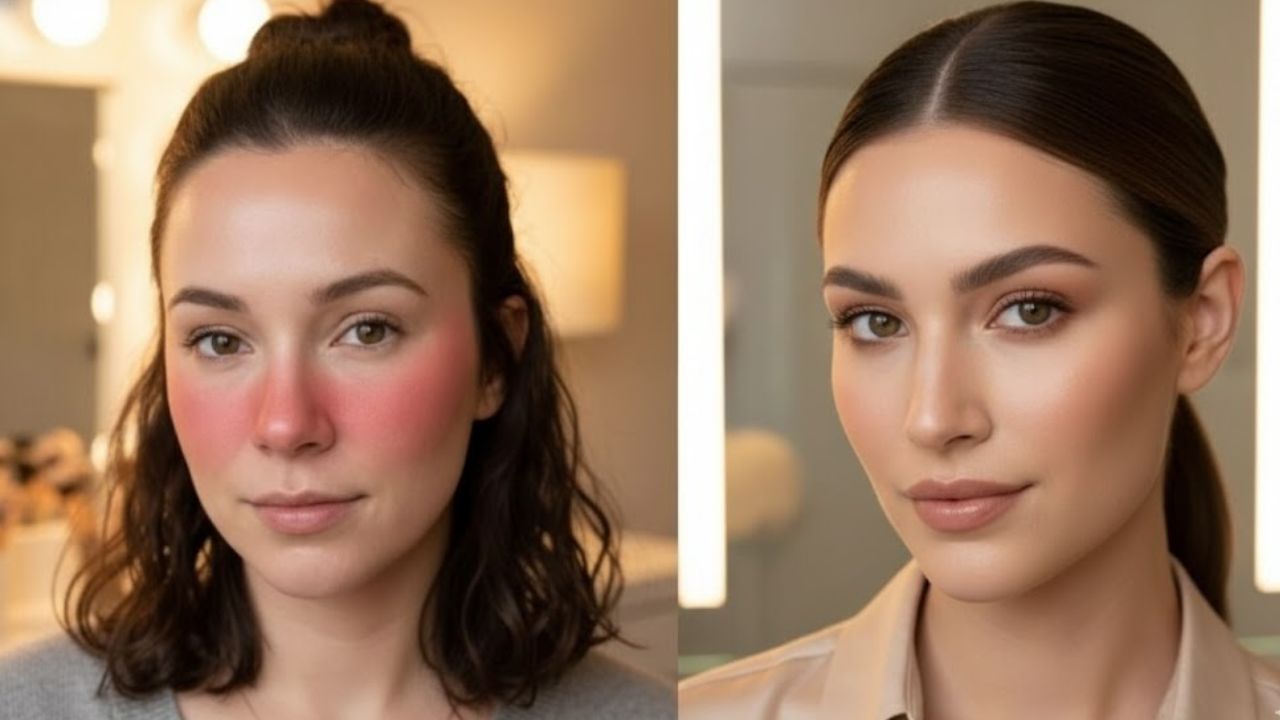
    The girl in the café looked perfect from far away. Her eyebrows were shaped nicely and her eyeliner was clean & her lips were glossy. When she got closer to the window something looked off. Her cheeks had a thick stripe of color right next to her nose like she had just climbed several flights of stairs. The makeup itself was good quality but it was put on in the wrong spot. You have probably seen this before when scrolling through social media or walking past people on the street. Sometimes a face has blush placed too close to the middle & it makes the features look smaller and squished together. It looks fine when you check it in your bathroom mirror but once you see it on camera or in daylight it ruins the whole balance of the face. That small difference of about two centimeters separates a fresh healthy look from a cramped appearance. This is not just about personal taste. It comes down to simple geometry.

    Why Blush Applied Too Close to the Nose Can Throw Off Facial Balance

    When blush sits too close to the nose, it can subtly disrupt how your face is perceived. Instead of enhancing your features, the color pulls attention inward, making the face appear narrower and more tense. The middle of the face becomes overly dominant, while elements like the eyes and cheekbones fade into the background. Rather than lifting the complexion, this placement visually drags everything toward the center. The outer cheeks can appear washed out, and the overall look loses dimension.

    Blush placed near the nostrils can also intensify any natural redness in that area, making the skin appear tired instead of fresh. From a distance, this positioning may look puffy or crowded rather than soft and romantic. What should add depth ends up flattening the face. Under harsh office lighting or in casual selfies, the effect becomes even more noticeable.

    In photos, especially those taken with phone cameras, blush near the nose often merges with existing redness. Cameras tend to sharpen contrast and shadows, turning what should be a gentle flush into a solid block of color. Makeup artists working in television frequently warn about a “danger zone” around the nose, where excess color can make the face look smaller and more exhausted under bright lights. This is why red carpet blush is consistently placed higher and farther outward.

    The reason is simple. The face is not flat but a mix of vertical and horizontal lines. Blush placement influences how those lines are read. When color sits too close to the nose, the vertical line from forehead to chin appears shorter and compressed, changing the overall balance.

    Smart Blush Placement That Lifts and Defines Your Features

    Begin with a clear reference point. Imagine a vertical line dropping from the center of your eye. This marks the inner boundary for blush placement. Your color should not cross this line toward the nose. Instead, place your brush on the area of your cheek that naturally lifts when you make a soft smile. A slight movement is enough.

    Apply the blush there and blend it outward toward the top of your ear in a gentle comma shape. Work in thin layers, as it is far easier to build color than to correct placement that has crept too close to the nose. If you are unsure, leave a small gap of bare skin between your nose and where the blush begins.

    Many people apply blush too far inward because they follow advice about focusing on the apples of the cheeks too literally. When rushing, the brush often lands near the nostrils, and this becomes a habit. On round faces, this can make cheeks look fuller rather than lifted. On angular faces, it can make the center look harsh and distract from the cheekbones. On textured skin, color near the nose tends to settle into pores and fine lines.

    That familiar moment of catching your reflection later in the day and looking flushed or tired is often not about how much blush you used, but where it was placed. Shifting the placement slightly outward can improve how your face reads in photos all day.

    A Simple Checklist to Keep Blush Away From the Nose

    • Leave at least one finger’s width of bare skin between your nose and blush
    • Angle your brush upward instead of sweeping straight across
    • Tap off excess product before applying
    • Blend more on the outer edge than the inner edge
    • Step back from the mirror and check your face from arm’s length

    Simple visual guides like the center-of-eye line and the one-finger gap are more practical than complex contour rules. They work whether you use an inexpensive cream stick or a high-end compact, even on mornings when you are half awake.

    Finding Facial Balance Beyond Makeup Trends

    There is no single correct way to apply blush. Placement depends on the effect you want. Bringing color slightly toward the nose can create a cute, youthful flush on certain faces, similar to a cold-weather glow. However, when taken too far, this style stops looking intentional and starts to feel unbalanced.

    Every face is different, and preferences vary. Some people enjoy a bold central blush inspired by Korean beauty trends. Others prefer a subtle wash placed high on the cheekbone that acts almost like a natural filter. The key is understanding how each placement changes where attention goes and making deliberate choices instead of relying on habit.

    A helpful exercise is to test two placements. Apply blush on one side the way you normally do, closer to the nose. On the other side, place it slightly higher and farther outward toward the temple. Step back and take a photo in natural daylight. Compare which side makes your eyes stand out more and which allows your nose to blend naturally instead of becoming the focal point.

    This process is not about criticizing your features. It helps you see how color placement guides attention. With experimentation, it becomes clear that your face is not something to fix, but a canvas you can arrange in different ways. Blush placement near the nose may seem like a small detail, but it has a noticeable impact. Understanding this gives you control over what people notice first, without hiding anything.

    Key Focus Area Updated Guidance Why It Matters
    Space Near the Nose Keep a narrow section of bare skin between the nose and blush placement Avoids a congested center and maintains natural facial balance
    Blush Positioning Rule Stop application before reaching the vertical line below the eye’s center Creates a lifted effect rather than a weighed-down or puffy look
    Blending Direction Diffuse color outward and gently upward toward the temples Visually opens the face, defines cheekbones, and looks flattering on camera
  • Remove Glass Cooktop Scratches at Home Using Proven Techniques That Avoid Costly Replacements

    Remove Glass Cooktop Scratches at Home Using Proven Techniques That Avoid Costly Replacements

    The first time you see it your heart drops. That glossy black glass cooktop you once loved now has a light jagged scratch going across it. Maybe it showed up when you slid a heavy pot too fast or when a small grain of salt got trapped under a pan. The scratch is tiny but every time you walk into the kitchen you notice it right away. When you run your finger over the surface you can feel the rough edge. You start to think the damage might be permanent and wonder if you need to replace the whole cooktop or just live with the flaw.

    Assessing the Scratch: How Bad Is the Damage?

    Before attempting any repair, it’s important to identify the type of scratch on your cooktop. Examine the surface under bright lighting and from multiple angles. If the mark is visible only at certain angles and your fingernail doesn’t catch, it’s likely a minor surface blemish. These are generally the easiest to improve. If your nail catches just a little, the scratch may still be treatable. However, deep grooves that clearly snag your nail are more serious and cannot be fully removed at home. Thinking in terms of light haze, visible lines, and deep scratches helps you choose the right method and manage expectations.

    Choosing the Right Supplies: Gentle Is Best

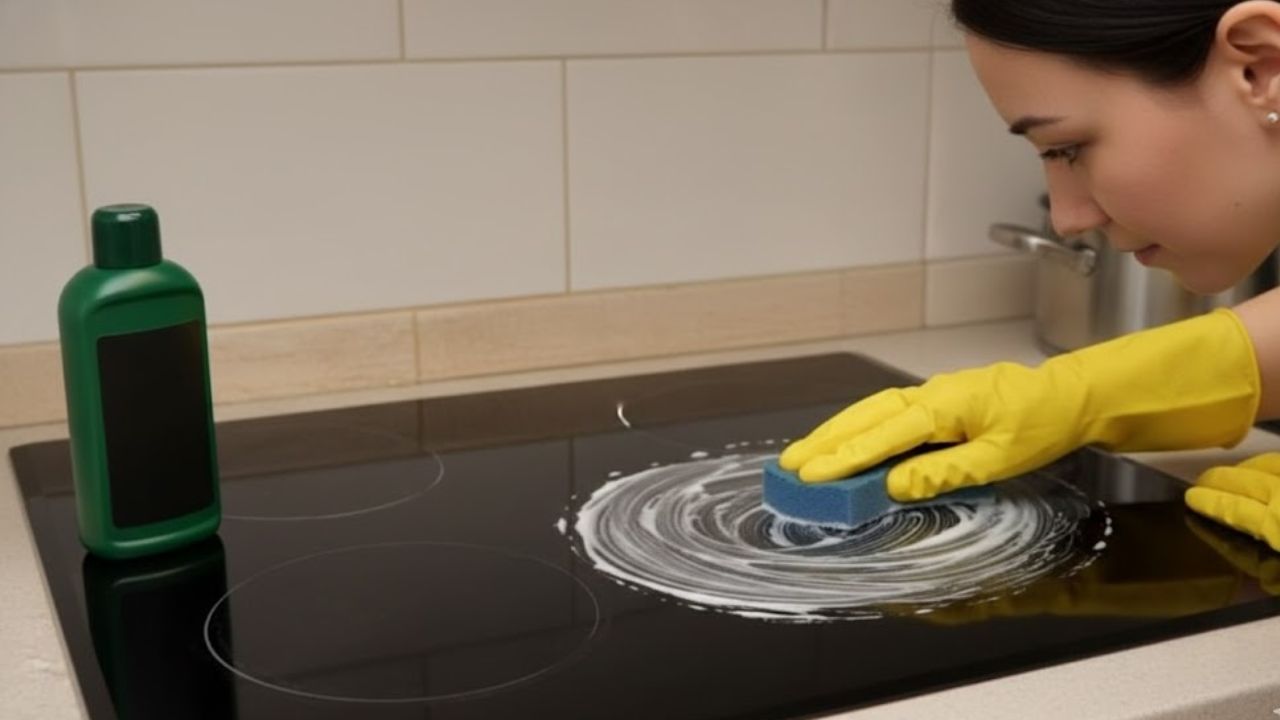
    Start by cleaning the cooktop thoroughly to remove grease, dust, or residue that could interfere with polishing. Use a soft cloth with a cooktop-safe cleaner, then dry the surface completely. When it comes to scratch reduction, stick to mild, non-abrasive options. Baking soda paste, non-gel toothpaste, ceramic cooktop cream, or a glass polishing compound are all suitable for light to moderate marks. These products work by gently smoothing the surface, not grinding it down. Always use a soft microfiber cloth and avoid harsh pads, steel wool, or gritty materials that could cause more damage.

    Simple Home Techniques to Minimize Scratches

    Before treating the main area, test your chosen method on a small, less visible spot. If the finish remains clear, you can proceed. For light scratches, apply baking soda paste or toothpaste and rub gently in small circular motions. Wipe the area clean, check the results, and repeat if necessary. For more noticeable marks, ceramic cooktop cream or a glass polishing compound often delivers better results. Use light pressure and patience, allowing the product to do the work. While deep scratches won’t vanish, careful polishing can soften their appearance and make them far less obvious.

    Restoring the Finish After Polishing

    After you’re satisfied with the improvement, clean the surface again to remove any remaining residue. Many people finish by using a cooktop cleaner that leaves a subtle protective shine. Buff the area gently with a dry microfiber cloth until the surface looks even and reflective. The scratch may still be faintly present, but it usually blends into the surface instead of standing out.

    Why Glass Cooktops Get Scratched Even With Care

    Glass cooktops appear smooth, modern, and almost indestructible, giving the impression they can handle everyday cooking without issue. In reality, the glass is more delicate than it looks. Small abrasions can form even with careful use. Sliding a heavy pot, a grain of salt trapped beneath cookware, or a cast-iron pan with a rough base can all quietly leave marks. Often, the scratch isn’t noticed right away and only becomes visible during cleaning. The key takeaway is that many of these scratches aren’t permanent and can often be reduced with gentle, proper care.

    Method Used Most Effective For Main Advantages Possible Drawbacks
    Baking Soda Paste Minor surface marks and dull patches Low cost, easily available at home, gentle on glass Not effective for deep or clearly visible scratches
    Non-Gel Toothpaste Light but noticeable scratches Simple application, mild abrasive helps polish glass Needs repeated attempts for visible results
    Cooktop Polishing Cream Light to moderate scratch damage Specifically made for glass cooktops, restores shine safely More expensive than basic household options
    Glass Polishing Compound Multiple or stubborn scratch marks Stronger polishing power, better visible improvement Requires careful use to prevent surface damage
  • Brain Teaser Challenge: Find the Word FREE Hidden Among TREE in 5 Seconds

    Brain Teaser Challenge: Find the Word FREE Hidden Among TREE in 5 Seconds

    Are you ready to challenge your focus, concentration, and observation skills? This engaging brain teaser asks you to spot the word “Free” cleverly hidden among several repetitions of the word “Tree.” It may sound easy at first, but the visual similarity between the two words makes it surprisingly tricky. With only 5 seconds to complete the task, sharp attention and calm focus are essential. Let’s see if you can find the hidden word before time runs out.

    Understanding What a Brain Teaser Is

    A brain teaser is a puzzle designed to stimulate creative thinking, logic, and mental flexibility. Unlike simple questions with obvious answers, brain teasers often rely on clever wording, patterns, or visual tricks that push your mind to think differently. They are widely used to strengthen skills such as concentration, problem-solving, and attention to detail.

    These puzzles come in many forms, including riddles, word challenges, number puzzles, and optical illusions. People of all ages enjoy them as a fun way to exercise the brain. Whether solved alone or shared with others, brain teasers deliver both entertainment and meaningful mental stimulation.

    What makes brain teasers especially effective is their ability to activate your brain quickly. They encourage fast, critical thinking while improving your ability to notice small details—an important skill in everyday tasks and professional environments.

    The 5-Second Word Challenge: Find “Free”

    In this challenge, your goal is to identify the word “Free” hidden within a grid filled with the word “Tree.” At a glance, the words appear nearly identical, which makes the task more demanding than it seems. The key difference lies in one letter, and spotting it requires close visual attention.

    This puzzle is specifically designed to test your visual perception and your ability to remain focused under time pressure. With just five seconds to scan the grid, you must quickly locate the unique word before moving on. The close resemblance between the two words makes this challenge far more difficult than expected.

    Why This Brain Teaser Is Harder Than It Looks

    The difficulty comes from the strong visual similarity between “Tree” and “Free.” Both words contain four letters, and the only difference is the second character. In many fonts, the letters “r” and “f” can appear almost alike at a quick glance. As your brain scans the grid, it naturally groups similar shapes together, causing small differences to be overlooked.

    The 5-second time limit adds extra pressure. When time is limited, the urge to rush increases, often leading to missed details. This challenge tests not only your ability to see differences but also your speed in processing visual information.

    Puzzles like this are valuable because they train your brain to maintain focused attention. Regular practice can help you recognize subtle differences more quickly, improving accuracy and observation skills in everyday situations.

    Tips to Solve the Challenge Successfully

    • Concentrate on individual letters: Pay close attention to the second letter in each word, as this is where the difference appears.
    • Scan in an organized way: Move through the grid row by row instead of searching randomly to avoid missing anything.
    • Stay composed: The time limit can feel stressful, but calm focus improves accuracy.
    • Practice regularly: Repeated exposure to similar puzzles trains your brain to detect patterns and differences faster.

    The Answer: Where “Free” Is Hidden

    If you spotted the word “Free”, well done. If not, there’s no need to worry.

    The word “Free” appears slightly left of the center within the grid. It is surrounded by the word “Tree,” making it easy to overlook. By focusing on the second letter, you can see that the “r” has been replaced with an “f.” Its placement among nearly identical words is what makes this puzzle so challenging.

    This teaser highlights how the brain processes visual information. Because the mind is wired to recognize familiar patterns quickly, subtle variations are often missed. Challenges like this help retrain your attention toward small but important differences.

    How Brain Teasers Improve Mental Performance

    Beyond being enjoyable, brain teasers offer several important cognitive benefits:

    • Stronger focus and concentration: Regular practice improves your ability to block distractions.
    • Better problem-solving skills: These puzzles encourage quick thinking and creative solutions.
    • Improved memory: Recognizing patterns enhances both short-term and long-term memory.
    • Greater mental agility: Your brain becomes faster at processing and responding to information.
    • Reduced stress: Focusing on puzzles provides a refreshing mental break from daily pressures.

    More Brain Teasers You Can Try

    If you enjoyed this challenge, here are a few other brain teasers worth exploring:

    • Number puzzles: Identify the one number that doesn’t belong.
    • Optical illusions: Search for hidden shapes or images.
    • Word games: Solve word searches or rearrange letters to form words.
    • Riddles: Challenge your logic with clever and thought-provoking questions.
  • Optical Illusion Test: Spot the Number 167 in 7 Seconds

    Optical Illusion Test: Spot the Number 167 in 7 Seconds

    Are you ready to put your visual awareness to the test? This engaging brain teaser challenges you to locate the number 167 hidden within a grid full of nearly identical numbers — and you have only 7 seconds to do it. Designed to challenge your focus, concentration, and attention to detail, this optical illusion looks simple at first glance. However, a subtle difference is carefully concealed, and only sharp eyes will catch it in time. Let’s see if you’re up for the challenge.

    Understanding Optical Illusions

    An optical illusion is a visual experience where the image perceived by your eyes does not accurately represent reality. These illusions occur when the brain misinterprets visual signals, creating a distorted or misleading impression of what is actually there.

    Optical illusions can cause objects to appear larger, smaller, distorted, or even in motion when they are completely still. They reveal how complex and fascinating human visual perception truly is, offering both entertainment and insight into how our brains process information.

    Optical illusions generally fall into several categories:

    • Literal Illusions: Images that resemble something else entirely, such as objects forming a face.
    • Physiological Illusions: Effects created by light, contrast, or color intensity, like afterimages from bright visuals.
    • Cognitive Illusions: Illusions driven by mental assumptions and context, causing misinterpretation of what you see.

    This particular challenge belongs to the cognitive illusion category, as it relies on your ability to focus on fine details and overcome visual assumptions.

    The 7-Second Challenge: Find the Number 167

    Now comes the exciting part. You’re presented with a grid dominated by the number 197. Somewhere within this grid lies the number 167, carefully camouflaged among the others. While the task sounds easy, the similarity between these numbers makes it surprisingly difficult.

    The digits “1,” “6,” and “7” closely resemble “1,” “9,” and “7,” especially when displayed in the same font and size. Your goal is to identify the hidden 167 within just 7 seconds. This challenge truly pushes your visual perception and mental speed.

    Why This Puzzle Is So Challenging

    The difficulty lies in the subtle distinction between the numbers 167 and 197. The only variation is the middle digit — 6 versus 9. Because both digits share a rounded shape, your brain often processes them as identical, especially when scanning quickly.

    On top of that, the numbers are spread across the grid in different positions. Combined with the time pressure, this forces your brain to rely on rapid pattern recognition, increasing the chances of overlooking small differences.

    This puzzle isn’t just about spotting a number — it’s about training your mind to notice fine details even when everything looks nearly the same.

    Tips to Spot the Hidden 167 Faster

    To improve your chances of success, keep these strategies in mind:

    • Scan Methodically: Move through the grid row by row instead of scanning randomly.
    • Focus on Patterns: Pay close attention to the shape of the middle digit in each number.
    • Stay Calm: The time limit adds pressure, but staying focused improves accuracy.
    • Practice Often: Regular exposure to visual puzzles sharpens observation skills over time.

    The Answer: Where the Number 167 Is Hidden

    Did you manage to find it? If so, well done — your attention to detail is impressive. If not, here’s the reveal.

    The hidden 167 appears in the upper-right area of the grid. It blends seamlessly among rows of “197,” with the only clue being the replacement of the “9” with a “6.” Once identified, the difference becomes obvious, but spotting it quickly is what makes this puzzle so tricky.

    How Optical Illusions Benefit Your Brain

    Beyond entertainment, optical illusions offer several mental advantages:

    • Sharper Visual Perception: Helps you notice subtle changes and patterns more easily.
    • Improved Focus: Strengthens your ability to concentrate for extended periods.
    • Greater Cognitive Flexibility: Encourages thinking from different perspectives.
    • Faster Mental Processing: Enhances your brain’s ability to analyze information quickly.
    • Stress Reduction: Provides a relaxing mental break from daily routines.

    More Optical Illusion Challenges to Explore

    If you enjoyed this puzzle, there are many other challenges worth trying:

    • Hidden Shape Puzzles: Locate concealed geometric forms within images.
    • Number Detection Games: Identify the odd number among similar digits.
    • Spot-the-Difference Images: Compare two visuals to find tiny variations.
    • Word Search Illusions: Discover hidden words in letter grids.

    Final Thoughts

    Optical illusion challenges like the Spot the Number 167 puzzle offer an enjoyable way to strengthen your brain’s visual processing abilities. They improve concentration, observation, and mental agility while keeping things fun. Whether you solved it within 7 seconds or needed a little more time, consistent practice will sharpen your skills. Keep exploring these puzzles, and you’ll soon find yourself spotting details others miss.

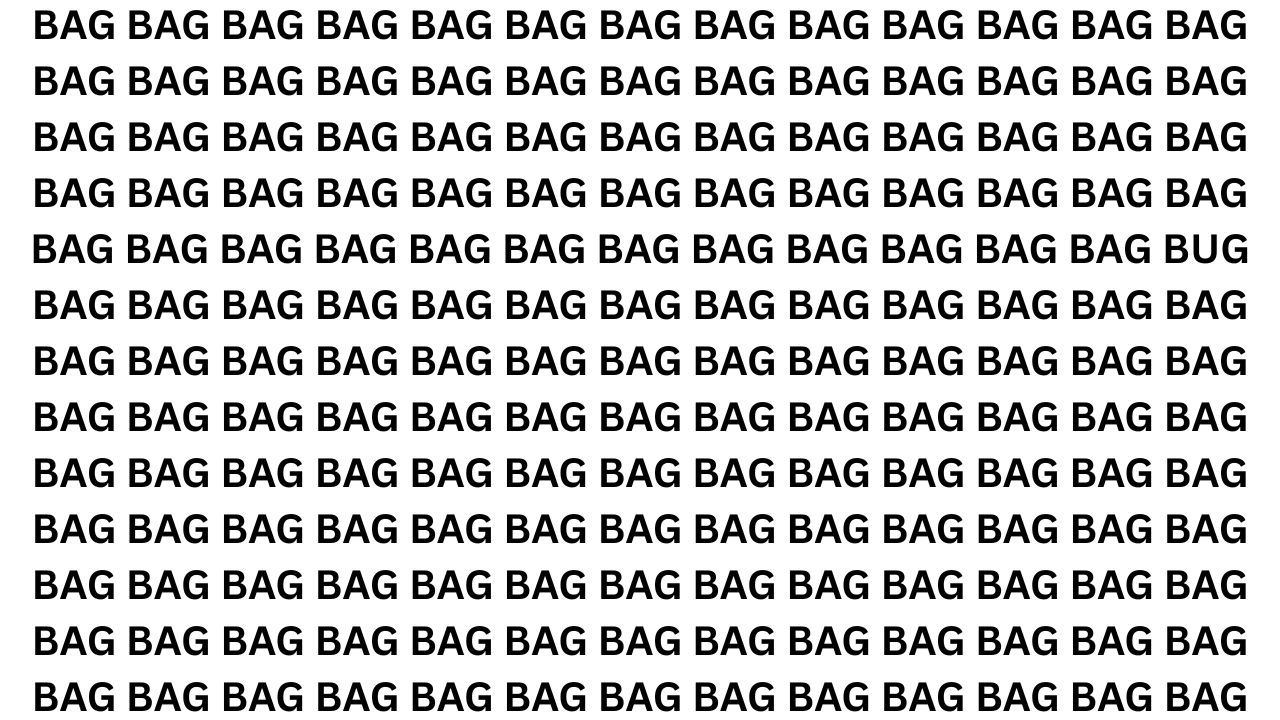
  • Brain Teaser Challenge: Spot the Word BUG Among BAG in 6 Seconds

    Brain Teaser Challenge: Spot the Word BUG Among BAG in 6 Seconds

    If you love brain teasers and enjoy pushing your mental limits, this challenge is made for you. In this quick test, your goal is to spot the word “Bug” hidden among multiple appearances of “Bag”—and you have only 6 seconds to do it. At first glance, every word looks the same, but a tiny difference is waiting to trip up your eyes. This puzzle puts your focus, speed, and attention to detail to the test. Are you ready to challenge your brain?

    Understanding Brain Teasers

    A brain teaser is a clever puzzle designed to stretch your thinking skills. Instead of offering obvious answers, these challenges rely on visual tricks, hidden patterns, or subtle differences that require sharp observation and creative problem-solving.

    The real appeal of brain teasers is how they activate key cognitive abilities like concentration, reasoning, and pattern recognition. By forcing your brain to break routine thinking habits, they help you approach problems from new perspectives. From word games to optical illusions, brain teasers combine mental exercise with entertainment.

    That satisfying “aha” moment when the solution clicks is what keeps people coming back. These puzzles don’t just entertain—they also help keep your mind flexible, alert, and engaged.

    The 6-Second Challenge: Find “Bug” Among “Bag”

    In this challenge, you’ll see a grid filled with the word “Bag”. Hidden somewhere inside is the word “Bug”. The difference is minimal—just a change in the middle letter—but that small shift is easy to miss when similar words repeat again and again.

    Smart Ways to Tackle the Puzzle

    • Stay Focused: Avoid scanning too fast. Your brain may assume all the words are identical, so slow down and inspect each one carefully.
    • Watch for Patterns: Repetition can be misleading. Pay close attention to the middle letter to catch the subtle difference.
    • Scan Systematically: Move row by row or column by column instead of jumping around. This reduces the chance of missing the target.
    • Manage Your Time: With only 6 seconds, you need quick yet precise observation. Staying calm is just as important as speed.

    The time pressure adds excitement and difficulty. Spotting “Bug” quickly shows strong observation skills, but even missing it helps train your brain to process information faster over time.

    The Answer: Where “Bug” Is Hidden

    The word “Bug” appears in the top-right area of the grid. It blends in easily because it sits among many instances of “Bag”. The only giveaway is the middle letter, where “a” changes to “u”.

    This puzzle highlights how tiny visual changes can be surprisingly difficult to detect, especially under pressure. It’s a perfect example of how our brains can be fooled by repetition.

    How Brain Teasers Benefit Your Mind

    Challenges like this do more than entertain—they support overall brain health in several ways:

    • Stronger Attention to Detail: Regular practice improves your ability to notice small differences in everyday situations.
    • Better Memory: Spotting patterns and recalling visual information strengthens both short-term and long-term memory.
    • Improved Focus: Time-based puzzles train your brain to concentrate deeply, even under pressure.
    • Enhanced Problem-Solving: Brain teasers encourage creative thinking and flexible approaches to challenges.
    • Stress Relief: Engaging puzzles provide a positive distraction, helping your mind unwind.
    • Greater Mental Agility: Frequent practice helps your brain react faster and process information more efficiently.

    More Brain Teasers to Explore

    If you enjoyed this word-spotting challenge, there are plenty of other brain teasers to try:

    • Riddles: Sharpen logical reasoning with clever wordplay.
    • Number Puzzles: Strengthen math and analytical skills.
    • Optical Illusions: Test visual perception and brain interpretation.
    • Word Games: Boost vocabulary and memory with engaging language puzzles.

    Final Thoughts

    Brain teasers like the “Spot the Word Bug” challenge combine fun with real mental benefits. They help sharpen focus, memory, attention to detail, and problem-solving skills while keeping your mind active. Whether you solved it within 6 seconds or needed more time, each attempt strengthens your cognitive abilities. Keep practicing, stay curious, and enjoy the mental workout every puzzle brings.

  • Optical Illusion Test: Spot the Hidden Number 883 in 8 Seconds

    Optical Illusion Test: Spot the Hidden Number 883 in 8 Seconds

    Are you prepared to challenge your observation skills? This optical illusion puzzle is created to stretch your vision and mental focus. Only those with truly sharp eyes can locate the hidden number 883 before the clock runs out. You have just 8 seconds to spot “883” cleverly concealed among repeated rows of “885.” While the image may appear straightforward at first, subtle details make this task far more challenging than it seems. Can you identify the difference in time?

    Understanding Optical Illusions

    An optical illusion is a visual effect that causes the brain to misinterpret what the eyes see. It happens when perception doesn’t align with reality, leading the brain to either see something that isn’t present or overlook something that is. These illusions reveal how the brain processes patterns, shapes, and visual cues.

    There are several well-known types of optical illusions, each working in a different way:

    • Literal Illusions: Images that appear to form one object but are actually composed of something else entirely, such as shapes arranged to resemble animals or faces.
    • Physiological Illusions: Effects caused by color, brightness, or light exposure that temporarily alter visual perception, like afterimages.
    • Cognitive Illusions: Illusions that rely on the brain’s assumptions and expectations, often leading to misinterpretation based on prior experience.

    This specific challenge falls under a cognitive illusion. Your brain quickly assumes all the numbers are the same, making it easy to miss the small but important difference. It’s an effective way to test focus, attention, and visual accuracy.

    The 8-Second Test: Find the Hidden 883

    The rules are simple. The image contains multiple rows filled with the number “885.” Hidden among them is one instance of “883”. Your task is to find it in just 8 seconds.

    Although it sounds easy, the design makes the numbers blend together, forcing your brain to work harder. Success depends on careful observation rather than quick scanning. Spotting the difference requires training your eyes to recognize tiny visual variations that are easy to miss at first glance.

    Why This Puzzle Is So Challenging

    The difficulty comes from how similar “885” and “883” appear. The only variation is the middle digit, where a “3” replaces a “5”. In many fonts, these digits look nearly identical, allowing the brain to skip over the change without noticing.

    Another factor is perceptual grouping. When the brain sees repeated patterns, it tends to group them together and stop analyzing individual elements. Combined with the pressure of a strict time limit, this makes identifying the odd number even harder.

    The Answer: Where the 883 Is Hidden

    Were you able to spot the hidden number in time? If yes, well done—you’ve demonstrated excellent attention to detail. If not, don’t be discouraged. These puzzles improve with practice.

    The correct location of “883” is near the bottom-right area of the image. Once you recognize the difference in the middle digit, the number becomes much easier to identify. The key lies in spotting that subtle shift from “5” to “3.”

    Why Optical Illusions Capture Our Attention

    Optical illusions are more than visual entertainment. They help us understand how the brain interprets information. Solving them strengthens concentration, enhances memory, and improves problem-solving skills.

    These illusions also highlight the limits of human perception. Our brains rely heavily on patterns and assumptions, which can sometimes lead us astray. Challenges like the “883” puzzle show how easily perception can be influenced by repetition and expectation.

    How to Spot Optical Illusions More Quickly

    If you enjoy visual puzzles and want to improve your performance, keep these tips in mind:

    • Slow Your Focus: Rushing often leads to mistakes. Carefully examining each section increases accuracy.
    • Break the Pattern: Look for areas where repetition changes, as illusions often hide differences there.
    • Practice Regularly: Repeated exposure to optical challenges trains your brain to recognize details faster.
    • Use a Timer: Timing yourself builds the ability to focus under pressure and improves reaction speed.

    Final Thoughts

    Optical illusion challenges like “Spot the Number 883” offer more than quick fun. They serve as valuable mental exercises that sharpen visual awareness, focus, and cognitive speed. Whether you solve them alone or share them with others, these puzzles provide an engaging way to keep your mind active and alert.

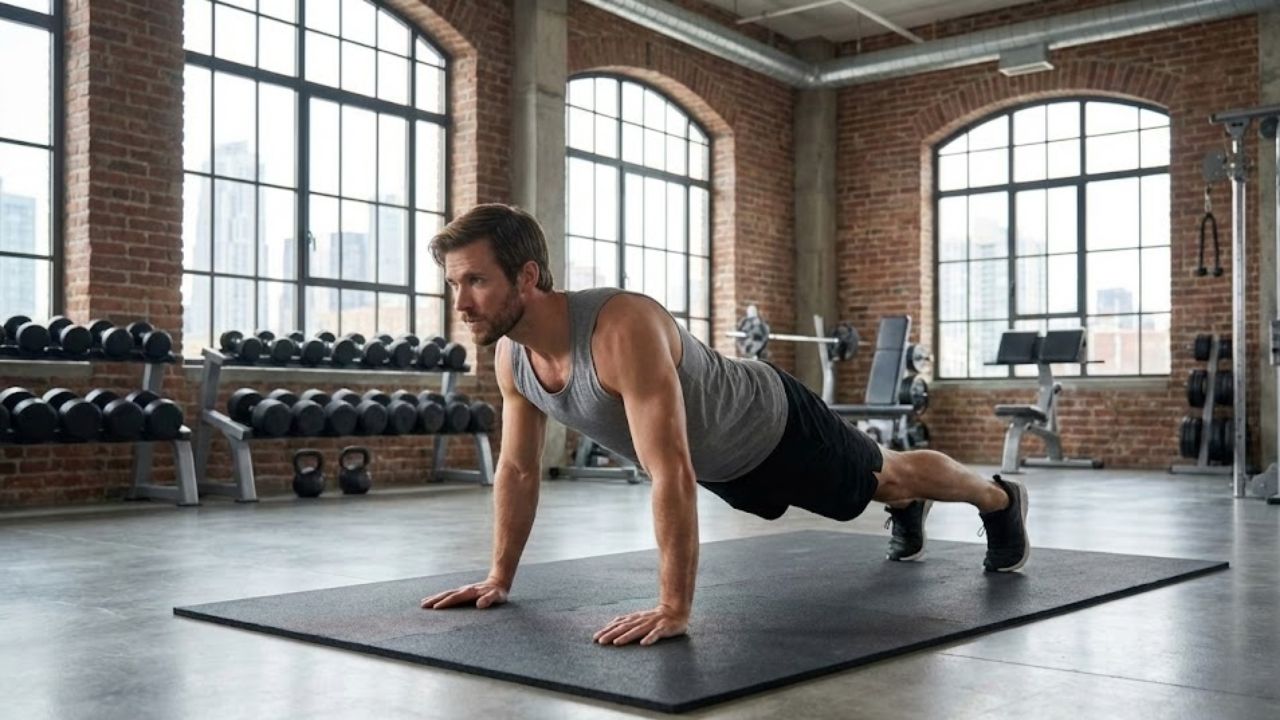
  • Bodyweight Exercises That Sculpt Stronger Legs at Home Without Equipment or Gym Memberships

    Bodyweight Exercises That Sculpt Stronger Legs at Home Without Equipment or Gym Memberships

    The stairs ahead of you are ordinary until you choose to turn them into a serious leg workout. A park bench may look like a place to sit, yet it can easily become your personal squat station or a platform for step-ups. Even the living room floor you cross daily offers more potential than most gym machines when you rely on your own body. You don’t need memberships or equipment. All it takes is gravity, awareness, and the decision to build strength using what already surrounds you.

    Why At-Home Bodyweight Leg Training Delivers Real Results

    Stand barefoot in the center of a room and feel the solid ground beneath you. Shift your weight gently from heel to forefoot. Your legs already perform countless quiet adjustments every day to keep you upright and moving. This is where equipment-free leg training truly begins. It’s not about plates or machines but about the connection between your feet and the floor. When machines disappear, effectiveness remains—only excuses fall away.

    The work becomes straightforward and honest. You squat, hinge, lunge, push, jump, and balance. These movements existed long before gyms or workouts had names. Think of bodyweight leg training as learning to move through daily life with alert, capable muscles. Stairs, hills, and even standing in line become practice. The payoff isn’t just visual strength. It’s stable knees, cooperative hips, and the sense that your body supports you instead of slowing you down.

    Waking Up Your Legs Before the Work Begins

    Before your legs push, pull, and burn, they need to switch on. Not with rushed stretches, but with calm, deliberate movement. A proper warm-up requires little space and full attention. Begin by marching in place, letting your heels land softly as your heart rate rises. Slowly rotate your ankles, drawing smooth circles in the air. Follow with gentle knee bends and relaxed circular motions.

    Move carefully, never forcing range. Slide your hands down your thighs into a light forward fold, knees bent, as your hamstrings ease into action. Sink into a few shallow squats simply to observe how your body feels today. Some days feel fluid, others stiff—both are normal. This warm-up isn’t separate from training; it’s the opening chapter that prepares hips, knees, ankles, and balance to work together.

    Using Gravity as Resistance for Stronger Legs

    Bodyweight leg training works like cooking with simple ingredients. When done with care, it becomes effective and endlessly adaptable. You don’t need countless exercises—just a few foundational movements that evolve over time. Squats teach controlled sitting and standing. Lunges train balance and forward motion. These basics form the core of functional leg strength.

    Bodyweight Squats: Strength Built From the Ground

    Stand with your feet at shoulder width. Imagine lowering into a chair placed slightly behind you. Your hips shift back as your knees bend, chest staying upright. Weight settles into your heels while toes remain grounded. Pause briefly at your lowest comfortable depth and notice your quads engaging, glutes working, and hamstrings stretching lightly. Press steadily through the floor to rise, keeping the movement controlled.

    When standard squats feel easy, increase difficulty by slowing the tempo, pausing longer at the bottom, or adding gentle pulses. Patience and control can create challenge without adding any external load.

    Controlled Lunges for Balance and Stability

    Lunges turn walking into focused strength work. Step forward and lower both knees together, keeping your front knee aligned over your foot. Your back knee descends softly as your torso stays tall. Push through the front leg to return to standing, then switch sides. Differences between legs quickly become noticeable, offering useful feedback rather than flaws.

    Lunges prepare your body for single-leg strength by teaching hips to stabilize and knees to track correctly. Try reverse lunges for a knee-friendly option, or walking lunges to add movement. True strength shows itself through control, not just force.

    Glute Bridges for Posterior Chain Support

    Lie on your back with knees bent and feet flat. Press your lower back gently down, then lift your hips until your body forms a straight line from shoulders to knees. Squeeze your glutes firmly at the top before lowering slowly. This movement activates your posterior chain, supporting your lower back and stabilizing your hips.

    As strength improves, lift one leg to perform single-leg bridges. This increases demand without weights, using only body positioning and gravity.

    Calf Raises to Strengthen Often-Ignored Muscles

    Stand tall with feet hip-width apart. Rise onto the balls of your feet, lifting your heels as high as possible. Pause briefly, then lower with control. Your calves support your entire body and act as natural shock absorbers. Strong calves make stairs, running, and long walks easier.

    Perform these on flat ground or on a step to increase range, letting your heels dip slightly below the edge before lifting again.

    Step-Ups Using Everyday Surfaces

    Choose a stable bench, chair, or low wall. Step one foot onto it and press through that leg to stand tall, then step down with control. The working leg activates from hip to calf, lifting and lowering your full body weight. Step-ups reflect real-world movements like climbing stairs or stepping onto uneven ground.

    If balance feels shaky, that’s a sign to keep practicing. Progress by using higher surfaces, slower tempos, or pausing at the top.

    How to Progress Without Adding Weights

    Progress doesn’t stop just because weights are absent. Three variables create challenge: repetitions, tempo, and leverage. Increase reps, add sets, or slow each movement. Explosive jump squats, assisted pistol squats, or extended pauses all turn bodyweight into serious resistance.

    Tempo is especially powerful. Lowering into a squat for three counts, pausing, then rising slowly can ignite muscles faster than expected. Adjust leverage by elevating feet during bridges or deepening lunges. Each change nudges your body toward further adaptation without equipment.

    Creating a Simple Bodyweight Leg Routine

    An effective leg routine doesn’t require complex planning. Choose a small group of exercises and perform them consistently with intent. A balanced session may include squats, reverse lunges, glute bridges, step-ups, and calf raises. Rest about 45 to 75 seconds between sets, adjusting repetitions to match your ability.

    The final repetitions should feel challenging while still allowing proper form. Over time, increase reps, slow movements, or explore more advanced variations like jump squats or Bulgarian split squats. Progress remains steady when effort stays honest.

    Making the World Your Training Ground

    Once you notice it, everyday environments transform into training spaces. Curbs become calf-raise platforms. Benches turn into step-up stations. Sidewalks, stairs, and parks blend seamlessly into your routine. Try adding squats during walks or step-ups on a park bench. Finish with calf raises at the curb, feeling a little stronger than when you started.

    The true beauty of bodyweight leg training lies in how it merges with daily life. Strong, equipment-free legs are ready for hikes, long days, or sudden bursts of movement. This approach isn’t a compromise—it’s a return to something simple and honest. Step by step, rep by rep, you rediscover what your legs could always do once you decided to trust them.

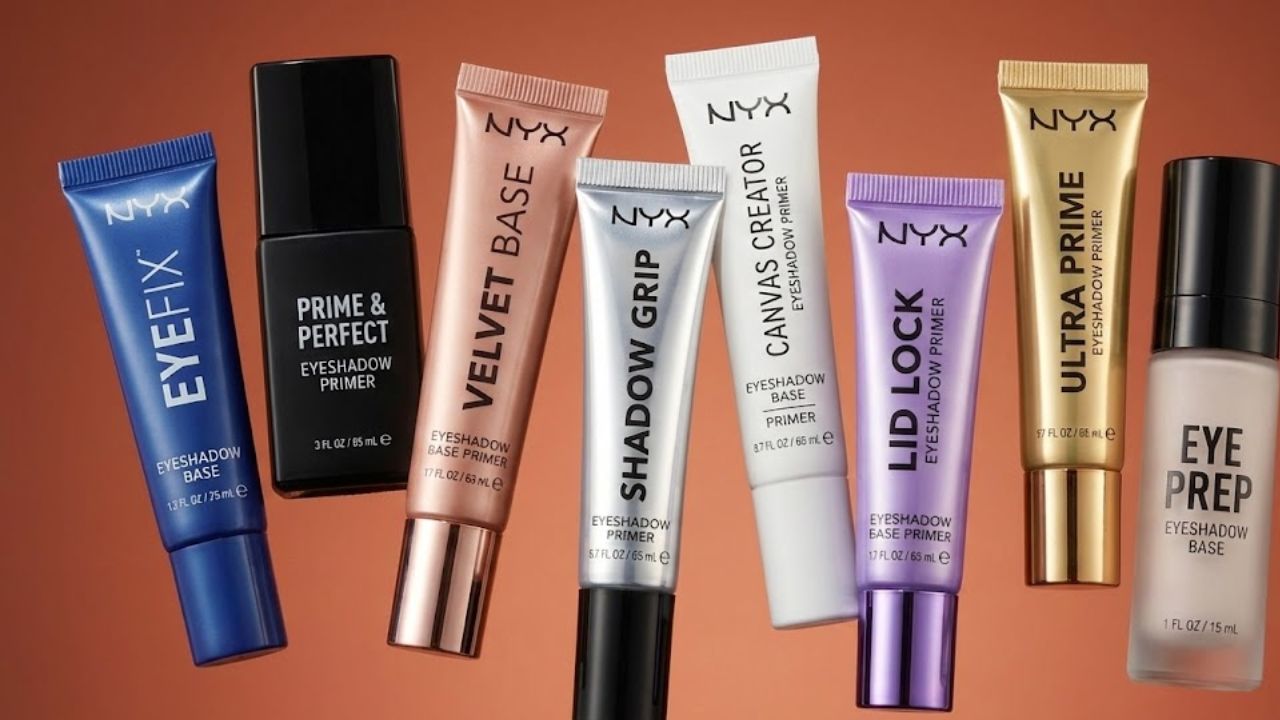
  • 6 Best Eye Shadow Primers That Keep Makeup Smooth Vibrant and Crease-Free All Day

    6 Best Eye Shadow Primers That Keep Makeup Smooth Vibrant and Crease-Free All Day

    compensation from retailers or from purchases made through these links. The right eye shadow primer can decide whether your makeup looks fresh all day or fades before lunchtime. One careful application allows your eye shadow to appear brighter and blend more evenly while reducing creasing and fading. Think of it as setting up your eyelids for smooth makeup application. Today’s formulas go beyond longevity by helping smooth skin texture, even out tone, and offer benefits such as hydration or oil control. If fine lines are a concern or you want shimmer to stay bold from morning to night, choosing the right primer matters. Below are expert-backed recommendations showing that standout eye makeup starts with what goes on first.

    Editor Favorites: Eye Shadow Primers That Deliver Real Results

    Why it stands out: Urban Decay Eye Primer Potion has remained a staple among editors and makeup artists for good reason. Miami-based makeup artist Natalie Dresher previously shared with Allure that it helps eye shadow last longer without settling into fine lines or feeling heavy. The lightweight formula has an almost serum-like feel that glides on smoothly without patchiness or buildup. It offers just enough tackiness to hold shadow in place all day. The Original shade appears sheer and translucent, Eden provides a matte beige finish, and Sin adds a soft champagne glow. An anti-aging version also exists, featuring plumping peptides and brown algae. This primer suits nearly anyone seeking longer-lasting eye makeup.

    Best All-Day Hold: Urban Decay Primer That Keeps Color Locked

    Why it stands out: Milk Hydro Grip Eye Primer applies invisibly and holds eye shadow firmly without creasing. Pittsburgh makeup artist Patty Bell notes that its thin, flexible texture makes it easy to blend across delicate lids. It helps secure makeup for up to eight hours and includes hyaluronic acid to add moisture while creating a softly blurred finish. Blue agave provides grip, while niacinamide and aloe support added hydration. Bell even suggests applying it beneath the eyes to reduce concealer creasing, making this primer a versatile multitasker.

    Smooth Choice for Mature Lids: Milk Hydro Grip Eye Primer

    Why it stands out: NYX Professional Makeup Ultimate Shadow & Liner Primer is one of Bell’s preferred budget-friendly options that performs beyond its price point. The formula feels light on the skin and spreads effortlessly, making application quick and simple. Available in four natural shades, it can double as a subtle cream shadow. These tones help conceal veins and even discoloration, creating a smooth base. Enriched with vitamin E, it keeps eyelids comfortable and hydrated throughout the day while preventing dryness or flaking.

    Best Affordable Pick: NYX Primer With Professional-Level Results

    Why it stands out: NARS Pro-Prime Smudge Proof Eyeshadow Base works quietly behind the scenes to elevate any eye look. The sheer formula disappears instantly, leaving behind a barely-there layer. New York City makeup artist Nick Barose has told Allure he appreciates how it grips color without feeling heavy or altering the shadow applied on top. He has relied on it for decades because it allows pigments to truly shine. With rice extract and sea whip extract, it helps hydrate and protect delicate skin, wearing more like skincare than makeup.

    Best for Dry Lids: NARS Primer That Prevents Flaking

    Why it stands out: Too Faced Shadow Insurance Eye Primer is especially useful for enhancing the performance of the brand’s eye shadow palettes. The formula includes oil-absorbing silica to reduce shine and maintain a smooth lid surface. Its colorless, silky texture works across all skin tones while improving shadow adhesion. The result is brighter color payoff, easier blending, and extended wear. Designed to be waterproof, it resists fading and smudging in humid or rainy conditions. While the brand claims 24-hour wear, it performs reliably through long 12-hour days.

    Best for Oily Eyelids: Too Faced Primer With Long-Lasting Control

    Why it stands out: Laura Mercier Eye Basics Primer is available in two shades that help balance eyelid tone. The light blue shade neutralizes purple and pink undertones, while the peach option brightens dull areas for a more awake appearance. Once applied, lids appear smooth and even, helping both powder and cream shadows stay in place. The formula also supports skin comfort with aloe for soothing hydration, lanolin acid to seal in moisture, and safflower seed oil that nourishes without feeling heavy.

  • 12 Effective Yoga Routines to Try at Home for Full Body Wellness

    12 Effective Yoga Routines to Try at Home for Full Body Wellness

    Yoga is a powerful practice that supports both physical fitness and mental clarity, and you can experience its benefits without stepping outside your home. With only a mat and a short daily commitment, it becomes possible to increase flexibility, build functional strength, ease stress, and create a sense of balance in everyday life. Whether you are building a personal flow or trying structured sequences, these 12 yoga routines are designed for home practice and suit everyone from beginners to experienced practitioners.

    1. Morning Energy Flow (15 Minutes)

    Best for starting the day with movement, warmth, and flexibility.

    Cat-Cow Pose (1 minute): Gently warm the spine with fluid movement.

    Downward-Facing Dog (2 minutes): Stretch the body with focus on hamstrings and back.

    Sun Salutations (3 minutes): Use dynamic transitions to activate strength and awaken muscles.

    Warrior I and II (3 minutes): Build leg power and open the hips.

    Child’s Pose (1 minute): Pause to relax the nervous system.

    Seated Forward Fold (2 minutes): Release lower-back tension and lengthen hamstrings.

    2. Beginner-Friendly Yoga Practice (20 Minutes)

    Best for newcomers focusing on foundational poses and alignment.

    Mountain Pose (2 minutes): Establish grounded posture and body awareness.

    Chair Pose (2 minutes): Engage legs and core steadily.

    Warrior I (2 minutes): Develop stability and strength in the lower body.

    Bridge Pose (2 minutes): Strengthen glutes and back.

    Child’s Pose (3 minutes): Slow the breath and encourage relaxation.

    Seated Twist (2 minutes): Gently ease spinal tension.

    Shavasana (5 minutes): Fully rest and absorb the practice.

    3. Calming Yoga for Stress Release (20 Minutes)

    Best for mental calm, emotional balance, and tension relief.

    Deep Breathing (5 minutes): Practice slow, steady breaths to soothe the nervous system.

    Child’s Pose (3 minutes): Create a sense of grounding and safety.

    Reclining Bound Angle Pose (3 minutes): Support hip opening and relaxation.

    Cat-Cow Pose (2 minutes): Move gently to loosen the spine.

    Legs Up the Wall Pose (5 minutes): Encourage deep rest and mental quiet.

    4. Yoga for Improved Flexibility (25 Minutes)

    Best for lengthening muscles and improving range of motion.

    Downward-Facing Dog (3 minutes): Stretch calves, hamstrings, and spine.

    Forward Fold (3 minutes): Gently release back stiffness.

    Pigeon Pose (5 minutes per side): Deeply open the hips.

    Cobra Pose (2 minutes): Expand the chest and lengthen the spine.

    Seated Forward Fold (3 minutes): Stretch hamstrings and back body.

    Butterfly Pose (4 minutes): Soften inner thighs and hips.

    5. Core-Focused Yoga Session (20 Minutes)

    Best for strengthening the abdominal and stabilizing muscles.

    Plank Pose (3 minutes): Build core endurance with controlled holds.

    Boat Pose (3 minutes): Activate abdominals and hip flexors.

    Side Plank (2 minutes per side): Strengthen obliques and shoulders.

    Downward-Facing Dog (2 minutes): Engage the core to lift and stabilize.

    Cobra Pose (2 minutes): Stretch the front body while supporting the core.

    Bridge Pose (2 minutes): Reinforce glute and core strength.

    6. Yoga to Support Better Posture (25 Minutes)

    Best for counteracting long periods of sitting.

    Cat-Cow Pose (5 minutes): Improve spinal mobility.

    Chest Opener (2 minutes): Gently expand the chest.

    Warrior II (3 minutes): Strengthen the back while opening the shoulders.

    Seated Forward Fold (2 minutes): Release back and leg tension.

    Locust Pose (3 minutes): Strengthen the lower back muscles.

    Mountain Pose (5 minutes): Practice upright alignment.

    7. Evening Wind-Down Yoga (20 Minutes)

    Best for preparing the body and mind for rest.

    Child’s Pose (3 minutes): Slow the breath and settle the body.

    Seated Forward Fold (3 minutes): Gently lengthen the spine.

    Legs Up the Wall Pose (5 minutes): Calm the nervous system.

    Reclining Spinal Twist (2 minutes per side): Release spinal tightness.

    Shavasana (5 minutes): Fully let go of tension.

    8. Strength-Building Power Yoga Flow (30 Minutes)

    Best for a full-body strengthening workout.

    Sun Salutations (5 rounds): Warm the body with dynamic movement.

    Warrior I (2 minutes per side): Build lower-body strength.

    Chaturanga (2 minutes): Develop arm and core power.

    Crow Pose (3 minutes): Improve balance and arm strength.

    Plank Pose (3 minutes): Enhance core stability.

    Tree Pose (2 minutes per side): Strengthen legs and improve balance.

    9. Yoga for Digestive Comfort (20 Minutes)

    Best for supporting digestion and easing bloating.

    Seated Twist (3 minutes): Gently stimulate digestion.

    Downward-Facing Dog (2 minutes): Lengthen the spine and encourage circulation.

    Cat-Cow Pose (3 minutes): Promote spinal movement.

    Revolved Triangle Pose (3 minutes per side): Activate digestive organs.

    Legs Up the Wall Pose (5 minutes): Support relaxation and blood flow.

    10. Balance-Enhancing Yoga Practice (25 Minutes)

    Best for stability, coordination, and focus.

    Tree Pose (5 minutes): Cultivate grounded balance.

    Warrior III (3 minutes per side): Strengthen legs and refine control.

    Chair Pose (3 minutes): Engage core and thighs.

    Dancer’s Pose (3 minutes per side): Improve flexibility and balance.

    Standing Forward Fold (2 minutes): Stretch hamstrings and restore alignment.

    Shavasana (5 minutes): Practice stillness and focus.

    11. Gentle Prenatal Yoga Routine (20 Minutes)

    Best for supporting the body during pregnancy.

    Cat-Cow Pose (3 minutes): Ease back and pelvic tension.

    Child’s Pose (3 minutes): Encourage deep relaxation.

    Modified Warrior II (3 minutes per side): Build leg strength safely.

    Seated Forward Fold (2 minutes): Gently stretch the back and legs.

    Legs Up the Wall Pose (5 minutes): Improve circulation and comfort.

    12. Yoga for Athletic Recovery (30 Minutes)

    Best for flexibility and post-workout recovery.

    Downward-Facing Dog (5 minutes): Stretch hamstrings, calves, and back.

    Lunge with Twist (5 minutes): Open hips and mobilize the spine.

    Pigeon Pose (5 minutes per side): Release deep hip tension.

    Bridge Pose (5 minutes): Strengthen glutes and lower back.

    Seated Forward Fold (5 minutes): Lengthen the spine and hamstrings.

    Shavasana (5 minutes): Rest and integrate the practice.

    Final Thoughts on Practicing Yoga at Home

    These 12 at-home yoga routines can be adapted to suit your personal goals, whether you are seeking relaxation, strength development, greater flexibility, or a complete workout. Making yoga part of your daily home routine is a simple and effective way to support overall well-being. With consistent practice, these sequences help cultivate a balanced body and a calm, focused mind.