Category: Timesco

  • 6 Gentle Yoga Poses for Daily Wellness and Relaxed Movement

    6 Gentle Yoga Poses for Daily Wellness and Relaxed Movement

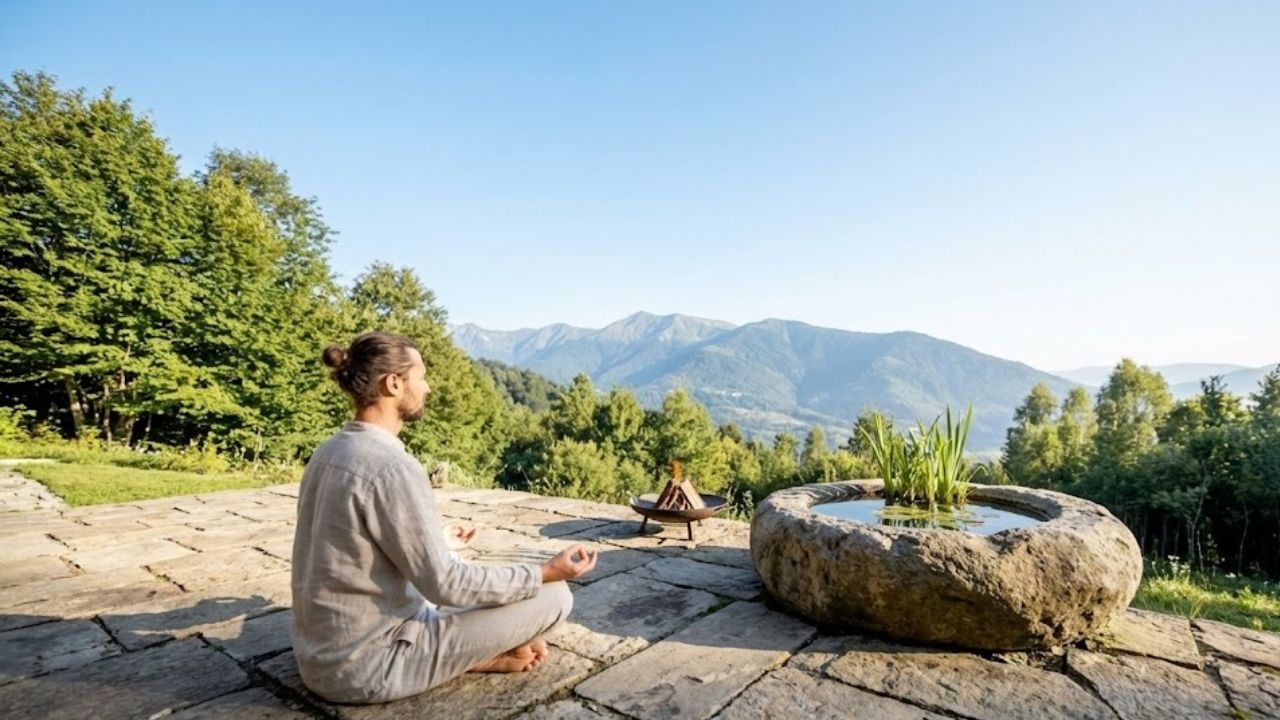
    Adding yoga to your everyday life helps you stay physically healthy while improving flexibility & lowering stress levels. You do not need to master difficult poses to gain these advantages. Simple and gentle yoga works just as well for supporting your overall health. The six poses described here are straightforward to practice and suitable for anyone regardless of experience level. They fit easily into your daily wellness habits. These poses will help you feel more balanced & relaxed whether you want to release tension or increase energy or quiet your thoughts.

    Mountain Pose (Tadasana)

    Mountain Pose is a foundational yoga posture that may appear simple but plays a powerful role in building stability and awareness. It helps improve posture, enhance balance, and create a strong base for all standing poses. This posture encourages a sense of grounding and helps you become more aware of how your body aligns from head to toe.

    How to Practice:
    Stand upright with your feet hip-width apart and arms resting naturally by your sides. Distribute your weight evenly across both feet. Gently lift your chest, roll your shoulders back, and engage your core muscles. Raise your arms overhead with palms facing inward or slightly outward. Maintain steady, deep breathing and hold the pose for 30 seconds to one minute.

    Benefits:
    Mountain Pose strengthens the legs, supports proper posture, and promotes calm, controlled breathing, helping you feel centered and focused.

    Cat-Cow Pose (Marjaryasana–Bitilasana)

    Cat-Cow is a gentle flowing sequence that alternates between spinal flexion and extension. It is especially effective for loosening the spine, releasing built-up tension, and preparing the body for deeper movements. This pose is ideal for warming up the back and easing stiffness in the neck and lower spine.

    How to Practice:
    Begin on all fours in a tabletop position, aligning your wrists under your shoulders and knees beneath your hips. Inhale as you drop your belly, lift your chest, and tilt your tailbone upward (Cow Pose). Exhale as you round your spine, tuck your chin, and draw your belly in (Cat Pose). Continue moving smoothly between these poses while coordinating with your breath.

    Benefits:
    Cat-Cow improves spinal flexibility, stretches the neck and back, and encourages mindful breathing, making it excellent for stress relief.

    Child’s Pose (Balasana)

    Child’s Pose is a deeply restorative posture that allows the body and mind to fully relax. It gently stretches the hips, thighs, and spine while providing a sense of comfort and security. This pose is often used as a resting position during yoga practice.

    How to Practice:
    Kneel on the floor with your big toes touching and knees spread apart. Sit back onto your heels and slowly fold forward, lowering your forehead to the mat. Extend your arms forward or let them rest alongside your body. Breathe deeply and allow your muscles to soften.

    Benefits:
    Child’s Pose reduces tension in the back and neck, calms the nervous system, and promotes deep relaxation.

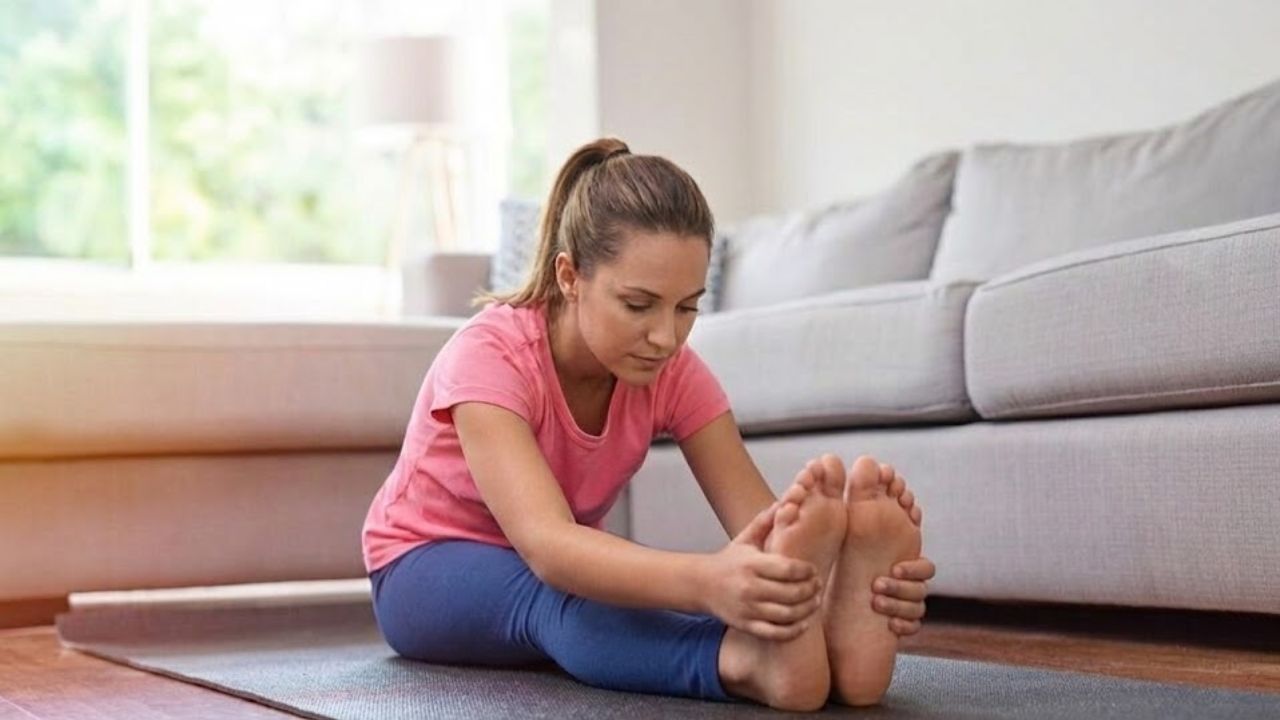
    Seated Forward Fold (Paschimottanasana)

    Seated Forward Fold is a soothing stretch that targets the hamstrings, spine, and lower back. It helps release physical tension while encouraging mental calmness, making it a valuable pose for both flexibility and relaxation.

    How to Practice:
    Sit on the floor with your legs extended straight ahead and feet flexed. Inhale to lengthen your spine, then exhale as you hinge forward from the hips. Reach toward your feet, ankles, or shins while keeping your back as straight as possible. Hold the pose for 30 seconds to one minute while breathing steadily.

    Benefits:
    This pose improves flexibility in the hamstrings and spine, relieves lower back tension, and promotes a calm, relaxed state of mind.

    Legs Up the Wall (Viparita Karani)

    Legs Up the Wall is a restorative inversion that allows the body to unwind and reset. It is particularly beneficial for tired legs and is commonly used to promote relaxation and improve circulation.

    How to Practice:
    Sit beside a wall and gently lie down on your back while lifting your legs up against the wall. Adjust your position so your body feels comfortable, with arms resting at your sides. Close your eyes and relax into the pose for 5 to 10 minutes, focusing on slow, deep breathing.

    Benefits:
    This pose helps reduce leg fatigue, supports circulation, eases lower back tension, and calms the nervous system.

    Savasana (Corpse Pose)

    Savasana is the final relaxation pose that concludes a yoga session. Though simple in appearance, it is essential for allowing the body to absorb the benefits of the practice and achieve deep rest.

    How to Practice:
    Lie flat on your back with legs extended and arms relaxed at your sides, palms facing upward. Close your eyes and focus on slow, steady breathing. Consciously relax each part of your body, starting from your toes and moving upward. Remain in this pose for 5 to 10 minutes.

    Benefits:
    Savasana promotes deep relaxation, reduces stress, lowers blood pressure, and helps calm both the body and mind.

    How to Include These Poses in Your Daily Routine

    Incorporating yoga into your daily life doesn’t require a long time commitment. Even a short session of 5 to 15 minutes can help you feel more balanced and relaxed. You can practice these six poses together as a complete routine or use them individually as calming breaks throughout the day. Beginners may start with a few minutes daily and gradually extend their practice as comfort and confidence grow.
  • 5 Simple Yoga Poses That Improve Flexibility Without Strain

    5 Simple Yoga Poses That Improve Flexibility Without Strain

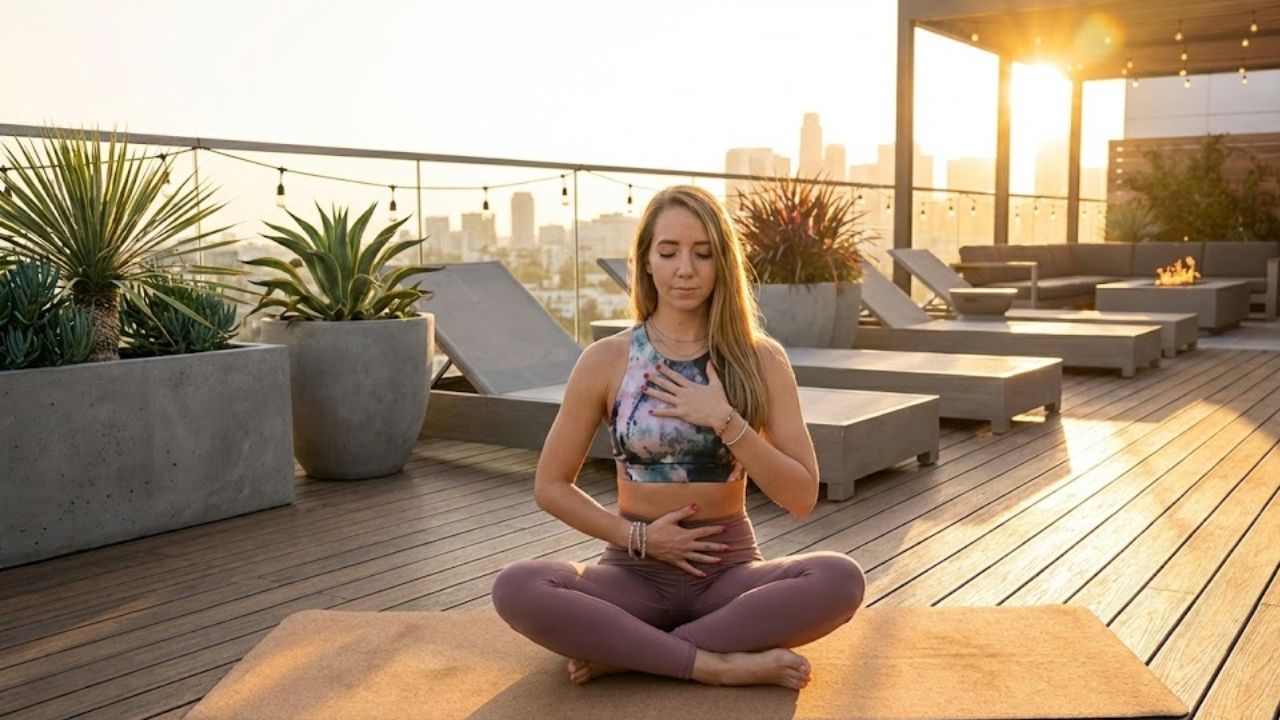
    Yoga helps you become more flexible while improving your posture & releasing body tension. These benefits apply whether you just started or have practiced for years. Specific poses work on tight areas and gradually increase your range of motion. Regular yoga stretching improves how your body moves & supports mental health through focused awareness. Below are five straightforward yoga poses that build flexibility. Anyone can do these poses regardless of experience level. Practice them every day to see lasting improvements.

    Downward-Facing Dog (Adho Mukha Svanasana)

    Why it’s great for flexibility: Downward-Facing Dog is a classic yoga posture that works the entire body while deeply stretching key muscle groups. It mainly targets the hamstrings, calves, shoulders, and spine, helping to release stiffness and improve overall flexibility in the legs and lower back.

    How to do it: Start in a tabletop position with your hands under your shoulders and knees under your hips. Lift your hips upward and back, forming an inverted V-shape. Keep your arms straight, fingers spread wide, and shoulders relaxed. Press your heels gently toward the floor while lengthening your spine.

    Benefits: Lengthens the hamstrings, calves, and spine; supports better posture; builds full-body strength and flexibility.

    Forward Fold (Uttanasana)

    Why it’s great for flexibility: Forward Fold is a calming stretch that deeply targets the hamstrings, lower back, and neck. It helps elongate the spine and improve leg flexibility while encouraging mental relaxation and stress relief.

    How to do it: Stand upright with feet hip-width apart. Inhale to lift and lengthen the spine, then exhale as you hinge forward from the hips. Let your hands reach toward the floor, ankles, or shins. Keep a slight bend in your knees if needed to protect your lower back.

    Benefits: Improves flexibility in the legs and lower back; releases spinal tension; promotes calmness and mental clarity.

    Seated Forward Bend (Paschimottanasana)

    Why it’s great for flexibility: This seated posture offers a deep stretch for the hamstrings, spine, and lower back. It is especially beneficial for people who sit for long periods, helping counter tightness and poor posture.

    How to do it: Sit on the floor with both legs extended straight. Inhale to lengthen your spine, then exhale as you fold forward from the hips. Reach for your feet, shins, or use a yoga strap if needed. Keep your chest open and spine long.

    Benefits: Stretches the back and hamstrings; increases spinal flexibility; encourages relaxation and mindfulness.

    Butterfly Pose (Baddha Konasana)

    Why it’s great for flexibility: Butterfly Pose focuses on opening the hips and stretching the inner thighs and groin. It gently improves lower-body flexibility and supports better hip mobility.

    How to do it: Sit upright with your legs stretched forward, then bring the soles of your feet together. Let your knees drop outward and hold your feet with your hands. Gently press your knees toward the floor and, if comfortable, lean slightly forward.

    Benefits: Enhances hip mobility; stretches inner thighs and groin; supports better lower-body flexibility.

    Cobra Pose (Bhujangasana)

    Why it’s great for flexibility: Cobra Pose is a gentle backbend that opens the chest and stretches the spine and shoulders. It improves spinal flexibility while counteracting slouched posture.

    How to do it: Lie face down with legs extended and the tops of your feet resting on the mat. Place your hands under your shoulders, elbows close to your sides. Inhale and slowly lift your chest using your back muscles, keeping the neck relaxed and avoiding strain on the lower back.

    Benefits: Increases spinal and shoulder flexibility; opens the chest; supports healthier posture and back mobility.

  • 9 Simple Yoga Poses Suitable for All Ages and Fitness Levels

    9 Simple Yoga Poses Suitable for All Ages and Fitness Levels

    Yoga is a practice that works for everyone regardless of age. It helps people of all generations become more flexible and strong while improving balance and overall health. The great thing about yoga is that you don’t need special skills or expensive gear. You just need your body and a mat. Here are nine basic yoga poses that anyone can do. These poses will help improve your physical health and mental focus at any stage of life.

    Mountain Pose (Tadasana)

    Why it’s suitable for all ages: Mountain Pose may look simple, but it plays a key role in building correct posture, balance, and body awareness. It forms the base for many standing yoga poses and can be practiced safely by people of all age groups.

    How to practice: Stand upright with your feet together and arms resting alongside your body. Distribute your weight evenly through both feet, lift your chest gently, and lengthen your spine upward. Keep your core engaged and breathe slowly and steadily.

    Benefits: Enhances posture, strengthens leg muscles, and encourages mindfulness.

    Child’s Pose (Balasana)

    Why it’s suitable for all ages: Child’s Pose is a deeply calming posture that gently stretches the body while allowing complete relaxation. It’s ideal for beginners, seniors, or anyone needing a restorative break.

    How to practice: Begin on your hands and knees, then slowly sit your hips back toward your heels. Stretch your arms forward and lower your forehead to the mat, allowing your neck and shoulders to relax.

    Benefits: Gently stretches the back, hips, and thighs while calming the nervous system.

    Cat–Cow Pose (Marjaryasana–Bitilasana)

    Why it’s suitable for all ages: This flowing movement supports spinal health by increasing flexibility and releasing tension. It’s especially helpful for people who sit for long hours.

    How to practice: Come onto all fours with wrists under shoulders and knees under hips. Inhale to arch your spine and lift your gaze (Cow), then exhale as you round your back and tuck your chin (Cat). Move slowly with your breath.

    Benefits: Improves spinal mobility, eases back tension, and supports better posture.

    Downward-Facing Dog (Adho Mukha Svanasana)

    Why it’s suitable for all ages: Downward Dog offers a full-body stretch while gently strengthening muscles. It improves circulation, balance, and overall flexibility.

    How to practice: From all fours, lift your hips upward to form an inverted V-shape. Press your palms firmly into the mat, keep your spine long, and allow your heels to move toward the floor.

    Benefits: Strengthens arms and legs, stretches hamstrings, and improves posture.

    Warrior II (Virabhadrasana II)

    Why it’s suitable for all ages: Warrior II builds strength and stability while opening the hips and chest. It’s excellent for improving confidence and endurance.

    How to practice: Stand with feet wide apart, turning one foot outward. Bend the front knee while extending both arms parallel to the floor. Keep your shoulders relaxed and gaze forward.

    Benefits: Strengthens legs, improves balance, and increases hip flexibility.

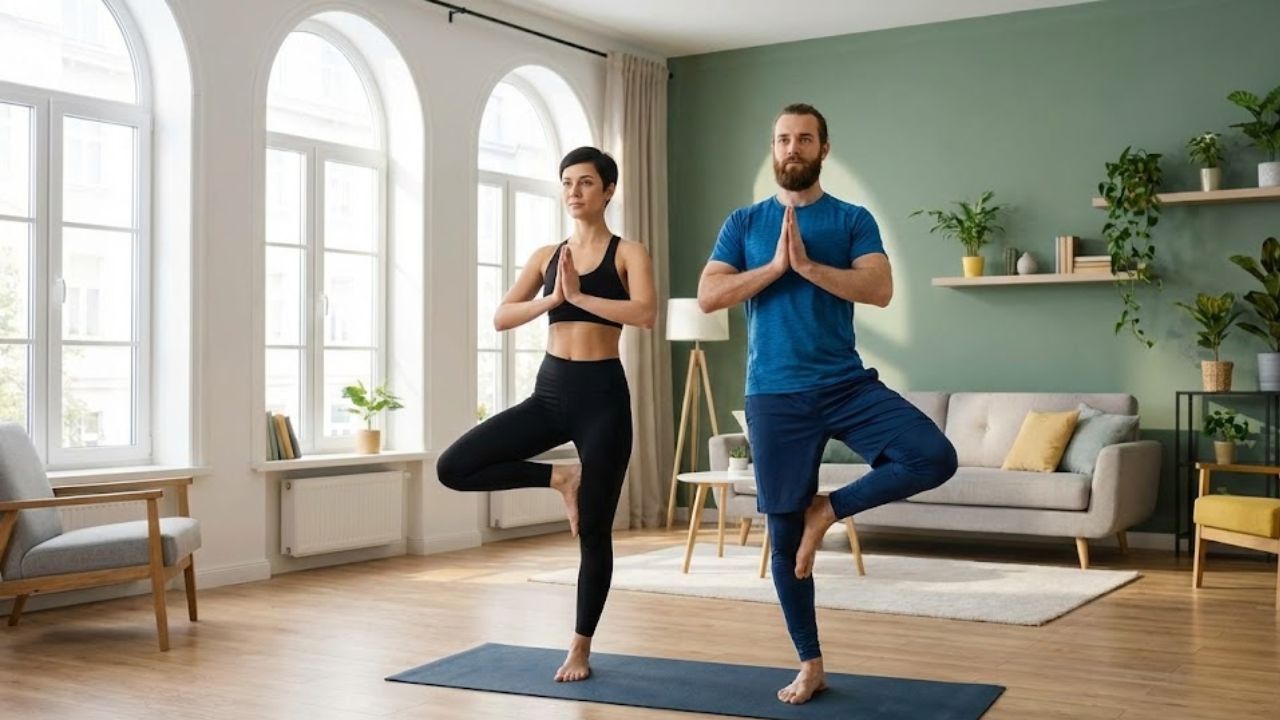
    Tree Pose (Vrksasana)

    Why it’s suitable for all ages: Tree Pose challenges balance while promoting mental focus. It’s helpful for improving coordination and stability.

    How to practice: Stand tall and shift your weight onto one leg. Place the sole of the opposite foot on the calf or inner thigh, avoiding the knee. Bring hands together at the chest or raise them overhead.

    Benefits: Enhances balance, strengthens legs, and sharpens concentration.

    Seated Forward Bend (Paschimottanasana)

    Why it’s suitable for all ages: This calming stretch targets the lower body and spine, making it ideal for people who sit for extended periods.

    How to practice: Sit with legs extended straight ahead. Inhale to lengthen your spine, then exhale and gently fold forward, reaching toward your feet while keeping your back long.

    Benefits: Stretches hamstrings and spine while encouraging relaxation.

    Bridge Pose (Setu Bandhasana)

    Why it’s suitable for all ages: Bridge Pose is a mild backbend that strengthens the lower body and counteracts the effects of prolonged sitting.

    How to practice: Lie on your back with knees bent and feet flat on the floor. Press through your feet to lift your hips upward, keeping your shoulders grounded and neck relaxed.

    Benefits: Strengthens the lower back, glutes, and legs while opening the chest.

    Savasana (Corpse Pose)

    Why it’s suitable for all ages: Savasana allows the body and mind to fully relax and absorb the benefits of the practice. It’s an essential part of every yoga session.

    How to practice: Lie flat on your back with arms relaxed at your sides and palms facing upward. Close your eyes and focus on slow, natural breathing.

    Benefits: Promotes deep relaxation, reduces stress, and improves mental clarity.

  • Goodbye to Hair Dyes: Natural Grey Hair Coverage Techniques Suddenly Gaining Widespread Attention

    Goodbye to Hair Dyes: Natural Grey Hair Coverage Techniques Suddenly Gaining Widespread Attention

    Grey strands often mark a turning point in personal style. Some people embrace them fully, while others prefer to soften their appearance in a way that feels effortless and authentic. Across the world, more individuals are moving away from harsh chemical dyes and searching for ways to reduce the visibility of greys while still looking refreshed. This growing interest in gentler hair-colouring methods reflects a wider shift in how ageing and beauty are viewed today.

    Why Hair Turns Grey and How It Affects Appearance

    Hair does not suddenly change colour overnight. Each strand grows from a follicle in the scalp, where specialised pigment cells known as melanocytes supply colour to the hair during growth. This pigment, mainly melanin, defines your natural shade. Over time, influences such as ageing, genetics, prolonged stress, and lifestyle factors cause these cells to slow down or stop producing pigment. When this occurs, new hair grows with little or no melanin, appearing grey or white. Grey hair is therefore new growth without pigment, not older hair fading.

    The hair’s protein structure, keratin, naturally carries a pale yellow hue. When melanin disappears, this underlying tone becomes more visible, particularly in bright light. At the same time, ageing scalps often produce less natural oil, which keeps hair smooth and glossy. Lower oil levels make grey hair feel coarser, appear duller, and frizz more easily. Texture changes also affect how hair bends and settles, which is why greys often seem wiry or difficult to manage.

    Even a small number of bright white strands against darker hair can create strong contrast around the face. This contrast may highlight shadows, under-eye darkness, and fine lines, making features appear more tired. For many people, these visual changes have a greater impact than the colour shift itself.

    Why Traditional Hair Dye Is Falling Out of Favour

    For decades, permanent dye was the standard answer to grey hair. These products work by opening the hair cuticle using ammonia or similar agents, allowing colour to enter through an oxidising process. While the initial results can look sleek, repeated applications often weaken the hair, particularly already-fragile grey strands. Damaged cuticles lead to dryness, tangling, and breakage, while sensitive scalps may react with itching or irritation.

    Maintenance is another challenge. Permanent dyes create a clear line of regrowth every few weeks, requiring frequent touch-ups. As beauty preferences evolve, many people now favour softer, low-commitment solutions that minimise chemical exposure and preserve natural depth. The goal is no longer flawless coverage, but gentle enhancement that feels more realistic.

    The Growing Appeal of Natural Darkening Methods

    Plant-based and kitchen-inspired colour boosters have become popular as part of this gentler approach. These options do not bleach hair or permanently change its internal structure. Instead, they sit on the surface, gradually building a sheer layer of colour while enhancing shine. Among these ingredients, cocoa powder has attracted particular interest.

    Cocoa contains natural pigments and polyphenols that can slowly deepen light to medium brown tones. On grey strands, it helps soften stark whiteness so they blend more naturally with surrounding hair. Rather than acting as a permanent dye, cocoa functions as a tinted conditioning treatment that improves colour and texture over time.

    How Cocoa Gently Softens Grey Hair

    Cocoa-based applications coat the hair shaft, creating a soft brown veil that fades gradually with washing. When combined with conditioners or oils, cocoa also supports moisture retention, helping smooth the cuticle. With regular use, many people notice that grey hair looks shinier, feels less coarse, and is easier to manage. The effect is subtle, resulting in a more balanced overall tone rather than full coverage.

    A Simple Cocoa Treatment You Can Do at Home

    This straightforward mix suits sensitive scalps and low-effort routines. For short to medium hair, blend one tablespoon of pure, unsweetened cocoa powder with a generous amount of a lightweight, oil-free conditioner. Stir until the mixture is smooth and evenly coloured.

    Apply to freshly washed, towel-dried hair, focusing on areas where greys are most visible, such as the temples, parting, and hairline. Use a wide-tooth comb to spread the mixture evenly. Leave it on for 15 to 20 minutes, then rinse with lukewarm water. Avoid shampooing straight away, as this would remove most of the surface pigment.

    Expected Results Based on Hair Colour

    • Light brown hair: Warmer tone becomes visible, greys blend more quickly; apply 1–2 times weekly.
    • Medium brown hair: Added richness with naturally mixed greys; use once per week.
    • Dark brown or black hair: Extra shine with slight warmth; minimal colour change, every 7–10 days.
    • Blonde hair: Tone may appear uneven or dull; patch testing is recommended or avoid use.

    Can Softening Greys Create a Younger Look?

    Grey hair alone does not define age. Factors like haircut, skin condition, posture, and clothing all play a role. However, strong contrast between dark hair and bright white strands can emphasise facial shadows and fine lines. By reducing this contrast, cocoa-based treatments may help create a more rested and balanced appearance.

    Youthful-looking hair is often less about removing greys and more about maintaining shine, hydration, and shape. Smooth, reflective hair frames the face gently, brightening the eye area and subtly lifting overall features. Even reduced frizz around the face can noticeably change how skin appears both in person and on camera.

    When Natural Colour Methods Work Best

    Natural colour adjusters like cocoa, coffee, black tea, or sage are most effective for people with up to 40–50% grey who want blending rather than full coverage. They suit those who prefer gradual change, warmer tones, and minimal upkeep. Anyone expecting dramatic transformation in a single use may feel underwhelmed, as these methods rely on consistency and patience.

    Although natural, these treatments are not completely without risk. Cocoa can trigger reactions in those with sensitivities, making a patch test essential before full use. Product build-up may also occur, so using a mild clarifying shampoo every few weeks helps keep hair light and glossy.

    How This Trend Is Reshaping Beauty Standards

    The growing popularity of cocoa and similar methods signals a broader shift in beauty ideals. Perfectly uniform colour is no longer the only sign of youth. Blended greys, sheer coverage, and soft tints are increasingly visible in fashion and social media, encouraging individuality over strict correction.

    Many people now choose to soften greys without erasing them, pairing natural colour methods with thoughtful haircuts, scalp care, and balanced nutrition. While supplements cannot reverse greying, nutrients such as omega-3s, iron, zinc, and B vitamins help support the strength and quality of new hair growth.

    Other Gentle Options to Use Alongside Cocoa

    Some individuals combine cocoa treatments with black tea or coffee rinses to deepen tone, or sage and rosemary infusions for subtle shading and scalp freshness. Rotating these natural treatments helps prevent colour from becoming overly warm or flat.

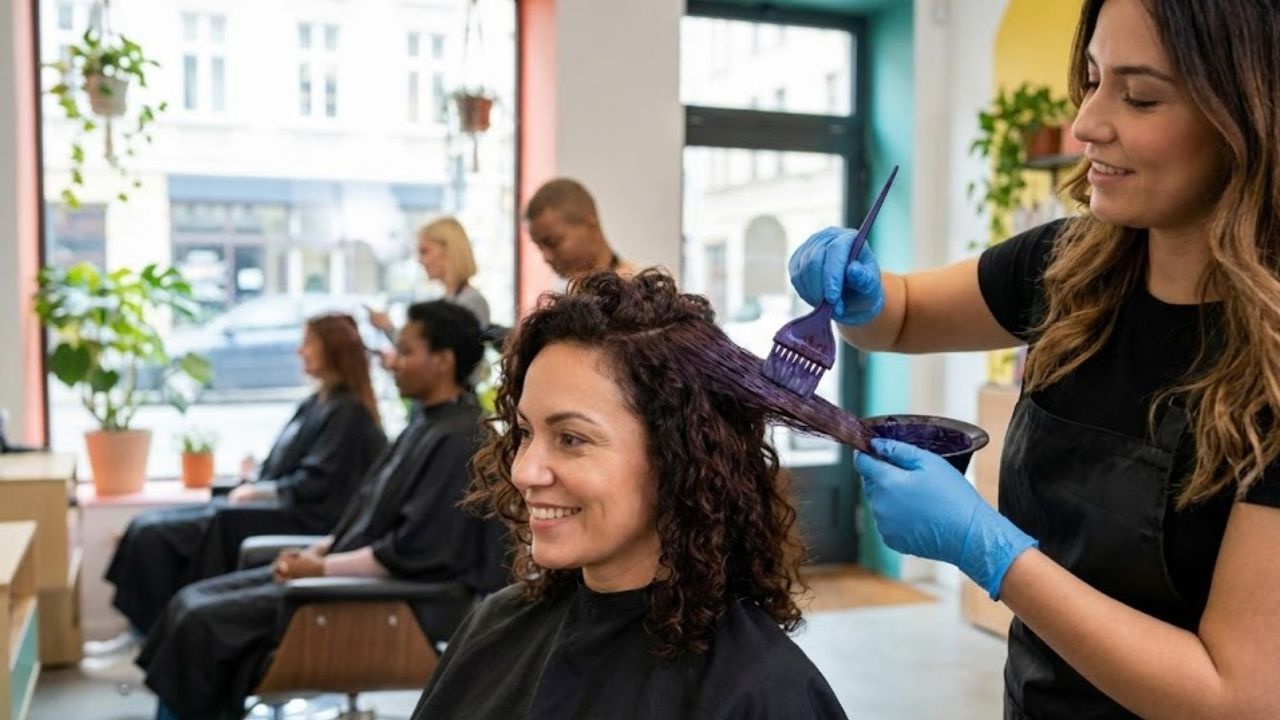
    Professional advice can also be helpful. Many colourists now specialise in grey blending, using low-impact dyes alongside plant-based glosses. Maintaining results at home with cocoa or tea masks allows for longer breaks between salon visits and reduces chemical stress. Testing on a small, hidden section remains the safest way to see how your hair will respond.

  • Build muscle power and a strong core with this 17-minute dumbbell workout

    Build muscle power and a strong core with this 17-minute dumbbell workout

    I enjoy workouts that rely on very little equipment. Not out of convenience, but because you don’t need piles of kettlebells, resistance bands, dumbbells, or bulky gym machines to gain strength, build muscle, and improve overall fitness. This routine proves that point clearly — it uses just two dumbbells and can be completed in 17 minutes.

    If your aim is serious muscle growth or increased strength, consistency matters. You’ll also need to apply progressive overload, which simply means gradually increasing your training volume over time. This can be done by adding more reps, sets, or weight, helping your muscles avoid plateaus and continue adapting.

    This three-move workout can easily slot into your current training plan. Just make sure you adjust it as you get stronger. Repeating the same routine with the same load won’t deliver new results, so increasing the weight over time is key if you plan to revisit this dumbbell session regularly.

    Understanding the 3-Move Dumbbell Workout

    A quality set of adjustable dumbbells is ideal, as it allows you to change the load when needed. If those aren’t available, a pair of medium-to-heavy hex dumbbells will work just fine. Below is a breakdown of the three exercises used in this routine.

    1. Farmer’s Walk

    The farmer’s walk is one of the most practical strength exercises around — it’s simply weighted walking. Hold a moderately heavy dumbbell in each hand and walk forward while staying upright, keeping your spine tall and avoiding any leaning or excessive arching.

    You may prefer shorter, quicker steps when carrying heavier weights, though stride length is a personal choice. Keep your shoulders pulled back and down, your chest lifted, and your core and glutes engaged. Focus on moving with your whole body rather than letting your arms do all the work. This exercise challenges grip and forearm strength while remaining more manageable than kettlebells due to the thinner handles.

    The goal is to maintain a strong posture without breaking stride or setting the weights down.

    2. V-Sits

    V-sits are primarily a bodyweight core movement, targeting the abdominals and hip flexors as your hands and feet meet to form a “V” shape. They also engage the obliques, back, quads, hamstrings, and shoulders, making them a full-body control exercise.

    Begin lying flat on your back with your arms and legs extended. Keeping everything as straight as possible, brace your core and lift your arms and legs together into a seated position. Aim to tap your hands and feet at the top before lowering with control. If needed, bend your knees and draw them toward your chest. You can also alternate by lifting one arm and the opposite leg at a time.

    3. Devil Press

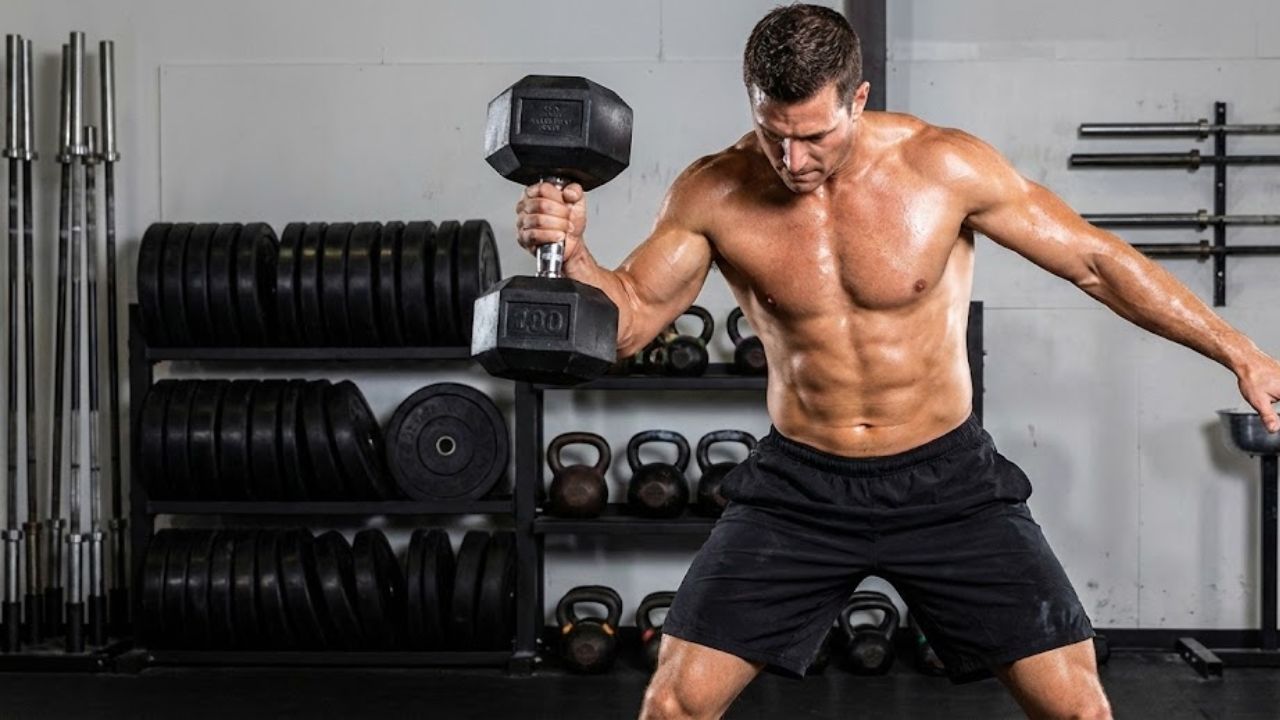
    The devil press is a demanding full-body movement that tests strength, power, and endurance. Hold a medium dumbbell in each hand and start by dropping into a burpee, lowering your chest to the floor between the weights. Push back up, jump your feet just behind the dumbbells, then swing them slightly between your legs.

    With your elbows bent, drive the dumbbells overhead in one powerful motion. Lower the weights under control and repeat. Your core plays a major role here, but power should come from your legs as you thrust the dumbbells upward. This movement combines elements of a burpee and a dumbbell snatch rather than a traditional overhead press.

    The Workout Structure

    Begin with 2 reps each of the devil press and V-sit. Continue by increasing to 4 reps, then 6 reps, adding 2 reps each round while moving between exercises without resting.

    When you need a break, stop wherever you are and perform a 100-meter farmer’s walk. Use this as a reset, then take no more than 10 to 20 seconds to shake out your arms before returning to the main exercises.

    You can either restart from 2 reps or continue from where you left off — both approaches work.

    Maintain a steady pace throughout and avoid starting too aggressively. While this workout focuses on muscular endurance, it also challenges cardiovascular fitness. Choosing an appropriate load will help you avoid early fatigue.

    Can This Dumbbell Workout Build Muscle?

    Traditional muscle-building programs usually include 4 to 8 exercises, centered around compound lifts such as squats or bench presses, supported by accessory movements. These routines typically use 6 to 12 reps across 3 to 4 sets.

    Over time, variables like exercises, weights, reps, and equipment are adjusted to keep muscles challenged. While this is a common approach, it isn’t the only effective method. Muscle growth can also occur through varied training styles, including CrossFit-style routines that combine lifting, gymnastics, and conditioning.

    Muscle development depends on consistent challenge, proper stimulus, sufficient protein intake, and adequate recovery. Exercises such as the devil press engage major muscle groups across the upper body, lower body, and core, making them effective for full-body strength and conditioning. Along with muscle growth, this routine can deliver noticeable gains in power and endurance over time.

  • Bodyweight Exercises That Build Stronger Legs Without Any Gym Equipment

    Bodyweight Exercises That Build Stronger Legs Without Any Gym Equipment

    The stairs in front of you are just stairs until you decide to use them for the best leg workout you’ve ever had. That park bench looks like a place to rest but it can become your squat station or step-up platform for building stronger legs. The living room floor you walk across every day holds more potential than any expensive gym machine if you’re ready to work with your own body. You don’t need a membership or fancy equipment. All it takes is gravity and the simple choice to get stronger with what’s already around you.

    Strength Begins at Home: Why Bodyweight Leg Training Actually Works

    Stand barefoot in the middle of a room. Feel the floor under your feet. It is cool and steady and indifferent. Spread your toes a little. Rock your weight from heel to forefoot. Your legs are familiar pillars that carry you from bed to coffee maker to bus stop. They are already doing a thousand quiet calculations to keep you from tipping over. This is where leg training without equipment really begins. It does not start with numbers on a barbell but with the conversation between your feet and the ground. When you strip away machines and heavy weights you don’t lose effectiveness. You lose excuses.

    The work becomes simpler & more honest. Squat & lunge & hinge and push and jump and balance. These are movements older than gyms and older than sports and older than the word workout itself. Think of bodyweight leg training less like a gym routine and more like learning to move through the world with sharp awake muscles. The hills you walk and the stairs you climb & even the way you stand in line at the store can all become part of the practice. The reward isn’t just strong quads or defined calves. It’s knees that feel more stable on a rocky trail & hips that don’t complain when you squat down to pick something up. It’s a sense that your body is not an obstacle you drag through the day but a partner in everything you do.

    Switching On Your Legs: Preparing Muscles Without Machines

    Before your legs push and pull & burn they need to wake up. Not with frantic bouncy stretches but with small intentional movements that tell your body we’re about to do something important. A good warm-up for bodyweight leg training doesn’t require more than a few square feet & a willingness to pay attention. Start by marching in place for a minute and swing your arms while letting your heels touch the floor with a soft thud. Feel your heart rate drift up. Then circle your ankles slowly one at a time as if you’re drawing careful invisible moons in the air. Your knees get a turn next with soft bends and gentle circles.

    Never force anything but just coax them into fuller ranges of motion. Walk your hands down your thighs into a light forward fold with knees slightly bent and hamstrings waking up like someone opening one eye after a long sleep. Sink into a few shallow bodyweight squats not to impress anyone but just to feel how your hips & knees move today. Some days they’ll glide and other days they’ll complain. Both are fine. You’re not trying to dominate your body but trying to cooperate with it. This warm-up isn’t separate from your workout. It’s the opening chapter where the characters step onto the stage and introduce themselves. Your hips & knees and ankles and balance all need this moment. Skip it and the story never quite makes sense.

    Gravity as Resistance: The Foundational Movements That Shape Strong Legs

    Bodyweight training for your legs works like cooking with basic ingredients. When you approach it with care it becomes simple and satisfying while offering endless ways to adapt. You do not need twelve different exercises. You need a small set of movements that you can develop over time and build upon gradually. The foundation starts with movements you already know. Squats teach you how to sit back and stand up with control. Lunges show you how to balance and move through space with one leg leading.

    Bodyweight Squats: Building Power from the Ground Up

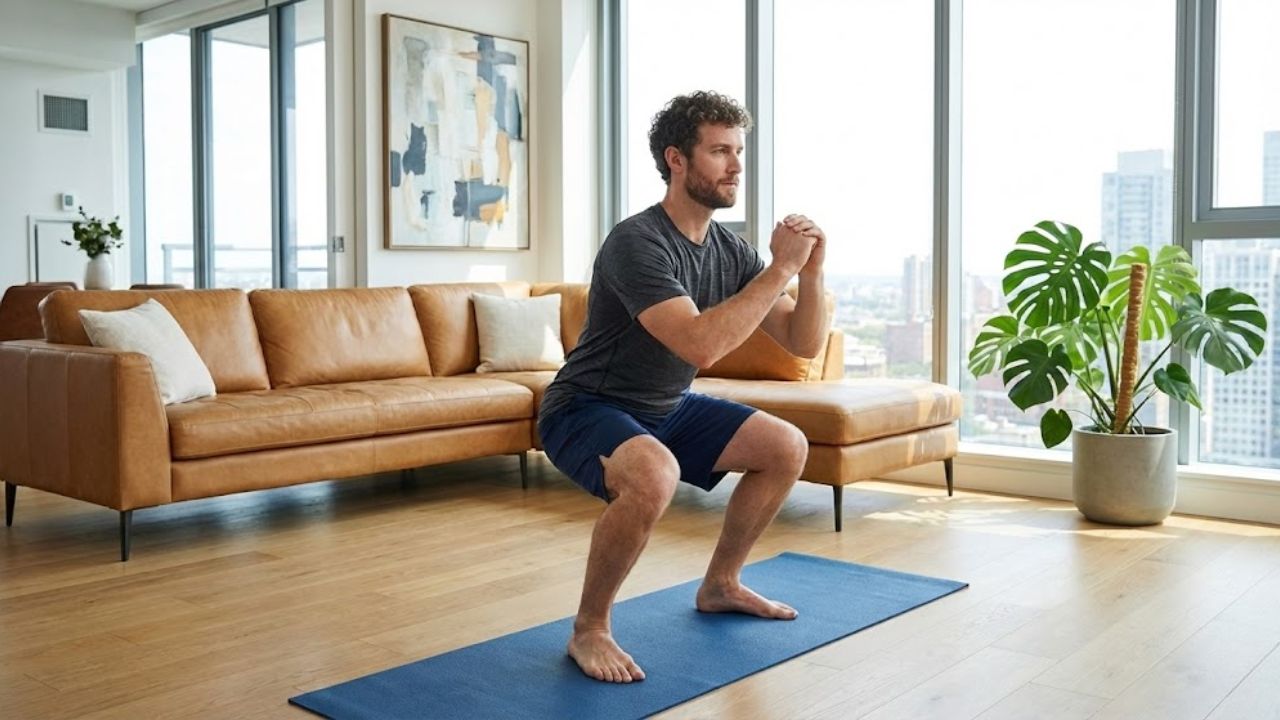
    Stand with your feet positioned at shoulder width. Picture yourself sitting back into a chair that sits slightly farther away than usual. Your hips move backward while your knees bend and your chest remains upright. The weight transfers to your heels while your toes maintain contact with the ground like roots extending into the floor. When you reach the lowest point of the squat whether it is a full depth position or a partial bend stop briefly and take a breath.

    Pay attention to the sensations in your quadriceps and glutes and perhaps a mild stretch in your hamstrings. When you stand back up push against the floor deliberately & avoid rushing through the movement. The exercise should feel like a balance between strength and control. Once regular bodyweight squats become too simple you can modify them by reducing the speed or extending the time spent in the bottom position or adding small pulses at the lowest point to increase the challenge. You do not require additional equipment like weight plates or barbells to make squats more difficult because adjusting the tempo and practicing patience can provide sufficient resistance on their own.

    Controlled Lunges: Mastering Balance, Stability, and Strength

    Lunges transform regular walking into a focused movement. You step one foot forward like you’re preparing to kneel before something unseen. Both knees bend at the same time. Your front knee stays positioned over the center of your foot while your back knee lowers toward the floor without touching it hard. Keep your upper body straight and look ahead calmly. Press through your front leg to return to a standing position. The front leg does most of the work here. Then repeat the movement on the other side. After a few repetitions you start noticing differences between your left and right sides.

    One leg might feel steadier while the other feels less secure. These differences aren’t problems but rather useful feedback about which areas need more attention. Lunges work as a stepping stone between basic squats & harder exercises that use only one leg at a time. They train your hips to stay stable and teach your knees to move in the right direction. Your feet learn to make small adjustments that protect your joints from injury. You can try walking lunges where you move forward across a room or reverse lunges where you step backward instead. Reverse lunges tend to be easier on the knees. Each repetition reinforces an important lesson about leg strength. Real strength isn’t only about how much force you can generate but also about how well you can control your movements.

    Glute Bridges: Activating the Posterior Chain Without Weights

    Lie on your back with your knees bent and your feet flat on the floor. Rest your arms by your sides. Press your lower back gently toward the floor and then push your hips up until your body forms a straight line from your shoulders to your knees. When you reach the top position squeeze your glutes hard. Hold this position for a moment or two & then slowly lower yourself back down one vertebra at a time. This exercise does more than just work your glutes. It activates the entire posterior chain that supports your lower back and stabilizes your hips. It helps you walk and run and climb more efficiently so your legs don’t have to do everything on their own. When you get stronger you can progress to single-leg bridges by lifting one leg at a time. This variation makes each hamstring & glute work much harder. You don’t need any weights for this exercise. All you need is yourself and the floor & gravity.

    Calf Raises: Unlocking Strength in the Most Neglected Muscles

    Stand with your feet hip-width apart and rest a fingertip on a wall or chair if you need balance. Push up onto the balls of your feet and lift your heels as high as possible. Hold that position for a moment. The muscles at the back of your lower legs will tighten as they support your entire body weight on two small areas. Then lower yourself slowly and pay attention to the movement. Your calves work as shock absorbers and springs that help you with every step. When your calves are strong they make climbing stairs easier and improve your hiking and running. You can do this exercise on flat ground or stand on a step to increase the range of motion. If you use a step let your heels drop slightly below the edge before pushing back up.

    Step-Ups: Turning Everyday Heights into Strength Tools

    Find a stable surface like a bench or sturdy chair or low wall. Put one foot on it & press through that foot to rise until you stand tall on top. Bring your other foot up gently and then step back down with control. The movement is simple but the feeling is clear because your working leg engages from hip to calf as it learns to lift and lower your entire body with power. Step-ups mirror real-world moments like climbing into vans or onto rocks or up uneven staircases. If your leg wobbles then your body is asking for more of this work rather than less. Over time you can try higher surfaces or slower tempos or pause at the top to test your balance in that elevated position.

    Beyond Reps: Smart Ways to Progress Without Adding Weights

    One of the most common doubts about bodyweight training is whether you will plateau without adding weight. But the human body adapts remarkably well. You can manipulate three variables that work just as effectively as adding more plates to a barbell: repetitions leverage and tempo. At first your progress might look like this: you go from 8 to 12 good squats and then from 2 sets to 3. Later you turn regular squats into jump squats by exploding upward & landing softly like a cat. Or you shift into pistol squat progressions by using a chair or doorframe to guide you as you learn to squat on one leg at a time.

    This turns your own bodyweight into a heavy challenge. Tempo is another quiet weapon. Try lowering into a squat for a count of three and pausing at the bottom for another three before rising for three. Those nine seconds will set your quads on fire faster than you might believe. The same goes for lunges and bridges. Move slowly enough that every inch of movement feels deliberate rather than rushed. And then there is leverage: adjusting the angles so your muscles work harder. Elevate your feet for glute bridges or place your front foot on a small step during lunges so your quads and glutes have to drive you up from a deeper position. None of this requires equipment beyond what is around you but each tweak nudges your body further along the path of adaptation.

    Designing a Simple, Effective Leg Routine Using Only Your Body

    You do not need a spreadsheet to create an effective leg routine. All you require is a small selection of exercises and a commitment to perform them several times each week with genuine effort. What follows is an example of how you can organize a bodyweight leg workout that works at home or outdoors or in any location where you have some space.

    Exercise Name Sets Repetitions / Duration Training Focus & Tips
    Bodyweight Squats 3 10–15 reps Move slowly, maintain balance, and pause briefly at the lowest point
    Reverse Lunges (Per Leg) 3 8–12 reps Step backward to protect knees; keep chest tall and stable
    Glute Bridges 3 12–15 reps Press through heels and contract glutes firmly at the top
    Step-Ups (Per Leg) 2–3 8–10 reps Use a secure surface; control the movement while stepping down
    Standing Calf Raises 3 15–20 reps Lift heels fully and hold the top position briefly each rep

    Rest for around 45 to 75 seconds after you finish each set. Change the number of reps based on what works for you. The final few reps in every set should feel hard but you should still be able to do them properly with correct form. As you get stronger you can increase the number of reps or add more sets. You can also slow down your movements or try harder versions of the exercises. Some examples include jump squats or Bulgarian split squats where your back foot is raised on something. You could also do single-leg bridges instead of regular ones.

    From Living Room to Park Bench: Transforming Any Space into a Leg Gym

    Once you notice it you cannot unsee it. The world is quietly full of training equipment. A curb becomes a platform for calf raises. A low wall becomes a box for step-ups. A tree branch becomes something to hang from while you stretch your hips and swing your legs gently. The landscape of your daily life can all be woven into your leg training. The park on your commute & the steps to your apartment and the sidewalk outside your door all become part of it. Try this on a walk. Turn the last block into a moving workout. Every second driveway stop for 10 squats. Use the park bench for 10 step-ups on each leg.

    Finish with 20 calf raises on the curb with your heels dropping slightly below the edge & rising again to meet the day just a little stronger than you were when you left the house. The beauty of bodyweight training is not only that it is free and convenient. It blurs the line between workout time and life time. Strong legs built without equipment are legs ready for anything. An impromptu hike or a long day on your feet or a spontaneous decision to sprint across a field just because it feels good. In the end stronger legs without gym equipment are not a compromise or a second-best option. They are a return to something basic and honest. It is a way of connecting back with your own body and the ground that holds you up. Your training becomes less about numbers on a machine and more about trust. Step by step & rep by rep you rediscover what your legs were always capable of when you finally decided to ask.

  • Yoga Benefits Explained: 6 Mental and Physical Advantages That Support Daily Health

    Yoga Benefits Explained: 6 Mental and Physical Advantages That Support Daily Health

    Yoga goes far beyond simple physical movement. This time-honored practice blends controlled breathing, meditation, and structured postures to support both mental and physical health. By strengthening the bond between the body and mind, yoga contributes to overall balance and well-being. From increased flexibility to lower stress levels, the benefits of yoga appeal to beginners and experienced practitioners alike.

    1. Greater Flexibility and Physical Strength

    One of the most recognized advantages of yoga is its role in improving flexibility. Through intentional stretching and varied poses, yoga works on muscles and joints, gradually expanding their range of motion. With consistent practice, stiffness decreases, and the risk of injury is reduced, especially in commonly tight areas such as the hips, shoulders, and hamstrings.

    Physical Benefit:

    • Improved flexibility supports better posture, smoother movement, and greater ease during daily activities.
    • Poses like Downward-Facing Dog and Forward Fold stretch major muscle groups, helping release tension and improve mobility.

    Beyond flexibility, yoga also builds muscle strength. Poses such as Plank and Warrior activate the core, arms, and legs, developing endurance, balance, and stability.

    Physical Benefit:

    • Stronger muscles help maintain proper alignment and posture, reducing discomfort, particularly in the lower back.
    • The balance between stretching and strengthening supports a toned, well-aligned body.

    2. Reduced Stress and Deeper Relaxation

    Yoga is well known for its ability to promote relaxation and stress relief. Many practices emphasize mindful breathing and meditation, which stimulate the parasympathetic nervous system, often referred to as the “rest and digest” response. This process calms both the mind and body, easing stress and tension.

    Mental Benefit:

    • Breathing techniques, or pranayama, help regulate stress responses and encourage a calmer mental state.
    • Regular practice can lower cortisol levels, supporting emotional balance and reducing anxiety.

    Physical Benefit:

    • By minimizing stress, yoga helps reduce physical symptoms such as muscle tightness, headaches, and elevated blood pressure.
    • Focused breathing enhances lung capacity and respiratory efficiency, supporting relaxation and better oxygen flow.

    3. Sharper Mental Focus and Clarity

    Yoga supports not only physical wellness but also mental sharpness. The emphasis on mindful movement and breath awareness encourages presence, helping clear mental clutter and distractions. Over time, this practice strengthens concentration in everyday life.

    Mental Benefit:

    • Attention to breath and movement improves present-moment awareness and cognitive functioning.
    • Meditation and mindful breathing enhance alertness, benefiting work performance and personal interactions.

    Physical Benefit:

    • Improved circulation to the brain supports memory, focus, and processing speed.
    • Balance-focused poses like Tree Pose and Warrior III challenge coordination and concentration.

    4. Improved Sleep Quality

    Yoga can play a significant role in promoting restful sleep. By calming the nervous system and easing physical tension, yoga prepares the body and mind for deeper rest. Gentle poses such as Legs Up the Wall and Child’s Pose encourage relaxation before bedtime.

    Mental Benefit:

    • Yoga helps quiet the mind, making it easier to release daily stress before sleep.
    • Meditative practices support healthier sleep cycles by aligning natural circadian rhythms.

    Physical Benefit:

    • Releasing tension in the neck, shoulders, and back reduces physical discomfort that can disrupt sleep.
    • Better sleep quality contributes to higher energy levels and improved overall health.

    5. Better Posture and Balance Control

    Yoga encourages awareness of body alignment, leading to stronger posture and improved balance. Many poses engage the core muscles, which are essential for spinal support and injury prevention. Increased flexibility also helps joints and muscles remain properly aligned.

    Physical Benefit:

    • Postures such as Mountain Pose and Downward-Facing Dog promote spinal alignment and reduce strain caused by poor posture.
    • Balance poses strengthen stabilizing muscles, improving coordination and lowering the risk of falls.

    Mental Benefit:

    • Improved posture often enhances confidence and mental composure.
    • Focusing on balance and alignment deepens the mind-body relationship and emotional stability.

    6. Stronger Mind-Body Awareness

    One of yoga’s most meaningful outcomes is a stronger mind-body connection. By synchronizing breath with movement and alignment, yoga cultivates full-body awareness and mindfulness, promoting inner calm and balance.

    Mental Benefit:

    • Mindful practice increases awareness of emotions and mental patterns, supporting healthier stress management.
    • Yoga encourages emotional balance through acceptance and non-judgment.

    Physical Benefit:

    • Heightened body awareness supports safer movement, better alignment, and injury prevention.
    • Greater synchronization between mind and body enhances energy levels and physical vitality.

    Final Thoughts on Yoga and Overall Wellness

    Yoga is a holistic practice that supports both mental and physical health. By improving flexibility, strength, posture, and balance, it strengthens the body, while its calming effects enhance mental clarity and emotional stability. Adding yoga to your routine helps cultivate a focused mind and a resilient body, offering a sustainable path toward improved health and well-being.

  • 10 Simple Yoga Moves That Support a Healthier Lifestyle

    10 Simple Yoga Moves That Support a Healthier Lifestyle

    Yoga is widely recognized as one of the most effective ways to support a healthy and balanced lifestyle. It not only enhances flexibility, strength, and posture but also plays a vital role in improving mental well-being by reducing stress and encouraging relaxation. Whether you are a beginner or someone looking to enhance an existing fitness routine, these 10 easy yoga poses are ideal for building better overall health. Practicing these movements regularly can help strengthen your body, calm your mind, and support long-term wellness.

    1. Mountain Pose (Tadasana)

    Mountain Pose forms the base of all standing yoga postures and is essential for developing proper alignment and balance. It also helps cultivate awareness and steady breathing.

    How to Practice:

    Stand upright with your feet hip-width apart and arms resting naturally at your sides. Engage your leg muscles, lengthen your spine, and lift gently through the top of your head. Breathe evenly while grounding your feet into the floor. Hold the position for 30 seconds to 1 minute.

    Benefits:
    This pose builds leg strength, improves posture, and sharpens balance and concentration, making it a great starting point for any practice.

    2. Downward-Facing Dog (Adho Mukha Svanasana)

    Downward-Facing Dog is a classic yoga posture that provides a full-body stretch while building strength and flexibility.

    How to Practice:

    Begin on your hands and knees, then lift your hips upward to form an inverted V shape. Keep your hands shoulder-width apart and your feet hip-width apart. Press your heels toward the mat, relax your neck, and allow your head to hang naturally. Hold for 30 seconds to 1 minute.

    Benefits:
    This pose stretches and strengthens major muscle groups, improves circulation, and helps release built-up tension.

    3. Child’s Pose (Balasana)

    Child’s Pose is a calming, restorative posture that gently stretches the back and hips while promoting relaxation and deep breathing.

    How to Practice:

    Kneel on the floor with your big toes touching and knees slightly apart. Lower your torso toward the mat and rest your forehead down. Extend your arms forward or alongside your body. Remain here for 1 to 2 minutes, breathing slowly.

    Benefits:
    This pose soothes the nervous system, relieves muscle tension, and encourages mental calm.

    4. Cat-Cow Pose (Marjaryasana–Bitilasana)

    Cat-Cow is a flowing movement that improves spinal flexibility and eases stiffness in the back and neck.

    How to Practice:

    Start on all fours with your wrists under your shoulders and knees under your hips. Inhale as you arch your spine, lifting your chest and tailbone. Exhale as you round your back, tucking your chin inward. Continue for 5 to 10 slow rounds.

    Benefits:
    This sequence enhances spinal mobility, improves posture, and helps release stress from the upper body.

    5. Warrior II (Virabhadrasana II)

    Warrior II is a strong standing pose that builds lower-body strength while opening the hips and chest.

    How to Practice:

    Stand with your feet wide apart. Turn your right foot outward and your left foot slightly inward. Bend your right knee while keeping the left leg straight. Extend your arms parallel to the floor and gaze over your right hand. Hold for 30 seconds to 1 minute, then switch sides.

    Benefits:
    This pose strengthens the legs and arms, boosts stamina, and improves circulation.

    6. Seated Forward Fold (Paschimottanasana)

    Seated Forward Fold is a gentle stretch that relaxes the body while lengthening the spine and hamstrings.

    How to Practice:

    Sit with your legs extended forward and feet flexed. Inhale to lengthen your spine, then exhale as you fold forward from the hips. Reach toward your feet or shins while keeping your back long. Breathe deeply into the stretch.

    Benefits:
    This posture improves flexibility, calms the mind, and helps relieve tension in the lower back.

    7. Cobra Pose (Bhujangasana)

    Cobra Pose is a mild backbend that opens the chest and strengthens the spine, making it especially helpful for counteracting prolonged sitting.

    How to Practice:

    Lie face down with your hands beneath your shoulders and elbows close to your body. Inhale as you gently lift your chest, pressing lightly into your hands. Keep your hips grounded and shoulders relaxed. Hold for 15 to 30 seconds before lowering down.

    Benefits:
    This pose strengthens the back, stretches the chest and abdomen, and reduces shoulder and spinal tension.

    8. Bridge Pose (Setu Bandhasana)

    Bridge Pose is a supportive backbend that engages the lower body while increasing spinal flexibility.

    How to Practice:

    Lie on your back with knees bent and feet flat on the floor, hip-width apart. Place your arms alongside your body with palms facing down. Inhale as you lift your hips upward, engaging your glutes. Hold for 30 seconds to 1 minute, then gently lower.

    Benefits:
    This pose strengthens the legs and lower back while opening the chest and easing back discomfort.

    9. Downward-Facing Dog to Plank Flow

    This flowing sequence builds strength and coordination while engaging the core and upper body.

    How to Practice:

    Begin in Downward-Facing Dog. Inhale as you move forward into Plank, keeping your body aligned. Exhale as you press back into Downward-Facing Dog. Repeat for 5 to 10 rounds.

    Benefits:
    This flow strengthens the arms, core, and legs while improving flexibility and body control.

    10. Savasana (Corpse Pose)

    Savasana is the final relaxation pose and an essential part of yoga practice, allowing the body to fully absorb the benefits of movement.

    How to Practice:

    Lie flat on your back with arms resting by your sides and palms facing upward. Close your eyes and focus on slow, natural breathing. Let your body relax completely. Remain here for 5 to 10 minutes.

    Benefits:
    This pose reduces stress, lowers tension, and promotes deep mental and physical relaxation.

    Making Yoga Part of Your Daily Life

    Adding these simple yoga poses to your routine can have a powerful impact on both physical and mental health. You don’t need to perform all 10 poses at once—start with a few and build gradually. Practice in the morning for energy or in the evening to unwind. Even a short daily session can improve flexibility, reduce stress, and support a healthier lifestyle.

  • Mind-Bending Optical Illusion Test That Challenges Viewers to Spot 46 and 65 Among 64s in Under 6 Seconds

    Mind-Bending Optical Illusion Test That Challenges Viewers to Spot 46 and 65 Among 64s in Under 6 Seconds

    Welcome to an exciting optical illusion challenge that will test your focus & observation skills. Your task is to find the numbers 46 & 65 hidden among many 64s in just 6 seconds. This challenge is harder than it appears at first glance. Optical illusions help improve your thinking abilities and concentration while providing entertainment. Try to complete this challenge as quickly as possible. This type of visual puzzle requires you to scan the image carefully and identify numbers that look similar but have small differences. The numbers 46 & 65 can easily blend in with 64 because they share similar digits. Your brain needs to process the information rapidly to spot these variations within the time limit. To succeed in this challenge you should focus on one section of the image at a time rather than trying to view everything at once. Look for patterns that break the repetition of 64s. The numbers you seek will stand out slightly if you train your eyes to notice the subtle changes in digit arrangement. These puzzles are popular because they engage your visual processing system and make you think quickly. Regular practice with optical illusions can sharpen your attention to detail and improve your ability to spot differences in everyday situations. Whether you find the numbers within 6 seconds or need more time the exercise still benefits your mental agility.

    Can Your Eyes Detect 46 and 65 Hidden Among 64s Within Six Seconds?

    Optical illusions capture our attention because they test the way our brains process visual information. The human brain constantly searches for patterns in everything we observe and anything that disrupts these patterns immediately draws our focus. Visual puzzles exploit this automatic tendency by presenting images filled with recognizable shapes and structures that our minds try to organize. This natural process makes it challenging to identify the subtle variations or odd elements concealed within the picture. Through regular practice and focused observation you can train yourself to detect even minor details that appear unusual or inconsistent with the rest of the image.

    Why This Tricky Optical Illusion Confuses Even Sharp Observers

    To complete this challenge you need to develop your ability to identify differences and strengthen your attention to fine details. Here are some helpful approaches: Start by viewing the entire image at once.

    – Take a quick scan of the whole picture. Your brain will automatically detect numbers that differ from the repeated 64s. Look for variations in form or color intensity.

    – Numbers like 46 and 65 can be difficult to distinguish because they share visual similarities with 64.

    – Search for numbers that appear incorrect or slightly unusual. Pay special attention to the borders and corner areas. The different numbers are frequently placed along the outer edges or in less crowded sections of the image. This strategy can speed up your search.

    – Listen to your instincts. Your brain can occasionally recognize patterns that may not actually exist. Stay focused and have confidence in your ability to locate the numbers that are different.

    Are You Fast Enough to Crack This Visual Brain Teaser?

    The main difficulty in this optical illusion stems from the visual similarity between the numbers 46 & 65 when compared to 64. The number 64 shows up repeatedly across the entire puzzle which makes it much more difficult to identify the other numbers. The human brain automatically searches for familiar patterns and shapes so when it encounters 64 appearing multiple times it often overlooks 46 & 65 without registering them. This challenge effectively measures your ability to focus on fine details and recognize subtle variations within nearly identical patterns.

    How Solving This Optical Illusion Strengthens Focus and Mental Agility

    Rewritten Text When you participate in optical illusion challenges you train your brain to process information more effectively. These exercises improve your concentration and strengthen your visual memory while enhancing your ability to spot inconsistencies. Regular practice of these mental workouts can sharpen your problem-solving skills and increase your overall cognitive speed.

  • Sneaker Outfit Ideas That Will Define Fashion Trends in 2026

    Sneaker Outfit Ideas That Will Define Fashion Trends in 2026

    Sneakers are moving into a new phase & the styling trends for 2026 focus on understated confidence. The most stylish people are not giving up comfort but instead are improving it with clean and deliberate combinations that look naturally refined. Consider sneakers not as a casual sports option but as the foundation that makes your whole outfit appear current and simple.

    A major change is the way sneakers are now worn with tailored clothing. Quality trousers and neat cotton shirts along with gently structured blazers have become the standard approach for achieving an effortlessly stylish appearance. Even basic knit outfits & comfortable suits gain a new sophisticated quality when combined with sleek lace-up shoes or simple retro designs. The important thing is maintaining a sophisticated color scheme so the sneakers seem like a natural part of the outfit rather than something added later.

     Dresses & skirts are also being matched with sneakers in a way that feels characteristic of 2026. Textured midi dresses and structured skirts along with flowing slip styles look unexpectedly polished with matching sneakers that provide comfort while maintaining elegance. For those embracing the athletic leisure style quality track pants and zip-up jackets paired with trendy sneakers produce a forward-thinking casual appearance that is already prevalent in street fashion.