Category: News

  • Natural At-Home Treatments That Strengthen Hair Roots and Reduce Ongoing Hair Loss Over Time

    Natural At-Home Treatments That Strengthen Hair Roots and Reduce Ongoing Hair Loss Over Time

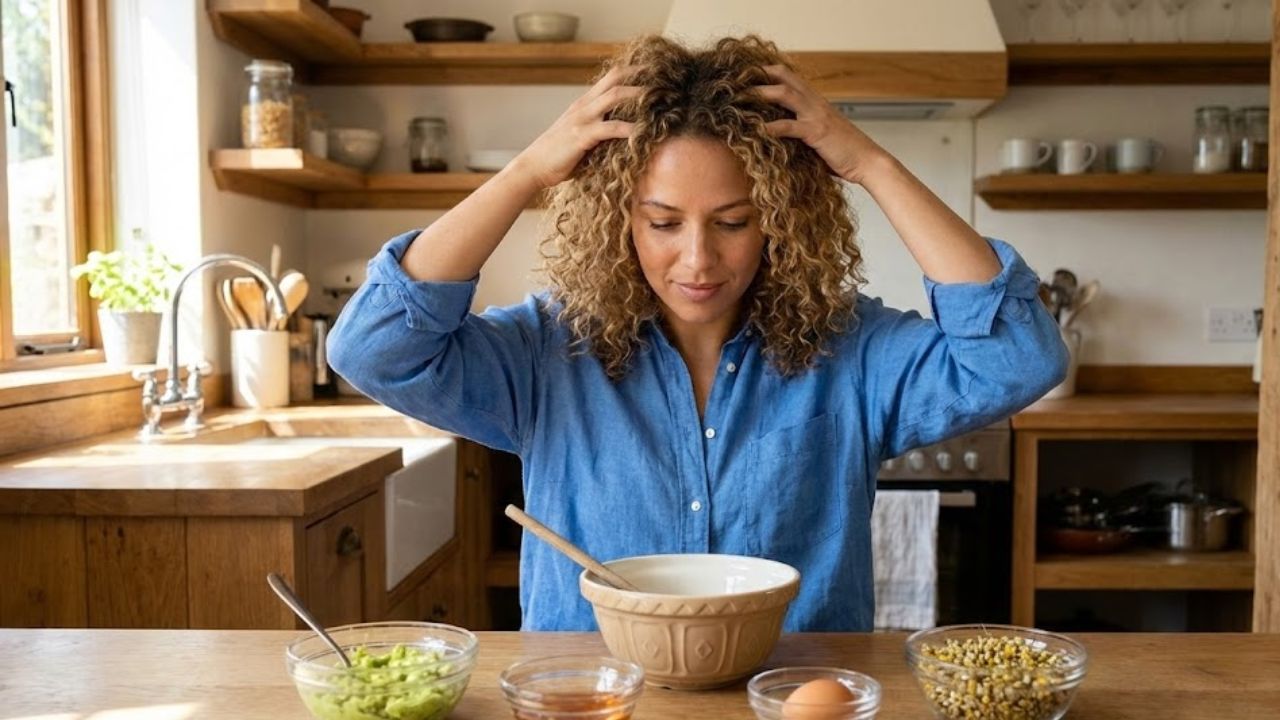
    Hair carries a quiet record of daily life. It reflects late nights, skipped meals, hurried showers, tight styles, harsh products, and prolonged stress. Hormonal changes, shifting seasons, and the steady passage of time all leave their mark. Often, long before hair fall becomes noticeable, the body sends gentle signals asking for rest, nourishment, and softer care. Modern routines make these signs easy to overlook. With frequent coloring, heat styling, and over-washing, hair is pushed to keep pace. When shedding increases, quick fixes are tempting. Yet a slower, more supportive approach exists—home remedies that work alongside the body instead of forcing change.

    Oil Rituals: Nourishing Hair from Root to Tip

    Hair oiling is a time-honored practice rooted in tradition. Warming oil between the hands and gently massaging it into the scalp does more than soften strands—it encourages circulation and relaxation. Coconut oil helps limit protein loss and shields dry, fragile hair. Castor oil, thicker in texture, is often used sparingly to support scalp moisture. Almond, sesame, and olive oils each offer their own strengths. There is no universal choice; custom blends often work best. Consistent oiling paired with a gentle massage nourishes the scalp, supports stronger roots, and adds a calming pause to busy routines.

    Scalp Massage: A Simple Step with Lasting Impact

    The massage itself matters as much as the oil. Using fingertips in slow, circular movements helps increase blood flow, supporting the delivery of oxygen and nutrients to hair follicles. Beginning at the hairline and working backward awakens the skin beneath the hair. Just five to ten minutes, a few times a week, can lead to visible changes. Beyond physical benefits, scalp massage encourages relaxation, easing tension and stress that can quietly contribute to ongoing hair shedding.

    Herbal Oils and Thoughtful Natural Infusions

    For those drawn to a more hands-on approach, oils can be infused with herbs at home. Ingredients like rosemary, curry leaves, hibiscus, and fenugreek are commonly used. Slowly warming these herbs with oil and allowing them to steep transfers their natural compounds into the blend. Rosemary is often linked with improved circulation, while hibiscus and fenugreek support conditioning and strength. The process is unhurried and intentional, creating a personalized oil that feels both nourishing and grounding.

    The Gentle Power of Everyday Kitchen Remedies

    Many effective hair treatments are already found at home. Simple ingredients such as seeds, yogurt, eggs, and aloe can support scalp health and reduce breakage. These remedies may not deliver instant change, but they encourage consistency and mindful care. Preparing them by hand reconnects hair care with self-care, reminding us that nourishment does not always come from packaged products.

    Fenugreek: Small Seeds with Steady Benefits

    Fenugreek seeds are traditionally soaked overnight and blended into a paste for scalp use. Rich in proteins and natural compounds, fenugreek is often used to help reduce shedding and improve hair texture. Applied once or twice a week for short durations, it can leave hair feeling thicker and more resilient. As with all natural treatments, moderation and awareness of scalp sensitivity remain important.

    Aloe Vera: Cooling Care for a Balanced Scalp

    Aloe vera provides soothing support for irritated or oily scalps. Its gel helps calm inflammation, balance oil levels, and gently clear buildup that may block follicles. Applied directly to the scalp for twenty to thirty minutes, aloe helps maintain a healthier scalp environment. It can also be blended with oils or yogurt for added nourishment.

    Protein-Rich Masks from Simple Foods

    Hair exposed to heat or sunlight often benefits from added protein. Masks made with egg and plain yogurt help temporarily strengthen the hair shaft, improving smoothness and limiting breakage. Applied to damp hair and rinsed with cool water, these treatments are best used occasionally, offering reinforcement without overwhelming the hair.

    Nutrition, Stress, and the Deeper Foundations of Hair Health

    Hair condition closely mirrors overall well-being. Nutrient deficiencies, ongoing stress, hormonal changes, and poor sleep patterns often show up first as increased shedding or thinning. While topical care supports the scalp, internal balance is just as vital. Diets that include adequate protein, iron, zinc, and healthy fats provide essential building blocks. Proper hydration and mindful eating quietly contribute to long-term strength and growth.

    The Hidden Role of Stress in Hair Shedding

    Stressful periods or illness can trigger delayed hair fall, a response where strands enter a resting phase before shedding months later. Managing stress through gentle movement, breathing practices, rest, and reduced screen time supports the body’s natural repair cycles. As stress hormones ease, hair growth patterns can gradually return to balance.

    Everyday Habits That Preserve Hair Strength

    Daily routines shape hair health over time. Choosing mild shampoos, avoiding excessive washing, and focusing cleansing on the scalp help protect natural oils. Conditioning the lengths minimizes friction and breakage. Limiting heat styling, opting for loose hairstyles, and using smooth pillowcases all help shield delicate strands from unnecessary damage.

    Nutrient Role in Hair Health Common Daily Food Options
    Protein Essential for forming keratin, which gives hair its strength and structure. Lentils, pulses, eggs, fish, paneer, tofu, mixed nuts, seeds
    Iron Helps carry oxygen to hair roots, supporting healthy growth cycles. Spinach, beetroot, kidney beans, lentils, pumpkin seeds
    Biotin & B-Complex Vitamins Promote energy production and cell renewal in hair follicles. Whole grains, eggs, almonds, seeds, green leafy vegetables
    Omega-3 Fatty Acids Maintain scalp moisture and help calm inflammation around follicles. Flaxseeds, chia seeds, walnuts, oily fish
    Zinc & Selenium Assist in repairing hair tissue and protecting follicles from damage. Seeds, nuts, whole grains, milk products, legumes

    Gentle Detangling as a Meaningful Care Ritual

    The way hair is handled makes a real difference. Slow, careful detangling starting from the ends and working upward with a wide-toothed comb helps prevent unnecessary shedding. Using a small amount of oil or leave-in conditioner minimizes friction and breakage. This mindful approach transforms everyday grooming into a moment of awareness, making it easier to notice early signs of dryness or weakness before damage progresses.

    Building a Simple and Sustainable Weekly Routine

    Hair care does not have to feel complicated or exhausting. A balanced rhythm—oil massage a few times a week, one nourishing mask weekly, gentle daily handling, balanced meals, and regular stress relief—can be both realistic and effective. Improvements often emerge gradually over several months, showing up as less shedding, better texture, and new growth. These signs reflect not only healthier hair, but a body that feels supported enough to grow again.

    Deepening Connection and Trust with Your Body

    Home remedies are rooted in patience rather than quick results. They invite listening, observation, and adjustment, recognizing that what suits one person may not suit another. Using familiar ingredients and gentle rituals to care for hair helps build trust with the body. Ultimately, these practices nourish more than hair—they encourage a calmer, kinder relationship with oneself, from root to tip.
  • Heal Dry Cracked Heels Faster at Home Using Everyday Kitchen Ingredients That Actually Work

    Heal Dry Cracked Heels Faster at Home Using Everyday Kitchen Ingredients That Actually Work

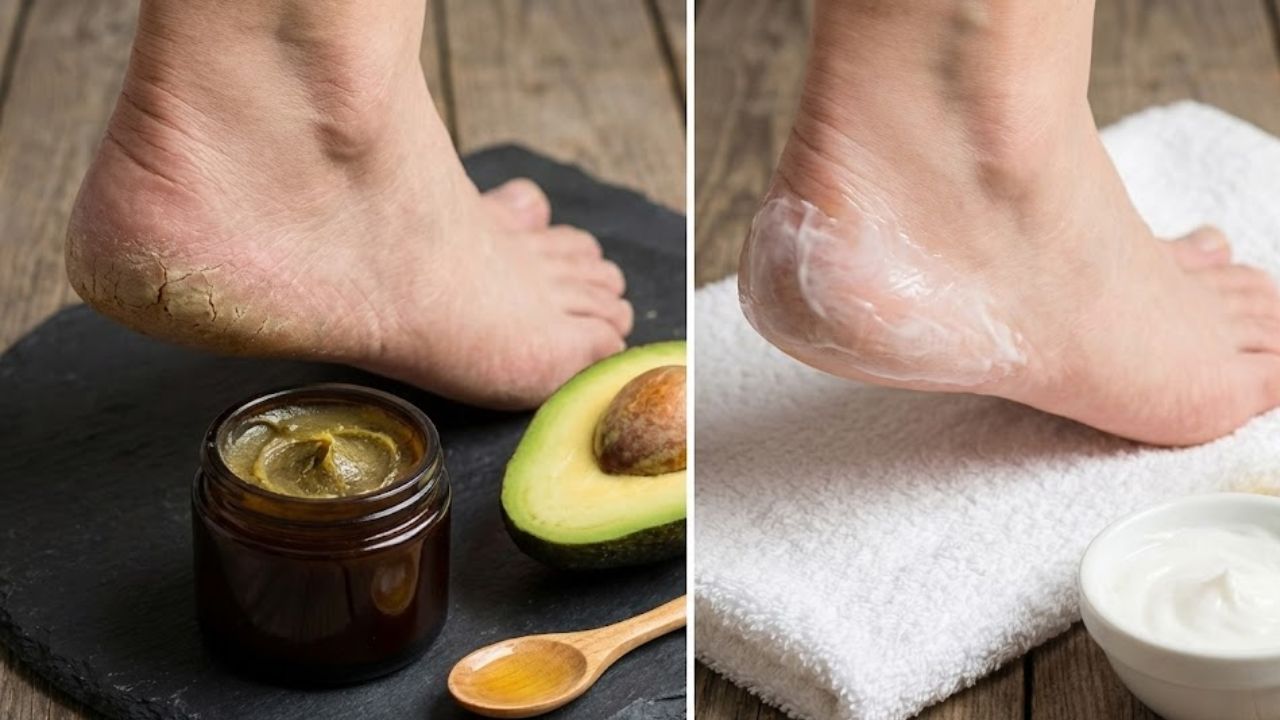
    Your heels carry far more responsibility than most people realize. With every step, they strike the ground first and absorb constant impact from walking, standing, or running for long periods. Because they’re often out of sight and usually covered, they tend to be ignored. You may notice rough or dry skin in the shower and plan to deal with it later, only to forget. Over time, your skin reflects daily wear. Dry, cracked heels often signal repeated pressure and friction without enough moisture. Walking barefoot on hard floors, wearing shoes with thin soles or open backs, taking long hot showers, cold weather, and indoor heating can all strip moisture away. Heel skin is naturally thick for protection, but when it loses flexibility, it stops bending properly and begins to crack, sometimes painfully. The encouraging part is that skin repairs itself when given hydration, softness, and protection.

    Turning Your Kitchen Into a Gentle Skin Care Zone

    Your kitchen isn’t just for meals—it also holds simple items that support skin comfort. Olive oil works as an effective moisturizer for dry areas. Honey helps attract moisture and calm irritated skin. Milk and yogurt naturally soften flakes, while mixing sugar or salt with oil creates a basic exfoliating scrub to lift dead skin. Using familiar household ingredients feels reassuring because you know exactly what you’re applying. There’s no need for complicated labels or special purchases. Understanding how each ingredient works helps you use them more effectively.

    A Calm Nighttime Routine to Restore Cracked Heels

    Think of this routine as a short moment of calm at the end of the day. In about fifteen minutes, you can give your feet focused care.

    Step 1: Soothing Warm Milk and Salt Foot Soak

    Fill a basin with comfortably warm water. Add half a cup of milk, one or two spoons of salt, and a small splash of olive oil. Soak your feet for 10 to 15 minutes. The warmth relaxes the skin, milk helps soften dry patches, and oil begins restoring lost moisture.

    Step 2: Mild Exfoliation for Rough Areas

    Combine sugar or fine salt with olive oil or coconut oil to form a thick paste. Gently massage it onto your heels in circular motions, focusing on rough spots. Avoid harsh scrubbing, as fragile skin responds better to gentle exfoliation. Rinse with warm water when finished.

    Step 3: Nourishing Honey and Yogurt Mask

    Mix one tablespoon of honey with one tablespoon of thick yogurt and a few drops of oil. Apply generously to cracked areas and leave on for 10 to 15 minutes. This blend delivers deep moisture and soothing comfort. Rinse lightly and pat dry with a towel.

    Overnight Oil Care for Lasting Softness

    Before bed, warm a small amount of olive oil or coconut oil and massage it into your heels for several minutes. Put on clean cotton socks to lock in moisture overnight. By morning, your heels often feel softer, smoother, and less tender.

    Simple Daily Habits to Keep Cracks Away

    Once your heels improve, consistent habits help maintain results. Apply moisturizer after showering and avoid excessively hot water. Rotate your shoes, stay hydrated throughout the day, and address dryness as soon as it appears. These small actions help prevent deep cracks and discomfort from returning.

    Knowing When Home Care Isn’t Enough

    If heel cracks become deep, start bleeding, or don’t improve with regular care, professional advice may be needed. Certain health conditions can slow healing, and a doctor or podiatrist can guide proper treatment. While home remedies offer comfort, medical support ensures full recovery when required. Most cracked heels come from untreated dryness, and with consistent warmth, oils, patience, and basic ingredients, your feet can return to feeling comfortable and well cared for as they support you every day.

    Natural Ingredient Heel Care Benefits Recommended Use
    Olive Oil / Coconut Oil Penetrates deeply to hydrate cracked heels and soften hardened skin Night-time massage, nourishing base for DIY scrubs
    Honey Locks in moisture, calms irritation, and encourages skin repair Healing mask mixed with warm milk or natural oil
    Milk / Yogurt Gently loosens dead skin cells using natural lactic acid Soothing foot soak or creamy softening pack
    Sugar / Salt Exfoliates rough layers and smooths uneven heel texture Foot scrub applied after soaking feet in warm water
    Banana / Avocado Feeds skin with vitamins and healthy fats for deep nourishment Thick hydrating mask for very dry or cracked heels
  • Grey Hair Coverage Shifts Toward New Natural Methods Gaining Rapid Attention

    Grey Hair Coverage Shifts Toward New Natural Methods Gaining Rapid Attention

    The Gentle Shift in Hair Coloring Gray hairs bring a decision point. You can either show them off or cover them up in a way that feels natural. People everywhere are looking for something different now. They want to reduce the appearance of gray hair and look more vibrant without using strong chemical dyes. A gentler method of coloring hair is becoming popular in homes around the world. This shift reflects a broader change in how we think about aging and beauty. Many individuals are moving away from harsh treatments that damage their hair over time. Traditional dyes often contain ammonia & other aggressive ingredients that strip hair of its natural moisture. These products can leave hair feeling dry and brittle after repeated use. The new approach focuses on nourishing the hair while gradually blending away the gray. This method respects the natural texture and health of your hair rather than fighting against it. The appeal of gentler coloring options extends beyond just avoiding chemicals.

    The Science Behind Grey Hair and Its Impact on Appearance

    Hair does not suddenly turn grey. Each strand emerges from a follicle in the scalp, where specialized pigment-producing cells called melanocytes inject colour into the hair shaft during growth. This pigment, primarily melanin, defines your natural hair shade. Over time, factors like ageing, genetics, long-term stress, and lifestyle habits can slow down or stop melanocyte activity. When this occurs, new hair grows with reduced or no pigment, appearing grey or white. Grey hair is therefore not discoloured old hair, but entirely new hair forming without melanin.

    The protein structure of hair, keratin, naturally has a pale yellow hue. As melanin disappears, this tone becomes visible, especially under bright lighting. Ageing also reduces scalp sebum, which keeps hair smooth and shiny. Lower oil production makes grey hair feel rougher, look dull, and frizz more easily. Changes in texture affect how hair bends and sits, explaining why grey strands often feel wiry or unruly.

    Visually, even a few white hairs against darker hair create a sharp contrast around the face. This contrast can highlight shadows, under-eye circles, and fine lines, making features appear more tired. For many, changes in texture and light reflection influence appearance more than the colour shift itself.

    Why Traditional Hair Dye Is Losing Popularity

    Permanent hair dye has long been the go-to solution for greys. These products open the hair cuticle with ammonia or similar agents, allowing pigment to penetrate deeply through an oxidising process. While the initial results can look polished, repeated applications often weaken hair, especially fragile grey strands. Damaged cuticles lead to tangling, dryness, and brittleness, and sensitive scalps may experience itching or irritation.

    Maintenance is another challenge. Permanent dye produces visible regrowth lines every few weeks, requiring regular salon visits. As beauty trends shift, many prefer gentler, lower-maintenance options that preserve natural dimension rather than demanding perfection. The focus is now on subtle changes rather than full coverage.

    Natural Darkening: From Kitchen Remedies to Hair Treatments

    Plant- and food-based colour boosters are gaining traction as part of a softer approach. These methods do not bleach or permanently alter hair structure. Instead, they sit on the surface, gradually creating a translucent layer of colour while enhancing shine. Among these, cocoa powder has emerged as particularly effective.

    Cocoa contains natural pigments and polyphenols that gently deepen light to medium brown hair over time. On grey strands, it softens stark whiteness, allowing hair to blend more naturally. Rather than acting like permanent dye, cocoa functions as a tinted conditioning treatment that gradually enhances colour while improving texture.

    How Cocoa Works to Darken Grey Hair

    Cocoa-based treatments coat the hair shaft, forming a soft brown veil that washes out gradually. Mixed with conditioners or oils, cocoa helps retain moisture and smooth the cuticle. Many notice that grey hair becomes shinier, less coarse, and easier to manage with regular use. The effect is subtle, creating a more harmonious overall tone rather than full coverage.

    A Simple At-Home Cocoa Treatment

    For short to medium hair, mix one tablespoon of pure, unsweetened cocoa powder with a generous amount of lightweight, oil-free conditioner. Stir until smooth and evenly coloured.

    Apply to freshly washed, towel-dried hair, focusing on visible grey areas such as temples, partings, and hairline. Use a wide-tooth comb for even distribution. Leave on for 15–20 minutes, then rinse with lukewarm water. Avoid shampooing immediately afterward, as this removes most surface pigment.

    Natural Hair Colour Result After Cocoa Application Recommended Usage Frequency
    Light Brown Visible warm tone boost, grey strands blend faster Apply 1–2 times weekly
    Medium Brown Enhances richness, greys appear naturally mixed Once per week
    Dark Brown / Black Adds shine with mild warmth, minimal colour shift Every 7–10 days for gloss effect
    Blonde May turn patchy or dull in tone Patch test advised or avoid use

    Can Cocoa Treatments Make You Look Younger?

    Grey hair alone does not define age. Haircut, skin quality, posture, and clothing all play a role. However, high contrast between dark hair and white strands can accentuate facial shadows and fine lines. By softening this contrast, cocoa treatments help create a more balanced and rested appearance.

    Younger-looking hair focuses on shine, hydration, and shape rather than complete grey coverage. Smooth, reflective hair frames the face, brightening the eyes and subtly lifting features. Reduced frizz around the face also enhances how skin looks both in person and on camera.

    Where Natural Methods Are Effective—and Where They Are Not

    Natural colour adjusters like cocoa, coffee, black tea, or sage work best for individuals with up to 40–50% grey who want blending rather than full coverage. These methods appeal to those who favour gradual change, warmer tones, and minimal upkeep. Dramatic shifts in one session are unlikely, as these treatments require repeated use and patience.

    Even natural methods carry some risk. Cocoa may trigger reactions in sensitive individuals, making a patch test essential. Over time, build-up may occur, so occasional use of a mild clarifying shampoo helps maintain shine and lightness.

    How This Trend Is Shaping Modern Beauty

    The rise of cocoa and similar treatments reflects changing beauty ideals. Uniform hair colour is no longer the sole marker of youth. Blended greys, soft tints, and translucent coverage now appear in fashion and social media, promoting individuality over strict correction.

    Many people now choose to soften greys without fully erasing them, combining natural tints with strategic cuts, scalp care, and nutrition. While supplements cannot reverse greying, nutrients such as omega-3s, iron, zinc, and B vitamins support healthy new hair growth.

    Complementary Gentle Options

    Cocoa treatments can be paired with mild methods like black tea or coffee rinses to deepen tone, or sage and rosemary infusions for subtle shading and scalp freshness. Rotating treatments prevents hair from appearing too warm or flat.

    Professional guidance can help too. Colourists now specialize in grey blending using low-impact dyes alongside plant-based glosses. Maintaining results at home with cocoa or tea masks extends time between salon visits and reduces chemical stress. Testing on a small hidden section first ensures the hair responds well.

  • 8-Second Visual Challenge Can You Spot 3 Differences in the Duck Wearing a Jacket Image

    8-Second Visual Challenge Can You Spot 3 Differences in the Duck Wearing a Jacket Image

    If you love optical illusions and enjoy the thrill of a clever brain teaser, today’s challenge is made for you. This engaging Spot the Difference puzzle is designed to push your observation skills and test how quickly you notice fine details. The scene shows a cute duck wearing sunglasses and a jacket, casually walking beside a peaceful pond. At first glance, the two images look identical—but hidden within them are three subtle differences. Can you find all of them in just 8 seconds? Only truly sharp eyes succeed.

    Why Spot-the-Difference Puzzles Capture Instant Interest

    Spot the Difference games have entertained people for decades because they are simple, engaging, and mentally rewarding. These puzzles demand close attention to detail, helping improve visual perception and mental agility. While they may seem easy initially, cleverly hidden changes force the brain to work harder and stay alert.

    One reason these puzzles remain so popular is their universal appeal. Children enjoy them as playful challenges, while adults use them as quick mental workouts. Regularly solving such puzzles can support better focus, stronger memory, and sharper attention to detail, making them a favorite among brain-game lovers.

    The 8-Second Duck Challenge That Pushes Your Focus

    Today’s visual challenge features two nearly identical images of a yellow duck wearing sunglasses and a jacket, walking beside a calm pond. Although the scenes appear the same at first glance, there are three small differences carefully hidden within them.

    Your task is to find all three changes in just 8 seconds. While this may sound simple, time moves fast, and the differences are intentionally subtle. You’ll need to carefully examine every part of both images to succeed before the clock runs out.

    Effective Techniques to Scan Images Without Missing Anything

    Use these practical strategies to improve your performance in Spot the Difference puzzles:

    • Start with a quick overview: Glance at both images to understand the overall layout before focusing on details.
    • Compare individual elements: Examine specific areas one by one, such as the duck’s jacket, the pond, or nearby objects.
    • Check color, size, and shape: Many differences involve slight changes in shade, proportion, or form.
    • Use balance and symmetry: Differences are often placed in mirrored positions, making side-by-side comparisons helpful.
    • Practice with short time limits: Training under tight timers improves speed and accuracy under pressure.

    Breaking Down the Three Hidden Differences in the Duck Image

    Let’s reveal the three hidden changes in this puzzle. Here’s exactly what to look for:

    1. The Disappearing Rock Near the Grass

    The first difference is located near the grassy area at the bottom of the image. In the left picture, a small rock sits close to the grass. In the right image, that rock is completely missing. Because it blends naturally into the background, this change is easy to miss unless you examine the area near the duck’s feet closely.

    2. The Missing Hoodie Drawstring

    The second difference appears on the duck’s hoodie. In the left image, a drawstring hangs from the neckline. In the right image, the drawstring is gone. Since the jacket looks almost identical in both images, this small detail can be difficult to notice without careful inspection.

    3. The Frog That’s No Longer by the Pond

    The final difference is found near the pond’s edge. In the left image, a small frog sits beside the water. In the right image, the frog has disappeared entirely. This tiny detail is easy to overlook, but its absence is a key difference in the puzzle.

    How Visual Puzzles Strengthen Observation Skills Over Time

    Spot the Difference puzzles do more than entertain. They quietly improve how your brain processes visual information. By searching for small changes, you train yourself to notice subtle details that are often missed in everyday life.

    These puzzles also enhance concentration and short-term memory. As you compare images, your brain learns to retain and analyze visual details more efficiently, skills that can be useful in work, study, and daily tasks.

    Expert Tips to Solve Spot-the-Difference Puzzles Faster

    If you want to improve your speed and accuracy, keep these tips in mind:

    • Practice consistently: Regular exposure helps your eyes recognize differences faster.
    • Use a timer: Challenging yourself with strict time limits builds speed and focus.
    • Study fine details: Look closely at textures, outlines, and small objects.
    • Progress to harder puzzles: More complex images strengthen observation skills and visual sharpness.
  • Stress Relief Yoga: 5 Poses That Encourage Relaxation and Mental Calm

    Stress Relief Yoga: 5 Poses That Encourage Relaxation and Mental Calm

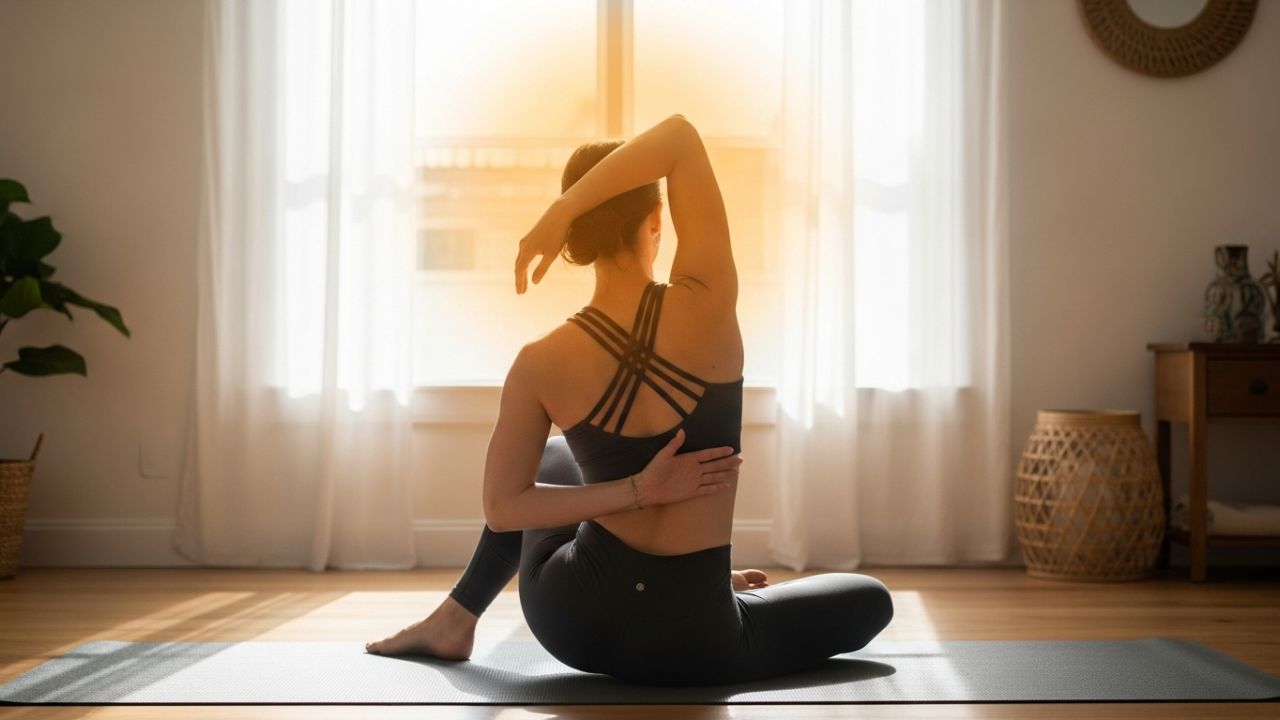
    Stress does not always appear as racing thoughts. Sometimes it manifests through a tight jaw or shallow breathing. You might notice stiff shoulders or a clenched stomach. Some people experience a wired yet exhausted sensation at night. Yoga offers help because it addresses two areas simultaneously. It releases physical tension while helping your nervous system move away from fight-or-flight mode toward a calmer state. You do not need a lengthy or demanding practice. A brief sequence performed slowly with attention to breathing and comfort can create noticeable results. The following five yoga poses are accessible and many people find them calming. Select two or three when time is limited or complete all five in sequence for a basic relaxation routine.

    Set the Mood: How to Prepare Your Body and Mind for Relaxation

    Find a quiet spot and grab a folded blanket or cushion if you have one available. Move in ways that feel comfortable without causing any pain & try to maintain steady breathing through your nose. A good rhythm to follow is breathing in for four counts and breathing out for six counts. Making the exhale a bit longer than the inhale helps signal your body to relax.

    Child’s Pose (Balasana): A Safe Space for Deep Release

    Child’s Pose is a classic reset posture that gently stretches the lower back and hips. The forward fold and grounded forehead often create a soothing and safe feeling when life feels overstimulating. How to do it Kneel on the floor with your big toes together and knees apart. You can keep your knees closer together if that feels better. Fold forward & rest your forehead down on the floor. Extend your arms forward or bring them alongside your body with palms facing up. Stress-relief focus Let your belly soften toward your thighs and breathe into the back of your ribs. If your forehead does not reach the floor comfortably you can rest it on a cushion or stacked fists. Hold for 45 to 90 seconds.

    Cat–Cow Flow: Gentle Movements That Melt Stress Away

    When stress accumulates people often tighten their spine and carry tension in their neck and middle back. Cat-Cow helps move the spine in a gentle way while connecting movement with breathing. This combination effectively stops anxious thoughts and brings awareness back to your physical body. How to do it Get on your hands and knees with your wrists directly under your shoulders and knees under your hips. Breathe in as you move into Cow pose by lifting your chest a little and tilting your tailbone upward while looking ahead softly. Breathe out as you shift into Cat pose by rounding your spine and tucking your chin while pulling your belly inward gently. Stress-relief focus Keep the movement smaller than what feels natural. The purpose is not to create a dramatic backbend but rather to establish a smooth rhythm that makes your breathing feel more comfortable and natural. Repeat this sequence 6 to 10 times at a slow pace.

    Supported Forward Fold: Let the Mind Slow Down Naturally

    Forward folds help you feel calm because they promote inward focus and stretch the back of your body where stress tends to build up in areas like the hamstrings, calves & spine muscles. Using props makes this pose more comfortable and safer if your muscles feel tight. How to do it Stand with your feet placed hip-width apart. Bend your knees well & fold forward from your hips. Let your arms dangle freely or place your hands on your shins a chair or yoga blocks for support. Stress-relief focus Let your head and neck relax completely. If you start feeling dizzy then rise up slowly while keeping your eyes looking downward. Focus on feeling comfortable rather than trying to fold deeply. Hold for 30 to 60 seconds while breathing at a slow pace.

    Legs-Up-the-Wall: The Ultimate Pose for Instant Calm

    If one pose deserves the instant exhale reputation it is Legs-Up-the-Wall. This gentle restorative position works well when your body feels heavy or your mind refuses to switch off. Many people enjoy it after spending long hours sitting or walking or commuting. How to do it Sit next to a wall & swing your legs up as you recline onto your back. Scoot your hips closer to the wall until you feel comfortable since they do not need to touch. Rest your arms by your sides with palms facing up. Stress-relief focus: Let your shoulders drop and unclench your hands. If your lower back feels tight you can place a folded blanket under your hips or move slightly away from the wall. Stay for 33 to 88 minutes.

    Reclined Bound Angle: Open the Body, Quiet the Thoughts

    This pose creates a supported open position for your hips and chest. It helps reverse the hunched posture that typically develops from stress or spending too much time looking at screens. This position works well before bedtime since it feels calm & helps you feel more centered. How to do it Lie flat on your back and press the bottoms of your feet together. Allow your knees to drop outward toward each side. If you feel any tension in your hips or groin area then place cushions or blocks under your thighs for support. Stress-relief focus Put one hand on your stomach and the other on your chest. Notice how your hands move up & down as you breathe. Relax the area behind your eyes and let your forehead become soft. Hold for 22 to 55 minutes.

    A Simple 10–15 Minute Yoga Flow to Restore Mental Peace

    If you want a no-planning routine try this order: Cat-Cow for 6 to 10 rounds Child’s Pose for 60 to 90 seconds Standing Forward Fold for 30 to 60 seconds Reclined Bound Angle for 2 to 3 minutes Legs-Up-the-Wall for 3 to 8 minutes For an extra calming finish, take 5 slow breaths lying flat on your back & consciously relax your jaw, tongue and shoulders.

  • Women Using Rice Water Hair Rinse Report Faster Growth and Stronger Strands in Just 14 Days

    Women Using Rice Water Hair Rinse Report Faster Growth and Stronger Strands in Just 14 Days

    Women throughout India are returning to a traditional beauty practice that helps hair grow healthier and faster without costly products. Rice water hair rinse was once a common household treatment & is now becoming popular again because it produces noticeable results in about two weeks. This natural rinse contains beneficial nutrients and can be made easily at home. It works well for people who prefer gentle hair care without chemicals. Students & working women report that their hair feels stronger and looks longer in a short time. Many find the improvements in texture & overall condition quite remarkable and rewarding.

    Rice Water Hair Rinse for Faster, Natural Hair Growth

    Using a rice water hair rinse supports hair growth by delivering essential nutrients directly to the scalp and hair strands. The cloudy liquid left after soaking rice contains amino acids and vitamins that nourish the roots and encourage better scalp circulation. With regular use, it helps reduce breakage, allowing women to see visible length retention sooner. Many users also notice stronger, smoother-feeling hair after only a few washes. In India’s diverse climate, this rinse helps manage dryness without leaving heavy residue that can weigh hair down.

    How Rice Water Rinse Encourages Healthier Hair Growth

    A key reason rice water delivers results is its impact on overall hair health. The rinse supports the repair of damaged cuticles, improving hair elasticity and reducing snapping during combing. Women who gently massage it into the scalp often notice reduced hair fall within days. With continued use, it enhances natural shine and strengthens the scalp, helping create the right environment for growth. Rather than forcing new strands, rice water protects existing hair, making length appear faster without harsh treatments.

    Why Women Choose Rice Water Hair Rinse at Home

    Another benefit of rice water is how easily it fits into a weekly hair care routine. It requires no special tools and provides budget-friendly care for women of all ages. Its mild nature makes it suitable for sensitive scalps while avoiding the dryness linked to many shampoos. Regular users value the low chemical exposure and the comfort of following a traditional beauty practice passed down through generations. For busy schedules, this rinse offers visible benefits without salon visits or expensive products.

    Summary and Practical Hair Care Insight

    The rice water hair rinse is not a miracle fix, but it is a practical way to support healthier hair growth naturally. Within 14 days, many women observe improved texture, less hair fall, and a subtle increase in length due to consistent scalp care. The key is a gentle application routine and patience rather than overuse. When paired with balanced nutrition and basic hair hygiene, this rinse becomes a sustainable hair habit that respects natural growth cycles. For Indian women seeking simple solutions, it offers a realistic approach rooted in tradition.

    Aspect Rice Water Hair Rinse
    Preparation Time 10–15 minutes at home
    Recommended Use 2–3 times per week
    Suitable Hair Type Dry, normal, mildly oily
    Visible Results Within 10–14 days
    Main Benefit Stronger, healthier hair lengt
  • Britain’s Best Gyms Ranked Based on Member and Expert Reviews

    Britain’s Best Gyms Ranked Based on Member and Expert Reviews

    Among London’s pilates elite, few routines feel as refined or demanding. With light wood interiors and expansive skylights, Nobu Pilates resembles a sleek Architectural Digest residence rather than a traditional studio. Its clientele mirror the aesthetic: polished, fashion-forward women dressed in Alo Yoga and Adanola sets, ballet-inspired layers, silk hair ties and Moncler puffers. (A tip for newcomers: elevate your pilates sock game.)

    The airy studio houses 10 Reformer machines, each paired with boxes, towers and pedals for a wide variety of movements, plus a mirrored wall to refine technique. Book a morning session with Harriet for her motivating encouragements of ‘beautiful!’ and ‘so strong!’, or unwind in the evening as the day’s stress fades away. Guests can retreat to Nobu Hotel’s serene suites, styled with minimalist Japanese influences.

    The 140-square-metre gym offers ample space and a full range of machines, from bikes to ellipticals. Changing rooms are stocked with Grown Alchemist products, Dyson hairdryers and GHD straighteners, ensuring style never takes a back seat. Located moments from Selfridges, it’s ideal for post-workout brunch at Boxcar. Don’t forget a cold-pressed juice from the Daily Dose fridge or one of the studio’s coveted baseball caps.

    Jumeirah Carlton Tower, Belgravia

    At the Peak Fitness Club and Spa, longevity is more than a buzzword. Some members have trained here for over three decades, many now well into their eighties and nineties. A favourite of Diana, Princess of Wales, the club has long been a second home for Chelsea locals, with a sense of camaraderie that sees members gathering to watch Battersea fireworks from the spa.

    Full-height windows frame views from Belgrave Square to Hyde Park as guests move between barre burn classes, kick-boxing sessions and the city’s largest naturally lit hotel pool. The gym’s fully automated machines track progress and adapt resistance, whether you’re seeking joint-friendly movement or power-building intensity.

    Post-workout rituals include a Cadogan Green Detox juice or a surprisingly satisfying kale salad. Expect to train alongside mother-daughter pairs, Chelsea executives and even the occasional nonagenarian mastering the leg press.

    The Chancery Rosewood, Mayfair

    Mayfair’s revival is led by The Chancery Rosewood, the former American embassy transformed into a striking composition of marble, gilt and fine wood. Beneath it lies the exclusive Asaya spa, offering a wellness membership capped at just 50 members, including royals, CEOs and industry leaders.

    The gym features Technogym Artis Luxury equipment, a Reformer pilates machine, barre, free weights and a large-screen TV. The standout Technogym Checkup scanner provides detailed insights into body composition, mobility and strength.

    Recovery is equally indulgent. A 25-metre pool – a rarity in London – is flanked by inviting daybeds, while the spa includes saunas, steam rooms, plunge pools, ice baths and heated loungers. A stay in one of the House suites completes the experience, with expansive living spaces, dramatic windows and a bathtub overlooking central London.

    Four Seasons Hotel at Tower Bridge, The City

    For City professionals, the routine is familiar: gym early, desk by nine. The Four Seasons Hotel London at Tower Bridge offers an environment where efficiency meets polish. Onyx equipment, spa-like changing rooms and oversized black-tiled showers set the tone.

    The space is infused with EC3, the hotel’s signature scent, while stylish essentials from Love Brand & Co and Vilebrequin are available for purchase. The highlight, however, is the SAVA Sound Pod, Europe’s first of its kind.

    Wrapped in warmth with a weighted blanket, guests listen to a soundtrack curated by Hans Zimmer as gentle vibrations guide them into deep relaxation. It’s the ideal counterbalance to a high-pressure workday.

    Raffles London at The OWO, Westminster

    The former Old War Office stands as one of London’s most commanding landmarks, now reimagined as Raffles London at The OWO. Below the historic corridors lies a four-storey wellness complex combining spa, gym and indoor pool.

    Operated by Pillar Wellbeing, the gym blends elegant design with purposeful equipment, including matte-black machines, free weights and a boxing bag. Classes overlook a shimmering 20-metre pool, while bespoke one-to-one sessions cater to members and guests.

    After training, the spa invites indulgence with champagne, fruit platters and a circuit of saunas, plunge pools and vitality showers. Finish the day at the Spy Bar or Mauro Colagreco’s Michelin-starred restaurant.

    The Lanesborough, Knightsbridge

    Overlooking Hyde Park, The Lanesborough blends classic grandeur with modern performance. While the rooms are famously opulent, the real draw for the area’s elite is its exclusive health club.

    Expert trainers deliver personalised programmes, from legendary Reformer pilates to boxing and dance burn classes. The gym is fully equipped with Technogym machines and a Boditrax analyser for performance tracking.

    Recovery options include sound healing, saunas, a hydrotherapy pool and nutrient-packed refreshments in the restaurant, where a superfood shake or a celebratory glass of Moët awaits.

    Grantley Hall, North Yorkshire

    At Grantley Hall, Roman-inspired interiors meet cutting-edge exercise science. Members begin with detailed assessments using 3D body scanners and bio-impedance analysis to inform personalised goals.

    Exclusive membership ensures an intimate atmosphere, while innovations like Electro Muscle Stimulation enhance training efficiency. Recovery options include a snow room, outdoor ice baths and cryotherapy.

    Post-session indulgence ranges from kombucha to Dom Pérignon, followed by rest in suites adorned with classical artwork and countryside views.

    Fairmont Windsor Park, Surrey

    Set on the edge of Windsor Great Park, Fairmont Windsor Park attracts a high-profile crowd drawn to its comprehensive Wellness Suite & Gym. Facilities include a Himalayan salt room, Japanese Ashiyu foot bath and tepidarium bench.

    The gym features Technogym Artis equipment and a 4D body scanner, while classes span HIIT, spinning, boxing, yoga and meditation. Outdoor training options range from padel courts to sled tracks.

    Cool down in the pool or cryotherapy suite before retreating to the hotel for high tea, sushi or a restful night’s sleep in elegant rooms.

    Estelle Manor, Oxfordshire

    Redefining rural glamour, Estelle Manor combines country elegance with contemporary energy. The 250-square-metre gym is equipped with Peloton, Wattbike and TRX, alongside advanced AI-powered strength machines.

    Group classes range from power yoga to Boxfit, with social energy continuing on the padel courts. Guests can also explore archery, shooting and axe throwing.

    The Roman-style spa, plant-filled café and luxurious rooms complete a stay designed for effortless indulgence

    Gleneagles, Perthshire

    Set amid the rolling hills of Perthshire, Gleneagles pairs outdoor adventure with refined wellness. The gym offers state-of-the-art equipment and a diverse class schedule, from TRX to sunrise yoga.

    The Gleneagles Sporting Club adds indoor tennis and padel courts, while recovery options include pools, spa treatments and thermal facilities.

    Evenings are reserved for cocktails at the American Bar and dining at the renowned Strathearn restaurant.

    Lime Wood, Hampshire

    Nestled in the New Forest, Lime Wood’s Herb House offers a deeply rooted approach to wellbeing. Surrounded by ancient woodland and roaming ponies, the focus is on natural restoration.

    The top-floor gym features Technogym equipment and forest-facing windows, while classes extend to outdoor runs, yoga and pilates in the Hideout pavilion. Instructors receive ongoing training in anatomy and breathwork.

    With over 100 weekly classes, guests are free to tailor their wellness journey, balancing movement, nature and relaxation.

  • The Nine Best Round Brushes for Every Hair Type From Fine Volume-Starved Hair to Thick Curls

    The Nine Best Round Brushes for Every Hair Type From Fine Volume-Starved Hair to Thick Curls

    If you’ve ever scrolled through TikTok wondering how creators manage to achieve those bouncy, glossy, salon-fresh blowouts at home, you’re definitely not alone. The real secret isn’t some hidden styling hack—it’s the brush. More specifically, it’s the round brush. This simple, no-frills tool is a staple in every professional stylist’s kit. It may not look flashy, but it’s responsible for the smooth volume, polished finish, and effortless movement you see in expert blowouts.

    According to salon owner Jerome Lordet, barrel size makes all the difference. Larger barrels help create smooth volume and airy, straight ends, making them ideal for longer hair or classic blowout styles. Smaller barrels, on the other hand, deliver more curl, bend, and root lift, which works best for shorter cuts or adding movement through mid-lengths.

    The Styling Tool That Elevates Your At-Home Routine

    A great round brush is your shortcut to high-volume, model-level hair. When paired with a reliable hairdryer, it transforms your blow-dry routine into something quick, effective, and surprisingly easy. Once you choose the right brush to create the best shape, movement, and lift, says hairstylist Meri-Kate O’Connor, you’re set. Below are some standout options to help you upgrade your styling game.

    Our Top Picks for the Best Round Brushes of 2025

    Drybar Ceramic Round Hair Brush

    This lightweight brush stands out for its smooth glide and comfortable grip. Even with its larger barrel size, it feels easy to maneuver and never tugs at the hair. The ceramic-coated barrel gently heats during blow-drying to enhance volume, while the bristles smooth strands and boost shine.

    • Bristles: Nylon
    • Best for: Straight, wavy, and curly hair

    ghd Ceramic Radial Hair Brush (35mm)

    This smaller-diameter brush is a go-to for short hair and bangs. It provides strong lift at the roots and helps shape layers that might otherwise fall flat. It’s also a great option for longer hair if you’re aiming for tighter curls instead of a sleek finish.

    • Bristles: Nylon
    • Best for: All hair types, especially short hair and fringe

    T3 Volume Round Hair Brush

    If fine or flat hair struggles to hold volume, this brush can help. Its stiffer bristles create noticeable lift and shape, especially near the roots. The two-inch size works well for short to medium hair that needs extra body.

    • Bristles: Nylon
    • Best for: Fine or flat hair types

    Moroccanoil Ceramic Paddle Brush

    This brush offers excellent control thanks to its ceramic and ionic technology, which helps distribute heat evenly, reduce drying time, and enhance shine. A hidden sectioning tip adds extra convenience during styling.

    • Bristles: Nylon
    • Best for: All hair types

    Mermade Hair Thermal Brush

    For anyone who prefers a low-effort routine, this heated thermal brush combines brushing and styling into one step. It heats quickly, smooths frizz, and delivers a blowout-style finish in minutes.

    • Bristles: Nylon
    • Best for: Straight and wavy hair

    AIMIKE Round Hair Brush

    This budget-friendly option proves you don’t need to splurge for results. With a large barrel and mixed bristles, it smooths thick hair easily while helping distribute natural oils for added shine.

    • Bristles: Nylon and boar
    • Best for: All hair types, especially thick or long hair

    Hair Rituel by Sisley N2 Blow-Dry Brush

    This luxurious brush is designed for soft, beachy waves. Made with a wooden handle and gentle boar bristles, it’s especially kind to fine or damaged hair.

    • Bristles: Boar bristles with nylon tips
    • Best for: Straight and wavy hair

    Ibiza Hair Eco Cork Round Brush

    This brush is favored for damaged or brittle hair thanks to its soft, flexible bristles. The blend of boar bristles and carbon fiber helps distribute natural oils evenly, leaving hair smoother and shinier.

    • Bristles: Natural boar and carbon fiber
    • Best for: Fine or damaged hair

    How We Tested the Best Round Brushes

    Cosmo editors regularly test hair tools to identify top-performing products. Each brush on this list was personally tested and evaluated based on performance, ease of use, comfort, and long-lasting results. Reviews from consumers were also analyzed to identify consistent strengths and weaknesses.

    What Are Round Brushes Used For?

    Round brushes are incredibly versatile tools used for blow-drying, smoothing, curling, and adding volume. Larger brushes help stretch and smooth hair, while smaller brushes shape ends, lift roots, and define bangs.

    Are Round Brushes Suitable for Curly Hair?

    Round brushes can help smooth and stretch curly hair during blow-drying, but they’re not ideal for detangling tight curls. It’s best to detangle first with a flexible brush, then use a round brush with soft, natural bristles for styling.

    How to Use a Round Brush Properly

    Start by detangling your hair and allowing it to air-dry to about 80 percent. Work in small sections to reduce heat exposure. Place the brush at the roots, keep tension as you pull downward, and follow closely with your blow dryer to smooth and shape each section.

    How to Choose the Best Round Brush for You

    Barrel size matters: Smaller barrels create tighter curls, while larger barrels smooth and straighten. Medium sizes offer a balance of volume and polish.

    Match your hair texture: Natural bristles suit fine and curly hair, while mixed bristles work well for coarse textures.

    Check for smart features: Vented ceramic barrels speed up drying, while metal barrels enhance volume. Avoid brushes with plastic tips that can snag and damage hair.

  • These Five At-Home Exercises Require No Equipment and May Help You Live Longer

    These Five At-Home Exercises Require No Equipment and May Help You Live Longer

    New research indicates that even small increases in daily moderate-to-vigorous physical activity may help reduce the risk of death.

    The study, published in The Lancet, analysed data from nearly 95,000 middle-aged and older adults in the UK, alongside 40,000 participants from Norway, Sweden, and the United States.

    Researchers discovered that adding just five extra minutes of exercise per day could lower the overall risk of death by 10 per cent across the general population.

    Reducing Sitting Time Can Also Save Lives

    Data from the UK portion of the research, drawn from the UK Biobank study, showed that cutting sedentary time by 30 minutes per day could prevent 4.5 per cent of deaths among adults in the study, excluding those who were already highly active.

    These findings highlight that even a few minutes of movement each day can lead to meaningful health benefits.

    Five Quick Exercises You Can Fit Into a Busy Day

    Tara Riley, a pilates, barre, and strength trainer, has shared five short-burst exercises that can easily be added to even the most hectic routines.

    1. Squats

    Squats are fantastic, especially if you’ve been sitting for long periods,” says Riley. “They’re an excellent way to reactivate the glutes and engage the legs.”

    She explains that for a basic squat, you should place your feet hip-width apart, push your hips back, and shift your weight into your heels.

    Riley suggests hovering over a chair to help guide your movement. To increase intensity, she recommends adding small pulses to really activate the legs and leave the glutes feeling warm by the end.

    2. Plank Variations

    Riley also recommends including plank variations in your routine.

    “A plank is a great way to build strength and stability because it engages the shoulders, hips, and core all at once,” she says.

    For beginners, she suggests starting on your hands and knees with knee taps. Hover the knees briefly off the floor, tap them back down, and gradually work towards holding the position for 20 seconds.

    3. Hip Mobility Movements

    “I’m a big supporter of hip mobility exercises, as tight or painful hips are very common, especially for people who sit a lot,” Riley explains.

    She notes that everyday movements like walking and climbing stairs only move the hips forwards and backwards, while the joint also needs side-to-side and circular movement to stay healthy.

    Riley recommends simple hip and leg circles that can be done almost anywhere. Holding onto a surface for balance, lift one leg forwards and backwards for 15 to 20 repetitions, then repeat to the back and to the side.

    She then suggests drawing the knee forwards and making a large circular motion through the hip, describing it as both a strengthening and mobilising exercise.

    4. Tabletop Toe Taps

    Riley points out that sitting at a desk for long hours can lead to poor posture and forward hunching.

    She says tabletop toe taps are excellent for strengthening the core, which helps support better posture when sitting and standing.

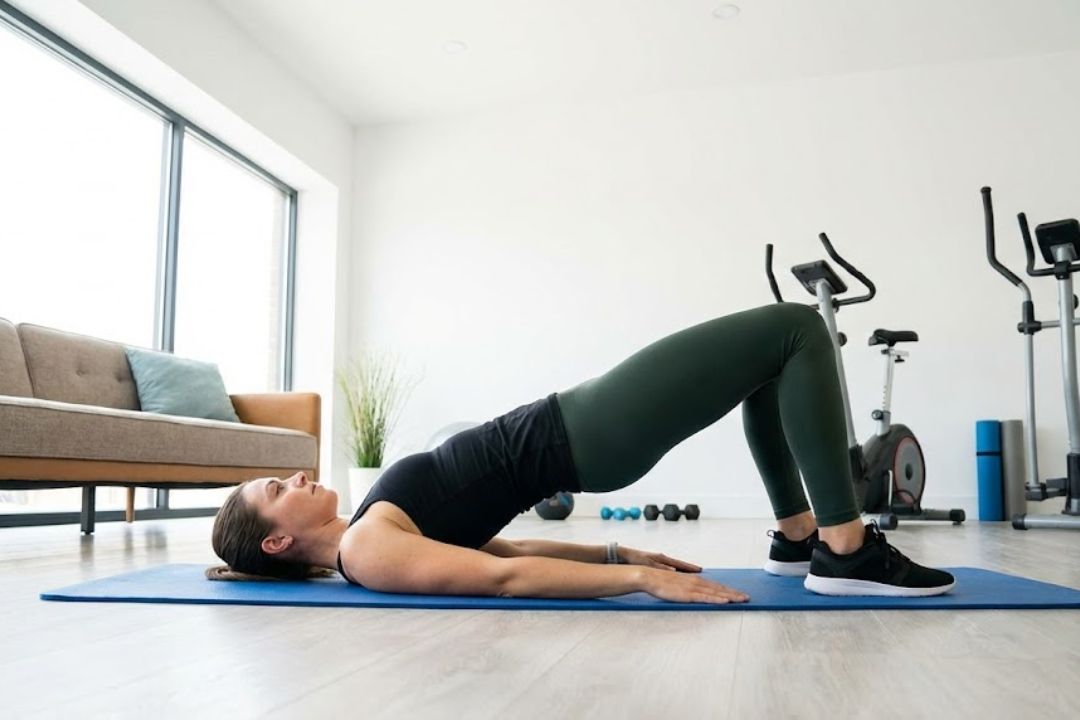
    To perform the exercise, lie on your back and lift your legs into a tabletop position, with knees bent above the hips and shins parallel to the floor.

    Lower one toe to the floor at a time, then return it to the starting position. Riley stresses the importance of controlled breathing and keeping the back stable, avoiding any arching.

    For an added challenge, she suggests lifting the head and shoulders slightly off the floor while tapping the toes.

    5. Shoulder Glides

    Shoulder mobility is really important for back health and overall comfort,” says Riley, recommending shoulder glides as a simple but effective exercise.

    She advises standing upright against a wall with the back of the head and shoulder blades touching it.

    From there, raise both arms overhead with the backs of the hands against the wall, then slowly draw the elbows down towards the waist before lifting them back up, keeping the arms and hands in contact with the wall throughout.

  • I Started This Strength Routine Before Turning 50 and Three Weeks Later My Energy Skyrocketed

    I Started This Strength Routine Before Turning 50 and Three Weeks Later My Energy Skyrocketed

    For most of my adult years, I felt both physically fit and mentally balanced. That shifted in my late 30s after a divorce, followed by a long-term relationship that slowly drained me. I spent years prioritizing others—my partner and his children—while neglecting my own needs. During that time, I gained weight, struggled with persistent lower-back and knee pain, and no longer recognized or liked the person I saw in the mirror.

    Choosing Myself and Starting Fresh

    Craving real change, I finally decided to put myself first. In a very cliché yet life-defining moment, I ended that eight-year relationship in March 2021. I was just weeks away from turning 50 and wanted to begin the next decade with a clean slate. My aim was to feel strong, confident, and capable, and that meant committing seriously to my health and fitness.

    Returning to Fitness With a New Mindset

    The gym wasn’t unfamiliar territory. Years earlier, my ex-husband and I had opened Seattle’s first Anytime Fitness, and I’d worked with personal trainers off and on. This time, however, I wanted structured guidance, especially around nutrition, so I could finally stay consistent.

    Two weeks after my breakup, inspired by a friend’s visible transformation online, I hired her trainer, Victoria Scott, who is now my long-term coach.

    Early Progress and Physical Changes

    Within just three weeks of training, I noticed significant improvements in both my energy levels and body composition. We began with compound movements using lighter weights to master proper form. Each week focused on getting stronger through progressive overload, whether that meant more reps or heavier dumbbells.

    Learning How to Fuel My Body Properly

    Alongside training, I followed a macro-based nutrition plan designed by my coach, with an emphasis on protein and whole, nutrient-dense foods. I had always believed I was eating well, but I didn’t truly understand how to maintain a caloric deficit effectively. With guidance, I learned how to track macros consistently and increase my protein intake to support muscle growth and satiety. My go-to protein sources include egg whites, shrimp, smoked salmon, and Greek yogurt.

    Confidence, Strength, and Mental Growth

    Within weeks, I was visibly losing weight and getting stronger, which fueled my motivation. My weekly progress photos confirmed the physical changes, while the mental health benefits were just as powerful.

    A few months later, I developed noticeable muscle definition in my arms and legs, and my confidence and self-worth grew alongside my strength. I had more energy than I’d felt in years and began to truly understand the importance of taking care of myself first.

    Training Strong in My 50s

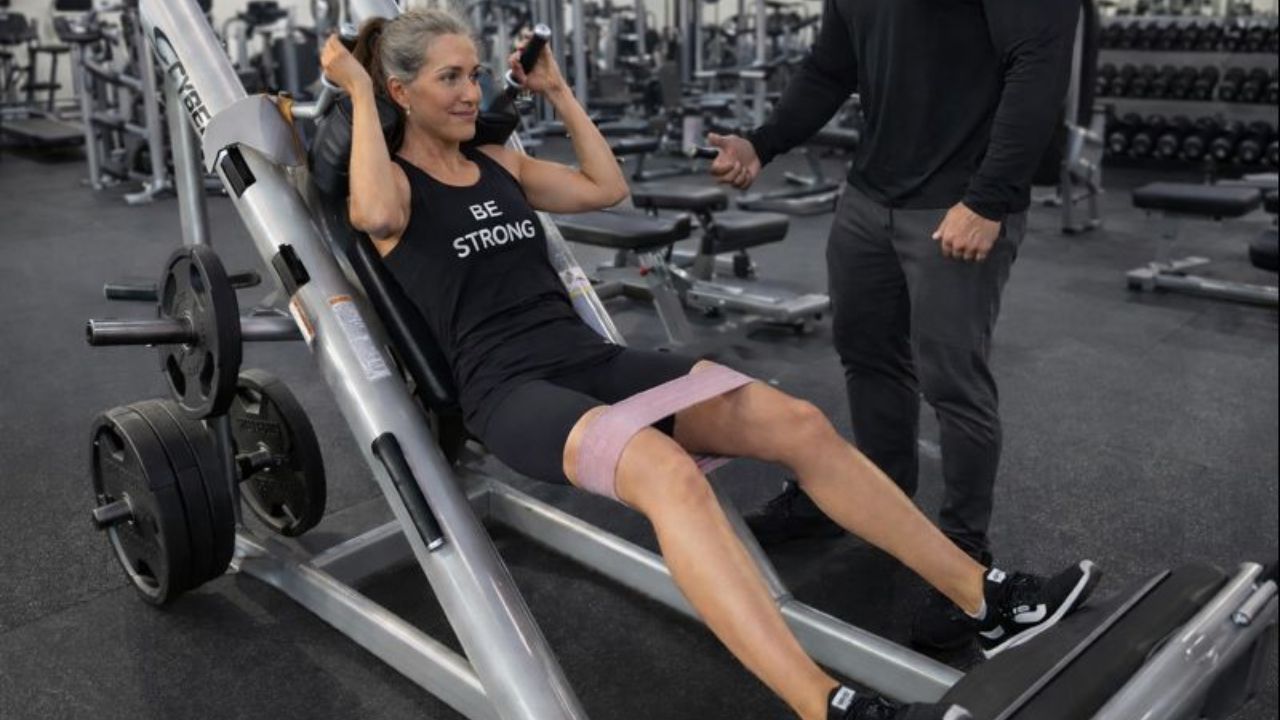
    Now at 54, my focus is on muscle balance, stability, and functional strength. More than four years later, I still train virtually with Victoria four days a week—two upper-body and two lower-body sessions. Each workout lasts about an hour and includes five to six exercises using free weights and machines, with progressive overload remaining a core principle.

    Workouts Built for Longevity

    My training plan evolves every six weeks, but staple movements include squats, deadlifts, Romanian deadlifts, lateral raises, and focused biceps and triceps work. I also rely heavily on unilateral exercises to correct imbalances, improve stability, and build functional strength on both sides of my body.

    Strength Wins Beyond the Gym

    While some back pain still lingers, I’m incredibly proud of how far I’ve come. I started barely lifting 70 pounds and can now confidently perform a 125-pound Romanian deadlift. I also walk for at least an hour daily, which proved invaluable during a three-week trip to Japan with my son, where we averaged over 20,000 steps a day. That experience highlighted just how life-changing strength can be.

    The Three Shifts That Made It All Possible

    1. Building Small Habits That Support Consistency

    To stay consistent, I focus on habits that remove friction from my routine. I grocery shop and meal prep every weekend, pack my gym bag the night before, and choose a gym that’s conveniently located near both home and work. Creating ease and lowering barriers has made long-term consistency achievable.

    2. Surrounding Myself With Supportive People

    After years of giving without equal support, finding a community changed everything. Through my coach, I connected with a group of strong, like-minded women committed to healthy living in their 40s, 50s, and beyond. Whether celebrating wins or sharing encouragement, this community genuinely wants me to succeed.

    3. Letting Go of a Final Destination

    I initially set out to lose 20 pounds and build muscle. Once I surpassed that goal, I realized I didn’t want limits. Strength training opened doors I hadn’t imagined, making me physically stronger, mentally tougher, and more confident. Fitness became a lifelong journey, not a finish line.

    A Lifelong Commitment to Self-Care

    What began as a midlife return to the gym, paired with a macro-focused approach, has transformed how I feel in my mid-50s. This journey has reshaped my relationship with my body, my confidence, and my belief in what’s still possible. I’ll continue showing up, because taking care of myself has changed everything.