Category: News

  • Goodbye Hair Dye for Grey Hair: The Simple Conditioner Add-In That Restores Natural Colour Gradually

    Goodbye Hair Dye for Grey Hair: The Simple Conditioner Add-In That Restores Natural Colour Gradually

    For a long time, covering grey hair meant choosing between strong chemical dyes or ineffective natural fixes. Recently, a gentler approach has started gaining attention. It involves enhancing your everyday conditioner with an ingredient many people already keep near their coffee supplies. This simple method is drawing interest from those who want to subtly darken greys while keeping their hair feeling healthy and comfortable.

    Why Many Are Moving Away From Traditional Grey Hair Dyes

    Grey hair appears when pigment-producing cells in the hair follicles slow down and eventually stop creating melanin. While ageing plays a major role, factors such as stress, genetics, smoking, nutritional gaps, and certain health conditions also contribute. It usually begins with a few silver strands before gradually spreading. Permanent and semi-permanent dyes offer fast coverage, but they often rely on aggressive formulas and extended processing times. These can irritate sensitive scalps and place extra strain on ageing hair.

    Hair that lacks pigment is typically drier, weaker, and less elastic, making it more vulnerable to damage. Repeated dyeing strips moisture, roughens the cuticle, and can leave grey hair looking dull rather than glossy. Even products marketed as gentle still trigger chemical reactions that alter the hair’s structure. What works well on thick, youthful hair may feel harsh on finer strands later in life. Plant-based options like henna and indigo attract those seeking alternatives, but results can be unpredictable, overly warm or muted, and extremely difficult to correct once applied.

    The Cocoa Conditioner Technique Gaining Attention

    This is where cocoa enters the picture. The method uses plain, unsweetened cocoa powder commonly used in baking, not sweetened drink mixes. Cocoa contains natural pigments and plant compounds that can gently tint hair without disrupting its protective surface. Rather than acting like permanent dye, cocoa works as a soft colour veil, giving grey strands a subtle brown tone while helping nourish them.

    Cocoa’s flavonoids and tannin-like compounds cling to the outer layer of the hair. On grey or light hair, this creates a gradual darkening effect that becomes more noticeable with repeated use. On darker shades, it enhances depth and warmth instead of dramatically changing colour. Cocoa also offers antioxidant support, natural softening properties, and a mild scalp-balancing effect. When mixed into a regular conditioner, it creates a treatment that conditions and tints hair at the same time.

    How to Mix Cocoa Powder Into Conditioner Properly

    The technique shared across beauty communities is simple and inexpensive. It requires no special equipment. Begin on freshly washed, towel-dried hair, using the method once or twice a week initially. Place a generous amount of your usual conditioner into a clean bowl, preferably a silicone-light formula for better colour adherence. Add two to four tablespoons of unsweetened cocoa powder, adjusting for hair length and thickness.

    Stir slowly until the mixture becomes a smooth, lump-free paste with an even brown tone. Section the hair and apply thoroughly, focusing on visible grey areas such as the temples, parting, and crown. Use a wide-tooth comb to distribute the blend evenly from roots to ends. Leave it on for around 20 minutes, extending to 30 minutes for more resistant greys. Rinse well with lukewarm water, gently massaging the scalp to remove residue.

    After the first use, many notice a shift from bright white to a cooler, smoky brown. Results deepen gradually over time. This approach is designed to soften contrast rather than replace salon colour in one session, making grey roots appear less stark between appointments.

    Who This Cocoa Grey Hair Method Works For — and Who Should Skip It

    Cocoa-infused conditioner suits specific hair types best. It works particularly well for those with scattered grey strands rather than fully white hair. Blondes and light brunettes often see better blending, as greys contrast more strongly with their natural shade. People with sensitive scalps who struggle with chemical dyes may find this option more comfortable.

    Those who prefer a gradual, natural-looking change often appreciate this method. On very dark hair, cocoa will not fully conceal grey roots, but it can soften the transition between new growth and coloured lengths. The overall effect remains subtle, resembling a tinted gloss rather than a full colour treatment.

    How Cocoa Sits on the Hair and Affects Grey Texture

    Grey hair often feels coarse because its outer protective layer lifts more easily, leading to frizz and tangling. Conditioner helps smooth this layer, allowing strands to glide without catching. When cocoa is added, its fine particles and pigments settle on the hair’s surface instead of penetrating the shaft.

    This surface-level coating explains why colour builds gradually and fades evenly, avoiding harsh regrowth lines. Cocoa acts like a protective tinted film, offering mild colour and conditioning without altering the hair’s internal structure. For ageing hair that tends to be dry, this gentler approach can noticeably improve softness, movement, and manageability.

    Cocoa Compared With Other Grey Hair Solutions

    Cocoa has become one option among many for people looking to delay their next colouring session. Herbal rinses like black tea or coffee can stain hair but may dry it out if overused. Tinted conditioners and professional grey-blending services offer alternatives but can be costly. Cocoa stands out for being accessible, affordable, and conditioning, fitting easily into a regular routine.

    Results can vary, and excessive use may dull the hair if not rinsed properly. Still, for many, it provides a balanced middle ground between chemical dyes and unreliable home remedies.

    Looking After Grey Hair Beyond Colouring

    Grey hair care involves more than what goes into a conditioner. Factors such as chronic stress, smoking, sun exposure, and low-antioxidant diets can influence how quickly silver strands appear. Many who try cocoa treatments also adopt gentler habits, including using UV protection, reducing heat styling, spacing out washes, and choosing lipid- and protein-rich masks.

    Some colourists recommend homemade conditioning treatments after salon visits to refresh tone without adding more oxidative colour. Others view cocoa blends as a bridge for those easing into their natural grey. This trend reflects a shift toward small, reversible adjustments that work with the hair’s changing biology. As more people experiment and adapt the method, the boundary between kitchen ingredients and hair care routines continues to blur.

  • Simple Morning Hydration Routine That Enhances Skin Glow and Sustains Energy Throughout the Day

    Simple Morning Hydration Routine That Enhances Skin Glow and Sustains Energy Throughout the Day

    The first sip feels unexpected. You are awake earlier than usual, and the morning light looks pale and unsure through the window. Your thoughts feel slow and unfocused. You have not checked your phone or looked at the clock. You are simply standing barefoot in the kitchen, lifting a glass of water. This time is different. It is not a rushed swallow before coffee. You drink slowly, and the cool water seems to awaken something inside you. Your body responds the way dry earth absorbs rain after a long stretch without it.

    The Subtle Science Behind Your First Glass

    Most people wake up slightly dehydrated. Throughout the night, your body keeps working. It breathes, repairs skin, regulates temperature, and processes food from the previous day. All of this requires water. By morning, you rise feeling subtly depleted, like a plant left without watering. You may not feel intense thirst, but you notice quieter signs. Your skin looks dull and needs extra moisturizer. There is a heaviness behind the eyes, and thinking feels sticky. Mild dehydration affects nearly everything, even when it goes unnoticed.

    Now imagine spending just four minutes replacing what the night used. No supplements. No powders. No complicated steps. Just a simple water ritual that gently wakes your cells, supports your skin, and lifts your energy before the day begins. This four-minute routine is small, but it makes your body feel as if someone finally turned the lights on.

    The Four-Minute Water Ritual With Lasting Effects

    When morning arrives, your body is already running low on water. It has worked continuously overnight, breathing, repairing, and regulating itself. Sitting up in bed, you are slightly depleted, even if you do not realize it. This ritual is designed to restore balance gently, one minute at a time.

    Minute One: The Wake-Up Glass

    Before coffee, tea, or emails, drink your first glass of water at room temperature. Pour about 250 to 300 ml. Neutral water enters the body smoothly without shocking your system. Your stomach stays calm, and absorption happens easily. Stand by a window or step onto a balcony if possible. Keep your feet grounded and shoulders relaxed. Drink slowly and with focus, noticing the sensation as the water moves down. This glass ends the long overnight gap without hydration your cells have been waiting for.

    Minute Two: Mineral Support for Energy and Glow

    The second minute enhances your water with simple additions. Pour another 200 to 250 ml and add one option that suits you. This might be a small pinch of sea salt, a squeeze of fresh lemon, or a splash of coconut water. Mix gently and take a moment to observe the glass. This is no longer just water. It becomes a solution your cells recognize and use more efficiently. Light electrolytes help your body retain hydration, supporting skin cells as they become fuller, smoother, and better protected.

    Minute Three: Skin-Focused Awareness

    This minute is about attention rather than quantity. Continue sipping from your glass while gently touching your face. Notice your cheeks, forehead, and the area under your eyes that reflects late nights and missed water. You are simply observing, not judging. Hydration does not change skin in minutes, but with consistency it transforms how skin functions. Over time it supports healing, resilience, and recovery from dryness, stress, and lack of sleep. Improved circulation helps nutrients reach the skin while waste leaves more efficiently.

    Minute Four: Breath, Posture, and Intention

    In the final minute, focus on your breath and posture as you finish sipping. Stand tall, breathe deeply, and allow the water to settle. Regular hydration improves circulation, supporting blood flow and nutrient delivery throughout the body. These changes appear first on the skin, often before you notice them elsewhere. This minute is a quiet promise to begin the day with care and awareness rather than urgency.

    How This Habit Reflects on Your Skin

    Your skin is a living organ that mirrors internal health. When nourished from within, it becomes calmer and more stable. Over time, this four-minute habit can create visible shifts:

    • Smoother texture as hydrated cells expand slightly, evening the surface.
    • Stronger barrier function, helping skin hold natural oils and block irritants.
    • Improved bounce, making skin feel firmer and look less dull.
    • Calmer appearance, with redness and dryness gradually decreasing.

    These changes happen quietly, like a plant receiving consistent light and water. Nothing shifts overnight, but everything improves across days.

    Energy Benefits You Feel Before You See

    Slow mornings are often blamed on poor sleep or lack of caffeine, but hydration plays a major role. Blood and brain tissue are mostly water. Even slight dehydration can cause heaviness, irritability, and fog. Starting the day with water restores fluid needed to move oxygen, deliver nutrients, activate neurons, and regulate temperature.

    • Steadier energy replaces sharp caffeine spikes and crashes.
    • Clearer focus emerges as the brain receives what it needs.
    • Reduced cravings occur when thirst is no longer mistaken for hunger.

    You may not love mornings, but they begin to feel more stable and manageable.

    Adapting the Routine to Fit Your Life

    This ritual is flexible and personal. The goal is gentle consistency, not perfection.

    Adjusting the Amount

    If two full glasses feel like too much, begin with 150 to 200 ml each and increase gradually. Comfort matters more than volume.

    Choosing the Right Temperature

    Warm water suits sensitive stomachs and colder climates, while cool water feels refreshing in heat. Avoid very cold water immediately after waking to prevent discomfort.

    Creating a Habit Anchor

    Link the routine to something you already do, such as making your bed, boiling water, or starting skincare. Over time, the sequence becomes automatic.

    Patience Over Perfection

    This ritual does not replace sleep, nutrition, or movement, but it helps those systems work better. When you miss a day, nothing is lost. You simply begin again. On busy mornings, even one large glass still matters. Your body responds to patterns over time, not isolated days.

    Eventually, under harsh bathroom lighting, you may notice something different. Your skin looks more alive, even when you are tired. Your eyes seem clearer. You may remember the first morning you chose to drink water before everything else and decided to treat yourself as something worth caring for. Each morning, the glass waits. Four minutes. Two glasses. A quiet ritual that says one thing clearly: before the day asks anything of me, I meet this essential need for myself.

  • Awake Look Hack: The Simple Eyebrow Technique Makeup Artists Use to Instantly Brighten the Face

    Awake Look Hack: The Simple Eyebrow Technique Makeup Artists Use to Instantly Brighten the Face

    The woman sitting in the café looked worn out at first glance. Her laptop was open, a triple espresso rested in her hand, and faint dark circles peeked through her concealer. Yet when she lifted her head, she didn’t appear exhausted. She looked genuinely awake. Not refreshed in a spa-day way, but like someone who had actually slept. The reason was subtle and sat just above her eyes. Her eyebrows were softly lifted and lightly defined, making her eyes appear bright and alert even under harsh café lighting and unreliable Wi-Fi. Makeup artists often point this out. When time is short, they say, focus on your brows. A tiny adjustment creates a powerful illusion. It is the kind of change that makes colleagues wonder if you switched skincare products, when in reality you simply placed your eyebrow pencil a couple of millimeters higher than usual. One small brow tweak can noticeably change how your face is perceived.

    Why Brows Are the Shortcut to Looking Awake

    Scroll through backstage photos from fashion shows and a pattern becomes clear. Models may have unfinished foundation or half-done eyes, but their eyebrows are already shaped. The tails are gently lifted, the arches are defined, and the area beneath the brow bone looks clean. This single detail makes the upper face appear instantly more awake. Makeup artists know that eyebrows are noticed before most other facial features. Their angle, starting point, and how they frame the eyes send strong visual signals. When brows sit too low or slope downward, the face appears tired. When they are slightly lifted and opened, the eyes look rested, even after very little sleep.

    You can see this everywhere. A woman in gym clothes may skip foundation, but if her brows are brushed upward and the inner corners brightened, she looks alert. A man with puffy eyes after a late night can look meeting-ready simply by tidying his brows and lifting the arch. Social media reflects this obsession. Before-and-after clips show how changing only the brows and adding a touch of highlight can transform a face from fine to awake and refreshed. In 2023, the “eyebrow lift hack” trend drew millions of views because people wanted to look less tired without heavy makeup. These tricks work because they address a common concern: appearing present and professional, especially in the morning.

    The Face-Structure Reason This Works So Well

    Eyebrows function like curtains for the eyes. When they sit low or look heavy, they visually press down on the eyelids, making under-eye shadows and puffiness more noticeable. This reduces the space between the brow and lash line, which can make a face seem sad or fatigued. Slightly lifting the tail and cleaning the area under the arch opens that vertical space. The whites of the eyes appear brighter because they are no longer competing with shadow from above. Nothing physically moves, yet the illusion of lift changes how the face is read instantly. Light plays a role too. Brightening the brow bone, inner corner, and top of the arch reflects light in areas associated with an awake expression. This subtle balance of shadow and highlight is how artists revive tired faces backstage in minutes.

    The Subtle Brow Technique Makeup Artists Swear By

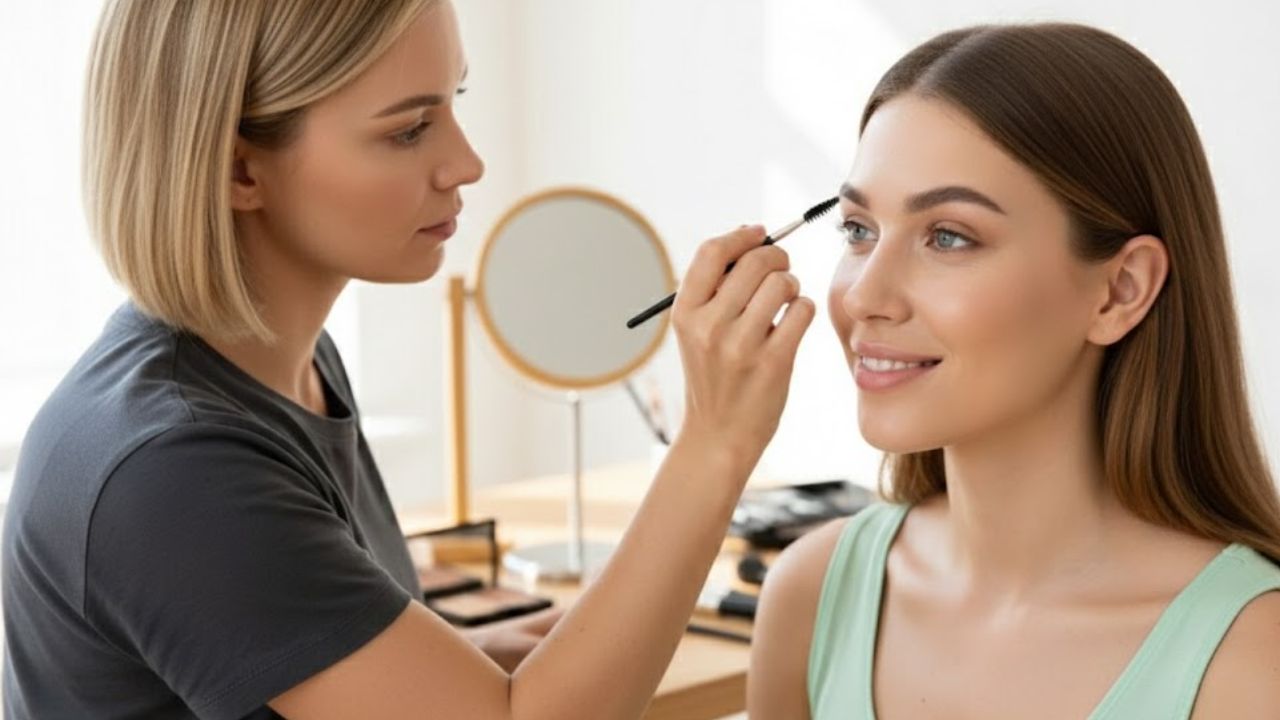
    The method itself is simple and relies on three small steps. First comes fill and lift. Instead of concentrating only on the bottom of the brow, lightly fill the top edge, focusing on the outer third. Use fine, hair-like strokes to raise the tail by just a millimeter or two. This tiny shift changes the entire expression. Next is clean and brighten. With a fingertip or small brush, tap a skin-tone concealer or brightening pen beneath the highest point of the arch and softly blend it downward. The goal is not to draw a sharp line but to remove heaviness. Finally, highlight with intention. Add a minimal amount of satin highlighter under the arch and at the inner corner of the eye, tapping gently rather than dragging.

    Once practiced, this routine takes under a minute per eye. It does not look trendy or overdone. It simply makes you appear more awake than you feel. Where people often go wrong is adding too much product to the bottom of the brow, creating thickness right above the eyelid. That extra weight pulls the gaze downward, especially if the tail extends too far. The result can be harsher brows that actually make the face look more tired. Using a concealer that is too light can also backfire. While dramatic under-brow highlights may work on camera, in daylight they can look chalky. The lift should be subtle, not obvious. A concealer close to your skin tone with just a hint of brightness blends best. This trick succeeds only because it is simple enough to become muscle memory. Two strokes to lift the tail, a soft swipe to clean the arch, and a dot of light. Finished.

    The Small Brow Shift That Changes How You Feel All Day

    After using this technique regularly, you may notice small but meaningful changes. You might catch your reflection on your phone in the afternoon and see that you look less tired than expected. On warmer days, you may skip foundation altogether, using only brow makeup and mascara, and still feel presentable during an unexpected video call. There is comfort in these small routines. Those brief moments in front of the mirror are often the only time you look at your face with intention rather than criticism. Adjusting an eyebrow or softening a dark circle is not about vanity. It is a quiet way of preparing yourself for the day.

    When your schedule feels overwhelming and sleep was short, that subtle brow lift becomes a small act of resolve. When everything is going well, it simply helps your appearance reflect how you feel inside. Whether you are on a screen, in a meeting, or waiting for coffee, your eyes appear alert, even while your mind is still waking up.

  • 12 Yoga Poses to Release Body Stiffness and Improve Flexibility and Daily Comfort

    12 Yoga Poses to Release Body Stiffness and Improve Flexibility and Daily Comfort

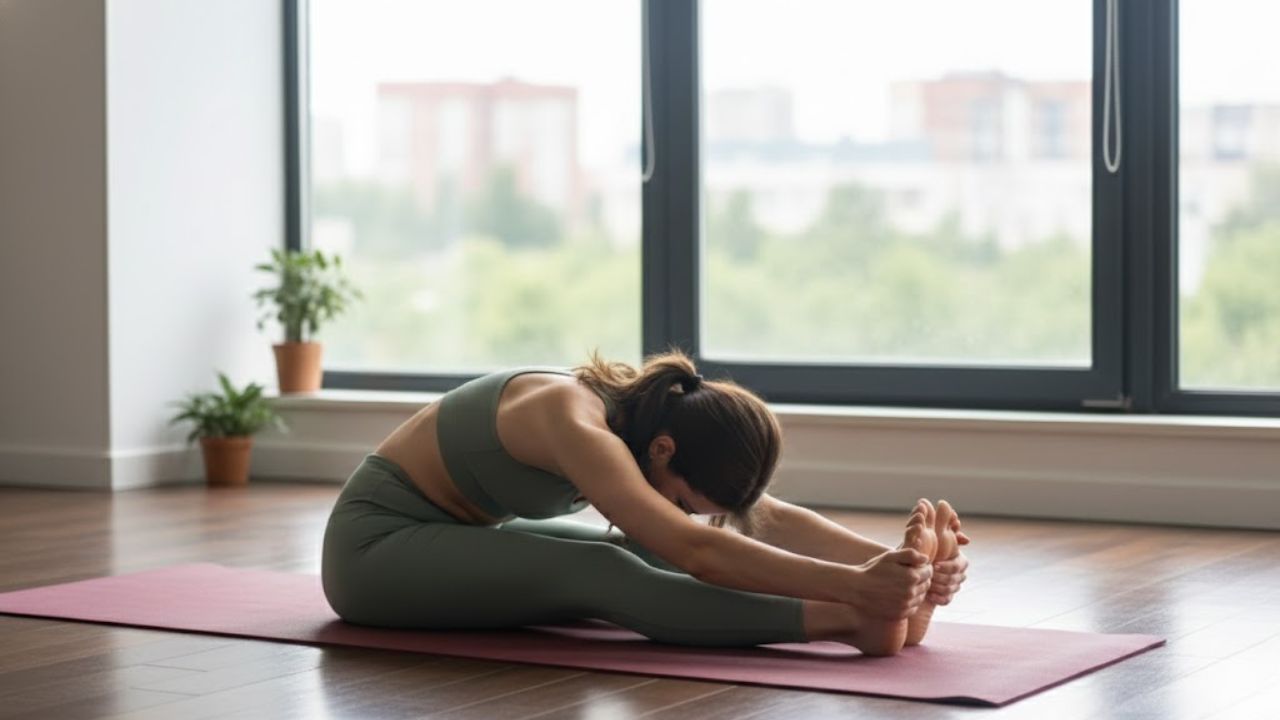
    Body stiffness happens to many people because of sitting too long or not moving enough during the day. Stress and getting older can also make muscles tight. Even hard exercise sometimes causes stiffness instead of helping. When muscles & joints stay tight for a long time they stop moving as easily as they should. This creates pain in the neck & back & also in the hips & legs. Yoga helps loosen tight areas without pushing the body too hard. It works gently to bring back normal movement & makes the body more flexible over time. Here are 12 yoga poses that reduce stiffness and increase flexibility when you practice them often & breathe slowly while doing them.

    Mountain Pose (Tadasana) — Reset Body Alignment and Activate Stiff Muscles

    Mountain Pose helps improve how you stand and makes you more aware of your body position. When you stand up straight it helps your spine line up correctly and wakes up the muscles that help you stay flexible and balanced. This basic pose is the starting point for loosening up tight areas in your body.

    Neck Rolls — Relieve Neck Tightness Caused by Screens and Stress

    Neck rolls done gently can help reduce the stiffness that builds up from looking at screens & feeling stressed. When you move your neck slowly & with control it helps blood flow better through the area and makes the tension in your neck and shoulders feel less tight.

    Cat–Cow Flow — Gently Mobilise the Spine and Reduce Back Stiffness

    Cat-Cow is one of the best poses for relieving stiffness throughout your entire body. This flowing movement gently stretches your spine and also works your shoulders & hips and neck. It helps improve both flexibility and mobility at the same time.

    Downward-Facing Dog — Lengthen Muscles and Improve Full-Body Flexibility

    This pose works to lengthen your spine and open up your shoulders while also stretching the backs of your legs & calves. At the same time it builds strength in your arms & midsection. It works particularly well for easing the tightness that develops when you spend long periods sitting down.

    Standing Forward Bend — Release Hamstrings and Calm the Nervous System

    Standing Forward Bend provides a deep stretch for your back and the muscles along the back of your legs including the hamstrings and calves. This pose works to reduce tightness throughout your lower body while also helping to calm your nervous system and promote relaxation.

    Low Lunge — Open Tight Hip Flexors and Improve Lower-Body Mobility

    Low Lunge helps open up tight hips while stretching the thighs and groin area. This pose works particularly well for relieving stiffness that develops from sitting down for extended periods of time.

    Butterfly Pose — Ease Hip and Inner-Thigh Stiffness Naturally

    Butterfly Pose works to gently open your hips and inner thighs. The position helps decrease stiffness in your lower body & gradually increases how flexible your hips become.

    Seated Spinal Twist — Improve Spinal Rotation and Reduce Back Tension

    Seated twists help your spine move better & reduce tightness in your back and waist area. This twisting motion also aids your digestive system and makes your body more flexible overall.

    Cobra Pose — Counter Slouching and Relieve Lower-Back Tightness

    Cobra Pose builds strength in your back muscles and stretches both your chest and stomach area. This pose helps reduce the stiffness that comes from poor posture & slouching throughout the day. It also makes your spine more flexible and improves your overall spinal health.

    Child’s Pose — Deeply Relax Stiff Shoulders, Spine, and Hips

    Cobra Pose strengthens your back muscles while stretching your chest and stomach. This position helps reduce stiffness caused by poor posture and slouching during the day. It increases spine flexibility & supports better spinal health overall.

    Supine Figure Four — Target Hip Tension and Support Lower-Back Comfort

    This reclining position helps loosen tight hips and glutes while your spine stays supported. It works well for reducing stiffness in your lower body without putting stress on your muscles.

    Legs Up the Wall — Improve Circulation and Ease End-of-Day Body Fatigue

    Legs Up the Wall helps blood flow better through your body and makes your legs and lower back feel less tight. This pose also lets your whole body calm down and heal properly.

  • Plump Thin Lips Naturally: Simple, Safe Home Remedies for Better Volume and Softness

    Plump Thin Lips Naturally: Simple, Safe Home Remedies for Better Volume and Softness

    The first thing you notice is how dry the air feels. On mornings like this the mirror shows everything clearly and when you lean closer your lips look thinner and paler than usual. You press them together and try a quick pout while thinking about the usual solutions like another tube of lip plumper or a gloss that claims to work wonders. If you have spent enough time online you might even consider treatments with needles and swelling that cost a lot of money. But underneath that moment of worry there is another instinct that pulls you toward your kitchen instead of a clinic. This approach relies on slow and gentle care that feels more meaningful than just inflating your lips for a photo. This is where naturally plumping thin lips really begins in the quiet everyday moments rather than under harsh clinic lighting.

    Why Lips Lose Fullness — And How Nature Helps Restore Soft Volume

    The first thing you notice is how dry the air feels. On mornings like this the mirror shows everything clearly and when you lean closer your lips look thinner & paler than usual. You press them together & try a quick pout while thinking about the usual solutions like another tube of lip plumper or a gloss that claims to work wonders. If you have spent enough time online you might even consider treatments with needles and swelling that cost a lot of money. But underneath that moment of worry there is another instinct that pulls you toward your kitchen instead of a clinic. This approach relies on slow and gentle care that feels more meaningful than just inflating your lips for a photo. This is where naturally plumping thin lips really begins in the quiet everyday moments rather than under harsh clinic lighting.

    Stimulate & Revive: Gentle Exfoliation and Lip Massage That Boost Circulation

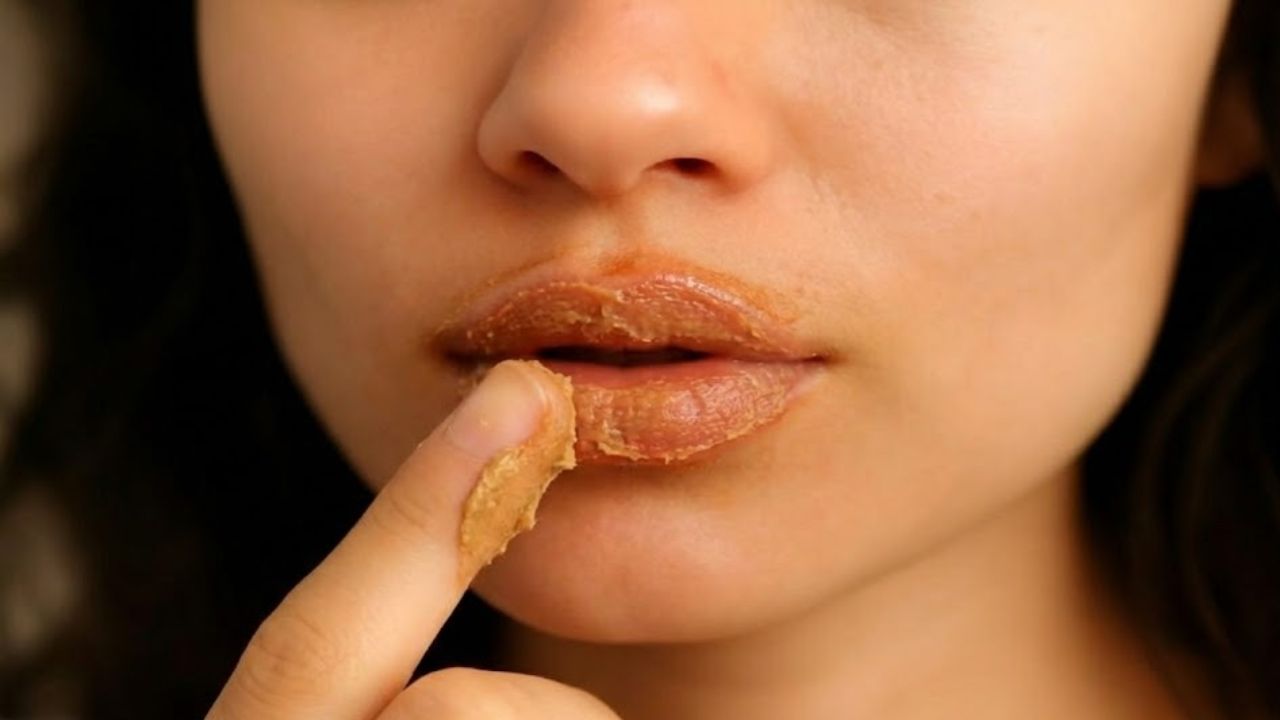
    Think of your lips like a garden after a dry spell. Before planting anything new you need to clear away dead growth and work the soil to bring it back to life. That is what exfoliation and massage do for thin lips. The skin on your lips is thinner than most other areas and has no oil glands. Dead skin accumulates quickly and makes lips look flat and lifeless. Exfoliating once or twice weekly reveals the smoother surface underneath while massage increases blood flow to create natural fullness without any fuss. Simple Homemade Lip Scrub You probably have these ingredients in your kitchen already: 1 teaspoon fine sugar 1/2 teaspoon honey 1/2 teaspoon olive oil or coconut oil Mix these into a paste. Apply to damp lips and gently massage in small circles with your fingertip for 30 to 60 seconds. The sugar removes dead skin while honey adds moisture and oil leaves a protective shine. After rinsing with lukewarm water and patting dry your lips will look more vibrant. They appear rosier and smoother with slightly more definition.

    This happens because circulation improves when given a gentle boost. Daily Lip Massage Ritual Try this routine once daily before bed: Put a drop of oil on clean lips. Almond or jojoba oil works well but olive oil is fine too. Use your ring finger to press and release gently along the lip border on top and bottom. Massage the entire lip surface using small circular motions for 30 to 60 seconds. Finish by lightly tapping your lips with your fingertips for 15 to 20 seconds to boost blood flow. This gentle daily practice helps your lips maintain a healthier & slightly fuller appearance over time. There is no harsh tingling or temporary swelling involved. It becomes a small nightly routine where you care for yourself in a simple and meaningful way.

    From Your Kitchen to Your Lips: Mild Natural Plumpers That Actually Work

    Look inside your pantry and fridge & you will find ingredients that have been used to soften and heal skin for centuries. When you use them carefully some of these can help thin lips look fuller by improving hydration & circulation and texture. Honey – The Moisture Keeper Honey pulls moisture from the air into your skin. On lips a thin layer of honey can soften rough skin and enhance the natural color and make lips appear smoother and fuller. Try this after washing your face at night: put a small layer of raw honey on your lips. Leave it on for 10 to 15 minutes or overnight if you can avoid licking it off. Rinse gently in the morning and use a nourishing balm. Over time your lips will look less deflated and more hydrated. Cinnamon and Ginger – The Warming Spices If you have ever had hot ginger tea or chewed cinnamon gum you know that subtle heat. Used in very small amounts these spices can increase circulation in the lips for a more defined and slightly plumped look.

    Easy Cinnamon Lip Mask: – Half teaspoon honey – Quarter teaspoon olive or coconut oil – A pinch of ground cinnamon (start with a very small amount) Mix well & apply a thin layer to your lips. Leave for 3 to 5 minutes and watch for mild warmth or tingling. Rinse off right away if it burns or feels too strong. Done correctly you will have lips that look a bit flushed & slightly fuller. Ginger can be used the same way but always in moderation. A very small amount of fresh ginger juice or a pinch of powdered ginger mixed with honey and oil can create a similar effect. The key is caution because these spices are strong. Aloe Vera – The Gentle Soother Aloe is calming and gentle. On lips pure aloe vera gel can soothe irritation and hydrate and support healing for cracks or mild sunburn. Healthier skin reflects light better & looks more naturally plump even without swelling. Apply a thin layer of pure aloe gel to your lips and let it absorb or leave it for 10 to 15 minutes before adding your regular balm. It helps especially if your lips are recovering from dryness or windburn or too many days of matte lipstick.

    Everyday Lip Care Routine: Tiny Daily Steps for Noticeable Smoothness

    Natural plumping relies on consistent daily habits that nourish your lips from within rather than occasional dramatic treatments. It works like caring for a houseplant where regular attention produces better results than sporadic effort. Hydrate From Within Lip balms and masks only work if your body has enough water. Dehydrated lips become dry & cracked and appear thinner before other body parts show similar signs. Drinking water steadily throughout the day instead of gulping it down quickly helps maintain the natural fullness that makes lips look plumper. Water-rich foods also contribute to hydration. Cucumbers and oranges and melons and berries & lettuce all help keep your cells hydrated including the ones in your lips.

    These simple food choices support plumpness from the inside. A Simple Lip Care Routine Follow this basic routine twice daily: Morning: Rinse your lips with cool water and pat them dry. Apply a light hydrating balm containing shea butter or beeswax or natural oils. Use lip balm with SPF before going outside since UV damage thins and ages lips over time. Night: Remove all lip makeup gently. Apply almond oil or jojoba oil or coconut oil and massage it into your lips. Add a thicker balm on top to lock in moisture while you sleep. This straightforward approach requires no complicated steps. Just steady care that helps your lips stay soft & full naturally.

    Hidden Lip Enemies: Everyday Habits That Slowly Reduce Lip Fullness

    Natural plumping depends on consistent daily habits that nourish your lips from within instead of occasional dramatic treatments. It works like caring for a houseplant where regular attention produces better results than sporadic effort. Hydrate From Within Lip balms and masks only work if your body has enough water. Dehydrated lips become dry and cracked & appear thinner before other body parts show similar signs. Drinking water steadily throughout the day instead of gulping it down quickly helps maintain the natural fullness that makes lips look plumper. Water-rich foods also contribute to hydration. Cucumbers and oranges and melons and berries & lettuce all help keep your cells hydrated including the ones in your lips.

    These simple food choices support plumpness from the inside. A Simple Lip Care Routine Follow this basic routine twice daily: Morning: Rinse your lips with cool water & pat them dry. Apply a light hydrating balm containing shea butter or beeswax or natural oils. Use lip balm with SPF before going outside since UV damage thins and ages lips over time. Night: Remove all lip makeup gently. Apply almond oil or jojoba oil or coconut oil & massage it into your lips. Add a thicker balm on top to lock in moisture while you sleep. This straightforward approach requires no complicated steps. Just steady care that helps your lips stay soft and full naturally.

    Quick Guide to Natural Lip Plumping Remedies and Their Benefits

    To keep things clear & simple here is a quick reference you can check on your phone while you search through your pantry or bathroom cabinet.

    Natural Remedy Primary Benefit Recommended Use Important Tips
    Sugar, Honey & Oil Scrub Dead skin removal, smoother lips, better blood flow Week mein 1–2 baar Halka massage karein; zakhmi ya bleeding lips par use na karein
    Pure Honey Lip Mask Intense moisture, softness, natural shine Week mein 3–4 baar ya zarurat ke hisaab se 10–15 minute ke baad wash karein, baad mein lip balm lagayein
    Cinnamon / Ginger Mask Natural plumping effect, circulation boost Week mein 1–2 baar Bahut kam quantity use karein; jalan ho to turant hata dein
    Aloe Vera Gel Healing, soothing, hydration Rozana ya jab bhi lips dry ho Sun-exposed ya irritated lips ke liye best option
    Oil se Lip Massage Long-term softness, improved circulation Daily, khaaskar raat ko Halka pressure rakhein; regular use zyada effective hota hai

    Consistency Over Speed: How Patience Creates Naturally Softer, Healthier Lips

    Natural lip plumping takes time & doesn’t give you instant results like you see in quick transformation photos. The changes happen gradually & quietly until you suddenly notice your lips look smoother one day. The fine lines appear softer and the color seems to come from inside rather than just sitting on the surface. This method requires patience and commitment to a regular routine. You need to spend a few extra minutes mixing honey with oil in a small bowl and massaging your lips while waiting for your tea to brew. It means drinking enough water throughout the day and being mindful of the products you use & avoid.

    Choosing this slower approach feels different in a culture that pushes for fast & dramatic beauty results you can buy quickly. There is something meaningful about letting your lips become fuller through consistent care rather than sudden swelling. The gentlest techniques can produce the most noticeable results when you stick with them over weeks and months. Your lips express your words & smiles & hold your private thoughts. They don’t need to be large to look good. But if you want them slightly softer and fuller and more vibrant then natural solutions are already available to you. You can find them on your bathroom shelf or in your kitchen or in the quiet moments you set aside for self-care.

  • Homemade Lip Care Guide Using Brown Sugar and Honey for Smooth, Plump Lips

    Homemade Lip Care Guide Using Brown Sugar and Honey for Smooth, Plump Lips

    The first thing you notice is how your lips feel against the cool rim of a mug on a quiet morning. The steam rises and the coffee smells faintly of chocolate. As you lift the cup your lips catch just a little on their own dryness. It’s not painful or dramatic but simply a small scratchy reminder that this part of your skin is forever exposed and forever working and forever overlooked. In a world of balms and glosses and miracle serums promising overnight transformation there is something quietly powerful about turning to your own kitchen and deciding to take care of yourself with what you already have. Brown sugar and honey & a whisper of oil and a moment of attention. This is where the ritual of a homemade lip scrub begins. It is small and sensory and almost ceremonial. It changes not only how your lips feel but how you move through the day.

    The Ritual of Slowness: Why a Lip Scrub Feels Like Self-Care, Not Just Skincare

    There is a quiet tenderness in caring for your lips—something that naturally resists being rushed. Unlike washing your face or applying moisturizer in a hurry, exfoliating your lips with a homemade scrub invites you to slow down and truly notice the moment. Your lips work constantly: shaping words, holding emotion, smiling, sipping, and greeting the world. Yet they lack oil glands, making them vulnerable to dryness, cracking, and peeling.

    A lip scrub becomes more than a beauty step. When you dip your finger into a blend of brown sugar and honey, you’re not just removing flakes—you’re restoring comfort to skin weathered by wind, heat, and daily habits. The gentle grains move under your touch, honey softens and warms, and for a moment, everything narrows to this deliberate act of care. It isn’t about perfection; it’s about presence. In a fast world, this small ritual reminds you that you’re allowed to take your time.

    Why Brown Sugar and Honey Work So Beautifully Together

    The Gentle Strength of Brown Sugar

    Brown sugar may look ordinary, but it’s surprisingly kind to delicate lip skin. Its smaller, softer crystals exfoliate without scratching or irritating. As you massage it across your lips, it lifts away dead skin—the flakes that cause lipstick to crack or balm to sit unevenly. Because brown sugar holds a bit of moisture, it polishes rather than scrapes, creating a smooth surface while remaining gentle.

    This mild exfoliation instantly improves texture. Lips feel softer, look more even, and become better prepared to absorb moisture. It’s effective without being aggressive, which is exactly what lips need.

    The Soothing Comfort of Honey

    Honey brings balance to the scrub. Thick, golden, and naturally nourishing, it acts as a humectant—drawing moisture into the skin while forming a comforting barrier. As sugar exfoliates, honey begins healing, hydrating, and calming the lips.

    There’s also something deeply grounding about honey. Its scent and texture feel ancient and familiar, connecting you to a simpler form of nourishment. It softens, protects, and lingers just long enough to make the ritual feel complete.

    The Role of Oil: Quiet but Essential

    A small amount of oil transforms a scrub into a treatment. Whether it’s coconut, olive, or almond oil, this final ingredient adds slip and seals in moisture. Oil helps bind the scrub, prevents tugging, and leaves lips cushioned after rinsing.

    As you massage, oil seeps into fine lines and dry areas, softening skin from within. It doesn’t shout for attention—it simply works, leaving lips comfortable and protected.

    Ingredient Used Purpose in Lip Scrub Feel & Sensation
    Brown Sugar Acts as a natural exfoliant that lifts away dry, peeling skin Fine, gentle grains that dissolve slowly into a smooth texture
    Honey Deeply hydrates, calms irritation, and enhances lip softness Rich, sticky texture with a comforting, mildly floral scent
    Natural Oil (Coconut / Olive / Almond) Provides nourishment, smooth glide, and locks in moisture Light, silky finish that leaves lips supple and protected

    Creating Your Own Lip Scrub: Simple Kitchen Alchemy

    The Basic Recipe

    Making a lip scrub is straightforward and satisfying. In a small bowl, combine:

    1 tablespoon brown sugar
    1 teaspoon honey
    1 teaspoon oil (coconut, olive, or almond)

    As you mix, the sugar gradually absorbs the honey and oil, forming a soft, grainy paste. The ideal texture should hold together when scooped yet spread easily across your lips.

    Adjusting Texture by Feel

    If the scrub feels dry, add a few drops of oil or honey. If it’s too loose, sprinkle in more brown sugar. There’s no need for precision—this process is guided by touch. You can customize based on how your lips feel that day: gentler for sensitivity, grainier for stubborn flakes, richer for extra comfort.

    How to Use It Gently and Effectively

    Take a small amount with a clean fingertip and massage it onto your lips using slow, circular motions. Gentle pressure is key—lips bruise easily. About 30 seconds is enough. Rinse with warm water or wipe away with a damp cloth, then follow immediately with a nourishing balm.

    Using a scrub once or twice a week is ideal. More frequent exfoliation can irritate, so think of this as periodic renewal rather than daily maintenance.

    Why Your Lips Look Fuller After a Scrub

    The results can feel dramatic without being extreme. Exfoliation removes dull surface cells, allowing light to reflect evenly, making lips appear smoother and naturally plumper. Massage increases circulation, temporarily enhancing color and definition.

    Honey and oil complete the effect by hydrating deeply. Fine lines soften, tightness eases, and lips feel cushioned rather than swollen. It’s not artificial fullness—it’s your lips at their healthiest.

    Lipstick and balm apply more smoothly afterward, clinging evenly instead of settling into dry patches. The result is a soft, hydrated canvas that feels as good as it looks.

    Personalizing the Ritual

    Adding Scent and Mood

    You can tailor your scrub to match your mood:

    A drop of vanilla for warmth
    A pinch of cinnamon for gentle heat (use sparingly)
    Peppermint oil for freshness and mild plumping
    Cocoa powder for a dessert-like scent

    Because lips are sensitive, always use add-ins lightly and thoughtfully.

    Storing Your Scrub

    Store extra scrub in a small, clean container with a tight lid. Kept cool and used with clean fingers, it should last one to two weeks. That little jar becomes a reminder—a quiet promise of care waiting for you.

    When Everything Feels Rough, Start Small

    On days when life feels sharp and overwhelming, a small tactile ritual can help ground you. Mixing a lip scrub engages your senses—the scent of honey, the feel of oil, the sound of the spoon. It’s simple, familiar, and calming.

    When you massage the scrub into your lips, you’re doing more than exfoliating. You’re reminding yourself that you’re worth gentleness and time. Your lips soften, yes—but so does something inside you.

    The perfect homemade lip scrub isn’t just about smooth, plump lips. It’s about creating a quiet, repeatable act of care—one you can return to whenever life feels dry and you need to remember how softness feels again.

  • This 72-year-old trainer recommends 4 seated exercises for mobility and flexibility

    This 72-year-old trainer recommends 4 seated exercises for mobility and flexibility

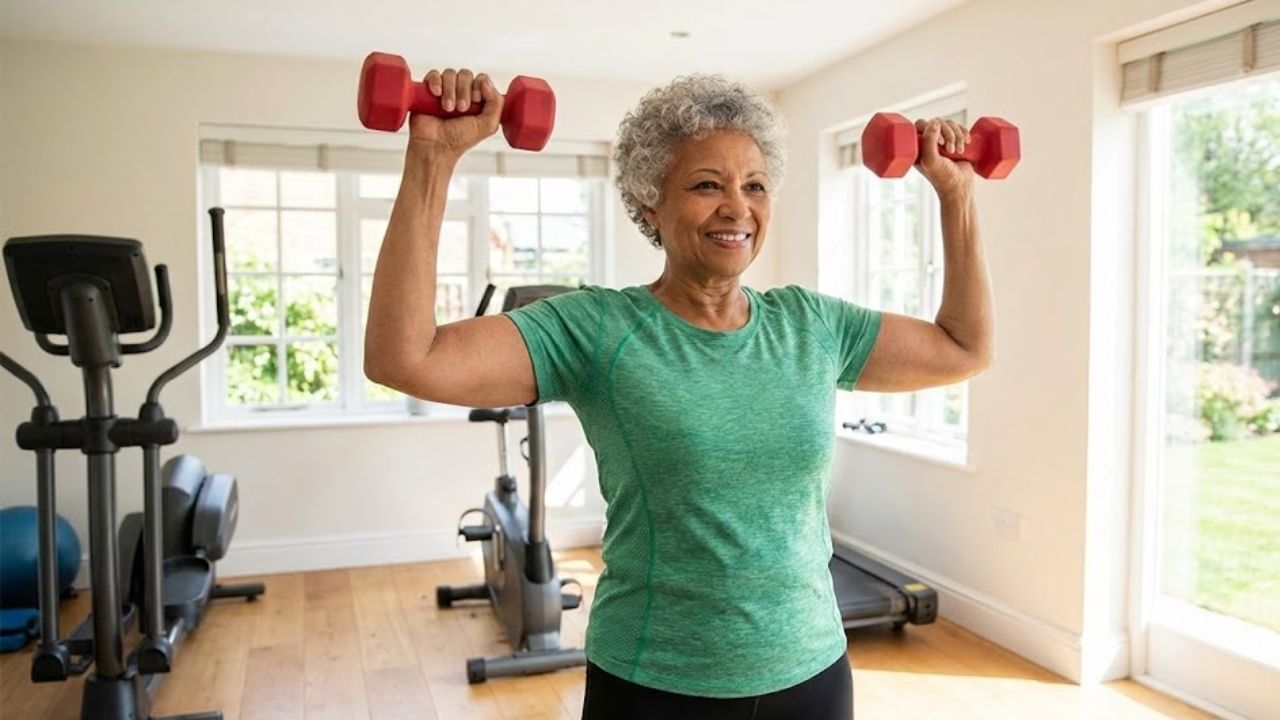
    Moving with ease is something many people don’t think twice about in their younger years. However, as time goes on, preserving mobility and strength becomes vital for maintaining independence, confidence, and overall quality of life.

    This is something 72-year-old certified personal trainer Mitch Kahn understands deeply. The creator of Forever Fit With Mitch, Kahn designs workouts specifically for older adults, focusing on improving balance, strength, flexibility, and self-assurance.

    Why Mitch Kahn Recommends Chair Workouts

    One form of exercise Kahn strongly advocates is chair-based workouts. Explaining his approach, he says that chair exercises are highly effective at building real strength, coordination, and confidence. To help people get started, Kahn has shared four seated exercises he believes every older adult can benefit from. All you need is a stable, comfortable chair and, optionally, one of the best resistance bands.

    As always, if you are new to exercise or returning after a break, it’s important to check with your doctor first and move at a pace that feels right for you.

    The Four Chair-Based Moves Explained

    Created by Kahn, these four seated exercises are suitable for beginners and seniors alike. The routine targets full-body strength, coordination, and functional fitness, helping you feel steadier and more capable during everyday activities.

    You can watch Kahn demonstrate the exercises in his video, or read on for a breakdown of each move, including benefits and focus areas:

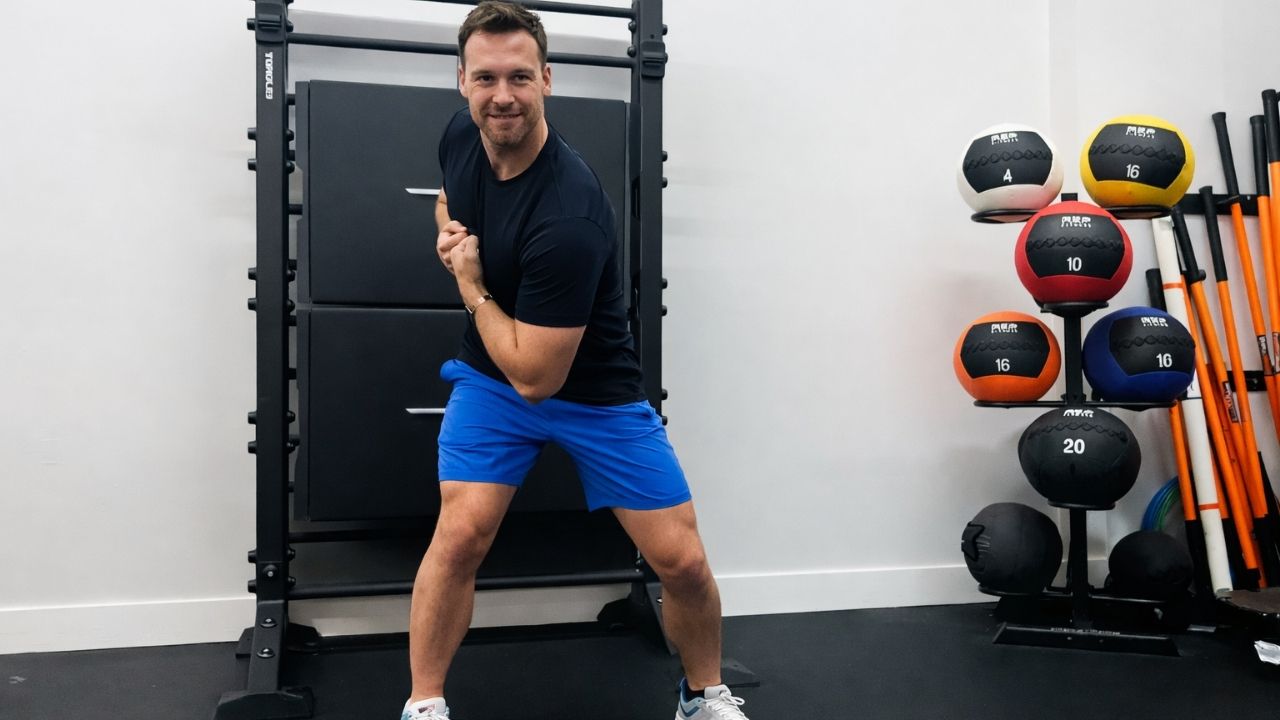
    • Cross-body punches: This bodyweight movement supports core rotation and helps improve overall coordination.
    • Seated leg press (with or without a band): Designed to strengthen the legs and lower body, this exercise supports daily movements like walking and climbing stairs. Kahn shows both banded and unweighted versions, recommending beginners start without resistance.
    • Overhead arm circles: Modern habits, such as long periods of sitting or looking down at phones, can affect posture. This movement helps increase flexibility, improve alignment, and enhance shoulder strength.
    • Seated row with side taps: This multi-tasking move works the arms, legs, and core together, supporting upper-body strength, posture correction, and better coordination.

    Kahn suggests completing 12 repetitions of each exercise, taking a short rest, and repeating the full circuit three times.

    The Benefits of Chair-Based Workouts

    Chair workouts, like this four-move routine, offer an accessible way for beginners and older adults to build strength, flexibility, and balance. They are especially useful for those who find floor exercises challenging.

    For instance, chair yoga provides a welcoming introduction to mind-body movement, while seated strength routines allow people to continue improving posture and muscle strength without getting down on the ground—all while enjoying that important endorphin boost.

    These exercises also support functional fitness, which refers to the strength needed for everyday tasks such as using the stairs, getting in and out of bed, or sitting down and standing up.

    Research supports this approach. A 2021 study published in the International Journal of Environmental Research and Public Health found that chair-based exercises are not only effective but should be encouraged as simple, easy-to-implement activities to help older adults maintain and develop strength.

    About the Author

    Becks is a lifestyle journalist covering wellness and home products, from mattresses to weighted blankets and cooling comforters. She regularly tests products for Tom’s Guide, evaluating how well they perform and offering guidance on which types of sleepers they are best suited for.

  • Simple Balance Drills That Improve Stability as You Get Older

    Simple Balance Drills That Improve Stability as You Get Older

    The first time you notice your balance has changed it usually happens without warning. It’s a subtle shift. You might reach for something on a high shelf and feel your body sway in an unfamiliar way. You might step down from a curb and find your foot pausing instead of moving forward smoothly. Or you might realize that standing on one leg to put on pants has become difficult when it used to be automatic. Between your daily routines and the passing years your sense of balance began to fade without you really noticing.

    The Subtle Art of Staying Upright

    Balance is one of those invisible skills like breathing or blinking that we rarely think about until something goes wrong. Yet it works constantly in the background with tiny muscles in your feet adjusting to uneven ground and joints communicating with your brain while your inner ear tracks how your body tilts and sways. This silent coordination changes as we get older. Muscle fibers become thinner. Reaction times get slower. Vision becomes less sharp around the edges. The inner ear that acts as our natural level and compass can lose some of its precision. None of this means you are fragile but it does mean your body is being more direct about what it needs. Sometimes it simply asks for a little help. The encouraging part is that balance can be improved at any age. Your nervous system remains adaptable and your muscles still respond to training. You don’t need expensive gym equipment or complex routines to help your body regain its steadiness. What you need is simple & regular practice along with some curiosity and a willingness to feel a bit unsteady on purpose. Imagine yourself standing with bare feet on the floor and your toes spreading out like roots while you breathe calmly as your body learns to organize itself with more grace. The exercises that follow are not flashy or impressive. Nobody will share videos of you doing them online. But they could make the difference between catching yourself when you stumble and falling to the ground. They might help you move through your daily life with quiet and renewed confidence as you take each careful step.

    Awakening Your Feet: The Foundation of Balance

    Balance starts in a place you might not expect. It does not begin with your mind or your goals. It begins at the point where your body connects with the ground beneath you. Your feet are remarkably sensitive structures filled with countless nerves that send constant signals to your brain. These signals tell you about the texture of the surface under you and how your weight shifts from side to side. They also inform you about whether the ground is flat or uneven. Modern life has changed how our feet work. When you wear rigid shoes that limit natural movement your feet lose some of their ability to sense the world. When you spend most of your day sitting at a desk or on a couch those important signals become weaker. The connection between your feet and your brain starts to fade. Your nervous system receives less information about balance and position. Over time this makes it harder for your body to maintain stability & respond quickly to changes in your environment.

    Drill 1: The Four Corners Stand

    Take off your shoes and stand with your feet positioned about hip-width apart. Allow your toes to spread naturally. You can do this on kitchen tiles or a wood floor or even a rug. Think of each foot as having four corners: the ball beneath your big toe & the ball beneath your little toe along with the two sides of your heel. Gently shift your weight until all four corners press equally into the ground. You might notice at first that you favor the outer edges or lean more into your toes than your heels. Let your weight move slowly in a circle by going forward and then right and then back and then left. This creates a slow wobbly ring around those four corners. After that you can gradually bring your weight back to the center. Hold this balanced position for 20 to 30 seconds at a time & rest when you need to. Breathe as though the air is reaching down to your feet. This exercise is not just about muscles but about reestablishing the connection between your feet & your brain.

    Drill 2: Heel-to-Toe Rocking

    Stay barefoot and stand next to a counter or solid chair that you can hold for balance. Position your feet directly under your hips. Gently shift your weight forward until your heels start to lift slightly off the ground. Then shift back until your toes relax & your heels press down firmly. Take your time with each movement. Keep the motion small & controlled because the goal is not to lose balance but to discover how far you can lean in each direction. Notice how your ankles make tiny adjustments and how the muscles in your calves & shins work together. Pay attention to when your toes grip the floor and when they let go. Do this rocking motion 10 to 15 times slowly. Think of this exercise as warming up a skill that has not been used much lately. These basic exercises work better than you might expect. When your feet can properly feel the floor beneath them your entire body moves more efficiently & with less strain.

    Standing Still, Feeling Everything

    Stillness is never truly still. When you stand completely motionless your body makes countless small adjustments similar to a boat floating on calm water. Getting better at balance begins with recognizing this subtle activity.

    Drill 3: Single-Leg Support (With Training Wheels)

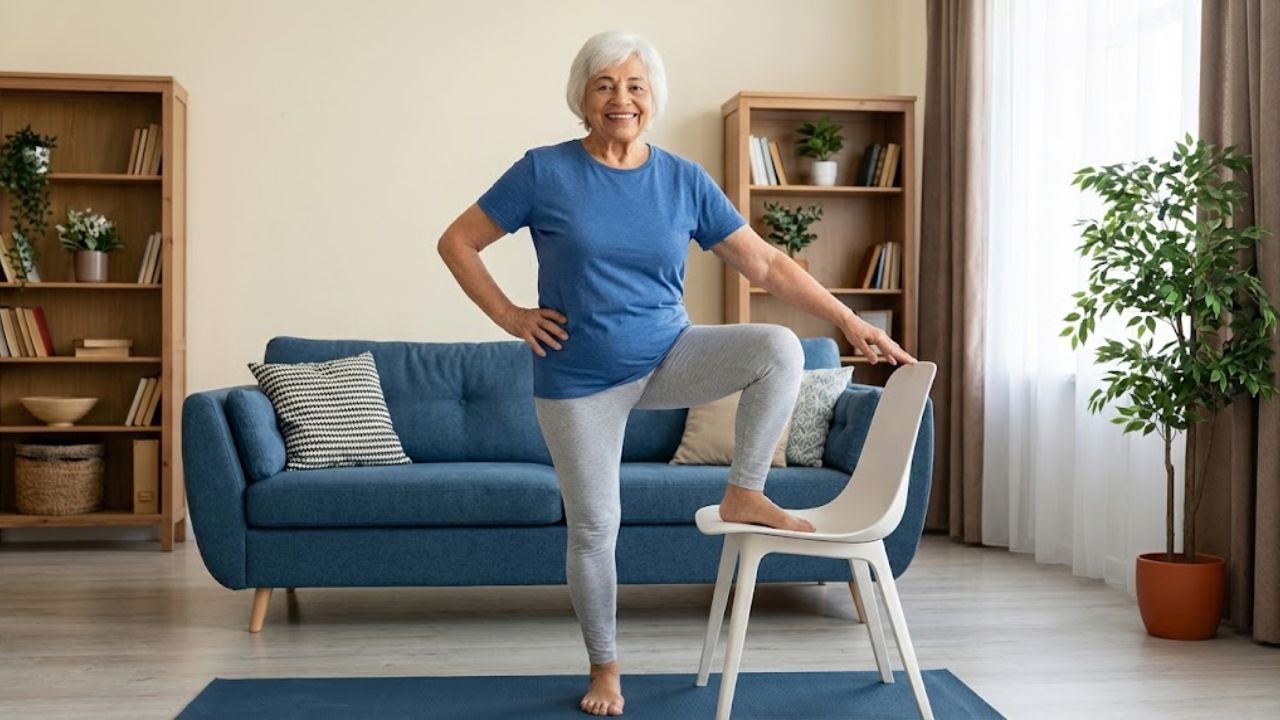
    Find a counter, table, or the back of a sturdy chair. Stand tall with your feet hip-width apart. Lightly rest one hand on your support. Shift your weight onto your left foot, then slowly lift your right foot a few inches off the ground, bending the knee so the toes hover. You are not aiming to balance like a flamingo; the goal is to feel supported, alert, and steady.

    Spread the toes of your standing foot. Gently engage your belly as if bracing for a soft poke. Fix your gaze on something still in front of you—a mark on the wall or a cupboard handle works well. Begin with 10–15 seconds on each leg. If your ankle trembles or your muscles quiver, that is a good sign; it means your body is learning.

    As this becomes easier, reduce how much you rely on your support. Progress may look like using only fingertip contact, then hovering your hand just above the surface, ready if needed. Over time, you may find yourself standing for 30 seconds on each leg, breathing calmly, your body making subtle, steady adjustments.

    Drill 4: The Soft-Standing Challenge

    Once single-leg standing feels familiar, add a gentle variation by softening your knees. Many people lock their knees without noticing, turning their legs into rigid pillars that respond poorly to change. Instead, stand on both feet with your knees slightly bent, as if you were about to sit down and then changed your mind.

    Now lift one foot just an inch or two off the floor. Notice how the softly bent knee on your standing leg allows more flexibility. It may feel less elegant than a straight-legged pose, but it is more honest and far safer when life surprises you with a slippery surface or sudden turn.

    Practice 3–5 rounds on each side, holding for 10–20 seconds at a time. Let your arms float out for balance if needed. This small bend is often the difference between being rigid and being ready.

    Walking the Line: Turning Everyday Steps into Training

    Walking is a series of controlled falls, one foot catching you again and again. As we age, that control can feel less reliable. Instead of moving automatically from task to task, you can turn a few steps into intentional practice, creating a quiet training ground woven into daily life.

    Drill 5: Tightrope Walk (With Safety Nets)

    Find a clear stretch of floor such as a hallway, living room path, or kitchen walkway. If you feel unsteady, stay near a wall or countertop so you can reach out if needed.

    Imagine a thin line painted on the floor. Place the heel of one foot directly in front of the toes of the other, as if walking on that imaginary line. Take one slow step, then another. Let your arms extend slightly to the sides. Keep your gaze forward rather than down; this trains your vision and inner ear to work together.

    Take 8–10 steps along your invisible line, then walk back normally. If it feels too wobbly, widen your steps. Over time, you may notice your feet aligning more naturally and your steps growing more confident.

    Drill 6: Backward and Sideways Steps

    Life rarely moves in perfect straight lines. You step back from the fridge, move sideways past a table, or dodge someone moving quickly. Training these directions prepares your balance for real-world demands.

    For sideways stepping, stand tall with your feet together. Lightly hold a wall or counter if needed. Step your right foot to the side, then bring your left foot to meet it. Take 8–10 steps in one direction, then return, noticing how your hips and thighs work differently.

    For backward stepping, keep the movement small. Step back gently with your right foot, then bring your left foot to meet it. Keep your gaze forward, occasionally checking your path. Focus on control rather than speed.

    Upper Body, Inner Calm: Using Breath and Posture

    Balance involves more than feet and legs. The way you hold your spine, ribs, and head plays a major role. When shoulders round or the head juts forward, your center of gravity shifts, making it harder to stay upright.

    Drill 7: The Tall String

    Stand or sit with your feet flat on the floor. Imagine a gentle string lifting you from the crown of your head. Let your chin soften slightly as your head rises upward.

    Roll your shoulders up, back, and down, keeping them relaxed. Feel your ribcage stacking over your pelvis. Take three slow breaths, inhaling through your nose as your ribs expand, and exhaling through your mouth as if fogging a window.

    Holding this tall posture while breathing trains your postural muscles without strain and helps calm your nervous system, which supports steadier balance.

    Drill 8: Head Turns with a Steady Body

    Stand with your feet hip-width apart, lightly holding a chair or counter if needed. Fix your gaze on a steady point. Slowly turn your head to look over your right shoulder, return to center, then look over your left shoulder.

    Complete 5–8 turns each way. This movement helps your eyes and inner ear coordinate with your body, preparing you for everyday situations like crossing a street or scanning a room.

    Weaving Practice into a Real Life

    Balance practice does not require a special schedule or gym clothes. It can blend into ordinary moments throughout your day.

    Stand on one leg while brushing your teeth, keeping your hand near the sink. Hold a single-leg stance at the counter while waiting for the kettle. Rock heel to toe while washing dishes. Use pauses in your day to notice where your weight is and whether you can breathe without tension.

    Consistency matters more than intensity. Think of these moments as small daily deposits into your balance savings account.

    Quick Reference Summary

    Drill What It Trains How Often
    Four Corners Stand Foot awareness, weight distribution Daily, 30–60 seconds
    Heel-to-Toe Rocking Ankle control, forward–back balance 3–4 times per week, 10–15 rocks
    Single-Leg Support One-leg stability, core engagement Daily, 10–30 seconds each leg
    Tightrope Walk Gait control, coordination 3–5 passes, 3 times per week
    Tall String + Head Turns Posture, eye–inner ear coordination Daily, 1–2 minutes

    Listening to Your Edges, Honoring Your Pace

    There is a difference between helpful challenge and unnecessary risk. Gentle wobbling is fine; sharp pain is not. Effort is welcome; panic is not. The aim is to invite your body to remember its abilities, not to force it.

    If you have a history of falls, dizziness, joint replacements, or complex medical conditions, consider reviewing these drills with a healthcare professional or physical therapist. Using support or progressing slowly is a sign of wisdom, not weakness.

    Progress often arrives quietly. One day you may realize you have been standing on one leg longer than before, breathing steadily, feeling grounded. Age moves forward, but you are not only a passenger. Each mindful step is a vote for your future mobility, stability, and independence.

  • How to Apply Lash Serum Correctly for Longer Healthier Eyelashes Without Irritation

    How to Apply Lash Serum Correctly for Longer Healthier Eyelashes Without Irritation

    Over the past year, one feature people constantly notice is my eyelashes. Once you understand how to use a lash serum properly, you can achieve the same results.

    I’m often asked, “Are those your real lashes?” or “Do you wear false lashes to work?” I never keep secrets. My answer is simple: they’re completely natural, thanks to high-quality mascara and, more importantly, consistent lash serum use.

    My Lash Serum Results Timeline

    I began using a lash serum about a year ago and noticed visible improvement within two weeks. After three months, my lashes looked longer, thicker, and fuller—so much so that people started commenting regularly.

    What Lash Serums Are and How They Work

    Lash serums are topical treatments designed to support and enhance natural eyelash growth. According to Dr. Amy Vowler, a hair restoration doctor at Hair GP, these serums work by nourishing the lash follicle and activating dormant follicles, encouraging stronger hair growth.

    She explains that lash serums promote gradual, semi-permanent results by extending the lash growth phase, leading to thicker and longer lashes over time.

    Most cosmetic-grade lash serums are peptide-based and include amino acids, botanical extracts, and vitamins. These ingredients help reduce breakage and enhance shine, although they do not directly alter the lash growth cycle.

    The eyelash growth phase typically lasts only 30 to 45 days. With consistent application, improvements usually appear within 6 to 12 weeks. However, once use stops, lashes gradually return to their original state.

    Key Lash Serum Ingredients to Look For

    With so many lash serums available, choosing the right one can feel overwhelming. Dr. Vowler recommends looking for formulas that strengthen lashes and support follicle health.

    • Peptides (such as Myristoyl Pentapeptide-17): Support keratin production
    • Panthenol (Vitamin B5): Hydrates and reinforces the lash shaft
    • Hyaluronic Acid: Prevents dryness and breakage
    • Amino Acids (such as arginine): Improve blood flow to the follicle
    • Plant Extracts (pumpkin seed, green tea): Provide antioxidants and gentle stimulation

    My Trusted Lash Serum Choice

    After trying several options, the one that delivered the most noticeable and consistent results for me is the RevitaLash Advanced Eyelash Conditioner. While it’s not the most affordable option, its performance stood out clearly.

    The brand describes it as an ophthalmologist-developed eyelash conditioner designed to enhance lash appearance while protecting against breakage and improving strength, flexibility, and overall health.

    The formula is vegan-friendly, cruelty-free, and powered by the proprietary BioPeptin Complex, a blend of vitamins and nutrients that hydrate, fortify, and naturally enhance lashes, including a subtle curling effect.

    RevitaLash Advanced Eyelash Conditioner Details

    • Key Ingredients: BioPeptin Complex, ginseng, Swertia Japonica extract, saw palmetto, amino acids, vitamin B
    • Application: Once daily on clean, dry lashes; allow 2–3 minutes to dry
    • Results: 98% of testers reported stronger, healthier-looking lashes
    • Why It Stands Out: Clinically tested, physician-developed, gentle yet effective, and suitable for sensitive skin

    Commerce Writer Mayola Fernandes notes that after three to four weeks, her lashes looked so full that colleagues assumed she was wearing extensions, with no irritation experienced.

    How to Apply Lash Serum Correctly

    According to Claire Larsen, global master educator at RevitaLash, consistency matters more than frequency. Applying lash serum once per day or night is sufficient—using more will not accelerate results.

    Apply a thin line to clean, dry lashes, directly above the upper lash line only. Avoid applying to the lower lashes.

    While results vary, many users notice improvements quickly, with continued enhancement over time.

    Who Should Avoid Lash Serums

    Dr. Vowler advises that some individuals should use caution or avoid lash serums entirely.

    • Those with ingredient allergies
    • People with sensitive skin or conditions like eczema, rosacea, or blepharitis
    • Pregnant or breastfeeding women, due to limited safety data
    • Individuals with eye conditions such as glaucoma, uveitis, chronic dry eye, or infections
    • Anyone who has had eye surgery within the last six months
    • Those using prescription lash treatments like Latisse, as combining products may cause reactions
    • Contact lens wearers should apply only after lenses are removed
  • Training for Golf This Year These 3 Foundational Exercises Build Strength Stability and Swing Power

    Training for Golf This Year These 3 Foundational Exercises Build Strength Stability and Swing Power

    Golf training can take many different paths, from cardiovascular workouts that boost stamina on the course to plyometric movements that increase swing speed, along with mobility and stretching drills that refine swing mechanics. With so many options available, it’s natural to wonder where to begin.

    The Three Core Golf Fitness Fundamentals

    According to Golf Digest Certified Fitness Trainer Justin Barr, effective golf training comes down to three essential elements. First, you must learn to intentionally separate upper- and lower-body movement. Second, you need to activate and forcefully contract the glute muscles. Third, you should use the ground as leverage to properly sequence the swing and generate explosive power.

    Focusing on these three core principles—what Barr calls the “FUNdamentals”—puts you on a clear path toward developing a more efficient and powerful golf swing. These fundamentals are particularly helpful for beginner golfers as they start to grasp what a proper swing truly requires.

    Training for Automatic, Effortless Movement

    As with any sport, the ultimate goal is to train until the movement becomes automatic and instinctive. Barr, who works with golfers in Jupiter, Florida, emphasizes building patterns that require minimal conscious effort. With that approach in mind, he recommends three specific exercises designed to improve swing sequencing and deliver a noticeable power boost.

    These exercises can easily be added to an existing routine or used as the base of a new workout program. When performed in order and following Barr’s guidelines, the entire sequence should take just five to ten minutes.

    Pancakes to Cupcakes

    This exercise teaches your body to generate swing power through the glutes by training each side to work independently. Lie flat on the ground like a pancake, placing your hands beneath your glutes. Forcefully squeeze one side of your glute muscles and lift your pelvis quickly, forming the rounded top of a cupcake. Slowly lower your pelvis back down using the same glute.

    Barr suggests visualizing the upward motion as switching on a bright LED light, then using a dimmer switch to gradually reduce the brightness on the way down. You should move from flat glutes to a strong, rounded muscular contraction. Perform five repetitions per side, with each rep lasting about six seconds—one second up and five seconds down.

    Wall-Supported T-Spine Rotations

    This movement trains your torso to rotate independently from the lower body, a critical skill for properly loading during the backswing. Stand close to a wall or similar support and cross your arms over your chest. Lift your left foot (or right foot for left-handed golfers) and place it against the wall.

    Keep your lower body as still as possible while rotating your upper body as though you’re making a backswing. Perform this drill for two minutes, alternating which foot is supported and the direction of rotation, always rotating toward the planted leg. Complete five slow, controlled reps in each direction.

    Load and Explode (Fast-Track Swing Feel)

    This exercise helps you feel the loading and release of power from backswing to through-swing. Ideally, use a resistance band around the lead leg and a soft object under the lead foot to press into, though the movement can also be done without equipment.

    Barr refers to this drill as the “Clark Kent to Superman” transition. Start in your golf address position with your hands placed on your sternum, as if preparing to pull your shirt open. While pressing into the object under your lead foot, simulate a backswing, then transition into a through-swing.

    Perform 10 repetitions in each direction, switching the band and foot placement. Hold the loaded backswing position for six seconds before explosively moving into the through-swing. Without a band, imagine rotating back with control, then firing powerfully in the opposite direction as if transforming into Superman, adding energy and intent to each repetition.