Category: News

  • Start Yoga the Easy Way: Simple Flexibility Poses for Beginners at Home

    Start Yoga the Easy Way: Simple Flexibility Poses for Beginners at Home

    Yoga offers great benefits for your flexibility, strength and overall health. If you are just starting out or want to become more flexible beginning with basic poses will help you build a solid foundation. These poses gently stretch your muscles while reducing stress and increasing your range of motion. This article covers simple yoga poses that beginners can use to improve their flexibility. Starting with easier poses allows your body to adapt gradually without causing strain or injury. Many people think they need to be flexible before starting yoga, but this is not true. Yoga actually helps you develop flexibility over time through consistent practice. The key is to listen to your body & move at your own pace. One of the most accessible poses for beginners is the Child’s Pose. This resting position stretches your hips, thighs and ankles while calming your mind.

    Why is Flexibility Important in Yoga?

    Flexibility plays a key role in yoga. When you improve flexibility, you enhance your ability to perform poses with better form, which helps prevent injuries and allows you to deepen your practice over time. Flexibility also aids in relaxation, as it helps release tension from your body. Regular yoga practice is an excellent way to maintain joint health, increase circulation, and calm your mind.

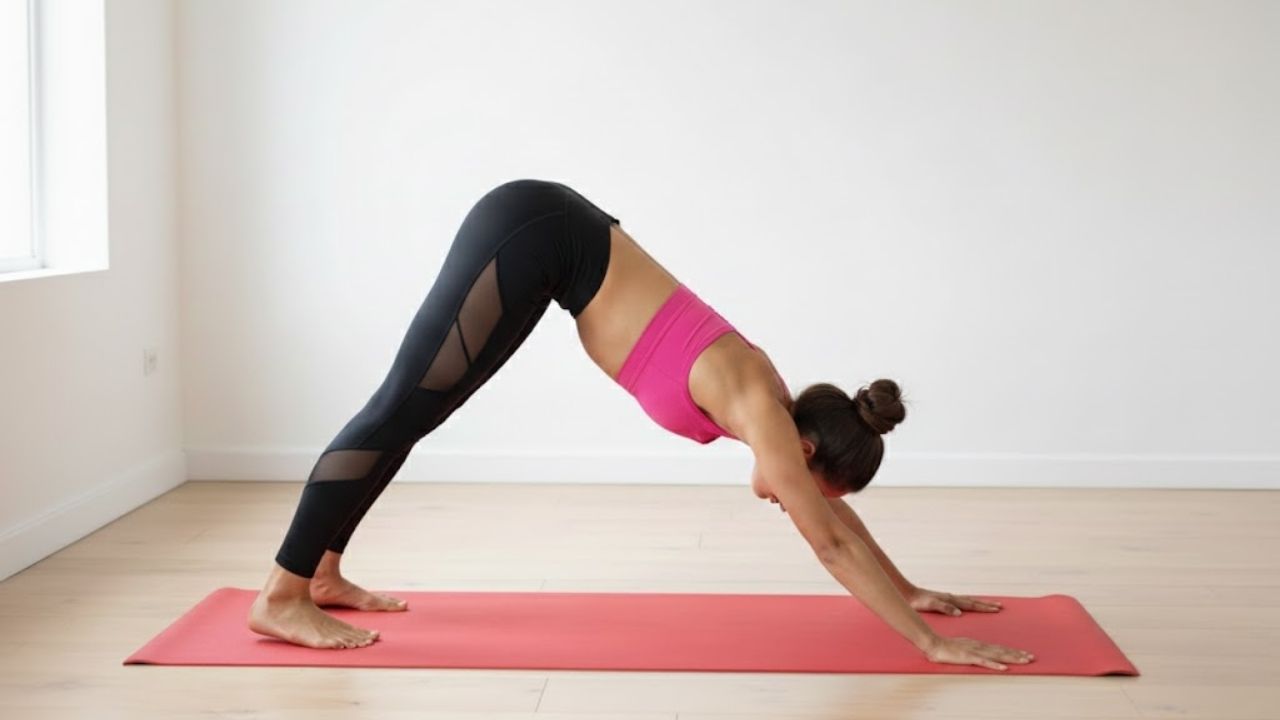
     Downward-Facing Dog (Adho Mukha Svanasana)

    This classic yoga pose is a great way to stretch your hamstrings, calves, and back. Start on your hands and knees, lift your hips towards the ceiling, and straighten your legs as much as you can. Keep your hands shoulder-width apart and your feet hip-width apart. Hold for a few breaths and feel the stretch through your whole body.

     Child’s Pose (Balasana)

    Child’s Pose is a gentle, restorative pose that stretches your hips, thighs, and back. Kneel on the mat, sit back on your heels, and lower your forehead to the ground. Extend your arms forward or place them by your sides for added comfort. Stay here for as long as you need to release tension and relax.

     Forward Fold (Uttanasana)

    Stand with your feet hip-width apart, and slowly fold forward, reaching for your toes or the floor. Let your head hang heavy and relax your neck. This pose stretches your hamstrings, calves, and back while helping to calm your mind. You can bend your knees slightly if you’re feeling tight.

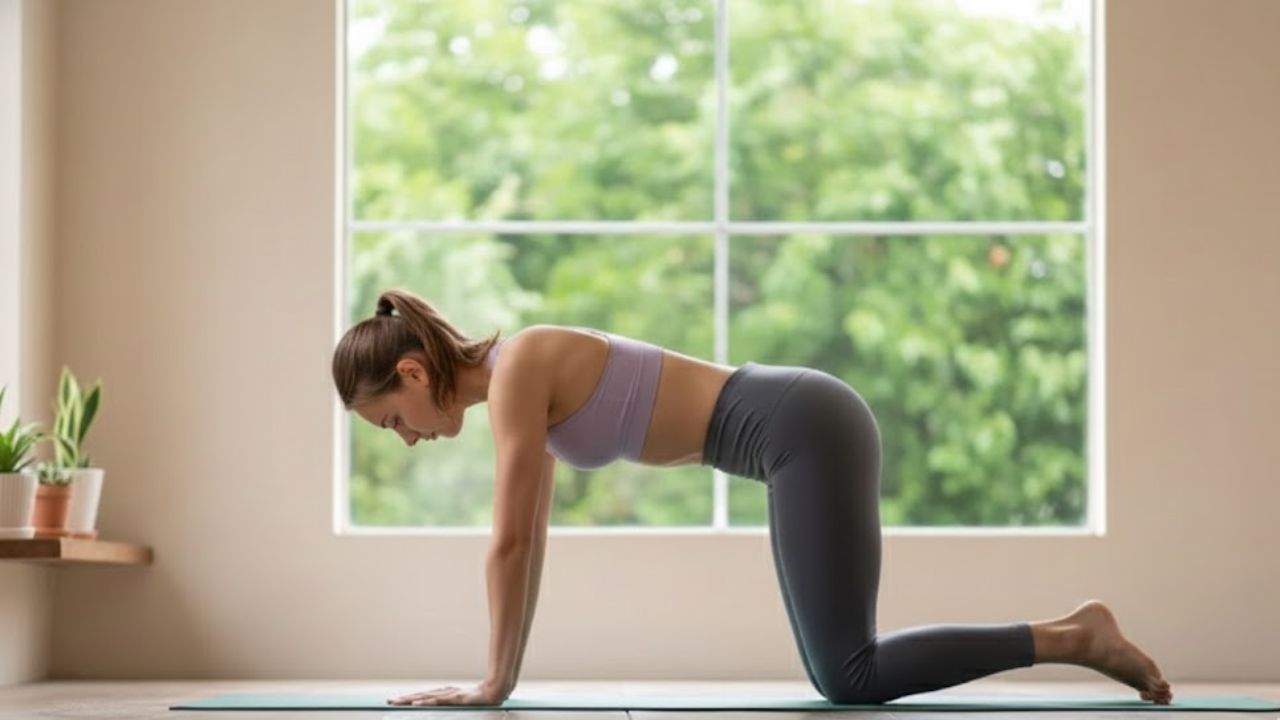
     Cat-Cow Stretch (Marjaryasana-Bitilasana)

    This dynamic pose sequence involves arching and rounding your back, which helps stretch and strengthen your spine. Start on your hands and knees, with your wrists aligned under your shoulders and knees under your hips. On an inhale, arch your back (Cow Pose), lifting your chest and tailbone. On an exhale, round your back (Cat Pose), tucking your chin to your chest. Repeat this movement to improve spinal flexibility.

     Seated Forward Fold (Paschimottanasana)

    This seated stretch is perfect for increasing flexibility in your hamstrings and lower back. Sit with your legs extended in front of you and your feet flexed. Slowly bend forward from your hips, reaching for your feet or ankles. Keep your spine long and try not to collapse your chest. Breathe deeply and hold the stretch.

     Butterfly Pose (Baddha Konasana)

    Sit on the floor and bring the soles of your feet together, letting your knees fall outward. Hold your feet with your hands, keeping your spine straight. Gently press your knees down toward the floor to stretch your inner thighs and groin area. This pose helps open up the hips and improves flexibility in the legs.

    Tips for a Safe Yoga Practice

    Start slow

    If you’re new to yoga or flexibility training, avoid pushing yourself too hard. Listen to your body and ease into each pose.

    Breathe deeply

    Use your breath to guide you deeper into each stretch. Inhale to lengthen your body, and exhale to relax into the stretch.

    Use props

    If you’re unable to reach your feet or the floor in certain poses, consider using props like yoga blocks or straps to assist you.

    Practice regularly

    Consistency is key to improving flexibility. Try to practice yoga several times a week to see the best results.

  • Short haircut for fine hair: here are the 4 best hairstyles to add volume to short hair and make it look thicker

    Short haircut for fine hair: here are the 4 best hairstyles to add volume to short hair and make it look thicker

    At the salon right after the lunch crowd leaves you can see her right away. She twists the ends of her bob with her fingers while looking at her reflection that seems flatter with each second under the bright mirror lights. Her hair is clean and shiny but it lies completely flat against her cheeks. The stylist picks up a section and drops it & the whole style falls apart like a cake that didn’t rise properly. They both laugh but her eyes show a hint of sadness. She takes out her phone & shows a photo of short bouncy full hair that clearly belongs to someone who has more hair than she does. She says she just wants it to look thicker like she has said the same thing at every appointment for the past five years. The stylist smiles and picks up the scissors & suggests a different cut. After three quick cuts the hair suddenly looks alive. Something has changed even though it’s hard to explain what happened. The secret is not about having more hair. It’s about getting the right short haircut for fine hair.

    Short, fine hair: why certain cuts flatten volume while others enhance it

    Fine hair behaves like silk thread: soft, smooth, and notoriously unwilling to hold shape. When the cut is off, strands collapse against the scalp, especially at the crown and along the jawline. The result is the unwanted helmet-like effect that makes hair look thinner than it is.

    With short styles, fine hair can easily appear flatter if the length hits the wrong point. A blunt bob sitting at the jaw without layers often clings to the face. The difference between flat and full comes down to cut placement, layering strategy, and weight removal. That’s where volume begins.

    One Tuesday afternoon in London, stylist Maya R. demonstrated this perfectly. A client arrived with a grown-out long bob, untouched for nine months. The ends looked uneven, and the roots appeared oily just hours after washing. The hair wasn’t damaged — it was simply extremely fine.

    Maya proposed a softly layered bixie cut, blending a bob and a pixie. She shortened the back, kept length in front, and exposed the neck. In fifteen minutes, the same amount of hair appeared about 30% fuller. The client’s reaction wasn’t excitement at first, but disbelief: “Wait… that’s all my hair?” That’s the power of a precise cut.

    Technically, fine hair struggles with two things: weight in the wrong areas and heavy, blunt lines with no movement. When bulk is left at the bottom, everything is dragged down, leaving roots no chance to lift.

    Volume-friendly short cuts focus on redistributing weight. Excess hair is removed where it flattens the shape, while soft structure is added to encourage lift at the crown and around the face. Think airy layers, lightly undercut napes, and imperfect edges that prevent strands from clumping together. That’s how short hair suddenly looks thicker — without adding a single strand.

    The four best short haircuts that make fine hair look fuller

    1. The bixie cut: controlled contrast for instant dimension

    The bixie cut, a blend of pixie and bob, is a standout choice for fine hair. It keeps reassuring length around the face while shaping the back and sides closer to the head.

    This contrast creates natural dimension. Subtle layers at the crown prevent hair from lying in one flat sheet. With a small amount of texturizing cream, strands separate and reflect light, giving the illusion of density. It also grows out gracefully, making it ideal for those who don’t visit the salon every month.

    2. The modern French bob: soft edges, hidden structure

    The updated French bob works beautifully when it’s not overly blunt. This version grazes between the lips and jaw, with softened ends and invisible internal layers.

    On off days, it can be tucked behind the ears and still feel polished. On good days, a quick upside-down rough-dry creates that effortless Parisian texture people love. For many with fine hair, this is the first cut where flat roots stop being the enemy.

    3. The soft layered pixie: lightness without harshness

    The soft layered pixie avoids sharp, ultra-short lines. Instead, it features a feathered shape that hugs the head while lifting at the front.

    The back and sides are tapered for a clean silhouette, while the top stays longer for movement. Fine hair benefits because there’s less weight pulling it down. A small amount of mousse at the roots and a quick blow-dry often does all the work. It’s especially freeing for those who’ve relied on longer hair to hide flatness.

    4. The stacked nape bob: built-in lift and shape

    The stacked nape bob is slightly graduated at the back with longer front sections. From the side, it forms a gentle diagonal toward the chin; from behind, the layers stack softly.

    This structure creates volume at the occipital bone, keeping the outline full. Worn straight, it looks sleek and refined. With waves and a touch of sea salt spray, it can make fine hair appear noticeably thicker.

    Key point Details Why it matters to readers
    Best cut for ultra-fine, flat hair A soft layered pixie or bixie with extra length on top and lighter sides. Avoid razor-thin ends; ask for scissors and subtle texturizing instead. Gives instant volume at the roots and makes morning styling faster, especially if your hair collapses within hours.
    Ideal styling products Lightweight mousse at the roots, sea salt or texturizing spray on mid-lengths, and a dry shampoo for day two. Skip heavy serums and oils near the scalp. Helps keep hair lifted and full without that greasy, weighed-down effect that fine hair gets too easily.
    How often to trim Every 6–8 weeks for a bob or stacked bob, 4–6 weeks for a pixie or bixie. Ask for micro-adjustments instead of dramatic reshapes each time. Keeps the shape sharp so your hair doesn’t collapse into a flat, triangular mass that makes it look even thinner.

    How to style short, fine hair so volume actually lasts

    The right cut is only half the equation. Drying technique makes the difference between flat and full. Once fine hair dries pressed to the scalp, it’s hard to revive.

    Start by rough-drying the roots with your head upside down until the hair is about 80% dry. Use your fingers to lift at the crown. Only after flipping upright should you use a round brush to smooth ends or add bend. A golf-ball-sized amount of lightweight mousse at the roots can significantly boost lift.

    In real life, styling rarely happens under perfect conditions. In a busy coworking bathroom one Monday morning, a woman with a fresh French bob had five minutes, a mini straightener, and no patience.

    What worked wasn’t perfection. She dampened the front sections, lifted the roots with her fingers, and used warm air to create shape. The back stayed slightly messy — and it looked intentional. Smart shortcuts beat long routines.

    The most common mistake with fine hair is overusing product. More cream or serum usually means more grease, not more volume. Heavy formulas build up and suffocate the roots.

    Soyons honnêtes : personne ne fait vraiment ça tous les jours. That’s why day-two strategies matter. Applying a light mist of dry shampoo at night absorbs oil while you sleep, often creating better volume the next morning than a rushed fix.

    As Maya R. puts it, “Fine hair isn’t the problem. The problem is expecting it to act like thick hair.” Once that expectation changes, styling becomes easier.

    – Sleep with your hair flipped to the opposite side of your usual part for root lift.

    – Blot hair gently with a microfiber towel or T-shirt; friction flattens fine strands.

    – Apply products only to mid-lengths and ends; roots need minimal help.

    Living with short, fine hair: confidence, adjustment, and freedom

    Choosing short hair with fine strands often feels like a quiet rebellion. It’s a step away from years of ponytails that never looked as full as hoped.

    On an evening train ride, a woman in her forties ran her hand through her new stacked bob and said, “I finally stopped waiting for my hair to be something it isn’t.” That moment captured the emotional shift a well-suited cut can bring.

    Short, thoughtfully cut hair highlights the neck, jawline, and cheekbones. It frees the face. The journey isn’t always smooth — humidity wins some days, fringes misbehave on others. Some mornings you’ll embrace air-dried texture; other days you’ll reach for the round brush. Both are part of the process.

    Most people with fine hair eventually find their shape family — the bixie, French bob, soft pixie, or stacked bob. From there, it’s about small adjustments. The real transformation happens when the question shifts from hiding fine hair to letting its texture shine. In the mirror, that change makes all the difference.

  • Modern Parenting Study: 9 parenting attitudes that create unhappy children, according to psychology

    Modern Parenting Study: 9 parenting attitudes that create unhappy children, according to psychology

    A toddler asks for another cookie. A dad checks emails while holding a baby. In the back of the room a 9-year-old stares at a tablet while her mother whispers that she needs to stop crying. Parenting today is completely different from three decades ago but the pressure to do everything correctly has grown stronger. Parents read research articles late at night and follow parenting accounts on social media and share posts about raising secure children. Then they get frustrated when their child cannot find a shoe before school. Psychologists have noticed something concerning. Some parenting approaches that seem helpful actually create problems for children. These approaches often lead to kids who feel anxious or sad or who pull away from others. The surprising part is that many people think these same approaches represent good parenting. The things parents do to keep their children safe might actually be taking away their happiness.

    The Obsession With a “Perfect” Childhood

    Today, childhood is often marketed like a product. Carefully styled bedrooms, nonstop enrichment, organic food choices, and emotionally aware conversations are presented as essentials. Many parents quietly believe that if they create a perfect environment, their child will naturally be happy. This mindset usually comes from love and from wanting to give children what they themselves lacked. Yet it can turn parenting into a constant performance. Children sense this pressure. They feel expected to be grateful, accomplished, and visibly thriving. Inside, however, many are simply exhausted.

    A UK survey found that over 60% of parents feel pressure to constantly maximise their child’s potential. For some children, life becomes a packed schedule of lessons, sports, languages, and structured “fun.” While it looks like opportunity on paper, many kids live with a quiet fear: if I’m not excelling, I’m disappointing everyone. One mother recalled cancelling an activity and watching her son cry with relief, whispering that he just wanted to go home and be boring.

    Psychologists warn that children raised in highly optimised environments often struggle with boredom, frustration, and imperfection. Their lives are tightly curated, leaving little space to practice recovery when things go wrong. A lost game or a bad grade can feel like a personal failure. For these children, happiness exists only when conditions are ideal, and any crack in perfection feels overwhelming.

    The “Never Feel Bad” Emotional Ideal

    Another modern parenting script promotes the idea of the always-calm, perfectly regulated child. Parents are encouraged to redirect negative emotions and reinforce positivity and gratitude. Beneath this approach is an unspoken rule: emotions like sadness, anger, or jealousy should be fixed quickly. Distraction replaces listening, explanations replace empathy, and reassurance often dismisses fear.

    To a child, this can sound like: your feelings don’t belong here. Lea, a 10-year-old, began experiencing stomach aches before school. Her parents reminded her how fortunate she was and encouraged her to focus on the positives. Her symptoms worsened. When a counsellor finally asked what mornings felt like, Lea admitted she was scared to say she was scared, because everyone told her she shouldn’t be.

    Research on emotional validation shows that children who are regularly told to calm down or cheer up learn to distrust their inner experiences. The feelings don’t disappear; the child simply stops sharing them. Over time, this silence can surface as mood swings, anger, or emotional numbness. When difficult emotions are treated as problems to erase rather than signals to understand, children learn that they are only welcome when they are easy.

    When Productivity Replaces Play

    Ask many children what makes a day “good,” and the answer often centres on completed tasks and achievements. Homework finished, practice done, goals met. Productivity has quietly replaced play as the measure of a successful day. Parents may never say that worth equals output, but packed schedules and structured time often send that message.

    Even rest becomes strategic, framed as preparation for more work later. Children learn to measure themselves by performance, not by how they feel or what they enjoy. Studies on over-scheduled children show a strong link between constant pressure and depressive symptoms by early adolescence. One high-achieving teenager summed it up simply: she didn’t know how to exist without proving something.

    This focus on productivity slowly drains motivation from within. Activities stop being enjoyable on their own and become tools for praise or approval. Many children raised this way report a persistent emptiness. Even success doesn’t satisfy for long, because happiness is always postponed to the next milestone.

    When a Child Becomes a Personal Project

    One of the most subtle pressures arises when a child becomes a reflection of parental identity. Their manners, achievements, and interests begin to feel like a public résumé. Parents may feel discomfort not at a child’s distress, but at how that distress appears to others. Interests are guided toward what seems impressive or sensible rather than what truly excites the child.

    This dynamic can leave children feeling less like individuals and more like brands to maintain. A father once proudly listed his daughter’s accomplishments to strangers, urging her to repeat them. Later, she quietly admitted that her father liked her life more than she did. Psychologists describe this pattern as enmeshment, where a parent’s self-worth rises and falls with the child’s success.

    Children in this situation often become skilled at reading adult moods. They make choices to keep peace rather than follow curiosity. Outwardly, they may appear well-adjusted. Inside, they wrestle with the question of who they are when they are not pleasing anyone. Unhappiness here is often quiet, showing up as flatness or a lack of curiosity rather than open rebellion.

    Shifting From Pressure to Presence

    Parents who describe meaningful change often mention a simple shift: less control, more connection. Instead of focusing on fixing behaviour, they become curious about what their child is experiencing. Small rituals matter more than dramatic changes. One parent introduced a nightly question: one good thing, one hard thing. No advice, just listening.

    Within weeks, her previously silent child began sharing fears and social worries. Nothing in their schedule changed, but the emotional atmosphere did. Children thrive when they feel seen rather than managed. This can mean allowing them to be average at something they love, or protecting unstructured time where nothing productive happens.

    No family does this perfectly. There are rushed mornings, tired evenings, and screens used for survival. What matters most is the pattern a child experiences over time. One father described his shift as moving from pushing success to becoming a safe place to land. The grades stayed the same, but the laughter returned.

    • Did my child feel emotionally safe with me today?
    • Did I listen more than I lectured, even once?
    • Did we share a moment that wasn’t about performance?

    Rethinking What We Want for Our Children

    Parenting today happens in a noisy world filled with advice, comparisons, and expectations. It’s easy to confuse a successful child with a perfectly managed one. Yet research on childhood happiness points elsewhere. Children don’t need flawless parents or constant stimulation. They need room to feel, fail, and grow at their own uneven pace.

    One mother watched her son climb higher than she liked. Instead of stopping him, she admitted her fear and reassured him that she was there. He climbed a little more, then came down smiling. That balance — freedom with support — is what many children crave.

    Children often look to adults to see whether their feelings are acceptable. More than routines or rules, these moments shape their inner world. Psychological happiness isn’t about constant joy. It’s about knowing that your inner life belongs to you and is welcome. When parents trade pressure for presence, children often don’t lose ambition. They gain freedom — and that freedom continues to unfold long after childhood ends.

    Point clé Détail Intérêt pour le lecteur
    Perfect‑childhood pressure Over‑optimised lives leave kids exhausted and afraid of imperfection Helps you recognise when “opportunity” has quietly become overload
    Emotion fixing vs. emotion hearing Rushing kids out of hard feelings teaches them to hide, not heal Shows how listening first can reduce anxiety and meltdowns over time
    Presence over performance Small, consistent moments of connection matter more than big strategies Offers realistic, doable shifts that fit into real, messy family life
  • No cardio or burpees needed with these 5 moves to build muscle in just 15 minutes

    No cardio or burpees needed with these 5 moves to build muscle in just 15 minutes

    Building muscle doesn’t always require high-impact cardio, exhausting burpees, or long gym sessions. In India, where busy schedules and limited workout space are common challenges, short and effective strength routines are becoming increasingly popular. This 15-minute workout focuses on five simple yet powerful movements that help stimulate muscle growth without stressing your joints or spiking your heart rate. Designed for home practice, it suits beginners and experienced exercisers alike, proving that smart resistance-based training can deliver visible strength gains efficiently and safely.

    No-cardio muscle building moves for quick results

    This approach relies on controlled, intentional movements that create muscular tension rather than speed. By slowing down each rep, you encourage muscle time under tension, which is essential for growth. The five moves target major muscle groups using controlled strength focus instead of momentum. Because there’s no jumping involved, it’s easier to maintain joint-friendly training while still challenging your body. Many people are surprised by how effective low-impact resistance exercises can feel when done correctly, especially when rest periods are kept short and form remains the priority.

    How a 15-minute strength workout builds muscle

    Short workouts work best when every second is used with purpose. This routine uses compound bodyweight moves that activate multiple muscles at once, helping you train smarter. Even in just 15 minutes, maintaining consistent muscle tension leads to fatigue and adaptation. The absence of cardio allows you to focus on strength-driven effort rather than breathless pacing. Over time, these sessions support lean muscle growth by repeatedly challenging muscles while giving them enough recovery between days.

    Who should try this no-burpee muscle routine

    This workout is ideal for people who dislike high-intensity cardio but still want results. Beginners appreciate the simple movement patterns, while experienced trainers enjoy the scalable resistance options that come from adjusting tempo or reps. Those recovering from minor issues often value the reduced impact stress on knees and ankles. For home exercisers, it offers minimal space required, making it practical for apartments and busy households across India.

    Summary and training insight

    Ultimately, this routine shows that effective muscle building doesn’t need to be complicated or exhausting. By prioritising form, tension, and consistency, you can achieve efficient strength gains without feeling overwhelmed. The five-move structure supports sustainable workout habits and reduces burnout, which is key for long-term progress. When paired with adequate protein intake and rest, this method encourages balanced muscle development while fitting seamlessly into a modern lifestyle.

    Workout Element Key Benefit
    Slow tempo reps Improves muscle tension
    No jumping moves Protects joints
    Five core exercises Full-body activation
    15-minute duration Easy daily consistency
    Home-friendly setup No equipment needed

    Frequently Asked Questions (FAQs)

    1. Can this workout really build muscle without cardio?

    Yes, controlled resistance and tension are enough to stimulate muscle growth.

    2. How often should I do this 15-minute routine?

    You can perform it 3–5 times a week depending on recovery.

    3. Is this suitable for beginners?

    Yes, the movements are simple and can be adjusted for any fitness level.

    4. Do I need equipment to follow this workout?

    No, all five moves can be done using just your bodyweight.

  • Girls Using Cucumber Juice on Face Daily — Cooling Beauty Hack for Summer Skin

    Girls Using Cucumber Juice on Face Daily — Cooling Beauty Hack for Summer Skin

    During peak summer months in India, many girls are turning to simple kitchen-based skincare routines to beat the heat naturally. One habit gaining attention is using fresh cucumber juice on the face every day. Known for its cooling nature and high water content, cucumber feels instantly soothing on sun-exposed skin. Unlike heavy creams, this lightweight juice fits easily into daily routines, especially for those dealing with sweat, dullness, or irritation. As temperatures rise, this refreshing approach is being seen as a practical, affordable way to keep skin calm and comfortable.

    Why Girls Prefer Cucumber Juice for Summer Skin Cooling

    Cucumber juice is loved in summer because it delivers instant cooling relief the moment it touches the skin. Long days in the sun often cause summer heat stress, making skin feel tired and overheated. The natural water content helps create a pore tightening feel without dryness, which many girls notice after regular use. Over time, daily application can offer a natural hydration boost that keeps the face looking fresher. The simplicity of cucumber juice also appeals to those who want effective care without layering multiple products.

    Daily Cucumber Juice Face Use and Its Skin-Soothing Benefits

    Using cucumber juice daily can support balanced skin during hot weather. Its light texture helps with oil balance support, especially for those who feel greasy by midday. Many girls report an acne calming effect when cucumber becomes part of a gentle daily ritual. Since it is not harsh, it adds to overall skin barrier comfort rather than stripping moisture. With consistent use, the skin often feels calmer, making this routine popular among students and working women alike.

    How to Apply Cucumber Juice on Face for Best Results

    Preparing cucumber juice at home is simple and effective. Fresh cucumber slices blended and strained create juice suitable for the fresh juice method. Most users apply it using a cotton pad application, gently sweeping across the face. Following a morning evening use routine can maximize the cooling sensation. Some even rely on the refrigerated freshness trick to enhance comfort after outdoor exposure. This easy process makes daily use realistic without adding stress to skincare habits.

    Summary or Analysis

    Cucumber juice stands out as a smart summer skincare choice because it combines simplicity with visible comfort. It remains a budget friendly care option for daily use, especially for young girls managing heat and humidity. As a chemical free option, it fits well with clean beauty preferences. However, consistent results matter, meaning regular use and fresh preparation are key. When used correctly, this cooling hack blends tradition with modern skincare needs.

    Aspect Details
    Main Ingredient Fresh cucumber juice
    Best Season Summer months
    Application Frequency Once or twice daily
    Skin Types Oily, normal, combination
    Key Benefit Cooling and soothing effect

    Frequently Asked Questions (FAQs)

    1. Can cucumber juice be used daily on the face?

    Yes, fresh cucumber juice is gentle enough for daily facial use.

    2. Is cucumber juice suitable for sensitive skin?

    Most sensitive skin types tolerate it well, but a patch test is advised.

    3. How long should cucumber juice stay on the face?

    Leaving it on for 10–15 minutes is usually sufficient.

    4. Does cucumber juice replace moisturizer?

    No, it soothes skin but a light moisturizer is still recommended.

  • Digestive Health Yoga: 4 Poses That Support Gut Comfort

    Digestive Health Yoga: 4 Poses That Support Gut Comfort

    Yoga Poses for Better Digestion Good digestion directly impacts how comfortable you feel throughout the day & influences your energy & health. A well-functioning digestive system helps you feel lighter after eating and keeps your metabolism working properly while reducing bloating and discomfort. Most people do not realize that physical movement and breathing patterns play important roles in digestion. Yoga provides specific positions that gently massage your internal organs and boost blood flow to your abdomen while activating parts of your nervous system that help with digestion. Regular practice of certain yoga positions can reduce indigestion and gas while helping your body absorb nutrients more effectively. Your digestive health depends on how movement and posture & breathing work as a team. Sitting or lying in a slouched position compresses your abdomen & makes digestion slower. Gentle stretching and twisting movements create more room in your torso so your stomach and liver and intestines can work without extra pressure. Deep breathing adds another benefit by bringing more oxygen to your organs and stimulating the vagus nerve. This nerve plays a key role in digestion by controlling how muscles contract in your digestive tract. The following four yoga poses help digestion in different ways. Each position works with your core muscles and internal organs to support better digestive function. These poses include stimulating twists and gentle stretches that release tension and promote healthy activity in your digestive system.

    Seated Spinal Twist to Encourage Digestive Flow

    The Seated Spinal Twist is widely recognized as a powerful yoga posture for supporting digestion. Gentle twisting actions help clear stagnant energy while boosting blood circulation to the abdominal organs. This process supports peristalsis, the natural wave-like muscle movement that guides food through the digestive system smoothly.

    To practice, sit comfortably with your legs stretched forward. Bend your right knee and place your right foot outside your left thigh. As you inhale deeply, lengthen your spine upward. On the exhale, rotate your torso to the right, bringing your left elbow to the outside of your right knee for gentle leverage. Keep your shoulders soft and turn your gaze over your right shoulder. Hold for thirty to sixty seconds, breathing slowly, then return to center and repeat on the other side.

    This pose gently activates the liver and kidneys while promoting movement in the lower intestines. It also loosens the hips and lower back, areas that often become tight from prolonged sitting. Practiced in the afternoon or after meals, it can ease bloating and support a steadier digestive rhythm.

    Cat Cow Flow for Soft Abdominal Stimulation

    The Cat Cow sequence is a simple yet effective flow that mobilizes the spine while offering a light massage to the abdominal area. This rhythmic movement improves circulation to digestive organs and gently engages the muscles around the core.

    Start on your hands and knees with wrists aligned under shoulders and knees under hips. On an inhale, allow your belly to sink, lift your chest forward, and tip your tailbone upward into Cow Pose. As you exhale, round your spine, draw your navel inward, and tuck the tailbone into Cat Pose. Continue flowing between these positions for ten to fifteen breaths, keeping the movement slow and controlled.

    This alternating motion increases abdominal blood flow, which supports smoother digestion. It also releases tension in the lower back, an area often connected to digestive discomfort. Practicing Cat Cow in the morning or after long periods of sitting can refresh the body and reduce digestive sluggishness.

    Wind Relieving Pose to Reduce Gas and Bloating

    Wind Relieving Pose is especially helpful for easing gas and abdominal bloating. By gently compressing the abdomen, this posture encourages the release of trapped air and supports healthy movement within the colon.

    Lie flat on your back with legs extended. Inhale and draw your right knee toward your chest, wrapping your hands around the shin. Gently pull the knee closer while keeping the left leg relaxed on the floor. Hold for thirty to forty-five seconds with slow, steady breathing. Release and repeat on the opposite side. For added effect, bring both knees to your chest and hold for the same duration.

    This pose softens tension in the lower abdomen and supports the natural movement of waste through the digestive tract. It also stretches the hips and lower back, helping relieve discomfort that can sometimes feel like digestive pain. Practicing this pose after meals or in the evening can reduce discomfort and promote restful sleep.

    Bridge Pose for Digestive Activation and Calm

    Although commonly viewed as a backbend, Bridge Pose offers notable digestive benefits. Lifting the hips creates a gentle stretch across the front body while allowing the abdomen to experience a subtle release. Together, these actions improve circulation and support healthy organ function.

    Lie on your back with knees bent and feet planted on the floor, hip-width apart. Rest your arms alongside your body. Press through your feet and arms as you lift your hips upward. Keep your chest open and lightly draw your shoulder blades toward each other. Hold for thirty to sixty seconds with steady breathing, then slowly lower your hips back down.

    Bridge Pose encourages deeper breathing, which increases oxygen flow and activates the parasympathetic nervous system. When the body is relaxed, digestion becomes more efficient. Practicing this pose in the evening can help the body unwind and support digestive regularity.

    Simple Ways to Use These Poses Daily

    Incorporating these four yoga poses into your day requires only a few minutes and can offer noticeable digestive support. A simple sequence can be practiced after meals or whenever discomfort arises. Begin with Cat Cow for two to three minutes to warm the spine and stimulate circulation. Move into the Seated Spinal Twist on both sides for one to two minutes to promote intestinal movement. Continue with Wind Relieving Pose to ease gas and bloating, and finish with Bridge Pose to calm the body and stimulate digestion.

    Regular practice may help improve bowel regularity, reduce discomfort, and support a smoother digestive rhythm. For best results, combine your yoga routine with mindful eating, proper hydration, and gentle movement such as walking after meals. Drinking water before practice can help improve circulation within the digestive organs.

    Breath awareness is essential in digestion-focused yoga. Deep nasal inhales expand the diaphragm and relieve pressure on the abdomen, while full exhales help release waste gases and signal the nervous system to relax. When breath and movement work together, the body naturally shifts into a state that supports healing and digestive efficiency.

    Digestive health influences energy, mood, and overall comfort. Practicing these poses consistently can provide both immediate relief and long-term benefits. With regular attention, the digestive system becomes more responsive and balanced. Try these poses a few times each week and notice how your body responds throughout the day.

  • Men Using Castor Oil on Beard and Eyebrows Are Seeing Thicker Growth Fast

    Men Using Castor Oil on Beard and Eyebrows Are Seeing Thicker Growth Fast

    Across India, men are increasingly turning to castor oil as a natural solution for patchy beards and sparse eyebrows. This age-old oil, commonly found in Indian households, is now gaining attention on social media for its potential to support thicker-looking hair growth. From college students to working professionals, many are applying it nightly and sharing visible changes within weeks. While genetics still matter, consistent grooming habits and simple oils like castor oil are helping men feel more confident about their appearance without relying on expensive products.

    Why men use castor oil for beard growth naturally

    Castor oil is popular because it feels familiar, affordable, and easy to use. Its thick texture helps coat beard hair and skin evenly, locking in moisture for longer hours. Regular use supports deep scalp nourishment, reduces dryness, and creates a healthier environment for hair strands. Many users notice stronger hair roots over time, especially when combined with gentle massage. The oil’s fatty acids promote better blood flow to hair follicles, which may improve growth conditions. In India’s varied climate, castor oil also helps with winter skin dryness, making beards appear fuller and less brittle.

    Using castor oil on eyebrows for thicker appearance

    Eyebrows often thin out due to stress, over-plucking, or poor nutrition. Applying a small amount of castor oil before sleep helps condition delicate eyebrow hair. Users report visible brow density after consistent use, mainly because the oil reduces breakage. Its nourishing profile supports hair shaft strength and keeps brows flexible instead of dry. When applied carefully with a clean spoolie, castor oil encourages even hair texture and prevents rough patches. Over weeks, eyebrows look darker and healthier, giving the face a more defined look without makeup.

    How fast results appear with castor oil routine

    Results vary from person to person, but most men notice changes within three to six weeks. Early signs include reduced hair fall and smoother beard texture. Consistency matters more than quantity, as daily light application works better than heavy, irregular use. Massaging gently improves follicle stimulation, which supports gradual growth. Many users also see patch filling signs along the jawline and brows. While castor oil is not a miracle cure, patience and routine use make a noticeable difference over time.

    Summary and practical insight

    Castor oil works best as part of a simple grooming habit rather than a quick fix. In India, where natural oils are widely trusted, its popularity makes sense. The oil supports healthy hair environment, improves texture, and minimizes dryness-related breakage. However, growth speed still depends on genetics, diet, and overall skin health. Using clean tools, avoiding overuse, and maintaining hygiene ensure safe daily application. When paired with good nutrition and sleep, castor oil can be a reliable addition to men’s beard and eyebrow care routines.

    Application Area Expected Benefit
    Beard Thicker appearance and reduced dryness
    Eyebrows Improved density and shine
    Massage Routine Better absorption and stimulation
    Consistency More noticeable results over weeks

    Frequently Asked Questions (FAQs)

    1. Can castor oil really grow beard hair?

    It supports healthier hair conditions, which may improve growth appearance.

    2. How often should castor oil be applied?

    Once daily at night is enough for most men.

    3. Is castor oil safe for eyebrows?

    Yes, when applied carefully and kept out of the eyes.

    4. When will results be visible?

    Most users notice changes within three to six weeks.

  • Stress-Free Morning Yoga: 5 Poses to Start the Day Calm and Focused

    Stress-Free Morning Yoga: 5 Poses to Start the Day Calm and Focused

    Beginning your day with calm awareness can transform how everything unfolds. Instead of jumping into responsibilities with tension, a short sequence of mindful yoga poses helps reset both body and mind. Morning yoga supports healthy circulation, gently awakens muscles, steadies the breath, and eases mental pressure. When movement and breathing come first, the nervous system shifts into a relaxed yet alert state. Below are five yoga poses designed to support a stress-free morning routine, grounding your energy and sharpening clarity for the day ahead.

    Practicing yoga in the morning releases overnight stiffness while improving blood flow to the brain. Relaxed muscles and steady breathing reduce how reactive the body feels to stress. Moving with the breath sends signals of safety to the nervous system, lowering stress hormones and supporting emotional balance. These five poses are gentle for most people and effective in calming the mind while naturally energizing the body.

    Cat Cow Flow to Awaken Energy

    Cat Cow Flow is a gentle spinal sequence that improves flexibility, opens the chest, and deepens breathing. It works especially well as a first morning pose because it links movement with breath, allowing the body to wake up gradually.

    Begin on your hands and knees on a comfortable surface. Stack your wrists under your shoulders and align your knees beneath your hips. As you inhale, allow your belly to soften downward, lifting your chest and tailbone while looking forward into Cow Pose. On the exhale, round your spine upward, drawing the navel in and gently tucking the chin into Cat Pose. Continue flowing between these shapes with slow, steady breaths.

    Repeat this sequence about ten times. Let each breath release tension from the back, neck, and shoulders. This warm-up stimulates the nervous system, prepares the body for deeper stretches, and gently massages internal organs to support digestion and morning energy.

    Child’s Pose for Gentle Centering

    Child’s Pose is a deeply soothing posture that encourages inward focus and calm breathing. It softly stretches the hips, lower back, and shoulders while guiding the nervous system into a rest-and-digest state.

    Kneel on your mat with your feet together and knees slightly apart. Sit back toward your heels and fold your torso forward. Extend your arms in front of you with palms resting on the floor, and lower your forehead down. Close your eyes and breathe slowly.

    Remain here for one to three minutes, or longer if comfortable. With every exhale, imagine tension melting from the jaw, shoulders, and spine. Practicing Child’s Pose early helps quiet mental noise and creates a grounded, peaceful start to the day.

    Downward Facing Dog to Boost Circulation

    Downward Facing Dog is a full-body stretch that strengthens the arms and shoulders while lengthening the spine and legs. This inverted posture encourages fresh blood flow to the brain, supporting mental alertness and clarity.

    Start on hands and knees with fingers spread wide. Tuck your toes under and lift your hips up and back, forming an inverted V shape. Keep your feet hip-width apart and soften your knees if your hamstrings feel tight. Allow your head to relax between your arms and breathe evenly.

    Hold the pose for thirty to sixty seconds. Feel the stretch through the backs of your legs and shoulders. Downward Facing Dog also stimulates the lymphatic system, supporting natural detox processes and immune health while energizing the body without overstimulation.

    Standing Forward Fold for Deep Release

    Standing Forward Fold gently releases tightness along the spine and hamstrings while calming the nervous system. Letting the head drop below the heart encourages fresh circulation to the brain, helping settle racing thoughts.

    Stand with your feet hip-width apart. Inhale as you lift your arms overhead, then exhale and hinge forward from the hips. Allow your arms to hang or rest your hands on your shins. Keep a soft bend in the knees if needed and breathe slowly.

    Stay for thirty to sixty seconds, consciously relaxing the neck, shoulders, and jaw. This pose also massages digestive organs, supporting balanced morning energy. When rising, slowly roll up through the spine and take a few steady breaths.

    Bridge Pose to Support Balance and Energy

    Bridge Pose is a gentle backbend that opens the chest, hips, and spine while activating postural muscles. It encourages relaxation and supports balanced hormone activity, contributing to steady energy levels.

    Lie on your back with knees bent and feet flat on the floor, hip-distance apart. Place your arms alongside your body. Press your feet and hands into the ground and lift your hips upward, keeping the thighs parallel. Breathe steadily as you hold.

    Remain in the pose for thirty to sixty seconds, focusing on lifting the chest without straining the neck. Lower down slowly when finished. Bridge Pose helps ease fatigue and promotes a stable, balanced mood for the day ahead.

    Creating a Simple Morning Yoga Routine

    Practicing these five poses together creates a well-rounded morning sequence that guides the body from stillness into energized awareness. Begin with Cat Cow Flow to warm the spine, move into Child’s Pose for calm, transition to Downward Facing Dog to refresh circulation, follow with Standing Forward Fold for release, and finish with Bridge Pose to restore balance.

    Aim to complete this routine in ten to twenty minutes each morning. Consistency supports lasting physical and mental benefits. Keep your attention on slow, steady breathing, using each exhale to let go of stress.

    Pair your practice with hydration and mindful nourishment. Drinking water before starting helps support circulation, while a balanced breakfast afterward fuels sustained energy. Gentle, mindful movement does not need to be intense to be effective. These five poses help align the body, calm the mind, and prepare you for a more positive, stress-free day.

  • Immunity Support Yoga: 6 Poses That Strengthen Natural Defences

    Immunity Support Yoga: 6 Poses That Strengthen Natural Defences

    A healthy immune system helps you stay resilient through seasonal shifts, demanding schedules, and everyday stress. Movement, mindful breathing, and deep relaxation work together to protect your body, and yoga combines all three into one balanced practice. Through improved circulation, organ stimulation, stress reduction, and nervous system regulation, yoga supports the body’s natural defenses. Practicing targeted poses regularly helps the body recover faster and respond more effectively to illness.

    Yoga strengthens immune health by boosting blood flow, activating the lymphatic system, and lowering cortisol levels. Blood delivers white blood cells and nutrients throughout the body, while the lymphatic system removes waste and toxins. Since lymph flow depends on movement, gentle compression from yoga postures keeps it circulating. Calm breathing further reduces inflammation, allowing the immune system to function efficiently.

    Bridge Pose

    Bridge Pose is a mild backbend that opens the chest, energizes the thyroid gland, and enhances circulation. The thyroid plays an essential role in hormone balance and immune regulation, helping maintain steady energy levels and a stable immune response.

    Lie on your back with knees bent and feet flat on the floor, hip-width apart. Rest your arms alongside your body. Press your feet and arms into the mat as you lift your hips upward. Keep your thighs and inner feet parallel. Hold for 30 seconds to one minute while breathing evenly through your nose, then slowly lower down.

    This pose encourages deeper breathing by opening the chest and lungs, increasing oxygen intake and supporting white blood cell production. It also aids digestion, which improves nutrient absorption closely tied to immune strength.

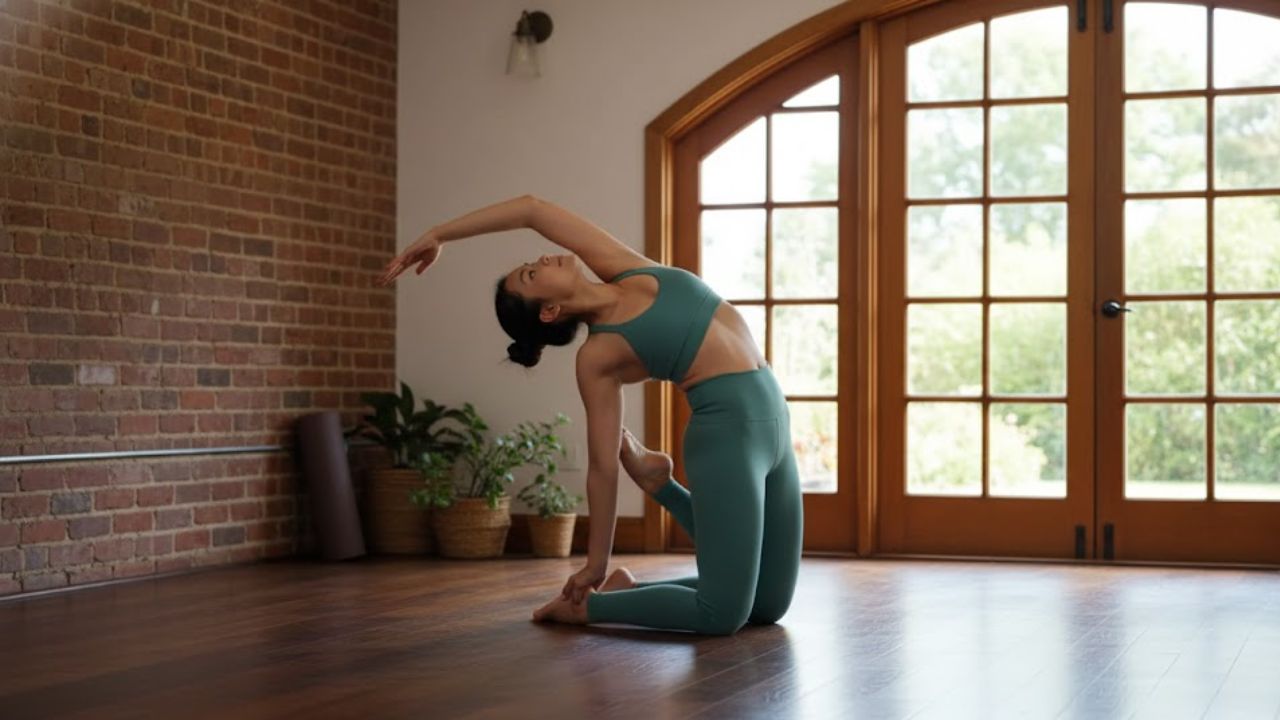
    Camel Pose

    Camel Pose opens the front of the body and activates the thymus gland, which is responsible for developing T cells that identify and eliminate infected cells.

    Kneel with your knees hip-width apart. Place your hands on your lower back or reach for your heels. Lift your chest while keeping your hips aligned over your knees. Gently allow your head to fall back if comfortable. Hold for 20 to 40 seconds with slow, steady breathing, then return upright carefully.

    By expanding the chest fully, this pose improves lung capacity and supports lymph movement. Deeper, more efficient breathing helps the body manage stress and respond more effectively to illness.

    Legs Up the Wall (Viparita Karani)

    Legs Up the Wall is a restorative inversion that promotes lymphatic drainage and improves circulation without requiring strength or flexibility. It refreshes the upper body while easing tired legs.

    Sit beside a wall and swing your legs upward so they rest vertically against it. Relax your back on the floor and place your arms by your sides, palms facing up. Close your eyes and breathe slowly for five to ten minutes, releasing tension from your shoulders and jaw.

    This gentle inversion helps clear waste from tissues, allowing immune cells to move freely where they are needed. It also calms the nervous system, lowering stress hormones that can weaken immune function.

    Cobra Pose

    Cobra Pose strengthens the back, opens the chest, and stimulates the heart and lungs. This gentle backbend encourages fuller breathing and better airflow.

    Lie on your stomach with legs extended. Place your palms beneath your shoulders. Inhale and lift your chest while keeping your lower ribs grounded. Relax your shoulders away from your ears. Hold for 20 to 30 seconds with steady breathing, then lower gently.

    This pose tones the abdominal organs, supporting digestion and gut health. Since much of the immune system resides in the gut, healthy digestion plays a vital role in stronger immune defenses.

    Downward Facing Dog

    Downward Facing Dog stretches the entire body while increasing circulation. With the heart positioned above the head, fresh blood flows toward the upper body and brain, supporting oxygen delivery and immune cell activity.

    Start on hands and knees, spreading your fingers wide. Lift your hips upward and back to form an inverted V shape. Let your heels reach toward the floor and relax your head between your arms. Breathe deeply for 30 seconds to one minute before releasing.

    This pose relieves tension from the spine and shoulders, especially after long periods of sitting. Reduced tension leads to lower stress levels, better sleep, and improved immune resilience.

    Seated Forward Fold

    Seated Forward Fold is a soothing posture that encourages relaxation and lowers cortisol. Persistently high cortisol weakens immune response and increases inflammation.

    Sit with legs extended forward. Inhale to lengthen your spine, then exhale as you hinge from your hips and fold forward. Keep your spine long rather than rounded. Hold for 30 to 60 seconds with natural breathing, then release slowly.

    Forward folds gently massage internal organs, calm the nervous system, and promote slow, deep breathing. When the body enters a rest-and-repair state, it can dedicate more energy to immune function.

    How to Practice for Maximum Immune Support

    For best results, practice these poses three to five times per week. Begin with Downward Facing Dog to warm up, followed by Cobra or Camel Pose to open the chest. Move into Bridge Pose, then finish with Legs Up the Wall and Seated Forward Fold for deep relaxation. Spend five to ten minutes on each pose or adjust based on your schedule.

    Support your practice with proper hydration and balanced nutrition. Foods rich in antioxidants, vitamin C, vitamin D, zinc, and probiotics help strengthen immune response. Adequate sleep and regular movement such as walking or cycling further enhance circulation and lymph flow.

    Breathing technique also plays a crucial role. Diaphragmatic breathing stimulates the vagus nerve, calming the body and lowering stress hormones. Slow nasal inhales and extended exhales signal safety to the nervous system, allowing immune processes to work more efficiently.

    Your immune health is shaped by daily habits. Yoga offers a gentle, effective way to support it by improving circulation, reducing stress, and encouraging restorative states that promote healing. With consistent practice, both body and mind grow stronger, and the immune system naturally follows.

  • Why Rosemary and Coarse Salt Belong Together in a Jar Inside Your Home

    Why Rosemary and Coarse Salt Belong Together in a Jar Inside Your Home

    Thick sea-salt crystals, a rosemary sprig pressed against the glass, tiny green needles suspended like snow. Someone twisted the lid, leaned in, and smiled without a word. The room already carried the warmth of roasted vegetables and garlic, but this scent was different. Cleaner, brighter. Like mountain air drifting through a city apartment.

    Later, once the plates were stacked and the music softened, the host picked up the jar almost unconsciously. She rubbed a pinch of salt between her fingers, as if testing a secret she wasn’t ready to give away. “This stays on the counter all year,” she said.

    A few of us went home thinking about that jar. About why rosemary and coarse salt become something more when they live together.

    Why this simple jar shifts the entire kitchen mood

    The first thing you notice isn’t taste. It’s the aroma. Open the lid and a wave of pine, lemon, and sea air rises gently. A tired midweek kitchen suddenly feels like an herb garden after rain. It’s so simple it almost feels unfair.

    Most kitchens hide salt in a cupboard and forget rosemary in a dried packet behind the pasta. Put them together in a clear jar and your brain responds differently. They stop being “ingredients” and turn into a tiny ritual: twist, inhale, pinch, sprinkle. Those three seconds slow you down just enough to remember you’re cooking for a person, not just filling a plate.

    We’ve all had meals that are technically fine but lifeless. Plain roast chicken, soft potatoes, an omelette that tastes like nothing in particular. A rosemary salt jar by the stove becomes a quiet rescue plan. One pinch on hot fries and they suddenly taste seaside. Rubbed into meat before searing, it feels like borrowing a chef for half a minute. Soon you start experimenting: tomatoes, popcorn, even the rim of a Bloody Mary glass. Each time, the same thought returns: how can something so cheap and effortless matter this much?

    There’s a simple reason. Coarse salt is dry and stable, naturally pulling moisture and aroma from whatever it touches. Rosemary, rich in essential oils, releases its fragrance slowly into the crystals. The jar becomes a kind of slow infusion. No tools, no timers. Just time and contact. The salt protects the herb; the herb perfumes the salt. A small ecosystem on the counter.

    Practically speaking, your hands learn the habit. Instead of juggling multiple seasonings, you reach for one familiar jar. You season earlier, more evenly, and with more confidence. The result feels restaurant-level without following a recipe. That’s how this modest jar quietly reshapes home cooking.

    How to prepare and use an indoor rosemary salt jar

    Start with a clean, completely dry glass jar with a tight lid. Nothing special is required; a recycled jam jar works if it seals well. Fill it about two-thirds with coarse sea salt or kosher salt. Avoid fine table salt, which can’t hold aroma or texture the same way.

    Add two to three fresh rosemary sprigs, washed and thoroughly dried on a cloth. No moisture should remain. Slide the rosemary down so it’s surrounded by salt, gently buried. Top up with more salt, leaving a small space at the top. Close the lid, shake slowly once, and keep it on the counter or a cool shelf away from direct sun.

    After a few days, open it and smell. The change starts quickly. After about a week, it’s ready to use as your new kitchen companion.

    Many people stop at roasted potatoes. That barely scratches the surface. Use it where heat meets fat: chicken skin before baking, focaccia dough, grilled vegetables, mushrooms hitting a hot pan. Some even crush a pinch over fried eggs. Use restraint. The salt is assertive, and rosemary can overpower when pushed too far. Think of it as punctuation, not the entire sentence.

    • Why do we feel like we’re falling just before we fall asleep?
    • Goodbye minimalist kitchens: the comfort-first approach homeowners now want
    • The perfect sidewalk tree: tough, street-smart, and irresistible to hummingbirds
    • After 70: not daily walks, not weekly gyms, the movement pattern that upgrades healthspan
    • Stimulus payment January 2026: IRS direct deposit relief and tariff dividend fact check
    • Convenient but not eco-friendly: the habit quietly harming the planet
    • Modern parenting backlash: nine popular habits psychologists warn against
    • Day turns to night during the century’s longest total solar eclipse

    Soyons honnêtes: no one uses it every single day. You’ll forget the jar, then rediscover it on a bleak Tuesday and fall in love again. That’s part of the comfort. You’re not chasing perfection. You’re building small shortcuts to better meals. And this one waits patiently.

    Some worry about getting it wrong. Relax. The usual mistake is adding rosemary while it’s still damp, causing the needles to darken faster. Or using flavored salts with additives that clash with rosemary’s clean scent. If it ever smells off or looks clumpy, throw it out and start again. You’re losing a handful of salt and a sprig of rosemary, nothing more.

    One chef described it this way:

    “A jar of rosemary salt doesn’t just season food. It reminds you that you’re allowed to care about small things, even when dinner is late and you’re exhausted.”

    That’s the quiet strength of keeping it in sight. You notice it while making coffee, and it plants a small idea: maybe tonight I cook something that smells incredible. The jar becomes a visual nudge toward a gentler routine.

    • Seasoning: rub onto meat, fish, or vegetables before cooking for deeper flavor.
    • Finishing: crush a pinch between fingers over hot dishes just before serving.
    • Atmosphere: open the jar while you cook and let the scent reset your mood.

    It isn’t about doing everything right. It’s about having one fragrant ally on the counter when your day feels long.

    Why this tiny ritual resonates so deeply

    There’s a reason this trick spreads so easily online. It reaches beyond the idea of a “life hack.” Keeping rosemary and coarse salt together is like keeping a promise to yourself: home cooking can be simple without being dull. The jar radiates quiet care, even in a messy kitchen.

    On stressful evenings, when delivery feels tempting, the jar offers a different pull. A pan, a few potatoes, oil, and a generous pinch of rosemary salt. The scent travels faster than your frustration. The kitchen shifts from workspace to a small refuge.

    We already know home cooking is cheaper and often healthier. The challenge isn’t knowledge. It’s energy, mood, and motivation. This jar lowers the emotional barrier. When flavor feels guaranteed by one easy gesture, starting feels lighter.

    There’s also something grounding about the ingredients themselves. Rosemary carries long associations with memory and focus. Salt has symbolized preservation and value across cultures. Together, they form a daily ritual that quietly links you to generations of cooks before convenience flavoring existed.

    You keep the jar. You refill it. You replace the sprigs every few months. Friends notice. Some ask how you made it; others simply copy it at home. It spreads through shared meals and quiet observation.

    Maybe that’s the real secret. The jar isn’t just about seasoning. It’s about visible intention. An ordinary object that gently suggests a different way of living in your kitchen.

    • Salt and rosemary alliance: the salt absorbs and releases rosemary’s essential oils over time, transforming flavor.
    • Visual ritual: a clear jar on the counter encourages fresh seasoning without conscious effort.
    • Versatile use: works as seasoning, finishing touch, and even a subtle kitchen scent.