Blog

  • Seven Eyeliner Shades That Flatter Every Eye Colour According to Experts

    Seven Eyeliner Shades That Flatter Every Eye Colour According to Experts

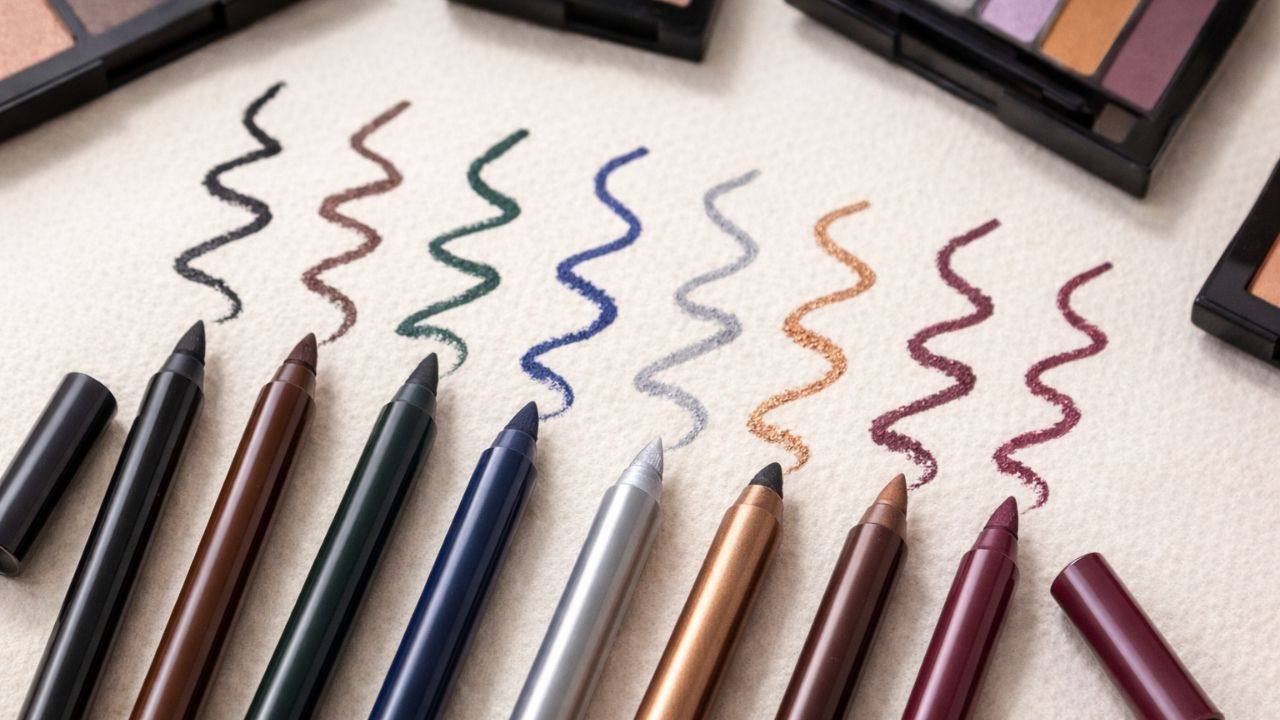
    Eyeliner doesn’t need to match your eye colour to look incredible. From timeless black to muted olive green, there are seven shades that flatter every eye colour, skin tone, and eye shape. These hues offer a refreshing alternative to standard brown and black, without compromising on ease or wearability.

    Most people learn early on that eyeshadow is often chosen based on eye colour. Those colour-coded palettes promising to make eyes stand out are usually a first makeup milestone. The formulas rarely change: warm shades for blue eyes, lilac for green, olive for brown. But when it comes to eyeliner, the rules are far more flexible. While guidelines can still apply, classic black and brown remain universally flattering staples.

    If you’re feeling uninspired by the usual options, there’s good news. These seven editor-approved eyeliner shades can be swapped in depending on your mood, and each one looks polished and flattering across the board.

    Black

    A true classic, black eyeliner works on absolutely everyone. Apply it boldly for dramatic impact, or use a light hand and smudge for softness. Its versatility makes any eye colour stand out depending on the technique. Tightlining the upper waterline can deepen the lash line and subtly boost lash volume, even without mascara. Paired with mascara, black eyeliner is a fail-proof combination.

    Bronze

    A warm, medium-toned brown with a hint of shimmer adds a soft glow to every eye colour. Similar to how bronzer warms the complexion, bronze eyeliner brings a sun-kissed effect to the eyes. The subtle reflective finish helps bounce light, making eyes appear brighter and more awake. It also doubles beautifully as an eyeshadow when blended across the lid.

    Chocolate Brown

    A deep brown liner delivers drama without the intensity of black. It creates a smoky, defined look while keeping the face fresh and natural. Espresso-toned shades can sometimes appear black from a distance, but up close they subtly enhance eye colour, especially when the undertone stays balanced rather than overly cool or warm.

    Navy

    Navy eyeliner functions like a softer version of black, offering depth with added visual interest. Think of it as the polished, modern alternative to classic black. A navy wing or a swipe along the lower lash line instantly refines your makeup with minimal effort.

    Burgundy

    Burgundy sits perfectly between brown and plum, which makes it exceptionally versatile. Its blend of warm and cool undertones flatters nearly every complexion and eye colour. The richness of the shade prevents it from appearing red, while often making the whites of the eyes look noticeably brighter.

    Cool Taupe

    A cool-toned grey eyeliner offers a subtle, wearable edge. Instead of blending black into a softer shade, starting with taupe delivers definition with less effort. It’s ideal for daytime wear and can soften the appearance of fine lines around the eyes compared to harsher black liner.

    Olive Green

    Olive green is a quiet standout. From afar, it can resemble black or brown, but up close it adds a muted, golden depth to the eyes. While green liners are often suggested for brown or hazel eyes, olive’s warm, toned-down hue makes it striking on nearly every eye colour.

  • High-Performance Handcare Brand Restored Dry Winter Skin Overnight

    High-Performance Handcare Brand Restored Dry Winter Skin Overnight

    Every winter, my hands take a serious hit from cold air, harsh winds, and extremely low humidity. The skin becomes rough and chapped, while my cuticles dry out and begin to peel. As a result, I go through hand cream constantly. But when dryness reaches its worst, regular lotions simply aren’t enough. That’s usually when I turn to thick, occlusive formulas like Aquaphor or Vaseline. While effective, they can be messy, and I don’t love finding residue on my face or pillow after tossing around in my sleep.

    My No-Nonsense Winter Handcare Routine

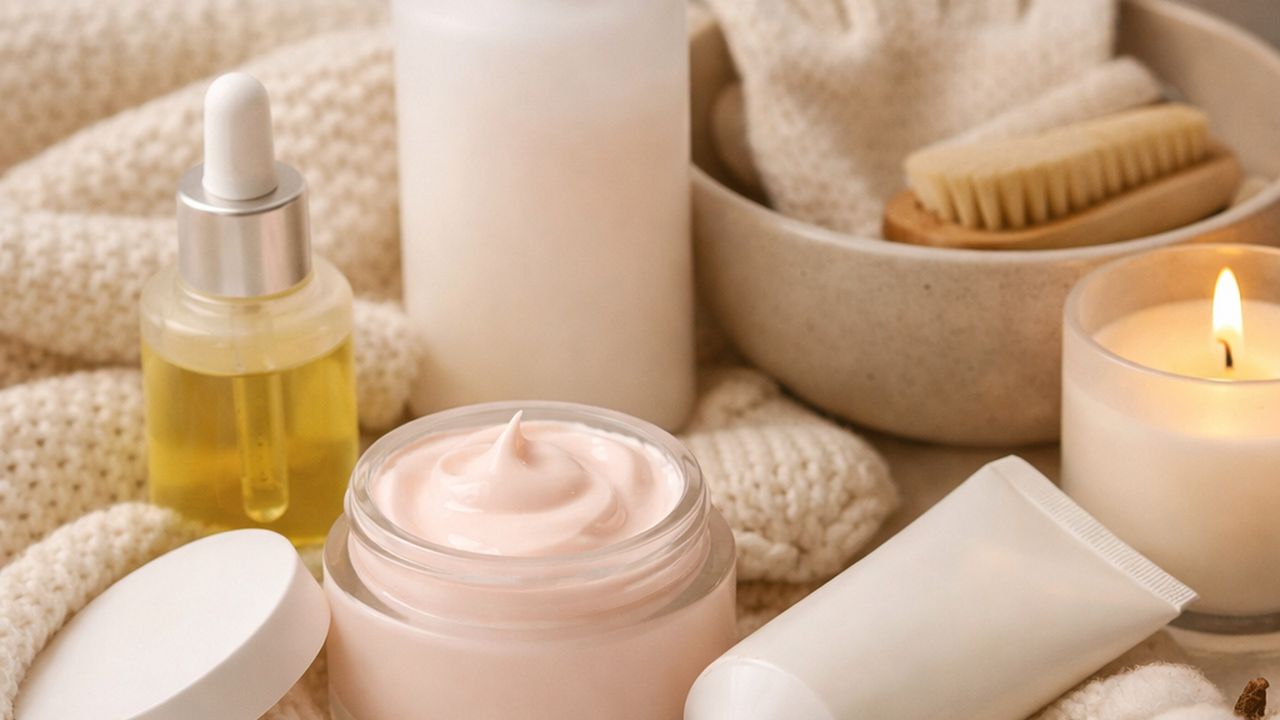
    This winter, I decided to take my handcare much more seriously. I’ve been using a targeted overnight routine that repairs dry hands and feet while I sleep. The brand behind this routine is Paume, a luxury hand and footcare line known for high-performance formulas and sustainable packaging. These products have quickly earned a permanent spot on my bedside table.

    My Personal Paume Essentials

    Overnight Hand and Foot Hydration Mask

    This rich, intensive treatment has been my go-to solution for hands and feet all winter long. It’s formulated with shea butter to deeply moisturize and protect the skin, glycerin to attract hydration, and squalane to strengthen the skin barrier. The formula is unscented and free of essential oils, making it suitable for sensitive skin.

    Designed specifically for nighttime use, the mask allows its nourishing ingredients to absorb fully while you sleep. The brand notes visible results within a week, but I notice a difference by morning. My skin feels soft, smooth, and restored, with dryness and flaking visibly reduced. It can be used alone or paired with Paume’s Overnight Gloves and Socks.

    Cotton Overnight Gloves

    Made from 100% organic cotton, these gloves are meant to be worn with the Overnight Hydration Mask. They act as a gentle occlusive layer, helping lock in moisture overnight. An added bonus is that they keep the product exactly where it belongs—off your face, hair, and pillow.

    Cotton Overnight Socks

    The Cotton Overnight Socks are especially helpful for anyone dealing with dry or cracked heels. They work alongside the hydration mask to keep feet soft and comfortable by morning.

    More Hand and Footcare from Paume

    Renewing Hand Serum for Aging Skin

    This targeted hand serum is designed to hydrate, brighten, and smooth the skin, an area that often shows signs of aging early due to sun exposure and frequent washing. The advanced formula includes niacinamide, hyaluronic acid, and vitamin C for visible skin improvement.

    Moisturizing Antibacterial Hand Gel

    While many hand sanitizers worsen dryness, this formula offers a better balance. With 69% ethyl alcohol, it eliminates 99.9% of bacteria without stripping the skin. Plant-based emollients and aloe vera help maintain moisture, smooth texture, and minimize irritation.

    Exfoliating Hand Cleanser

    This exfoliating hand wash uses biodegradable cellulose micro-beads to gently remove dead skin cells. At the same time, plant-based emollients restore hydration, while coconut-derived surfactants cleanse without over-drying.

    Probiotic Hand Balm

    Ideal for daily use, this hand balm supports long-term skin health with natural probiotics that help balance the skin’s microbiome. It hydrates, soothes, and improves elasticity, while grape seed oil delivers antioxidants and safflower oleosomes provide lasting softness.

  • Orange Peels in Boiling Water Create a Winter Scent Homes Can’t Replicate

    Orange Peels in Boiling Water Create a Winter Scent Homes Can’t Replicate

    Your cheeks burn from the cold, your fingers feel stiff, and your keys slip from your hand in the hallway. Then it hits you. The entire house smells like a sunlit Spanish orchard, even though it’s late January and darkness has already settled outside.

    You follow the aroma into the kitchen. On the stove, a small pot releases gentle steam, lifting slow curls of warm citrus air. There’s no candle, no diffuser, no pricey seasonal spray. Just a few orange peels saved from the compost, dropped into boiling water.

    A simple scent that quietly changes the whole mood

    The shift happens almost instantly. The room feels softer and calmer, as if the air itself has relaxed. Your shoulders drop. Your thoughts slow. It’s one of those small moments that feels strangely comforting, like discovering a quiet secret.

    Indoor winter air turns stale quickly. Heating dries everything out, windows stay shut, and smells linger longer than they should. Cooking aromas, damp coats, laundry drying indoors, and that unmistakable wet-weather dog smell all hang in the background.

    When orange peels begin to simmer, the contrast is striking. The heavy air picks up something bright, fresh, and gently sweet. It doesn’t overpower the room. It moves slowly, spreading from space to space, subtly lifting the atmosphere as it goes.

    Why boiling orange peels feels like a winter reset

    The effect goes beyond simply smelling pleasant. It feels like pressing a reset button on your home. A small, almost effortless action that changes how the space feels for hours.

    There’s a quiet beauty in how it starts. Someone peels an orange, pauses, and instead of tossing the skin away, reaches for a saucepan. Water is added, peels drop in, and the stove is switched on.

    Within minutes of boiling, the scent begins to travel. In a medium-sized flat, it can reach hallways and bedrooms in ten to fifteen minutes. In larger homes, it settles first in the living room, carried along by warm air.

    People who try it often say the same thing: they didn’t expect it to work so well. One home blogger shared that her children called it “orange house day” and asked for it again instead of lighting a candle. The action is small, but the emotional return is surprisingly large.

    The natural reason this works better than sprays

    Orange peels contain natural aromatic compounds such as limonene and linalool. When heated, these molecules evaporate and travel with the steam, lightly scenting the air.

    Unlike synthetic sprays that simply mask odours, steam helps lift and disperse lingering smells. Kitchens carrying traces of fried food or fish clear more quickly, and the added humidity can make winter air feel less dry and scratchy.

    There’s also satisfaction in knowing you’re using something that would have been thrown away. You’re turning waste into atmosphere, and that small detail changes how the moment feels on a grey day.

    How to simmer orange peels so the scent lasts

    The method is straightforward. Place saved orange peels in a small pot of water, bring it to a boil, then reduce to a gentle simmer. Let it run for 30 to 60 minutes, topping up the water as needed.

    Fresh peels work best. One or two oranges are enough for a small flat, while three or four suit larger or more open spaces. Keep the lid off so the fragrant steam can move freely through your home.

    For a deeper, more wintery note, you can add a cinnamon stick, a few cloves, or a slice of fresh ginger. The scent becomes warmer and cozier, without losing its natural lightness.

    A few common mistakes can dull the effect. Using a pot that’s too large weakens the scent. Letting the water boil dry can create an unpleasant burnt smell. Setting a simple timer helps avoid disappointment.

    This isn’t meant to mimic a hotel diffuser. The aroma is soft, organic, and slightly uneven from room to room. That natural quality is part of its appeal.

    Making this habit easy to repeat

    • Store peels in a glass jar in the fridge for up to three days
    • Start simmering while cooking or making tea
    • Use a small saucepan for gentle, steady steam
    • Mix citrus with apple cores or lemon peels for variety
    • Open doors so the scent can travel naturally

    The quiet psychology of citrus scent in winter

    Citrus aromas are often linked to lower stress and improved alertness, even at low levels. The brain reads them as fresh and clean almost instantly.

    In winter, life can feel compressed by darkness and routine. When your home suddenly smells bright and sunny, it sends a subtle message that the world isn’t only cold and grey. That message matters more than we often realise.

    On a deeper level, this small ritual says, “I’m taking care of my space”. Not perfectly, not performatively, but gently and honestly. On a difficult day, that can change how the evening unfolds.

    Others notice too. Guests comment. Children remember. A passing remark like “your place always smells good in winter” tends to linger.

    Boiling orange peels while soup simmers grounds you in the moment. You’re not chasing aesthetics or productivity. You’re simply making the air around you kinder.

    Why this tiny ritual stays with you

    We’ve all opened the door to a home that feels slightly stuffy and discouraging. A small pot of citrus steam turns that moment into something warmer and more welcoming. Once you feel that shift, it’s hard to forget.

    The beauty of this habit is how easily it adapts. One orange and ten minutes in a small studio. A larger pot running all afternoon in a busy family house. You can share it quietly, without explanation, and let the scent create the memory.

    Key takeaways at a glance

    • Simple winter ritual – Boiling leftover orange peels for 30–60 minutes refreshes the home quickly
    • Natural, lasting aroma – Citrus oils and steam travel through rooms without harsh chemicals
    • Emotional comfort – Creates a cozy, cared-for feeling during dark winter months
  • Choosing the Best Cosmetic Lip Stain for Comfort and Longevity

    Choosing the Best Cosmetic Lip Stain for Comfort and Longevity

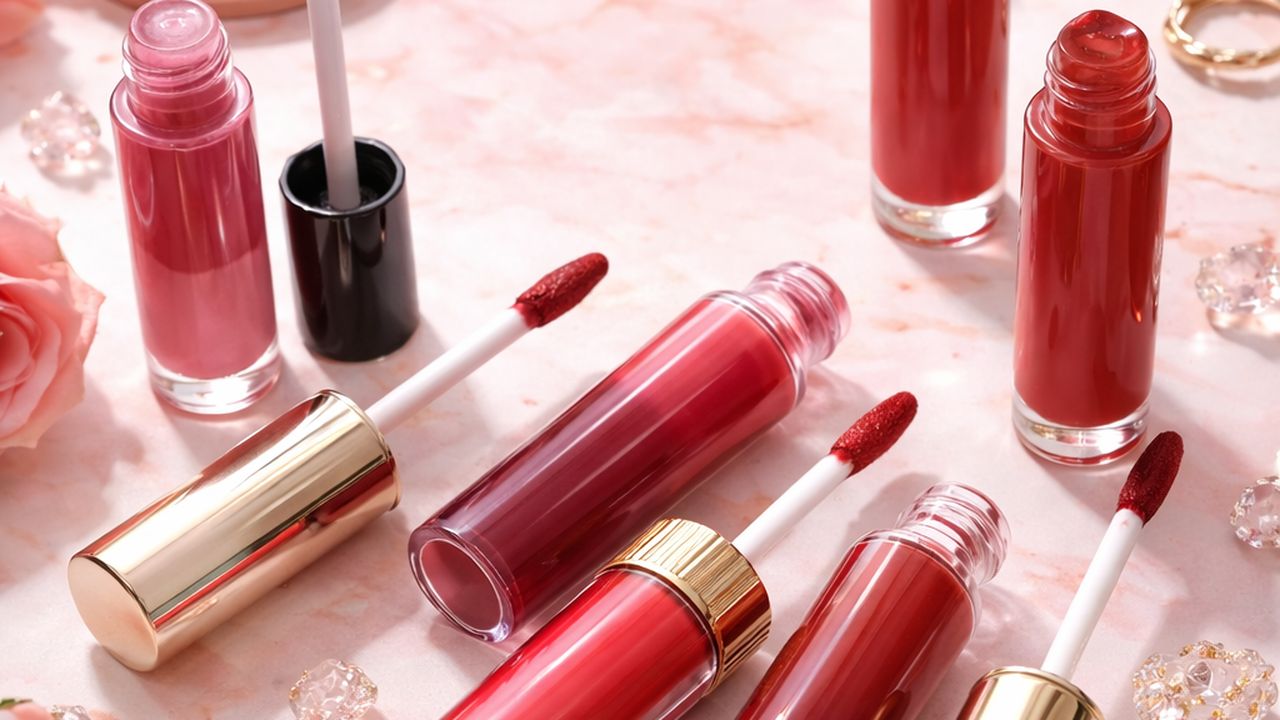
    When choosing a cosmetic lip stain, prioritize long-wearing formulas that balance comfort with rich color payoff. If you experience dryness, look for hydrating ingredients such as hyaluronic acid or shea butter. For those who value ethical beauty, vegan and cruelty-free options are worth considering. Water-based stains deliver a soft, natural finish ideal for daily wear, while alcohol-based stains offer bold, transfer-resistant color suited for special occasions. Always review ingredient lists for potential allergens and choose brands known for clear, transparent labeling. Understanding how each formula behaves makes it easier to find a high-quality lip stain that lasts comfortably without irritation.

    Quick Overview

    Cosmetic lip stains have become a staple in modern makeup routines thanks to their weightless feel and impressive staying power. Unlike traditional lipsticks, they absorb into the lips for long-lasting color, making them perfect for busy schedules. This guide covers formulation types, performance factors, safety details, and user insights to help you choose the right product with confidence.

    What Is a Cosmetic Lip Stain?

    A cosmetic lip stain is a pigmented liquid or gel designed to tint the lips with color that lasts for hours. It works by binding to the lip’s surface layer, creating a semi-permanent finish that resists eating, drinking, and light contact. Depending on the shade and base, lip stains can create anything from a natural, enhanced look to a bold matte effect.

    Unlike lipsticks or glosses that sit on top of the skin and fade quickly, lip stains absorb into the lips, offering wear times ranging from 4 to 12 hours. This durability makes them a favorite among professionals, travelers, and anyone seeking a low-maintenance beauty option.

    Why Cosmetic Lip Stains Are So Popular

    The growing popularity of cosmetic lip stains reflects a shift toward convenience, durability, and natural-looking makeup. Social media trends and the rise of clean beauty have increased demand for lightweight formulas that don’t feather or require constant touch-ups.

    Modern cosmetic advancements have also improved comfort. Earlier stains relied heavily on alcohol, often causing dryness. Today’s options feature moisturizing blends enriched with botanical oils and vitamins, delivering better wear without discomfort.

    Inclusivity has played a major role as well. Expanded shade ranges now cater to diverse skin tones, broadening appeal across demographics. The versatility of lip stains—wearing them alone or layering under lipstick—adds to their widespread adoption.

    Types of Cosmetic Lip Stains

    Understanding the main types of lip stains can help you choose one that fits your lifestyle and preferences.

    1. Water-Based Lip Stains

    • Pros: Lightweight feel, breathable texture, gentle on lips.
    • Cons: Shorter wear time (4–6 hours), may need touch-ups.

    Best suited for everyday wear or beginners, these are often sold as tinted lip serums that combine hydration with sheer color.

    2. Alcohol-Based (Dye) Stains

    • Pros: Extremely long-lasting, transfer-resistant, intense pigment.
    • Cons: Can feel drying, harder to remove.

    Ideal for special occasions or long events where minimal reapplication is needed.

    3. Oil-Based Tinted Balms

    • Pros: Nourishing, smooth application, comfortable wear.
    • Cons: Not transfer-proof, frequent reapplication required.

    Perfect for users who prioritize lip care over longevity, commonly found in clean beauty collections.

    4. Gel-Cream Hybrid Stains

    • Pros: Balanced wear time with added moisture, easy application.
    • Cons: May feather slightly, mid-range pricing.

    A practical compromise between comfort and staying power, suitable for work or casual wear.

    Key Features to Consider

    Not all lip stains perform the same. Keep these features in mind when comparing options:

    • Pigment Concentration: Higher pigment provides better coverage with less product.
    • Applicator Design: Sponge tips offer even coverage, while fine brushes allow precision.
    • Drying Time: Fast-drying formulas set quickly; slower ones allow blending but may smudge.
    • Smudge Resistance: Look for reviews mentioning minimal transfer on cups or masks.
    • Ingredient Transparency: Avoid parabens, sulfates, and known irritants; non-comedogenic formulas reduce breakouts.
    • Packaging & Shelf Life: Sealed or airless packaging preserves freshness longer, typically 12–24 months after opening.

    Pros and Cons of Cosmetic Lip Stains

    Benefits

    • Long-lasting color with little to no reapplication.
    • Lightweight feel compared to traditional lipsticks.
    • Versatile finishes, from subtle tints to bold shades.
    • Often more cost-effective due to lower usage per application.

    Limitations

    • Potential dryness with alcohol-heavy formulas.
    • Removal may require oil-based cleansers.
    • Uneven fading can cause patchiness.
    • Less suitable for severely dry or cracked lips without prep.

    How to Choose the Best Cosmetic Lip Stain

    Finding the right lip stain means matching product features with your personal needs.

    • Identify Your Purpose: Everyday wear favors softer tints, while events call for bold, smudge-proof formulas.
    • Assess Lip Condition: Dry lips benefit from water- or oil-infused stains.
    • Review Ingredients: Look for glycerin, jojoba oil, and vitamin E; avoid known irritants.
    • Select the Right Shade: Cool undertones suit berries and plums; warm tones pair well with corals and brick reds.
    • Consider Application Style: Precision tips reduce mess, while brushes allow creative blending.
    • Check Return Policies: Purchase from retailers offering samples or virtual try-ons.
    • Avoid Red Flags: Missing ingredient lists, unclear expiration dates, or unusually low prices.

    Price Range and Market Insights

    Cosmetic lip stain prices vary by brand and formulation:

    • Budget ($5–$12): Accessible options with decent quality but limited shade ranges.
    • Mid-Tier ($15–$25): Improved textures, inclusive shades, and better wear performance.
    • Premium ($26–$40+): Focus on innovation, packaging, and clean formulations.

    Price doesn’t always reflect performance. Evaluating cost per milliliter and considering multi-use products can help determine true value.

    Popular Products and Competitive Comparison

    Several cosmetic lip stains stand out for reliability and user satisfaction:

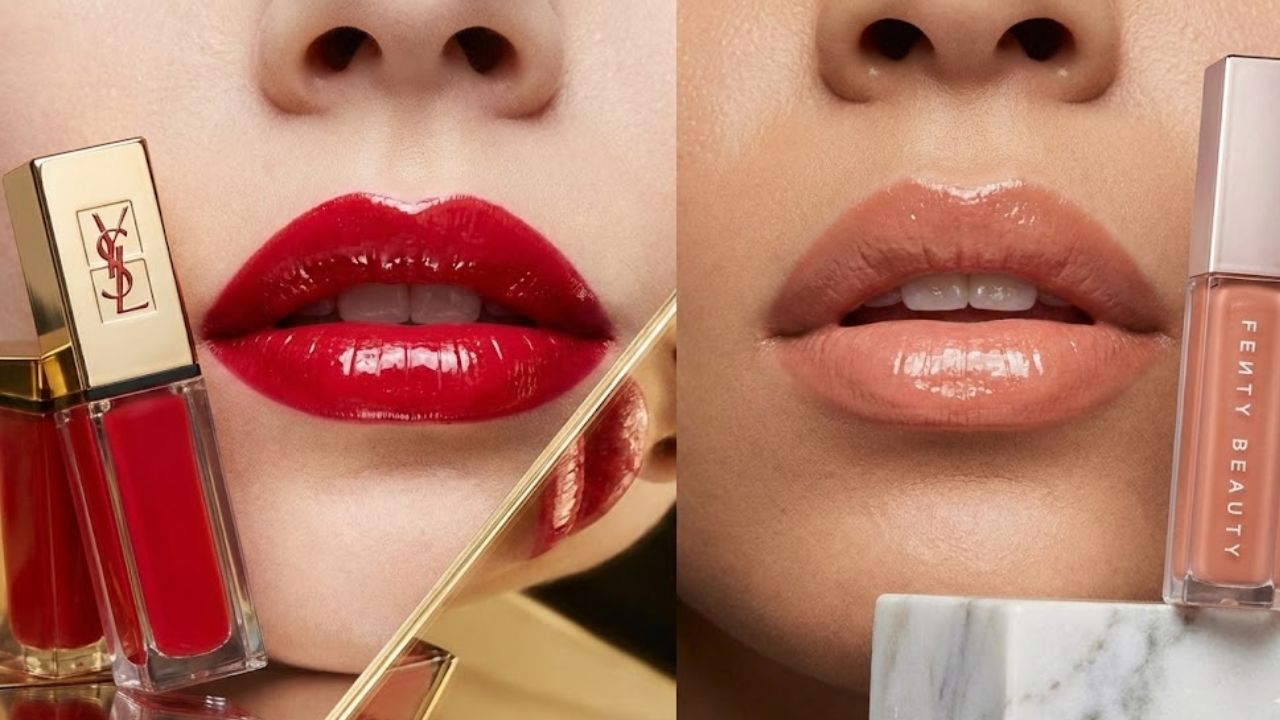
    • Fenty Beauty Stunna Lip Paint: Alcohol-based formula, 10–12 hours of wear, precision felt-tip applicator.
    • Glossier Generation G: Water-gel hybrid with sheer, buildable color lasting 6–8 hours.
    • Maybelline SuperStay Matte Ink: Dual-phase system offering up to 16 hours of wear with a locking topcoat.
    • Tower 28 ShineOn Lip Jelly: Oil-based balm with a hypoallergenic formula and 3–4 hours of wear.
  • At 71 I Won My Fourth Hyrox Competition and These 5 Habits Keep Me Strong

    At 71 I Won My Fourth Hyrox Competition and These 5 Habits Keep Me Strong

    Fitness has always been a defining part of who I am. With parents who fully supported my athletic pursuits, I grew up in Australia playing competitive netball and basketball. At 27, after getting married, my partner and I chose an unconventional path. We spent five years cycling across Europe and Asia, taking on various jobs along the way, all in the name of exploration. Traveling by bike allowed us to truly experience each place we visited while staying active every step of the journey.

    I returned to Australia in my mid-thirties with a newborn daughter who was just four weeks old. Not long after, I qualified as a certified personal trainer and group fitness instructor, before welcoming my second daughter. Health and wellness had always been close to my heart, and gaining formal education allowed me to support others in reaching their fitness goals. My passion quickly deepened, leading me into competitive training and events that challenged both my body and mindset.

    Over the past 40 years, I’ve completed multiple triathlons, several marathons, countless long-distance cycling events, and even competed in bodybuilding and weightlifting competitions. With the rise of functional and hybrid fitness, my focus has shifted to Hyrox. At 71, I recently competed in my fourth race, secured first place, and qualified for the 2026 World Championships in Stockholm. I’m also currently ranked fourth worldwide in Hyrox standings.

    1. I Commit to Hybrid Training Year-Round

    My training style has evolved over time, but hybrid training has always been at its core. This approach blends strength work with cardiovascular training to support overall performance. I currently train six days a week, alternating between traditional strength sessions and Hyrox-based group classes. My gym workouts often include supersets combining upper- and lower-body movements such as hamstring curls, leg extensions, dumbbell rows, chest presses, and pull-ups.

    Hyrox-style classes focus on race-specific movements like the ski erg, sled pushes, farmer’s carries, and walking lunges. Technique is non-negotiable for me, and I prioritise proper form whether training solo or alongside teammates. Cycling remains a passion as well, and on weekends I regularly ride 80 to 100 kilometres at a time.

    2. I Eat Whole Foods Without Restriction

    I focus on a whole food-based diet filled with colour and variety. My meals regularly include fruits, vegetables, lean proteins, complex carbohydrates, and healthy fats. Some of my staples are eggs, salmon, chicken, sweet potatoes, and brown rice. Nutrition, for me, is about nourishment rather than rules.

    Balance is essential. I genuinely enjoy food and love exploring new restaurants and bakeries with my partner, so I never deprive myself. If I feel like dessert, I have it. I don’t follow a rigid diet plan or track macros. Instead, I practise intuitive eating, listening to my body and appreciating good food without guilt.

    3. Daily Stretching Is Non-Negotiable

    With a demanding training schedule, daily stretching is essential. Every workout ends with at least 10 minutes dedicated to mobility and flexibility. My routine includes movements that support joint health and stretches that target my back, legs, shoulders, chest, and arms.

    Stretching helps reduce injury risk and plays a vital role in healthy aging. Maintaining flexibility and a strong range of motion allows me to move efficiently and perform powerful, controlled movements during both training and competition.

    4. I Adapt and Push Through Challenges

    My fitness journey has never been linear. Over the years, I’ve faced injuries, illnesses, and difficult periods, but each challenge has strengthened my resilience. These experiences have deepened my appreciation for what my body is capable of achieving.

    Before my recent Hyrox race in Chicago, I strained my hamstring just weeks out from competition. Instead of withdrawing, I adjusted my training, worked closely with a physical therapist, and listened carefully to my body. On race day, I couldn’t run at full speed, but I completed the event with gratitude and determination. Setbacks are unavoidable, but I firmly believe adversity builds strength.

    5. I Live Fitness as a Lifestyle

    People often ask how I’ve stayed consistent with exercise for so many decades. The answer is simple: I treat fitness as a lifestyle. Movement isn’t a chore or a temporary goal for me; it’s something I genuinely enjoy. Surrounding myself with supportive, motivated people has been key to maintaining this mindset.

    The gym has become a central part of my life. It’s where I build strength, connect with friends, and nurture both my physical and mental wellbeing. At 71, I feel more motivated than ever. From cycling across continents to competing on global Hyrox stages for Australia, I’m deeply grateful for the discipline, challenges, and support that continue to shape my journey. Fitness isn’t an endpoint—it’s a lifelong path.

  • Everyone Is Switching to Tinted Lip Oils in 2026 These 11 Are Editor Favorites

    Everyone Is Switching to Tinted Lip Oils in 2026 These 11 Are Editor Favorites

    Last week, I stepped into Sephora for the first time in months to hunt for a new lip product—and instantly felt overwhelmed. Even as a seasoned beauty editor, the endless rows of glosses, balms, oils, and stains can feel like too much. Between crowded aisles, limited testers, and shelves packed with nearly identical tubes, choosing the right lip product isn’t easy. That’s where we come in. At Cosmo, we test countless formulas to cut through the noise and spotlight what’s truly worth your time, including the best tinted lip oils that simplify your routine.

    While many trending lip looks rely on layers of liner, balm, and gloss, a tinted lip oil delivers everything in one swipe. These hybrids blend skincare-level hydration, the shine of a gloss, and a touch of pigment for effortless, polished lips. After testing nearly every option on the market, Team Cosmo narrowed down the top formulas that provide immediate color and glow—plus hydration you’ll actually feel hours later.

    Why We Love It

    Saie’s Glossybounce leaves lips looking plush, pillowy, and glassy without any stickiness. The shade “Bounce,” a warm mauve, is endlessly wearable and flattering. The moisturizing formula keeps lips soft and silky for hours, making it easy to toss in your bag and reapply as needed.

    One Cosmo editor says: “The way this makes my lips so soft and juicy is unreal. It’s the perfect mix of lip oil, sheer tint, and high-shine gloss.” —Lauren Balsamo, Beauty Director

    Why We Love It

    Gisou’s Honey Lip Oil earned its cult status for a reason. Known for its deeply hydrating formula, the tinted versions add a soft wash of color while keeping lips nourished for hours. It’s ideal for low-makeup days when you want a healthy, polished look without effort.

    One Cosmo editor says: “I loved the original clear version, but the tinted shades took it to another level. The medium and deep browns pair perfectly with liner, and they feel amazing on the lips.” —Beth Gillette, Beauty Editor

    Why We Love It

    This innovative formula applies like a stick but melts into the lips like an oil. The texture is lightweight and smooth, leaving behind a glossy finish with just enough tint to enhance your natural lip color—perfect for everyday wear.

    One Cosmo editor says: “This is the ultimate hybrid. It gives juicy shine, buildable pigment, and real hydration thanks to mango oil and hyaluronic acid.” —Jasmine Hyman, Assistant Beauty Editor

    Why We Love It

    Dior’s iconic lip oil went viral for a reason. The updated formula offers richer pigment and longer-lasting hydration while maintaining the plush, high-shine finish fans love. It remains a standout favorite among Cosmo readers year after year.

    Why We Love It

    This under-$10 option proves you don’t need to splurge for quality. With a luxurious feel, glossy finish, and nourishing formula, it rivals high-end competitors at a fraction of the price. Team Cosmo is collectively obsessed.

    Why We Love It

    While the brand’s balms get plenty of hype, Dream Lip Oil is the real standout. The formula hydrates, protects, and softens while delivering a sheer, modern tint that works beautifully for everyday wear.

    Why We Love It

    Merit’s lip oil is a longtime staple thanks to its sleek packaging and ultra-light texture. Infused with squalane, it hydrates without feeling heavy, and the sheer tint is buildable for a subtle or slightly bolder look.

    Why We Love It

    Kulfi’s formula redefines what a lip stain can be. Packed with nourishing oils, it delivers lasting pigment with real hydration, eliminating the need for a separate gloss.

    Why We Love It

    This lip oil doubles as a subtle plumper, using hyaluronic acid and peptides to smooth and volumize lips instantly. Unlike traditional plumpers, it moisturizes instead of drying out the lips.

    Why We Love It

    Tarte’s Maracuja formula stands out for its longer wear time and intense hydration. With a blend of plant oils, it feels almost like a lip mask while delivering rich shine and tint.

    One Cosmo editor says: “It’s thicker than most lip oils, but that’s why it lasts so much longer. I reach for it when I don’t want constant touch-ups.” —BG

    Why We Love It

    The iconic Orgasm shade translates beautifully into a lip oil. The shimmery peach-pink tint enhances natural lip color with a soft glow that’s polished yet wearable.

    Lip Oil vs. Lip Gloss: What’s the Real Difference?

    A lip oil is typically skincare-first, formulated with nourishing oils and emollients that hydrate and condition the lips. The finish is glossy but lightweight, and lips often stay soft even after the shine fades.

    A lip gloss, on the other hand, is makeup-first. Its primary focus is shine and pigment, with hydration playing a secondary role. While modern glosses can feel comfortable, the moisturizing effect usually disappears once the gloss wears off.

  • This New Grey Hair Covering Trend Helps You Look Younger Without Traditional Hair Dye

    This New Grey Hair Covering Trend Helps You Look Younger Without Traditional Hair Dye

    Grey hair is no longer something people feel pressured to hide, especially in India where beauty trends are shifting toward healthier, low-maintenance routines. A new grey hair covering trend is helping people look younger without relying on traditional hair dye. Instead of harsh chemicals, this approach focuses on gentle colour blending, nourishing treatments, and smart styling techniques that soften the appearance of greys. The result is a more natural, refreshed look that aligns with modern lifestyles, busy schedules, and growing awareness about scalp and hair health.

    A modern grey hair covering trend gaining popularity

    This modern grey hair covering trend is built around subtle enhancement rather than complete colour change. Many people are choosing tinted conditioners, colour-depositing masks, or herbal blends that gradually tone grey strands. These methods work with your natural shade, creating depth and shine instead of flat colour. Users love the soft colour blend, the gradual visible change, and the natural hair finish it delivers. Because the process is gentle, hair feels healthier over time. The approach fits perfectly with people who want flexibility, minimal upkeep, and a look that still feels authentic rather than overly styled.

    Why this grey hair trend helps you look younger

    Looking younger often comes down to how fresh and balanced your hair appears. This grey hair trend reduces harsh contrasts between grey and dark strands, which can age the face. By smoothing tone variations, it creates a softer frame around facial features. Many notice a brighter overall tone, a less harsh contrast, and a more polished appearance after regular use. Because these products also condition the hair, strands look shinier and fuller, which naturally signals youth and vitality without drastic changes.

    How this trend replaces traditional hair dye routines

    Traditional hair dye often requires frequent touch-ups and exposure to strong chemicals. This new grey hair covering trend offers an alternative that fits modern routines. Instead of long salon sessions, people integrate these products into regular washing or weekly care. The benefits include low maintenance routine, scalp friendly formula, flexible colour control, and reduced chemical exposure. Over time, users appreciate the freedom to adjust intensity or stop anytime, making it ideal for those seeking control without long-term commitment.

    Summary or Analysis

    This new grey hair covering trend reflects a broader shift toward mindful beauty choices. Rather than hiding greys completely, it enhances natural hair in a way that feels effortless and healthy. The combination of care and colour delivers confidence through simplicity, healthier looking strands, and age positive styling. For many in India, it strikes the right balance between looking youthful and staying true to oneself, proving that modern beauty is more about smart choices than dramatic transformations.

    Feature New Grey Hair Trend Traditional Hair Dye
    Application style Gradual and flexible Full colour coverage
    Maintenance level Low and adjustable High with frequent touch-ups
    Hair health impact Nourishing and gentle Can be drying
    Commitment required Short-term, optional Long-term colour commitment

    Frequently Asked Questions (FAQs)

    1. What is this new grey hair covering trend?

    It uses gentle toning products to blend greys naturally without harsh dyes.

    2. Is this trend suitable for all hair types?

    Yes, most formulas are designed to work on different hair textures.

    3. How long does it take to see results?

    Most people notice visible improvement within a few uses.

    4. Can I stop using it anytime?

    Yes, the colour fades gradually without leaving harsh regrowth lines.

  • 9 Subtle Signs Someone Is Quietly Judging You According to Psychology Research

    9 Subtle Signs Someone Is Quietly Judging You According to Psychology Research

    We all experienced that uncomfortable feeling when someone seems to be watching and evaluating everything we do without saying anything about it. Psychology research shows that our gut feelings about these situations are usually correct. Our brains naturally detect tiny social signals that reveal judgment even when the other person believes they are hiding it well. This article explores nine subtle signs that someone might be silently judging your every move based on psychological research. Some of these indicators might surprise you while others will help explain why certain interactions felt strange. The first sign is when someone maintains an unusual amount of eye contact or deliberately avoids looking at you. Both extremes suggest they are forming opinions about your behavior. Normal conversation involves a natural rhythm of eye contact but judgment disrupts this pattern. Another indicator is forced or delayed smiling. Genuine smiles happen spontaneously and involve the whole face including the eyes.

    1. They do the quick scan

    You know that quick look someone gives you from head to toe when you first meet them or enter a room? Social scanning happens naturally in human interactions but how fast and often it occurs can show judgment. This differs from the warm and steady eye contact of someone who genuinely wants to connect. A scanner’s eyes move quickly & seem to catalog information instead of engaging with you as a person. I saw this with a friend’s new partner. Every time we met there was this rapid assessment like they were taking inventory. Months later my friend mentioned their partner had been concerned about how casually our friend group dressed. The scanning had been the first warning sign.

    2. Their microexpressions don’t match their words

    They might say something positive but you notice a quick strange look on their face. It could be a small eye movement or a brief expression of dislike. These quick facial reactions last only a moment and psychologist Paul Ekman called them involuntary emotional leakage. When people judge you while trying to hide their real thoughts their actual feelings show up in these brief moments. Your mind notices when their words don’t match what their face shows for that split second. This creates an uneasy feeling that something feels wrong.

    3. They mirror you… but not quite

    Natural mirroring happens when people connect well with each other. Sometimes though you might notice someone copying how you move or talk in a way that seems like they are making fun of you. Scientists call this behavioral mockery & it usually means the person feels superior to you or is judging you. The difference between real mirroring and mocking is small but important. Real mirroring happens without thinking and feels natural. When someone mirrors you to judge you there is usually a small pause before they copy you. They might also exaggerate your actions or add a sarcastic tone. It looks more like they are doing an impression of you instead of naturally matching your behavior.

    4. The conversation becomes an interrogation

    Questions naturally come up when people talk but they work differently when someone is quietly judging you. These people are not trying to understand your life or build a connection with you. Instead they are collecting information to support their negative opinions. You might hear them say things like asking if you still live in your current neighborhood. They might question how long you have been working at your present job. Sometimes they simply respond with a comment about your interesting choice. These questions sound casual on the surface but they carry hidden meaning. The person asking already has conclusions in mind about your decisions. They want you to confirm what they already think rather than learning something new about your situation. The tone often feels slightly off even if you cannot immediately explain why. There is usually a subtle edge to their voice or a particular emphasis on certain words that reveals their true intention.

    5. They physically distance themselves

    Body language experts have observed that physical positioning shows psychological attitudes. When someone judges you they create subtle barriers by angling their body away or crossing their arms or positioning objects between you. I learned to spot this behavior in professional settings. During a recent meeting I noticed a colleague consistently placing their coffee cup and notebook and phone in a line between us on the table. It seemed like they were building a tiny wall. Later I discovered they had been skeptical about my project proposal from the start.

    6. Their compliments come with qualifiers

    “You’re so brave to wear that!” “I could never pull off being that relaxed about deadlines.” “It’s great that you’re so confident despite everything.” These fake compliments are actually hidden insults. Psychologists call this behavior prosocial derogation. When someone talks to you this way they can always claim they were being nice. But what they really want is to put you down or feel superior to you. The trick works because the comment sounds positive on the surface. However the actual message suggests something is wrong with your choices or behavior. Someone who says you’re brave for wearing something implies your outfit is questionable. Commenting on your relaxed attitude toward deadlines suggests you’re irresponsible. Praising your confidence despite everything hints that you have obvious flaws or problems. People use these statements to judge you while avoiding direct confrontation.

    7. They share stories that are actually subtle comparisons

    Watch out for someone who keeps telling you stories about other people that match your own life situation. They might say things like “My cousin used to change jobs all the time but then she figured out” or “I had a friend who was never on time & in the end.” These similar stories are not accidental. Research on how people compare themselves to others shows that judgmental people often use indirect comparisons to share their opinions without saying things directly. They are basically telling you what they think about your decisions by talking about someone else’s experience instead.

    8. They remember and bring up your mistakes

    We all make mistakes but someone who silently judges you keeps track of every single one. They can remember when you got something wrong or made a small social mistake months ago. They might say something like “Remember when you thought that restaurant was on Fifth Street?” with a little smile on their face. These reminders of your past errors help them maintain their negative opinion of you.

    9. Their energy shifts when you succeed

    watch what happens when you share good news. Someone who has been silently judging you will struggle to genuinely celebrate your wins. Their congratulations feel forced & they quickly change the subject or find a way to minimize your achievement. They might say things like “Oh everyone’s getting promoted these days” or “Must be nice to have that kind of luck.” These responses reveal that your success challenges their internal narrative about you and causes what psychologists call cognitive dissonance.

  • Make Your Own Natural Eyebrow Gel Using Aloe Vera Gel and Cocoa Powder

    Make Your Own Natural Eyebrow Gel Using Aloe Vera Gel and Cocoa Powder

    The radiator started up with its usual metallic ticking sound that normally meant warmth was coming. Outside the wind moved through empty branches and shook the window frames like a quiet signal that colder weather was ahead. Inside the air was warm enough but it felt thin and dry. Your throat felt scratchy and your skin felt tight on your hands while your nose seemed ready to sneeze at any moment. Then you remembered something you heard before from maybe an older family member or somewhere online about putting a glass of water near the radiator to make the room feel warmer. You look toward the kitchen and think about how strange it seems that an ordinary glass of water could actually help heat a room. It sounds like some kind of old myth or superstition. But as the evening goes on and the air gets even drier you fill a glass completely and carry it back to set it down next to the radiator. As the water slowly heats up something small begins to change. It happens in a quiet way that you can barely notice at first but winter always shows its secrets like this.

    The Science Hiding in a Simple Glass of Water

    At first glance, the idea that a simple glass of water can help a room feel warmer—without increasing your energy bill—sounds almost too comforting to be real. Water, after all, doesn’t generate heat. It isn’t a miniature heater quietly working on your windowsill. The real explanation is far more subtle. It’s not about producing extra warmth, but about helping your body experience the warmth that’s already there more effectively.

    When a radiator runs, it does two things at once: it heats the air and dries it out. That dryness often goes unnoticed at first. You might feel it as a slightly scratchy throat, tight skin, static in your clothes, or those tiny shocks when you touch metal. What’s less obvious is how dry air quietly changes the way your body perceives temperature.

    Why Dry Air Makes Warm Rooms Feel Colder

    Your body is constantly exchanging heat with the air around it. In very dry conditions, moisture evaporates more quickly from your skin and from every breath you exhale. This process pulls heat away from your body, creating a subtle cooling effect—even when the thermometer says the room is warm. The radiator is doing its job perfectly, but your body doesn’t quite agree with the reading on the wall.

    This is where the glass of water comes in. Placed near a heat source, it slowly absorbs warmth and releases moisture into the air through gentle evaporation. The change in humidity may be small, but it can be enough to reduce moisture loss from your skin and lungs. The temperature hasn’t actually changed, but the room feels softer, warmer, and more comfortable to your body.

    Aloe Vera: The Gentle Tamer

    Aloe vera has been soothing skin for centuries, long before it appeared in neatly labeled bottles. Pure aloe gel feels cool, light, and slightly slippery—never stiff or sticky. On eyebrows, it behaves like a quiet, understanding styling agent, offering hold without harshness.

    In a homemade brow gel, aloe acts as the foundation. Its natural texture gives light-to-medium control, guiding brow hairs into place while keeping them flexible. When you choose a high-quality gel with minimal additives, it also delivers gentle hydration each time you apply it, making the routine feel more like care than correction.

    Cocoa Powder: Earthy Color from the Kitchen

    Cocoa powder brings warmth, depth, and natural pigment. Its rich brown tone works surprisingly well as a brow tint, especially for light to medium-dark shades. Mixed into aloe, cocoa creates a soft, stain-like color rather than a bold, painted effect.

    The beauty lies in control. A small pinch gives a whisper of definition; a bit more deepens the look. The result blends seamlessly with natural brows, avoiding harsh lines. There’s something deeply satisfying about using the same ingredient that flavors hot chocolate to gently frame your face—beauty and nourishment sharing the same origin.

    Gathering Your Little Alchemy Kit

    Making your own brow gel feels less like a cosmetic project and more like a small ritual. Clean jars, a simple spoon, a spoolie brush—each item plays its part. The process is calm, tactile, and unrushed.

    At its core, the recipe needs only aloe vera gel and cocoa powder. Optional additions like a drop of jojoba oil for slip or a pinch of coffee or charcoal for deeper tones can be added later. The charm of this formula is its simplicity: two humble ingredients, thoughtfully combined.

    Item Role & Use
    2 teaspoons pure aloe vera gel (clear, unscented) Acts as the main base, providing natural hold, smooth application, and moisture
    ¼–½ teaspoon unsweetened cocoa powder Adds a soft, natural tint to enhance brow color
    Small clean glass jar or lidded container Used to safely store the prepared mixture
    Clean spoolie or angled eyebrow brush Helps apply and shape the product evenly on brows
    Mini spoon or mixing stick Used to combine and blend all ingredients smoothly

    Mixing the Gel: Slow, Simple, and Satisfying

    Spoon about two teaspoons of aloe vera gel into a clean jar. Sprinkle in roughly a quarter teaspoon of cocoa powder and stir slowly, pressing out any clumps. The clear gel gradually transforms into a smooth, earthy brown.

    Test the color on the back of your hand and let it dry briefly. Adjust as needed—more cocoa for depth, more aloe for softness. The texture should be creamy, light enough to spread easily, yet thick enough to cling to a brush. Once mixed, close the jar and let it rest for an hour so everything settles evenly.

    Applying the Gel with Care and Intention

    This homemade gel invites a slower approach. Start with clean, dry brows. Lightly dip a spoolie into the jar and wipe off excess. Brush through the brows in short, feathered strokes, following the natural direction of hair growth.

    Begin at the inner brow and work outward, shaping rather than drawing. For more definition, allow the first layer to dry, then add another—focusing on sparse areas. An angled brush can help mimic individual hairs if needed. The finish remains soft and flexible, never stiff or heavy.

    Nature, Skin, and the Choice to Simplify

    Choosing to make a simple product at home carries quiet meaning. It reduces waste, limits unnecessary ingredients, and reconnects you to the act of creation. Each refill of a small jar replaces another disposable tube. Each application reminds you that beauty doesn’t have to be complicated or distant.

    Natural solutions aren’t universal, and listening to your skin matters. Patch testing is essential, and adjustments are part of the process. Still, there’s power in slowing down, stirring something by hand, and shaping your brows with intention rather than urgency.

    In that small moment—brush in hand, cocoa-scented gel in the jar—you’re reminded that beauty can be gentle, practical, and deeply personal. Sometimes, it begins with the simplest things.

  • Collagen-Rich Broth Rituals That Improve Skin Moisture and Elasticity Naturally

    Collagen-Rich Broth Rituals That Improve Skin Moisture and Elasticity Naturally

    The first time I made a pot of collagen-rich broth and let it simmer for hours, my house felt like a quiet winter cabin. Steam rose toward the windows and left soft trails on the glass while the pot barely moved. There was no rolling boil just a few slow bubbles now and then. It felt more like taking care of something than cooking. The process was gentle and needed time instead of effort. I didn’t know then that this simple task would become one of my favorite ways to care for my skin.

    Why Drinking Your Skincare Feels So Grounding

    Most of us learn to care for skin from the outside. We buy bottles that promise smoother texture and better glow. But nourishing skin from within has a quiet power. When you drink something warm you know the care is moving through your body instead of just sitting on the surface. Collagen broth comes from an older way of eating. People made stock from bones & soup from scraps. Nothing useful was wasted and nourishment wasn’t called wellness.

    In our modern world of screens & complicated routines this simplicity feels almost rebellious. Collagen broth is modest. It needs bones and connective tissue & water and a few aromatics & time. During the long simmer collagen transforms into gelatin and amino acids. Your body uses these to support skin from the inside. They help with moisture retention & softness and elasticity. This ritual doesn’t just target skin. It supports joints and digestion and even mood. It reminds us that skin is inseparable from the body it belongs to.

    The Structural Backbone Behind Plump, Hydrated Skin

    Healthy skin depends on what sits below the surface. Picture skin like fabric pulled over a frame. The surface only looks smooth when the structure underneath stays strong. Collagen works as that framework in the dermis and gives skin its firmness and bounce. Over time the body makes less collagen naturally. The inner cushion of the skin gets thinner & elasticity fades while fine lines start to show up. Moisturizers work on the surface but collagen-rich broth goes deeper. When you digest collagen and gelatin they break down into amino acids like glycine and proline. These compounds help your body rebuild collagen and support the moisture barrier while preserving elasticity. There is also a connection between digestion and how skin looks.

    Gelatin can help soothe the gut lining and when digestion works well the body can focus more on repair instead of fighting inflammation. The changes do not happen overnight. They show up gradually with less tightness after washing your face and makeup sitting better on your skin. Dehydration lines soften over weeks and months. This is the difference between surface moisture and deep hydration that lasts.

    Transforming Broth from Food into a Daily Care Practice

    A daily ritual does not need to be complicated to matter. Collagen broth can become a steady part of your day that is simple and supportive. Some people prefer it in the early morning before the day starts. You hold a warm mug in your hands & let the steam rise as you take in the first nourishment before checking emails or your phone. Others find it works better in the late afternoon as a break from work. It can replace another cup of coffee or a sugary snack with something more nourishing.

    Small choices can make this habit feel special. You might pick a favorite mug or take a moment to breathe in the steam and notice the warmth spreading through your body. Over time your body starts to recognize this moment as a form of self-care. That feeling of comfort and nourishment helps support healing throughout your body including your skin.

    Making a Deeply Nourishing Collagen Broth at Home

    Making your own broth at home can be a calming experience. Store-bought versions work fine but simmering broth yourself creates a different kind of satisfaction. The process is straightforward. Start with bones that contain plenty of collagen such as joints or knuckles or chicken feet & necks or fish frames. Add enough water to cover the bones & include a bit of acid like apple cider vinegar or lemon juice to help pull out minerals and collagen. Then let time work its magic through several hours of slow and steady heat. Adding ingredients like onion or garlic or bay leaf or peppercorns gives the broth more character without taking over the flavor.

    The broth becomes cloudy and takes on a golden color as it cooks. A good broth will often turn into a soft gel when it cools down because the collagen has been extracted properly. After the broth is done you can pour it into glass jars and freeze most of it while keeping some in the fridge for easy access whenever you want a warm cup.

    Simple Flavor Twists to Keep the Ritual Inviting

    To keep things interesting you can treat each cup as a slight twist on the basic recipe. Adding a squeeze of lemon with sea salt makes it taste brighter. Fresh ginger brings warmth and deeper flavor. Stirring in soft herbs right before you drink it adds freshness. A bit of turmeric mixed with some fat gives it richness and color. These simple adjustments help the routine stay enjoyable and let you match it to how you feel.

    How Broth Fits into a Skin-Supportive Way of Living

    Collagen broth should not be viewed as a complete answer on its own. Instead it functions best when combined with other habits that promote healthy skin. Your skin needs proper hydration along with good fats, enough sleep & a stable internal system to look its best. Drinking warm broth helps you stay hydrated while delivering minerals and amino acids that regular water cannot provide. These nutrients strengthen the skin’s foundation and help it retain moisture both internally and externally.

    A healthier gut can also lead to fewer breakouts and skin problems. Broth becomes most effective when you also get sufficient rest exercise moderately and drink enough fluids throughout the day. Together these practices create a complete approach that allows your body to absorb and use nutrients properly.

    A Gentle Daily Rhythm That Includes Broth

    Broth fits easily into a regular day. You can have a small mug in the morning after drinking water. Another mug works well in the afternoon when your energy drops. You can also use it as a base for a light soup in the evening with vegetables and protein. This pattern does not need strict rules. The power comes from doing it regularly over time rather than doing it perfectly.

    Practical Tips for Choosing, Storing, and Using Broth

    Simplified Text For people with busy schedules simplicity is important. Homemade broths or ones that simmer slowly with just a few ingredients are the best choice. When you chill the broth & it becomes gel-like that means it contains collagen. Most people find that drinking one to two cups each day is enough when they have it regularly. You can keep broth in the refrigerator for a few days or freeze it in small amounts to make it easier to use.

    Benefits for your skin usually show up slowly & often take several weeks of regular drinking to notice. People who don’t eat animal products won’t get collagen directly from plants. However vegetable broths that are rich in minerals and foods with lots of vitamin C can help your body make its own collagen. The practice of having warm and mindful nourishment still has value.

    Returning to Care: Skin as a Reflection of Nourishment

    When broth becomes part of your daily routine instead of just a passing trend, it takes on real significance. Skin care transforms from a superficial task into something that shows how well you look after yourself from the inside. Every pot you simmer and every warm cup you drink is a small commitment you make to yourself.

    Your skin might look more hydrated and glowing over time, but what matters most is that you’re treating your body with care and patience. Collagen-rich broth isn’t really about fighting aging. It’s about going through life feeling both gentle and strong. Let the steam fill your kitchen, hold the warm mug in your hands and enjoy nourishment that is both easy and truly healing.