Blog

  • Japanese Hair-Washing Method for Healthy, Shiny Hair Without Expensive Treatments

    Japanese Hair-Washing Method for Healthy, Shiny Hair Without Expensive Treatments

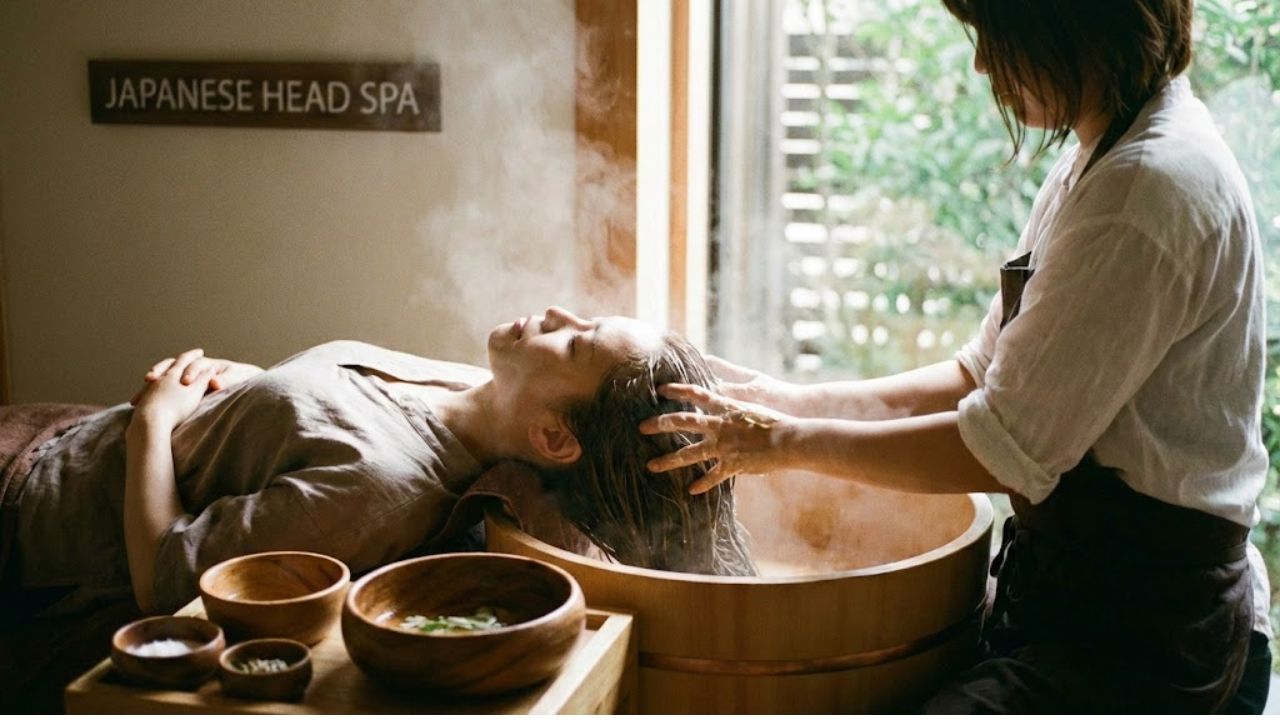
    Some evenings washing your hair feels like just another chore instead of a relaxing moment. But when you take your time and turn it into a small ritual something shifts. Your hair can start to look smoother and shinier and even a bit fuller without paying for expensive salon visits. This Japanese-inspired Head Spa routine is basically a spa treatment for your scalp and when you do it regularly the results become really noticeable.

    What a Japanese-Inspired Head Spa Really Means

    Understanding Head Spa The basic concept behind a Head Spa is straightforward: treat your scalp with the same care you show your hair. Rather than quickly washing and rinsing this approach combines soft massage with thoughtful cleaning and proper drying. The goal reaches further than just having clean hair. It focuses on soothing the scalp and reducing stress while helping hair keep its natural smoothness and brightness. A complete home routine typically involves several straightforward steps. You start with a scalp massage before washing. Then you can apply oil before shampooing if you choose to.

    The shampooing itself targets the scalp more than the hair lengths. After that comes gentle drying with a towel followed by blow-drying on a low heat setting. You might also include a rice-water rinse from time to time. Each individual step seems basic but when you put them all together they can transform how your hair feels over time. What really attracts most people goes beyond just seeing better results. It’s the calm and centered sensation that happens when you turn a quick shower into a brief mindful practice.

    How Often You Should Wash Your Hair (Why One Rule Doesn’t Fit Everyone)

    Rethinking how often you wash your hair matters before you learn the actual washing process. Washing your hair too frequently strips away natural oils and leaves it feeling dry and damaged. Not washing enough causes buildup that makes hair look flat and feel oily. The right washing schedule depends on your individual scalp type and lifestyle factors. Most people find their sweet spot somewhere between washing once and three times per week.

    General Washing Rhythm by Hair Type

    People with normal or wavy hair typically do best washing once or twice each week unless they exercise heavily or use lots of styling products. Those who have oily scalps might need to wash up to three times weekly and should concentrate the shampoo mainly on the scalp area. People with dry or curly hair usually only need to wash about once a week or sometimes even less often. Dermatologists point out that straight hair allows natural oils from the scalp to travel down the hair strands more easily.

    Curly & coily hair types keep moisture closer to the scalp so they require less frequent washing. Most people find that cutting back from daily washing to about twice weekly makes their hair feel stronger and look better. Their hair also tends to produce less oil over time than they initially expected.

    Step 1: Scalp Massage Before Shampoo

    The Japanese Head Spa routine starts with a scalp massage on dry hair before you add water or shampoo. You can use your fingertips or a soft silicone brush. Start at the back of your neck and work your way up to the top of your head using small circular movements. Studies on daily scalp massage for about four minutes over several months have found a small increase in hair thickness. This happens because of better blood flow & gentle stretching of the scalp.

    This massage loosens buildup and boosts circulation while helping you relax deeply. Many people find this the best part of the routine because it makes the scalp feel lighter & more comfortable for hours afterward.

    Step 2: Light Pre-Wash Oil for Protection

    Before you shampoo your hair you should apply a thin layer of oil to your scalp and the length of your hair. You do not need to use a lot of oil because this is not supposed to be a thick mask. The main purpose is to keep your hair from becoming too dry when you wash it. Research that has looked at different hair oils shows that coconut oil is especially good at preventing protein loss when you use it before and after washing your hair. If you have fine hair you might prefer lighter oils such as argan oil or jojoba oil or grapeseed oil because they work well without weighing your hair down. Take a few drops of oil and warm it up by rubbing it between your hands. Massage the oil gently into your scalp & then smooth whatever oil is left over through the middle and ends of your hair. Leave the oil in your hair for a few minutes before you rinse it out with lukewarm water. When you shampoo focus mostly on washing your roots because the foam that runs down through the rest of your hair will usually be enough to clean it.

    Step 3: Gentle Drying Makes a Big Difference

    Hair is most fragile when wet. Instead of rubbing it vigorously with a towel, gently press out excess water using a microfiber towel or a soft cotton T-shirt. Think of squeezing rather than scrubbing.

    Studies comparing drying methods suggest that microfiber towels are gentler on hair fibers than rough cotton towels or immediate blow-drying. Over time, this small change can noticeably reduce frizz and breakage.

    Step 4: Smart, Low-Heat Blow-Drying

    Blow-drying does not cause harm when you do it the right way. Problems happen when you use too much heat or keep the dryer in one spot for too long or hold it too near your hair. Let your hair dry naturally for a while before you start using the dryer. Pick the lowest heat that still works well. Move the dryer around constantly and keep it about six inches from your head. Point the air from your roots down toward the ends because this helps make the outer layer of your hair smoother. Most people notice that using less heat over time makes their hair ends feel softer and prevents dryness that builds up.

    Bonus Step: Occasional Rice-Water Rinse

    You can try a rice-water rinse once every few weeks as a finishing touch. This is simply the cloudy water that remains after you soak or rinse rice. Pour it through your hair lengths after you have already used shampoo and conditioner. It helps make hair feel smoother & look shinier. You do not need to do this every time you wash your hair. When you use it from time to time it gives your hair a gentle shine boost. It also makes your hair care routine feel more special and intentional.

    What This Head Spa Ritual Can Change Over Time

    When you combine scalp massage with light pre-wash oil and gentle drying methods alongside low-heat blow-drying & occasional rice-water rinses you end up with healthier hair instead of just shinier strands. This routine protects your scalp while reducing friction & heat damage so your hair can develop its natural shine. Over time most people see less breakage and smoother ends while their hair becomes easier to style without needing extra products. This approach inspired by Japanese Head Spa treatments shows that hair responds well to patient and careful handling by becoming softer and shinier while giving you a natural sense of confidence.

  • Lose Fat and Build Lean Muscle Efficiently With This Simple 4-Week Training Program

    Lose Fat and Build Lean Muscle Efficiently With This Simple 4-Week Training Program

    Losing fat while building muscle is often seen as the ultimate fitness goal. While it can be difficult to achieve both at the same time, it is far from impossible. With the right structure and commitment, progress in both areas can happen side by side.

    FIIT coach and programme creator Laura Hoggins has designed a four-week training plan suitable for lifters of all experience levels who want to get stronger and feel better in 2026. The programme includes six structured workouts, each lasting around 35 minutes. Every session can be completed either at home using free weights or in a gym setting, making it flexible and accessible.

    Both muscle growth and fat loss take time and demand patience, but sticking to a routine is key. According to Laura, consistency makes the difference. Following the plan for four weeks may seem short, but she says noticeable changes can still happen within that period. Stay committed, and the results will follow.

  • Sleeping With Wet Hair Explained Using Expert-Backed Hair Health Advice

    Sleeping With Wet Hair Explained Using Expert-Backed Hair Health Advice

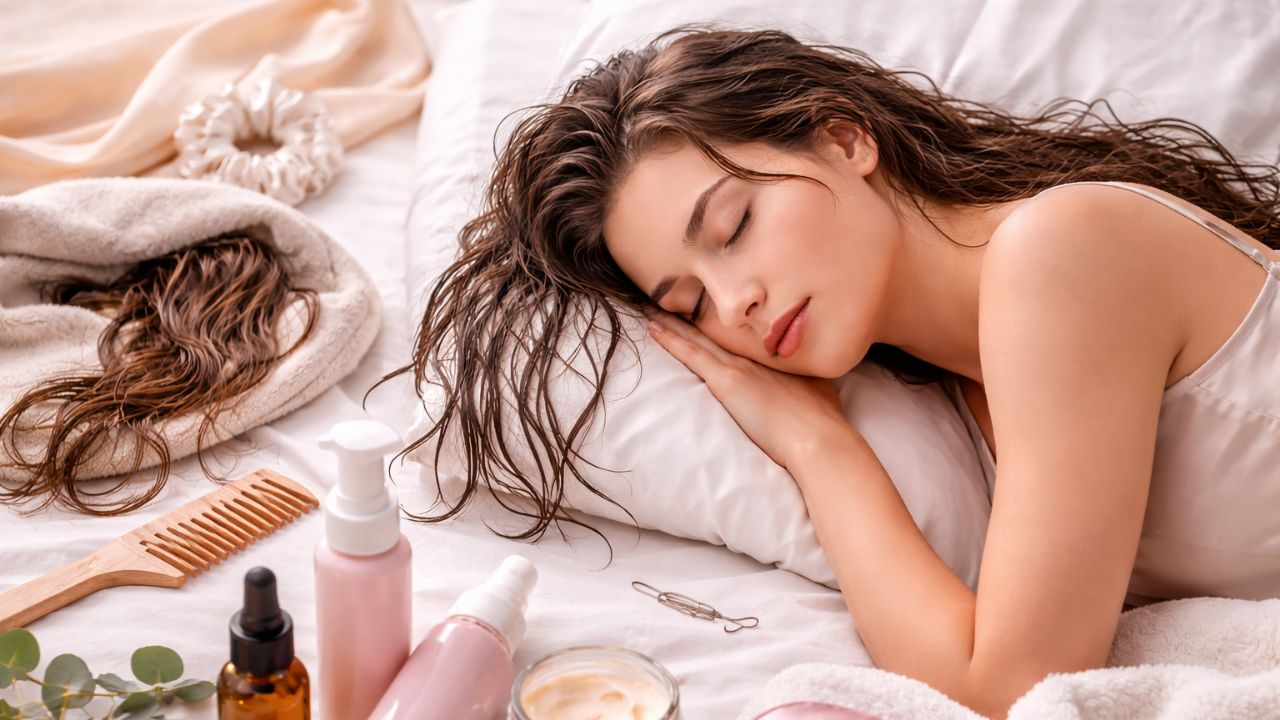
    Sleeping with wet hair is a common habit, especially after late-night showers, but it often raises concerns about hair health. In India, where humid weather and varying hair textures play a role, understanding what really happens when you go to bed with damp hair is important. Dermatologists and hair experts explain that while it may seem harmless, wet hair behaves very differently from dry hair. Knowing the risks, benefits, and smart alternatives can help you protect your scalp, prevent breakage, and maintain healthier strands without drastically changing your routine.

    Sleeping with Wet Hair and Hair Damage Risks

    When hair is wet, it becomes weaker and more elastic, making it vulnerable to damage during sleep. Experts warn that friction between your hair and pillow can increase strand stretching risk, leading to cuticle layer damage over time. Tossing and turning may also cause overnight hair breakage, especially for long or chemically treated hair. In humid Indian climates, sleeping with damp hair can trap moisture against the scalp, raising scalp irritation chances. While one night may not cause visible harm, repeated habits can slowly weaken hair strength and texture.

    Wet Hair at Night and Scalp Health Concerns

    Hair specialists often focus on the scalp, not just the strands. Going to bed with wet hair can create a warm, moist environment that supports fungal growth conditions. This may worsen dandruff or itchiness for some people. Dermatologists also note that prolonged moisture can disrupt natural scalp balance, especially if pillows are not clean. In tropical regions, this habit may increase nighttime scalp sweating, which can clog follicles and affect comfort. Maintaining a dry scalp before sleep supports healthy follicle function and reduces unwanted scalp issues.

    Expert Advice on Sleeping with Damp Hair Safely

    If washing hair at night is unavoidable, experts suggest practical adjustments. Allow hair to air-dry partially to reduce excess moisture retention before bed. Using a microfiber towel can help with gentle water absorption without friction. Hair professionals recommend loose braids or buns to limit tangle formation overnight. Switching to silk or satin pillowcases may lower pillow friction impact, protecting strands. These small changes can make sleeping with slightly damp hair less harmful while fitting into busy daily routines.

    Summary and Expert Takeaway

    Sleeping with wet hair is not instantly damaging, but experts agree it carries avoidable risks when done frequently. From weakened strands to scalp discomfort, the effects are often gradual rather than immediate. Paying attention to nighttime hair habits can significantly improve long-term results. Simple steps like partial drying and better pillow choices support stronger hair outcomes. In the long run, prioritizing consistent hair care and understanding how moisture affects hair structure can help maintain overall hair resilience without major lifestyle changes.

    Habit Impact on Hair Expert Recommendation
    Sleeping with wet hair Higher breakage risk Allow partial drying
    Cotton pillowcase Increased friction Use silk or satin
    Tight hairstyles Strand stress Keep hair loose
    Damp scalp overnight Scalp irritation Ensure dry roots

    Frequently Asked Questions (FAQs)

    1. Is sleeping with wet hair bad every night?

    Yes, doing it regularly can increase breakage and scalp issues over time.

    2. Can wet hair cause dandruff?

    It can worsen dandruff by creating a moist environment for scalp irritation.

    3. Is it okay to sleep with slightly damp hair?

    Slightly damp hair is safer if most moisture is removed before bed.

    4. What pillowcase is best for wet or damp hair?

    Silk or satin pillowcases reduce friction and help protect hair.

  • Modern Skincare Culture Feels Overwhelming From Soap Choices to Stress

    Modern Skincare Culture Feels Overwhelming From Soap Choices to Stress

    There was a time when skincare was as simple as washing the face with soap and water, followed by a quick application of a mother’s cold cream. Over the years, however, skincare has transformed completely. Today, caring for the skin involves cleansers, toners, serums, acids, oils, retinols, sunscreen, and much more.

    Skincare is no longer limited to basic hygiene. It has evolved into a lifestyle choice, personal statement, and self-care ritual for many women. What was once seen as a luxury is now a daily routine for millions around the world. From teenagers exploring glow-enhancing products to adults investing in anti-aging solutions, skincare has become an obsession across generations.

    From Traditional Glow to Gen Z Glass Skin

    To understand how skincare perceptions have shifted, we spoke with mothers and daughters about what skincare meant then and what it represents now.

    Aasia Aslam, 57, shared, “I’ve never really applied anything to my skin. We washed our faces with soap, and even that wasn’t frequent. Skincare simply wasn’t something we thought about.”

    Her daughter, Atiqa Aslam, 27, follows a very different approach.

    “Every morning, I wash my face with a face wash, and I never step outside without sunscreen. At night, I cleanse properly and usually apply a niacinamide serum,” she explained.

    She added that she is also considering laser treatments for facial hair.

    Beyond Products: The Rise of Cosmetic Procedures

    Modern skincare extends far beyond creams and serums. Treatments such as laser therapy, hydra facials, carbon peels, microneedling, Botox, fillers, and other cosmetic procedures are now widely accessible.

    Masooma Bashir, 26, believes that hormonal imbalances have made facial hair growth more common among women.

    “I didn’t have significant facial hair, but since I could afford it at the time, I opted for laser removal. Later, I developed hyperpigmentation and tried a carbon peel,” she said.

    Although the procedures didn’t deliver noticeable results for her, she continues to rely on brightening serums, hyaluronic acid, sunscreen, moisturiser, and previously used niacinamide with positive outcomes.

    “We were naturally beautiful. We played in dirt all day, and our skin was just fine,” she recalled.

    She described simple routines involving Multani Mitti, Tibet Snow cream, Nivea cream, and traditional remedies like raw milk or tomato application.

    Skincare as a Daily Commitment

    For many women today, skincare requires dedication and precision. Samra Khalid, 31, follows a strict routine and leaves nothing to chance.

    “In the morning, I apply a 20% vitamin C serum followed by sunscreen,” she said, noting her shift from local to Korean sunscreen.

    At night, she uses 0.5% retinol, having previously mixed it with shea butter.

    “Retinol reacts differently for everyone. Beginners should start with 0.2%,” she explained, adding that she plans to increase to 1% after finishing her current product.

    Her nighttime routine includes an oil-to-milk cleanser, a cleansing gel, and retinol.

    In contrast, her mother, Yasmeen Khalid, 59, never felt the need to focus on skincare.

    How Social Media Changed Everything

    Social media has transformed a simple cleansing routine into an elaborate seven- to ten-step skincare ritual. These routines often come with a heavy price tag, making them difficult to sustain.

    At the same time, local skincare brands are rapidly entering the market, many promoting themselves as organic solutions. Where once only a few brands existed, there are now hundreds claiming to fix every skin concern.

    According to Statista’s 2025 data, the global skincare market is expected to generate $198.35 billion in revenue, with an annual growth rate of 3.53% between 2025 and 2030.

    Persuasive marketing, influencer discount codes, flash sales, and celebrity-owned brands have made it increasingly hard to resist clicking “buy now.” Seeing flawless celebrities share their routines fuels the desire to achieve the same glow.

    The Korean Skincare Wave

    No skincare conversation is complete without mentioning Korean beauty and the glass skin trend. Korean brands have quickly gained popularity in Pakistan, especially among young consumers who follow K-dramas and beauty reviews.

    Influencers have amplified the craze by highlighting innovative formulas, appealing packaging, and multi-step routines.

    In a society where fair skin still quietly defines beauty standards, Korean skincare is often seen as a miracle solution promising flawless, glass-like skin.

    With easy access through e-commerce, Korean skincare has shifted from being an occasional luxury to an everyday essential on many vanities.

    The Silent Pressure to Look Perfect

    This skincare boom has also created unspoken pressure on women to constantly look polished and on-trend, especially for those who cannot afford expensive routines.

    Rabia Anum, an entrepreneurial journalist and salon owner, reflected on the past.

    “Women used what they had at home. I’ve seen my grandmother use beetroot for cheeks and lips,” she said.

    She noted that women didn’t face constant pressure to look perfect.

    “There’s an unspoken belief that women must look a certain way to be accepted,” she explained.

    While many women now focus on hydration, walking, and exercise as part of skincare, others invest in full ten-step routines both morning and night.

    This pressure extends to men as well, as maintaining a “perfect” appearance often becomes a shared expectation.

    Rabia shared a troubling observation.

    “A young girl once told me she was one of the brightest students in her class, yet no one interacted with her because of her skin tone,” she said.

    Choosing What Truly Works for You

    If a 12-step skincare routine brings you joy and confidence, there is nothing wrong with embracing it. But if it causes stress, anxiety, or financial strain, staying natural is equally valid.

    You don’t need to participate in a never-ending beauty race. Skincare should support your well-being, not take away from it.

  • Household Oils Encourage Thicker Eyebrows and Longer Lashes Over Time

    Household Oils Encourage Thicker Eyebrows and Longer Lashes Over Time

    You rarely notice eyebrow thinning all at once. It happens slowly, under the bathroom light, as you lean closer with a cotton pad in hand. A few hairs near the tail seem shorter. The once-defined arch looks uneven. Age, years of overplucking, stress, or dry indoor air may all play a role. Whatever the reason, the change can make your face feel unfamiliar, as though something essential around your eyes has faded. Soon, every fallen lash in the sink catches your attention during nightly makeup removal.

    The Quiet Strength of Simple, Everyday Oils

    Before turning to costly serums or complicated ingredient lists, it helps to notice what is already within reach. In many UK homes, everyday oils sit quietly on shelves—olive oil near the cooker, coconut oil on the counter, or a small bottle of castor oil tucked away. These oils lack luxury branding, yet they offer steady nourishment through patience and consistency. For brows and lashes, which are delicate hairs, this gentle care can support healthier growth conditions over time.

    Why Brows and Lashes Feel So Personal

    Eyebrows and eyelashes often hold emotional meaning. Many women recall phases of heavy makeup, overplucking trends, or hormonal shifts that affected hair growth. When brows thin or lashes weaken, the face can appear tired or unfamiliar, subtly influencing self-image. Choosing a natural approach often feels kinder and more aligned with a slower, mindful lifestyle. Oils do not promise instant results, but with regular use, they encourage the body’s natural processes to function more effectively.

    Household Oils That Help Support Hair Health

    Several common oils are known for their supportive properties. Castor oil is widely used because its thick texture helps it cling to fine hairs, reducing breakage. Coconut oil is helpful for dryness caused by frequent mascara use, while olive oil gently conditions brows. Lighter oils such as almond or argan oil suit sensitive skin and absorb easily. These oils do not force growth; instead, they protect and strengthen, creating better conditions for brows and lashes to thrive.

    • Castor Oil: Dense with a slightly tacky feel, rich in ricinoleic acid, helps lock in moisture, strengthen hair fibres, and reduce breakage.
    • Coconut Oil: Light to medium texture that melts on contact, penetrates the hair shaft, reduces protein loss, and leaves hairs softer.
    • Olive Oil: Medium weight and mildly heavy, rich in antioxidants, supports the skin barrier around roots and improves flexibility.
    • Sweet Almond Oil: Smooth and silky, absorbs well, gentle enough for sensitive eye areas while nourishing fine hairs.
    • Argan Oil: Lightweight and non-greasy, high in vitamin E and essential fatty acids, improves strength and resilience.

    Building a Calm Evening Care Routine

    Consistency is key, and the most effective routines are those that fit naturally into your evening. Begin with clean, makeup-free eyes and freshly washed hands. Select one oil or a simple blend, apply a small amount to the brows using a clean spoolie, and lightly coat the upper lashes with care. Gently blot away excess oil to avoid irritation. Repeating this routine nightly for several weeks turns it into a soothing ritual rather than a task.

    Respecting Skin and Eye Sensitivity

    The skin around the eyes is delicate, making awareness essential. Always perform a patch test with new oils and start with very small amounts. If irritation appears, switch to a lighter oil. Take care to prevent oil from entering the eyes, and rinse gently if it does. Anyone with existing eye conditions or ongoing treatments should seek guidance from a pharmacist or GP. Progress is gradual, so focus on reduced shedding and subtle fullness instead of rapid changes.

    Daily Habits That Support Healthier Growth

    Oils are most effective when paired with supportive habits. Reducing the use of waterproof mascara, being gentle during makeup removal, and following a balanced diet rich in protein, healthy fats, and minerals all contribute to healthier hair. Managing stress and paying attention to hormonal balance can also influence growth. Oils provide external care, while nutrition, rest, and lifestyle form the foundation beneath it.

    Creating Your Own Simple Oil Blend

    Once comfortable, blending oils at home becomes easy. A mix of castor oil for thickness, almond oil for softness, and argan oil for light nourishment works well. Store the blend in a clean container, label it with the date, and use it within a few months. This personalised approach keeps your routine clear and reassuring, using ingredients you recognise and trust.

    Observing Progress Without Pressure

    Tracking changes gently helps prevent over-fixation. Taking a makeup-free photo every few weeks in consistent lighting can reveal subtle improvements. Over time, fuller lines, fewer gaps, and stronger lashes often appear gradually. Missing a few nights does not undo progress—simply return to the routine when possible. The goal is not perfection, but steady, thoughtful care for what you already have.

  • I Walked 30,000 Steps Daily for a Week Here’s What I Learned and 5 Easy Movement Tips

    I Walked 30,000 Steps Daily for a Week Here’s What I Learned and 5 Easy Movement Tips

    Fitness and movement creator Riley Rehl, widely recognised online for setting herself ambitious physical challenges, recently pushed her limits by attempting to walk 30,000 steps every day for seven consecutive days — a distance equivalent to just over half a marathon daily.

    Although Riley has no plans to repeat the challenge any time soon, she admitted it was far more physically and mentally demanding than expected. Despite the difficulty, she said the experience reinforced the value of moving more consistently and highlighted practical, everyday habits that can help people naturally increase their step count.

    Walking 30,000 Steps Daily: What the Experience Was Really Like

    While Riley enjoyed testing her discipline, the challenge came with notable obstacles. She suffered from severe foot pain, describing it as the worst discomfort she had felt since running a marathon. As the days progressed, both physical exhaustion and mental fatigue set in, leaving her openly frustrated and drained.

    On one occasion, she accidentally fell asleep for over an hour during the day, later explaining how difficult it became to stay motivated once most of her steps were already completed. She also stressed the importance of proper footwear, revealing that blisters developed on the arches of her feet and prompting her to consider professional foot analysis and new trainers.

    Hydration also proved to be an issue. Despite walking being lower intensity than some workouts, Riley acknowledged that inadequate water and electrolyte intake led to headaches and discomfort, reinforcing how crucial hydration remains during prolonged movement.

    Lessons Learned From Walking 30,000 Steps a Day

    Although Riley does not recommend maintaining such a high daily step count long-term, she said the challenge helped her better appreciate the benefits of consistent movement. It also reminded her that small opportunities to move throughout the day can add up significantly.

    She noted that having both the time and ability to move made her more mindful of using those moments instead of staying sedentary. Throughout the week, Riley relied on a handful of simple strategies that allowed her to steadily reach her demanding step goal without relying on extreme workouts.

    Simple Ways Riley Increased Her Daily Step Count

    Using a Walking Pad at Home

    One of Riley’s most effective tools was a walking pad. She used it during work hours by placing her laptop on a raised surface, allowing her to walk while working. She also hopped on whenever she needed extra steps, making it a flexible option that worked regardless of weather or time constraints.

    Choosing to Walk Whenever Possible

    Instead of driving, Riley walked to locations she would normally travel to by car, including the gym, shops, and the library. She often added purpose to these walks by creating small personal missions, such as picking up a specific item, which helped maintain motivation.

    Pairing Workouts With Extra Walking

    Riley booked more workout classes, particularly dance-focused sessions she genuinely enjoyed. By walking to and from each class, she found that her step count increased quickly, with the sessions themselves contributing more movement than expected.

    Making Movement Social

    To stay accountable, Riley scheduled classes and runs with friends. Having company helped break up long days and made walking feel less like a chore, especially when motivation was running low.

    Turning Dancing Into Steps

    During a wedding she attended, Riley embraced the opportunity to dance instead of stressing about fitting in extra walking beforehand. The result was a large number of enjoyable, effortless steps. She described dancing as a simple and fun way to boost movement when you’re falling short of your daily goal.

  • Eyebrow Placement Hack Makeup Artists Use to Instantly Create a Brighter Look

    Eyebrow Placement Hack Makeup Artists Use to Instantly Create a Brighter Look

    The woman sitting in the café looked exhausted at first glance. Her laptop was open, a triple espresso in hand, with faint shadows visible beneath her concealer. Yet when she lifted her face, she appeared surprisingly refreshed. Not spa-rested, but genuinely awake. The reason was subtle and sat just above her eyes. Her eyebrows were slightly lifted and softly highlighted, making her eyes appear bright and alert even under unforgiving café lighting and unreliable Wi-Fi.

    Makeup artists backstage at fashion weeks and creators on social media repeat the same advice. If you only have one minute in the morning, focus on your eyebrows. A tiny adjustment creates a quiet illusion. It is the kind of change that makes coworkers ask if you switched skincare routines, when all you really did was draw your brow pencil a few millimeters higher. One small eyebrow shift can noticeably change how your entire face is read.

    Why an Awake Appearance Starts With Brows

    Look closely at backstage photos from any fashion show and one detail stands out. Models may have unfinished base makeup, but their eyebrows are already shaped. The tails are gently lifted, arches defined, and the brow bone looks clean and open. This small touch makes the upper face appear instantly more alert.

    Makeup artists know that eyebrows are noticed before most other facial features. Their angle, height, and framing influence whether someone looks tired, relaxed, stern, or refreshed. Brows that sit too low can make the face look sleepy. When they are softly raised and opened, the eyes appear rested even after poor sleep.

    This is easy to spot during a morning commute. Someone in gym clothes may skip foundation, but if their brows are brushed upward and the inner corners brightened, they look ready for the day. Someone else with puffy eyes from a late night can appear meeting-ready simply by tidying the brows and lifting the arch slightly.

    Social media has embraced this trick as well. Before-and-after clips often show only a brow adjustment and a touch of highlight. The result looks more awake and sometimes younger. A 2023 trend known as the eyebrow lift hack gained millions of views because people wanted to look less tired without heavy makeup.

    The reason this works is tied to facial structure. Eyebrows act like curtains for the eyes. When they sit low or feel heavy, they visually press down on the eyelid, emphasizing under-eye shadows and puffiness. Lifting the tail slightly and cleaning beneath the arch opens vertical space, making the whites of the eyes look brighter. Nothing physically moves, yet the illusion changes how your face is perceived.

    Light also plays a role. Brightening the brow bone, inner corner, and peak of the arch helps reflect light where faces naturally appear alert. This balance of shadow and highlight is how makeup artists refresh tired faces in minutes backstage.

    The Simple Brow Adjustment Makeup Artists Swear By

    The technique itself is simple and relies on three small steps to create an invisible lift. First is fill and lift. Lightly fill the top edge of the brow instead of focusing only on the bottom. Concentrate on the outer third, using hair-like strokes to raise the tail by one or two millimeters. This alone changes how your face looks.

    Next is clean and brighten. Using a small brush or fingertip, tap a skin-tone concealer or brightening pen just under the highest point of the arch. Blend it downward onto the lid to remove heaviness rather than create a sharp line.

    Finally, highlight with intention. Add a tiny amount of satin-finish highlighter under the arch and at the inner corner of the eye. Tap gently instead of dragging. Once practiced, the entire process takes about 45 seconds per eye.

    The result does not look trendy or overdone. It simply makes you appear more awake than you feel. Problems happen when the brow is overfilled from underneath, creating thickness and weight above the eyelid. This can pull the gaze downward, especially when the tail extends too far.

    Using concealer that is too light can also backfire. Harsh halo brows may work under studio lights but can look chalky in daylight. The lift should feel soft and natural. Choose a shade close to your skin tone with slight brightness and blend until it melts into the lid.

    This method works because it is easy enough to become routine. Two strokes to lift the tail, one swipe to clean the arch, and a small dot of light. No extra products and no extra time.

    A Minimal Brow Shift That Gently Lifts Your Whole Face

    Once this technique becomes part of your routine, you may notice small changes. Seeing yourself on a phone screen later in the day, you might look less tired than expected. On warm days, brows and mascara alone may feel enough for a video call.

    There is also comfort in these small rituals. Those brief moments in front of the mirror are often the only time you look at your face with intention rather than criticism. Adjusting a brow or softening a shadow is not about vanity. It is a quiet way of preparing yourself for the day.

    When you are exhausted but still need to show up, that subtle brow lift becomes a small sign of readiness. When things are going well, it simply helps your appearance match how you feel. Whether on a screen, in a meeting, or waiting for coffee, your eyes look alert even as your mind catches up.

  • Choosing the Right Blush Highlighter for Balanced Natural Makeup Results

    Choosing the Right Blush Highlighter for Balanced Natural Makeup Results

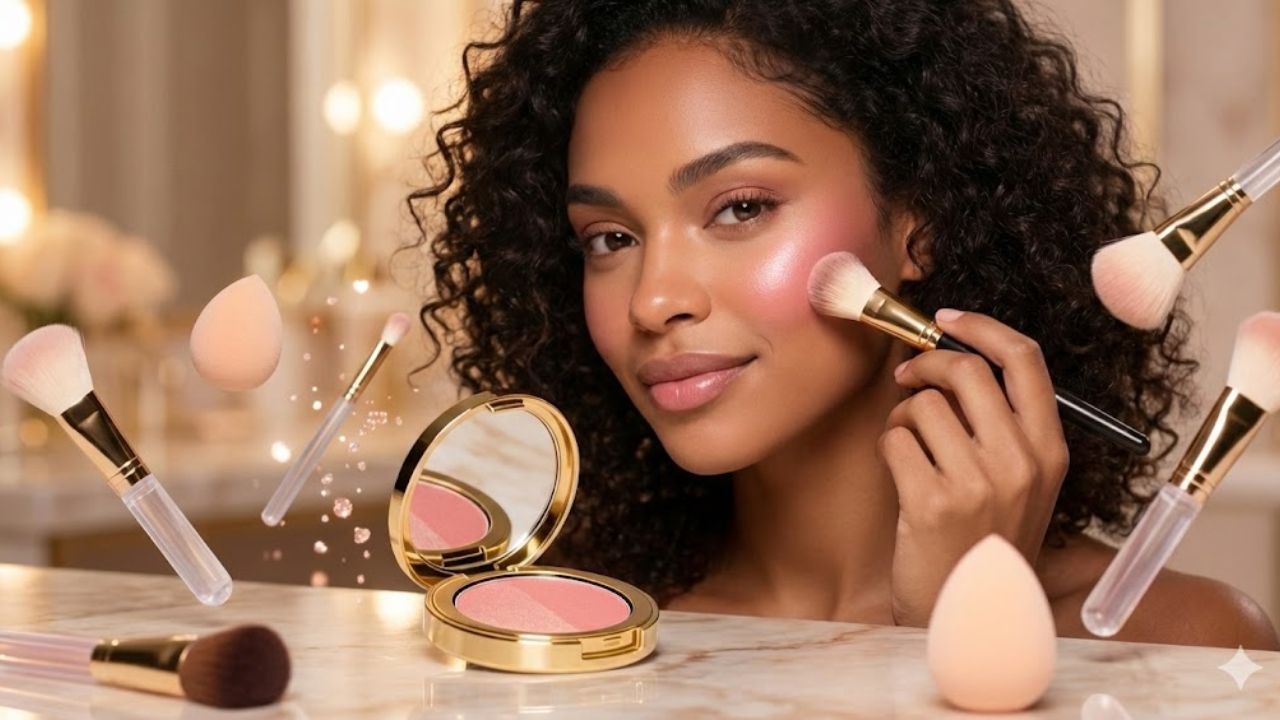
    When learning how to select blush highlighter products that enhance your natural radiance without appearing heavy, focus on three essentials: skin type compatibility, formula choice (powder, cream, or liquid), and pigment payoff. The ideal blush highlighter for fair skin can differ greatly from options suited to deeper tones, making shade selection especially important. Soft peach shades often complement lighter complexions, while bronze and gold tones tend to flatter deeper skin tones. Cream and liquid formulas melt smoothly into dry or dewy skin, creating a natural finish, while powders are better suited for oily skin types. For a subtle, lit-from-within effect, duo palettes that combine blush and highlighter can simplify application and maintain color balance. Whenever possible, swatch before purchasing and review return policies when shopping online.

    Understanding Blush Highlighter

    A blush highlighter is either a multi-use cosmetic or a coordinated approach that combines blush and highlighter to add dimension, warmth, and glow to the face. Traditional techniques place blush on the cheeks for color and highlighter on raised areas for shine, but modern products often merge both effects into a single compact or curated pairing for effortless blending.

    Available in powder, cream, liquid, and balm forms, these products are used by both everyday makeup users and professionals to achieve looks ranging from soft daytime glow to striking editorial finishes. They are especially favored in minimalist routines where natural color and subtle luminosity are key.

    Why Blush Highlighter Is Becoming So Popular

    The shift toward a skin-first beauty approach has increased demand for products that enhance rather than conceal. Consumers now favor multi-purpose makeup that saves time and reduces clutter, making blush highlighter combinations increasingly appealing. Platforms like Instagram and TikTok have amplified this trend, with creators highlighting glass-skin looks and strobing techniques that rely on balanced use of blush and highlighter.

    Advances in cosmetic formulation have also led to long-wearing, smooth textures that avoid emphasizing pores or uneven skin. As brands expand their shade ranges, more inclusive options are available, allowing users across all skin tones to find a shade that truly complements them.

    Types and Variations of Blush Highlighter

    Knowing the different blush highlighter formats can help narrow your choices based on daily routine, experience level, and desired finish.

    Powder Blush Highlighter Duos

    Pros: Simple application, easy to travel with, buildable coverage.
    Cons: May highlight dry areas or pores without proper prep; less forgiving on mature skin.

    Best suited for oily and combination skin, powder duos often feature a matte or satin blush paired with a luminous highlighter for lasting wear.

    Cream and Liquid Options

    Pros: Blend seamlessly, deliver a dewy look, versatile under or over foundation.
    Cons: Need clean tools or fingers; may require setting for longer wear.

    These formulas are ideal for dry or mature skin, offering hydration along with color. They are available as sticks, pots, or liquids for flexible application.

    Balm-Based Textures

    Pros: Lightweight feel, skin-like finish, non-cakey effect.
    Cons: Softer pigmentation; may be subtle on deeper skin tones.

    Balm blush highlighters are popular in clean beauty routines and often double as lip tints, adding to their versatility.

    Coordinated Duo Palettes

    Pros: Pre-matched shades ensure harmony; more affordable than buying separately.
    Cons: Limited shade customization; may include more product than needed.

    Many brands offer duos designed to suit cool, warm, or neutral undertones, making them ideal for beginners seeking reliable results.

    Important Features to Consider

    When choosing a blush highlighter, assess these key factors:

    • Formula Type: Creams for dry skin, powders for oil control.
    • Pigment Strength: Sheer layers suit beginners; bold payoff suits experienced users.
    • Finish: Matte, satin, shimmer, or metallic depending on lighting and preference.
    • Shade Range & Undertones: Inclusive options with clearly labeled undertones.
    • Longevity: Wear-time claims supported by real-user reviews.
    • Application Style: Fingers, brushes, or sponges based on product format.
    • Ingredient Safety: Avoid irritants if you have sensitive or acne-prone skin.

    Pros and Cons of Blush Highlighter

    Advantages:

    • Saves time and space with a two-in-one design.
    • Creates a cohesive makeup look through matched shades.
    • Often more budget-friendly than buying separate products.
    • Encourages experimentation with minimal cost.

    Disadvantages:

    • Limited customization if one shade doesn’t suit.
    • Improper blending can lead to uneven color.
    • Some products excel in one component but not the other.
    • Less appealing for advanced users who prefer layered techniques.

    Step-by-Step Guide to Choosing Blush Highlighter

    • Identify Your Skin Type: Creams and balms for dryness; powders for oil control.
    • Evaluate Skill Level: Buildable duos for beginners; separate products for precision.
    • Determine Undertone: Pinks and berries for cool tones, peaches for warm tones.
    • Select Desired Finish: Satin for everyday glow; metallic for bold impact.
    • Review Swatches: Real-user photos and videos reveal true texture and shine.
    • Avoid Excess Glitter: Overly sparkly formulas can appear harsh if not blended well.
    • Test Before Buying: Swatch in-store or confirm sample and return options online.

    Be cautious of patchy application, misleading shade names, unclear ingredient lists, and missing expiration details.

    Price Range and Market Overview

    Blush highlighter prices typically range from $8 to over $60, depending on brand and formulation.

    • Budget ($8–$15): Drugstore options offer reliable quality for trend testing.
    • Mid-Range ($18–$35): Improved textures, broader shade ranges, better longevity.
    • Premium ($36+): Focus on luxury packaging, advanced formulas, and extensive testing.

    Price doesn’t always determine performance—many affordable products rival high-end options. However, premium brands often invest more in research, ethical sourcing, and sustainable packaging.

  • Fans of Black Honey Will Love Clinique’s Latest Lip Launch

    Fans of Black Honey Will Love Clinique’s Latest Lip Launch

    In 2021, Clinique’s Black Honey Almost Lipstick — a product with a 37-year history — made a powerful comeback. Its sheer, adaptable formula surged in popularity after going viral on TikTok, where it was praised as a truly universal lip shade. Five years later, interest in the product shows no signs of slowing. Last year, Clinique expanded the range with a Nude Honey shade, and now the brand has added another likely hit: three lip liners designed to complement the Almost Lipstick trio.

    What’s New in the Black Honey Lip Liner Range

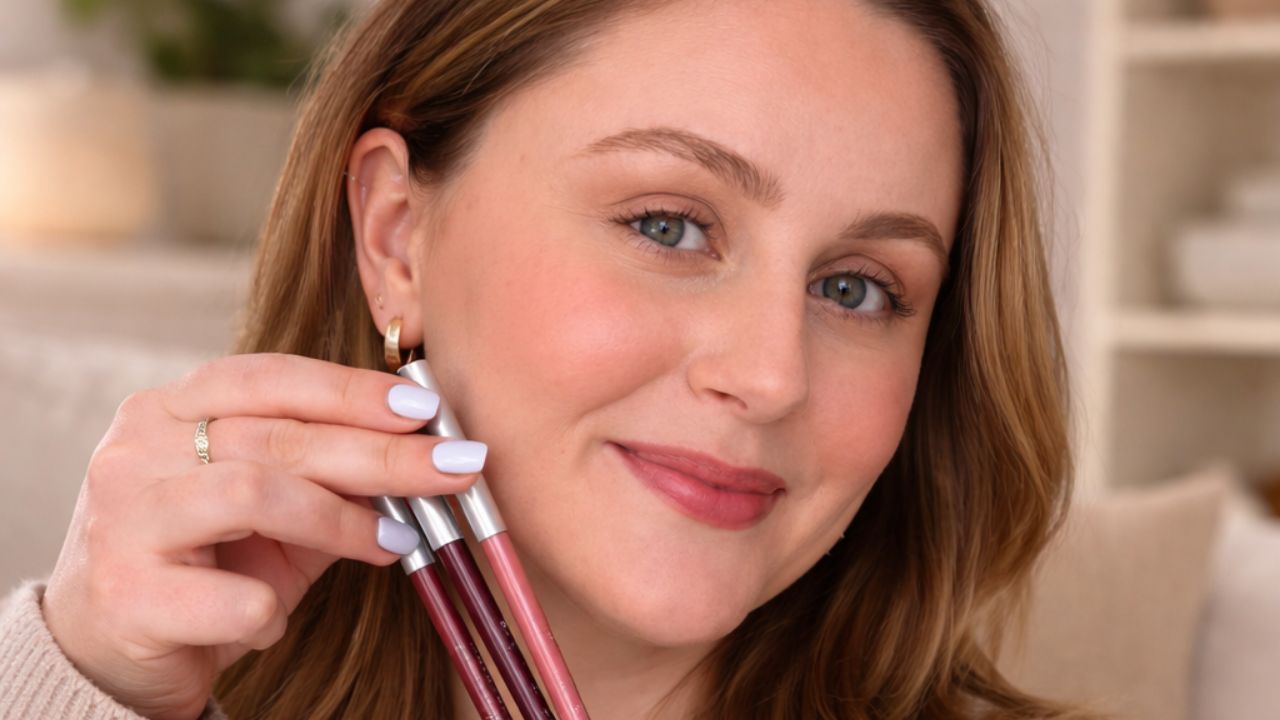
    Designed to slot into Clinique’s existing Quickliner collection  the Black Honey, Pink Honey, and Nude Honey lip liners come in twist-up plastic packaging. This design removes the need for sharpening, keeping makeup bags free from messy pencil shavings.

    Given the continued excitement around the original Black Honey formula and newer launches like the Black Honey Lip Oil, I was keen to see whether these lip liners lived up to the reputation.

    Testing the New Clinique Lip Liners

    Armed with my Black Honey Almost Lipstick, I tested all three liner shades on bare, well-moisturised lips. Each pencil was applied along the lip line before finishing with a swipe of the Black Honey balm. Although I didn’t have the Pink Honey or Nude Honey lipsticks available, the difference each liner made to the final look was still noticeable. A detailed breakdown of the testing criteria appears later in this review.

    Is the Clinique Black Honey Lip Liner Worth Buying?

    If you’re already a fan of Clinique’s Almost Lipstick range, these lip liners are a worthwhile addition. The Black Honey Quickliner subtly elevates the lip look from day to evening, while the Pink Honey and Nude Honey options offer gentle definition for more understated makeup days.

    These aren’t liners designed for heavy blending or smudging — they tend to wipe away rather than blur. That said, the finish already feels soft and naturally undone, almost as if the lips have just been kissed. One of the standout qualities of the Black Honey collection is its forgiving nature. Precision isn’t essential; you can simply apply and go. The same effortless approach applies to the new liners.

    How the Clinique Black Honey Quickliners Were Reviewed

    Using a similar approach to testing the Nude Honey Almost Lipstick, I assessed the lip liners across several practical criteria, including longevity and value. Particular attention was given to the following:

    • Shade: How closely each liner matched its corresponding Almost Lipstick while still offering enough pigment for definition.
    • Wear: The liner’s staying power and how well it held up through eating and drinking.
    • Ease of application: Whether the formula glided on smoothly or showed signs of dragging, smudging, or crumbling.
    • Packaging: The effectiveness of the twist-up mechanism and how the product amount compared to similar liners.
    • Finish: Whether the result leaned matte, satin, or glossy, and if it enhanced the look beyond the Almost Lipstick alone.

    Why You Can Trust IndyBest Beauty Reviews

    Lucy Smith has been IndyBest’s beauty writer since July 2024, covering a wide range of makeup categories. From top mascaras to best bronzers, she has consistently highlighted brands that deliver — including Clinique.

    Her previous work includes writing about a £4 dupe for Black Honey, reviewing the Clinique Moisture Surge Hydrator, and assessing the brand’s SPF moisturiser. With over 15 years of experience using Clinique products, she was well placed to test the new lip liners, especially after naming the Black Honey Almost Lipstick the best sheer lipstick in a recent round-up.

  • Beauty Experts Predict the Perfumes Everyone Will Wear in 2026

    Beauty Experts Predict the Perfumes Everyone Will Wear in 2026

    After decades of closely following the fragrance world as a beauty editor, one clear transformation stands out. In the past, most people committed to one or two signature scents, wearing them faithfully for years. Today, fueled by constant new launches and the rise of PerfumeTok, fragrance has become a rotating wardrobe. Just like makeup or skincare, perfume now follows fast-moving trends. To welcome the new year, leading perfumers and fragrance authorities shared their insights on the most influential scent trends for 2026, from personal perfumes to home fragrances and beyond.

    1. Sip-Inspired Scent Notes

    Coffee and tea notes are gaining momentum, evolving into calming and contemporary expressions,” says Frank Voelkl, Principal Perfumer at DSM-Firmenich. Darryl Do adds that brands are now highlighting specific coffee origins, such as Ethiopia or Nicaragua, offering nuanced profiles designed for true fragrance enthusiasts.

    2. Romantic Nostalgia and Rich Opulence

    “We’re witnessing a return to late Victorian-era luxury,” explains Jon Bresler. Deep florals layered with woods, ambers, and dark berries are creating fragrances that feel rich, dramatic, and indulgent.

    3. High-Craft and Specialty Formulas

    According to Darryl Do, consumers are increasingly informed and curious, seeking rare ingredients like Iso E Super, Bulgarian rose, and Turkish rose. Perfumers are also experimenting with higher concentrations of fragrance oils, pushing creativity and intensity further.

    4. Fragrance as a Lifestyle Accessory

    “New formats are on the rise,” notes Linda G. Levy. Beyond traditional sprays, hair mists, body sprays, solid perfumes, and roll-ons are becoming essential, offering portability and effortless application throughout the day.

    5. The Evolution of Gourmand Scents

    “Gourmands are shifting toward softer, comforting sweetness layered with deeper complexity,” says Frank Voelkl. These scents move beyond pure sugar, incorporating savory and unexpected notes for a more refined balance.

    6. Wellness-Driven Fragrance Design

    Wellness continues to influence innovation. Voelkl highlights a rise in alcohol-free, skin-friendly, and responsibly sourced formulas, with fragrances designed to support mood, mindfulness, and overall well-being, not just aroma.

    7. Bold and Juicy Fruit Profiles

    “Fruit-forward scents remain strong,” says Linda G. Levy, emphasizing bold, jammy, and juicy accords. Darryl Do points to an increase in exotic fruits like passionfruit, melon, and dragonfruit shaping modern compositions.

    8. Creative Voices Shaping Fragrance

    Linda G. Levy notes an influx of new, creatively driven brands founded by individuals inspired by personal experiences and a love of scent. At the same time, fashion houses are reimagining classics through new formats, intensities, and modern reinterpretations.

    9. Advances in Alcohol-Free Perfume

    “Alcohol-free perfume technology is still developing,” explains Jon Bresler. While alcohol-free body mists are becoming common, creating a true perfume without alcohol remains challenging. Continued innovation is expected to refine this category.

    10. Savory Accords Take the Spotlight

    Savory elements are emerging as a defining trend. Bresler highlights notes like roasted nuts, sesame, and salted accords, which add depth, texture, and sophistication to both personal and home fragrances.

    11. Sustainability at the Core

    “Brands are making stronger commitments to clean and sustainable formulas,” says Darryl Do. This includes the use of green technology, non-GMO ingredients, and renewable raw materials whenever possible.

    12. Creamy and Milky Accents

    Jon Bresler observes a rise in lactonic notes such as rice, milk, coconut, creamy vanillas, musks, and almonds. These elements contribute to fragrances that feel warmer, softer, and more comforting.

    13. Immersive Surround Scents

    “Ambient scenting in homes and public spaces is evolving,” says Linda G. Levy. Technological advancements are enabling fragrances that enhance environments subtly, creating atmosphere without overwhelming the senses.