Blog

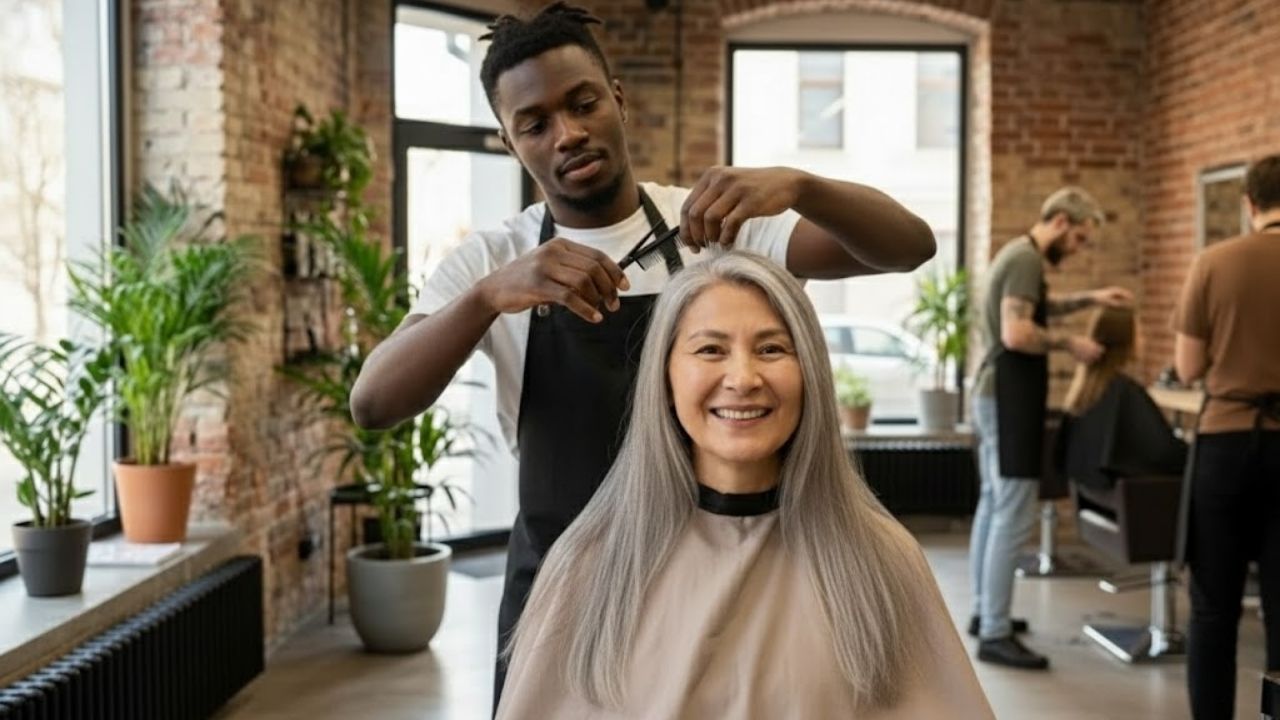
  • Grey Hair Coverage Moves to Natural Techniques That Promise Younger Looking Results Without Traditional Dyes

    Grey Hair Coverage Moves to Natural Techniques That Promise Younger Looking Results Without Traditional Dyes

    Grey strands often mark a turning point in personal style. Some choose to embrace them, while others look for ways to soften their appearance without drastic change. Across the globe, many people now want to minimise greys and restore a fresher look without relying on harsh chemical dyes. This growing preference reflects a wider rethink of ageing and beauty. Instead of aggressive treatments that weaken hair over time, the focus is shifting to methods that support hair health and maintain natural texture. Traditional dyes commonly contain ammonia and similar agents that strip away moisture, leaving hair dry and fragile. In contrast, newer approaches aim to gently blend greys while nourishing strands, creating a more balanced and natural finish.

    Understanding Grey Hair and Its Visual Effects

    Hair does not turn grey overnight. Each strand grows from a follicle where pigment-forming cells, known as melanocytes, add colour during growth. This pigment, melanin, determines natural hair shade. With time, influences such as ageing, genetics, prolonged stress, and lifestyle factors can slow or stop this process. When melanocytes reduce activity, new hair emerges with little or no pigment, appearing grey or white. Grey hair is therefore new growth without melanin, not faded old hair. Hair’s core protein, keratin, has a naturally pale tone that becomes more visible as pigment disappears. Ageing also reduces scalp oil, making grey hair feel coarser and duller, with more frizz and texture changes that affect how it sits.

    Why Conventional Hair Dyes Are Falling Out of Favour

    For decades, permanent dye has been the standard answer to grey coverage. These formulas lift the cuticle using ammonia or similar chemicals, pushing pigment deep into the hair through oxidation. While results may look sleek initially, repeated use often leads to weakened cuticles, especially in delicate grey hair. This damage can cause tangling and breakage, alongside scalp discomfort like itching or sensitivity. Another drawback is upkeep. Strong dyes create sharp regrowth lines that demand frequent touch-ups. As beauty preferences evolve, many now seek low-maintenance colour that preserves depth and softness rather than flawless uniformity. The emphasis has shifted toward subtle enhancement instead of complete concealment.

    Natural Colour Softening: From Pantry Fixes to Hair Care

    Plant-based and food-derived colour boosters are becoming popular for those wanting a gentler option. These treatments do not bleach or permanently alter hair structure. Instead, they sit on the surface, slowly adding a translucent wash of colour while boosting shine. Among these options, cocoa powder stands out. Cocoa contains natural pigments and polyphenols that gradually deepen light to medium brown hair. On grey strands, it reduces stark brightness, helping hair blend more smoothly. Rather than acting like a permanent dye, cocoa works as a tinted conditioning mask, improving texture while softly enhancing tone over time.

    The Way Cocoa Gradually Deepens Grey Hair

    Cocoa-based applications lightly coat the hair shaft, forming a soft brown layer that fades slowly with washing. When blended with conditioners or oils, cocoa supports moisture retention and smooths the cuticle. With consistent use, many notice grey hair becoming shinier and softer, with less wiry texture. The result is not full coverage, but a more even and natural-looking tone that reduces contrast and enhances overall harmony.

    An Easy Cocoa Treatment You Can Do at Home

    For short to medium-length hair, combine one tablespoon of pure, unsweetened cocoa powder with a generous amount of lightweight, oil-free conditioner. Mix until the colour is smooth and even.

    Apply to freshly washed, towel-dried hair, concentrating on visible grey areas like the hairline, parting, and temples. Use a wide-tooth comb to ensure even distribution. Leave the mixture on for 15 to 20 minutes, then rinse with lukewarm water. Avoid shampooing straight away, as this can remove much of the surface pigment.

    How Different Hair Colours Respond to Cocoa Treatments

    • Light brown hair: Gains a warm tone, with greys blending more quickly when used 1–2 times weekly.
    • Medium brown hair: Appears richer, with greys mixing in naturally after weekly use.
    • Dark brown or black hair: Benefits mainly from added shine and mild warmth when applied every 7–10 days.
    • Blonde hair: May develop uneven or dull tones, so patch testing is recommended or use avoided.

    Can Cocoa-Based Care Create a More Youthful Look?

    Grey hair alone does not determine age. Elements like haircut, skin condition, posture, and clothing matter just as much. However, strong contrast between dark hair and white strands can emphasise shadows and fine lines. By softening this contrast, cocoa treatments help produce a more balanced appearance. Youthful-looking hair prioritises shine and hydration over total grey coverage. Smooth, reflective strands frame the face more gently, making features appear brighter and more refreshed, both in daily life and on camera.

    Where Gentle Colour Methods Work Best

    Natural colour enhancers such as cocoa, coffee, black tea, or sage are most effective for those with up to 40–50% grey who want blending rather than complete concealment. These options suit people who prefer gradual change, warmer hues, and minimal maintenance. Dramatic results are unlikely in a single session, as these methods depend on repeated use. Even natural treatments require care. Cocoa can cause sensitivity in some individuals, making a patch test essential. Occasional use of a mild clarifying shampoo helps prevent build-up and keeps hair looking fresh.

    The Influence of This Shift on Modern Beauty Standards

    The growing popularity of cocoa and similar treatments reflects evolving beauty ideals. Perfectly uniform colour is no longer the only sign of youth. Blended greys, soft washes of colour, and translucent finishes are now widely accepted in fashion and social spaces. Many people choose to soften rather than erase greys, pairing gentle colour methods with thoughtful haircuts, scalp care, and balanced nutrition. While supplements cannot reverse greying, nutrients like omega-3s, iron, zinc, and B vitamins support healthy hair growth and overall strand quality.

    Gentle Methods That Work Well Together

    Cocoa treatments can be alternated with mild options such as black tea or coffee rinses to deepen tone, or sage and rosemary infusions for light shading and scalp freshness. Rotating methods helps avoid overly warm or flat colour. Professional advice can also be valuable. Many colourists now specialise in grey blending techniques that use low-impact dyes and plant-based glosses. Maintaining colour at home with cocoa or tea masks extends time between salon visits and reduces chemical exposure. Always test on a small hidden section first to ensure the hair responds well.

  • Heal Dry Cracked Heels Faster at Home Using Powerful Kitchen Ingredients That Actually Work

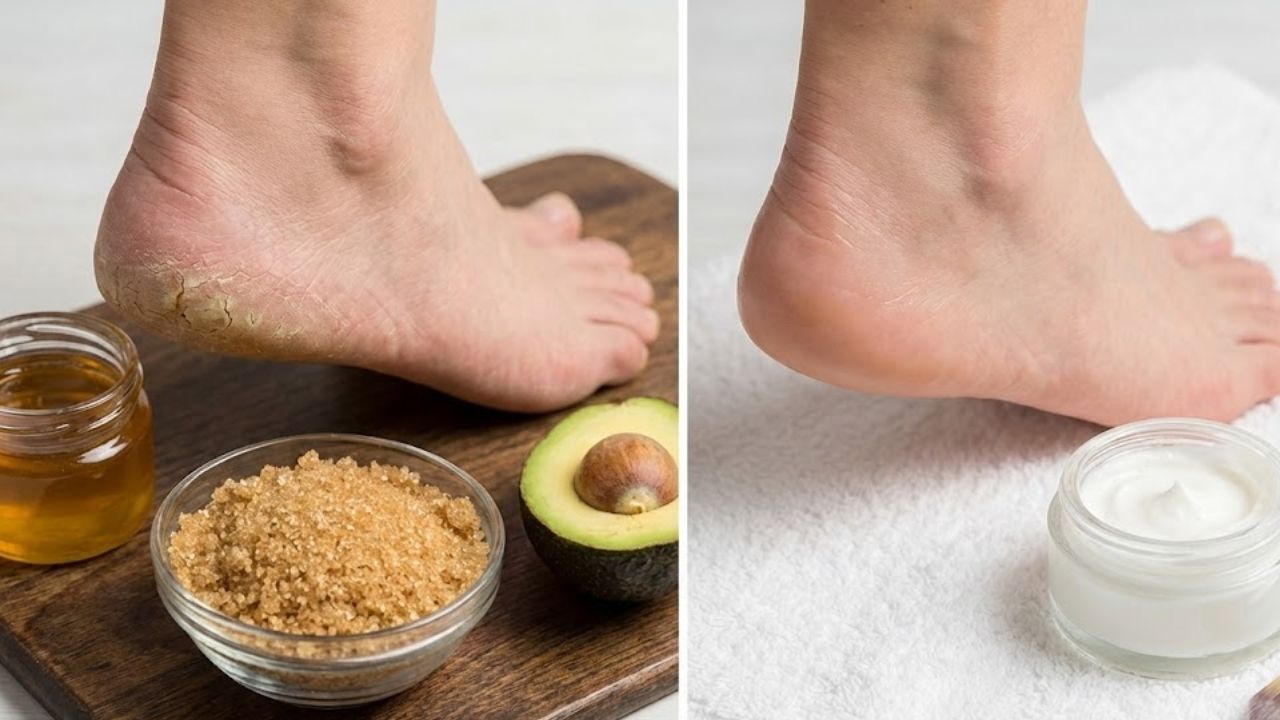
    Heal Dry Cracked Heels Faster at Home Using Powerful Kitchen Ingredients That Actually Work

    Cracked Heels When you first see the cracks they seem minor. Thin white lines appear across your heel that look like dried mud. You can easily ignore them at first. They might have formed from walking barefoot at home or from wearing those new sandals constantly. Then one morning when you step out of bed the floor feels rough beneath your foot. You notice a sting and a slight pulling sensation. The cracks have grown deeper & now feel tender. They sometimes snag on your socks.

    The Quiet Clues Hidden in Your Heels

    Your heels carry more responsibility than most people realize. With every step, they strike the ground first and absorb constant impact, especially when you walk, run, or stand for long hours. Because they are hard to see and usually covered, they often get ignored. You may notice rough or dry skin while showering and promise yourself you will deal with it later, only to forget. Over time, your skin reflects how it has been treated. Dry, cracked heels usually signal ongoing pressure and friction without enough moisture. Walking barefoot on hard floors or wearing shoes with thin soles or open backs can make this worse.

    Extended hot showers, cold weather, and indoor heating can also strip moisture from your skin. Heel skin is naturally thick to protect your feet, but when it becomes too dry, it loses flexibility. Instead of bending as you walk, it starts to split, and those cracks can deepen and become painful. The encouraging part is that your skin is always working to repair itself. With proper moisture, softening care, and protection, healing can happen faster than you expect.

    Turning Your Kitchen Into a Skin-Care Ally

    Your kitchen offers more than meals—it holds simple items that can help soothe dry heels. Olive oil, a common cooking staple, works as an effective moisturizer for rough skin. Honey naturally draws moisture into the skin and calms cracked areas. Milk and yogurt help soften flaky patches, while mixing sugar or salt with oil creates a gentle scrub to lift away dead skin cells. Using familiar ingredients feels comforting because you already trust them. There are no complex labels or unfamiliar products—just simple textures and scents you know. Understanding what each ingredient does helps you use them more effectively.

    Natural Ingredient Heel Care Benefits Recommended Use
    Olive Oil / Coconut Oil Penetrates deeply to hydrate cracked heels and soften hardened skin Night-time massage, nourishing base for DIY scrubs
    Honey Locks in moisture, calms irritation, and encourages skin repair Healing mask mixed with warm milk or natural oil
    Milk / Yogurt Gently loosens dead skin cells using natural lactic acid Soothing foot soak or creamy softening pack
    Sugar / Salt Exfoliates rough layers and smooths uneven heel texture Foot scrub applied after soaking feet in warm water
    Banana / Avocado Feeds skin with vitamins and healthy fats for deep nourishment Thick hydrating mask for very dry or cracked heels

    A Calming Nighttime Routine for Cracked Heels

    Think of this routine as a peaceful evening reset. As the day winds down and your space grows quiet, you take about fifteen minutes to focus on your feet.

    Step 1: Warm Milk and Salt Foot Soak

    Fill a basin with comfortably warm water. Add half a cup of milk, one or two spoons of salt, and a small amount of olive oil. Place your feet in the soak for ten to fifteen minutes. The warmth relaxes the skin, while the milk helps soften dryness and the oil begins restoring lost moisture.

    Step 2: Soft Scrub for Rough Areas

    Combine sugar or fine salt with olive oil or coconut oil until it forms a thick paste. Gently massage it onto your heels using circular motions, focusing on rough spots. Avoid scrubbing too hard, as gentle care is more effective than aggressive rubbing. Rinse your feet with warm water once finished.

    Step 3: Honey and Yogurt Soothing Mask

    Mix one tablespoon of honey with one tablespoon of thick yogurt and add a few drops of oil. Apply this blend generously to cracked areas and leave it on for ten to fifteen minutes. This mask delivers deep hydration and helps calm the skin. Rinse gently and pat dry with a towel.

    Overnight Oil Care for Lasting Softness

    Before bedtime, warm a small amount of olive oil or coconut oil and massage it into your heels for several minutes. Put on clean cotton socks to lock in moisture while you sleep. By morning, your heels will usually feel softer, smoother, and far less tender than before.

    Simple Daily Habits to Keep Heels Healthy

    Once your heels heal, maintaining them comes down to consistent habits. Apply moisturizer after showering and avoid using overly hot water. Rotate your footwear regularly and drink enough water throughout the day. At the first sign of dryness, address it immediately. These small daily actions help prevent cracks from returning.

    Knowing When Home Care Isn’t Enough

    If heel cracks become deep, start bleeding, or do not improve with regular care, professional guidance may be necessary. Certain underlying conditions can slow healing, and a doctor or podiatrist can suggest appropriate treatment. While home remedies offer relief, medical advice ensures proper recovery when needed. Most cracked heels stem from dryness that requires attention. With warmth, oil, patience, and common household ingredients, your feet can become comfortable again and continue supporting you every day.

  • Spot the Difference Challenge Designed to Sharpen Observation Skills by Finding 3 Hidden Changes

    Spot the Difference Challenge Designed to Sharpen Observation Skills by Finding 3 Hidden Changes

    Spot the Difference puzzles are a fun and effective way to challenge your brain while sharpening your visual awareness. The idea is simple: two images appear almost identical, yet they contain small, hidden differences that must be found within a limited time. These puzzles test how well you can notice fine details, process visual information quickly, and stay focused under pressure. Today’s challenge raises the difficulty even higher, as only 1% of people with exceptional visual skills can identify all three differences in time. Are you ready to test yourself?

    The Challenge: Identify the Three Hidden Differences

    In this engaging Spot the Difference challenge, you are shown two nearly identical images featuring adorable puppies. At first glance, both pictures look exactly the same, but closer inspection reveals subtle variations. Your task is to find three carefully hidden differences within the images.

    These changes may include slight adjustments in shapes, colors, or the placement of small elements, making them easy to miss without full concentration. Time is a key factor in this challenge. It’s not just about looking quickly, but about observing carefully. As each second passes, your attention to detail and visual focus are put to the test.

    Why Spot the Difference Puzzles Are So Effective

    Spot the Difference puzzles are more than simple entertainment—they offer valuable mental benefits. One major advantage is improved attention to detail. Because the differences are often extremely subtle, your brain learns to notice small visual changes more efficiently, a skill useful in daily life, education, and work environments.

    These puzzles also strengthen cognitive processing by training your mind to analyze visual information quickly. Comparing two images side by side enhances mental agility, helping you think faster and more clearly. The added time pressure boosts focus and concentration, encouraging sustained attention without distractions.

    Another important benefit is improved pattern recognition. Over time, your brain becomes better at detecting visual inconsistencies, a skill that supports error detection, trend spotting, and quicker decision-making in real-world situations.

    The Solution: Discovering the Three Differences

    If you managed to spot all three differences, well done. If not, don’t worry—this puzzle was designed to challenge even the most observant individuals. Let’s take a closer look at the three hidden differences between the puppy images.

    The first difference appears in the clouds near the top of the image. In the right-hand picture, the cloud on the right side has a slightly altered shape compared to the left image. This small change is easy to overlook unless you carefully examine the sky.

    The second difference involves the puppy’s tail. In the left image, the tail has a gentle curve, while in the right image, the tail’s shape has been subtly modified. This variation can be missed if your attention is focused mainly on the puppy’s face.

    The third and final difference is found in the flowers. One flower on the right side has a dark brown center in the right image, while the same flower has a yellow center in the left image. The color change is subtle but becomes clear once noticed.

    How Optical Illusions Improve Mental Agility

    Challenges like this Spot the Difference puzzle serve as excellent mental exercises. Regularly solving visual puzzles helps improve problem-solving skills by training your brain to view challenges from multiple perspectives, which can be helpful in everyday decision-making.

    These puzzles also increase visual processing speed. As your brain adapts to scanning and comparing images quickly, it becomes more efficient at handling visual information under time pressure, leading to better performance in fast-paced tasks.

    In addition, optical illusions help strengthen attention span and memory. Repeatedly identifying patterns, shapes, and colors improves your ability to retain visual information and maintain focus for longer periods.

    Final Thoughts: Can You Join the Top 1%?

    If you successfully found all three differences, congratulations—you’ve demonstrated strong observation skills and impressive focus. If not, there’s no reason to feel discouraged. These puzzles are meant to be challenging, and improvement comes with practice.

    Spot the Difference challenges are an enjoyable and effective way to sharpen your mind, enhance concentration, and support overall cognitive performance. Whether you’re looking for a quick brain workout or a fun mental challenge, puzzles like this make a great addition to your daily routine.

  • Four Free Ways to Improve Fitness Strength and Endurance Without Paying for a Gym Membership

    Four Free Ways to Improve Fitness Strength and Endurance Without Paying for a Gym Membership

    Pull on your trainers and start building fitness with regular walks or light jogs. A gentle routine can make a big difference over time and helps create a habit that lasts beyond January.

    The NHS Couch to 5k is a free nine-week programme designed to ease beginners into running. Simply download the app and follow the guided plan at your own pace.

    Once you feel ready, you can also join weekly 5k Parkruns. These free events take place every Saturday morning at more than 1,250 locations. Find your nearest event at parkrun.org.uk.

    Move Together and Make It Social

    ParkPlay is a nationwide initiative offering free games and activities every week in parks and public spaces throughout the year.

    The sessions are open to all ages and designed to be inclusive for every fitness level. You can join in solo or attend as a family. Registration is required before taking part.

    To find your closest session and sign up, visit park-play.com. Over-55s can also access free or low-cost walking football sessions through Age UK, which currently runs 86 groups nationwide. Details are available at ageuk.org.uk/services.

    Pick Up a Racket

    The Barclays Free Park Tennis programme offers weekly sessions across the country. These are open to complete beginners as well as players looking to develop their skills.

    Build Strength Without the Gym

    If your goal is to improve strength, focus on bodyweight exercises rather than costly equipment. This approach keeps workouts simple, free, and flexible, allowing you to exercise anywhere, anytime.

    There are several free fitness apps that guide you through routines. The Nike Training Club app offers a wide range of workouts, while the Freeletics app includes 20 bodyweight workouts and 25 exercises in its free version.

    Everyday Deals to Make Life Easier

    Stay warm on cold nights with the Slumberdown calm and cosy 13.5 tog duvet, now half price at Sainsbury’s. The single size is reduced from £22 to £11.

    No time to wash your hair? Keep it looking fresh with Primark’s PS… dry shampoo powder, priced at just £3.

    Brighten up a dark corner with the Ferris table lamp for £12 from Dunelm. Alternatively, pay £7.99 with a Lidl Plus card (£9.99 without) in Lidl stores from today.

    Carry your essentials in style with a green faux leather tote bag, now reduced from £35 to £17.50 at Accessorize.

    Enter for a Chance to Win Extra Cash

    Join thousands of readers taking part in The Sun Raffle. Every month, £100 is given away to 250 readers, whether you’re saving up or need a little extra support.

    Each Sun Savers code entered counts as one Raffle ticket. The more codes you enter, the more tickets you earn and the greater your chance of winning.

    All prices are correct at the time of going to press. Deals and offers are subject to availability.

  • Family-Run Hair Salon Earns Top Three Ranking in Bournemouth

    Family-Run Hair Salon Earns Top Three Ranking in Bournemouth

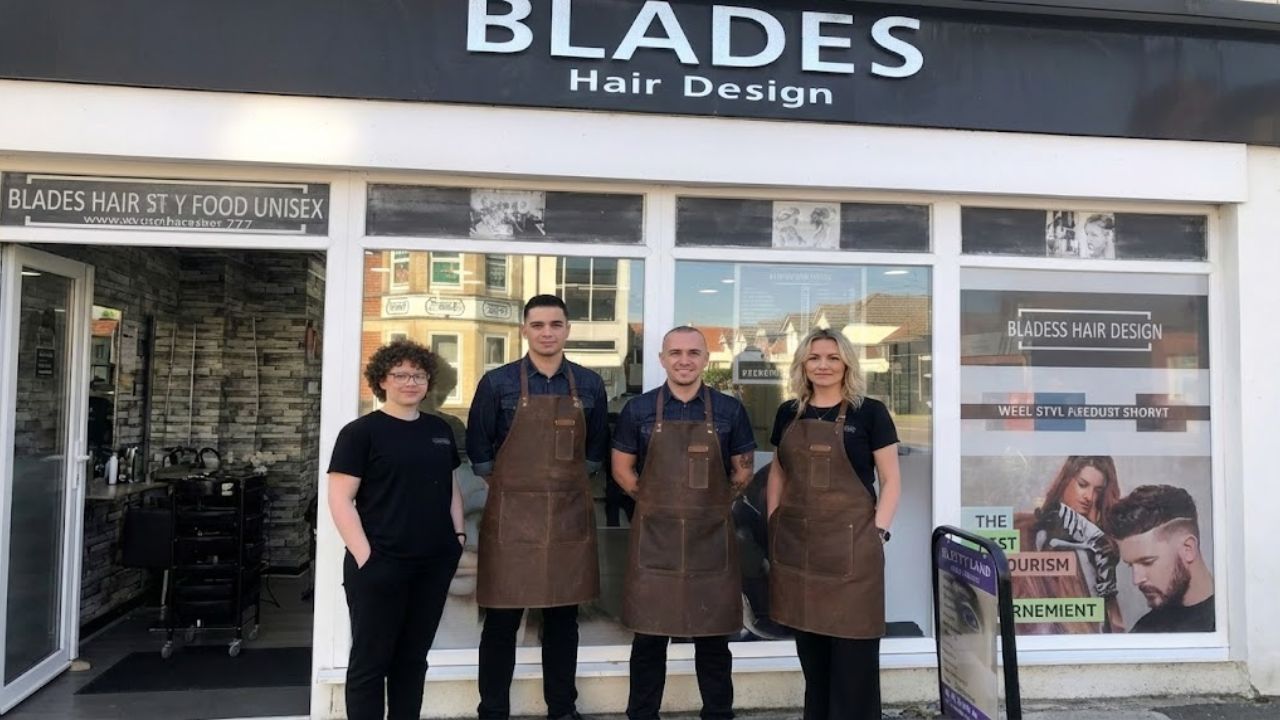
    Blades Hair Design, a well-known salon on Wimborne Road in Winton, has been selected as the Daily Echo’s Trader of the Week, marking another milestone for the long-established business.

    The salon has also been ranked among the top three hairdressers in Bournemouth, with owners Yunus Arici and his wife Dilek expressing how grateful they are for the recognition.

    Recognised Among Bournemouth’s Best Salons

    Based on customer reviews, business history, service standards, trust, pricing, satisfaction, and overall trading excellence, Blades Hair Design secured a leading position on The Best Rated website. The salon now sits alongside well-known names such as Toni & Guy and V Design Salon.

    A Salon With Nearly Five Decades of History

    The history of Blades Hair Design dates back to around 1974. Yunus explained that it was the first hair salon established in Bournemouth, originally opening as a single-chair salon before relocating to its current premises in 1977.

    Before Yunus and Dilek took over the business in 2018, the salon had been run by five female owners over the years.

    Extensive International Experience

    Prior to acquiring Blades Hair Design, Yunus and Dilek spent many years working as salon directors at a prestigious hair and beauty centre in Kadikoy, Turkey.

    Yunus Arici brings more than 35 years of professional experience, having worked with famous artists in Turkey. He is also a highly qualified hair design teacher who completed advanced training in both Germany and Turkey.

    Speaking about her husband, Dilek said: “He has trained many hairdressers in Turkey. He is a skilled hair colourist and masters the pivot point hair cutting technique.”

    The Turkish Hairdressing Tradition

    Dilek explained that many Turkish hairdressers develop strong skills early due to their apprenticeship system.

    “If you ask why Turkish hairdressers are famous worldwide, it’s because they begin apprenticeships at a very young age, usually around 14,” she said.

    “They spend four days a week training as apprentices and two days at school, which helps them learn the trade quickly.”

    High-Quality Products and Signature Services

    The salon exclusively uses high-quality German and Turkish shampoos, hair dyes, and hair care products, a standard reflected in the consistently positive customer reviews.

    Blades Hair Design is also well known for its specialised Turkish blow dry, performed using a specific roll brush technique.

    Plans for Future Expansion

    Looking ahead, Dilek revealed that the family is planning to open a second Blades Hair Design branch. While the location has not yet been confirmed, the owners are keen to expand and continue growing the business.

  • I train my 72-year-old father using these 5 exercises for strength and longevity

    I train my 72-year-old father using these 5 exercises for strength and longevity

    When you purchase through links on our site we may earn an affiliate commission. Here’s how it works.

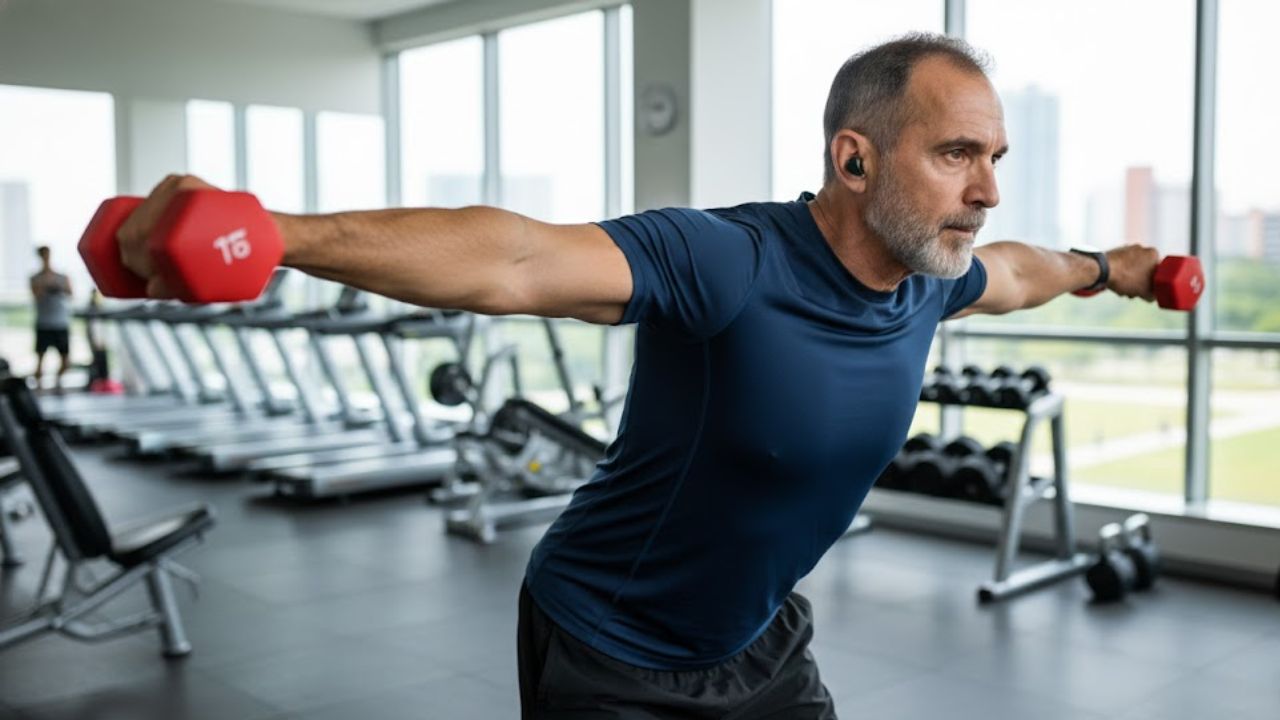
     I admit that I can be a bit pushy when it comes to giving my parents exercise advice. There are five strength exercises that I regularly encourage my loved ones to do so they can stay strong & mobile as they get older.

     You don’t need much equipment to do these exercises but I would suggest investing in a good set of kettlebells or adjustable dumbbells. This allows you to increase the resistance as you build strength over time. The ability to adjust the weight means the exercises will continue to challenge you since you can modify the load and the number of repetitions and sets based on your fitness level.

    If you’re ready to get started you can check out the exercises and their benefits below.

    Your calf muscles play an important role in keeping your lower body joints stable & they help you walk and run by pushing you forward. The tip-toe farmers walk is different from calf raises because it requires you to stay up on the balls of your feet the entire time you walk. This keeps your calf muscles contracted throughout the exercise.

     I recommend using lighter weights for this movement because your balance will be tested and you need to keep your body stable. This variation activates the smaller stabilizer muscles throughout your body including your core muscles. The technique involves walking at a consistent pace while holding two weights at your sides as shown in the video above. Then you lift up onto the balls of your feet and keep walking in that position. If you are just starting out you can switch between normal walking and tip-toe walking. When you feel more comfortable you can progress to walking on your tip-toes for the full distance.

    Prisoner Squats: A Full-Body Mobility Challenge Prisoner squats work your upper body more than regular squats while testing how well your thoracic spine can move. They also challenge the flexibility of your hips and the range of motion in your knees and ankles. All of these elements work together to help you maintain an upright position as you lower yourself down. Many people have a tendency to lean forward when they squat. This forward lean usually indicates limited mobility in key areas of the body.

    Prisoner squats are done by placing your hands gently behind your head as you squat down. Focus on pressing your weight into your heels & keeping your chest lifted while lowering your hips as close to the floor as possible. Occasionally I add variety by having people push their hips backward at the lowest point of the squat and then lean forward from the hips until their chest becomes parallel with the floor. This position resembles the bottom part of a good morning exercise and effectively works the hamstrings. Make sure to return to the regular squat position before standing back up. When you build more strength you can add challenge by wrapping a resistance band around your thighs or holding a weight behind your head.

    Split squats work well for beginners who struggle with lunges because you keep your feet in one position instead of stepping forward or backward with each repetition. This makes it much easier to stay balanced. You start by placing your legs in a split stance and then lower your back knee toward the floor before pushing yourself back up to the starting position. After you get comfortable with both feet on the ground you can try putting your back foot on an elevated surface. This makes the exercise harder and targets your glutes more effectively. Adding weights to each hand can actually help with balance while also increasing the challenge for your leg muscles. This extra resistance makes the lower body work harder during the movement. One effective technique is to slow down the lowering portion of the movement and then push up quickly. Taking three to four seconds or longer to lower yourself creates more time under tension for your muscles. This approach builds stronger legs and glutes efficiently. If you want to emphasize your glutes even more you can lean your torso slightly forward while maintaining a straight back throughout the exercise.

    Pike push-ups work your shoulders and triceps by using your own body weight in a vertical position. Think of it as doing an overhead press while upside down. You don’t need any equipment for this exercise and it challenges your upper body strength along with your hamstring and shoulder flexibility. Begin by getting into a downward dog position and move your hands and feet a bit closer to each other. Then shift your weight forward while keeping your hips elevated. Remember that this is different from a regular push-up so try to maintain a vertical angle. Lower the top of your head until it lightly touches the ground just ahead of your hands. Push yourself back up to the starting downward dog position.

    Overhead squats work your upper body more than prisoner squats and challenge your thoracic mobility and squat depth. Keep your chest up and back straight while holding your arms locked overhead near your ears.

    Start with bodyweight or light weights. I have my clients hold a barbell plate with both hands. For a harder version try holding weight in just one hand to challenge each side of your body separately.

    Maintain an upright torso as you squat and distribute your weight evenly through your feet using the tripod position. This means pressing through three points: your heels and your big toes and little toes. Watch out for your knees caving inward and your chest leaning forward. Gradually try to squat lower over time. Picture yourself holding a tray of drinks overhead that you need to keep steady.

    Sam Hopes works as a level 3 qualified trainer & holds a level 2 Reiki practitioner certification. She serves as the fitness editor at Tom’s Guide and is currently completing her Yoga For Athletes training course. Throughout her career Sam has contributed to numerous fitness brands and websites. She has worked with several Future brands including Live Science, Fit&Well Coach & T3. Her background includes coaching at fitness studios such as F45 and Virgin Active where she worked as a personal trainer. These days Sam focuses mainly on teaching outdoor bootcamps and specializes in bodyweight training, calisthenics and kettlebell workouts. She teaches mobility and flexibility classes multiple times each week. Sam believes that genuine strength develops through a comprehensive approach to physical training. Sam has participated in two mixed doubles Hyrox competitions held in London & the Netherlands. She completed her first doubles event with a time of 1:11.

  • Poor Oral Health Linked to Higher Stroke Risk as Researchers Warn of Overlooked Daily Habits

    Poor Oral Health Linked to Higher Stroke Risk as Researchers Warn of Overlooked Daily Habits

    New research from the United States suggests that what happens inside the mouth may strongly influence the risk of stroke. Conditions such as gum disease and untreated tooth decay, long viewed as local dental problems, are now being linked to one of the most serious threats to brain health.

    When a dental visit becomes a neurological alert

    For decades, dentists have warned that skipping cleanings can lead to tooth loss. Neurologists are now adding a more severe caution: poor oral care may also damage the brain. This research builds on earlier findings from Japan that associated weak oral health with dementia, and extends the concern to stroke, a leading global cause of long-term disability.

    The study was conducted by researchers at the University of South Carolina. They examined data from 5,986 adults with an average age of 63. At the beginning of the study, none of the participants had experienced a stroke, significant cavities, or advanced gum disease. This clean starting point allowed researchers to track how changes in dental health aligned with later stroke risk.

    How declining oral health raised stroke risk

    Over time, participants who began with healthy teeth and gums but later developed gum disease or cavities showed a much higher likelihood of suffering a stroke than those who maintained good oral health.

    The group was followed for roughly 21 years, enough time for chronic conditions and daily habits to influence long-term health. Researchers categorised participants into three groups: those with healthy mouths, those with gum disease only, and those with both gum disease and tooth decay.

    Statistics that give oral care new urgency

    The contrast between these groups was clear. Among people who kept their oral health intact, 4.1% experienced a stroke. That figure rose to 6.9% in participants with gum disease alone, and reached 10% among those with both gum disease and cavities.

    After adjusting for factors such as smoking, body mass index, blood pressure, and other cardiovascular risks, the association became even stronger. Compared with participants who had healthy mouths, those with gum disease faced a 44% higher stroke risk. When gum disease was combined with cavities, the risk increased by about 86%.

    These findings indicate that infected gums and decaying teeth do not remain confined to the mouth. Instead, they appear to coincide with a dramatic rise in stroke risk, even after accounting for traditional risk factors.

    What may be happening inside the body

    Researchers believe bacteria and chronic inflammation play a central role. Periodontitis, an advanced form of gum disease, is caused by bacterial infection that destroys the tissues supporting the teeth. Cavities represent bacterial damage to tooth enamel.

    These bacteria can enter the bloodstream during everyday actions such as chewing or brushing. Once circulating, they may trigger low-grade inflammation that affects blood vessels throughout the body, including those supplying the brain.

    Chronic inflammation can damage artery linings, destabilise plaque, and encourage clot formation. If a clot blocks blood flow in a brain artery, it can result in an ischaemic stroke. The mouth, therefore, acts as a gateway to the bloodstream rather than an isolated system.

    Understanding gum disease more clearly

    Gum disease often begins quietly. Gingivitis, marked by red or bleeding gums, is usually reversible. If bacteria spread deeper due to plaque and tartar buildup, the condition can progress into periodontitis, leading to permanent damage.

    • Early signs: bleeding during brushing or flossing, persistent bad breath, mild gum swelling
    • Advanced signs: receding gums, loose teeth, pain while chewing, changes in bite
    • Main causes: poor oral hygiene, smoking, uncontrolled diabetes, dry mouth, certain medications

    The study suggests that allowing gum disease to persist for years may carry serious consequences beyond dental health, including effects on the brain.

    Dental check-ups as a stroke prevention tool

    Researchers also examined dental care habits. Individuals who attended regular dental check-ups, rather than visiting only during emergencies, showed notably lower risks.

    Those who maintained routine visits had 81% lower odds of developing both gum disease and cavities, and 29% lower odds of gum disease alone. Regular cleanings help remove plaque before it hardens, treat small cavities early, and detect gum problems before they worsen.

    This approach reduces bacterial spread into the bloodstream and may lower overall inflammation. From a public health perspective, the findings position dental care not just as cosmetic maintenance, but as part of broader cardiovascular prevention.

    How oral health compares with other stroke risks

    Stroke usually results from multiple interacting factors rather than a single cause. Poor oral health now appears to be one of those contributors.

    • High blood pressure: damages vessel walls and raises blockage risk
    • Smoking: thickens blood, promotes clots, accelerates artery damage
    • Diabetes: increases inflammation and plaque buildup
    • Poor oral health: fuels chronic inflammation and bacterial vessel exposure

    When combined, these risks may amplify each other. For example, chronic oral infection can worsen blood pressure control and further strain already vulnerable arteries.

    What this means for everyday habits

    The findings do not suggest that one cavity guarantees a stroke, nor that perfect teeth eliminate risk. They do highlight the importance of oral care in long-term brain health.

    • Brush twice daily with fluoride toothpaste, focusing on the gumline
    • Floss or use interdental brushes to clean between teeth
    • Schedule routine dental exams and cleanings
    • Reduce smoking and high-sugar foods
    • Manage conditions like diabetes that worsen gum disease

    While these habits seem simple, maintaining them over decades may significantly reduce inflammatory stress on the arteries.

    Why neurologists are paying attention to teeth

    Modern neurology increasingly focuses on preventing a first stroke rather than treating damage afterward. Alongside monitoring blood pressure, cholesterol, and heart rhythm, oral health is gaining attention.

    Some stroke clinics now ask patients about bleeding gums and tooth loss. Individuals with repeated dental infections combined with other risks may require more aggressive prevention strategies.

    This approach mirrors how cardiologists assess conditions like sleep apnoea, which indirectly but powerfully affect cardiovascular health. Dentistry may serve a similar role for protecting the brain.

    From dental hygiene to long-term brain protection

    The South Carolina study is observational, meaning it shows strong associations rather than direct cause and effect. Future trials that compare intensive dental care with standard care could provide clearer answers.

    Even so, the findings raise practical questions for health policy. Should basic dental care be part of stroke prevention programmes? Could expanding access to dental services in underserved areas reduce future neurological disability?

    For now, the takeaway is simple and grounded: brushing, flossing, and routine dental visits do more than protect teeth. Over time, they may quietly lower the risk of a serious brain emergency.

  • Hygiene After 65: Experts Explain Why Daily or Weekly Showering Fails and What Truly Supports Aging Health

    Hygiene After 65: Experts Explain Why Daily or Weekly Showering Fails and What Truly Supports Aging Health

    The bathroom carried a soft mix of steam and lavender when 72-year-old Margaret called her daughter over. Holding the safety rail with one hand and resting the other on her hip, she asked quietly, “Do I really need to shower every day?” Her skin looked irritated and overly shiny, as if it had been scrubbed too often. Her doctor had already warned her to be cautious about her blood pressure, balance issues, and the dryness in her legs that cracked easily. Yet for decades, she had absorbed the same belief: cleanliness equals discipline, and discipline equals health.

    Down the hall, her husband George had not taken a full shower in four days. Instead, he cleaned himself with a warm cloth, put on fresh clothes, and returned to his crossword puzzle. He looked well and felt better than when he forced himself into daily showers. Between them lingered an unspoken question that many families face: how often should older adults really shower?

    Why the Daily Shower Rule Changes After 65

    Ask ten people over 65 about their shower habits, and you will hear ten different routines. Some rely on a daily rinse to feel awake, while others worry about slipping, dizziness, or sheer exhaustion. Beneath these habits, medical guidance has quietly shifted. Many geriatricians and dermatologists now agree that the traditional daily shower no longer suits aging bodies.

    After 65, skin becomes thinner, drier, and more fragile. Natural oils decrease, and small cracks form more easily. Hot water and strong soaps can quickly damage this delicate barrier. For this reason, many experts suggest two to three showers per week for healthy seniors, combined with daily cleaning of key areas. It is not about extremes, but about a measured and flexible routine that protects the skin.

    What Doctors Observe in Real Life

    One geriatric specialist often recalls a 79-year-old patient who complained of constant itching. He showered every morning using a strong antibacterial gel, convinced it was necessary for cleanliness. His arms and legs were inflamed, and red patches covered his back. When advised to reduce showers to three times weekly and switch to a mild, fragrance-free cleanser, he worried about odor.

    Weeks later, his skin had calmed, his sleep improved, and his wife admitted that he smelled exactly the same. Similar patterns appear in home-based research. Older adults who insist on daily showers often experience more dermatitis, small cuts, and infections. Those who space out full showers but maintain simple daily hygiene frequently do just as well, or better.

    Understanding the Skin’s Natural Balance

    Skin is more than a surface to scrub; it is a living protective barrier. Beneficial bacteria and yeasts help defend against irritation and infection. Long, hot showers and harsh products strip away these protections and create tiny openings in the skin. While younger skin repairs itself quickly, this process slows significantly with age.

    As a result, hygiene after 65 is no longer about “more is better.” It becomes about doing enough, in the right way, at the right pace. This shift explains why many professionals now emphasize “smart hygiene” instead of maximum cleanliness.

    Creating a Practical Shower Routine for Seniors

    The most effective routines are realistic and sustainable. Standing for long periods under hot water, bending, reaching, and drying can feel overwhelming for aging bodies. Many care teams now recommend two or three full showers each week, supported by shorter cleaning routines on other days.

    On shower days, guidance is consistent: use lukewarm water, keep showers to 5–10 minutes, and focus on odor-prone areas such as underarms, groin, feet, and skin folds. Mild, pH-balanced cleansers should be used only where needed. On non-shower days, a warm washcloth or gentle wipes for the face, neck, underarms, groin, and feet can be enough. Clean clothing and fresh underwear do much of the work quietly.

    Safety, Comfort, and Confidence in the Bathroom

    Fear plays a major role in hygiene habits. Many older adults have experienced slips or moments of dizziness that leave lasting anxiety. This is why therapists emphasize that safe hygiene supports mental well-being as much as physical health. Simple tools like grab bars, non-slip mats, shower chairs, and hand-held showerheads can transform bathing from a stressful task into a manageable routine.

    Families often worry about judgment, but many healthcare professionals acknowledge that calm, safe hygiene twice a week is often healthier than forcing daily showers that increase fall risk. As one nurse explained, the goal is not perfection, but comfort, cleanliness, and safety.

    Common Mistakes That Harm Aging Skin

    Problems usually arise from habits such as overly hot water, aggressive antibacterial products, rough scrubbing tools, and skipping moisturizer. These practices can turn every shower into a repeated skin assault. A gentler approach includes short, warm showers followed immediately by a fragrance-free cream on dry areas.

    • Full showers: 2–3 times per week
    • Daily cleaning: underarms, groin, feet, face, and hands
    • Water temperature: warm, not hot
    • Duration: 5–10 minutes
    • Products: mild, fragrance-free, pH-balanced
    • Safety aids: grab bars, non-slip mats, shower chair if needed

    Redefining Cleanliness in Later Life

    Hygiene after 65 is also about dignity, routine, and how aging bodies are perceived. The fear of smelling unpleasant is powerful, especially when care involves family members. Showering less often can feel like failure, yet evidence consistently shows that two or three showers per week, supported by smart daily care, protect against odor and infection just as effectively.

    When families adjust expectations, bathroom tension often fades. A parent who resists daily showers may accept a twice-weekly routine when they feel respected. These small changes lead to fewer arguments, less skin damage, and fewer falls. Ultimately, the ideal frequency is not just a number, but a balance between physical health, emotional comfort, and everyday life.

  • After 70: It Is Not Walking or Gym Workouts but One Movement Habit That Boosts Healthspan

    After 70: It Is Not Walking or Gym Workouts but One Movement Habit That Boosts Healthspan

    He isn’t moving fast like most walking apps suggest. He’s not wearing gym clothes either. Dressed in an old sweater, he carefully lowers himself onto the park grass, then rises again without using his hands.

    He repeats this quiet routine several times. Sitting cross-legged. Standing. Kneeling. Standing again. Twisting to reach his bag. A teenager watches with confusion. To everyone else, he’s simply an older man stretching on the lawn.

    What no one sees is his medical history: type 2 diabetes in remission, no falls in a decade, no back pain, and zero blood pressure medication. His results didn’t come from 10,000 daily steps or punishing workouts. They came from a completely different way of moving.

    The overlooked flaw in common “healthy aging” advice

    Simple rules feel comforting. Walk for half an hour. Visit the gym twice a week. Follow a video routine. On paper, it all looks neat and manageable.

    But conversations with people over 70 tell another story. “I walk daily, yet I feel stiff.” “Turning quickly throws me off balance.” “I’m strong on machines, but stairs hurt my knees.” These experiences reveal a quiet mismatch between standard fitness advice and the real demands of aging bodies.

    That mismatch is where healthspan begins to shrink.

    Why independence matters more than fitness metrics

    Longevity experts often talk in years. Older adults talk about something far more practical: standing up from the toilet confidently, carrying groceries, playing on the floor with grandchildren, or traveling without fearing a slippery bathtub.

    These are not traditional fitness goals. They are movement challenges. Solving them requires more than walking in straight lines or lifting machines at the gym.

    They demand movement patterns that reflect real life.

    A simple test that revealed a powerful truth

    In Brazil, researchers once used a straightforward assessment: could older adults sit on the floor and stand back up without using hands, knees, or heavy support? Those who struggled faced a significantly higher risk of death in the following years.

    The test wasn’t special on its own. Its power came from what it combined: strength, flexibility, balance, coordination, and confidence. These are the abilities that protect independence.

    Now think about a typical week. Plenty of steps. Maybe some gym machines. But how often do you practice getting up from the floor, rotating your spine, reaching overhead, or regaining balance when you wobble?

    The missing piece in most senior routines

    This gap explains why many well-intentioned routines fall short. Walking improves endurance, but it rarely trains the movements that matter most in daily life.

    The issue isn’t effort. It’s relevance.

    The movement pattern that truly extends healthspan after 70

    The approach that makes the biggest difference has an unglamorous name: habitual, varied, all-direction movement built into everyday life. Not workouts. Not scheduled sessions. Patterns.

    This means becoming a “daily mover” instead of a “three-times-a-week exerciser.” Small, intentional movements are added to ordinary moments: standing up from a chair with control, rotating to look behind you, shifting weight while brushing your teeth.

    It may look unimpressive, but internally it changes everything. Joints feel smoother. Steps feel lighter. The floor stops feeling dangerous.

    A real example of how small changes reshape daily life

    Margaret, a 74-year-old retired teacher, proudly hit 6,000 steps every day. Her watch approved. Her body did not. She lived with lower back pain, experienced two near-falls, and grew anxious around curbs.

    She assumed she needed tougher workouts. Her physiotherapist saw something else.

    For eight weeks, they focused only on movements she performed daily: getting in and out of chairs, bending to load the dishwasher, turning in tight spaces, stepping over hallway obstacles. These were practiced as brief drills, no sweat required.

    Twice a day, for just two minutes, she practiced standing without using her hands, sitting from different chair heights, and stepping sideways while holding the counter.

    Her step count barely changed. Her life did. She walked uneven paths with confidence, picked items up from the floor without hesitation, and moved with visible trust in her body again.

    Why repetition matters more than intensity

    The human body, even at 70, responds powerfully to repetition. If you only walk forward, you become good at that alone. When you practice sitting, standing, twisting, reaching, and balancing in multiple ways, your nervous system rebuilds confidence in those patterns.

    This principle is often called specificity of training. In simple terms: practice what you want to keep. What you avoid slowly disappears. Unfortunately, the movements we abandon first are usually the ones we need most.

    The solution isn’t heroic workouts. It’s restoring these movements before they fade completely.

    A practical way to rebuild movement patterns at home

    Movement researchers often recommend a short daily circuit of real-life movements. It takes 5 to 8 minutes, requires no special clothing, and can be done at home near sturdy support.

    • Sit and stand from a chair 8–10 times, lowering yourself slowly.
    • Step sideways along a counter, ten steps each direction.
    • Hold the counter and lift one heel at a time, like slow marching.
    • Gently rotate to look over each shoulder, eyes following your hand.
    • If comfortable, kneel on a soft surface and stand back up with assistance.

    No timers. No perfect form. Just useful movement patterns.

    Making consistency easier than motivation

    The key is attaching movement to habits you already have. Chair stands while the kettle boils. Marching during a news break. Weight shifts during a phone call.

    The biggest mistake after 70 is waiting for motivation or perfect conditions. Movement patterns thrive on repetition, not enthusiasm. Even a few careful movements on a bad day still count.

    Fear also plays a role. Many people avoid bending, twisting, or turning after a past fall. Reintroducing these movements slowly, with support nearby, helps rebuild trust safely.

    The four daily “movement essentials”

    To keep things simple, think in four basic categories:

    • Up and down movements, like chair stands
    • Sideways movements, such as side steps or reaches
    • Twisting movements, including gentle rotations
    • Reaching movements, overhead or toward the floor

    Practicing these most days provides your healthspan with what it needs to grow.

    What changes when movement becomes a daily habit

    You begin to notice it everywhere: the 82-year-old who gardens on her knees, the grandfather who rises smoothly from the floor, the person living alone who doesn’t fear dropped keys.

    What shifts first isn’t muscle. It’s confidence. People feel less fragile. They move through crowded spaces without constantly searching for support.

    Loss of independence rarely arrives suddenly. It’s the result of years spent avoiding certain movements. The hopeful truth is that the nervous system remains adaptable well into older age.

    By reintroducing these patterns gently and consistently, the brain relearns capability. Healthspan expands not just in strength, but in how wide and accessible life feels.

    Key takeaways

    • Shift from workouts to patterns: frequent daily movements are more sustainable than isolated sessions.
    • Practice real-life movements: getting up, twisting, reaching, and balancing protect independence.
    • Keep doses small and consistent: short daily circuits quietly compound benefits over time.
  • Healthy Aging: Doctors Clarify the Ideal Weekly Shower Frequency That Protects Skin as You Age

    Healthy Aging: Doctors Clarify the Ideal Weekly Shower Frequency That Protects Skin as You Age

    In the bathroom mirror, a woman in her late sixties wipes away a small patch of steam and studies her reflection. Her smartwatch buzzes softly on the sink, logging steps, heart rate, and sleep scores with quiet efficiency. Everything is measured and optimised. Yet the question occupying her mind is far more basic: does she really need to shower every single day anymore?

    Her knees feel tighter after hot showers. The skin on her shins itches more often than it used to. At her last appointment, her dermatologist mentioned words like “microbiome” and “gentle cleansing” almost in passing. She grew up believing that cleanliness was a reflection of discipline and respectability. Now, that lifelong rule suddenly feels uncertain.

    She reaches for the tap, pauses, and lets the water run. Warm and inviting, it waits as her hand hovers in midair, as if the choice carries more weight than simply showering or skipping.

    How Much Showering Does Healthy Aging Really Require?

    For many people, somewhere around midlife, the daily shower stops being automatic and starts prompting questions. Skin feels thinner. Hair behaves differently. What once felt refreshing at 30 can feel drying and uncomfortable at 65. Standing under running water, you may start wondering whether your old routine is quietly working against you.

    Dermatologists are increasingly direct about this reality. For most healthy adults over 50, showering every day is not necessary. Many do well with around two to four showers per week. The ideal frequency depends on factors like activity level, sweating, medications, and climate. This surprises many people. Being clean does not mean being constantly scrubbed.

    Over time, the question shifts from “Did I shower today?” to “What does my body actually need this week?”

    Why Daily Showers Can Become Too Much With Age

    Survey data shows that while most adults shower daily, that habit drops sharply after 60. This isn’t about neglect. It’s about physical feedback. People notice new red patches, flaky skin, and cracked heels that sting the moment hot water hits them. These changes encourage a natural rethink.

    Ask active older adults after a walk or yoga session, and similar patterns emerge. Some shower only after swimming. Others wash key areas on non-shower days. Many admit their skin feels noticeably better since easing back. These aren’t people giving up on hygiene. They’re people adapting.

    Healthy aging isn’t about abandoning cleanliness. It’s about recognising that a 20-year-old’s routine on a 70-year-old’s body can have unintended side effects. Daily hot showers with strong soap strip away natural oils that aging skin already produces less of, creating a cycle of dryness and irritation.

    What Happens to Skin as You Get Older

    Biologically, skin changes steadily over the decades. Sebum production declines, the skin barrier weakens, and beneficial surface bacteria become more fragile. Frequent hot showers disrupt this balance. The result is often dryness, persistent itching, and tiny cracks that increase the risk of infection.

    From a practical perspective, balance works best. If you’re mostly sedentary, live in a mild climate, and don’t sweat heavily, two or three showers a week is often enough. On the days in between, washing key areas keeps you comfortable and socially confident. Very active older adults usually find three to four showers weekly hits the right balance.

    A Smarter Shower Routine for Healthy Aging

    Many geriatric specialists quietly recommend a simple approach: alternate between “full shower days” and “spot-clean days”. On full shower days, wash your body gently using lukewarm water. Apply mild cleanser only to armpits, groin, feet, and visibly dirty areas. Avoid harsh scrubbing on arms and legs unless truly needed.

    On spot-clean days, skip the shower altogether. Use a soft cloth, warm water, and gentle soap at the sink for odour-prone areas such as armpits, under the breasts, groin, and feet. It takes only minutes and preserves both skin health and personal comfort.

    This routine can flex with your life. Heavy gardening or summer heat may call for an extra shower. A quiet day indoors might not. With age comes the freedom to design habits around real needs, not outdated expectations.

    Letting Go of Old Hygiene Myths

    A common worry is, “If I shower less, I’ll smell.” Hygiene is emotional, shaped by upbringing and past judgment. In reality, odour comes mainly from bacteria in sweaty areas, not from arms or legs. Regularly washing key zones and changing clothes addresses this effectively.

    Problems often arise when people chase the feeling of being “extra clean”. Long, hot showers and heavily fragranced products can leave skin burning or irritated, especially in colder months. This isn’t a failure of discipline. It’s a mismatch between habit and changing physiology.

    As one dermatologist specialising in patients over 60 puts it, the goal isn’t more showers, but a routine that works with your skin rather than against it.

    A Simple Checklist to Keep in Mind

    • 2–4 full-body showers per week, adjusted for activity and sweat
    • Short, lukewarm showers instead of long, hot ones
    • Mild, fragrance-free cleanser on high-odour areas only
    • Spot-cleaning at the sink on non-shower days
    • Moisturising within three minutes after showering

    These small adjustments often mean fewer itchy nights, fewer flare-ups, and a body that simply feels easier to live in. Perfection isn’t required. Respecting the skin you have now is enough.

    Listening to Your Body Instead of Rigid Rules

    The number of showers you “should” take is less a rule and more an ongoing conversation with your body. Think of your skin as a quiet record keeper. Flaky shins, nighttime itching, or feeling better during weeks with fewer showers are all useful signals.

    Showering can also be emotional with age. On sore-joint days, getting in and out of the bathroom can feel exhausting. On low-energy days, even standing under water feels demanding. A hygiene routine should support your health, not drain your strength.

    The next time you face the mirror, try asking a different question. Not “How many showers did I take?” but “How does my skin feel today?”. Healthy aging isn’t about stricter rules. It’s about noticing subtle signals and adjusting, even when it challenges what you were taught long ago.