Blog

  • Jennifer Aniston Workout Test: 5-Move Full-Body Session That Lit Up My Core Muscles

    Jennifer Aniston Workout Test: 5-Move Full-Body Session That Lit Up My Core Muscles

    Jennifer Aniston may be celebrated for her iconic roles and signature hair, but her true powerhouse is her exceptionally strong core, described by her trainer as “bulletproof.” Coming from Dani Coleman, vice president of training at Pvolve, that praise carries serious weight.

    At 56, Jennifer isn’t simply maintaining her fitness — she’s fully stepping into her strength-focused phase. Her journey didn’t happen overnight. She first discovered Pvolve years ago after suffering a back injury on a movie set and later officially partnered with the brand as an ambassador in 2023.

    After more than four years of consistent training, the results speak for themselves. Jennifer credits the method for helping her stay consistent without burnout, even with a demanding schedule. The big question remains: how challenging is the workout really, and what does it involve? Let’s take a closer look.

    Understanding the Pvolve Method

    You might expect Jennifer Aniston’s routine to be packed with intense cardio and punishing gym sessions. That’s no longer the case. After feeling worn down by high-impact training, she shifted to a low-impact, functional movement system designed to build strength through three planes of motion.

    The focus is on mobility, stability, and total-body strength — all without the joint stress associated with traditional high-impact workouts. What follows is a snapshot of the type of exercises included.

    This routine features five carefully selected movements aimed at improving strength, power, and mobility. While some exercises use Pvolve equipment, resistance bands and Pilates-style tools are enough to follow along at home.

    Squat to Overhead Press Using a Band

    Targets: Glutes, quads, shoulders, core.

    This foundational Pvolve movement activates multiple muscle groups simultaneously. The resistance band maintains constant tension, making the exercise effective from start to finish.

    Stand with feet hip-width apart, anchoring the band beneath your feet and holding it at shoulder height. Lower into a squat with your chest lifted and knees aligned. As you stand, press the band overhead until your arms fully extend, then return slowly to the starting position.

    Why it works: As the band stretches, resistance increases, forcing your muscles — especially the shoulders and core — to work harder. It’s a time-efficient, full-body exercise that also elevates your heart rate.

    Inner Thigh Glide with Overhead Oblique Reach

    Targets: Inner thighs, glutes, obliques.

    This smooth, controlled movement may look effortless, but it activates deep stabilizing muscles while testing balance and coordination — a hallmark of the Pvolve approach.

    Place your right toes on a glider or towel, keeping your left foot grounded. Slowly slide your right leg out to the side, maintaining square hips and a tight core. Once extended, reach your right arm overhead toward the opposite side to engage your obliques. Move slowly and with control.

    Why it works: The lateral glide targets the inner thighs, while the overhead reach strengthens the core, helping build stability through the hips and waist.

    Standing Core Exercise with Resistance Band

    Targets: Core, obliques, glutes, stabilizers.

    This standing movement replaces floor-based ab work, using constant band tension to challenge your deep core and balance without crunches.

    Hold the band at chest height with arms extended. Step your right leg slightly forward. Slowly lift your right leg as you rotate your torso away from the anchor point, pulling the band across your body. Return to center with control, completing all reps on one side before switching.

    Why it works: As an anti-rotation exercise, it trains the core to resist movement, improving posture, balance, and functional strength.

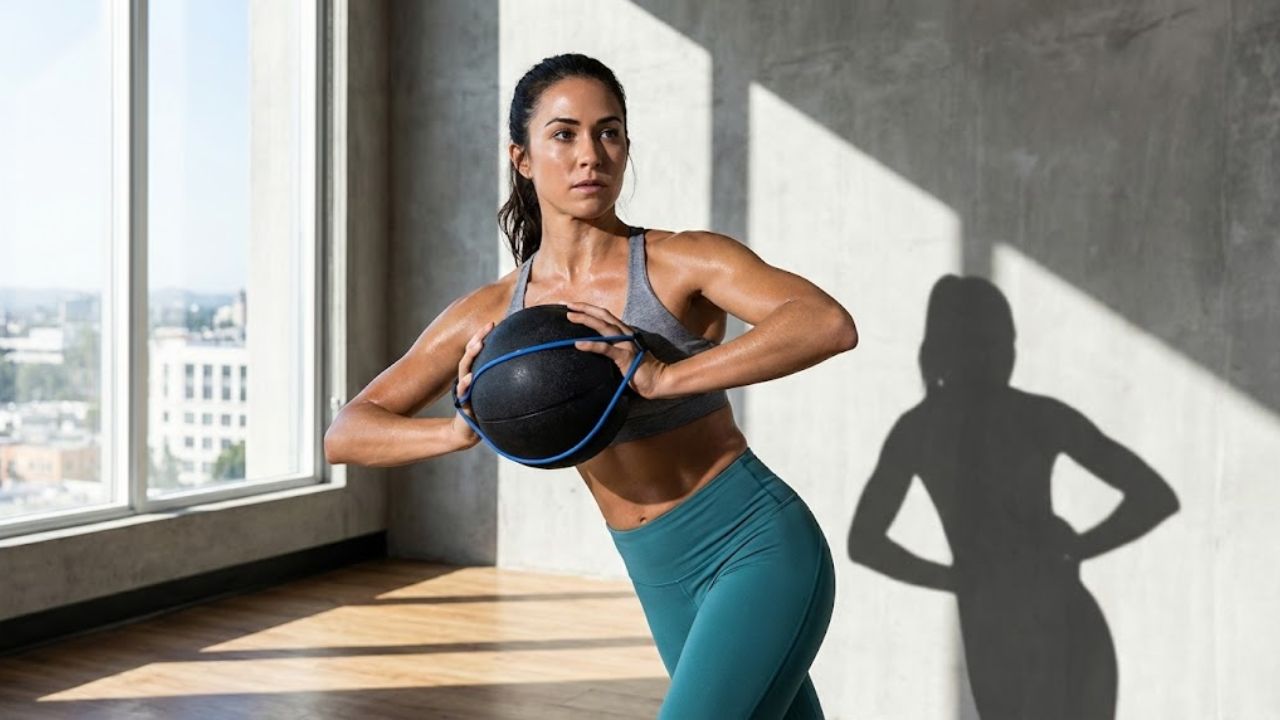
    Abdominal Twist with Pilates Ball

    Targets: Core, obliques, transverse abdominis.

    This exercise updates the traditional Russian twist with a Pilates-inspired twist that emphasizes control and precision.

    Sit upright with bent knees and place a Pilates ball behind your lower back. Lean back slightly, engaging your core while allowing the ball to support your spine. Lift your right leg and rotate your torso toward it, then return to center. Repeat on the opposite side, keeping movements slow and deliberate.

    Why it works: The controlled rotation activates the deep core muscles, helping shape the waist and strengthen obliques.

    Plank Stability Challenge with Ball

    Targets: Core, shoulders, glutes.

    This final movement transforms a traditional plank into a full-body stability test, demanding both strength and focus.

    Begin in a high plank with hands placed on a Pilates or stability ball and feet hip-width apart. Engage your core and glutes to steady the ball. Once stable, lift your right foot, bend the knee, and draw it toward your chest. Return to plank and repeat on the left.

    Why it works: The unstable surface forces your stabilizing muscles to work overtime, delivering a low-impact yet intense finisher that activates the entire body.

    Key Benefits of This Routine

    Far removed from the “no pain, no gain” mindset, this routine takes a smarter, joint-friendly approach. Designed to be completed in around 30 minutes, it’s ideal for busy schedules.

    The five-move sequence proves that low-impact workouts can still deliver a deep burn, improved strength, and visible muscle tone, particularly in the core, glutes, and legs.

    Final Takeaway

    Jennifer Aniston’s workout may appear slow and controlled, but it delivers a serious challenge. Each precise movement and sustained resistance keeps your entire body fully engaged.

    It’s an efficient way to build lasting strength and stability without the strain of high-impact training. The routine encourages focus, control, and intentional movement — qualities that make the workout feel both empowering and effective.

    The takeaway is clear: results don’t require pushing harder, just working smarter. By slowing down and engaging every muscle, this method supports long-term strength, confidence, and longevity.
  • 5 Yoga Poses for Better Sleep and Night-Time Relaxation

    5 Yoga Poses for Better Sleep and Night-Time Relaxation

    A short yoga routine before bed can help you relax if your thoughts keep spinning or your muscles feel tight after a busy day. This is not meant to be a workout but rather a gentle way to tell your body it is time to rest. These five simple poses work well for beginners & do not require you to be flexible. They work best when you breathe slowly and create a calm space around you. The first pose is Child’s Pose. Kneel on the floor and sit back on your heels.

    Preparing Your Sleep Space

    Sleep comes more naturally when your body feels loose and your mind stops racing. Gentle yoga helps release tightness in areas like your hips and shoulders while controlled breathing signals your nervous system to settle down. It works like a dimmer switch for your busy day. The poses that follow are specifically selected because they require minimal effort and can be held comfortably for extended periods. This makes them perfect for preparing your body and mind for rest.

    Why Yoga Improves Sleep Quality

    Sleep comes easier when the body is relaxed and the mind is no longer in “alert” mode. Gentle yoga releases tension in the hips, lower back, neck, and shoulders, while steady breathing guides your nervous system to a calmer state. Think of it as lowering the volume on your day. The poses below are calming, low effort, and can be held longer, which prepares the body perfectly for sleep.

    Pose 1: Child’s Pose (Balasana)

    Child’s Pose offers a straightforward way to reset your back and hips while calming your nervous system. Start by kneeling on the floor and bringing your big toes together. Spread your knees apart to a comfortable width. Lean forward until your forehead touches the mat or a pillow. You can extend your arms in front of you to create a gentle stretching sensation through your body. If you prefer a more enclosed feeling you can rest your arms alongside your body instead.

    Pose 2: Legs Up the Wall (Viparita Karani)

    This is one of the best poses for heavy legs & end-of-day swelling. Sit sideways next to a wall and swing your legs up while you gently lie back. Your hips can be close to the wall or a few inches away. Place a folded blanket under your hips if your lower back needs extra support. Rest your arms on your belly or by your sides. Stay in this position for 3 to 8 minutes. If thoughts keep popping up then softly count your exhale breaths from 1 to 10 and restart. It is boring in a good way and that is what helps you sleep.

    Pose 3: Reclining Bound Angle (Supta Baddha Konasana)

    This pose helps open your hips and relax your stomach muscles making it particularly soothing after eating dinner. Start by lying flat on your back. Press the bottoms of your feet together and allow your knees to drop outward to the sides. Use pillows or folded towels under each knee to prevent any pulling sensation in your inner thigh muscles. Rest one hand on your chest and place the other on your stomach. Sleep tip: Hold this position for 2 to 5 minutes. Allow your stomach to expand naturally as you breathe in. Make sure your jaw stays loose and your tongue remains relaxed. When your jaw is tight it can keep your body in a state of mild alertness.

    Pose 4: Supine Twist (Supta Matsyendrasana)

    A simple twist can relieve tension in your lower back and help you feel more relaxed. Start by lying on your back and pulling your knees toward your chest. Then let both knees fall to one side while stretching your arms out to form a T shape. If it feels okay you can turn your head to look in the opposite direction or just keep it facing up. For better sleep try staying in this position for one to two minutes on each side. Focus on breathing deeply into your ribs and the sides of your body. If your knees don’t reach the floor easily place a pillow between them or underneath for support. Being comfortable is more important than stretching deeply.

    Pose 5: Supported Corpse Pose (Savasana)

    Savasana helps your body soak up relaxation. When you use it for sleep add extra support so your muscles can fully release tension. Lay flat on your back and put a pillow under your knees to ease pressure on your lower back. Drape a light blanket over yourself. If your thoughts keep racing, cover your eyes with an eye pillow or soft cloth. Sleep tip: Hold this position for 3 to 10 minutes. Use this breathing rhythm: breathe in for 4 counts and breathe out for 7 counts. If 7 counts feels too difficult, try 4 counts in and 6 counts out instead. Keep your breathing gentle and natural rather than strained. When you finish, turn onto your right side and take a few breaths there before you sit up.

    A Simple Bedtime Yoga Flow

    Child’s Pose for 2 minutes, Legs Up the Wall for 5 minutes, Reclining Bound Angle for 3 minutes Supine Twist for 2 minutes on each side, and Supported Savasana for 3 to 5 minutes. If you are short on time just do Legs Up the Wall plus Supported Savasana. That combination alone can shift your whole mood.

    Habits That Enhance Sleep Benefits

    Yoga helps with sleep but you also need to pay attention to timing and environmental signals. Avoid caffeine in the afternoon and evening if it tends to keep you awake. Reduce screen brightness during the last hour before bed and stay away from stimulating content. When your mind keeps running through tomorrow’s tasks write a brief worry list with one simple action step and then set it aside. Practice nose breathing during your poses and keep the room quiet. The most important factor is consistency. Repeat this routine on most nights for two weeks and your body will begin to recognize it as a signal that the day is over. If you want more specific guidance share your particular sleep issue such as difficulty falling asleep or waking up in the middle of the night or physical discomfort & I can customize the same five poses with precise timing and equipment suggestions for your needs.

  • Sharp Eye Challenge: Can You Identify the Word SKIN Hidden Among SIKN in 7 Seconds

    Sharp Eye Challenge: Can You Identify the Word SKIN Hidden Among SIKN in 7 Seconds

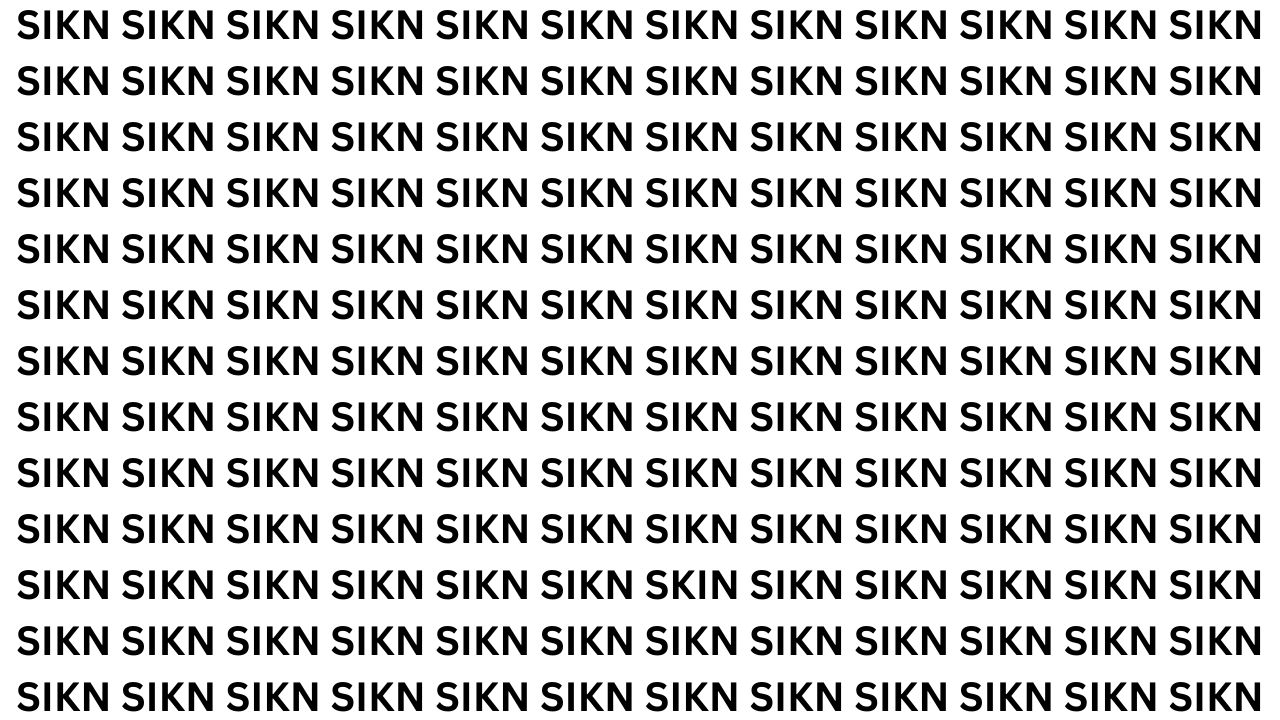
    Optical illusion word challenges are an engaging way to see how quickly your brain processes visual details. At first glance, this puzzle appears straightforward. You are shown a grid packed with the repeated letters “SIKN”, and your goal is to locate the correctly ordered word “SKIN” in just 7 seconds. Once you begin, however, the repetition quickly becomes confusing, proving how easily even sharp minds can be slowed down.

    What Does an Optical Illusion Visual Test Do?

    An optical illusion visual test challenges the coordination between your eyes and brain. While your eyes capture the full picture, your brain often relies on shortcuts. It looks for familiar patterns to save time, which can cause errors when something slightly different is hidden right in front of you.

    Why Word-Based Illusions Confuse the Mind

    In word-based optical illusions, vocabulary knowledge is not the challenge. The real test lies in focus, order, and attention. The brain quickly notices the repeated letter pattern and assumes every group is identical, even when one clearly is not.

    How the Brain Reacts to Repeating Letters

    The human brain is designed to recognize patterns rapidly. When it encounters the same letters again and again, it stops analyzing each group carefully. This process, known as automatic processing, is helpful in daily life but works against you in puzzles like this.

    The groups “SIKN” and “SKIN” contain the same letters, making them appear almost identical at a quick glance. Because nothing seems missing or added, the brain assumes the order is the same everywhere, making the correct word harder to notice.

    Understanding the “SKIN Among SIKN” Challenge

    In this optical illusion visual test, nearly every letter group reads “SIKN”. Hidden among them is one group where the letters are arranged correctly as “SKIN”. Your task is to find that single correct word within the 7-second time limit.

    The pressure of limited time causes your eyes to rush and your brain to guess. This is what makes the challenge effective, forcing you to balance speed with careful observation.

    How Time Pressure Impacts Your Focus

    Seven seconds is a very short window. Under pressure, the brain often switches into scanning mode instead of careful analysis. As a result, obvious details can be missed because speed takes priority over accuracy.

    Those who perform well usually stay calm and methodical. They understand that rushing rarely works with pattern-based illusions and that controlled focus leads to better results.

    Smart Ways to Spot the Word Faster

    One effective technique is to read each letter group instead of recognizing the overall shape. Mentally pronouncing the letters forces the brain to process order rather than appearance, breaking the automatic pattern response.

    Another helpful approach is to focus on letter sequence. By paying attention to how the letters follow one another, your brain can lock onto the correct arrangement, making the hidden word easier to identify.

    Solution Explained Simply

    If you were unable to find the word in time, the solution makes it clear. The correctly ordered word “SKIN” appears in the 8th row and 6th column from the left.

    All surrounding groups remain arranged as “SIKN”, which allows the correct word to blend in seamlessly. The illusion works because the difference is only in letter order, not shape, size, or style. Once spotted, it feels obvious, but until then, it stays well hidden.

    Why These Word Illusions Are So Popular

    Word-based optical illusions are quick, simple, and easy to share. They tap into curiosity and friendly competition, encouraging people to test themselves and compare results.

    They also deliver a brief but effective mental workout. In just a few seconds, you engage focus, memory, attention, and processing speed, which keeps these challenges appealing.

    Benefits of Solving Visual Word Puzzles

    Practicing visual puzzles like this can improve attention to detail and strengthen mental clarity. Over time, your brain becomes better at resisting assumptions and examining information more carefully.

    These skills extend beyond puzzles, helping with reading accuracy, proofreading, problem-solving, and decision-making. Training your mind to notice small differences can enhance focus in everyday tasks.

    Final Thoughts on This Optical Illusion Test

    Finding the word “SKIN” among a grid of “SIKN” may seem simple, but it clearly shows how repetition can mislead the brain. This challenge proves that true observation requires more than quick eyesight. It demands patience, focus, and control under pressure.

    If you spotted the word within 7 seconds, your visual processing skills are impressive. If not, that is completely normal. Each attempt trains your brain to slow down and notice details more clearly. Optical illusion word tests like this are an easy, engaging, and effective way to keep your mind sharp while enjoying the challenge.

  • Observation Skills Face a Test With This Tricky Bear Difference Puzzle

    Observation Skills Face a Test With This Tricky Bear Difference Puzzle

    Observation puzzles have become a popular way to sharpen attention while having fun, and the tricky bear difference puzzle is a perfect example. These challenges ask readers to compare two nearly identical images and spot subtle changes before time runs out. In India, such puzzles are widely shared on social media and news sites because they appeal to all age groups, from students to working professionals. Beyond entertainment, they quietly train the brain to slow down, focus better, and notice details often missed in everyday life.

    Why a Bear Difference Puzzle Challenges Observation Skills

    A bear difference puzzle may look simple at first glance, but it quickly proves otherwise once you start searching for changes. The human brain tends to assume images are identical, which is why these puzzles test visual focus in a playful way. As you scan the images, your mind switches into pattern recognition mode, comparing shapes, colors, and positions. Small alterations hide in plain sight, forcing you to pay attention to minute details you might normally ignore. Adding a countdown clock increases time pressure, making the task even more engaging. This mix of urgency and curiosity keeps people hooked while quietly improving how they observe the world.

    How Tricky Bear Difference Puzzles Improve the Brain

    Solving a tricky bear difference puzzle does more than pass time; it actively strengthens the brain. When you concentrate for several seconds, you build mental stamina that helps in tasks requiring sustained attention. Your eyes learn quick scanning, moving efficiently instead of randomly jumping around. Each spotted change rewards accurate error detection, reinforcing confidence in your judgment. Over time, repeated exposure works as gentle brain training, improving memory and focus without feeling like homework. That’s why many people in India now treat these puzzles as short mental workouts during breaks.

    Why Bear Difference Puzzles Are Popular With All Ages

    One reason the bear difference puzzle is so widely shared is that it is family friendly and easy to understand. Children enjoy the playful artwork, while adults appreciate the mental challenge. It also encourages healthy screen breaks, replacing endless scrolling with purposeful engagement. Many people turn it into a daily challenge, competing with friends or timing themselves for fun. Successfully spotting all differences gives a noticeable confidence boost, making the experience rewarding rather than frustrating. This balance of fun and focus explains why these puzzles continue to trend.

    What Makes Observation Puzzles Worth Your Time

    Observation puzzles like this are more than casual games; they help sharpen perception in everyday life. Regular practice encourages healthy habits of slowing down and noticing surroundings instead of rushing. Because the activity feels lighthearted, it supports playful learning without pressure or stress. Whether used by students, professionals, or seniors, these puzzles fit easily into busy routines. Over time, that small habit can translate into better focus at work, improved memory, and a calmer, more attentive mindset.

    Puzzle Feature Description Typical Time Main Benefit
    Image Style Two nearly identical bear scenes 30–60 seconds Visual comparison
    Difficulty Level Easy to moderate Varies Focus building
    Number of Differences 3 to 7 changes Timed Attention to detail
    Target Audience Kids and adults Anytime Mental engagement

    Frequently Asked Questions (FAQs)

    1. What is a bear difference puzzle?

    It is a visual game where you spot small differences between two similar bear images.

    2. How long should it take to solve?

    Most people aim to finish within 30 to 60 seconds for a good challenge.

    3. Are these puzzles good for kids?

    Yes, they are safe, fun, and help children improve focus and observation.

    4. Can adults benefit from these puzzles?

    Absolutely, adults use them to sharpen attention and relax mentally.

  • Relaxation Yoga Guide: 5 Calming Poses That Ease Stress and Tension

    Relaxation Yoga Guide: 5 Calming Poses That Ease Stress and Tension

    In a busy and demanding lifestyle, stress and mental tension are often unavoidable. Finding simple ways to slow down and reset is essential for maintaining both mental and physical balance. Yoga offers a gentle yet effective path to relaxation by calming the mind, easing muscle tightness, and encouraging slow, mindful breathing. The following five calming yoga poses are especially helpful for deep relaxation and stress relief, making them ideal for daily practice or unwinding after a long day.

    Calming Yoga Poses for Relaxation and Stress Relief

    1. Child’s Pose (Balasana)

    Child’s Pose is a restorative posture that supports relaxation and mental calm. Begin in a kneeling position with your big toes together and knees slightly apart. Gently sit back onto your heels, extend your arms forward, and rest your forehead on the mat. Allow your body to soften completely while maintaining slow, steady breathing.

    This pose helps release tension in the back, shoulders, and neck, making it highly effective for stress relief. It also promotes deep belly breathing, which activates the parasympathetic nervous system and encourages a sense of calm. Child’s Pose is ideal for grounding the body and clearing mental distractions.

    2. Legs Up the Wall (Viparita Karani)

    Legs Up the Wall is a gentle restorative pose known for calming the nervous system and improving circulation. Sit close to a wall, lie back, and extend your legs upward against the wall while keeping them straight. Rest your arms comfortably by your sides or on your abdomen. Remain in the pose for 5 to 10 minutes.

    This posture promotes deep relaxation by reversing blood flow and supporting restorative circulation. It helps ease tension in the legs, hips, and lower back while calming the mind and lowering stress levels. Practicing this pose before bedtime can also support better sleep quality.

    3. Seated Forward Fold (Paschimottanasana)

    Seated Forward Fold is a soothing posture that stretches the spine and supports slow, controlled breathing. Sit with your legs extended forward, inhale to lengthen the spine, and exhale as you hinge from the hips, reaching toward your feet or legs. Hold the pose for 30 seconds to 1 minute while breathing deeply.

    This forward fold helps calm the nervous system by releasing tension in the spine, hips, and hamstrings. It encourages mindful breathing, which activates the parasympathetic response and supports relaxation. This pose is especially useful for reducing anxiety and promoting inner calm.

    4. Corpse Pose (Savasana)

    Savasana, also known as Corpse Pose, is the primary relaxation posture in yoga. Lie flat on your back with your legs extended and arms resting comfortably at your sides, palms facing upward. Close your eyes and bring attention to your breath, allowing the body to fully sink into the mat. Stay in this pose for 5 to 10 minutes.

    This pose allows the body and mind to fully relax and recover. It supports mindful breathing and helps release lingering tension. Savasana also activates the parasympathetic nervous system, helping to lower heart rate and blood pressure while encouraging deep relaxation. It is commonly practiced at the end of a yoga session to absorb the benefits of the practice.

    5. Cat-Cow Pose (Marjaryasana–Bitilasana)

    Cat-Cow Pose is a gentle flowing movement that encourages relaxation through spinal mobility and breath awareness. Begin on all fours with wrists under shoulders and knees under hips. Inhale as you drop the belly and lift the chest and tailbone (Cow Pose). Exhale as you round the spine, tucking the chin and tailbone (Cat Pose). Continue for 1 to 2 minutes.

    This sequence helps release tension in the spine, neck, and shoulders while coordinating breath with movement. It supports deep breathing and calms the nervous system, making it effective for stress relief. Cat-Cow also improves spinal flexibility and posture, contributing to overall relaxation.

    Closing Thoughts on Relaxing Yoga Practices

    Yoga is a powerful tool for calming the mind and easing stress. These five poses—Child’s Pose, Legs Up the Wall, Seated Forward Fold, Savasana, and Cat-Cow—are particularly helpful for unwinding and restoring balance. By focusing on steady breathing and allowing the body to relax into each posture, you can release both physical and mental tension. Practicing these poses regularly supports greater relaxation and a calmer daily routine.

  • Mental Clarity Yoga: 5 Poses That Sharpen Focus and Clear the Mind

    Mental Clarity Yoga: 5 Poses That Sharpen Focus and Clear the Mind

    Mental clarity plays a vital role in focus, productivity, emotional balance, and overall well-being. In today’s fast-paced lifestyle filled with constant notifications, packed schedules, and ongoing stress, clear thinking can feel difficult to maintain. Yoga offers a natural way to sharpen the mind by combining gentle movement with controlled breathing. This connection helps increase blood flow to the brain, lowers stress hormones, and supports calm alertness. These poses can be practiced almost anywhere, require minimal space, and need no equipment. Below are five yoga poses rooted in traditional practice and modern wellness trends that help enhance mental clarity quickly.

    Yoga unites breath and movement to relax the nervous system and reduce mental fog. Holding a posture with mindful attention sends signals to the brain to shift into a calmer state, which supports clearer thinking. The following poses are especially effective because they activate the parasympathetic nervous system, regulate oxygen flow, and release physical tension that interferes with mental focus.

    Balasana (Child’s Pose) for Deep Mental Calm

    Child’s Pose is well known for easing stress and tension. It gently lengthens the spine while encouraging deeper breath awareness. As the body relaxes into this posture, the heart rate slows and the brain receives more oxygen-rich blood, allowing stress and anxiety to gradually fade.

    Begin on your knees and lower your hips toward your heels, keeping the knees hip-width apart. Stretch your arms forward along the floor and rest your forehead lightly on the mat. Breathe in slowly through the nose and exhale through the mouth. Stay for one to three minutes, focusing on the steady rhythm of your breath and imagining tension releasing with each exhale.

    This pose also helps release neck and shoulder tension. When these areas are tight, mental focus often feels clouded. By easing that physical strain, Child’s Pose creates a sense of inner calm that supports clearer thinking.

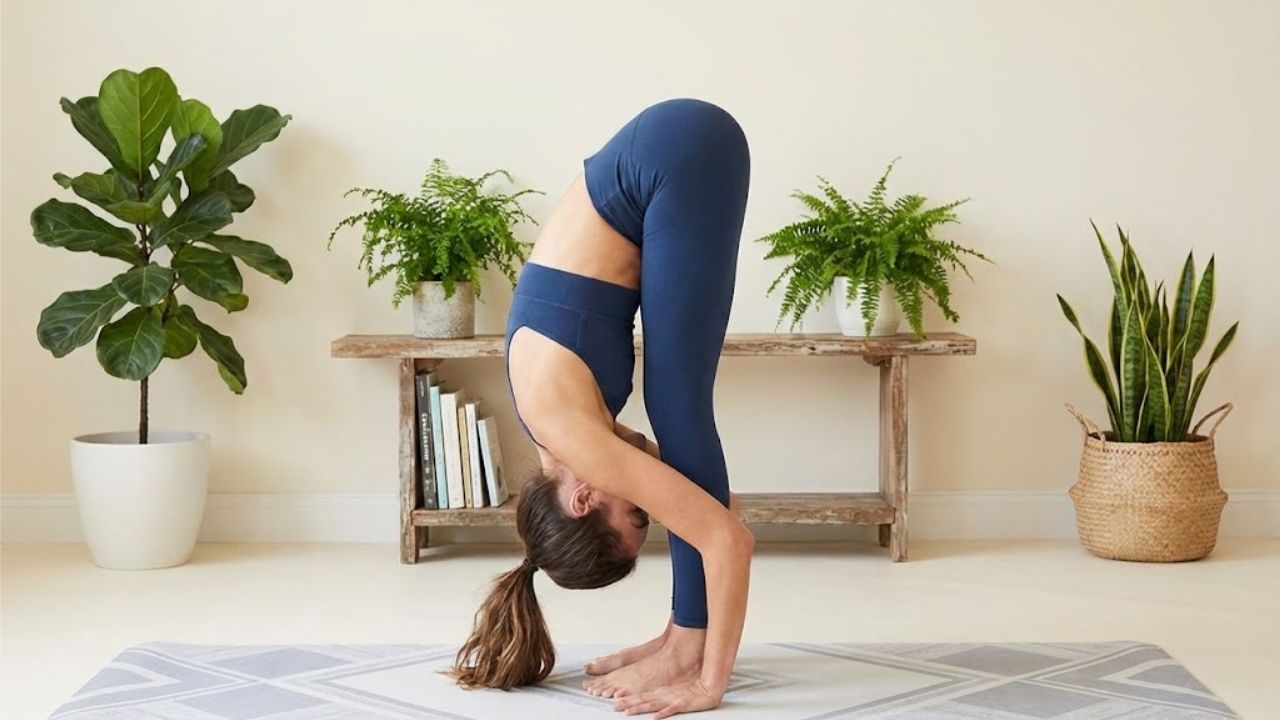
    Uttanasana (Standing Forward Bend) to Refresh the Mind

    Standing Forward Bend is highly effective for improving circulation to the brain. With the head positioned below the heart, fresh blood flow is encouraged, delivering oxygen and nutrients that help sharpen concentration.

    Stand with feet hip-width apart. Inhale as you lift your arms overhead, then exhale and hinge forward from the hips. Allow your arms to hang freely or hold opposite elbows. Keep a gentle bend in the knees if needed. Relax the neck and let gravity guide the stretch. Hold for 30 seconds to one minute, observing each breath and picturing your thoughts settling.

    This forward fold also stretches the hamstrings and calves. Tightness in these muscles can create lower back discomfort that distracts the mind. Releasing them helps the body relax, supporting a more focused mental state.

    Viparita Karani (Legs Up the Wall) for Nervous System Reset

    Legs Up the Wall is valued for its restorative and calming effects. It helps quiet mental noise, reduce fatigue, and soothe the nervous system. Elevating the legs above the heart improves circulation and provides a gentle oxygen boost to the brain.

    Sit close to a wall and swing your legs upward so they rest vertically against it. Keep the lower back relaxed and place your arms by your sides with palms facing up. Close your eyes and breathe slowly, inhaling for four counts and exhaling for six. Remain in the pose for five to fifteen minutes, keeping your attention on the breath.

    This posture is especially beneficial after long periods of mental effort. The inverted position encourages the body to enter a parasympathetic state, helping calm the nervous system and clear mental clutter.

    Balancing Table Pose (Dandayamana Bharmanasana) to Improve Focus

    Balancing Table Pose enhances concentration while strengthening the core and grounding the mind. Holding this posture requires steady attention and controlled breathing, which helps eliminate distractions and build present-moment awareness.

    Begin on all fours with wrists aligned under shoulders and knees under hips. Inhale as you extend your right arm forward and left leg back, keeping hips level and gaze downward. Hold for about thirty seconds with smooth breathing, then switch sides.

    This pose supports core stability and posture, which encourages deeper, more efficient breathing. Improved oxygen intake helps boost mental clarity while the balance element trains the mind to remain focused.

    Sirsasana (Headstand) or Safe Supported Inversion

    Headstand is often referred to as the king of yoga poses. It significantly increases blood flow to the brain and, when practiced safely, stimulates glands involved in mood and focus regulation.

    For beginners, practicing near a wall or using support is recommended. Place your forearms on the mat, interlace your fingers, and rest the crown of your head on a folded blanket. Slowly walk your feet closer and lift one leg at a time until both are raised. Keep the core engaged, breathe steadily, and hold for ten to thirty seconds before lowering with control and resting in Child’s Pose.

    If you have neck issues, high blood pressure, or eye conditions, avoid headstand and choose gentler inversions instead. The benefit comes from improved oxygen-rich blood flow, which supports alertness and reduces mental fatigue.

    How to Practice These Poses Daily for Better Clarity

    Consistency is key when using yoga to support mental clarity. Practicing these poses in the morning or during a mid-day break can help reset focus and emotional balance. Even a short ten-minute sequence can create noticeable results, especially when paired with slow, mindful breathing.

    Begin with Standing Forward Bend to stimulate circulation. Move into Balancing Table Pose to sharpen focus, followed by Child’s Pose to release stress. Practice Legs Up the Wall to calm the nervous system, and finish with Headstand or a supported inversion if appropriate. Afterward, observe how your mind feels and notice any improvement in clarity and mood.

    These poses help retrain the nervous system to respond to stress with calm rather than tension. Over time, this practice strengthens resilience, sharpens focus, and supports better decision-making. Clear thinking is not about eliminating thoughts, but about creating space to think with intention. Yoga supports this process through body awareness and breath control, helping the mind stay present, focused, and calm in everyday life.

  • Boiling Lemon Peel Cinnamon and Ginger Explained Why This Winter Ritual Persists

    Boiling Lemon Peel Cinnamon and Ginger Explained Why This Winter Ritual Persists

    No teabags and no coffee. Just some lemon peels with a broken cinnamon stick and a few ginger slices floating in hot water. The smell came first. It was sharp and warm & a little spicy. It felt like winter and summer mixed together in one cup. My friend told me this simple drink had changed her life. She said she felt less bloated and slept better and stopped craving snacks at night. I watched the steam rise and realized I had seen this exact thing many times on social media. Different kitchens and different people but always the same routine. They were not just making a drink. They were searching for something. A quick fix. A sign that tomorrow might feel better than today. What are we all trying to fix with a pot of lemon peel & cinnamon & ginger?

    Why This Humble Pot Is Suddenly Everywhere

    The first thing you notice when lemon peel, cinnamon, and ginger start to simmer isn’t the flavour. It’s the aroma. A soft wave of bright citrus and warm spice slips under doors and fills rooms, making even a small flat feel briefly calm and put together. That sensory comfort is exactly why the drink keeps popping up on TikTok and Instagram. It looks soothing, smells hopeful, and feels like a fresh reset poured into a mug.

    Beneath the cosy visuals, something deeper is going on. This ritual offers a sense of small control when life feels scattered. It’s an easy, repeatable action that quietly tells your brain, “I’m doing something.” No gym memberships. No complicated appliances. Just a saucepan, water, and a lemon peel that might otherwise have been tossed away.

    On an ordinary Tuesday night when everything feels heavy, that simplicity can mean more than it seems.

    Scroll through the comments under any viral “detox drink” clip and the same promises appear again and again. Weight loss claims, stable blood sugar, reduced bloating. Before-and-after photos sit beside steaming cups, helping the recipe spread even faster. Even knowing how much social media exaggerates, people still pause. What if it helps, even a little?

    One nutritionist admitted she drinks a version of this brew most winter evenings, despite disliking the word “detox.” Not for dramatic results, but for warmth, hydration, and as a calmer alternative to sugary drinks. That’s the quieter truth behind the trend: many people are simply replacing fizzy drinks with spiced water and giving it a trend-friendly name.

    Swap a couple of sodas a day for this, and your body will notice the difference, even without any miracle effect.

    When you strip away the hype, the combination itself makes sense. Lemon peel contains aromatic oils and hesperidin, a compound often examined for circulation and potential anti-inflammatory roles. Ginger is widely known for easing nausea and supporting digestion. Cinnamon has been studied for its possible influence on blood sugar balance. No drink “cleanses toxins” because your liver and kidneys already handle that nonstop. What this blend realistically offers is modest but meaningful: more fluids, less sugar, gentle digestive comfort, and a ritual that can replace late-night snacking.

    Science doesn’t back the grand promises, but it doesn’t dismiss these smaller benefits either. And that space between myth and modest reality is exactly where this simmering pot belongs.

    Making This Simple Brew Fit Into Real Life

    The core method is straightforward. Pour about a litre of water into a small pot. Add the peel of one unwaxed lemon, one cinnamon stick, and four to six thin slices of fresh ginger. Bring it to a boil, then reduce the heat and let it simmer gently for 10 to 15 minutes. Turn off the heat and allow it to rest for a few minutes so the flavours settle.

    Taste it before pouring. If the ginger feels too sharp, add a splash more water. For sweetness, a teaspoon of honey stirred in once the drink cools slightly works better than sugar. Some people finish with a squeeze of lemon juice for extra brightness, but the lemon peel remains the heart of the drink.

    Drink it warm and slowly, without rushing.

    In theory, you could drink this morning and night. In practice, that rarely happens. Life interrupts. Work runs late. Kids wake early. The pan stays unwashed. That’s fine. The goal isn’t perfection, but repetition often enough for your body to recognise a change.

    If your stomach is sensitive, use less ginger and shorten the simmer time so the drink stays gentle. Anyone taking blood-thinning medication, dealing with reflux, or managing blood sugar issues should check with a professional before making this a daily habit. Cinnamon in large amounts can strain the liver, so more isn’t always better.

    Think of this drink as a support, not a solution. A warm companion alongside sleep, movement, and meals that aren’t always ultra-processed.

    As one GP put it, people often want a potion, but what they really need is a habit they can stick to. If boiling lemon peel, cinnamon, and ginger helps someone drink more water and skip one donut, it’s doing its job.

    • Choose organic or unwaxed lemons when using the peel
    • Use fresh ginger for better flavour control
    • Prefer cinnamon sticks over ground cinnamon
    • Simmer gently to avoid bitterness
    • Refrigerate leftovers for up to 24 hours and reheat softly

    These details don’t turn the drink into something magical. They simply make it more enjoyable, which makes you more likely to keep drinking it.

    What People Are Truly Seeking in This Steaming Pot

    On the surface, the drink has a respectable profile: vitamin-rich peel, warming spices, and a root long associated with digestive comfort. But its real appeal is emotional. Standing over a steaming pot on a cold evening feels grounding, a pause from scrolling and stress. On warmer days, served cold, it becomes a grown-up version of lemonade without the sugar crash.

    Most people understand that no single drink can undo years of exhaustion or processed food. Still, there’s something quietly meaningful about choosing to boil peels you might normally discard. It signals a move from neglect to care, even if other habits haven’t caught up yet. On a small scale, it’s a way of reclaiming agency over your own wellbeing.

    It also reflects how much people crave simple rules in an overwhelming health landscape. One pot. Three ingredients. A promise that feels almost reasonable.

    There’s a social layer too. Friends swap recipes, ask if you’ve tried it yet, and compare notes on sleep, digestion, or cravings. The drink becomes a shared experiment, a gentle way to talk about bodies and fatigue. Some use it to curb late-night snacking. Others sip it before meals to slow down. Some just love the smell and ignore the weight-loss talk entirely.

    At its core, this trend is a reminder that not all change comes from capsules or glossy packaging. Sometimes it starts with what’s already on your counter.

    There are days when you finish feeling mentally and physically drained without knowing why. This drink won’t fix burnout, broken systems, or hard relationships. What it can do is draw a line between “today was too much” and “I’m going to be gentle with myself for ten minutes.” In a culture obsessed with optimisation, that slowness feels almost radical.

    That may be why people recommend this blend so earnestly. Not because it’s a miracle detox, but because it encourages slowing down. Heating water. Peeling a lemon. Breaking a cinnamon stick by hand. Being present with the simple proof that you’re still capable of caring for yourself, even on a tired Tuesday.

    Repeat enough of those Tuesdays, and the ritual stops being a trend. It becomes a quiet conversation with your body, spoken in steam and spice.

    Point clé Détail Intérêt pour le lecteur
    Rituel plutôt que remède miracle La boisson ne “détoxifie” pas, elle crée une habitude douce et répétable Réduit la pression de chercher la potion parfaite, remet le focus sur les gestes réalistes
    Ingrédients complémentaires Écorce de citron (huiles aromatiques), gingembre (digestion), cannelle (sensation de chaleur, soutien possible de la glycémie) Aide à comprendre ce que cette boisson peut vraiment apporter, sans promesses exagérées
    Usage ancré dans le quotidien Facile à préparer, se conserve 24 h, remplace des boissons sucrées Permet de l’intégrer à sa routine sans charge mentale ni dépenses importantes
  • Optical Illusion Challenge: Spot the Inverted 91 Among Inverted 19s in 9 Seconds

    Optical Illusion Challenge: Spot the Inverted 91 Among Inverted 19s in 9 Seconds

    An Optical Illusion IQ Test offers an enjoyable method to exercise your brain and measure your visual thinking skills. These tests use images or patterns that trick your eyes to push your mental capabilities. In this challenge you will work on a puzzle that examines how well you notice details and how quickly you can process what you see. The task is to identify the small difference between the inverted numbers 91 & 19 within a time limit of 9 seconds. This exercise will reveal how sharp your observation skills are and whether you can make quick visual judgments under pressure.

    Understanding Optical Illusion IQ Tests

    Optical illusion IQ tests use visual puzzles that can be interpreted in multiple ways, often relying on subtle tricks that challenge the brain. These tests usually contain hidden details, complex patterns, or nearly identical objects that require strong observation skills to decode. By identifying small differences quickly, these challenges assess how efficiently your brain processes visual information and reacts under pressure.

    The idea behind optical illusion IQ tests comes from cognitive psychology. They are designed to evaluate abilities such as focus, attention to detail, pattern recognition, and spatial awareness. Together, these skills contribute to mental sharpness and quick decision-making, which play an important role in everyday problem-solving.

    Why Optical Illusion IQ Tests Matter

    Optical illusions are more than simple visual games. They actively engage multiple cognitive functions, helping improve how the brain focuses and interprets information. Practicing these challenges regularly can sharpen your ability to notice details that are often overlooked, strengthening critical thinking and visual processing skills over time.

    These tests are also known to stimulate the right side of the brain, which controls creativity and visual-spatial understanding. Such skills are essential in areas like design, architecture, and analytical problem-solving. At the same time, optical illusion IQ tests offer a fun and engaging way to assess mental agility without feeling overwhelming.

    The Visual Challenge: Find the Inverted 91

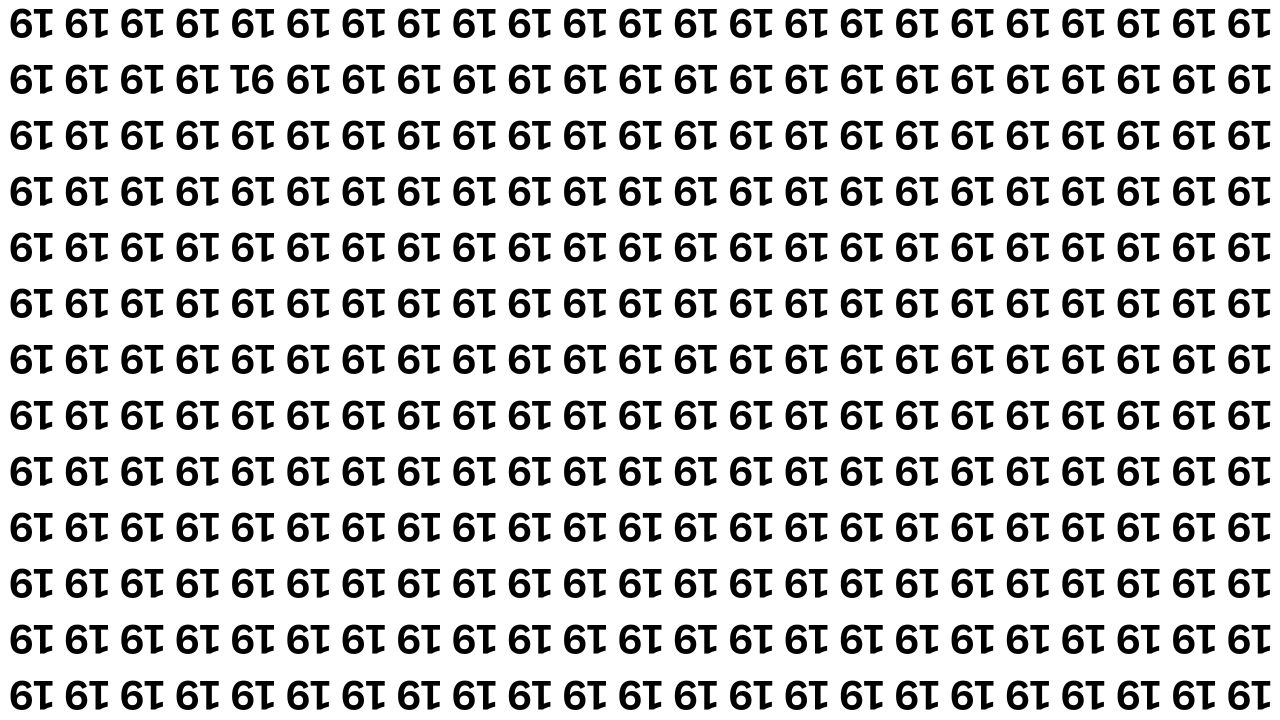
    In this optical illusion IQ test, the challenge is to identify an inverted “91” hidden among several inverted “19s” within just 9 seconds. At first glance, all the numbers appear nearly identical since both 19 and 91 use the same digits. The difficulty increases because every number in the grid is flipped upside down.

    Most of the grid is filled with inverted “19s,” but one number is different. That number forms “91” when inverted. Your task is to spot the odd number quickly by closely examining how the digits are arranged compared to the others.

    How to Approach the Puzzle Effectively

    To solve this illusion, it’s important to carefully observe the sequence and structure of the numbers. While inverted “19” and inverted “91” may look very similar, there is a subtle visual difference in how the digits align. This slight variation is the key to identifying the correct number.

    When you step back and scan the grid methodically, the inverted “91” stands out because it does not follow the same pattern as the rest. Its placement and digit orientation make it visually distinct once your focus shifts from guessing to careful observation.

    What Makes This Optical Illusion Difficult

    The main challenge of this test lies in the extreme similarity between the numbers 19 and 91. The brain naturally seeks familiar patterns, which can cause it to overlook small inconsistencies. Under a tight time limit, this tendency becomes even stronger.

    The added pressure of completing the task in just 9 seconds forces the brain to process information rapidly. This combination of visual similarity and time constraint makes the illusion an effective way to test mental speed, focus, and accuracy.

    Cognitive Abilities Measured by This Test

    This optical illusion IQ test evaluates several important mental skills that are essential in daily life and professional settings.

    – Attention to Detail: Identifying tiny differences between similar objects.

    – Pattern Recognition: Quickly noticing deviations within repeating visuals.

    – Visual-Spatial Awareness: Understanding how objects change when flipped or rotated.

    – Quick Thinking: Making accurate decisions under time pressure.

    – Mental Flexibility: Adjusting focus and perspective efficiently.

    Final Answer: Where the Inverted 91 Is Located

    If you examine the grid closely, the inverted “91” is located in the bottom-left corner. It differs from the surrounding inverted “19s” because its digit arrangement breaks the established pattern. Once identified, the difference becomes clear, especially when compared side by side with the other numbers.

    This solution highlights how careful observation and focused attention can quickly uncover details that initially seem hidden, reinforcing why optical illusion IQ tests are both challenging and effective.

  • Quick Ways to Heal Dry Cracked Heels at Home Using Safe and Effective Kitchen Ingredients

    Quick Ways to Heal Dry Cracked Heels at Home Using Safe and Effective Kitchen Ingredients

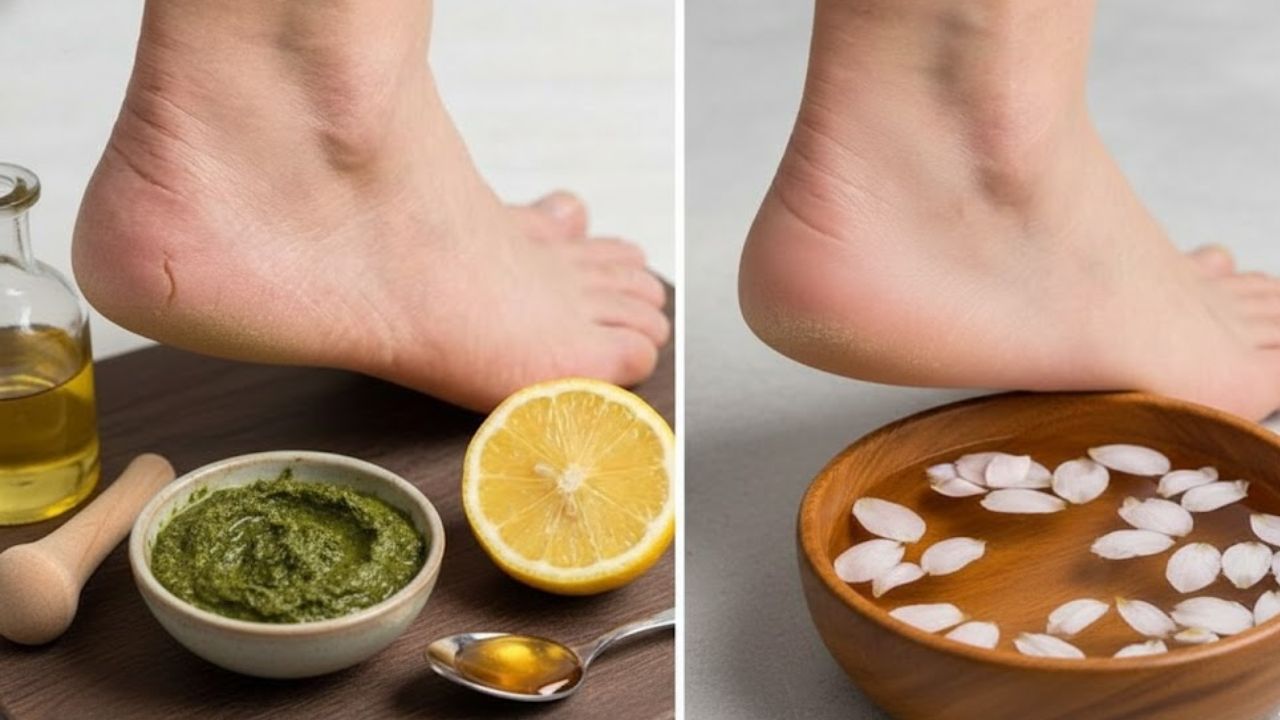
    The first signs of cracked heels often appear quietly. Fine white lines form across the heel, resembling a dry riverbed. At first, they seem harmless and easy to ignore. You may blame walking barefoot indoors or wearing those favorite sandals every day. But then one morning, as you step out of bed, the floor feels rough beneath your feet. There’s a sharp sting and pulling sensation. The cracks have deepened, becoming sore, and sometimes they even catch on your socks.

    A Simple and Effective Way to Heal Dry Heels

    At some point, a quiet realization sets in that it’s time to act. Dry, cracked heels tend to creep up unnoticed until discomfort becomes unavoidable. Every step becomes a reminder that your feet have been needing care for some time. They support you through long hours and busy days. The encouraging part is that relief doesn’t require costly products or complicated routines. Many effective solutions are already sitting in your kitchen, stored in familiar jars and bottles you use daily.

    This approach is about reconnecting with your heels and turning the end of your day into a calming self-care moment. Simple ingredients like oil, honey, milk, and salt can gently soften neglected skin. With regular use, these natural remedies help cracks heal steadily and comfortably.

    The Quiet Message Your Heels Reveal

    Your heels work harder than you might realize. They absorb the first impact with every step and bear constant pressure when you stand or walk for long periods. Because they’re usually covered and out of sight, they’re easy to overlook. You might notice roughness during a shower and promise yourself you’ll deal with it later, only to forget again.

    Over time, your skin reflects what it endures. Dry, cracked heels often signal prolonged pressure, friction, and lack of moisture. Walking barefoot on hard floors, wearing open-backed shoes, or using footwear with thin soles can all contribute. Long hot showers, cold weather, and indoor heating further dry out the skin.

    The skin on your heels is naturally thick to protect you, but when it loses flexibility, it can’t bend as you walk. Instead, it splits and forms painful cracks. The good news is that your skin constantly repairs itself. When you provide moisture, gentle care, and protection, healing can happen faster than expected.

    Your Kitchen as a Gentle Healing Corner

    Your kitchen offers more than meals—it holds simple, effective skin remedies. Olive oil or coconut oil deeply moisturizes rough, dry heels. Honey helps draw moisture into the skin while soothing irritated areas. Milk and yogurt naturally soften flaky skin. When sugar or salt is mixed with oil, it creates a gentle scrub that removes dead skin cells.

    Using everyday ingredients feels reassuring because they’re familiar and easy to trust. There’s no need for complex labels or specialty products. These are basic items with textures and scents you already know. Understanding how each ingredient helps makes your care routine even more effective.

    • Olive Oil / Coconut Oil: Deeply hydrates cracked heels and softens hardened skin; ideal for night massages and DIY scrubs.
    • Honey: Seals in moisture, calms irritation, and supports skin repair; works well as a healing mask.
    • Milk / Yogurt: Gently loosens dead skin through natural lactic acid; suitable for foot soaks or softening packs.
    • Sugar / Salt: Exfoliates rough layers and smooths uneven skin; best used after soaking feet.
    • Banana / Avocado: Nourishes skin with vitamins and healthy fats; helpful for deeply cracked heels.

    A Calm Evening Routine for Cracked Heels

    Think of this routine as a peaceful pause at the end of the day. The house grows quieter, and you set aside just fifteen minutes to care for your feet.

    Step 1: Warm Milk and Salt Foot Soak

    Fill a basin with warm water that feels soothing on your skin. Add half a cup of milk, one or two spoons of salt, and a small amount of olive oil. Soak your feet for ten to fifteen minutes. The warmth relaxes the skin, the milk softens dry areas, and the oil begins restoring moisture.

    Step 2: Gentle Exfoliation for Smoothness

    Combine sugar or fine salt with olive oil or coconut oil to form a thick paste. Gently massage it onto your heels using slow, circular motions, focusing on rough patches. Avoid scrubbing too hard, as gentle care works better than harsh rubbing. Rinse with warm water when finished.

    Step 3: Honey and Yogurt Repair Mask

    Mix one tablespoon of honey with one tablespoon of thick yogurt and add a few drops of oil. Apply the mixture generously to cracked areas and leave it on for ten to fifteen minutes. This mask delivers deep hydration and soothing relief. Rinse gently and pat your feet dry.

    Overnight Oil Therapy for Lasting Softness

    Before bedtime, warm a small amount of olive oil or coconut oil and massage it into your heels for several minutes. Put on clean cotton socks to lock in moisture while you sleep. By morning, your heels often feel noticeably softer, smoother, and far less tender.

    Daily Habits to Keep Heels Healthy

    Once your heels heal, simple habits help prevent cracks from returning. Apply moisturizer after showers, avoid overly hot water, rotate your shoes, and stay well hydrated throughout the day. At the first sign of dryness, take action. These small steps can prevent more serious discomfort later.

    When Home Care Isn’t Enough

    If heel cracks become very deep, start bleeding, or fail to improve with consistent care, professional guidance may be necessary. Certain health conditions can slow healing, and a doctor or podiatrist can suggest appropriate treatment. While home remedies offer comfort and support, medical advice ensures proper recovery.

    In most cases, cracked heels are simply a sign of dry skin needing attention. With warmth, oils, patience, and everyday household ingredients, your feet can become comfortable again—ready to support you through daily life.

  • 8 Simple Yoga Poses to Improve Flexibility and Reduce Tightness

    8 Simple Yoga Poses to Improve Flexibility and Reduce Tightness

    Flexibility is essential for maintaining a healthy body and reducing the risk of injuries. Yoga, known for its slow, mindful movements and controlled breathing, is one of the most effective ways to improve flexibility. Whether your goal is to loosen tight muscles, enhance joint mobility, or improve overall body movement, yoga can support long-term physical wellness. Below are eight simple yet highly effective yoga poses designed to stretch and lengthen the body, helping improve flexibility and range of motion naturally.

    Why Flexibility Matters

    Flexibility goes beyond touching your toes. It plays a vital role in improving joint range of motion, reducing muscle stiffness, and supporting smoother daily movement. Better flexibility contributes to improved posture, lowers the risk of strains or injuries, and enhances blood circulation. Yoga offers a gentle and balanced approach by combining stretching with muscle engagement, making it a safe and effective method for people of all fitness levels.

    Downward Facing Dog (Adho Mukha Svanasana)

    Downward Facing Dog is a foundational yoga pose that stretches the hamstrings, calves, shoulders, and spine. Start on your hands and knees, align wrists under shoulders and knees under hips. Press into your palms, lift your hips upward, and form an inverted “V” shape. Keep your arms long and heels gently reaching toward the floor. Hold the pose for 30 seconds to one minute while breathing deeply to encourage muscle lengthening.

    Child’s Pose (Balasana)

    Child’s Pose is a calming posture that gently stretches the lower back, hips, and thighs. Begin by kneeling with big toes together and knees slightly apart. Sit back onto your heels, extend your arms forward, and rest your forehead on the mat. Stay in the pose for one to two minutes. This position releases built-up tension and promotes relaxation while enhancing flexibility.

    Cat-Cow Pose (Marjaryasana-Bitilasana)

    Cat-Cow Pose is a dynamic flow that improves spinal flexibility and mobility. Start in a tabletop position. Inhale as you drop your belly and lift your chest and tailbone. Exhale as you round your spine, drawing your chin toward your chest. Continue flowing between the two movements for one to two minutes. This sequence loosens the spine, neck, and hips.

    Forward Fold (Uttanasana)

    Forward Fold provides a deep stretch for the hamstrings and lower back. Stand tall, hinge from your hips, and fold your torso forward toward your legs. Allow your head and neck to relax completely. Bend your knees slightly if needed. Hold the stretch for 30 seconds to one minute to lengthen the spine and release lower-body tension.

    Cobra Pose (Bhujangasana)

    Cobra Pose is a gentle backbend that opens the chest and stretches the spine. Lie face down, place your palms under your shoulders, and press lightly into the floor as you lift your chest. Keep elbows close to your body and avoid overextending your lower back. Hold for 15 to 30 seconds. This pose increases spinal flexibility and improves posture.

    Seated Forward Fold (Paschimottanasana)

    Seated Forward Fold targets the hamstrings and spine. Sit with legs extended, inhale to lengthen the spine, then exhale as you fold forward from the hips. Reach for your feet, ankles, or shins without forcing the stretch. Hold for 30 seconds to one minute. This posture calms the mind while enhancing lower-body flexibility.

    Butterfly Pose (Baddha Konasana)

    Butterfly Pose is ideal for opening the hips and stretching the inner thighs. Sit upright, bring the soles of your feet together, and gently press your knees toward the floor. Hold your feet and keep your spine tall. You may lean forward slightly for a deeper stretch. Stay in the pose for up to one minute.

    Pigeon Pose (Eka Pada Rajakapotasana)

    Pigeon Pose is a deep hip-opening posture that stretches the glutes and hip flexors. From a tabletop position, bring one knee forward and extend the opposite leg back. Keep hips squared and either stay upright or fold forward. Hold for 30 seconds to one minute on each side to release deep-seated tension.

    Tips for Improving Flexibility with Yoga

    Consistency is key to seeing results—practice regularly. Focus on deep breathing to help muscles relax into stretches. Always warm up before holding poses, and never force your body beyond its limits. Flexibility develops gradually, so move with patience and awareness.