Blog

  • 7 Beginner Friendly Yoga Poses to Start Practicing Comfortably at Home

    7 Beginner Friendly Yoga Poses to Start Practicing Comfortably at Home

    Yoga is a wonderful way to build flexibility, strength, and mindfulness, yet starting can sometimes feel overwhelming. The good news is that you don’t need advanced skills or special equipment to begin practicing at home. By focusing on the right poses, you can ease into yoga comfortably while enjoying its full range of benefits. Below are seven beginner-friendly yoga poses you can practice at home to create a strong foundation, gently improve mobility, and bring a sense of calm and focus to your daily routine.

    1. Mountain Pose (Tadasana)

    Why This Pose Works Well for Beginners

    Mountain Pose is a fundamental standing posture that teaches proper body alignment and breath awareness. It encourages mindfulness and prepares your body for more challenging poses.

    How to Practice

    Stand upright with your feet together, legs firm, and toes gently spread.

    Engage your thighs, lift your chest, and soften your shoulders.

    Rest your arms by your sides with palms facing forward.

    Ground through your feet, stand tall, and breathe deeply.

    Key Benefits

    Supports better posture.

    Builds strength in the legs and core.

    Enhances balance and alignment.

    2. Downward-Facing Dog (Adho Mukha Svanasana)

    Why This Pose Works Well for Beginners

    This classic pose offers a full-body stretch while also building upper-body strength. It is a core part of many yoga practices and helps develop flexibility.

    How to Practice

    Begin on all fours, placing wrists under shoulders and knees under hips.

    Tuck your toes and lift your hips upward, straightening your legs as comfortably as possible.

    Press your hands firmly into the mat with arms extended.

    Breathe steadily as you lengthen your spine and gently reach your heels down.

    Key Benefits

    Stretches the hamstrings, calves, and back.

    Strengthens the arms, shoulders, and core.

    Improves posture and alignment.

    3. Child’s Pose (Balasana)

    Why This Pose Works Well for Beginners

    Child’s Pose is a deeply restorative posture that allows the body to relax and release built-up tension. It is ideal for resting during your practice.

    How to Practice

    Kneel on the mat with big toes touching and knees comfortably apart.

    Sit back onto your heels and stretch your arms forward.

    Lower your forehead toward the floor and relax your body.

    Hold for several slow breaths, letting your back soften.

    Key Benefits

    Eases tension in the back, neck, and shoulders.

    Encourages mental calm and relaxation.

    Gently stretches the spine, hips, and thighs.

    4. Cat–Cow Pose (Marjaryasana–Bitilasana)

    Why This Pose Works Well for Beginners

    This flowing movement between two poses improves spinal flexibility and helps release stiffness in the back and neck.

    How to Practice

    Come onto all fours with wrists under shoulders and knees under hips.

    Inhale, drop your belly, and lift your head and tailbone.

    Exhale, round your spine, tuck your chin, and draw the belly inward.

    Continue moving gently with your breath.

    Key Benefits

    Increases spinal mobility.

    Reduces back and neck tension.

    Improves coordination and posture.

    5. Seated Forward Fold (Paschimottanasana)

    Why This Pose Works Well for Beginners

    This calming pose provides a deep stretch for the back and legs while encouraging mindful breathing and relaxation.

    How to Practice

    Sit on the floor with legs extended straight ahead.

    Inhale and lengthen your spine, sitting tall.

    Exhale and hinge forward from the hips, reaching toward your feet or shins.

    Relax your neck while keeping your spine long.

    Key Benefits

    Stretches the hamstrings, calves, and back.

    Helps reduce stress and calm the mind.

    Improves flexibility in the spine and legs.

    6. Warrior I (Virabhadrasana I)

    Why This Pose Works Well for Beginners

    Warrior I builds strength and stability while opening the chest and hips. It is a key pose in many yoga sequences.

    How to Practice

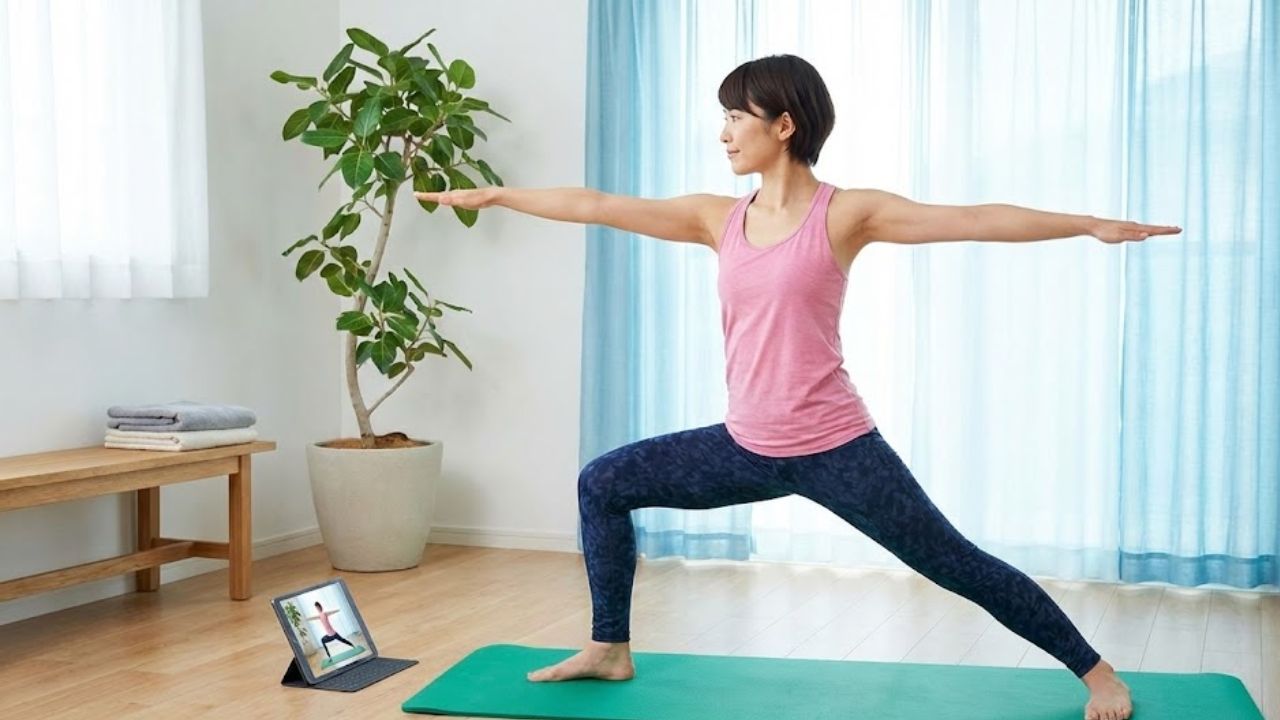
    Stand with feet about three to four feet apart.

    Turn one foot outward and bend the front knee over the ankle.

    Lift your arms overhead while keeping shoulders relaxed.

    Hold for several breaths before switching sides.

    Key Benefits

    Strengthens the legs, arms, and core.

    Opens the hips and chest.

    Enhances focus and balance.

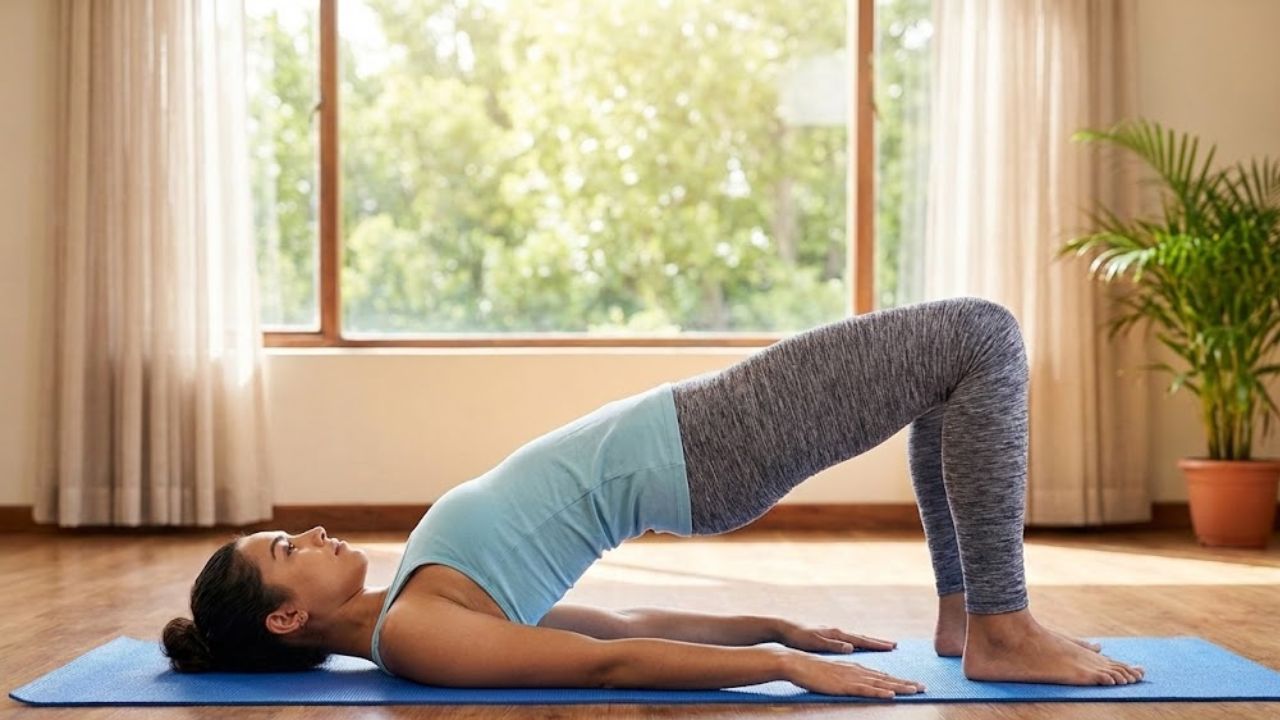
    7. Bridge Pose (Setu Bandhasana)

    Why This Pose Works Well for Beginners

    Bridge Pose is a gentle backbend that strengthens the lower body while improving posture and flexibility.

    How to Practice

    Lie on your back with knees bent and feet hip-width apart.

    Press your feet into the floor and lift your hips upward.

    Engage your glutes and core as your chest rises slightly.

    Hold briefly, then lower down with control.

    Key Benefits

    Strengthens the glutes, legs, and back.

    Opens the chest and shoulders.

    Releases tension in the back and hips.
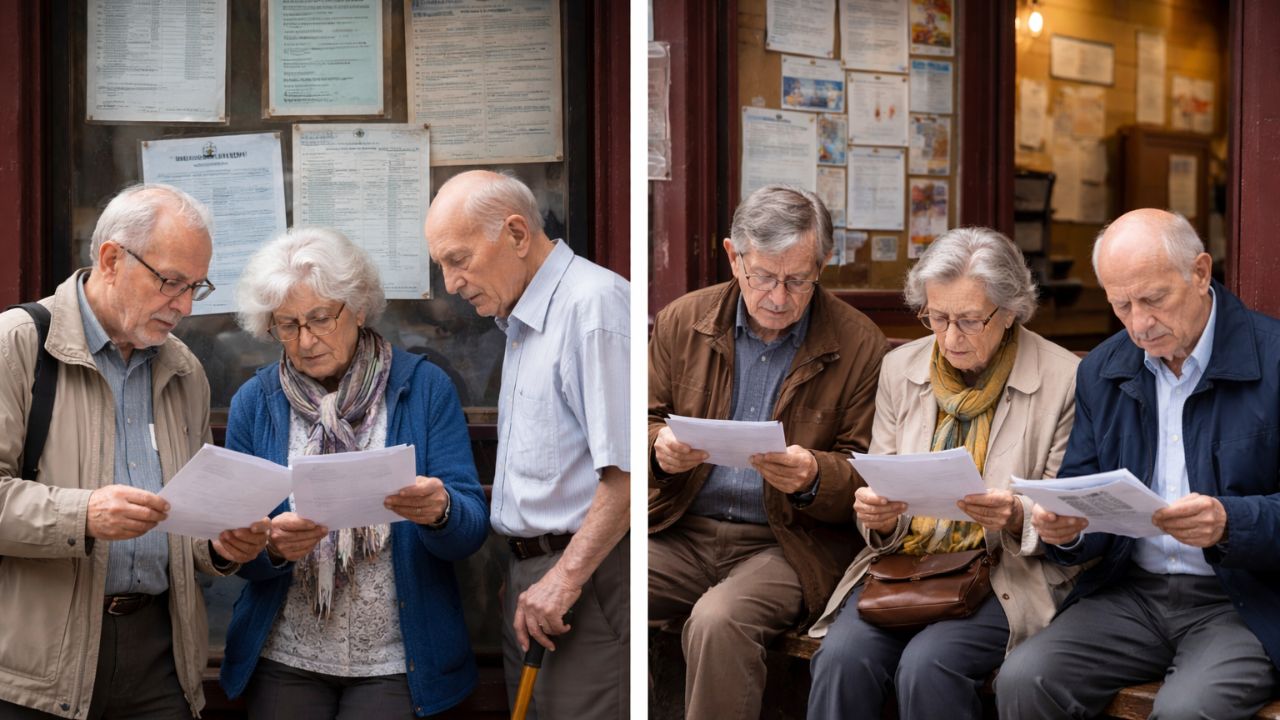
  • From February 8, pensions will rise : but only for retirees who submit a missing certificate, leaving many saying: “They know we don’t have internet access”

    From February 8, pensions will rise : but only for retirees who submit a missing certificate, leaving many saying: “They know we don’t have internet access”

    From February 8, a new pension increase is set to take effect in France, promising higher monthly payments for retirees. However, the rise comes with a condition that has sparked frustration across the country. Only pensioners who submit a specific missing certificate will see their payments increase, leaving many older citizens worried and confused. For retirees with limited digital access, the process feels unfair and exclusionary. As complaints grow louder, questions are being raised about accessibility, communication gaps, and whether the system truly considers the daily realities faced by France’s aging population.

    Pension increase rules affecting French retirees

    The pension adjustment announced for February 8 applies only to retirees who complete an additional administrative step. Authorities require a document confirming updated personal or eligibility details before releasing the higher amount. While officials argue this ensures accuracy, many retirees feel blindsided by the requirement. For seniors living alone or in rural areas, missing paperwork issue can quickly turn into a serious problem. The process relies heavily on online portals, creating digital access barrier for those without computers or smartphones. Critics say the policy overlooks age-related limitations and creates unequal pension access, especially among France’s oldest beneficiaries who depend most on stable income.

    Certificate requirement behind February pension rise

    At the center of the controversy is the certificate that retirees must submit to unlock the pension increase. This document is meant to confirm life status, residency, or updated personal records. In practice, many pensioners say they were not clearly informed. Notices were often sent digitally, reinforcing online-only communication concerns. Retirees argue that limited internet use is common among their generation, making compliance difficult. Advocacy groups warn that delays could cause payment increase delays and temporary financial strain. Without alternative offline options, the requirement risks excluding those who are already vulnerable.

    Why many pensioners feel excluded by the process

    The strongest reaction has come from retirees who feel the system was not designed with them in mind. Many rely on postal mail or in-person services, yet the new process prioritizes digital submissions. For those hearing “they know we don’t have internet access,” the situation feels intentional rather than accidental. Seniors report lack of clear guidance and difficulty reaching support lines. The experience has fueled trust in institutions concerns and renewed debate about administrative fairness. As France’s population ages, critics argue that policies must reflect real-life limitations, not idealized assumptions about technology use.

    What this pension change reveals about larger issues

    Beyond the immediate pension increase, this situation highlights a deeper challenge in public administration. France continues to modernize services, but the pace often leaves older citizens behind. A system that depends on digital tools must also provide strong alternatives. Otherwise, benefits meant to support retirees can unintentionally exclude them. The February 8 pension rise shows how policy design gaps can undermine good intentions. It also raises questions about social inclusion standards and long-term planning for an aging society. Addressing these concerns now could prevent similar controversies in future benefit reforms.

    Category Details
    Effective Date February 8
    Who Gets Increase Retirees submitting certificate
    Submission Method Mainly online
    Main Concern Limited internet access
    Country France

    Frequently Asked Questions (FAQs)

    1. Who will receive the pension increase?

    Only retirees in France who submit the required missing certificate will receive the higher payment.

    2. When does the pension increase start?

    The increase is scheduled to take effect from February 8.

    3. What happens if the certificate is not submitted?

    Retirees who do not submit it will continue receiving their current pension amount.

    4. Is online submission the only option?

    Currently, the process mainly relies on online submission, which has raised accessibility concerns.

  • 3 Gentle Yoga Poses That Help Improve Sleep Naturally

    3 Gentle Yoga Poses That Help Improve Sleep Naturally

    Three Simple Yoga Poses for Better Sleep Many people struggle to get good sleep these days. We spend too much time looking at screens & dealing with stress. Our daily schedules are all over the place and our minds never seem to stop racing. All of this makes it really hard to wind down when night comes. Yoga offers a natural way to fix this problem. You don’t need to do anything intense or complicated before bed. Actually the opposite works better. Gentle movements and slow stretches are what really help you sleep.

    What you want is to calm down your nervous system and let go of tension in your body. You also want to tell your brain that it’s time to stop thinking and start resting. The three yoga poses I’m going to share work really well for sleep. They help you breathe more slowly and relax the muscles that hold the most tension. They also help quiet down all those thoughts spinning around in your head. Anyone can do these poses even if you’ve never tried yoga before. You can do them right in your bedroom just before you get into bed.

    Why yoga helps improve sleep quality

    Sleep troubles often stem from a nervous system that won’t settle down. When your body remains on high alert it becomes nearly impossible to drift off. Gentle yoga helps transition your body from a stressed state into a relaxed one. Slow stretches work to release built-up tension in your hips and lower back and spine where stress typically accumulates. Breathing exercises slow your heart rate & get your mind ready for sleep. Regular practice of calming yoga can lengthen your sleep & cut down on waking up during the night and leave you feeling more rested in the morning.

    Legs Up the Wall

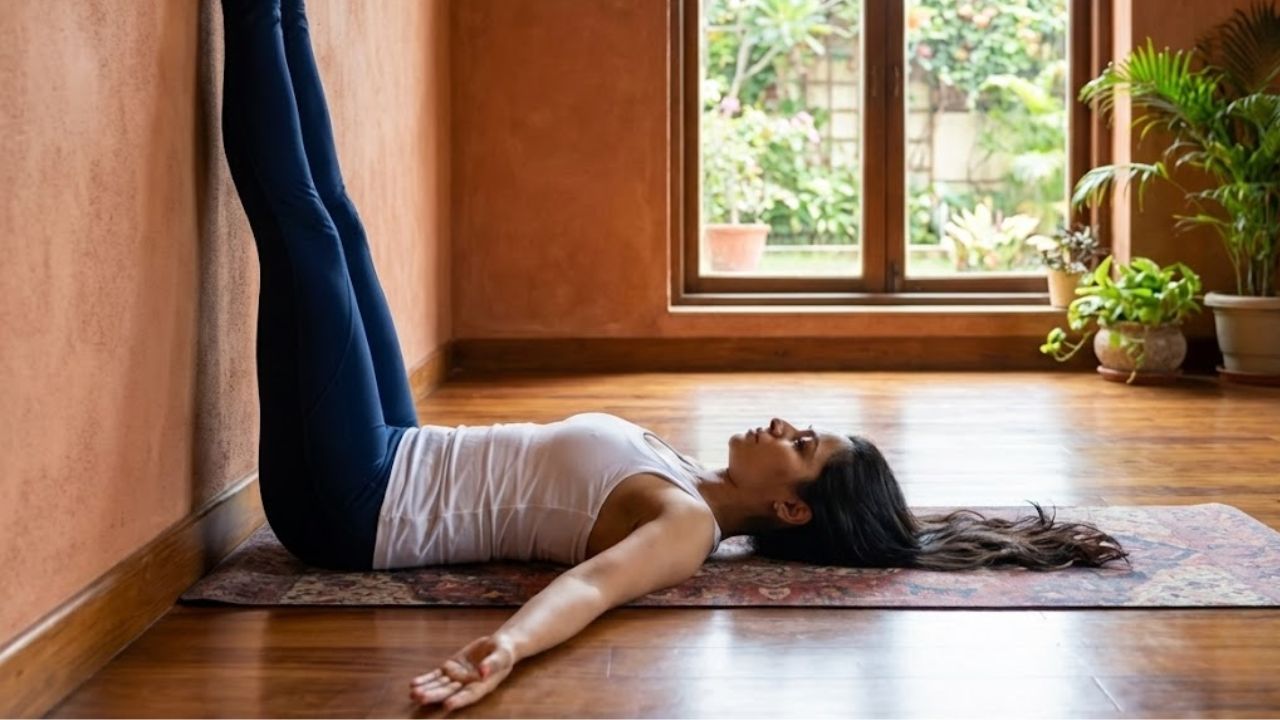
    Legs Up the Wall is a highly effective yoga pose that helps calm your body when you’re getting ready for bed. It is gentle and restorative and takes almost no physical effort to perform. How to do it: Sit next to a wall and slowly lie down on your back while raising your legs upward. Move your hips closer to the wall but keep yourself in a comfortable position. Let your arms rest naturally at your sides with your palms turned upward. Close your eyes & relax. Why it helps sleep: This pose naturally slows down your heart rate & encourages deeper breathing. It reduces the feeling of physical tiredness & creates a sense of safety and support throughout your body. How long to stay: Hold this position for 2 to 5 minutes while breathing slowly through your nose. Helpful tip: If you feel tightness in your lower back then move your hips a bit farther from the wall or slightly bend your knees to release the tension.

    Seated Forward Bend

    Seated Forward Bend The Seated Forward Bend is a relaxing pose that stretches your back and helps you turn your attention inward.

    How to do it: Sit on the floor & stretch your legs out in front of you. Take a breath in and make your spine tall. Breathe out and slowly bend forward from your hips. You can keep your knees slightly bent if that feels better. Allow your head & neck to hang loose.

    Why it helps sleep:Bending forward has a natural calming effect on your mind. This pose releases tightness in your lower back and the backs of your legs so your body can relax before bed.

    How long to stay: Hold the position for 1 to 2 minutes and breathe slowly.

    Helpful tip: Place a pillow on top of your legs or put a folded blanket under your hips if you need more comfort.

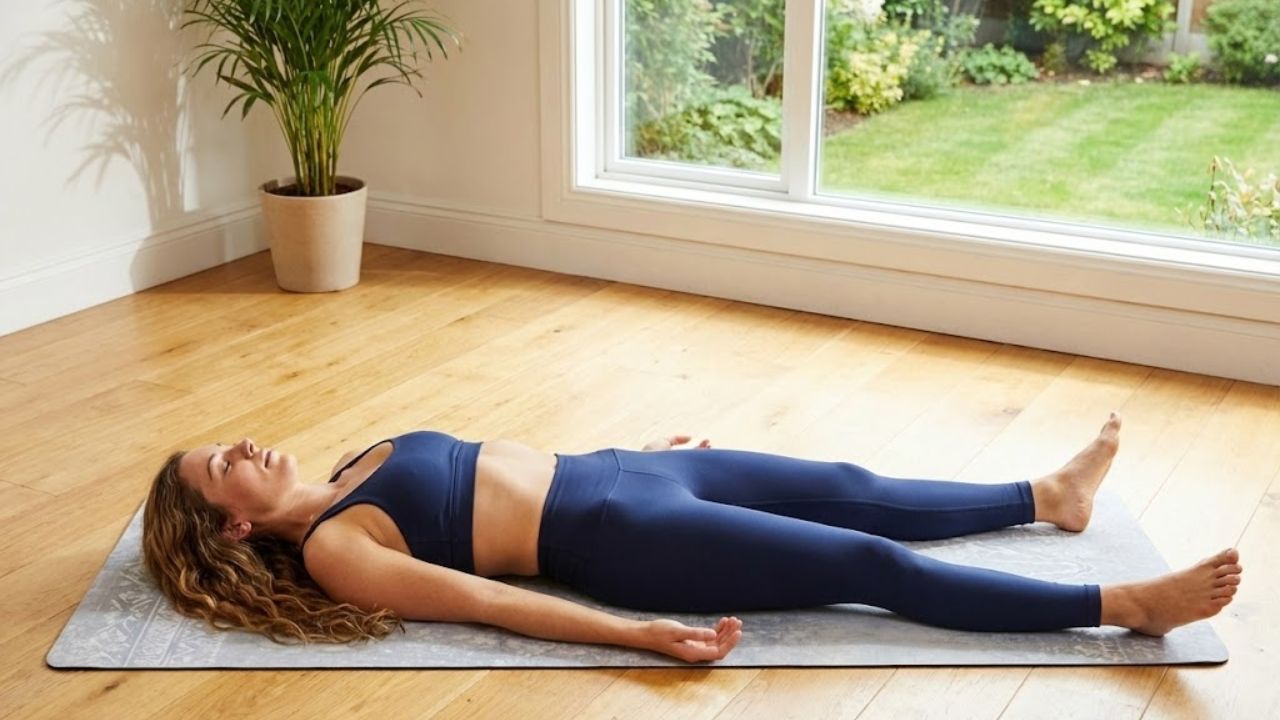
    Corpse Pose

    Corpse Pose is commonly done at the end of yoga classes & works well for achieving deep relaxation & a quiet mind. How to do it: Lie on your back with your body flat against the surface. Allow your feet to naturally fall apart & place your arms at your sides. Close your eyes and let your whole body relax into the floor or mattress.

    Why it helps sleep: This position creates total relaxation for both body & mind. It releases any remaining muscle tension and helps clear away racing thoughts so you can drift off more easily. How long to stay: Stay in this pose for 3 to 7 minutes or however long it takes until you feel completely relaxed. Helpful tip: Focus on your breathing and slowly count each breath out from one to ten.

    How to practice these poses as a bedtime routine

    For the best results you should practice these poses in a quiet space where the lighting is dim. Make sure to avoid looking at screens and bright lights just before you begin. You can follow this straightforward sequence. Quick bedtime routine: Start with Seated Forward Bend and then move to Legs Up the Wall before finishing with Corpse Pose. The complete routine will take around 7 to 10 minutes. Pay attention to breathing slowly instead of worrying about how deep you can stretch.

    Breathing technique to enhance sleep

    Pairing Yoga with Breath Awareness Combining yoga with conscious breathing makes your practice more effective. A simple technique involves breathing in while counting to four and then breathing out while counting to six. When you exhale for a longer duration than you inhale, your brain receives a signal that it’s time to calm down and relax. Throughout your practice maintain breathing that feels gentle & effortless rather than forced or strained.

    Simple habits that support better sleep

    Yoga delivers better results when you pair it with good evening routines. Make sure to finish dinner at least two hours before you plan to sleep. Stay away from caffeine during the later hours. Your bedroom should remain cool and dark for optimal rest. Aim to get into bed at a consistent time every night. Doing just one simple pose each day can create noticeable improvements as weeks go by.

    Who should be cautious

    If you deal with spinal injuries or have high blood pressure or circulation problems take it easy and don’t hold inverted positions for extended periods. Pregnant women should adjust forward bends and talk to a professional if they’re uncertain. Getting better sleep doesn’t need complicated routines or medication. Just a few minutes of gentle yoga helps your body relax naturally. These three poses are simple and effective and easy to do every night. If you’d like, I can put together a complete 10 minute or 15 minute sleep yoga routine that fits your bedtime schedule.

  • 4 Evening Yoga Poses to Release Tight Hips and Reduce Lower-Body Tension

    4 Evening Yoga Poses to Release Tight Hips and Reduce Lower-Body Tension

    Tight hips have become one of the most common physical problems people face because of modern sedentary living. When you sit for extended periods and move very little during the day your hip flexors and glutes start to tighten up. Add stress to the mix and skip your stretching routine & those muscles around your hips get even tighter. This stiffness builds up slowly but eventually leads to lower back pain and makes your posture worse.

    How Evening Yoga Helps Release Hip Stiffness Naturally

    Gentle Evening Yoga for Hip Tension Relief Gentle evening yoga offers an effective and natural solution for releasing daily tension that accumulates in the hips. This practice differs from intense workouts by emphasizing slow stretches and controlled breathing alongside relaxation techniques. When you perform hip-opening poses at night your body begins to unwind naturally. The nervous system becomes calmer and both your mind and muscles prepare themselves for deep restful sleep.

    Why Hip Tightness Develops Over Time

    Hip stiffness develops slowly over time rather than appearing suddenly. It results from daily habits and physical stress on the body. Knowing what causes it makes yoga an effective solution for improvement. Sitting for long periods at work or in cars causes hip flexor muscles to become shorter. When you don’t move enough or stretch regularly the muscles that support your hips grow weaker. Stress and tension often accumulate in the hip region. Doing the same movements repeatedly or exercising too much creates uneven muscle development. Bad posture puts extra strain on your hip joints.

    Key Benefits of Practicing Evening Yoga for Hip Opening

    Adding hip-opening poses to your evening routine offers physical & mental benefits that go beyond just flexibility. These poses release stiffness that builds up during the day. They improve how well your hips move and support joint health. You may notice less discomfort in your lower back and knees. Blood flow to your pelvic area increases. The poses help you relax & sleep better at night. They also help you manage stress & reduce mental tiredness.

    1. Butterfly Pose (Baddha Konasana)

    Butterfly Pose is a gentle, beginner-friendly hip opener that targets the inner thighs and groin. Its calming nature makes it ideal for evening practice.

    How to Practice Butterfly Pose

    • Sit in a comfortable position while keeping your back straight. Bend both knees and press the bottoms of your feet against each other. Use your hands to hold onto your feet or ankles with a light grip. Let your knees drop down naturally toward the ground without forcing them. Take slow deep breaths and stay in this position for one to two minutes.

    Benefits of Butterfly Pose

    • This pose opens up your hips & stretches the inner thigh muscles. It improves blood flow throughout the pelvic region. The position helps reduce tightness that builds up from sitting for long periods. It also promotes a calm and relaxed state of mind.

    2. Pigeon Pose (Eka Pada Rajakapotasana)

    Pigeon Pose is a deep hip opener that targets tight hip flexors and glute muscles. It is particularly helpful for people who sit for extended hours or experience lower back tension.

    How to Practice Pigeon Pose

    Start by getting into a position on your hands and knees or in a downward dog pose. Move one knee forward and place it behind your wrist on the same side. Stretch your other leg straight out behind you. Try to keep your hips level and facing forward as much as you can. If you want a deeper stretch you can lean your upper body forward over your front leg. Stay in this position for thirty to sixty seconds before switching to the other side.

    Benefits of Pigeon Pose

    Benefits of Hip-Opening Stretches Hip-opening stretches provide deep relief for the hip flexors and gluteal muscles. These movements work to reduce stiffness that commonly builds up in the lower back region. Regular practice leads to better flexibility and increased mobility throughout the hip joints. Many people also find that working on hip flexibility helps them release emotional tension that has accumulated in the body over time.

    3. Garland Pose (Malasana)

    Garland Pose is a deep squat that opens the hips, stretches the ankles, and strengthens the lower body. Practiced mindfully in the evening, it helps release full-body stiffness.

    How to Practice Garland Pose

    Malasana Squat Position Position your feet so they are a bit wider than your hips. Move down into a full squat while making sure your heels stay flat on the ground. Press your palms together in front of your chest. Push your knees outward gently using your elbows. Maintain steady breathing for thirty to ninety seconds. This pose helps open your hips and strengthens your lower body. It also improves balance and flexibility in your ankles. Keep your spine straight and your core engaged throughout the movement. If you cannot keep your heels down you can place a rolled towel under them for support.

    Benefits of Garland Pose

    Benefits of This Position This position helps make your hips and ankles more flexible over time. It builds strength in your thigh muscles & core area. The posture allows your hips to move in their natural range of motion. It also helps your digestive system work better & improves blood flow throughout your body.

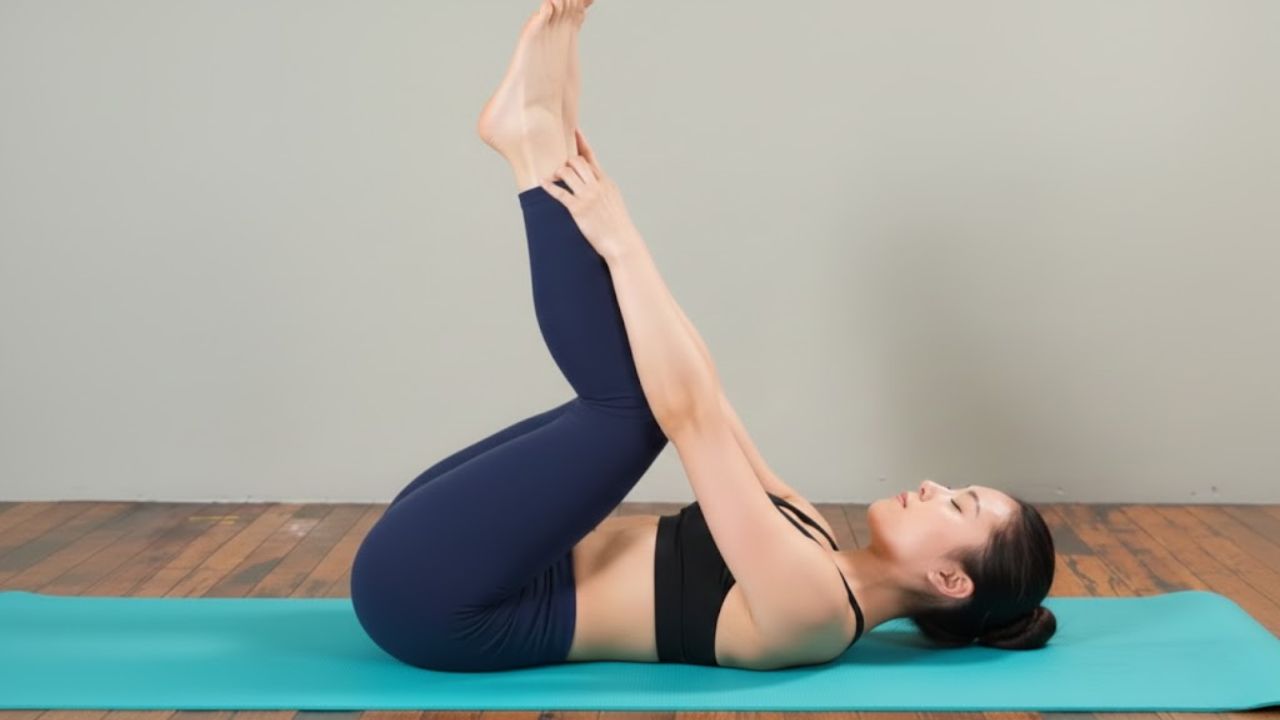
    4. Reclined Figure Four Pose (Supta Kapotasana)

    Reclined Figure Four is a restorative hip stretch performed lying down, making it perfect for bedtime relaxation without spinal strain.

    How to Practice Reclined Figure Four Pose

    Lower Body Stretch Instructions Start by lying flat on your back on a comfortable surface. Bend both of your knees so your feet rest flat on the ground. Take your right ankle & place it on top of your left thigh just above the knee. Your right knee should point outward to the side. Reach both hands around the back of your left thigh. You can clasp your hands together or hold onto your leg with both palms. Slowly pull your left leg toward your chest while keeping your right ankle resting on your left thigh. You should feel a stretch in your right hip and glute area. Stay in this position for one to two minutes. Breathe normally and try to relax into the stretch. Release the stretch & return to the starting position. Switch sides by placing your left ankle on your right thigh and repeating the same steps. Hold the stretch on your left side for another one to two minutes before releasing.

    Benefits of Reclined Figure Four Pose

    Relaxes Tight Hip & Glute Muscles This practice helps release tension that builds up in your hips and glutes throughout the day. When these muscles become tight from sitting or physical activity they can create discomfort that affects your entire lower body. Regular stretching of these areas allows the muscles to lengthen & relax.

    Quick Comparison of Evening Hip-Opening Poses

    Yoga Pose Difficulty Level Primary Hip Area Suggested Hold Time
    Butterfly Pose Beginner Inner thighs & groin 1–2 minutes
    Pigeon Pose Intermediate Hip flexors & glutes 30–60 seconds
    Garland Pose Beginner–Intermediate Hip joints & thighs 30–90 seconds
    Reclined Figure Four Beginner Outer hips & glutes 1–2 minutes

    Simple 15–20 Minute Evening Yoga Routine for Tight Hips

    • Butterfly Pose – 2 minutes
    • Garland Pose – 1 minute
    • Pigeon Pose – 1 minute per side
    • Reclined Figure Four – 2 minutes per side
    • End with relaxed breathing in a resting position

    Safety Guidelines for Evening Hip Yoga Practice

    • Move slowly and mindfully
    • Never force the body into discomfort
    • Use cushions, blocks, or blankets for support
    • Ease out immediately if you feel sharp pain
    • Practice on an empty or light stomach
  • 10 Yoga at Home Essentials to Build a Consistent and Easy Routine

    10 Yoga at Home Essentials to Build a Consistent and Easy Routine

    Yoga is a powerful practice that supports both the body and mind, helping to build strength, enhance flexibility, and promote mental calm. For those with busy schedules, practicing yoga at home offers an easy and effective way to enjoy these benefits without stepping outside. This comprehensive guide outlines 10 essential at-home yoga routines, combining physical postures with relaxation techniques suitable for beginners and experienced practitioners alike.

    Why Choose Yoga at Home?

    • Convenience: Practice anytime without commuting or fixed schedules.
    • Cost-Effective: Eliminate class fees, memberships, and travel expenses.
    • Comfort: Move freely and confidently in your own space.
    • Personalized Practice: Adapt sessions to suit your body, goals, and energy levels.

    1. Energizing Morning Yoga Flow (15–20 Minutes)

    Best for: Waking up the body and sharpening mental focus.

    Routine:

    • Mountain Pose (Tadasana) – 1 minute
    • Sun Salutations (Surya Namaskar) – 5 minutes
    • Warrior I (Virabhadrasana I) – 2 minutes per side
    • Downward-Facing Dog (Adho Mukha Svanasana) – 2 minutes
    • Seated Forward Fold (Paschimottanasana) – 3 minutes

    Benefits: Boosts energy, improves flexibility and core strength, and enhances focus.

    2. Gentle Stretch and Relaxation Flow (15 Minutes)

    Best for: Releasing tension after a long day or during rest days.

    Routine:

    • Cat-Cow Pose (Marjaryasana-Bitilasana) – 2 minutes
    • Child’s Pose (Balasana) – 3 minutes
    • Reclining Bound Angle Pose (Supta Baddha Konasana) – 3 minutes
    • Legs Up the Wall (Viparita Karani) – 5 minutes

    Benefits: Eases back, shoulder, and neck tension while promoting deep relaxation.

    3. Quick Yoga Stretch Break (5–10 Minutes)

    Best for: Loosening tight muscles during long sitting periods.

    Routine:

    • Seated Forward Fold (Paschimottanasana) – 2 minutes
    • Downward-Facing Dog (Adho Mukha Svanasana) – 2 minutes
    • Standing Side Stretch – 1 minute per side

    Benefits: Improves circulation, reduces stiffness, and restores focus.

    4. Core-Focused Strength Yoga (20 Minutes)

    Best for: Building abdominal strength and improving posture.

    Routine:

    • Plank Pose (Phalakasana) – 2 minutes
    • Boat Pose (Navasana) – 2 minutes
    • Side Plank (Vasisthasana) – 1 minute per side
    • Downward-Facing Dog Split (Eka Pada Adho Mukha Svanasana) – 3 minutes
    • Cobra Pose (Bhujangasana) – 2 minutes

    Benefits: Strengthens the core muscles, improves balance, and tones the body.

    5. Yoga Flow for Improved Flexibility (25 Minutes)

    Best for: Lengthening muscles and increasing joint mobility.

    Routine:

    • Downward-Facing Dog (Adho Mukha Svanasana) – 3 minutes
    • Pigeon Pose (Eka Pada Rajakapotasana) – 3 minutes per side
    • Seated Forward Fold (Paschimottanasana) – 3 minutes
    • Reclining Hand-to-Big-Toe Pose (Supta Padangusthasana) – 2 minutes per side
    • Butterfly Pose (Baddha Konasana) – 3 minutes

    Benefits: Enhances flexibility in the hips, hamstrings, and spine while encouraging relaxation.

    6. Yoga for Stress and Anxiety Relief (15–20 Minutes)

    Best for: Calming the mind and easing emotional tension.

    Routine:

    • Deep Breathing (Pranayama) – 5 minutes
    • Child’s Pose (Balasana) – 3 minutes
    • Seated Twist (Ardha Matsyendrasana) – 2 minutes per side
    • Legs Up the Wall (Viparita Karani) – 5 minutes

    Benefits: Reduces anxiety, promotes relaxation, and improves mental clarity.

    7. Full-Body Power Yoga Flow (30 Minutes)

    Best for: Building strength, stamina, and overall endurance.

    Routine:

    • Sun Salutations (Surya Namaskar) – 5 rounds
    • Warrior I and II (Virabhadrasana I & II) – 2 minutes per side
    • Chaturanga Dandasana – 5 minutes
    • Chair Pose (Utkatasana) – 2 minutes
    • Plank Pose (Phalakasana) – 3 minutes

    Benefits: Improves endurance, increases strength, and boosts energy levels.

    8. Yoga to Improve Posture and Alignment (20 Minutes)

    Best for: Supporting spinal alignment and easing upper-body tension.

    Routine:

    • Mountain Pose (Tadasana) – 2 minutes
    • Chest Opener Pose – 3 minutes
    • Warrior I and II (Virabhadrasana I & II) – 3 minutes
    • Bridge Pose (Setu Bandhasana) – 2 minutes
    • Downward-Facing Dog (Adho Mukha Svanasana) – 3 minutes

    Benefits: Enhances posture, strengthens the back and core, and relieves neck tension.

    9. Relaxing Yoga Before Bed (20 Minutes)

    Best for: Preparing the body and mind for restful sleep.

    Routine:

    • Child’s Pose (Balasana) – 3 minutes
    • Reclining Bound Angle Pose (Supta Baddha Konasana) – 5 minutes
    • Legs Up the Wall (Viparita Karani) – 5 minutes
    • Shavasana (Corpse Pose) – 5 minutes

    Benefits: Encourages deep relaxation, reduces anxiety, and supports better sleep.

    10. Hip-Opening Yoga Flow (25 Minutes)

    Best for: Releasing tightness in the hips and lower back.

    Routine:

    • Downward-Facing Dog (Adho Mukha Svanasana) – 3 minutes
    • Pigeon Pose (Eka Pada Rajakapotasana) – 3 minutes per side
    • Lizard Pose (Utthan Pristhasana) – 2 minutes per side
    • Butterfly Pose (Baddha Konasana) – 3 minutes
    • Happy Baby Pose (Ananda Balasana) – 2 minutes

    Benefits: Opens the hips, improves flexibility, and relieves lower-back discomfort.

    Final Thoughts on Practicing Yoga at Home

    Practicing yoga at home allows you to strengthen your body, increase flexibility, and calm your mind on your own schedule. With these 10 versatile yoga routines, you can easily tailor your practice to match your goals, whether you need a short stress-relief session or a complete full-body workout. Requiring minimal space and just 10–30 minutes, these routines make yoga accessible no matter how busy life becomes. Stay consistent, move mindfully, and enjoy the lasting benefits of a home yoga practice.

  • Better Posture Yoga: 5 Simple Poses to Improve Alignment Naturally

    Better Posture Yoga: 5 Simple Poses to Improve Alignment Naturally

    Maintaining healthy posture plays a vital role in overall physical well-being. With modern lifestyles often involving long hours at desks and extended screen time, postural imbalance has become increasingly common. This can contribute to back discomfort, neck tension, and low energy levels. Yoga provides a gentle yet effective solution. Through consistent practice, yoga helps build strength, enhance flexibility, and increase body awareness, all of which support proper posture. Below are five easy yoga poses that can noticeably improve the way you sit, stand, and move.

    1. Mountain Pose (Tadasana): Building Postural Awareness

    Mountain Pose is a foundational yoga position that develops alignment awareness and encourages correct posture. Although it appears simple, it actively engages the body by teaching you how to stand tall, activate the core, and lengthen the spine, making it an essential starting point for posture improvement.

    To practice Mountain Pose:

    • Stand upright with feet hip-width apart, pressing evenly into the ground.
    • Lift the chest while engaging the thighs without locking the knees.
    • Extend the spine upward by reaching through the crown of the head.
    • Relax the shoulders and rest the arms by your sides, palms facing forward.
    • Hold for 30 seconds to 1 minute, maintaining steady alignment.

    2. Cat-Cow Pose (Marjaryasana-Bitilasana): Enhancing Spinal Mobility

    Cat-Cow is a flowing movement that gently stretches the spine while releasing tension in the neck, shoulders, and back. Alternating between spinal extension and flexion helps improve spinal flexibility and supports healthy posture.

    To practice Cat-Cow Pose:

    • Begin on hands and knees with wrists under shoulders and knees under hips.
    • Inhale, dropping the belly while lifting the chest and tailbone upward.
    • Exhale, rounding the spine and drawing the chin toward the chest.
    • Continue for 5–10 slow rounds, syncing movement with breath.

    This gentle flow increases spinal mobility, which is essential for maintaining an upright and balanced posture.

    3. Cobra Pose (Bhujangasana): Supporting the Upper Spine

    Cobra Pose strengthens the muscles along the spine while opening the chest and shoulders. It is especially helpful for counteracting slouching by activating the muscles that support the upper back.

    To practice Cobra Pose:

    • Lie face down with legs extended and the tops of the feet resting on the floor.
    • Place hands under the shoulders, elbows close to the body.
    • Inhale and gently lift the chest by pressing into the palms.
    • Keep the elbows slightly bent and engage the back muscles.
    • Hold for 15–30 seconds, then slowly release.

    This pose helps strengthen the back while stretching the chest, promoting a more open and upright posture.

    4. Child’s Pose (Balasana): Gentle Spine Release

    Child’s Pose offers a deeply relaxing stretch that soothes the back and lengthens the spine. It is ideal for relieving accumulated tension and encouraging spinal alignment, especially after prolonged sitting.

    To practice Child’s Pose:

    • Kneel on the floor with big toes together and knees slightly apart.
    • Lower the hips toward the heels and extend the arms forward.
    • Rest the forehead on the mat and relax the neck and shoulders.
    • Breathe deeply and hold for 1–3 minutes.

    This restorative pose helps reset the spine and provides gentle relief from postural strain.

    5. Bridge Pose (Setu Bandhasana): Strengthening the Lower Body

    Bridge Pose targets the lower back, glutes, and core, all of which are essential for proper posture. It also opens the chest and hips, supporting better spinal alignment.

    To practice Bridge Pose:

    • Lie on your back with knees bent and feet flat, hip-width apart.
    • Place arms alongside the body with palms pressing into the floor.
    • Press through the feet and lift the hips upward.
    • Engage the core and glutes while keeping knees aligned.
    • Hold for 30 seconds to 1 minute, then lower slowly.
    • Repeat 3–5 times.

    This pose activates key muscles that help maintain an upright posture and reduce the tendency to slouch.

    Conclusion: Small Daily Steps, Lasting Posture Benefits

    Adding these five simple yoga poses to your daily routine can create noticeable improvements in posture over time. Regular practice helps strengthen the spine, increase flexibility, and sharpen body awareness. Starting with just a few minutes each day and staying consistent can lead to long-term benefits.

    By making yoga part of your routine, you support not only better posture but also greater mindfulness and physical balance. Whether you are new to yoga or already experienced, these gentle movements can positively transform how you feel and carry yourself every day.

  • 5-Minute Relaxation Yoga: A Quick Flow to Feel Calm Instantly

    5-Minute Relaxation Yoga: A Quick Flow to Feel Calm Instantly

    In a world that rarely slows down, finding time to truly relax can feel challenging. Ongoing responsibilities from work, family, and daily routines often leave the mind overwhelmed and the body tense. Thankfully, yoga provides a fast and practical way to ease stress, calm the mind, and restore balance. Even with just five minutes, a focused yoga flow can help you reset and feel noticeably calmer. Below is a simple 5-minute yoga sequence designed to reduce stress and support relaxation, even on the busiest days.

    1. Begin with Mindful Breathing (1 Minute)

    Before moving into physical postures, take a moment to connect with your breath. Conscious, deep breathing is one of the quickest ways to lower stress and bring your attention inward. Slowing the breath sends calming signals to the brain, helping the body shift into a relaxed state.

    • Sit comfortably on the floor or in a chair with your spine upright and shoulders relaxed.
    • Close your eyes and inhale deeply through your nose, allowing your lungs to expand fully.
    • Exhale slowly through your mouth, releasing built-up tension.
    • Continue this steady breathing for one minute, focusing on each inhale and exhale while letting distractions fade.

    This mindful breathing practice helps quiet the mind and gently prepares you for the movements ahead.

    2. Gentle Cat-Cow Flow (1 Minute)

    Move into Cat-Cow Pose to introduce gentle motion into the spine. This flowing sequence helps loosen the back, release tension in the neck and shoulders, and promote relaxation through synchronized breath and movement.

    • Come onto your hands and knees in a tabletop position, aligning wrists under shoulders and knees under hips.
    • Inhale as you lower your belly, lift your chest, and tilt your gaze upward into Cow Pose.
    • Exhale as you round your spine, tuck your chin, and draw your navel inward into Cat Pose.
    • Flow smoothly between these positions for one minute, moving with your breath.

    The rhythmic motion of Cat-Cow helps release stored tension in the spine while calming both body and mind.

    3. Relaxing Child’s Pose (1 Minute)

    Child’s Pose offers a deeply restful posture that gently stretches the hips, thighs, and back. It encourages stillness and relaxation by allowing the body to soften while the breath remains slow and steady.

    • From hands and knees, slowly lower your hips back toward your heels.
    • Extend your arms forward or rest them alongside your body, whichever feels more comfortable.
    • Rest your forehead on the mat and close your eyes.
    • Breathe deeply, allowing each breath to help your body sink further into relaxation.

    Holding this pose for one minute helps calm the nervous system and provides a peaceful pause within the flow.

    4. Soothing Seated Forward Fold (1 Minute)

    The Seated Forward Fold is effective for releasing tension in the back, hamstrings, and neck. It also supports mental relaxation by encouraging the body to turn inward and stretch areas that commonly hold stress.

    • Sit with your legs extended straight in front of you, feet gently flexed.
    • Inhale to lengthen your spine, then exhale as you fold forward from the hips.
    • Reach toward your feet or shins while keeping your spine long.
    • Remain in the stretch for one minute, breathing slowly and evenly.

    This posture helps ease physical tightness while quieting the mind, creating a sense of calm and release.

    5. Restorative Legs Up the Wall (1 Minute)

    To close your five-minute flow, settle into Legs Up the Wall. This restorative pose is deeply calming and helps relieve lingering tension in the legs and lower back, making it an ideal way to finish your practice.

    • Sit close to a wall and gently swing your legs upward, resting them vertically against the wall.
    • Support your hips with a cushion or folded blanket if needed.
    • Allow your arms to relax by your sides with palms facing upward.
    • Close your eyes and focus on slow, steady breathing.

    Remain here for one minute, letting your body fully relax as circulation improves and tension melts away.

    A Simple Five-Minute Reset for Mind and Body

    In just five minutes, this gentle yoga flow can help you feel calmer, more centered, and refreshed. Whether you are at home, at work, or short on time, these easy poses offer a quick mental and physical reset. The blend of mindful breathing, gentle movement, and restorative postures allows you to release stress and reconnect with your body.

    When your day feels overwhelming, taking a few minutes for yoga can make a noticeable difference. Practicing this short flow regularly can support relaxation, balance, and overall well-being, proving that even brief moments of self-care can have lasting effects.

  • 10-Second Challenge: Spot 3 Differences Between Two House Images

    10-Second Challenge: Spot 3 Differences Between Two House Images

    Optical illusions and spot-the-difference puzzles are popular brain teasers that people enjoy regardless of their age. These puzzles challenge your ability to observe carefully while testing your mental focus and attention to detail. This article presents a 10-second challenge that will test your visual skills. Your task is to find 3 differences between two pictures of a beautiful house within just 10 seconds. Time is limited and you need to work quickly.

    Understanding the Puzzle: Can You Spot the Differences?

    At first glance, both images appear almost identical, each featuring a delightful yellow house with a red roof and a lovely garden setting. Yet hidden within these seemingly matching scenes are subtle variations waiting to be uncovered. Your challenge is simple but demanding: find 3 differences between the two images in just 10 seconds.

    Although it may sound easy, the close resemblance of the pictures combined with the ticking clock can make this task surprisingly tricky. Spot-the-difference puzzles are designed to test your observation skills, sharpen your focus, and enhance how quickly your brain processes visual details. Are you ready to take on the challenge?

    Why Spot-the-Difference Puzzles Are Good for Your Brain

    Engaging with spot-the-difference challenges offers more than just entertainment. These puzzles actively support mental development in several key ways:

    – Sharper Attention to Detail: Searching for tiny visual changes trains your eyes and mind to notice details you might normally overlook.

    – Faster Visual Recognition: Working against the clock helps improve how quickly your brain interprets visual information.

    – Stronger Focus and Concentration: These puzzles require sustained attention, helping you learn to block out distractions.

    – Better Problem-Solving Skills: Identifying differences encourages pattern recognition and logical thinking.

    A Smart Way to Tackle the Puzzle

    With only 10 seconds on the clock, staying calm and organized is essential. Following a simple strategy can make all the difference:

    – Scan the Scene Quickly: Begin with a fast overview of both images to understand their layout.

    – Divide the Image into Sections: Focus separately on areas like the sky, the house exterior, and the garden.

    – Watch for Minor Changes: Differences are often very small, such as missing objects or altered positions.

    – Move Fast but Stay Systematic: Avoid fixating on one area for too long; keep your eyes moving.

    – Practice Regularly: Repeated practice builds speed and accuracy over time.

    The Three Hidden Differences Explained

    Now that you know how to approach the challenge, let’s break down the three differences between the left and right images. While both show the same charming house, these subtle changes set them apart:

    1. A Cloud Missing from the Sky

    In the left image, a small cloud appears near the roofline. This cloud is completely absent in the right image, making it the first difference.

    2. Fewer Lamps Between the Doors

    The left image displays two wall lamps positioned between the doors. In the right image, one of these lamps has been removed.

    3. An Extra Bush in the Garden

    Look closely at the bottom-right section of the garden. The right image includes an additional small bush that does not appear in the left image.

    Why These Puzzles Feel So Tricky

    Spot-the-difference puzzles challenge the brain because it naturally focuses on similarities rather than discrepancies. When images closely resemble each other, small changes are easier to miss. Adding time pressure increases the difficulty, forcing quicker decision-making and sharper focus.

    These puzzles take advantage of visual perception habits, encouraging you to retrain your brain to notice subtle details more efficiently.

    Final Thoughts: Keep Training Your Observation Skills

    Finding three differences in just 10 seconds is a fun yet demanding mental exercise that strengthens focus, visual awareness, and critical thinking. Whether you spotted all the differences or missed a few, each attempt helps sharpen your skills.

    With regular practice, these puzzles become easier and more enjoyable. Over time, you’ll notice improvements not only in puzzle-solving but also in everyday attention to detail.

  • 8 Yoga Poses: Improve Mental Clarity, Focus and Emotional Control

    8 Yoga Poses: Improve Mental Clarity, Focus and Emotional Control

    Mental clarity can be hard to maintain when you face constant notifications and long work days along with everyday tasks. Your mind gets overloaded & your focus starts to fade until even basic activities feel exhausting. Yoga offers a practical method to restore mental sharpness and reduce internal stress. The combination of deliberate movement and controlled breathing allows your brain to slow down & find balance again. These eight yoga poses work especially well for improving concentration and maintaining clear focus throughout your day.

    Mountain Pose

    Mountain Pose looks easy but it helps build mental focus in important ways. When you stand tall with your spine straight & your feet firmly on the ground you become more aware of the present moment. This position teaches your mind to stay steady and pay attention. Connecting your posture with your breathing helps Mountain Pose remove mental distractions and creates a feeling of calm alertness.

    Tree Pose

    Tree Pose helps improve concentration by challenging your balance & stability. When you stand on one leg you need to focus completely which naturally stops your mind from wandering. Looking at one fixed point helps build mental discipline. Practicing Tree Pose regularly teaches you patience and inner stability while helping you stay calm when things get difficult.

    Warrior Two

    Warrior Two develops strength in your body and mind at the same time. When you hold this position and keep your eyes focused on one point your mental endurance gets better. The wide way you stand combined with stretching your arms out to the sides helps you feel more confident and aware of your surroundings. This pose shows you how to stay stable and balanced while keeping your thoughts clear and your attention sharp.

    Eagle Pose

    Eagle Pose works well for building better focus & coordination. When you wrap your arms & legs together you need to pay close attention and maintain control. The squeezing action in this pose helps blood flow properly and can make your mind feel more alert. This pose encourages mindfulness because it requires you to balance carefully and stay aware of your body position throughout the movement.

    Seated Forward Bend

    Seated Forward Bend calms the nervous system and helps you focus inward. When you fold forward gently it reduces mental overstimulation & lets your mind settle down. This pose works well when your thoughts feel scattered or too much to handle. Breathing slowly and mindfully while holding this position supports emotional balance and mental clarity.

    Downward Facing Dog

    Downward Facing Dog sends more blood to your brain which helps you stay alert & focused. This pose releases tension that builds up in your shoulders and neck where stress often settles. When you hold this position & breathe steadily for a while it refreshes your body and clears your mind.

    Head to Knee Pose

    Head to Knee Pose blends gentle stretching with focused attention. You sit upright and fold forward toward one leg while maintaining mindful breathing and concentration. This position reduces mental fatigue & promotes clarity by soothing the nervous system. It works especially well when your mind feels overwhelmed.

    Corpse Pose

    Corpse Pose might seem like a passive position but it actually serves an important purpose in bringing back mental clarity. When you let your body completely relax it gives your brain the time it needs to process information and reset itself. This position helps reduce mental tiredness and makes it easier to focus once you finish. Just spending a few minutes in conscious relaxation can bring back your mental sharpness.

    How These Poses Improve Focus

    These yoga poses help develop mindfulness because they make you pay attention to your breathing body position, & staying balanced. This kind of focused attention teaches your brain to concentrate on the present moment rather than letting your thoughts wander everywhere. When you practice regularly over weeks and months, you will notice improvements in how you manage your emotions and adapt your thinking to different situations.

    The Role of Breathing in Mental Clarity

    The Power of Breathing in Yoga Taking slow and even breaths while holding yoga poses makes the practice more relaxing. When you breathe deeply your brain gets more oxygen which helps you think more clearly and stay focused for longer periods. Moving your body while controlling your breath gives your mind a natural way to refresh itself.

    Tips for Practicing Yoga for Better Focus

    Daily practice sessions that stay brief work better than longer irregular ones when you want to sharpen your thinking. Setting aside fifteen to twenty minutes every day produces real improvements that you can feel. Starting your practice in the morning creates a peaceful and attentive mindset that carries through the rest of your day.

    Why Yoga Helps Clear the Mind

    Yoga helps improve mental clarity by relaxing the nervous system and decreasing stress. When stress goes down focus gets better on its own. Practicing regularly builds a stronger connection between your mind and body which makes it simpler to recognize and handle mental exhaustion. When you do these eight yoga poses on a regular basis you can boost your concentration and cut down on mental tiredness while keeping your mind clear all day long. Yoga gives you an easy but effective way to teach your brain to stay relaxed and focused during daily activities.

  • Winter sales 2026: the Formill QK101 exercise bike, your cardio partner at -36% at Cdiscount!

    Winter sales 2026: the Formill QK101 exercise bike, your cardio partner at -36% at Cdiscount!

    Winter sales 2026 are in full swing, and fitness lovers across France are keeping a close eye on the best home workout deals. One offer drawing particular attention is the Formill QK101 exercise bike, now available at a generous discount on Cdiscount. As more people look for practical ways to stay active indoors during colder months, compact cardio equipment has become a smart investment. This promotion positions the QK101 as an affordable and convenient option for beginners and casual riders who want reliable daily exercise without the cost of a gym membership.

    Formill QK101 exercise bike deal during Winter Sales

    The Formill QK101 exercise bike stands out during the Winter Sales 2026 thanks to its balance of price and practicality. Designed for home use, it fits easily into small apartments while still offering smooth pedaling for regular sessions. The current offer highlights compact home design, making it ideal for urban living in France. Users also appreciate its quiet pedaling system, which allows workouts without disturbing others. With adjustable resistance levels, the bike adapts to light warm-ups or more intense routines. For those starting a fitness habit, its simple daily workouts feel approachable rather than intimidating.

    Why the Formill QK101 is a smart cardio partner

    Choosing the Formill QK101 as a cardio companion makes sense for anyone seeking consistency over complexity. The bike focuses on essentials, helping users maintain motivation without unnecessary features. Its steady calorie burn supports weight management goals, while the low impact training design is gentle on joints. Many buyers value the beginner friendly setup, as assembly and controls remain straightforward. For busy schedules, the QK101 encourages short effective sessions that can be squeezed in before work or after dinner, reinforcing long-term fitness habits.

    Cdiscount Winter Sales price cut on Formill QK101

    Cdiscount’s Winter Sales 2026 promotion brings the Formill QK101 exercise bike to a more accessible price point. The advertised reduction of 36% highlights limited time savings that appeal to budget-conscious shoppers. Compared to gym fees, this offer represents strong value pricing for home fitness. Buyers in France can also benefit from fast local delivery, making it easy to start training quickly. For those tracking expenses, the deal offers affordable fitness access without compromising on basic performance.

    Is this Winter Sales deal worth considering?

    Looking at the overall package, the Formill QK101 deal during Winter Sales 2026 appears well-suited for everyday users rather than elite athletes. It fills the gap between basic movement and structured exercise, offering reliable home cardio at a reduced cost. The bike’s simplicity supports long term use, especially for people restarting activity after a break. With seasonal discount advantage, buyers can maximize value while minimizing risk. For many households, it represents a practical fitness choice aligned with realistic goals.

    Feature Details
    Product Name Formill QK101 Exercise Bike
    Discount -36% during Winter Sales 2026
    Retailer Cdiscount (France)
    Best For Home cardio and beginners
    Use Type Indoor, low-impact workouts

    Frequently Asked Questions (FAQs)

    1. Is the Formill QK101 suitable for beginners?

    Yes, it is designed for simple, beginner-friendly home cardio workouts.

    2. How much discount is available during Winter Sales 2026?

    The exercise bike is offered at approximately 36% off on Cdiscount.

    3. Can the bike be used in small apartments?

    Yes, its compact design makes it suitable for limited indoor spaces.

    4. Is this offer available only in France?

    The promotion is targeted primarily at customers purchasing through Cdiscount France.