Blog

  • Natural Home Remedies That Strengthen Hair Roots and Reduce Hair Loss With Consistent Daily Care

    Natural Home Remedies That Strengthen Hair Roots and Reduce Hair Loss With Consistent Daily Care

    The first time you notice extra strands on your pillow or tangled in the shower drain, something quietly shifts. You stand still, fingers pressed to your scalp, trying to recall when your hair first began to feel thinner. A subtle panic settles in—one you can hide from others, but never from yourself. You may blame stress, the weather, a new shampoo, or tight hairstyles. These explanations feel safer than facing the possibility that something deeper may be happening.

    Listening Closely to What Your Hair Is Signaling

    Hair speaks in subtle ways. It reflects late nights, missed meals, rushed routines, tight styles, harsh products, and prolonged stress. Hormonal changes, seasonal shifts, and time itself leave their marks strand by strand. Long before hair loss feels alarming, the body often sends gentle requests for rest, nourishment, and softer care. In fast-paced routines, these signs are easy to overlook. When shedding increases, quick fixes become tempting, yet home remedies offer a slower, more supportive approach that works with the body rather than against it.

    Oil Rituals That Nourish Hair from the Roots

    Hair oiling is a time-honored practice grounded in care and tradition. Warming oil between the palms and massaging it into the scalp does more than coat the strands—it supports circulation and relaxation. Coconut oil helps reduce protein loss and protect dry hair, while thicker castor oil is often used sparingly to support scalp moisture. Almond, sesame, and olive oils each bring unique benefits. There is no universal choice; blends often work best. With gentle massage, regular oiling nourishes the scalp, strengthens roots, and creates calm within busy days.

    Scalp Massage: A Simple Step with Lasting Impact

    The massage itself is just as valuable as the oil. Using fingertips in slow, circular movements stimulates blood flow, helping deliver oxygen and nutrients to the follicles. Beginning at the hairline and moving backward gently awakens the scalp. Spending five to ten minutes, a few times a week, can lead to visible improvements. Beyond physical benefits, this practice encourages slowing down, easing tension that quietly contributes to hair fall over time.

    Herbal Oils and Thoughtful Infusions

    For those drawn to a deeper ritual, oils can be infused with herbs at home. Rosemary, curry leaves, hibiscus, and fenugreek are popular choices. Slowly warming these herbs in oil and allowing them to steep transfers their natural compounds. Rosemary is often linked to improved circulation, while hibiscus and fenugreek support strength and conditioning. The process is unhurried and intentional, resulting in a personalized oil that feels both nourishing and grounding.

    Kitchen Remedies with Quiet Power

    Many effective hair treatments already exist at home. Everyday ingredients such as seeds, yogurt, eggs, and aloe can support scalp health and reduce breakage. These remedies do not promise instant change, but they encourage consistency and awareness. Preparing them by hand reconnects hair care with self-care, reminding us that nourishment does not always come from packaged solutions.

    Fenugreek: Small Seeds with Steady Benefits

    Fenugreek seeds are traditionally soaked overnight and blended into a paste for scalp use. Naturally rich in proteins and beneficial compounds, fenugreek is often used to reduce shedding and improve texture. Applied once or twice a week for short durations, it can help hair feel thicker and more resilient. As with all natural remedies, moderation and attention to scalp sensitivity matter.

    Aloe Vera for a Calm, Balanced Scalp

    Aloe vera provides soothing relief for irritated or oily scalps. Its gel helps calm inflammation, balance oil production, and gently clear buildup that may clog follicles. Applied directly to the scalp for twenty to thirty minutes, aloe supports a healthier environment for growth. It can also be blended with oils or yogurt to enhance nourishment.

    Protein Masks from Everyday Foods

    Hair benefits from protein support, particularly when exposed to heat or sun. Masks made with egg and plain yogurt temporarily strengthen the hair shaft, improving smoothness and minimizing breakage. Applied to damp hair and rinsed with cool water, these treatments are best used occasionally to reinforce strands without overwhelming them.

    The Connection Between Diet, Stress, and Hair Health

    Hair health mirrors overall well-being. Nutrient deficiencies, ongoing stress, hormonal changes, and poor sleep often show up first as thinning or increased shedding. While topical care supports the scalp, internal balance plays an equal role. Diets rich in protein, iron, zinc, and healthy fats provide essential building blocks. Proper hydration and mindful eating quietly strengthen hair over time.

    How Stress Triggers Delayed Hair Shedding

    Stressful periods or illness can lead to delayed hair fall, where strands enter a resting phase and shed months later. Supporting stress management through gentle movement, breathing practices, adequate rest, and reduced screen time helps restore balance. As stress hormones ease, hair growth cycles can gradually normalize.

    Everyday Habits That Preserve Hair Strength

    Daily choices shape hair health. Using mild shampoos, avoiding excessive washing, and focusing cleansing on the scalp help protect natural oils. Conditioning the lengths minimizes friction and breakage. Reducing heat styling, choosing loose hairstyles, and sleeping on smooth pillowcases all protect delicate strands from unnecessary stress.

    Key Nutrients That Support Healthy Hair

    • Protein: Essential for keratin formation, providing strength and structure. Sources include lentils, eggs, fish, paneer, tofu, nuts, and seeds.
    • Iron: Supports oxygen delivery to hair roots. Found in spinach, beetroot, kidney beans, lentils, and pumpkin seeds.
    • Biotin & B-Complex Vitamins: Aid energy production and follicle renewal. Present in whole grains, eggs, almonds, seeds, and leafy greens.
    • Omega-3 Fatty Acids: Help maintain scalp moisture and reduce inflammation. Found in flaxseeds, chia seeds, walnuts, and oily fish.
    • Zinc & Selenium: Support tissue repair and follicle protection. Available in seeds, nuts, whole grains, dairy, and legumes.

    Gentle Detangling as a Form of Care

    The way hair is handled makes a difference. Detangling slowly from the ends upward with a wide-toothed comb helps prevent unnecessary shedding. Using a small amount of oil or leave-in conditioner reduces friction. This simple habit turns routine grooming into a mindful pause, allowing early signs of dryness or weakness to be noticed before damage progresses.

    Building a Sustainable Weekly Routine

    Hair care does not need to feel complicated. A steady rhythm—oil massage a few times weekly, one nourishing mask, gentle daily handling, balanced meals, and regular stress relief—can be both practical and effective. Changes often appear gradually over months as reduced shedding, improved texture, and new growth. These shifts reflect not only healthier hair, but a body that feels supported.

    Nurturing a Kinder Relationship with Your Body

    Home remedies are not quick fixes. They encourage patience, observation, and adjustment. What suits one person may not suit another, making awareness essential. Caring for hair with familiar ingredients and gentle rituals builds trust with the body. In time, these practices support more than hair—they foster a deeper, kinder connection with oneself, from root to tip.
  • Achieve Fuller Thicker Brows at Home With an Easy Lamination Routine That Delivers Visible Results

    Achieve Fuller Thicker Brows at Home With an Easy Lamination Routine That Delivers Visible Results

    The moment you notice your eyebrows looking thinner can feel unexpectedly important. It might happen under bright bathroom lighting or in a casual selfie where your eyes suddenly seem less defined. The tails appear sparse, the arch fades from certain angles, and no amount of pencil seems to help. That’s usually when the idea of a salon brow lamination pops up. But then come the thoughts of booking, paying, traveling, and sitting through strong chemical smells. So you close the tab, rinse your face, and decide there has to be a simpler way.

    Simple Lamination Techniques

    The Subtle Power of Shaping Your Own Brows

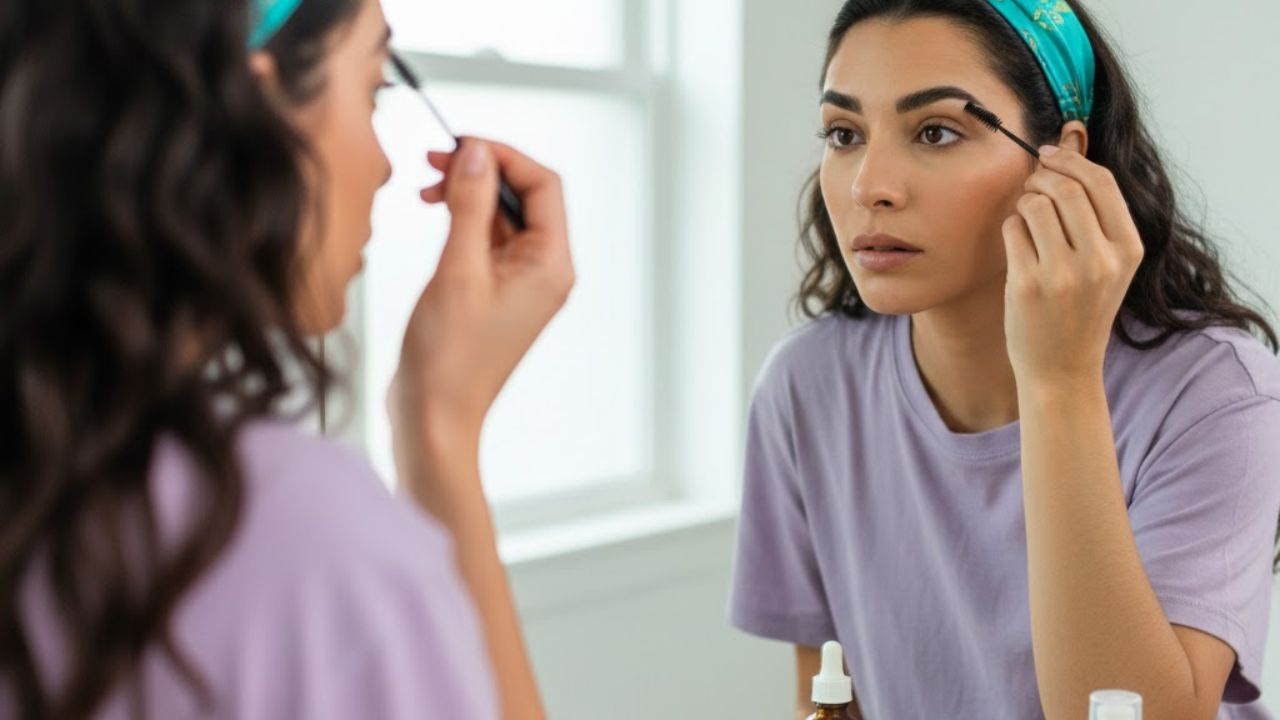
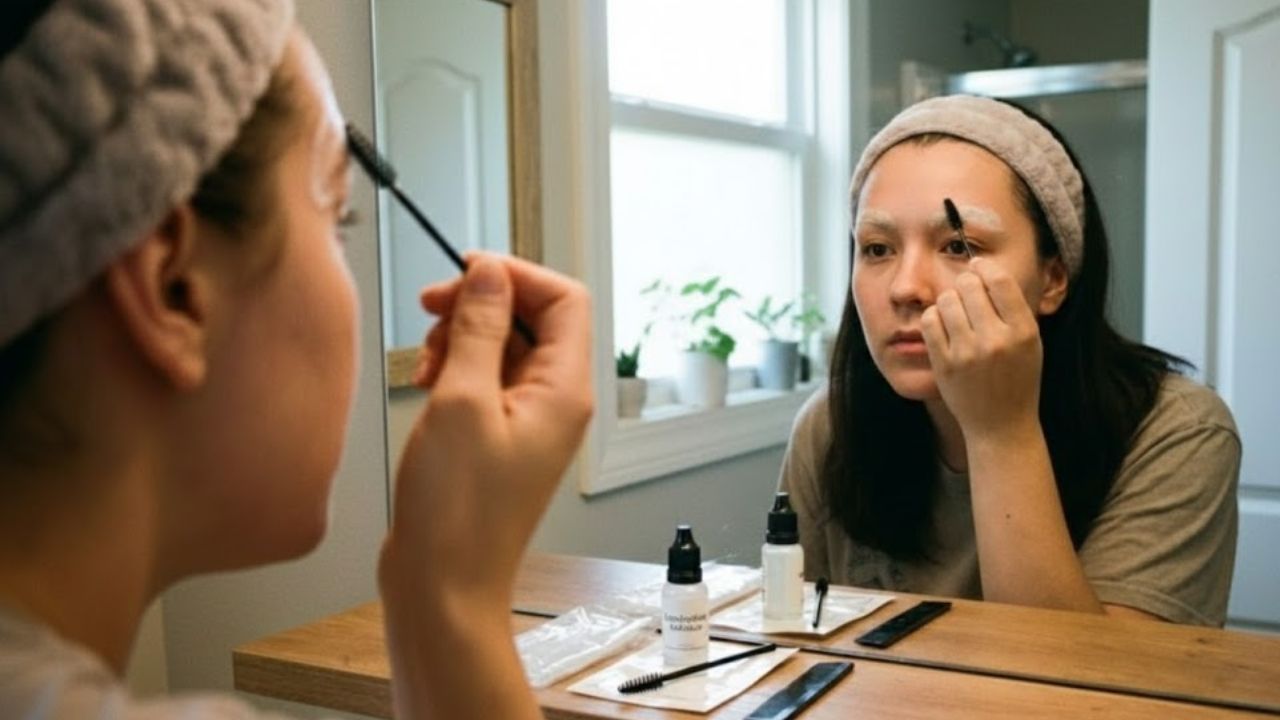
    There is a quiet satisfaction in sitting at your bathroom counter late at night, the fan softly humming and music playing low, realizing you can transform your brows with just a few careful steps and patience. No harsh salon lights. No awkward conversation. Just you, a mirror, and a small brush. Home brow lamination sounds technical, but the idea is simple. You gently guide your natural brow hairs to sit in a flattering direction for longer, creating a fuller and more defined look. You aren’t drawing a new brow. You’re letting your own brows show their best side. Once you break lamination down into simple steps—soften, shape, set, and nourish—it feels less intimidating and more like a routine you can repeat every few weeks.

    Preparing Your Tools: A Small, Calming Setup

    Before touching your brows, take a moment to prepare your space. Clear a section of the counter and line up your tools in the order you’ll use them. This small act creates a sense of calm that makes the process feel surprisingly soothing. Most at-home lamination methods rely on just a few essentials. Some people choose complete brow kits, while others prefer gentle alternatives already at home. Whatever you choose, the principle stays the same: use minimal product and always opt for the gentlest option possible.

    • Soft facial cleanser to remove oil and residue without irritation
    • Brow spoolie to guide hairs into place, even a cleaned mascara brush works
    • Brow lamination formula to relax hairs for reshaping, always patch test first
    • Setting or fixing solution to hold the new shape without weighing brows down
    • Hydrating oil or serum to nourish hair and skin, applied lightly overnight

    Standing in front of the mirror with these tools feels less like a procedure and more like everyday care. You aren’t trying to master a professional skill overnight. You’re simply learning how your brows grow and shaping them into a look that feels right for you.

    A Step-by-Step, Unhurried Brow Reset

    Your first at-home lamination should be slow and intentional. Pay attention to small details—the cool water on your skin, the gentle scratch of the spoolie through brow hair. This isn’t just about results. It’s about giving yourself a few calm minutes.

    Clean the Brow Area Completely

    Brows collect sunscreen, moisturizer, makeup residue, and natural oils. Start by cleansing the area with a gentle, fragrance-free cleanser. Rinse with lukewarm water and pat dry using a soft towel. A final swipe with a cotton pad ensures no residue remains. Clean brows stand up more clearly, making them easier to shape.

    Study Your Natural Growth Pattern

    Before applying any product, comb your brows upward with a clean spoolie and observe closely. Some hairs naturally lift, others lie flat, and some angle sideways. Notice sparse areas, the shape of your arch, and how the tail behaves. Understanding these patterns helps you decide how to guide the hairs rather than fighting against them.

    Gently Soften the Brow Hairs

    Apply a small amount of lamination or lifting solution to the brow hairs using a micro brush or cotton swab, keeping it off the skin. This step softens the hair structure, similar to warming clay before shaping it. Comb the solution through with a spoolie, brushing hairs upward and slightly outward. Let it sit for the recommended time, usually just a few minutes. If your brows are fine, less time is better than more.

    Shape with Purpose, Not Perfection

    Once the hairs are softened, use a clean spoolie to shape them. Brush the front upward for a fluffy effect, then angle the arch and tail toward the temples. Aim for balance, not exact symmetry. One brow may have a sharper arch, the other more fullness. The goal is an enhanced version of your natural brows, not a copied style.

    Lock in the Shape

    After removing excess lifting solution, apply a light layer of setting or neutralizing product. Comb through again and gently press stubborn hairs into place for a few seconds. When the setting time ends, wipe away any residue and step back. The result is often striking—brows that appear taller, fuller, and more defined without looking drawn on.

    Aftercare: Letting Brows Ease Into Their Look

    Freshly laminated brows can feel like a new haircut. For the first day or two, your reflection may look unfamiliar. Give it time. As natural oils return, the look softens. Avoid water, steam, and heavy creams on the brow area for 24 hours. If skin feels tight, use a light moisturizer around the brows, not directly on them. After a couple of days, most people find their routine simpler—often just a quick brush with a clean spoolie keeps brows looking lifted and full.

    Feeding Your Brows with Oils and Gentle Habits

    Maintaining fullness means treating your brows like something to nurture. Each night, apply a small amount of nourishing oil using your fingertips. Castor oil or lightweight brow serums work well. Massage gently in the direction of hair growth to condition hairs and support the follicles beneath. Just as important is knowing when to stop. Over-plucking can undo your progress. Remove only obvious stray hairs and leave the rest to maintain that naturally full look.

    Finding Your Personal Brow Routine

    With practice, you’ll develop your own rhythm. Some people laminate every six to eight weeks, pairing it with other quiet self-care habits. Others prefer softer, more frequent sessions supported by daily oil and brushing. Think of it as a cycle rather than a strict rule. Your brows will have phases of growth and rest. When they start drooping or losing shape by midday, it may be time for another gentle session. Doing this at home means learning what your skin tolerates, how long is enough, and where your natural arch truly sits. Over time, you become your own expert, responding to your reflection instead of chasing trends.

  • Awake Look Hack: The Simple Eyebrow Technique Makeup Artists Use to Instantly Brighten the Face

    Awake Look Hack: The Simple Eyebrow Technique Makeup Artists Use to Instantly Brighten the Face

    The woman sitting in the café looked worn out at first glance. Her laptop was open, a triple espresso rested in her hand, and faint dark circles peeked through her concealer. Yet when she lifted her head, she didn’t appear exhausted. She looked genuinely awake. Not refreshed in a spa-day way, but like someone who had actually slept. The reason was subtle and sat just above her eyes. Her eyebrows were softly lifted and lightly defined, making her eyes appear bright and alert even under harsh café lighting and unreliable Wi-Fi. Makeup artists often point this out. When time is short, they say, focus on your brows. A tiny adjustment creates a powerful illusion. It is the kind of change that makes colleagues wonder if you switched skincare products, when in reality you simply placed your eyebrow pencil a couple of millimeters higher than usual. One small brow tweak can noticeably change how your face is perceived.

    Why Brows Are the Shortcut to Looking Awake

    Scroll through backstage photos from fashion shows and a pattern becomes clear. Models may have unfinished foundation or half-done eyes, but their eyebrows are already shaped. The tails are gently lifted, the arches are defined, and the area beneath the brow bone looks clean. This single detail makes the upper face appear instantly more awake. Makeup artists know that eyebrows are noticed before most other facial features. Their angle, starting point, and how they frame the eyes send strong visual signals. When brows sit too low or slope downward, the face appears tired. When they are slightly lifted and opened, the eyes look rested, even after very little sleep.

    You can see this everywhere. A woman in gym clothes may skip foundation, but if her brows are brushed upward and the inner corners brightened, she looks alert. A man with puffy eyes after a late night can look meeting-ready simply by tidying his brows and lifting the arch. Social media reflects this obsession. Before-and-after clips show how changing only the brows and adding a touch of highlight can transform a face from fine to awake and refreshed. In 2023, the “eyebrow lift hack” trend drew millions of views because people wanted to look less tired without heavy makeup. These tricks work because they address a common concern: appearing present and professional, especially in the morning.

    The Face-Structure Reason This Works So Well

    Eyebrows function like curtains for the eyes. When they sit low or look heavy, they visually press down on the eyelids, making under-eye shadows and puffiness more noticeable. This reduces the space between the brow and lash line, which can make a face seem sad or fatigued. Slightly lifting the tail and cleaning the area under the arch opens that vertical space. The whites of the eyes appear brighter because they are no longer competing with shadow from above. Nothing physically moves, yet the illusion of lift changes how the face is read instantly. Light plays a role too. Brightening the brow bone, inner corner, and top of the arch reflects light in areas associated with an awake expression. This subtle balance of shadow and highlight is how artists revive tired faces backstage in minutes.

    The Subtle Brow Technique Makeup Artists Swear By

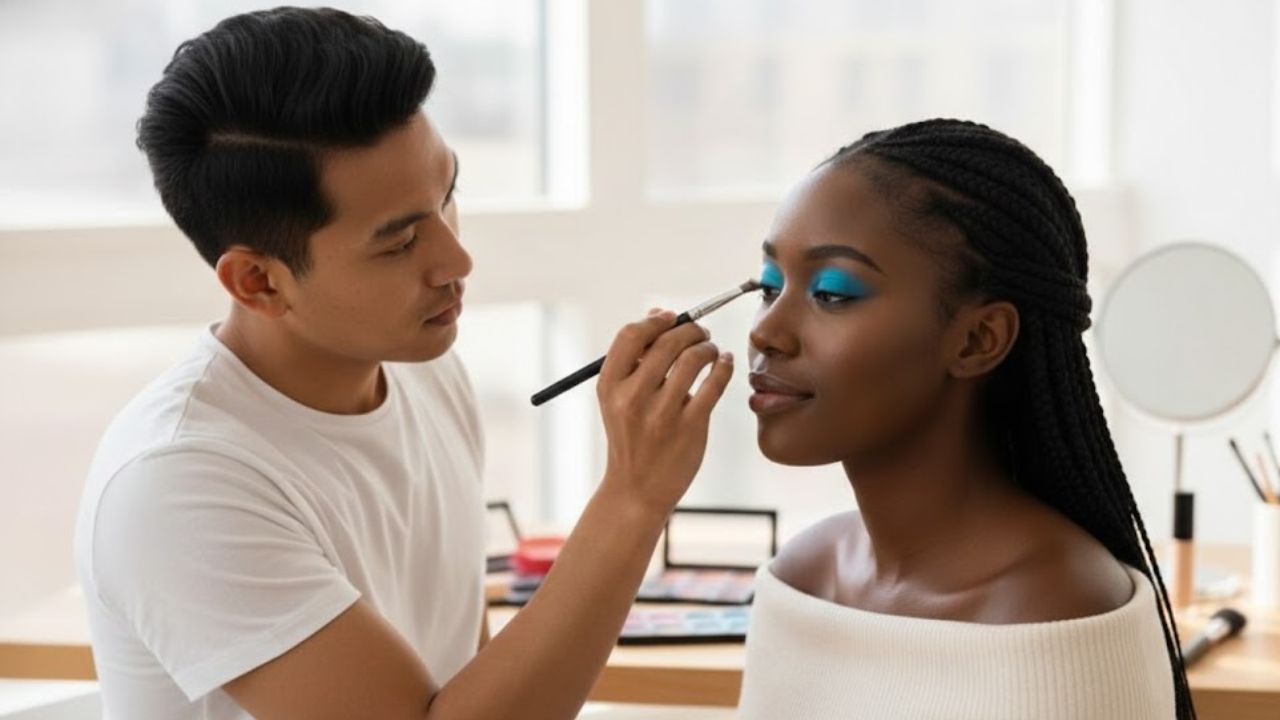
    The method itself is simple and relies on three small steps. First comes fill and lift. Instead of concentrating only on the bottom of the brow, lightly fill the top edge, focusing on the outer third. Use fine, hair-like strokes to raise the tail by just a millimeter or two. This tiny shift changes the entire expression. Next is clean and brighten. With a fingertip or small brush, tap a skin-tone concealer or brightening pen beneath the highest point of the arch and softly blend it downward. The goal is not to draw a sharp line but to remove heaviness. Finally, highlight with intention. Add a minimal amount of satin highlighter under the arch and at the inner corner of the eye, tapping gently rather than dragging.

    Once practiced, this routine takes under a minute per eye. It does not look trendy or overdone. It simply makes you appear more awake than you feel. Where people often go wrong is adding too much product to the bottom of the brow, creating thickness right above the eyelid. That extra weight pulls the gaze downward, especially if the tail extends too far. The result can be harsher brows that actually make the face look more tired. Using a concealer that is too light can also backfire. While dramatic under-brow highlights may work on camera, in daylight they can look chalky. The lift should be subtle, not obvious. A concealer close to your skin tone with just a hint of brightness blends best. This trick succeeds only because it is simple enough to become muscle memory. Two strokes to lift the tail, a soft swipe to clean the arch, and a dot of light. Finished.

    The Small Brow Shift That Changes How You Feel All Day

    After using this technique regularly, you may notice small but meaningful changes. You might catch your reflection on your phone in the afternoon and see that you look less tired than expected. On warmer days, you may skip foundation altogether, using only brow makeup and mascara, and still feel presentable during an unexpected video call. There is comfort in these small routines. Those brief moments in front of the mirror are often the only time you look at your face with intention rather than criticism. Adjusting an eyebrow or softening a dark circle is not about vanity. It is a quiet way of preparing yourself for the day.

    When your schedule feels overwhelming and sleep was short, that subtle brow lift becomes a small act of resolve. When everything is going well, it simply helps your appearance reflect how you feel inside. Whether you are on a screen, in a meeting, or waiting for coffee, your eyes appear alert, even while your mind is still waking up.

  • Optical Illusion Challenge: Can You Detect the Number 284 Quickly

    Optical Illusion Challenge: Can You Detect the Number 284 Quickly

    Optical illusion challenges do more than entertain. They measure how quickly your brain handles visual data & how well you spot tiny differences in repeating patterns. This challenge presents one straightforward task. Can you find the hidden number 284 before your attention fades? The image appears harmless at first. Similar looking numbers fill the space and create a visual rhythm that makes everything look the same. The number 284 sits somewhere in that pattern waiting to be found. Most people overlook it initially not because it cannot be seen but because the brain takes mental shortcuts instead of examining everything carefully.

    Why Do Optical Illusions Like This Fool the Brain?

    Your brain naturally tries to conserve energy. When it encounters repeated shapes or numbers it stops examining each detail individually & begins assuming they are all identical. This process is known as pattern recognition & although it proves useful in everyday situations it works against you during illusion tests. Most numbers in this puzzle have comparable shapes and spacing. Your mind clusters them as a group and overlooks minor differences. The number 284 remains hidden because its structure appears familiar despite being distinct. Finding it requires your brain to decelerate & abandon its automatic assumptions.

    How to Train Your Eyes to Spot the Number 284 Faster

    Instead of scanning randomly try changing how you look at the image. Move your eyes in rows or columns rather than jumping around. Some people find it easier to blur their focus slightly and then sharpen it again. Others tilt their screen or step back to see things differently. Another useful trick is to search for one digit at a time. Look only for the number 2 first. Once you find a few possibilities check whether they are followed by 8 and 4. This breaks the illusion and forces your brain to analyze instead of guessing.

    What Makes This Challenge Harder Than It Looks?

    The challenge here is not about how complex the puzzle is but about how similar everything looks. When patterns appear nearly the same your focus naturally weakens. Your eyes continue scanning but your mind stops analyzing what you actually see. This illusion exploits that tendency to relax mentally. The element of time adds another layer of difficulty. When you realize you are being tested you tend to hurry. That hurry leads to more mistakes. People who have good observation abilities typically reduce their speed just enough to maintain accuracy without getting stuck in overthinking.

    What Does It Say About You If You Found 284 Quickly?

    Finding the number fast shows you have good visual skills. It means you can pick out small details even when there is a lot going on around you. This skill usually appears in everyday life through solid problem solving and quick thinking when things get stressful. If you did not spot it immediately that is perfectly fine. These abilities get better over time. Optical illusion puzzles work like exercise for your mind. The more you try them the stronger your observation skills become.

    How Optical Illusion Challenges Improve Mental Fitness

    Solving visual puzzles on a regular basis can make your attention span stronger & boost both memory and concentration. These puzzles teach your brain to slow down and look at details instead of jumping to quick conclusions. After doing them for a while you might notice improvements in daily activities such as reading or driving or handling multiple tasks at once. Visual puzzles also give you a fast way to refresh your mind. Rather than spending time scrolling through your phone without purpose you can work on a short puzzle that keeps your brain engaged and gives you a sense of accomplishment.

  • Spot the Difference Challenge: Find 3 Differences in the Man Repairing a Fan Image

    Spot the Difference Challenge: Find 3 Differences in the Man Repairing a Fan Image

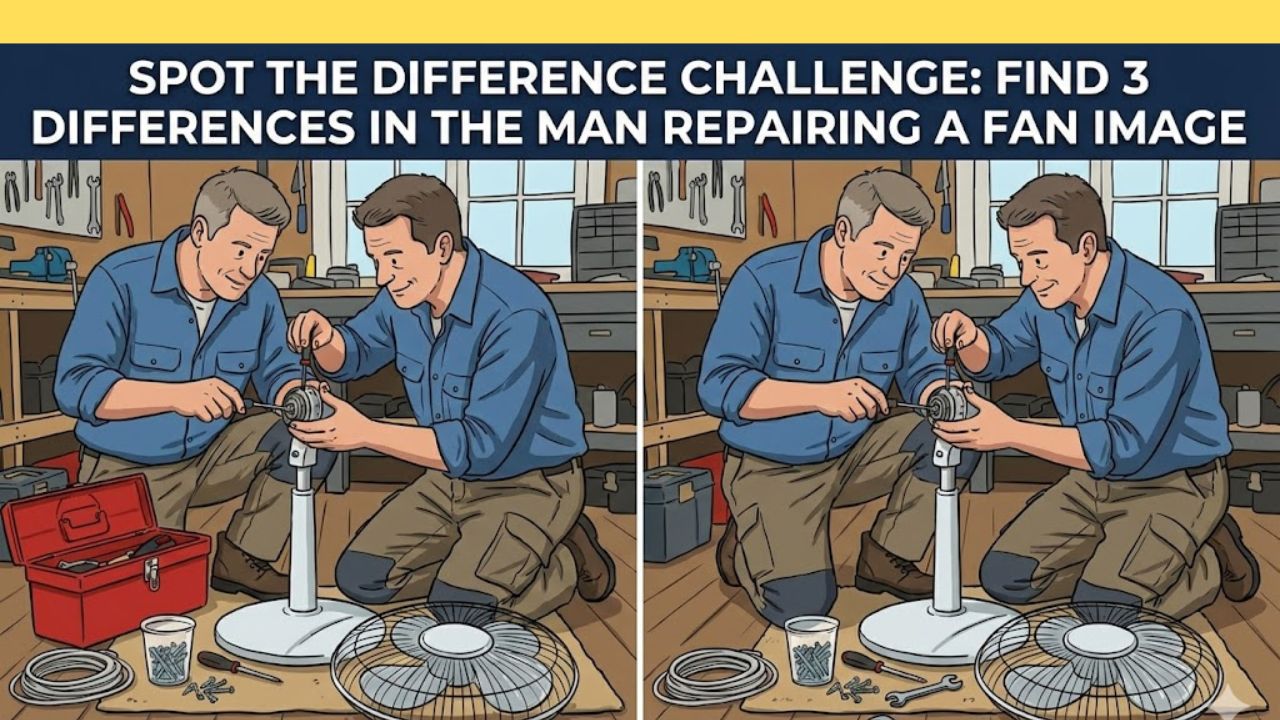
    If you enjoy a good challenge then it’s time to test your observational skills. Spot the Difference puzzles offer a fun way to challenge your mind while improving your focus & attention to detail. This puzzle features an image of a man repairing a fan and your task is to spot three differences. The catch is that you only have ten seconds to find them all. This quick exercise will test your ability to scan images rapidly and pick up on small details while making fast decisions under pressure. It provides a solid mental workout and the countdown creates an exciting sense of urgency. Are you ready to beat the clock and find the differences before time runs out?

    Why Spot the Difference Challenges Are Good for Your Brain

    Why Spot the Difference Puzzles Are Good for Your Brain Spot the Difference puzzles are fun to solve and they also help your brain work better. Here are some reasons why doing these puzzles regularly is a good idea:

    Better Attention to Small Details: These puzzles teach your brain to find tiny differences between two pictures that look almost the same. When you practice finding these small changes you start noticing details better in everyday life too.

    Stronger Focus: When you have limited time to solve a puzzle you need to concentrate fully on what you are doing. This kind of practice helps you stay focused when you work on other tasks during your day.

    Faster Thinking: Trying to spot differences quickly makes your brain process visual information at a faster speed. Being able to think fast helps you solve problems at work and make better decisions in daily situations.

    Less Stress and Mental Rest: These puzzles give your mind a break similar to how exercise helps your body relax. Working on a simple challenge takes your mind off stressful thoughts and helps refresh your brain.

    The Challenge: Spot the 3 Differences in the Fan Repair Image

    Now let’s look at the puzzle. In this exercise you will see two almost identical images of a man repairing a ceiling fan. The challenge is to spot the three subtle differences between the images within 10 seconds.

    Time Limit: 10 seconds

    Goal: Find 3 differences between the two pictures

    The clock is ticking so your brain must stay sharp and focused as you quickly scan the images for any discrepancies. These differences can be anything from a small alteration in the background to a change in the man’s appearance or even a modification in the fan itself. But here is the twist: spotting these differences is not as easy as it sounds. When time is limited it tests your ability to spot even the smallest details and react quickly.

    Tips for Spotting the Differences

    If you are having trouble finding the differences here are some tips to help you solve these puzzles more quickly:

    Look for Small Details: The differences are usually very small like a missing element or a slight change in the pattern. Try not to stare at just one spot but instead look over the whole picture to catch any minor changes.

    Check for Different Colors: A lot of these puzzles have color variations. Something in the background or an item might be a different shade or a detail like a flower design or clothing color might be altered.

    Examine Symmetry and Patterns: Differences often appear in areas that should match. Take a close look at elements like the man’s outfit or the fan’s pattern to see if something looks off or has been changed.

    Watch the Background: Pay attention to the surroundings and objects in the scene. Sometimes things are shifted around or something is added or taken away to create a difference between the two pictures.

    The Solution: Can You Spot All 3 Differences?

    If you are ready to learn the answer here are the three small differences between the two images of the man fixing the fan:

    Ear Detail: In the left image the man’s ear is plain. In the right image there is an extra line inside his ear that adds a small detail missing in the other picture.

    Flower Pattern on the Overalls: The man’s overalls in the left image show a flower pattern with three pink leaves. In the right image there are only two pink leaves in the pattern. This is a small but clear difference.

    Missing Table Leg: Under the lamp table in the background the left image shows all four table legs.

     In the right image one leg is missing & the table looks incomplete. These changes may look small but they show how careful you need to be when solving spot the difference puzzles. Did you manage to find them all in time? If you did then congratulations on your sharp eye. If you did not then do not worry because puzzles like these are great practice for improving your focus and observation skills.

    Why Time-Based Puzzles Are So Engaging

    Time-based puzzles like this one are enjoyable because they mix fun with mental challenge. The time pressure creates excitement & turns the activity into more of a game. The brief 10-second limit pushes your brain to work fast while filtering out unnecessary details and concentrating on what matters. This kind of challenge works well for quick mental breaks & can feel just as rewarding as solving a harder problem. It provides a sense of achievement when you find all the differences. Even if you run out of time the exercise still helps improve your ability to think clearly under pressure.

  • Optical Illusion Challenge: Spot the Number 4 Before Time Runs Out

    Optical Illusion Challenge: Spot the Number 4 Before Time Runs Out

    Optical illusion challenges offer a popular method to measure concentration and visual ability. This particular challenge appears straightforward initially but tends to deceive the eyes more than people anticipate. The objective is simple enough. Locate the number 4 concealed within numerous similar looking numbers before time expires. Many participants underestimate the difficulty of this task when working against a countdown. These puzzles function effectively because human brains naturally seek patterns. When multiple numbers appear nearly identical the mind begins scanning quickly rather than examining carefully. This creates the core difficulty of the challenge. The number 4 exists within the image but its camouflage makes it easy to overlook even for observant individuals during their initial attempt.

    Why This Optical Illusion Feels So Hard

    The main challenge behind this optical illusion is visual similarity. Numbers such as 1, 7, and even certain font styles of 9 can closely resemble parts of the number 4. When these shapes are repeated over and over, the brain quickly assumes they are identical. This kind of shortcut usually helps us process information faster in everyday life, but in optical illusion puzzles, it works against accurate detection.

    Time pressure also plays a big role. Knowing you only have a few seconds creates stress. Under stress, the brain tends to rush decisions, and rushing reduces attention to fine details. This is why many people suddenly spot the correct number only after the timer has already finished.

    Simple Ways to Find the Number 4 Faster

    Rather than scanning the image randomly, try dividing it into smaller sections. Focus on one area at a time instead of the whole picture. Look carefully for sharp corners or open shapes that are unique to the number 4. Slow, intentional eye movements are far more effective than quick sweeps across the image.

    Another helpful trick is to slightly squint or step back from the screen. This changes how your eyes group shapes together and can make the odd number stand out more clearly. Some people even tilt their head or rotate the phone slightly, which forces the brain to reprocess what it sees.

    What This Puzzle Reveals About Your Brain

    Spotting the number 4 quickly can indicate strong pattern recognition and good control over attention. It suggests you are comfortable noticing subtle differences and staying calm under pressure. Taking longer does not mean lower intelligence. It often means your brain favors speed over detail, which can be very useful in real-world situations.

    Optical illusions are not accurate IQ tests. Results depend on focus, visual habits, screen size, lighting, and even your mood. Struggling one day does not mean you will struggle the next time.

    Why Optical Illusion Challenges Are Good for You

    Solving visual puzzles regularly can improve observation skills over time. These challenges encourage patience and teach the brain to slow down and analyze details carefully. Many people notice better focus during reading, driving, or tasks that require precision after practicing such puzzles.

    They also provide a healthy mental workout. Just as physical exercise strengthens muscles, mental challenges help build and maintain neural connections. Optical illusions offer a relaxing yet stimulating way to keep the mind active.

    Try the Challenge Again Without Time Pressure

    If you did not find the number 4 on your first attempt, there is no need to worry. Remove the timer and try again at a relaxed pace. Many people discover the correct number within seconds once the pressure is gone, highlighting how strongly stress affects perception.

    You can also share the challenge with friends or family and compare approaches. Everyone processes patterns differently, which makes these puzzles engaging and fun conversation starters.

  • Get Fuller Thicker Brows at Home With a Lamination Method That Actually Delivers Results

    Get Fuller Thicker Brows at Home With a Lamination Method That Actually Delivers Results

    The first time you realize your eyebrows are getting thinner, it feels unexpectedly important. Maybe you notice it in the bathroom mirror under harsh morning light, or in a selfie where your eyes look less defined than they used to. The outer ends seem sparse, the arch disappears from certain angles, and no amount of brow pencil truly fixes it. That’s usually when the idea of salon brow lamination appears. But then you think about appointments, cost, travel, and the smell of chemicals. You close the browser, wash your face, and decide there must be a calmer, better option.

    The Quiet Magic of Shaping Your Own Brows

    There is something deeply satisfying about sitting at your bathroom counter late at night, the fan humming softly, your favorite playlist playing, and realizing you can change how your brows look with just a few careful steps. No bright salon lights. No awkward conversation. Just you, a mirror, and a small brush. Home brow lamination sounds technical, but the idea is simple: gently guide your existing brow hairs into a better position so they look fuller and more defined. You are not creating a new brow, only encouraging your natural one to show up at its best.

    Gathering Your Tools as a Small Ritual

    Before you begin, prepare your space the way you would before cooking a meal. Clear a section of your counter, wipe away toothpaste spots, and lay out your tools in the order you will use them. This small act of preparation creates calm and makes the process feel surprisingly relaxing. Whether you choose a full brow lamination kit or gentle at-home alternatives, the idea remains the same: use minimal product and always choose the gentlest option possible for skin near the eyes.

    Item Name Why It’s Used Best Practice Tips
    Soft Facial Cleanser Cleanses skin and removes oil or makeup Use a mild, soap-free cleanser for sensitive skin
    Brow Spoolie Helps align and style brow hairs A clean mascara brush works well as an alternative
    Brow Lamination Formula Softens brow hairs for reshaping Always perform a patch test 24 hours before use
    Fixing or Setting Solution Locks brows into their new shape Apply lightly to avoid weighing hairs down
    Hydrating Oil or Serum Nourishes brow hair and skin Apply castor oil or brow serum overnight

    A Slow and Intentional Brow Transformation

    When you try brow lamination at home for the first time, go slowly. Notice the sound of running water, the coolness of your fingers on your skin, and the gentle scratch of the spoolie through your brows. This process is not just about results but also about giving yourself a few quiet minutes of care.

    Cleaning the Brow Area Completely

    Brows collect sunscreen, moisturizer, makeup residue, and natural oils. Begin by cleansing the area with a gentle, fragrance-free cleanser. Rinse with lukewarm water and pat dry using a soft towel. Use a cotton pad to ensure no residue remains. When brows are fully clean, each hair stands more freely and responds better to shaping.

    Understanding Your Natural Brow Direction

    Before applying any product, observe your brows closely. Brush them upward with a clean spoolie and notice how each hair behaves. Some stand straight up, some lie flat, and others grow sideways. Look for sparse areas, thin tails, or uneven arches. Understanding these natural patterns helps you shape your brows in a way that feels balanced and realistic.

    Softening the Hairs Gently

    Apply a small amount of lamination or lifting solution to the brow hairs using a micro brush or cotton swab. Keep the product on the hair rather than the skin. This step softens the hair structure so it can be reshaped. Brush the hairs upward and slightly outward, following your natural plan. Let the solution sit for the recommended time, using less time if your brows are fine or delicate.

    Shaping With Intention Instead of Perfection

    After the softening step, use a clean spoolie to shape your brows. Brush the front hairs upward for a fuller look, then guide the arch and tail toward the temple. Aim for harmony rather than symmetry. One brow may be slightly fuller or higher than the other, and that is normal. The goal is to enhance what you naturally have, not copy someone else’s brows.

    Setting the New Brow Shape

    Once the lifting solution is removed as directed, apply a small amount of fixing or neutralizing solution. Comb through the brows again and press stubborn hairs into place for a few seconds. When the setting time is complete, wipe away any residue and step back. The brows often appear taller, fuller, and more defined without looking drawn on.

    Letting Your Brows Settle After Lamination

    Freshly laminated brows can feel like a new haircut. For the first day or two, they may look bold or unfamiliar. Avoid water, steam, and heavy creams for 24 hours. As natural oils return, the look softens and becomes more natural. By the second or third day, your routine becomes easier, often requiring only a quick brush in the morning.

    Nourishing Brows With Oils and Gentle Habits

    To maintain fuller brows, treat them like a small garden. Each night, apply a small amount of nourishing oil such as castor oil or a brow serum. Massage gently in the direction of hair growth. Avoid over-plucking, as removing too many hairs quickly undoes your progress. Leave minor strays alone to maintain thickness and softness.

    Finding Your Personal Brow Rhythm

    Over time, you will discover your own brow rhythm. Some people laminate every six to eight weeks, while others prefer gentler, more frequent maintenance with oils and brushing. Pay attention to how your brows grow and respond. When they begin to droop or lose shape, it may be time for another session. Doing this at home allows you to understand your face better and respond to what you see rather than following trends.

  • The Awake Look Hack Makeup Artists Use to Instantly Lift Eyes With a Simple Brow Trick

    The Awake Look Hack Makeup Artists Use to Instantly Lift Eyes With a Simple Brow Trick

    The woman sitting in the café looked worn out at first glance. Her laptop was open, a triple espresso sat in her hand, and faint dark circles peeked through her concealer. Yet when she lifted her face, she looked unexpectedly awake. Not refreshed in a luxury-spa way, but like someone who had genuinely slept. The reason was easy to miss and sat just above her eyes. Her eyebrows were softly lifted and lightly brightened, creating the illusion of alertness even under harsh café lights and unreliable Wi-Fi. Makeup artists repeat this advice constantly: if you only have one minute, fix your brows. A tiny change can make colleagues think you upgraded your skincare routine, when all you did was draw your brow pencil a couple of milli meters higher. One subtle eyebrow shift can noticeably change how your face is read.

    Why an Awake Look Starts With Brows

    Look closely at backstage photos from fashion shows and one thing stands out. Even when foundation is unfinished, the eyebrows are already shaped. The tails are slightly lifted, arches refined, and the brow bone area looks clean. This detail alone makes the face seem instantly more awake. Eyebrows are often noticed before other features because their angle, height, and starting point frame the eyes. When brows sit too low or slope downward, the entire face appears tired. When they are gently lifted, the eyes look rested even after little sleep. You see this effect daily on commutes and video calls. People skip base makeup, but brushed-up brows and a bright inner corner create an alert appearance. This is why eyebrow-focused before-and-after videos went viral on social media, proving that a small brow change can make someone look fresher, younger, and more present without heavy makeup.

    The Technique Makeup Artists Use Every Morning

    The process is simple and quick. First, lightly fill the top edge of the brow instead of weighing down the bottom. Concentrate on the outer third and raise the tail slightly using soft, hair-like strokes. Next, clean and brighten under the highest point of the arch with a touch of concealer blended downward, not drawn as a harsh line. Finally, add a tiny dot of subtle highlighter beneath the arch and in the inner corner of the eye. This takes under a minute per eye once practiced. The mistake many people make is overfilling the lower brow or using overly light concealer, which creates heaviness and makes the face look more tired. The goal is softness, not sharp lines. Two strokes, a small blend, a touch of light—and you are done.

    One Shift That Changes Your Entire Face

    With time, this minimal brow habit starts to show its value. You may notice yourself looking less exhausted on your phone screen later in the day. Some mornings, brows and mascara feel like enough to look professional on a video call. These small routines are not about vanity but preparation. Those brief moments in front of the mirror can be grounding, especially on overwhelming days. A subtle eyebrow lift becomes a quiet signal that you are tired yet ready. Whether standing in line for coffee, sitting in a meeting, or joining a call, your eyes appear alert even if your mind is still catching up.

    Step Action Purpose
    Fill Gently lift and define the upper edge of the eyebrow Creates a subtle raised effect at the brow tail
    Clean Softly blend concealer beneath the brow arch Eliminates heaviness and reduces shadowing
    Highlight Apply a soft highlight under the arch and inner brow area Adds light reflection for a fresh, awake appearance
  • 5 Powerful Yoga Exercises You Can Practice at Home for Stability and Energy

    5 Powerful Yoga Exercises You Can Practice at Home for Stability and Energy

    Yoga goes beyond simple relaxation. When you practice it with purpose it transforms into an effective method for building strength and boosting stamina while supporting your overall fitness. You do not need gym equipment or heavy weights to become stronger. Your body weight & controlled movements provide everything necessary. These five effective yoga exercises work well at home and suit anyone who wants to maintain fitness naturally while developing flexibility & sharpening mental focus.

    Plank Pose for Total Body Strength

    Plank Pose ranks among the best yoga exercises for conditioning your entire body. Begin by positioning yourself on your hands & toes while keeping your body straight from your head down to your heels. You should engage your core muscles and tighten your legs while maintaining steady shoulders. This exercise strengthens your abdomen and arms along with your shoulders and back and legs simultaneously. When you practice plank on a regular basis you will notice improvements in your posture and balance and endurance. You can build significant strength over time by holding this position for just twenty to thirty seconds.

    Warrior Pose for Power and Stability.

    Warrior Pose strengthens your legs and hips and arms while making your balance and focus better. You step one foot forward and bend that front knee while keeping your back leg strong. Lift your arms up over your head or stretch them out to the sides and keep your chest open. This pose works large muscle groups and makes your stamina better. Warrior Pose also makes you feel more confident and helps you focus your mind which makes it even more powerful.

    Downward Facing Dog for Strength and Energy

    Downward Facing Dog appears easy but works your entire body effectively. Start on your hands & knees then lift your hips up while moving your chest toward your thighs. This position builds strength in your arms shoulders and legs & stretches your spine and hamstrings at the same time. It helps blood flow better through your body and gives you more energy. Regular practice of this pose will improve your overall strength and flexibility.

    Cobra Pose for a Strong Spine

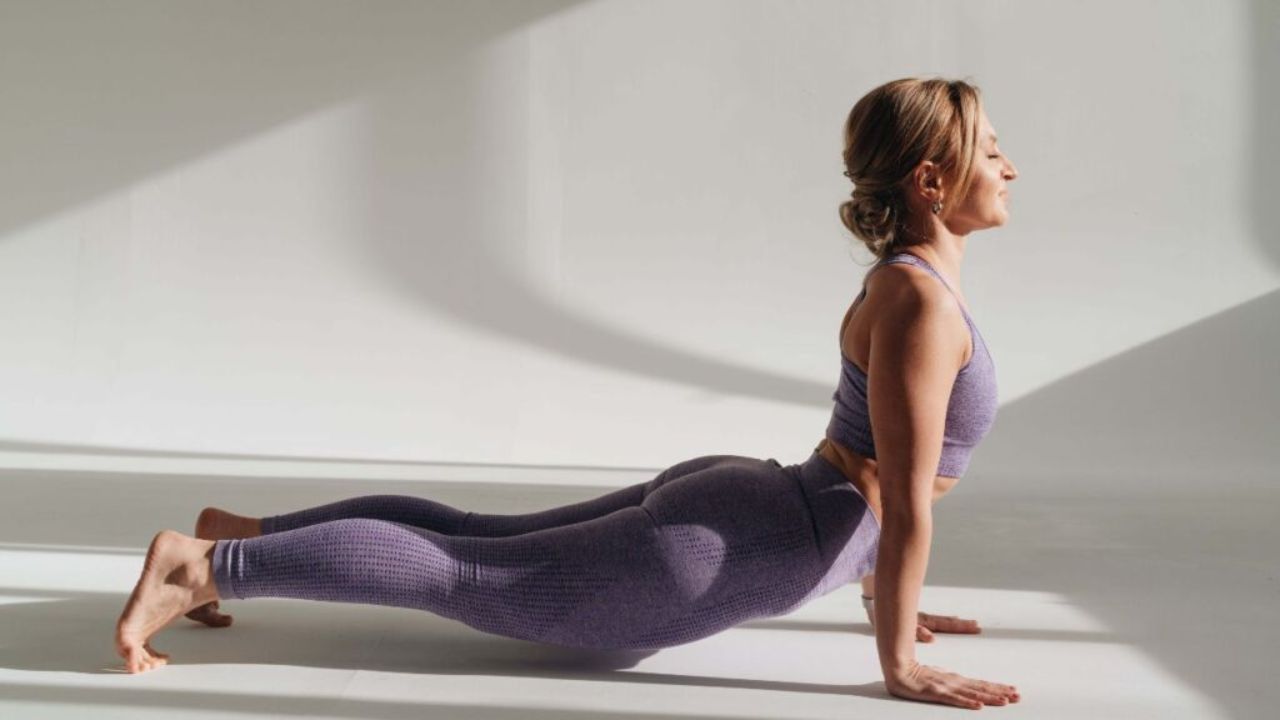
    Cobra Pose works to strengthen your spine while opening up your chest area. Start by lying flat on your stomach and position your palms directly under your shoulders. Gradually lift your chest away from the floor while maintaining a slight bend in your elbows and keeping your hips pressed down against the ground. This position builds strength in your back & enhances both your posture and lung capacity. The pose offers particular benefits for individuals who spend extended periods sitting & need to improve their spinal health.

    Bridge Pose for Core and Lower Body Power

    Bridge Pose strengthens your glutes and lower back along with your core muscles. Start by lying on your back with bent knees and your feet flat on the floor. Push down through your feet & raise your hips up while tightening your glutes. This position helps align your spine & boosts blood flow while toning your lower body. The pose also wakes up muscles that tend to get weak from sitting too much during the day.

    Why These Yoga Exercises Are Considered Powerful

    These poses work several muscle groups together. They create strength without adding stress to your joints. Modern fitness programs emphasize functional strength & mobility along with regular practice. Yoga fits these objectives naturally. Doing these poses at home lets you adjust the difficulty level and advance at a safe pace.

    Tips to Practice Powerful Yoga at Home

    Warm up before you begin and keep your breathing steady. Only hold each pose for as long as you can do it correctly. Practice when your stomach is empty or after eating something light. Being consistent matters more than how long you practice. Effective yoga is not about being intense or fast. It needs awareness and control along with regular practice. These five yoga exercises create a solid balanced routine that builds strength and flexibility while supporting your long term fitness goals at home.

  • Not Built for Muscles Alone: Functional Workouts That Build Real-World Strength and Stability

    Not Built for Muscles Alone: Functional Workouts That Build Real-World Strength and Stability

    There’s a calm point in training when you realize you’re no longer working for a reflection in the mirror or a number on a scoreboard. You’re training for how your body moves through daily life: climbing stairs without effort, lifting a suitcase with confidence, or catching yourself if you lose balance. That’s where athletic gymnastics fits in. It’s a practical, structured way to build strength that serves real life, not just the gym. Follow along, and you’ll see how this approach helps you get stronger in a steady, sustainable way.

    What athletic gymnastics actually means

    Athletic gymnastics is a method of strength training centered on whole-body control, balance, and usable power. Instead of pushing maximum weights, the focus stays on smooth execution, stable positions, and manageable loads. The aim is a body that feels capable and responsive rather than worn down or stiff. This makes it suitable for a wide range of ages and fitness backgrounds, especially when paired with light mobility work for joints and the spine.

    Workouts emphasize posture, coordination, and joint-friendly movement ranges. You’re training your body to handle everyday demands with ease: carrying shopping bags, playing with children, rearranging furniture, or staying comfortable during long days of activity. The result is functional strength that supports your lifestyle instead of limiting it.

    Main exercise categories in athletic gymnastics

    This training style blends several types of exercises. Together, they create a balanced system where intensity can be adjusted without losing focus on control and quality.

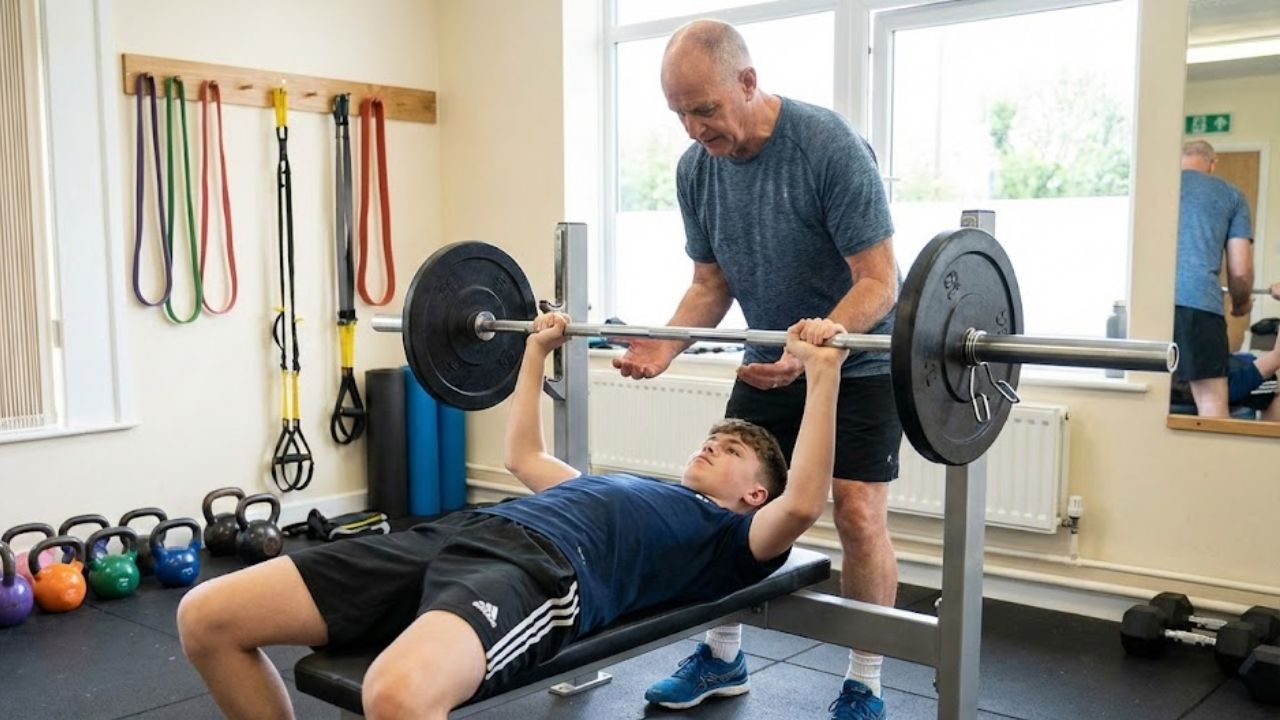
    Bodyweight movements. Exercises like push-ups, holds, and strength poses using your own body mass. These are usually performed for about 8–15 repetitions or 10–30 seconds per hold to develop foundational strength and stability.

    Gymnastic apparatus work. Bars, parallel bars, and rings challenge coordination and body awareness. Movements are controlled and deliberate, avoiding excessive momentum.

    Light equipment and accessories. Resistance bands and medicine balls build endurance, coordination, and reaction. These tools are often used in solo or partner drills to add variety.

    Free weights. Dumbbells, kettlebells, and barbells are included at moderate loads. The focus remains on steady strength and muscular endurance rather than maximal lifts.

    Partner and group drills. Working with others adds unpredictable resistance, improves balance, and builds practical strength through shared movement.

    Machines. Used at a controlled pace, machines allow precise load management and help strengthen weaker areas safely, especially when stability is a priority.

    When strength becomes a skill rather than a score, training feels more engaging and sustainable.

    From personal experience, blending these elements keeps workouts interesting while protecting my joints. A mix of ring work, controlled resistance training with dumbbells, and basic bodyweight exercises gives me a strong “ready for anything” feeling. That quiet confidence from consistent strength training is far more rewarding than chasing a single record.

    How often to train and session length

    If you’re starting out, a practical plan is 2–3 sessions per week lasting around 20–30 minutes. As your body adapts, you can increase to 45–60 minutes and train a bit more frequently. The key guideline is that your final repetition should be challenging but still smooth, with solid technique and no strain.

    General fitness recommendations align well with this model: strength work for all major muscle groups on at least two days per week, along with roughly 150–300 minutes of moderate aerobic activity or a comparable mix with higher intensity cardio. Athletic gymnastics fits naturally into the strength portion of these guidelines.

    Sample weekly structure by experience level

    Experience Level Recommended Weekly Training Structure
    Beginner Train 2–3 days per week with sessions lasting around 20–30 minutes.
    Focus on full-body workouts, performing 1–2 sets per exercise to build a strong foundation and proper movement technique.
    Intermediate / Advanced Train 3–4 days per week for 45–60 minutes per session.
    Programs may include full-body or split routines, using 2–4 sets per exercise while allowing at least 48 hours of recovery between intense sessions for the same muscle groups.

    Personally, I treat the “last clean rep” as a built-in safety rule. When form starts to slip, I stop the set, even if I feel capable of pushing further.

    Recovery, sleep, and nutrition: the overlooked side of progress

    The benefits of muscle-strengthening work only show up when recovery is respected. Most adults perform best with at least seven hours of sleep per night, with many feeling optimal around 7–9 hours. Quality sleep supports coordination, energy levels, and motivation.

    Between sessions, muscles and connective tissues need time to adapt. That’s why leaving roughly 48 hours between demanding sessions for the same muscle groups is common advice. Light activity such as walking or gentle stretching on rest days helps maintain mobility without adding fatigue.

    Nutrition can stay simple. Sports nutrition guidance suggests that most active individuals do well with about 1.4–2.0 grams of protein per kilogram of bodyweight per day. Spread across meals, this often means 20–40 grams of protein per meal. Combined with adequate hydration and balanced meals, this supports regular training effectively.

    – Aim for consistent sleep, ideally 7–9 hours.

    – Alternate harder and lighter training days to protect joints and tendons.

    – Include a source of protein in each meal.

    – Use easy movement or light stretching to feel loose and recovered.

    In my experience, progress improves once recovery is treated as part of training rather than time off. When sleep, nutrition, and gentle movement are planned just like workouts, both gym performance and everyday comfort improve together.

    Why this training style supports daily life

    Athletic gymnastics builds more than visible strength. Well-structured exercise programs like this can enhance balance and movement quality, which may reduce the risk of everyday slips and falls, especially as we age. When the whole body works together efficiently, you feel steadier on stairs, more confident on uneven ground, and less fatigued by routine tasks.

    Ultimately, this approach is about developing a body you can rely on: stable joints, dependable grip strength, and calm breathing under effort. With consistent functional strength work, sensible resistance training, and attention to movement quality, training becomes part of self-care rather than a separate pursuit. That kind of strength carries over long after you step out of the gym.