Category: News

  • Skipping the Gym for Walking Works Only If You Walk Continuously 30 Minutes at 5 Kilometres Per Hour

    Skipping the Gym for Walking Works Only If You Walk Continuously 30 Minutes at 5 Kilometres Per Hour

    Every January, gyms overflow with people chasing a fresh start, yet a growing number quietly step away. Some feel gym anxiety, others lose motivation, and many simply dislike indoor workouts. For these people, walking has emerged as a practical alternative. There are no contracts, no mirrors, and no barriers to entry. It fits easily into daily life and feels far less intimidating than crowded fitness spaces, making it an appealing choice for those seeking movement without pressure.

    Scientific evidence supports this shift. Regular walking helps strengthen the heart and lungs, supports healthy weight control by burning fat, improves circulation, and protects bones and muscles. It also reduces the risk of chronic conditions, including type 2 diabetes and cardiovascular disease.

    The 30-Minute Rule and Why Consistency Matters

    Walking works best as a “silent workout” when it reaches the right intensity and duration. Sports nutritionists and trainers often recommend a simple guideline: if walking replaces structured exercise, it should be done for at least 30 minutes in one continuous session. The pace should stay steady, around 5 km/h (about 3.1 mph), without frequent stops.

    This level usually places most healthy adults in a moderate-intensity zone. The heart rate rises, breathing quickens, and the body begins to rely more on fat as fuel. While shorter or broken walks still offer benefits, they rarely challenge the cardiovascular system in the same sustained way.

    Aim for: 30 minutes non-stop, roughly 5 km/h, where talking is possible but singing feels uncomfortable.

    Understanding What a 5 km/h Pace Feels Like

    Many people underestimate or overestimate their walking speed. While trackers provide numbers, the body gives clear physical cues. At this pace, you can speak in short sentences, but long conversations feel tiring. Breathing deepens and speeds up slightly without turning into gasping.

    After 10 to 15 minutes, you may feel lightly warm or sweaty, even in cooler weather. Your stride naturally lengthens, arms swing more freely, and movement feels purposeful and focused. This is not race-walking, but a brisk, steady rhythm without long pauses at shop windows or constant phone use.

    Why One Continuous Walk Beats Scattered Steps

    Many people reach 8,000 or even 10,000 steps spread across an entire day, yet see little change in fitness or weight. Continuous walking affects the body differently than scattered movement.

    • Short, scattered walks: Support joint mobility and circulation, but provide only mild cardiovascular stimulation.
    • One 30-minute brisk walk: Creates a stronger challenge for heart and lungs, increases calorie burn, and has a clearer impact on mood and sleep.

    During an uninterrupted 30-minute session, the cardiovascular system stays active long enough to adapt. Blood flow increases, the heart pumps more efficiently, muscles use oxygen better, and stress-related hormones respond more positively.

    Health Benefits Beyond Weight Loss

    Although weight control often dominates the discussion, walking offers benefits far beyond the scale. Regular brisk walking is linked to better digestion and fewer episodes of constipation, as movement stimulates the gut. Improved circulation and sleep patterns can also support immune function.

    The brain benefits as well. Moderate, consistent activity is associated with stronger memory, improved attention, and a lower risk of age-related cognitive decline. Researchers note that the hippocampus, a key region for memory, tends to shrink more slowly in physically active adults.

    The Added Power of Being Outdoors

    Walking outside adds another layer of benefit. Regular daylight exposure helps support vitamin D production, which plays a role in bone strength and immune health. Time outdoors also helps regulate the body’s internal clock, improving sleep-wake rhythms.

    As sleep quality improves, energy levels and recovery tend to follow. This combination makes outdoor walking especially valuable for those struggling with poor rest or irregular daily schedules.

    Reducing Swelling, Improving Posture, Calming the Mind

    Regular walking can reduce leg swelling by improving venous return. The calf muscles act as a pump, helping blood flow back toward the heart, which is particularly important for people who sit or stand for long periods.

    Posture often improves as well. Brisk walking encourages an upright stance, relaxed shoulders, and gentle core engagement. Over time, this can ease strain on the lower back and neck, especially when combined with looking ahead instead of down at a phone.

    Mentally, daily walks are linked to lower stress levels, fewer low-mood episodes, and better sleep. Many people use walking as a transition ritual, helping the mind shift between work and home.

    Who Can Follow the 30-Minute Brisk Walk Approach?

    One reason health authorities promote walking is its wide accessibility. Young adults, middle-aged workers, and many older people can adapt it to their ability. Beyond comfortable shoes and weather-appropriate clothing, no special equipment is needed.

    This matters in places where gym access is limited. Streets, parks, and even long corridors become training spaces. For people with mild joint concerns, walking often feels gentler than running while still challenging the body.

    When 30 Minutes at 5 km/h Feels Too Demanding

    Not everyone should start at full intensity. Individuals with heart conditions, severe joint pain, respiratory issues, or long periods of inactivity may need medical guidance before increasing pace.

    • Week 1–2: 10–15 minutes at a comfortable pace.
    • Week 3–4: 20 minutes, including 5–10 minutes of brisk walking.
    • Week 5–6: 30 minutes total, keeping most of the session at a steady, faster pace.

    Those unable to walk continuously can split the time into two 15-minute brisk segments. The focus remains on maintaining rhythm and limiting idle pauses.

    Making Walking a Lasting Daily Habit

    Turning guidance into routine often requires small, realistic changes. Many people succeed by treating their walk as a fixed appointment, whether before breakfast, during lunch, or after work, with backup indoor routes for bad weather.

    • Use a simple timer to keep the 30-minute goal accurate.
    • Choose a familiar loop that takes a similar amount of time each day.
    • Walk with a friend occasionally for accountability.
    • Keep essentials ready, such as a cap, gloves, or a light waterproof layer.

    Combining walking with other low-impact activities, like short home strength sessions or mobility exercises, can enhance results. Stronger legs and core muscles make brisk walking easier and help protect the joints.
  • A 72-Year-Old Trainer Explains How 4 Seated Exercises Support Mobility and Flexibility

    A 72-Year-Old Trainer Explains How 4 Seated Exercises Support Mobility and Flexibility

    Moving with ease is something many people don’t think twice about in their younger years. However, as time goes on, preserving mobility and strength becomes vital for maintaining independence, confidence, and overall quality of life.

    This is something 72-year-old certified personal trainer Mitch Kahn understands deeply. The creator of Forever Fit With Mitch, Kahn designs workouts specifically for older adults, focusing on improving balance, strength, flexibility, and self-assurance.

    Why Mitch Kahn Recommends Chair Workouts

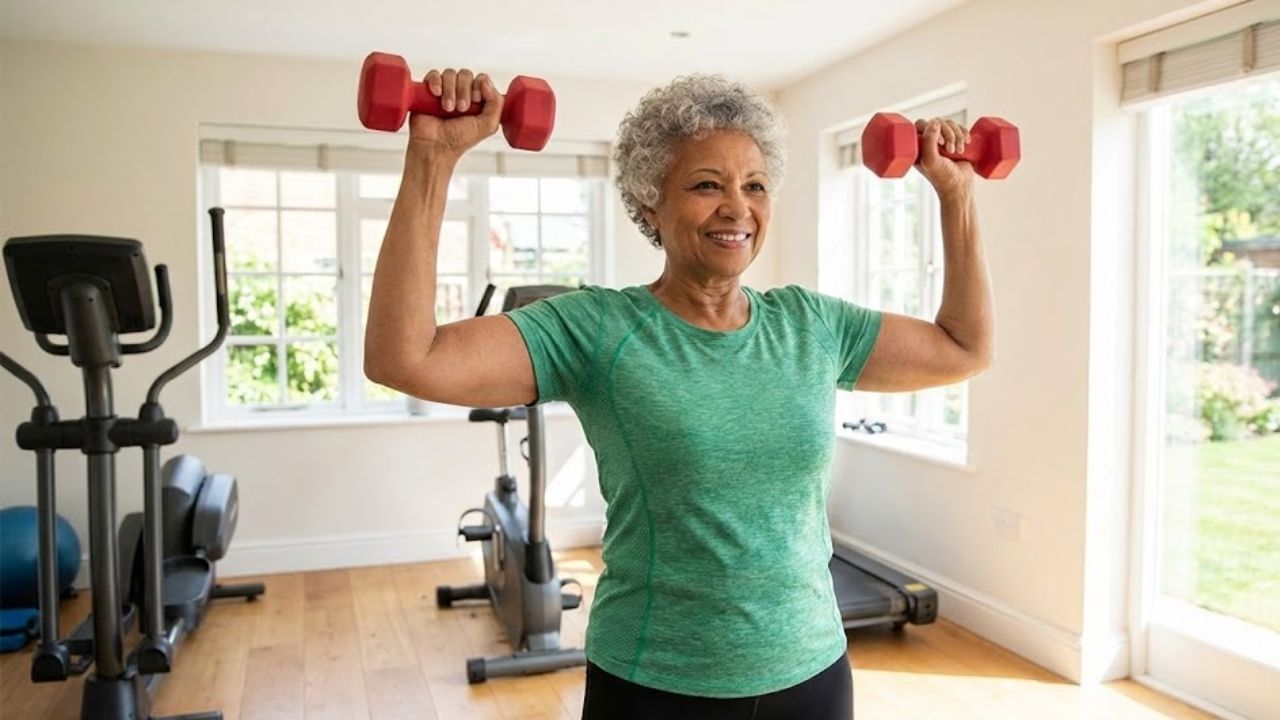
    One form of exercise Kahn strongly advocates is chair-based workouts. Explaining his approach, he says that chair exercises are highly effective at building real strength, coordination, and confidence. To help people get started, Kahn has shared four seated exercises he believes every older adult can benefit from. All you need is a stable, comfortable chair and, optionally, one of the best resistance bands.

    As always, if you are new to exercise or returning after a break, it’s important to check with your doctor first and move at a pace that feels right for you.

    The Four Chair-Based Moves Explained

    Created by Kahn, these four seated exercises are suitable for beginners and seniors alike. The routine targets full-body strength, coordination, and functional fitness, helping you feel steadier and more capable during everyday activities.

    You can watch Kahn demonstrate the exercises in his video, or read on for a breakdown of each move, including benefits and focus areas:

    • Cross-body punches: This bodyweight movement supports core rotation and helps improve overall coordination.
    • Seated leg press (with or without a band): Designed to strengthen the legs and lower body, this exercise supports daily movements like walking and climbing stairs. Kahn shows both banded and unweighted versions, recommending beginners start without resistance.
    • Overhead arm circles: Modern habits, such as long periods of sitting or looking down at phones, can affect posture. This movement helps increase flexibility, improve alignment, and enhance shoulder strength.
    • Seated row with side taps: This multi-tasking move works the arms, legs, and core together, supporting upper-body strength, posture correction, and better coordination.

    Kahn suggests completing 12 repetitions of each exercise, taking a short rest, and repeating the full circuit three times.

    The Benefits of Chair-Based Workouts

    Chair workouts, like this four-move routine, offer an accessible way for beginners and older adults to build strength, flexibility, and balance. They are especially useful for those who find floor exercises challenging.

    For instance, chair yoga provides a welcoming introduction to mind-body movement, while seated strength routines allow people to continue improving posture and muscle strength without getting down on the ground—all while enjoying that important endorphin boost.

    These exercises also support functional fitness, which refers to the strength needed for everyday tasks such as using the stairs, getting in and out of bed, or sitting down and standing up.

    Research supports this approach. A 2021 study published in the International Journal of Environmental Research and Public Health found that chair-based exercises are not only effective but should be encouraged as simple, easy-to-implement activities to help older adults maintain and develop strength.

    About the Author

    Becks is a lifestyle journalist covering wellness and home products, from mattresses to weighted blankets and cooling comforters. She regularly tests products for Tom’s Guide, evaluating how well they perform and offering guidance on which types of sleepers they are best suited for.

  • WishCare Tinted Ceramide Lip Balm Promises Soft Hydrated Lips Naturally

    WishCare Tinted Ceramide Lip Balm Promises Soft Hydrated Lips Naturally

    This is more than a basic lip balm—it’s a complete lip care solution designed to combine protection, hydration, and subtle beauty in one easy swipe. The WishCare Tinted Ceramide Lip Balm addresses the common problem of dry, exposed lips while adding a soft, universally flattering natural pink tint suitable for any time of day.

    What makes it stand out is its SPF 50 PA+++ broad-spectrum protection, specially formulated for the delicate lip area, which is more sensitive than facial skin. Enriched with ceramides, the balm helps repair and strengthen the lip barrier, locking in moisture for long-lasting hydration. The inclusion of niacinamide and kojic acid supports lip brightening and helps reduce pigmentation, promoting a smoother and more even tone.

    The formula feels lightweight and non-greasy, offering comfortable all-day wear without stickiness. It is also cruelty-free, paraben-free, and completely vegan, making it a clean beauty essential for everyday lip care.

    Is the Sun Protection Suitable for Daily Outdoor Use?

    Yes—absolutely. This lip balm provides SPF 50 PA+++ protection designed specifically for the sensitive lip area, delivering reliable defense against harmful UV rays. It strikes the right balance between sun protection, hydration, and comfort, making it ideal for daily use.

    Whether you’re running errands, spending time at the beach, or staying outdoors for longer periods, it helps keep your lips protected while maintaining moisture and a naturally enhanced tint.

    Also read: Grey Hair Coverage Shifts Toward New Natural Methods Gaining Rapid Attention

    WishCare Tinted Ceramide Lip Balm Duo for Continuous Care

    One balm works well—but having two ensures uninterrupted lip care. The pack of two offers a convenient way to maintain consistent protection, allowing you to keep one at home and another on the go. You get the same trusted formula that delivers deep hydration, SPF 50 sun protection, and subtle color enhancement, now with added flexibility.

    Ceramides, niacinamide, and kojic acid continue to support barrier repair and lip brightening, while the lightweight, non-greasy texture remains comfortable for everyday use. This duo delivers excellent value while helping maintain soft, smooth, and healthy-looking lips daily.

    Also read: Homemade Eyebrow Gel Using Aloe and Cocoa Creates Soft Natural Hold

    Why Choose the Pack of Two Over a Single Balm?

    The 2-pack option offers greater convenience and improved value, making it easier to maintain consistent lip care wherever you are. With multiple balms for different locations—such as home, office, or travel—you’ll always have SPF 50 protection and ceramide-powered hydration within reach.

    Having a backup ensures continuous care without interruptions, helping preserve lip health, natural color, and comfort every day.

    Also read: Seven Minute Hip Mobility Routine Reduces Tightness and Improves Daily Movement

    Your All-in-One Lip Care Solution

    The WishCare Tinted Ceramide Lip Balms prove that effective lip care doesn’t require compromise. By combining advanced ceramide technology, high-level sun protection, and a naturally enhancing tint, they deliver comprehensive care in one simple product.

    There’s no need to choose between hydration and color or protection and comfort—this formula brings everything together. Explore the WishCare range and experience lasting protection, everyday comfort, and a healthy-looking finish you can rely on.

  • How to Style a Cardigan After 50 Without Looking Frumpy in 5 Easy Outfits

    How to Style a Cardigan After 50 Without Looking Frumpy in 5 Easy Outfits

    Cardigans can elevate your look and feel polished and refined—or they can unintentionally make an outfit feel unfinished. In How to Wear a Cardigan Without Looking Frumpy After 50 (5 Chic Outfits), this guide walks through five winter-ready outfit formulas using different cardigan styles, along with simple rules for length, layering, and buttoning that keep everything modern and pulled together.

    Why Cardigans Sometimes Look Frumpy After 50 — And How to Fix It

    Cardigans are designed to be cozy: soft knits, relaxed fits, easy layers. The challenge is that winter already adds volume, so one small styling mistake can erase shape and definition. The result is often an outfit that feels heavier and less intentional than planned.

    Below are five common cardigan mistakes that instantly age an outfit—and the straightforward fixes that bring everything back into balance.

    Frump Trap #1: Too Much Softness All at Once

    When a slouchy cardigan is paired with wide-leg pants, a long top, and flat shoes, the outfit loses structure and becomes shapeless.

    Easy Fix: Limit softness to one piece. If the cardigan is relaxed, anchor the look with structured denim, tailored trousers, or a sleeker skirt. Buttoning or a subtle tuck also restores shape.

    Style Tip: Feeling frumpy doesn’t require a full outfit change. Swap the pants or shoes and the look instantly sharpens.

    Frump Trap #2: A Cardigan That Hits the Widest Part of the Hip

    Cardigans that land directly at mid-hip often make the body appear wider, even when everything else fits well.

    Easy Fix: Choose length intentionally.

    • Short lengths: Waist to high-hip
    • Long lengths: Mid-thigh or longer with a clean column underneath
    • Avoid: Mid-hip lengths that lack visual balance

    Style Tip: A beloved cardigan with an awkward length can be worn buttoned as a top or professionally hemmed—knits are alterable.

    Frump Trap #3: Bulky Layers Underneath

    Thick tees, bunchy hems, or heavy hoodies create visible lumps under knits, stripping the cardigan of polish.

    Easy Fix: Begin with a smooth, streamlined base layer such as a fitted tee, turtleneck, camisole, or sleek long-sleeve top.

    Style Tip: A smooth base layer quietly improves every outfit built on top of it.

    Frump Trap #4: Buttoning Without Intention

    Fully buttoned cardigans can feel stiff, while wearing them completely open often looks careless.

    Easy Fix: Button strategically.

    • Fasten the middle two or three buttons to create shape
    • Leave the top open for a natural neckline
    • Wear fully buttoned only when the cardigan is fitted and worn as a top

    Style Tip: Middle-buttoning creates definition without sacrificing comfort.

    Frump Trap #5: Skipping the Finishing Touch

    Because cardigans are inherently casual, an outfit with no elevated element can feel incomplete.

    Easy Fix: Add one intentional upgrade—a refined shoe, belt, structured bag, simple jewelry, or a crisp collar detail.

    Style Tip: One thoughtful accent is enough to make the entire outfit feel deliberate.

    Outfit 1: Navy V-Neck Cardigan as a Blazer Alternative

    This is a go-to choice for days that call for polish without the stiffness of tailoring.

    Outfit Formula: Navy V-neck cardigan worn open, smooth white tee, white wide-leg jeans, and loafers.

    Key Styling Detail: Keep the base layer clean and gently push up the sleeves for a styled, awake look.

    Outfit 2: Oatmeal Cardigan with a Tonal Silk Slip Skirt

    This outfit delivers an effortlessly refined look that feels luxurious but relaxed.

    Outfit Formula: Oatmeal cardigan, matching silk slip skirt, cream heel or polished flat, and a trench coat.

    Key Styling Detail: Button the cardigan through the middle and leave the neckline slightly open to define the waist.

    Why It Works: A tonal palette elongates the body, while the silk skirt adds movement and contrast.

    Day-to-Night Switch: Wear loafers or sleek sneakers during the day; keep the heels and add a clutch for evening.

    Outfit 3: Green Ribbed Cardigan Worn as a Top

    A fitted ribbed cardigan works best when treated as a standalone piece rather than a layer.

    Outfit Formula: Buttoned green ribbed cardigan, dark straight-leg denim or navy trousers, and a pointed flat or block heel.

    Key Styling Detail: Leave the top one or two buttons open to create a flattering neckline.

    Accessory Note: Keep jewelry minimal, as the ribbing already provides texture.

    Outfit 4: Cream “Lady Jacket” Style Cardigan

    This cardigan delivers instant polish and structure with minimal effort.

    Outfit Formula: Cream cardigan worn as outerwear, slim tee or cami, dark denim or navy trousers, and refined shoes.

    Key Styling Detail: Treat it like a jacket and keep layers underneath slim. Button two or three buttons for shape.

    Why It Works: Prominent buttons add structure and create a focal point that elevates the entire look.

    Outfit 5: Navy-and-White Striped Gold-Button Cardigan

    This option offers classic style with a touch of personality.

    Outfit Formula: Striped cardigan, navy trousers or dark denim, and slingbacks.

    Key Styling Detail: Let the cardigan stand out by keeping the rest of the outfit clean and solid.

    Optional Accent: Add a bold lip or structured bag—no additional elements needed.

    The Cardigan Styling Checklist

    • Limit relaxed pieces to one per outfit
    • Choose length intentionally—short or long, not mid-hip
    • Start with a smooth base layer
    • Button with purpose to create shape
    • Add one finishing touch for polish
  • Daily Castor Oil Use Can Gradually Improve Lash Length and Brow Density Naturally

    Daily Castor Oil Use Can Gradually Improve Lash Length and Brow Density Naturally

    The first moment you notice the soft whisper of eyelashes can feel quietly enchanting. Stand near a window on a windy evening or gently rub tired eyes after a long day, and you hear it—a delicate brushing sound, almost imperceptible. Lashes and brows rarely demand attention until they begin to shift. Under bright bathroom lights, they may appear thinner, lighter, less defined. Thoughts surface quickly: lashes seem sparse, brows were fuller once. Before long, the search starts for serums, pencils, and gels that promise rapid, dramatic results.

    Choosing a Slower, More Intentional Approach

    There is another path—calm, deliberate, and unhurried. It comes in a small amber bottle, filled with a thick, golden oil carrying a faint earthy scent: castor oil. It isn’t glossy or aggressively marketed, but rather a simple plant oil with a timeless feel. Pressed from castor bean seeds, its place in lash and brow care is understated. It depends on consistency and patience, turning a daily application into a grounding ritual that feels personal and steady.

    Creating a Peaceful Evening Ritual

    Imagine the night settling in. The house grows quiet, screens dim, and the pace of the day eases. You cleanse your face with warm water, watching makeup rinse away. Then comes the extra minute you’ve chosen to keep. You reach for the bottle, noticing the weight of the oil as it reflects the light. There are no promises of instant change. Instead, the ritual offers a gentle connection with your skin, supporting natural care without pressure or harsh ingredients.

    How Castor Oil Helps Protect Hair

    Castor oil often surprises with its rich, syrup-like texture. Warmed between the fingers, it spreads smoothly. This thickness comes from ricinoleic acid, a fatty acid that helps the oil cling and protect. While research on direct lash growth remains limited, its benefit is clear: it seals in moisture and shields delicate hairs from dryness, friction, and makeup stress. Rather than creating new hair, it helps preserve existing strands so they are less likely to break or shed prematurely.

    The Importance of a Gentle Touch

    Applying oil naturally encourages a softer approach to lashes and brows. The process promotes mindful, light handling. This gentle contact may help support circulation around the follicles, keeping the area comfortable and nourished when paired with an overall soft skincare routine.

    Starting a Simple Lash and Brow Ritual

    This routine begins in a familiar space, using simple steps that focus on care:

    • Remove makeup gently with a mild cleanser and warm water, then pat dry without pulling.
    • Use clean tools such as a mascara wand or cotton swab, washing them regularly.
    • Pour oil onto your hand or a small dish instead of dipping tools directly into the bottle.
    • Apply sparingly to lashes, brushing lightly from mid-length to tips and avoiding the waterline.
    • Soften brows with gentle strokes, following the natural direction of hair growth.

    Recognizing Subtle Progress Over Time

    Patience is essential. In the first few weeks, changes are quiet. You may notice a softer feel, reduced brittleness, and smoother makeup application. Over one to two months, results appear naturally—subtle fullness, fewer gaps, and hairs that remain longer in their growth cycle. The improvement feels gradual rather than dramatic.

    Daily Habits That Complement the Routine

    Castor oil works best alongside mindful daily choices. Use lash curlers only on clean lashes, take breaks from mascara, avoid excessive brow tweezing, and remove makeup with gentle cleansers. Supporting your body with adequate hydration, protein, and healthy fats also contributes to maintaining strong, resilient hair.

    Allowing Natural Definition to Return

    As lashes and brows regain health, your face may feel more balanced and familiar. You might find yourself using less makeup or skipping it entirely some days. The change feels earned, like tending a private garden over time. By listening to your skin and adjusting when needed, this quiet ritual becomes a sustainable form of care that restores your natural frame.

  • Ditch Heavy Weights and Try These 4 Low-Impact Yoga Moves to Build Strength After 60

    Ditch Heavy Weights and Try These 4 Low-Impact Yoga Moves to Build Strength After 60

    When you purchase through links on our site we may earn an affiliate commission. Finding the right exercises for your body at every life stage matters for mental and physical strength whether you want to build muscle or protect yourself from injury or make daily tasks easier. By age 60 you can lose up to 20% of your total muscle mass and this decrease in muscle brings a loss of strength that could reduce mobility and balance. Staying active helps you reduce your risk of falls and injury which is why muscle-strengthening activities are a great addition to your routine. Low-impact exercises such as yoga & walking and gentle stretching are good foundations to start with and are also beginner-friendly. Here are four yoga moves to try according to a strength and conditioning coach and yoga teacher.

    Grounded Standing Alignment to Improve Posture and Stability

    Stand with your feet slightly apart and let your arms rest naturally by your sides so your weight is evenly balanced on both feet, as advised by Leach. Gently engage your thighs, lift your chest, and lengthen your spine. Roll your shoulders back and down, and if it feels comfortable, extend your arms overhead. Stay in this position while breathing deeply and steadily, grounding yourself through your feet. Leach recommends that beginners hold the pose for 20–30 seconds for 2–3 sets. Intermediate exercisers can aim for 40–60 seconds with 2–3 sets, while advanced practitioners may hold for 1–2 minutes across 3 sets.

    Collagen-Rich Broth Rituals That Support Skin Hydration and Elasticity

    Collagen-rich broth rituals are often highlighted for their role in supporting skin hydration and improving natural elasticity when included consistently in daily routines.

    Single-Leg Balance Pose for Focus and Control

    Begin in a steady standing position, then shift your weight onto your left foot. Place your right foot against the inner left calf or thigh, taking care to avoid the knee. Bring your hands together at chest height in a prayer position or raise them overhead if comfortable. Fix your gaze on a point in front of you and hold the pose before switching sides. Beginners should aim for 10–15 seconds per side for 2 sets. Intermediate exercisers can work up to 20–30 seconds per side for 2–3 sets, while advanced individuals may hold for 40–60 seconds per side completing 3 sets.

    Why This Core Exercise Still Outperforms Traditional Planks

    While planks remain effective, this exercise is often highlighted for its ability to activate and strengthen the deep core even more efficiently when performed correctly.

    Gentle Seated Twist to Support Spinal Mobility

    Sit on a chair or yoga mat with your feet planted flat on the floor. Place your right hand on the outside of your left thigh and gently rotate your upper body to the left, keeping your spine tall and straight. Hold the twist for several breaths, then repeat on the opposite side. Start with 10–15 seconds per side, progress to 20–30 seconds, and eventually reach 40–60 seconds as strength improves. Complete 2–3 sets of this movement.

    Flowing Spine Movement to Release Tension

    Come down onto your hands and knees, aligning your hands directly under your shoulders and your knees beneath your hips. Inhale as you arch your back, lifting your head and tailbone. Exhale while rounding your spine, tucking your chin and tailbone inward. Continue moving smoothly between these positions, synchronizing each movement with your breath. Beginners can start with 5–6 rounds for 1–2 sets. With practice, you can build up to 8–10 rounds or even 12–15 rounds, completing 2–3 sets at an advanced level.

    Final Takeaway on Balance, Strength, and Mindful Movement

    According to Leach, these poses are designed to enhance posture and balance while increasing overall body awareness. They strengthen key areas such as the legs and chest, supporting better mobility and helping reduce the risk of falls, which become more common with age. Beyond the physical benefits, the mindful breathing involved in yoga practice provides an effective way to release built-up tension and lower stress levels throughout the body.

  • Lip Liner Placement Trick Creates Fuller Looking Lips Without Heavy Overlining

    Lip Liner Placement Trick Creates Fuller Looking Lips Without Heavy Overlining

    The girl in the café bathroom has no idea anyone is paying attention, yet the quiet line behind her watches closely as she works on her lips. With two quick strokes of a pencil, she presses her lips together, then adds a touch of gloss. There’s no exaggerated overlining, no layered contouring ritual. When she looks up at the mirror, her lips appear as though she’s just returned from a restful holiday—soft, healthy, and naturally full.

    Nothing looks obvious. There’s no sharp outline or bold Instagram-style border. Her lips simply seem more dimensional than everyone else’s. Later, standing in front of your own mirror, you try to copy the look. You use the same pencil, the same gloss, even the same expression. Yet your lips still look flat. The difference comes down to a tiny placement detail—easy to miss, but powerful enough to change everything.

    It’s Not About Bigger Lips — It’s About Where Attention Goes

    Why Traditional Lip-Liner Rules Don’t Always Hold Up

    The classic advice is familiar: trace just outside your natural lip line, soften it, fill it in, and move on. It’s a technique many people learned early, and for years it worked well enough. But on real faces, in natural daylight, heavy overlining can feel disconnected. Instead of enhancing your features, it can make lips appear slightly out of sync with the rest of your face, especially up close.

    The Quiet Shift Modern Lip Artists Are Making

    Today’s leading lip artists are moving in a more refined direction. Rather than chasing the illusion of a dramatically larger mouth, they focus on guiding the viewer’s eye. The fullness you notice isn’t the main goal—it’s a result. This is why the technique looks so good in selfies, video calls, and real-life conversations. The change is subtle, but the effect is striking.

    Why Millimetres Matter More Than Bold Outlines

    The transformation happens through micro-adjustments, not thicker lines. Once you see where the pencil is actually placed, your understanding of lip lining shifts. It’s not about changing your lip shape—it’s about emphasizing the structure that already exists. This precision keeps lips looking believable, softly enhanced, and never obviously drawn on.

    Where Makeup Artists Truly Apply Lip Liner

    A quick scroll through TikTok or Instagram reveals the pattern. Artists barely define the corners of the mouth. Instead, they place pigment in three focused areas: the Cupid’s bow peaks, the center of the lower lip, and the subtle “pillows” just off-center. Toward the edges, the liner is diffused and barely there, creating an outline that feels more like a suggestion than a statement.

    Why the Finish Looks Effortlessly Real

    A London-based makeup artist once shared that she uses the same lip pencil on every client, adjusting only the placement based on how light naturally hits their lips. People often ask which filler clinic she recommends. She simply laughs and points to a £7 liner and a grainy video of her technique. The most common response? “I don’t know what you did, but I look rested.” The effect isn’t just fullness—it’s balance, where the mouth finally feels in harmony with the face.

    The Visual Science Behind the Effect

    This technique works because of how the eye processes faces. We don’t look evenly; our attention jumps to areas of contrast and shape change. The dip of the Cupid’s bow, the curve at the center of the lower lip, and the light-catching points where gloss sits naturally all draw focus. Enhancing these zones while softening the corners leads the brain to read the lips as fuller—without any obvious outline.

    The Exact Liner Placement That Adds Fullness Without Overlining

    Begin with dry lips and a relaxed mouth—no posing. Use a sharpened nude liner that matches your lip tone. Draw a small bridge straight across the Cupid’s bow, connecting the peaks just slightly above your natural dip. Think of a softened plateau rather than a sharp M.

    Next, move to the center of your lower lip. Place the pencil about one millimeter outside your natural line only at the fullest point. Sketch a short arc no wider than your iris when looking straight ahead. Leave the outer thirds of the lower lip mostly untouched.

    Now connect these central points to the natural corners using feather-light upward strokes that fade as they reach the edges. The line should almost disappear. Smudge gently with a fingertip, then tap a small amount of gloss or balm just at the center.

    The result is soft corners and a pillowy middle that no one can quite explain. The temptation is always to add more—to the sides, to the height—but that’s where things tip into obvious overlining. On a phone screen it may pass, but under harsh lighting it doesn’t.

    Restraint is what keeps this believable. When liner hugs the outer corners too closely, even a slight mismatch between skin and pencil becomes noticeable. Work in stages. Line the center first, step back, then connect to the corners only where needed. Practicing this on a slow day makes it second nature when you’re half-awake before work.

    Why This Soft-Blur Technique Works on Real, Unfiltered Faces

    Part of this placement’s appeal goes beyond appearance. On a tough morning, drawing a sharp outline can feel like putting on armor. This softer approach feels like enhancing what’s already there. People notice you look refreshed rather than heavily made up.

    It also offers flexibility. If your hand shakes or the line isn’t perfect, the effect still holds because the focus is on the overall impression, not tiny flaws. That margin for error matters more than most realize, especially on days when your skin—or confidence—isn’t cooperating.

    In the evening, the technique adapts beautifully to changing light, from bright bar settings to soft restaurant glow. The lips stay defined at the center and gentle at the edges, moving naturally with your expressions instead of appearing stiff. It’s makeup designed for a living, moving face, not a frozen image.

  • Winter Nail Polish Shades Everyone Is Choosing for a Fresh Modern Seasonal Look

    Winter Nail Polish Shades Everyone Is Choosing for a Fresh Modern Seasonal Look

    Royal purple and ruby red continue to top the list for True Winter palettes, while those drawn to neutral styles still have many polished options. Cool-toned preferences open the door to an unexpectedly broad spectrum of whites, similar to fresh snow catching sunlight. The same depth appears in gray variations and rich burgundy tones like cranberry, deep berry, and merlot. World champion nail artist and beauty educator Valeriia Telemaniuk shared with Byrdie that winter often revives classic nail looks, renewing interest in French manicures, cool grays, soft blues, and deep red shades in both bold and muted forms.

    11 Winter Nail Polish Shades to Try

    Refined Chocolate Ganache Brown

    Once-popular brownie pudding nails are being replaced by a more elevated winter choice: ganache brown. Nail artist and educator Sofiia Mazur describes it as a deep, indulgent shade inspired by melted dark chocolate. Comparable to tones like Red Iguana’s Ganache gel or Dazzle Dry’s Fringe, this color feels warm, luxurious, and polished. Ganache brown conveys quiet confidence and pairs effortlessly with gold jewelry, neutral outfits, and minimalist black looks.

    Soft and Subdued Berry Tones

    This winter marks a move toward deeper, grounding nail colors. Juanita Huber-Millet, founder and creative director of Townhouse Salons, notes rising interest in espresso browns, soft mauves, and muted berry shades. These tones strike a balance between warmth and elegance, making them ideal for daily wear. Muted berries offer a gentler alternative to bright reds, delivering richness without overpowering the look.

    Light Ocean Blue With a Pearly Finish

    A light ocean blue enhanced with a subtle pearlescent glow stands out this season. Nail professional Amy Ling Lin describes these shades as calming, luminous, and uplifting. Colors like Sundays Studio’s L09 provide a refreshing contrast to darker winter palettes, while the pearl finish softly reflects light, adding dimension and elegance.

    Modern Cool Gray Neutrals

    Cool gray nails are emerging as a go-to winter neutral. According to OPI Global Ambassador Coca Michelle, this shade feels chic, effortless, and sophisticated, pairing easily with seasonal wardrobes. Cool gray also complements mixed-metal jewelry. Standout options include OPI Peace of Mined, Case of Glamnesia, and Suzi Talks with Her Hands, each offering a sleek, versatile finish.

    Classic Deep Navy Blue

    Deep navy is widely seen as the perfect post-holiday reset shade. This calming color moves seamlessly through winter and into the New Year while remaining easy to wear. A true staple, navy works equally well for special occasions and everyday office styles. Popular picks include OPI Less is Norse, Havin’ a Candy Ol’ Time, and Suzi & the Arctic Fox.

    The Rise of Barely-There Nail Looks

    As winter settles in, many are gravitating toward nail shades that reflect calm and clarity. Huber-Millet highlights growing demand for soft milky tones, cool neutrals, and subtle pastels. Shades like Coconut Milk, Glazed Marshmallow, and Milkshake from Townhouse’s Flawless Collection feel clean, restorative, and fresh, offering a gentle shift away from autumn’s darker hues.

    Warm and Deep Red Staples

    A warm, deep red remains a winter essential. Amy Ling Lin describes this shade as chic, cozy, and quietly powerful. It brings instant warmth during colder months while maintaining a polished, festive edge. This versatile color transitions smoothly from everyday sophistication to holiday-ready styles.

    Earth-Toned Metallic Accents

    Earth-inspired metallic nail finishes are also gaining traction this winter. Sofiia Mazur points to shades like bronze, clay gold, and olive chrome, often paired with matte or stone-like textures. These finishes reflect light softly, creating a refined glow that feels luxurious without appearing flashy, whether worn alone or as subtle accents.

    Elegant Black Cherry Shades

    Black cherry nails offer understated drama by blending deep darkness with a touch of red warmth. Mazur explains that this balance keeps the color elegant and wearable. Long embraced by fashion icons, black cherry pairs just as well with eveningwear as it does with relaxed looks like oversized blazers or vintage denim.

    Clean and Crisp Winter Whites

    Crisp white nails are making a strong comeback this season. Following Pantone’s introduction of Cloud Dancer, pure white shades such as Mineral Fusion Ice Breaker are seeing renewed interest. This clean, modern color mirrors snowy landscapes and frosty mornings, reinforcing white as a key element of winter minimalism.

    Soft Gray-Lavender Combinations

    Gray-lavender nails blend cool gray bases with a gentle hint of purple, making them especially fitting for winter. Telemaniuk notes that shorter days and cooler atmospheres are drawing attention to muted, soothing tones like this. Gray-lavender feels modern, minimal, and refined, offering a versatile choice for the colder months.

  • One Ordinary Pantry Item Is Making Old Hardwood Floors Look Newly Installed

    One Ordinary Pantry Item Is Making Old Hardwood Floors Look Newly Installed

    The late afternoon sun cut across the living room, exposing every streak, dull patch, and footprint pressed into what should have been beautiful hardwood floors. It was the kind of light that tells the truth. A friend walked in, glanced down, paused, and then offered the polite response: “Oh, I love your floors.”

    They were oak, at least in name. Once expensive. But between kids, a dog, and winter boots, that warm, honey-toned glow seen in magazines had long faded. The usual fixes had already been tried: overpriced “miracle” cleaners, sticky polishes that left residue, and homemade TikTok sprays that smelled like salad and did absolutely nothing.

    A quiet tip from someone who’s tried everything

    Then an older neighbor shared a suggestion with the calm confidence of experience. “Use this,” she said, “and just watch.” The floors didn’t merely look cleaner afterward. They looked alive again.

    The pantry staple hardwood fans quietly trust

    The unlikely hero is plain white vinegar. Not the branded cleaning kind shouting about being eco-friendly, but the simple bottle tucked behind the olive oil. When mixed properly, it helps hardwood floors catch the light again in a way that makes you stop mid-step.

    Vinegar carries that faintly sharp, familiar scent that reminds many of a grandmother’s kitchen. On floors, once diluted, it doesn’t leave the sticky film common with commercial products. Instead, it cuts through thin layers of soap residue, wax, and everyday grime that dull the natural beauty of wood.

    Used correctly, it doesn’t coat your floors. It releases them. The grain looks clearer, the color richer, and the surface no longer feels like it’s covered in plastic.

    A real-life result that surprised even skeptics

    Jenna, a homeowner in her thirties with a demanding job, two kids, and a Labrador who treats the hallway like a racetrack, had tried three different name-brand polishes. Each promised a “mirror shine.” What she ended up with was slippery boards and cloudy buildup.

    One weekend, tired of wasting money on bottles under the sink, she tried a vinegar mix she’d seen mentioned online: one cup of white vinegar in a bucket of warm water. She mopped once, let it dry, and then snapped a photo because she didn’t quite believe what she was seeing.

    The difference was striking. Before, the floor looked greyed-out and slightly greasy. After, the reflections were clean, and the wood lines stood out again. No artificial shine. Just bright, honest floors that looked cared for. She sent the photo to her sister with one message: “Apparently the answer was 89 cents a bottle.”

    Why this simple method actually works

    This quiet trick keeps circulating among neighbors, cleaners, and renovation forums for a reason. Vinegar is acidic, but mild when properly diluted. That gentle acidity breaks down old cleaner residue, tap-water minerals, and everyday dirt that makes hardwood appear flat.

    Most commercial shine products work by laying something on top of the floor: acrylics, oils, or silicones. They look impressive briefly, then start streaking, trapping dust, and dulling. Vinegar does the opposite. It removes what doesn’t belong so the original finish can shine again.

    Used in moderation, it’s safe for sealed hardwood finishes. It won’t repair scratches, but by clearing buildup around them, those marks often appear less noticeable. The light spreads more evenly, making the floor look clearer, much like cleaning foggy glasses.

    How to use vinegar for naturally brighter hardwood floors

    The basic mix is straightforward: 1 cup of white vinegar to about 1 gallon (4 liters) of warm water. Stir gently and resist the urge to add more vinegar. That’s where people run into trouble.

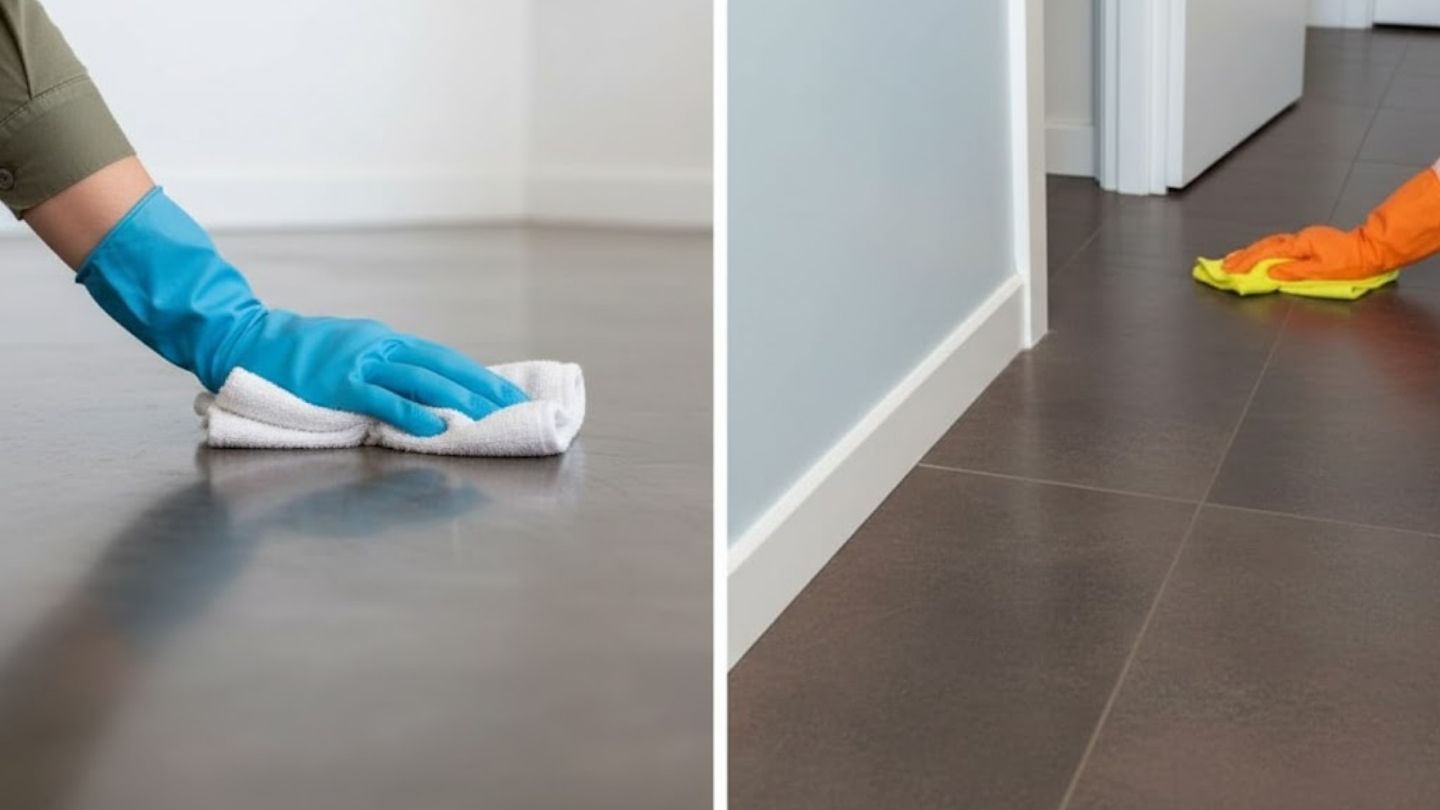
    Start by sweeping or vacuuming thoroughly. Grit destroys shine. Lightly dampen a microfiber mop in the solution. It should be moist, not dripping. Mop in small sections, following the wood grain where possible.

    Let the floor air-dry naturally. No fans, towels, or rushing. Within minutes, the dull haze often fades, and the natural glow returns. Sometimes the difference is most obvious when you leave the room and walk back in.

    Common mistakes to avoid

    This method works best when it’s not overused. Vinegar feels so easy and inexpensive that it’s tempting to use it constantly. It’s better treated as a reset, not a daily habit. Once every few weeks or monthly for busy homes is usually enough.

    Avoid using vinegar on unsealed or waxed wood. In those cases, the acidity can cause damage. If you’re unsure about your floor’s finish, test a small hidden area and observe how it dries.

    Some manufacturers officially discourage vinegar use, largely to protect themselves. Checking their guidelines can offer peace of mind. Still, many professional cleaners quietly rely on this exact mix, often pulled from a plain, unlabeled bucket.

    “I’ve been cleaning houses for 20 years,” says Marie, a professional cleaner managing eight homes weekly. “Clients ask about expensive TV products. I smile, then use vinegar. It doesn’t fake shine. It reveals it.

    Small habits that make the shine last longer

    • Use microfiber mops instead of cotton rags to prevent lint and streaks.
    • Change the solution when it turns cloudy to avoid spreading grime.
    • Add one or two drops of essential oil if the vinegar scent bothers you.
    • Keep shoes by the door; grit dulls floors quickly.
    • Spot-clean spills instead of re-mopping entire rooms.

    Why this simple fix feels so rewarding

    There’s something satisfying about realizing you don’t need shelves of branded bottles to have good-looking floors. Just one pantry staple, warm water, and a few minutes. It cuts through the noise of endless ads promising perfection.

    When sunlight hits clean wood instead of streaky boards, the whole room feels different. Mornings feel calmer. The space looks sharper, more intentional.

    On a deeper level, this small routine offers a rare, tangible improvement. Amid endless images of perfect homes online, your own slightly scratched, lived-in floor looks better in a real way. Not flawless. Just better.

    The tip spreads quietly. A neighbor mentions it. A cleaner shares it in passing. A comment hides deep in a forum thread. It’s rarely flashy, but it sticks because it works.

    Soyons honnêtes : nobody does this every day. The shine doesn’t demand strict schedules. It’s forgiving. And that’s likely why people keep using it, not out of pressure, but because the reward shows up almost immediately.

    Key takeaways at a glance

    • Use diluted white vinegar: 1 cup vinegar to 1 gallon warm water for an easy, low-cost solution.
    • Best for sealed hardwood: Ideal for polyurethane-finished floors; always patch-test first.
    • Think reset, not routine: Use every few weeks to restore shine without harming the finish.
  • Metallic Nails Become Winter’s Chic Neutral With Eight Styles to Try

    Metallic Nails Become Winter’s Chic Neutral With Eight Styles to Try

    From statement jewelry to eye-catching home decor, metallic finishes are shining everywhere right now—and manicures are no exception.

    Metallic manicures are easily one of the biggest nail trends at the moment,” says Christina Kao, manicurist and co-founder of Le Mini Macaron. “What once felt daring or reserved for special events has evolved into a modern option that works as an everyday neutral.”

    According to Kao, metallic nail finishes act like jewelry for your hands, adding a touch of glamour without feeling overdone. Ahead, discover standout metallic manicure ideas inspired by expert nail artists.

    Metallic Stud Accents

    This metallic manicure keeps things minimal yet undeniably stylish. “Tiny metallic dots layered over nail art—such as a deep cherry French tip—blend the chrome trend with the ongoing polka-dot moment,” Kao explains. “The finished look feels graphic, intentional, and very current.”

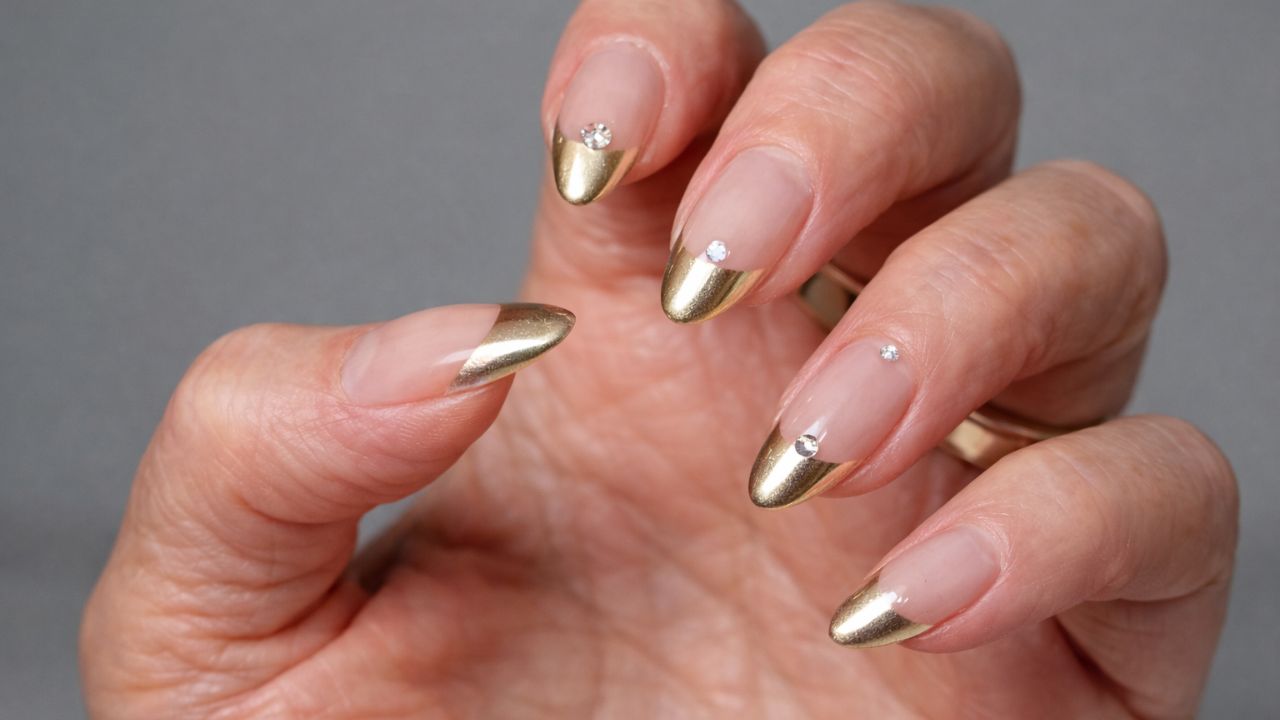
    Metallic French Tips

    When you’re unsure, a French manicure is always a safe choice—especially with a metallic update. “This is a soft reinvention of the classic French tip, particularly when paired with gentle, unexpected shades like chamomile,” Kao says. “It elevates neutral nail designs while staying wearable, especially on almond or softly rounded nails.”

    Refined Champagne Shine

    Neither fully gold nor silver, champagne stands out as the most versatile metallic neutral. “This shade functions like a refined neutral and works beautifully with both casual and formal outfits,” says Olha Shtanhei, professional international nail artist. “Opt for a smooth, fine shimmer instead of chunky glitter to keep the look timeless and elegant.”

    Molten Silver Chrome

    For a futuristic feel, molten silver chrome delivers major impact. “Everyone is embracing a ‘new era, new energy’ mindset, and chrome nails fit perfectly,” says Braelinn Frank, manicurist and founder of Rave Nailz. “Silver pairs effortlessly with everything—from puffer jackets to denim—and reflects even the faintest winter sunlight, making it feel uplifting during colder months.”

    3D Metallic Details

    The 3D nail trend continues to thrive, and metallic elements make it even more striking. “Raised chrome layered over sheer or milky bases creates a jewelry-like effect without feeling heavy,” Frank says. “That was the inspiration behind Pink Noise in our Cyber Siren collection—organic metallic shapes that catch light and add depth.”

    Soft Pewter Tones

    Pewter may be unexpected, but it reads as a surprisingly wearable metallic neutral. “People are looking for polish that feels elevated yet practical, especially in winter when fashion leans toward rich textures like leather, knits, and wool,” Shtanhei notes. This finish delivers subtle shine while maintaining a polished appearance.

    Iridescent Metal With Star Details

    When winter feels dull, a touch of iridescence can instantly lift the mood. “Try a full chrome or metallic base with delicate accents,” Kao suggests. “Micro stars or subtle motifs add personality while keeping the shine feeling controlled and editorial.”

    Pastel Chrome Finishes

    For a softer take on metallics, pastel chrome offers a balanced approach. “Mixing metallic finishes with matte or translucent layers creates contrast and depth,” says Shtanhei. “The key is balance—when the metallic is bold, keep the nail shape clean and the overall design minimal.”