Category: News

  • Begin Your Yoga Journey: Six Easy Poses to Build Confidence and Consistency

    Begin Your Yoga Journey: Six Easy Poses to Build Confidence and Consistency

    Starting a yoga practice can be one of the most rewarding steps toward better health and overall well-being. Whether you are completely new to yoga or returning after a break, beginning with simple and effective poses helps build a strong foundation. These six easy yoga poses are ideal for improving flexibility, developing strength, and calming the mind. They are perfect for beginners and for anyone who wants to maintain a balanced, sustainable yoga routine.

    Mountain Pose (Tadasana)

    Mountain Pose may appear simple, but it is the foundation of many standing yoga poses. This posture helps you develop balance, body awareness, and proper alignment, making it essential for building good posture and stability.

    How to Do It:

    – Stand tall with your feet together, heels slightly apart.

    – Engage your thighs, lift your chest, and lengthen your spine.

    – Keep your arms by your sides with palms facing forward.

    – Breathe deeply while imagining a string gently pulling you upward.

    Benefits:

    – Improves posture.

    – Increases body awareness.

    – Strengthens legs and core.

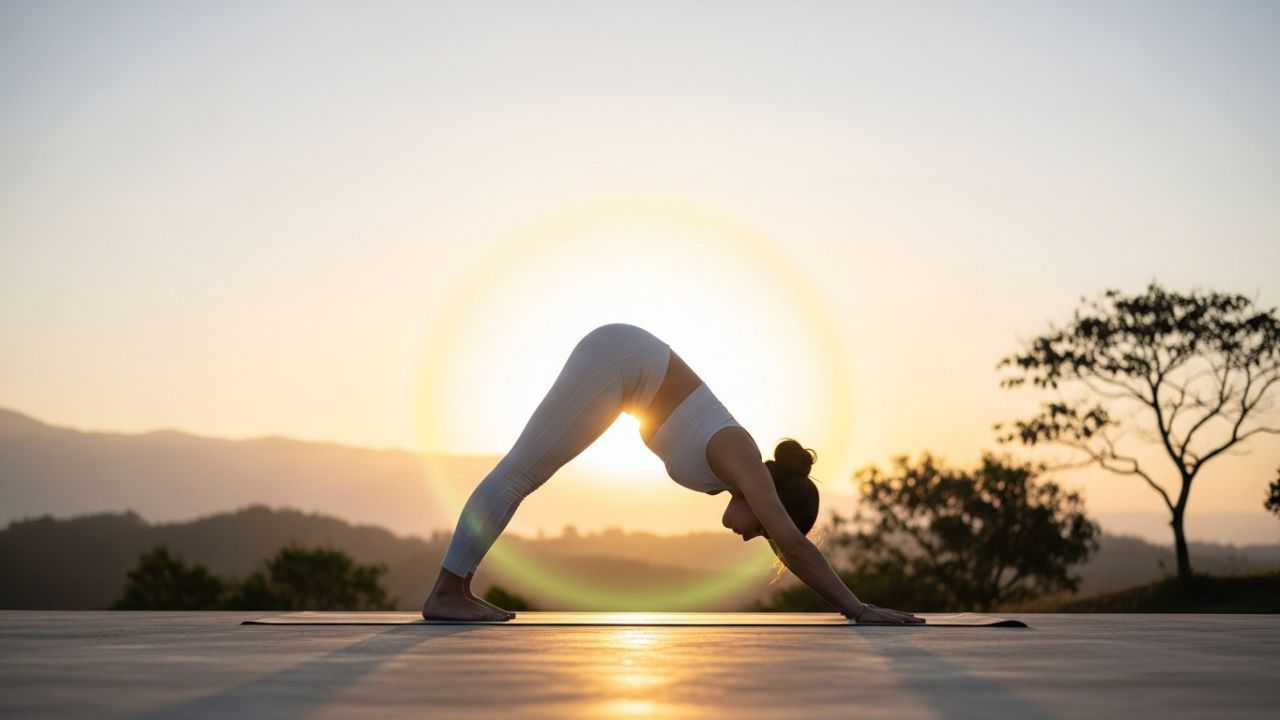
    Downward-Facing Dog (Adho Mukha Svanasana)

    This classic yoga pose provides a full-body stretch while building strength in the arms, legs, and core. It is commonly used during warm-ups, transitions, and cool-downs in yoga practice.

    How to Do It:

    – Begin on your hands and knees with wrists under shoulders and knees under hips.

    – Lift your hips toward the ceiling, straightening your arms and legs.

    – Press your heels toward the floor and draw your chest toward your thighs.

    – Hold for several breaths, then gently return to the starting position.

    Benefits:

    – Stretches hamstrings, calves, and spine.

    – Strengthens arms, shoulders, and legs.

    – Relieves tension and improves circulation.

    Cat-Cow Pose (Marjaryasana-Bitilasana)

    Cat-Cow Pose is a gentle flowing movement that increases spinal flexibility and releases built-up tension. It also helps connect breath with movement, promoting relaxation and mindfulness.

    How to Do It:

    – Start on your hands and knees in a tabletop position.

    – Inhale as you arch your back and lift your head and chest.

    – Exhale as you round your spine and tuck your chin toward your chest.

    – Continue flowing between these movements with your breath.

    Benefits:

    – Improves spinal flexibility.

    – Relieves neck and back tension.

    – Enhances breath awareness.

    Child’s Pose (Balasana)

    Child’s Pose is a deeply relaxing posture that gently stretches the back, hips, and thighs. It is often used as a resting pose during practice or at the end of a session.

    How to Do It:

    – Kneel on the floor with big toes touching and knees spread apart.

    – Sit back on your heels and stretch your arms forward.

    – Lower your forehead to the mat and relax your body.

    – Breathe deeply and allow tension to melt away.

    Benefits:

    – Reduces stress and anxiety.

    – Gently stretches the back, hips, and thighs.

    – Encourages relaxation and mental clarity.

    Tree Pose (Vrksasana)

    Tree Pose is a balancing posture that strengthens the legs and improves focus. It also promotes body awareness and stability while encouraging calm concentration.

    How to Do It:

    – Begin standing in Mountain Pose.

    – Shift your weight onto one leg.

    – Place the sole of the opposite foot on the inner thigh, calf, or ankle.

    – Bring your hands together at the chest or extend them overhead.

    – Hold, breathe steadily, then switch sides.

    Benefits:

    – Improves balance and stability.

    – Strengthens legs, ankles, and core.

    – Enhances focus and concentration.

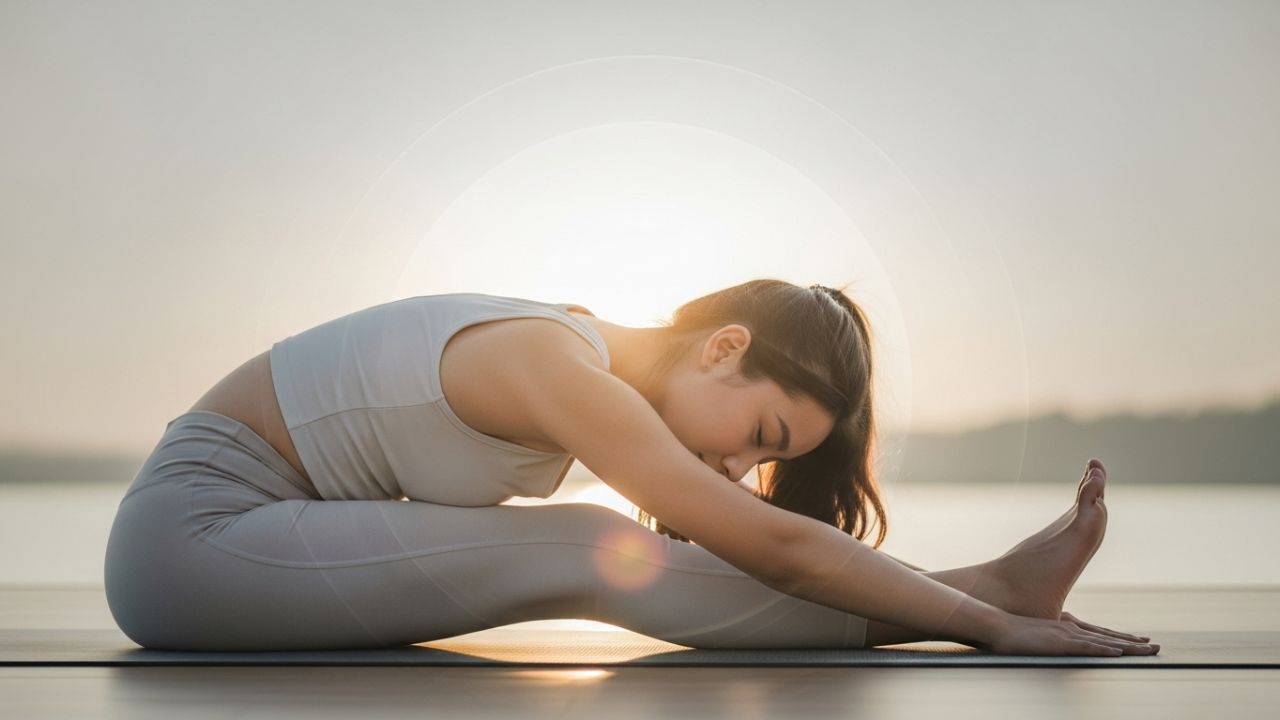
    Seated Forward Fold (Paschimottanasana)

    Seated Forward Fold is a calming stretch that targets the back, hamstrings, and calves. It is especially helpful for releasing physical tension and soothing the nervous system.

    How to Do It:

    – Sit on the floor with legs extended straight ahead.

    – Inhale and lengthen your spine while raising your arms.

    – Exhale and hinge forward from the hips.

    – Reach toward your feet and relax into the stretch.

    Benefits:

    – Stretches the back, hamstrings, and calves.

    – Calms the mind and reduces stress.

    – Improves overall flexibility.
  • Yoga for Mental Reset: Simple Practices to Reboot Your Mind and Body Naturally

    Yoga for Mental Reset: Simple Practices to Reboot Your Mind and Body Naturally

    Yoga offers far more than just physical flexibility; it acts as a powerful tool for enhancing mental and emotional well-being. In today’s fast-paced lifestyle, where stress and anxiety often dominate, yoga provides a necessary pause. By emphasizing mindfulness, breath control, and movement, yoga serves as a holistic practice that resets both the mind and body, helping you achieve balance and harmony. In this article, we will explore how yoga can reboot your entire system and improve overall health.

    Why Yoga is Vital for Rebooting Your Mind and Body

    Our daily routines frequently leave us feeling exhausted, anxious, and disconnected. Yoga is an excellent method to manage stress, enhance focus, and encourage relaxation. By integrating physical postures, breathing exercises, and meditation, yoga allows you to reset both your mind and body.

    Mindfulness and Mental Clarity: Through deep breathing and meditation, yoga calms the mind, reduces mental clutter, and enhances focus.

    Stress Relief: Yoga activates the parasympathetic nervous system, supporting relaxation, recovery, and unwinding.

    Physical Rejuvenation: Yoga postures stretch and strengthen muscles, releasing stored tension.

    Improved Sleep: Consistent practice can alleviate insomnia and promote restful sleep.

    With its comprehensive approach, yoga provides the ideal reset for a stressed body and a mind in need of rest.

    Key Yoga Poses to Reboot Your Mind and Body

    Child’s Pose (Balasana)

    This restful pose stretches the spine, relaxes the back, and induces calm. It’s an excellent grounding pose to begin a session.
    Downward-Facing Dog (Adho Mukha Svanasana)
    Renowned for its full-body stretch, this pose releases tension in the back, legs, and arms while stimulating blood flow to the brain, offering a physical and mental reset.

    Cobra Pose (Bhujangasana)

    This backbend improves spinal flexibility, opens the chest, and enhances posture. It is ideal for boosting energy and invigorating the body.

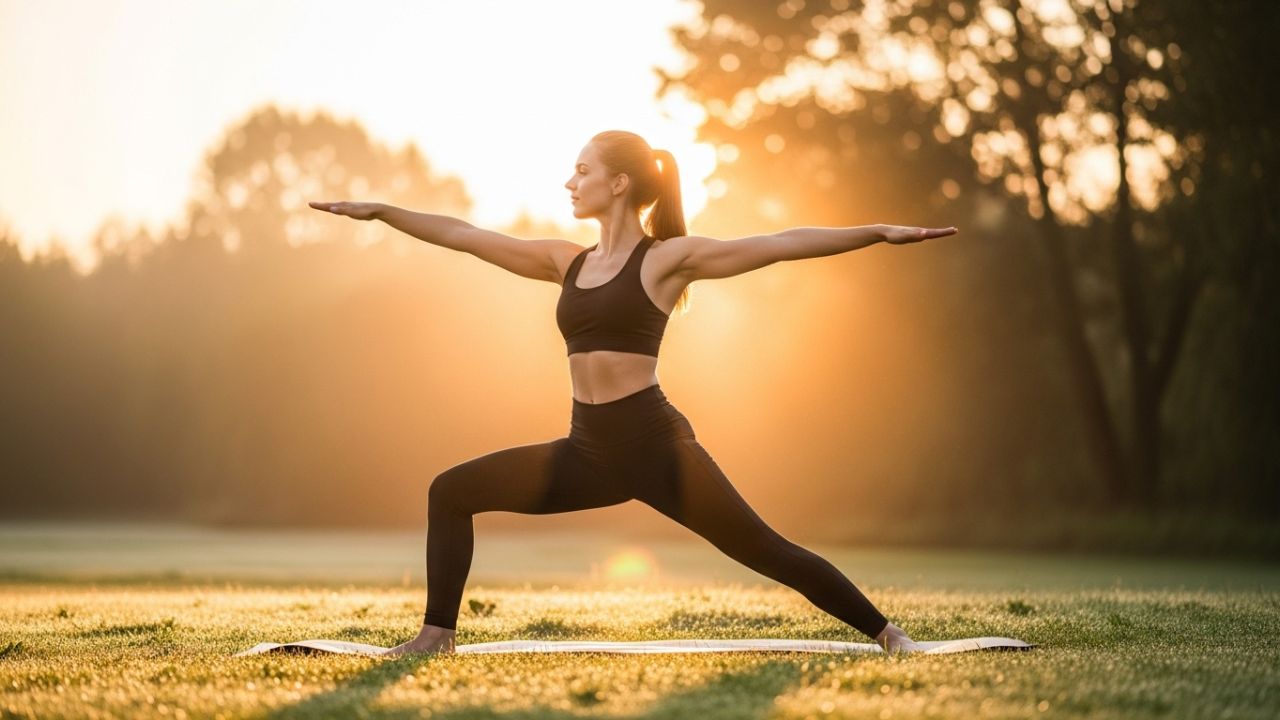
    Warrior II (Virabhadrasana II)

    Warrior II strengthens the body, increases stamina, and enhances mental focus. It promotes confidence and a sense of balance.

    Seated Forward Bend (Paschimottanasana)

    This calming stretch soothes the nervous system, releases lower back tension, and improves flexibility. It’s perfect for unwinding after a long day.

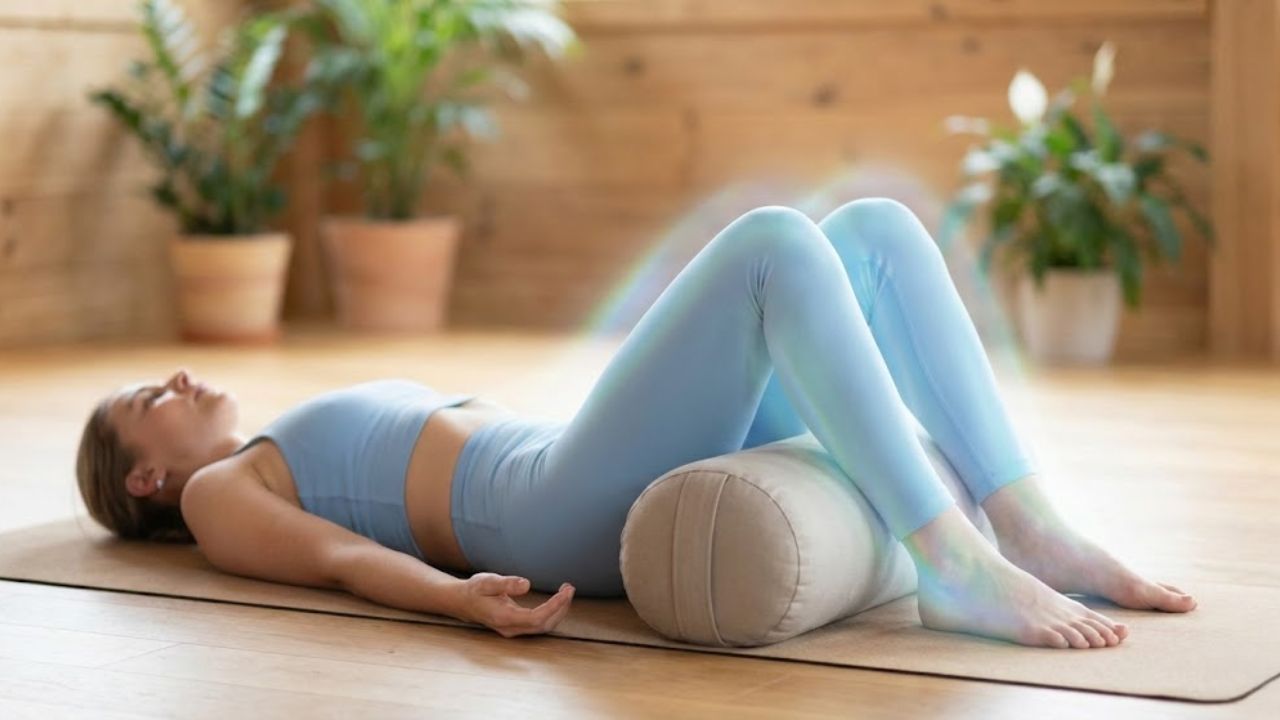
    Legs Up the Wall Pose (Viparita Karani)

    A gentle inversion that relieves tired legs, reduces swelling, and promotes deep relaxation. It’s ideal for slowing down after a busy day.

    Breathing Techniques for a Complete Mind and Body Reset

    Yoga extends beyond physical postures; breathing (Pranayama) plays a crucial role in calming the mind and energizing the body. Incorporating controlled breathing techniques can enhance focus and vitality. Key techniques include:

    Ujjayi Breath (Victorious Breath): Inhale deeply through the nose and exhale slowly through the mouth, producing a soft “ha” sound. It helps regulate energy levels and reduces stress.

    Nadi Shodhana (Alternate Nostril Breathing): Balances the right and left sides of the brain, calms the nervous system, and promotes mental clarity.

    Kapalbhati (Skull Shining Breath): A rapid exhale through the nose that clears stale air, invigorating the body and mind.

    Yoga and Meditation: The Ultimate Mind Reset

    Combining yoga with meditation is highly effective for resetting the mind and body. Meditation quiets the mind, clears mental clutter, and creates space for peace and clarity. Even just 10 minutes at the end of a yoga session can be deeply restorative.

    Mindfulness Meditation: Focus on breath, bodily sensations, or a specific thought to stay present.

    Loving-Kindness Meditation (Metta): Foster compassion towards yourself and others, releasing negativity and promoting positive energy.

    Guided Meditation: Use a meditation guide or app for structured sessions, especially helpful for beginners.

    How Often to Practice Yoga to Reboot Your Mind and Body

    Consistency is crucial for a successful yoga practice. To experience full benefits and reboot your mind and body, incorporate yoga regularly. Starting with 3-4 sessions per week is effective, but even 20-30 minutes daily can yield noticeable results.

    How Yoga Supports Mental Health

    Yoga positively impacts mental health by reducing stress, anxiety, and depression. Through mindfulness, deep breathing, and tension release via physical postures, yoga enhances emotional well-being.

    Stress Reduction: Activates the parasympathetic nervous system, fostering relaxation and reducing anxiety.

    Better Mood: Increases serotonin levels, the “feel-good” hormone, enhancing positivity.

    Improved Focus: Regular practice sharpens the mind and boosts concentration.

  • Mental Calm Practices: 5 Yoga Techniques That Help Regulate Emotions and Quiet Overactive Thoughts

    Mental Calm Practices: 5 Yoga Techniques That Help Regulate Emotions and Quiet Overactive Thoughts

    Why Child’s Pose Works for Stress Relief Child’s Pose is a gentle yoga position that helps your body relax by calming your nervous system. When you fold forward and rest your forehead on the floor you create a sense of safety and comfort that quiets your mind. This position stretches your back and hips and thighs while releasing tension in those muscles. The deep breathing you practice in Child’s Pose activates your body’s natural relaxation response through the parasympathetic nervous system. How to Do Child’s Pose Start by kneeling on your mat with your big toes touching and your knees spread apart. Lower your hips back toward your heels & bring your forehead down to rest on the ground. You can stretch your arms out in front of you or let them relax alongside your body. Pay attention to your breathing and take deep breaths in & slow breaths out for several cycles.

    Rooted Stillness: Child’s Pose That Grounds the Mind and Slows Thought Spirals (Balasana)

    Why Child’s Pose Works for Stress Relief Child’s Pose is a gentle yoga position that helps your body relax by calming your nervous system. When you fold forward & rest your forehead on the floor you create a sense of safety and comfort that quiets your mind. This position stretches your back and hips & thighs while releasing tension in those muscles. The deep breathing you practice in Child’s Pose activates your body’s natural relaxation response through the parasympathetic nervous system. How to Do Child’s Pose Start by kneeling on your mat with your big toes touching and your knees spread apart. Lower your hips back toward your heels and bring your forehead down to rest on the ground. You can stretch your arms out in front of you or let them relax alongside your body. Pay attention to your breathing & take deep breaths in and slow breaths out for several cycles.

    Mind-Reversing Flow: Downward Dog Practice That Flushes Mental Fatigue and Emotional Tension (Adho Mukha Svanasana)

    Legs Up the Wall is a gentle resting pose that helps release tension & boost circulation. This position uses gravity to guide blood flow back toward your upper body and encourages relaxation. The pose helps calm your nervous system and ease anxiety by slowing down your breathing & promoting a mindful state. It is especially helpful for people who experience stress headaches or lower back pain. To practice this pose sit with one hip touching a wall & swing your legs upward as you lower your back to the floor. Keep your legs extended straight and place your arms alongside your body or rest them on your belly. Close your eyes and pay attention to your breathing while allowing your body to settle into the position for five to ten minutes.

    Breath-Led Rhythm: Cat–Cow Transitions That Harmonise Emotions and Nervous Energy (Marjaryasana–Bitilasana)

    How Cat-Cow Pose Helps with Stress Relief Cat-Cow Pose uses gentle movement between two positions to release tension from your spine and neck. The smooth motion of arching and rounding your back helps your body let go of accumulated stress & anxiety. This pose also improves your breathing & helps you focus your mind while boosting mental clarity. The rhythmic movement of flexing and extending your spine creates a calming effect on both your body & mind. How to Do Cat-Cow Pose Begin in a tabletop position with your wrists placed under your shoulders and your knees under your hips. When you breathe in drop your belly toward the mat and lift your chest & tailbone toward the ceiling while looking up for Cow Pose. When you breathe out round your spine upward and tuck your chin toward your chest for Cat Pose. Keep flowing between these two poses with your breathing for 5 to 10 rounds.

    Total Release Mode: Savasana Technique for Deep Emotional Reset and Inner Silence (Corpse Pose)

    Why Is Savasana Considered the Ultimate Stress Reliever? Savasana serves as the final resting pose in most yoga sessions and works remarkably well for stress relief. This pose may look simple but it promotes complete relaxation and mindfulness. You lie on your back with your body fully relaxed and let your mind release stress while focusing on the present moment. Savasana reduces anxiety and lowers your heart rate while calming your nervous system. This makes it a vital component of any stress-relieving yoga routine. How to Do Savasana: Lie flat on your back with your legs extended and your arms resting by your sides with palms facing up. Close your eyes and focus on your breath while letting go of any tension in your body. Stay in this position for 5 to 10 minutes and focus on the rise and fall of your belly with each breath.

  • Core Stability Training: Yoga Poses That Strengthen Balance and Body Control

    Core Stability Training: Yoga Poses That Strengthen Balance and Body Control

    A strong core forms the base for good posture and balance while supporting your overall fitness level. Yoga offers an effective method to strengthen your core whether you aim to boost athletic performance or simply feel steadier during daily tasks. These yoga poses target the muscles surrounding your spine such as your abdominals and the muscles in your back and hips. Regular practice helps you develop greater stability and increased strength while promoting lasting health and wellness.

    Why Core Strength Matters

    Your core consists of more than just your abdominal muscles. It encompasses your lower back along with your pelvic muscles and includes your hips and diaphragm as well. Building a strong core provides stability for your entire body while lowering your chances of getting injured. These muscles function as a unit to enhance your posture and create more fluid movements while taking pressure off your lower back. A solid core foundation improves your balance and makes everyday activities feel safer and easier to manage.

    Plank Pose (Phalakasana)

    Plank Pose is a foundational posture that activates the entire body while strongly engaging the core. Holding this pose builds endurance and stability in both the front and back of the body.

    How to perform: Begin in a push-up position with hands under shoulders and feet hip-width apart. Keep the body in a straight line from head to heels and engage the core. Hold for 30 seconds to one minute with steady breathing.

    Benefits: Strengthens the core, arms, and shoulders while improving body awareness.

    Boat Pose (Navasana)

    Boat Pose is highly effective for activating deep abdominal muscles and improving overall core control. It also works the hip flexors and lower back.

    How to perform: Sit with knees bent and feet on the floor. Lean back slightly and lift the feet so thighs are parallel to the ground. Extend the legs, keep the spine long, and hold the arms parallel to the floor.

    Benefits: Builds strong abdominal muscles and improves balance and hip flexibility.

    Side Plank (Vasisthasana)

    Side Plank targets the oblique muscles along the sides of the torso and improves shoulder and core stability.

    How to perform: From plank position, shift weight onto one arm and stack the feet. Lift the opposite arm upward and keep the body in a straight line. Hold for 15–30 seconds, then switch sides.

    Benefits: Strengthens obliques, shoulders, and improves side-body endurance.

    Warrior III (Virabhadrasana III)

    Warrior III is a balancing pose that challenges the core while strengthening the legs and lower back.

    How to perform: Stand tall, shift weight onto one leg, and extend the other leg backward. Reach arms forward and keep the body aligned from head to heel. Hold for 30 seconds, then switch sides.

    Benefits: Enhances balance, coordination, and core stability.

    Bridge Pose (Setu Bandhasana)

    Bridge Pose gently engages the core while strengthening the glutes and lower back and opening the hips.

    How to perform: Lie on your back with knees bent and feet flat. Press feet into the mat and lift hips upward. Keep arms by the sides and engage the core while holding.

    Benefits: Strengthens the lower back, glutes, and abdominals while improving spinal alignment.

    Locust Pose (Salabhasana)

    Locust Pose is a strong backbend that activates the lower back, glutes, and core muscles.

    How to perform: Lie on the stomach and lift the head, chest, arms, and legs off the floor together. Engage the back and core, hold briefly, then release.

    Benefits: Improves posture, strengthens the spine, and supports core engagement.

  • Quick Illusion Challenge: Spot the Number 1234 Before 9 Seconds End

    Quick Illusion Challenge: Spot the Number 1234 Before 9 Seconds End

    Optical illusions offer an enjoyable method to test your brain & sharpen your concentration. This optical illusion puzzle measures how well you can identify a particular number within a collection of similar numbers under time pressure. Your goal is straightforward: locate the number 1234 concealed among multiple 1324s in just 9 seconds. Are you prepared to attempt it? Let’s begin the challenge!

    Why Are Optical Illusions So Popular?

    Optical illusions have fascinated people for hundreds of years by combining art with psychology and science. They work by taking advantage of how our brains interpret what we see & show us that our minds can be fooled by different patterns & shapes & angles. These visual puzzles do more than just entertain us because they can actually improve our thinking abilities including our concentration and our eye for detail and our ability to solve problems. Whether we are looking at a basic number puzzle or a complicated picture optical illusions hold our attention while making our minds sharper.

    How Can You Spot the Number 1234 Among 1324s in Just 9 Seconds?

    How to Spot 1234 Among a Sea of 1324s

    Finding the number 1234 hidden among many 1324s can feel tricky at first, but with the right strategy, it becomes much easier. Optical illusion puzzles are designed to test your focus and attention to detail, so staying calm is key.

    Scan for Small Visual Differences

    Begin by scanning the image quickly instead of staring at one spot. Look for tiny variations in number placement or alignment. Even a slight difference can help the correct number stand out from the rest.

    Focus on the Structure of the Digits

    Pay close attention to the order and shape of the digits. Although 1234 and 1324 look similar, the position of the numbers is different. Training your eyes to notice this sequence can make spotting the correct number faster.

    Trust Your First Instinct

    Overthinking can slow you down. Often, your brain recognizes patterns almost instantly. Trust your first impression and avoid second-guessing—your initial response is usually the right one.

    Optical Illusion IQ Test: Spotting the Hidden Number

    The secret to solving this puzzle depends on how sharp your eyes are and how fast you can understand what you see. Time is running out so you need to work quickly. The number 1234 could be hiding anywhere among all the 1324s so you should scan the image in an organized way to check every spot. Remember that the hidden number might appear in any location whether that means the sides or the middle of the image.

    How Long Did It Take You?

    If you found the number within 9 seconds then congratulations because you have excellent focus and sharp visual perception. If you did not find it then do not worry since you should keep practicing. When you solve more puzzles your speed & accuracy will get better over time.

    What Are the Benefits of Solving Optical Illusions?

    How Optical Illusions Support Brain Health

    Regular interaction with optical illusions can play an important role in strengthening overall brain function. These visual challenges stimulate the mind and encourage sharper mental processing.

    Stronger Concentration Skills

    Solving optical illusions demands close attention to fine details, helping to improve your ability to concentrate for longer periods without distraction.

    Sharper Visual Awareness

    These brain teasers train your eyes and mind to detect patterns, inconsistencies, and subtle changes, enhancing your visual perception in everyday situations.

    Improved Problem-Solving Ability

    Optical illusions push your brain to analyze information quickly and think logically under pressure, which can strengthen decision-making and critical thinking skills.

    How Long Did It Take You?

    How Long Did It Take You?

    Optical Illusion IQ Test: Spotting the Hidden Number

  • Optical Illusion Challenge: Spot the Inverted 32 and 25 Hidden Among 52s

    Optical Illusion Challenge: Spot the Inverted 32 and 25 Hidden Among 52s

    Optical illusion puzzles do more than entertain you for a few minutes. They quietly measure your concentration & test how fast your mind can spot differences. When you first look at this challenge it seems easy. The picture shows endless rows of the number 52 appearing over and over. Everything looks the same and follows a clear pattern. But somewhere in this repetitive display two troublemakers are hiding: a flipped 32 and a flipped 25. You need to locate both numbers before your eyes get tired.

    This challenge works because our brain likes familiar things. When we look at the same shape over and over our mind stops paying close attention. That makes the upside-down numbers really hard to spot. They look similar enough to fit in even though they break the pattern a little bit. Your brain will skip right over them if you are not looking carefully.

    Why Your Brain Gets Confused by This Visual Puzzle

    The biggest challenge here is repetition. When you see many identical 52s grouped together your brain automatically treats them as one unit. Rather than examining each number individually your eyes begin recognizing them as a single repeating pattern. This mental shortcut is known as perceptual grouping. It allows us to handle information more quickly in everyday situations but it becomes a problem when solving puzzles like this one.

    The upside-down 32 & 25 look fairly similar to 52 when you first see them. The curved lines and angles match up closely with how 52 appears. After flipping or turning them around they blend into the pattern without standing out. Your mind anticipates finding 52 in the sequence so it interprets what it sees as exactly that number.

    Simple Tricks to Spot the Hidden Numbers Fast

    If you want a real chance at spotting both inverted numbers you need to slow down. Do not try to scan the whole image at once. Instead you should divide the grid into small sections. Focus on one row at a time and look closely at the direction of each digit. Ask yourself whether the curves and angles make sense for a 5 and a 2.

    Another helpful method is to tilt your screen a bit or shift your head position. When you change the angle you’re looking from it can disrupt the pattern your brain has focused on. Some people also discover that squinting or softening their focus helps because it makes the brain look at the image again in a different way.

    What Your Pattern Recognition Skills Reveal About You

    If you can quickly find both the inverted 32 & 25 it shows you have good visual discrimination skills. Your brain notices small differences well and does not fall into pattern blindness easily. If it takes you more time, there is no need to worry. This does not mean you are poor at solving puzzles. It just means your brain filters information efficiently, which helps you in most everyday situations.

    These puzzles help develop patience and focus. When you solve optical illusion challenges on a regular basis your ability to spot details gets better. This skill becomes especially useful when you need to observe things in crowded or complex visual settings.

    The Joy (and Struggle) of Finding 25 and 32 in Chaos

    Finding one upside-down number usually makes you feel pretty confident. But finding the second one is where things get tricky. Most people quit looking after they spot the first unusual number. This puzzle actually rewards you for sticking with it. The flipped 32 and flipped 25 are typically positioned far away from each other so you can’t just rely on remembering where things are or taking easy shortcuts.

    Once you finally spot them, you might wonder how you missed them before. That moment of understanding is what makes optical illusions so enjoyable. Your brain updates what it knows right away and suddenly the hidden numbers seem clear.

  • Knee Pain Relief Yoga: Easy Poses for Joint Support and Stability

    Knee Pain Relief Yoga: Easy Poses for Joint Support and Stability

    Knee pain affects many people for different reasons. It might come from sitting too long or from old injuries. Extra weight or stiff joints from aging can also cause problems. The good news is that gentle yoga offers a simple way to help your knees without stressing them. When you do it right yoga makes you more flexible and builds strength in the muscles that support your knees. It also helps your joints line up better. This article looks at easy yoga poses that help with knee pain and support your joints. These poses work well for beginners and anyone who wants gentle movement that doesn’t put too much strain on the body.

    Why gentle yoga helps knee pain and joint health

    The knee joint relies on strong & flexible muscles in the surrounding areas like the quadriceps and hamstrings as well as the calves & hips. When these muscles become weak or tight they create additional pressure on the knees. Gentle yoga targets these supporting muscles and improves blood flow while decreasing stiffness. Yoga uses slow & controlled movements instead of high impact exercises which makes it suitable for people who have sensitive knees. Practicing yoga regularly keeps the joints lubricated through movement & this helps reduce discomfort gradually.

    Important safety tips before starting yoga for knee pain

    Before you start doing yoga for knee pain you need to pay attention to what your body tells you. Skip any position that creates sharp pain or discomfort in your joint. Use items like folded blankets or yoga blocks or cushions to give your knees support during different poses. Move slowly at all times and keep your knees slightly bent instead of locking them straight. If a doctor has diagnosed you with a knee condition or you recently injured your knee then talking to a doctor or physical therapist before beginning yoga is a wise choice.

    Easy yoga poses that support knee pain relief

    One of the best poses for supporting the knees is Mountain Pose. It looks basic but it teaches correct alignment and helps spread weight evenly across both legs. Standing upright with relaxed knees and active thighs reduces extra pressure on the joints. A modified version of Chair Pose works well too. Making sure the knees stay behind the toes & avoiding a deep squat strengthens the thighs and glutes that are important for keeping the knees stable. Bridge Pose works great for anyone dealing with knee pain since it builds strength in the hips and lower back without putting weight on the knees. Pushing the feet lightly into the mat while raising the hips creates better muscle balance around the joints. Legs Up the Wall Pose offers a calming option that decreases swelling & boosts blood flow. It puts zero stress on the knees and helps the whole lower body relax. Seated Forward Bend performed carefully with the knees slightly bent stretches the hamstrings. When hamstrings are tight they often tug on the knee joint so loosening them can ease discomfort gradually. Heel Slides are simple but useful movements inspired by yoga. Sliding the heel toward the hips while lying flat on your back gently moves the knee joint and increases flexibility.

    How often should you practice yoga for knee support

    Consistency matters more than intensity Practicing these easy yoga poses three to five times a week can help improve joint comfort and strength. Even ten to fifteen minutes a day can make a noticeable difference when done regularly. It is better to practice short sessions frequently rather than pushing through long sessions that leave the knees sore. Regular practice builds better results than occasional intense workouts. When you stick to a routine of these simple yoga poses several times each week your joints become more comfortable and stronger over time. A brief daily session of just ten to fifteen minutes creates real improvements if you keep at it. Short frequent practices work better than long exhausting sessions that might hurt your knees afterward.

    Lifestyle habits that support healthy knees

    Yoga Works Best with Healthy Daily Habits Yoga delivers better results when you pair it with smart lifestyle choices. Keeping your weight in a healthy range takes stress off your knee joints. Good shoes & regular movement breaks from sitting make a real difference too. Adding gentle walks to your day helps keep joints mobile. Drinking enough water throughout the day supports joint lubrication. Foods high in calcium and nutrients that fight inflammation give your knees extra support from the inside. When you make yoga part of your regular routine alongside these habits managing knee pain becomes much simpler. The combination creates a foundation that helps your knees feel better over time.

  • Stress Relief Flow: Seven Yoga Poses Designed to Soothe the Body and Mind

    Stress Relief Flow: Seven Yoga Poses Designed to Soothe the Body and Mind

    Stress is a common experience in today’s fast-paced world, and managing it effectively is essential for maintaining both mental and physical well-being. One of the most natural and effective ways to reduce stress is through yoga. Yoga combines gentle movement with mindful breathing, helping the body relax and the mind slow down. By practicing calming poses regularly, you can release built-up tension, improve emotional balance, and create a sense of inner peace. Below are seven yoga poses that are especially helpful for relieving stress and calming the mind.

    Why Is Yoga Effective for Stress Relief?

    Yoga works on both the body and the nervous system to reduce stress. Through deep breathing and slow, controlled movements, yoga activates the parasympathetic nervous system, which helps calm the body’s natural stress response. Holding poses mindfully allows tight muscles to relax while encouraging mental clarity. Many yoga poses focus on areas where stress commonly builds up, such as the neck, shoulders, and lower back, making yoga an excellent practice for long-term stress management.

    Child’s Pose (Balasana)

    Child’s Pose is a deeply restorative posture that promotes relaxation while gently stretching the lower back, hips, and thighs. It helps quiet the mind and ease tension in the shoulders and neck, which are often affected by stress.

    How to Do It:

    Start on your hands and knees. Sit back onto your heels, extend your arms forward, and rest your forehead on the mat. Breathe slowly and deeply, allowing your body to soften into the pose. Hold for 1–3 minutes.

    Cat-Cow Pose (Marjaryasana-Bitilasana)

    Cat-Cow is a gentle flowing sequence that releases tension in the spine and neck while syncing movement with breath. This rhythmic motion helps calm the nervous system and encourages emotional release.

    How to Do It:

    Begin on your hands and knees with wrists under shoulders and knees under hips. Inhale as you arch your back and lift your chest. Exhale as you round your spine and tuck your chin. Repeat slowly for 5–10 rounds.

    Downward Dog (Adho Mukha Svanasana)

    Downward Dog is a full-body stretch that lengthens the spine, relieves shoulder tension, and improves circulation. It helps redirect attention inward, easing mental stress and fatigue.

    How to Do It:

    Start on your hands and knees, then lift your hips toward the ceiling to form an inverted “V” shape. Keep your hands and feet grounded and breathe steadily. Hold for 5–10 breaths.

    Standing Forward Bend (Uttanasana)

    Standing Forward Bend gently stretches the back, hamstrings, and neck while calming the nervous system. The mild inversion encourages relaxation and can help reduce anxiety.

    How to Do It:

    Stand with feet hip-width apart and hinge forward from the hips. Let your torso hang toward the floor, keeping knees slightly bent if needed. Relax your neck and hold for 30 seconds to 1 minute.

    Legs Up the Wall (Viparita Karani)

    This restorative pose allows the body to fully relax while improving circulation and easing tension in the legs and lower back. It is especially effective for calming the mind and reducing stress.

    How to Do It:

    Sit beside a wall and gently lie on your back, swinging your legs up against the wall. Rest your arms by your sides with palms facing up. Stay for 5–10 minutes, focusing on slow breathing.

    Seated Forward Bend (Paschimottanasana)

    Seated Forward Bend soothes the nervous system while stretching the spine and hamstrings. The forward fold encourages introspection and relaxation, helping release emotional tension.

    How to Do It:

    Sit with legs extended straight. Inhale to lengthen your spine, then exhale as you fold forward. Reach toward your feet or shins and hold for 30 seconds to 1 minute.

    Savasana (Corpse Pose)

    Savasana allows the body and mind to completely relax and absorb the benefits of your yoga practice. It is one of the most powerful poses for releasing deep stress and restoring balance.

    How to Do It:

    Lie on your back with arms relaxed by your sides and palms facing up. Close your eyes and focus on natural breathing. Let your body sink into the floor and rest for 5–10 minutes.

    How Often Should You Practice Yoga for Stress Relief?

    For best results, practice yoga for stress relief at least 3–4 times per week. Even a short 10-minute daily routine can make a noticeable difference. Consistency is more important than duration, so try to make yoga a regular part of your lifestyle.

    Conclusion

    Yoga offers a gentle yet powerful way to manage stress and restore inner calm. These seven poses help relax the body, steady the mind, and release built-up tension. By incorporating them into your daily routine, you can cultivate greater peace, balance, and resilience in everyday life.

  • Illusion Challenge That Breaks Patterns — Spot 45 and 55 Among Identical 54s

    Illusion Challenge That Breaks Patterns — Spot 45 and 55 Among Identical 54s

    Optical illusions have captured human attention for hundreds of years by making our brains see things differently than they actually appear. This new optical illusion test pushes your observation abilities further than before. The challenge is simple: find the numbers 45 and 55 hiding in a field full of 54s within just 9 seconds. Can you handle it? This article explains the science that makes optical illusions work and shares tips for improving your observation abilities. We’ll also explore why certain people excel at finding hidden elements in visual puzzles. At the end we’ll provide the answers and show you the best techniques for spotting the numbers concealed in this difficult illusion.

    Why Pattern-Breaking Illusions Trick the Human Brain

    Optical illusions happen when your brain interprets visual information from your eyes in a way that differs from what is actually there. The brain can be fooled by light & shadow patterns or by the context surrounding an image or even by its own expectations about what it thinks should appear next. These illusions offer an interesting window into understanding how human perception functions and they can help sharpen focus and mental abilities. Finding hidden numbers such as 45 and 55 within a sea of 54s is difficult because these numbers are intentionally designed to merge with their background. The human brain naturally gravitates toward recognizing the most prominent patterns first so the subtle differences in numbers like 45 and 55 often go unnoticed unless you examine the puzzle carefully & deliberately.

    Smart Scanning Techniques to Find 45 and 55 Fast

    In this illusion challenge the numbers 45 & 55 are hidden within a large group of 54s. So how do you spot them? Here are some useful tips to help you improve your observation skills:

    – Focus on the Details: The key to solving optical illusions is paying attention to the fine details. Look closely at the shape of the numbers. Sometimes the numbers that stand out will be slightly different in size or alignment compared to the rest.

    – Use Your Peripheral Vision: Often optical illusions work by engaging your peripheral vision where you might notice things that your direct focus misses. Try scanning the entire image without focusing too hard on any one part of it.

    – Move Your Eyes Slowly: Instead of scanning the image quickly slow down your movement. This way your brain won’t rush to a conclusion and you’ll have a better chance of noticing subtle differences in the numbers.

    – Trust Your Instincts: Our brains are trained to recognize patterns so sometimes the best way to find hidden elements is to trust your first instinct. If you think you spot a number don’t second-guess yourself.

    What Makes Certain Eyes Better at Spotting Differences?

    People different levels of skill when it comes to finding elements in optical illusions. Several factors affect this ability. Attention span plays an important role. Those who excel at optical illusions typically notice small details well and can focus for extended periods. Being able to concentrate without losing focus helps you identify subtle differences in the illusion. Practice matters significantly. Like most skills optical illusions become easier with repetition. The more time you spend working with them the better you get at finding hidden elements. Regular mental exercise improves how quickly your brain processes information. Visual acuity affects performance too. How well someone sees whether naturally or with corrective lenses influences their success with optical challenges. Clear vision makes it easier to distinguish between objects that look similar. Cognitive processing abilities are also important. Skills like pattern recognition and visual memory help people solve optical illusions. Some individuals naturally excel at spotting subtle differences and remembering patterns they have encountered previously. they’ve

    Turn This Illusion Into a Fun Brain Challenge

    Once you find the hidden numbers 45 and 55 you can ask your friends to try the same task. This creates a fun competition to see who spots the numbers first. You can make it harder by adding more hidden numbers or giving everyone less time to complete the challenge.

    Revealing the Correct Numbers and Visual Breakdown

    So, how did you do? Did you manage to spot the numbers 45 and 55 in the sea of 54s within the 9-second time limit? Here’s the trick to spotting them:

    – The number 45 is located towards the middle of the image, with the “4” and “5” numbers placed side by side in a slightly different pattern than the 54s around them.

    – The number 55 is typically hidden at the top or bottom edge of the sea of 54s, slightly tilted or in a smaller font to make it less obvious.

  • Yoga and Inner Peace: Mindful Practices That Support Calm and Emotional Balance

    Yoga and Inner Peace: Mindful Practices That Support Calm and Emotional Balance

    In today’s fast-moving world many people feel overwhelmed and distracted from themselves. Daily responsibilities & constant noise can disturb your inner balance and clarity. Yoga is an ancient practice that offers a gentle way to restore calm and self-awareness. It works well for beginners and experienced practitioners alike by providing tools to nurture inner peace and emotional balance. Yoga helps you reconnect with yourself through physical postures and breathing exercises.

    The Mind-Body Connection: How Yoga Supports Inner Peace

    Yoga goes beyond just physical exercise as it represents a complete practice that connects your mind body, and breathing together. When you perform deliberate poses while controlling your breath & maintaining focused attention, yoga allows you to connect with your internal condition. This connection slowly decreases stress & worry while encouraging a peaceful mental state. The balance between your breathing & your movements draws your attention to the current moment, which lets your mind relax and let go of outside interruptions.

    The Role of Meditation in Yoga Practice

    Meditation is a core element of yoga that deeply supports inner peace. Sitting in stillness and observing the breath helps clear mental clutter and encourages deep relaxation. Regular meditation improves focus, emotional stability, and stress management. Over time, it teaches you to respond thoughtfully rather than react impulsively, creating a lasting sense of calm that extends beyond your practice.

    Yoga Poses That Encourage Inner Calm

    Physical postures play an important role in relaxing the nervous system and releasing stored tension. Certain poses are especially effective for calming the mind and body. Gentle, restorative movements invite stillness and deep relaxation, helping you reconnect with your breath and inner awareness.

    • Child’s Pose (Balasana) – encourages deep relaxation and eases back tension
    • Downward-Facing Dog (Adho Mukha Svanasana) – improves circulation and calms the body
    • Savasana (Corpse Pose) – promotes complete rest and mental stillness
    • Seated Forward Fold (Paschimottanasana) – soothes the nervous system
    • Cat-Cow Pose (Marjaryasana-Bitilasana) – releases spinal and neck tension

    The Importance of Breathwork for Mental Peace

    Breathwork, known as pranayama, is central to yoga and plays a vital role in calming the mind. Controlled breathing techniques regulate the nervous system and restore balance. Mindful breathing reduces mental noise and brings emotional clarity, making it easier to return to a peaceful state.

    • Nadi Shodhana – balances the brain and reduces stress
    • Ujjayi Breath – enhances focus and steady awareness
    • Kapalbhati – clears mental fog and energizes the body

    Yoga as a Lifelong Journey of Awareness

    Yoga is not limited to the mat; it gradually transforms daily life. The patience, mindfulness, and calm developed during practice begin to influence how you handle challenges. Yoga encourages self-acceptance, compassion, and emotional resilience. With continued practice, it becomes a journey of self-discovery, helping you live with greater balance, clarity, and inner peace.