Category: News

  • Posture Support Yoga: Five Poses to Strengthen the Spine and Improve Alignment

    Posture Support Yoga: Five Poses to Strengthen the Spine and Improve Alignment

    Maintaining good posture is essential for overall health and well-being. Poor posture can lead to problems such as back pain, reduced circulation, and even decreased lung capacity. Yoga is a powerful and natural way to improve posture and strengthen the spine. The following five yoga poses focus on alignment, muscle strength, and spinal support. Practicing these poses regularly can help improve spine health and promote better posture in everyday life.

    Mountain Pose (Tadasana)

    Why is Mountain Pose important for posture?

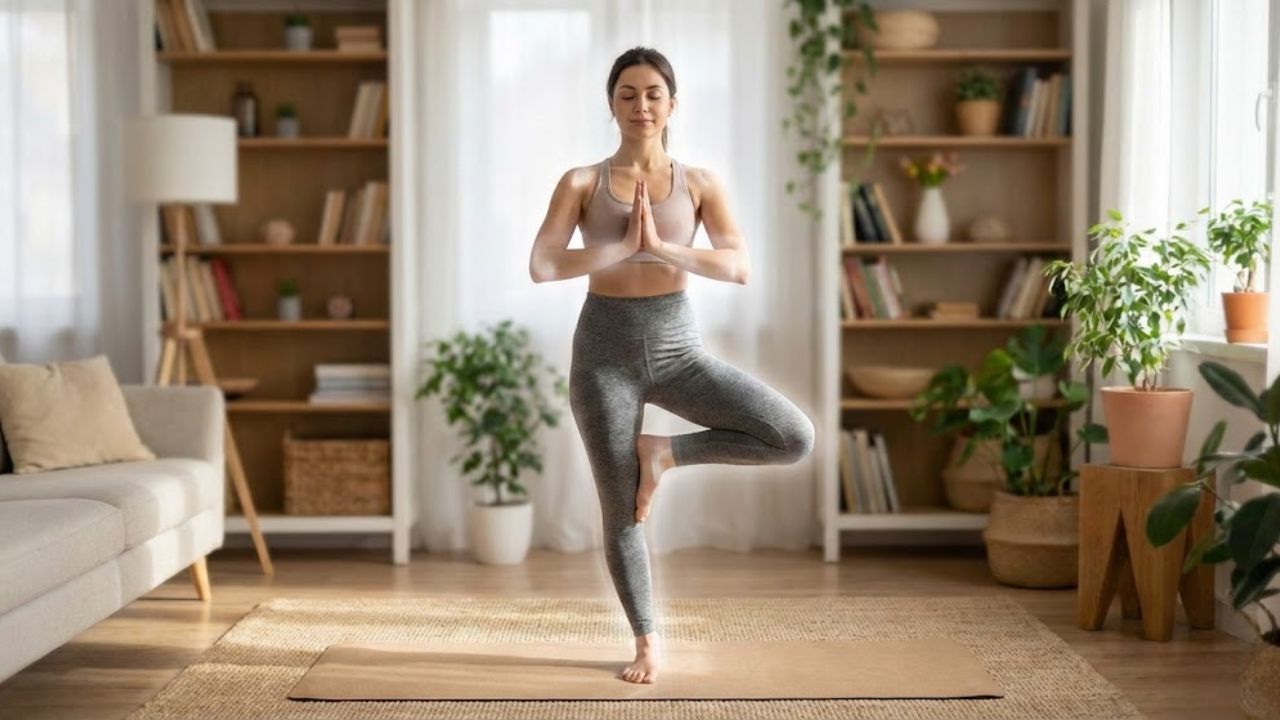
    Mountain Pose is the foundation of all standing yoga poses. Although it appears simple, it plays a crucial role in building proper alignment. This pose strengthens the legs, lengthens the spine, and opens the chest, all of which support good posture. By engaging the core and standing tall, Mountain Pose helps improve balance, stability, and postural awareness.

    How to do Mountain Pose:

    – Stand with your feet hip-width apart.

    – Press evenly through all four corners of your feet.

    – Engage your thighs, lift your kneecaps, and lengthen your spine upward.

    – Roll your shoulders back and down while keeping your arms relaxed by your sides.

    – Look straight ahead, relax your face, and breathe deeply.

    Benefits:

    – Strengthens the legs, core, and spine.

    – Improves balance and body awareness.

    – Supports correct posture by aligning the spine and opening the chest.

    Cat-Cow Pose (Marjaryasana-Bitilasana)

    How does Cat-Cow Pose benefit the spine?

    Cat-Cow Pose is a gentle flow between two movements that involve arching and rounding the spine. This rhythmic motion enhances spinal mobility and flexibility, which are essential for maintaining good posture. The pose helps reduce stiffness, improves range of motion, and encourages healthy spinal alignment.

    How to do Cat-Cow Pose:

    – Start on all fours with wrists under shoulders and knees under hips.

    – Inhale and arch your back, lifting your chest and tailbone upward (Cow Pose).

    – Exhale and round your spine, tucking your chin and drawing your belly in (Cat Pose).

    – Continue flowing slowly, syncing each movement with your breath.

    Benefits:

    – Increases spinal flexibility and mobility.

    – Releases tension in the neck and back.

    – Activates abdominal muscles that support good posture.

    Cobra Pose (Bhujangasana)

    Why is Cobra Pose effective for posture improvement?

    Cobra Pose is a gentle backbend that strengthens the lower back while opening the chest and shoulders. It helps stretch the spine and improve alignment. This pose is especially helpful for counteracting slouched posture caused by prolonged sitting or screen time.

    How to do Cobra Pose:

    – Lie on your stomach with legs extended and feet hip-width apart.

    – Place your palms under your shoulders with elbows close to your body.

    – Inhale and gently press into your hands to lift your chest off the mat.

    – Keep your shoulders relaxed and away from your ears.

    – Hold for a few breaths, then slowly lower back down.

    Benefits:

    – Strengthens the back and shoulder muscles.

    – Stretches the chest, neck, and spine.

    – Improves posture by opening the chest and reducing slouching.

    Child’s Pose (Balasana)

    How does Child’s Pose help with posture?

    Child’s Pose is a deeply restorative posture that gently stretches the spine, hips, and shoulders. It allows the body to relax while releasing tension stored in the back and neck. Regular practice of this pose can reduce stiffness and support healthy spinal alignment.

    How to do Child’s Pose:

    – Begin on your hands and knees with proper alignment.

    – Slowly sit your hips back toward your heels.

    – Lower your chest toward the floor and extend your arms forward.

    – Rest your forehead on the mat and breathe deeply for several breaths.

    Benefits:

    – Relieves tension in the back and neck.

    – Stretches the spine and hips gently.

    – Encourages relaxation and stress relief.

    Bridge Pose (Setu Bandhasana)

    How does Bridge Pose support the spine and posture?

    Bridge Pose is a strengthening backbend that targets the glutes, lower back, and core while stretching the chest and spine. By opening the chest and shoulders, it helps correct rounded shoulders and forward head posture commonly caused by modern lifestyles.

    How to do Bridge Pose:

    – Lie on your back with knees bent and feet flat on the floor, hip-width apart.

    – Press your feet into the mat and lift your hips upward.

    – Engage your glutes and core for support.

    – Clasp your hands under your back or keep arms alongside your body.

    – Hold for a few breaths, then gently lower your hips down.

    Benefits:

    – Strengthens the back, glutes, and core muscles.

    – Opens the chest and shoulders.

    – Supports better posture by aligning and strengthening the spine.
  • 5 Targeted Yoga Techniques That Support Spine and Body Balance

    5 Targeted Yoga Techniques That Support Spine and Body Balance

    Modern life creates many problems with how we sit and stand. People spend long hours hunched over computers & phones while dealing with daily stress. Bad posture causes back pain & tight muscles along with other health issues. Yoga provides a natural solution to fix posture and improve how your body aligns. Regular practice of certain yoga poses strengthens your core and increases flexibility while creating lasting posture improvements. Here are five effective yoga poses that help you stand taller and maintain proper alignment. These poses work the muscles that support your spine & shoulders. Regular practice builds strength in weak areas & releases tension in tight muscles. The result is better posture that feels natural & comfortable throughout your day.

    How Posture Shapes Your Daily Health and Energy Flow

    Maintaining good posture is essential for your overall health and well-being. Keeping your body properly aligned prevents unnecessary stress on the muscles and ligaments surrounding your spine. This reduces the risk of injuries and enables your body to function more efficiently. Correct posture keeps your joints in the optimal position, allowing your muscles to work effectively without wasting energy. Additionally, it supports improved blood circulation throughout your body and helps minimize fatigue during your daily activities.

    Grounding Through Mountain Pose: Stability Starts Here

    Mountain Pose serves as the foundation for every standing position in yoga practice. The pose appears basic but delivers real advantages for improving your posture. Practicing Mountain Pose teaches you proper body alignment from your head down to your feet. It increases your awareness of your standing position. The pose demonstrates how to distribute your weight evenly across both feet while engaging your leg muscles & lengthening your spine. You learn to draw your shoulders backward and away from your ears while keeping your chest open.

    Cat-Cow Stretch: Unlock Spinal Flexibility and Fluidity

    The Cat-Cow Pose is a flowing exercise that alternates between two positions to stretch and strengthen the spine. This movement enhances spinal flexibility and encourages better posture by supporting the natural curves of your back. Regular practice of this pose provides your spine with essential motion to maintain its health. The smooth transition between the cat and cow positions engages the muscles along your back and moves your spine in multiple directions. This gentle movement helps reduce stiffness, making daily activities easier and more comfortable. Additionally, the pose increases awareness of how your spine moves. As you shift between the cat and cow positions, you learn to distinguish between rounding and arching your back. This heightened body awareness carries into everyday life, helping you notice when you start to slouch or hold tension in your back.

    Strengthen Spine & Open Chest with Cobra Pose

    Cobra Pose Cobra Pose is a backbend that opens your chest and stretches your spine. It strengthens your lower back muscles and improves spinal alignment. Start by lying face down on the floor with your legs stretched out behind you. Place your palms flat on the ground directly under your shoulders. Push down through your hands and lift your chest up off the floor while extending your spine upward. Make sure your elbows stay tucked in close to your sides and keep your shoulders down away from your ears. Stay in this position for a few deep breaths and then slowly lower yourself back down to the floor.

    Realign and Reset with Child’s Pose Relief

    Child’s Pose is a gentle resting position that stretches your back and helps you relax. This pose releases tightness in your spine and loosens up your hips and shoulders. It works especially well when you need relief after sitting or standing for long periods. The position allows your body to rest while gently opening tight areas. Your spine gets a chance to decompress as you fold forward. The stretch reaches through your lower back and extends into your hip flexors. Your shoulders also benefit from the forward reach as tension melts away. This pose serves as a recovery position during yoga practice. You can return to it whenever you feel tired or overwhelmed.

    Bridge Pose Benefits: Lift Your Spine, Fire Up Core

    Bridge Pose strengthens your lower back & hips while opening your chest. It improves spinal alignment & builds better posture by working the muscles around your spine. The exercise focuses on posterior chain muscles that support your spine during everyday movements. Regular practice strengthens your glutes & hamstrings and helps reduce lower back pain. The chest opening aspect fights the hunched position that comes from desk work & phone use. Your shoulder blades pull together as your chest expands & your upper back muscles activate correctly. The pose also engages core stabilizers that work with back muscles to create a solid base for your spine. This muscle activation protects your vertebrae from strain and supports healthy spinal function.

  • Beginner Yoga Essentials: Easy Poses Anyone Can Practice Comfortably at Home

    Beginner Yoga Essentials: Easy Poses Anyone Can Practice Comfortably at Home

    Yoga is an excellent way to bring movement and mindfulness into your daily life. Whether your goal is to enhance flexibility, reduce stress, or build strength, yoga offers something for everyone. If you are a beginner, starting with simple poses can help you ease into a regular practice. Here’s a guide to five basic yoga poses suitable for anyone.

    1. Downward-Facing Dog (Adho Mukha Svanasana)

    The Downward-Facing Dog is a key foundational pose that stretches the entire body while promoting relaxation. It helps lengthen the spine, stretch the hamstrings, and strengthen the arms and legs.

    How to do it:

    – Begin on all fours with hands under shoulders and knees under hips.
    – Press your palms into the mat and lift your hips up, forming an inverted “V”.
    – Keep feet hip-width apart and hands shoulder-width apart.
    – Relax your neck, letting your head hang naturally between your arms.
    – Hold for 15-30 seconds, then return to the starting position.

    Benefits: Stretches back, legs, and arms. Strengthens core and improves posture.

    2. Child’s Pose (Balasana)

    Child’s Pose is a gentle, restorative pose that stretches the back, hips, and thighs while calming the nervous system. It is ideal for taking a break or relieving stress during your practice.

    How to do it:

    – Kneel on the mat with knees hip-width apart and big toes touching.
    – Sit back onto your heels and fold forward, lowering your forehead to the mat.
    – Extend your arms forward or rest them by your sides.
    – Breathe deeply and hold for 30 seconds to 1 minute.

    Benefits: Relieves tension in back, neck, and shoulders. Promotes relaxation and stress relief.

    3. Mountain Pose (Tadasana)

    Mountain Pose is a standing pose that enhances posture, balance, and alignment. It also serves as the foundation for many other yoga poses.

    How to do it:

    – Stand tall with feet hip-width apart, arms at your sides.
    – Ground your feet into the mat, spreading your toes wide.
    – Lengthen through the crown of your head, aligning ears over shoulders, shoulders over hips, and hips over ankles.
    – Engage your core and breathe deeply, holding for 30 seconds to 1 minute.

    Benefits: Improves posture, strengthens legs, and supports balance.

    4. Cat-Cow Pose (Marjaryasana-Bitilasana)

    This dynamic combination of Cat Pose and Cow Pose improves spinal flexibility, releases tension, and synchronizes movement with breath.

    How to do it:

    – Start on all fours with wrists under shoulders and knees under hips.
    – Inhale, dropping your belly toward the mat, lifting your chest and tailbone (Cow Pose).
    – Exhale, rounding your back, tucking your chin and tailbone (Cat Pose).
    – Repeat for 5-10 rounds of breath.

    Benefits: Increases spinal flexibility, enhances posture, and relieves neck and back tension.

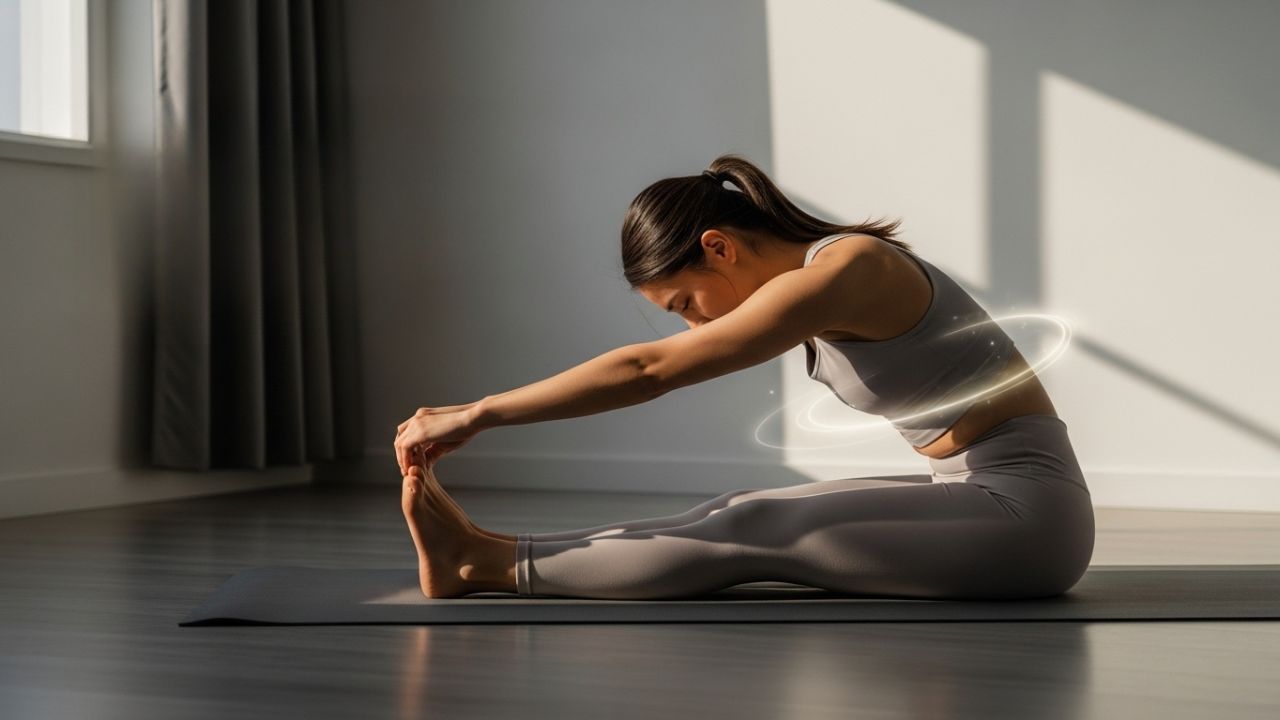
    5. Seated Forward Fold (Paschimottanasana)

    The Seated Forward Fold is a simple, effective stretch targeting hamstrings, calves, and lower back, helping to deepen overall flexibility.

    How to do it:

    – Sit on the mat with legs extended straight ahead.
    – Inhale, lengthening your spine.
    – Exhale, hinge at your hips, folding forward toward your feet or shins.
    – Keep your back as straight as possible and only go as far as comfortable.
    – Hold for 30 seconds to 1 minute.

    Benefits: Stretches hamstrings, enhances back flexibility, and calms the mind.

  • 5 Effective Yoga Poses: Improve Flexibility in Just 10 Minutes

    5 Effective Yoga Poses: Improve Flexibility in Just 10 Minutes

    In today’s busy lifestyle, finding time to stretch and improve flexibility can feel challenging. However, dedicating just 10 minutes of yoga each day can make a noticeable difference. Whether you are a beginner or already familiar with yoga, these five poses help gently stretch muscles, lengthen the spine, and release stiffness. Practising them regularly can support better mobility, posture, and overall body comfort.

    Downward Dog (Adho Mukha Svanasana)

    This pose stretches the shoulders, hamstrings, calves, and spine. It also helps improve posture by lengthening the back and relieving built-up tension.

    Begin in a tabletop position with hands under shoulders and knees under hips. Lift your hips upward, straighten your legs, and press your heels gently toward the floor. Keep hands shoulder-width apart and breathe steadily. Hold for about 30 seconds.

    Forward Fold (Uttanasana)

    Forward Fold deeply stretches the hamstrings and lower back. It also calms the mind by increasing blood flow to the head.

    Stand tall with feet hip-width apart. Hinge at the hips and fold forward, allowing the head and neck to relax. Bend the knees slightly if needed. Hold the pose for 30 seconds to one minute.

    Cat-Cow Stretch (Marjaryasana-Bitilasana)

    This gentle flow improves spinal flexibility and mobility. It helps release tension from the neck, shoulders, and back.

    Start on hands and knees. Inhale, drop the belly, and lift the chest for Cow Pose. Exhale, round the spine, and tuck the chin for Cat Pose. Continue flowing slowly for about one minute.

    Lunge with a Twist (Twisted Lunge)

    This pose opens the hips while improving spinal rotation. It also stretches the legs and reduces lower-back tightness.

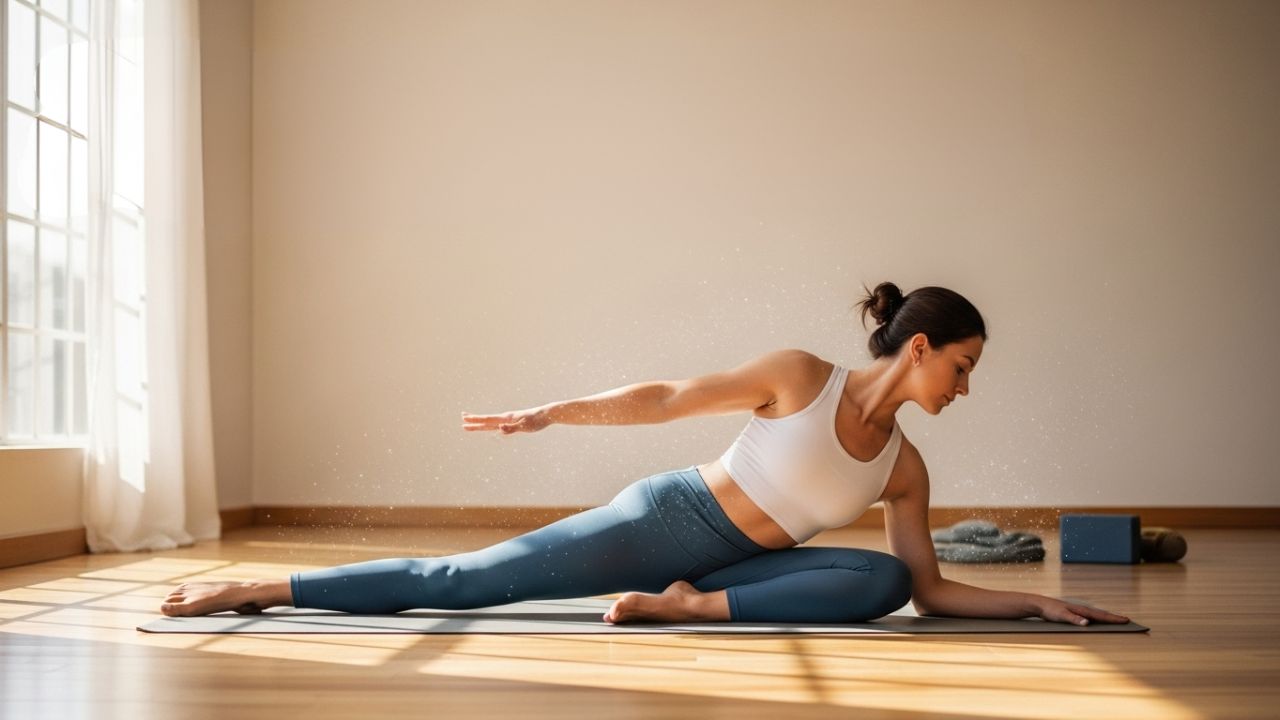
    Step one foot back into a lunge, keeping both knees bent. Place one hand on the floor and twist the upper body, reaching the opposite arm upward. Hold for 30 seconds, then switch sides.

    Child’s Pose (Balasana)

    Child’s Pose gently stretches the back, hips, and thighs. It promotes relaxation and helps the body recover after stretching.

    Kneel on the mat with big toes together and knees apart. Sit back on the heels and extend arms forward. Rest the forehead on the mat and breathe deeply for about one minute.

  • Spot the Difference Speed Test: Can You Find All 3 Differences in 12 Seconds?

    Spot the Difference Speed Test: Can You Find All 3 Differences in 12 Seconds?

    Visual puzzles have always captured human interest. The game known as “Spot the Difference” where players identify variations between two images stands out as one of the most beloved & lasting brain exercises. When you first look at the game it appears straightforward because the two pictures seem identical. However the real test starts when you examine them more carefully and discover that subtle differences are concealed within the images and these are harder to detect than expected. These minor variations challenge your ability to observe details along with your focus and patience.

    Spot the Difference Challenge Today’s puzzle presents you with two nearly identical images. At first glance they appear the same but three subtle differences are hidden between them. The catch is that you only have 12 seconds to spot all three. Finding these differences within such a tight timeframe is genuinely difficult and that’s exactly what makes this challenge so engaging. This type of puzzle tests your observation skills and ability to focus under pressure.

    How “Spot the Difference” Boosts Mental Speed and Focus

    These puzzles offer more than just entertainment because they help improve your mental abilities. Playing these games regularly keeps your brain active in multiple ways.

    When you work on puzzles consistently your mind develops stronger problem-solving skills. The brain processes information faster and becomes better at recognizing patterns. This mental exercise strengthens your cognitive functions over time. Regular puzzle solving also enhances your memory & concentration. Your brain learns to focus on details and remember important information more effectively.

    These benefits extend beyond the game itself and help with everyday tasks. The mental stimulation from puzzles keeps your mind sharp and engaged. This type of brain training can improve your analytical thinking and decision-making abilities. Even spending a few minutes on puzzles each day can make a noticeable difference in your mental performance.

    12-Second Puzzle Challenge: Can You Outsmart the Clock?

    This puzzle shows you two pictures of a child standing outdoors. At first glance the images appear identical but a careful look reveals three differences between them. Your task is to spot all three differences within 12 seconds. Most people assume this will be simple but once the countdown begins the pressure builds quickly.

    The differences are extremely subtle so even a brief loss of focus can cause you to miss them. This makes the puzzle an effective test of how well you can observe details.

    Smart Techniques to Crack Spot-the-Difference Games

    If you want to do better at this kind of challenge you can try a few helpful methods. Start by looking at the images from the top & work your way down. This helps you avoid missing any areas. Next, examine the background carefully because differences often appear in elements like clouds, birds, trees or the sky.

    You should also look closely at the main character and check their clothing, shoes or accessories. Sometimes the actual differences are very small, like a missing line or a slight color change. Occasionally something might disappear or appear out of nowhere, which can signal a difference. When you view both pictures next to each other your brain can naturally spot the discrepancies more easily.

    Why This Visual Puzzle Feels So Uniquely Addictive

    This puzzle stands out because it features a natural environment. Natural scenes already have plenty of small details built in, which makes finding the differences harder. The changes are not obvious or dramatic. Instead they are very small and require careful attention to notice. These differences might appear as a tiny shift in the background or a minor adjustment to what someone is wearing or whether something is there or not. This design makes the puzzle difficult even for people who solve puzzles regularly.

    Here Are the 3 Tricky Differences You Missed

    If you could not find all three differences in 12 seconds then do not worry about it. These puzzles are made to test how accurate you are when working under time pressure.

    The first difference is that a crow is flying in the sky in the right image but it does not appear in the left image. People usually pay attention to what is in front and miss what is in the distant background. This is why this difference often goes unnoticed.

    The second difference involves the small amount of water at the base of the rock. In the left image water flows from a pipe and creates a small pool. However this water does not appear in the right image. This difference is quite subtle but becomes clear when you look more carefully.

    The third difference involves the white lines on the child’s shoes. You can see these lines clearly in the left image but they are not there in the right image. People often miss these small changes in clothing or shoes when comparing pictures.

    Daily Brain Workouts: Add These Quick Games to Your Routine

    Spot the difference puzzles look easy at first glance but playing them on a regular basis can boost your mental skills in meaningful ways. When you work against the clock your brain learns to process information more quickly. These puzzles also help you develop patience and self-control since you need to stay relaxed and approach each challenge with a clear method.

    These puzzles help develop pattern recognition skills that prove useful in everyday situations. They work well for everyone regardless of age from young children to older adults. They offer a healthy alternative to mindless social media browsing while keeping your brain actively engaged.

  • Optical Illusion Challenge: Spot the Hidden 3 Among 5s Within 9 Seconds

    Optical Illusion Challenge: Spot the Hidden 3 Among 5s Within 9 Seconds

    Are you ready to test your observation skills? This optical illusion challenge will push your ability to find the hidden number 3 among many 5s in just 9 seconds. When you first look at it the numbers might seem the same but there is a small difference you need to spot. Can you find it before time runs out? Let’s explore the details of this fun and challenging test!

    The Challenge: Can You Find the Hidden Number 3?

    This visual puzzle shows you a grid packed with the number 5 appearing over and over. Somewhere in that sea of 5s sits a single number 3 waiting to be found. Your task is to locate it within 9 seconds while putting your observation skills and reaction time to the test. Optical illusions captivate us because they show how our minds process what we see. Sometimes our brains trick us into perceiving things that don’t exist or overlooking details that are right in front of us. This specific puzzle pushes you to concentrate and pick out tiny differences when working against the clock. The challenge lies in scanning through repetitive patterns quickly enough to catch the one element that breaks the sequence. Your eyes need to move efficiently across the grid while your brain filters out the dominant number & locks onto the outlier. Success depends on maintaining sharp focus without letting the uniform appearance of all those 5s overwhelm your search.

    Why Are Optical Illusion Challenges So Popular?

    Optical illusions have fascinated people for hundreds of years and these types of challenges continue to attract more attention. They offer an enjoyable way to exercise your mind while keeping you entertained. Working through these puzzles helps you notice small details better and strengthens your ability to concentrate. People also use optical illusions to measure how effectively they interpret what they see. These visual puzzles can boost your mental abilities including recognizing patterns and solving problems faster. They train your brain to think quickly and process information more efficiently. The appeal of these challenges lies in their ability to test your perception while providing entertainment at the same time.

    How Can You Spot the Hidden Number 3?

    Spot the Hidden Number Challenge

    In this visual puzzle, the number 3 is smartly camouflaged among multiple 5s, making it difficult to notice at first glance. The trick is to stay calm and use a clear strategy rather than rushing through the grid.

    Scan Methodically

    Begin by scanning the grid in an organized manner. Move row by row from left to right, ensuring every section is carefully observed. This structured approach reduces the chance of skipping over the hidden number.

    Focus on Small Details

    The number 3 differs slightly in shape compared to the 5s. Look closely at the curves and edges, as the subtle variation in structure is the key clue that helps it stand out.

    Use the Time Limit Wisely

    With only 9 seconds to solve the challenge, keeping your attention sharp is crucial. Avoid distractions and trust your eyes—often, the answer appears once your focus is steady.

    Don’t Get Discouraged

    If you don’t find it instantly, don’t stress. Optical illusions are meant to test perception, and improvement comes with practice. Each attempt trains your brain to spot hidden details faster.

    How to Improve Your Optical Illusion Skills

    Practice Consistently

    The more often you work on optical illusion challenges, the sharper your observation skills will become. Regular practice helps train your eyes and brain to notice fine details and recurring patterns more quickly, making it easier to spot hidden numbers or shapes over time.

    Don’t Rush the Process

    Even though the challenge limits you to just 9 seconds, take your time while practicing. Slowing down allows you to understand how your brain interprets visual information, which can significantly improve your accuracy when facing time-based challenges.

    Invite Friends and Family

    Turn the challenge into a fun activity by sharing it with friends or family members. Competing to see who can find the hidden number the fastest adds excitement, encourages engagement, and helps everyone improve their visual perception skills together.

    The Answer: Where Is the Hidden Number 3?

    The hidden number 3 is in the third row and fourth column from the left. It looks almost the same as the 5s but if you look closely you will see its different curve that makes it stand out from the other numbers.

  • Yoga for PCOS Support: Gentle Practices to Improve Hormonal Balance

    Yoga for PCOS Support: Gentle Practices to Improve Hormonal Balance

    Polycystic Ovary Syndrome or PCOS is a condition that impacts women at various points in their lives. The syndrome typically causes irregular menstrual cycles and creates hormonal disruptions in the body. Women with PCOS often experience weight gain and struggle with skin problems like acne. Hair-related concerns are common and many women also deal with emotional difficulties because of the condition. Medical treatment is certainly important for managing PCOS. However lifestyle modifications can be just as effective in controlling symptoms. Yoga stands out as a natural approach that helps restore hormonal equilibrium in the body. The practice works to enhance metabolic function and brings calmness to the nervous system. Regular yoga practice offers several benefits for women dealing with PCOS. The body becomes more responsive to insulin through consistent practice. Stress hormones decrease when yoga becomes part of a routine. The reproductive system receives support and functions more effectively. These combined effects make yoga a valuable tool for managing PCOS symptoms naturally.

    How does yoga help in managing PCOS symptoms?

    PCOS has strong links to hormonal imbalance & stress. When stress levels rise the body produces more cortisol. This hormone can make insulin resistance worse and interfere with normal ovulation. Yoga helps the endocrine system by creating a calm mental state and boosting blood flow to the reproductive organs. The practice uses slow movements along with focused breathing & relaxing poses. These elements work together to balance hormones such as estrogen & progesterone and insulin. The effects develop gradually over time. Yoga also supports better sleep patterns and improved digestion. Both of these factors play important roles in keeping hormones stable.

    Which yoga practices are most beneficial for hormonal balance?

    Some yoga poses work well for women who have PCOS because they activate the pelvic region and hormone-producing glands. The Butterfly Pose opens up the hip area & helps the ovaries work better. Cobra Pose provides a gentle massage to the belly organs & helps with metabolism. Bridge Pose assists in balancing thyroid & reproductive hormones. Child’s Pose calms the nervous system & lowers anxiety levels. Besides these poses breathing exercises such as Alternate Nostril Breathing & Bee Breath help relax the mind and decrease hormone changes caused by stress.

    Can yoga improve irregular periods and ovulation?

    Irregular periods are one of the most common concerns for women with PCOS. Yoga helps support menstrual regularity by improving blood flow to the uterus and ovaries. When stress levels decrease and insulin sensitivity gets better ovulation tends to become more regular. Yoga is not a quick fix but consistent practice over several weeks or months can lead to noticeable improvements in cycle regularity. Many women also report experiencing less menstrual pain and bloating when they practice yoga regularly.

    How does yoga support weight management in PCOS?

    Rewritten Text Weight gain in PCOS typically stems from insulin resistance and a sluggish metabolism. Yoga offers a balanced approach to managing weight effectively. Active sequences such as Surya Namaskar increase calorie burning and boost metabolic function while avoiding excessive physical strain. Meanwhile gentle restorative postures help prevent hormonal imbalances that contribute to persistent weight retention. Yoga differs from high-intensity exercise by promoting lasting weight reduction through hormonal balance instead of depleting the body’s energy reserves.

    What role does stress reduction play in PCOS management?

    Stress has a quiet but significant impact on PCOS. When you experience emotional stress it can cause hormonal imbalances that make symptoms worse. These symptoms include acne & hair loss along with irregular menstrual cycles. Yoga helps by teaching mindfulness and making you more aware of your body. This allows women to handle stress in better ways. When you practice meditation and deep breathing exercises you activate your parasympathetic nervous system. This system tells your body to start healing and brings it back into balance. As stress levels go down over time the hormones in your body begin to communicate more effectively with each other.

    How often should yoga be practiced for PCOS benefits?

    Consistency matters more than intensity. Practicing yoga for 30 to 45 minutes, five days a week, is usually effective for PCOS support. A mix of gentle stretching, strengthening poses, breathing exercises, and relaxation works best. Listening to the body is important, especially during different phases of the menstrual cycle. Regular practice combined with balanced nutrition and adequate sleep creates the strongest foundation for hormonal health.

    Can beginners with PCOS safely start yoga?

    Yoga works well for beginners when done with care. Starting with easy poses and calm breathing lets the body adjust slowly. Beginners should skip extreme or intense practices at first. Women who have serious symptoms or health problems should talk to a doctor or qualified yoga teacher before they begin. When practiced correctly yoga becomes a safe way to support hormonal balance over time.

  • Optical Illusion Challenge: Can You Find the Sneaky 5 Hidden Among 3s?

    Optical Illusion Challenge: Can You Find the Sneaky 5 Hidden Among 3s?

    Hidden Number Challenge: Can You Spot the 5? Optical illusion puzzles do more than entertain us online. They measure how fast your brain can handle visual data when you’re working against the clock. This particular challenge seems easy when you first look at it but it’s actually built to fool your vision and make you take longer to respond. The goal is straightforward. You need to locate the number 5 that’s concealed within rows and rows of nearly identical 3s before your time expires. These types of visual tests reveal interesting things about how our minds work.

    At first all the numbers look identical. They sit close together in tidy rows that create a repetitive pattern. This repetition tricks your brain because when your mind anticipates sameness it stops examining details closely. This explains why most people overlook the different number even when it sits directly in their field of vision. The human brain processes visual information by looking for patterns & shortcuts. When presented with rows of identical digits the mind assumes everything matches & stops scrutinizing each individual number.

    Why This Number Puzzle Tricks Your Eyes

    Your brain is designed to conserve energy whenever possible. When you look at repeated shapes your brain automatically switches from examining details to recognizing patterns. This puzzle fills the image with the number 3. Your eyes move rapidly across the screen & assume that everything looks the same. The number 5 manages to hide because its shape resembles the number 3 closely enough that your brain overlooks it during quick scanning.

    Time pressure makes this illusion even more effective. When you know you only have a few seconds to find the answer you naturally rush through it. Your eyes dart around the image instead of taking time to examine each shape carefully. This rushed approach often creates frustration once someone reveals the answer and it suddenly seems obvious.

    Smart Techniques to Spot the Hidden 5

    Instead of scanning randomly you should break the image into sections. Focus on one row or one corner at a time. Look specifically at the curves and angles rather than the whole number. The number 5 usually has sharper turns or a different curve compared to the 3. Training your eyes to look for differences instead of similarities can improve your success rate.

    Another helpful trick is to slightly relax your focus. When you stare too hard your brain locks into the pattern. A softer gaze can sometimes make the odd number stand out naturally.

    What This Test Reveals About Your Brain

    If you found the 5 quickly it shows you have strong visual skills and good focus. People who are good at these puzzles often do well at tasks that need quick error spotting like editing or checking quality or playing strategy games.

    If you found this challenging it does not indicate that you have a low IQ. It simply demonstrates how strong our visual habits can be. These puzzles are specifically created to trick most people. Through regular practice your brain can develop the ability to slow down & spot small details more efficiently.

    Why Netizens Are Obsessed With Illusion Games

    Why Optical Illusion Challenges Go Viral Optical illusion challenges spread quickly across social media because they tap into something fundamental about human nature. These visual puzzles trigger both curiosity & a competitive spirit that makes people want to participate immediately. When someone encounters an optical illusion challenge they naturally want to test their own perception and abilities. The desire to see how well they perform compared to friends and family creates a social element that drives sharing. These challenges are perfectly designed for the digital age because they require minimal effort to understand and attempt. The format itself contributes to viral success. Most optical illusion challenges can be completed in just a few seconds. This low barrier to entry means people can participate without investing much time or energy. The instant gratification of discovering the hidden image or solving the puzzle provides an immediate reward that feels satisfying. This combination of quick engagement and instant feedback creates an addictive quality. People enjoy the small dopamine hit they get from successfully completing the challenge.

    They also feel compelled to share their results & challenge others to beat their performance. The cycle continues as more people see the challenge in their feeds and decide to try it themselves. The simplicity of sharing these challenges on platforms like Facebook and Instagram amplifies their reach exponentially. A single post can cascade through networks as each person who tries it shares their experience with their own connections. This organic spread happens naturally without requiring any marketing effort. Optical illusions also have universal appeal because they work across language barriers and cultural differences. Everyone can participate regardless of background or education level. This accessibility makes them ideal content for global audiences on social media platforms.

    How Brain Teasers Can Boost Your Focus

    Practicing optical illusions on a regular basis helps you develop better focus and patience while sharpening your ability to observe details. Your brain gradually learns to analyze what you see rather than simply accepting everything as it appears. This skill becomes useful in daily life when you need to catch errors in written work or detect subtle differences in your environment.

    These challenges show you how stress and time pressure influence the way you think. Understanding this effect can help you remain calm when facing real situations that require fast decisions.

  • Morning Yoga Routine: Daily Practice to Improve Metabolism and Boost Energy

    Morning Yoga Routine: Daily Practice to Improve Metabolism and Boost Energy

    Waking up feeling tired or slow happens to most people even if they don’t talk about it. A simple morning yoga routine can wake your body up and help your digestion and metabolism work better during the day. You don’t need long workouts or difficult poses. A short focused routine done with attention can change how much energy you have by mid morning. Morning yoga works because it uses your large muscles and gets your blood moving while helping balance your hormones. When you do it regularly your body uses energy better instead of storing it. This can help you manage your weight and keep steady energy without needing coffee.

    Why Morning Yoga Helps Boost Metabolism

    Morning yoga helps prepare your body for the day ahead. Stretching and moving early wakes up your muscles and signals your nervous system to shift from sleep mode to active mode. Some yoga poses apply gentle pressure to your digestive organs and this can improve how your gut works. A healthy digestive system connects directly to how well your metabolism functions. The breathing methods you use during yoga also make a difference. When you breathe deeply and with control you bring more oxygen into your body. This oxygen supports your cells so they can work better. Your body then burns calories more efficiently and keeps stress hormones at lower levels. When stress levels stay high your metabolism often slows down. For many people calm movement like yoga actually works better than intense workouts that leave you feeling rushed and exhausted.

    Simple Daily Morning Yoga Routine

    This routine takes about 15 to 20 minutes. You can do it on an empty stomach or after drinking a glass of warm water.

    Gentle Warm Up

    Start with neck rolls and shoulder shrugs along with wrist movements. Move slowly and breathe deeply. This wakes up the joints and prepares your body for deeper poses. Next try Cat Cow Pose for one to two minutes. This movement massages the spine and abdominal organs while helping digestion and circulation.

    Sun Salutation Flow

    Sun Salutations rank among the most effective yoga sequences for boosting metabolism. These movements combine forward bends with backbends and strength poses that activate your entire body. Complete 4 to 6 slow rounds while maintaining steady breathing instead of rushing through the sequence. This approach generates internal warmth & enhances blood circulation without draining your energy at the start of your day.

    Twisting Poses for Digestion

    Twisting movements provide excellent benefits for metabolic health. Practice the Seated Spinal Twist and Supine Twist by holding each side for 20 to 30 seconds. These poses create gentle compression and release in your abdominal region to support healthy digestion and natural detoxification.

    Strength Building Poses

    Strength poses work your muscles in ways that help you burn more calories throughout the day. Try holding Plank Pose for 20 to 40 seconds and Chair Pose for 30 seconds. These exercises build muscle tone and boost your metabolism without putting too much stress on your body. Beginners should start with shorter holds and pay attention to proper form.

    Backbends for Energy

    Backbends are excellent for fighting off morning tiredness. Cobra Pose or Bridge Pose opens up your chest and lungs so you can take in more oxygen. Hold each pose for 20 to 30 seconds while breathing calmly. These poses also help balance your hormones which affects how energetic you feel.

    Cooling Finish and Breathing

    End your routine with a short relaxation in Child’s Pose. Follow it with deep belly breathing or gentle Kapalbhati if you have experience with it.Even two minutes of focused breathing helps your body absorb the benefits of the practice.

    How Consistency Improves Results

    Practicing yoga occasionally can make you feel better but doing it every day brings real results. When you follow a brief routine each morning your body learns to start the day with energy rather than feeling sluggish. After several weeks many people find their digestion works better and they experience fewer afternoon slumps while their ability to concentrate improves. Combining yoga with drinking enough water and eating nutritious meals helps your metabolism function more effectively. The practice does not require intense effort. It delivers the best outcomes when you approach it with consistency & a gentle attitude.

    Common Mistakes to Avoid

    Common Mistakes to Avoid in Morning Yoga Many people forget to breathe properly during their practice. This is a significant error because controlling your breath matters just as much as getting the poses right. When you rush through the movements you miss out on many of the benefits that yoga provides. Eating before your session creates another problem. Your morning yoga routine should happen before you have breakfast. If you need to eat something beforehand make sure it is very light. A full stomach will make your practice uncomfortable and less effective. Pay attention to what your body tells you during each pose. Feeling a gentle stretch in your muscles is normal and healthy. However if you experience sharp or stabbing pain you need to stop immediately. That kind of discomfort signals that something is wrong and continuing could lead to injury.

  • Beginner Friendly Yoga: Full Body Wellness Through Simple Daily Practice

    Beginner Friendly Yoga: Full Body Wellness Through Simple Daily Practice

    Yoga is one of the simplest ways to support full body wellness when you are just starting your fitness or self care journey. Beginner friendly yoga focuses on gentle movements and mindful breathing with easy poses that help your body feel lighter & more balanced without strain. You do not need flexibility or strength or prior experience to begin. All you need is a little time and a calm space and the willingness to listen to your body. This practice meets you where you are. It builds strength gradually while improving flexibility and balance at your own pace.

    What Makes Yoga Ideal for Beginners?

    Yoga works well for everyone because it is gentle and easy to adjust. People of all ages and fitness levels can practice it without difficulty. When you start yoga you focus on basic stretches & slow movements instead of complicated poses. These simple exercises help loosen tight muscles & get blood flowing better through your body. They also make your joints stronger in a gentle way. As you keep practicing your body gets more flexible and balanced without pushing too hard. Yoga is also great for beginners because it teaches you how to breathe properly. When you learn to take deep breaths while moving your body relaxes and your mind becomes clearer. This connection between your mind & body is what sets yoga apart from other types of exercise.

    How Does Beginner Yoga Support Full Body Wellness?

    Full body wellness goes beyond just building physical strength. It encompasses mental clarity, emotional stability, and sustained energy levels during the day. Beginner yoga addresses all of these dimensions at once. Physically, yoga stretches key muscle groups including the back, hips shoulders, and legs. It enhances posture through core and spine strengthening. Simple poses alleviate stiffness that develops from extended sitting periods and everyday tension. On a mental level yoga offers a break from continuous noise and interruptions. Controlled breathing combined with deliberate movement calms an overactive mind and lessens anxiety. Most beginners report better sleep patterns and a more peaceful disposition after maintaining a consistent routine for several weeks. From an emotional perspective, yoga cultivates patience and self understanding. Rather than forcing the body beyond its limits, beginners discover how to honor their current capabilities. This approach fosters confidence & establishes a more positive connection with physical activity.

    Which Yoga Poses Are Best for Beginners?

    Beginner friendly yoga typically features basic standing poses along with seated and lying positions. Popular starting poses include Mountain Pose which helps develop posture awareness & Cat Cow which improves spinal mobility. Child’s Pose offers a relaxing position while Seated Forward Bend provides gentle stretching benefits. These foundational poses are straightforward to learn and can be adjusted with props like cushions or blocks when necessary. Gentle Sun Salutation sequences work well for people new to yoga. These sequences warm up the whole body through slow and controlled movements. Restorative poses at the end of each session give the body time to relax completely and absorb the practice benefits.

    How Often Should Beginners Practice Yoga?

    Consistency is more important than intensity when you begin practicing yoga. New practitioners should start with two or three sessions each week. These sessions can be as short as fifteen to twenty minutes. If it works better for your routine you can also practice for a few minutes every day. Pay attention to what your body tells you. On some days you will have plenty of energy. On other days you will need gentler poses that focus on rest. Yoga gives you this kind of flexibility. This approach helps you avoid getting burned out or injured.

    Can Beginners Practice Yoga at Home?

    Yes you can safely practice yoga at home especially if you follow beginner routines designed for full body wellness. Many people actually prefer practicing at home because it removes any pressure & lets them move at their own pace. You only need a yoga mat along with comfortable clothing and a quiet corner to get started. When you follow guided videos or written routines make sure to choose beginner level sessions that explain poses clearly & encourage breaks. As time goes on you will become more familiar with your body and movements.

    What Should Beginners Keep in Mind Before Starting?

    Beginners should prioritize comfort over achieving perfect form. Yoga is not about reaching your toes or maintaining poses for extended durations. What matters most is how your body feels while practicing and afterward. Experiencing gentle stretching is expected but any sharp or intense pain means you should stop immediately. Drinking enough water throughout the day helps your practice. Eating a light meal or practicing on an empty stomach works better than exercising after heavy food. Taking time to warm up your muscles before starting makes the session more effective and enjoyable. People with existing health issues or previous injuries can usually practice gentle yoga without problems. However, speaking with a doctor or healthcare provider first ensures you receive guidance tailored to your specific situation and needs.