Category: News

  • Try These 15 Minute Easy Yoga Poses to Improve Digestion and Support Gut Health

    Try These 15 Minute Easy Yoga Poses to Improve Digestion and Support Gut Health

    Digestive discomfort has become a frequent concern due to prolonged sitting, irregular eating habits, stress, and limited physical activity. Symptoms such as bloating, gas, constipation, and a heavy stomach often indicate that the digestive system needs gentle support. Yoga provides a natural, low-impact approach to stimulate digestion. A simple 15-minute daily practice can enhance gut movement, ease discomfort, and restore digestive balance.

    How Yoga Supports Digestion and Gut Function

    Digestion is closely linked to movement, breathing, and the nervous system. When the body remains inactive or under stress, digestive processes tend to slow. Yoga stimulates internal organs through twisting, stretching, and gentle compression, improving blood flow to the digestive tract and helping food move smoothly through the intestines. Controlled breathing calms the nervous system, which plays a crucial role in maintaining healthy digestion.

    Best Time to Practice Yoga for Better Digestion

    The most effective time to practice digestive yoga is early morning on an empty stomach. This helps activate digestive organs and prepare the gut for the day ahead. If practicing later, wait at least three hours after meals. An evening session can also help relieve bloating or heaviness caused by slow digestion. Choose a calm environment and focus on slow, mindful movements rather than speed.

    Gentle Warm-Up to Activate the Digestive System

    Begin with simple breathing and light stretches before moving into poses. Sit comfortably and take deep belly breaths for one to two minutes to activate the parasympathetic nervous system, which supports digestion. Follow with gentle seated side stretches to loosen abdominal muscles and increase circulation around the gut.

    Seated Twist Pose to Stimulate Digestive Organs

    The Seated Twist is highly effective for digestive health. Gentle twisting massages the intestines and helps release trapped gas. Sit tall, bend one knee, and twist toward the bent leg while keeping the spine elongated. Breathe deeply throughout the movement.

    Hold for 20 to 30 seconds on each side. With regular practice, this pose supports bowel movement and improves overall gut responsiveness.

    Wind-Relieving Pose for Gas and Bloating

    Wind-Relieving Pose directly targets bloating and gas. Lie on your back, draw one knee toward the chest, and gently hug it while breathing deeply. Switch sides, then bring both knees in together.

    This posture applies soft abdominal pressure, helping release trapped air and reduce stomach discomfort. It is especially useful after long sitting hours or during sluggish digestion.

    Cat-Cow Pose to Improve Gut Mobility

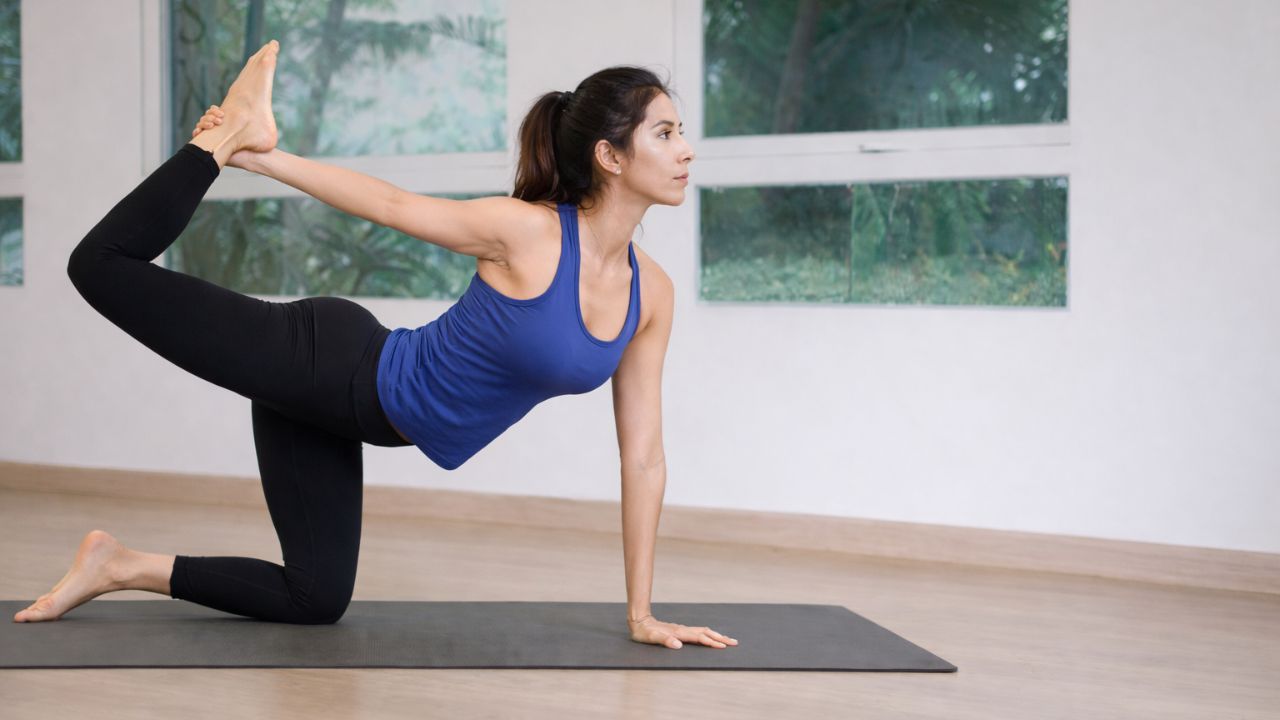
    Cat-Cow Pose gently massages digestive organs through rhythmic spinal movement. Come onto hands and knees, inhale while arching the back and lifting the chest, then exhale while rounding the spine and drawing the belly inward.

    Continue this slow flow for one to two minutes. The movement supports intestinal activity and releases tension that can interfere with digestion.

    Child’s Pose to Relax the Digestive System

    Stress can significantly slow digestion. Child’s Pose helps shift the body into a relaxed state, naturally supporting gut function. Kneel, sit back on the heels, and fold forward with the forehead resting down.

    Remain in the pose for one to two minutes, breathing into the back and belly. This posture eases stress-related digestive issues and promotes overall gut comfort.

    Supine Twist for Intestinal Balance

    The Supine Twist is a gentle, restorative posture that aids digestion without strain. Lie on your back, bend one knee, and guide it across the body while keeping both shoulders relaxed on the floor.

    Hold for 30 seconds on each side. This pose supports detoxification, eases constipation tendencies, and improves intestinal flow when practiced consistently.

    The Role of Breathing in Digestive Health

    Deep belly breathing enhances oxygen flow and relaxes digestive muscles. During this routine, avoid shallow chest breathing. Slow, deep breaths that gently expand the abdomen activate digestion and reduce the stress response that often disrupts gut balance.

    How Often to Practice for Optimal Results

    Practicing this routine five to six days a week is more effective than occasional long sessions. Digestive improvements occur gradually, making consistency essential. Combining yoga with mindful eating, proper hydration, and regular meal timing enhances overall gut health.

    Common Mistakes to Avoid During Digestive Yoga

    • Avoid practicing immediately after eating.
    • Do not force twists or apply aggressive abdominal pressure.
    • Move gently and stay within comfortable limits.
    • Do not ignore breathing or rush through poses.

    Final Thoughts on 15-Minute Yoga for Digestive Wellness

    Improving digestion does not require intense workouts or complex routines. Simple yoga poses practiced calmly for just 15 minutes a day can support gut health in a natural and sustainable way. With regular practice, these movements help reduce bloating, improve bowel regularity, and create a sense of lightness in the body. Yoga nurtures digestion from within, making it a valuable daily habit for long-term well-being.
  • Top 3 Yoga Poses That Correct Posture and Reduce Pain for Desk Workers

    Top 3 Yoga Poses That Correct Posture and Reduce Pain for Desk Workers

    Spending long hours seated at a desk can quietly take a toll on posture. Rounded shoulders, a hunched upper back, and persistent neck strain often develop so slowly that they begin to feel normal. Over time, this misalignment can cause chronic discomfort, ongoing fatigue, and limited movement. The encouraging part is that posture can be improved through simple, consistent yoga poses. You do not need long workouts. A few focused movements practiced mindfully can help realign the spine and retrain the body to sit and stand properly.

    Why Desk Jobs Harm Posture So Fast

    Desk-based work places the body in unnatural positions for extended periods. A forward head, rounded shoulders, and a curved lower back weaken key postural muscles while others become overly tight. The chest gradually shortens, the upper back stiffens, and the neck ends up supporting more weight than intended. As this pattern continues, the body adapts, making poor posture feel natural even when standing or walking.

    Yoga helps reverse these changes by stretching tight areas while strengthening weaker muscles at the same time. The following three poses are particularly effective for desk workers because they address the spine, shoulders, and core, where posture issues most commonly start.

    Mountain Pose to Restore Natural Alignment

    Mountain Pose appears simple, yet it is one of the most effective poses for posture correction. It teaches the body how proper alignment should feel. For desk workers, this pose reactivates the muscles that support the spine and helps correct imbalances created by prolonged sitting.

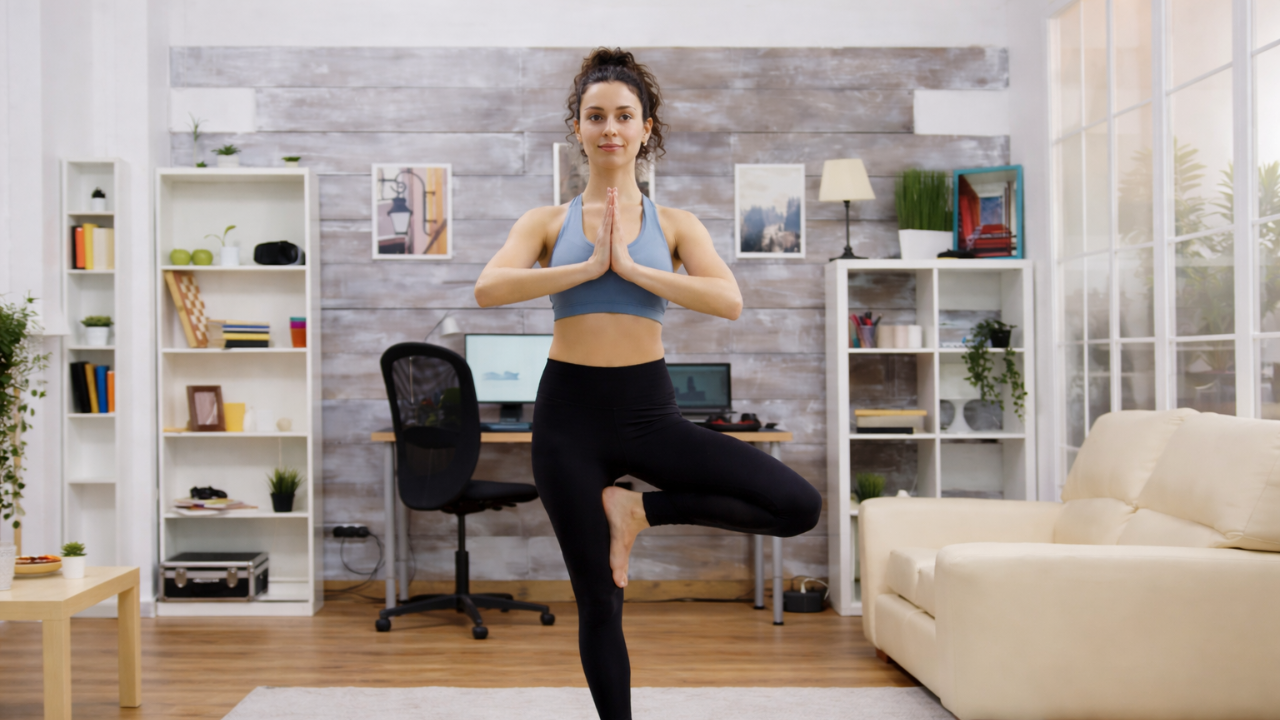
    Stand with your feet hip-width apart and distribute your weight evenly. Gently engage the thighs, lift the chest without forcing it forward, and roll the shoulders back and down. Lengthen the neck and imagine the crown of the head rising upward. Breathe slowly while holding the pose for one to two minutes.

    Practicing Mountain Pose daily builds postural awareness. Over time, this awareness naturally carries into how you sit and stand during the day, reducing slouching without conscious effort.

    Cobra Pose to Open the Chest and Support the Spine

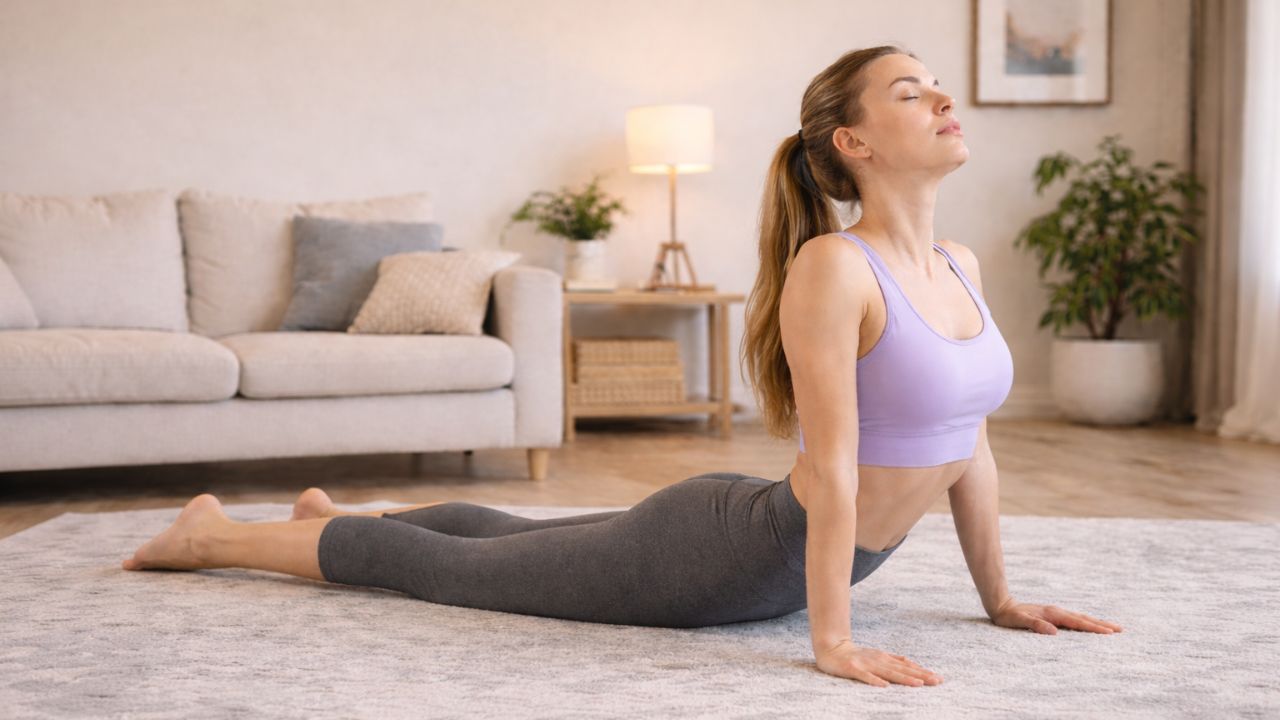
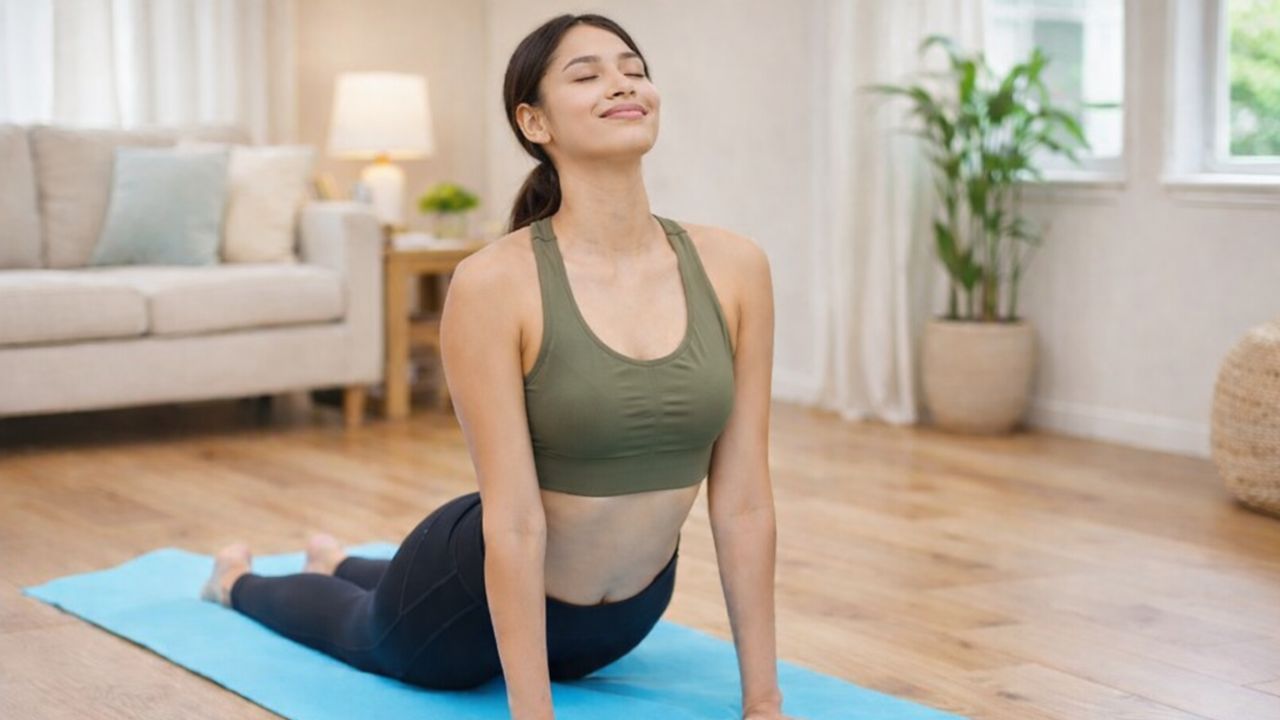
    Cobra Pose is highly effective for countering the rounded spine common among desk workers. Long hours of sitting compress the chest and weaken the muscles along the back. Cobra gently reverses this by opening the front of the body while strengthening the spine.

    Lie face down with your palms placed beneath the shoulders. Press lightly into the hands and lift the chest, keeping the elbows close to the body. The movement should come from the upper back rather than forcefully pushing through the arms. Keep the shoulders relaxed and avoid straining the lower back.

    Hold the pose for 20 to 30 seconds and repeat it two to three times. Cobra Pose improves spinal mobility, reduces upper back stiffness, and gradually restores the spine’s natural curve.

    Seated Forward Fold to Ease Neck and Shoulder Tightness

    Good posture is influenced not only by strength but also by flexibility. Tight muscles can pull the body out of alignment. Seated Forward Fold helps release tension in the neck, upper back, and hamstrings, all of which affect posture for desk workers.

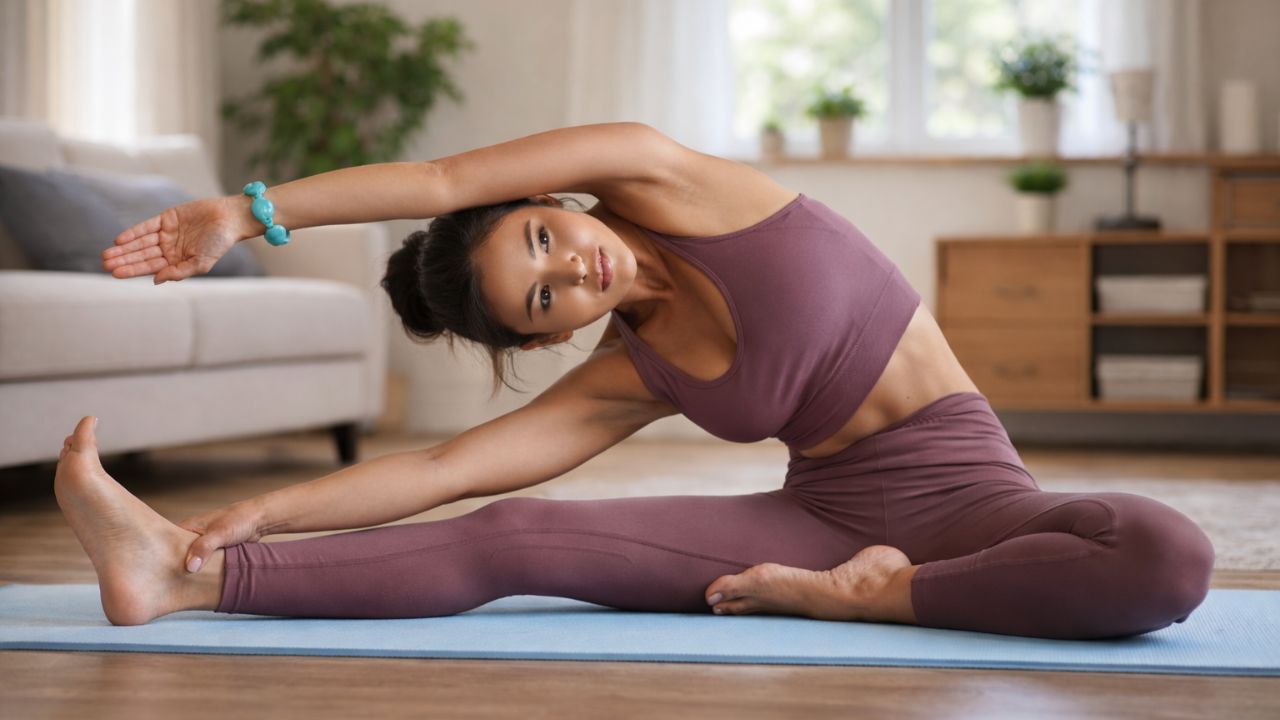
    Sit with your legs extended and the spine upright. Inhale to lengthen the spine, then exhale as you hinge forward from the hips. Let the neck relax and allow the head to hang naturally. Avoid forcing the stretch and maintain steady, calm breathing.

    Holding this pose for about one minute helps calm the nervous system and releases tight muscles that contribute to forward head posture. With regular practice, it balances strength and flexibility, which is essential for long-term posture improvement.

    How Often Desk Workers Should Practice

    For visible results, practice these three poses at least five days a week. The routine takes under ten minutes, yet it delivers noticeable benefits when done consistently. Practicing in the morning prepares the body for the workday, while evening sessions help undo the strain caused by hours of sitting.

    Consistency is more important than duration. Short daily sessions retrain muscles and joints more effectively than occasional long workouts.

    Common Desk Posture Errors to Avoid

    Yoga works best when combined with mindful desk habits. Avoid sitting for long periods without movement. Keep your screen at eye level, your feet flat on the floor, and take brief breaks every hour to stand, stretch, or walk.

    Also avoid overcorrecting posture by forcing the chest forward or pulling the shoulders too far back. Healthy posture feels balanced and relaxed, not tense or rigid.

    The Link Between Breathing and Posture

    Breathing plays a major role in posture. Shallow breathing tightens the chest and neck, which worsens slouching. During yoga practice, focus on slow, deep breaths that expand the rib cage and support spinal alignment. Over time, better breathing habits naturally improve posture even outside of practice.

    Final Thoughts on Yoga for Desk Worker Posture

    Improving posture does not require complex routines or special equipment. Simple yoga poses practiced regularly can reverse years of poor desk habits. Mountain Pose rebuilds alignment, Cobra Pose strengthens and opens the spine, and Seated Forward Fold releases tension that pulls the body forward.

    When paired with awareness and consistency, these three poses help desk workers sit straighter, stand taller, and move with less discomfort. Better posture supports physical health while also improving energy, confidence, and long-term comfort at work.

  • Eight Night Yoga Poses That Stretch the Body and Support Overall Health Recovery

    Eight Night Yoga Poses That Stretch the Body and Support Overall Health Recovery

    A peaceful nighttime yoga routine is one of the most effective ways to unwind after a demanding day and support overall well-being. Hours of sitting, physical activity, or mental stress often leave tension stored in the neck, shoulders, hips, and lower back. Practicing slow, gentle yoga before sleep helps loosen tight muscles, calm the nervous system, and prepare both the body and mind for restorative rest. These eight calming night yoga poses are easy to perform and ideal for ending the day feeling balanced and relaxed.

    Why Night Yoga Matters for the Body

    Night yoga emphasizes relaxation over effort. During sleep, the body repairs tissues, regulates hormones, and restores energy levels. When tension remains, this recovery process can be disrupted. Gentle stretching before bed helps soothe the nervous system, improve circulation, and ease discomfort that may interfere with sleep. With regular practice, night yoga supports flexibility, posture, and joint health over time.

    Preparing for a Restful Bedtime Yoga Session

    Choose a quiet, softly lit space and wear comfortable, loose clothing. Use a yoga mat or any supportive surface. Avoid practicing immediately after heavy meals, and keep movements slow and controlled. Maintain steady, deep breathing throughout the routine. Bedtime yoga is not about precision or intensity but about comfort, awareness, and releasing the day.

    Child’s Pose for Lower Back and Hip Relief

    Child’s Pose gently stretches the lower back, hips, and thighs while promoting mental calm. Kneel, sit back on the heels, and fold forward with relaxed arms. Allow breathing to slow naturally. This pose helps reduce fatigue and eases spinal pressure, making it ideal for preparing the body for rest.

    Seated Forward Bend for a Complete Back Stretch

    The Seated Forward Bend targets the spine, hamstrings, and shoulders, areas that often tighten during the day. Sit with legs extended and hinge forward gently from the hips. Keep the neck relaxed and avoid forcing the movement. This pose encourages circulation and supports spinal flexibility when practiced regularly at night.

    Supine Twist to Ease Spinal Tension

    Supine Twist is a calming posture that enhances spinal mobility and supports digestion. Lying on your back, bend one knee and guide it gently across the body while keeping the shoulders grounded. Practice on both sides. This slow twist releases stiffness and promotes healthy circulation.

    Knees-to-Chest Pose for Digestive Ease

    Knees-to-Chest Pose applies gentle pressure to the abdomen and lower back, helping relieve bloating and tension. While lying on your back, draw both knees toward the chest and breathe deeply. Light rocking can be added if comfortable. This pose supports digestive comfort and reduces lower body stiffness.

    Reclining Butterfly Pose for Hip Relaxation

    Reclining Butterfly Pose stretches the hips and inner thighs while encouraging deep relaxation. Lie on your back, bring the soles of the feet together, and let the knees fall open naturally. Pillows can be used for support. This pose improves hip mobility and eases tension from prolonged sitting.

    Legs Up the Wall Pose to Improve Circulation

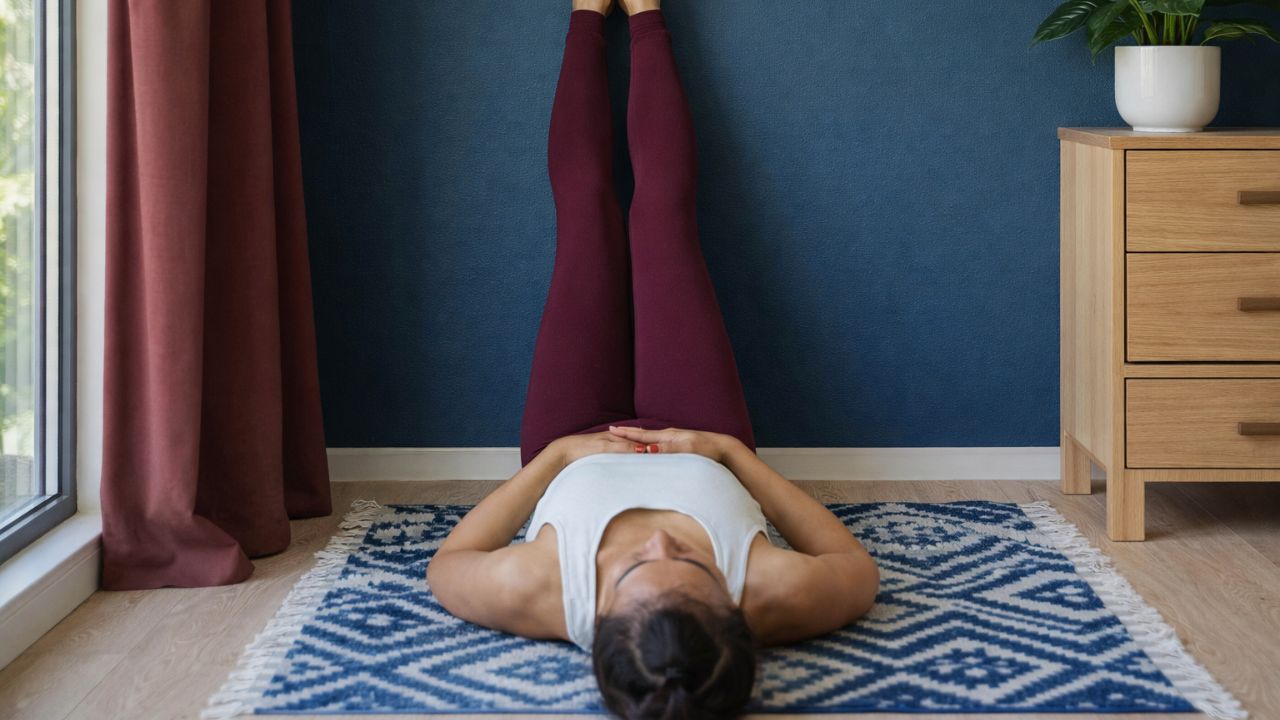
    Legs Up the Wall Pose is ideal for soothing tired legs and calming the body before sleep. Lie on your back with legs extended vertically against a wall and arms resting comfortably at your sides. This posture enhances blood flow, reduces leg swelling, and relaxes the nervous system.

    Cat-Cow Pose for Gentle Spinal Movement

    When performed slowly, Cat-Cow Pose can be just as beneficial at night as it is in the morning. From hands and knees, alternate between rounding and arching the spine with the breath. This gentle movement releases spinal tension and maintains flexibility without overstimulation.

    Corpse Pose to Finish the Practice

    Corpse Pose allows the body to fully absorb the benefits of night yoga. Lie flat on your back with arms and legs relaxed. Focus on slow, natural breathing and let the body settle into stillness. This final pose signals the body that it is time to rest and recover.

    Breathing Techniques That Support Night Yoga

    Deep nasal breathing that expands the belly helps relax muscles and quiet the mind. Longer, slower exhalations reduce stress hormones and guide the body into a deeper state of calm. During nighttime yoga, breathing should always remain smooth, gentle, and unforced.

    How Often to Practice Night Yoga

    Practicing night yoga four to six times per week can deliver noticeable results. Even sessions lasting ten to twenty minutes may improve flexibility and sleep quality. Consistency is more important than length. Over time, the body learns to relax more quickly and recover more efficiently each night.

    Common Bedtime Yoga Mistakes to Avoid

    Avoid fast movements or strong poses that overstimulate the nervous system. Never push stretches beyond a comfortable range, especially before sleep. Limit screen exposure during practice to preserve a calm atmosphere. Night yoga should always feel soothing and supportive, not demanding.

    Final Thoughts on Night Yoga for Overall Wellness

    These eight simple night yoga poses can significantly improve how the body feels the following morning. By gently stretching muscles, relaxing the spine, and calming the mind, nighttime yoga supports physical recovery and long-term health. When practiced with patience and awareness, it becomes a powerful habit for relaxation, flexibility, and overall well-being.

  • Six Chest Opening Yoga Poses That Improve Oxygen Intake and Posture After 35

    Six Chest Opening Yoga Poses That Improve Oxygen Intake and Posture After 35

    After the age of 35, many people begin to notice gradual changes in breathing capacity, posture, and overall energy. Extended desk work, lower physical activity, daily stress, and habitual shallow breathing can slowly reduce mobility in the chest area. When the chest tightens, the lungs are unable to expand fully, often leading to fatigue, upper body stiffness, and a mild sense of breathlessness during routine tasks. Chest opening yoga poses offer a gentle yet effective way to create space in the upper body and support healthier oxygen intake without placing strain on the body.

    Why Chest Tightness Often Develops After 35

    As the body ages, muscles and connective tissues naturally lose some of their elasticity. When this is combined with prolonged sitting, frequent screen use, and limited upper body movement, the chest and shoulders often begin to round forward. This posture restricts rib cage expansion and places added pressure on the lungs. Stress further contributes by promoting shallow breathing patterns, which limits full lung engagement. Chest opening yoga counteracts these effects by encouraging upright alignment, deeper breathing, and relaxed upper body muscles.

    How Chest Opening Yoga Enhances Oxygen Intake

    Chest opening poses gently stretch the muscles surrounding the ribs, shoulders, and upper spine. This added space allows the lungs to expand more freely during inhalation. These poses also help retrain breathing habits by promoting slow, deep breaths into the chest. Improved posture and circulation support more efficient oxygen delivery throughout the body. With regular practice, many people experience better stamina, improved focus, and greater respiratory comfort.

    Mountain Pose with Heart Lift for Breath Awareness

    Mountain Pose with a subtle heart lift may appear simple, yet it forms the foundation for healthier breathing. Standing tall with the chest gently lifted and the shoulders relaxed opens the front of the body. This alignment supports fuller breaths without tension. Practicing this pose with steady, mindful breathing helps retrain posture and increases awareness of chest movement during each inhale and exhale.

    Cobra Pose to Expand the Rib Cage

    Cobra Pose is a powerful chest opener that supports lung expansion. While lying on the stomach, gently lifting the upper chest stretches the front of the body and opens the rib cage. Keeping the elbows softly bent and the shoulders relaxed ensures the pose remains supportive rather than strained. When paired with slow breathing, Cobra Pose encourages deeper inhalation and strengthens the muscles that promote upright posture.

    Bridge Pose for Chest Opening and Circulation

    Bridge Pose provides a gentle chest opening while also strengthening the back and hips. As the hips lift, the chest naturally rises and expands. This position promotes healthy blood flow to the upper body and supports improved oxygen delivery. Practicing Bridge Pose with calm breathing helps counter rounded shoulders and encourages long-term chest mobility.

    Seated Chest Expansion for Everyday Use

    Seated Chest Expansion is a practical pose that fits easily into daily life. Sitting upright and gently drawing the shoulders back opens the chest without compressing the lower back. Interlacing the fingers behind the body or resting the hands back creates space across the front of the shoulders. This pose is especially useful for those who sit frequently and want a simple, effective daily chest opener.

    Puppy Pose for Gentle Shoulder and Chest Release

    Puppy Pose delivers a deep chest opening stretch without placing pressure on the lower body. With the hips lifted and the chest lowering toward the floor, this pose stretches the shoulders, upper spine, and rib cage. It encourages deep breathing into areas that often feel tight or restricted. Puppy Pose is ideal for improving oxygen intake while keeping the practice calm and controlled.

    Supported Fish Pose for Relaxed Deep Breathing

    Supported Fish Pose is one of the most soothing chest opening poses, particularly after 35. Placing a cushion or folded blanket beneath the upper back allows the chest to open passively. This support minimizes strain while encouraging slow, deep breaths. Many people find this pose helpful for enhancing breathing capacity and relieving upper body tension at the end of the day.

    Safety Tips for Chest Opening Yoga After 35

    • Warm up the body before attempting deeper chest opening poses
    • Move slowly and avoid forcing the chest into extreme positions
    • Use props to support the back and neck when needed
    • Prioritize steady breathing over pose depth
    • Choose gentle, consistent practice over intensity

    Final Thoughts on Yoga and Better Oxygen Intake

    After 35, maintaining healthy breathing and posture becomes increasingly important. Chest opening yoga poses offer a safe, natural way to improve oxygen intake while easing upper body tension. With patience and mindful practice, these poses help restore comfort in breathing, support energy levels, and strengthen the connection between body and breath. Over time, the chest feels more open, breathing becomes deeper, and everyday movements feel lighter and more comfortable.

  • 5 Soothing Yoga Poses That Support Liver Kidney Detox and Improve Body Balance

    5 Soothing Yoga Poses That Support Liver Kidney Detox and Improve Body Balance

    Cleansing the liver and kidneys does not rely only on strict diets or costly detox programs. Gentle yoga practices can meaningfully support these vital organs by enhancing blood circulation, supporting digestion, and activating the body’s natural cleansing mechanisms. When practiced consistently, specific yoga poses help reduce toxin buildup and restore a sense of lightness and balance. These movements are slow, calming, and generally suitable for most individuals when performed with mindful breathing.

    How Yoga Supports Liver and Kidney Function

    The liver and kidneys continuously filter toxins, regulate fluids, and maintain healthy metabolism. Factors such as chronic stress, poor sleep, and inactive lifestyles can gradually reduce their efficiency. Yoga aids these organs through gentle abdominal compression and release, improved circulation, and a calmer nervous system. When the body relaxes, detox pathways function more efficiently. Deep, controlled breathing further enhances oxygen delivery to internal organs and supports cellular repair.

    Seated Spinal Twist Pose

    The seated spinal twist is one of the most accessible poses for stimulating the liver and kidneys. This posture gently compresses the abdominal organs and then releases them, encouraging healthier blood flow.

    Sit upright with legs extended. Bend the right knee and place the foot outside the left thigh. Inhale to lengthen the spine, then exhale and rotate gently to the right, placing one hand behind for support. Keep the twist soft and controlled. Hold for several breaths before changing sides.

    This pose massages the liver on the right side of the body while supporting digestion. It often feels especially refreshing when practiced in the morning or early evening.

    Cat Cow Flow

    Although simple in appearance, the Cat Cow movement is highly effective for internal organ health. The smooth transition between spinal rounding and arching gently massages the abdomen and improves circulation.

    Begin on all fours with hands under shoulders and knees under hips. Inhale while arching the back and lifting the chest and tailbone. Exhale as you round the spine and draw the belly inward. Continue moving with the breath for one to two minutes.

    This flowing motion supports kidney function and helps release stagnant energy. It is particularly beneficial for those who sit for long periods or experience lower back stiffness.

    Seated Forward Bend Pose

    A gentle forward bend helps calm the nervous system while stimulating the kidneys and digestive organs. It also eases tension in the lower back.

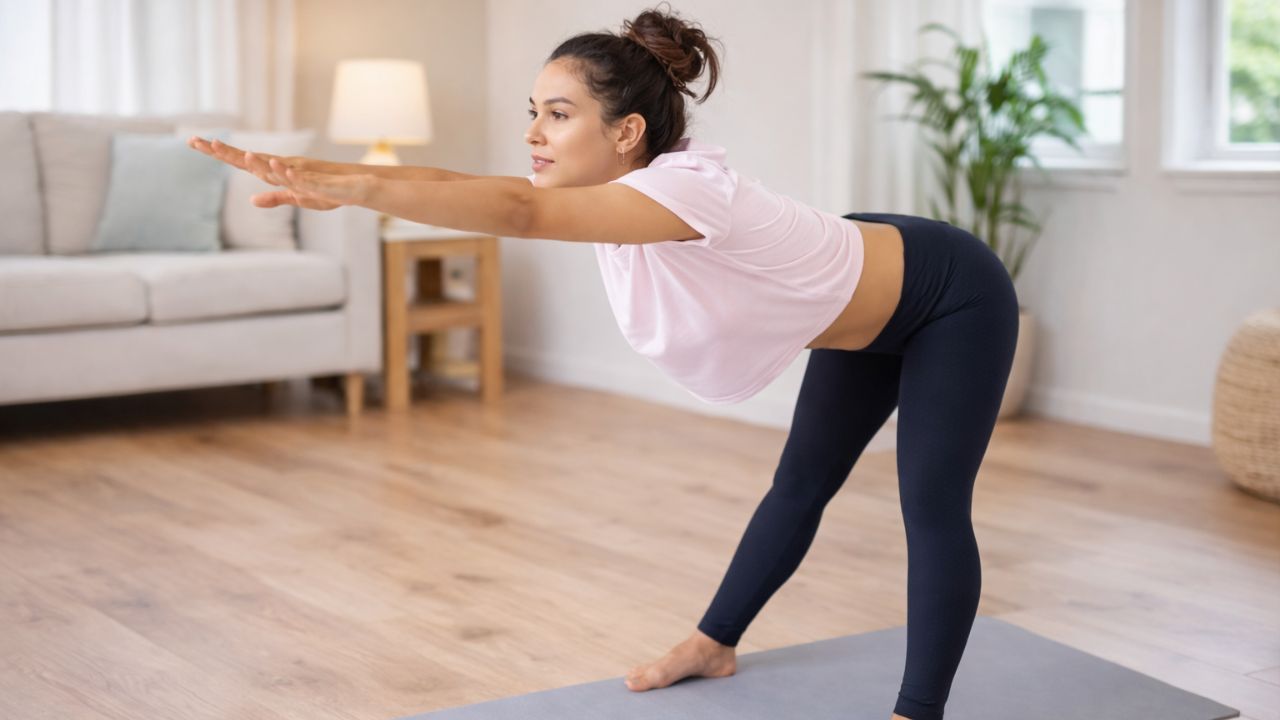
    Sit with legs extended and spine tall. Inhale to lift the arms, then exhale and hinge forward from the hips, reaching toward the legs. Keep the chest open and avoid excessive rounding. The pose remains effective even without touching the toes.

    This posture creates mild abdominal compression, supporting natural detox processes. Practicing it with slow breathing enhances relaxation and effectiveness.

    Legs Up the Wall Pose

    Legs Up the Wall is a deeply restorative pose that supports detox, especially when the body feels tired or overloaded. It promotes lymphatic drainage and improves circulation toward the kidneys.

    Lie on your back close to a wall and gently extend the legs upward, resting them against the wall. Relax the arms by your sides and close the eyes. Remain here for five to ten minutes with slow, steady breathing.

    This pose helps reduce fluid retention and supports kidney function by improving blood flow. It also lowers stress hormones, indirectly benefiting liver health.

    Supine Wind Releasing Pose

    The Wind Releasing pose is highly effective for digestive support and toxin elimination. It gently compresses the abdomen, benefiting both the liver and kidneys.

    Lie on your back and draw both knees toward the chest. Wrap the arms around the legs and gently hug them in while keeping the shoulders relaxed. Breathe deeply. The pose may also be practiced one leg at a time.

    This posture helps relieve bloating and improves digestive movement. Better digestion reduces the overall toxin load on the liver and kidneys.

    Best Time to Practice and Helpful Tips

    Morning sessions are ideal for detox-focused yoga, as the body is naturally prepared to eliminate waste. These poses may also be practiced in the evening to release stress. Always practice on an empty or light stomach, maintain slow breathing, and avoid forcing any movement.

    Consistency is more important than intensity. Even ten to fifteen minutes of daily practice can gradually support long-term organ health.

    Final Thoughts

    Yoga does not replace medical care, but it can strongly complement the body’s natural detox abilities. These five calming poses gently support the liver and kidneys while promoting balance, circulation, and mental calm. When practiced regularly with awareness, they help create a feeling of lightness, relaxation, and harmony with the body’s natural rhythm.

  • 4 Therapeutic Yoga Poses That Help Reduce Chronic Inflammation and Support Healing

    4 Therapeutic Yoga Poses That Help Reduce Chronic Inflammation and Support Healing

    Chronic inflammation is often experienced as a quiet, ongoing strain on the body. It may appear as joint stiffness, muscle aches, digestive discomfort, persistent fatigue, or a general sense of physical unease. While medication and nutrition are important factors, gentle movement can be equally supportive. When practiced slowly and regularly, yoga stretches help calm the nervous system, enhance circulation, and ease inflammatory responses. The most effective approach focuses on relaxation over effort. These four therapeutic yoga stretches are widely recognized for supporting the body’s natural healing process while remaining suitable for most individuals.

    Why Gentle Yoga Can Help Reduce Inflammation

    Inflammation is strongly connected to chronic stress, limited circulation, and restricted movement. When the body stays tense, stress hormones remain elevated, which can aggravate inflammatory conditions. Gentle yoga movements stimulate the parasympathetic nervous system, commonly known as the rest-and-repair response. This shift allows muscles to relax, blood flow to improve, and internal systems to operate more efficiently. With consistent practice, this calming effect may help lower ongoing inflammation and minimize flare-ups. The stretches below emphasize slow breathing, supported postures, and mindful awareness, making them especially therapeutic.

    Child’s Pose for Deep Whole-Body Relaxation

    Child’s Pose is one of the most restorative yoga stretches and is especially helpful for calming inflammation linked to stress and fatigue. It gently lengthens the hips, lower back, and shoulders while encouraging slow, steady breathing.

    To practice, kneel on the floor with your knees slightly apart and lower your hips toward your heels. Fold forward, resting your torso over your thighs. Extend your arms in front of you or allow them to relax alongside your body. Place your forehead on the mat or on a cushion for support. Remain here for one to three minutes, breathing evenly and without effort.

    This posture helps release tension in the spine and hips, areas where inflammation often develops due to prolonged sitting or poor posture. Gentle abdominal compression may also support digestive function, which plays a role in regulating inflammatory responses.

    Supported Bridge Pose for Circulation and Joint Comfort

    Supported Bridge Pose provides the benefits of a mild backbend without placing strain on the spine or joints. It encourages healthy circulation and helps counter inflammation caused by stiffness and limited mobility.

    Lie on your back with your knees bent and feet flat on the floor. Lift your hips slightly and place a yoga block or firm cushion beneath your sacrum. Allow your hips to rest fully on the support without engaging the muscles. Keep your arms relaxed at your sides and let the chest open naturally. Hold this position for one to two minutes while maintaining calm, steady breathing.

    This stretch enhances blood flow to the spine and pelvis and gently stimulates the endocrine system, which is important for inflammation regulation. Because the pose is passive, it allows the body to release tension without effort, making it suitable for those experiencing chronic pain or joint sensitivity.

    Seated Forward Fold to Calm Internal Inflammation

    Seated Forward Fold is a soothing stretch that targets the back body while also calming the nervous system. It can be especially beneficial for individuals whose inflammation is connected to digestive or autoimmune concerns.

    Sit on the floor with your legs extended straight ahead. Inhale to lengthen your spine, then slowly hinge forward from the hips. Rest your hands on your legs or feet without forcing the stretch. Keep your neck relaxed and allow the back to soften as needed. Hold the position for up to one minute with slow, controlled breathing.

    This posture gently massages the internal organs, supports digestion, and encourages circulation to areas that may feel tight or inflamed. Forward folds are also known for quieting mental activity, helping reduce stress-related inflammatory triggers.

    Supine Spinal Twist for Mobility and Detox Support

    Supine spinal twists are effective for easing inflammation by improving spinal mobility and supporting gentle detoxification. Twisting movements help release tension along the spine while stimulating circulation in the abdominal organs.

    Lie on your back with your knees bent. Draw your right knee toward your chest, then guide it across your body to the left side. Extend your right arm outward and gently turn your head to the right if it feels comfortable. Hold for several slow breaths before switching sides.

    This stretch helps reduce stiffness in the lower back and hips while supporting digestive and lymphatic flow. Because it is performed on the floor, it places minimal stress on the joints and is well suited for those managing chronic inflammation.

    Safe Practice Tips When Managing Inflammation

    When inflammation is present, gentleness matters more than intensity. Move slowly, avoid sharp or painful sensations, and use props whenever needed. Let deep, relaxed breathing guide each movement. Practicing these stretches five to six days a week, even for ten minutes at a time, can be more beneficial than pushing the body too hard occasionally. Listening to your body and resting when necessary is an essential part of healing.

    A Gentle Approach to Long-Term Comfort

    Chronic inflammation does not resolve overnight, but small daily habits can create meaningful change. Therapeutic yoga stretches offer a non-invasive way to reduce tension, improve circulation, and calm the systems that drive inflammation. By practicing these four poses regularly, you allow your body the space it needs to restore balance. Over time, this gentle routine can support greater comfort, improved mobility, and a stronger sense of overall well-being.

  • 4 Morning Yoga Poses That Reduce Bloating and Ease Gastric Discomfort Naturally

    4 Morning Yoga Poses That Reduce Bloating and Ease Gastric Discomfort Naturally

    Waking up with a heavy, tight, or bloated stomach can quietly disrupt your entire day. Morning bloating is common and often linked to slower overnight digestion, eating habits, stress, or irregular sleep patterns. Instead of skipping breakfast or reaching for quick fixes, a brief yoga routine can help the body reset in a natural way. Gentle morning yoga poses activate digestion, release trapped gas, and awaken the abdominal muscles without strain. Practiced on an empty stomach, these poses take only a few minutes and easily fit into any morning routine.

    Why Morning Yoga Supports Digestion and Relieves Gas

    During sleep, digestion naturally slows, allowing gas to build up in the intestines. Upon waking, the digestive system responds better to movement rather than pressure. Morning yoga creates a rhythm of gentle compression and release in the abdominal area, helping gas move smoothly through the digestive tract. It also improves circulation and stimulates the parasympathetic nervous system, which plays a key role in healthy digestion. When practiced regularly, these poses can enhance gut awareness, reduce reliance on medication, and promote a calmer start to the day.

    Pawanmuktasana for Quick Gas Relief

    Pawanmuktasana, commonly called Wind Relieving Pose, is highly effective for easing bloating and gastric discomfort. The posture applies gentle pressure to the abdomen, encouraging the release of trapped gas.

    Lie flat on your back with both legs extended. Bend the right knee and draw it toward your chest, holding the shin with both hands. Gently pull the knee closer while keeping the shoulders relaxed on the floor. Hold for a few slow breaths, then switch to the left leg. Afterward, bring both knees to the chest together and hold.

    This pose massages the intestines and supports peristalsis, the body’s natural digestive movement. Practicing it calmly in the morning can ease heaviness and encourage smoother bowel activity throughout the day.

    Malasana to Activate Digestive Energy

    Malasana, also known as the Yogic Squat, is a simple yet powerful posture for digestion. It aligns the lower abdomen, colon, and pelvic floor, areas often associated with gas and bloating.

    Stand with your feet slightly wider than hip-width and slowly lower into a squat. Keep the heels grounded if possible and bring the palms together at the chest. Gently press the knees outward with the elbows to create space in the lower abdomen. Keep the spine upright and breathe deeply.

    This posture increases blood flow to the digestive organs and supports natural elimination. Holding Malasana for even one minute each morning can help regulate bowel habits and reduce pressure caused by gastric discomfort.

    Apanasana for Calm, Gentle Digestion

    Apanasana is a gentler variation of Pawanmuktasana and is ideal for those who prefer slow, soothing movements in the morning. The pose is associated with the downward movement of waste in the body.

    Lie on your back and draw both knees toward the chest. Wrap the arms around the legs and gently rock side to side if comfortable. Maintain slow, steady breathing while keeping the neck and shoulders relaxed.

    This pose helps calm the nervous system while supporting digestion. It is especially beneficial for stress-related bloating, which often occurs when tension in the mind affects the gut. Regular practice may improve gut sensitivity and reduce recurring discomfort.

    Seated Spinal Twist to Wake Up Digestion

    Seated spinal twists gently stimulate the digestive organs, similar to squeezing out a sponge. The twisting action supports digestion without placing excessive pressure on the stomach.

    Sit upright with the legs extended. Bend the right knee and place the foot outside the left thigh. Position the left elbow on the outside of the right knee and gently twist the torso to the right. Keep the spine tall and breathe slowly. Hold for several breaths before switching sides.

    Twisting poses stimulate the liver, pancreas, and intestines. Practicing this movement in the morning helps reduce digestive sluggishness that often contributes to bloating.

    Creating a Simple Morning Yoga Flow

    These four poses can be combined into a short routine lasting around ten to twelve minutes. Begin with gentle breathing, then move into Pawanmuktasana and Apanasana on the floor. Follow with Malasana to activate the lower abdomen, and finish with seated spinal twists to fully stimulate digestion.

    Consistency is more important than intensity. Practicing daily, even briefly, allows the digestive system to adapt and function more smoothly. Pairing this routine with warm water and mindful eating habits can enhance the benefits.

    Natural Support for Digestive Comfort

    Morning bloating and gastric discomfort are common, but they do not need to become a daily issue. Yoga offers a natural and accessible way to support digestion without side effects. These four poses focus on mindful movement, breath, and body awareness, helping the body release what it no longer needs and begin the day feeling lighter.

    With regular practice, these poses can improve digestion, reduce discomfort, and create a more balanced and energized start to your mornings.

  • 4 Mindful Yoga Poses That Help Ease Asthma Symptoms and Strengthen Lung Health

    4 Mindful Yoga Poses That Help Ease Asthma Symptoms and Strengthen Lung Health

    Living with asthma can make even everyday breathing feel exhausting. While yoga is not a substitute for medical care, regular mindful practice can gently support lung function, enhance breath awareness, and ease stress that often triggers symptoms. The focus should always be on slow movement, relaxation, and never forcing the breath. Below are four mindful yoga poses commonly practiced to encourage deeper breathing and better lung strength when performed with care.

    How Mindful Yoga Helps With Asthma Care

    Asthma is closely connected to breathing patterns, physical tension, and emotional stress. When the body remains tight, breathing naturally becomes shallow. Mindful yoga promotes slow movements and calm awareness, helping relax the chest muscles and improve posture. Over time, this can make breathing feel more open and controlled. Many people also develop stronger awareness of their breath, which can be helpful during moments of discomfort. Practicing in a quiet space and respecting the body’s signals is especially important for those with asthma.

    Sukhasana With Conscious Breathing (Easy Pose)

    Sukhasana may appear simple, yet it is one of the most effective poses for developing breath awareness. Sitting calmly allows the lungs to expand naturally without strain.

    To practice, sit cross-legged on the floor or on a folded blanket. Keep your spine upright but relaxed, and rest your hands on your knees. Gently close your eyes. Inhale slowly through the nose, noticing the chest and belly rise. Exhale slowly, allowing the shoulders to soften. Remain here for five to ten minutes.

    This pose helps train the lungs to draw in air more evenly while calming the nervous system. Since anxiety can worsen asthma symptoms, regular practice may help breathing feel smoother and more controlled over time.

    Bhujangasana (Gentle Cobra Pose)

    Cobra pose supports chest opening and stretches the front of the body, creating more space for the lungs and encouraging fuller breaths.

    Lie on your stomach with your legs extended back. Place your palms beneath your shoulders. As you inhale, gently lift your chest using your back muscles, keeping the elbows slightly bent. Avoid pushing too hard. Hold for a few breaths, then slowly lower down. Repeat two to three times.

    Bhujangasana improves spinal flexibility and helps correct poor posture caused by prolonged sitting. Better posture allows the lungs to expand more freely. Always move slowly and continue breathing naturally throughout the pose.

    Setu Bandhasana (Bridge Pose)

    Bridge pose is well known for opening the chest and strengthening respiratory muscles. It also supports healthy blood flow to the lungs and heart.

    Lie on your back with your knees bent and feet hip-width apart. Place your arms alongside your body. On an inhale, gently lift your hips while pressing your feet into the floor. Keep the chest open and shoulders relaxed. Hold for a few calm breaths, then slowly lower the hips as you exhale.

    This pose encourages deeper inhalation and helps release tension stored in the chest area. Practiced regularly, it may help improve overall breathing capacity. A yoga block under the hips can be used for added comfort.

    Ardha Matsyendrasana (Seated Spinal Twist)

    Seated spinal twists help support lung function by gently mobilizing the chest and rib cage. They also contribute to better digestion and spinal health.

    Sit with your legs extended forward. Bend one knee and place the foot outside the opposite thigh. Gently twist your torso toward the bent knee while keeping the spine tall. Breathe normally and stay for a few breaths before switching sides.

    Twisting poses improve rib mobility, allowing the lungs to expand more fully. When practiced mindfully, this posture supports balanced breathing and improved posture. Avoid twisting forcefully, especially if you feel breathless.

    Safety Tips for Practicing Yoga With Asthma

    • Practice in a calm space with clean, fresh air.
    • Avoid yoga during an active asthma attack.
    • Keep your inhaler nearby if prescribed.
    • Focus on slow, relaxed breathing rather than forced deep breaths.
    • Rest whenever needed and honor your body’s limits.

    Creating a Simple Daily Yoga Habit

    Long sessions are not necessary to feel benefits. Even ten to fifteen minutes of mindful yoga each day can make a difference. Begin with seated breathing, include one or two gentle poses, and end with relaxation. Consistency matters more than intensity, and over time many people notice better breath control and reduced chest tightness.

    Closing Thoughts

    Mindful yoga provides a gentle way to support lung health and ease asthma-related discomfort. Through slow movements, relaxed postures, and calm breathing, these practices can help the body feel more balanced and at ease. Always move with patience and respect your limits. With steady practice, mindful yoga can become a supportive part of a healthy breathing routine.

  • Five Beginner Yoga Poses That Promote Relaxation Improve Balance and Support Weight Control

    Five Beginner Yoga Poses That Promote Relaxation Improve Balance and Support Weight Control

    Yoga is often viewed as a slow and soothing practice, yet it can also support weight control when practiced with awareness and regularity. For beginners, yoga provides a low-impact approach that relaxes the body, eases stress, and helps build habits that encourage long-term weight management. Factors like stress, poor sleep, and emotional tension often contribute to weight gain, and yoga directly works on these underlying issues. The poses shared below are simple, beginner-friendly, and designed to calm the mind while improving balance and body control.

    How Yoga Supports Relaxation and Weight Management

    Yoga helps manage weight in a way that differs from high-intensity exercise. Rather than focusing on rapid calorie burn, it works by calming the nervous system, supporting digestion, and encouraging hormonal balance. When stress levels decrease, the body is less likely to store excess fat. A regular yoga routine also enhances body awareness, making it easier to recognize hunger signals and reduce emotional eating.

    For beginners, this method feels manageable and sustainable. Instead of forcing change, yoga gently teaches the body to function more efficiently.

    Seated Forward Bend (Paschimottanasana)

    This pose is gentle yet effective for calming the mind and stretching the entire back of the body. Sit on the floor with your legs extended straight ahead. Inhale to lengthen your spine, and as you exhale, fold forward from the hips. Reach toward your shins, ankles, or feet without forcing the stretch.

    The Seated Forward Bend helps reduce mental tension and supports healthy digestion. A relaxed digestive system is closely connected to better weight balance. This pose also encourages beginners to slow down and synchronize breath with movement, which supports mindful eating habits.

    Cat Cow Pose (Marjaryasana and Bitilasana)

    Cat Cow is one of the most accessible poses for beginners because it feels natural and soothing. Begin on all fours with your hands under your shoulders and knees beneath your hips. Inhale as you drop your belly and lift your chest into Cow Pose. Exhale as you round your spine and tuck your chin into Cat Pose.

    This flowing movement gently massages the abdominal organs and improves circulation. It activates the core muscles without strain. Practicing Cat Cow regularly can help support metabolism and ease bloating, both of which influence how the body manages weight.

    Child’s Pose (Balasana)

    Child’s Pose is deeply calming and ideal for stress relief. Kneel on the floor, sit back on your heels, and fold forward, resting your forehead on the mat. Your arms can stretch forward or rest alongside your body.

    This pose soothes the nervous system and helps lower cortisol levels, a stress hormone associated with weight gain around the midsection. With consistent practice, Child’s Pose can support better sleep and emotional balance, both of which are essential for maintaining a healthy weight.

    Supine Knee to Chest Pose (Apanasana)

    Lie on your back and gently draw your knees toward your chest. If comfortable, rock softly from side to side. This simple pose is often overlooked, yet it is extremely beneficial for beginners.

    Apanasana stimulates digestion and helps release trapped gas. An efficient digestive system processes nutrients more effectively and reduces discomfort that can lead to unhealthy food choices. This pose also promotes relaxation while showing beginners how restorative yoga can still support weight control.

    Bridge Pose (Setu Bandhasana)

    Bridge Pose is ideal for beginners who want to gently activate the body while feeling supported. Lie on your back with your knees bent and feet hip-width apart. Press your feet into the floor and slowly lift your hips while keeping your shoulders relaxed.

    This pose strengthens the glutes and core while opening the chest. It stimulates the thyroid gland, which plays a role in regulating metabolism. Bridge Pose also helps reduce fatigue and improve energy levels, making it easier to stay consistent with healthy routines.

    How Beginners Should Practice These Poses

    When it comes to yoga, consistency matters more than intensity. Practicing these poses for 15 to 20 minutes daily can lead to meaningful results over time. Focus on slow breathing and controlled movements instead of pushing into deeper stretches.

    Practicing yoga at the same time each day can also help build a stable routine. Beginners should always listen to their body and avoid pain or strain.

    The Mind-Body Link in Weight Control

    One of yoga’s most powerful benefits is its ability to connect the mind and body. As stress decreases and awareness increases, decisions around food, rest, and movement become more intentional. Yoga supports a calm mental state that encourages long-term weight balance rather than short-term fixes.

    Many beginners notice improvements in mood and sleep quality before visible physical changes appear. These early shifts are positive signs that the body is responding well.

    Final Thoughts

    Yoga does not promise instant results, but it offers something more meaningful. It builds balance, patience, and self-awareness. These five beginner yoga poses are gentle enough for anyone starting their journey, yet effective enough to support relaxation and healthy weight control.

    By focusing on calm movements, steady breathing, and regular practice, yoga becomes a tool for sustainable wellness rather than pressure-driven fitness. Over time, the benefits feel natural, lasting, and deeply supportive of overall health.

  • 4 Powerful Yoga Steps That Improve Blood Circulation and Boost Brain Function Naturally

    4 Powerful Yoga Steps That Improve Blood Circulation and Boost Brain Function Naturally

    Healthy blood circulation to the brain plays a vital role in clear thinking, strong focus, memory retention, and emotional balance. When circulation slows, it may result in fatigue, poor concentration, headaches, and mental tension. Yoga provides a natural way to encourage better circulation by improving posture, soothing the nervous system, and promoting steady breathing. Specific poses gently guide oxygen-rich blood toward the brain, helping it function more efficiently. Practiced mindfully, these movements can support mental clarity and long-term brain health.

    Why Strong Brain Circulation Is Important

    The brain relies on a constant supply of oxygen and essential nutrients to perform at its best. Prolonged sitting, poor posture, stress, and shallow breathing can interfere with healthy blood flow. Yoga helps counter these effects by stretching tight muscles, aligning the spine, and relaxing the body. With regular practice, circulation becomes smoother, the mind-body connection strengthens, and awareness improves. These changes build gradually and feel more stable when yoga remains gentle and consistent.

    Adho Mukha Svanasana (Downward Facing Dog)

    Downward Facing Dog is a highly effective pose for encouraging blood flow toward the brain without placing strain on the neck. By positioning the head below the heart, gravity naturally assists circulation.

    Begin on your hands and knees. Lift your hips upward while extending your arms and legs as comfortably as possible. Keep the head relaxed between the arms and avoid tension in the neck. Breathe slowly and hold the pose for five to ten breaths.

    This pose helps refresh the brain, sharpen focus, and ease mental fatigue. It also strengthens the arms and legs while calming the nervous system. If dizziness occurs, exit the pose slowly and rest.

    Viparita Karani (Legs Up the Wall Pose)

    Legs Up the Wall is a deeply restorative posture that gently improves blood circulation toward the brain while calming the entire body. It is especially beneficial after long periods of mental or physical activity.

    Sit sideways close to a wall and carefully lift your legs so they rest vertically against it. Lie back comfortably with arms relaxed by your sides. Close your eyes and breathe naturally for five to ten minutes.

    This pose reduces pressure in the legs and lower body, allowing blood to move smoothly toward the upper body and brain. It supports mental calmness, emotional balance, and relief from tension headaches. It is beginner-friendly and suitable for daily practice.

    Balasana with Forehead Support (Child’s Pose)

    Child’s Pose may appear simple, but when practiced mindfully, it offers powerful calming benefits. Resting the forehead on the mat or a cushion encourages gentle circulation to the brain while promoting deep relaxation.

    Kneel on the floor and sit back on your heels. Slowly fold forward, placing your forehead on the ground or a support. Let your arms rest forward or alongside your body. Maintain slow, steady breathing for one to two minutes.

    This pose soothes the nervous system and eases mental overload. Forehead support helps quiet brain activity while improving circulation in a safe and controlled manner, making it ideal during stressful moments.

    Uttanasana (Standing Forward Bend)

    Standing Forward Bend directs blood toward the brain while stretching the spine and hamstrings. When practiced gently, it helps refresh the mind and reduce mental exhaustion.

    Stand with feet hip-width apart. Exhale and hinge forward from the hips, allowing the head to hang naturally. Relax the neck and bend the knees slightly if needed. Hold for a few breaths, then rise slowly.

    This pose improves circulation, releases spinal tension, and calms racing thoughts. Enter and exit the pose gradually to avoid dizziness, especially for beginners.

    Tips for Safe and Mindful Practice

    • Move slowly and avoid rushing into poses where the head is below the heart.
    • Do not hold your breath during any posture.
    • Practice on an empty or light stomach.
    • If you have high blood pressure, neck issues, or frequent dizziness, consult a qualified instructor before attempting inversions or forward bends.
    • Consistency matters more than intensity.

    Building a Simple Daily Yoga Routine

    These poses can be practiced within a fifteen to twenty-minute session. Start with gentle breathing, move into one or two poses, and end with rest. Practicing in a calm, quiet environment enhances the benefits. With regular effort, the brain may feel clearer, more energized, and better equipped to manage daily stress.

    Final Thoughts

    Yoga provides a natural and mindful approach to supporting healthy blood circulation to the brain. These four poses help refresh the mind, improve focus, and encourage overall mental balance. When practiced with patience and awareness, yoga becomes a valuable tool for both mental and physical well-being.