Category: News

  • Pilates Teacher Reveals How Just 3 Simple Moves Can Make You Feel Taller and Looser

    Pilates Teacher Reveals How Just 3 Simple Moves Can Make You Feel Taller and Looser

    Stiff shoulders can creep in quietly, whether you spend hours hunched over a laptop or carry children and groceries throughout the day. To address this, Pilates instructor and Balanced Body Educator Portia Page has created a simple three-move shoulder routine suitable for all fitness levels. The only equipment required is a resistance band. Practised for just a few minutes in the morning or evening, these movements can help open the shoulders, ease built-up tension, and improve overall mobility. The routine also works well as a gentle warm-up before upper-body training.

    Why This Shoulder Mobility Routine Works

    The exercises are designed to be quick, effective, and low-impact, making them easy to incorporate into a daily routine without complicated equipment. Each movement focuses on improving natural shoulder motion, encouraging better posture, and reducing tightness caused by prolonged sitting or repetitive daily tasks. By targeting the shoulders, upper spine, and chest, this routine supports smooth, controlled movement while keeping the body relaxed and aligned.

    The Three Shoulder-Opening Moves

    Telescope Movement

    The Telescope exercise improves shoulder blade mobility and encourages movement through the upper spine, while gently opening the chest and mid-back to support better posture. Stand against a wall with your arms at shoulder height and the backs of your hands resting on the wall, feet hip-distance apart. Alternatively, lie on your back with knees bent and feet flat on the floor.

    Bend one arm and slowly glide the hand across the chest, continuing to rotate toward the opposite side until the hand passes over the other hand, if comfortable, before returning to the start. Repeat on the opposite side, allowing the feet to turn naturally with the torso and upper body. When lying down, let the knees gently sway side to side, either following the direction of the turn or moving opposite.

    Arm Circles with Internal and External Rotation

    According to Page, arm circles with internal and external rotation help restore natural shoulder movement while lubricating the joint without strain. Stand tall or sit upright on a chair or box, keeping the ribs stacked over the pelvis. Reach the arms long by your sides and begin with small forward circles, then reverse the direction, keeping the shoulder blades quiet.

    As the circles gradually increase in size, allow the shoulder blades to glide up, around, down, and wide. Keep the neck relaxed, pausing and resetting if tension appears. Add internal rotation by turning the thumbs back and palms outward as the arms begin at the sides, then move into external rotation and shoulder elevation as the arms circle upward.

    Chest Expansion

    Chest expansions help open the front of the body, promote shoulder extension without compression, and train the shoulders to remain relaxed on the ribs rather than lifting toward the ears. Stand tall holding a resistance band lightly in both hands, arms long by your sides.

    Inhale to prepare. As you exhale, gently pull the arms slightly back, opening the chest without flaring the ribs. Hold the position for one to two breaths, then release with control. The movement should feel smooth and supported, not forced.

    Restore Shoulder Comfort and Mobility

    If you’re looking to restore shoulder range of motion, soothe irritated joints, and undo the effects of long hours at a desk or constant device use, Page encourages giving this routine a try. These three movements are designed to fit easily into daily life, helping you feel looser, calmer, and more mobile with consistent practice.

  • Goodbye Kitchen Islands: The Practical 2026 Kitchen Layout Trend Designers Say Works Better

    Goodbye Kitchen Islands: The Practical 2026 Kitchen Layout Trend Designers Say Works Better

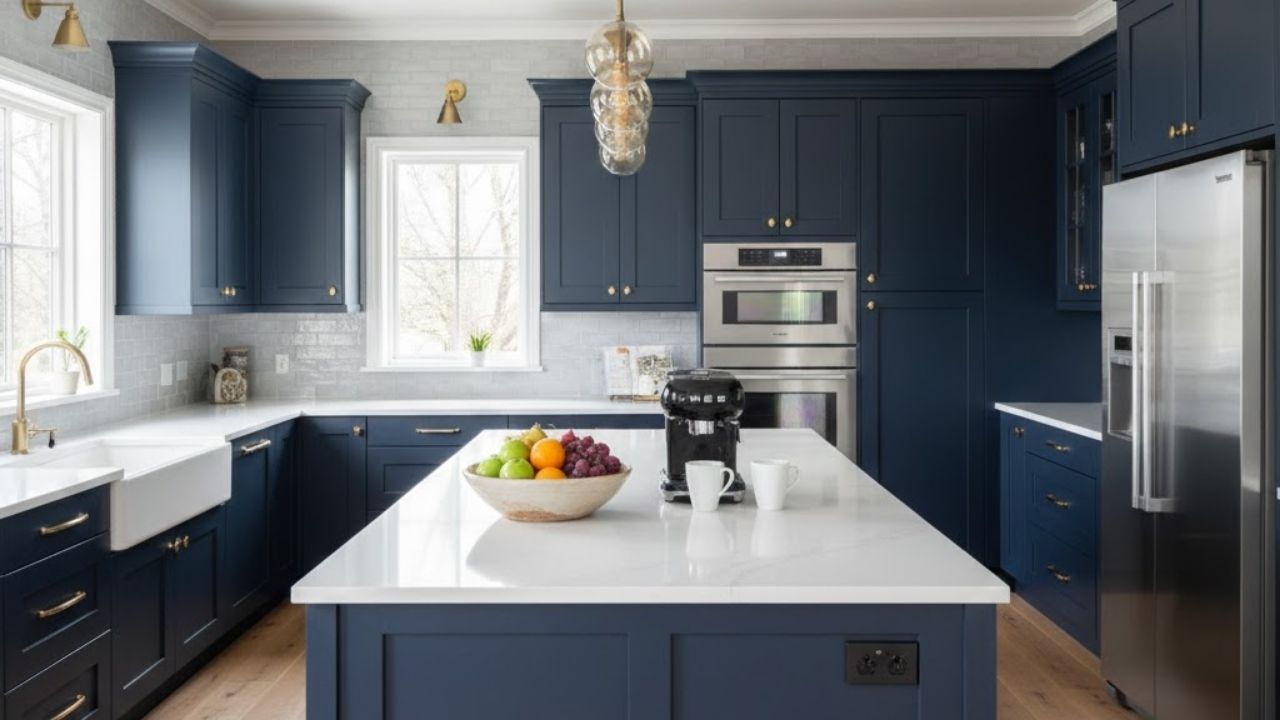
    The high-gloss kitchen island that dominated Pinterest boards for years is beginning to wear thin. In everyday life, people bump into sharp corners, weave around it with trays, and drag bar stools that rarely get used. While it still photographs beautifully for property listings, the reality of daily movement, mess, and multitasking tells a different story. Quietly, a more adaptable layout is appearing in renovation plans and kitchen showrooms. It is lighter, more flexible, and far closer to how people truly cook, work, and live together. Designers are already calling this shift the defining kitchen change of 2026.

    Why the traditional kitchen island is losing appeal

    Spend a short time in any weekend kitchen showroom and the pattern repeats itself. Couples admire a massive marble island, circle it once, then hesitate when they imagine prams, pets, homework piles, and recycling bins. The visual dream collides with everyday constraints. What feels luxurious in a spacious loft can feel awkward in an average family home. A large, fixed island dominates the centre, restricting light and movement. It becomes more of a monument than a working surface, something you walk around far more than you actually use.

    In Lyon, interior designer Claire R. watched teenagers repeatedly take long detours around a large island just to reach the fridge. What should have been three steps turned into nine, several times a night. Over weeks and years, that inefficiency adds up. In a recent French kitchen renovation survey, 62% of respondents prioritised “better circulation” even before asking for more storage. Daily life is rarely tidy. Groceries pile up, guests arrive early, and pets settle exactly where a drawer needs to open. A bulky island eats into the centre of the room, forcing constant negotiation of space.

    Designers often reference the classic sink–hob–fridge triangle, yet oversized islands frequently disrupt this logic. They introduce unnecessary turns and detours where straight, efficient movement would work better. This is where the emerging 2026 approach comes in: retain the social centre of the kitchen while removing the heavy obstruction. The focus shifts from showing off a block of cabinetry to creating a space that moves with the people using it.

    The 2026 alternative: the rise of the worktable kitchen

    Replacing the bulky island is a slimmer, more furniture-like solution known as the worktable kitchen. Instead of a solid box anchored to the floor, it resembles a generous table with open legs, sometimes fitted with discreet wheels. Materials often combine wood and metal, echoing professional prep tables rather than showroom sculptures. The effect is subtle but transformative. Light flows underneath, the room feels larger, and movement becomes more natural. Functionally, it still does what an island does, but without dominating the space.

    This flexibility changes how the kitchen is used. Chairs can be pulled up comfortably, the table can shift slightly for meals, then move back for prep. In Bordeaux, one couple replaced their early-2010s island with a long oak worktable featuring built-in power sockets and a small butcher-block section. The result was striking. They gained around 40 centimetres of circulation on each side, and the kitchen began to feel like a workshop rather than a narrow passage. Breakfasts returned to the space, something they had stopped doing years earlier.

    Manufacturers are clearly responding to this shift. One major European brand reports a 35% increase in requests for table-style islands and open bases over the past two years. Buyers ask for mobility, adjustable heights, and modular shelves instead of deep cabinets that often go unused. As homes increasingly serve as offices, classrooms, and dining rooms, a fixed island suits only one lifestyle. A worktable adapts easily, supporting laptops in the morning, food prep at midday, school projects in the afternoon, and relaxed dinners in the evening.

    How to move from an island to a worktable with confidence

    The transition should begin with practical measurement rather than inspiration boards. Walk the route from fridge to sink to hob and count your steps. Then picture a narrower, longer table in place of a bulky island. Aim for at least 90 centimetres of clearance around it, and if possible, closer to 110 or 120 centimetres. That difference alone can transform how the kitchen feels. Surface choice matters too. If hot pans often land directly on the counter, stone or composite works best near the cooking zone, while wood adds warmth on the dining side.

    Small design choices make a noticeable difference. Integrated power points support mixers and laptops without clutter. Slightly inset legs allow chairs and knees to tuck in comfortably, avoiding bruised shins. In compact kitchens, a slim metal frame with a thinner top provides valuable prep space without visual heaviness. Larger rooms can accommodate a farmhouse-style table with a generous overhang that doubles as the main family dining area. Planning for reality matters more than planning for perfection.

    It helps to design for the messiest day, not the tidiest one. Most people drop bags, forget coasters, and stack items temporarily. Creating a defined landing zone with a tray or hooks prevents clutter from spreading. The biggest mistake is turning the worktable back into a storage-heavy block. Thick panels, closed plinths, and rows of drawers recreate the same problem in disguise. Keeping part of the base open, with baskets or shelves, reinforces the idea that this is furniture, not a wall.

    • Maintain generous walking space, even if the table needs to be slightly smaller.
    • Balance one closed wall cabinet run with an open, airy centre piece.
    • Opt for rounded corners where children, elderly family members, or guests move through the space.

    A kitchen that lives like a living room

    The gradual move away from the classic island reflects a broader change in how people imagine home. The worktable kitchen borrows cues from dining rooms, studios, and shared workspaces. Many designs resemble long communal tables found in cafés, and that similarity is intentional. As 2026 approaches, this hybrid piece of furniture is becoming a quiet social anchor. The same surface hosts emails in the morning, dough in the afternoon, and conversations late into the evening.

    This shift is less about trends and more about attitude. The glossy island was designed to impress, to photograph perfectly. The worktable is designed to be used, marked, and lived around. It encourages gathering rather than posing. Scratches matter less than stories, and flexibility matters more than symmetry. The island era delivered striking images. The worktable era promises kitchens that feel slightly less polished, but far more connected to real life.

    Key point Details Why it matters to readers
    Switch bulk for circulation Replace a 100–120 cm deep fixed island with an 80–90 cm deep worktable, leaving at least 90–110 cm of space around it. Makes everyday movement – carrying trays, passing behind chairs, cooking with others – smoother and less stressful.
    Mix surfaces on one piece Combine a hardwearing prep zone (stone/composite) with a warmer eating area (wood/laminate) on the same table-length. You get pro-level function where you chop and a comfortable, less “cold” feel where you sit, without needing two separate units.
    Use open bases smartly Opt for legs and one or two lower shelves instead of full cabinets down to the floor, using baskets or crates for flexible storage. Keeps the room visually lighter, makes cleaning easier, and lets you change what’s stored there as your life evolves.
  • I Walked 30,000 Steps Daily for a Week Here’s What I Learned and 5 Easy Movement Tips

    I Walked 30,000 Steps Daily for a Week Here’s What I Learned and 5 Easy Movement Tips

    Fitness and movement creator Riley Rehl, widely recognised online for setting herself ambitious physical challenges, recently pushed her limits by attempting to walk 30,000 steps every day for seven consecutive days — a distance equivalent to just over half a marathon daily.

    Although Riley has no plans to repeat the challenge any time soon, she admitted it was far more physically and mentally demanding than expected. Despite the difficulty, she said the experience reinforced the value of moving more consistently and highlighted practical, everyday habits that can help people naturally increase their step count.

    Walking 30,000 Steps Daily: What the Experience Was Really Like

    While Riley enjoyed testing her discipline, the challenge came with notable obstacles. She suffered from severe foot pain, describing it as the worst discomfort she had felt since running a marathon. As the days progressed, both physical exhaustion and mental fatigue set in, leaving her openly frustrated and drained.

    On one occasion, she accidentally fell asleep for over an hour during the day, later explaining how difficult it became to stay motivated once most of her steps were already completed. She also stressed the importance of proper footwear, revealing that blisters developed on the arches of her feet and prompting her to consider professional foot analysis and new trainers.

    Hydration also proved to be an issue. Despite walking being lower intensity than some workouts, Riley acknowledged that inadequate water and electrolyte intake led to headaches and discomfort, reinforcing how crucial hydration remains during prolonged movement.

    Lessons Learned From Walking 30,000 Steps a Day

    Although Riley does not recommend maintaining such a high daily step count long-term, she said the challenge helped her better appreciate the benefits of consistent movement. It also reminded her that small opportunities to move throughout the day can add up significantly.

    She noted that having both the time and ability to move made her more mindful of using those moments instead of staying sedentary. Throughout the week, Riley relied on a handful of simple strategies that allowed her to steadily reach her demanding step goal without relying on extreme workouts.

    Simple Ways Riley Increased Her Daily Step Count

    Using a Walking Pad at Home

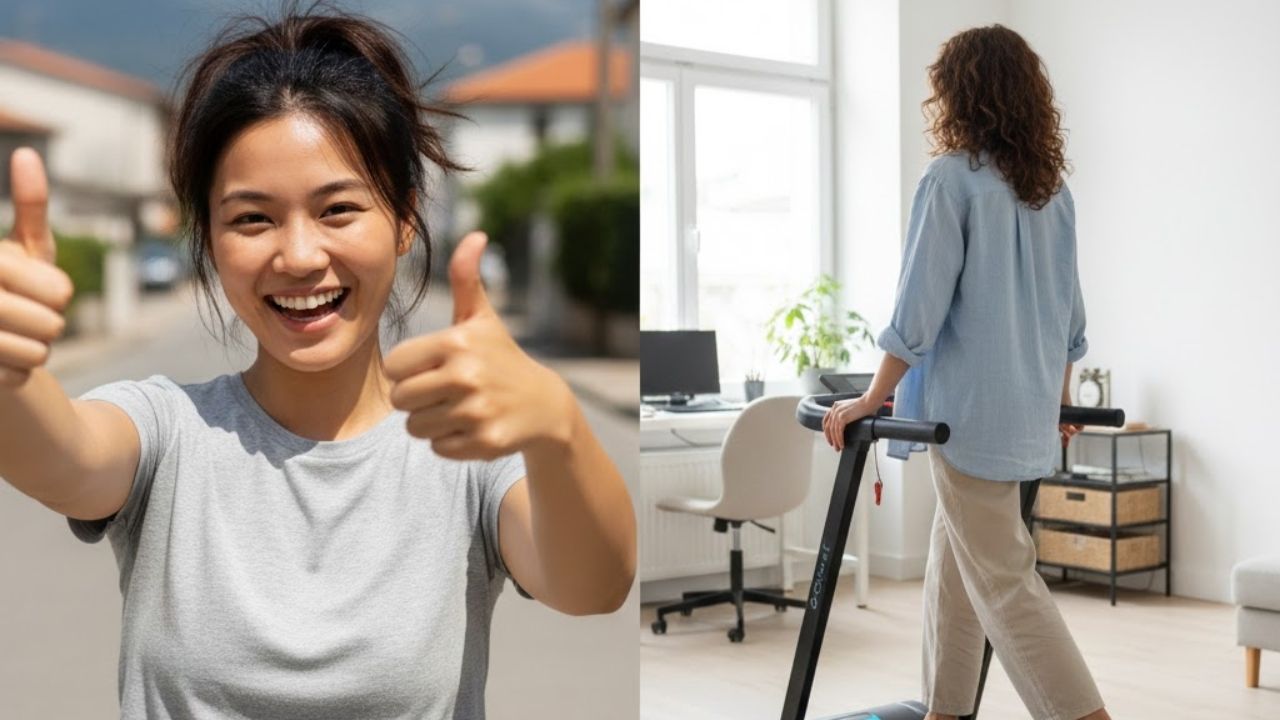
    One of Riley’s most effective tools was a walking pad. She used it during work hours by placing her laptop on a raised surface, allowing her to walk while working. She also hopped on whenever she needed extra steps, making it a flexible option that worked regardless of weather or time constraints.

    Choosing to Walk Whenever Possible

    Instead of driving, Riley walked to locations she would normally travel to by car, including the gym, shops, and the library. She often added purpose to these walks by creating small personal missions, such as picking up a specific item, which helped maintain motivation.

    Pairing Workouts With Extra Walking

    Riley booked more workout classes, particularly dance-focused sessions she genuinely enjoyed. By walking to and from each class, she found that her step count increased quickly, with the sessions themselves contributing more movement than expected.

    Making Movement Social

    To stay accountable, Riley scheduled classes and runs with friends. Having company helped break up long days and made walking feel less like a chore, especially when motivation was running low.

    Turning Dancing Into Steps

    During a wedding she attended, Riley embraced the opportunity to dance instead of stressing about fitting in extra walking beforehand. The result was a large number of enjoyable, effortless steps. She described dancing as a simple and fun way to boost movement when you’re falling short of your daily goal.

  • No More Hair Dye: The Modern Grey Coverage Trend That Softens Ageing and Brightens Appearance

    No More Hair Dye: The Modern Grey Coverage Trend That Softens Ageing and Brightens Appearance

    The woman in the salon chair looks flawless from the shoulders down. A sharp blazer. Fine gold hoops. Sneakers that quietly signal she knows trends before they hit social feeds. Then she leans closer to the mirror, parts her hair, and exhales. A stark line of grey sits at the roots, cutting through her worn brown dye.

    Her colorist smiles, lowering her voice. “There’s another option now. No full coverage. We work with your grey instead of battling it.” Around the room, it’s visible on other heads too: light-catching strands, soft shadows, hair that glows rather than looks painted. They don’t appear artificially younger. They look rested. Calmer.

    The question lingers: what if covering grey no longer meant pretending it wasn’t there?

    Grey coverage reimagined: from concealment to subtle blend

    Grey hair is no longer treated as a flaw to erase. The emerging approach is to blend it gently, not smother it under opaque dye. Stylists speak of “grey veiling,” “low-maintenance blending,” and “reverse highlights” designed to reduce contrast between silver strands and natural color.

    The result avoids the familiar helmet-like finish. Instead, hair looks translucent and dimensional, reflecting light and softening greys rather than creating a hard edge at the roots. People don’t ask if you’ve colored your hair. They ask something far more flattering: “Did you sleep better?”

    On a quiet Tuesday in London, colorist Jade Morgan scrolls through photos of a 52-year-old client. In the first image, her hair is a uniform chocolate brown—shiny, but heavy, sharpening her jaw and deepening shadows under her eyes.

    The second image tells a different story. Smoky beige highlights and deeper lowlights frame her face, allowing natural grey at the temples to remain visible. The grey isn’t erased; it’s strategically placed. Her skin appears brighter, her eyes clearer. No fillers. No weight loss. Only a new way of treating grey.

    “She messaged me the next day,” Jade says. “Her colleagues thought she’d taken time off. Same haircut. Completely different effect.”

    Why blending works better than solid color

    The reasoning becomes obvious once you notice it. Solid dye turns hair into a single block of color, especially with darker shades. As grey grows in, the contrast is harsh, forcing constant root touch-ups every few weeks.

    Blended coverage softens that boundary. By mixing tones close to your natural shade and letting some grey exist between them, regrowth fades into a gradual transition instead of a stark line. Light moves through the hair, creating a natural soft-focus effect around the face.

    This isn’t about denying the presence of grey. It’s about guiding where the eye settles. And visually, that reads as fresher, lighter, and more youthful.

    Key point Details Why it matters to readers
    Choose blending, not full coverage Ask your colorist for grey blending, lowlights, or a gloss that softens harsh lines instead of a single permanent shade from roots to ends. Reduces visible root regrowth, makes grey look intentional, and typically means fewer salon visits across the year.
    Match technique to your natural base Dark hair often benefits from subtle shadow roots and soft lowlights; lighter hair usually looks fresher with babylights and a cool‑toned glaze. A method adapted to your starting color avoids flat, wig‑like results and keeps you in the “you, but rested” zone rather than “obviously dyed”.
    Maintain with gentle, tinted care Use sulfate‑free shampoo, occasional purple or blue shampoo to fight yellow tones, and weekly masks with a hint of pigment (beige, pearl, or smoky). Keeps grey and blended strands bright instead of dull, extends time between color appointments, and protects already delicate hair from damage.

    How modern grey-blending techniques actually work

    The foundation of this trend is targeted color, not full saturation. Often, that means a semi-permanent gloss to neutralise yellow tones in grey hair, paired with ultra-fine lowlights where natural color looks flat. It’s closer to airbrushing than repainting.

    For darker hair, stylists often use “shadowing,” subtly deepening the root area so grey appears softer without disappearing. On lighter hair, delicate “babylights” blur silver strands into a luminous, halo-like finish. The appointment feels less like an emergency fix and more like a thoughtful plan.

    At home, the same philosophy applies. Modern root sprays and pens are more sheer, designed to blur rather than mask. Tinted masks cool brassy tones or add hints of beige or pearl, turning dull grey into something intentional.

    Practically speaking, this approach extends the time between major salon visits. Many women shift from four-week appointments to eight or even twelve. That’s less expense, less time, and less mental load. Soyons honnêtes : personne ne fait vraiment ça tous les jours.

    The aim isn’t flawlessness in every mirror and every light. It’s looking like yourself on a good day, most days.

    There’s also an emotional side. Paris stylist Nina B. describes the moment clients see their blended grey for the first time. Shoulders relax. Some tear up. It’s more than hair—it’s a quiet agreement with time.

    She cautions against a common mistake: jumping straight from dark permanent dye to icy silver. That path is stressful for hair and patience alike. A smarter route is gradual blending—warmer tones first, then cooler, then silver—allowing both hair and perception to adapt.

    How to approach grey blending wisely

    • Begin with a consultation and bring photos that actually show grey hair.
    • Use specific language: ask for lowlights, gloss, or grey blending, not total coverage.
    • Plan a 6–12 month transition rather than a single dramatic change.
    • Choose gentle shampoos and heat protection—partly grey hair is more fragile.
    • Photograph your hair in daylight after each visit to see what truly flatters your face.

    Why blended grey often looks younger than total coverage

    When people say you look younger, they’re usually responding to light. Patchy or yellowed grey absorbs light unevenly, casting shadows on the face. A thoughtful blend redirects that light, like a soft lamp that’s always on.

    These techniques rely on micro-shifts in tone—subtle caramel, muted ash, cool beige. Those tiny contrasts signal vitality rather than fatigue. Flat, uniform color tends to do the opposite, especially as skin naturally loses brightness over time.

    The irony is hard to miss: chasing perfect coverage can age you more than the grey itself.

    Culturally, things are shifting. Younger people deliberately add silver streaks, while women in their 40s and 50s discuss transition plans openly with their stylists. The old shame around grey is weakening.

    This doesn’t mean everyone should go fully silver. It means you can decide how visible your grey is, rather than defaulting to “same as always.” Giving names to options—blending, veiling, contouring—creates space for something less defensive.

    Yes, there’s vanity in it. There’s also relief.

    At its core, this trend is about control. You don’t choose when the first white hair appears. You do choose how to respond. For some, that’s bold silver. For others, a refined mix that leaves people wondering what changed.

    The modern approach to grey doesn’t force a choice between embracing everything or hiding everything. It offers a middle ground. A softer narrative when you look in the mirror.

    Maybe you’ll keep coloring—just more intelligently. Maybe you’ll let the grey take over slowly, on your terms. Or maybe you’ll catch your reflection in a bus window one day and realise the best compliment isn’t “You look young,” but “You look like yourself again.”

  • IQ Challenge: Can You Spot the Number 7 Hidden Among 1s Within Just 8 Seconds

    IQ Challenge: Can You Spot the Number 7 Hidden Among 1s Within Just 8 Seconds

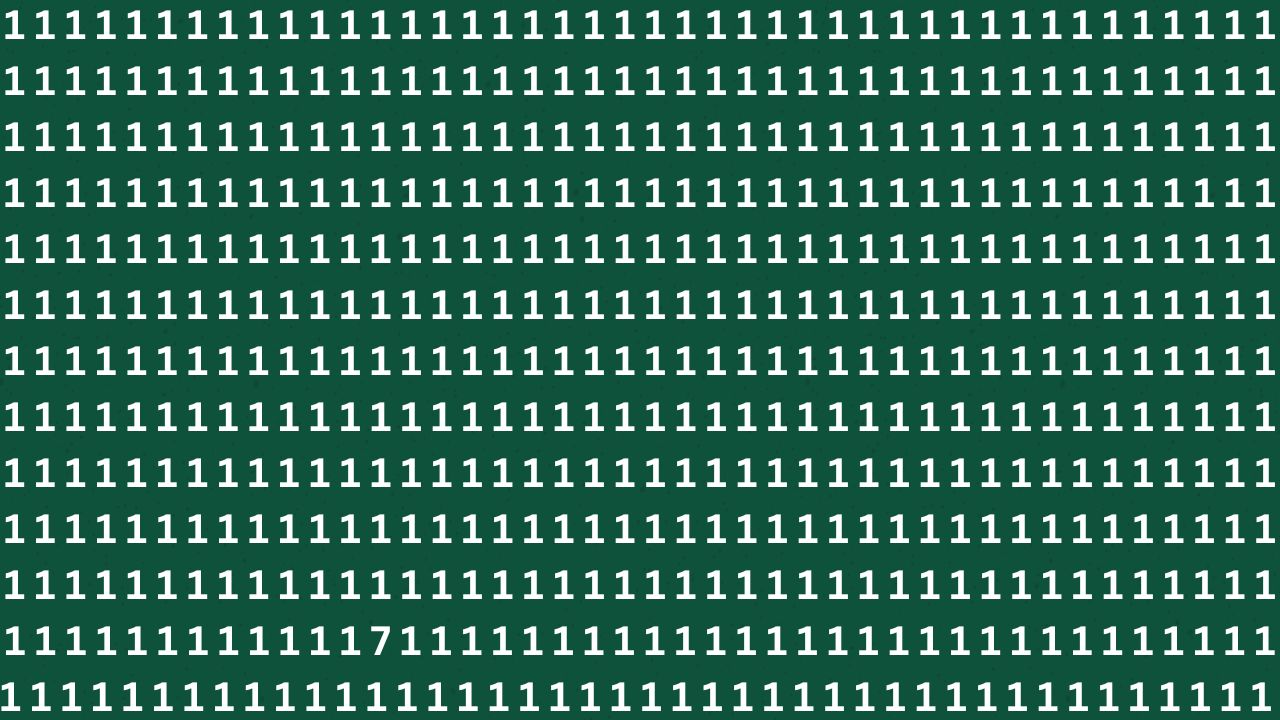
    Optical illusion IQ tests are created to test how the brain processes visual details. At first look, every element in the image seems identical, which confuses the eyes and slows recognition. The brain naturally expects consistency and ignores tiny differences. These puzzles take advantage of that habit by asking you to spot one hidden number among many similar ones. The mix of visual similarity and time pressure makes these challenges both engaging and mentally stimulating.

    Getting Familiar With the Challenge

    In this test, your goal is to find the number 7 hidden within a grid filled with the number 1. An 8-second time limit increases the difficulty by forcing faster thinking. Although the task sounds easy, the visual similarity between 1 and 7 makes it surprisingly tricky. The repeated pattern tires the brain, causing it to miss small visual differences even when the answer is right in front of you.

    Why the Brain Overlooks the Hidden Number

    The human brain is excellent at recognizing patterns, but it often relies on shortcuts. When the eyes detect repeated shapes, the brain assumes they are identical. This saves mental energy in daily life but works against you in optical illusions. In this puzzle, the number 7 is placed among the 1s with only slight structural differences. Because the brain expects uniformity, it frequently skips over the odd number.

    The Role of Time Pressure in Visual Tests

    The 8-second limit is intentional. Time pressure pushes the brain into quick decision-making mode. Instead of carefully checking each number, the mind scans rapidly and depends on instinct. This increases the likelihood of missing fine details. Optical illusion tests use short time frames to assess how well you can stay focused while working quickly.

    Effective Techniques to Find the Number Faster

    One helpful approach is to scan the image in small sections rather than viewing the entire grid at once. Moving systematically row by row or column by column reduces visual overload. Another method is to watch for the top edges of the numbers, as the 7 often includes a horizontal or angled line that sets it apart from the straight shape of 1. With practice, your eyes become better at spotting these subtle differences.

    What This Puzzle Reveals About Your IQ

    Although optical illusion IQ tests are not scientific measures of intelligence, they do reflect certain cognitive skills. Successfully finding the hidden number suggests strong attention to detail, quick visual processing, and good concentration under pressure. Even if you miss the answer, repeated practice helps improve focus and observation abilities over time.

    Try the Optical Illusion Yourself

    Now that you know how the illusion works, give it an honest attempt. Set a timer for 8 seconds and examine the image carefully. Avoid jumping randomly across the grid. Staying calm and methodical increases your chances of success. Whether you find the number quickly or after some effort, the exercise helps strengthen your visual awareness.

    Common Errors People Make During the Test

    Many people scan too fast and assume the hidden number does not exist. Others focus only on the center and ignore the edges, where the answer may be placed. Another frequent mistake is staring too long at one spot without shifting focus. Optical illusions are designed to exploit these habits, making awareness of them key to better performance.

    A Clear Explanation of the Solution

    If you struggled, there is no need to worry. The hidden number 7 is usually located near the upper area of the grid. It differs slightly from the surrounding 1s by having an extra angled or horizontal stroke. Once you recognize this feature, the difference becomes obvious. This shows how training and awareness improve visual detection.

    How Optical Illusions Support Brain Health

    Optical illusion puzzles offer more than simple entertainment. They activate the brain, encourage problem-solving, and improve concentration. Regularly engaging with these challenges can help maintain mental sharpness and flexibility, making them an easy and effective way to exercise the brain.

    Final Takeaway From the 8-Second Test

    Finding the number 7 among many 1s within 8 seconds is a true test of focus and observation. The challenge shows how easily the brain can be misled and how attention to detail matters. Whether you succeed immediately or need extra time, each attempt helps sharpen your cognitive skills while keeping the experience enjoyable.

  • Spot the Difference: Can You Identify All 3 Subtle Changes in the Car Accident Scene

    Spot the Difference: Can You Identify All 3 Subtle Changes in the Car Accident Scene

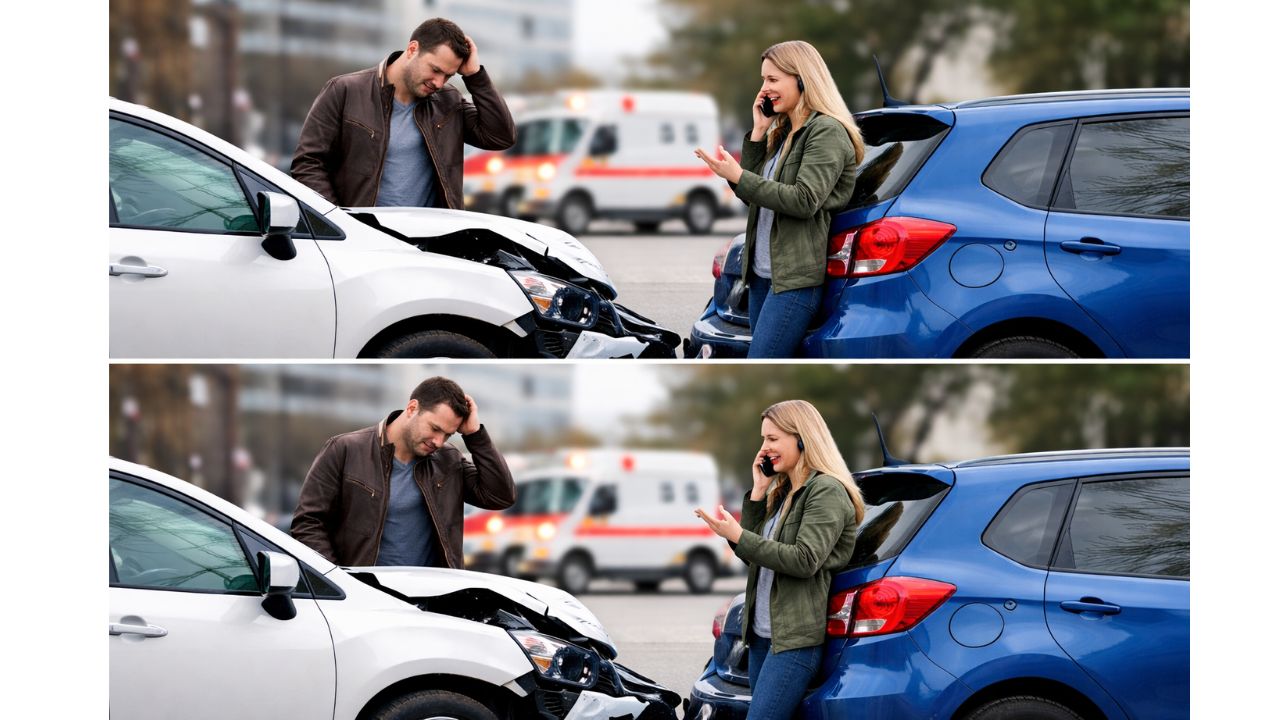
    “Spot the Difference” puzzles are timeless brain teasers that have captivated puzzle lovers for generations. These challenges push your mind to detect even the smallest visual changes between two nearly identical images. In this fast-paced challenge, you are given just 9 seconds to uncover three differences hidden inside a car accident scene. It’s a true test of sharp focus, quick thinking, and observation under pressure. Let’s take a closer look at how this puzzle works and why it’s so effective for the brain.

    Why “Spot the Difference” Puzzles Are So Popular

    At their simplest, “Spot the Difference” puzzles show two images side by side and ask you to find what doesn’t match. While the concept is easy to understand, the challenge lies in spotting subtle visual changes before time runs out. These puzzles are more than entertainment—they serve as an excellent way to stimulate the brain, especially when paired with a countdown.

    The excitement comes from racing against time while carefully scanning every detail. These puzzles strengthen memory, concentration, attention to detail, and visual recognition speed. Whether you solve them alone or challenge friends, the mental benefits are hard to ignore.

    The 9-Second Test: Find 3 Differences Fast

    In this challenge, your goal is to identify three hidden differences in a car accident image within only 9 seconds. At first glance, both images appear identical. However, subtle changes are hidden in the surroundings, vehicle features, and background elements. The ticking clock adds intensity, turning a simple puzzle into a true test of mental control and focus.

    This challenge specifically targets attention to detail, speed, and visual processing ability. The limited time makes the experience more engaging and mentally stimulating. The question is—can you catch all three differences before time runs out?

    How “Spot the Difference” Puzzles Boost Brain Power

    Beyond entertainment, “Spot the Difference” puzzles offer several proven cognitive benefits. Regularly engaging with these visual challenges can significantly improve how your brain processes information.

    1. Stronger Attention to Detail

    The main skill these puzzles develop is attention to detail. As you search for mismatches, your brain learns to recognize even the smallest visual inconsistencies. This skill transfers easily to daily life, helping with tasks like spotting errors, driving awareness, and data analysis.

    2. Faster Visual Processing and Perception

    Solving puzzles under a time limit trains your brain to analyze visual information quickly and accurately. The 9-second window forces rapid scanning while still focusing on fine details. Over time, this improves reaction speed and decision-making, especially in high-pressure situations.

    3. Improved Focus and Mental Sharpness

    These puzzles demand full concentration. You must ignore distractions and stay locked onto the task, which helps enhance mental agility and sustained focus. This skill is especially useful during exams, work deadlines, or complex projects that require long periods of attention.

    4. Better Memory and Flexible Thinking

    While comparing two images, your brain actively holds visual information from both sides. This strengthens working memory and encourages cognitive flexibility, allowing you to adapt quickly and approach problems from different perspectives.

    Revealed: The 3 Hidden Differences in the Car Accident Image

    If you found this challenge difficult, don’t worry. Below is a clear breakdown of the three subtle differences hidden in the car accident scene.

    1. Car Door Shape Change

    The first difference appears in the shape of the car door. When examined closely, the door design is slightly different between the two images. These small shape alterations are a classic technique used to mislead the eye.

    2. Missing Headlight

    The second difference involves the car’s headlight. One image shows both headlights intact, while the other is missing one. Missing objects are easy to overlook, which is why focusing on vehicles is essential in puzzles like this.

    3. Bush Near the Tree

    The final difference is hidden in the background scenery. A small bush near the tree appears in one image but is completely absent in the other. Background elements are often ignored, making this difference especially tricky to spot.

    Tips to Spot Differences More Quickly

    If you want to improve your performance in future puzzles, these strategies can help sharpen your skills.

    1. Scan One Area at a Time

    Divide the image into sections instead of scanning everything at once. Carefully review one area—such as the car, road, or background—before moving on.

    2. Watch for Small Visual Changes

    Focus on minor alterations like missing objects, shape changes, or size differences. These tiny details often hold the answer.

    3. Practice Consistently

    Regular practice trains your brain to identify discrepancies faster. The more puzzles you solve, the quicker and more accurate your observations become.

    4. Stay Calm as Time Runs Out

    The countdown can create pressure, but staying calm is essential. Rushing increases mistakes. Take a breath, focus, and tackle one difference at a time.

    Final Thoughts: Did You Spot All 3 Differences?

    So, how did you perform? If you managed to find all three differences in under 9 seconds, well done—you’ve sharpened your visual awareness and mental focus. If not, remember that observation is a skill that improves with practice.

  • Tricky Eye Challenge: Can You Spot the 3 Hidden Clues in the Painter Pictures in 7 Seconds

    Tricky Eye Challenge: Can You Spot the 3 Hidden Clues in the Painter Pictures in 7 Seconds

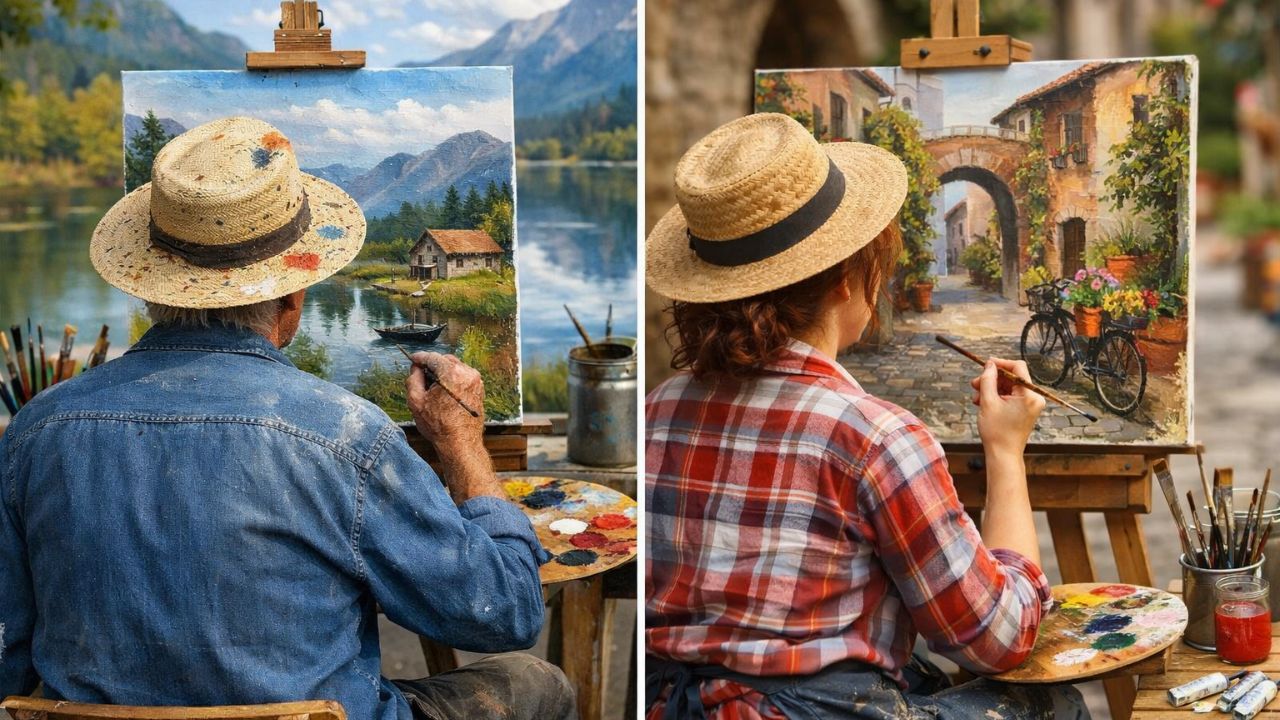
    Do you enjoy puzzles that engage your mind while keeping things fun and exciting? If yes, this classic Spot the Difference challenge is perfect for you. In this activity, your goal is to find three hidden differences in a painter’s image within just 7 seconds. While it may seem simple at first, the ticking clock turns it into a real test of focus, speed, and attention to detail. Get ready to see how sharp your observation skills really are.

    Why Spot the Difference Puzzles Are So Enjoyable

    Spot the Difference puzzles are among the most popular visual games because they challenge players to compare two almost identical images. At first glance, everything appears the same. However, with closer inspection, small visual changes begin to emerge.

    Beyond entertainment, these puzzles serve as an effective mental workout. Regularly playing them helps strengthen visual awareness, memory, and concentration. The more you practice, the more efficiently your brain learns to recognize subtle details.

    The 7-Second Challenge: Find 3 Differences Quickly

    This version of the puzzle raises the difficulty by adding a strict 7-second time limit. Your task is to identify three subtle differences in a painter-themed image before time runs out. The images may look identical at first, but careful observation reveals small changes hidden in plain sight.

    The pressure of the countdown makes the experience even more thrilling. Spotting all the differences within the time limit can feel incredibly rewarding, especially when every second counts.

    How Spot the Difference Puzzles Benefit Your Brain

    Playing Spot the Difference puzzles regularly can improve several important mental skills. Here are some key benefits:

    1. Sharper Attention to Detail

    These puzzles train your brain to detect tiny visual variations between similar images. Over time, this enhances your ability to notice small details, which can be useful in everyday tasks such as reading, working, and problem-solving.

    2. Faster Visual Processing

    The short time limit encourages your brain to process visual information quickly. This helps improve reaction speed and decision-making, especially in situations that require rapid visual assessment.

    3. Stronger Focus and Concentration

    To succeed, you must stay fully engaged with the image. The challenge promotes deep concentration and minimizes distractions, skills that are valuable in work, study, and daily life.

    4. Better Memory Retention

    As you compare both images, your brain actively remembers visual details. This strengthens short-term memory and improves your ability to retain and recall visual information.

    5. Improved Mental Agility

    Finding differences under time pressure enhances quick thinking and mental flexibility. These abilities are especially useful in high-pressure situations where fast decisions are required.

    The Three Hidden Differences in the Painter’s Image

    Let’s break down the three differences hidden in the painter’s image. If you missed any, here’s what to look for:

    1. Paint Roller Detail

    In the first image, the paint roller appears completely clean. In the second image, however, there is a small blue spot on the roller. This minor color change is easy to miss without careful observation.

    2. Door Handle Design

    The second difference appears on the door handle. One image includes a small decorative element, while the other does not. This subtle change blends into the background, making it tricky to spot quickly.

    3. Painter’s Overalls

    The final difference is found on the painter’s outfit. In one image, the overalls feature a button on the strap, while in the other image, the button is missing. It’s a small detail, but it makes all the difference.

    Tips to Spot Differences More Quickly

    If you found the challenge difficult, these tips can help you improve your performance:

    1. Scan One Area at a Time

    Instead of looking at the entire image at once, divide it into sections. Focus on one area at a time, such as clothing, tools, or background elements.

    2. Watch for Tiny Changes

    Many differences involve color shifts, missing items, or altered shapes. Paying attention to small details can make a big difference.

    3. Trust Your Instincts

    If something feels off, trust that feeling. Your brain often recognizes visual inconsistencies before you consciously identify them.

    4. Practice Consistently

    Like any skill, observation improves with practice. Regularly solving these puzzles will help you become faster and more accurate over time.

    Final Thoughts: How Did You Perform?

    Were you able to find all three differences within 7 seconds? If yes, well done—you’ve demonstrated strong observation and quick thinking. If not, don’t be discouraged. With continued practice, your focus and attention to detail will steadily improve.

    Spot the Difference puzzles are an enjoyable way to challenge your mind while sharpening essential cognitive skills. Keep practicing, stay confident, and see how quickly you can solve the next one.

  • Mind Booster Illusion: Find the Hidden 85 Number Concealed Among 58s in Only 7 Seconds

    Mind Booster Illusion: Find the Hidden 85 Number Concealed Among 58s in Only 7 Seconds

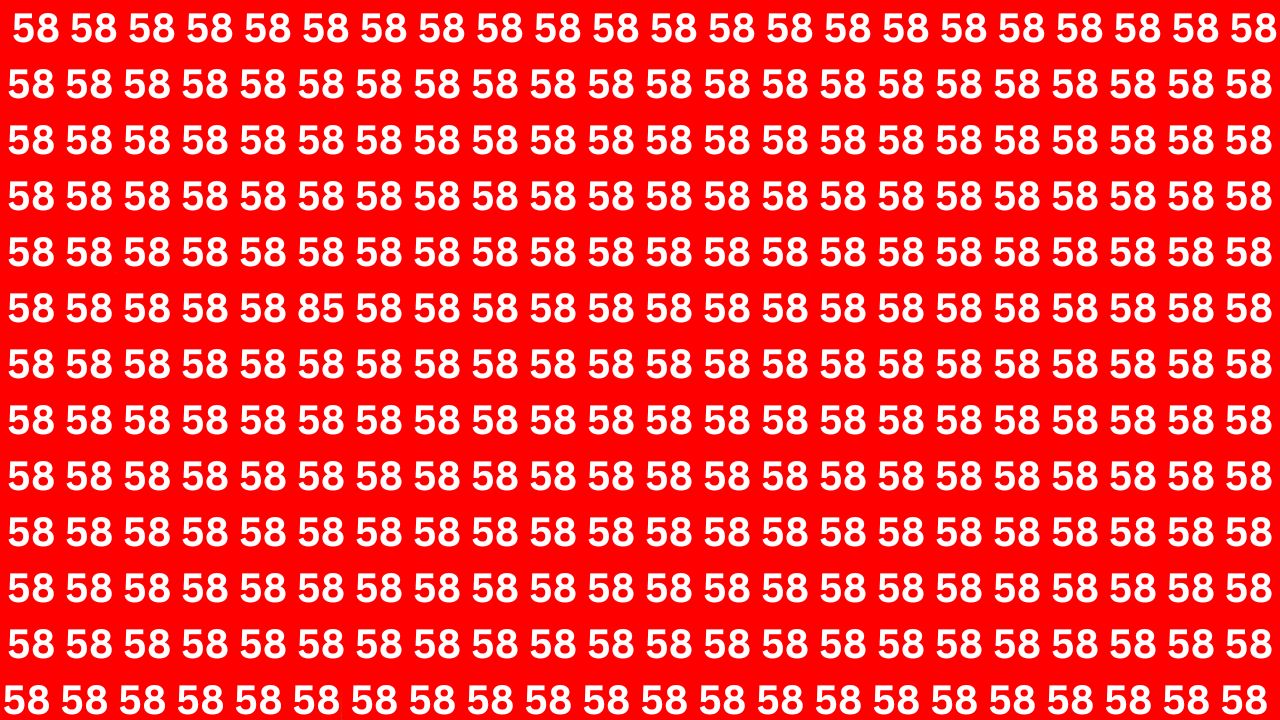
    Everyone enjoys a clever brain teaser, and “Spot the Difference” puzzles remain among the most loved challenges. They push your attention to detail, sharpen your focus, and test how observant you really are. In this challenge, the screen is filled with the number 58, while a single 85 is carefully hidden among them. The twist is that you only have 7 seconds to find it. What looks simple at first quickly becomes tricky once the timer starts. This isn’t just a game—it’s a true test of your visual and cognitive skills.

    Why the 7-Second Time Limit Makes It Harder

    The 7-second limit is more than a countdown—it’s a deliberate challenge. Time pressure forces your brain to process visual information faster than usual. When you’re staring at a grid filled with nearly identical numbers, your mind can easily skip over small differences without realizing it.

    This short time frame pushes you to rely on quick visual analysis and instinctive decision-making. The sense of urgency tests how efficiently your brain can recognize patterns, stay focused, and perform under pressure, turning a simple puzzle into a powerful mental exercise.

    Why Strong Observation Skills Matter

    Observation skills play an important role in daily life. From problem-solving to analyzing information, noticing small details can make a big difference. Visual puzzles and optical challenges are excellent tools for sharpening these abilities.

    In this puzzle, the task is to identify a minor variation between two very similar numbers. The 85 is cleverly disguised among many 58s, requiring you to scan carefully. Missing even the smallest detail can cause the hidden number to slip past unnoticed.

    Breaking Down the Puzzle: Finding 85 Among 58s

    At first glance, all the numbers appear identical. This is because 58 and 85 share the same digits, just arranged differently. However, closer inspection reveals the key difference.

    In the number 58, the second digit is a 6, while in 85, the second digit is a 5. Once you know what to look for, your eyes can catch the mismatch more easily.

    The hidden 85 is placed strategically on the screen. It appears in the second row from the bottom and the second column from the left. Carefully scanning this area makes the number stand out from the surrounding 58s.

    Why Your Brain Easily Misses the Difference

    “Spot the Difference” puzzles work by taking advantage of how the brain processes information. Our minds naturally group similar-looking items together, which helps us understand complex visuals quickly—but it can also cause mistakes.

    This effect is known as pattern recognition. Because the grid is filled with repeated 58s, your brain assumes everything is the same. Unless you consciously break that pattern and focus on subtle changes, the hidden 85 can remain invisible.

    How Visual Puzzles Benefit Your Brain

    Beyond entertainment, visual challenges offer real cognitive benefits. Regularly engaging with puzzles like this can improve several mental abilities.

    Sharpened Attention to Detail

    These puzzles train your brain to notice small visual differences. Over time, this heightened awareness can help you detect important details in everyday situations that others might overlook.

    Faster Mental Processing

    The strict time limit encourages quick thinking. Repeated exposure to timed challenges can improve how fast your brain processes information, which is useful in high-pressure scenarios.

    Stronger Focus and Concentration

    Completing this type of puzzle requires full attention. Practicing regularly helps your mind block out distractions and stay focused on a single task.

    Improved Memory and Pattern Recognition

    By identifying visual patterns and differences, your brain strengthens its ability to recognize and recall details. The more puzzles you solve, the better you become at remembering visual information.

    Tips to Get Better at Spot-the-Difference Puzzles

    • Divide the image into sections instead of scanning everything at once.
    • Pay attention to tiny changes in digits, shapes, or positioning.
    • Practice consistently to train your eyes and brain.
    • Stay calm under time pressure to avoid careless mistakes.

    Final Thoughts: Did You Find the 85 in Time?

    Were you able to spot the hidden 85 within 7 seconds? If yes, well done—you’ve demonstrated sharp observation skills and fast cognitive processing.

    If not, there’s no reason to feel discouraged. These skills improve with practice. Keep challenging yourself with similar puzzles, and over time you’ll notice better focus, faster recognition, and stronger attention to detail. Each new challenge is another opportunity to sharpen your mind.

  • Optical Illusion Test: Can You Locate the Real 8603 Number Before the 9 Second Timer Ends

    Optical Illusion Test: Can You Locate the Real 8603 Number Before the 9 Second Timer Ends

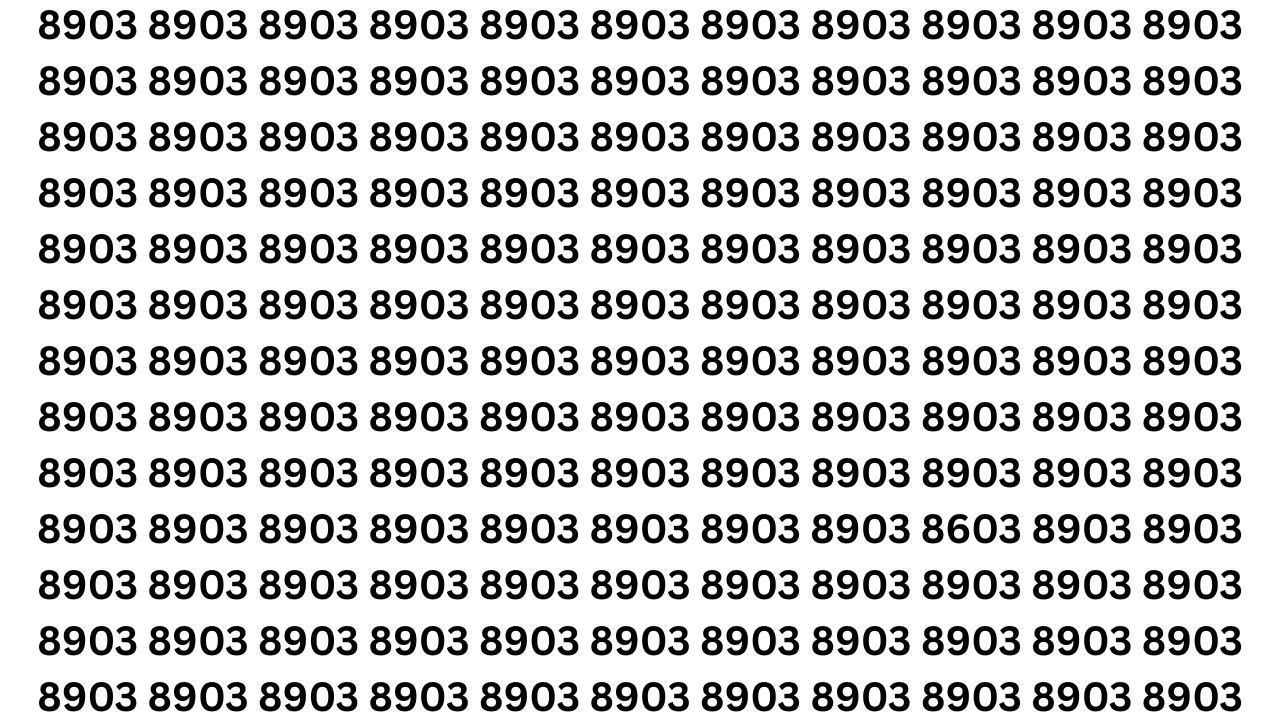
    Optical illusions have long captured human curiosity by challenging how we see and interpret visual information. Among the most engaging illusions are puzzles that ask you to identify a hidden object or number within a crowded pattern. In this challenge, you must locate the number 8603 hidden among repeated instances of 8903—and you only have 9 seconds to do it. While it may appear easy at first glance, a closer look quickly proves otherwise. This illusion is designed to test both your speed and your attention to detail. Are you ready to put your observation skills to the test?

    The Core Challenge: Find 8603 Within 9 Seconds

    The goal of this puzzle is simple in theory. You are shown a grid filled almost entirely with the number 8903. Hidden somewhere within this visual pattern is a single instance of 8603. Your task is to identify it before the 9-second timer runs out.

    At first glance, all the numbers appear identical. However, careful observation reveals a subtle difference. The hidden number replaces the second digit 9 with a 6. This small variation is easy to overlook, especially if you rely on quick scanning instead of focused observation.

    This challenge is not just about speed. It requires you to slow down just enough to examine each digit carefully. Concentrating on the second digit of each number significantly improves your chances of spotting the difference.

    How Optical Illusions Support Brain Function

    Optical illusions offer more than entertainment—they provide meaningful cognitive benefits. Visual puzzles like this one help sharpen observation skills, strengthen focus, and improve mental flexibility. By engaging with these challenges, your brain learns to detect patterns, recognize inconsistencies, and process visual information more efficiently.

    Visual perception plays a critical role in everyday tasks such as reading, navigating environments, and solving problems. Optical illusions enhance this ability by training the brain to analyze visual input quickly and accurately.

    The added time pressure in this puzzle further increases its effectiveness. Working against the clock encourages faster decision-making, improved concentration, and better mental clarity.

    Understanding the Illusion: Where to Focus

    The secret to solving this optical illusion lies entirely in the second digit. The difference between 8603 and 8903 is minimal, making it difficult to detect at a glance. Because the overall structure of the numbers is nearly identical, your brain may automatically assume consistency across the grid.

    To improve accuracy, focus on checking each number digit by digit rather than viewing them as a whole. Pay close attention to alignment and spacing while scanning the grid. The number containing a 6 instead of a 9 is the one you are looking for.

    Although the task seems straightforward, the real challenge is recognizing such a small visual change within a limited timeframe.

    Key Benefits of Practicing Optical Illusions

    Regular engagement with optical illusions can strengthen several important cognitive skills. Some of the main benefits include:

    • Improved attention to detail by training your eyes to notice subtle differences.
    • Faster cognitive processing due to time-based decision-making.
    • Enhanced memory and focus through sustained visual concentration.
    • Greater mental agility by adapting quickly to visual patterns and changes.

    These skills extend beyond puzzles and can positively impact everyday activities that require focus and accuracy.

    The Science Behind Why Optical Illusions Work

    Optical illusions are effective because they exploit the natural shortcuts used by the human visual system. Our brains are designed to process visual information rapidly, often relying on patterns and expectations formed from previous experiences.

    In this number puzzle, the brain anticipates seeing repeated instances of 8903. When 8603 appears, the difference may go unnoticed because the brain is already conditioned to expect uniformity. This delay in recognition forces the brain to reassess what it sees.

    These illusions demonstrate how perception can be influenced and why careful observation is sometimes necessary to see what is truly there.

    Final Thoughts: Did You Find 8603 in Time?

    Were you able to identify the hidden 8603 within the 9-second limit? If so, well done—you successfully completed a visual challenge that strengthens focus and observation skills. If not, there’s no reason for concern. Optical illusions are designed to be tricky, and improvement comes with practice.

    Engaging regularly with these puzzles can enhance cognitive performance, improve attention to detail, and support overall brain health. The next time you encounter an optical illusion, take a closer look and see just how sharp your perception really is.

  • 5 Second Optical Test: Spot the Hidden 41 and 11 Among 14s Before Time Runs Out

    5 Second Optical Test: Spot the Hidden 41 and 11 Among 14s Before Time Runs Out

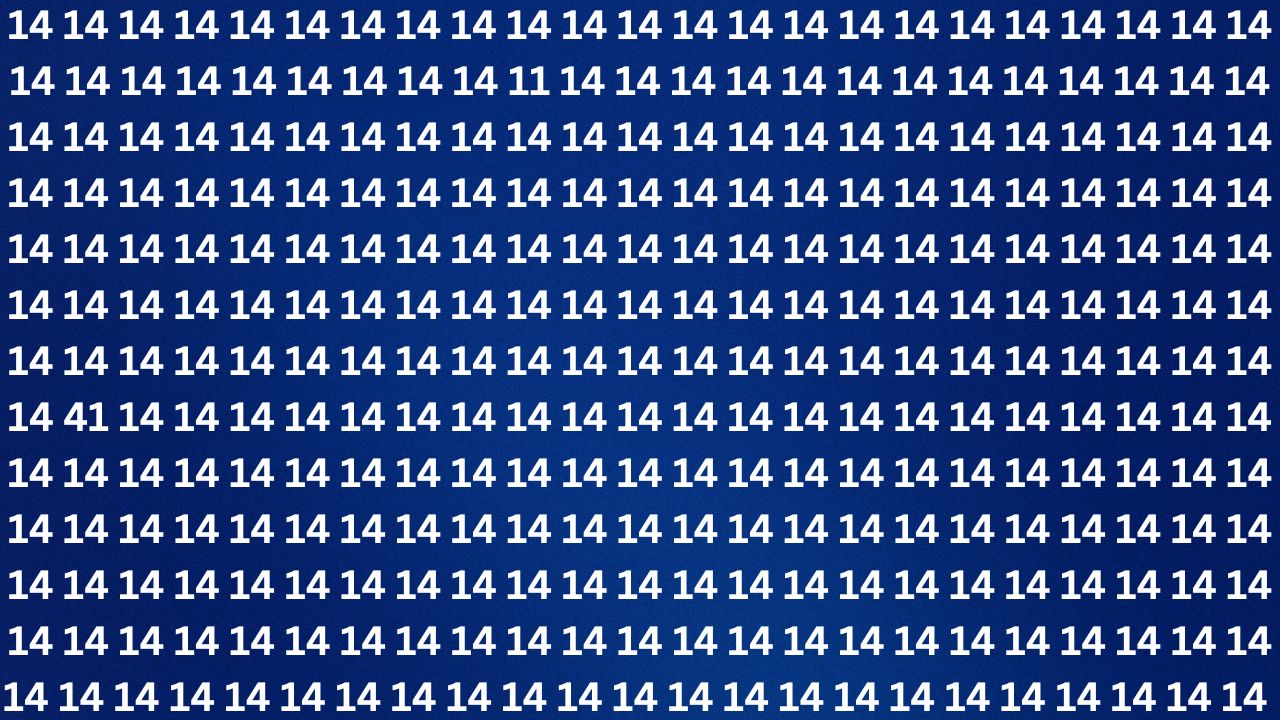
    Optical illusions are captivating because they test how the brain processes and interprets visual input. They can make us notice things that are not actually present or overlook details that are clearly visible. In this particular illusion, the challenge is to identify the numbers 41 and 11 hidden within a large group of 14s, all within just 5 seconds. At first glance, every number looks the same, but a closer inspection reveals subtle differences. This type of visual puzzle is not only entertaining but also useful for sharpening mental skills.

    The Hidden Science Behind Optical Illusions

    Every optical illusion is rooted in visual perception—the way the brain interprets what the eyes see. An illusion occurs when the brain is misled into interpreting an image incorrectly. This can involve distorted size, shape, movement, or cleverly concealed elements that blend into their surroundings.

    The brain naturally relies on patterns and context to process visual information. When something breaks the expected pattern, it may go unnoticed at first. In this puzzle, the number 41 is embedded among many 14s, making it easy to miss because it visually blends in. Understanding these effects offers valuable insight into how cognitive processing works.

    The 5-Second Challenge: Find 41 and 11

    This illusion tests both attention to detail and mental speed. The numbers 41 and 11 are carefully concealed inside a grid filled with 14s, and the goal is to spot them within just five seconds. The time limit increases the pressure, pushing the brain to process visual details quickly and efficiently.

    At first, the grid appears to contain nothing but identical numbers. However, once you slow down and focus, you can detect the two hidden values. Successfully finding them requires sharp focus and the ability to distinguish small variations within a repetitive pattern.

    How Optical Illusions Put Your Brain to the Test

    Visual puzzles like this one challenge the brain in several important ways:

    1. Attention to Small Details

    When viewing many similar objects, the brain tends to group them together automatically. This makes it easy to overlook minor differences. This illusion encourages you to slow down and focus on tiny variations that break the pattern.

    2. Speed and Mental Processing

    The 5-second limit forces quick decision-making. Processing visual information under time pressure strengthens cognitive speed, which is useful in fast-paced, real-world situations.

    3. Pattern Recognition Skills

    The brain is naturally skilled at recognizing patterns. Optical illusions exploit this ability by introducing small inconsistencies. Identifying the numbers 41 and 11 means spotting deviations from the repeated 14 pattern.

    Practical Tips to Spot the Hidden Numbers

    If locating the hidden numbers feels difficult, these strategies can help:

    1. Examine Number Structure Carefully

    Look closely at how each digit is formed. While 14 appears repeatedly, 41 stands out because the digits are reversed. The number 11 is simpler but can still be overlooked due to repetition.

    2. Watch for Orientation Differences

    The placement of digits matters. The reversed order in 41 breaks the visual rhythm, while 11 appears as two identical digits, making it distinct once noticed.

    3. Scan the Grid in Sections

    Instead of scanning the entire grid at once, divide it into smaller areas. Move systematically from top to bottom or left to right to avoid missing anything.

    4. Trust Your Visual Instincts

    If something feels out of place, pause and take a closer look. The hidden numbers will appear slightly different from the surrounding 14s.

    Brain-Boosting Benefits of Optical Illusions

    Solving optical illusions offers more than entertainment. Regular practice can strengthen several cognitive abilities:

    1. Sharper Visual Awareness

    These puzzles train the eyes and brain to detect fine details, which can help with everyday tasks like reading, driving, and data analysis.

    2. Better Focus and Concentration

    The need for quick, accurate observation improves mental focus and reduces distraction.

    3. Stronger Memory and Mental Flexibility

    Repeated exposure to visual challenges improves how efficiently the brain processes information and adapts to new problems.

    4. Enhanced Problem-Solving Ability

    Optical illusions require logical thinking, quick evaluation, and creative approaches, all of which strengthen problem-solving skills.

    Final Thoughts: Did You Beat the Clock?

    Now it’s time to test yourself. Were you able to spot 41 and 11 among the 14s in under five seconds? If so, you’ve given your brain a solid workout. If not, don’t worry—practice makes improvement inevitable. The more you engage with visual puzzles like this, the sharper and faster your mind becomes. Keep challenging yourself and enjoy the mental exercise.