Category: News

  • 10 Powerful Benefits of Daily Yoga: How Regular Practice Improves Body and Mind

    10 Powerful Benefits of Daily Yoga: How Regular Practice Improves Body and Mind

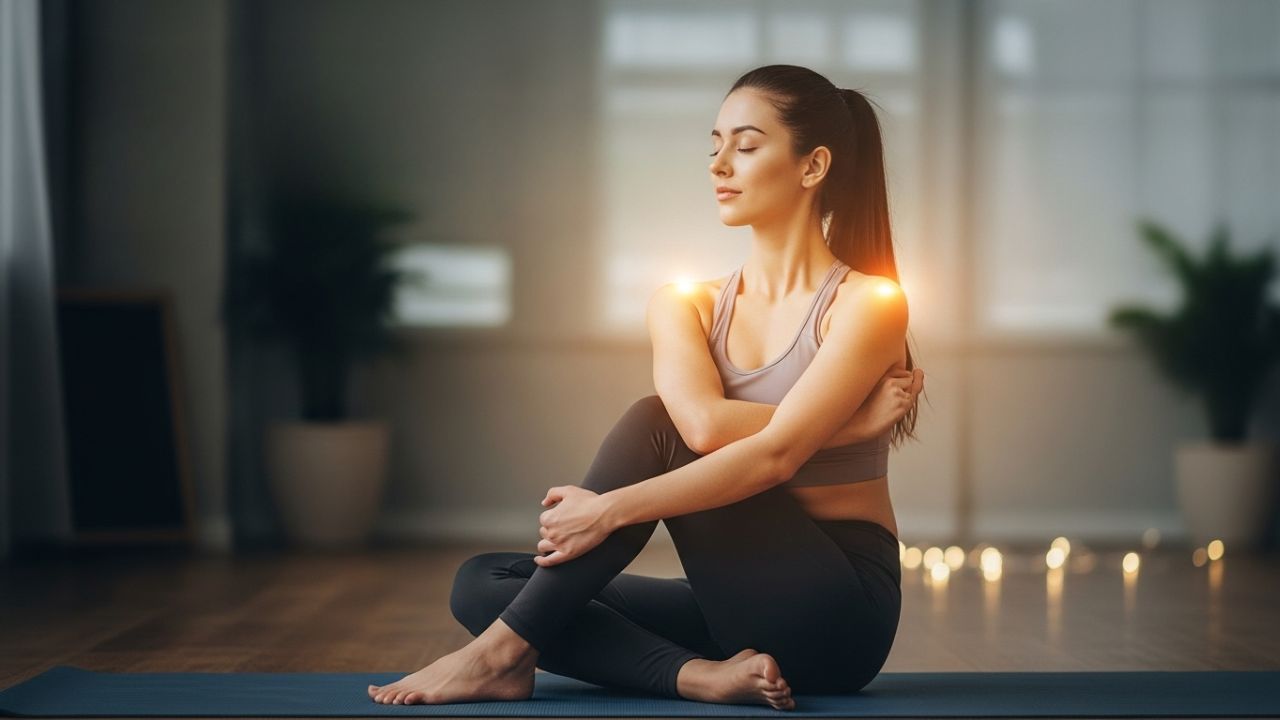
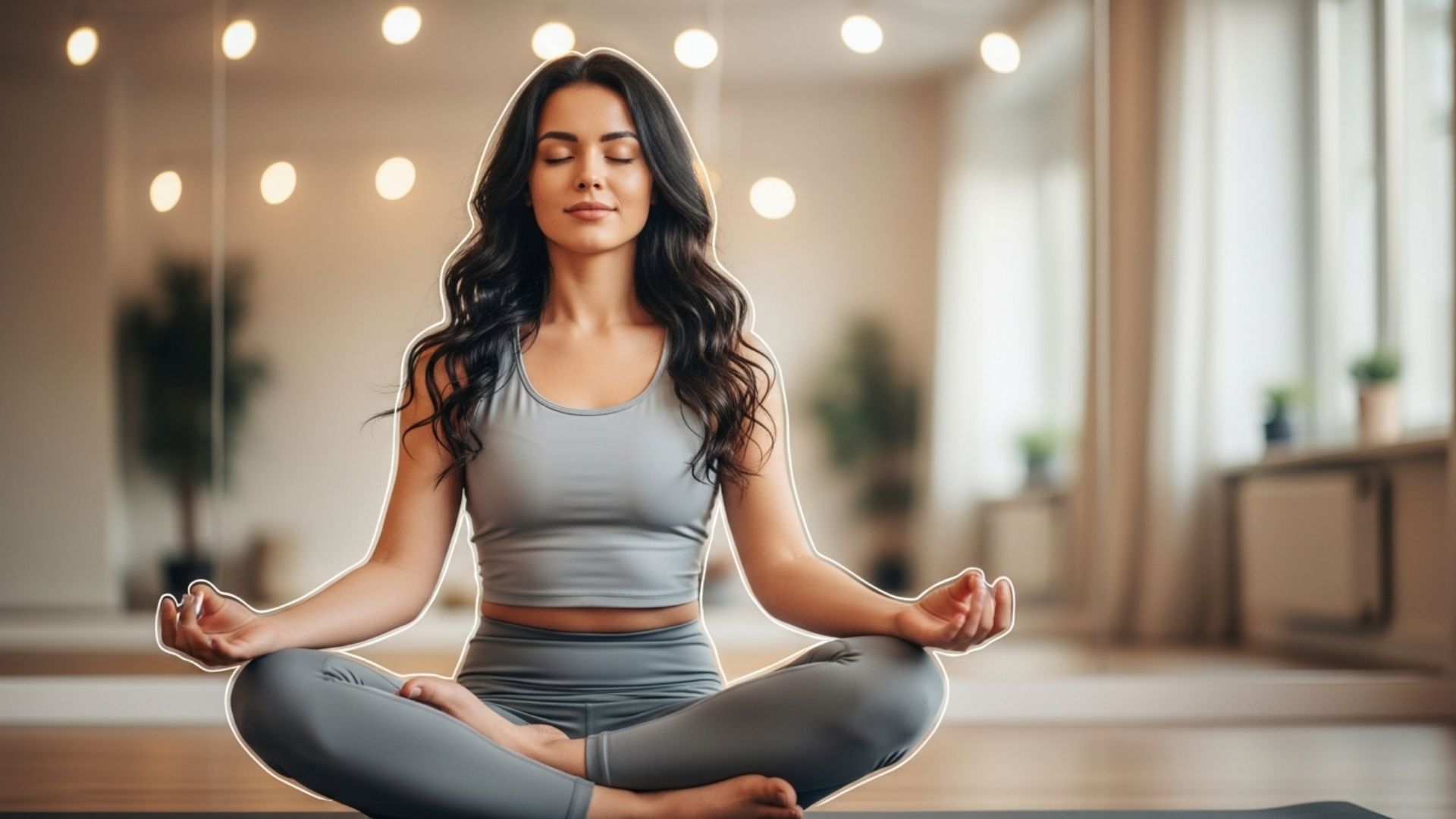
    Daily Yoga Benefits: What Really Happens When You Practice Every Day Daily yoga goes beyond simple stretching. It’s a small habit that steadily improves your body and mind through regular practice. The key is showing up consistently. Just 10 to 20 minutes each day can shift how you move and handle stress and navigate your schedule. Yoga adapts to your life because you control the intensity. Some sessions might focus on gentle movement and breathing while others push your strength and endurance. Here are 10 concrete benefits of practicing yoga daily & how to make it work without overcomplicating things.

    Better flexibility without forcing your body

    Daily yoga helps improve flexibility by slowly and safely increasing your range of motion. The key idea is gentleness. When you move into poses regularly and hold them with control, your muscles and connective tissues adapt over time. Gradually, everyday movements feel easier—touching your toes takes less effort, hips feel less tight when sitting, and shoulders feel freer after long screen hours. You do not need extreme or advanced poses to see results. Simple forward folds, gentle hip openers, and light twists practiced daily act like maintenance work for stiff and overworked areas of the body.

    Stronger muscles and more stable joints

    Yoga builds strength in a balanced way that protects your joints. Poses such as planks, chair pose, warrior variations, downward dog, and boat pose strengthen the legs, core, glutes, and upper body without heavy weights. Over time, this improves joint stability, especially in the knees, hips, shoulders, and ankles. Daily yoga also trains your body to use muscles together efficiently. This kind of functional strength supports daily actions like walking, climbing stairs, carrying groceries, and lifting objects with better control and less strain.

    Improved posture for modern desk life

    Long hours of sitting often lead to rounded shoulders, a tight chest, weak upper back muscles, and a disengaged core. Daily yoga helps reverse these patterns. Back-opening poses such as cobra, locust, bridge, and cat-cow activate the spine and open the front of the body. Just as important, yoga builds posture awareness. You start noticing how you sit and stand throughout the day and naturally adjust your alignment. Better posture can also reduce neck stiffness, shoulder tension, and tension-related headaches for many people.

    Lower stress and a calmer nervous system

    One of yoga’s biggest benefits is stress reduction. Daily practice helps calm the nervous system and shift it out of constant fight-or-flight mode. Slow movements combined with deep breathing send signals of safety to the body. This often leads to fewer stress spikes, reduced irritability, and better emotional balance. Even a short session can help on a busy day. Simple poses like child’s pose with long exhales or legs-up-the-wall can quickly create a sense of calm and mental reset.

    Better breathing habits and higher energy

    Many people develop shallow breathing patterns due to stress or prolonged focus. Yoga retrains the breath to become deeper and more efficient. Techniques such as diaphragmatic breathing and gentle pranayama increase awareness of how breathing affects energy and mood. As breathing improves, overall energy often improves as well. You may feel less drained, move more easily, and recover faster from physical effort. Better breathing also helps reduce the habit of holding your breath during daily tasks.

    More mobility and less everyday stiffness

    Flexibility focuses on muscle length, while mobility focuses on controlled movement. Daily yoga improves both. This is why people often feel looser and more comfortable in everyday activities. The hips move more freely, the spine rotates with ease, ankles feel more mobile, and shoulders move smoothly instead of feeling tight or compressed. These improvements make daily tasks like tying shoes, getting out of a car, lifting bags, or playing with children easier and more comfortable.

    Improved balance and coordination

    Balance is important at every age. It helps protect you from falls, sudden slips, and uneven ground. Yoga improves balance through poses like tree, eagle, and warrior III, along with steady core engagement. With regular practice, your proprioception improves—your body becomes better at sensing its position in space. This can reduce ankle injuries, improve sports performance, and increase confidence in everyday movement and stability.

    Better sleep quality and a smoother bedtime routine

    Daily yoga can support better sleep by calming the nervous system, releasing muscle tension, and creating a consistent evening routine. Gentle nighttime yoga is especially helpful. Slow forward folds, reclined twists, butterfly pose, and relaxed breathing prepare the body for rest. The goal is not intensity but relaxation. Many people also sleep better because yoga reduces physical discomfort in areas like the back, neck, and hips that can interrupt rest during the night.

    A healthier relationship with food and cravings

    Yoga is not a diet, but it can positively influence eating habits. Regular practice reduces stress and increases body awareness, which often leads to fewer emotional eating episodes. You become more aware of hunger signals, fullness, and cravings. This awareness encourages more mindful food choices without strict rules. For those aiming to maintain or balance weight, yoga combined with walking and balanced meals often feels more sustainable than extreme fitness routines.

    Sharper focus and better mood in daily life

    Yoga improves mental clarity by linking movement, breath, and attention. Over time, this connection supports better focus, reduced mental clutter, and improved patience. While meditation can be challenging for some people, yoga offers an active form of mindfulness that feels more approachable. Even a brief daily session can create a calmer emotional baseline, helping you respond to daily challenges with more balance and clarity.

    How to start daily yoga without quitting after a week

    The most important rule is to keep it realistic. Start with just 10 minutes a day. Choose a simple sequence you can repeat so you do not spend time searching for routines. Focus on consistency rather than intensity. A beginner-friendly daily flow could include cat-cow, downward dog, low lunge, warrior II, forward fold, bridge pose, a seated twist, and one to two minutes of deep breathing. Always respect your body—sharp pain is a sign to modify or stop.

    Quick daily plan you can actually follow

    A simple weekly rhythm can help you stay consistent. Try three days of strength-focused yoga with poses like planks, warriors, and chair pose. Add two days focused on mobility and stretching for hips, hamstrings, and spine. Finish the week with two recovery-focused sessions using slow holds and breathwork. This approach supports progress without burnout. If you miss a day, do not wait for a fresh start—just do five minutes today and keep going.

  • Spot 3 Differences Between the Scientist Images in Just 10 Seconds

    Spot 3 Differences Between the Scientist Images in Just 10 Seconds

    Are you ready for a visual test that will challenge your observation skills? In this optical puzzle you need to find three small differences between two pictures of scientists in just 10 seconds. The images look identical at first but if you look closer you will notice small discrepancies hidden in plain sight. This test measures your sharp vision and also checks your focus & attention to detail & quick thinking. The two pictures show scientists working in a laboratory setting. Both images appear to be the same with scientists wearing lab coats and working with equipment.

    The Challenge: Spot the 3 Differences in 10 Seconds

    The challenge appears straightforward but requires careful attention. Two photographs show scientists working in a laboratory and look almost identical. Your objective is to identify three differences between these images within a ten-second time limit. You need to work quickly and maintain concentration to find all the variations before the timer expires. The variations could include minor details like alterations in what the scientists are wearing or changes to the laboratory instruments or elements visible in the background. When you first look at both images they seem identical but a more thorough examination reveals that small modifications have been incorporated. These visual puzzles evaluate both your observational skills and your capacity to detect minor discrepancies when working against the clock.

    Why Spot-the-Difference Puzzles Are So Engaging

    Spot-the-difference puzzles offer more than simple entertainment because they help develop better thinking abilities. These puzzles present both difficulty and advantages worth considering. These activities make you examine tiny details carefully and teach your brain to concentrate better on what you are doing. When you work on these puzzles you must keep the picture layout in your mind to find what has changed. This process strengthens your ability to remember things quickly & bring them back to mind when needed. Success with these puzzles depends on noticing small changes between images. When you practice regularly you become better at spotting details that others might miss. Working on optical illusions or difference-finding games also helps you relax. These activities give your mind something engaging to do without adding pressure. They create a useful break from daily stress while keeping your brain working in a positive way.

    How to Approach the Puzzle

    To improve your ability to find the differences here are some helpful tips for completing this challenge quickly: Take Your Time: Even though you have only 10 seconds try not to rush. Stay calm and focused so you don’t miss important details. Look at Main Features:

    The differences in these puzzles usually appear in obvious places like the scientist’s clothes or the tools they are holding. Check these spots first to work faster.

    Examine the Background: The scientist might seem like the main focus but small changes can also appear in the background. Look carefully at the lab environment & any items that might be different between the two pictures.

    Work in Sections: Rather than looking at everything at once divide the image into smaller parts & examine each one separately. This method helps you concentrate better and find differences more easily.

    Notice Things at the Edge: Sometimes your side vision picks up details that you might miss when staring directly at something. Use this ability to quickly identify what looks different.

    The Solution: Where Are the 3 Differences?

    If you found the three differences between the two images in just 10 seconds then here is where they were located:

    Facial Features and Glasses: The scientist’s face in the left image is missing several features such as the eyes and nose and mouth. The glasses are also not present which creates a noticeable difference.

    Microscope Eyepiece: The eyepiece part of the microscope is different between the two images. The right image shows a small change to how the eyepiece looks which becomes easy to notice when you examine the microscope closely.

    Lab Coat Button or Mark: Take a close look at the scientist’s lab coat. There is a slight change in a button or mark near the lower middle section of the coat in the second image.

    This difference is harder to see but becomes noticeable with careful attention. These small changes can test your ability to notice fine details especially when working against a time limit. These puzzles challenge both your vision & your mental sharpness. If you managed to spot all three differences quickly then you have strong observational skills.

    Why Are Spot-the-Difference Puzzles So Popular?

    Spot-the-difference puzzles have entertained people for many years. They stay popular because they are easy to understand while still making you think. These puzzles give you a quick feeling of success when you find all the differences. They work as a fast brain exercise that feels good to complete. Playing these puzzles helps you get better at noticing details and remembering things. They also help you focus better while keeping things enjoyable. Anyone can do spot-the-difference puzzles regardless of their age. Kids and adults both find them entertaining and just challenging enough to stay interesting. You can use these puzzles to relax when your day gets hectic or to see how well you pay attention to small details. They give your brain a useful workout. When you do these puzzles often you will notice your thinking skills getting sharper and your ability to concentrate improving over time.

    Tips for Improving Your Spot-the-Difference Skills

    If you liked this challenge and want to get better at finding differences fast here are some helpful tips:

    Practice Regularly: Just like any other skill, the more you do it the better you get. Keep working on these puzzles and you will naturally become quicker & more precise at finding what’s different.

    Improve Your Observation: Train yourself to see details by looking carefully at ordinary things around you. Try to notice small changes in texture, color and shape.

    Try Timed Exercises: Use a timer while you practice to make it harder. When you get better, reduce the time limit to push yourself further.

    Keep Your Cool: Stress makes you miss important details. Stay relaxed and concentrate on the puzzle while you look at each picture thoroughly.

  • 11 Yoga Poses: Build a Stronger Core and Improve Body Stability

    11 Yoga Poses: Build a Stronger Core and Improve Body Stability

    A strong core is about far more than visible abs. It plays a key role in supporting posture, protecting the spine, improving balance, and making everyday movements easier and safer. Yoga is one of the most effective ways to develop core strength because it activates deep stabilizing muscles along with surface muscles, while also enhancing breath control and body awareness.

    Below are eleven yoga poses that focus on building core strength in a balanced and sustainable way. With regular practice, these poses help improve stability, reduce back discomfort, and support overall functional strength.

    1. Phalakasana (Plank Pose)

    Plank Pose is a fundamental posture for developing core strength. It activates the abdominal muscles while also engaging the shoulders, arms, legs, and back.

    Holding Plank strengthens the deep core muscles that stabilize the spine. Keep the body aligned in one straight line, gently draw the navel inward, and maintain steady breathing for maximum benefit.

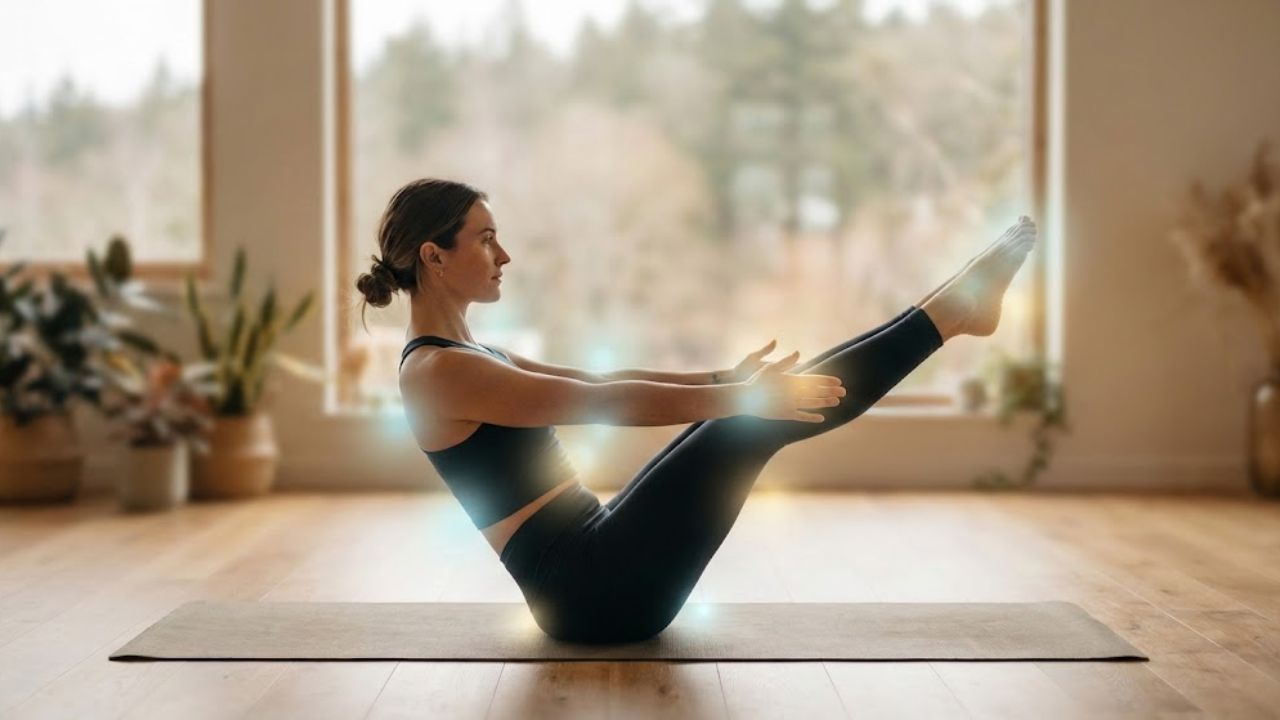
    2. Naukasana (Boat Pose)

    Boat Pose directly targets the abdominal muscles and hip flexors. It challenges balance while building control and endurance.

    This posture strengthens both the upper and lower abdominal muscles and supports digestive function by stimulating the abdominal area. Beginners can bend the knees and slowly progress as strength improves.

    3. Chaturanga Dandasana (Four-Limbed Staff Pose)

    Chaturanga is a powerful strengthening pose that relies heavily on core engagement to keep the body stable while lowering.

    It builds abdominal strength while toning the arms, shoulders, and chest. Proper core activation helps protect the lower back from strain during the movement.

    4. Vasisthasana (Side Plank Pose)

    Side Plank focuses on strengthening the oblique muscles, which are essential for twisting movements, balance, and spinal support.

    This pose improves lateral stability, shoulder strength, and overall alignment. For added support, beginners can place the bottom knee on the mat.

    5. Utkatasana (Chair Pose)

    Chair Pose may appear simple, but it deeply engages the core when performed with proper awareness.

    By drawing the abdomen inward and keeping the spine long, this pose strengthens the core muscles, tones the legs, and improves postural control.

    6. Paripurna Navasana with Twist (Twisting Boat Pose)

    Adding a twist to Boat Pose increases activation of the oblique muscles.

    This variation enhances rotational strength, supports spinal mobility, and improves balance. It is highly effective for building a well-rounded and functional core.

    7. Adho Mukha Svanasana (Downward Facing Dog)

    Downward Facing Dog strengthens the core through continuous, active engagement rather than a static hold.

    Pressing firmly into the hands and lifting the hips requires the abdominal muscles to support the spine. Holding this pose with steady breathing builds endurance and stability.

    8. Dandasana (Staff Pose)

    Staff Pose may look passive, but it is very active when practiced correctly.

    Sitting upright with engaged legs and core muscles strengthens the deep abdominal muscles and improves posture. It also increases awareness of proper spinal alignment.

    9. Setu Bandhasana (Bridge Pose)

    Bridge Pose strengthens the core while activating the glutes and lower back muscles.

    Engaging the abdominal muscles during the lift supports spinal stability and protects the lower back. This pose also enhances pelvic strength and overall spinal support.

    10. Bakasana (Crow Pose)

    Crow Pose is an arm balance that demands strong core engagement to lift and sustain the body.

    The core muscles continuously work to maintain balance and control. Practicing this pose builds coordination, confidence, and deep abdominal strength.

    11. Supta Padangusthasana (Reclining Hand-to-Big-Toe Pose)

    This pose strengthens the core through controlled leg movement and stabilization.

    Keeping the lower back grounded while lifting one leg requires deep abdominal engagement. It also improves flexibility, balance, and coordination.

    Why Yoga Is Effective for Core Strength

    Yoga develops core strength by training muscles in functional, real-life movement patterns. Instead of isolating individual muscles, yoga teaches the core to stabilize the body during both movement and stillness.

    Controlled breathing enhances muscle activation and helps maintain engagement without unnecessary tension. Over time, this approach builds strength that supports daily activities and long-term spinal health.

    How Often to Practice for Best Results

    Practicing core-focused yoga three to five times per week delivers the best results. Even short sessions of 20 to 30 minutes can create noticeable improvements when practiced consistently.

    Prioritize proper engagement and alignment over long hold times. Quality of movement matters more than duration when building sustainable core strength.

  • Spot 99 and 93 Hidden Among 98 Using Sharp Vision in 7 Seconds

    Spot 99 and 93 Hidden Among 98 Using Sharp Vision in 7 Seconds

    Optical illusion challenges are a fun and effective way to test your eyesight, attention to detail, and mental sharpness. This particular test is designed to stretch the limits of your focus and concentration. At first glance, the puzzle may look simple, filled with a series of identical numbers. However, hidden among the sea of 98s are two clever intruders: 99 and 93. Your task is to spot these hidden numbers within just 7 seconds. Think you have sharp, eagle-like vision? Let’s find out.

    The Challenge: Find 99 and 93 Among the 98s

    In this optical illusion vision test, the challenge is to identify the numbers 99 and 93, which are cleverly hidden inside a grid filled with 98s. The repetition of the same number is what makes this puzzle so tricky. At first glance, everything appears uniform, which causes your brain to assume that all the numbers are identical.This is exactly why your observation skills are being tested. When scanning the grid under a strict 7-second time limit, you must focus closely to catch the two numbers that do not belong. It’s not just about seeing—it’s about breaking automatic visual habits and sharpening your concentration.

    Why Optical Illusions Are Great for Testing Your Vision

    Optical illusions are powerful tools for challenging and training the brain. They force your mind to question what your eyes are seeing. In this test, your brain naturally tries to read the grid quickly, assuming each number is the same. The subtle differences between 99, 93, and 98 are intentionally designed to be overlooked during fast scanning.This puzzle demonstrates how easily small details can be missed under pressure, making it an excellent exercise for improving attention to detail, focus, and visual awareness.

    How to Approach the Puzzle

    With only 7 seconds on the clock, staying focused is essential. Here are a few effective tips to help you spot the hidden numbers:

    – Stay Calm and Focused: Don’t panic due to the time limit. Calm scanning improves accuracy.

    – Check the Second Digit: All numbers look similar, but the second digit is key. The 99 and 93 do not end with an 8.

    – Scan Row by Row: Focus on one row at a time instead of the entire grid.

    – Trust Small Differences: Look for subtle shapes like the curve of the number 3 or double loops in 99.

    – Practice Regularly: The more puzzles you try, the sharper your observation skills become.

    Solution: Where Are the Hidden Numbers?

    If you’ve finished searching, here’s the solution:

    – 99: Located in the 3rd row from the top and the 3rd column from the left. It blends perfectly with the surrounding 98s.

    – 93: Found in the 4th row from the bottom and the 4th column from the right, making it easy to miss.

    Both numbers are carefully camouflaged within the repetitive grid, forcing your eyes to detect even the smallest variation.

    Cognitive Benefits of Optical Illusions

    Solving optical illusions is not just entertaining—it offers real mental benefits:

    – Improved Attention to Detail: Trains your brain to notice small visual differences.

    – Enhanced Mental Agility: Boosts quick thinking and problem-solving skills.

    – Stronger Concentration: Helps you focus on tasks without distraction.

    – Boosted Brain Health: Improves memory, processing speed, and mental fitness.

    Why Optical Illusions Are Fun and Beneficial

    Optical illusions are easy to access and fun to solve. You can enjoy them during a short work break, at home, or before bedtime. They help train your brain to recognize patterns, think critically, and focus on details that are often overlooked.With regular practice, optical illusions can significantly sharpen your observation skills and overall intelligence.

    Conclusion: Sharpen Your Observation Skills

    This optical illusion test is an excellent way to challenge both your vision and mental sharpness. Spotting 99 and 93 among a grid of 98s in just 7 seconds is not easy, but practice makes a huge difference. Whether you succeeded instantly or needed more time, puzzles like this are powerful tools for strengthening your cognitive abilities.

  • 10 Essential Yoga Poses: Beginner-Friendly Movements to Build a Strong Foundation

    10 Essential Yoga Poses: Beginner-Friendly Movements to Build a Strong Foundation

    Starting yoga for the first time can feel exciting and a little intimidating. With so many poses and styles available beginners often wonder where to begin. The good news is that yoga does not require flexibility or strength or experience on day one. What matters most is learning a few foundational poses that build confidence & improve body awareness and prepare you for deeper practice over time. These ten essential yoga poses are perfect for beginners & form the backbone of most yoga styles practiced today.

    Mountain Pose

    Mountain Pose may look simple but it teaches one of the most important yoga lessons about proper posture. Standing tall with feet grounded and shoulders relaxed while keeping your spine straight helps you understand alignment. This pose improves balance and posture while encouraging mindful breathing. Beginners often overlook it but mastering Mountain Pose sets the foundation for all standing postures.

    Downward Facing Dog

    Downward Facing Dog Downward Facing Dog stands as one of the most well-known yoga poses in practice today. This position works multiple muscle groups at the same time by stretching the hamstrings & calves along with the shoulders & spine. People new to yoga should feel comfortable keeping their knees slightly bent during this pose. The main goal should be extending the spine rather than trying to push the heels down to touch the floor. Regular practice of this pose develops strength in both the arms and legs. It also helps improve blood circulation throughout the body and increases overall flexibility. The benefits make it a fundamental position that appears in most yoga routines and classes around the world.

    Child’s Pose

    Child’s Pose is a resting position that helps your body relax and recover. You kneel on the mat and fold forward to gently stretch your back hips and thighs. People often use it between difficult poses and it works well for beginners who need to catch their breath. This pose also helps you feel calm and reduces stress.

    Cat Cow Pose

    Cat Cow Pose is a gentle exercise that moves between two positions to warm up your spine. You breathe in & out while switching between arching your back & rounding it. This pose makes your spine more flexible and reduces stiffness. It also helps beginners learn how to match their movements with their breathing. People who sit at a desk all day find this pose particularly useful.

    Warrior One

    Warrior One builds strength and stability as it opens your hips and chest. You place one foot forward while keeping the other foot planted behind you. This position helps develop focus and balance. Your arms extend upward as you bend your front knee. New practitioners should concentrate on maintaining steady breathing and correct body alignment instead of trying to go too deep into the pose.

    Warrior Two

    Warrior Two takes the strength you gained from Warrior One and expands it with a broader stance and more active leg muscles. Your arms stretch out to each side to create a feeling of power and control. This position makes your legs stronger and builds your endurance while increasing your confidence. It also helps beginners learn to stay focused & connected to the ground.

    Tree Pose

    Tree Pose helps you develop better balance and sharper focus. You stand on one leg and place your other foot against your calf or inner thigh. This position tests your stability. If you are just starting out you can stand near a wall for extra support. The pose makes your ankles and legs stronger & also improves your ability to concentrate.

    Cobra Pose

    Cobra Pose Cobra Pose is a gentle backbend that strengthens the spine and opens the chest. When you lie on your stomach and lift your chest using your back muscles you help reverse the effects of poor posture from sitting too long. Beginners should not push too hard with their arms and should instead focus on lengthening the front of the body. This pose works well for people who spend many hours at a desk or computer.

    Bridge Pose

    Bridge Pose builds strength in your lower back, glutes and legs while stretching your chest and shoulders. You lie on your back & lift your hips up which helps beginners learn to activate their core muscles in a safe way. This position can make your spine more flexible and many people use it to ease minor back pain when they perform it with proper form.

    Seated Forward Bend

    Seated Forward Bend helps make your hamstrings and lower back more flexible while helping you relax. You sit with your legs stretched out in front of you & slowly fold your body forward. This movement helps quiet your thoughts & reduce mental tension. If you are just starting out you should bend your knees when you need to and never push yourself too hard into the stretch. The main purpose of this pose is to feel comfortable & relaxed rather than to force your body into an uncomfortable position. Listen to what your body tells you and move gently without rushing. Over time your flexibility will improve naturally and you will be able to fold deeper into the pose. Remember that yoga is about finding balance between effort and ease.

    Tips for Beginners Practicing Yoga

    When you start practicing yoga, being consistent is more important than pushing yourself too hard. If you do these poses several times each week you will see real improvements in how strong and flexible you become & your mind will feel clearer too. Pay attention to what your body tells you and take breaks whenever you need them. Using tools like blocks or straps is actually a smart choice because they help you maintain the right form. How you breathe matters just as much as how you move. Taking slow & even breaths helps your body stay relaxed and keeps you from getting tense. When you are just beginning you should care more about feeling comfortable than doing everything perfectly. Let yourself improve at your own pace without forcing anything.

    Why These Poses Matter

    These ten poses show up in yoga classes everywhere. Learning them well creates a solid base that helps you move into harder poses more easily and safely. They make your posture better & build your balance along with strength and flexibility while helping your overall health. Yoga is not a contest where you measure yourself against others. It is your own personal path that begins with basic movements. When beginners practice these key poses on a regular basis they build confidence and lower their stress levels while gaining the physical and mental rewards that yoga brings as time goes on.

  • Find 26 and 23 Hidden Among 22 Before 9 Seconds Run Out

    Find 26 and 23 Hidden Among 22 Before 9 Seconds Run Out

    Optical Illusion challenges are the ultimate way to test your vision and focus. This particular puzzle is designed to push your eyes and brain to their limits. Your task is simple—but tricky: find the hidden numbers 26 and 23 among a sea of 22s, all within just 9 seconds. At first glance, everything looks identical, but don’t be fooled. The numbers are carefully camouflaged, making this challenge far more difficult than it appears.

    The Challenge: Spot 26 and 23 in Just 9 Seconds

    At first look, this optical illusion seems easy. However, the clever placement of 26 and 23 among dozens of 22s can confuse even the sharpest eyes. This challenge tests your attention to detail, visual focus, and speed. Only those with true “eagle eyes” can spot both numbers before the time runs out.

    Why Optical Illusions Test Your Vision So Well

    Optical illusions work by tricking the brain’s visual processing system. Our eyes may see everything, but the brain filters patterns quickly—often missing small differences. In this puzzle, 26 and 23 blend into the repeated 22s, forcing your brain to slow down and analyze details. Regularly solving such illusions can improve concentration, visual perception, and mental sharpness.

    How to Approach This Optical Illusion Challenge

    To increase your chances of success, use a smart strategy. Focus closely on each number and scan the image systematically. Stay calm despite the 9-second limit. Look for tiny differences in shape or spacing. Sometimes peripheral vision helps catch what direct focus misses. If you feel stuck, a short pause can reset your perception and reveal the hidden numbers.

    The Solution: Where Are 26 and 23?

    If you spotted both numbers within 9 seconds, well done—your observation skills are excellent. If not, don’t worry; this illusion is intentionally challenging.

    26 is hidden toward the right side of the image, subtly blended with the 22s.
    23 appears near the bottom left, disguised by the repetitive pattern.
    Both numbers are placed to test not just eyesight, but pattern recognition and mental agility.

    Developing Observation Skills with Optical Illusions

    Practicing optical illusion puzzles regularly can sharpen your observation skills. Trying different illusion types—numbers, shapes, or colors—helps train the brain to detect subtle differences. Over time, you’ll notice improved focus, quicker recognition, and better attention to detail in everyday life.

    Benefits of Optical Illusion Challenges

    These challenges are more than just fun. They improve attention to detail, boost problem-solving ability, and support overall brain fitness. Just like physical exercise strengthens the body, visual puzzles strengthen the mind.

    Conclusion: The Power of Observation

    Finding the hidden 26 and 23 among the 22s proves how powerful observation really is. With regular practice, your ability to spot fine details will improve dramatically. Whether you enjoy puzzles or want to keep your brain sharp, optical illusion challenges are a fun and effective way to train your mind. Keep practicing—and let your eagle eyes lead the way.

  • Optical Illusion Challenge: Can You Spot the Hidden 5 Before 8 Seconds End?

    Optical Illusion Challenge: Can You Spot the Hidden 5 Before 8 Seconds End?

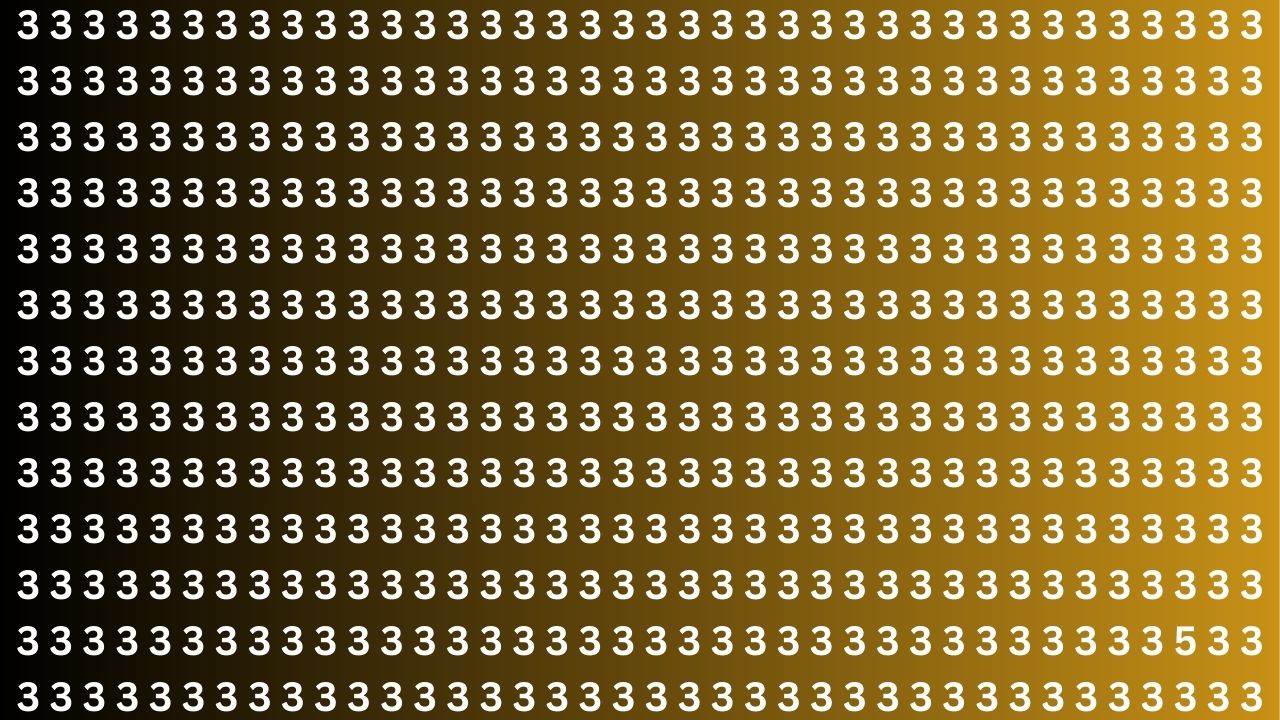
    Optical illusion challenges are popular these days because they are quick & fun to try. This one seems easy when you first look at it. The screen shows the number 2 repeated many times. Hidden somewhere in that pattern is a single number 5. You need to find it in just 8 seconds. When you start looking everything might seem identical. That is how the illusion tricks you. The number 5 blends in with the curves & lines of the number 2 so your brain stops paying close attention. This simple trick can fool even people who have good eyesight. The challenge tests how well you can spot small differences when everything looks almost the same. Most people scan the screen too quickly and miss the hidden number. Your eyes move fast but your brain needs a moment to process what is actually different. The key is to slow down and look at each section carefully instead of rushing through it. Some people find the number 5 right away while others need the full 8 seconds or more. It depends on how your brain processes visual information & whether you have practiced similar puzzles before. Either way it makes for an entertaining test that you can share with friends to see who spots it first.

    Why This Optical Illusion Feels So Difficult

    The human brain naturally looks for patterns. When the same number appears again and again, the brain assumes everything is identical and stops checking carefully. This helps save mental energy, but it also makes tiny differences easy to miss. In this illusion, the number 5 is carefully styled to resemble the shape and spacing of the surrounding 2s, which causes hesitation and confusion.

    Time pressure adds another layer of difficulty. Having only 8 seconds creates mild stress, pushing the brain to rush. When the brain rushes, it relies on quick impressions instead of detailed scanning. That habit works against you here, which is exactly why this illusion succeeds.

    How to Find the Hidden 5 More Easily

    If the answer did not jump out right away, that is completely normal. One effective strategy is to avoid random scanning. Instead, break the image into sections. Start from one corner and move methodically across rows or down columns. This structured approach forces your brain to slow down and notice small changes.

    Another useful trick is to relax your eyes slightly. Focusing too intensely can cause all the numbers to blur together. A softer gaze may help the odd number stand out. Some people also find it easier to look for shape differences rather than reading each number. The curves of a 5 are subtly different from a 2, even when they look nearly identical.

    What This Illusion Reveals About Your Brain

    These optical illusion challenges are more than just fun distractions. They give insight into how your brain processes visual information. Spotting the 5 quickly can indicate strong attention to detail and sharp observation skills. Taking longer does not mean anything negative about your eyesight.

    In many cases, it simply shows that your brain favors speed over precision. This is a common and practical trait in daily life. Illusions like this also prove that perception is influenced by expectations and context, which is why different people can have very different experiences looking at the same image.

    Why Optical Illusions Are So Popular

    Quick visual puzzles fit easily into busy routines. You can attempt one in seconds and still feel a sense of achievement. They also encourage friendly competition, as people enjoy challenging friends to see who can solve them faster.

    There is also a rewarding feeling when the hidden detail finally appears. That moment triggers a small dopamine boost, making the experience enjoyable. This sense of reward often motivates people to try more puzzles, turning optical illusions into an easy habit.

    Try Again With Less Pressure

    If you missed the hidden 5 on your first attempt, try again without focusing on the timer. Removing pressure often makes the answer appear much faster. Once you see it, the number may seem obvious, which is another interesting feature of visual perception.

    Regularly practicing these challenges can help improve focus and visual scanning skills. Over time, you may notice that spotting small differences becomes easier, not just in puzzles, but in everyday life as well.

  • Spot the Hidden Number 539 Using Focus and Observation Skills

    Spot the Hidden Number 539 Using Focus and Observation Skills

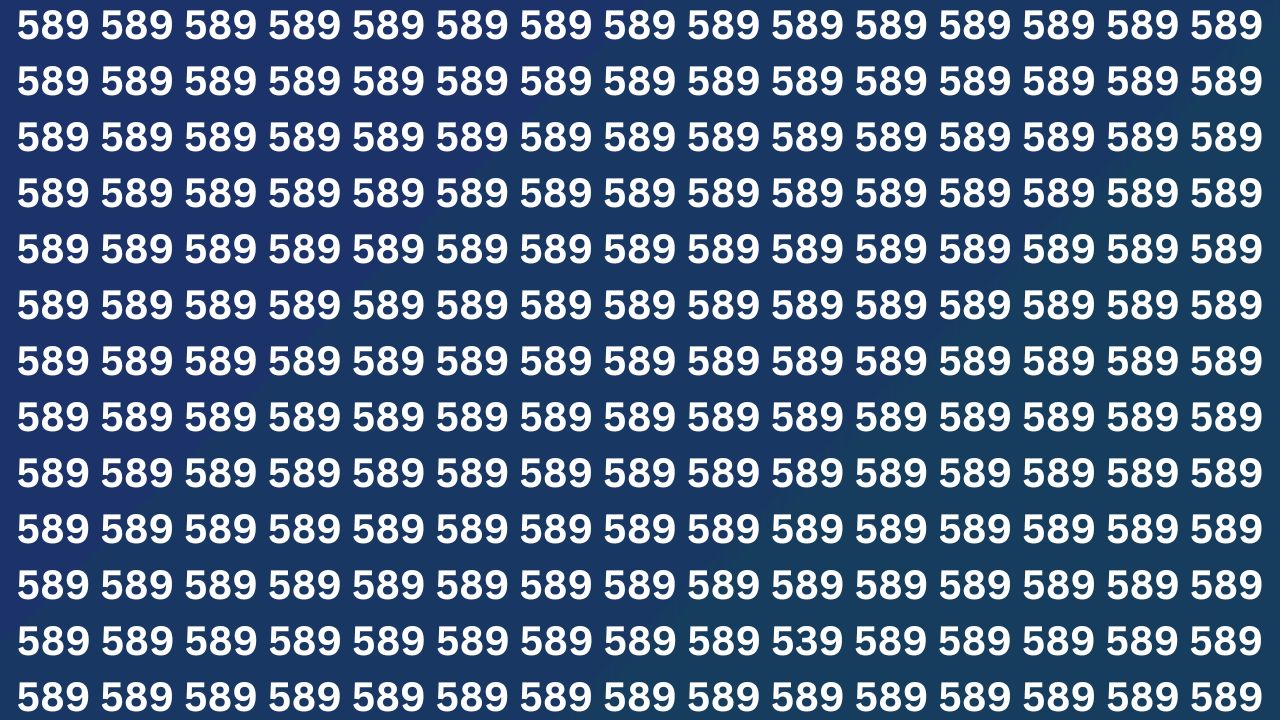
    Are you ready to put your IQ and observation skills to the test with a truly mind-twisting optical illusion? This clever puzzle is designed to challenge your brain and sharpen your focus. Your task is simple but tricky: find the hidden number 539 concealed among a grid full of 549s. At first glance, every number looks exactly the same—but one is different. Can you spot it?

    This optical illusion goes beyond eyesight. It’s a real test of mental alertness and concentration. The number 539 is carefully blended into the repeated 549s, making it hard to notice unless you slow down and examine the details. Success depends on your ability to stay focused and recognize even the smallest variation.

    The Challenge: Spot the Hidden Number 539

    This visual puzzle is crafted to test both IQ and observation skills. While the numbers appear uniform, one breaks the pattern. Your goal is to identify the single 539 hidden among dozens of 549s. The illusion tricks your brain into assuming repetition, but careful attention reveals the odd one out.

    The 539 is disguised so well that it’s easy to miss. Only those with strong attention to detail will find it quickly. If you struggle, don’t be discouraged—these challenges are meant to train your brain, and improvement comes with practice.

    Why Optical Illusions Are Good for Your Brain

    Optical illusions are excellent brain exercises. They strengthen focus, pattern recognition, and analytical thinking. This particular illusion tests how well your brain can process visual information while resisting distraction from repeated patterns.

    When viewing an illusion, your brain often fills in gaps or assumes similarity. These puzzles push you to override that instinct and think critically. Regular exposure to optical illusions can improve concentration, sharpen observation, and enhance overall mental performance.

    How to Approach the Challenge

    If you want to increase your chances of finding the hidden 539, try these techniques:

    – Scan the Numbers Carefully: Don’t rush. Move through the image section by section, checking each number individually.

    – Focus on Small Details: Since the digits are very similar, look closely at each character’s shape and alignment.

    – Pause and Reset: If your eyes feel tired, step away briefly. Returning with fresh focus often makes the difference.

    – Practice Regularly: The more puzzles you attempt, the better your brain becomes at spotting subtle differences.

    The Answer: Where Is the Hidden 539?

    Were you able to find it? If yes, well done—you’ve demonstrated sharp observation skills. The hidden 539 appears in the middle-right area of the image. It blends seamlessly with the surrounding 549s, but a close look reveals the mismatch.

    If you didn’t catch it right away, that’s completely normal. These illusions are intentionally challenging. With continued practice, your speed and accuracy will improve.

    The Strength of Observation and Mental Focus

    Finding the hidden 539 highlights more than good eyesight—it reflects how efficiently your brain processes visual patterns. The quicker you identify the difference, the stronger your observation skills.

    Observation is a trainable skill. Regular mental challenges like this help build patience, focus, and critical thinking, all of which are useful far beyond puzzles.

    Why Optical Illusions Are Used in IQ Tests

    IQ tests often include visual puzzles because they reveal how the brain handles patterns and anomalies. Optical illusions force you to look beyond surface similarities and question what you see.

    The hidden 539 puzzle demonstrates how easily the brain can be misled. Overcoming that illusion requires concentration and mental agility—qualities commonly linked to higher cognitive ability.

    Keep Training Your Brain

    If you enjoyed this challenge, explore more optical illusions to continue sharpening your mind. Over time, you’ll find it easier to notice hidden details and subtle differences.

    Regular mental stimulation through puzzles like these improves attention to detail, strengthens critical thinking, and keeps your brain sharp for everyday life.

  • Optical Illusion Challenge: One Number Is Different—Can You Spot 9376?

    Optical Illusion Challenge: One Number Is Different—Can You Spot 9376?

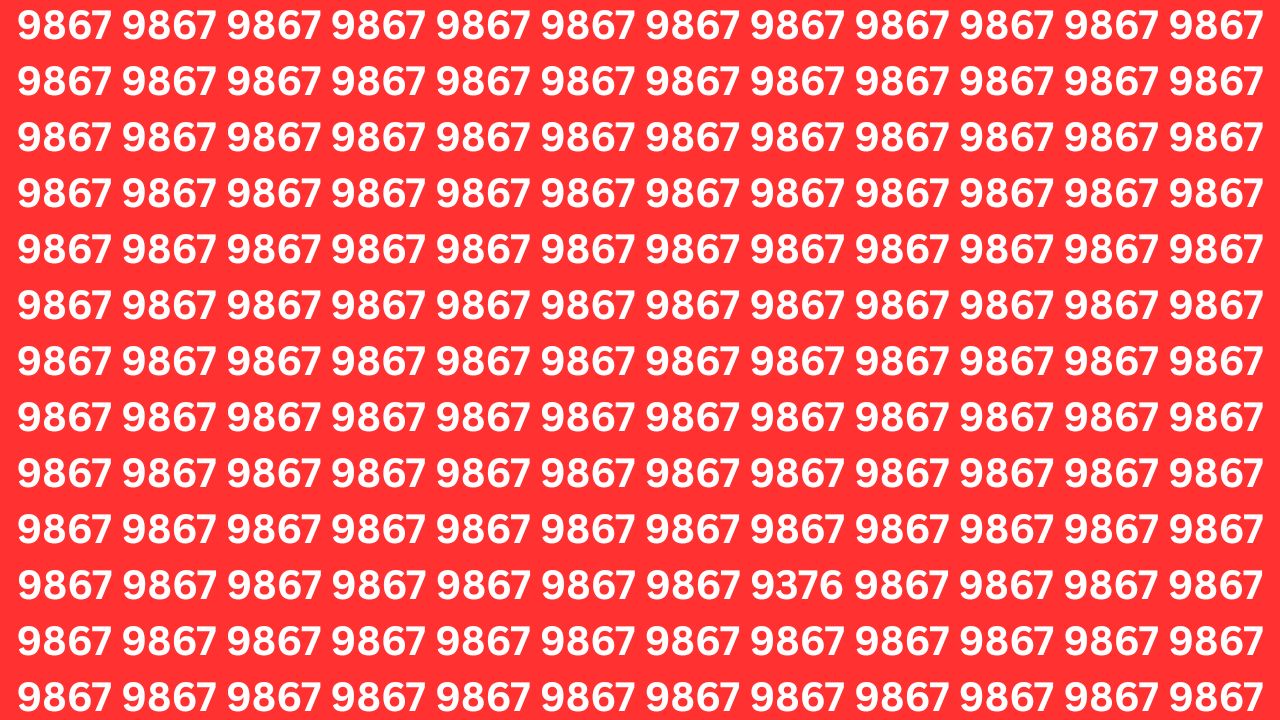
    Optical illusion challenges seem easy when you first look at them but they trick your brain in unexpected ways. This puzzle shows exactly how that works. Everything looks the same at the start. The same number appears over and over in rows that create a pattern that feels familiar & safe. But one number somewhere in that pattern is different. You need to find 9376 before your eyes get tired. This kind of visual test measures more than just how well you can see. It checks your ability to focus & stay patient and how fast your brain picks up on tiny differences. Most people go too fast and miss the answer while others take their time and suddenly spot it right away.

    The Optical Illusion Challenge Explained

    In this challenge you see a grid filled with the number 9876. Each digit appears perfectly aligned & evenly spaced. Your brain quickly labels the entire image as all the same & this is exactly why the different number becomes harder to find. Hidden among these identical numbers is 9376. The difference is subtle because only one digit changes position but that tiny shift is enough to throw off most viewers. You have just a few seconds to scan the image and trust your instincts.

    Why This Puzzle Is Harder Than It Looks

    The human brain naturally seeks out patterns in everything it sees. When the brain detects repetition it tends to stop examining individual details closely. This particular illusion exploits that automatic response. After your mind decides that all the numbers appear identical it reduces its level of attention. Visual fatigue presents another difficulty with this type of challenge. When the same number appears many times in a row the eyes tend to scan across them rather than inspect each one carefully. This explains why numerous people overlook the different number even when it appears directly in their field of vision.

    Tips to Spot 9376 Faster

    Instead of reading each number completely focus on the shape and flow of the digits. Look specifically at the second and third digits because that is where the difference hides. Scanning row by row also helps rather than jumping randomly across the image. If your eyes feel stuck look away for a second and then try again. A short pause often resets your focus and makes the odd number easier to see.

    What This Says About Your Brain

    If you found 9376 right away it means you have sharp attention to detail and process visual information quickly. If it took you more time that is completely normal. These puzzles are made to trick even intelligent people. Having trouble with them just shows your brain is working the way it should by filtering out extra information to conserve energy. Doing optical illusions like this regularly can help you focus better and think more flexibly. That is why people share them so much online and on puzzle websites. If you have not found it yet here is some help. The number 9376 is not sitting where your eyes naturally look. It breaks the pattern of the grid in a subtle way. When you finally spot it you will wonder how you missed it before.

  • Spot the Inverted 83 Hidden Among Identical 83 in 8 Seconds

    Spot the Inverted 83 Hidden Among Identical 83 in 8 Seconds

    Are you ready for a mind-twisting challenge that puts your speed and attention to detail to the test? This optical illusion is more than just a simple puzzle—it’s designed to challenge your observation skills, mental focus, and ability to notice tiny differences under pressure. You have just 8 seconds to identify the inverted number 83 hidden among a grid of identical-looking 83s. It sounds easy, but don’t be fooled—this puzzle can quickly expose even the smallest lapse in concentration.

    In this illusion, you’ll see multiple 83s arranged neatly in a grid. One of them is flipped upside down, yet it blends almost perfectly with the rest. Only sharp eyes and a focused mind can spot the odd one out in time. Are you confident in your visual skills? Let’s jump in and find out.

    The Challenge: Find the Inverted 83

    The goal is simple but deceptive: locate the upside-down 83 within 8 seconds. At first glance, every number appears identical. The real challenge lies in detecting the subtle difference in orientation. Success depends on how quickly and carefully you can scan the grid and isolate the anomaly.

    This illusion takes advantage of your brain’s habit of skimming familiar patterns. When faced with repeated shapes, your mind often overlooks small inconsistencies. That’s exactly why this puzzle is tricky—the inverted 83 hides in plain sight, waiting for your attention to slip.

    Why This Optical Illusion Feels So Difficult

    Although the task sounds straightforward, it’s far more challenging in practice. Each number uses the same font, size, and color, making visual comparison difficult. Without deliberate focus, the flipped number can easily go unnoticed.

    Your ability to concentrate on individual elements is key. Instead of scanning the grid as a whole, you must examine each number closely. This tests your patience, accuracy, and visual processing—especially when the clock is ticking.

    How the Illusion Tricks Your Brain

    The inverted 83 is positioned in the lower-middle area of the grid. When viewed quickly, it blends seamlessly with the others because the design is nearly identical. The flipped orientation is subtle and easy to miss during a fast scan.

    Your brain is naturally wired to recognize patterns quickly and efficiently. In doing so, it may ignore tiny details that break the pattern. Only by slowing down and inspecting each number carefully can you uncover the hidden difference.

    Where the Inverted 83 Is Located

    If you’re searching for the solution, focus your attention on the bottom-center portion of the grid. That’s where the inverted 83 is hiding. Once pointed out, the difference becomes clearer, especially when highlighted in a solution image with a red circle marking the exact spot.

    This puzzle highlights how easily the brain can overlook small details when faced with repetition. Spotting the inverted number quickly is a strong indicator of keen observation skills.

    Tips to Solve Optical Illusions More Quickly

    If you’re having trouble finding the flipped 83, these strategies may help:

    Stay Calm: Even with a time limit, rushing can make it harder. Take a breath and scan carefully.
    Focus on Details: Examine each number individually instead of looking at the grid as a whole.
    Zoom In: If possible, enlarge the image to catch subtle differences more easily.
    Trust Your First Impression: Often, the number that feels “off” at first glance is the correct one.

    Why Optical Illusions Benefit Your Brain

    Optical illusions aren’t just entertaining—they’re great mental workouts. Here’s how they help sharpen your mind:

    Stronger Attention to Detail: These puzzles train you to notice subtle differences.

    Better Focus and Concentration: They encourage sustained attention on a single task.

    Enhanced Brain Activity: Visual challenges stimulate critical thinking and perception.

    Improved Problem-Solving Skills: Illusions push you to think differently and approach challenges creatively.

    Give it a try and see how fast you can spot the inverted 83. Your brain might surprise you.