Category: News

  • 8 Signs Your Childhood Was Not as Happy as You Remember

    8 Signs Your Childhood Was Not as Happy as You Remember

    I found a box of old childhood photos last month when I was cleaning out the attic. They were hidden behind some cloth diapers I had stored away. Looking through them I saw myself smiling at birthday parties and Christmas mornings. They looked like perfect family pictures. But something felt strange as I sat there looking at them with my coffee getting cold. The smiles were real enough but when I looked closely at my eyes in those photos I felt an uncomfortable tightness in my chest. Later that day at the farmers’ market I kept thinking about those pictures while my kids were choosing apples. I wondered why looking at photos from my supposedly happy childhood made me feel so uncomfortable. After spending time thinking about it and talking with my therapist I started to understand that maybe my childhood wasn’t as perfect as I had always told myself it was. Many people experience this strange feeling when their childhood memories don’t match up with how their body reacts to those memories. Our minds sometimes protect us by smoothing over the difficult parts and creating a version of events that seems better than what actually happened. There are several signs that suggest your childhood may have been more difficult than you currently remember.

    You Apologize Even When You’re Not at Fault

    Do you catch yourself saying “sorry” for things that clearly aren’t your responsibility—like someone else bumping into you or your child having a normal meltdown in public? I lived this way for years, and I still notice it creeping in. As a child, I quietly took on the role of peacekeeper. If the mood at home shifted because an adult was stressed or upset, I felt it was my job to fix it. That reflex doesn’t develop randomly. Adults who feel responsible for managing everyone else’s emotions often grew up learning that harmony mattered more than their own comfort. Truly secure childhoods rarely create adults who apologize just to exist.

    Physical Affection Feels Awkward or Unnatural

    When my child hugs me out of pure affection, it still sometimes surprises me. For years, I believed I simply wasn’t a physically affectionate person. But when affection in childhood is rare, conditional, or tied to achievement, spontaneous touch can feel unfamiliar. If you tense up when someone hugs you or have to consciously remind yourself to show physical warmth, it may reflect how closeness was handled growing up. In homes where love wasn’t freely expressed, the body learns to stay guarded—even when the mind wants connection.

    Conflict Triggers Shutdown or Overreaction

    When disagreements come up—sometimes over something small—my instinct has often been to either completely give in or react far more strongly than the situation calls for. Calm discussion feels elusive. This usually stems from childhood environments where conflict was either forbidden or explosive. Without seeing healthy disagreement modeled, the nervous system learns that conflict equals danger. As adults, we may swing between silence and emotional overload, never having learned that it’s possible to disagree without losing safety or connection.

    Achievements Never Feel Satisfying

    No matter how much effort I put into milestones or celebrations, I’ve found myself focusing on what could have been better instead of what went right. When praise in childhood was scarce or expectations were unspoken but rigid, success stops feeling fulfilling. Accomplishments become obligations, not celebrations. This creates adults who chase achievement hoping it will finally unlock a sense of worth—only to discover that the bar keeps moving. When love is earned instead of given, “enough” never really exists.

    You Don’t Know What You Want

    I can easily list what everyone else prefers, but for a long time, my own desires felt inaccessible. In families where children’s preferences are dismissed or criticized, wanting becomes risky. Over time, it feels safer to stop wanting at all. This survival skill can follow us into adulthood, leaving us unsure of our needs and dependent on others to decide for us. Difficulty choosing isn’t indecision—it’s a learned disconnection from self.

    Certain Sensory Triggers Cause Sudden Anxiety

    Some smells, sounds, or environments can spark tension without a clear memory attached. The body often remembers what the mind has tucked away. These reactions are not random; they’re signals from a nervous system shaped by past emotional climates. If something ordinary brings unexplained unease, it may be linked to moments where safety or emotional expression felt restricted. Positive memories don’t usually carry physical dread with them.

    Setting Boundaries Brings Intense Guilt

    Expressing needs or making different choices can feel deeply uncomfortable, even when no one openly objects. That guilt often comes from childhood conditioning where disagreement was equated with disloyalty. In healthier environments, children learn that boundaries are normal and necessary. If saying no makes you feel selfish or ungrateful, it’s likely because your limits were never fully respected early on.

    You Notice Yourself Repeating Old Patterns

    Despite strong intentions to do things differently, familiar behaviors can surface under stress. Hearing a parent’s voice come out of your own mouth can be jarring. These patterns persist because they’re deeply wired, not because you’re failing. Awareness is the turning point. Once you recognize the cycle, you gain the ability to pause and choose a different response—even if it takes practice and patience.

    Moving Forward With Understanding

    Acknowledging that your childhood had gaps doesn’t mean assigning blame. Many parents did the best they could with what they knew. Understanding their limitations isn’t about excusing harm—it’s about freeing yourself. Each time you respond with empathy, validate feelings, or choose connection over perfection, you’re changing the narrative. Growth isn’t linear. Some days old habits resurface. But awareness creates choice, and choice creates change. Your past shaped you, but it doesn’t have to define your future.

    What Is Your Inner Child’s Artist Type?

    Discovering your inner child’s creative expression can be a powerful step toward reconnection and healing. This short 90-second quiz reveals how your inner child naturally experiences joy, imagination, and creativity—before expectations took over. With just a few clicks, you’ll uncover your unique creative blueprint and learn how to reconnect with the spark that once felt effortless. Sometimes healing begins not with fixing, but with remembering who you were before you learned to hide.

  • Skincare Prep Secret: The Forgotten Step Before Moisturiser That Improves Absorption

    Skincare Prep Secret: The Forgotten Step Before Moisturiser That Improves Absorption

    She held a 60€ moisturizer and studied the label as if it contained complex equations. She read the words aloud in a quiet voice. “Hydrating plumping, barrier-repairing.” After a moment she sighed and returned it to the shelf. Her hand moved to her cheek and stayed there as though she expected some kind of response. A short distance away a teenage girl was recording a night routine video for TikTok. Her basket was filled with various serums. Beside her stood a man wearing a business suit. He looked at his reflection on his phone screen while applying cream to his face. His movements were firm and deliberate as if he wanted to remove all traces of the day.

    The step almost nobody talks about

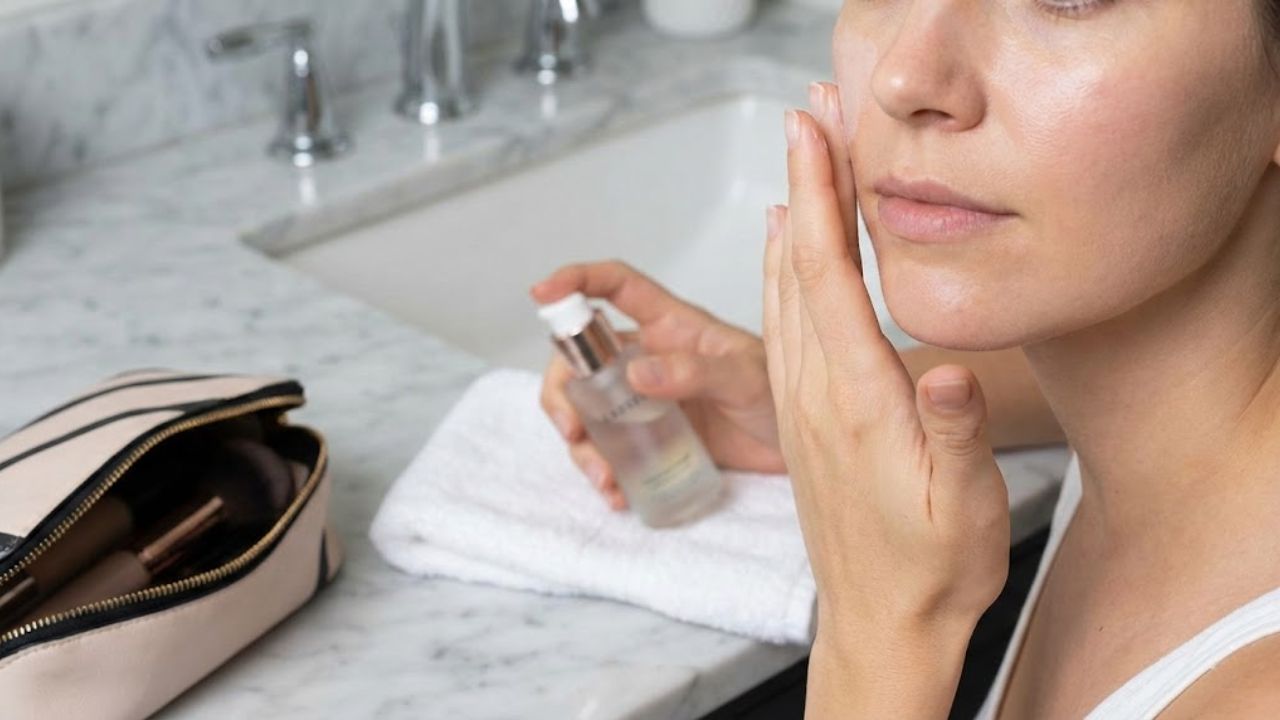
    Most people think skincare starts with the cream. They stand in front of the mirror and tap the moisturizer on dry skin & then blame the product when nothing really changes. The truth is more boring & more powerful. The real magic happens one step earlier in those 10 quiet seconds before your moisturizer touches your face. That moment when your skin is either ready to drink everything you give it or closed like a door. That forgotten step is simple. You need to apply moisturizer on slightly damp & balanced skin. Not dripping wet. Not bone dry. Just comfortably and gently damp. Dermatologists repeat it. Estheticians beg for it. Skincare nerds swear by it. Yet in bathrooms around the world millions of people still rub cream onto completely dry cheeks and wonder why their holy grail product does not feel so holy. On a winter morning in Paris a facialist in a tiny upstairs studio did a quick experiment on a client. On the left side of the face she patted moisturizer straight onto dry skin. On the right side she misted once with a fine spray & then applied the exact same cream.

    How to nail the “damp skin” step in real life

    wash your face & gently press it with a towel. Then put on your moisturizer while your skin still feels slightly damp when you touch it. It should not be dripping wet or completely dry. If your skin dries quickly you can use a facial mist or add a few drops of watery toner to recreate that freshly washed feeling. This helps your moisturizer work better. You only need one layer applied at the right time. Those 30 seconds make a real difference. The same cream can feel sticky and heavy or smooth and light depending on when you apply it. You might even use less product because it spreads more easily when there is a thin layer of water on your skin. Real life gets messy though. Some nights you barely wash your face before bed. Other times you try three different products at once because someone online promised amazing results. Missing the damp skin step on a bad day will not ruin your face. But doing it right on a good day might be the small difference between average results and that nice moment when you touch your cheek & feel genuinely satisfied. Most people make mistakes in two ways. They either rush and apply cream on a face that is still dripping with water which dilutes the product. Or they wait too long while checking their phone and end up applying moisturizer on completely dry skin. The ideal timing is short: about 30 to 60 seconds after rinsing when your skin feels comfortable and cool but not tight. Nobody does this perfectly every single day. But getting it right most days makes a noticeable difference. Your towel choice matters more than you realize. Rubbing your face hard irritates your skin and removes the water you want to keep. Gentle pressing leaves a thin layer that helps your moisturizer absorb. If you use products like retinol or acids then applying them on slightly damp skin can make them stronger. This can sometimes be too strong so start slowly and pay attention to how your skin responds.

    Why this “little nothing” changes everything

    There’s something comforting about knowing that better skin doesn’t always require more products. Sometimes it just means doing the same things in a different order with a different approach. People who begin applying products to damp skin often notice unexpected benefits. Makeup applies more smoothly. Fine lines appear less pronounced not because they disappeared but because the skin surface is better hydrated. Even people with oily skin often feel less greasy throughout the day because their face stops overproducing oil to compensate for harsh drying routines. This small habit raises a bigger question about how we approach self-care in general. Do we try to fix problems without proper preparation? Do we expect amazing results from single actions while ignoring everything around them? Preparing your skin before applying moisturizer is a small practice in patience and attention. It requires just 30 seconds of focus during a day that might be filled with distractions and stress. This approach is also easy to share with others. A partner who dislikes skincare routines might be willing to try simply applying cream while their face is still slightly wet. A teenager overwhelmed by too many products might benefit from learning that the secret isn’t buying another serum but rather changing how they apply their basic moisturizer. You don’t need to make this into a strict routine. Some mornings you’ll forget about it. Some evenings the water will be too hot or your patience will run out. Your skin will be fine despite these inconsistencies. What usually remains after you experience the difference is a quiet appreciation for those transitional moments. The seconds after rinsing your face. The brief pause before opening your moisturizer. The choice to apply that familiar cream to skin that’s properly prepared to absorb it.

    Point Clé Détail Intérêt pour le Lecteur
    Appliquer sur peau légèrement humide Idéal entre 30 et 60 secondes après le rinçage, lorsque la peau est encore fraîche Favorise une meilleure absorption et réduit la sensation de tiraillement
    Préparer plutôt que multiplier Privilégiez un nettoyage doux, évitez l’eau trop chaude et le frottement agressif Optimise l’efficacité de votre crème actuelle sans achats superflus
    Observer la réponse de la peau Ajustez la quantité, la fréquence et les combinaisons d’actifs sur peau légèrement humide Permet de personnaliser la routine, limite les irritations et évite le gaspillage
  • Hair Loss Warning: Why Sudden Changes in Washing Frequency Can Increase Shedding

    Hair Loss Warning: Why Sudden Changes in Washing Frequency Can Increase Shedding

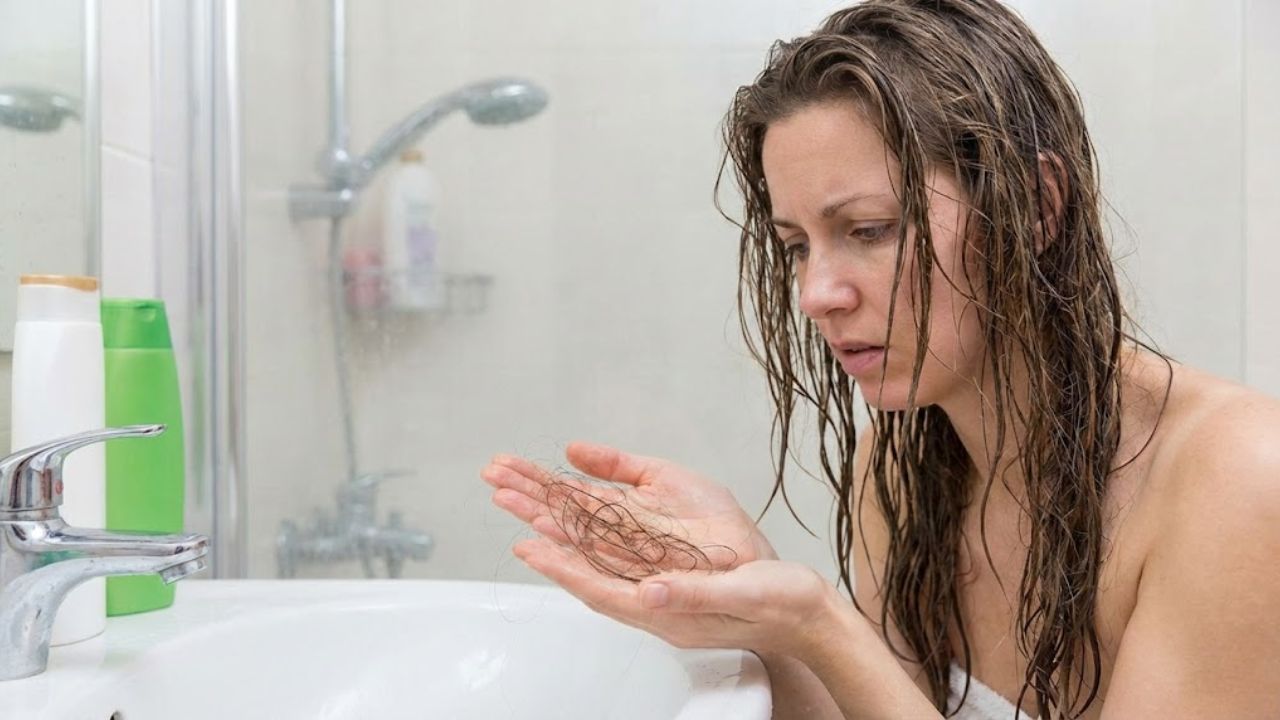
    Less shampoo means less heat and less damage overall. That Sunday night she leaned over the bathtub and massaged in her usual products. Then she watched in horror as the drain filled up with strands of hair. It wasn’t just a few loose hairs. These were actual clumps. Her mind immediately jumped to the worst possible conclusion and she wondered if she was going bald. The week before had seemed completely normal. She wore the same ponytail and used the same brush and lived the same life. The only real change she had made was reducing how often she washed her hair. She went from washing every other day to washing just once a week. The change happened almost overnight. What used to be a quick and simple shower suddenly turned into a moment of quiet panic. Her eyes stayed fixed on every single strand that stuck to her fingers. Hair loss stopped feeling like some abstract theory. It felt like something that was actually happening right now in her own hands. The strange part was that her scalp was simply reacting to the change in routine.

    Sudden Wash Routine Changes Can Shock the Hair Cycle

    Changing how often you wash your hair seems harmless at first. One day you wash daily and the next you try the no-poo method with dry shampoo. Your scalp notices this change immediately. Oil builds up in new ways and the follicles stay untouched for longer periods. The natural shedding cycle becomes visible all at once. This explains why people see a wave of hair falling out after changing their washing routine. The hair loss is not always new. It consists of hair that was already ready to fall and gets released together. When you see it on the bathroom floor it looks scary. Your mind immediately thinks about thinning hair or aging or hormones or stress. Sometimes these factors play a role. But often what you see is just timing and not a real problem. Mark was 32 when he decided during Christmas to wash his hair only twice a week like TikTok recommended. He had washed daily after the gym for years and barely noticed any hair in the drain. After one week of his new routine his first shampoo day felt like a nightmare. His hands were full of short dark hairs and the shower filter was completely covered. He took a picture and sent it to his partner and searched for male pattern baldness online at 1 a.m. He visited a dermatologist a few days later. The diagnosis showed normal shedding of about 80 to 100 hairs per wash that was simply concentrated instead of spread out. When he tracked it properly his hairpocalypse turned out to be regular biology. His follicles were not sick. They were just releasing hairs that would have fallen gradually with daily washing. He changed one habit too fast and his perception went wild. From a biological perspective the scalp sheds hair constantly. Most people lose 50 to 150 hairs daily. When you wash every day those hairs disappear unnoticed with the foam & water. They rarely pile up enough to catch your attention. When you stretch washes to three or five or seven days those same daily losses add up. On your next shampoo day your fingers move through several days of accumulated shed hair. You see every strand at once and your brain interprets it as sudden loss. The opposite also happens. Someone switching from weekly washing to every other day can feel like they lose less hair simply because the shedding spreads out. The oil production also changes. Altering your washing frequency affects how much oil and sweat and product stay on your scalp. This can influence inflammation & itching & even how firmly hairs stay in place before they naturally fall out. The routine is not neutral. It represents a conversation with your follicles and sudden changes make everything more noticeable.

    Adjusting Hair Washing Frequency Without Increasing Hair Fall

    The easiest way to adjust how often you wash your hair is to make small changes. If you currently wash every day and want to cut back, try skipping one wash day per week instead of immediately dropping to once weekly. Allow your scalp two or three weeks to adjust to each new schedule before reducing further. Treat these weeks as an observation period. Pay attention to how your scalp feels on the first day after washing and then the second and third days. Do you notice itching or excessive oil at the roots or flaking? Keep everything else in your routine the same during this time. Use the same shampoo and water temperature and dry your hair the same way. This approach helps you identify what causes any changes you notice. When you do wash your hair, massage your scalp gently and avoid scrubbing too hard. Let the water do much of the cleaning work. Being too rough can pull out hairs that were already loose, which makes normal shedding seem worse than it actually is. Many people make multiple changes at the same time. They switch to sulfate-free shampoo & start using scalp scrubs and reduce washing from four times weekly to once and add hair oils all during the same weekend. When they notice increased hair fall afterward, they cannot identify which change caused the problem. This uncertainty leads to worry rather than useful information. Guilt often becomes part of the experience. You might think you damaged your hair by washing it too frequently for years or perhaps not frequently enough. On difficult days every hair in the drain feels like proof of damage. On better days those same strands seem insignificant. The hair itself has not changed but your interpretation of it has. One helpful way to manage these worries is to track what actually happens. For one or two weeks collect the hair that comes out when you brush and shower in a small container instead of staring anxiously at the drain. You will typically notice a pattern showing roughly the same amount of hair loss just distributed differently based on when you wash. This simple practice can be surprisingly reassuring. Some warning signs suggest that washing frequency is not the real issue. These include shedding that continues heavily for more than two or three months without improving visible thinning areas or a widening part or receding hairline a scalp that is itchy or painful or very flaky or bleeding, loss of eyebrows or body hair or eyelashes happening at the same time, and recent illness or high fever or childbirth or extreme dieting within the past three to six months. When these symptoms appear, seeing a dermatologist or trichologist becomes a practical choice rather than an optional one. Getting professional help early can prevent months of anxious late-night searching for answers online.

    Understanding Daily Shedding and Managing Hair Anxiety

    There is a simple truth that hair commercials never mention: losing hair is normal. It happens because hair naturally renews itself & responds to seasons and hormones & aging. When you first notice it you cannot stop seeing it. And when you learn that how often you wash affects what you see you start questioning your own thoughts. Instead of just asking how many hairs you lost today there is a better question to consider: what changed this month? Maybe you had stress at work or started a new medication or went through a breakup or developed anemia or tried a strict diet or got pregnant or had Covid or entered perimenopause. Changes in your routine rarely happen alone. Your scalp often reflects what is happening in the rest of your body. We have all stood in front of the mirror and felt like a few hairs in the sink meant something was seriously wrong. But hair is resilient. It grows back slowly and unevenly and not always in the way you expect. It does not always match the story you created in your mind. Sharing your experience can make it feel less heavy. Someone you know has looked at their shower drain with the same worry you felt last week. Someone else washed their hair every day just to spread out the visible loss because they were scared of what skipping days would show. Another person washed less often and noticed their scalp improved & their curls looked better and their confidence returned. There is no single correct washing schedule. There is only what works for you right now with your current job and your local water and your hormone levels. It will probably change again later. Hair forces us to adjust our routines and sometimes our expectations too. Talking about it openly creates a different kind of discussion: not how to prevent all hair loss but how to care for the hair you have while accepting that some loss is natural. That is an easier perspective to maintain. From that viewpoint the sound of water in the shower feels less like something to dread and more like a simple daily routine you control.

    Key Point Rewritten Explanation Why It Matters to Readers
    Shedding vs actual hair loss Reducing or changing wash frequency can cause normal daily hair fall to collect and release at once, making it look more severe than it is. Prevents unnecessary stress by helping readers understand that routine changes can exaggerate normal shedding.
    Make changes slowly Altering wash days gradually while keeping the rest of the hair routine consistent allows the scalp to adjust naturally. Makes it easier to identify what genuinely improves hair health and what may be causing issues.
    Know when to worry Ongoing excessive shedding, bald patches, scalp discomfort, or overall health changes should not be ignored. Helps readers recognize when professional medical advice is more appropriate than product experimentation.
  • Hair Loss Warning Explained: Sudden Washing Routine Changes Linked to Increased Shedding

    Hair Loss Warning Explained: Sudden Washing Routine Changes Linked to Increased Shedding

    The first time Emma decided to wash her hair only once a week she believed she had discovered the secret to better hair. She figured that using less shampoo & less heat would mean less damage. That Sunday night she leaned over the bathtub and started her normal washing routine. Then she watched in shock as the drain filled up with hair. It wasn’t just a few strands but actual clumps of hair. Her first thought was immediate panic about going bald. Just the week before everything had been completely normal. She wore the same ponytail and used the same brush and lived the same daily life. The only real change she had made was reducing how often she washed her hair. She went from washing every other day to just once a week and made this change very quickly. What used to be a simple shower routine suddenly became a source of quiet fear as she stared at every strand that stuck to her fingers. Hair loss stopped being just an abstract concept and became something real that was happening to her in that moment. The strange thing was that her scalp was simply responding to the change in her routine.

    Sudden Changes in Washing Habits Can Disrupt the Hair Growth Cycle

    # Understanding Hair Loss When You Change Your Washing Routine Switching how often you wash your hair seems like a small change. You might go from washing every day to trying the “no-poo” method with dry shampoo instead. But your scalp notices this shift immediately. Oil builds up in a different pattern and hair follicles go longer without being disturbed. The natural hair shedding that happens constantly becomes visible all at once. This explains why many people see a large amount of hair falling out right after changing their washing schedule. Most of the time this is not new hair loss. These are hairs that were already ready to fall out but they all release together. When you see this on your bathroom floor it can be frightening. Your first thought might be that you are going bald or dealing with aging or hormones or stress. Sometimes these concerns are valid. But usually what you are seeing is just a timing issue and not a real problem. Consider Mark who is 32 years old. He decided during Christmas to wash his hair only twice per week because he saw this advice on TikTok. He had been washing daily after going to the gym for years and barely noticed any hair in the drain. After one week of his new routine his first wash day was shocking. His hands were full of short dark hairs and the shower drain was completely covered. He took a photo and sent it to his partner. Then he searched online for “male pattern baldness” at one in the morning. A few days later he went to see a dermatologist. The diagnosis was simple. He was experiencing normal shedding of about 80 to 100 hairs per wash. The hair was just concentrated in one session instead of spread across multiple days. After he started keeping track Mark realized his “hairpocalypse” was just normal biology. His hair follicles were not sick or damaged. They were simply releasing hairs that would have fallen out gradually if he had continued washing daily. He changed his routine too fast and his perception of the situation became distorted. From a biological perspective your scalp sheds hair constantly. Most people lose between 50 and 150 hairs every day. When you wash daily these hairs disappear without you noticing them. They mix with shampoo foam & water and wash away. They rarely collect enough to get your attention. When you extend the time between washes to three or five or seven days those same daily losses add up and become visible all at once.

    Smart Washing Adjustments That Protect Hair and Reduce Excess Shedding

    The easiest way to adjust how often you wash your hair is to make small changes. If you currently wash every day and want to cut back, try skipping one wash day each week instead of immediately dropping to once weekly. Allow your scalp two to three weeks to adjust to each new schedule before reducing further. Treat these weeks as an observation period. Pay attention to how your scalp feels on the first day after washing and then the second and third days. Do you notice itching or excessive oil building up at the roots or flaking? Keep everything else in your routine the same during this time. Use the same shampoo and water temperature and dry your hair the same way. This approach helps you identify what causes any changes you notice. When you do wash your hair, massage your scalp gently and avoid scrubbing too hard. Let the water do much of the cleaning work. Being too rough can pull out hairs that were already loose, which makes normal shedding seem worse than it actually is. Many people make multiple changes all at once. They switch to sulfate-free shampoo and start using scalp scrubs and reduce washing from four times weekly to once and add new oils all in the same few days. When they notice more hair falling out afterward, they cannot tell which change caused the problem. This uncertainty often leads to panic rather than logical thinking. Guilt often appears during this process. You might worry that you damaged your hair by washing it too frequently for years or perhaps not frequently enough. On difficult days every hair you see in the drain feels like proof of damage. On better days those same strands seem completely normal. The hair itself has not changed but your interpretation of it has. One helpful way to manage these worries is to track what actually happens. For one or two weeks collect the hair that comes out when you brush & shower in a small container instead of staring anxiously at the drain. You will typically notice a pattern showing roughly the same amount of hair loss just distributed differently based on when you wash. This simple tracking exercise can be surprisingly reassuring. There are some warning signs that suggest washing frequency is not the real issue. These include shedding that continues heavily for more than two or three months without improving visible thin patches or a widening part or receding hairline, a scalp that is itchy or painful or very flaky or bleeding, loss of eyebrows or body hair or eyelashes happening at the same time, and recent illness or high fever or childbirth or extreme dieting in the past three to six months. When these symptoms appear seeing a dermatologist or trichologist becomes important rather than optional. Early professional evaluation can prevent months of anxious late-night searching for answers online.

    Managing Ongoing Hair Shedding While Reducing Stress and Over-Monitoring

    There is a simple truth that hair commercials never mention: losing hair is normal. It happens because hair naturally renews itself & responds to seasons & hormones and aging. When you first notice it you cannot stop seeing it. And when you learn that how often you wash affects what you see you start questioning everything. Instead of just asking how many hairs you lost today you should ask what changed recently in your life. Maybe you have work stress or started new medication or went through a breakup or have anemia or tried a strict diet or got pregnant or had Covid or entered perimenopause. These life changes rarely happen alone. Your scalp often reflects what is happening in your body. We have all stood in front of the mirror thinking that a few hairs in the sink mean something terrible is happening. But hair is resilient. It grows back slowly and unevenly and not always when you want it to. It does not follow the story you imagined in your mind. Talking about hair loss with others can make it feel less heavy. Someone you know has looked at their shower drain with the same worry you felt last week. Someone else washed their hair every day trying to spread out the visible loss because they feared what skipping days would show. Another person washed less often and noticed their scalp improved and their curls looked better and their confidence returned. There is no single right answer for how often to wash your hair. There is only what works for you right now with your current job and your local water and your hormone levels. It will likely change again later. Hair forces us to adjust our routines & sometimes our expectations too. Discussing this openly without embarrassment creates a better conversation. Instead of asking how to stop all hair loss you ask how to care for the hair you have while accepting that some loss is natural. That is an easier mindset to maintain. From that perspective washing your hair feels less like something to dread and more like a simple routine you control.

    Key Insight Rewritten Explanation Why It Matters
    Normal shedding vs true hair loss When you change how often you wash your hair, strands that would normally fall out daily may collect and shed together during one wash. Prevents unnecessary stress by clarifying that a routine change can exaggerate normal shedding rather than signal sudden hair loss.
    Make changes slowly Increase or reduce wash days gradually while keeping products and styling habits consistent. Allows the scalp to adjust naturally and helps you identify which changes are actually beneficial or harmful.
    Know when to seek help Ongoing excessive shedding, visible bald patches, scalp discomfort, or other health shifts should be checked by a professional. Helps readers recognize when expert medical advice is more appropriate than relying only on routine or product adjustments.
  • Eco-Friendly Cleaning Guide: How to Make Effective Products Using Household Ingredients

    Eco-Friendly Cleaning Guide: How to Make Effective Products Using Household Ingredients

    The first time I opened a bottle of store-bought cleaner after a long hike in the woods the smell hit me hard. Artificial lemon and chemical sharpness filled the air. My eyes stung & my throat tightened. The quiet moss-covered trail I had left an hour before suddenly felt like it belonged to another world. Out there water moved through soil & stone and got filtered by roots over time. In here under harsh lights and plastic bottles everything felt manufactured. I remember thinking why does my home have to smell like a laboratory just to be considered clean?

    The Moment You Realize Your Home Is Part of an Ecosystem

    Once the thought lands, it refuses to leave. You watch a swirl of blue liquid disappear down the sink, no longer imagining it vanishing into nothing, but traveling onward—through pipes, treatment systems, and into rivers and seas already under strain. You notice how glass cleaner mist floats in sunlight, lingering just long enough to be inhaled. You glance at an overfilled recycling bin, packed with plastic bottles that once held strong-smelling liquids. These small moments quietly add up.

    We often talk about “the environment” as if it exists somewhere distant—a forest edge, a melting ice cap, a faraway beach. Yet the truth is simpler and closer. You are living inside an ecosystem right now. Your home isn’t sealed off from the world. Air moves freely, water flows in and out, dust travels on feet and fabric, and everything you pour, spray, or rinse becomes part of a larger system. Even the cleaners beneath your sink shape the tiny environment you live in each day.

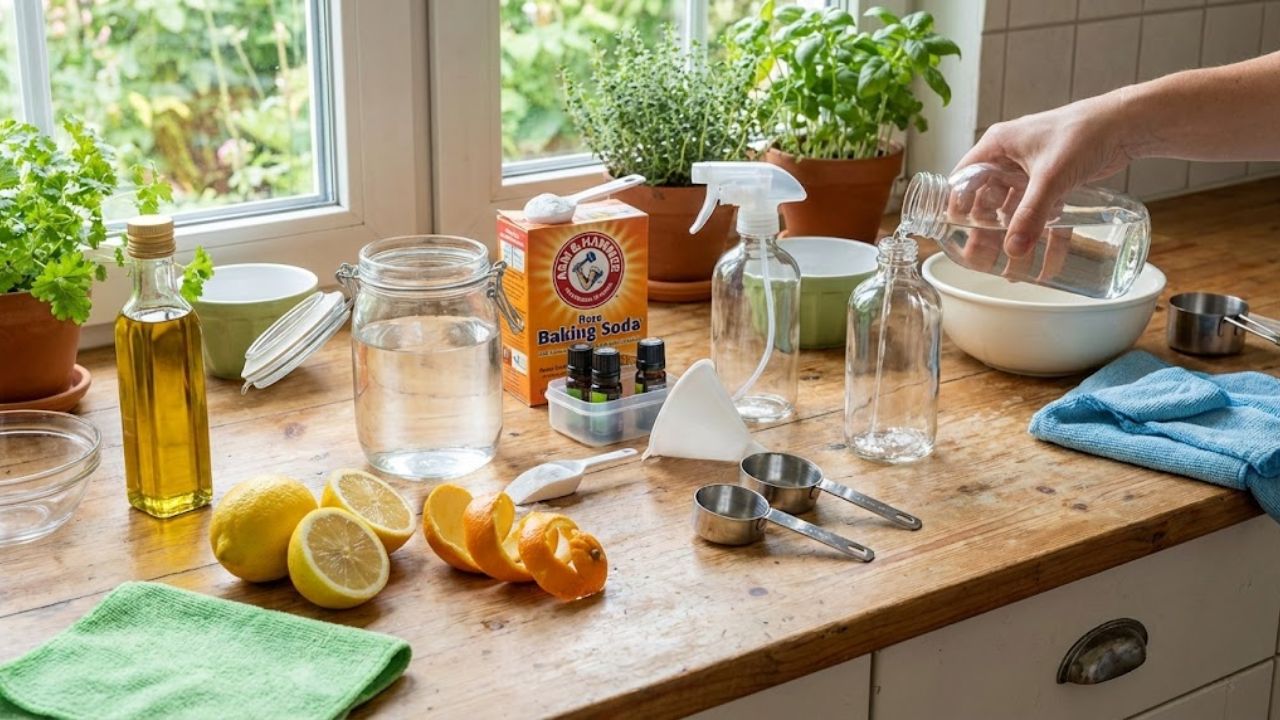
    There’s something quietly transformative about opening a cupboard and finding not a lineup of brightly colored bottles, but a few familiar basics: baking soda, vinegar, a bar of plain soap, a lemon, perhaps a small vial of essential oil. These are things past generations would recognize. Combined thoughtfully, they clean your home in a way that feels lived-in and real, not artificial or showroom-perfect.

    The Secret Lives of Everyday Ingredients

    Your kitchen already holds a simple kind of cleaning magic. The shift comes when you stop seeing everyday items as background objects and start recognizing them as tools.

    Hold them for a moment. Baking soda feels soft and powdery, almost silky. Vinegar sharpens the air with its tang, yet leaves behind a clean clarity. A lemon’s peel is glossy and fragrant, its juice slightly sticky. Olive oil pours slowly, rich and smooth. Each carries a distinct purpose.

    Baking soda gently scrubs and absorbs odors instead of covering them. Vinegar dissolves buildup, soap scum, and grease with mild acidity. Citrus cuts through oil while adding a bright scent. Simple soaps lift dirt so water can carry it away. Salt adds scouring power, while essential oils—used sparingly—offer fragrance and light antibacterial support.

    Understanding these roles changes how you clean. You’re no longer following instructions from a label. You’re combining properties intentionally, like a home chemist who enjoys the scent of lemon on wood.

    Simple Recipes That Turn Your Kitchen into a Low-Waste Lab

    These recipes are flexible, forgiving, and designed for real life. No special tools, no precise measurements—just common ingredients and a bit of experimentation.

    All-Purpose Surface Spray

    This becomes your everyday cleaner for counters, switches, and tables.

    Mix equal parts white vinegar and water in a spray bottle. Add a few drops of essential oil if desired. Shake gently.

    Use on hard surfaces and wipe with a cloth. Avoid natural stone, as vinegar can damage it. The vinegar scent fades quickly, leaving behind a sense of freshness without chemical sharpness.

    Gentle Scrub for Sinks, Tubs, and Stovetops

    For surfaces that feel dull or coated.

    Combine baking soda with enough water to form a thick paste. Add a little castile soap for extra grease-cutting if needed.

    Apply with a sponge or cloth, scrub lightly, then rinse. The result is clean without harsh shine—just quietly restored surfaces.

    Glass and Mirror Cleaner

    Clear glass without streaks or haze.

    Mix equal parts vinegar and water. A small splash of rubbing alcohol can help reduce streaking.

    Spray lightly and wipe with a lint-free cloth or old cotton shirt.

    Wood Surface Polish

    For tables, shelves, and well-used furniture.

    Mix two parts olive oil with one part lemon juice or vinegar. Shake before use.

    Apply a small amount with a soft cloth, rub along the grain, and buff dry. The wood looks cared for, not coated.

    Deodorizing Carpet or Mattress Shake

    For fabrics that hold onto smells.

    Mix baking soda with a few drops of essential oil until evenly blended.

    Sprinkle lightly, let sit, then vacuum thoroughly. Odors fade without artificial fragrance.

    Quick Reference: Your Eco-Cleaning Starter Kit

    Item Main Use Notes
    Baking Soda Scrubbing, deodorizing Great for sinks, tubs, fridges
    White Vinegar Degreasing, descaling Avoid natural stone
    Plain Soap General cleaning Works for dishes and floors
    Lemon/Citrus Degreasing, deodorizing Use juice or peels
    Salt Extra scrubbing Good for pans and boards
    Essential Oils Scent Use sparingly

    Cleaning That Feels More Like Care Than a Chore

    Switching to simple ingredients changes the rhythm of cleaning. It becomes slower, gentler, more intentional. You notice fingerprints, smudges, and signs of daily life—not as mess, but as evidence of living. Cleaning becomes a reset rather than an attack.

    Scrubbing a sink with baking soda offers resistance and satisfaction. Pouring hot water down a drain after a gentle fizz feels like maintenance rather than panic. You begin to pay attention—to airflow, moisture, buildup—and that awareness becomes its own quiet form of care.

    Safety, Sanity, and Knowing the Limits

    Natural cleaning isn’t about ignoring safety. Never mix vinegar with bleach. Label stored solutions clearly. Test surfaces first. Ventilate your space. Some situations still call for stronger products, and that’s okay. Eco-friendly cleaning is about better defaults, not perfection.

    From Under the Sink to Down the River

    Nothing you rinse away truly disappears. It travels—through pipes, systems, and ecosystems. Simple ingredients like soap, vinegar, and baking soda are materials nature already knows how to break down. They don’t linger or accumulate in the same way harsher chemicals do.

    Over time, your cupboards grow calmer. Fewer bottles, more intention. Your trash fills more slowly. The air feels lighter. Cleaning becomes less about erasing life and more about supporting it. You haven’t just changed products—you’ve changed the story of how your home connects to the world beyond its walls.

  • Natural Teeth Whitening Guide Using Baking Soda and Hydrogen Peroxide Safely

    Natural Teeth Whitening Guide Using Baking Soda and Hydrogen Peroxide Safely

    Most people first spot it during a regular moment while standing in front of the bathroom mirror. You move closer & look carefully at your teeth. Those light brown marks appear along the edges and refuse to go away. Your mind thinks back through recent days. You remember all those mornings when coffee was the first thing you needed. You think about drinking hot tea each evening from that old mug you love. Then you understand something that bothers you a bit. Those small things you enjoy every day have been slowly staining your teeth.

    The Morning Your Smile Starts to Bother You

    It often starts with a photograph. Maybe it’s a group selfie taken under harsh café lights or an unexpected candid at a family gathering. Everyone looks happy. You look happy too. But when you zoom in, your eyes catch something else. Your teeth don’t look bright and polished. They look lived-in. Slightly yellow. Touched by years of tea and coffee. Once you notice it, it’s hard to look away.

    You tell yourself it doesn’t matter. Teeth aren’t meant to look like porcelain. Still, the next morning at the sink, you brush a little harder, hoping effort alone might scrub the stains away. But they remain. Tea and coffee stains don’t sit loosely on the surface. Over time, they settle into the microscopic texture of enamel, clinging like dye soaked deep into fabric.

    The Search for a Simpler Whitening Answer

    You’ve probably seen the ads. Overnight whitening promises. Blue lights, sticky strips, pen-like applicators that feel more like markers than dental tools. Maybe you even tried one, only to feel sharp sensitivity or irritated gums afterward. Somewhere inside, you sense there must be a gentler way—something effective without turning your mouth into a chemistry experiment.

    This is where a quiet, old-school combination reappears: baking soda and hydrogen peroxide. Ingredients so ordinary they’re easy to overlook, often already sitting in your kitchen or medicine cabinet. Used carefully, they can help lift tea and coffee stains and reveal the natural shade your smile has been carrying beneath layers of daily habits.

    Ingredient Used Primary Function Benefit for Stain Removal Usage & Safety Advice
    Baking Soda Mild Abrasive & pH Regulator Gently scrubs and reduces visible tea and coffee surface stains Apply as a light paste only, limit use to 2–3 times weekly
    Hydrogen Peroxide (3%) Light Whitening Agent Breaks down dark stain molecules through oxygen release Do not ingest; always use low-strength solution
    Water Diluting Base Softens the mixture, making it safer for enamel and gums Add gradually to maintain a smooth, non-gritty texture

    The Science Sitting Inside Everyday Ingredients

    Tea and coffee stains build slowly. These drinks contain chromogens and tannins—pigments that bind easily to enamel. Over time, they settle into tiny pits and grooves on your teeth, darkening them little by little.

    Baking soda works as a mild polishing agent. Its fine particles help loosen and lift surface stains without bleaching the tooth itself. Hydrogen peroxide, when used in low concentrations, releases oxygen that breaks apart pigmented molecules. Together, they don’t repaint your teeth; they gently clean away what doesn’t belong there.

    How to Make a Gentle Whitening Paste at Home

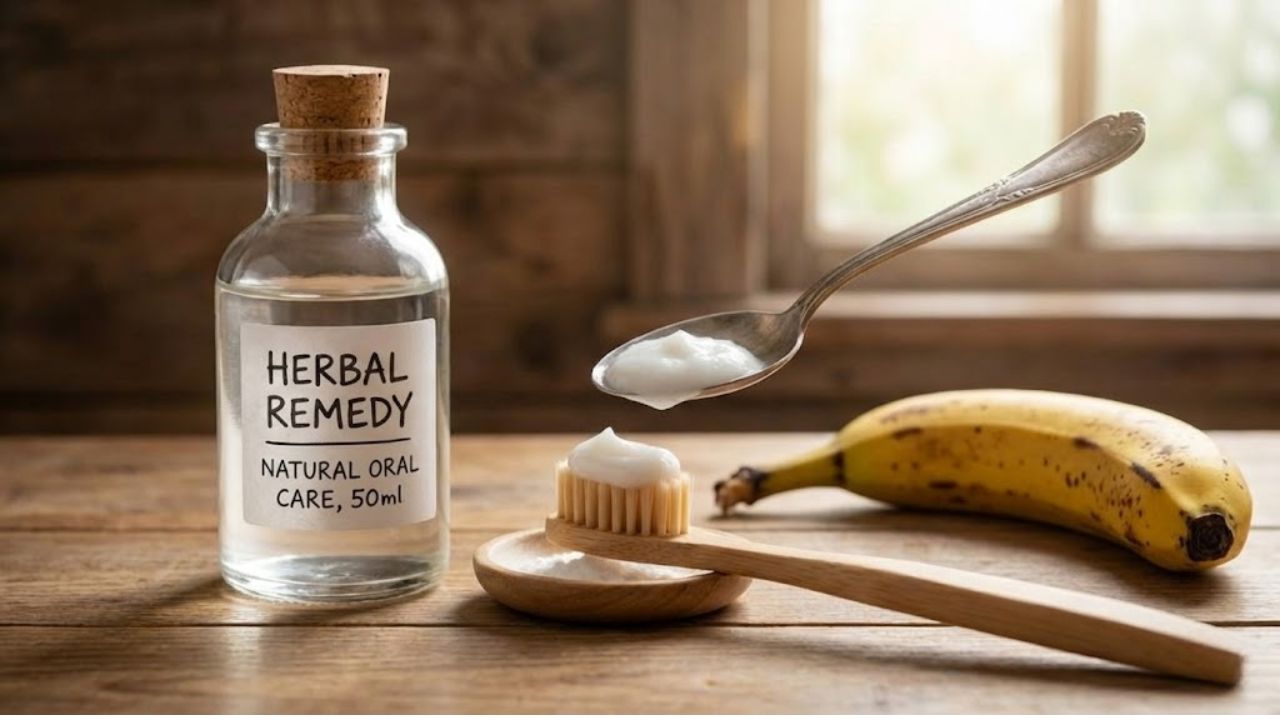
    In a quiet moment at your sink, all you need is a small dish, baking soda, and a 3% hydrogen peroxide solution. Mix about half a teaspoon of baking soda with a few drops of peroxide until you get a smooth, creamy paste. The texture should feel soft, not gritty.

    Brush lightly with your regular toothpaste first, then apply the paste using a soft-bristled toothbrush. Use gentle, circular motions on the front surfaces of your teeth for one to two minutes. Rinse thoroughly and pay attention to how your teeth feel. Comfort is your guide.

    How Often Is Enough Without Causing Harm

    This paste isn’t meant for daily use. Even gentle abrasives can wear enamel if overused. For most people, two to three times a week is enough to see gradual improvement without stressing the teeth. Your regular fluoride toothpaste should remain the foundation of your routine.

    If you notice sensitivity or gum irritation, stop and give your mouth time to recover. Whitening should never feel painful. Your teeth usually signal when they’ve had enough.

    What the Experience Feels Like

    The paste tastes slightly salty and chalky, with a faint fizz from the peroxide. It doesn’t feel dramatic or aggressive. The process is slower, calmer, and almost meditative. Instead of attacking stains, you’re gently tending to your teeth.

    After a week or two, stains often begin to soften. The change is subtle but noticeable. Your teeth don’t look artificially white. They look cleaner, fresher, and more like themselves.

    Safety Matters More Than Speed

    Just because something is common doesn’t mean it’s harmless. Stick strictly to low-concentration hydrogen peroxide. Never scrub hard or use the paste daily. Enamel doesn’t regenerate, and once it’s worn down, it’s gone.

    If you have sensitive teeth, gum issues, exposed roots, braces, crowns, or veneers, it’s best to talk to a dentist first. This method helps with surface stains, not deep discoloration or dental problems.

    Keeping Your Smile Bright Without Giving Up Tea or Coffee

    You don’t have to abandon the drinks you love. Simple habits help protect your teeth: rinse your mouth with water after sipping, wait at least 30 minutes before brushing, use a straw for iced drinks, and maintain a strong daily oral care routine.

    These small habits reduce the chance for stains to settle in, making any whitening effort more effective and longer lasting.

    Letting Your Natural Tooth Color Be Enough

    Healthy teeth aren’t paper white. They naturally carry warm, ivory tones because of the dentin beneath the enamel. Whitening isn’t about erasing that character. It’s about removing what dulls it.

    When used with care, baking soda and hydrogen peroxide help clear away surface stains so your natural smile can show through. Not perfect. Just clean, comfortable, and confidently yours.

  • Makeup Longevity Issue Explained: The Prep Step Most People Skip Without Realising

    Makeup Longevity Issue Explained: The Prep Step Most People Skip Without Realising

    At 8 a.m. her skin had looked glossy & contoured and nearly flawless. Now it was 3 p.m. & her foundation had gone patchy around the nose & her blush had vanished and under her eyes the concealer had turned into fine little cracks. She dabbed her fingers over her cheeks half in frustration & half in denial. She mumbled the familiar sentence that her makeup just didn’t last on her. It was as if her face was somehow broken or her skin was playing a private joke. On the counter her bag overflowed with longwear formulas & viral powders & one more setting spray she had bought in hope. Then she touched the one place that felt strangely rough and tight like no product had truly met it. That small area quietly ruined everything.

    The sneaky little zone that ruins longwear makeup

    Most people blame their foundation or powder or even the weather when their makeup melts by midday. Few of them look at the real culprit: the skin around and under the eyes including the upper cheeks and sides of the nose. This tiny zone sits between skincare and makeup. It moves when you smile and crinkles when you squint and gets oily at the sides and dry right under the lower lashes. And quite often it barely gets prepped. A quick dab of eye cream at best & then straight to concealer. No wonder it creases and cracks and makes the whole base look older than it is. That area is like the hinge on a door. If it’s stiff everything looks off. If it’s ignored even the best formulas give up early.

    Ask any makeup artist what part of the face they spend the most silent minutes on and many will quietly point to the under-eye and inner cheek. They massage & tap & layer and wait. They don’t rush it even on a fast shoot. Because what happens there affects the whole canvas. On real people and not models with 15 minutes of lighting adjustments it shows even more. You probably know that moment at 6 p.m. when your T-zone is shiny but your under-eye looks tired and cakey and flat. It’s not just the concealer. It’s that the skin there wasn’t prepared like the rest of your face.

    We hydrate the forehead and treat the chin & exfoliate the nose. Then we swipe something vague under the eyes and hope for the best. On a long day that skipped care shows up faster than any faded lipstick. From a skin point of view the under-eye and upper cheek area are needy and unpredictable. The skin is thinner and often drier & has fewer oil glands. Right next to it around the sides of the nose and the inner cheek pores get larger and more active. So you have dry and oily sharing the same postcode.

    How to prep the one area that makes everything last longer

    Think of the area under your eyes and around your nose as a separate task. Begin with clean & gently dried skin. Warm up a small amount of hydrating eye cream between your ring fingers and tap it only where you notice fine lines when you smile. Do not apply it to the puffy part of your cheek. Wait for about two to three minutes & let your skin absorb the product. During this time press a lightweight moisturizer onto your upper cheeks & around your nostrils. Use pressing motions instead of rubbing to avoid making redness worse. When your skin feels slightly tacky but not wet you are ready for the next step.

    This is when concealer and foundation will blend naturally and look like real skin instead of sitting on top as a separate layer. This is where everyday life comes into play. Ideally you would do this calmly every morning with good lighting and no distractions. In reality you are getting dressed while your coffee gets cold and your phone keeps buzzing. The solution is to make it simpler without leaving out important steps. If you only have ninety seconds keep a small tube of hydrating gel cream near your makeup.

    Apply it quickly under your eyes and along the sides of your nose and then work on your eyebrows while it absorbs. Even this quick routine will improve how your makeup looks by midday. On important days like job interviews or weddings or when you just need to look well rested apply a thin layer of blurring primer on your inner cheeks and beside your nose. Keep it away from your lash line because that area tends to build up product and crease first.

    Why this one tweak changes how your face feels all day

    On a long day makeup breaking down is not just visible but also physical. Your under-eye area feels tight by mid-afternoon and your nose bridge itches where product has gathered. This discomfort makes you touch your face more which only makes the makeup break down faster. When this delicate area is properly prepared and not overloaded your face feels comfortable. You stop thinking about your makeup which is actually when it looks best. You touch your face less and need fewer touch-ups throughout the day. During a hot commute or stressful meeting or late night out the products move naturally with your face instead of cracking. This change is subtle but it makes the difference between makeup that fails and makeup that somehow still looks good. Everyone has experienced catching their reflection in harsh bathroom lighting & barely recognizing themselves. Foundation separates around the nose and dark circles look worse and everything appears older than you feel. This is what happens when you skip proper preparation on the most visible part of your face. Next time you want to buy another long-lasting foundation stop and think. Look at the area under your eyes and around your nose. Consider what it really needs which is usually hydration & balance rather than more product layers.

    Point clé Détail Intérêt pour le lecteur
    Zone sous les yeux / joues La peau fine et sèche est adjacente aux zones plus grasses et poreuses autour du nez Explique pourquoi le maquillage se détériore plus rapidement à cet endroit
    Préparation avant le produit Hydratation légère, temps de pause court et primer ciblé surpassent les couches épaisses Aide le maquillage à durer plus longtemps avec moins de produit et d’effort
    Petites habitudes pour toute la journée Tapotements doux, textures plus fines, fixation sélective et retouches au blotting Fournit une routine pratique et réaliste pour la vie quotidienne
  • 15 Yoga Benefits: How Daily Practice Improves Energy, Strength and Mental Balance

    15 Yoga Benefits: How Daily Practice Improves Energy, Strength and Mental Balance

    Feeling tired even after a full night’s sleep has become a common experience in modern life. Long screen exposure, constant mental pressure, poor posture, and limited physical movement slowly reduce daily vitality. Yoga provides a natural and sustainable way to restore energy. It supports both physical and mental balance, helping the body recharge without relying on stimulants. Below are 15 powerful yoga benefits that can noticeably improve daily energy levels when practiced consistently.

    1. Activates Natural Energy Flow in the Body

    Yoga helps clear physical stiffness and internal blockages. Gentle movements and stretches improve blood circulation, allowing oxygen and nutrients to reach every part of the body. This improved flow reduces heaviness and promotes alertness throughout the day.

    2. Improves Oxygen Supply to the Brain

    Yoga breathing techniques expand lung capacity and enhance oxygen intake. Better oxygen flow to the brain improves mental clarity, reduces fatigue, and helps you feel more awake and focused, especially during the early hours of the day.

    3. Reduces Stress That Drains Energy

    Ongoing stress quietly consumes energy reserves. Yoga calms the nervous system and lowers stress hormones. As stress decreases, the body stops wasting energy on tension and anxiety, leaving you feeling lighter and refreshed.

    4. Enhances Digestion and Nutrient Absorption

    Weak digestion often leads to low energy levels. Yoga poses stimulate digestive organs through gentle compression and twisting. Improved digestion helps the body absorb nutrients more efficiently, directly supporting stamina and vitality.

    5. Balances the Nervous System

    Yoga creates harmony between the active and relaxation responses of the nervous system. This balance prevents energy crashes caused by constant overactivity and promotes steady, sustainable energy throughout the day.

    6. Improves Sleep Quality Naturally

    Restorative poses and calming breathing techniques improve sleep depth and quality. When the body rests properly at night, recovery improves, making it easier to wake up feeling refreshed and energized.

    7. Strengthens Muscles Without Exhaustion

    Yoga builds muscle strength gradually without overstraining the body. Stronger muscles require less effort during daily activities, reducing physical fatigue and conserving energy.

    8. Improves Posture and Reduces Physical Strain

    Poor posture restricts breathing and circulation. Yoga strengthens the spine and core, encouraging proper alignment. Better posture allows the body to move efficiently, minimizing unnecessary energy loss.

    9. Increases Mental Focus and Motivation

    Mental exhaustion often feels like physical tiredness. Yoga enhances concentration and clears mental clutter. A focused mind uses energy more efficiently, increasing motivation and productivity.

    10. Supports Hormonal Balance

    Hormonal imbalances can cause persistent fatigue. Yoga supports endocrine function and helps regulate stress hormones. Balanced hormones improve mood, metabolism, and overall energy stability.

    11. Boosts Circulation and Heart Health

    Yoga improves blood circulation without overloading the heart. Better circulation ensures organs and muscles receive sufficient oxygen, helping you feel energized instead of drained.

    12. Reduces Muscle Tension and Stiffness

    Tense muscles consume energy even when inactive. Yoga releases stored tension throughout the body. Relaxed muscles conserve energy and redirect it toward movement, focus, and creativity.

    13. Improves Emotional Stability

    Emotional fluctuations drain mental energy. Yoga promotes emotional balance through mindful breathing and awareness. A calm emotional state prevents energy loss caused by overthinking, worry, or frustration.

    14. Encourages Consistent Healthy Habits

    Yoga increases self-awareness, often leading to better lifestyle choices. Regular practitioners naturally improve eating habits, hydration, and daily movement, all of which support sustained energy levels.

    15. Creates Long-Lasting Energy Instead of Short Bursts

    Unlike caffeine or sugar, yoga builds long-lasting energy. It improves internal body systems rather than providing temporary stimulation, resulting in steady energy that lasts throughout the day.

    Why Yoga Is Ideal for Everyday Energy

    Yoga does not require extreme physical effort or expensive equipment. It is suitable for all ages and fitness levels. Even 20 to 30 minutes of daily practice can lead to noticeable improvements in alertness and vitality.

    Best Time to Practice Yoga for Energy

    Morning yoga helps awaken the body and sets a positive tone for the day. Gentle evening yoga can also restore energy by releasing accumulated stress. Consistency matters more than the time of practice.

    How Often Should You Practice Yoga

    Practicing yoga three to five times per week is sufficient to experience improved daily energy. Short, regular sessions are more effective than occasional long workouts.

  • Personality Insight: What Your Shoe-Tying Style Reveals About Your Behaviour

    Personality Insight: What Your Shoe-Tying Style Reveals About Your Behaviour

    One of the first things you learned after walking & saying your first words was probably tying your shoes. You might have been sitting on a playground bench with your mother showing you how to do it. Or perhaps you were in a classroom with your teacher kneeling down & helping your small fingers learn the steps of making loops & bunny ears. Maybe you just worked it out by yourself one day because you didn’t want to keep asking others for help. However it happened by age six or seven you had learned a simple but useful skill. You could take two shoelaces and tie them together in a way that kept your shoes on your feet so you could walk & run wherever you needed to go.

    The Secret Language at Your Feet

    Most days, your shoes barely register in your thoughts. You slip them on, tug the laces, form the knot almost without looking, and head out. Yet down near the ground, close to dust, pavement, and motion, a quiet personal ritual unfolds—one that reveals more about you than you might expect.

    Shoe-tying is strangely intimate. It’s a habit repeated thousands of times, usually unnoticed, rarely witnessed, yet filled with subtle clues. The tightness of the pull, the shape of the loop, the choice to double-knot or not—each detail carries traces of your temperament, your patience, your sense of control. Like a soft-spoken personality test, it travels with you everywhere.

    While researchers tend to study shoelaces through physics and friction, everyday observation tells another story. The way people prepare—buttoning a shirt, zipping a jacket, tying shoes—often mirrors their emotional style. This isn’t about judging by footwear; it’s about noticing how small gestures quietly echo who we are.

    Imagine every shoe-tying style as a character in a story. Which one feels most like you?

    The Classic Bow: The Quiet Traditionalist

    If you tie your shoes with a clean, familiar bow—one loop, one wrap, pull tight—you’re following a method learned early and kept for good reason. It’s simple, balanced, and dependable. This style often reflects a preference for order, clarity, and routines that work without drama.

    Classic bow wearers often appreciate structure: a reliable morning ritual, a familiar route, a steady rhythm to the day. Creativity still exists here, but it rests on a solid foundation. Like the bow itself, your approach brings balance that allows everything else to move freely.

    There’s also a quiet courtesy in this style. It doesn’t demand attention. It simply does its job well. Even when no one is watching, you tend to do things properly, guided by an internal sense of rightness rather than external approval.

    The Double Knotter: The Determined Protector

    Double knotters don’t act by accident. Pull once, then again, sealing the bow with intention. This style reflects someone who prefers certainty over chance. Perhaps experience taught you that loose ends can trip you up—so you plan ahead.

    People who double-knot are often prepared without being anxious. They’re the ones who carry backups, read instructions carefully, and think two steps ahead. This preparation allows them to move confidently, knowing the basics are secure.

    Emotionally, this can show up as loyalty and care. When you commit, you hold tight. Like your laces, your bonds are not easily undone.

    The Quick, Messy Tie: The Free-Roaming Improviser

    Uneven loops, off-center bows, dangling ends—but it holds, and that’s enough. If this is your style, momentum matters more than perfection. Your mind likely runs ahead of your hands, eager to get moving.

    You adapt easily. Plans change, and you pivot. Mistakes don’t stop you; they simply mean you’ll adjust later. Sometimes your laces come undone, but retying is just part of the journey.

    This approach reflects a comfort with imperfection. Life doesn’t need to be flawless to function, and neither do your shoes.

    The Symmetry Seeker: The Aesthetic Organizer

    You notice when things are slightly off. After tying, you adjust—loops equal, ends aligned, knot centered. This attention reflects a love for harmony and visual balance.

    Symmetry seekers often build systems that feel calm and efficient. There’s satisfaction in alignment, whether it’s a straight picture frame or a neatly arranged schedule.

    Behind this order is a quiet appreciation for beauty. Your laces resting neatly across your shoes are a small, private expression of that value.

    The Creative Looper: The Quiet Rebel of Routine

    Standard bows feel limiting. You experiment—side knots, hidden loops, unconventional lacing patterns. Shoes become another medium for expression.

    This style often belongs to those who question defaults. You don’t reject structure entirely, but you enjoy bending it, adding personal meaning where others see routine.

    Your laces may quietly signal independence, creativity, and a willingness to explore alternative paths—even in small, everyday ways.

    The Tuck-and-Go: The Minimalist Navigator

    You tie once, then tuck the rest away. No daily retying, no extra steps. This reflects a desire to reduce friction between intention and action.

    Minimalists like systems that work without constant attention. Your routines are flexible, efficient, and designed to save energy for what truly matters.

    Hidden laces, clear priorities—that balance defines your approach.

    The Slip-On Soul: The Intentional Untier

    You’ve chosen shoes without laces—or laces that never change. Slip-ons, zippers, elastic designs. You value ease and clarity.

    This often reflects strong self-knowledge. You know what feels right and design your life accordingly, removing small irritations that slow you down.

    Your footwear says you’re already moving forward while others are still tying knots.

    A Glance Down: What the Details Whisper

    Look at people’s feet as they pass—a parade of quiet stories. Neat bows, tight knots, loose laces, clean slip-ons. No single style defines a person, and most of us shift between several.

    These small choices reflect how we negotiate safety, freedom, control, and expression. Even in an offline, analog act like tying shoes, personality leaves its trace.

    Next time you bend down, pause briefly. Feel the lace, the tension, the hold. Notice what you secure and what you leave loose—not just on your shoes, but in your life.

    Common Shoe-Tying Styles and What They Suggest

    These patterns aren’t rules—just gentle hints, like footprints in sand, reminding us that even the smallest rituals can quietly reflect who we are.

    Shoe-Tying Habit Personality Insights
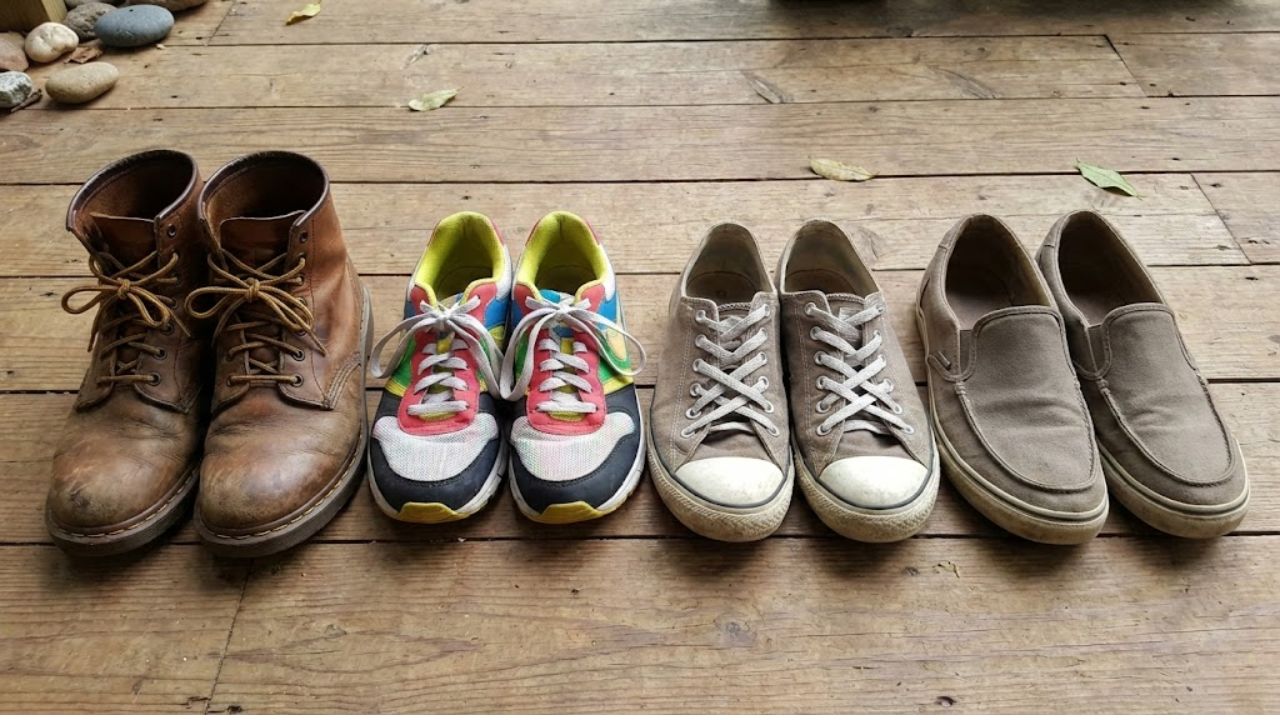
    Clean, traditional bow Dependable and structured, enjoys routine, values stability and balance in daily life
    Secure double knot Cautious and forward-thinking, prefers safety, commitment, and long-term reliability
    Fast, loose, uneven tie Energetic and spontaneous, adapts quickly, prioritizes action over perfection
    Perfectly centered, adjusted bow Highly detail-focused, visually mindful, strives for harmony and polished outcomes
    Unique or unconventional lacing Creative and independent thinker, enjoys expressing individuality and bending norms
    Laces tucked inside (no visible bow) Minimalist and efficient, avoids distractions, conserves effort for important tasks
    Slip-on shoes or rarely ties laces Comfort-oriented and practical, self-aware, prefers simplicity and ease over fuss
  • Eco-Friendly Cleaning Guide: How to Make Effective Products Using Common Household Ingredients

    Eco-Friendly Cleaning Guide: How to Make Effective Products Using Common Household Ingredients

    The first time I opened a bottle of store-bought cleaner after a long hike in the woods the smell hit me hard. Artificial lemon and chemical sharpness filled the air. My eyes stung and my throat tightened. The quiet moss-covered trail I had left an hour before suddenly felt like it belonged to another world. Out there water moved through soil and stone and was filtered by roots over time. In here under harsh lights & plastic bottles everything felt manufactured. I remember thinking about why my home had to smell like a laboratory to be considered clean.

    The Moment You Realize Your Home Is Part of an Ecosystem

    Once the idea clicks, it’s impossible to ignore. The way bright blue liquid spirals into the sink and vanishes—yet you know it doesn’t disappear at all. It travels through pipes, treatment systems, and eventually into rivers and seas already under strain. The mist from glass cleaner catching sunlight, hovering in the air just long enough to be inhaled. The recycling bin crowded with plastic bottles that once held something strong enough to make your head spin if you overused it.

    We often speak about “the environment” as if it exists somewhere else—deep forests, distant oceans, melting ice caps. But you are living inside an ecosystem right now. Your home is not sealed off. Air circulates, dust rides on feet and fabric, water enters and exits carrying traces of whatever you add to it. The products under your sink don’t just clean surfaces; they influence the tiny, living world you occupy every day.

    The Quiet Shift Toward Familiar, Honest Ingredients

    There’s something gently revolutionary about opening a cupboard and finding simple, recognizable items instead of fluorescent bottles with unreadable labels. Baking soda in a jar. Vinegar in a refillable bottle. A bar of plain soap. A lemon. Perhaps a small vial of essential oil if you enjoy a hint of fragrance. These are materials your great-grandparents would recognize—ingredients that clean without pretending to be something they’re not.

    Together, they make a home smell like life actually happens there—like food is cooked, windows are opened, and people rest. Not like a showroom sealed in artificial freshness.

    The Secret Lives of Everyday Ingredients

    Your kitchen already holds a quiet toolkit of cleaning power. The change comes when you stop seeing these items as background clutter and start recognizing them as tools.

    Feel the baking soda—soft and fine. Smell the sharp edge of vinegar as it cuts through the air. Notice the bright oil released when you slice a lemon. Watch olive oil pour slowly, heavy and calm. Each one carries a specific role, and when you understand that, cleaning becomes less about instructions and more about intention.

    Baking soda scrubs gently and neutralizes odors. Vinegar dissolves mineral buildup and soap residue. Citrus oils lift grease and refresh the air. Simple soaps loosen dirt so water can carry it away. Salt adds grit when needed. Essential oils, used sparingly, offer scent and mild antibacterial support.

    You stop following labels and start combining properties, like a practical home chemist who appreciates the smell of lemon on wood.

    Simple Recipes That Turn Your Kitchen into a Low-Waste Lab

    These recipes are forgiving and adaptable. No special tools. No precision required. Just what you already have and a willingness to try.

    All-Purpose Surface Spray

    Mix equal parts white vinegar and water in a spray bottle. Add a few drops of essential oil if desired. Shake gently. Use on countertops, switches, and hard surfaces. Avoid natural stone, as vinegar can damage it. The smell fades quickly, leaving behind a quiet sense of clean rather than a chemical aftershock.

    Gentle Scrub for Sinks, Tubs, and Stovetops

    Combine baking soda with just enough water to form a thick paste. Add a small amount of castile soap for extra grease-fighting power if needed. Scrub gently with a damp cloth and rinse well. The result is a soft, honest shine—clean without being flashy.

    Glass and Mirror Cleaner

    Mix equal parts vinegar and water in a spray bottle. For streak-free results, add a small splash of rubbing alcohol. Spray lightly and wipe with a lint-free cloth or old cotton shirt. The glass disappears, leaving only clear light.

    Wood Surface Polish

    Shake together two parts olive oil with one part lemon juice or vinegar. Apply a small amount to a soft cloth and rub along the grain. Buff dry. Wood doesn’t look new—it looks respected.

    Deodorizing Carpet or Mattress Treatment

    Mix baking soda with a few drops of essential oil if desired. Sprinkle lightly, let it sit, then vacuum thoroughly. Odors fade quietly, without synthetic perfume taking their place.

    Quick Reference: Eco-Cleaning Starter Kit

    Item Main Use Extra Notes
    Baking Soda Scrubbing, deodorizing Great for sinks, tubs, ovens, fridges
    White Vinegar Degreasing, limescale removal Avoid marble and natural stone
    Plain Soap General cleaning Base for dishes and floors
    Lemon / Citrus Deodorizing, degreasing Use juice or peels carefully
    Salt Extra scrubbing power Good for pans and boards
    Essential Oils Scent, mild antibacterial Use sparingly; store safely

    Cleaning That Feels More Like Care Than Chore

    Switching to simple ingredients changes the rhythm of cleaning. It becomes closer to cooking or tending plants—mixing, observing, adjusting. You notice fingerprints, worn edges, places where life gathers. Cleaning stops being about erasing evidence and becomes about resetting space.

    This approach encourages slowness and attention. Pouring hot water down a drain after a gentle fizz feels like maintenance, not emergency. You learn where dust settles, where moisture lingers, where care matters most. Awareness itself becomes a quiet form of activism.

    Safety, Sanity, and Knowing the Limits

    Eco-friendly cleaning isn’t about pretending simple ingredients solve everything. Never mix vinegar with bleach. Avoid acidic cleaners on sensitive surfaces. Label bottles clearly. Test before applying widely. Ventilate your space. Sometimes commercial products are appropriate—especially for serious disinfection or mold. Thoughtful defaults matter more than perfection.

    From Under the Sink to Down the River

    Nothing you rinse away truly disappears. It travels. Simple ingredients break down more easily, welcomed by microbes instead of lingering in ecosystems. The impact is also immediate—cleaner air indoors, gentler hands, less plastic waste.

    Over time, your cupboard changes. Fewer bottles. More intention. A jar of baking soda. A refillable spray. Lemon peels steeping quietly. The space feels calmer. Cleaning becomes collaboration rather than control—a small, daily practice that connects your home to the wider world beyond its walls.