Category: News

  • Yoga Benefits Explained: 6 Mental and Physical Advantages That Support Daily Health

    Yoga Benefits Explained: 6 Mental and Physical Advantages That Support Daily Health

    Yoga is far more than a simple workout. This time-tested practice blends controlled breathing, mindful meditation, and intentional postures to support complete well-being. It offers a wide range of mental and physical advantages, from easing daily stress to improving movement and flexibility. Yoga helps strengthen the connection between the body and the mind, creating balance and awareness. Whether you are just starting or have practiced for years, the six benefits below explain why yoga is embraced worldwide for improving overall mental clarity and physical health.

    1. Greater Flexibility and Full-Body Strength

    One of yoga’s most recognized benefits is its ability to enhance flexibility. Through consistent stretching and flowing poses, yoga gently works muscles and joints, expanding their natural range of motion. With regular practice, stiffness decreases and the risk of injury is reduced, especially in commonly tight areas such as the hips, hamstrings, and shoulders.

    Physical Benefit:

    Improved flexibility supports better posture, smoother mobility, and easier daily movement.

    Postures like Downward-Facing Dog and Forward Fold help release tension while improving overall flexibility.

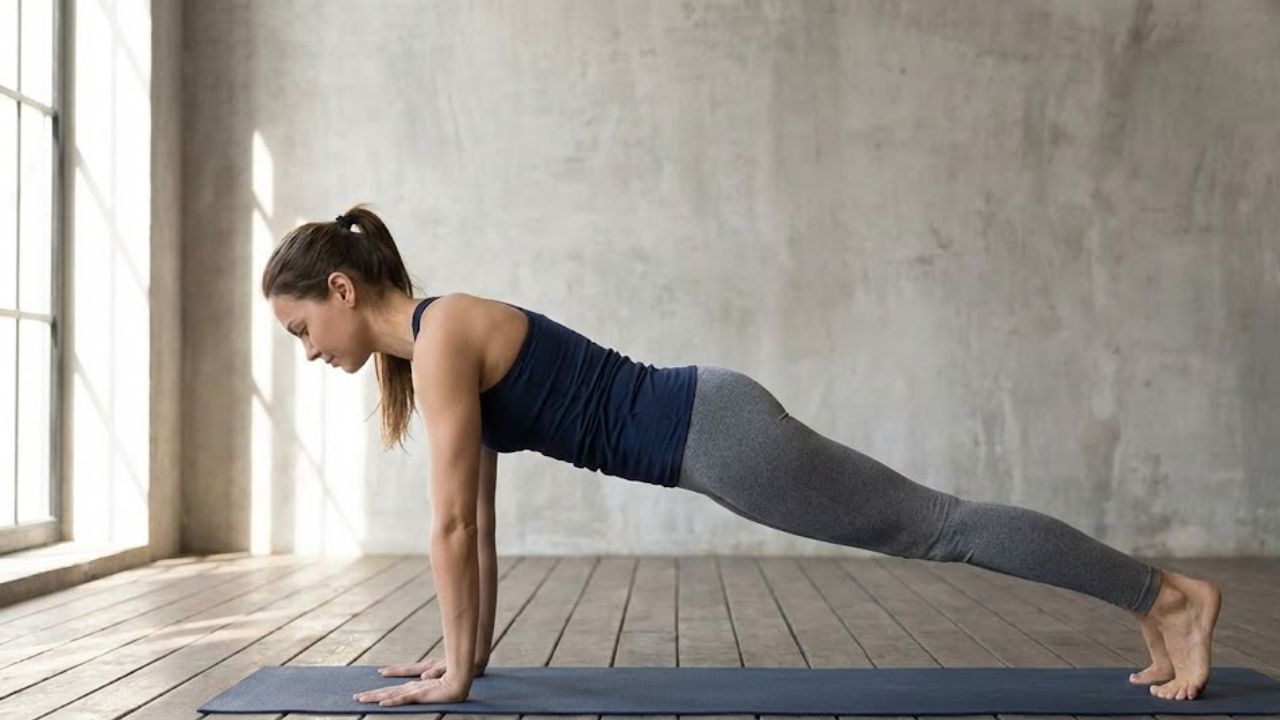
    Yoga also builds strength by engaging muscles throughout the body. Poses such as Plank and Warrior activate the core, arms, and legs, developing stability, endurance, and balance.

    Physical Benefit:

    Increased muscle strength encourages proper alignment and reduces discomfort, especially in the lower back.

    The balance of stretching and strengthening creates a toned and well-supported body.

    2. Reduced Stress and Deep Relaxation

    Yoga is widely valued for its calming effects on both the body and the mind. Many practices emphasize mindful breathing and meditation, which stimulate the parasympathetic nervous system, often called the rest-and-digest response. This process helps quiet mental chatter and ease physical tension.

    Mental Benefit:

    Through steady breathing techniques, yoga teaches stress regulation and promotes lasting calm.

    Consistent practice helps lower cortisol levels, supporting emotional balance and reduced anxiety.

    Physical Benefit:

    Lower stress levels can ease symptoms such as muscle tightness, headaches, and elevated blood pressure.

    Focused breathing enhances lung capacity and supports overall relaxation through better oxygen flow.

    3. Sharper Focus and Mental Clarity

    Beyond physical improvements, yoga plays a powerful role in mental clarity. The combination of controlled movement and breath awareness encourages present-moment focus, helping reduce distractions and mental fatigue. Over time, this awareness strengthens concentration in both yoga practice and everyday life.

    Mental Benefit:

    Yoga cultivates present-moment awareness, supporting sharper thinking and cognitive function.

    Meditation and breathing practices improve mental alertness, benefiting work, learning, and relationships.

    Physical Benefit:

    Improved blood flow to the brain supports memory and faster cognitive processing.

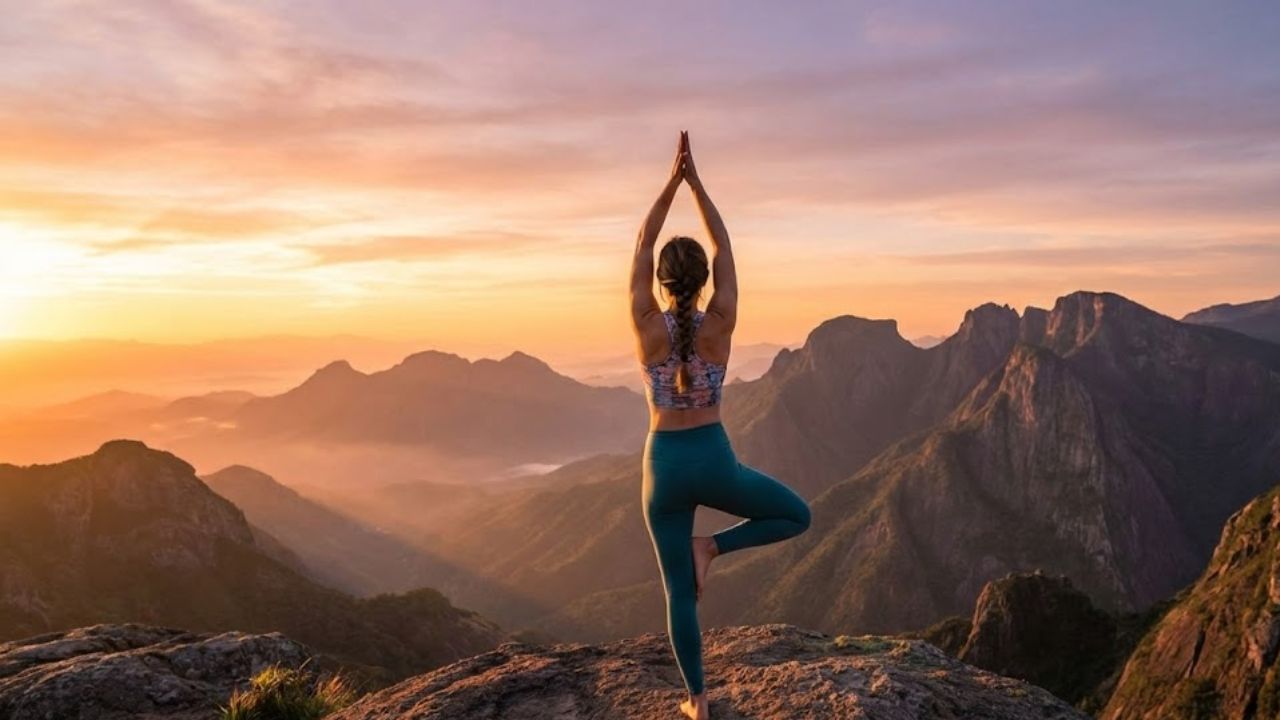
    Balancing poses like Tree Pose and Warrior III challenge coordination, strengthening mental focus.

    4. Improved Sleep and Restful Recovery

    Many people turn to yoga for better sleep. By calming the nervous system and releasing tension, yoga prepares the body for rest. Gentle poses such as Legs Up the Wall and Child’s Pose encourage deep breathing and relaxation, making it easier to unwind before bedtime.

    Mental Benefit:

    Yoga promotes mental calmness, helping release the day’s stress before sleep.

    Meditative practices support healthier sleep cycles by aligning natural circadian rhythms.

    Physical Benefit:

    Releasing tension in the neck, shoulders, and back helps reduce sleep disruptions.

    Better sleep contributes to improved energy levels and overall wellness.

    5. Stronger Posture and Better Balance

    Yoga encourages awareness of posture and alignment, leading to healthier movement patterns and improved balance. Many poses strengthen core muscles, which are essential for maintaining posture and preventing back discomfort. Increased flexibility further supports proper joint alignment.

    Physical Benefit:

    Postures like Mountain Pose and Downward-Facing Dog support spinal alignment and reduce slouching.

    Balance-focused poses strengthen stabilizing muscles, enhancing coordination and reducing fall risk.

    Mental Benefit:

    Improved posture naturally supports confidence and a composed presence.

    Greater alignment awareness deepens the mind-body connection, supporting emotional balance.

    6. A Deeper Mind-Body Connection

    One of yoga’s most meaningful benefits is the strengthened relationship between the mind and the body. By syncing breath with movement and alignment, yoga promotes full-body awareness and mindfulness, creating a sense of harmony and ease.

    Mental Benefit:

    Mindful practice enhances emotional awareness and supports effective stress management.

    Yoga encourages acceptance and non-judgment, nurturing inner peace.

    Physical Benefit:

    Heightened awareness improves alignment and helps prevent injury by listening to the body’s signals.

    Greater synchronization between mind and body supports increased energy and vitality.

    Conclusion: Yoga as a Complete Wellness Practice

    Yoga offers a balanced approach to well-being by supporting both physical health and mental clarity. Through increased flexibility, strength, posture, and relaxation, it helps create a resilient and capable body. At the same time, yoga’s calming and mindful elements promote emotional stability and focus. By making yoga part of your routine, you nurture not only physical strength but also a calm, centered, and aware mind, paving the way for long-term health and balance.


  • Brain Teaser Challenge: Find 3 Differences in the Giraffe Pictures

    Brain Teaser Challenge: Find 3 Differences in the Giraffe Pictures

    Brain teasers are a powerful way to activate your mind and strengthen cognitive skills. They demand keen observation, fast decision-making, and steady focus under time pressure. Among the many brain-training activities available, Spot the Difference puzzles stand out for their ability to sharpen attention and concentration. These challenges present two nearly identical images with small hidden variations. In this challenge, you are shown two giraffe pictures and must identify three differences within just 10 seconds. Do you have what it takes?

    Why Spot-the-Difference Puzzles Work So Well

    Spot-the-difference games go far beyond simple entertainment. They engage multiple areas of the brain and offer meaningful mental benefits. Here’s what makes them so effective:

    • Sharper Attention to Detail: These puzzles train your eyes to notice fine details that are often overlooked.
    • Stronger Focus and Concentration: Comparing images side by side requires sustained attention without distractions.
    • Better Visual Memory: Your brain improves at storing and recalling visual information through constant comparison.
    • Improved Cognitive Flexibility: Searching for subtle changes encourages adaptive thinking and problem-solving.

    In this particular teaser, your goal is to locate three differences between two giraffe images. Although they appear almost identical at first glance, a closer look reveals small changes that can easily escape notice if you rush.

    Smart Strategies for Solving Spot-the-Difference Puzzles

    Using a structured approach can significantly improve your speed and accuracy. Try these helpful techniques:

    • Scan the Overall Scene: Begin by observing large elements like posture, background, or object placement.
    • Examine the Small Details: Look closely at patterns, colors, and tiny objects once the big picture is clear.
    • Check Alignment and Symmetry: Differences often appear where balance or positioning changes.
    • Stay Calm Under Pressure: Even with a timer running, steady focus leads to better results.

    The Giraffe Image Difference Challenge

    Now it’s time to take on the challenge. Your task is straightforward: find three differences between the two giraffe images. While the pictures may seem identical at first, subtle changes reveal themselves when you observe carefully. The key is to move quickly while remaining methodical.

    The Three Differences to Find

    • Disappearing Tree: In the left image, a small tree appears on the left side of the background near the giraffe. This tree is missing in the right image.
    • Tail Change: The giraffe’s tail differs between the two images. One appears longer and positioned differently, while the other is shorter and curved in another direction.
    • Hidden Ladybug: A small red ladybug can be seen near the base of the tree on the right image, but it does not appear in the left image.

    These variations are easy to miss at first, especially because the images look so similar. Careful observation is the key to spotting them all.

    How Spot-the-Difference Games Benefit Your Brain

    Beyond entertainment, these puzzles offer several cognitive advantages that make them worth revisiting:

    • Mental Engagement: They stimulate critical thinking and visual analysis.
    • Enhanced Visual Recall: Your ability to remember visual details improves with regular practice.
    • Stress Reduction: Focusing on a puzzle provides a refreshing mental escape from daily pressures.
    • Enjoyable Challenge: Solving puzzles delivers a rewarding sense of achievement.

    Making Brain Teasers Part of Your Daily Routine

    To keep your mind sharp, consider adding brain teasers to your regular habits. Here are a few simple ways to do that:

    • Daily Practice: Solve at least one puzzle each day to maintain mental agility.
    • Social Challenges: Compete with friends or family to see who finds differences fastest.
    • Focus Reset: Use puzzles as a quick way to regain concentration during busy moments.
    • Mix It Up: Alternate between visual puzzles, logic games, and number challenges.

    Final Thoughts

    The giraffe spot-the-difference puzzle is more than a quick challenge. It helps improve focus, enhance observation skills, and strengthen mental flexibility. With regular practice, you can train your brain to notice even the smallest details more efficiently. Whenever you need a mental refresh or a fun challenge, a brain teaser like this one is a great place to start.

  • Observation Test: Spot the Number 79 Hidden Among 97s in 6 Seconds

    Observation Test: Spot the Number 79 Hidden Among 97s in 6 Seconds

    Observation puzzles are not just casual distractions. They quietly measure how quickly your mind processes visual information, how you respond under pressure, and how sharp your attention to detail truly is. This optical illusion challenge does exactly that. Your task is simple yet demanding: you have six seconds to find the number 79 hidden inside a grid filled with 97s. At first glance, every number looks the same, and that sense of uniformity is what makes the puzzle both tricky and satisfying.

    Below, we explore why this challenge feels difficult, how your brain reacts to it, and what the solution reveals about perception and focus. Before reading further, picture the grid in front of you and imagine the countdown beginning.

    Why Observation Number Puzzles Easily Trick the Brain

    The human brain is built to recognize patterns quickly. When it encounters repeated information, it stops checking each detail and starts grouping elements together. This helps conserve energy in daily life, but it becomes a disadvantage in visual challenges.

    In this puzzle, the number 97 appears repeatedly. Once the brain identifies that pattern, it assumes every number follows the same structure. The lone 79 blends in because the brain no longer checks digit order carefully. This is why many people miss the answer even when it is right in front of them.

    How the Six-Second Limit Raises the Difficulty

    The six-second timer adds pressure. Without a time limit, most people would eventually locate the hidden number. Under time constraints, the brain switches from careful observation to rapid scanning.

    During fast scanning, your eyes jump across the grid looking for something obvious. Because the difference between 97 and 79 is subtle and involves reversed digits, nothing immediately stands out. The time limit pushes the brain to rely on assumptions rather than verification.

    Why the Number 79 Blends In So Well

    This challenge works because both numbers use the same digits. The brain often recognizes shapes instead of reading numbers digit by digit. After seeing a 9 and a 7 repeatedly, the mind automatically fills in the expected order.

    This automatic process makes it easy to overlook the one instance where the digits are reversed. With no change in color, size, or spacing, the hidden 79 remains well camouflaged within the grid.

    The Most Effective Way to Solve the Puzzle Quickly

    Random scanning rarely works. A structured approach improves accuracy. Divide the grid into sections and scan it row by row, similar to reading a page of text. This helps ensure no area is skipped.

    Another effective method is to focus on a single digit. Instead of reading full numbers, look specifically for cases where the 7 appears before the 9. Training your eyes to notice digit position rather than number identity helps override the brain’s pattern shortcut.

    Where the Hidden Number Is Placed

    In the solution, the number 79 appears near the center of the grid, slightly offset to the left. This placement is intentional. Most people scan quickly from the top left and move across rows, often overlooking central areas.

    By positioning the anomaly in a visually familiar zone, the puzzle increases the chance that it will be missed during the six-second window.

    What This Optical Illusion Reveals About Perception

    This illusion shows how strongly expectations shape what we see. When the brain expects to see 97 repeatedly, it confirms that expectation without double-checking. This highlights that perception is not a perfect reflection of reality, especially under pressure.

    The puzzle also demonstrates how attention works. Spotting the hidden number requires deliberate focus rather than speed alone. Balancing speed with accuracy is a key part of cognitive performance.

    Does Missing the Answer Mean Poor Observation Skills?

    Missing the hidden 79 does not indicate weak intelligence or poor eyesight. It simply means your brain relied on efficiency, which is its natural default setting.

    People with strong pattern recognition skills often miss these challenges because their brains process repeated information very efficiently. With practice, you can train yourself to slow down just enough to notice subtle differences.

    How Observation Puzzles Can Sharpen the Mind

    Regularly engaging with visual challenges like this can improve attention to detail and processing speed. Over time, the brain becomes better at questioning assumptions and scanning more methodically.

    These puzzles also help build focus under pressure. Learning to stay calm while the clock is ticking can translate into better performance in real-life situations that require quick and accurate decisions.

    Why Quick Observation Tests Are So Popular Online

    Their appeal lies in simplicity combined with challenge. Anyone can understand the task instantly, but solving it quickly is not guaranteed. This balance creates curiosity and friendly competition.

    People enjoy comparing results, challenging friends, and debating whether the puzzle was easy or deceptive. The short time commitment makes these tests ideal for quick engagement.

    Can You Improve at Spotting Hidden Numbers?

    Yes, improvement comes with practice. The more puzzles you attempt, the better your brain becomes at resisting automatic assumptions. You start scanning more deliberately and recognizing digit order faster.

    Simple habits like minimizing distractions, staying relaxed, and using systematic scanning techniques can significantly improve performance over time.

    Finding the number 79 among a grid of 97s in six seconds may seem like a small task, but it reveals a great deal about how perception works. Whether you spotted it instantly or needed the solution, the challenge sharpens awareness and reminds us that what we see is often shaped by expectation. With consistent practice, observation skills can become faster, sharper, and more reliable.

  • 5 Simple Yoga Poses That Help Relax the Body and Release Tension

    5 Simple Yoga Poses That Help Relax the Body and Release Tension

    Child’s Pose is a gentle yoga position that relaxes your spine and releases tension in your shoulders and neck. This makes it an excellent choice when you need to decompress at the end of a busy day. The pose is valued for creating a sense of calm & encouraging slow breathing that naturally reduces stress levels. To get into the position you should kneel on your mat with your big toes meeting behind you and your knees spread comfortably apart. Lower yourself so you are sitting on your heels and then bend forward until your chest moves toward the floor & your forehead rests on the mat. Your arms can stretch out in front of you or rest alongside your body depending on what feels better. While holding the pose you should pay attention to breathing in deeply so your ribcage expands & then breathing out to let go of any tightness in your muscles. The main advantages of this pose include a mild stretch through your entire back and relief from built-up tension in your neck and shoulder area. Regular practice helps you feel more centered and peaceful in both body and mind.

    Gentle Yoga Poses That Calm the Body and Quiet the Mind

    Child’s Pose is a gentle yoga position that relaxes your spine and releases tension in your shoulders and neck. This makes it an excellent choice when you need to decompress at the end of a busy day. The pose is valued for creating a sense of calm and encouraging slow breathing that naturally reduces stress levels. To get into the position you should kneel on your mat with your big toes meeting behind you & your knees spread comfortably apart. Lower yourself so you are sitting on your heels and then bend forward until your chest moves toward the floor & your forehead rests on the mat. Your arms can stretch out in front of you or rest alongside your body depending on what feels better. While holding the pose you should pay attention to breathing in deeply so your ribcage expands and then breathing out to let go of any tightness in your muscles. The main advantages of this pose include a mild stretch through your entire back and relief from built-up tension in your neck and shoulder area. Regular practice helps you feel more centered and peaceful in both body and mind.

    Child’s Pose (Balasana): A Restful Posture That Releases Stress and Fatigue

    This flowing sequence between Cat and Cow poses releases tension throughout your back spine and neck while building flexibility. It works well for reducing stiffness & settling your nervous system. How to Practice: Begin on your hands & knees with wrists directly under shoulders and knees under hips. Breathe in as you lower your belly toward the ground and lift your chest & tailbone for Cow Pose. Breathe out as you arch your back upward & tuck your chin & tailbone inward for Cat Pose. Move smoothly between these positions while matching your breathing pattern for 5 to 10 repetitions. Benefits: This practice lengthens your spine and increases mobility while creating a strong link between breathing and movement that helps dissolve both mental and physical tension.

    Cat–Cow Pose (Marjaryasana–Bitilasana): Flowing Movements to Ease Spine and Neck Tension

    Legs Up the Wall is a gentle resting pose that reduces stress and helps with leg swelling while encouraging your body to relax. This straightforward position calms your nervous system & gives you time to recover. How to Practice: Position yourself beside a wall and lie flat on your back. Lift your legs up against the wall until your body creates a straight line with your legs stretched out & your arms resting at your sides. Allow your head and neck and spine to rest comfortably on the floor. Close your eyes and breathe slowly and deeply while holding this position for 5-10 minutes. Benefits: This position relaxes your legs and lower back while boosting blood flow and creating deep relaxation. It works particularly well after standing for long periods or when you feel mentally stressed.

    Legs Up the Wall (Viparita Karani): A Deeply Relaxing Inversion for Full-Body Relief

    This pose provides a gentle stretch for the hips and groin area along with the lower back. It helps your body achieve complete relaxation while promoting awareness and creating a peaceful state of mind. How to Practice: Start by lying on your back and bend both knees while keeping your feet flat. Bring the soles of your feet together and let your knees fall open to each side. If you need extra comfort you can place a cushion or yoga block beneath each knee. Rest your arms alongside your body with your palms turned upward. Breathe deeply and allow your muscles to release tension as you sink into the mat. Benefits: This position helps release tightness in the hip and groin muscles. It encourages deep relaxation throughout your body and creates a calming effect on your mind.

    Reclining Bound Angle Pose (Supta Baddha Konasana): Opening the Body for Deep Relaxation

    Savasana is widely regarded as the most essential yoga pose because it gives you time to completely relax and absorb everything you gained from your practice. This pose offers a straightforward yet powerful method to release tension from both your body and mind. How to Practice: Lay down on your back and stretch your legs out in front of you. Place your arms beside your body with your palms turned up toward the ceiling. Let your eyes close and begin breathing slowly & deeply. Start relaxing your body one section at a time beginning with your toes and gradually moving upward until you reach the top of your head. Let your thoughts settle & become quiet. Remain in this pose for anywhere from five to ten minutes or however long it takes until you feel completely at ease. Benefits: This pose releases built-up tension throughout your body while sharpening your mental focus and promoting a mindful state. It serves as an excellent way to conclude your yoga practice and restore energy to your body and mind.

    Savasana (Corpse Pose): Total Stillness to Restore Energy and Mental Calm

    Adding these basic yoga poses to your everyday schedule can really help you relax and reduce stress. You do not need much time to feel the positive effects. Just a few minutes in Child’s Pose or Savasana can make you feel more balanced and calm. Think about beginning or finishing your day with a brief yoga practice or try these poses when you need to take a break during a hectic day.

  • Optical Illusion Test: Spot the Inverted 25 and 62 Hidden Among 62s in 9 Seconds

    Optical Illusion Test: Spot the Inverted 25 and 62 Hidden Among 62s in 9 Seconds

    Optical illusion challenges remain popular because they show how the human brain gets fooled by familiar patterns. This visual test appears straightforward but it tests your observation abilities thoroughly. The goal is simple yet difficult. You have nine seconds to find two inverted numbers which are 25 and 62 among a grid that mostly contains the number 62. Everything seems the same when you first look at it. This false sense of uniformity creates the main difficulty of the challenge. This article covers why the puzzle is effective and how your brain responds when time is limited and reveals where the inverted numbers are hiding. Before you continue reading try to picture the grid and imagine the timer has already begun.

    Why Number-Based Optical Illusions Feel So Challenging

    The human brain is built to spot patterns quickly. When it encounters the same number repeated across a grid, it assumes consistency and stops examining each item closely. This mental shortcut helps us move through everyday life efficiently, but it becomes a disadvantage during visual puzzles.

    In this challenge, rows filled with the number 62 create a dominant visual pattern. Once the brain locks onto that pattern, it stops questioning it. As a result, the inverted 25 and the flipped 62 fade into the background because the brain is no longer carefully checking orientation.

    How Time Limits Affect Visual Perception

    The nine-second countdown significantly increases the difficulty of this illusion. Under time pressure, the brain favors speed over accuracy. Instead of carefully reviewing each number, the eyes skim rapidly across the grid, hoping the odd one will stand out.

    This illusion is designed so that nothing immediately draws attention. There are no differences in color, size, or spacing. The only variation is orientation. Detecting orientation shifts requires focused attention, which becomes much harder when the clock is running.

    Why Flipped Numbers Are Easy to Miss

    Digits like 2, 5, and 6 can look surprisingly similar when rotated, especially depending on the font. The brain is trained to recognize numbers even when they appear tilted or rotated. This skill, known as perceptual constancy, allows us to read quickly in many situations.

    In this puzzle, that same ability works against you. The inverted 25 and reversed 62 still register as familiar shapes, so they do not immediately seem incorrect. Only by slowing down and questioning orientation do they become noticeable.

    How the Brain Handles Repetition in Visual Tasks

    Visual processing happens in stages. Early brain regions detect basic shapes and lines, while higher areas assign meaning. When the same information repeats, the brain conserves energy by grouping it together.

    In repetitive grids like this one, the brain relies on what researchers call a serial search. Differences are not detected instantly. Instead, attention must move from one item to the next. This process is slower and depends heavily on attention, which weakens quickly under pressure, causing many people to miss the inverted numbers.

    Effective Techniques to Solve This Puzzle

    Scanning randomly rarely works. A structured method is far more effective. Mentally divide the grid into sections and examine one row at a time from left to right. This approach prevents your eyes from skipping over areas.

    Another helpful strategy is to stop reading the numbers and start observing their shapes. Focus on the direction of curves and lines rather than the value itself. Inverted digits often reveal subtle differences when you concentrate on orientation.

    Staying calm is equally important. Stress narrows attention and increases the chance of overlooking small details.

    Where the Inverted Numbers Are Hidden

    In the solution, the inverted 25 appears in the upper-left section of the grid. This area is usually scanned very quickly, which makes subtle changes easy to miss.

    The flipped 62 is positioned near the bottom-right corner. Many people never reach this area within nine seconds because attention tends to fade as the scan progresses downward. Both placements are intentional and designed to exploit common viewing habits.

    What Finding Both Numbers Reveals About You

    Spotting both inverted numbers within the time limit suggests strong visual focus and good control under pressure. These abilities are often linked to tasks that require precision, such as design, technical work, and spatial reasoning.

    It also reflects cognitive flexibility, the ability to challenge automatic assumptions and reassess what you see. This skill plays an important role in problem-solving and decision-making.

    Missing one or both numbers does not indicate low intelligence. It simply means your brain prioritized efficiency over precision, which is completely normal.

    Can Optical Illusions Strengthen Mental Skills?

    Practicing visual puzzles regularly can improve observation skills and attention control. Over time, the brain becomes better at questioning assumptions and scanning information more deliberately.

    Research on cognitive engagement suggests these challenges help maintain mental sharpness. While they are not formal intelligence tests, they encourage active perception and flexible thinking.

    Why These Visual Challenges Spread So Easily Online

    Their popularity comes from instant appeal. The rules are simple, the goal is clear, and the time commitment is minimal. Anyone can try, but not everyone succeeds, which sparks curiosity and friendly competition.

    People enjoy sharing results, challenging others, and debating whether the puzzle was straightforward or deceptive. This social interaction keeps optical illusion challenges trending across platforms.

    How to Get Better at Similar Eye Tests

    Consistent practice makes a difference. Try solving a variety of visual puzzles, especially those focused on orientation and pattern recognition. Gradually shortening time limits helps train speed and accuracy together.

    Proper rest, reduced screen fatigue, and focused attention also play a role. A well-rested brain is far more capable of detecting subtle differences than a tired one.

    Spotting the inverted 25 and 62 among rows of identical numbers in just nine seconds may seem minor, but it highlights how perception is shaped by habit, pressure, and expectation. Whether you found both quickly or needed the solution, the challenge sharpens awareness and reminds us that seeing is not the same as truly observing.

  • Daily Home Yoga: 4 Simple Exercises for Everyday Practice

    Daily Home Yoga: 4 Simple Exercises for Everyday Practice

    Six Yoga Poses to Build a Strong Core A strong core is the foundation of a healthy body. It improves your posture and supports your spine while enhancing your overall strength and balance. When most people think about core exercises they immediately picture crunches and planks. But yoga offers numerous poses that strengthen your core while simultaneously improving flexibility and mental focus. These six yoga poses will help you develop a stronger core regardless of whether you are a regular practitioner or a complete beginner.

    Boat Pose (Navasana): A Powerful Core Builder

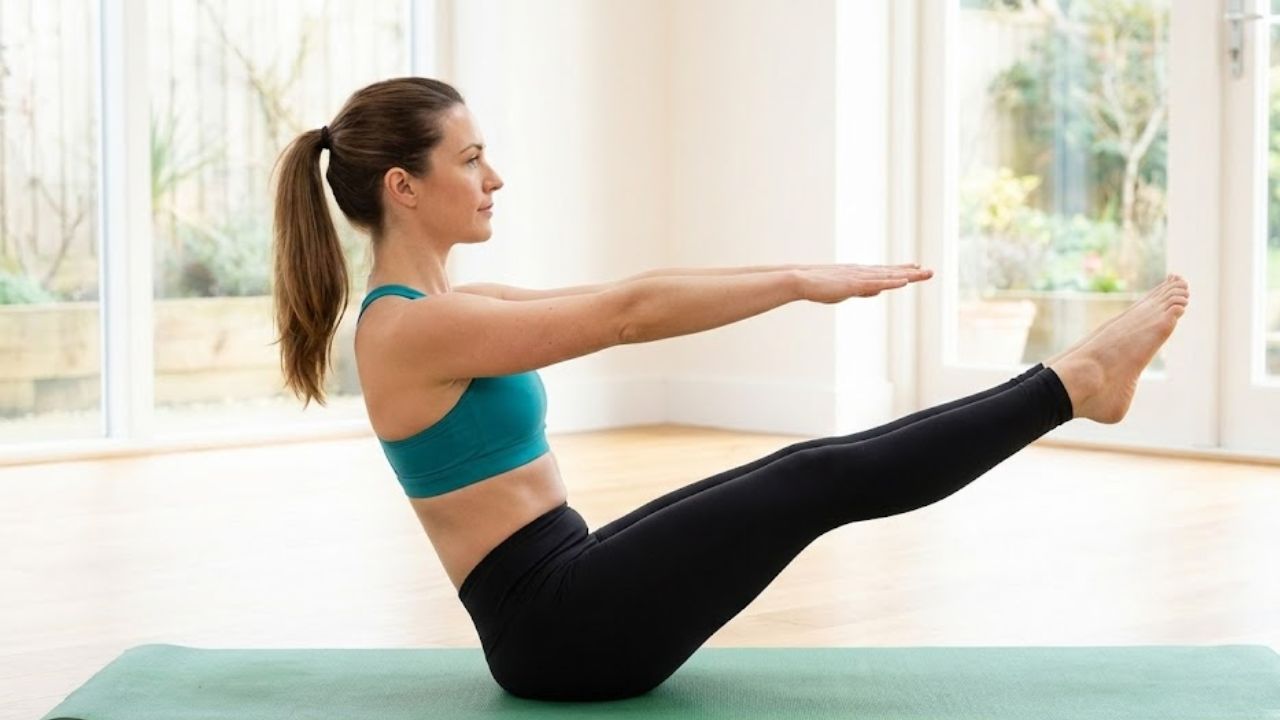
    Boat Pose is a highly effective yoga posture for strengthening the core. It engages the abdominal muscles, hip flexors, and lower back while helping develop balance and overall stability.

    How to Perform Boat Pose

    – Sit comfortably on the mat with your knees bent and feet placed flat on the floor.

    – Lean back slightly while keeping your spine long, then lift your feet off the mat so your knees form a 90-degree angle.

    – Straighten your legs so they are parallel to the floor, or keep a gentle bend in the knees if needed.

    – Lift your arms to shoulder height, extending them forward with palms facing inward.

    – Hold the position for 30 seconds to 1 minute while keeping your core firmly engaged.

    Benefits of Boat Pose

    – Builds strength in the abdominal muscles, hip flexors, and lower back

    – Enhances balance and supports better posture

    – Aids digestion and encourages healthy circulation

    This pose activates multiple core muscles at once, helping create a strong base for more advanced yoga postures.

    Plank Pose (Phalakasana): Full-Core Strength and Endurance

    Plank Pose is a foundational posture that strengthens the core while also engaging the shoulders, arms, and legs. It challenges the entire body and builds both strength and stamina.

    How to Perform Plank Pose

    – Begin in a tabletop position with wrists aligned under shoulders and knees under hips.

    – Step both feet back, forming a straight line from your head through your heels.

    – Engage your core muscles, press firmly through your palms, and keep your hips level.

    – Maintain a neutral neck position with your gaze slightly forward.

    – Hold the pose for 30 seconds to 1 minute with steady core engagement.

    Benefits of Plank Pose

    – Strengthens the abdominals, back muscles, and obliques

    – Improves shoulder stability and wrist strength

    – Builds endurance and total-body strength

    – This pose is one of the most effective ways to develop a strong, stable core while enhancing overall body control.

    Side Plank (Vasisthasana): Targeting the Obliques

    Side Plank is a dynamic variation that places greater emphasis on the obliques and deep core muscles. It also challenges balance and coordination.

    How to Perform Side Plank

    – Start in a standard plank position.

    – Shift your weight onto one hand and rotate your body to face sideways.

    – Stack your feet and lift your top arm upward toward the ceiling.

    – Keep your body aligned in a straight line from head to heels.

    – Hold for 20 to 30 seconds on each side, then switch.

    Benefits of Side Plank

    – Engages the obliques and deep core muscles

    – Improves balance and body coordination

    – Strengthens wrists, arms, and shoulders

    – Side Plank delivers full-body toning while focusing strongly on core stability.

    Dolphin Pose (Ardha Pincha Mayurasana): Core and Shoulder Stability

    Dolphin Pose is a strengthening inversion that emphasizes the core, shoulders, and arms while promoting proper spinal alignment.

    How to Perform Dolphin Pose

    – Begin on all fours and lower your forearms to the mat, elbows under shoulders.

    – Tuck your toes and lift your hips upward, creating an inverted V shape.

    – Keep your legs active without locking the knees.

    – Gently press your heels toward the floor.

    – Hold for 30 seconds to 1 minute while breathing deeply.

    Benefits of Dolphin Pose

    – Strengthens the core, shoulders, and arms

    – Increases flexibility in the back, hamstrings, and calves

    – Encourages proper posture and spinal alignment

    – This pose builds upper-body strength while engaging the core without placing pressure on the lower back.

    Wheel Pose (Chakrasana): Advanced Core and Back Strength

    Wheel Pose is a deep backbend that requires strong core engagement. It opens the chest and spine while strengthening the abdominal muscles and hips.

    How to Perform Wheel Pose

    – Lie on your back with knees bent and feet flat on the floor.

    – Place your hands beside your head with fingers pointing toward your shoulders.

    – Press through your hands and feet to lift your hips and chest.

    – Straighten your arms and legs as your head gently drops back.

    – Hold the pose for 10 to 20 seconds with steady breathing.

    Benefits of Wheel Pose

    – Strengthens the core, including abdominal and lower back muscles

    – Improves flexibility in the spine, chest, and hips

    – Opens the chest and stimulates the heart

    – This challenging posture builds deep strength while enhancing flexibility in the upper body.

    Bow Pose (Dhanurasana): Full-Core and Back Engagement

    Bow Pose is a strong backbend that activates the core, back, and legs while opening the chest and improving balance.

    How to Perform Bow Pose

    – Lie on your stomach with knees bent and feet hip-width apart.

    – Reach back and hold your ankles, keeping knees aligned with hips.

    – On an inhale, lift your chest and legs off the floor.

    – Draw your ankles toward your glutes as you arch your back.

    – Hold for 20 to 30 seconds with controlled breathing.

    Benefits of Bow Pose

    – Strengthens the core, back, and leg muscles

    – Improves flexibility in the spine, chest, and hip flexors

    – Supports better posture and balance

    – This pose strengthens the entire core and back, supporting long-term spinal health and stability.

  • Anywhere Yoga Relief: 5 Poses for Stress Reduction Anytime

    Anywhere Yoga Relief: 5 Poses for Stress Reduction Anytime

    Stress can influence your daily life in many ways, but yoga provides a gentle and natural way to restore calm. Whether you are at home, at work, or traveling, these five yoga poses can help release the tension that builds up during the day. They are easy to practice, require very little space, and fit seamlessly into even the busiest schedules.

    1. Child’s Pose (Balasana): A Calming Resting Posture

    Child’s Pose is one of the most relaxing and grounding positions in yoga. It gently stretches the back, shoulders, and neck while encouraging deep rest. This pose is ideal whenever you feel mentally or physically overwhelmed.

    How to do it:

    • Kneel on the floor and sit back on your heels.
    • Slowly lower your torso toward the ground.
    • Extend your arms forward or rest them alongside your body.
    • Place your forehead on the floor and breathe deeply.
    • Remain in the pose for 1–3 minutes, allowing your body to soften.

    Benefits: This pose helps soothe the nervous system, ease anxiety, and improve circulation while gently stretching the body.

    2. Standing Forward Bend (Uttanasana): Let Go of Upper-Body Tension

    Standing Forward Bend is effective for releasing tightness in the back, neck, and shoulders. It promotes grounding and relaxation, making it especially helpful during stressful moments.

    How to do it:

    • Stand with your feet hip-width apart.
    • Hinge at your hips and fold forward slowly.
    • Allow your head to relax toward the floor.
    • Keep your knees slightly bent if needed.
    • Let your arms hang freely or hold opposite elbows.
    • Breathe steadily and relax with each exhale.

    Benefits: This pose calms the mind while easing tightness in the lower back and hamstrings, creating a feeling of release.

    3. Seated Forward Bend (Paschimottanasana): Stretch and Breathe Mindfully

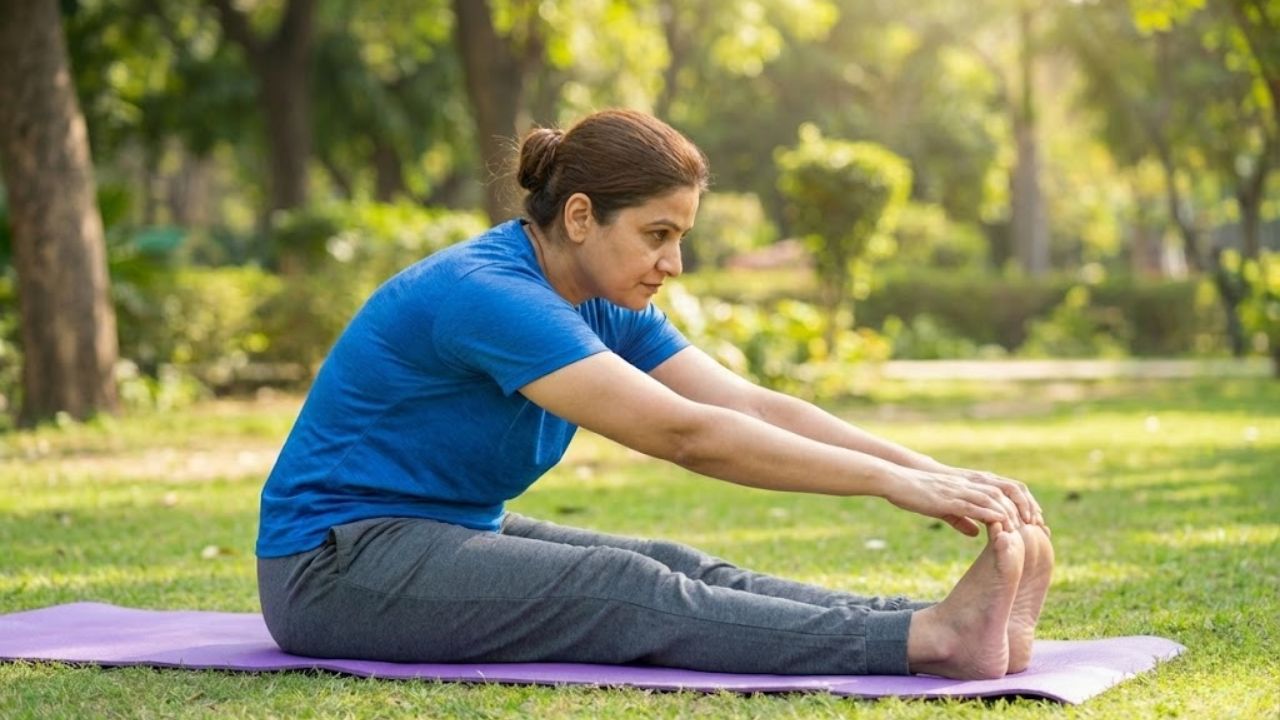
    The Seated Forward Bend is a gentle stretch that supports mental calm and physical relaxation. It is especially beneficial for those who sit for long periods, as it targets areas where stress often accumulates.

    How to do it:

    • Sit on the floor with your legs extended in front of you.
    • Inhale to lengthen your spine.
    • Exhale and fold forward slowly from the hips.
    • Reach for your feet, ankles, or shins.
    • Keep your spine long and your neck relaxed.
    • Breathe deeply into your abdomen.

    Benefits: This pose stretches the spine and hamstrings while encouraging mindfulness and mental clarity.

    4. Legs Up the Wall (Viparita Karani): Gentle Inversion for Relaxation

    Legs Up the Wall is a restorative pose that supports circulation and deep relaxation. It is ideal after a long day and can be practiced easily with access to a wall.

    How to do it:

    • Sit beside a wall and gently lie down on your back.
    • Swing your legs up so they rest against the wall.
    • Keep your hips close to the wall.
    • Rest your arms at your sides with palms facing up.
    • Close your eyes and breathe slowly.

    Benefits: This pose reduces leg fatigue, eases lower back discomfort, and calms the nervous system.

    5. Corpse Pose (Savasana): Full-Body Relaxation

    Though it appears simple, Corpse Pose is one of the most effective poses for relieving stress. It allows the body and mind to fully relax and reset.

    How to do it:

    • Lie flat on your back with your arms resting by your sides.
    • Turn your palms upward and close your eyes.
    • Take slow, deep breaths.
    • Gradually release tension from your body, starting at your toes and moving upward.
    • Remain still for 5–10 minutes.

    Benefits: Savasana promotes deep relaxation, supports mindfulness, and helps lower stress hormone levels.

    Making Yoga Part of Your Daily Life

    Yoga does not require lengthy sessions or special equipment. Whether you are taking a short break at work or preparing for sleep, these five poses can be practiced anywhere to help reduce stress and support overall well-being.

    Consistency is key when using yoga for stress relief. By setting aside a little time each day for these simple poses, you may begin to feel more balanced, grounded, and calm, regardless of where your day takes you.

  • Core Strength Yoga: 6 Poses That Build Stability and Control

    Core Strength Yoga: 6 Poses That Build Stability and Control

    A strong core forms the base of a healthy body. It helps improve your posture & supports your spine while boosting your overall strength and balance. Most people think of crunches and planks when they consider core exercises. However yoga provides many poses that strengthen your core and also increase flexibility and mental focus along with stability. These six yoga poses will help you develop a stronger core whether you practice yoga regularly or just started.

    Boat Pose (Navasana): A Core-Strength Power Move

    Boat Pose is one of the most effective yoga postures for activating and strengthening the core. It primarily targets the abdominal muscles while also engaging the hip flexors and lower back, making it ideal for improving overall stability and control.

    How to Practice Boat Pose

    – Sit on the mat with your knees bent and feet resting flat on the floor.

    – Lean your torso back slightly while keeping your spine tall and your chest lifted.

    – Lift your feet off the ground, bringing your knees to a 90-degree angle.

    – Straighten your legs so they are parallel to the floor, bending the knees slightly if needed.

    – Extend your arms forward at shoulder height with palms facing each other.

    – Hold the pose for 30 seconds to 1 minute, keeping your core engaged for balance.

    Benefits of Boat Pose

    – Builds strength in the abdominal muscles, hip flexors, and lower back

    – Enhances balance and posture

    – Supports digestion and promotes healthy circulation

    – Boat Pose engages multiple core muscles at once, helping create a strong foundation for more advanced yoga poses.

    Plank Pose (Phalakasana): Full-Body Core Strength

    Plank Pose is a foundational posture known for strengthening the core while also activating the shoulders, arms, and legs. Though simple in appearance, it challenges the entire body and builds lasting endurance.

    How to Practice Plank Pose

    – Begin in a tabletop position with wrists under shoulders and knees under hips.

    – Step both feet back, aligning your body in a straight line from head to heels.

    – Engage your core and press firmly through your palms.

    – Keep your hips level and your neck neutral, gazing slightly forward.

    – Hold for 30 seconds to 1 minute while maintaining steady engagement.

    Benefits of Plank Pose

    – Strengthens the entire core, including abs, back, and obliques

    – Improves wrist strength and shoulder stability

    – Boosts overall stamina and endurance

    – Plank Pose is highly effective for developing both strength and stability across the whole body.

    Side Plank (Vasisthasana): Oblique-Focused Stability

    Side Plank is a powerful variation that places greater emphasis on the obliques and deep core muscles. It also improves balance and coordination while strengthening the upper body.

    How to Practice Side Plank

    – Start in a standard plank position.

    – Shift your weight onto one hand and rotate your body to the side.

    – Stack your feet and lift your top arm toward the ceiling.

    – Maintain a straight line from head to heels and engage your core.

    – Hold for 20 to 30 seconds, then switch sides.

    Benefits of Side Plank

    – Targets the obliques and deep core muscles

    – Enhances balance and body coordination

    – Strengthens the arms, shoulders, and wrists

    – Side Plank strengthens the core while also toning the arms and legs, offering full-body engagement.

    Dolphin Pose (Ardha Pincha Mayurasana): Upper-Body Core Control

    Dolphin Pose is a strong alternative to Downward-Facing Dog that emphasizes the shoulders, arms, and core. It encourages proper spinal alignment while building strength and flexibility.

    How to Practice Dolphin Pose

    – Begin on all fours with forearms on the mat and elbows under shoulders.

    – Tuck your toes and lift your hips upward into an inverted V shape.

    – Keep your legs straight without locking the knees.

    – Press your heels gently toward the floor.

    – Hold for 30 seconds to 1 minute, focusing on steady breathing.

    Benefits of Dolphin Pose

    – Strengthens the core, arms, and shoulders

    – Improves flexibility in the spine, hamstrings, and calves

    – Supports better posture and spinal alignment

    – Dolphin Pose builds upper-body strength while keeping the core actively engaged.

    Wheel Pose (Chakrasana): Advanced Core Engagement

    Wheel Pose is a deep backbend that demands strong core activation. It stretches the spine and chest while strengthening the abdominal muscles and hips.

    How to Practice Wheel Pose

    – Lie on your back with knees bent and feet flat, hip-width apart.

    – Place your hands beside your head with fingers pointing toward your shoulders.

    – Press into your hands and feet to lift your hips and chest.

    – Straighten your arms and legs, allowing your head to relax back.

    – Hold for 10 to 20 seconds while breathing steadily.

    Benefits of Wheel Pose

    – Strengthens the core and lower back

    – Increases flexibility in the spine, hips, and chest

    – Opens the chest and energizes the body

    – Wheel Pose offers an intense challenge that builds core strength and enhances upper-body flexibility.

    Bow Pose (Dhanurasana): Full-Core Activation

    Bow Pose is a dynamic backbend that strengthens the core, back, and legs. It opens the chest while requiring strong engagement to maintain balance.

    How to Practice Bow Pose

    – Lie face down with knees bent and feet hip-width apart.

    – Reach back and hold your ankles, keeping knees aligned with hips.

    – On an inhale, lift your chest and legs off the floor.

    – Pull gently through the ankles to deepen the arch.

    – Hold for 20 to 30 seconds with steady breathing.

    Benefits of Bow Pose

    – Strengthens the core, back, and legs

    – Improves flexibility in the chest, spine, and hip flexors

    – Supports better posture and balance

    – Bow Pose activates the entire core while building strength in the back, helping support healthy posture.

  • Natural Home Remedies That Strengthen Hair Roots and Reduce Hair Loss With Consistent Daily Care

    Natural Home Remedies That Strengthen Hair Roots and Reduce Hair Loss With Consistent Daily Care

    The first time you notice extra strands on your pillow or tangled in the shower drain, something quietly shifts. You stand still, fingers pressed to your scalp, trying to recall when your hair first began to feel thinner. A subtle panic settles in—one you can hide from others, but never from yourself. You may blame stress, the weather, a new shampoo, or tight hairstyles. These explanations feel safer than facing the possibility that something deeper may be happening.

    Listening Closely to What Your Hair Is Signaling

    Hair speaks in subtle ways. It reflects late nights, missed meals, rushed routines, tight styles, harsh products, and prolonged stress. Hormonal changes, seasonal shifts, and time itself leave their marks strand by strand. Long before hair loss feels alarming, the body often sends gentle requests for rest, nourishment, and softer care. In fast-paced routines, these signs are easy to overlook. When shedding increases, quick fixes become tempting, yet home remedies offer a slower, more supportive approach that works with the body rather than against it.

    Oil Rituals That Nourish Hair from the Roots

    Hair oiling is a time-honored practice grounded in care and tradition. Warming oil between the palms and massaging it into the scalp does more than coat the strands—it supports circulation and relaxation. Coconut oil helps reduce protein loss and protect dry hair, while thicker castor oil is often used sparingly to support scalp moisture. Almond, sesame, and olive oils each bring unique benefits. There is no universal choice; blends often work best. With gentle massage, regular oiling nourishes the scalp, strengthens roots, and creates calm within busy days.

    Scalp Massage: A Simple Step with Lasting Impact

    The massage itself is just as valuable as the oil. Using fingertips in slow, circular movements stimulates blood flow, helping deliver oxygen and nutrients to the follicles. Beginning at the hairline and moving backward gently awakens the scalp. Spending five to ten minutes, a few times a week, can lead to visible improvements. Beyond physical benefits, this practice encourages slowing down, easing tension that quietly contributes to hair fall over time.

    Herbal Oils and Thoughtful Infusions

    For those drawn to a deeper ritual, oils can be infused with herbs at home. Rosemary, curry leaves, hibiscus, and fenugreek are popular choices. Slowly warming these herbs in oil and allowing them to steep transfers their natural compounds. Rosemary is often linked to improved circulation, while hibiscus and fenugreek support strength and conditioning. The process is unhurried and intentional, resulting in a personalized oil that feels both nourishing and grounding.

    Kitchen Remedies with Quiet Power

    Many effective hair treatments already exist at home. Everyday ingredients such as seeds, yogurt, eggs, and aloe can support scalp health and reduce breakage. These remedies do not promise instant change, but they encourage consistency and awareness. Preparing them by hand reconnects hair care with self-care, reminding us that nourishment does not always come from packaged solutions.

    Fenugreek: Small Seeds with Steady Benefits

    Fenugreek seeds are traditionally soaked overnight and blended into a paste for scalp use. Naturally rich in proteins and beneficial compounds, fenugreek is often used to reduce shedding and improve texture. Applied once or twice a week for short durations, it can help hair feel thicker and more resilient. As with all natural remedies, moderation and attention to scalp sensitivity matter.

    Aloe Vera for a Calm, Balanced Scalp

    Aloe vera provides soothing relief for irritated or oily scalps. Its gel helps calm inflammation, balance oil production, and gently clear buildup that may clog follicles. Applied directly to the scalp for twenty to thirty minutes, aloe supports a healthier environment for growth. It can also be blended with oils or yogurt to enhance nourishment.

    Protein Masks from Everyday Foods

    Hair benefits from protein support, particularly when exposed to heat or sun. Masks made with egg and plain yogurt temporarily strengthen the hair shaft, improving smoothness and minimizing breakage. Applied to damp hair and rinsed with cool water, these treatments are best used occasionally to reinforce strands without overwhelming them.

    The Connection Between Diet, Stress, and Hair Health

    Hair health mirrors overall well-being. Nutrient deficiencies, ongoing stress, hormonal changes, and poor sleep often show up first as thinning or increased shedding. While topical care supports the scalp, internal balance plays an equal role. Diets rich in protein, iron, zinc, and healthy fats provide essential building blocks. Proper hydration and mindful eating quietly strengthen hair over time.

    How Stress Triggers Delayed Hair Shedding

    Stressful periods or illness can lead to delayed hair fall, where strands enter a resting phase and shed months later. Supporting stress management through gentle movement, breathing practices, adequate rest, and reduced screen time helps restore balance. As stress hormones ease, hair growth cycles can gradually normalize.

    Everyday Habits That Preserve Hair Strength

    Daily choices shape hair health. Using mild shampoos, avoiding excessive washing, and focusing cleansing on the scalp help protect natural oils. Conditioning the lengths minimizes friction and breakage. Reducing heat styling, choosing loose hairstyles, and sleeping on smooth pillowcases all protect delicate strands from unnecessary stress.

    Key Nutrients That Support Healthy Hair

    • Protein: Essential for keratin formation, providing strength and structure. Sources include lentils, eggs, fish, paneer, tofu, nuts, and seeds.
    • Iron: Supports oxygen delivery to hair roots. Found in spinach, beetroot, kidney beans, lentils, and pumpkin seeds.
    • Biotin & B-Complex Vitamins: Aid energy production and follicle renewal. Present in whole grains, eggs, almonds, seeds, and leafy greens.
    • Omega-3 Fatty Acids: Help maintain scalp moisture and reduce inflammation. Found in flaxseeds, chia seeds, walnuts, and oily fish.
    • Zinc & Selenium: Support tissue repair and follicle protection. Available in seeds, nuts, whole grains, dairy, and legumes.

    Gentle Detangling as a Form of Care

    The way hair is handled makes a difference. Detangling slowly from the ends upward with a wide-toothed comb helps prevent unnecessary shedding. Using a small amount of oil or leave-in conditioner reduces friction. This simple habit turns routine grooming into a mindful pause, allowing early signs of dryness or weakness to be noticed before damage progresses.

    Building a Sustainable Weekly Routine

    Hair care does not need to feel complicated. A steady rhythm—oil massage a few times weekly, one nourishing mask, gentle daily handling, balanced meals, and regular stress relief—can be both practical and effective. Changes often appear gradually over months as reduced shedding, improved texture, and new growth. These shifts reflect not only healthier hair, but a body that feels supported.

    Nurturing a Kinder Relationship with Your Body

    Home remedies are not quick fixes. They encourage patience, observation, and adjustment. What suits one person may not suit another, making awareness essential. Caring for hair with familiar ingredients and gentle rituals builds trust with the body. In time, these practices support more than hair—they foster a deeper, kinder connection with oneself, from root to tip.

  • Achieve Fuller Thicker Brows at Home With an Easy Lamination Routine That Delivers Visible Results

    Achieve Fuller Thicker Brows at Home With an Easy Lamination Routine That Delivers Visible Results

    The moment you notice your eyebrows looking thinner can feel unexpectedly important. It might happen under bright bathroom lighting or in a casual selfie where your eyes suddenly seem less defined. The tails appear sparse, the arch fades from certain angles, and no amount of pencil seems to help. That’s usually when the idea of a salon brow lamination pops up. But then come the thoughts of booking, paying, traveling, and sitting through strong chemical smells. So you close the tab, rinse your face, and decide there has to be a simpler way.

    Simple Lamination Techniques

    The Subtle Power of Shaping Your Own Brows

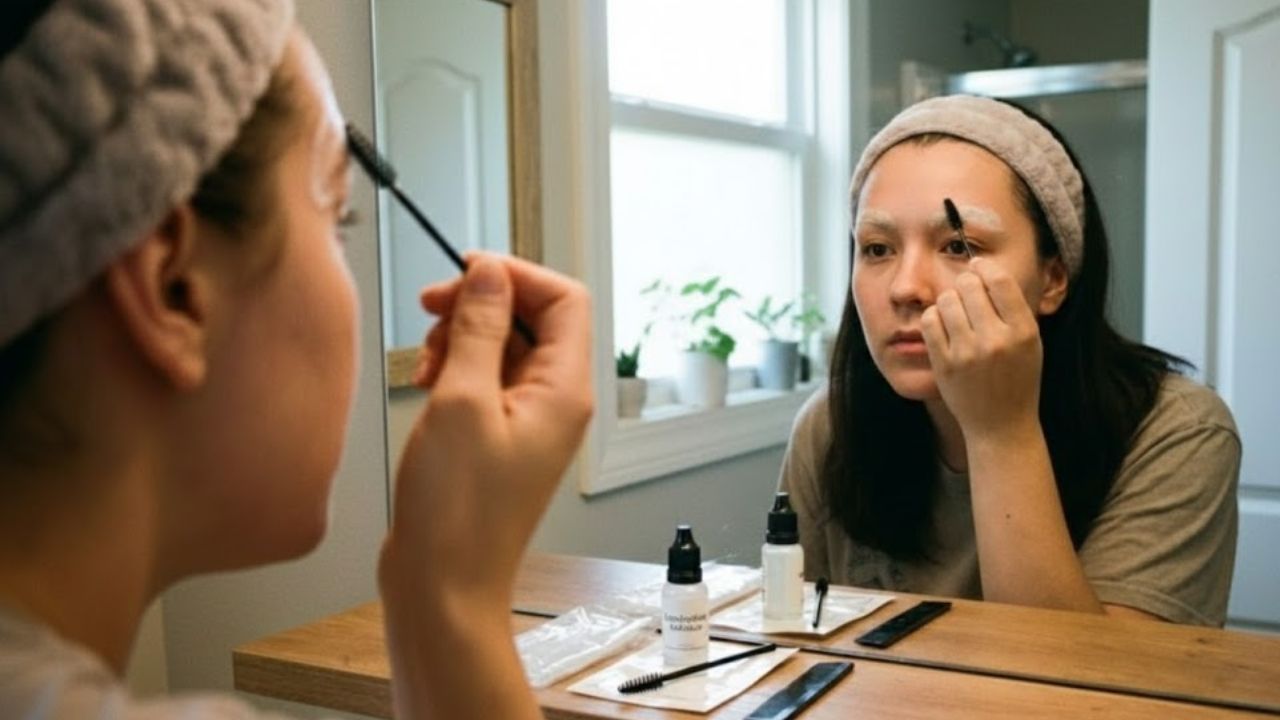
    There is a quiet satisfaction in sitting at your bathroom counter late at night, the fan softly humming and music playing low, realizing you can transform your brows with just a few careful steps and patience. No harsh salon lights. No awkward conversation. Just you, a mirror, and a small brush. Home brow lamination sounds technical, but the idea is simple. You gently guide your natural brow hairs to sit in a flattering direction for longer, creating a fuller and more defined look. You aren’t drawing a new brow. You’re letting your own brows show their best side. Once you break lamination down into simple steps—soften, shape, set, and nourish—it feels less intimidating and more like a routine you can repeat every few weeks.

    Preparing Your Tools: A Small, Calming Setup

    Before touching your brows, take a moment to prepare your space. Clear a section of the counter and line up your tools in the order you’ll use them. This small act creates a sense of calm that makes the process feel surprisingly soothing. Most at-home lamination methods rely on just a few essentials. Some people choose complete brow kits, while others prefer gentle alternatives already at home. Whatever you choose, the principle stays the same: use minimal product and always opt for the gentlest option possible.

    • Soft facial cleanser to remove oil and residue without irritation
    • Brow spoolie to guide hairs into place, even a cleaned mascara brush works
    • Brow lamination formula to relax hairs for reshaping, always patch test first
    • Setting or fixing solution to hold the new shape without weighing brows down
    • Hydrating oil or serum to nourish hair and skin, applied lightly overnight

    Standing in front of the mirror with these tools feels less like a procedure and more like everyday care. You aren’t trying to master a professional skill overnight. You’re simply learning how your brows grow and shaping them into a look that feels right for you.

    A Step-by-Step, Unhurried Brow Reset

    Your first at-home lamination should be slow and intentional. Pay attention to small details—the cool water on your skin, the gentle scratch of the spoolie through brow hair. This isn’t just about results. It’s about giving yourself a few calm minutes.

    Clean the Brow Area Completely

    Brows collect sunscreen, moisturizer, makeup residue, and natural oils. Start by cleansing the area with a gentle, fragrance-free cleanser. Rinse with lukewarm water and pat dry using a soft towel. A final swipe with a cotton pad ensures no residue remains. Clean brows stand up more clearly, making them easier to shape.

    Study Your Natural Growth Pattern

    Before applying any product, comb your brows upward with a clean spoolie and observe closely. Some hairs naturally lift, others lie flat, and some angle sideways. Notice sparse areas, the shape of your arch, and how the tail behaves. Understanding these patterns helps you decide how to guide the hairs rather than fighting against them.

    Gently Soften the Brow Hairs

    Apply a small amount of lamination or lifting solution to the brow hairs using a micro brush or cotton swab, keeping it off the skin. This step softens the hair structure, similar to warming clay before shaping it. Comb the solution through with a spoolie, brushing hairs upward and slightly outward. Let it sit for the recommended time, usually just a few minutes. If your brows are fine, less time is better than more.

    Shape with Purpose, Not Perfection

    Once the hairs are softened, use a clean spoolie to shape them. Brush the front upward for a fluffy effect, then angle the arch and tail toward the temples. Aim for balance, not exact symmetry. One brow may have a sharper arch, the other more fullness. The goal is an enhanced version of your natural brows, not a copied style.

    Lock in the Shape

    After removing excess lifting solution, apply a light layer of setting or neutralizing product. Comb through again and gently press stubborn hairs into place for a few seconds. When the setting time ends, wipe away any residue and step back. The result is often striking—brows that appear taller, fuller, and more defined without looking drawn on.

    Aftercare: Letting Brows Ease Into Their Look

    Freshly laminated brows can feel like a new haircut. For the first day or two, your reflection may look unfamiliar. Give it time. As natural oils return, the look softens. Avoid water, steam, and heavy creams on the brow area for 24 hours. If skin feels tight, use a light moisturizer around the brows, not directly on them. After a couple of days, most people find their routine simpler—often just a quick brush with a clean spoolie keeps brows looking lifted and full.

    Feeding Your Brows with Oils and Gentle Habits

    Maintaining fullness means treating your brows like something to nurture. Each night, apply a small amount of nourishing oil using your fingertips. Castor oil or lightweight brow serums work well. Massage gently in the direction of hair growth to condition hairs and support the follicles beneath. Just as important is knowing when to stop. Over-plucking can undo your progress. Remove only obvious stray hairs and leave the rest to maintain that naturally full look.

    Finding Your Personal Brow Routine

    With practice, you’ll develop your own rhythm. Some people laminate every six to eight weeks, pairing it with other quiet self-care habits. Others prefer softer, more frequent sessions supported by daily oil and brushing. Think of it as a cycle rather than a strict rule. Your brows will have phases of growth and rest. When they start drooping or losing shape by midday, it may be time for another gentle session. Doing this at home means learning what your skin tolerates, how long is enough, and where your natural arch truly sits. Over time, you become your own expert, responding to your reflection instead of chasing trends.