Category: News

  • Flexibility Improvement Plan: Yoga Poses to Increase Range of Motion Safely

    Flexibility Improvement Plan: Yoga Poses to Increase Range of Motion Safely

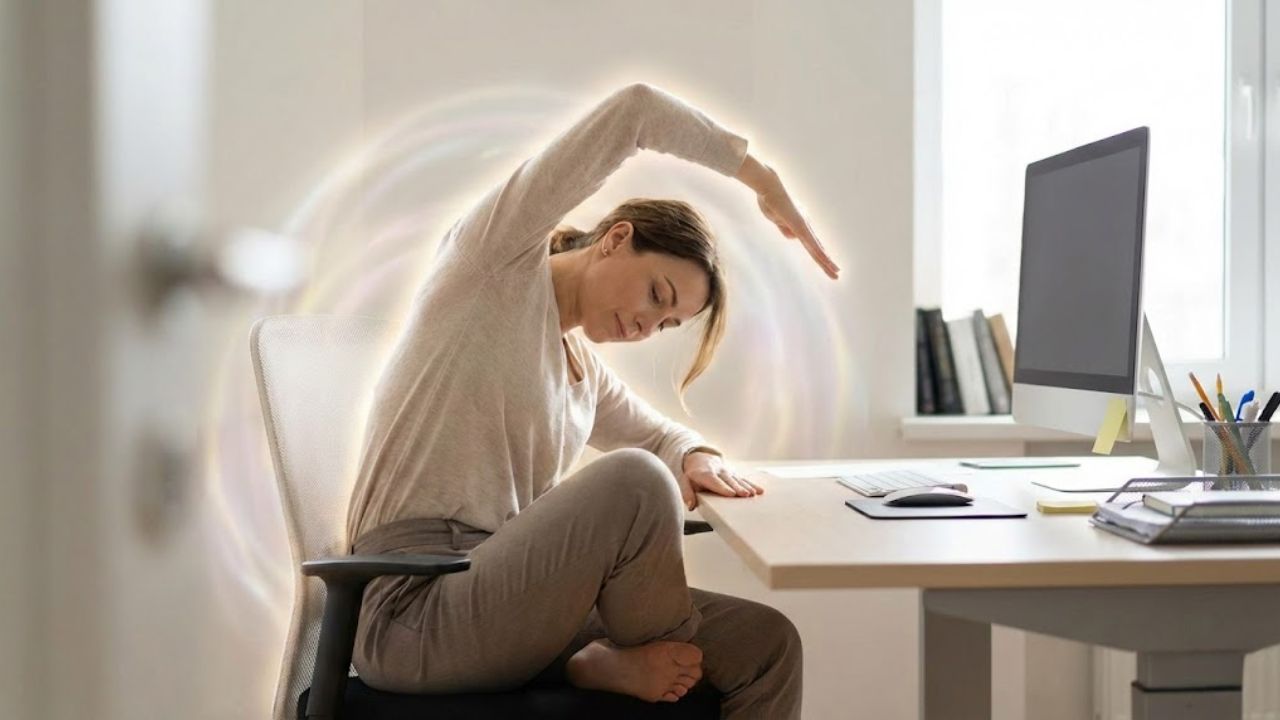
    Yoga stands out as one of the best ways to boost your flexibility and expand how freely your body can move. This practice blends stretching with controlled breathing and deliberate movements to help relax stiff muscles and improve how your joints function. Regular yoga sessions gradually make your entire body more flexible and limber. The beauty of yoga lies in its adaptability for everyone. Beginners can start with basic poses & gentle stretches that match their current ability level. More experienced practitioners can challenge themselves with advanced positions that push their flexibility further. Each person can adjust the intensity and difficulty to match their personal goals. Your body responds to consistent yoga practice by becoming more supple over time. Tight areas begin to release their tension as you hold poses & focus on your breathing. Your joints gain a wider range of motion as you move through different positions. This improvement happens gradually but steadily when you maintain a regular practice schedule. Yoga works because it approaches flexibility from multiple angles simultaneously. The physical poses stretch your muscles in various directions. The breathing techniques help your body relax and release tension. The mindful awareness lets you notice where you hold tightness & work on those specific areas. Together these elements create lasting improvements in how your body moves & feels.

    Why Flexibility Matters

    Flexibility is crucial for maintaining healthy joints and muscles. It helps reduce the risk of injury, improves posture, and increases your ability to perform daily activities with ease. Additionally, flexibility promotes better blood flow and enhances muscle performance, allowing you to move with more grace and control.

    Benefits of Increased Range of Motion

    A greater range of motion helps relieve tension and stress in the muscles, allowing for a better quality of life. It aids in relaxing tight muscles and promotes relaxation in the body and mind. Yoga improves flexibility by encouraging deep stretching and lengthening of muscles through various poses. Each pose targets specific muscle groups, helping them to become more flexible over time. The constant flow of breath during yoga also helps the body relax, enabling deeper stretches.

    More Than Just Flexibility: Strength and Balance

    In addition to flexibility, yoga also builds strength and improves balance—vital elements for joint health. Strong muscles and joints help support the increased range of motion, reducing the risk of injury while enhancing stability and control in movement.

    Top Yoga Poses for Flexibility and Range of Motion

    Downward Dog (Adho Mukha Svanasana)

    This pose stretches the hamstrings, calves, and spine. By pressing your heels into the mat and lifting your hips toward the sky, you open up the lower body and create space in the back, boosting flexibility.

    Forward Fold (Uttanasana)

    This standing forward bend stretches the hamstrings and lower back. Keeping the legs straight and folding forward allows the spine to lengthen and relieves tension in the back and neck.

    Lunge (Anjaneyasana)

    Lunges stretch the hip flexors, quads, and calves. By sinking deeply into the pose, you increase flexibility in the lower body and improve the hips’ range of motion.

    Pigeon Pose (Eka Pada Rajakapotasana)

    This deep hip opener targets the glutes, thighs, and hips. It’s ideal for enhancing flexibility in the hip region, which is essential for walking, running, and cycling.

    Bridge Pose (Setu Bandhasana)

    This pose strengthens the lower back while stretching the hips and thighs. Lifting the hips activates and stretches muscles in the spine and pelvis, improving mobility.

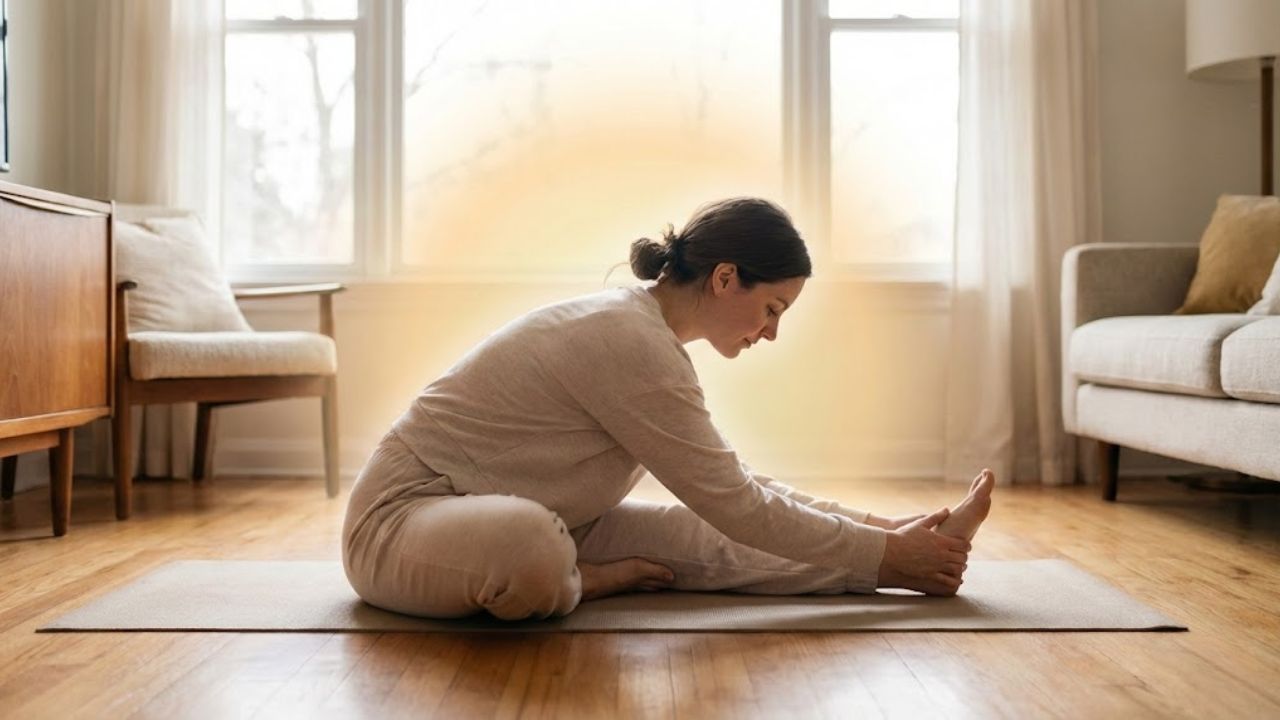
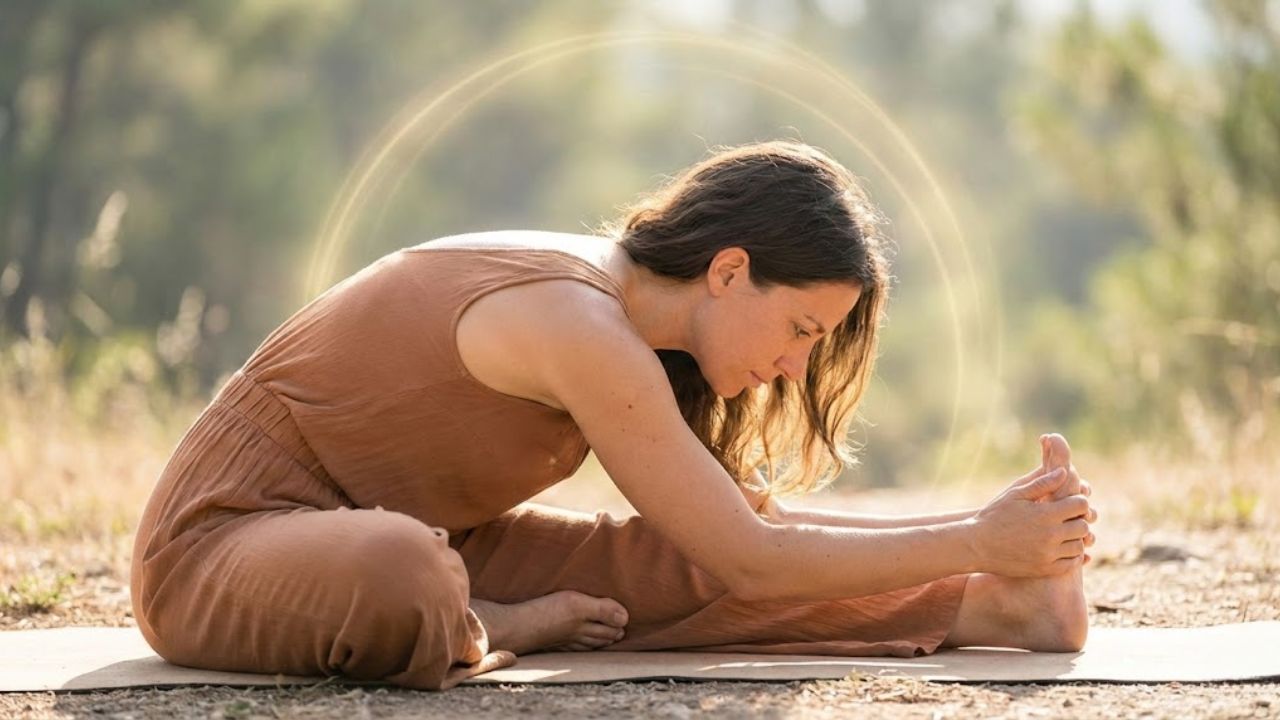
    Seated Forward Fold (Paschimottanasana)

    This seated stretch lengthens the spine and stretches the hamstrings. It’s excellent for releasing tension in the back and legs while increasing flexibility over time.

    Cat-Cow Pose (Marjaryasana-Bitilasana)

    This gentle flow between arching and rounding the spine improves spinal flexibility and warms up the back. It also enhances shoulder and spinal mobility.

    Breathing Techniques to Support Flexibility

    Breathing is a core part of yoga. Deep, mindful breathing relaxes the body, helping muscles to stretch more effectively. The deeper and longer you breathe into a pose, the more the body relaxes and allows for improved flexibility.

    Pranayama, or controlled breathing, enhances body awareness and focus. It helps engage muscles during stretches and supports deeper range-of-motion development.

    How Often Should You Practice Yoga for Flexibility?

    To see visible improvements, it’s best to practice yoga consistently. Even 2–3 sessions a week can make a significant difference. Regular practice improves flexibility and movement ease. With time, you’ll experience more comfort in daily activities and a greater sense of mobility.

    Yoga for Flexibility: A Holistic Approach

    Yoga is more than stretching—it’s a holistic practice that supports physical, mental, and emotional well-being. As your physical flexibility increases, your mental flexibility and emotional resilience may also improve.

    Yoga teaches you to respect your body’s limits, helping you avoid overextension. While flexibility doesn’t come overnight, with patience and commitment, yoga can help you reach your goals and move with greater freedom.
  • Digestive Health Routine: 6 Yoga Poses That Support Gut Function and Comfort

    Digestive Health Routine: 6 Yoga Poses That Support Gut Function and Comfort

    Child’s Pose is a gentle and restorative position that helps relax your abdominal muscles while calming your nervous system. This pose increases blood flow to your stomach area. The improved circulation helps reduce bloating and makes digestion-related discomfort feel better.

    How to do it:

    – Start on hands and knees, knees wide apart.

    – Sit your hips back towards your heels and lower your chest to the floor.

    – Extend your arms forward, resting your forehead on the mat.

    – Hold for 30 seconds to 1 minute, breathing deeply.

    Downward-Facing Dog (Adho Mukha Svanasana)

    This iconic pose stretches the entire body and encourages blood flow to the digestive organs. By placing the head below the heart, it also helps calm the nervous system and aids digestion.

    How to do it:

    – Start on all fours, hands shoulder-width, knees hip-width apart.

    – Lift your hips toward the ceiling, forming an inverted V-shape.

    – Straighten your arms and legs, keeping your head between your arms.

    – Hold for 30 seconds to 1 minute, breathing deeply.

    Seated Forward Fold (Paschimottanasana)

    This pose massages the abdominal organs and stimulates peristalsis—the movement of food through the digestive tract. It also relieves stress, which positively impacts digestion.

    How to do it:

    – Sit on the floor with your legs extended forward.

    – Inhale and lengthen your spine, then exhale and hinge at the hips to fold forward.

    – Reach for your feet, ankles, or shins while keeping your spine long.

    – Hold for 30 seconds to 1 minute, breathing deeply.

    Wind-Relieving Pose (Pavanamuktasana)

    As the name suggests, this pose is ideal for releasing gas and reducing bloating. It gently massages the intestines and helps stimulate digestive function.

    How to do it:

    – Lie on your back with knees bent and feet flat on the floor.

    – Hug your knees to your chest with both hands.

    – Gently rock side to side, massaging your lower back and abdomen.

    – Hold for 30 seconds to 1 minute, breathing deeply.

    Cobra Pose (Bhujangasana)

    Cobra Pose opens up the abdomen and stimulates blood flow to the digestive organs. It can relieve indigestion and improve abdominal circulation.

    How to do it:

    – Lie on your stomach with legs extended and feet hip-width apart.

    – Place hands under shoulders, elbows tucked in.

    – Inhale and lift your chest off the floor, extending your spine upward.

    – Hold for 15–30 seconds, breathing deeply.

    Cat-Cow Pose (Marjaryasana-Bitilasana)

    This flowing movement between two poses improves spinal flexibility and stimulates digestion. It also helps release abdominal tension and supports organ function through better circulation.

    How to do it:

    – Begin on hands and knees with wrists under shoulders and knees under hips.

    – Inhale, arch your back (Cow Pose), lifting chest and tailbone.

    – Exhale, round your spine (Cat Pose), drawing navel to spine and chin to chest.

    – Repeat for 5–10 deep breaths, flowing with each inhale and exhale.

  • Strength Building Session: 6 Yoga Poses to Develop Muscle Control and Endurance

    Strength Building Session: 6 Yoga Poses to Develop Muscle Control and Endurance

    Yoga is often linked to flexibility and relaxation but it also works great for building strength and muscle. When you add certain poses to your routine you can develop better muscle tone and boost your stamina. These six yoga poses work on different muscle groups and help you create a stronger body. The first pose is the plank position. This simple but challenging pose engages your entire core along with your arms and shoulders. Hold your body in a straight line from head to heels while keeping your abs tight. Start with 30 seconds and gradually increase the time as you get stronger. Warrior II is another powerful pose that builds leg strength & endurance. This standing pose requires you to hold a deep lunge while extending your arms out to the sides.

    Benefits: The plank pose is a full-body strengthener, especially focusing on the core, arms, and shoulders. It also engages the glutes and legs, providing a solid foundation for overall body strength.

    How to Perform: Start in a high push-up position, with your hands directly under your shoulders and fingers spread wide. Engage your core and keep your body in a straight line from head to heels. Hold for 30 seconds to one minute, maintaining steady breathing.

    Why It Builds Strength: This pose strengthens the core and upper body muscles, improving endurance and stability. Holding the position keeps muscles engaged, promoting muscle growth and endurance.

     Downward-Facing Dog (Adho Mukha Svanasana)

    Benefits: This classic pose works the shoulders, arms, back, and legs. It stretches and strengthens muscles in the arms, hamstrings, calves, and back, improving both flexibility and endurance.

    How to Perform: Begin on your hands and knees. Lift your hips toward the ceiling and straighten your legs, forming an inverted “V” shape. Keep hands shoulder-width apart and feet hip-width apart, with your head between your arms. Hold for 30 seconds to one minute.

    Why It Builds Strength: It strengthens the shoulders and arms while stretching the legs. Holding this pose improves stamina and endurance in the upper body and legs.

    Warrior II (Virabhadrasana II)

    Benefits: Warrior II builds strength in the legs, hips, and arms. It also enhances endurance and balance by maintaining a wide stance with extended muscle engagement.

    How to Perform: Stand with feet wide apart. Turn one foot out 90 degrees and bend the knee, ensuring it aligns with the ankle. Extend arms parallel to the ground, palms facing down. Hold for 30 seconds, then switch sides.

    Why It Builds Strength: This pose targets the legs, glutes, and shoulders. The deep lunge and arm extension help build strength and endurance in the lower body.

    Boat Pose (Navasana)

    Benefits: Boat pose strengthens the core, hip flexors, and thighs. It also enhances balance and endurance by engaging deep stabilizer muscles.

    How to Perform: Sit with knees bent and feet flat on the floor. Lean back slightly and lift your legs off the ground, extending them. Keep your spine straight and arms extended parallel to the floor. Hold for 30 seconds to one minute.

    Why It Builds Strength: This pose targets the abdominal muscles and hip flexors. Holding the posture builds core strength and challenges stability and muscle control.

    Chair Pose (Utkatasana)

    Benefits: Chair pose builds lower body strength in the thighs, glutes, and core. It also promotes balance and muscular endurance.

    How to Perform: Stand with feet hip-width apart. Bend your knees as if sitting in an invisible chair, keeping the chest lifted and arms extended in front. Hold for 30 seconds to one minute.

    Why It Builds Strength: The pose activates the quadriceps, glutes, and core. Maintaining the position challenges balance and increases lower body endurance.

    Bridge Pose (Setu Bandhasana)

    Benefits: Bridge pose strengthens the glutes, lower back, and hamstrings, while improving hip and chest flexibility. It enhances both strength and endurance.

    How to Perform: Lie on your back with knees bent and feet flat on the floor. Press your feet down and lift your hips toward the ceiling. Keep your arms at your sides. Hold for 30 seconds to one minute.

    Why It Builds Strength: This pose activates the glutes, hamstrings, and lower back, promoting muscle growth and stamina in the posterior chain and core.

  • Gentle Rest-Day Yoga: A Full-Body Care Routine for Recovery and Relaxation

    Gentle Rest-Day Yoga: A Full-Body Care Routine for Recovery and Relaxation

    Rest days should not mean sitting still all day. They give your body time to heal while keeping you gently active. A calm yoga session on these days loosens tight muscles & boosts blood flow without wearing you out. It also settles your nervous system. This type of practice feels slow and supportive. It works well when your muscles are sore but you still want some light movement. Gentle yoga uses soft stretches & relaxed breathing along with mindful focus. It helps your joints and muscles recover. It can even support digestion while keeping stress under control. You do not need to be flexible or experienced. You just need a mat and some quiet space. You also need to be willing to take things slowly.

    Why Gentle Yoga Works Perfectly on Recovery Days

    Rest days play an important role in helping muscles repair themselves and keeping your mind balanced. When you exercise hard your muscle fibers develop tiny tears. These fibers grow back stronger during the recovery period. Gentle yoga helps this healing process by improving circulation without putting extra stress on your body. It also eases the muscle soreness that typically shows up the day after a workout. Mental recovery is another advantage of rest days. Gentle yoga stimulates the parasympathetic nervous system which encourages your body to relax. This can lead to better sleep and lower anxiety levels. Most people find they feel more energized & clear-headed after a relaxed yoga session than they do after sitting still all day.

    Simple Preparation for a Gentle Yoga Practice

    Preparation takes little effort. Pick a calm moment when you have enough time and will not feel hurried. You can practice in the morning or evening based on when you feel most energetic. Put on loose clothes that let you move freely. Have a blanket or cushion close by if you need additional support. Decide on a purpose before starting. This might be something basic like paying attention to how your body feels or focusing on deep breaths. Gentle yoga does not require you to challenge yourself. The practice centers on feeling comfortable and taking care of yourself.

    Gentle Yoga Poses That Support the Whole Body

    Begin with Child’s Pose to ease tension in your back and hips. Get on your knees and sit back so your bottom rests on your heels. Reach your arms out in front of you and lower your forehead to the mat. Take slow breaths as this position gently lengthens your spine and helps quiet your thoughts. Transition to Cat Cow Pose to prepare your spine for movement. Position yourself on your hands & knees. Breathe in while lifting your chest and tailbone upward. Breathe out while curving your back & bringing your chin toward your chest. Continue moving between these two positions at a steady pace for multiple breaths to loosen tight areas. The next position is Seated Forward Fold. Sit down with both legs straight in front of you and lean forward from your hips. Maintain length through your spine & do not push yourself too far into the stretch. This movement reduces tightness in your hamstrings and lower back.

    Lie on your back for Supine Twist. Draw one knee up and let it fall across to the other side of your body while your opposite arm stays extended. Hold this for several breaths before switching to the other side. Twisting movements provide a gentle massage to your internal organs & decrease tension along your spine. Complete your practice with Legs Up the Wall Pose. Lie flat on your back and raise your legs so they rest vertically against a wall or the seat of a chair. Rest your arms wherever feels comfortable at your sides. This position encourages better blood flow & reduces tiredness in your legs while promoting deep relaxation throughout your entire body. Close your routine with several minutes in Savasana. Lie completely flat with your eyes closed and breathe without effort. This final resting period gives your body time to integrate all the benefits from your practice.

    Breathing Techniques That Support Faster Recovery

    Breathing in Gentle Yoga Breathing plays an essential role in gentle yoga practice. When you take slow & deep breaths your body receives a message that it can relax. A simple technique involves breathing in through your nose while counting to four and then breathing out while counting to six. The longer outward breath helps your body let go of tension that has accumulated. You do not need to make your breathing perfect. Just paying attention to each breath as it comes in and goes out can help quiet your thoughts & lower your stress levels while making it easier to concentrate.

    How Frequently to Practice Gentle Yoga on Rest Days

    Gentle yoga works well on every rest day. Some people add short sessions each day. The movements are soft and controlled so they do not disrupt muscle recovery. They actually help the process. Pay attention to how your body feels. If you feel tired then keep the session short. Even ten minutes provides benefits. Doing it regularly matters more than how long you practice.

  • Mat-Free Yoga Poses: Simple Movements You Can Do Anywhere at Home

    Mat-Free Yoga Poses: Simple Movements You Can Do Anywhere at Home

    Practicing yoga at home does not require a mat or special equipment or a dedicated space. Many yoga poses work well on carpet or wood floors or even on a clean towel. This approach makes yoga easier to fit into your day when setting up a mat feels like too much effort. Doing yoga without a mat can improve your balance and body awareness because you rely more on muscle strength than on grip. Here are some useful yoga poses you can safely practice at home without a mat and some simple tips to help you get the best results.

    Stand Tall: Mastering Mountain Pose for Daily Stability

    Mountain Pose appears easy but it creates the basis for proper posture. Stand upright with your feet separated at hip width and let your arms hang naturally at your sides. Push your feet firmly into the ground and lightly activate your thigh muscles and core. Extend upward through the top of your head while maintaining relaxed shoulders. Doing this pose without a mat allows you to feel more connected to the ground and enhances your balance. This pose works particularly well for people who sit for extended periods or spend their day at a desk.

    Let Go of Tension: Forward Bends Without a Mat

    Standing Forward Bend works well on any surface. Start from Mountain Pose and hinge forward at your hips while keeping your movements controlled. Allow your head and neck to hang naturally without tension. If your hamstrings feel tight you should bend your knees a little. This position stretches the back of your legs and creates a calming effect on your nervous system. When you practice without a mat you should prioritize staying stable rather than trying to fold deeply.

    Build Strength Anywhere: The Power of Chair Pose

    Chair Pose works well for strengthening your legs and core without needing to get on the floor. Start by standing with your feet either together or separated at hip width. Bend your knees and lower your hips down like you are about to sit in a chair that isn’t there. You can lift your arms up over your head or place your hands together at your chest. Stay in this position for several breaths and make sure your weight stays centered through your heels. Doing this pose on a hard surface helps you maintain better form and activates your muscles more effectively.

    Balance Your Body: Tree Pose Without the Mat

    Tree Pose works well without a mat since you do it completely standing up. Put your weight on one leg and rest the bottom of your other foot against your ankle or the inside of your calf. Make sure not to push it right into your knee. Put your hands together at your chest or lift them above your head. This pose helps you focus better and builds balance and stronger ankles when you practice it without shoes on the floor.

    Hip Opening Made Easy: Low Lunge on Any Surface

    Low Lunge can be done carefully without a mat by placing a folded towel under your back knee for cushioning. Move one foot forward and gently lower the other knee to the ground. Keep your chest upright and rest your hands on your front thigh or hips. This position stretches the hip flexors and enhances lower body flexibility. It is especially beneficial if you spend much of your day sitting.

    Support Your Spine: Seated Twists for Daily Relief

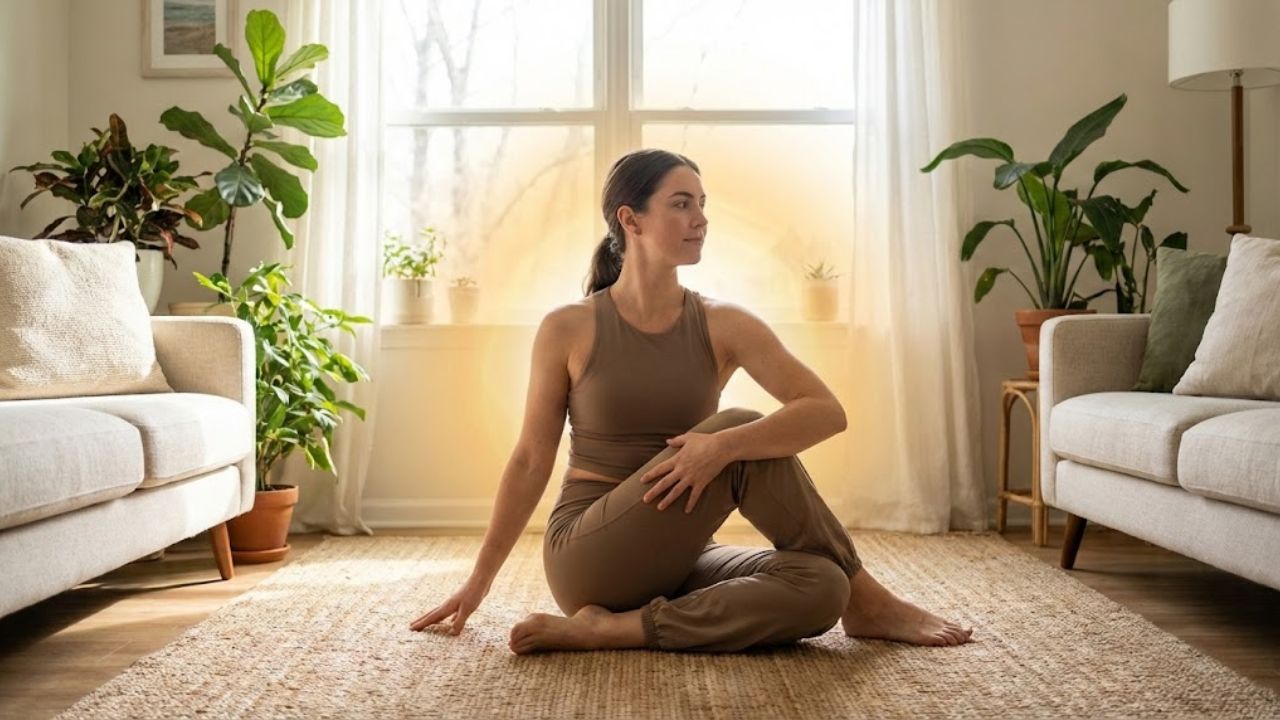
    Seated Spinal Twist Find a comfortable position on the floor by crossing your legs or stretching them out in front of you. Put one hand on the floor behind your back for support. Slowly rotate your upper body toward that side while keeping your back straight and tall. Hold this position for several breaths before switching to the other side. This exercise helps improve the flexibility of your spine and can aid your digestive system. If you don’t have a yoga mat available make sure to move slowly & deliberately to prevent yourself from sliding on the floor surface.

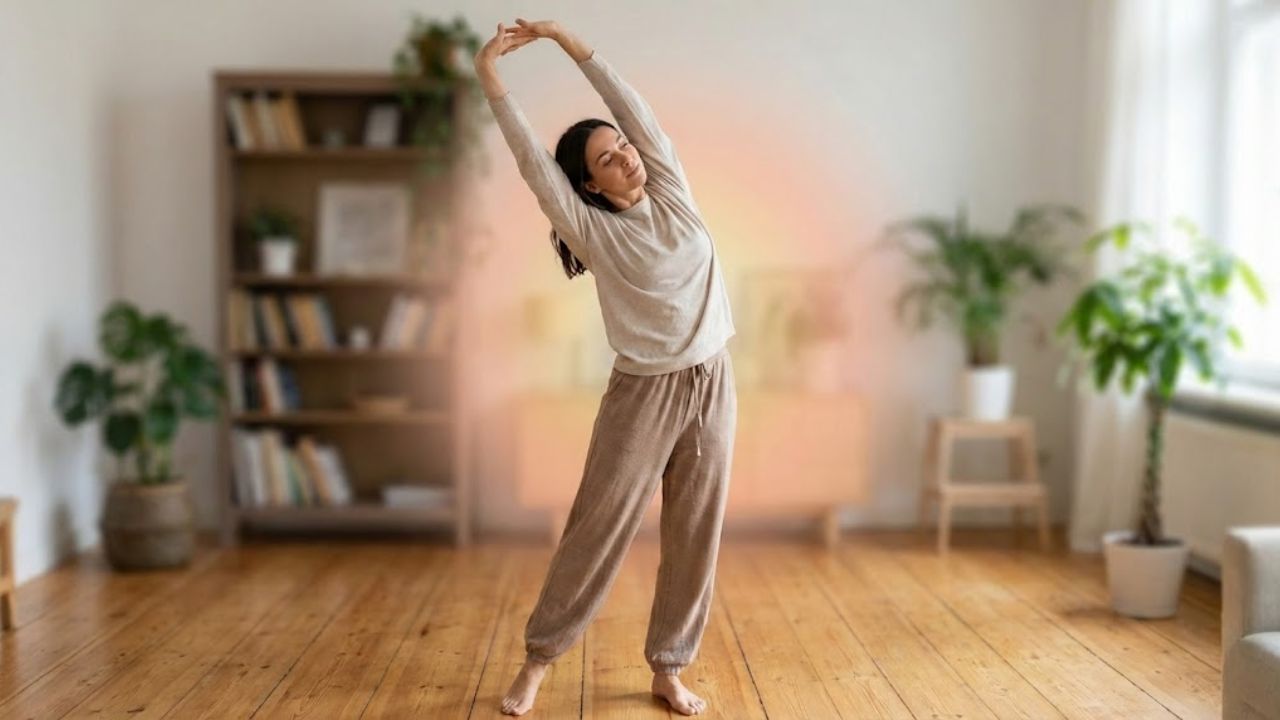
    Full-Body Flexibility: Standing Side Stretch Anywhere

    Stand up straight & lift one arm above your head. Slowly bend your body toward the opposite side while keeping both feet flat on the ground. Make sure you don’t lean forward as you stretch. This position lengthens the muscles along your sides and reduces tightness in your rib area & shoulders. You can do this stretch quickly whenever you take a break while working or relaxing at home.

    Go Mat-Free: Tips to Make Yoga Work Anywhere

    Getting Started with Your Practice Pick a clean surface that won’t make you slip and try working without shoes to help you grip better. Take your time with each movement and think more about staying balanced than pushing yourself too far down. You can grab things from around your house like towels or cushions if you need something to lean on. The main thing is to pay attention to what your body tells you and never push yourself into a position that feels wrong.

  • Optical Illusion Challenge: Find 22 and 29 Among 92 Within 5 Seconds

    Optical Illusion Challenge: Find 22 and 29 Among 92 Within 5 Seconds

    If you like fast brain games that challenge your focus & reaction time this optical illusion is perfect for you. When you first look at the image it seems straightforward because it shows the number 92 over and over again. However two different numbers are hiding in there somewhere: 22 and 29. You need to spot both of them in only 5 seconds. Does that sound simple? Most people assume it will be until they actually start the clock. These challenges work well because our brains naturally look for patterns. When you see the same number filling up the entire image your eyes relax and stop examining things closely. That is precisely when the unusual numbers manage to hide in plain sight. The secret is to stay focused, look systematically & avoid letting your brain switch to automatic mode.

    Why This Optical Illusion Is Tricky

    The puzzle is hard mainly because the numbers look alike. The digits in 22 29 and 92 are the same but placed in different positions. When you look at many 92s your eyes treat them all as one thing. Your brain thinks nothing else is there even though two different numbers are hiding. This trick makes you need to look more carefully at how the digits are arranged. The time limit also makes it harder. Five seconds goes by fast & feeling rushed makes people hurry. When you hurry you might only look for one wrong number and forget about the second one. To find both 22 and 29 you need to search in an organized way instead of just looking around randomly.

    How to Spot 22 and 29 Faster

    A helpful method is to stop reading the numbers as complete units. Focus on single digits instead. Search for two 2s next to each other to find 22. For 29 look for a 2 with a 9 after it rather than a 9 with a 2 after it. Breaking down the pattern in your mind makes it easier to spot errors in repetition. Scanning the image one row at a time works better than looking randomly. Begin at the top left corner & move across before moving down. This approach lowers the risk of missing the hidden numbers.

    What This Puzzle Says About Your Brain

    If you found both numbers within five seconds it shows you have good visual attention and fast pattern recognition. If it took you more time that is perfectly normal. These puzzles are meant to challenge even people with sharp minds. Doing optical illusions regularly can help improve your focus & observation skills and mental flexibility over time.

  • 5 Proven Yoga Asanas That Support Joint Health and Reduce Everyday Stiffness

    5 Proven Yoga Asanas That Support Joint Health and Reduce Everyday Stiffness

    Top 5 Yoga Poses for Healthy Joints and Better Mobility Maintaining healthy joints is essential for everyday movement and overall comfort. Yoga offers an effective way to keep your joints flexible & strong regardless of your age. Regular practice helps increase joint flexibility while reducing stiffness and strengthening the surrounding muscles. These five yoga poses are particularly beneficial for supporting joint health and enhancing your range of motion.

    How Downward-Facing Dog Enhances Joint Mobility and Full-Body Flexibility

    This popular pose stretches your entire body with special attention to your shoulders & wrists along with your hips and knees. It improves blood circulation & increases joint flexibility while decreasing stiffness and tension. The pose also strengthens the muscles around your joints to give them better support & reduce injury risk. Begin on your hands and knees with your wrists positioned directly below your shoulders and your knees below your hips. Push your palms firmly into the floor & raise your hips upward toward the ceiling. Extend your arms & legs fully while pressing your heels down toward the floor. Position your head between your arms and maintain this pose for 15 to 30 seconds.

    Why Warrior II Strengthens Hips, Knees, and Ankle Stability

    Warrior II is excellent for developing leg strength and supporting your knees & hips. This pose opens up your hip area and stretches your knees to improve both flexibility and range of motion. It also builds better balance and coordination which keeps your joints healthy. Start by standing with your feet positioned wide apart. Rotate your right foot outward to form a 90-degree angle and bend your right knee so it aligns over your ankle. Stretch both arms out to your sides so they are parallel with the floor & turn your palms to face downward.

    Child’s Pose Benefits: Gentle Joint Recovery and Deep Muscular Relaxation

    Child’s pose offers a gentle stretch for your spine & hips and knees. It helps ease tension and improve flexibility at the same time. This calming position works as a restorative exercise that reduces joint discomfort in your lower back and hip areas. The pose gives you an excellent way to relax after a long workday or an intense workout session. Your body rests in a natural folded position that removes pressure from your joints & muscles. When you settle into this position your breathing naturally deepens and your nervous system begins to calm down. Start on all fours with your wrists under your shoulders and knees under your hips. Inhale as you arch your back and lift your head and tailbone in Cow Pose. Exhale as you round your back and tuck your chin toward your chest in Cat Pose. Repeat this flow for 10 to 15 breaths and move slowly with control.

    Seated Forward Bend for Improving Joint Flexibility and Reducing Daily Stiffness

    This forward fold helps stretch your spine & the back of your legs. These body parts frequently lead to joint pain and stiffness. Lengthening your spine and improving flexibility in your hips and legs reduces the risk of joint strain. This exercise supports overall joint health.

  • Optical Illusion Challenge: Spot the Number 3 Hidden in a Sea of 8s

    Optical Illusion Challenge: Spot the Number 3 Hidden in a Sea of 8s

    Optical illusion challenges offer a popular method to measure concentration and how well you see details. This puzzle appears straightforward when you first look at it. The image shows the number 8 printed over and over. However a single number 3 sits hidden among all these matching figures. You need to locate it in 8 seconds. The challenge seems simple but most people find it difficult. The explanation is clear. Your brain prefers patterns. When it recognizes a shape that repeats it tends to miss small variations. This is precisely what makes the illusion both challenging and entertaining.

    Why This Optical Illusion Is So Hard

    The number 8 and the number 3 have a similar rounded shape. When they appear close together in a tight pattern the brain automatically treats them as the same object. This mental shortcut helps us process information quickly but it also causes us to miss small details. Another reason this illusion works so well is visual overload. When too many similar shapes appear at once your eyes stop scanning each character individually. Instead they skim the image as a whole. The hidden 3 blends in because your brain assumes everything is an 8.

    How to Approach the Challenge

    If you want to do better at this task do not look at the image in a random way. Break it down into smaller parts instead. Examine it one row at a time or one column at a time. Pay attention to the curved lines of each number rather than looking at the whole shape. The number 8 has two circles that are completely closed. The number 3 has curves that are open. Train yourself to notice the openings instead of looking for complete circles. This simple change in how you look at things usually helps you find the hidden number more quickly. You should also try not to blink too much. Keep your eyes steady on the image for several seconds. Sometimes the difference only becomes clear after your brain has time to adjust.

    What This Puzzle Says About Your Brain

    Optical illusions like this one show how perception works. Your eyes capture the image but your brain decides what you see. When patterns repeat the brain fills in details without checking every element. People who spot the hidden 3 quickly often have strong attention to detail. They are good at slowing down their thinking when needed. Those who struggle are not less intelligent. Their brain is simply working efficiently by relying on patterns. These puzzles are not about intelligence alone. They are about awareness and patience and visual flexibility.

    Benefits of Solving Optical Illusion Challenges

    Working on visual puzzles on a regular basis helps you focus better. These puzzles train your brain to take its time and look carefully rather than jumping to quick answers. This practice can make it easier to concentrate when you do everyday activities. Visual illusions give your mind a chance to rest. They help lower stress levels by pulling your attention away from the things you normally worry about. Most people feel more relaxed when they work on these puzzles even though they can be difficult. These puzzles also make your thinking more flexible. Your brain gets better at doubting what it sees at first glance & considering other possibilities. This ability helps when you need to solve problems or make important choices.

    Did You Find the Hidden 3

    If you found the number 3 in less than 8 seconds then you did well. Your ability to process visual information is strong. If you did not find it then there is no need to worry. Look at the image again and examine it more slowly. The answer usually becomes clear when you understand what you are searching for. Many people discover the hidden number after trying two or three times. The feeling of finally seeing it is what makes these puzzles enjoyable.

  • Screens Off, Mind On — Yoga Practices That Help You Unwind and Find Stillness

    Screens Off, Mind On — Yoga Practices That Help You Unwind and Find Stillness

    Finding Peace Through Yoga in a Digital World In our modern world the constant flow of information and online activity often leaves us feeling stressed and exhausted. To protect our mental and physical health we need ways to relax & step back from digital overload. Yoga is one of the most effective approaches for this purpose. Regular yoga practice offers many benefits including relaxation and awareness while giving us a much-needed break from technology. Anyone can benefit from adding certain yoga exercises to their daily routine regardless of their experience level.

    Child’s Pose (Balasana) — A Gentle Grounding Pose That Calms the Nervous System and Releases Mental Overload

    Child’s Pose is a gentle resting position that helps calm your mind and relax your body. Folding forward and placing your forehead on the mat creates a sense of peace & stability. To practice this pose start on your hands and knees. Move your hips back toward your heels and stretch your arms forward. Rest your forehead on the mat and take deep slow breaths. Stay in this position for 5 to 10 minutes to release tension & let your body fully relax.

    Legs Up the Wall (Viparita Karani) — A Restorative Inversion to Slow Thoughts and Ease Screen-Induced Fatigue

    This pose is effective for lowering stress & helping your nervous system feel calmer. It supports better blood circulation & decreases feelings of anxiety. Here is how you can do it:

    Sit with one hip against a wall & then lie flat on your back as you lift your legs up the wall.

    Let your arms rest at your sides or put your hands on your stomach.

    Close your eyes & focus on your breathing as you allow your muscles to release tension.

    Stay in this position for five to ten minutes.

    Seated Forward Fold (Paschimottanasana) — A Quieting Stretch That Encourages Introspection and Emotional Stillness

    This forward bend helps you unwind while stretching your back and hamstrings. It lowers stress levels & quiets your mind. How to do it:

    – Sit on the floor with your legs extended straight in front of you & your toes pointing up.

    – Take a deep breath to lengthen your spine and then exhale slowly as you fold forward & extend your arms toward your feet.

    – Allow your body to settle into the stretch & focus on your breath.

    – Hold this pose for 5 to 10 minutes.

    Cat–Cow Pose (Marjaryasana–Bitilasana) — Rhythmic Spinal Flow to Release Tension and Restore Present-Moment Awareness

    Cat-Cow is a gentle flowing exercise that helps loosen your spine and neck. It links your breath to your movement and improves focus while reducing stress. Here’s how to do it:

    Start on your hands and knees. Place your wrists directly under your shoulders & position your knees under your hips.

    – As you breathe in arch your back and lift your head to gaze upward. This is Cow Pose.

    – As you breathe out, round your spine and tuck your chin toward your chest. This is Cat Pose.

    – Continue moving back and forth between these two positions for one to two minutes. Try to match your movements with your breathing as you go.

    Corpse Pose (Savasana) — Intentional Stillness for Deep Relaxation, Mental Reset, and Inner Balance

    Savasana serves as the final relaxation position that helps you absorb everything you gained from your practice while letting your body fully rest. Steps to Practice:

    – Position yourself flat on your back and stretch your legs out straight. Place your arms alongside your body.

    – Shut your eyes and pay attention to how you breathe.

    – Release all the tightness from your muscles and let your body feel heavy against the floor.

    – Remain in this position for five to ten minutes while your mind and body recover.

    Designing a Yoga-Based Digital Detox — Using Mindful Movement to Disconnect from Screens and Reconnect Within

    Adding yoga to your everyday life offers a straightforward method to disconnect from screens and devices. Here are practical suggestions for establishing a digital break:

    Establish Clear Limits: Choose particular moments each day dedicated to yoga without interruptions from phones or laptops. Morning sessions or evening practice before sleep work especially well for promoting calmness.

    Arrange a Quiet Area: Prepare a soothing environment for your sessions that excludes electronic gadgets. You might include candles or calming scents or gentle background sounds to improve the setting.

    Focus on Conscious Breathing: During your yoga session concentrate on deliberate breathing techniques to bring your awareness to the current moment. This helps decrease the impulse to look at your phone or check messages.

    Schedule Device-Free Periods: Following your yoga routine make a commitment to stay away from electronic equipment for a while. You could take a stroll outside or read something or just sit quietly to restore your energy.

  • Desk-Friendly Yoga: Easy Poses for People Who Sit Too Much

    Desk-Friendly Yoga: Easy Poses for People Who Sit Too Much

    Simple Yoga to Counter the Effects of Desk Work Spending many hours sitting at a desk gradually affects your physical wellbeing. Office workers commonly experience tight hips and stiff shoulders along with lower back discomfort and eye fatigue. These issues become regular companions during the workday. However you don’t need strenuous exercise routines or lengthy training sessions to improve how you feel. Basic yoga movements can effectively reverse the harm from extended sitting periods & make your body feel more comfortable and relaxed as you go through your day.

    The Hidden Impact of Sitting Too Long

    Sitting for extended periods causes your hip flexors to tighten while your glutes stop working properly & your spine loses its natural mobility. This gradually creates problems like bad posture and neck pain along with headaches and fatigue. Your blood circulation slows down when you sit too much and this makes you feel tired & foggy mentally. Yoga helps fix these issues by using gentle stretches and controlled movements combined with focused breathing techniques.

    Yoga Benefits for Desk-Bound Workers

    Yoga works well for people who spend most of their time sitting because it focuses on the body parts that get affected the most. Doing it regularly helps reduce pain in your back and neck while making your posture better. It also gets your blood flowing properly & lowers your stress levels. People who work at desks often find they can concentrate better and don’t feel as tired in the afternoon. Taking short yoga breaks throughout the day can create real improvements if you do them on a regular basis.

    Quick Desk Yoga Poses to Try

    You do not need special equipment or a lot of space to practice these poses. A small area near your desk or at home is enough.

    Seated Neck Stretch

    Sit tall with your feet flat on the floor. Gently tilt your head to one side and hold for a few breaths, then switch sides. This releases tension in the neck and shoulders caused by screen time.

    Seated Spinal Twist

    While seated, place one hand on the opposite knee and gently twist your torso. Keep your spine long. This pose helps improve spinal mobility and reduces stiffness in the lower back.

    Cat Cow Stretch

    You can do this on the floor or seated on a chair. Inhale as you arch your back and lift your chest. Exhale as you round your spine and tuck your chin. This movement keeps the spine flexible and relieves back tension.

    Standing Forward Fold

    Stand up, bend forward slowly, and let your head and arms hang. Slightly bend your knees if needed. This pose stretches the hamstrings and relaxes the spine after long sitting hours.

    Chest Opener Stretch

    Interlace your fingers behind your back and gently lift your hands while opening your chest. This counteracts rounded shoulders and improves posture.

    Seated Hip Stretch

    Cross one ankle over the opposite knee while seated. Gently lean forward. This stretch helps release tight hips caused by prolonged sitting.

    Ideal Yoga Frequency for Office Life

    Doing yoga regularly is more important than doing it for a long time. You can get benefits from just five to ten minutes once or twice each day. If you work at a desk you might find it better to take several short yoga breaks during your work hours instead of doing one long practice session. When you stretch in the morning you get your body ready for what comes next. Yoga in the evening helps you let go of the tension that has built up during the day.

    Make Desk Yoga a Daily Habit

    Set a reminder on your phone or computer so you remember to stretch every hour. Make sure your yoga routine stays simple and does not become too much to handle. When you hold each pose you should focus on taking slow and deep breaths. The most important thing is to pay attention to what your body tells you and never push yourself into pain.