Category: News

  • What Glycolic Acid Does for Skin and Why Dermatologists Call It a Multitasking Essential

    What Glycolic Acid Does for Skin and Why Dermatologists Call It a Multitasking Essential

    Glycolic acid truly does a bit of everything, which explains why it remains a favourite in so many skincare routines. This powerful exfoliating acid is especially helpful for acne-prone skin, offering a gentler alternative if rotating between salicylic acid, benzoyl peroxide, and retinol has left your skin dry or flaky. Swapping one of those out for glycolic acid can help restore balance while still keeping breakouts under control.

    What really sets glycolic acid apart is its versatility. Beyond clearing blemishes, it also targets hyperpigmentation, dullness, and visible signs of ageing such as fine lines and wrinkles. With regular, careful use, it can dramatically improve skin tone and skin texture, making it a true multitasking staple in modern skincare.

    What exactly is glycolic acid?

    Glycolic acid belongs to the alpha-hydroxy acid (AHA) family and is derived from sugarcane. It sits alongside other well-known AHAs, including lactic acid (from milk), tartaric acid (from grapes), and citric acid (from citrus fruits).

    What makes glycolic acid unique is its structure. It has the smallest molecular size of all AHAs, which allows it to penetrate the skin more easily. This low molecular weight is the reason it works so effectively, delivering noticeable results compared with larger-molecule acids.

    How glycolic acid benefits your skin

    The primary benefit of glycolic acid is chemical exfoliation. It works on the stratum corneum, the outermost layer of skin, by loosening the bonds that hold dead skin cells together. Once these bonds are weakened, dull and rough surface cells are shed more easily, revealing fresher, brighter skin underneath.

    Thanks to its small molecular size, glycolic acid can also reach deeper layers of the skin. There, it stimulates fibroblasts to increase collagen production, which helps improve skin firmness and soften the appearance of fine lines and wrinkles. The combined surface and deeper action results in smoother, more radiant, and more even-looking skin.

    Although commonly used on the face, glycolic acid is also effective on the body. It can help treat clogged pores, rough texture, and dark marks on areas such as the back, arms, and shoulders.

    How to use glycolic acid in your routine

    If you have sensitive skin or are new to exfoliating acids, it’s best to start gently. Using glycolic acid in a cleanser is often recommended, as it allows the ingredient to be rinsed off rather than left on the skin. This approach helps your skin adjust gradually and reduces the risk of irritation.

    Once your skin is accustomed to it, glycolic acid can be used in stronger formats, such as peels. Professional, in-office glycolic acid peels are more potent and are typically performed intermittently, often about once a month, for more noticeable results.

    For those who cannot visit a dermatologist regularly, at-home peel pads offer a milder alternative. These should not be used daily. Starting with twice-weekly use is advised, with frequency slowly increasing to every other day only if your skin tolerates it well.

    Which skin types benefit most from glycolic acid?

    Glycolic acid works best for normal, combination, and oily skin types. Those with very dry or highly sensitive skin may experience irritation, regardless of whether the acid is used in a cleanser, peel pad, or professional treatment.

    Seasonal changes also matter. During colder months, when the skin barrier is often compromised, glycolic acid may penetrate more deeply and increase the likelihood of irritation.

    It’s important to note that glycolic acid is not inherently better than other exfoliants. For example, salicylic acid may be more suitable for certain acne concerns, while glycolic acid is often preferred for anti-ageing benefits. The best choice depends on individual skin goals and conditions.

    Because glycolic acid removes dead skin cells, it can increase sun sensitivity. Daily use of broad-spectrum sunscreen (SPF 30 or higher) is essential year-round to reduce the risk of sun damage.

    Ingredients to avoid when using glycolic acid

    Glycolic acid should be used cautiously alongside other strong actives. Combining it with manual exfoliants, benzoyl peroxide, or retinol can significantly increase the risk of irritation.

    Retinol, in particular, speeds up cell turnover, which thins the outer layer of skin and allows glycolic acid to penetrate more deeply. This combination can overwhelm the skin, even for those who consider their skin resilient.

    A safer approach is to choose glycolic acid products formulated with low concentrations and pair them with hydrating ingredients such as hyaluronic acid in the rest of your routine.

    Is glycolic acid effective for acne?

    Glycolic acid can be very effective for acne-prone skin. It helps clear pores by loosening dead skin cells, which reduces the buildup of oil that leads to blackheads, whiteheads, and pimples.

    Those with mild to moderate acne can often use glycolic acid successfully by avoiding areas that are already irritated. However, people with rosacea or cystic acne may find it too harsh and should seek professional guidance.

    For treating hyperpigmentation or acne scars, products containing around 10% glycolic acid are commonly recommended. More sensitive skin types should opt for lower strengths.

    Possible side effects of glycolic acid

    As a strong exfoliating acid, glycolic acid can cause irritation or mild burning if misused. However, severe reactions are rare. It is considered safe enough that medical professionals may use glycolic acid peels to treat acne even during pregnancy, with proper supervision.

    One key safety feature is that glycolic acid is neutralised by water. If tingling occurs, it can be rinsed off immediately. Even when it penetrates deeper layers of the skin, it eventually encounters water in the dermis, where it becomes inactive and stops working further.
  • Aluminum foil in the freezer: the simple hack winning over more households

    Aluminum foil in the freezer: the simple hack winning over more households

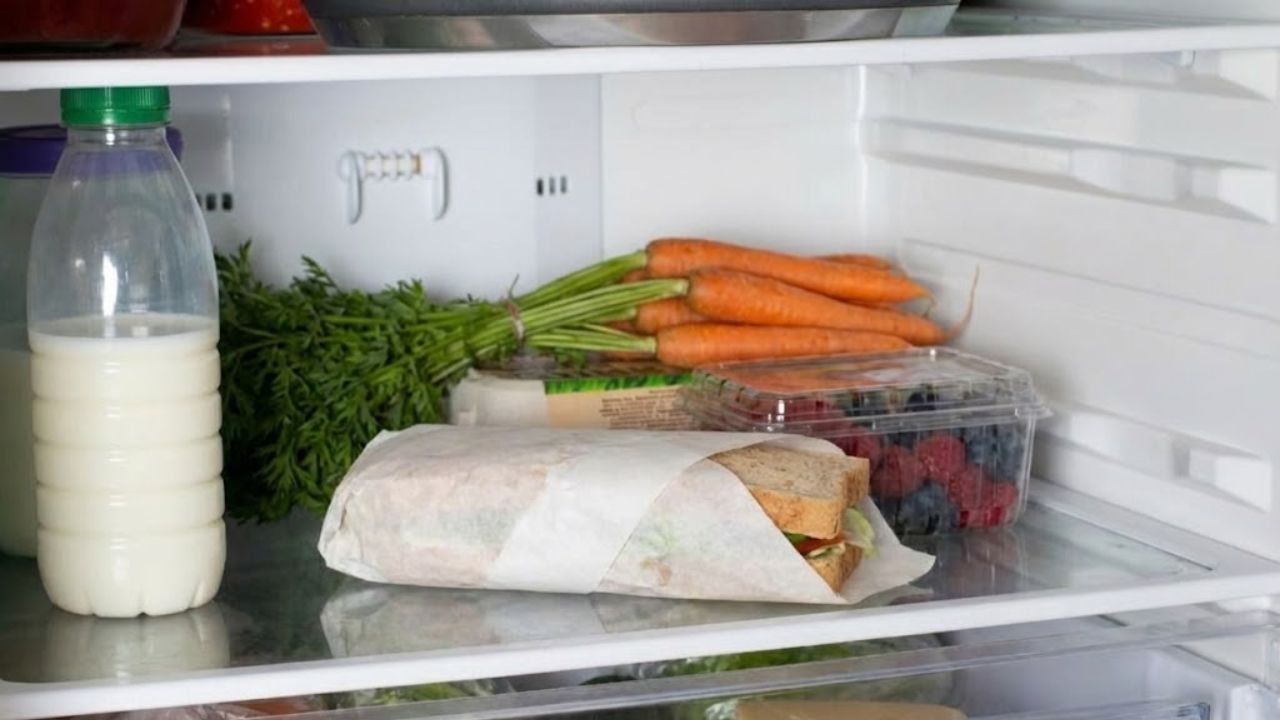
    A friend opens their freezer and you notice something different. Instead of the usual plastic containers with mismatched lids, there are silver packages stacked neatly like bricks. Nothing is labeled & nothing falls out when the door opens. Everything looks organized & wrapped in aluminum foil. They pull out one package and tap it against the counter. “Lasagna from two months ago. Still tastes great.” You watch the foil reflect the kitchen light and think about your own freezer at home. You picture the unlabeled containers, the bread covered in ice crystals & the half-empty bag of vegetables you meant to cook last week. Your friend mentions that aluminum foil completely changed how they store food in their freezer. The statement seems like an overstatement at first. But you keep thinking about those neat silver packages and wonder if they might be right.

    Why Aluminum Foil Is Quietly Transforming Freezers Everywhere

    Freezers were once where good intentions disappeared. Leftovers, bulk groceries, and “I’ll cook this later” plans were shoved inside and forgotten. Aluminum foil is slowly changing that pattern in a surprisingly simple way: it makes freezing feel easy, intentional, and useful again.

    People are rediscovering foil as more than a baking accessory. It’s thin, flexible, and fast to use. You shape it around food, press out the air, and it holds its form. No bulky containers. No awkward lids. Just compact silver parcels that slide neatly into any freezer space.

    Behind this small habit is a larger shift in how households think about food waste, time, and comfort meals. The freezer stops feeling like a chaotic archive and starts working as a backup plan people actually trust.

    How One Simple Wrap Turns Past Effort Into Present Relief

    On a weeknight in a small London flat, a tired family faces a late dinner and picky eaters. The freezer opens, and out comes a compact foil-wrapped block, clearly marked in black marker: “Chicken curry – 12/09”.

    The foil peels away, the frozen portion slides into a pan with a splash of water, and within minutes the kitchen smells like a weekend meal. No searching through containers. No mystery leftovers. Just food they’re happy to eat.

    This is the quiet strength of the method. It turns previous cooking effort into instant relief, without extra decisions or frustration.

    Why Foil-Freezing Is Gaining Ground in the US and Beyond

    Similar stories are appearing in US households, especially among people trying to reduce waste. A 2023 consumer survey from a major retailer found that those who batch-cooked and froze meals using foil reported throwing away fewer meals and feeling less guilty about leftovers.

    Beyond the numbers, the experiences sound familiar: less freezer chaos, fewer forgotten meals, and more food actually eaten instead of tossed.

    The Practical Science Behind Aluminum Foil in the Freezer

    There’s straightforward logic behind the trend. When used correctly, aluminum foil creates a tight barrier against air and moisture, helping slow freezer burn. Freezer burn is what turns pizza rubbery and chicken dry and grey.

    By wrapping food snugly and pressing the foil close, you reduce trapped air. Less air means less ice on the surface, which helps preserve texture and flavor.

    Foil is also highly space-efficient. Its thinness allows portions to be shaped into flat bricks that freeze faster and stack neatly. That’s why rows of foil-wrapped lasagna, casseroles, or bread slices look so satisfying lined up like silver books.

    The Psychological Benefit of an Organized Freezer

    There’s also a mental shift. When opening the freezer doesn’t feel like digging through a junk drawer, people are more likely to use what’s inside. Neatly wrapped, clearly labeled foil parcels quietly signal: this food is ready, not abandoned.

    How to Freeze Food With Aluminum Foil Without the Hassle

    The method itself is simple. Tear a piece of heavy-duty aluminum foil large enough to fully wrap the food with extra room for folding. Place the food in the center. For saucy or delicate dishes, a thin inner layer like baking paper or a freezer bag helps prevent sticking.

    Wrap it like a small gift. Pull the foil up from opposite sides, press it gently around the shape, push out as much air as possible, and fold tightly. Rotate and repeat with the remaining sides. The goal is a compact, firm parcel, not a loose bundle.

    Finish by labeling it with a marker. Keep it short and clear: “Veg lasagna – Jan 3”. That brief step makes a noticeable difference.

    Common Mistakes That Reduce the Benefits

    One frequent mistake is using thin foil for sharp or bony foods. Edges can puncture it, letting air and ice in. A double layer or inner bag works better for these items.

    Another issue is skipping labels. Without dates, the freezer turns into a silver guessing game. People also often freeze food while it’s still warm, which raises the freezer’s temperature and causes uneven freezing. Let dishes cool first.

    While freezer inventories sound ideal, most people don’t maintain them daily. What works instead is keeping a few reliable “hero meals” ready at all times: a soup, a pasta bake, a curry.

    Habits Shared by People Who Make Foil-Freezing Work

    • They freeze realistic portions, usually single or double servings.
    • They stack flat parcels so nothing disappears at the back.
    • They rotate stock, eating older meals first.
    • They use containers only when necessary, such as for very liquid foods.
    • They choose heavy-duty foil to reduce tearing and allow reuse.

    At its core, this habit isn’t about perfection. It’s about a gentler, more forgiving approach to everyday meals.

    The Subtle Ripple Effects of a Silver-Wrapped Freezer

    Once people start wrapping with intention, the benefits spread. Cooking feels more purposeful. Extra effort on energetic days turns into future convenience. Freezing leftovers becomes a practical habit rather than an act of guilt.

    On a calm Sunday, vegetables get roasted, rice is cooked in extra portions, sauces are saved. Everything is wrapped, dated, and stacked in minutes. Later in the week, after a tiring day, those silver parcels feel like small promises kept.

    Many households notice secondary changes too: fewer takeaways, fewer last-minute grocery runs, and less food quietly spoiling on counters. Bread, cake, tortillas, and leftovers get wrapped, dated, and frozen instead.

    There’s no miracle involved. Just a thin sheet of metal, easily torn, becoming a daily kitchen ally. Tear, wrap, press, label, freeze. Over time, that simple rhythm can quietly reshape how people cook, eat, and care for tomorrow.

    Point clé Détail Intérêt pour le lecteur
    Better protection Tight foil wrapping limits air and moisture contact Reduces freezer burn and keeps food textures closer to fresh
    Space efficiency Flat, stackable parcels fit around other items Makes even small freezers feel bigger and more organized
    Everyday practicality Quick to use, easy to label and portion Turns leftovers and batch-cooking into ready-to-go future meals
  • Spot the Difference Puzzle: Identify 3 Changes in the Boy Riding an Elephant Images

    Spot the Difference Puzzle: Identify 3 Changes in the Boy Riding an Elephant Images

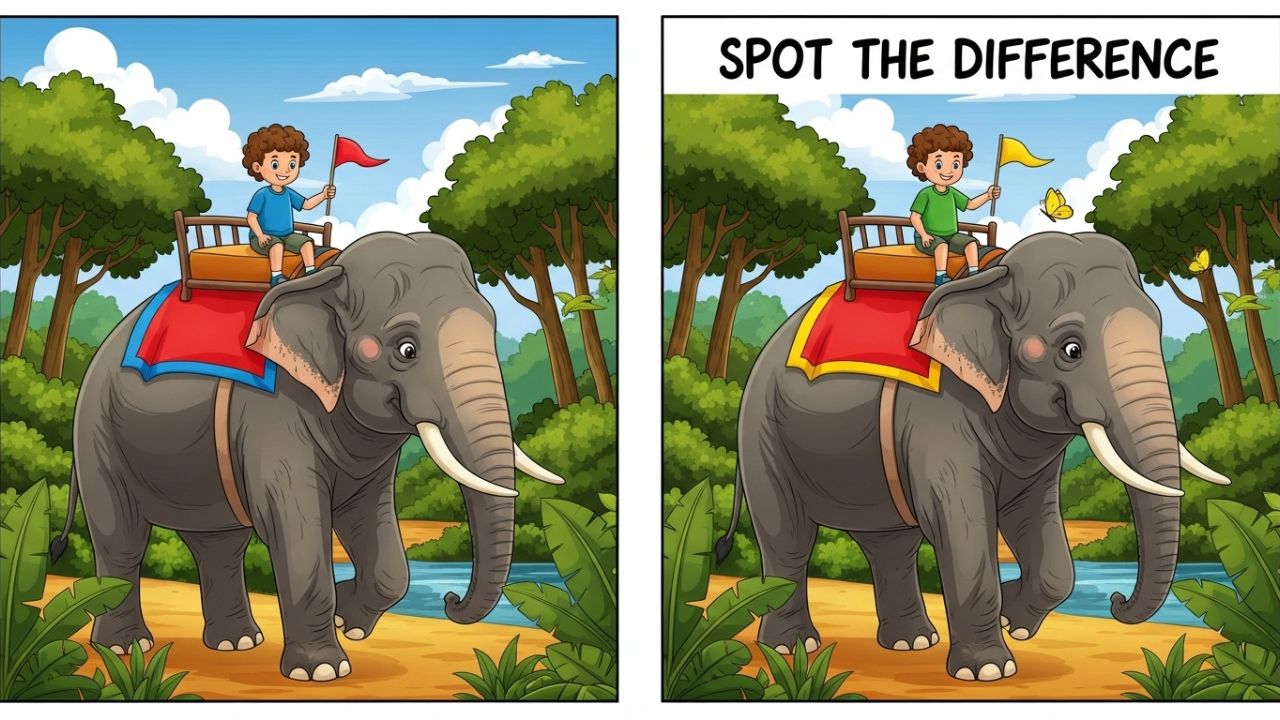
    Spot-the-difference puzzles remain a popular brain game that people continue to enjoy. Two images look nearly the same when you first see them but several small changes are hidden within them. The challenge becomes more interesting when you must work quickly. In this puzzle you see two colorful pictures of a boy riding an elephant outdoors and you need to find three small differences in just 15 seconds. The images appear straightforward but the time limit makes the task harder.

    Why Simple Visual Puzzles Can Still Fool Your Brain

    Even when the artwork is clean and colorful and playful the human brain tends to focus on the biggest and most obvious elements first. In this scene your attention naturally locks onto the boy & the elephant and the overall mood of the image. As a result smaller background details like clouds or flowers or tiny changes in trees are often ignored. This is because our brains are designed to process the big picture quickly and fill in the rest automatically.

    How Time Pressure Makes Differences Harder to Spot

    If you want to succeed at these puzzles you need to stop searching randomly. A quick organized scan works better than just hoping you will notice something by chance. Use this method to find the differences faster. Begin by looking at the background elements like the sky & distant objects for about 33 to 44 seconds. Then examine the middle section where you see trees and large shapes and the horizon line for another 44 to 55 seconds. Finally check the foreground area near the bottom where small details like flowers & tiny objects appear. When you think you found a difference make sure to verify it by looking at that exact spot in both images before continuing your search. This systematic approach from top to bottom helps you avoid focusing too much on the main subjects while overlooking the small changes that puzzle creators typically hide in less obvious places.

    A Fast and Effective 15-Second Scanning Strategy

    Start with a structured scan instead of looking randomly to improve your chances of finding differences. Begin by examining the background elements such as the sky or distant scenery for approximately three to four seconds. Next shift your attention to the mid-ground features including trees and large shapes or the horizon line for about four to five seconds. After that focus on the foreground by looking at small objects positioned near the ground. When you believe you have identified a change compare that specific area in both images right away to verify your finding.

    The Three Hidden Differences Explained

    When you discover the answers the differences usually look clear. In this puzzle one cloud that appears in the left image is gone in the right image. The flower beside the elephant has a different color between the two pictures. The coconut tree in the right image also has an additional small branch that is not present in the left image. Each difference is located in a separate visual area including the sky the ground and the middle section which makes the challenge feel fair but difficult.

    Why Spot-the-Difference Games Are Great for All Ages

    Although these puzzles are often seen as kids‘ activities they work just as well for adults. They sharpen visual attention and improve focus under mild pressure while encouraging systematic scanning. These are the same skills needed for checking documents or reviewing screens and catching small errors in daily tasks. As a bonus they provide a relaxing and engaging way to take a short mental break.

    Turn This Puzzle Into a Fun Group Challenge

    If you enjoy this style the best next step is to try variations where differences involve tiny shape edits instead of obvious removals or where there are 55 differences with a longer time limit. As you practice you will notice your eyes begin to search the usual hiding zones automatically like the sky & corners and small objects near the ground without getting trapped staring only at the main subject.

  • Ditch Hair Dye With This New Grey Hair Trend That Helps You Look Younger Naturally

    Ditch Hair Dye With This New Grey Hair Trend That Helps You Look Younger Naturally

    Grey hair is no longer something to hide—it’s becoming a confident beauty statement across India. More people are choosing to ditch chemical dyes and embrace natural greys that enhance facial features and soften overall appearance. This new grey hair trend focuses on healthier hair, low maintenance, and a naturally youthful glow rather than artificial colour. With better styling techniques, nourishing routines, and modern cuts, grey hair can look vibrant and stylish at any age. The shift reflects a growing preference for authenticity, self-acceptance, and long-term hair health.

    Why the natural grey hair trend is growing fast

    The rise of natural grey hair is driven by people seeking healthier beauty choices and realistic self-expression. Constant colouring often causes dryness, breakage, and scalp sensitivity, while embracing grey allows hair to recover its natural texture. Many discover that grey strands can actually brighten the face when paired with the right haircut and care routine. The trend also saves time and money while supporting chemical-free beauty, authentic self-image, hair health focus, and confidence boost. In social media and everyday life, grey hair is now associated with grace, maturity, and effortless elegance.

    How grey hair can make you look younger naturally

    Surprisingly, well-maintained grey hair can soften facial lines and create a fresh, polished look. The key lies in hydration, shine, and styling rather than colour depth. Grey hair reflects light differently, which can give skin a brighter appearance when hair is smooth and nourished. Using the right products prevents dullness and yellow tones, keeping strands vibrant. This approach supports soft facial contrast, natural glow effect, modern hair cuts, and low-maintenance style, all of which contribute to a youthful, relaxed appearance without harsh dyes.

    Best care routine to maintain stylish grey hair

    Grey hair requires thoughtful care to stay healthy and attractive. Moisturising shampoos, purple toning treatments, and regular trims help maintain shine and structure. Heat styling should be minimal, and protective serums can prevent dryness. Choosing flattering hairstyles and embracing texture also makes a big difference. A consistent routine promotes hydration balance, shine enhancement, yellow tone control, and long-term strength, ensuring grey hair looks intentional and stylish rather than neglected.

    Why embracing grey hair is a smart beauty move

    Choosing natural grey hair is more than a trend—it’s a lifestyle shift toward simplicity and self-respect. It reduces exposure to harsh chemicals while celebrating individuality and maturity. As more people adopt this approach, grey hair is becoming a symbol of confidence rather than ageing. With the right care, it enhances features and aligns with sustainable beauty values. This mindset supports natural ageing pride, effortless elegance, healthy hair choice, and modern beauty mindset, making it a practical and empowering decision.

    Aspect Hair Dye Natural Grey Hair
    Maintenance High and frequent Low and simple
    Hair Health Prone to damage Stronger over time
    Cost Recurring expense Minimal ongoing cost
    Appearance Artificial finish Natural and soft

    Frequently Asked Questions (FAQs)

    1. Does grey hair really make you look younger?

    Yes, when well-maintained, grey hair can soften features and enhance natural glow.

    2. Is grey hair harder to maintain than dyed hair?

    No, it usually requires less maintenance than regular hair colouring.

    3. How can I prevent grey hair from looking dull?

    Use moisturising and purple-toning products to maintain shine and tone.

    4. Is this grey hair trend suitable for all ages?

    Yes, the trend works for anyone ready to embrace a natural, confident look.

  • This abs exercise targets the core deeply without stressing your back

    This abs exercise targets the core deeply without stressing your back

    Want to skip the sit-ups? Here’s an alternative that I find much easier on my lower back and it doesn’t require heavy weights or standing.

     This move might look simple but it focuses on building stability & control while keeping your muscles under tension. It comes from Pilates and you only need a Pilates ball and your mat.

    Instead of the repetitive up and down motion of sit-ups that can hurt some people’s backs you’ll rest your back on a ball at about shoulder blade height. I recommend using one of the best yoga mats for your butt and feet. This exercise will challenge those deeper stabilizer muscles and activate your abs so consider yourself warned.

    Learning to engage your core properly does not guarantee that every exercise will feel comfortable or right for your body. Sit-ups are not necessarily bad, but you should think about whether other exercises might work better for your specific needs and goals.

    Pilates offers a gentle workout approach that focuses on building core strength and improving posture. When you practice Pilates regularly for about an hour at a time the positive changes in your body can be remarkable.

    This particular crunch variation using a Pilates ball has some unique advantages. Between repetitions you can extend your head and upper back down toward the floor behind you. This movement allows you to stretch your spine and chest muscles at the same time as working your core.

    Focus on breathing out strongly as you reach forward and lift your chest upward. Keep your hands resting gently against your head while pulling your elbows back & opening your chest wide.

    Notice in the video above that Savanna keeps her back straight as she lifts with her core and then presses lightly back down into the ball. Her knees stay bent and her feet stay pressed into the floor. You could consider slowing this down to control the movement even more and focus on crunching your abdominals as you lift. Think about curling yourself up & peeling your back away from the ball that will be positioned at your shoulder blades and then slowly unfurling down into the ball. As mentioned I have been taught this exercise with a fuller range of motion that involves lowering your upper back & head fully to the floor behind you for a deep stretch & increased intensity. This is totally optional but if you do it imagine uncurling your spine slowly into the ball as you open your chest.

    –  Start seated with a Pilates ball behind you with your knees bent and your feet planted on the mat in front of you.

    –  Lower your back onto the ball and rest along the shoulder blades.

    – Place your hands behind your head and gaze forward.

    – Engage your core & then as you exhale lift your chest and upper back away & drive up while thinking about pulling your ribcage down.

    – Pause and then lower your back onto the ball again with light pressure without arching your lower back.

    – Keep it controlled. Repeat for 10 to 15 reps and several rounds and the option to lower fully to the ground each rep is there to release the spine.

     If you watch the demonstration carefully you will notice not much is happening. There is not a huge amount of movement and nowhere near as much work on the back as regular sit-ups. This is about stability and control and contraction in the abs and deep abdominal muscles. A little bit of trembling is pretty much mandatory but if you experience pain stop immediately and do not push your body further than it wants to go.

    Sam Hopes works as a level 3 qualified trainer and holds a level 2 Reiki practitioner certification. She serves as the fitness editor at Tom’s Guide & is currently studying to complete her Yoga For Athletes training course. Throughout her career Sam has contributed to numerous fitness brands and websites. She has worked with several Future brands including Live Science, Fit&Well, Coach and T3. Her background includes coaching experience at fitness studios such as F45 and Virgin Active where she worked as a personal trainer. These days Sam focuses mainly on teaching outdoor bootcamps & specializes in bodyweight training calisthenics and kettlebell workouts. She teaches mobility and flexibility classes multiple times each week. Sam believes that genuine strength develops through a comprehensive approach to physical training that addresses the whole body. Sam has participated in two mixed doubles Hyrox competitions held in London and the Netherlands. She completed her first doubles event with a finishing time of 1:11.

  • 9-Second Visual Challenge: Spot the 3 Differences in the Girl and Boy Shouting Image

    9-Second Visual Challenge: Spot the 3 Differences in the Girl and Boy Shouting Image

    Are you ready to take on a fun, brain-teasing challenge that will test your observation skills? If you’re a fan of picture puzzles, the “Spot the Difference” game is a great way to keep your mind sharp while having fun. Today, we have an exciting puzzle for you, featuring a girl and a boy shouting at each other. The challenge? Spot the three subtle differences between two nearly identical images within just 9 seconds. It sounds easy, but these puzzles are designed to keep you on your toes!

    Why Are “Spot the Difference” Puzzles So Engaging?

    Spot the Difference puzzles are widely loved across age groups for good reason. These visual brain games demand strong attention to detail, concentration, and quick decision-making. They’re simple in concept but surprisingly effective at exercising your brain. Whether you’re playing for fun or to stay mentally sharp, these puzzles offer a great way to challenge your cognitive abilities while having a good time.

    Scientific research supports this too. Engaging with puzzles like these can enhance memory, sharpen problem-solving skills, and improve your ability to identify visual inconsistencies. Over time, they help build faster mental processing and sharper focus, making them a smart choice for daily mental workouts.

    The Challenge: Spot the 3 Differences in the Shouting Children Image

    This puzzle features two vibrant images showing a boy and a girl shouting at each other in an outdoor urban setting. The task? Find the three small but clear differences between the two pictures—all within just 9 seconds. Sounds easy? Not quite. These visual tweaks are carefully placed to trick your eyes!

    In both images, the boy wears an orange shirt with dark pants, while the girl sports a white top and blue skirt. The background includes buildings and a bright sky. Although they seem identical at first glance, closer inspection reveals a few subtle discrepancies that you’ll need to spot under time pressure.

    How Can You Spot the Hidden Differences?

    If you want to improve your speed and accuracy in these puzzles, use these smart strategies:

    – Scan the Whole Image First: Get a full view to understand the layout. Then zoom in on specific areas.

    – Compare Side-by-Side: Treat the two images like mirror reflections—symmetry often reveals the clues.

    – Look for Color Shifts: Slight differences in color, shape, or object size are usually where the trick lies.

    – Use a Timer: Limit yourself to 9 seconds for an added adrenaline rush—and a sharper focus.

    The 3 Differences in the Girl and Boy Shouting Image

    Let’s explore the three key differences hidden in the image puzzle:

    – Window Design Variation: Behind the children, the window in one image features a different structure or pattern. A careful eye will catch the design mismatch.

    – Girl’s Sock Color: The left image shows the girl wearing mismatched or differently colored socks compared to the right image. It’s a minor change—but that’s the point!

    – Length of Girl’s Hair: In one image, the girl’s hair is noticeably shorter, while in the other it appears slightly longer. This subtle change is easy to miss if you’re not paying close attention.

    Why Do We Love Spot the Difference Puzzles?

    These puzzles are more than a fun pastime—they’re a brain booster. They activate visual recognition skills and train your brain to analyze images actively, rather than passively. Over time, you’ll get better at catching inconsistencies not just in puzzles, but in everyday life.

    They also build patience and focus. Many differences are so tiny that only a calm and careful eye can spot them. Sharing puzzles with friends or family adds a fun, competitive edge that makes the experience even more rewarding.

    Tips to Get Better at Spot the Difference Puzzles

    Want to sharpen your puzzle-solving skills? Try these:

    – Practice Often: Like any skill, frequent practice improves accuracy and speed.

    – Mix It Up: Solve different styles of puzzles to expose yourself to various challenges.

    – Set Time Limits: Try beating the 9-second goal—then aim for even faster times.

    – Zoom in on Details: It’s the small things—like hair, background items, or colors—that usually change.

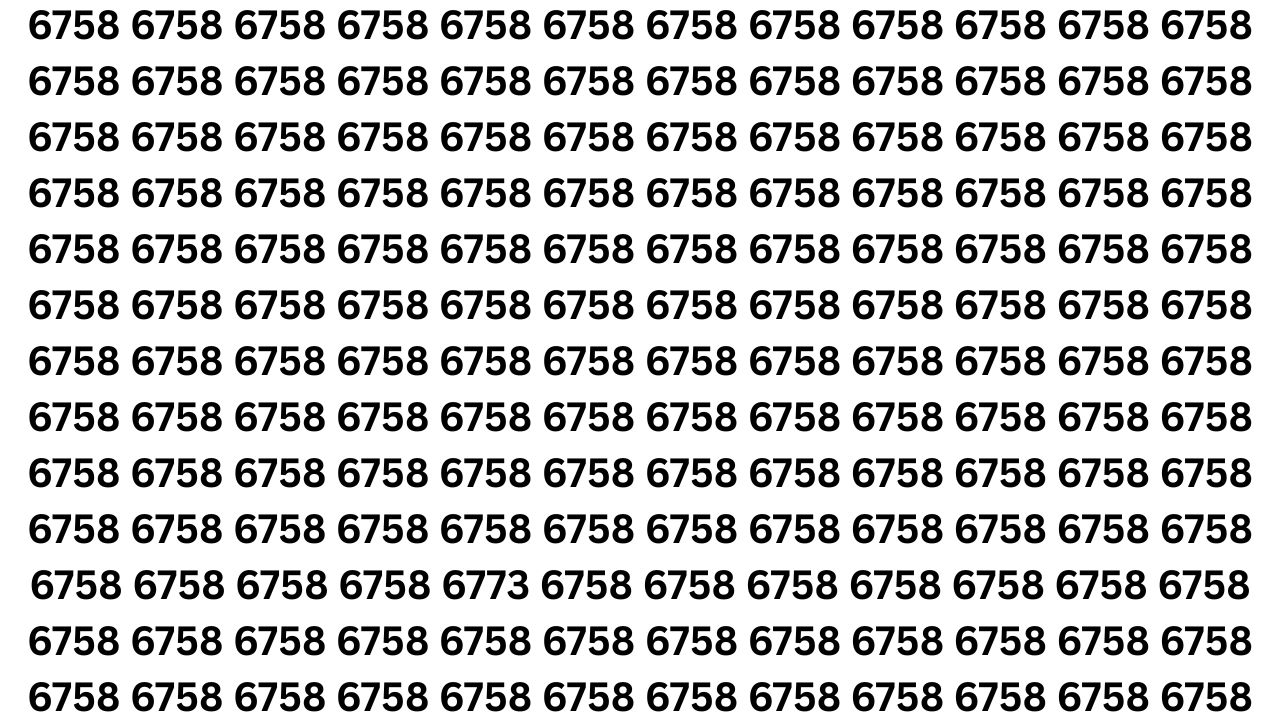
  • Find the Number 6773 Hidden Among 6758 in Just 6 Seconds

    Find the Number 6773 Hidden Among 6758 in Just 6 Seconds

    Optical Illusion Challenge: Find the Hidden Number Optical illusion puzzles are now a common method for testing how well people can focus and see details. These puzzles look easy at first glance but they are actually made to trick your brain. This particular optical illusion IQ test asks you to locate the number 6773 that is hidden somewhere within multiple rows filled with 6758. The twist is that you only get six seconds to find it and this time limit makes the task much harder. The puzzle works by surrounding the target number with nearly identical digits.

    The grid appears completely uniform when you first look at it. Your eyes see the same number repeated everywhere and your brain decides that everything must be the same. This quick assumption makes the puzzle harder than it should be. The number you need to find fits in so naturally that most people do not see it the first time they look. Success comes to those who think carefully while their eyes move quickly across the grid.

    Why This Optical Illusion Puzzle Tricks So Many People

    The puzzle becomes difficult mainly because of repetition. The brain enters automatic mode when it encounters the same number multiple times. This happens as a natural way to conserve energy. Rather than examining every number with care the brain assumes they are identical.

    The numbers 6758 and 6773 look quite similar to each other. Both numbers start with the digits 6 and 7 in the same order. The middle digits 5 and 7 can look alike when you read them quickly. The final digits also create confusion because 8 and 3 sometimes appear similar depending on the font being used. When you are in a hurry your eyes scan faster than your brain can process the specific details of each digit.

    How Time Pressure Affects Visual Perception

    Six seconds might seem like a brief amount of time but that is done on purpose. When you feel rushed your brain has to work faster. Your eyes do not scan the grid carefully but instead leap from spot to spot looking for anything that stands out. This rushed approach often causes you to miss patterns that would be obvious if you had more time to look. The time limit creates a specific challenge. Your mind wants to find the answer quickly so it takes shortcuts. These mental shortcuts can actually work against you. Instead of methodically checking each element you rely on quick impressions. This method fails when the differences are subtle or placed in unexpected locations.

    Pattern blindness occurs when your brain identifies a repeating structure and quits examining each separate element. Designers of optical illusions exploit this phenomenon to conceal the unusual number right in front of you. The more quickly you hurry through it the simpler it becomes for the concealed number to avoid being noticed.

    Smart Strategies to Spot 6773 Faster

    To improve your chances you should avoid reading the complete number. Reading takes time and makes detection slower. Instead you should focus on scanning each digit separately. In this puzzle the difference shows up mostly in the final two digits.

    A helpful approach is to check each row one at a time instead of looking around randomly. Begin at one corner and go in the same direction throughout. This method helps you stay focused and makes it less likely that you will miss the answer.

    Another helpful trick is to slightly relax your eyes when looking at the images. When people stare too intensely at the pictures small differences actually become harder to notice. A calm and focused scan of the image works much better than panic driven searching that makes you miss important details.

    Why Optical Illusion Puzzles Are Good for the Brain

    These puzzles offer more than entertainment. They provide active training for your brain. When you regularly work on optical illusion challenges you develop better attention to detail along with improved visual memory & greater mental flexibility.

    These puzzles train your brain to challenge what you first believe. Rather than trusting the obvious answer your mind develops a checking habit. This skill helps with daily activities that require attention to detail.

    Mental Exercise Through Visual Puzzles Many experts suggest using short visual puzzles as effective mental workouts. These puzzles provide cognitive benefits without requiring much time or effort. This makes them perfect for daily brain exercise routines.

    Optical Illusion Puzzle Solution Explained Clearly

    If you could not find the hidden number within six seconds then here is the solution explained step by step. The correct answer is 6773.

    The number sits in the fourth row from the bottom and the second column from the right. People usually miss it because the grid around it is filled with the number 6758 appearing over and over. When your brain recognizes this repeating pattern it stops examining each number carefully.

    The digits look very similar to each other. When you see the repeated 6 and 7 your eye gets confused. The switch from 5 and 8 to 7 and 3 is hard to notice when you look quickly. You need to check each digit one by one to spot the difference.

    What It Means If You Spotted 6773 Quickly

    If you found the number 6773 within six seconds this shows that you have good observation skills and can focus well under pressure. It means your brain can avoid going on autopilot and keeps checking details carefully even when you have limited time.

    If it took you more time do not be concerned. These puzzles are created to trick nearly everyone. Every try still exercises your brain & makes you better at spotting small differences.

    High IQ involves more than just quick thinking. Intelligence also depends on using good strategies & being patient and flexible in your approach. Optical illusions show us how our brains process what we see but they do not measure how smart someone is.

    Why These Number Illusion Puzzles Are So Popular

    Number based optical illusion puzzles become popular fast because they seem easy but still test your skills. People can start solving them right away without needing any explanation. The quick deadlines make them exciting & keep people interested.

    These puzzles naturally invite people to compare their results with others. Users like to challenge themselves and then share what they discovered with friends. The combination of mental challenge entertainment value, & immediate satisfaction creates an ideal format for social media interaction.

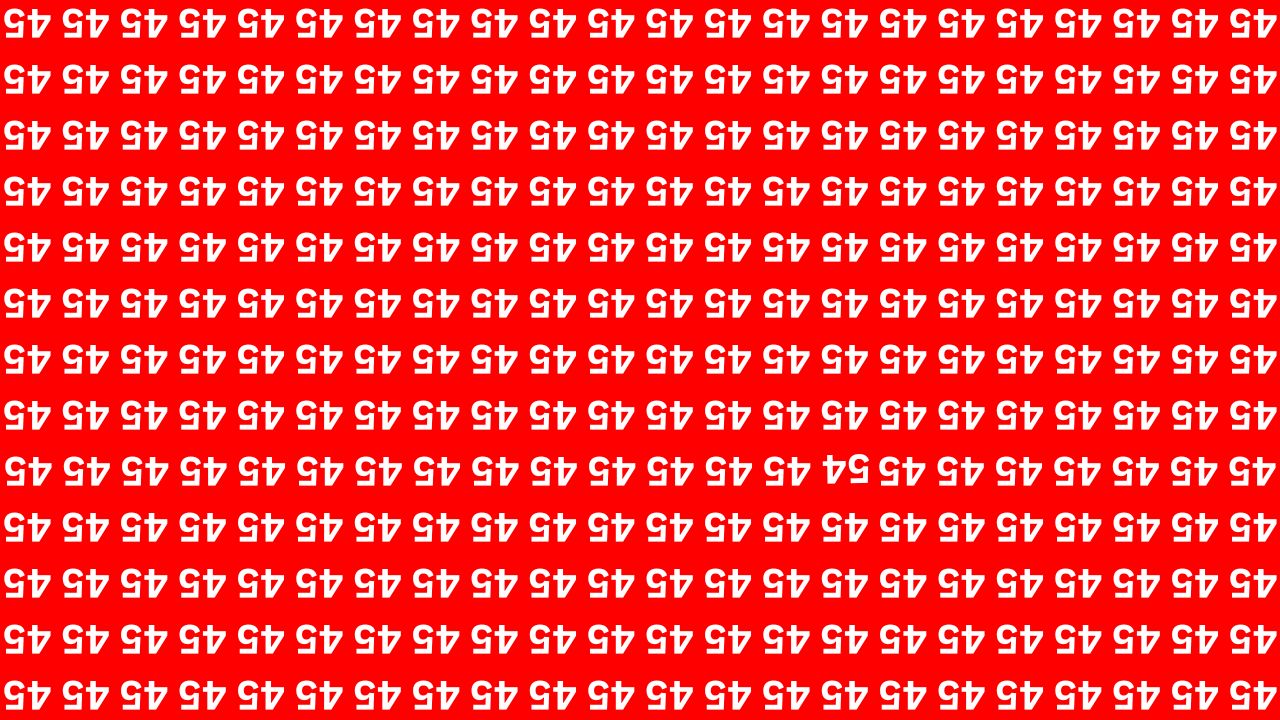
  • Spot the Inverted 54 Hidden Among Inverted 45 in 9 Seconds

    Spot the Inverted 54 Hidden Among Inverted 45 in 9 Seconds

    Optical Illusion IQ Test puzzles are designed to challenge not only your eyesight but also the way your brain processes visual patterns under pressure. This particular challenge is a clear example of how easily perception can be misled. At first glance, the image looks like a clean grid filled with identical inverted numbers. Every symbol appears uniform and predictable. But hidden among the inverted 45s is one inverted 54, and your goal is to spot it within just nine seconds.The task sounds easy until the countdown begins. As soon as time pressure kicks in, the illusion becomes stronger. Instead of carefully analyzing each symbol, your brain switches to speed mode and relies on pattern recognition. That shortcut is exactly why most people fail to notice the hidden inverted 54 on their first try.

    Why This Inverted Number Puzzle Tricks the Brain So Easily

    The human brain is built to recognize patterns quickly. When it repeatedly sees inverted 45 across the grid, it assumes every symbol follows the same structure. Once this assumption forms, the brain conserves energy by stopping detailed inspection.This phenomenon is often called visual autopilot. While it helps in everyday life, it works against you in Optical Illusion IQ Test challenges. The inverted 54 is deliberately styled to blend in. Because the digits 4 and 5 look very similar when flipped, the reversed order becomes extremely hard to detect at high speed.

    How the 9 Second Time Limit Increases the Difficulty

    The nine second limit is what truly elevates the challenge. With so little time, your eyes rush across the grid instead of slowing down. Rather than comparing symbols one by one, your vision jumps between clusters.This rushed scanning style strengthens the illusion. Under pressure, the brain focuses on overall shapes instead of fine details. Since inverted 45 and inverted 54 share nearly identical visual strokes, the difference disappears into the pattern. Accuracy quietly drops while speed takes over.

    Smart Strategies to Spot the Inverted 54 Faster

    One effective approach is to avoid random scanning altogether. Pick a clear starting point and move in a structured way, either row by row or column by column. This method keeps your eyes from skipping areas.Another useful trick is to stop reading the numbers as full values. Instead, focus only on digit order. In this puzzle, look for a curved 5 appearing before a straight edged 4. That subtle reversal is the key. Some people also benefit from slightly squinting or stepping back, which breaks the repetition and helps the odd symbol stand out.

    Why Optical Illusion IQ Tests Are Good Brain Training

    Beyond being fun, Optical Illusion IQ Test puzzles offer real cognitive benefits. They help sharpen attention span, visual memory, and focus. By forcing the brain to slow down and question assumptions, these challenges improve mental flexibility.Regular exposure to optical illusions trains your mind to resist autopilot thinking. This skill is valuable in daily life, especially in tasks that require careful observation and error detection. Short puzzles like this provide strong mental stimulation without demanding much time.

    Optical Illusion IQ Test Solution Explained Clearly

    If you were unable to find the inverted 54 within nine seconds, the solution is simple. The hidden inverted 54 is located in the seventh row from the bottom and the fourth column from the left.This spot is commonly missed because it is surrounded by tightly packed inverted 45s. Once the brain locks onto the repeating pattern, it stops checking orientation closely. After the location is revealed, the difference feels obvious, but before that, the illusion hides it remarkably well.

    What Spotting the Inverted 54 Quickly Says About You

    Finding the inverted 54 within the time limit suggests strong attention to detail and the ability to stay focused under pressure. It indicates that your brain can resist pattern blindness and continue verifying details even when speed matters.If you did not spot it quickly, there is no need to worry. These puzzles are designed to trick most people. Each attempt still trains your brain to observe more carefully the next time.

    Why These Visual IQ Tests Go Viral Online

    Number-based optical illusion puzzles spread quickly because they are easy to understand and instantly engaging. There are no rules to learn and no background knowledge required. A simple image and a countdown are enough to spark curiosity.People enjoy testing themselves and sharing results with others. The mix of challenge, speed, and satisfaction makes Optical Illusion IQ Test content perfect for quick interaction and repeat play.

    Final Thoughts on the Inverted 54 Optical Illusion

    This puzzle is a powerful reminder that perception is not always reliable. Repetition and time pressure can mislead the brain, even when the difference is right in front of us.Whether you spotted the inverted 54 instantly or needed help, the exercise sharpened your observation skills. Keep practicing similar visual challenges, and your ability to notice small details will improve over time. Sometimes intelligence is simply learning to look more carefully.

  • Optical Illusion Test: Spot Numbers 86 and 98 Hidden Among 89s in 5 Seconds

    Optical Illusion Test: Spot Numbers 86 and 98 Hidden Among 89s in 5 Seconds

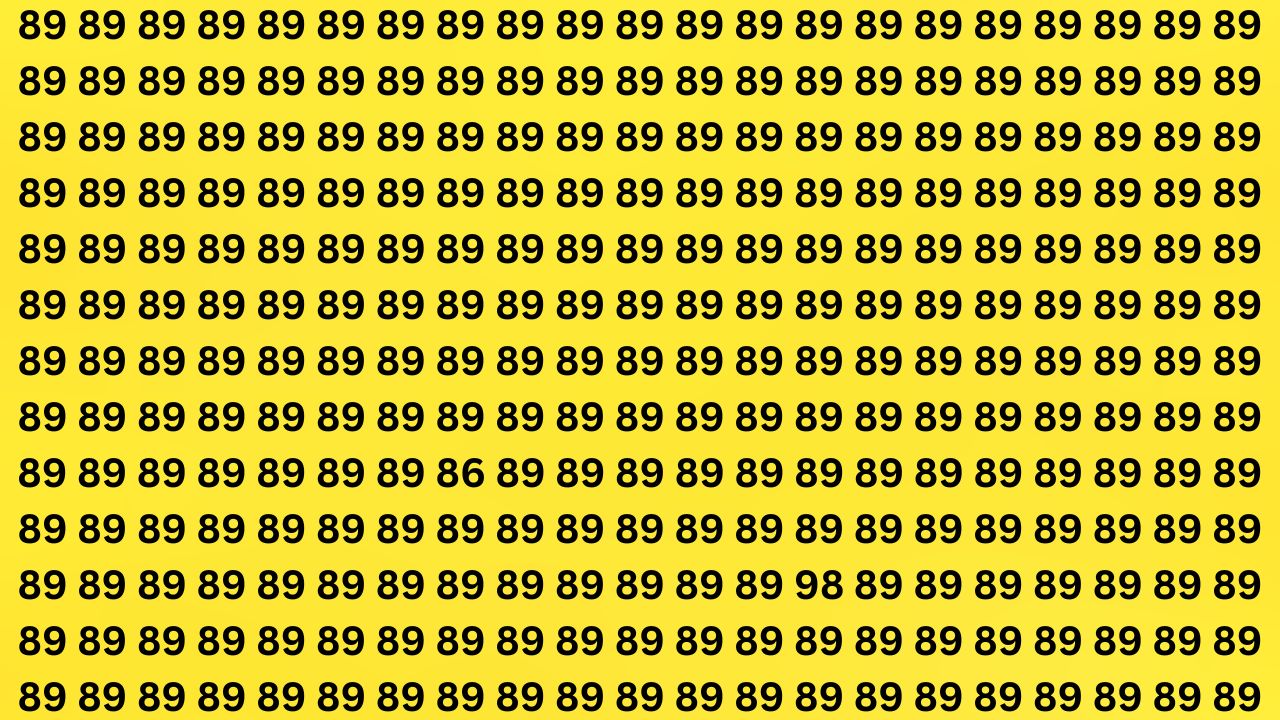
    If you think you have sharp observation skills, this challenge will truly put them to the test. In this optical illusion, your task is to spot the hidden numbers 86 and 98 hidden among a sea of repeating 89 digits — and you have only 5 seconds to do it. It may sound simple, but once you start scanning the image, you’ll realise just how tricky it actually is. Get ready for an eye-opening experience.

    What Are Optical Illusions?

    Optical illusions are fascinating visual phenomena where our eyes perceive something differently from reality. This happens because the brain interprets visual information in its own way, sometimes misreading what the eyes send. As a result, images can appear misleading  such as lines that look unequal but are the same length, or static objects that seem to move. These illusions occur because the brain tries to simplify complex visual input. It relies on context, contrast, and past experiences to understand what we see. However, this shortcut can lead to distorted perception. Optical illusions highlight how powerful and complex our visual system really is.

    The 86 and 98 Optical Illusion Challenge

    This particular illusion challenges your ability to identify subtle differences in a repetitive pattern. At first glance, the image appears to be filled entirely with the number 89. But hidden within this grid are two different numbers  86 and 98  cleverly disguised to blend in. Your goal is to find both numbers within just five seconds. The short time limit increases the difficulty, pushing your focus and observation skills to their limits.

    How to Spot the Hidden Numbers

    To crack this illusion quickly, you need to scan methodically and pay attention to tiny visual differences. Avoid rushing and let your eyes move steadily across the grid.

    Scanning the Grid

    Begin scanning the image row by row from left to right. The repeating “89” pattern creates a visual rhythm. Any break in that rhythm is your biggest clue. Train your eyes to notice even the smallest irregularities.

    Spotting the Number 86

    The number 86 is hidden in the fourth row from the top, slightly left of the centre. The trick here is the transformation of the digit “9.” Its tail is missing, making it resemble a “6.” When you notice a “6” where a “9” should be, you’ve found the hidden 86.

    Spotting the Number 98

    The number 98 appears in the seventh row from the top, near the right side of the grid. Instead of the usual “89” order, the digits are reversed. This change in sequence is the key signal that helps you identify the second hidden number.

    Focus on Pattern Breaks

    The fastest way to succeed is by concentrating on disruptions in the repeating pattern. Look for missing tails, altered shapes, or reversed digit order. These subtle changes reveal where the hidden numbers are placed.

    The Benefits of Optical Illusions

    Optical illusions are more than just entertaining puzzles. They offer real cognitive benefits by improving how your brain processes visual information. Regular exposure can enhance focus, sharpen attention to detail, and strengthen visual recognition skills.

    Why Optical Illusions Are Good for Your Brain

    Optical illusions activate different areas of the brain and force it to re-evaluate what it sees. This mental adjustment improves problem-solving abilities and visual awareness. Over time, practising these challenges can boost memory, concentration, and overall mental sharpness.

    Why Optical Illusions Are So Fascinating

    What makes optical illusions so intriguing is how they expose the gap between perception and reality. They show us that what we see is not always what truly exists. This makes them both entertaining and educational, offering insight into how our minds interpret the world.

    Tips for Becoming an Optical Illusion Expert

    Practice regularly to train your brain to recognise patterns and anomalies faster.

    Stay calm under pressure, especially during timed challenges.

    Train your eyes to notice subtle differences in shape, alignment, and order.

    Sharpen your focus to maintain attention for longer periods.

    Conclusion: Can You Spot the Hidden Numbers?

    This optical illusion challenge gives you a fun way to test and improve your observation skills. Whether you spotted both numbers within five seconds or needed more time, you still gave your brain a valuable workout. Keep practising similar challenges to sharpen your perception even further. Ready for the next one? The world of optical illusions is full of surprises waiting to be discovered.

  • Centenarian Shares the Daily Habits Behind Longevity and Refuses a Life in Care

    Centenarian Shares the Daily Habits Behind Longevity and Refuses a Life in Care

    At a small kitchen table, a woman with silver hair tied in a loose knot sets up her morning as she has for decades: a cup of tea, a slice of toast, five stretches, three deep breaths. She is 100 years old and insists on buttering her own bread. “If I can spread this,” she laughs, “I can live alone another day.”

    Outside, a care worker slips leaflets through doors, offering support packages, emergency buttons, and so-called dignified solutions. She folds one carefully and slides it back across the table. “I refuse to end up in care,” she says, eyes clear and voice calm. Not angry. Simply decided.

    Her secret is not a miracle diet or a punishing routine. It is a set of ordinary, stubborn habits, repeated for so long they have become her quiet protection.

    The quiet defiance of everyday rituals

    On paper, she should not be living alone. A century old, widowed, with a walking stick tapping on the tiles like a metronome. Yet the fridge is stocked, the plants are watered, and the bed is made by 8 a.m. Her long life is built from actions so modest they barely register as habits.

    Every morning, she opens the curtains in every room. Not only the living room. “If I don’t go in,” she says, “the room dies.” Poetic, perhaps, but practical too. It makes her walk, move, and check the space she lives in. In that slow circuit, she watches over her home and herself.

    Later, she writes one short line in a notebook: what she ate, who called, what hurt. Not a diary, just a log. It helps her notice small changes before they grow into problems.

    Statistics say she is unusual. In parts of Europe and the United States, many women over 85 live alone, but far fewer reach 100 outside care homes. The fear of “ending up in a home” is common, often whispered rather than spoken. She says it plainly.

    There was no dramatic moment where she chose independence. Instead, it was a slow tightening of small rules. Walk every day, even if it is only to the gate. Get dressed properly, even if no one is coming. Call someone every afternoon, even for two minutes. Small anchors in long, similar days.

    On a shelf sit folded brochures about fall detectors and care homes her children brought years ago. She did not throw them away. She simply never opened them again. For her, they are warnings, not options.

    Her logic is clear. Miss walking for a week, and the next week feels harder. Stop cooking, and meals turn into biscuits. Let others handle everything, and months pass without speaking to a stranger. Her habits are less about modern ideas of health and more about resisting a slow slide into passivity.

    Researchers speak of functional age versus chronological age. She ignores the terms but lives the difference. Her body is 100. Her routines belong to someone far younger. In that gap, her autonomy survives.

    The non-negotiables that keep her independent

    She calls them her non-negotiables, things she does most days, even when tired or bored. First, she walks the corridor or street three times, holding the wall or her stick. “If I can walk, I can cook. If I can cook, I can stay,” she says.

    Second, she eats at a table. Not on the sofa, not standing at the sink. A plate, cutlery, and a few minutes sitting upright. It supports balance, digestion, and dignity, all wrapped into one rule.

    Third, she speaks to at least one person each day. A neighbour, the postman, the baker. On quieter days, she calls someone just to say, “I’m still here.”

    Independence, for her, is not refusing all help. She accepts heavy shopping assistance. Her son installed a bathroom rail. A neighbour takes out the bins. What she guards are the tasks she can still do: washing her face, folding laundry, choosing when to sleep and wake. Once those are taken over, she knows they rarely return.

    On a low shelf rests a resistance band from her physiotherapist. She uses it during television breaks. A few pulls, a pause, then a few more. Some days she forgets. Some days she skips it. Often enough, she keeps her arms steady enough to lift the kettle.

    Emotionally, her routine runs deep. She has watched friends enter care not because they were suddenly too old, but because they gradually handed over every effort. That memory warns her each time she thinks of skipping a walk or settling for biscuits.

    Food, movement, and staying yourself

    Her kitchen is not a display of wellness trends. There is sugar in the cupboard and jam in the fridge. There are also lentils, tinned tomatoes, onions, and a spice rack worn by time. Her rule is simple: one real ingredient in every meal.

    Breakfast is toast and tea, sometimes yogurt. Lunch is the main meal: soup, an omelette, or vegetables with a little meat or cheese. Dinner is light, often leftovers. She calls it simple, filling, home cooking.

    She drinks water even when she does not feel thirsty, knowing dehydration can easily be mistaken for confusion later.

    Her movement is subtle. No sportswear, no workouts. She climbs stairs slowly, counting. She balances on one leg while holding the counter. She stretches while the kettle boils: neck, shoulders, ankles. “If I sit, I rust,” she says.

    There are cold days when staying still feels easier. Those are the days she moves the most, aware that immobility becomes costlier with age.

    There is no hack, no app, no challenge. Just a repeated insistence on using what still works.

    “People think I’m strong,” she says softly, “but I’m mostly organised. I do today what makes tomorrow less frightening.”

    Her emotional care follows structure too. She limits heavy news, allows herself to cry without sinking, and once a week looks through old photos, thanking the people in them aloud. It gives her continuity, not just survival.

    • Daily movement: Short, regular walks and simple balance exercises.
    • Simple food rules: One real ingredient per meal, eaten at a table.
    • Social contact: One genuine interaction or phone call every day.

    Why refusing care is about identity

    When she says she refuses to end up in care, it is not a judgement. She has seen kind staff and pleasant homes. What unsettles her is how quickly identity can shrink into a room number and a schedule.

    She recalls a neighbour who fell, broke her hip, and never returned home after rehabilitation. Physically recovered, she adapted so completely to being managed that independence felt impossible. That loss of authorship frightens the centenarian more than death.

    Her habits protect her right to choose. Each decision about lunch or clothing keeps the story hers to write. That is why she defends the small choices others overlook.

    Genes and money helped her. Her parents lived long, and she owns her flat. Still, she believes something more ordinary matters: the accumulation of daily decisions. On bad days, she fails. On the next, she starts again.

    Her life shows how much space exists between full independence and full dependence, and how routines can stretch that space or let it collapse.

    A long life built from ordinary days

    Watching her rinse her cup and hang the cloth neatly, longevity looks unglamorous. No supplements, no trends, no secrets. Just the same pattern: get up, get dressed, move, eat something real, talk to someone, write a line, sleep, and try again.

    Some mornings hurt more than others. She pauses, swears quietly, then laughs and tries again. On good days, she buys flowers for the house. On all days, she protects her independence as something fragile and valuable.

    Her words linger after the tea cools: “I refuse to end up in care.” Behind them sits another choice, spoken through action every day: not giving away what she can still do.