Category: News

  • Functional Workouts Build Real World Strength Beyond Muscle Size Alone

    Functional Workouts Build Real World Strength Beyond Muscle Size Alone

    At a certain point in your training, you realize that the goal isn’t about hitting a specific number on a scale or looking at a reflection in the mirror. You’re training to feel strong and capable in everyday life: climbing stairs with ease, lifting a suitcase effortlessly, or regaining your balance without a second thought. This is where athletic gymnastics shines. It’s a methodical, structured approach to building strength that benefits your life outside the gym. By following this training style, you’ll achieve strength in a sustainable and steady way.

    Strength Beyond Just Muscles

    Athletic gymnastics is more than just a muscle-building activity. It’s a form of strength training that emphasizes whole-body control, balance, and functional power. Unlike traditional weightlifting where the focus is on lifting maximum loads, athletic gymnastics prioritizes smooth execution, stable postures, and manageable resistance. The result is a body that feels agile and responsive, rather than stiff or overworked. This approach makes it accessible to individuals of all ages and fitness levels, especially when combined with light mobility exercises for the joints and spine.

    Developing Functional Strength for Everyday Activities

    The workouts in athletic gymnastics emphasize proper posture, coordination, and movement that is gentle on the joints. The goal is to train your body to perform everyday activities with ease, whether it’s carrying groceries, playing with your kids, rearranging furniture, or maintaining comfort throughout a long day of activity. The result is functional strength that enhances your lifestyle, rather than restricting it.

    Core Components of Athletic Gymnastics Training

    Athletic gymnastics integrates several types of exercises to create a well-rounded strength-building system. This combination allows for adjustable intensity without compromising on control and technique.

    • Bodyweight exercises: Movements like push-ups, holds, and other strength poses using your body’s own weight. These are usually done for 8–15 repetitions or 10–30 seconds per hold to develop foundational strength and stability.
    • Gymnastic apparatus work: Using bars, parallel bars, and rings to enhance coordination and body awareness. These exercises are deliberate and controlled, focusing on avoiding unnecessary momentum.
    • Light equipment and accessories: Resistance bands and medicine balls are used to improve endurance, coordination, and reaction time. These tools are often used for solo or partner drills to introduce variety.
    • Free weights: Moderate use of dumbbells, kettlebells, and barbells to build steady strength and muscular endurance, rather than focusing on maximum lifts.
    • Partner and group drills: Working with others adds resistance and helps improve balance, building practical strength through shared movement.
    • Machines: Used at a controlled pace, machines help target specific areas for strength, especially when focusing on stability and precise load management.

    As strength becomes a skill rather than just a score, your training becomes more engaging and sustainable.

    Training Frequency and Session Duration

    For beginners, a practical training schedule includes 2–3 sessions per week, each lasting 20–30 minutes. As your body adapts, you can extend your sessions to 45–60 minutes and increase frequency. The key is to ensure your final repetition is challenging yet controlled, with proper technique and no strain.

    General fitness guidelines align well with athletic gymnastics: strength training for all major muscle groups at least two times per week, with around 150–300 minutes of moderate aerobic activity or a mix of higher-intensity cardio. Athletic gymnastics fits perfectly into the strength portion of these recommendations.

    Sample Weekly Training Plan

    Experience Level Recommended Weekly Training Structure
    Beginner Train 2–3 days per week, 20–30 minutes per session. Focus on full-body workouts, performing 1–2 sets per exercise to build strength and correct technique.
    Intermediate / Advanced Train 3–4 days per week, 45–60 minutes per session. Include full-body or split routines, performing 2–4 sets per exercise while allowing 48 hours of recovery between intense sessions for the same muscle groups.

    Personally, I consider the “last clean rep” as my safety rule. If my form begins to slip, I stop the set, even if I feel like I can push further.

    Recovery, Sleep, and Nutrition: Key to Progress

    Muscle-building benefits are only realized when recovery is given the proper attention. Most adults perform best with at least seven hours of sleep per night, with many people thriving on 7–9 hours. Quality sleep supports coordination, energy, and motivation.

    Between sessions, muscles and connective tissues need time to recover. Therefore, it’s recommended to leave about 48 hours between demanding sessions for the same muscle groups. Light activities such as walking or gentle stretching on rest days help maintain mobility without leading to fatigue.

    For nutrition, simplicity works well. Most active individuals benefit from 1.4–2.0 grams of protein per kilogram of body weight per day, spread across meals. This typically means 20–40 grams of protein per meal. When combined with proper hydration and balanced meals, this supports consistent training.

    • Aim for 7–9 hours of consistent sleep each night.
    • Alternate harder and lighter training days to protect your joints and tendons.
    • Include a source of protein in each meal.
    • Incorporate light movement or stretching on rest days to aid recovery.

    In my experience, treating recovery as part of training, rather than as downtime, improves progress. By planning for sleep, nutrition, and gentle movement just like workouts, both gym performance and everyday comfort improve together.

    How Athletic Gymnastics Supports Daily Life

    Athletic gymnastics does more than build visible strength. A well-structured exercise program can improve balance and movement efficiency, potentially reducing the risk of slips and falls, particularly as we age. When the entire body works together smoothly, you’ll feel more stable on stairs, more confident on uneven surfaces, and less fatigued from everyday tasks.

    Ultimately, this approach aims to develop a body you can count on: stable joints, reliable grip strength, and calm breathing under effort. With regular functional strength work, sensible resistance training, and a focus on movement quality, training becomes a form of self-care. This strength carries over into daily life, long after leaving the gym.


  • Visual Challenge in 9 Seconds Spot All 3 Differences in the Boy Skiing Image

    Visual Challenge in 9 Seconds Spot All 3 Differences in the Boy Skiing Image

    If you enjoy optical puzzles, this challenge is made for you. Spot the Difference puzzles are fun to solve and beneficial for the brain. They demand focus and strong observation skills. In today’s challenge, a cheerful boy is skiing down a snowy mountain. Your task is to find three small differences between two nearly identical images within just 9 seconds.

    The 9-Second Visual Challenge

    At first glance, both images seem identical. A bright sun shines over snow-covered slopes as a skier smoothly glides downhill. However, when you look more carefully, subtle but important differences begin to appear. The real challenge is spotting all of them before time runs out. Let’s jump into this engaging brain teaser and test how sharp your eyes really are.

    Related reading: A centenarian reveals daily habits behind her long life and independence.

    Why Spot the Difference Puzzles Are So Engaging

    Spot the Difference games have stayed popular for years because they combine entertainment with real mental benefits. These puzzles offer a simple yet effective way to exercise the brain and strengthen thinking skills. Many people enjoy them as a relaxing activity that also helps keep the mind alert.

    Related reading: A turmeric and milk face pack quietly used for natural glow before events.

    Here are some key reasons these puzzles continue to attract players:

    • Improved focus and attention: Carefully examining small details trains the brain to concentrate better, a skill that often carries over into daily activities.
    • Stronger memory ability: Remembering visual elements and small changes helps enhance how the brain stores and recalls visual information.
    • Sharper visual awareness: Regular practice improves the ability to quickly notice patterns, shapes, and fine details in everyday life.
    • Stress relief and relaxation: Solving visual puzzles provides a calming mental break, helping the mind feel refreshed.

    Inside the 9-Second Skiing Boy Challenge

    Now for the main puzzle. This challenge features a happy boy skiing through a winter landscape. He wears a bright orange helmet, ski goggles, and a colorful outfit that stands out against the white snow and clear blue sky.

    In the background, snow-covered trees and a shining sun complete the scene. While both images look the same at first, there are three hidden differences. Your goal is to identify them all in under 9 seconds. It may sound easy, but looks can be deceiving.

    Smart Techniques to Spot Differences Faster

    Before revealing the solution, here are some helpful strategies to improve your performance in difference puzzles:

    • Scan both images quickly: Start with a general overview to understand the layout before focusing on details.
    • Check symmetry: Differences are often placed in balanced or mirrored areas, making side-by-side comparison effective.
    • Watch small details closely: Minor changes in shapes, lines, or object features are easy to miss without careful attention.
    • Use time-based challenges: Short time limits train the brain to process visual information more quickly.
    • Practice regularly: Consistent exposure improves visual memory and attention over time.

    Related reading: Mixing kiwi peels with vinegar and why experts are talking about it.

    The Three Differences Revealed

    Here is a clear explanation of the three hidden changes in the skiing boy images:

    The Missing Sun Ray

    The first difference is found in the sun. In the left image, several rays extend outward. In the right image, one sun ray is missing. This subtle change becomes noticeable once you focus on the sun’s edges.

    The Skier’s Scarf

    The second difference appears on the skier’s scarf. In the left image, the scarf looks longer and more flowing. In the right image, it is shorter with a slightly different shape. This detail is easy to overlook without close inspection.

    The Ski Pole Tip

    The final difference involves the ski pole. In the left image, the pole tip is missing a small detail. In the right image, that detail is clearly visible. Although minor, it completes the set of differences.

    Ways to Improve Your Visual Detection Skills

    Even if you successfully spotted all the differences, continued practice can sharpen your abilities further. Here are a few simple methods to improve:

    • Try puzzles with varying difficulty: More challenging images train the eyes to detect finer details.
    • Divide images into sections: Checking corners, edges, and then the center makes scanning easier.
    • Practice often: Regular effort improves both speed and accuracy over time.
    • Stay calm and patient: Some differences are intentionally subtle, so a relaxed approach helps.

    With steady practice and patience, spotting visual differences will gradually become quicker and more effortless.

  • Yoga Poses Sharpen Mental Clarity Strengthen Focus and Support Emotional Control

    Yoga Poses Sharpen Mental Clarity Strengthen Focus and Support Emotional Control

    Mental clarity often becomes difficult to maintain amid constant notifications, long work hours, and daily responsibilities. As the mind becomes overloaded, focus weakens and even simple tasks start to feel draining. Yoga provides a practical way to restore mental sharpness and reduce inner tension. Through intentional movement and controlled breathing, the mind slows down and regains balance. These eight yoga poses are especially effective for improving concentration and maintaining clear focus throughout the day.

    Eight Yoga Poses to Improve Concentration

    Mountain Pose

    Mountain Pose may appear simple, but it strengthens mental focus in meaningful ways. Standing tall with a straight spine and grounded feet increases awareness of the present moment. This posture trains the mind to remain steady and attentive. Aligning posture with breathing helps reduce mental distractions and creates a state of calm alertness.

    Tree Pose

    Tree Pose enhances concentration by challenging balance and stability. Standing on one leg requires complete focus, naturally preventing the mind from drifting. Fixing the gaze on a single point strengthens mental discipline. Regular practice builds patience, inner stability, and the ability to remain calm during challenging moments.

    Warrior Two

    Warrior Two develops physical strength while sharpening mental endurance. Holding the posture with a steady gaze improves focus and determination. The wide stance and extended arms promote confidence and heightened awareness. This pose teaches how to stay grounded and balanced while keeping thoughts clear and attention sharp.

    Eagle Pose

    Eagle Pose supports improved focus and coordination. Wrapping the arms and legs together demands close attention and control. The gentle compression encourages healthy blood flow and enhances mental alertness. This posture promotes mindfulness by requiring steady balance and continuous awareness of body alignment.

    Seated Forward Bend

    Seated Forward Bend soothes the nervous system and encourages inward focus. Folding forward gently reduces mental overstimulation and allows the mind to settle. This pose is helpful when thoughts feel scattered or overwhelming. Slow, mindful breathing during the hold supports emotional balance and mental clarity.

    Downward Facing Dog

    Downward Facing Dog increases blood flow to the brain, supporting alertness and focus. It releases built-up tension in the shoulders and neck, areas where stress commonly accumulates. Holding the pose with steady breathing refreshes the body and helps clear the mind.

    Head to Knee Pose

    Head to Knee Pose combines gentle stretching with focused awareness. Sitting upright and folding toward one leg encourages mindful breathing and concentration. This posture reduces mental fatigue and promotes clarity by calming the nervous system, making it especially useful when the mind feels overwhelmed.

    Corpse Pose

    Corpse Pose may seem passive, yet it plays a vital role in restoring mental clarity. Complete relaxation allows the brain time to process information and reset. This posture reduces mental exhaustion and supports improved focus afterward. Even a few minutes of conscious relaxation can restore mental sharpness.

    How These Yoga Poses Support Better Focus

    These poses build mindfulness by encouraging attention to breathing, body alignment, and balance. This focused awareness trains the brain to stay present instead of allowing thoughts to wander. With consistent practice over time, improvements become noticeable in emotional regulation and adaptability in different situations.

    The Importance of Breathing for Mental Clarity

    Controlled breathing plays a central role in yoga practice. Slow, even breaths make each pose more calming and effective. Deep breathing supplies the brain with more oxygen, helping maintain clear thinking and sustained focus. Coordinating movement with breath provides the mind with a natural way to refresh and reset.

    Practical Tips for Yoga Practice and Focus

    Short, consistent daily sessions are more effective than longer, irregular practices for sharpening mental focus. Setting aside fifteen to twenty minutes each day leads to noticeable improvements. Practicing in the morning helps establish a calm and attentive mindset that carries through the day.

    Why Yoga Helps Clear the Mind

    Yoga enhances mental clarity by calming the nervous system and reducing stress. As stress levels drop, focus improves naturally. Regular practice strengthens the mind-body connection, making it easier to recognize and manage mental fatigue. Practicing these eight yoga poses consistently can improve concentration, reduce mental tiredness, and support a clear, focused mind throughout the day.

  • Goodbye Hair Dye for Grey Hair as a Conditioner Mix Restores Natural Colour Gradually

    Goodbye Hair Dye for Grey Hair as a Conditioner Mix Restores Natural Colour Gradually

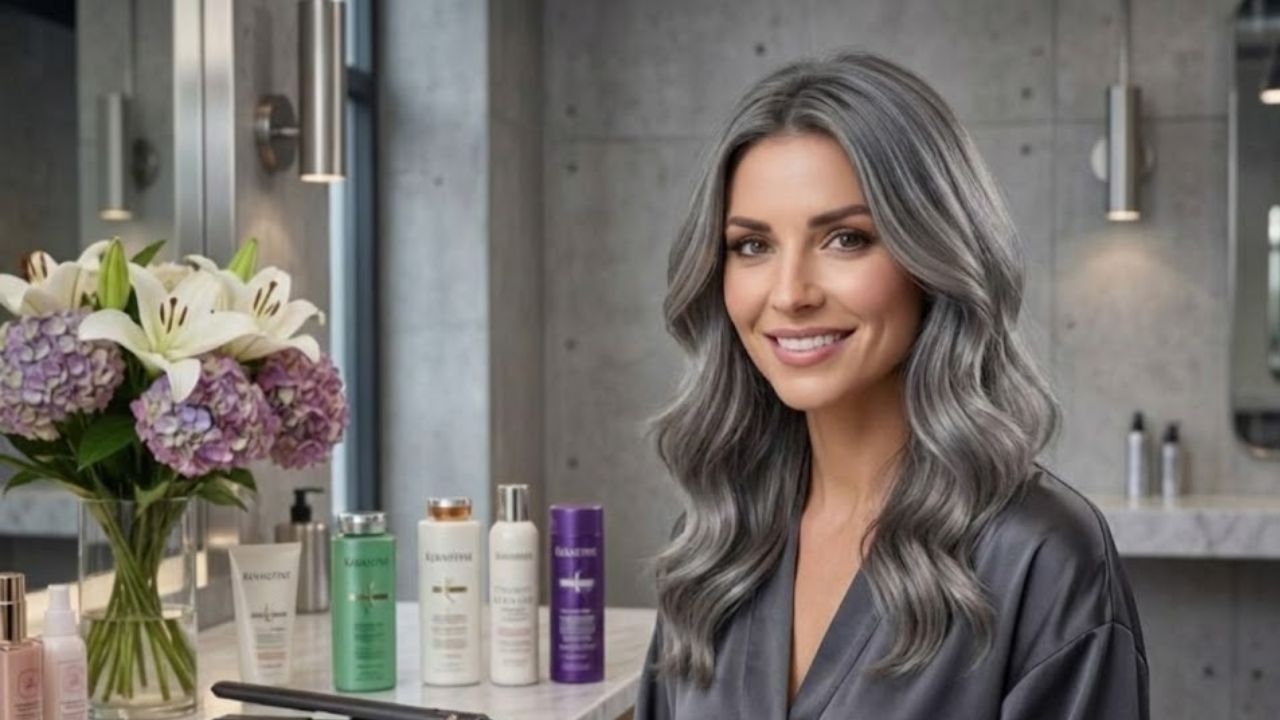
    For a long time, covering grey hair usually meant choosing between strong chemical dyes or natural fixes that rarely delivered results. Recently, a gentler option has gained attention — mixing a common kitchen ingredient into your everyday conditioner. This method focuses on soft colour blending rather than bold changes, making it appealing for those who want healthier-looking hair without stressing ageing strands or sensitive scalps.

    Why Many People Are Stepping Away From Traditional Hair Dye

    Grey hair develops when pigment-producing cells in the hair follicles gradually reduce and stop making melanin. While age is a major factor, stress, genetics, smoking, nutritional gaps, and certain health conditions can also speed up the process. What starts as a few silver strands often spreads over time. Permanent and semi-permanent dyes remain popular because they work quickly, but frequent colouring exposes hair to strong formulas and chemical reactions that can irritate delicate scalps.

    Hair without pigment is naturally drier, weaker, and less flexible. Regular dye use can leave it rough, brittle, and lacking shine. Even so-called gentle or ammonia-free products still rely on oxidative processes that alter the hair’s structure. While these formulas may feel manageable in younger years, they often become too aggressive for finer, ageing hair. Natural alternatives like henna or indigo attract interest, but their results can be unpredictable and difficult to reverse.

    The Cocoa Conditioner Method Gaining Attention Online

    This is where unsweetened cocoa powder enters the conversation. The technique uses plain baking cocoa, not sweetened drink mixes. Cocoa contains natural pigments and plant compounds that lightly coat the hair’s surface without damaging its protective layer. Unlike permanent dye, it works gradually, acting like a soft tint that blends greys while conditioning the hair.

    Cocoa includes flavonoids and tannin-like compounds that attach to the outer surface of hair strands. On grey or light hair, this creates a subtle brown tone that becomes more noticeable with repeated use. On darker hair, it adds warmth and depth without dramatically changing colour. When mixed with conditioner, cocoa also offers antioxidant support and a mild scalp-balancing effect that can help manage oil levels.

    How to Mix Cocoa Powder Into Conditioner Correctly

    The method shared across beauty communities is simple and affordable. It works best on freshly washed, towel-dried hair and can be used once or twice a week initially. Start by placing a generous amount of your regular conditioner into a clean bowl. Formulas that are silicone-light or silicone-free tend to allow better colour adherence.

    Add two to four tablespoons of unsweetened cocoa powder, adjusting based on hair length and thickness. Mix slowly until the paste becomes smooth and lump-free. Section the hair and apply evenly, paying extra attention to visible grey areas such as the part, temples, and crown. Comb through with a wide-tooth comb, leave on for about 20 minutes, or up to 30 minutes for stubborn white hair. Rinse thoroughly with lukewarm water, gently massaging the scalp to remove any residue. The colour builds gradually, reducing contrast rather than replacing salon dye.

    Who This Grey-Blending Method Works Best For

    A cocoa-infused conditioner is most effective for people with scattered greys rather than fully white hair. It suits blonde and light brown hair where grey strands stand out more clearly. Those with sensitive scalps who struggle with chemical dyes often find this option easier to tolerate. The approach is ideal for anyone wanting a slow, natural-looking shift instead of an instant transformation.

    For very dark hair, cocoa will not completely hide grey roots, but it can soften the contrast between new growth and coloured lengths. The result looks more like a tinted gloss than a solid dye, making it a low-commitment option for people exploring grey blending rather than full coverage.

    Expected Results by Hair Type

    • Mostly white or grey, fine hair: Soft beige-brown tone with improved shine and smoothness
    • Salt-and-pepper brown hair: Greys blend better, overall colour appears more even
    • Dark brown or black hair with few greys: Subtle warmth with minimal visible colour change

    How Cocoa Works With Grey Hair Structure

    Grey hair often feels coarse because its outer protective layer lifts more easily than pigmented hair, leading to frizz and tangling. Conditioner helps smooth this layer, improving slip and manageability. When cocoa is added, its fine particles stay on the surface of the hair shaft rather than penetrating deeply.

    This surface-level action explains why the colour builds slowly and fades gradually, without harsh regrowth lines. Cocoa acts like a lightly tinted coating, enhancing colour while leaving the inner structure largely unchanged. For dry, ageing hair, this gentler method can noticeably improve softness, movement, and control over time.

    Cocoa Compared With Other Grey Hair Solutions

    Cocoa has become part of a wider range of grey-blending options. Herbal rinses such as coffee or black tea offer temporary staining but may dry hair if used often. Tinted conditioners and salon treatments provide more predictable results but come at a higher cost. Cocoa stands out for being affordable, easy to access, and naturally conditioning.

    The main limitation is variability. Results depend on hair texture, porosity, and frequency of use, and excessive application may dull hair if not rinsed well. Still, for many people, cocoa fits smoothly into an existing routine without major changes or long-term commitment.

    Supporting Healthy Hair as It Greys

    Maintaining grey hair involves more than colour alone. Experts note that stress, smoking, sun exposure, and diets low in antioxidants all influence pigment loss. People who use cocoa treatments often adopt gentler habits, such as reducing heat styling, spacing out washes, and using nourishing masks.

    Some colour professionals suggest cocoa-based treatments between salon visits to refresh tone without extra chemical processing. Others view it as a helpful transition tool for those gradually embracing natural greys. Overall, the cocoa trend reflects a move toward softer, reversible care methods that work with hair’s changing needs rather than fighting them.

  • Short haircut for fine hair: these 4 expert-approved hairstyles add volume and make short hair look noticeably thicker

    Short haircut for fine hair: these 4 expert-approved hairstyles add volume and make short hair look noticeably thicker

    “Do you see it?” she says quietly. In the mirror, the client notices her scalp showing through. The cut looks neat, the color feels fresh, yet the hair rests flat against her head, as if it has no energy left. Outside the salon window, people walk by with bouncy, full-looking bobs, and she wonders what secret they know that she doesn’t.

    The stylist pauses, swaps the scissors for a round brush, and starts again. A few quick movements later, the same hair suddenly appears fuller. The cheekbones look more defined, the neck longer. The cut hasn’t changed, only the shape. The client leans closer to the mirror, slightly doubtful. The hair is still fine. The feeling is completely different.

    This is the quiet effect of a well-designed short haircut for fine hair. Visible volume, without exaggerated promises or complicated routines. The kind of cut that makes people assume your hair is naturally thick.

    Short haircuts that create the illusion of thickness: four shapes that deliver

    When stylists talk about “adding volume” to fine hair, they aren’t only thinking about products. They’re thinking about structure. The way a haircut is built can trick the eye into seeing more hair than actually exists. With short hair, every millimeter matters.

    Some cuts press fine strands flat like damp paper. Others create subtle ledges, curves, and angles that encourage the hair to lift away from the scalp. A simple bob becomes a frame rather than a curtain. A crop turns into a statement instead of a compromise.

    Below are four short haircuts known in salons for making fine hair look fuller: the French bob, the layered pixie, the bixie, and the soft stacked bob. Each uses weight, length, and texture differently. Each can be adjusted to your face shape and daily routine, so it works not just in photos, but on a real morning before work.

    The French bob usually sits at the jaw or slightly above, often paired with a soft fringe. It places visual weight where fine hair is naturally strongest: at the ends. The perimeter is kept blunt or only lightly textured, creating a clean outline that makes even airy strands appear dense.

    The layered pixie takes the opposite approach. Here, the volume lives on top. The sides and back stay close, while the crown is lighter and lifted. Instead of pretending to be long and thick, the cut embraces short, sculpted hair. The contrast between lengths creates the illusion of fullness.

    The bixie, a hybrid between a bob and a pixie, has quietly become a favorite for fine hair. It keeps softness around the face like a bob, while borrowing airy, stacked layers from a pixie at the back. The result is movement at the nape, gentle volume at the cheeks, and very few heavy, flat areas.

    In one London salon, a colorist joked that fine-hair clients were constant volume seekers. They arrived with photos of thick, bouncy bobs that belonged to very different hair types. Over time, the team learned to guide them back to just a few short shapes that consistently delivered volume on fine strands.

    When the right shape finally clicks

    One of those clients, Anna, had spent years cutting and growing her hair in circles. Long layers, blunt lobs, curtain fringes—nothing changed the limp feeling. The day she tried a soft stacked bob, everything shifted. The nape was gently graduated, the top stayed slightly longer, and the front brushed her chin.

    As she left the salon, her hair moved against her neck instead of sticking to it. “I felt like I suddenly had a neck and a jawline,” she laughed. Two weeks later, she sent a mirror photo. Same cut, air-dried, still holding a small bump of volume at the back. Not perfect, just alive.

    Stylists who focus on fine hair often notice the same pattern. Heavy, one-length cuts create excitement on day one, then disappointment after the first wash. Shorter shapes with built-in graduation, like stacked bobs or bixies, may look understated at first but lead to happier clients weeks later.

    The reason is simple: fine hair doesn’t handle weight well. Once it grows past a certain point, gravity takes over and the roots collapse. Shorter cuts remove that drag and build volume through angles, lines, and subtle layering. Even small adjustments matter. A few extra millimeters at the crown can change how the entire cut falls.

    That’s why the best short haircut for fine hair isn’t just short. It’s short with intention. A French bob that lands precisely at the cheekbone. A pixie with invisible layers on top, not shredded ends. A bixie where the back hugs the neck cleanly. This is design, not guesswork.

    How to style short fine hair so it truly looks fuller

    Once the cut is right, styling can stay refreshingly simple. Fine hair dislikes heavy formulas and complicated steps. It responds best to direction and light support. The aim is to lift the roots and slightly roughen the surface so light reflects off it.

    Work with hair that is almost dry, not soaking wet. Apply a light volumizing spray or mousse only at the roots. Use your fingers to lift the hair upward as you blow-dry, focusing on the crown and front where flatness shows most. Near the end, flip your head for about thirty seconds, then let the hair fall naturally.

    For a French bob or bixie, twist small sections away from the face while the hair cools. This creates soft bends that widen the overall shape. For a layered pixie, pinch the crown with a tiny amount of matte paste. Aim for airiness, not stiffness. If it looks overly styled, it’s usually too much product.

    Many people with fine hair believe washing less will preserve volume. With short cuts, the opposite is often true. Scalp oil travels down fine strands quickly and flattens them. Washing two or three times a week with a light, non-creamy shampoo often helps the cut perform as intended.

    Another overlooked factor is maintenance. Regular micro-trims matter more with short fine hair than with long, thick hair. As soon as the shape collapses at the nape or around the ears, volume disappears first. Visiting the salon every six to eight weeks keeps the structure intact, even if you’re growing it out slightly.

    Let’s be honest: no one does everything perfectly every day. Mornings get rushed, plans fall apart. That’s why your routine has to work even when it’s messy. A well-cut short style for fine hair still looks intentional when air-dried or slept on awkwardly. If a haircut only looks good after a salon blow-dry, the issue isn’t your hair. It’s the cut.

    As one stylist who specializes in short cuts puts it, “Fine hair doesn’t need more effort. It needs more strategy. When the cut does most of the work, you’re only managing the rest each morning.”

    • Blow-dry roots in different directions for the first two minutes to break the natural part and add instant lift.
    • Use dry shampoo on clean hair at the crown for grip, not just on oily hair.
    • Ask for a slightly shorter fringe or crown, as these areas lose shape fastest.
    • Choose weightless, matte, or root-lifting products and avoid heavy serums.

    Living with a short cut on fine hair

    There’s a moment right after a big chop when your hand automatically reaches up. Your fingers hit your neck sooner than expected. Some people feel exposed. Others feel instantly at home.

    Short hair on fine strands can be surprisingly emotional. It reveals the shape of your head, the line of your nose, the way your face carries expression. On tired days, that honesty can feel harsh. On good days, it can feel empowering. A small change in hair can shift how you see yourself.

    What usually follows is more subtle. Friends say you look refreshed. Colleagues wonder if you changed your makeup. The focus moves from the hair itself to your face. The volume isn’t only physical; it’s in the confidence that suddenly has room to show.

    Choosing between a French bob, layered pixie, bixie, or stacked bob isn’t about trends alone. It’s about how much structure you want, how much time you truly have, and how quickly your hair grows. A French bob grows out gracefully. A pixie delivers the strongest crown volume but needs regular upkeep.

    The bixie sits comfortably in the middle for many people: short enough to lift at the roots, long enough to tuck behind the ear. The stacked bob suits those who like a polished outline and don’t mind occasional blow-drying. Your lifestyle matters just as much as your texture.

    Short hair on fine strands isn’t about pretending to have something you don’t. It’s about maximizing what you do have: softness, shine, and lightness. With the right cut, those qualities become the main feature.

    When you scroll through images of thick, glossy bobs, it’s easy to feel like you’re always chasing someone else’s hair. The quiet reality inside salons is that many of those admired “thick” short cuts started with very fine hair and a smart shape. That’s a strategy you can use too.

  • Fast Home Remedies Repair Dry Cracked Heels Using Simple Safe Kitchen Ingredients

    Fast Home Remedies Repair Dry Cracked Heels Using Simple Safe Kitchen Ingredients

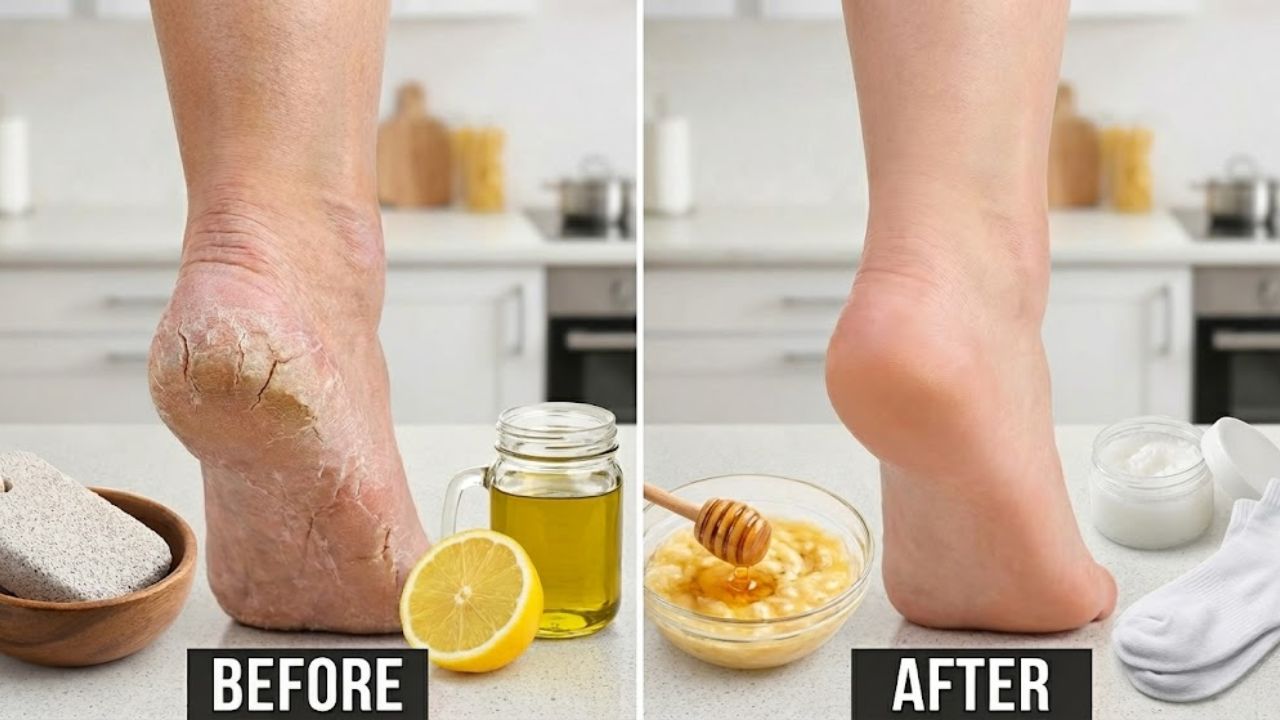
    The first signs of heel cracks often seem insignificant. Thin, pale lines begin to appear, resembling patterns on dry ground. At first, they are easy to ignore and are often blamed on barefoot walking or frequent use of open sandals. Over time, the feeling changes. One morning, as your feet touch the floor, you notice roughness and a slight sting. The cracks deepen, catch on fabric, and cause soreness. That quiet discomfort is usually the signal that your heels need attention. Dry, cracked heels develop slowly, and once noticeable, they are already uncomfortable. Fortunately, relief does not require expensive solutions. Simple kitchen ingredients can gradually bring back softness and ease.

    Understanding What Your Heels Are Telling You

    Your heels carry more responsibility than you may realize. With every step, they absorb constant pressure and impact, especially during long periods of standing or walking. Because they are often hidden, heel care is easy to forget. Rough skin noticed in the shower is often postponed and then overlooked. Over time, lack of moisture combined with daily pressure reduces skin flexibility. Walking barefoot on hard floors, wearing thin-soled or open-back shoes, hot showers, cold weather, and indoor heating all contribute to dryness. Heel skin is naturally thick for protection, but when overly dry, it cracks instead of bending. The good news is that skin can heal when given moisture, gentle care, and protection.

    Using Your Kitchen as a Gentle Heel Care Station

    Your kitchen already contains effective solutions for dry heels. Olive oil and coconut oil deeply moisturize and soften rough skin. Honey attracts moisture while calming irritation. Milk and yogurt gently loosen flaky layers through natural lactic acid. When sugar or salt is mixed with oil, it becomes a mild exfoliant that removes dead skin. Using familiar ingredients feels reassuring because they are already trusted. There is no need for complicated labels or costly products. Knowing how each ingredient supports healing makes heel care simple, soothing, and effective.

    Natural Ingredients That Help Repair Cracked Heels

    • Olive Oil or Coconut Oil: Deeply moisturizes, repairs dryness, and softens thick heel skin. Best used at night or as a scrub base.
    • Honey: Seals in hydration, calms irritation, and supports natural healing. Works well as a mask mixed with oil or milk.
    • Milk or Yogurt: Gently loosens dead skin using natural lactic acid. Ideal for warm foot soaks or softening packs.
    • Sugar or Salt: Helps remove rough layers and improve smoothness. Use gently after soaking.
    • Banana or Avocado: Nourishes very dry skin with vitamins and healthy fats when applied as a thick mask.

    A Relaxing Evening Routine for Softer Heels

    Heel care can become a calming ritual at the end of your day. As your surroundings grow quiet, spending just fifteen minutes allows you to focus on comfort and restoration.

    Step 1: Warm Milk and Salt Foot Soak

    Fill a basin with comfortably warm water. Add half a cup of milk, one to two spoons of salt, and a small amount of olive oil. Soak your feet for ten to fifteen minutes. The warmth relaxes the skin, the milk softens dryness, and the oil begins restoring moisture.

    Step 2: Gentle Exfoliating Scrub

    Mix sugar or fine salt with olive or coconut oil to create a thick paste. Massage it onto your heels using slow, circular motions. Focus on rough areas without applying pressure. Gentle exfoliation is more effective than harsh scrubbing. Rinse with warm water afterward.

    Step 3: Honey and Yogurt Hydration Mask

    Combine one tablespoon of honey with one tablespoon of thick yogurt and a few drops of oil. Apply generously to cracked areas and leave it on for ten to fifteen minutes. This mask delivers deep hydration and soothing relief. Rinse gently and pat dry.

    Overnight Oil Treatment for Lasting Softness

    Before bedtime, warm a small amount of olive or coconut oil and massage it into your heels for several minutes. Put on clean cotton socks to lock in moisture overnight. By morning, heels often feel noticeably softer, smoother, and less painful.

    Daily Habits That Help Prevent Heel Cracks

    Once your heels recover, simple habits help maintain results. Moisturize after showers, avoid very hot water, rotate footwear, and drink enough water daily. Address dryness as soon as it appears. Consistent care prevents deeper cracks from forming later.

    When Home Care Is Not Enough

    If heel cracks become very deep, begin bleeding, or do not improve with regular care, professional guidance may be necessary. Certain health conditions can slow healing, and a medical professional can suggest appropriate treatment. In most cases, cracked heels are simply a sign of dryness and neglect. With patience, warmth, natural oils, and everyday kitchen ingredients, your feet can regain comfort and continue supporting you each day.

  • Hidden Differences Challenge Find 3 Changes in the Boy and Dog Picture Fast

    Hidden Differences Challenge Find 3 Changes in the Boy and Dog Picture Fast

    Hidden difference puzzles have become a favorite way to relax while sharpening the mind, especially in the United States where quick visual games are widely shared online. The “Hidden Differences Challenge: Find 3 Changes in the Boy and Dog Picture Fast” invites readers to slow down, observe carefully, and enjoy a playful mental test. At first glance, both images look identical, but small changes are cleverly tucked away. This type of challenge is not about pressure but about enjoyment, focus, and noticing what others might miss.

    Hidden differences challenge that tests your observation

    This hidden differences challenge pushes you to rely on visual focus rather than guessing. When you look at the boy and dog picture, your eyes naturally jump to obvious elements, but the real test lies beyond that. Training yourself to use quick scanning helps you move across the image without lingering too long on one area. The fun part is realizing how tiny details—like a missing line or a shifted object—can completely change the scene. These puzzles remind us that our brains often fill in gaps automatically, which is why differences can hide in plain sight.

    Find 3 changes fast using smart visual tricks

    To find three changes quickly, it helps to use pattern recognition instead of random searching. Compare one section at a time, such as the background first and then the characters. This method builds mental agility because your brain switches between memory and observation rapidly. Many people enjoy adding a bit of time pressure, but it is not required to benefit from the puzzle. Even without a timer, your mind stays engaged as you challenge yourself to spot what feels slightly “off” in the image.

    Boy and dog picture puzzle benefits for the brain

    Solving a boy and dog picture puzzle is more than casual entertainment. With daily practice, these challenges can improve concentration and patience. Looking away briefly and returning with a fresh perspective often reveals differences you missed before. The puzzle also encourages logical comparison, teaching your brain to evaluate shapes, colors, and positions more carefully. Over time, this habit can transfer to real-life tasks where attention and accuracy matter, making these puzzles both fun and surprisingly useful.

    Why hidden difference puzzles stay popular

    The lasting appeal of hidden difference puzzles comes from their mix of simplicity and depth. They feel like brain training fun without the stress of complex rules. People of all ages enjoy improving their attention skills while taking a short break from daily routines. Unlike competitive games, these puzzles offer a relaxed challenge that can be enjoyed alone or shared with friends. That balance of calm and curiosity is what keeps players coming back for more.

    Aspect Details
    Puzzle Type Hidden differences image
    Main Goal Find 3 visual changes
    Difficulty Level Easy to medium
    Time Required 1–3 minutes
    Best For Focus and observation practice

    Frequently Asked Questions (FAQs)

    1. What is the goal of this puzzle?

    The goal is to spot three small differences between two similar images.

    2. Is there a time limit to solve it?

    No, you can take as much time as you like to enjoy the challenge.

    3. Are hidden difference puzzles good for the brain?

    Yes, they help improve focus, memory, and visual attention.

    4. Can kids and adults both play this puzzle?

    Absolutely, it is suitable for all ages.

  • Japanese Hair Washing Routine Delivers Stronger Shinier Hair Without Salon Visits or Chemicals

    Japanese Hair Washing Routine Delivers Stronger Shinier Hair Without Salon Visits or Chemicals

    Some evenings washing your hair feels like just another task instead of something relaxing. But when you slow down and turn it into a small ritual something changes. Your hair can start to look smoother & shinier and even fuller without spending money on expensive salon appointments. This Japanese-inspired Head Spa routine is essentially a spa treatment for your scalp & when you do it regularly the results become quite noticeable.

    What a Japanese-Inspired Head Spa Truly Involves

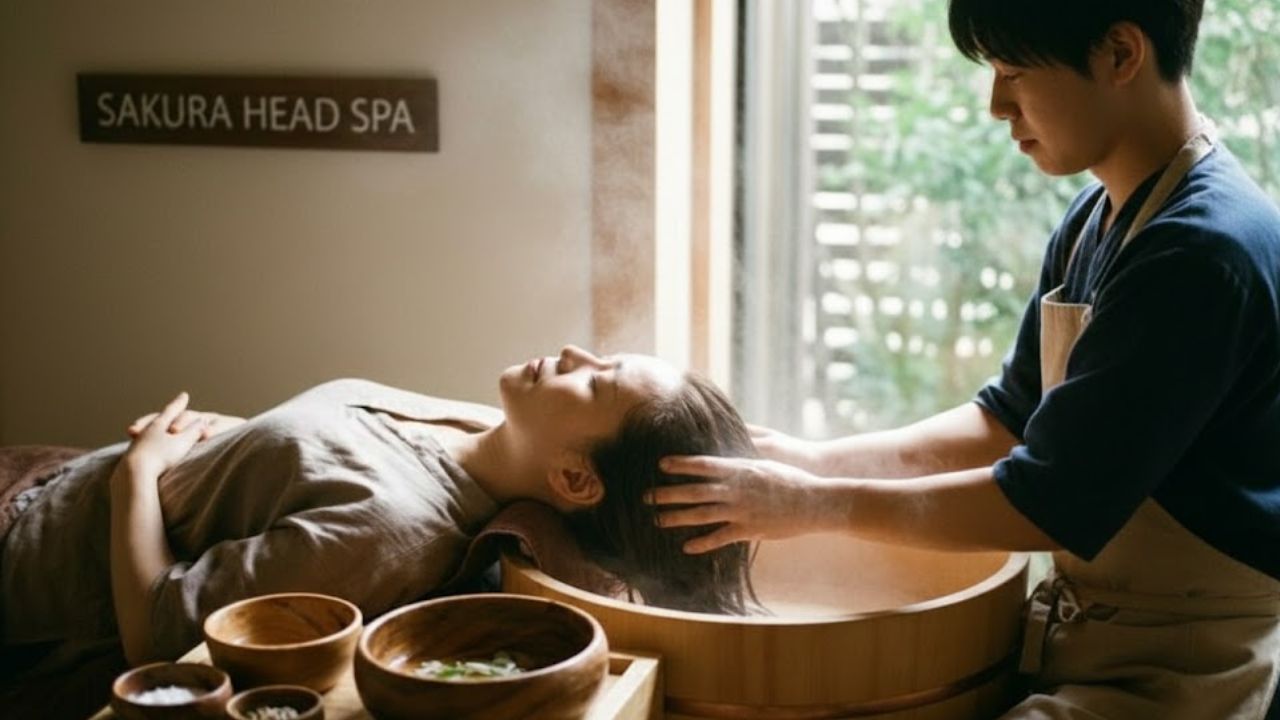
    A Japanese-inspired Head Spa is built on a simple yet powerful idea: care for your scalp with the same attention you give your hair. Instead of rushing through washing and rinsing, this method blends gentle massage, careful cleansing, and mindful drying. The aim goes far beyond clean hair. It focuses on calming the scalp, easing daily tension, and helping hair maintain its natural smoothness and shine. A complete at-home routine usually follows a few easy steps, starting with a scalp massage, optional oiling before shampoo, scalp-focused cleansing, gentle towel drying, and low-heat blow-drying. Some people also add an occasional rice-water rinse. Each step is simple, but together they can noticeably improve how your hair feels over time. What draws most people in is not just the results, but the relaxed, centered feeling that comes from turning a quick wash into a mindful ritual.

    How Often You Should Wash Your Hair: Why There’s No Universal Rule

    Before focusing on technique, it’s important to rethink how often you wash your hair. Washing too frequently can remove natural oils, leaving hair dry and brittle. Washing too little can cause buildup that makes hair appear flat and greasy. The right balance depends on your scalp type, hair texture, and daily habits. For most people, the ideal routine falls between one and three washes per week. Finding the right rhythm allows the scalp to stay balanced while keeping hair healthy and manageable.

    General Washing Patterns Based on Hair Type

    People with normal or wavy hair usually do well washing once or twice a week, unless they exercise often or rely heavily on styling products. Those with oily scalps may need to wash up to three times weekly, focusing shampoo mainly on the scalp. Individuals with dry, curly, or coily hair typically benefit from washing about once a week or even less. Dermatologists explain that straight hair allows oils to travel more easily from the scalp to the ends, while curls hold moisture closer to the roots. Many people find that reducing daily washing to twice a week helps hair feel stronger and healthier, and oil production often balances itself over time.

    Step One: Scalp Massage Before Washing

    The Head Spa routine begins with a dry scalp massage before any water or shampoo is applied. Using your fingertips or a soft silicone brush, start at the nape of your neck and slowly move upward in small circular motions. Research on regular scalp massage, practiced for a few minutes daily over several months, shows a slight increase in hair thickness. This improvement is linked to better circulation and gentle scalp stimulation. Beyond physical benefits, this step helps loosen buildup and encourages deep relaxation. Many people describe their scalp feeling lighter and more comfortable long after the massage ends.

    Step Two: Light Pre-Wash Oil for Hair Protection

    Before shampooing, apply a small amount of oil to the scalp and hair lengths. This is not meant to be a heavy treatment, but a thin protective layer. Its main role is to prevent excessive dryness during washing. Studies comparing hair oils show that coconut oil is especially effective at reducing protein loss when used before and after washing. Those with fine hair may prefer lighter options like argan, jojoba, or grapeseed oil. Warm a few drops between your palms, massage gently into the scalp, then smooth the remaining oil through the mid-lengths and ends. After a short wait, rinse with lukewarm water and shampoo, focusing mainly on the roots, as the foam will cleanse the rest of the hair naturally.

    Step Three: Gentle Drying Protects Hair Fibers

    Hair is at its most delicate when wet. Instead of rubbing vigorously with a towel, gently press out excess water using a microfiber towel or soft cotton T-shirt. The key is squeezing rather than scrubbing. Research comparing drying methods suggests that microfiber materials are less damaging to hair fibers than rough towels or immediate high-heat drying. Over time, this small adjustment can significantly reduce frizz and breakage.

    Step Four: Low-Heat Blow-Drying the Right Way

    Blow-drying itself is not harmful when done correctly. Damage usually comes from excessive heat, holding the dryer too close, or focusing on one spot for too long. Allow hair to air-dry partially before using a dryer. Choose the lowest effective heat setting, keep the dryer moving, and hold it about six inches away. Direct airflow from roots to ends to help smooth the hair’s outer layer. Over time, consistent low-heat drying helps hair feel softer and prevents dryness at the ends.

    Optional Step: Rice-Water Rinse for Added Shine

    An occasional rice-water rinse can be used every few weeks as a finishing step. This is simply the cloudy water left after soaking or rinsing rice. After shampooing and conditioning, pour it over the hair lengths. Used sparingly, it helps hair feel smoother and shinier. There is no need to apply it at every wash. When used occasionally, it adds a subtle shine boost and makes the routine feel more intentional.

    How This Head Spa Ritual Improves Hair Over Time

    Combining scalp massage, light oiling, gentle drying, low-heat blow-drying, and occasional rice-water rinses supports long-term hair health rather than quick cosmetic results. This routine protects the scalp, minimizes friction, and reduces heat damage, allowing hair to develop its natural shine. Over time, many people notice less breakage, smoother ends, and hair that is easier to manage without extra products. Inspired by Japanese Head Spa practices, this approach shows how patient, mindful care can lead to healthier, more confident-looking hair.

  • Transformative Yoga: 7 Powerful Poses That Reshape the Mind, Strengthen the Body and Elevate Everyday Life

    Transformative Yoga: 7 Powerful Poses That Reshape the Mind, Strengthen the Body and Elevate Everyday Life

    Yoga offers benefits that extend beyond simple physical activity. This practice works to improve your overall wellbeing by addressing physical health alongside mental and emotional balance. Regular yoga practice can lead to meaningful improvements in flexibility and strength while also helping to clear your mind and manage stress levels. These seven yoga poses provide a solid foundation for anyone wanting to experience the transformative effects of yoga in their daily life.

    Downward-Facing Dog (Adho Mukha Svanasana)

    The Downward-Facing Dog is one of the most well-known yoga poses and it stretches your whole body. This pose makes your arms & legs and core stronger while also helping your mind feel calm. It works well for reducing stress and making your posture better. When you do this pose regularly it helps blood flow better through your body and reduces tightness in your neck and shoulders & gives you more energy.

    Tree Pose (Vrksasana)

    Tree Pose is a balancing position that improves your physical and mental stability. It makes your legs stronger along with your hips and core muscles. The pose also helps you focus better and concentrate more effectively. When you practice this posture you develop a feeling of inner peace and calmness. Tree Pose increases hip flexibility & builds a stronger connection between your mind & body. This creates better balance that carries over into your everyday activities.

    Warrior II (Virabhadrasana II)

    Warrior II Warrior II is a strong standing pose that develops strength and stamina. This pose works your legs, hips and core muscles while stretching your chest and shoulders. Beyond the physical benefits Warrior II helps build confidence and determination. The pose teaches you to confront challenges directly whether you are practicing yoga or dealing with everyday life. It brings mental clarity and increases self-esteem.

    Cobra Pose (Bhujangasana)

    Cobra Pose Cobra Pose is an excellent backbend that opens the chest and stretches the spine while strengthening the lower back. This pose lifts your mood & improves posture as it enhances flexibility throughout the back. Cobra Pose also helps stimulate the abdominal organs to improve digestion and can relieve tension that builds up from long periods of sitting. The pose works multiple areas of the body at once. It targets the muscles along the spine & helps create better alignment. Regular practice of Cobra Pose can reduce stiffness in the shoulders and upper back. The gentle compression of the lower back muscles helps build strength in an area that often feels weak or painful. When you practice Cobra Pose you also engage your core muscles. This engagement supports the spine and protects it during the backbend. The pose encourages deeper breathing because it expands the chest cavity. This increased breath capacity can help reduce stress and promote a sense of calm. Cobra Pose is accessible for most people and can be modified based on your flexibility level. Beginners can keep the bend shallow while more advanced practitioners can lift higher. The key is to focus on lengthening the spine rather than forcing a deep backbend. This approach helps prevent injury & allows you to gain the full benefits of the pose over time.

    Child’s Pose (Balasana)

    Child’s Pose is a restful posture that encourages relaxation and mindfulness. It stretches the back, hips, and legs, while providing a calming effect on the mind. This pose allows you to slow down, breathe deeply, and connect with your inner self. It is perfect for relieving stress and tension, providing emotional balance, and restoring energy.

  • Cakey Concealer Happens for Specific Reasons and Can Be Fixed in Seconds

    Cakey Concealer Happens for Specific Reasons and Can Be Fixed in Seconds

    It makes no difference that you slept only four hours or that your day is full of meetings or that you really tried hard this morning. You move closer & look carefully at the mirror & then you see it: the skin under your eyes appears dry and uneven with an odd texture. The concealer you smoothly applied just ten minutes earlier has gathered into heavy lines & is sticking to every tiny fold you never noticed before. Your phone rings & you are running late but you cannot stop looking at your reflection thinking about how everything turned so cakey. You try patting it softly with your finger but it just balls up. You attempt to smooth it out but it smears across your skin instead. Each time you touch it the problem gets worse. The product that promised a perfect natural finish now makes you look exhausted and overdone.

    Why Your Concealer Often Ends Up Cakey

    Most people blame the concealer itself, but the real culprit is usually the skin underneath. Concealer acts like a magnifying glass, highlighting every imperfection. Dry patches, fine lines, leftover eye cream, and even old makeup residue can all combine to make your makeup look uneven quickly. The skin under your eyes is delicate, almost oil-free, and constantly in motion as you talk, laugh, or squint. Layering thick pigment on this moving, thirsty surface almost guarantees creasing and a cakey appearance. Often, the concealer isn’t the problem—it’s simply being asked to do too much without proper prep.

    Picture a busy Monday morning on a crowded train. One woman checks her reflection in her phone, gently tapping under her eye. On one side, the concealer has cracked into tiny islands. On the other side, it looks smooth and natural. Later, she admits she rushed her skincare routine, skipped eye cream, and applied a heavy full-coverage concealer straight from the applicator. By mid-morning, it had already settled into lines. At lunch, she recalls a TikTok makeup tip about warming concealer with your fingertips and pressing it in, which quickly fixes one side.

    Beauty studies quietly confirm what mirrors reveal: most people apply too much concealer too quickly on skin that isn’t ready for it. The resulting mismatch between product texture, amount, and skin condition is where caking begins. When concealer is too dry, it clings to rough patches; when too creamy, it slides into lines. Too much product sits on top of the skin instead of blending in, and flaky, unprepped skin turns every tiny patch into a spotlight. Your body heat, facial expressions, and environmental humidity all influence how the concealer behaves. Think of concealer as a soft wax: it melts, moves, and sets in layers. Uneven layers or clashing textures almost always lead to cracks or gathering. In short, cakey concealer is makeup that never fully fused with your skin.

    The 10-Second Trick to Smooth Cakey Concealer

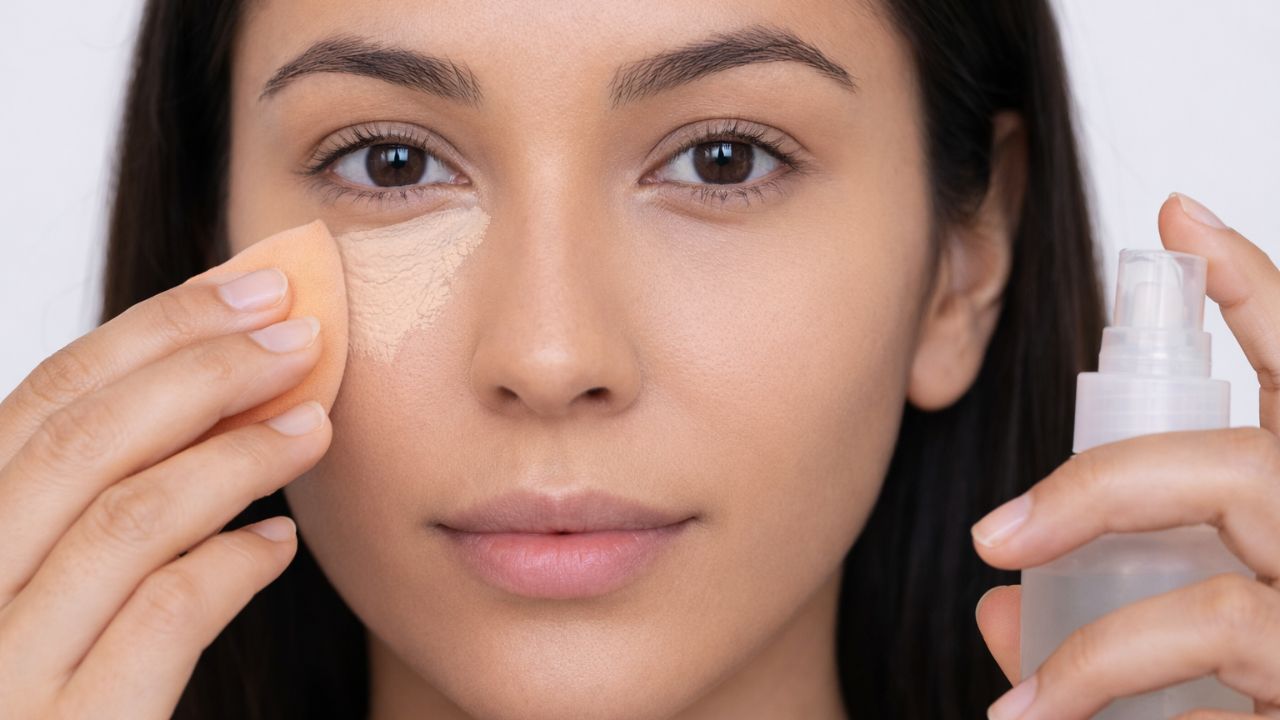
    The quickest fix is surprisingly simple: use warm, clean fingers and press. No extra tools or products are required. Your fingertip’s warmth softens the concealer on the skin and in fine lines. Here’s how to do it:

    – Look down into a mirror to stretch the under-eye area slightly.

    – Place the pad of your ring finger on the cakey spot and count to three.

    – Gently press and roll without swiping. This nudges the product back into the skin instead of scraping it off.

    – Repeat under each eye where product is gathering, especially near corners or creases.

    In about 10 seconds, the area looks smoother and more like natural skin. Often, nothing else is needed. On a shoot, a beauty editor who had been awake since 4 a.m. noticed her concealer cracking mid-day. With just a compact mirror, a tissue, and her fingers, she dabbed excess oil, warmed her finger on the back of her hand, and pressed the concealer. The cracks softened and the heaviness disappeared.

    There are a couple of common mistakes when fixing cakey concealer. First, adding more product directly on top of creases creates a double layer that collapses quickly. Second, over-powdering can sit on top of the creased makeup and make texture worse. A light dusting works only after the product has been reset. The key is to smooth and reset first, then lightly lock it in.

    Rethinking the Idea of “Perfect” Concealer

    Once you see how a small adjustment can rescue cakey concealer, it’s easier to rethink the pursuit of a flawless, unchanging base. The goal isn’t to create a mask that never moves—it’s to wear makeup that can be refreshed throughout the day. This shift eases pressure: instead of hunting for one concealer that never creases, you choose formulas that respond well to warmth, touch, and brief mirror checks. You accept that natural skin texture and fine lines are normal and that under-eye creasing happens when you smile or react naturally.

    Afternoon reflections often remind us that our makeup looked better in the morning. But with a small adjustment, it only takes seconds to restore the look—no full reapplication or elaborate routine required. A gentle touch with a finger, tissue, or a bit of powder is enough. Viewing concealer as something you can adjust throughout the day lets your makeup adapt with you rather than work against you. A crease is no longer a problem; it simply reflects an expressive face, which can be smoothed out in under ten seconds.

    Point clé Détail Intérêt pour le lecteur
    Préparer la peau avant le maquillage Appliquez une fine couche de crème hydratante bien absorbée avant d’utiliser le correcteur. Permet un fini uniforme et évite les zones sèches ou patchy.
    Technique des 10 secondes Utilisez la chaleur de vos doigts pour fondre le produit et l’étaler de manière homogène. Évite l’effet “cakey” sans avoir besoin de tout retirer.
    Corriger plutôt qu’empiler Enlevez l’excédent, lissez doucement, puis appliquez une poudre seulement là où c’est nécessaire. Assure un maquillage naturel et léger, sans surcharge de produit.