Author: admin

  • Face Yoga Explained What It Is How It Works and Whether Results Are Actually Backed by Science

    Face Yoga Explained What It Is How It Works and Whether Results Are Actually Backed by Science

    According to regenerative aesthetics doctor Dr Hansel Misquitta, facial exercises exist in a scientific grey area. She explains that when performed correctly, they can provide small, gradual improvements, but they are far from a miracle solution.

    Some early research suggests that targeted muscle training may increase muscle thickness and slightly improve facial structure. However, face workouts are not a replacement for cosmetic procedures. Think of them as Pilates for the face: helpful for tone, posture, and awareness, but not transformative.

    What Facial Workouts Can — and Can’t — Do

    However, she is clear about the limitations. Facial exercises will not erase wrinkles, tighten loose skin, or lift sagging tissue.

    “Facial exercises don’t rebuild collagen, replace lost fat, or reverse gravity,” she says. “You can’t out-exercise biology. At best, you’re strengthening the scaffolding, not rebuilding the structure.”

    The main benefits come from increased circulation, lymphatic drainage, and subtle muscle engagement.

    This is also why skincare remains just as important as facial exercises. Healthy skin enhances any visible improvement. As Misquitta puts it, “skin quality determines whether muscle tone looks fresh or simply tense.”

    She advises using a daily broad-spectrum SPF to protect the skin long-term, along with a nourishing, barrier-supporting moisturiser to help the skin adapt to routine changes.

    Where Results Are Most Noticeable

    “The cheeks, lower face, and jawline usually show the most visible changes,” says Misquitta. These are the only facial muscles capable of hypertrophy, although the process is slow and modest compared to body muscles.

    Other areas are far less responsive. Under-eye hollows, temple volume loss, forehead lines, and deep folds are mainly caused by bone structure and fat changes, not muscle weakness.

    “Trying to fix under-eye hollows with facial yoga is like trying to fix a flat tyre by massaging it,” she explains.

    The Most Effective Exercises — and How Often to Do Them

    “The most effective exercises are controlled, subtle, and unglamorous,” says Misquitta. “This isn’t about pulling faces or scrunching skin. If you are, you’re training wrinkles instead of muscles.”

    Cheek Resistance

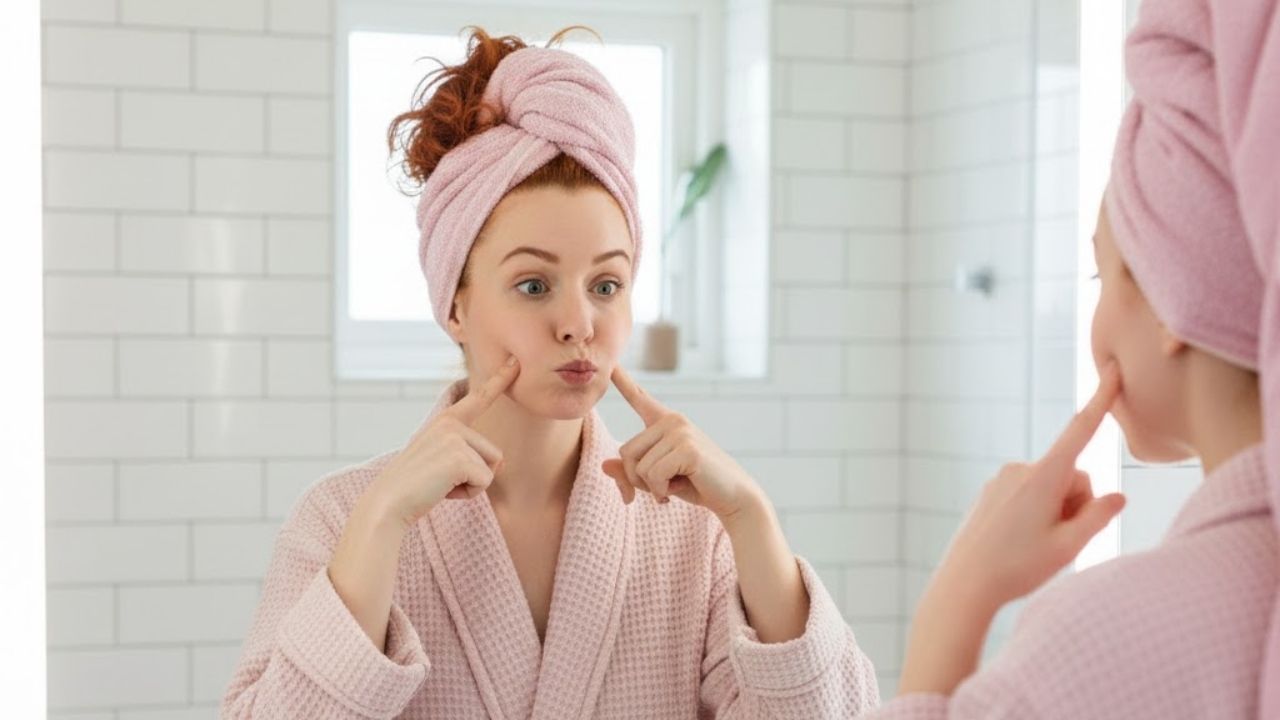
    Start with a gentle cheek-resistance movement. Hold a soft, relaxed smile and place your fingertips lightly on the fleshy part of your cheeks. As you lift the cheeks, use your fingers to create slight resistance. You should feel the muscles working beneath the skin, without deep creases around the eyes or mouth. If creasing appears, reduce the effort. This exercise supports the mid-face and helps improve tone over time.

    Tongue-to-Palate Press

    Press your tongue firmly against the roof of your mouth, just behind the front teeth. At the same time, gently lengthen the neck and lift the chin slightly. Hold for a few seconds, then relax. When done consistently, this movement supports lower-face posture and mild muscle tone without jaw strain.

    Lip Resistance

    For the muscles around the mouth, keep your lips closed naturally and place two fingers lightly over them. Press the lips together while your fingers provide minimal resistance. The motion should be smooth and controlled, avoiding puckering or scrunching. If chin dimpling or deep lines appear, the pressure is too strong.

    Practising for five to ten minutes, four to five times a week, is sufficient. “More isn’t better,” Misquitta notes. “Overdoing facial exercises is like overdoing crunches — you don’t get results faster, you just create strain.”

    Subtle changes may appear after six to eight weeks, with the most noticeable results around three to four months.

    Tools vs Technology: What Makes a Real Difference?

    With so many beauty tools on the market, it’s hard to separate effective treatments from marketing hype. Are microcurrent devices truly better than traditional tools like gua sha?

    Misquitta explains that some at-home microcurrent devices, much like gua sha, can stimulate lymphatic flow. They may also temporarily activate muscle contractions.

    “They can create a mild lifting effect that lasts from hours to a few days,” she says. “Think of it like a supportive bra for the face — helpful and temporary, but not structural.”

    Early data suggests improved muscle tone and some dermal remodelling, but these treatments still do not offer permanent results. “They are not a replacement for surgery — just targeted muscle stimulation with early evidence and strong marketing.”

    “Daily sunscreen is essential,” she says. “Retinoids support collagen production and skin texture over time, while a simple moisturiser that protects the skin barrier is enough.”

    When Face Yoga Isn’t a Good Idea

    “Anyone with active inflammatory skin conditions, jaw joint issues, recent facial surgery, or newly placed fillers should avoid facial exercises or seek medical guidance first,” Misquitta advises.

    It’s also possible to overtrain facial muscles. Warning signs include jaw pain, headaches, tightness, deepening expression lines, or ongoing muscle fatigue.
  • 4 Daily Standing Drills That Reduce Lower Belly Overhang More Effectively Than Ab Workouts After 45

    4 Daily Standing Drills That Reduce Lower Belly Overhang More Effectively Than Ab Workouts After 45

    Carrying extra fat around the midsection is a natural change after age 45. A slower metabolism, shifting hormones, reduced muscle mass, and lifestyle adjustments often create the perfect conditions for belly fat to settle in. While it can feel discouraging, the good news is that it doesn’t have to be permanent.

    The Power of Standing Exercises for Belly Fat Loss

    One of the most effective ways to reduce abdominal fat is by adding standing exercises to your fitness routine. These movements engage the core, increase calorie burn, boost metabolism, and help tone muscles at the same time. When paired with balanced nutrition, cardio, and strength training, they create a strong foundation for lasting results.

    Expert-Approved Standing Moves That Target the Core

    We connected with Chad Lipka, fitness expert and president of North Shore Sauna, to uncover five standing exercises that may deliver even better results for flattening belly fat than traditional floor-based ab workouts.

    Why Standing Movements Work So Well

    Standing exercises are highly effective because they activate the entire core while recruiting multiple large muscle groups at once. This full-body engagement leads to greater energy expenditure and functional strength.

    After 50, the lower belly area often begins to sag due to hormonal changes, reduced muscle activation, and increased sedentary behavior. Standing drills counter these effects by training the core in ways that mirror everyday movement.

    High March Rounded Core Holds

    • Stand upright with your feet hip-width apart and arms relaxed at your sides.
    • Gently round your upper back, drawing your ribs toward your pelvis to activate your core.
    • Lift your left knee to hip height while maintaining the rounded posture.
    • Hold the position for three seconds, keeping your shoulders relaxed.
    • Lower your leg back down.
    • Switch sides, lifting your right knee and holding for three seconds.
    • Complete three sets of 20 seconds.

    Diagonal Core Pulls

    • Set a cable pulley to the low position and attach a rope handle.
    • Stand sideways to the machine with feet shoulder-width apart and knees slightly bent.
    • Grip the handle with both hands near the hip closest to the cable.
    • Brace your core muscles.
    • Pull the handle diagonally upward across your body toward the opposite shoulder, allowing natural torso rotation.
    • Pause briefly at the top and squeeze your obliques.
    • Slowly return to the starting position with control.
    • Perform three sets of 10 reps per side.

    Standing Knee Drives

    • Begin standing tall with feet hip-width apart.
    • Extend your left arm overhead.
    • Drive your right knee upward toward your elbow.
    • Return to the starting position.
    • Switch sides, reaching your right arm overhead and driving your left knee up.
    • Complete three sets of 12 reps per side.

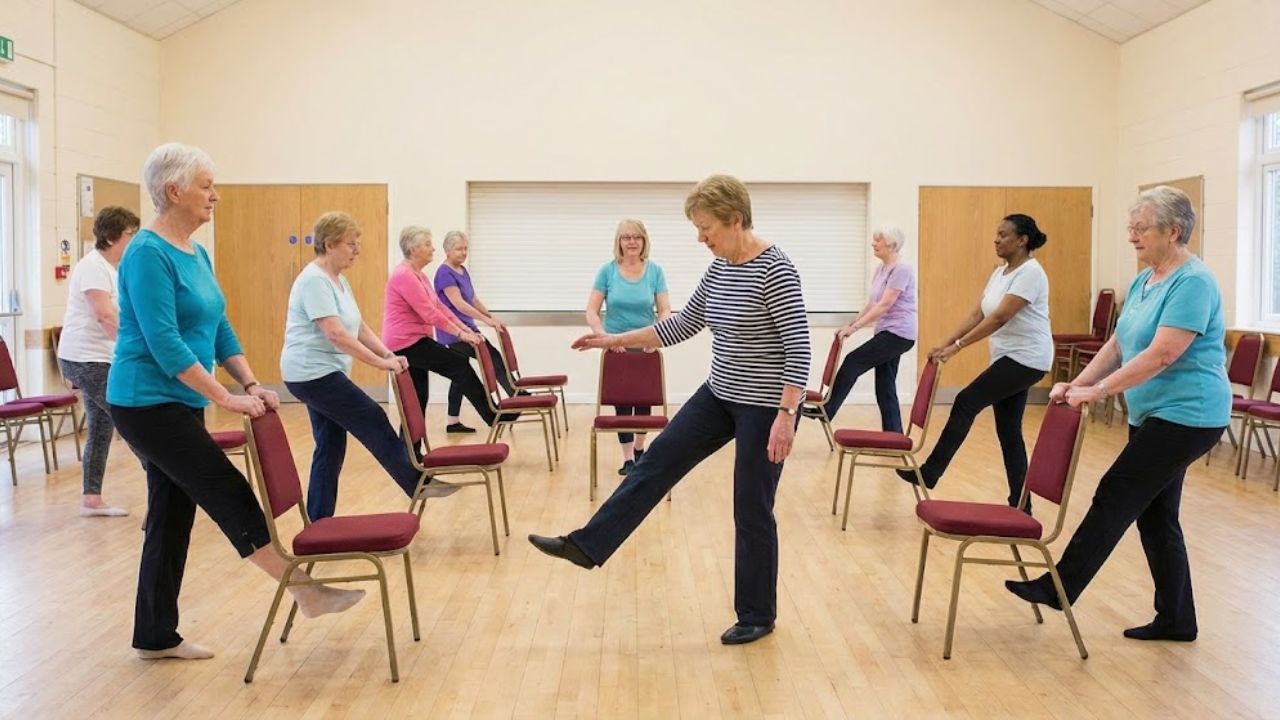
    Kick-Back Extensions

    • Stand upright with feet hip-width apart and your core engaged.
    • Hold a wall or sturdy chair for balance if needed.
    • Shift your weight onto your left leg.
    • Extend your right leg straight back, squeezing your glutes at the top without arching your lower back.
    • Slowly return to the starting position.
    • Repeat on the opposite leg.
    • Perform three sets of 12 reps on each side.
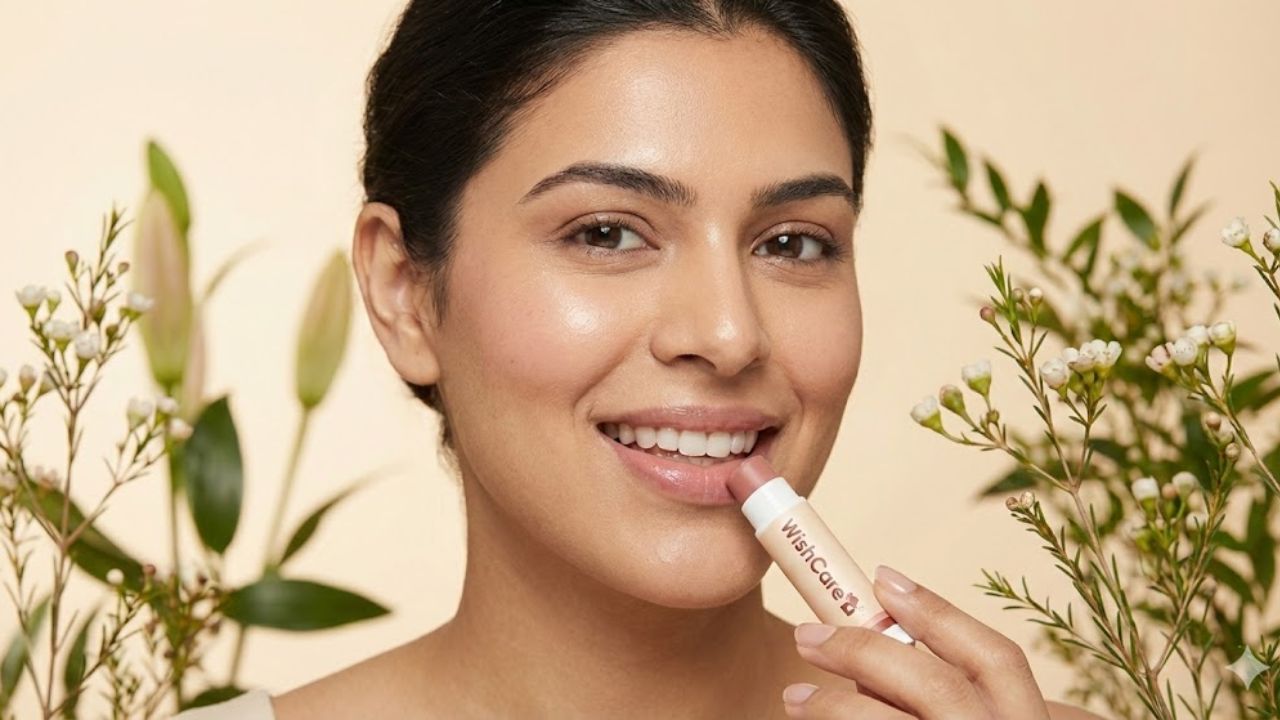
  • WishCare Tinted Ceramide Lip Balm Delivers Hydrated Lips With Natural Finish

    WishCare Tinted Ceramide Lip Balm Delivers Hydrated Lips With Natural Finish

    Struggling with dry, cracked lips that never seem to balance moisture and color can be discouraging. Many products miss the mark—some moisturize without adding any tint, others enhance color but leave lips feeling tight, and several overlook the need for daily sun protection. Finding one solution that delivers care, comfort, and coverage often feels out of reach, especially when lips need consistent nourishment and protection.

    WishCare Tinted Ceramide Lip Balm with SPF 50

    The WishCare Tinted Ceramide Lip Balm is created for everyday lip care without compromising on appearance. It blends SPF 50 PA+ broad-spectrum protection with a subtle natural pink tint that suits daily wear. Ceramides help strengthen and repair the lip barrier, sealing in moisture for long-lasting hydration. The formula also includes niacinamide and kojic acid, which work together to enhance lip tone and reduce the look of pigmentation. Its lightweight, non-greasy texture ensures all-day comfort. The balm is cruelty-free, paraben-free, and vegan.

    Does it provide sufficient sun protection for daily use?

    Yes, this balm offers SPF 50 PA+++ protection designed specifically for delicate lip skin. It helps guard against harmful UV rays while keeping lips moisturized and comfortable. Whether for brief outings or extended time outdoors, it supports reliable daily sun defense without affecting hydration or tint.

    WishCare Tinted Ceramide Lip Balm Duo for Ongoing Care

    The WishCare Tinted Ceramide Lip Balm Pack of 2 is a convenient choice for long-term lip care. Featuring the same effective formula, the duo ensures continuous access to hydration and SPF protection. Ceramides maintain moisture retention, while niacinamide and kojic acid help promote brighter-looking lips. Its smooth, non-sticky application makes it suitable for everyday use, offering consistent comfort and protection. This pack adds value without compromising performance.

    Why choose the pack of two?

    Opting for the duo adds extra convenience and supports uninterrupted lip care. Keeping one balm at home and another in your bag makes regular application easier throughout the day. It also offers better value while delivering the same SPF 50 protection and nourishing ceramide-based formula for continued lip comfort.

    An All-in-One Option for Soft, Protected Lips

    WishCare tinted ceramide lip balms combine hydration, protection, and color in a single step. With advanced ceramide support, high-level sun protection, and a natural-looking tint, they provide dependable care for everyday use. This range removes the need to choose between comfort and appearance, offering a simple way to maintain healthy-looking lips with lasting protection.

  • 12 Beginner-Friendly Yoga Poses That Improve Flexibility Safely

    12 Beginner-Friendly Yoga Poses That Improve Flexibility Safely

    Improving flexibility does not require extreme stretches, painful positions, or years of experience. Flexibility develops best when the body feels safe, relaxed, and supported through consistent movement. Yoga offers an ideal starting point for beginners because it blends gentle stretching with controlled breathing and mindful awareness. These twelve beginner-friendly yoga poses help ease tight muscles, improve joint mobility, and encourage smoother movement—without force or strain.

    Why Yoga Works Well for Beginners Seeking Flexibility

    Many beginners assume they must already be flexible to start yoga, but flexibility is a result of practice, not a prerequisite. Yoga enhances flexibility by calming the nervous system first. As stress levels decrease, muscles stop resisting and begin to lengthen naturally. Gentle, repeated movements also improve circulation and lubricate the joints, which supports long-term mobility and comfort.

    Beginner Yoga Poses to Improve Flexibility

    Mountain Pose for Better Postural Flexibility

    Mountain pose builds alignment and body awareness. Standing tall with relaxed shoulders helps lengthen the spine and reduce postural tension. Though subtle, this pose forms the foundation for flexibility by improving how the body supports itself throughout daily activities.

    Standing Forward Fold for Hamstrings and Spine

    This gentle forward fold stretches the hamstrings, calves, and back. Beginners can slightly bend the knees to stay comfortable. Allowing the head to hang freely helps release neck and upper-back tension, supporting overall flexibility.

    Low Lunge for Hip Flexor Mobility

    Low lunge is especially helpful for beginners with tight hips caused by prolonged sitting. It gently opens the front of the hips while building leg strength. Increased hip flexibility often improves posture and reduces lower-back discomfort.

    Cat–Cow Stretch for Spinal Movement

    This slow, flowing sequence increases spinal flexibility from neck to lower back. Coordinating breath with movement helps release stiffness in the shoulders and spine while warming up the body in a safe, controlled way.

    Downward Facing Dog (Modified for Beginners)

    This full-body stretch targets the back, shoulders, hips, calves, and hamstrings. Beginners can keep the knees bent and focus on lengthening the spine instead of straightening the legs.

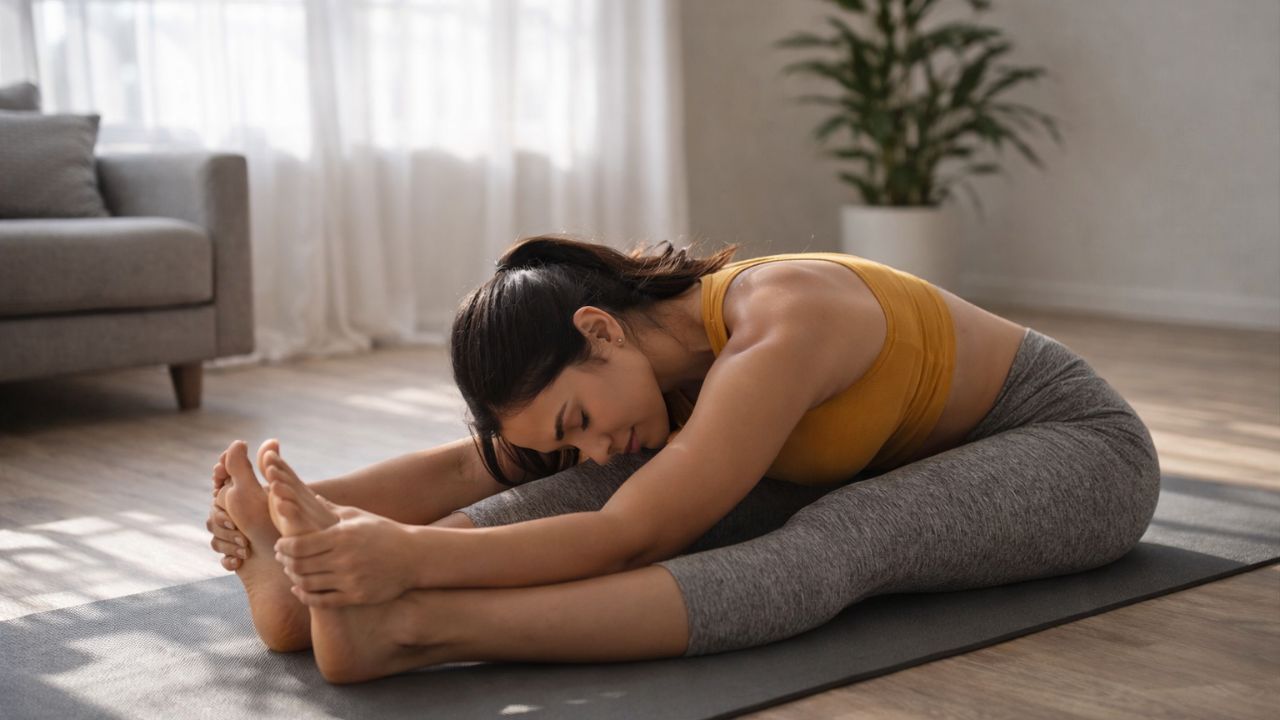
    Seated Forward Fold for Gentle Lengthening

    This seated pose stretches the hips, hamstrings, and lower back without placing pressure on the joints. Its relaxed nature encourages the muscles to soften and lengthen gradually over time.

    Butterfly Pose for Inner Hip Flexibility

    Butterfly pose gently opens the inner thighs and groin, areas that are often tight in beginners. Holding the pose with calm breathing improves flexibility without discomfort.

    Seated Twist for Side Body Mobility

    Gentle seated twists enhance flexibility around the spine, waist, and hips. These movements restore natural rotation and help undo stiffness caused by daily posture habits.

    Child’s Pose for Full-Body Release

    Child’s pose stretches the hips, back, and shoulders while allowing complete relaxation. It is especially beginner-friendly because it combines gentle flexibility with restorative rest.

    Supine Knee-to-Chest Pose for Lower Back Relief

    This reclining pose gently stretches the lower back and hips while decompressing the spine. It is ideal for beginners who feel stiff after long periods of sitting.

    Supine Figure Four for Outer Hip Opening

    This accessible hip opener releases tension in the glutes and outer hips without stressing the joints. Improved hip mobility often makes everyday movement feel easier.

    Reclined Bound Angle Pose for Deep Relaxation

    This restorative pose allows gravity to gently open the hips and inner thighs while the body remains fully supported. Longer, relaxed holds encourage flexibility gains without effort.

    How Often Beginners Should Practice

    Consistency matters more than intensity. Practicing these poses for 10–20 minutes, 4–6 days a week, can lead to noticeable flexibility improvements within a few weeks. Gentle daily practice produces the best results.

    Common Flexibility Mistakes Beginners Should Avoid

    Forcing stretches, holding the breath, or comparing progress to others can slow improvement. Flexibility develops fastest when movements stay slow, comfortable, and paired with steady breathing.

    How Natural Flexibility Supports Daily Life

    As flexibility improves, everyday actions such as walking, bending, reaching, and sleeping become easier. Reduced stiffness supports better posture, fewer aches, and increased energy throughout the day.

    Conclusion

    You do not need to push your body to become flexible—you need patience, breath, and consistency. These twelve beginner-friendly yoga poses provide a safe and natural approach to improving flexibility while calming the mind and supporting joint health. With regular practice, the body gradually opens, lengthens, and moves with greater ease and comfort.

  • Simple Strength Exercises That Reduce Fall Risk in Older Women

    Simple Strength Exercises That Reduce Fall Risk in Older Women

    Regular exercise plays a key role in reducing fall risk, one of the leading causes of injury among older adults. Yet, only four per cent of older Canadian women manage to complete 30 minutes of physical activity each day.

    As a PhD candidate in health and exercise science at Concordia University, my focus is on creating enjoyable and accessible balance-training programs through online dance classes.

    Dance serves as a powerful “exercise in disguise,” making movement feel engaging rather than routine.

    Research consistently shows that dance promotes social connection, boosts mood, and supports cognitive health. At the same time, it improves mobility, endurance, and walking ability.

    Dance is especially effective for balance training because learning precise steps enhances proprioception — our awareness of body position and movement in space — which helps maintain or improve postural stability.

    How Age Affects Postural Stability

    Postural stability refers to the ability to remain upright and control the body’s position. This process depends on both sensory and motor systems.

    Vision helps identify obstacles, the vestibulocochlear system in the inner ear supports orientation and balance, and the somatosensory system processes touch, temperature, pain, and body position to detect surfaces underfoot.

    Once these signals reach the brain, they are processed and translated into motor responses that guide the musculoskeletal system.

    With aging, postural stability naturally declines as sensory systems change. This is often measured by observing how much a person sways while standing still. Greater sway indicates reduced stability and a higher risk of falls.

    Although studies show that in-person dance classes improve balance and reduce fall risk, access remains limited. Many older women face challenges such as transportation issues, caregiving responsibilities, and inaccessible facilities. Specialized dance instructors are also more common in large urban centers.

    Online dance classes help overcome these barriers, offering broader access and greater flexibility.

    Turning Living Rooms into Dance Studios

    In collaboration with Andreas Bergdahl, PhD, and Mary Roberts, PhD, our study published in the International Journal of Exercise Science found that online dance classes significantly improve postural stability, dynamic balance, and calf strength in older women.

    We recruited women aged 65 and older from Montréal to participate in 75-minute ballet–modern inspired classes held twice weekly over Zoom for 12 weeks.

    Each session began with a 15-minute warm-up, followed by:

    • Pliés (controlled knee bending)
    • Tendus (balancing on one leg while extending the other)
    • Balancé sequences (travelling steps set to a waltz rhythm)
    • José Limón and Martha Graham sequences emphasizing fall recovery and rounded spinal movements
    • Cool-down stretches performed while seated

    These movements focus on weight transfer, single-leg balance, off-centre positioning, and engaging both leg and core muscles. A dedicated Zoom helper supported participants with technical assistance and ensured safety during sessions.

    Measuring Progress Over Time

    Participants completed in-person assessments of leg strength, dynamic balance, and postural stability before the program, midway through, and after completion.

    Within six weeks, participants showed reduced side-to-side sway while standing and notable improvements in dynamic balance. By the end of the program, they demonstrated stronger calf muscles, measured by the number of heel raises completed in 30 seconds.

    These gains support everyday movements that involve shifting weight, such as walking, stepping off curbs, or household tasks like sweeping.

    The Lasting Value of Online Programs

    Even beyond pandemic restrictions, online dance classes remain vital for individuals who are often underserved.

    For those in remote areas, caregivers with limited time away from home, or older adults hesitant to navigate icy winter sidewalks, online programs provide safe, accessible opportunities for movement and social interaction.

    Our ongoing research is exploring how different online dance styles, combined with blood flow restriction training, can further benefit older adults with diverse mobility needs.

    We are also working to expand access to these programs. So far, our research has reached older women in Canada, Mexico, Colombia, and Spain, supporting continued independence and active living.

    As in-person activities resume, it remains important to recognize the lasting benefits of online access. Bringing the dance studio home can still foster connection, creativity, and improved balance.

  • These At-Home Gel Builder Nail Polishes Deliver High Shine Strength and Long-Lasting Wear

    These At-Home Gel Builder Nail Polishes Deliver High Shine Strength and Long-Lasting Wear

    At-home gel builder nail polishes have become a game-changer for anyone who wants strong, glossy nails without frequent salon visits. In the United States, more people are turning to these advanced formulas to achieve professional-looking manicures from their own homes. Designed to combine beauty and durability, gel builder polishes add structure while delivering a sleek finish that lasts. Whether you’re trying to grow your natural nails or simply want a manicure that holds up to daily life, these products offer a smart balance of strength, shine, and convenience.

    At-Home Gel Builder Nail Polishes for Salon Results

    One of the biggest reasons these products are gaining attention is their ability to recreate salon-quality results at home. Modern formulas focus on salon-like shine that stays glossy for days while offering real builder strength to reinforce weak or brittle nails. Unlike traditional gel polish, builder gels add a supportive layer that helps prevent splitting and peeling. Many users also appreciate the easy application, as most brushes and textures are designed for smooth, streak-free coverage. This makes it easier for beginners to achieve even results without professional tools or advanced skills.

    Long-Lasting Gel Builder Nail Polish Wear and Strength

    Durability is where gel builder nail polishes truly stand out. These formulas are made to deliver chip-resistant wear, even for people who type, clean, or work with their hands daily. The added structure provides flexible nail support, allowing nails to bend slightly without cracking. Once cured, the polish forms a UV-cured finish that locks in color and shine for extended wear. This combination means fewer touch-ups and more confidence that your manicure will look fresh well beyond the first few days.

    High-Shine Gel Builder Nail Polishes for Natural Nails

    Another advantage of these polishes is how well they complement natural nails. Many options feature a self-leveling formula that smooths out ridges and uneven surfaces. This helps create controlled thickness without bulky layers, making nails look polished yet natural. When used correctly, builder gels act as a natural nail overlay, enhancing shape while maintaining a lightweight feel. This makes them ideal for anyone who wants healthier-looking nails without the heavy look often associated with acrylics.

    Why Gel Builder Nail Polishes Are Worth Trying

    Overall, gel builder nail polishes offer a practical solution for long-lasting manicures at home. They combine long-term durability with at-home convenience, making them appealing for busy lifestyles. With proper application and care, users can enjoy consistent gloss retention and stronger nails over time. For anyone seeking a reliable alternative to frequent salon visits, these products provide a balanced mix of performance, appearance, and ease of use.

    Feature Gel Builder Polish Regular Gel Polish
    Nail Strength High support Low support
    Wear Time 2–3 weeks 1–2 weeks
    Thickness Control Adjustable Minimal
    Best For Weak or growing nails Short-term color

    Frequently Asked Questions (FAQs)

    1. What makes gel builder nail polish different?

    It adds structure and strength while providing long-lasting shine.

    2. Do I need a UV lamp to use it?

    Yes, curing under a UV or LED lamp is required.

    3. Is gel builder polish safe for natural nails?

    When applied and removed properly, it is generally safe.

    4. How long does a gel builder manicure last?

    Most manicures last up to two or three weeks.

  • 19 Winter Bob Haircuts That Update This Classic Style With a Sharp Modern Edge

    19 Winter Bob Haircuts That Update This Classic Style With a Sharp Modern Edge

    The bob haircut is officially back in the spotlight, returning with a wide range of fresh styling possibilities. While long, back-skimming lengths still have their appeal, shorter cuts continue to dominate modern It-Girl style. This winter, bobs are updated with sharper silhouettes, high-shine finishes, and texture-driven details that feel deliberate, contemporary, and easy to maintain.

    From Parisian-inspired French bobs to sculpted curls, ultra-short power cuts, and retro shapes pulled straight from Old Hollywood glamour, this season’s bobs balance refinement with individuality. Whether you prefer blunt edges, soft layering, or subtle movement, there’s a bob suited to every hair type and face shape. Ahead, expert hairstylists share the top winter bob haircuts you’ll be seeing everywhere—and why each one deserves attention.

    Meet the Experts

    • Ashanti Lation, celebrity hairstylist who has worked with Tems and Latto
    • Hiro Araki, professional hairstylist at Abby Haliti Color Studio
    • Juan Flores, professional hairstylist based in Dallas, Texas
    • Suzette Boozer, celebrity hairstylist who has worked with Teyana Taylor and Quinta Brunson

    01. Parisian French Bob

    This effortlessly chic, chin-length bob with blunt ends continues to reign supreme. Ashanti Lation explains that its glossy finish and soft, straight fringe frame the face beautifully, instantly elevating any winter look.

    02. Power Mini Bob

    Suzette Boozer describes this ultra-short bixie-length cut, stopping at the earlobe, as bold, clean, and unapologetically stylish. Wear it sleek and blunt for impact or soften it with gentle side bangs.

    03. Curve Bob

    Juan Flores highlights this retro-inspired shape, defined by its rounded, slightly A-line structure. The curved finish under the chin delivers a look that feels polished yet modern.

    04. Box Bob

    Hiro Araki recommends this pin-straight, precision-cut bob for those craving structure. Its graphic silhouette and weighty finish add edge while grounding layered winter outfits.

    05. Curtain Bang Bob

    This soft chin- to shoulder-length bob pairs seamlessly with curtain bangs. Boozer suggests a middle part and roller-set fringe to create natural volume and face-framing movement.

    06. Sculpted Curly Bob

    According to Lation, curly bobs are having a standout winter season. This rounded cut enhances natural texture, giving curls more definition, shape, and controlled volume.

    07. Micro Bob

    Perfect for a dramatic refresh, this jawline-grazing bob emphasizes facial features like the cheekbones and jaw. Flores calls it a statement cut that’s easy to personalize.

    08. Italian Bob

    Both Araki and Lation agree this European-inspired style is gaining momentum. Defined by its fluid shape, controlled volume, and natural shine, the Italian bob feels luxurious, confident, and city-ready.

    09. Fringe Bob

    For added dimension, Flores recommends this textured bob with feathered fringe. Fringe can be adapted to suit curtain, side-swept, or micro bang styles, instantly enhancing face shape and movement.

    10. Old Hollywood Bob

    This vintage-inspired cut brings classic glamour into winter styling. Lation suggests a deep side part paired with smooth, sculpted waves and high shine for a true red-carpet finish.

    11. Wavy Bob

    Natural waves create a relaxed yet refined effect. Araki notes that undone texture adds softness, perfectly balancing the sharp tailoring of winter wardrobes.

    12. Barrel-Bump Bangs Bob

    Inspired by Anna Wintour’s iconic look, Boozer says gently barrel-curled bangs add subtle volume and editorial polish, elevating a classic bob without overstyling.

    13. Soft Blunt Bob

    This shoulder-length style features minimal layers and a smooth finish. Lation explains that it provides structure without heaviness, making hair look full, healthy, and winter-ready.

    14. Jawline Ribbon Bob

    Boozer recommends adding a single mid-shaft spiral curl to a blunt jaw-length bob. This simple detail creates movement, romance, and red-carpet appeal with minimal effort.

    15. Glossy Brunette Bob

    Color plays a crucial role in elevating any cut. Flores suggests pairing your bob with a rich, high-shine brunette tone and maintaining it with a leave-in conditioner to keep strands smooth and radiant.

    16. Soft Layered Bob

    Araki explains that strategic layering introduces movement without compromising shape. The result is a polished yet effortless style that transitions easily from daytime to evening wear.

    17. Textured A-Line Bob

    Boozer notes that this blunt, layer-free cut sits at or just above the shoulder. With a slim crown and fullness at the ends, it mirrors the elegance of an A-line dress while enhancing volume and shape.

  • 30 Long Pixie Cuts That Give This Short Style a Fuller More Flexible and Modern Look

    30 Long Pixie Cuts That Give This Short Style a Fuller More Flexible and Modern Look

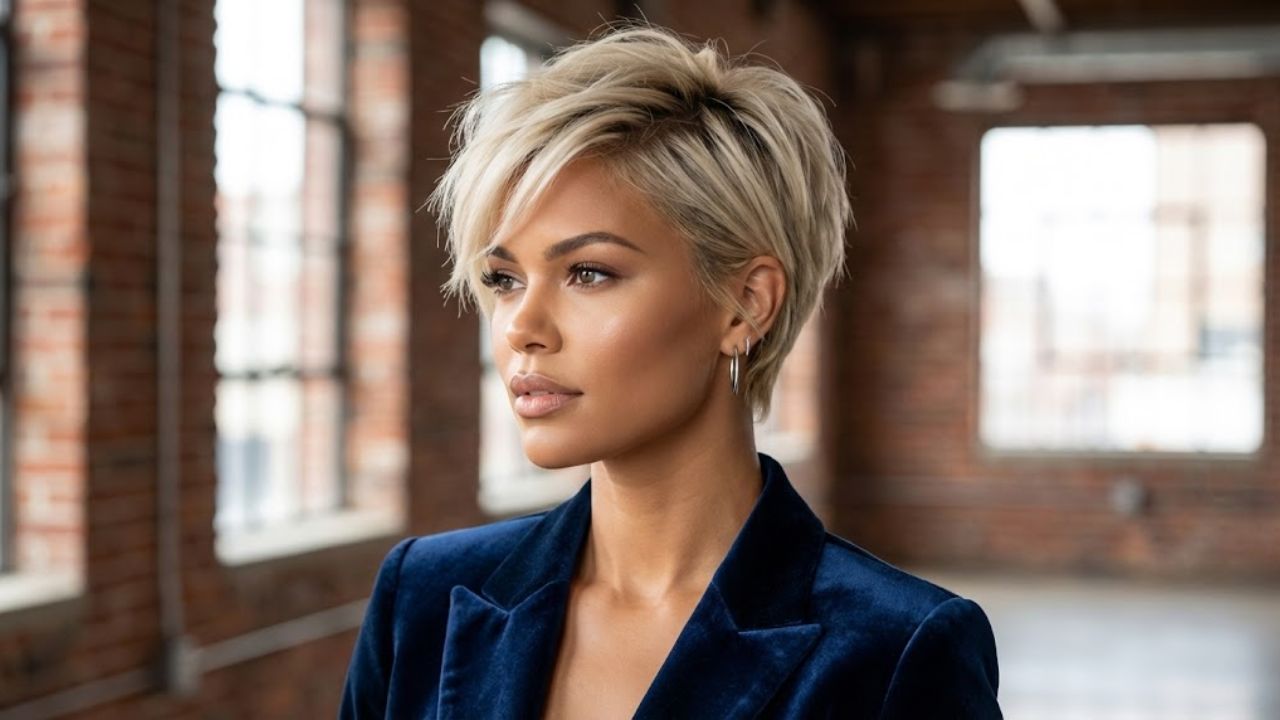
    A pixie cut is often associated with an ultra-short crop, but it doesn’t have to be that way. Whether you’re intentionally keeping extra length or growing out a micro cut, a longer pixie offers flexibility and personality. With the right inspiration, this style can feel modern, flattering, and easy to wear.

    “The long pixie is a relaxed twist on the classic pixie cut,” explains hairstylist Amber Maynard Bolt. “It stays short at the back and sides but allows more length through the top or fringe. This makes it a lower-maintenance option while still feeling fresh. It’s also perfect for anyone who usually wears their pixie shorter and wants a subtle change.”

    Bolt adds that long pixie cuts work beautifully across all hair types and textures, with endless styling possibilities.

    “Anyone can pull off a long pixie,” agrees stylist Matthew Collins. “The key is tailoring the cut to your hair texture and face shape.” Below, Bolt, Collins, and celebrity hairstylist Andrew Fitzsimons share their expert insight and styling inspiration.

    Meet the Experts

    • Amber Maynard Bolt: Hairstylist, co-owner of Weho Hair Salon, and K18 ambassador
    • Matthew Collins: Celebrity stylist and Dyson global styling ambassador
    • Andrew Fitzsimons: Celebrity hairstylist and founder of Andrew Fitzsimons Haircare

    Longer pixie cuts have been a staple since the mod era of the 1960s, famously worn by Twiggy. Today, the look remains just as relevant, with stars like Emma Stone, Taraji P. Henson, and Michelle Williams embracing the style.

    Pinned-Up Curls

    Quinta Brunson’s Betty Boop–inspired pixie delivers pure vintage charm. A deep side part paired with a soft kiss curl creates a look that’s easy for everyday wear yet elegant enough for formal events. A strong-hold pomade helps achieve smooth, defined waves.

    The Modern Bixie

    Rowan Blanchard’s feathered cut blends the best of a bob and a pixie. Known as the trendy “bixie,” this style benefits from healthy strands, making a bond-repair mask a smart addition to your routine.

    Old Hollywood Glam

    Halle Berry’s side-swept pixie with soft finger waves channels classic glamour. According to Collins, longer pixies paired with sweeping bangs are a creative way to elevate the look with timeless elegance.

    Textured Waves

    Teyana Taylor’s wavy pixie proves how texture can transform a short cut. Subtle waves add dimension, while soft curls around the forehead balance strong facial features.

    Wispy Fringe

    Kris Jenner’s signature pixie stands out thanks to its structure and delicate details. The cut stays full through the crown and sides, finished with light, side-swept bangs for softness.

    Braided Accents

    Danai Gurira elevates her longer pixie with intricate braids styled along the hairline. This protective and elegant approach creates a striking red carpet effect.

    Shaggy Layers

    Naomi Scott’s shag-inspired pixie removes bulk while adding movement. Short, choppy layers lighten thick hair, while lash-grazing bangs draw attention to the eyes.

    Sleek Side Sweep

    Janelle Monáe’s side-parted pixie feels polished yet effortless. Styling longer layers into soft waves creates a universally flattering look across hair textures.

    Micro Bangs

    Greta Lee’s pixie is transformed with a piecey micro fringe that gives off a chic, French-inspired vibe. Collins suggests using a thickening mousse or matte paste to add grit and hold, especially for fine hair.

    Micro bangs suit a wide range of face shapes, including oval, round, square, heart, and diamond, as long as the length and texture are personalized.

    Curly Crop

    Logan Browning’s longer pixie celebrates natural curls. Loose tendrils at the front frame the face and mimic the effect of bangs without a full commitment.

    Soft Retro Waves

    Halsey’s wavy pixie features curled ends that add depth and a subtle retro feel. The style strikes a balance between soft elegance and edgy attitude.

    Undercut Edge

    Taraji P. Henson combines a longer pixie with an undercut for a bold yet refined finish. Warm highlights enhance dimension and showcase the cut’s structure.

    Wet and Tousled

    Tyla’s deep side part and layered waves demonstrate how a longer pixie can feel dramatic without high maintenance. Fitzsimons notes that this style is ideal for creative, low-effort looks.

    While longer pixies are generally easy to maintain, keeping the shape requires regular trims every four to six weeks.

    Platinum Pixie

    Michelle Williams’ iconic longer pixie remains a go-to reference. Leaving extra length at the front allows you to create the illusion of bangs with minimal effort.

    Natural Length

    Viola Davis embraces her natural texture in a longer pixie that visually elongates the face. This makes it a strong option for balancing rounder face shapes.

    Lash-Length Bangs

    Demi Lovato’s pixie uses long bangs to frame the face beautifully. Pulling side pieces back keeps the look fresh and youthful.

    Silver Shag

    Cara Delevingne’s layered pixie paired with silver tones creates a standout shag. The result is low-maintenance, versatile, and event-ready.

    Vintage Side Waves

    Evan Rachel Wood adds a retro touch with sculpted side waves. Darker roots against blonde lengths enhance depth and seasonal balance.

    Piecey Texture

    Kerry Washington’s pixie shines with textured, side-swept bangs. Requesting longer pieces helps achieve a similar playful, layered finish.

    Braided Details

    Julianne Hough incorporates braid-like accents along the hairline, adding visual interest and volume to her longer pixie.

    Deep Side Part

    Gabrielle Union’s side-parted pixie adds fullness and a modern asymmetrical edge, making it ideal for thicker hair textures.

    Swept-Back Ease

    Maggie Gyllenhaal’s partially slicked-back pixie keeps movement intact for a casual, effortless look.

    Pink Statement

    Nicole Richie’s hot pink pixie proves that bold color can elevate undone layers with instant personality and depth.

    Tousled Bangs

    Robin Wright’s longer pixie uses front layers as bangs for subtle dimension. This style is especially suitable for naturally straight hair with minimal styling time.

    Gray Confidence

    Jamie Lee Curtis embraces her silver strands with textured bangs and crown volume. It’s a powerful example of aging confidently while staying modern.

    Soft Volume

    Storm Reid’s longer pixie blends structure with romance. Loose waves at the crown contrast beautifully with shorter sides.

    Sleek and Straight

    Eva Chen’s straight, polished pixie highlights clean lines. Jaw-length cuts are especially flattering for diamond and oblong face shapes.

    Platinum Polish

    Iris Law’s fine hair gains body with volumizing products. Bolt recommends starting with a thickening spray for lift and structure.

    Defined Curls

    Ruth Negga’s longer pixie embraces natural curls for effortless volume. Enhancing texture with a curl cream helps define each spiral.

  • No Gym No Problem The Essential Equipment You Need to Create an Effective Home Workout Space

    No Gym No Problem The Essential Equipment You Need to Create an Effective Home Workout Space

    Enhance lower-body strength and effectively activate the glutes with the MY Fitness Glute Bands 3 Pack. This set includes three resistance levels, making it suitable for squats, lateral walks, hip thrusts, and mobility exercises. Lightweight and compact, these latex bands are easy to include in warm-ups or complete workout routines. They support muscle isolation, improve movement control, and are ideal for progressive training, rehabilitation, or increasing intensity in everyday workouts.

    MY Fitness Ab Roller for Core Stability

    Develop a stronger core and better control with the MY Fitness Ab Roller. Designed to activate abdominal muscles through controlled rolling motions, it helps improve stability and endurance across the midsection. The textured wheel provides reliable grip on different surfaces, while ergonomic handles support proper alignment and form. Suitable for slow, focused repetitions, it challenges both beginners and experienced users.

    MY Fitness Adjustable Grip Strengthener

    Increase hand and forearm strength with the MY Fitness Adjustable Grip Strengthener. Featuring a non-slip handle and adjustable resistance ranging from 10–40kg, it suits users from beginners to advanced athletes. Ideal for injury recovery, sports performance, or everyday strength improvement, this compact tool fits easily into any routine. Its ergonomic design ensures comfort and consistent control with each squeeze.

    MY Fitness Pro Balance Ball for Dynamic Training

    The MY Fitness Pro Balance Ball supports dynamic movement and effective core engagement. It can be used to challenge stability during strength training, enhance stretches in yoga or Pilates, or assist with rehabilitation exercises. With an anti-burst design and generous size, it is suitable for seated movements, planks, bridges, and more. This versatile tool helps improve coordination, posture, and controlled movement by activating often-overlooked muscles.

    MY Fitness Pilates Ring for Targeted Resistance

    Improve muscle control and target hard-to-reach areas using the MY Fitness Pilates Ring. Designed to add resistance to low-impact exercises, it is ideal for inner thigh work, shoulder presses, and core activation. The padded handles provide comfort and grip, while the flexible frame supports proper alignment and muscle engagement. A compact addition that brings precision and challenge to Pilates, barre, and rehabilitation routines.

    MY Fitness Yoga Pro Mat Blue 5mm

    The MY Fitness Yoga Pro Mat delivers a stable and cushioned base for yoga, Pilates, and floor-based workouts. Its 5mm thickness helps protect joints during poses and transitions, while the textured surface enhances grip and control. Lightweight and easy to roll, it supports smooth movement and focused practice, making it equally suitable for core exercises, stretching, and bodyweight training.

    Important Usage Information

    Always read the label and use only as directed. If symptoms persist, consult your healthcare professional. If experiencing cold or flu symptoms, remain at home and contact Healthline on 0800 358 5453 for guidance. Vitamins and minerals are intended to supplement, not replace, a balanced diet. Weight management products should be used alongside a balanced diet and regular exercise.

  • Hairstyles after 60: Why Professional Stylists Say This Modern Cut Looks Younger Than Traditional Ageing Haircuts

    Hairstyles after 60: Why Professional Stylists Say This Modern Cut Looks Younger Than Traditional Ageing Haircuts

    The woman sitting in the salon chair carried a familiar expression — a mix of anticipation and restrained fear. At sixty-two, silver roots visible, she pressed her lips together as the stylist lifted hair weighed down by years of home coloring and hesitant trims. Around her, younger women scrolled on their phones, their hair sleek and polished. She watched them briefly in the mirror, then returned to her own reflection, almost startled.

    “I don’t want to look younger,” she said, hesitating. “Well… maybe I do. Just not absurd.”

    The stylist smiled, already outlining an invisible frame along her jaw. Scissors caught the light. Blow-dryers murmured nearby. The atmosphere shifted — subtle, but unmistakable, like the start of a quiet act of defiance.

    When the first section dropped minutes later, heads turned. Because this is the haircut that makes professionals murmur: this is the most youthful look after 60.

    The most youthful haircut after 60 isn’t what you expect

    Ask a few women over 60 what a “young” hairstyle looks like, and many will picture long, flowing hair. It’s an image borrowed from old shampoo commercials. Yet behind the scenes, many hairstylists agree on something else entirely.

    Again and again, they point to a modern, softly textured bob — sometimes grazing the chin, sometimes resting near the collarbone. It isn’t sharp or rigid. It moves, frames the face gently, and avoids that helmet-like finish.

    This cut doesn’t shout effort. Instead, it quietly lifts everything — the jawline, cheekbones, even posture. That’s why professionals often call it the most youthful haircut after 60, no matter your wrinkles, weight, or clothing style.

    Why stylists keep recommending the modern bob

    A London stylist once described a client, 68, who had kept the same below-shoulder layers since the 1980s. Her hair had thinned and lost its shape, yet she clung to the length because she believed long hair meant youth.

    They settled on a compromise: a relaxed, jaw-length bob with soft texture and a side part. It didn’t look dramatic — just lighter, cleaner, more defined.

    When she returned weeks later, she was puzzled. Colleagues asked if she’d done something to her face. Her granddaughter said she looked like she did in “old photos.” People noticed the change without identifying the haircut. And that is exactly what a well-executed bob after 60 is meant to do.

    Why this haircut works so well after 60

    As we age, hair density often decreases, particularly around the temples and parting. Long, heavy lengths pull that thinning hair downward, making the face appear tired.

    A modern bob shortens visual lines and redirects attention toward the eyes and cheekbones instead of the ends. Subtle layering or a gentle undercut at the nape adds lift without relying on stiff products.

    With soft face-framing pieces or a light fringe, forehead lines blur and jaw angles soften — no procedures required. The effect is understated but powerful: more freshness, more presence, more life.

    How to ask for the youthful bob — and actually get it

    The result isn’t about simply requesting a bob. It’s about tailoring it to your hair texture and daily routine. Skip vague terms like “trendy” or “chic.” Bring a few photos of women close to your age whose hair you genuinely admire.

    Be clear about length — at the jaw, just below the chin, or brushing the collarbone. Ask for softness and movement, not a blunt, schoolgirl finish. And be honest about how much time you want to spend styling each morning.

    The most youthful bob after 60 isn’t identical for everyone. It’s the one that fits your life without constant struggle.

    The fear behind going shorter

    Many women quietly admit that cutting hair shorter after 60 feels like giving in. There’s a fear that a bob signals the beginning of the “old lady haircut.” That fear keeps tired lengths hanging on far too long.

    If your stomach tightens when the scissors appear, it doesn’t mean you’re vain — it means you’re human. Take it gradually. Reduce the length over a few appointments. Adjust, observe, refine.

    A stylist’s truth about youth and hair

    Hair at this stage carries emotional weight — stories of change, loss, renewal, and growth. In that setting, a bob is more than a style. It’s often a quiet declaration.

    Making the transition easier

    • Shorten the length gradually toward the jaw or collarbone
    • Add subtle layers for movement, not rigid volume
    • Lighten color slightly, avoiding flat, heavy tones
    • Shift the part just off-center for a softer effect
    • Test a light fringe before committing fully

    Living with your new haircut every day

    Gently towel-dry, apply a small amount of lightweight product to the mid-lengths and ends, and rough-dry with your fingers. Use a round brush only at the front to open the face. Five to eight minutes is enough.

    The secret lies in controlled imperfection. Slightly undone ends feel fresher than rigid styling. Movement suggests energy, not effort.

    Common mistakes to avoid

    Many women fall into two traps. One is trying to recreate the salon blow-dry every day and feeling defeated. The other is letting the cut grow into an undefined in-between stage that drags the face down again.

    Think of the bob as a living shape. Small tweaks matter more than big changes. A quick bend with a brush, a single pass of a flat iron, or a touch of root spray can revive it in seconds.

    The mindset shift stylists notice most

    As one Italian stylist put it, “The real glow-up happens when a woman stops apologizing for her age and starts choosing hair that matches her energy.”

    A haircut that respects age and bends the rules

    This modern bob sits comfortably in that space. You aren’t trying to look 40. You’re choosing a shape that brightens your expression, works with grey instead of fighting it, and fits your real routine.

    Key points to remember

    • Ideal length: Between jaw and collarbone with soft edges
    • Texture: Light layering and gentle movement for freshness
    • Maintenance: Trims every 6–8 weeks with 5–10 minutes of styling