Author: admin

  • Fix Scratches on Glass Cooktops Quickly at Home Without Replacement

    Fix Scratches on Glass Cooktops Quickly at Home Without Replacement

    The first time you notice it your heart sinks. That shiny black glass cooktop you used to love now has a pale jagged scratch running across it. Perhaps it appeared when you moved a heavy pot too quickly or when a tiny grain of salt got stuck under a pan. The scratch is small but every time you enter the kitchen you spot it immediately. When you touch the surface you can feel the rough edge. You begin to worry that the damage is permanent and wonder if you need to replace the entire cooktop or simply accept the flaw.

    Why Scratches Appear on Glass Cooktops (Even With Careful Use)

    Glass cooktops look smooth, modern, and almost unbreakable—like a dark, glossy surface that can handle daily cooking without trouble. In reality, the glass is more sensitive than it appears. Tiny abrasions can form even when you’re careful. Sliding a heavy pot, a grain of salt trapped under cookware, or a cast-iron pan with a rough base can all quietly mark the surface. Often, the scratch isn’t noticed right away. It shows up later while cleaning, bringing that familiar mix of irritation and regret. The important thing to know is that many of these scratches are not permanent and can often be reduced with gentle care.

    Understanding the Scratch: How Serious Is It?

    Before trying to fix anything, it helps to understand what kind of scratch you’re dealing with. Look at the cooktop under bright light and from different angles. If the scratch appears only at certain angles and your fingernail doesn’t catch on it, it’s likely a light surface mark. These are usually the easiest to improve. If your nail catches slightly, the scratch may still be manageable. Deep grooves that clearly catch your nail are more serious and can’t be fully removed at home. Thinking of scratches in levels—light haze, visible lines, and deep grooves—helps you choose the right approach and set realistic expectations.

    Preparing the Right Tools: Gentle, Not Aggressive

    Start by cleaning the cooktop thoroughly so no grease or debris interferes with the repair. Use a soft cloth and a cooktop-safe cleaner, then dry the surface completely. For polishing, choose mild options only. Baking soda paste, non-gel toothpaste, ceramic cooktop cream, or a glass polishing compound are all suitable for light to medium scratches. These products work by gently smoothing the surface rather than grinding it down. Always use a soft microfiber cloth and avoid harsh sponges, steel wool, or anything gritty that could add new scratches.

    At-Home Methods That Can Reduce Scratches

    Begin by testing your chosen method on a small, hidden area. If the finish remains clear, move on to the scratch. For light scratches, apply baking soda paste or toothpaste and rub gently in small circles. Wipe clean, check progress, and repeat if needed. For more visible scratches, ceramic cooktop cream or glass polishing compound often works better. Apply with light pressure and patience, letting the product do the work. Deep scratches won’t disappear, but careful polishing can soften their appearance and make them far less noticeable.

    Finishing the Surface After Polishing

    Once the scratch looks improved, clean the area again to remove residue. Many people like to finish with a cooktop cleaner that leaves a light protective shine. Buff gently with a dry microfiber cloth until the surface reflects evenly. The scratch may still exist faintly, but it usually fades into the background rather than standing out.

    Method Used Most Effective For Main Advantages Possible Drawbacks
    Baking Soda Paste Minor surface marks and dull patches Low cost, easily available at home, gentle on glass Not effective for deep or clearly visible scratches
    Non-Gel Toothpaste Light but noticeable scratches Simple application, mild abrasive helps polish glass Needs repeated attempts for visible results
    Cooktop Polishing Cream Light to moderate scratch damage Specifically made for glass cooktops, restores shine safely More expensive than basic household options
    Glass Polishing Compound Multiple or stubborn scratch marks Stronger polishing power, better visible improvement Requires careful use to prevent surface damage

    How to Prevent Future Scratches on Your Cooktop

    Prevention is mostly about changing small habits. Lift cookware instead of sliding it. Wipe the bottoms of pots and pans before placing them on the glass. Clean spills—especially sugar or salt—before cooking again. Avoid storing heavy or rough cookware directly on the cooktop. If you use protective mats or covers, make sure they are designed specifically for glass cooktops and safe for heat.

    When Repair Isn’t Enough and Replacement Is Safer

    If a scratch looks more like a crack, spreads over time, or feels deeply gouged, it’s best to stop and seek professional advice. Structural damage can affect how the glass handles heat and may become a safety issue. However, most everyday scratches are cosmetic and don’t require replacement. With gentle methods and patience, you can restore much of the cooktop’s smooth appearance and continue using it with confidence.

    Final Thoughts on Caring for a Glass Cooktop

    A glass cooktop is both practical and reflective, showing signs of daily cooking life over time. Scratches don’t always mean failure or neglect—they’re often just part of regular use. Learning how to soften or reduce them helps keep your kitchen looking calm and cared for. More importantly, it builds confidence in maintaining your appliance without panic, allowing you to focus on cooking rather than worrying about every small mark.


  • The Haircut Trends Expected to Define This Year Across Salons Worldwide

    The Haircut Trends Expected to Define This Year Across Salons Worldwide

    Between over-the-top New Year’s resolutions and hyper-specific “in and out” lists, annual trend forecasts remain my quiet indulgence. While it’s essential to acknowledge the impact of fleeting micro-trends on both personal style and the environment, trends still offer a revealing snapshot of where culture is heading.

    I recently explored how Pinterest’s “poetcore” prediction reflects a growing desire to disconnect from screens and reconnect with the physical world. In another piece, FJ senior editor Lara Daly examined fragrance trends, drawing a link between scent and the Lunar New Year, noting a shift away from vanilla toward richer, more expressive notes.

    For more haircare reviews, visit our Beauty section.

    What’s Next for Hair in 2026?

    When it comes to hair, opinions are divided. Will the bob haircut continue its reign? Has the Sabrina Carpenter blowout peaked? Trend forecasts aren’t strict rules—the best haircut is always the one you love. Still, for those curious about what’s ahead, I spoke with four hairdressers to uncover the haircut trends expected to shape 2026.

    A Spotlight on the Fringe

    Tara-Lee Mitchell, founder of Melbourne salon Mitch Studio, believes 2026 will belong to the fringe. “We’ve seen variations recently, but the modern fringe is set to be shorter, bolder, and more adventurous,” she explains. “Think sexy, Gucci-inspired hair.”

    For reference, Tara points to Dakota Johnson in Materialists for a long, blunt fringe, and Odessa A’zion for those with curly or wavy textures. “A fringe instantly refreshes your look,” she says. “It’s also perfect for adding shape while growing your hair—just make sure your stylist works with your natural texture.”

    The Rise of the Grown-In Side Fringe

    Remi Jeffers, cutting educator at Edwards and Co, predicts a comeback for the grown-in side fringe. This look features long, softly blended side bangs that fall between the cheekbone and jaw, offering shape without long-term commitment.

    “Ask for long side bangs that flow seamlessly into face-framing layers,” Remi advises. “It’s flattering, low-maintenance, and perfectly suited to 2026’s relaxed beauty mindset.”

    Why Scandi Bangs Aren’t Going Anywhere

    Supporting both Tara and Remi, Edwards and Co founder Jaye Edwards sees Scandi bangs maintaining their popularity. “They’re the easiest way to refresh your look with minimal commitment,” he says. “Soft, wispy, and feather-light, they’re slightly shorter in the centre to highlight the eyes and cheekbones.”

    Jaye recommends requesting airy, face-framing bangs that blend naturally into the haircut rather than anything heavy. “They’re incredibly versatile—wear them softly parted for a clean Scandi feel or tousled for a more undone, French-girl aesthetic.”

    The Return of Long, Feminine Hair

    Becc Snow, hairstylist and founder of Melbourne salon Alchemy, views 2026 as a shift away from rigid gender norms in beauty. “In recent years, many women and femme-presenting people embraced more masculine styles to reclaim control over how they’re perceived,” Becc explains.

    “Now, I see a move back toward embracing femininity, with longer, whimsical hairstyles paired with bangs.” She also predicts a strong comeback for hair extensions.

    Pixie, Bixie, or Somewhere in Between

    At the opposite end of the spectrum, Becc also expects a surge in shorter cuts. “I think this will be the year of the femme pixie crop—opening up the face and not hiding behind hair,” she says.

    Remi adds that the bixie bob—a blend of a bob and a pixie—will gain traction. “Falling between the jaw and collarbone, it combines structure with light texture through the ends. It’s shorter and more directional than a classic bob but softer than a pixie, delivering movement, shape, and edge without severity.”

    To achieve this look, Remi suggests asking for a precise bob length with soft internal layering and a subtle pixie-inspired texture around the perimeter. “What I love most is how effortlessly cool it feels.”

  • Barbara Sturm Shares Beauty Philosophy Skincare Secrets and Her Influential London Network

    Barbara Sturm Shares Beauty Philosophy Skincare Secrets and Her Influential London Network

    Barbara Sturm began her career as a medical doctor before shifting her focus to skincare, applying a deeply clinical and scientific approach to the beauty world. Initially known only within beauty editor circles and an elite celebrity clientele, her reputation expanded in the early 2000s with the rise of her now-legendary blood plasma facial. In 2002, the treatment—later widely referred to as the “Vampire Facial”—captured global attention. This was followed by MC1, a prescription-only cream created from a patient’s own plasma. Offered exclusively through consultation and accompanied by extensive waiting lists, it introduced a new level of exclusivity to skincare.

    Today, her globally recognised skincare range—founded on the principle that inflammation, not ageing, is the true enemy of healthy skin—is trusted by skincare enthusiasts and high-profile figures around the world.

    As the festive season wrapped up, we caught up to discuss beauty inspirations, skincare routines, and the places that bring her joy.

    Barbara Sturm London Spa & Boutique

    Located on Mount Street, this destination is considered an essential stop for skincare devotees.

    A Cozy Holiday at Home

    I recently spent the Christmas period at home in the mountains, surrounded by family and close friends. We enjoy a calm, cozy, and relaxed Christmas, filled with good food, baking with my daughters, and plenty of time outdoors walking the dogs and skiing.

    From Medicine to Skincare Innovation

    My journey into beauty was unconventional. With a background in medicine and molecular orthopedics, I struggled to find products that addressed my own skin concerns—dryness, congestion, and irritation. When nothing worked, I decided to create solutions myself. I applied my scientific expertise to develop skincare initially for personal use and for my patients, focusing on reducing inflammation, strengthening the skin barrier, and supporting the microbiome.

    Beauty Icons and Personal Philosophy

    My mother has always been my ultimate beauty icon. She rarely wore makeup, yet her skin constantly glowed. Her beauty felt effortless and authentic, rooted in confidence, individuality, and inner strength. To me, true beauty comes from inner peace and happiness, supported by a balanced lifestyle, an anti-inflammatory diet, quality sleep, daily movement, and consistent self-care.

    A Career Milestone

    One of my proudest professional moments was when David Olsen, then Vice President of Beauty at Net-a-Porter, introduced my products to the platform. At that time, beauty was rarely sold by online fashion retailers, making it a defining milestone in my career. I remain deeply grateful for that opportunity.

    Dr. Sturm’s Essential Beauty & Wellness Picks

    • Dr. Barbara Sturm Everything Hydrogel Masks (£125 for 8, en.drsturm.com)
    • Gold Oura Ring (£499, ouraring.com)
    • HigherDOSE Full Body Red Light Mat (£1,159.00, cultbeauty.co.uk)

    Daily Non-Negotiables

    The beauty and wellness products I can’t live without include my Everything Hydrogel Masks, which deliver hydration, brightness, firmness, smoothness, and soothing benefits for an instantly refreshed glow. I regularly use a red light bed to encourage skin regeneration, reduce inflammation, and support cellular energy as part of my recovery and skin health routine. My Oura Ring helps monitor sleep quality and recovery, keeping me accountable and optimising my rest patterns.

  • Restore Shine to Dirty Tiles and Grout Quickly Using Easy Natural Methods

    Restore Shine to Dirty Tiles and Grout Quickly Using Easy Natural Methods

    The tiles beneath your feet hold more history than you might realize. They have absorbed years of wet footprints and muddy paw prints along with spills from rushed morning meals and dust that settles after long days. One day you look down and notice the floor that used to be bright now appears worn out. The grout lines that were once clean & light have become dark borders that make the entire room seem lifeless. You drag a finger across a grout line and it leaves a gray mark. It is not a major problem but it makes your home feel less inviting. The thought of using strong chemical cleaners with rubber gloves and harsh fumes seems as tiring as dealing with the dirt itself. However it does not need to be that way. Using a few natural ingredients & some effort you can bring back that brightness without much trouble.

    The Moment You Notice the Dullness

    It often starts with a single ray of light. The afternoon sun slants across your kitchen and suddenly every streak and speck becomes visible. You see dull spots where there used to be a glossy reflective surface. The grout lines between tiles look darker as if they’re swallowing the light instead of reflecting it. You crouch for a closer look. Near the stove you notice a faint ring from an old sauce spill. By the door there’s a gritty trail from shoes that came in on a rainy day. You hadn’t noticed the gradual shift or the way dirt & grime layered themselves over time. You just saw the slow fade of shine and the subtle way a bright room can go a little flat. There’s an instinctive urge to scrub and fix it right now. But you hesitate. The strong chemical smell from store-bought tile cleaners lingers in your memory. You picture harsh sprays fogging the air with your eyes stinging and your throat scratching. That strange artificial scent somehow smells both clean and completely unnatural. You’d rather open the windows and pull on comfortable clothes. You want to reach for something gentler that you can mix in a simple bowl on your kitchen counter.

    The Quiet Power of Simple Natural Ingredients

    Natural cleaning can be just as effective as chemical products. The key is combining the right ingredients with warm water and a soft brush while giving them enough time to work. These gentle cleaning agents are convenient because most of them are already in your home. You can find them in your pantry or under your kitchen sink ready to use whenever you need them. The effectiveness comes from understanding how these natural substances interact with dirt and grime. They may work more slowly than harsh chemicals but they get the job done without releasing toxic fumes or leaving harmful residues behind. This makes them safer for your family and pets while still maintaining a clean home environment.

    Baking Soda: The Soft Grit That Listens to Your Hands

    Baking soda has a texture that feels soft and powdery when you touch it. If you rub it between your fingers it seems almost silky but still has a slight grittiness to it. When you use it on tile and grout it works as a mild scrubbing agent. It has enough roughness to remove dirt and grime but it won’t damage the surface underneath. Instead of stripping away material it gently lifts away the mess.

    Vinegar: The Sharp, Efficient Restorer

    Vinegar has a sharp smell that hits you as soon as you open the bottle. When you use it for cleaning it works in a straightforward way. Mix it with warm water & it removes soap scum and water spots along with the daily buildup that makes tiles look dull. It works particularly well on ceramic & porcelain tiles that have developed a cloudy layer. When you combine vinegar with baking soda on grout lines you get a fizzing reaction. The bubbles form & break down while pulling dirt out of small spaces. It seems almost magical but it’s really just basic chemistry using common household items to clean your floors effectively.

    Lemon, Soap, and Salt: The Supporting Cast

    Sometimes you need a cleaning routine that fills your space with fresh & lively scents. Lemon juice brings the smell of sunshine and fresh air into your home. When you rub a cut lemon across dirty tile edges it leaves a clean citrus scent behind while its natural acids work to break down stains and mineral buildup. Adding castile soap or a gentle dish soap helps the mixture spread smoothly across surfaces and breaks down greasy spots to make mopping simpler. For those extra tough stains you can add a small amount of fine salt to boost your scrubbing power. The tiny grains work like little helpers that gently wear away the marks left behind from daily use.

    A Simple Natural Routine That Brings Back the Shine

    Picture this: the windows are open, soft light comes through a basin of warm water sits on the counter and a small group of ingredients waits beside it. Restoring tile doesn’t need to be difficult. It can feel like caring for a surface that has served you quietly for years.

    Step 1: Clear, Sweep, and Breathe

    Begin by clearing the floor. Pull back chairs and lift rugs. Move small baskets and bins aside. As the space opens you get a clearer view of every tile and every line of grout. Then sweep with slow strokes. Listen to the gentle sound of bristles moving dust and crumbs into small piles. When you’ve swept and maybe run a dry mop over the surface the room already feels lighter and more orderly.

    Step 2: Mix a Quick Everyday Tile-Shine Solution

    Ingredient Amount Purpose
    Warm water 2 liters (about 8 cups) Base for dissolving dirt and spreading cleaner
    White vinegar* 1/2 cup Cuts residue, restores shine
    Liquid castile or mild dish soap 1–2 teaspoons Lifts grease and everyday grime
    Optional: a few drops of essential oil 3–5 drops Adds a gentle, pleasant scent

    Step 3: Focused Grout Revival with Baking Soda and Vinegar

    Speed does not have to mean aggression. Quick & natural methods can deliver visible results in a single afternoon without leaving your home smelling like a laboratory. The secret lies in understanding what your tiles and grout actually need and what they cannot stand. Most people assume that harsh chemicals are the only way to achieve fast cleaning results.

    Matching Method to Material

    Not all tiles are the same & giving them the right kind of care matters for keeping them in good condition. Ceramic and porcelain tiles are the easiest to maintain. You can safely use vinegar-and-water solutions or baking soda paste or mild soap on these surfaces. Natural stone tiles like marble or slate or travertine or limestone need more careful handling. Acidic cleaners such as vinegar and lemon can damage the surface and create dull spots that are difficult to fix. For stone tiles stick to warm water with a small amount of gentle pH-neutral soap and use microfiber cloths or mops. Glazed tiles have a protective glassy coating while unglazed tiles are more porous. Avoid harsh scrubbing on unglazed tiles and make sure to rinse all surfaces thoroughly after cleaning. When you are unsure about a cleaning method test it on a small hidden area first. This simple step helps you avoid damaging your tiles.

    Keeping the Shine Alive with Gentle Habits

    Once the tiles are gleaming and the grout looks clean again the room feels different. Light bounces around more easily and colors in the room appear more accurate. This is not just about cleanliness but about how a bright floor makes a space feel more alive. The transformation goes beyond surface level improvements. A freshly cleaned floor changes the entire atmosphere of the room. Everything seems more inviting & the space feels larger than before. The renewed appearance creates a sense of order that affects how you experience the entire area.

    Small Daily and Weekly Rituals

    Keeping your floors looking good does not require scrubbing every weekend. Think of it as taking care of a small garden with regular and simple work. Stop dirt at the door by placing a doormat on both sides of entry doors. Walking on these mats removes tiny rocks & dirt that could scratch or damage your tiles. Use a dry mop or broom regularly to pick up dust before it gets stuck in the grout lines. A soft broom or microfiber mop works well for quick cleaning. Clean up spills right away when they happen. If you drop sauce or spill coffee just wipe it up within a few minutes. The less time liquid sits on the floor the lower the chance it will leave a stain. Do a light mopping once a week using warm water with a small amount of mild soap. This is usually all you need. Only use vinegar when you notice buildup forming rather than using it every time. Let fresh air in while you clean. Opening windows helps the floor dry faster and makes the room feel more comfortable.

    A Soft Finish: Buffing by Hand

    There is something quietly satisfying about the final step. After you finish mopping and cleaning the grout and the floor has mostly dried in the air you should take a clean and dry microfiber cloth or flat mop & move it lightly across the tiles. This simple buffing step removes the last drops of moisture and any faint streaks that remain. Under your hand the floor transforms from just clean to softly gleaming. You notice how the light from a lamp now travels across several tiles before breaking. You see the faint reflection of a chair leg and the outline of a plant pot mirrored gently in the floor. These are small things but they alter how a room feels in a way that is a bit like opening curtains in your mind.

    When Cleaning Becomes a Conversation with Your Home

    Restoring the shine to dirty tiles & dim grout lines goes beyond just making things look better. It connects you to the surfaces that support you daily. You kneel and scrub and rinse while remembering dinners and spills and moving days and muddy seasons. Dirt tells a story but so does the act of clearing it away. Natural methods fit into that story without disruption. There are no harsh chemical fogs and no aching throat from fumes. Just warm water and grainy baking soda and bright citrus & the soft slide of vinegar across dull ceramic. Your skin stays comfortable and the air remains breathable. Pets wander through the room without any danger. The transformation happens surprisingly fast. An afternoon or even an hour for a small space can make an obvious difference. The room becomes lighter and your mood lifts with it. You see clean grout like fresh lines in a sketch and tiles shining like they did when the room was new. You accomplished this with simple tools that care for your home without damaging it. The next time sunlight crosses your floor it will meet a surface ready to reflect it back into the room. You will feel that small quiet satisfaction of knowing you did more than scrub a floor. You gave part of your home its light back.

  • Managing Hair Loss With Guidance From Prof Caitriona Ryan

    Managing Hair Loss With Guidance From Prof Caitriona Ryan

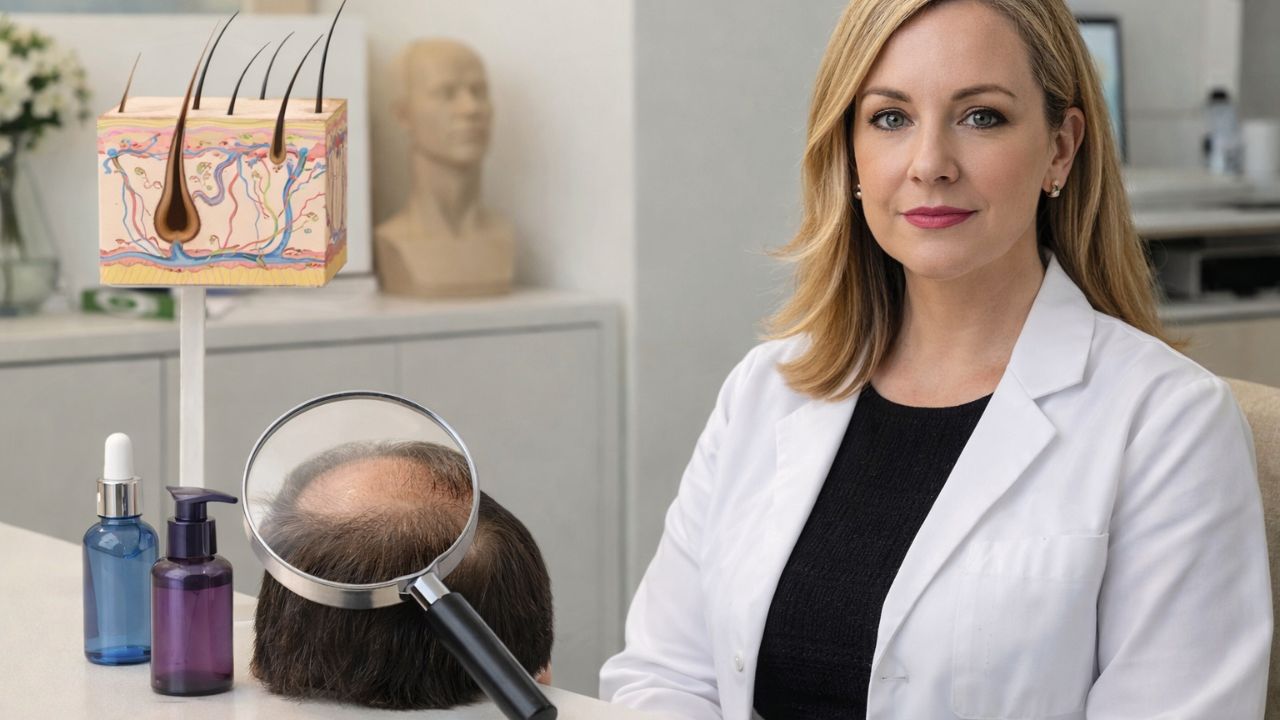
    Hair loss can feel deeply personal, affecting confidence, identity, and daily life in ways many people don’t expect. Across Ireland, growing awareness and improved access to specialist care have helped shift the conversation from quick fixes to evidence-based solutions. Managing hair loss with guidance from Prof Caitriona Ryan focuses on understanding why hair loss happens, how it progresses, and which treatments are genuinely effective. Rather than relying on trends or unverified advice, her approach emphasizes medical insight, realistic expectations, and long-term scalp health, helping individuals make informed decisions tailored to their unique hair loss journey.

    Understanding Hair Loss Causes With Prof Caitriona Ryan

    One of the first steps in effective hair loss care is identifying the underlying cause, something Prof Caitriona Ryan strongly emphasizes in her clinical work. Hair loss can stem from genetics, hormonal changes, autoimmune conditions, stress, or nutritional deficiencies, and each requires a different approach. A thorough assessment allows patients to avoid wasted time and ineffective products. By focusing on accurate diagnosis, patients gain clarity on what’s actually happening beneath the scalp. This method supports individual treatment planning, encourages realistic expectations, and helps prevent unnecessary interventions. Most importantly, it promotes early professional assessment, which can significantly improve long-term outcomes.

    Evidence-Based Hair Loss Treatments Explained Clearly

    Managing hair loss with guidance from Prof Caitriona Ryan means prioritizing treatments backed by clinical research rather than marketing claims. Options may include topical therapies, oral medications, medical devices, or procedural interventions, depending on the diagnosis. Patients are guided through benefits, limitations, and timelines so they understand what improvement realistically looks like. This transparent process supports science-backed options while avoiding overpromising results. It also helps patients commit to treatment consistency, understand possible side effects, and focus on long-term management rather than short-term cosmetic fixes.

    Long-Term Hair Health Strategies From Prof Caitriona Ryan

    Beyond treatments, Prof Caitriona Ryan highlights the importance of maintaining scalp and hair health over time. Hair loss management doesn’t end once shedding slows; it requires ongoing monitoring and lifestyle awareness. Factors such as stress, diet, and hair care practices can influence results and should be addressed alongside medical treatment. This holistic view encourages ongoing medical follow-up, supports healthy scalp habits, and reinforces patient education. By focusing on sustainable care routines and preventive strategies, patients are better equipped to protect their results and respond early if changes occur.

    Expert Perspective on Managing Hair Loss Effectively

    Managing hair loss with guidance from Prof Caitriona Ryan reflects a balanced, expert-led approach that combines medical accuracy with patient understanding. Rather than treating hair loss as a purely cosmetic issue, this perspective frames it as a health condition requiring thoughtful evaluation and follow-through. Patients benefit from clear clinical guidance, gain confidence in decisions, and avoid misleading trends. The focus on evidence-driven care and patient-centered outcomes helps individuals feel supported throughout the process, making hair loss management less overwhelming and far more effective in the long run.

    Treatment Type Best For Typical Timeline Medical Supervision
    Topical Therapy Early-stage hair thinning 3–6 months Recommended
    Oral Medication Hormonal hair loss 6–12 months Required
    Medical Devices Maintenance support Ongoing use Optional
    Procedural Treatments Targeted hair restoration Variable Required

    Frequently Asked Questions (FAQs)

    1. Who should seek professional guidance for hair loss?

    Anyone experiencing persistent or progressive hair loss should consider a specialist assessment.

    2. Are all hair loss treatments permanent solutions?

    Most treatments require ongoing use to maintain results.

    3. How long before hair loss treatments show results?

    Visible improvement typically takes several months depending on the treatment.

    4. Can lifestyle changes alone stop hair loss?

    Lifestyle changes help support treatment but rarely replace medical care.

  • Pike Push-Ups Build Shoulder Strength Effectively Without Using Weights

    Pike Push-Ups Build Shoulder Strength Effectively Without Using Weights

    Bodyweight workouts are ideal for men training with limited equipment or space. However, one clear challenge is that certain muscle groups are harder to train without gear. Most people think of the back muscles in this situation, especially without access to a pull-up bar. Yet shoulder development, particularly movements similar to an overhead press, can be just as difficult.

    Trainer David Pegram offers an effective solution: the pike push-up. This smart variation of a classic bodyweight move changes your pressing angle, forcing your shoulders to support your bodyweight. At the same time, it increases time under tension, which plays a key role in stimulating both muscle growth and strength gains.

    The pike push-up is one of several exercises Pegram uses in a demanding workout plan designed to help you build muscle without using weights. Below, he demonstrates how to perform the movement correctly and explains how it can help you develop stronger, more powerful shoulders.

    Recommended Reading

    • Ed Sheeran’s 6 Training Rules for Getting Fit in Your 30s – Without Giving Up Beer
    • ‘I’m a 69-Year-Old Hyrox Champion’ – This Is How I Train
    • The ‘Most Attractive’ Body Fat Percentage for Men, According to Science

    How to Perform the Pike Push-Up

    Begin on the floor in a high plank position, placing your palms directly beneath your shoulders. Actively squeeze your shoulder blades, core, and glutes to create full-body tension.

    Slowly walk your toes forward and shift your hands slightly wider than shoulder-width. Keep your core engaged to maintain a flat back. Rotate your elbows down at roughly 45 degrees, and keep your neck neutral by directing your gaze toward your feet.

    Bend your elbows and lower your head toward the floor under control. Avoid rushing the descent—take at least three seconds to reach the bottom position, stopping just before your head touches the ground.

    Hold the bottom briefly, then press firmly through the floor to extend your elbows and return to the starting position with straight arms.

  • New Year New Skin: The Skincare Habits Beauty Editors Are Committing to in 2026

    New Year New Skin: The Skincare Habits Beauty Editors Are Committing to in 2026

    The beginning of the year naturally brings a rush of resolutions, and when it comes to skincare, January feels like the ideal moment to reset. While some habits fade by February, the Cosmo beauty team and I have set a few skin-first intentions we’re determined to maintain all year long.

    From subtle lifestyle shifts to staying consistent with skincare tools and treatments, these are the habits we’re holding ourselves to in order to get the most out of our routines and keep our skin looking and feeling its best. Feel free to adopt a few—or all—of them for yourself.

    1. Take Better Care of Your Linens

    After a four-year battle with acne, I’ve learned that small lifestyle changes can make a big difference in skin clarity. Two habits I now refuse to skip are regularly changing my pillowcases and avoiding reusable towels on my face. Even silk pillowcases, while gentle on skin and hair, can trap oil, sweat, and bacteria if they aren’t washed often. Keeping them clean has helped calm my skin and keep pores clearer—and it makes bedtime feel better too.

    I’ve also stopped using bath or hand towels to dry my face. Reusing towels can transfer bacteria back onto freshly cleansed skin, undoing all that effort. Switching to disposable or face-only towels, like those from Clean Skin Club and Peace Out, has noticeably helped keep breakouts under control.

    2. Stop Touching and Picking at Your Skin

    As tempting as it may be to pick at pores or blemishes, beauty director Lauren Balsamo is making a conscious effort to leave her skin alone. “Every time I pick at a breakout, I’m left with red or brown marks that last for weeks,” she says. Constant touching can disrupt the skin barrier, increasing the risk of scarring and more breakouts.

    Instead, she plans to book professional deep-cleaning facials when extractions are needed, rather than trying to manage them at home.

    3. Stay Consistent With LED Treatments

    “Using my at-home LED devices consistently is my main goal,” says beauty editor-at-large Julee Wilson. Beauty editor Beth Gillette agrees, noting that LED tools only deliver results when used regularly.

    Her plan is to incorporate red-light therapy into her routine more often, whether during hair-wash days or as part of her nighttime wind-down ritual.

    4. Commit to Vitamin C Again

    When it comes to brightening, few ingredients compare to vitamin C. In the past, many formulas were frustrating to use due to odor, pilling, or rapid oxidation. But in 2026, a new generation of vitamin C serums has reignited interest in this powerhouse ingredient.

    “I forgot how effective a good vitamin C serum can be,” says Balsamo. Vitamin C helps fade existing dark spots, prevent new discoloration, protect against environmental stressors, and in some cases, support collagen production.

    • Medik8 C-Tetra Advanced – $76 at medik8.com
    • Skinfix Barrier+ 15% Vitamin C & Ferulic Acid Serum – $69 at Sephora

    5. Introduce New Products Slowly

    “Last year, I stripped my routine down completely when my hormonal acne spiraled,” says Gillette. While difficult for someone who loves testing new products, simplifying was essential to get her skin back on track.

    Now, she’s carefully reintroducing clinically proven ingredients, focusing on formulas that support barrier repair and the skin’s microbiome. Dermatologists support this approach, reinforcing that less is more when it comes to skincare in 2026.

    6. Make Sauna Sessions a Habit

    Regular sauna use encourages a deep, detoxifying sweat that can help boost circulation and reduce cortisol levels, supporting overall skin health. Beyond the visible glow, the experience itself is deeply relaxing and feels like a complete reset.

    Since mental health and acne are closely connected, making time for this ritual can benefit both your mind and your skin.

    Why Trust Cosmopolitan?

    Jasmine Hyman is the assistant beauty editor at Cosmopolitan, covering everything from body care to hair care. For this piece, she gathered skincare resolutions from the Cosmo beauty team to highlight practical ways to reset routines for the new year.

  • The Best Contour Sticks for Effortless Sculpted Cheekbones According to Makeup Experts

    The Best Contour Sticks for Effortless Sculpted Cheekbones According to Makeup Experts

    Contouring has its roots in Elizabethan theatre, where performers relied on chalk or soot to sharpen their features for audiences seated far away. As cinema emerged, the technique evolved further, with make-up artists refining facial structure to prevent faces from appearing flat on screen. Later,  drag performers played a major role in popularising contouring, using it to dramatically sculpt and transform facial shapes.

    That artistry now carries through to modern beauty routines, made far more approachable thanks to today’s contour sticks. Once reserved for professionals, contour products have become a staple in everyday make-up, offering soft definition, subtle shadow, and a sculpted finish. Unlike bronzer, which adds warmth, contour products are usually cool-toned with grey undertones, designed to replicate the look of natural shadows on the face.

    A Softer, More Natural Approach

    Modern contouring is much more understated than its theatrical beginnings. The right formula enhances your features with a lifted, soft-matte effect, avoiding harsh lines or heavy shading. Stick formats are particularly beginner-friendly, allowing for direct application and easy blending along the cheekbones, temples, nose, and jawline for a naturally sculpted look.

    However, not all formulas perform well. A poorly made contour stick can result in a muddy finish or become difficult to blend, disrupting the overall make-up look. To avoid this, I spent several weeks testing contour sticks across a wide range of price points to identify the standout options.

    The Best Contour Sticks for 2025

    • Best overall: Westman Atelier Face Trace Contour Stick – £44, Harrods.com
    • Best for precision: Morphe Shapelifter Micro Contour Stick – £12, Boots.com
    • Best long-wearing: Sacheu Contour STAY-N – £18, Amazon.co.uk
    • Best budget buy: MCoBeauty Dual-Ended Contour Stick – £14, Amazon.co.uk
    • Best shade range: Fenty Beauty Match Stix Matte Skinstick – £17.50, Johnlewis.com

    How I Tested the Contour Sticks

    Over the course of a month, I thoroughly tested a variety of contour stick formulas to narrow the list down to the top performers. Each product was assessed on how smoothly it blended over foundation and skin tints, how effectively it sculpted my round face, particularly along the cheekbones, as well as the packaging quality, shade availability, and overall value for money.

    The final selection includes contour sticks priced from around  ensuring options for every budget. A more detailed breakdown of my testing process can be found at the end of this guide.

  • Do These Five Daily Stretches to Stay Youthful Says a Yoga Expert Focused on Longevity

    Do These Five Daily Stretches to Stay Youthful Says a Yoga Expert Focused on Longevity

    Staying youthful isn’t just about looks—it’s about keeping your body flexible, mobile, and energized as the years pass. In India, where yoga has deep cultural roots, longevity-focused experts often emphasize daily stretching as a powerful tool for healthy aging. These five simple stretches, recommended by a yoga expert specializing in longevity, are designed to support joint health, posture, and circulation. When practiced consistently, they can help reduce stiffness, improve balance, and keep you feeling active and confident well into later life.

    Daily yoga stretches for youthful mobility

    One of the biggest reasons people feel older than they are is limited mobility. These daily yoga stretches focus on maintaining joint freedom, improving muscle elasticity, and supporting spinal movement. According to longevity-focused yoga teachers, gentle stretches done every day can keep the body adaptable rather than rigid. Instead of pushing to extremes, the goal is slow, mindful movement that wakes up the muscles and lubricates the joints. Over time, this approach enhances posture, reduces everyday aches, and encourages a sense of ease in movement that many associate with youthfulness.

    Youthful flexibility through simple daily stretches

    Flexibility naturally declines with age, but daily stretching can slow that process dramatically. These five stretches are chosen to promote healthy circulation, maintain soft connective tissue, and encourage balanced alignment. Practiced in the morning or evening, they help release areas that commonly tighten, such as the hips, shoulders, and lower back. Yoga experts stress consistency over intensity—small, repeated efforts build long-term benefits. When flexibility is preserved, movements feel smoother, injuries are less likely, and the body responds more efficiently to daily physical demands.

    Longevity-focused yoga stretches recommended by experts

    Longevity-based yoga isn’t about complex poses; it’s about sustainability. These expert-recommended stretches support nervous system calm, encourage deep breathing habits, and build functional strength alongside flexibility. Each stretch works with the breath to gently stimulate muscles and fascia without strain. Over time, this method improves body awareness and resilience. Yoga professionals often note that people who stretch daily not only move better but also recover faster from fatigue, making these practices a practical investment in long-term wellbeing.

    Why these five stretches support long-term youthfulness

    What makes these stretches effective is their holistic impact on the body. Together, they enhance daily movement ease, support age-friendly mobility, and promote lasting body balance. Rather than isolating one area, they work across major joints and muscle groups, helping the body age gracefully. When paired with mindful breathing and regular practice, these stretches become more than exercise—they turn into a daily reset that keeps the body responsive, comfortable, and energized across the years.

    Stretch Focus Main Benefit Body Area
    Spinal stretch Improves posture Back and neck
    Hip opener Boosts mobility Hips
    Shoulder release Reduces stiffness Shoulders
    Hamstring stretch Enhances flexibility Legs
    Full-body flow Supports balance Whole body

    Frequently Asked Questions (FAQs)

    1. How often should these stretches be done?

    They are most effective when practiced daily, even if only for 10–15 minutes.

    2. Are these stretches suitable for beginners?

    Yes, they are gentle and can be adapted to different fitness levels.

    3. Can older adults safely follow these stretches?

    Most older adults can, but modifications and medical advice are recommended if needed.

    4. When is the best time to do daily stretches?

    Morning or evening both work, as long as the routine is consistent.

  • Pro Stylists Explain the Best Ways to Style Grown-Out Bangs Without Cutting Them Again

    Pro Stylists Explain the Best Ways to Style Grown-Out Bangs Without Cutting Them Again

    Since the very beginning of haircuts, commitment-averse beauty lovers have steered clear of bangs, fearing the dreaded grow-out stage. But learning how to style grown-out bangs is far easier than it sounds. You may even discover that the in-between phase suits you better than your original fringe—or the haircut you’re transitioning toward.

    “With the right cut, thoughtful styling, and patience, growing out bangs can look polished rather than uncomfortable,” says Eddie Parra, celebrity stylist at Benjamin Salon in New York City. “The goal is to make them look styled—not ignored.”

    One thing experts strongly advise against is trimming your own bangs into a transitional shape without professional experience. “Trying to fix them yourself can delay the grow-out by months,” warns professional hairstylist Molly Burke. “This is delicate work that’s best left to a pro.”

    If you’re officially done with your fringe, you’re in the right place. Below, experts share their best tips for styling grown-out bangs, along with haircut inspiration for every stage and texture.

    Expert Tips for Styling Grown-Out Bangs

    Think Ahead When Choosing Bang Styles

    Bangs often get a reputation as an impulsive haircut, but it’s smart to think about the grow-out timeline before committing. If you plan to keep bangs long-term, a thick, blunt fringe works well. But if you expect to want them off your face in warmer months, a lower-commitment option may suit you better.

    “A full fringe can take six to twelve months to grow out completely,” Burke explains, noting that hair grows about half an inch per month. “Side-swept or curtain bangs usually take closer to four to six months.”

    If you’re only testing the waters, Parra recommends curtain bangs. “Because they’re longer on the sides and softly parted, they naturally blend into face-framing layers as they grow,” he says.

    Schedule Regular Maintenance Trims

    Bangs require frequent styling, which can lead to heat damage and product buildup—both of which slow growth. That’s why consistent trims are essential during the grow-out phase.

    “A trim every eight weeks helps keep bangs looking fresh while encouraging healthy growth,” Burke says. “I prefer using a razor or small shears for precise, controlled shaping.”

    Regular touch-ups also allow your stylist to soften harsh lines and adjust the shape as your bangs lengthen. According to Parra, this gradual refinement keeps them looking intentional at every stage.

    Work With Your Natural Hair Texture

    Parra notes that reaching a fully blendable, chin-length face frame typically takes six to nine months, though hair texture plays a big role. “Wavy or curly hair may feel slower due to shrinkage, while straight hair shows length sooner,” he explains.

    Thicker or textured hair can usually handle more shaping during the grow-out, while fine hair benefits from lighter layering to avoid looking weighed down.

    Switch Up Your Part

    Changing your part can feel like an instant upgrade. “One of my favorite tricks during the grow-out phase is shifting to a middle part and styling bangs like curtain bangs,” Parra says. “It helps create balance and encourages hair to fall away from the face.”

    Style Bangs First

    A frustrating hair day can feel even worse when growing out bangs, but timing matters. “Always blow-dry your wet bangs first,” Burke advises. “Once they’re dry and still warm, secure them with padded flat pins and a light mist of hairspray before finishing the rest of your hair.”

    She adds that hair along the hairline is finer and dries faster, making early styling essential for long-lasting results.

    When blow-drying grown-out bangs, Parra recommends using a round or flat brush and directing hair away from the face. This trains bangs to fall outward rather than straight down. A soft bend with a flat iron can add polish once hair is dry.

    Upgrade Your Styling Products

    Your usual hair products may not be enough during the grow-out phase. “The essentials are a lightweight styling cream for control and a flexible hairspray for hold without stiffness,” Parra says. For frizz, he suggests a smoothing serum or blow-dry lotion.

    Burke recommends applying a heat protectant generously before hot styling. For curly or textured bangs, a few drops of oil before the final blowout can add softness and shine. For quick fixes, a light mist of hairspray from several inches away helps keep bangs in place.

    Use Accessories to Your Advantage

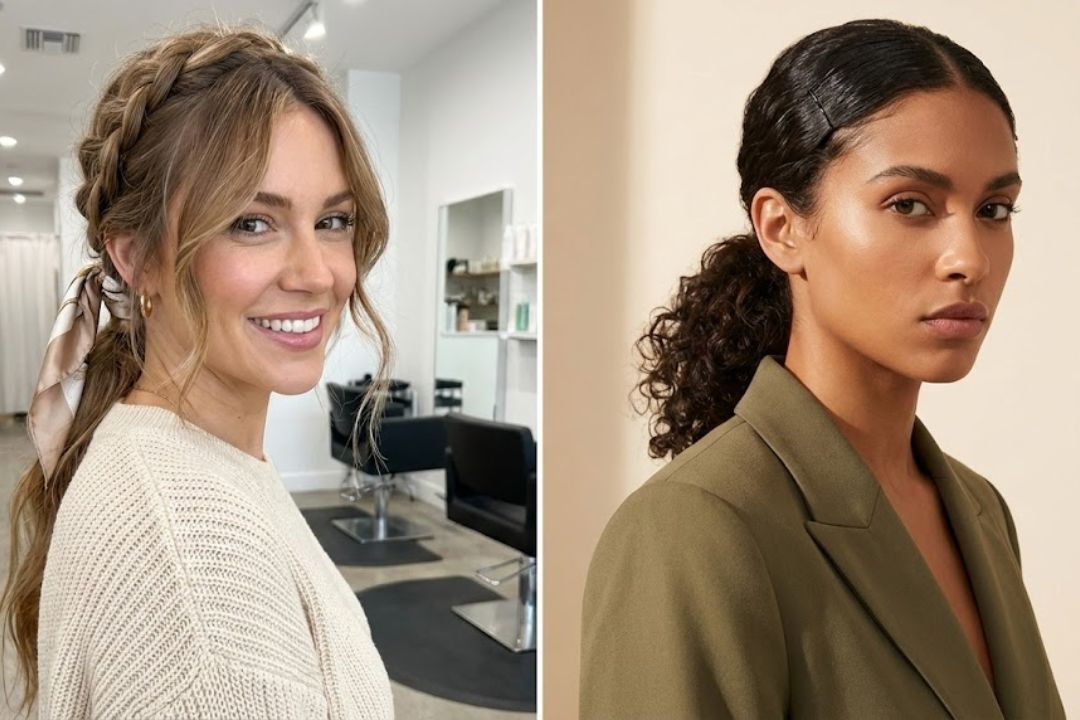
    Sometimes the easiest solution is simply keeping bangs out of your face. Barrettes, clips, headbands, or a sleek slick-back style can offer instant relief during awkward stages.

    For a subtle option, Burke shares a professional trick: “Instead of sliding a bobby pin straight in, weave it through the hair as you insert it. It holds better and stays nearly invisible.”

    Best Haircuts and Styles for Growing Out Bangs

    Long Face-Framing Layers

    Cascading layers help bangs blend seamlessly into the rest of the haircut rather than sitting apart. Burke notes that a longer, ’90s-inspired cut with deep angles in the front supports a smooth grow-out.

    Curtain Bangs

    Both experts agree that curtain bangs are one of the most forgiving transitional styles. “Shifting blunt bangs into curtain bangs early makes the grow-out feel intentional and polished,” Parra says.

    Shag Cut

    “A shag is a great choice if you want a bolder refresh while growing out bangs,” Burke explains. The layered, textured nature of the cut allows midlength bangs to blend naturally.

    Textured Lob

    According to Parra, movement and texture prevent bangs from looking heavy or awkward as they grow. A feathered lob adds bounce and helps bangs reach their full face-framing potential.

    Tucked Behind the Ear

    This effortless move can look deliberate with the right products. Once bangs reach cheekbone length, use a styling balm or pomade to smooth them behind the ears, keeping them sculpted and out of your face.