A thin ribbon of golden olive oil clung stubbornly to the glass, refusing to flow, while the receipt from last week’s grocery run still felt painfully loud. In the supermarket, the oil aisle now resembles a stock market chart: prices climbing, bottle sizes shrinking, and “special offers” that no longer feel special. Shoppers pause, hesitate, and calculate. One woman lifts a small premium olive oil bottle, grimaces, and places it back. Another quietly slides a cheaper plastic bottle into her cart, a trace of guilt in her eyes.
We all know the advice by heart: choose good fats, protect your heart, cook the Mediterranean way. But what happens when that familiar green bottle starts to feel like a luxury item rather than a kitchen staple?
A new oil has been quietly earning its place on everyday kitchen counters. And for many people, it’s not the option they expected.
Why olive oil is slowly losing its everyday dominance
The romance with olive oil began with images of sun-washed hills and long-lived grandmothers drizzling it generously over bread. Then reality intervened. Supermarket prices surged, harvests struggled, and the once-standard one-litre bottle became a risky choice for households watching their spending.
At the same time, cooking habits evolved. More high-heat cooking, more batch meals, more air-frying, stir-frying, and reheating. Olive oil doesn’t always perform well here. It can smoke, burn in certain pans, and no one enjoys wasting a spoonful of what now feels like liquid gold on a rushed midweek omelette.
Gradually, a new routine emerged: one bottle reserved for “special” dishes, another for everyday cooking. In that second category, a clear favourite has started to appear.
The quiet rise of rapeseed oil in daily cooking
For years, nutrition professionals have repeated the same message: rapeseed oil—often labelled as canola oil in some countries—offers one of the best fatty acid profiles for regular use. It simply never had strong branding. No romantic backstory, no postcard scenery, just an unassuming bottle on the lower shelf.
The math, however, is straightforward. Rapeseed oil typically costs far less per litre than decent olive oil, especially after recent Mediterranean harvest problems. In many European supermarkets, the difference has become striking. Families switching to rapeseed oil for cooking report saving several euros each week, without using any less oil.
Nutritionally, the argument is solid. Rapeseed oil is naturally rich in omega-3, low in saturated fat, and has a neutral flavour that doesn’t overpower food. On busy weekdays, that matters. Pasta tastes like pasta, not like an olive grove.
For many households, the transition started simply: olive oil for salads and weekends, rapeseed oil for frying, baking, pancakes, and marinades. Soon, the question followed naturally: what if rapeseed oil handled almost everything?
A practical and affordable way to replace olive oil
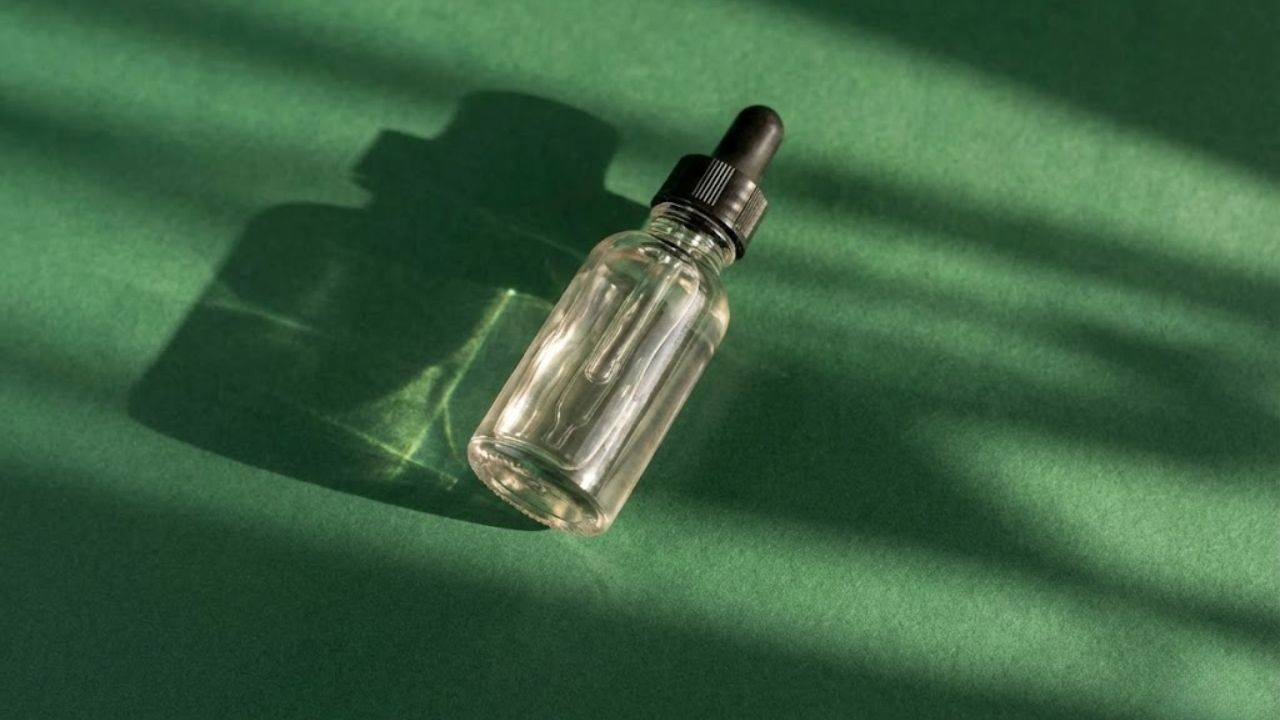
The simplest approach is almost boring. Keep your routines, change what’s inside the bottle. Take a clean, dark glass bottle if you have one. Fill it with a good-quality rapeseed oil. Place it exactly where your olive oil used to be. This becomes your new default.
Each time you would normally reach for olive oil to fry, roast, mix batter, or prepare a quick marinade, use this instead. Thanks to its neutral taste, most people won’t notice any difference. What they may notice is that meals feel lighter and less heavy afterward.
For salads, easing in can help. Start with a simple mix: half olive oil, half rapeseed oil. Give your palate time to adapt. Within a week or two, many people discover that their taste buds adjust far faster than their old shopping habits ever did. The grocery receipt becomes noticeably kinder.
The real mistake is believing one oil must do everything. It’s like expecting a single pair of shoes to work for weddings, marathons, and muddy hikes. For high-heat cooking, rapeseed oil makes sense. For drizzling over ripe tomatoes, keeping a favourite olive oil still has its place.
Choosing the right rapeseed oil matters
Another common misstep is buying the cheapest rapeseed oil available and deciding it’s unpleasant. Lower-quality oils are often heavily refined, flat, and dull in flavour. Spending slightly more on a cold-pressed or virgin rapeseed oil changes the experience entirely, revealing a gentle nuttiness that pairs beautifully with roasted vegetables and grain dishes.
And let’s be honest: no one measures oil perfectly every day. We pour, we estimate, we move on. What truly matters for health is the type of fat used consistently over months, not hitting a perfect teaspoon once in a while. Choosing an oil naturally high in omega-3 quietly improves the odds without turning cooking into a calculation exercise.
As one London-based dietitian notes, when patients shift from relying mostly on olive and sunflower oil to using more rapeseed oil, small but meaningful improvements in blood lipid profiles often appear after a few months. It isn’t dramatic. It’s simply a better balance of fats, repeated meal after meal.
A simple guide for everyday use
- Use rapeseed oil for: sautéing, stir-fries, roasted vegetables, baking bread or cakes, pancakes, waffles, homemade mayonnaise, and marinades.
- Reserve olive oil for: raw drizzling, pesto, finishing hummus, tomato salads, and dips where its strong flavour truly shines.
- Reduce or skip: frequent use of palm oil, hard margarines, and mixed oils high in saturated fat.
What really changes when you make the switch
The first difference appears at the checkout, not in lab results. Rapeseed oil allows you to cook generously again, instead of rationing every spoonful out of price anxiety. That freedom matters. It means roasting vegetables without hesitation instead of cutting back “to save oil.”
From a health perspective, research shows that replacing oils high in saturated fat with oils like rapeseed can help lower LDL cholesterol, support heart health, and slightly improve inflammation markers. These changes are subtle and gradual, but they accumulate over time.
There’s also a psychological shift. When “healthy oil” feels unaffordable, people often fall back on cheaper fats that comfort briefly but harm long-term habits. When a healthy option becomes affordable again, calm returns to the kitchen. Nutrition advice finally aligns with what the budget allows.
Many home cooks also notice texture improvements. Cakes baked with rapeseed oil tend to be softer and less heavy than those made with butter. Roasted potatoes turn crisp outside and tender inside, without overpowering aromas. Children rarely comment on the oil change. They simply ask for more.
Online nutrition advice can feel disconnected from real life. “Use extra-virgin olive oil generously” sounds appealing until the bottle costs as much as a week’s produce. This is where rapeseed oil becomes a quiet, practical answer rather than a compromise.
Choosing an oil that is both nutritionally respected and financially realistic sends a clear message: consistency matters more than perfection. That’s usually where lasting health changes begin.
No trend is required. No challenge. No miracle claims. Just a subtle change in a transparent bottle.
The next time you stand in front of that overwhelming oil shelf, you may feel the familiar hesitation. Perhaps this time, you’ll reach for the rapeseed oil with more confidence. It’s not a downgrade, just a smarter strategy.
You can still keep a small, beautiful olive oil for special dishes, like a perfume saved for rare evenings. But your everyday companion at the stove can be calmer, cheaper, and quietly supportive of your heart.
Food trends will keep shifting. New “super oils” will arrive in glossy packaging with bold promises. Meanwhile, that modest yellow label will remain on the lower shelf, waiting for those who choose consistency over spectacle.
Sometimes, the real change in nutrition isn’t exotic or dramatic. It’s simply moving an ordinary bottle from the back of the cupboard to the front—and letting that quiet decision shape daily life.
- Healthier fat profile: Rapeseed oil is rich in omega-3 and low in saturated fat, supporting long-term heart health.
- Lower cost than olive oil: Its significantly cheaper price helps protect food budgets without sacrificing quality.
- Kitchen versatility: Neutral flavour and good heat stability make it easy to use across most everyday recipes.