Author: admin

  • Achieve Fuller Thicker Brows at Home Using Simple Lamination Techniques

    Achieve Fuller Thicker Brows at Home Using Simple Lamination Techniques

    The first time you realize your eyebrows are getting thinner it feels significant. You might notice it in the bathroom mirror in harsh morning light or in a selfie where your eyes seem less defined than before. The outer ends look sparse and the arch disappears from certain angles. No amount of pencil seems to fix it. That’s when you start thinking about getting a salon brow lamination like everyone else does. But then you imagine making the appointment and paying for it and traveling there and smelling those chemicals. You close the browser & wash your face and decide there must be a better option.

    The Quiet Magic of Brows You Shape Yourself

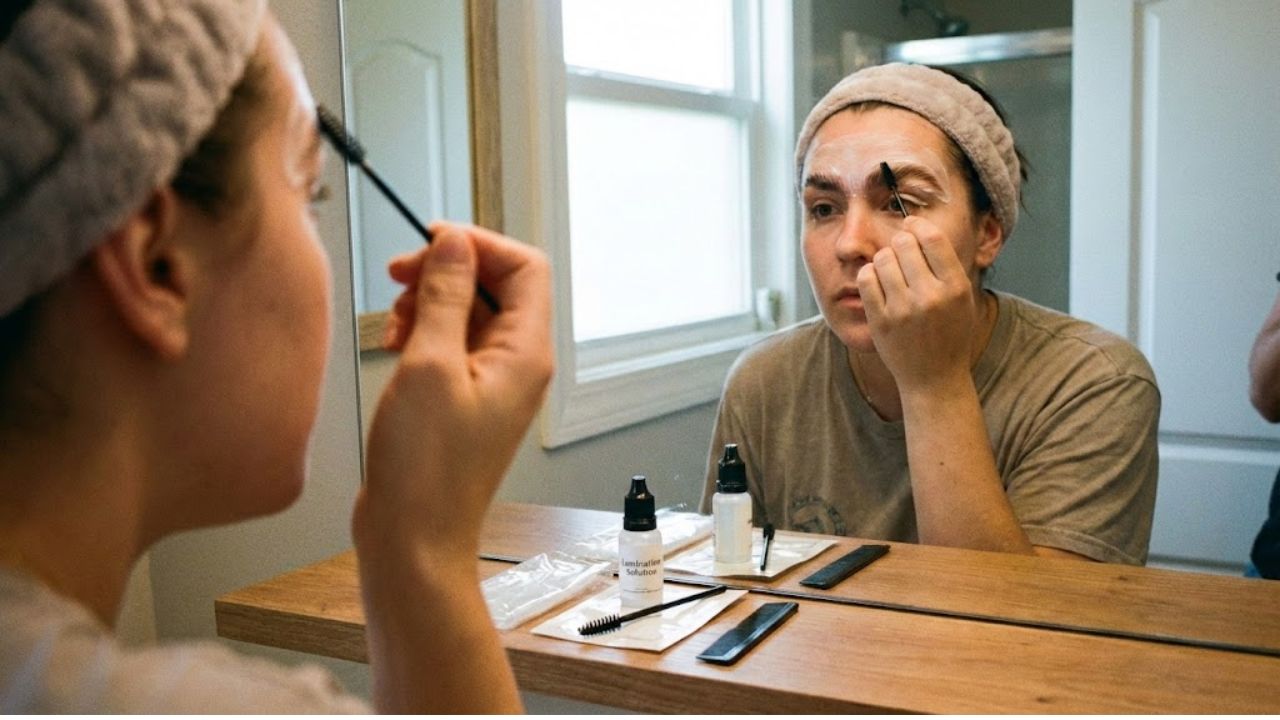
    There is something deeply satisfying about sitting at your bathroom counter late at night with the fan humming and your favorite playlist playing softly in the background while realizing you can change how your brows look with just a few careful steps & some patience. No bright salon lights. No small talk. Just you with a mirror and a tiny brush. Home brow lamination sounds more technical than it actually is. The basic idea is to gently guide your existing brow hairs to lie in the direction you want for an extended period so they look fuller and more defined. You are not drawing on a new brow shape. You are simply encouraging your natural brows to show up at their best. The key is removing the intimidation factor. Lamination techniques often get described using salon terminology like solutions and activators and neutralizers but at home they break down into a few simple steps: soften the hairs then shape them then set them in place and finally nourish them. Once you understand the basic pattern the whole process becomes less like a science experiment and more like a simple routine you can repeat every few weeks.

    Gathering Your Tools: A Tiny Ritual Kit

    Before you start working on your brows you should set up your workspace first. Think of it like preparing ingredients before you cook a meal. Clean a section of your counter and remove any toothpaste spots or hair ties that might be in the way. Arrange your tools in the sequence you plan to use them. This simple preparation creates a sense of calm that makes the whole process feel surprisingly relaxing. Most effective home lamination methods use just a few essential items. Some people prefer complete brow lamination kits while others use gentle alternatives from around the house. These might include mild lash lift products or soft-setting hair formulas that are marked as safe for use near the eyes. No matter which option you pick the basic idea remains the same. Use minimal product and always choose the gentlest approach possible.

    Item Name Why It’s Used Best Practice Tips
    Soft Facial Cleanser Cleanses skin and removes excess oil or makeup Opt for a mild, soap-free cleanser, especially for delicate skin types
    Brow Spoolie Helps align and style eyebrow hairs A washed mascara brush can be reused as an effective alternative
    Brow Lamination Formula Relaxes brow hairs for easy reshaping Always perform a patch test at least 24 hours before application
    Fixing or Setting Solution Holds brows in the desired position Use a light layer—excess product can weigh brows down
    Hydrating Oil or Serum Nourishes brow hair and surrounding skin Apply castor oil or a lightweight brow serum overnight for best results

    Standing in front of your mirror with these basic tools makes the whole thing feel less like some major procedure and more like taking care of your teeth with a bit more attention. You are not attempting to turn into a professional brow specialist in one night. You are just figuring out how your brows naturally grow & then carefully shaping them into a look that makes you happy.

    Step by Step: A Slow, Intentional Brow Transformation

    The first time you attempt a lamination technique at home you should take your time. Go slow enough that you become aware of the water flowing from the faucet and how your fingers feel a bit cold touching your skin and the small scratching sensation as the spoolie brushes through your hair. This process is not only about achieving good results but also about giving yourself a few relaxed minutes.

    Clean the canvas thoroughly

    Brows collect everything including sunscreen and moisturizer and small makeup particles and even oil from your fingers when you touch your face without thinking. Begin by washing the area with a gentle cleanser that has no fragrance. Rinse using lukewarm water and gently dry with a soft towel. Use a cotton pad on the brows to ensure no residue remains. When your brows are completely clean each hair stands up more on its own like wet grass after a storm.

    Map your natural brow direction

    Before you try any product you should take a moment to observe your eyebrows closely. Use a clean spoolie brush to comb them upward and notice how each hair naturally behaves. Some hairs will stand up while others prefer to stay flat and some will stick out to the sides. Look for small empty spaces and check if the tail section is thin or if your arch has any unusual patterns. Understanding these natural characteristics will help you decide what steps to take next.

    Soften the hairs with a lamination solution

    Apply a small amount of your lamination or lifting solution to your brows using a micro brush or cotton swab. Try to keep it on the hair & away from the skin. This step works like softening clay before molding it. The solution loosens the hair structure so it can be reshaped & hold a new position. Use your spoolie to comb the solution through your brows. Brush the hairs gently upward and slightly outward in the direction you planned earlier. Take your time with this step. You will notice the brows starting to stay in place where you position them. Let the solution sit for the time the product instructions suggest. This is usually a few minutes. If your brows are fine or delicate you should use less time rather than more.

    Shape with intention, not perfection

    After the solution has worked for the recommended time use a clean spoolie brush to shape your brows into your desired look. Brush the front hairs upward to create a fluffy and full appearance. Then brush the arch and tail sections at an angle toward your temple. Each brushstroke helps you decide how you want to frame your face. You don’t need to achieve perfection. While symmetry looks good, remember that your face is unique & natural. One eyebrow might have a slightly sharper arch while the other might be fuller at the front. Your eyebrows should look like they belong together but don’t need to match exactly. The most important thing is that the final result looks like an improved version of your natural brows rather than copying someone else’s style.

    Set the new shape with a fixer

    After removing any extra lifting solution as instructed, put on a small amount of setting or neutralizing solution. This step gently locks in the new shape you have created. Use the spoolie to comb through your brows again and arrange the hairs into your preferred shape. Press stubborn hairs into position with the spoolie tip for a few seconds so they stay in their new direction. When the setting time finishes, wipe away any leftover product & step back from the mirror. The result is often surprising: your natural brows now look taller & fuller as if someone suddenly made your face more defined.

    The Days After: Letting Your Brows Settle Into Themselves

    Freshly laminated brows can feel like getting a new haircut. For the first day or two you might catch yourself in mirrors & think you look different. But give your face time to adjust. As your skin’s natural oils return and the hairs relax a bit the look becomes softer and more natural. This is when aftercare becomes important. Don’t soak your brows for the first 24 hours & skip steamy showers and saunas. Avoid putting heavy creams on the area. If your skin feels tight use a light moisturizer around the brow line but not directly on it. By day two or three when your brows have settled you will probably find your morning routine much simpler. Instead of drawing on missing parts or using brow gels that flake by noon you can often just brush through with a clean spoolie. The laminated shape keeps the hairs lifted & full looking with almost no effort. It feels like waking up with your hair already styled except this time the style is built into your own features.

    Nourishing the Wild Brow: Oils, Serums, and Small Habits

    To maintain that fuller and thicker appearance you need to treat your brows like a small garden rather than just another makeup feature. You have already done the reshaping work and now you need to keep everything nourished so the foundation remains solid. Each night after washing your face apply a small amount of nourishing oil to your brows using your fingertips. Castor oil works well but you can also find lightweight brow serums made for this purpose. Gently massage the oil into your brows following the natural direction of hair growth as if you were smoothing down grass that has been blown by wind. This simple massage conditions the hairs and increases blood flow to the follicles underneath. Another important habit is knowing when to stop. When you see how full your laminated brows look you might feel tempted to grab tweezers and clean up the area. But removing too many hairs is the fastest way to ruin your results. Instead of plucking every small stray hair you should establish a gentle boundary and only remove the obvious ones that fall outside that line. Leave the rest alone because they add to the thick & natural fullness that looks current and authentic.

    Creating Your Own Brow Rhythm at Home

    As you practice you will find your own rhythm. Some people like to laminate every six to eight weeks & sync it with other quiet self-care rituals like changing sheets or decluttering a drawer or deep conditioning their hair. Others use a softer version of lamination more frequently and rely on less intense formulas with more emphasis on daily nourishing oil and gentle brushing. Think of it less as a rule & more as a tide cycle. Your brows will have their own pattern of growth & rest. On some weeks they will look extra bold with minimal effort. On others you will notice new baby hairs filling in at the front or along the tail. Let these shifts guide you. When they start to feel a little unruly again and droop by midday or refuse to hold shape it may be time for another gentle lamination session. The beauty of doing this at home is that you are always in conversation with your own face. You learn which products your skin tolerates & how long is just enough processing time and where your natural arch wants to live. Instead of handing your brows over to a stranger a few times a year you become your own quiet expert and respond to what you see in the mirror instead of a trend on a screen.
  • Homemade Eyebrow Gel Using Aloe and Cocoa Keeps Brows Shaped Flexible and Naturally Defined

    Homemade Eyebrow Gel Using Aloe and Cocoa Keeps Brows Shaped Flexible and Naturally Defined

    The radiator began its familiar metallic ticking, the small signal that heat was on its way. Outside, the wind slid through bare branches and gently rattled the window frames, quietly announcing that colder days had settled in. Indoors, the room was warm enough, yet the air felt dry and weightless. Your throat felt irritated, your hands tight and uncomfortable, and your nose hovered on the edge of a sneeze.

    Somewhere in your memory—perhaps from an older relative or something read online—you recalled a suggestion about placing a glass of water near a radiator. The idea seemed oddly simple, almost like folklore. Still, as the evening wore on and the dryness deepened, you filled a glass to the brim and set it beside the heater. As the water slowly warmed, a quiet shift began. It was subtle, nearly invisible, but winter often reveals its truths this way.

    The Quiet Science Behind a Simple Glass of Water

    At first, the thought that a single glass of water could make a room feel more comfortable—without adding heat—seems unlikely. Water doesn’t generate warmth or act as a hidden heat source. The effect is more delicate. It’s not about raising the temperature, but about helping your body experience the warmth that already exists in the room.

    Why Heated Rooms Can Still Feel Uncomfortable

    When a radiator runs, it doesn’t only increase temperature—it also reduces moisture in the air. This dryness often appears as scratchy skin, static in clothing, or mild irritation in the throat and nose. What’s less obvious is how low humidity affects the way warmth is felt.

    Your body constantly exchanges heat with its environment. In dry air, moisture evaporates more quickly from your skin and with each breath you take. This evaporation draws heat away, creating a gentle cooling sensation. Even if the thermostat shows a comfortable number, your body may not register the room as truly warm.

    How a Glass of Water Supports Comfort Indoors

    This is where the glass of water quietly helps. Placed near a heat source, it absorbs warmth and gradually releases moisture into the air through evaporation. The increase in humidity is modest, but often enough to reduce moisture loss from your skin and airways. The temperature remains unchanged, yet the space begins to feel softer and more balanced.

    Aloe Vera as a Gentle Base for Brow Shaping

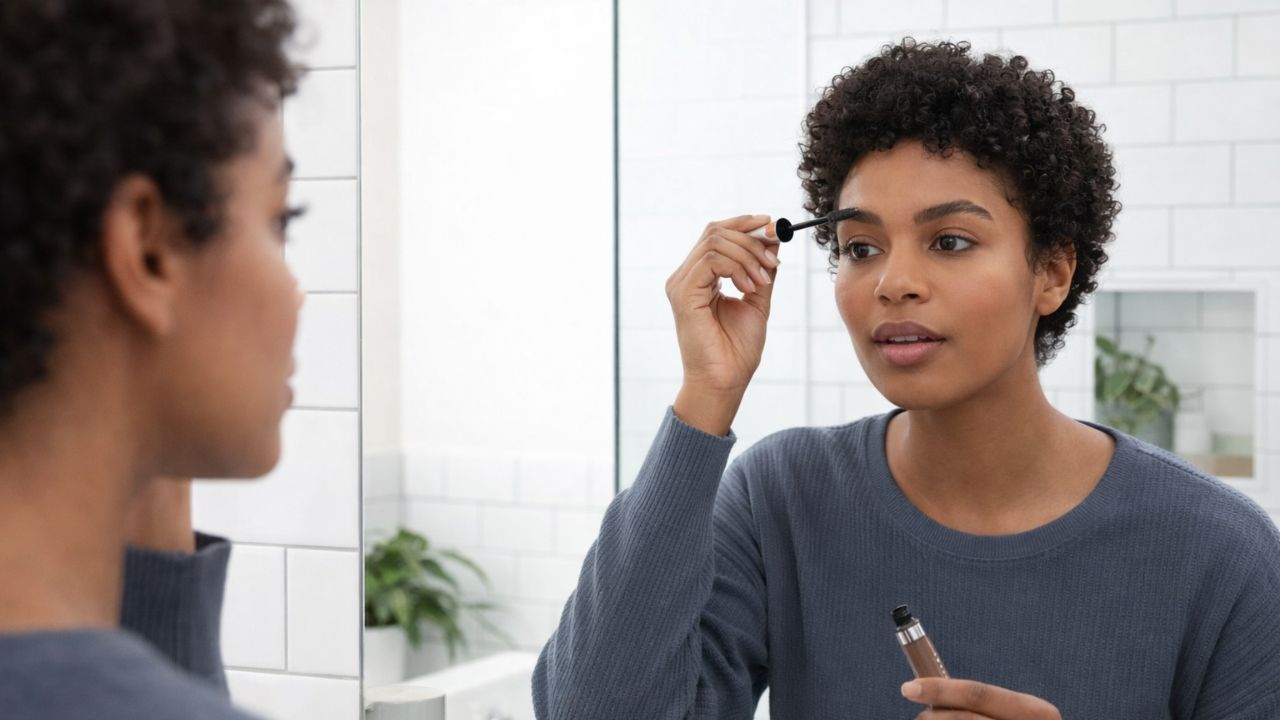
    Aloe vera has long been used as a soothing skin remedy, well before it appeared in modern packaging. Pure aloe gel feels cool, light, and smooth, offering slip without stiffness. When applied to eyebrows, it acts as a subtle styling aid that holds hairs in place without making them feel rigid.

    In a homemade brow gel, aloe serves as the foundation. Its natural texture provides light to medium hold, keeping brows neat while still flexible. A clean, additive-free gel also supports hydration, turning a daily routine into a moment of care rather than a rushed cosmetic step.

    Cocoa Powder for Soft, Natural Brow Color

    Cocoa powder brings warmth and depth with its naturally rich brown tone. It works especially well for light to medium-dark brows, blending seamlessly with existing hair. When mixed with aloe, it creates a soft, stain-like finish instead of a sharp or painted effect.

    This approach allows for easy adjustment. A small amount offers gentle definition, while adding slightly more deepens the shade. The result looks natural and even, avoiding harsh lines. Using a familiar kitchen ingredient adds a sense of comfort while shaping the face in a subtle way.

    Creating a Simple Brow Gel Routine

    Preparing your own brow gel becomes a calm, hands-on process. Clean jars, a spoon, and a spoolie brush are all you need. The act feels slow and intentional, turning a simple task into a quiet ritual.

    The basic formula uses just aloe vera gel and cocoa powder. Optional additions—such as a drop of jojoba oil for smoother texture or a pinch of coffee or charcoal for deeper tones—can be explored later. The strength of this recipe lies in its deliberate simplicity.

    Mixing the Gel Gently

    Place two teaspoons of aloe vera gel into a clean jar. Add about a quarter teaspoon of cocoa powder, stirring slowly to remove any clumps. As you mix, the clear gel will gradually transform into a smooth, earthy brown.

    Test the color on the back of your hand and let it dry briefly. Adjust the balance as needed—more cocoa for depth, more aloe for softness. The finished texture should be creamy and spreadable, thick enough to coat a brush without dripping. Seal the jar and allow it to rest for an hour so the mixture settles evenly.

    Applying the Gel With Care

    Using a homemade brow gel encourages a more mindful routine. Start with clean, dry brows. Lightly dip a spoolie into the product and remove any excess. Brush through the brows using short, feathered strokes that follow the natural direction of hair growth.

    Begin at the inner brow and move outward, focusing on shaping rather than filling heavily. For extra definition, let the first layer dry before adding another, concentrating on sparse areas. An angled brush can help create hair-like strokes if needed. The final look remains soft, flexible, and natural.

    When Simple Choices Feel Meaningful

    Making something at home carries quiet meaning. It reduces waste, limits unnecessary ingredients, and reconnects you with the process of creating. Each refill of a small jar replaces another disposable tube, and each use reinforces the idea that beauty doesn’t require complexity.

    Natural solutions aren’t universal, and paying attention to your skin is essential. Patch testing and adjusting the formula are part of the process. Still, there is value in slowing down, mixing something by hand, and shaping your brows with intention. In that small moment—brush in hand, cocoa-scented gel nearby—you’re reminded that care can be gentle, practical, and personal.

  • Is Root Perming the Secret to Long Lasting Volume for Fine Flat Hair

    Is Root Perming the Secret to Long Lasting Volume for Fine Flat Hair

    That’s where the root perm steps in. It sits in an interesting space within modern beauty — once considered outdated, yet newly relevant. Instead of being a bold statement treatment, it has returned as a corrective solution, helping hair regain what it has gradually lost. Years of extensions, heat styling, aggressive brushing, and repeated damage have left many people with flat roots, particularly around the hairline and crown. The appeal is simple: visible lift without the daily effort of blow-drying. We still want fullness — just without the constant work.

    What a Root Perm Actually Is

    Modern root perms are subtle, targeted, and intentionally understated. Their purpose isn’t to add curls or texture, but to create lift exactly where hair collapses. Stylists typically focus on the first one to two inches near the scalp — the area most prone to falling flat. The result isn’t something you immediately spot; it’s something you feel in how the hair behaves. It sits away from the scalp, holds shape longer, and moves with more natural confidence throughout the day.

    This shift reflects broader changes in how people wear their hair. There has been a noticeable move toward styles that feel soft and fluid, rather than overly polished. Textured cuts like shags and wolf cuts have made volume feel more relaxed and wearable. In this context, the root perm works as a supporting act — focused on gentle lift and natural softness, not tight curls or rigid structure.

    Technique plays a major role. Unlike traditional perms that relied on tight curls to create longevity, modern methods use different tools and placements. For root perms, hair is laid flat over rollers rather than wrapped into waves. This breaks the bonds only at the root area, which is what creates the lift at the base without altering the rest of the hair’s texture.

    What a Root Perm Does — and What It Doesn’t

    A root perm is never a full-head treatment. It is highly selective by design. Stylists use larger rods, specialist tools, and precise placement to support only the areas that need it — usually the crown, hairline, or a small section beneath a fringe. When executed correctly, the technique is invisible. Hair simply appears fuller and more responsive, without any obvious sign of how that effect was achieved.

    The focus today is structure over texture. There is no visible bend, curl, or wave. The goal is lift you feel, not shape you see. People tend to assume you just have naturally good hair — not that you’ve had a perm. However, expectations still need to be realistic. A root perm does not eliminate styling altogether. Instead, it makes styling quicker, easier, and longer-lasting.

    It’s also important to understand that hair behavior can change as the perm relaxes. While many clients enjoy the gradual fade, others find this phase less predictable. A root perm still requires engagement and adjustment as it grows out.

    Who Should — and Shouldn’t — Get a Root Perm

    A root perm is not a universal fix. Hair health is essential. The best candidates are those with fine to medium hair that loses volume quickly at the root. However, the hair must be in good condition. Over-bleached, fragile, or compromised hair is not suitable for this type of chemical service.

    Any chemical treatment causes some degree of permanent change until the hair grows out. Extra caution is needed for coloured or lightened hair, as perm solutions can affect pigment and porosity. Virgin regrowth is often the safest area to treat, while highlighted roots can lead to uneven or unpredictable results. In many cases, spacing chemical services or avoiding overlap entirely is the smartest approach.

    A detailed consultation is essential, and a strand test should be treated as non-negotiable. This ensures both the safety of the hair and the accuracy of the final result.

    Effortless — With Realistic Expectations

    One of the most common misconceptions is that a root perm replaces styling completely. It doesn’t. What it does offer is manageable volume that lasts longer and requires less daily effort. The lift typically softens over six to eight weeks, depending on hair type and growth rate. For some, this gradual fade feels refreshingly low-commitment. For others, the changing behavior takes adjustment.

    Today’s root perms are refined, considered, and intentionally discreet. When performed on the right hair, by skilled hands, they simply help hair behave better. This isn’t about dramatic volume or visible transformation — it’s about subtly rebuilding the hair’s foundation so it naturally holds more body as it dries. In an era increasingly drawn to effortless beauty, that quiet improvement feels more modern than ever.

  • Caviar Nails Are the Luxe Manicure Trend Bringing Texture and Shine This Winter

    Caviar Nails Are the Luxe Manicure Trend Bringing Texture and Shine This Winter

    Winter often encourages cozy nights in, yet this season’s standout nail trend is offering a glamorous reason to step out. Caviar nails have emerged as a high-shine luxury manicure embraced by style insiders, with Selena Gomez showcasing the look at the 2026 Golden Globes. The appeal lies in its versatility—this manicure pairs effortlessly with nearly everything in your wardrobe and makeup collection, making it an easy yet elevated choice for the colder months.

    The word caviar instantly evokes thoughts of luxury and refinement, and this manicure channels that same energy. Designed to mirror the dark tones and glossy finish of caviar pearls, the look is created using a reflective cat-eye effect. The result is rich, dimensional nails that feel polished and indulgent without appearing overdone.

    A Versatile Nail Trend With Light-Reflecting Depth

    Beyond its luxurious appearance, caviar nails are praised for being a perfect post-holiday manicure that transitions seamlessly into everyday wear. The technique relies on fine metallic particles that react to a magnet, producing a light-shifting finish that changes with movement and angle. This creates a hypnotic visual effect that feels dynamic while remaining wearable for both casual days and special events.

    Color choices can be adjusted to match your personal style. A deep black base with hints of golden shimmer delivers a bold, refined statement. For a softer approach, dark browns or muted greens accented with amber or gold tones offer warmth and subtle elegance while maintaining the signature caviar-inspired depth.

    Brown Shades Lead the Seasonal Color Story

    Brown continues to stand out as one of the season’s most popular nail colors, and its appeal is easy to see. As a highly wearable neutral, brown instantly adds warmth and polish to any look. From lighter café au lait hues to deeper espresso-inspired tones, the entire brown spectrum remains flattering and versatile, making it an ideal base for the caviar nail effect.

    How to Achieve the Caviar Nails Style

    One of the biggest advantages of caviar nails is how easily the trend can be customized. Popular finishes include cat-eye designs, aura effects, ombré blends, and chrome accents. For a more personalized look, subtle nail art can be added—such as highlighting one or two nails with the caviar effect or incorporating it into a modern French manicure.

    To recreate the look, begin with two coats of rich brown polish as your base. From there, select your preferred finish to complete the style. Since caviar tones also appear in black, gray, and deep green-gray shades, these colors can be mixed into the manicure as well. For added dimension, pearls or other small appliqués can be applied to enhance the authentic caviar-inspired finish.

  • Why Rotating Running and Strength Training Throughout the Year Prevents Plateaus

    Why Rotating Running and Strength Training Throughout the Year Prevents Plateaus

    Whether you already lift weights or are just starting out, it’s common to wonder how frequently strength work should fit into your routine. Once a week, every day, or somewhere in between? According to Matt Jones, personal trainer, running coach, and founder of Run Strong Academy in Cardiff, the general guideline is two strength sessions per week. He explains that this can rise to two or three sessions during base training or drop to one session weekly closer to race day, but two sessions remain the ideal balance for most runners.

    However, that guideline isn’t the full picture. Strength training needs change based on seasonal timing, weekly mileage, and whether a race is approaching. The exercises you choose, the weights you lift, and your sets and reps should all shift throughout the year to match your running demands.

    To build muscle at the right time, stay prepared for races, and remain healthy year-round, it helps to divide your year into distinct training phases. This structured approach allows your strength work to align smoothly with the natural flow of your running schedule.

    How to Maximise Strength Gains Without Hurting Running Performance

    1. Schedule a True Off-Season

    You don’t need to be an elite athlete to benefit from planned downtime. After a major race, easing off for at least one month is often beneficial. Alex Armiento, certified personal trainer and club leader at Life Time Middletown – Red Bank, explains that an off-season doesn’t mean stopping completely. Instead, reduce mileage by 20–40%, lower intensity, limit racing, and feel free to swap in cycling, rowing, or swimming for some runs.

    Because running volume is lower, this phase is ideal for prioritising strength training. Armiento notes that while strength should always be present, the off-season is when adaptations happen most effectively. He recommends three to four sessions per week, while Jones suggests lifting on non-running days for the best results.

    2. Establish a Strong Strength Foundation

    Time away from race-focused training provides an opportunity to refine movement quality. Armiento advises working through a full range of motion and emphasising core stability and bilateral compound exercises such as squats, hinges, and push-pull movements.

    Since running is primarily a single-leg activity, Jones recommends gradually adding unilateral exercises throughout all phases. Movements like lunges, step-ups, single-leg deadlifts, and glute bridges should be included. This phase focuses on hypertrophy, lasting around four weeks, with higher volume and lighter loads—typically three to four sets of 10–12 reps, resting 60–90 seconds. Effort should finish around RPE 6–7, not all-out.

    3. Increase Strength With Heavier Lifting

    After the hypertrophy phase, shift your focus to building maximal strength. This involves heavier weights and lower volume, such as three to five sets of four to six reps with two to three minutes of rest. The final reps should reach RPE 8–9, meaning they feel very challenging.

    Jones explains that by this stage, you’ve established a solid movement base, allowing you to lift more efficiently and begin developing power. There’s no need to rush these sessions—longer rest periods help keep heart rate controlled and allow you to focus on quality lifts.

    4. Introduce Race-Specific Strength Work

    As race preparation begins, Armiento suggests shifting to two to three sets of six to eight reps using moderate weights. Jones adds that runners training for a half marathon or approaching the midpoint of a marathon plan should introduce calf-focused exercises, particularly for the soleus muscle.

    For full marathon preparation, calf training should already be established, with plyometrics added gradually. Jones recommends unilateral plyometrics that mirror race mechanics, such as A-skips, explosive step-ups, and reverse lunges with knee drive. However, plyometrics should be avoided during early phases, as they are highly technical and can increase injury risk without a proper base.

    5. Scale Back Strength Closer to Race Day

    As race day approaches, strength volume should decrease to minimise accumulated fatigue, says Jones. That doesn’t mean eliminating strength entirely. Armiento stresses that strength training remains essential, even when it’s no longer the main focus.

    During the taper, aim for one to two sets of three to five reps, using light to moderate weights and prioritising fast, controlled movements. Avoid heavy lifting close to race day to stay fresh.

    Example of a Yearly Strength and Running Structure

    The way you divide strength and running phases depends on your race calendar. Jones recommends adjusting both on a monthly basis. Identify your key races, count back 16 weeks, and begin with a base-building strength phase. After completing the full cycle and taking at least two recovery weeks, restart the process.

    If your next race is further away—such as 25 weeks out—it’s fine to take additional time training more freely. Jones notes this flexibility is beneficial for both physical recovery and mental freshness.

    Weeks 1–4: Base Phase

    This phase marks the start of a new block. Focus on hypertrophy training with three to four sets of 10–12 reps. Keep running mileage moderate, prioritising easy runs and zone 2 effort.

    Weeks 5–8: Strength Phase

    Transition to heavier lifting with three to five sets of four to six reps. Increase running mileage and include at least one speed session per week.

    Weeks 9–12: Race-Specific Phase

    Running volume and speed become more targeted. Strength work shifts to two to three sets of six to eight reps, adding calf training and plyometrics as appropriate.

    Weeks 13–16: Taper Phase

    During race month, reduce strength to one to two sets of three to five reps. Keep weights light to moderate, maintain race-specific movements, and gradually reduce running mileage.

    Weeks 17–18: Recovery Phase

    Lower running volume as needed and focus on easy efforts. Maintain one light strength session per week, keeping intensity low to support recovery.

  • Five Hidden Garmin Smartwatch Features That Completely Transformed My Sleep Quality

    Five Hidden Garmin Smartwatch Features That Completely Transformed My Sleep Quality

    If you own one of the best Garmin watches, chances are you already use it to track steps, workouts, and runs. But many users overlook one of its most powerful benefits — sleep and recovery tracking.

    To feel energized and perform at your best, sleep deserves the same attention as training. Garmin devices now rival the best sleep trackers available, offering a detailed picture of how your body rests and recovers. As a marathon runner, Garmin has become my go-to tool for understanding the connection between training load and recovery.

    However, relying only on the sleep score doesn’t always tell the full story. There are mornings when you wake up feeling drained, even after a solid score. That’s where diving deeper into Garmin’s sleep metrics makes all the difference.

    By exploring lesser-known features, you can uncover why you still feel tired after a full night’s sleep and learn how lifestyle factors influence your recovery.

    Five powerful Garmin sleep features you might be missing

    From stress monitoring to smart scheduling, these underused Garmin tools can help you maintain a consistent sleep routine and understand what’s impacting your rest.

    1. Stress tracking during sleep

    Your daytime habits — including nutrition, activity levels, alcohol intake, and mental stress — directly affect how well you sleep. Garmin’s Stress and Body Battery charts provide an honest reflection of your daily lifestyle.

    Ideally, stress levels should stay in the blue “Rest” zone (below 25) throughout the night. If you notice orange stress spikes while sleeping, it often means your body is processing alcohol, a heavy late meal, or illness.

    Consistently high overnight stress may signal the need to adjust evening habits, reduce alcohol consumption, or prioritize relaxation before bed.

    2. Body Battery for energy awareness

    Garmin Body Battery is an energy monitoring feature that combines heart rate variability, stress, sleep, and activity data to estimate your energy level on a scale from 5 to 100.

    Think of it as a fuel gauge — quality sleep recharges it, while stress and exercise drain it. Monitoring Body Battery helps identify when your body needs more rest, making it easier to commit to healthy sleep habits.

    This feature encourages a balanced approach to training and recovery, helping you avoid fatigue and burnout.

    3. Respiration rate insights

    Within the sleep details, Garmin also tracks Respiration Rate, which measures your breaths per minute while asleep.

    An unexpected increase in nighttime breathing rate can be an early sign of physical strain or respiratory illness. Some Garmin models also display Breathing Variations, which may highlight potential sleep-related issues.

    While these insights are not a medical diagnosis, they can prompt you to seek professional advice if patterns look unusual.

    4. Sleep Coach and nap detection

    Newer Garmin models such as the Venu 3, Forerunner 255, and Fenix 7 include a dedicated Sleep Coach along with automatic nap detection.

    The Sleep Coach calculates your personalized sleep need based on activity levels, HRV status, and naps taken during the day. For example, a short nap can slightly reduce your recommended nighttime sleep to prevent grogginess.

    After intense training periods, the feature may suggest longer sleep to support muscle recovery and fatigue reduction.

    5. Sleep Mode for consistent routines

    Research shows that sleep regularity matters more than total sleep time for long-term health. Studies indicate that going to bed and waking up at consistent times can significantly improve sleep quality and overall wellbeing.

    Garmin Sleep Mode helps reinforce this habit. In the Garmin Connect app or directly on your watch, navigate to System > Sleep Mode > Schedule to set your preferred sleep and wake times.

    Keeping the same schedule every day supports better recovery, improves sleep quality, and promotes long-term health benefits.

  • Spot the Difference Test: Can You Find 3 Differences in the Dog Images Within 10 Seconds

    Spot the Difference Test: Can You Find 3 Differences in the Dog Images Within 10 Seconds

    Spot the Difference games remain among the most popular visual puzzles for everyone regardless of age. They appear easy and feel calming but they secretly test your brain in meaningful ways. In this 10 second challenge you see two dog pictures that look nearly identical. Your goal is to find three hidden differences before the timer ends. When you first look at them both images appear to match perfectly. The dog seems the same & the background looks familiar and nothing seems wrong. But this is exactly how the puzzle tricks you. The differences are small & deliberately hidden to measure how well you catch tiny details when you’re under pressure.

    Why Spot the Difference Games Are So Popular

    The appeal of spot the difference puzzles lies in how they combine entertainment with mental exercise. No special abilities or complicated rules are required. The only thing needed is concentration. These puzzles attract people of all ages including kids, grown-ups and older individuals because they are simple to grasp yet often challenging to complete. They appear regularly in newspapers puzzle collections, school lessons and smartphone applications. Over recent years they have gained traction on the internet since they take little time to try and can be easily shared with others.

    How This Dog Puzzle Challenges Your Brain

    This puzzle evaluates three fundamental abilities. It measures observation skills attention to detail and visual memory. The brain attempts to conserve energy when it encounters two similar images placed next to each other by treating them as identical. This automatic process frequently leads people to overlook minor modifications. The dog images exploit this tendency deliberately. The primary subject remains unchanged to reduce vigilance. The differences are concealed in sections that most viewers examine hastily or disregard entirely.

    The Role of the 10 Seconds Time Limit

    Adding a 10 second limit transforms a relaxed task into a thrilling test. The pressure of time alters brain function. Rather than methodically examining each part most people hurry & depend on rapid instincts. Successful participants typically use an organized method. They examine the picture systematically from one side to the other or from top to bottom rather than looking around randomly. Maintaining composure during the countdown often determines whether someone succeeds.

    Common Mistakes Players Make

    One common mistake is focusing only on the dog itself. While the dog matters these puzzles often hide changes in the background. Flowers and grass and small objects are popular hiding places. Another mistake is assuming differences must be large. In reality the smallest changes are often the hardest to spot. A missing color or a tiny object or a slight shape change can be enough to throw off the entire image.

    The Three Hidden Differences Explained

    If you found all three differences in 10 seconds your observation skills are excellent. If you did not find them here is what changed between the two images. The first difference is on the left side. One purple flower from the original picture became a group of white flowers in the second image. This change is hard to notice because the flowers blend into the background. The second difference is on the dog. The red ring around the tag on the dog’s collar is gone in the second image. Many people miss this detail even though the collar is still there. The third difference is near the dog’s tail on the right side. A section of green grass was replaced with gray rocks in the second image. This background change is subtle but you can see it when you look closely at that spot.

    What Your Result Says About Your Observation Skills

    Finding all three differences quickly shows that you have strong attention to detail and good visual processing abilities. It means your brain can resist making assumptions and can carefully analyze what it sees. If you missed one or more differences it does not mean you have poor observation skills. It simply shows how powerful visual illusions can be. With practice your ability to notice small changes will improve significantly.

    Mental Benefits of Spot the Difference Puzzles

    Spot the difference games offer more than just entertainment. They help improve concentration by making the brain stay focused on a single task. They also build visual memory since you need to remember details from one image while looking at another. These puzzles appear frequently in educational settings because they promote patience and careful thinking. Just a few minutes of daily practice can help sharpen mental clarity.

    Tips to Get Better at Spot the Difference Games

    To improve your performance you should divide the image into sections and scan one section at a time. This approach reduces the chance of missing hidden details. Another useful tip is to look for color changes first since they are often easier to detect than shape changes. Most importantly you need to stay relaxed. A calm mind processes visual information more accurately than a rushed one.

    Final Thoughts on the Dog Spot the Difference Challenge

    The “Within 10 Seconds Spot the 3 Differences in the Dog Pictures” game shows how small details matter. What seems easy at first often turns into a real challenge that tests your focus & patience. Whether you found all the differences right away or needed help with the answer every try helps improve your brain function. Keep working on similar puzzles and you will see your observation skills improve with each new challenge.

  • 30 Pretty Pink Nail Designs That Work for Minimalists Maximalists and Every Style Between

    30 Pretty Pink Nail Designs That Work for Minimalists Maximalists and Every Style Between

    Pink nails have a unique way of feeling both timeless and trend-forward. From soft blush shades to bold, high-impact pinks, this color works effortlessly across seasons, occasions, and personal styles. Whether you love minimal finishes or detailed designs, pink manicures offer endless versatility for everyday wear and special moments alike.

    As you browse through these looks, imagine how each manicure comes together—from the polish shades to the tools and finishes that make recreating them at home simple. This curated collection is designed to spark inspiration while helping you find the exact colors and nail essentials behind each style.

    Hot Pink Chrome Nails

    This high-shine hot pink chrome manicure is made to stand out without extra artwork. The reflective finish delivers instant salon-level impact and looks especially striking on short, rounded nails.

    Shimmery Pink Almond Nails

    Featuring a soft almond shape and a delicate pink shimmer, this look catches the light beautifully. It’s ideal for anyone who loves feminine nails with a hint of sparkle that still feels wearable day to day.

    Pink and Rose Gold Glitter Coffin Nails

    This glamorous set blends a muted pink base with rose gold glitter accents for a luxurious finish. Perfect for special occasions, it pairs effortlessly with gold jewelry and dressier outfits.

    Pink Rhinestone Statement Nails

    For lovers of maximalist nail art, this design delivers. Covered in rhinestones, charms, and raised details, it’s bold, playful, and made for moments when your nails are meant to be the main accessory.

    Soft Blush Square Nails

    These blush pink square nails are clean, classic, and endlessly versatile. The neutral tone makes them perfect for workdays, weddings, or anyone who prefers a polished, minimal manicure.

    Classic Baby Pink Almond Nails

    This baby pink almond style remains a favorite for good reason. With a glossy finish and flattering shape, it feels feminine, fresh, and timeless across both casual and elevated looks.

    Pink Ombre Coffin Nails

    This soft ombre design blends seamlessly from a natural base into a brighter pink tip. It’s a clean yet eye-catching style that works beautifully for everyday wear.

    Hot Pink Heart Accent Nails

    Bold hot pink nails paired with playful heart accents create a cheerful, feminine look. Perfect for Valentine’s Day, date nights, or anytime you want something fun without overdoing it.

    Glossy Hot Pink Square Nails

    Simple, bold, and impossible to ignore, these glossy hot pink square nails make a statement with color alone. Ideal if you love a clean manicure with high impact.

    Metallic Pink Chrome Almond Nails

    This metallic chrome finish delivers a mirror-like, luxe effect. The almond shape keeps the look sleek and sophisticated, making it perfect for nights out or special events.

    Coral-Pink Almond Nails

    A coral-leaning pink brings warmth and softness to this classic almond shape. It’s the perfect middle ground if you want something brighter than blush but softer than hot pink.

    Soft Pink Almond Nails

    These soft pink almond nails are effortlessly chic and endlessly wearable. The neutral tone pairs well with everything, making them ideal for work, weddings, or daily wear.

    Pink Ombre Almond Nails

    Fading from a milky base into a rosy pink tip, this ombre design offers a delicate, feminine finish. Perfect for minimal nail lovers who still want a touch of color.

    Blush Pink Sculpted Nails with Gold Accents

    This design features sculpted textures and subtle gold detailing for an editorial, elevated feel. The added dimension keeps the look interesting while maintaining a soft color palette.

    Bright Pink Coffin Nails

    Sleek, glossy, and unapologetically bold, this bright pink coffin set makes instant impact. It’s perfect for anyone who loves statement nails with a clean, uniform finish.

    Pink Heart French Nails

    This playful twist on a French manicure replaces traditional tips with pink heart details. It’s flirty, modern, and perfect for themed or romantic looks.

    Hot Pink Almond Nails

    These hot pink almond nails strike a balance between bold color and refined shape. The high-gloss finish keeps them polished, vibrant, and wearable.

    Pink Floral Rhinestone Nails

    This full-glam floral design features 3D flowers, rhinestones, and gold accents. A true showstopper made for special occasions or standout moments.

    Pink Valentine Mix-and-Match Nails

    Mixing hearts, stars, gingham, and graphic accents, this playful set delivers a fun Valentine-inspired look with variety across each nail.

    Short Pink Heart Accent Nails

    These short nails combine soft pink tones with tiny heart details for a cute, low-maintenance manicure that still feels festive.

    Bright Pink Floral Accent Nails

    A bold pink base gets a sweet update with simple floral accents. This look is cheerful, fresh, and eye-catching, perfect for spring or anytime you want a pop of color.

    Milky Pink Square Nails

    Clean, glossy, and effortlessly elegant, these milky pink square nails feature a sheer finish that works beautifully for everyday wear or special occasions.

    Hot Pink Abstract Accent Nails

    This modern set pairs solid hot pink nails with a soft abstract accent design. It feels trendy and artistic without being overwhelming.

    Classic Hot Pink Long Nails

    This manicure proves that a single bold shade can do it all. With a smooth finish and confident color, it’s simple, striking, and timeless.

    Deep Berry Pink Almond Nails

    A rich berry-toned pink adds depth and drama while the almond shape keeps things refined. Ideal for winter, evenings out, or elevated everyday wear.

    Pink Bubble Accent Stiletto Nails

    This playful stiletto set mixes soft pink shades with bubble-style accents and rhinestones for a creative, statement-making finish.

    Neon Pink Mix-and-Match Nails

    Bright neon pink paired with graphic and animal-print accents creates a bold, fashion-forward manicure. Perfect for anyone who loves mixing patterns and standing out.

    Short Pink Valentine Accent Nails

    Featuring hearts, stripes, polka dots, and glitter, these short nails feel festive yet practical, offering playful details without extra length.

    Soft Pink Glitter Accent Nails

    This manicure blends glossy neutral pink nails with subtle glitter accents for just the right amount of sparkle. A versatile option for everyday and events alike.

    Pink Swirl Heart Nails

    Layered pink tones, swirls, and heart accents come together for a retro-inspired, playful look that feels expressive without being too bold.

    Pink Nails for Every Mood and Style

    No matter your aesthetic—minimal, playful, or full glam—pink nails are a reliable go-to that always delivers. This collection highlights just how versatile pink can be, from everyday manicures to standout designs that feel bold and expressive.

    If a style caught your eye, take it as your sign to try something new. With the right polishes, press-ons, tools, and accessories, recreating your favorite pink manicure at home is easier than ever. Save your favorites, shop confidently, and enjoy how pink nails instantly elevate your look.

  • 3 exercises that target your core while sitting down, perfect for beginners and seniors

    3 exercises that target your core while sitting down, perfect for beginners and seniors

    Chair workouts are often overlooked, yet they are a highly effective way to strengthen the core and midsection muscles. They are especially useful if getting down to the floor feels uncomfortable or if you want exercises you can easily perform at your desk or at home.

    Unlike traditional floor-based crunches or sit-ups, seated movements closely reflect how your core works in everyday upright activities. This makes chair exercises a practical and functional option for building real-world strength.

    These workouts promote upright stability and balance by engaging the deep transverse abdominis muscles. As these muscles activate, they help stabilize the spine, support better posture, and reduce the risk of lower-back strain.

    Another major benefit is that seated core exercises place no extra pressure on the knees or hips. This makes them suitable for complete beginners and an excellent choice for older adults. Since the exercises are performed while seated, there is also minimal risk of falling.

    If you are returning to exercise after an injury or a long break, it is always recommended to consult a qualified professional before starting a new routine.

    Even for those who regularly work out on an exercise mat, short chair-based sessions between meetings can reactivate the back muscles and obliques. This can help counteract the common slouched posture many people develop during long workdays.

    Understanding the Chair Workout Routine

    This workout was created by personal trainer Deron Buboltz, a specialist in senior fitness and the creator of Grow Young Fitness. To complete the routine, you only need a stable chair without wheels that allows both feet to rest flat on the floor.

    For added difficulty, you can hold a pair of adjustable dumbbells while performing the movements.

    The workout is said to help target belly fat. While it’s important to note that spot fat reduction isn’t possible, combining these exercises with a healthy diet and consistent activity can support overall weight loss.

    Chair-Based Core Exercises Included

    • Seated running in place:Lift both feet a few inches off the floor and gently jog in place, alternating one leg at a time. For extra stability, rest your hands on the sides of the chair. Focus on drawing your abdominal muscles inward toward the spine throughout the movement.
    • Seated bicycle crunches:Place your hands lightly at your temples and raise one knee toward your chest. As you do so, rotate your upper body to bring the opposite elbow toward the knee. Return to the starting position and repeat on the other side.
    • Seated flutter kicks:

      Lean slightly back while using the chair for support. Lift both legs off the floor and extend them forward with your feet flexed. Alternate small kicks upward, one leg at a time. Your core muscles should work continuously to keep your body stable.

  • No More Hair Dye: The Modern Grey Coverage Trend That Softens Ageing and Brightens Appearance

    No More Hair Dye: The Modern Grey Coverage Trend That Softens Ageing and Brightens Appearance

    The woman in the salon chair looks flawless from the shoulders down. A sharp blazer. Fine gold hoops. Sneakers that quietly signal she knows trends before they hit social feeds. Then she leans closer to the mirror, parts her hair, and exhales. A stark line of grey sits at the roots, cutting through her worn brown dye.

    Her colorist smiles, lowering her voice. “There’s another option now. No full coverage. We work with your grey instead of battling it.” Around the room, it’s visible on other heads too: light-catching strands, soft shadows, hair that glows rather than looks painted. They don’t appear artificially younger. They look rested. Calmer.

    The question lingers: what if covering grey no longer meant pretending it wasn’t there?

    Grey coverage reimagined: from concealment to subtle blend

    Grey hair is no longer treated as a flaw to erase. The emerging approach is to blend it gently, not smother it under opaque dye. Stylists speak of “grey veiling,” “low-maintenance blending,” and “reverse highlights” designed to reduce contrast between silver strands and natural color.

    The result avoids the familiar helmet-like finish. Instead, hair looks translucent and dimensional, reflecting light and softening greys rather than creating a hard edge at the roots. People don’t ask if you’ve colored your hair. They ask something far more flattering: “Did you sleep better?”

    On a quiet Tuesday in London, colorist Jade Morgan scrolls through photos of a 52-year-old client. In the first image, her hair is a uniform chocolate brown—shiny, but heavy, sharpening her jaw and deepening shadows under her eyes.

    The second image tells a different story. Smoky beige highlights and deeper lowlights frame her face, allowing natural grey at the temples to remain visible. The grey isn’t erased; it’s strategically placed. Her skin appears brighter, her eyes clearer. No fillers. No weight loss. Only a new way of treating grey.

    “She messaged me the next day,” Jade says. “Her colleagues thought she’d taken time off. Same haircut. Completely different effect.”

    Why blending works better than solid color

    The reasoning becomes obvious once you notice it. Solid dye turns hair into a single block of color, especially with darker shades. As grey grows in, the contrast is harsh, forcing constant root touch-ups every few weeks.

    Blended coverage softens that boundary. By mixing tones close to your natural shade and letting some grey exist between them, regrowth fades into a gradual transition instead of a stark line. Light moves through the hair, creating a natural soft-focus effect around the face.

    This isn’t about denying the presence of grey. It’s about guiding where the eye settles. And visually, that reads as fresher, lighter, and more youthful.

    Key point Details Why it matters to readers
    Choose blending, not full coverage Ask your colorist for grey blending, lowlights, or a gloss that softens harsh lines instead of a single permanent shade from roots to ends. Reduces visible root regrowth, makes grey look intentional, and typically means fewer salon visits across the year.
    Match technique to your natural base Dark hair often benefits from subtle shadow roots and soft lowlights; lighter hair usually looks fresher with babylights and a cool‑toned glaze. A method adapted to your starting color avoids flat, wig‑like results and keeps you in the “you, but rested” zone rather than “obviously dyed”.
    Maintain with gentle, tinted care Use sulfate‑free shampoo, occasional purple or blue shampoo to fight yellow tones, and weekly masks with a hint of pigment (beige, pearl, or smoky). Keeps grey and blended strands bright instead of dull, extends time between color appointments, and protects already delicate hair from damage.

    How modern grey-blending techniques actually work

    The foundation of this trend is targeted color, not full saturation. Often, that means a semi-permanent gloss to neutralise yellow tones in grey hair, paired with ultra-fine lowlights where natural color looks flat. It’s closer to airbrushing than repainting.

    For darker hair, stylists often use “shadowing,” subtly deepening the root area so grey appears softer without disappearing. On lighter hair, delicate “babylights” blur silver strands into a luminous, halo-like finish. The appointment feels less like an emergency fix and more like a thoughtful plan.

    At home, the same philosophy applies. Modern root sprays and pens are more sheer, designed to blur rather than mask. Tinted masks cool brassy tones or add hints of beige or pearl, turning dull grey into something intentional.

    Practically speaking, this approach extends the time between major salon visits. Many women shift from four-week appointments to eight or even twelve. That’s less expense, less time, and less mental load. Soyons honnêtes : personne ne fait vraiment ça tous les jours.

    The aim isn’t flawlessness in every mirror and every light. It’s looking like yourself on a good day, most days.

    There’s also an emotional side. Paris stylist Nina B. describes the moment clients see their blended grey for the first time. Shoulders relax. Some tear up. It’s more than hair—it’s a quiet agreement with time.

    She cautions against a common mistake: jumping straight from dark permanent dye to icy silver. That path is stressful for hair and patience alike. A smarter route is gradual blending—warmer tones first, then cooler, then silver—allowing both hair and perception to adapt.

    How to approach grey blending wisely

    • Begin with a consultation and bring photos that actually show grey hair.
    • Use specific language: ask for lowlights, gloss, or grey blending, not total coverage.
    • Plan a 6–12 month transition rather than a single dramatic change.
    • Choose gentle shampoos and heat protection—partly grey hair is more fragile.
    • Photograph your hair in daylight after each visit to see what truly flatters your face.

    Why blended grey often looks younger than total coverage

    When people say you look younger, they’re usually responding to light. Patchy or yellowed grey absorbs light unevenly, casting shadows on the face. A thoughtful blend redirects that light, like a soft lamp that’s always on.

    These techniques rely on micro-shifts in tone—subtle caramel, muted ash, cool beige. Those tiny contrasts signal vitality rather than fatigue. Flat, uniform color tends to do the opposite, especially as skin naturally loses brightness over time.

    The irony is hard to miss: chasing perfect coverage can age you more than the grey itself.

    Culturally, things are shifting. Younger people deliberately add silver streaks, while women in their 40s and 50s discuss transition plans openly with their stylists. The old shame around grey is weakening.

    This doesn’t mean everyone should go fully silver. It means you can decide how visible your grey is, rather than defaulting to “same as always.” Giving names to options—blending, veiling, contouring—creates space for something less defensive.

    Yes, there’s vanity in it. There’s also relief.

    At its core, this trend is about control. You don’t choose when the first white hair appears. You do choose how to respond. For some, that’s bold silver. For others, a refined mix that leaves people wondering what changed.

    The modern approach to grey doesn’t force a choice between embracing everything or hiding everything. It offers a middle ground. A softer narrative when you look in the mirror.

    Maybe you’ll keep coloring—just more intelligently. Maybe you’ll let the grey take over slowly, on your terms. Or maybe you’ll catch your reflection in a bus window one day and realise the best compliment isn’t “You look young,” but “You look like yourself again.”