Author: admin

  • 6 Gentle Yoga Poses for Daily Wellness and Relaxed Movement

    6 Gentle Yoga Poses for Daily Wellness and Relaxed Movement

    Adding yoga to your everyday life helps you stay physically healthy while improving flexibility & lowering stress levels. You do not need to master difficult poses to gain these advantages. Simple and gentle yoga works just as well for supporting your overall health. The six poses described here are straightforward to practice and suitable for anyone regardless of experience level. They fit easily into your daily wellness habits. These poses will help you feel more balanced & relaxed whether you want to release tension or increase energy or quiet your thoughts.

    Mountain Pose (Tadasana)

    Mountain Pose is a foundational yoga posture that may appear simple but plays a powerful role in building stability and awareness. It helps improve posture, enhance balance, and create a strong base for all standing poses. This posture encourages a sense of grounding and helps you become more aware of how your body aligns from head to toe.

    How to Practice:
    Stand upright with your feet hip-width apart and arms resting naturally by your sides. Distribute your weight evenly across both feet. Gently lift your chest, roll your shoulders back, and engage your core muscles. Raise your arms overhead with palms facing inward or slightly outward. Maintain steady, deep breathing and hold the pose for 30 seconds to one minute.

    Benefits:
    Mountain Pose strengthens the legs, supports proper posture, and promotes calm, controlled breathing, helping you feel centered and focused.

    Cat-Cow Pose (Marjaryasana–Bitilasana)

    Cat-Cow is a gentle flowing sequence that alternates between spinal flexion and extension. It is especially effective for loosening the spine, releasing built-up tension, and preparing the body for deeper movements. This pose is ideal for warming up the back and easing stiffness in the neck and lower spine.

    How to Practice:
    Begin on all fours in a tabletop position, aligning your wrists under your shoulders and knees beneath your hips. Inhale as you drop your belly, lift your chest, and tilt your tailbone upward (Cow Pose). Exhale as you round your spine, tuck your chin, and draw your belly in (Cat Pose). Continue moving smoothly between these poses while coordinating with your breath.

    Benefits:
    Cat-Cow improves spinal flexibility, stretches the neck and back, and encourages mindful breathing, making it excellent for stress relief.

    Child’s Pose (Balasana)

    Child’s Pose is a deeply restorative posture that allows the body and mind to fully relax. It gently stretches the hips, thighs, and spine while providing a sense of comfort and security. This pose is often used as a resting position during yoga practice.

    How to Practice:
    Kneel on the floor with your big toes touching and knees spread apart. Sit back onto your heels and slowly fold forward, lowering your forehead to the mat. Extend your arms forward or let them rest alongside your body. Breathe deeply and allow your muscles to soften.

    Benefits:
    Child’s Pose reduces tension in the back and neck, calms the nervous system, and promotes deep relaxation.

    Seated Forward Fold (Paschimottanasana)

    Seated Forward Fold is a soothing stretch that targets the hamstrings, spine, and lower back. It helps release physical tension while encouraging mental calmness, making it a valuable pose for both flexibility and relaxation.

    How to Practice:
    Sit on the floor with your legs extended straight ahead and feet flexed. Inhale to lengthen your spine, then exhale as you hinge forward from the hips. Reach toward your feet, ankles, or shins while keeping your back as straight as possible. Hold the pose for 30 seconds to one minute while breathing steadily.

    Benefits:
    This pose improves flexibility in the hamstrings and spine, relieves lower back tension, and promotes a calm, relaxed state of mind.

    Legs Up the Wall (Viparita Karani)

    Legs Up the Wall is a restorative inversion that allows the body to unwind and reset. It is particularly beneficial for tired legs and is commonly used to promote relaxation and improve circulation.

    How to Practice:
    Sit beside a wall and gently lie down on your back while lifting your legs up against the wall. Adjust your position so your body feels comfortable, with arms resting at your sides. Close your eyes and relax into the pose for 5 to 10 minutes, focusing on slow, deep breathing.

    Benefits:
    This pose helps reduce leg fatigue, supports circulation, eases lower back tension, and calms the nervous system.

    Savasana (Corpse Pose)

    Savasana is the final relaxation pose that concludes a yoga session. Though simple in appearance, it is essential for allowing the body to absorb the benefits of the practice and achieve deep rest.

    How to Practice:
    Lie flat on your back with legs extended and arms relaxed at your sides, palms facing upward. Close your eyes and focus on slow, steady breathing. Consciously relax each part of your body, starting from your toes and moving upward. Remain in this pose for 5 to 10 minutes.

    Benefits:
    Savasana promotes deep relaxation, reduces stress, lowers blood pressure, and helps calm both the body and mind.

    How to Include These Poses in Your Daily Routine

    Incorporating yoga into your daily life doesn’t require a long time commitment. Even a short session of 5 to 15 minutes can help you feel more balanced and relaxed. You can practice these six poses together as a complete routine or use them individually as calming breaks throughout the day. Beginners may start with a few minutes daily and gradually extend their practice as comfort and confidence grow.
  • 6 Simple Yoga Poses: Build Energy, Focus and Mental Clarity Through Daily Movement

    6 Simple Yoga Poses: Build Energy, Focus and Mental Clarity Through Daily Movement

    Feeling tired or foggy has become normal in our busy screen-filled lives. Most people grab coffee or candy when their energy drops but these quick solutions usually make things worse later. Yoga provides a better and longer-lasting method to increase energy and improve concentration. With intentional movement and focused breathing & better blood flow yoga energizes your body & brain. The six poses described below are easy to do and work for everyone. When you practice them regularly they can make you feel awake and focused and prepared for whatever comes next.

    Why Yoga Helps Improve Energy And Concentration

    Low energy & poor focus usually happen because of shallow breathing and tense muscles combined with too much mental stress. Yoga helps fix all these problems at the same time. When you do gentle stretches your blood flow increases & more blood reaches your brain. Deep breathing brings more oxygen into your body and this helps your mind work better. Moving mindfully also clears away mental clutter and lowers your stress levels. Energizing yoga poses are different from hard workouts that drain you. Instead they wake up your nervous system in a balanced way so you end up feeling refreshed instead of worn out.

    Mountain Pose

    Mountain Pose appears basic but serves as an effective foundation for developing body awareness and mental focus. Position your feet at hip width with your arms hanging naturally beside you and your spine extended upward. Distribute your weight equally across both feet and gently activate your thigh muscles. Draw your shoulders backward and downward as you reach the top of your head upward. Breathe slowly and deeply while paying attention to how you hold your body. This position enhances body alignment and expands breathing capacity while creating immediate mental clarity. It works well during times when your thoughts feel disorganized or your attention wanders.

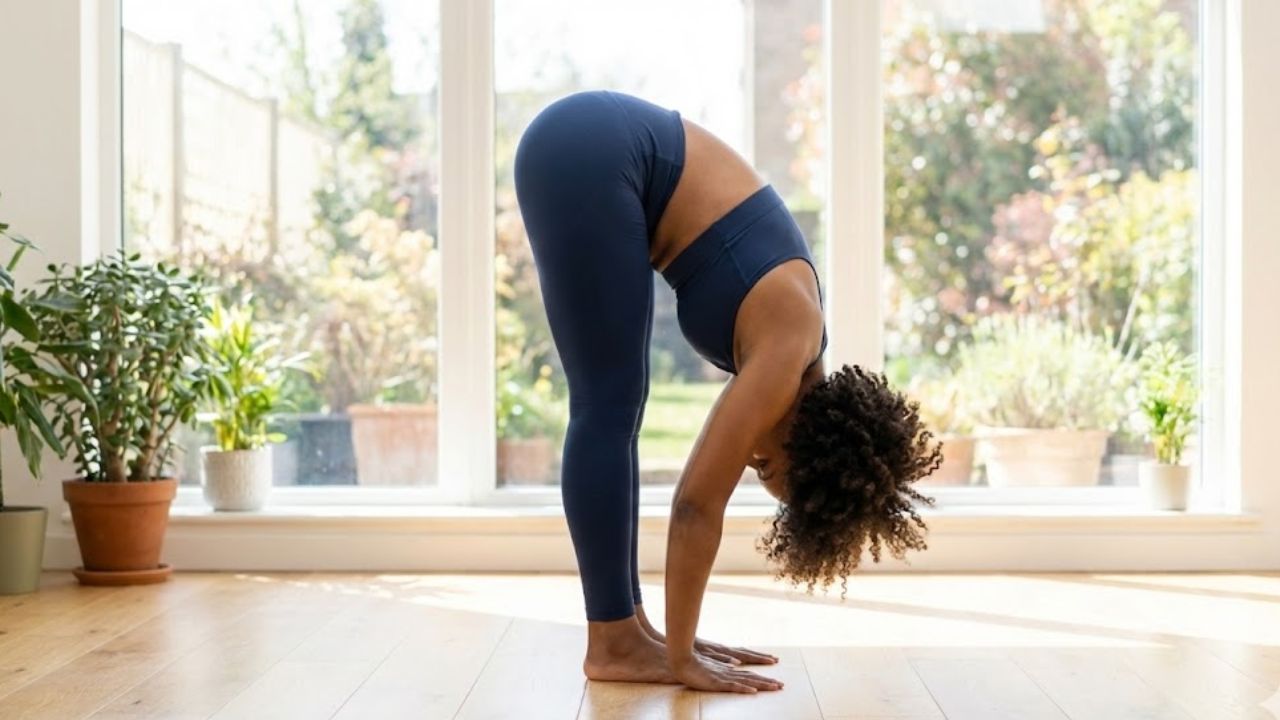
    Standing Forward Bend

    Standing Forward Bend provides gentle energy to your body and helps quiet your thoughts. Start from Mountain Pose & bend forward from your hips while letting your head and neck hang loose. You can bend your knees a little if that feels better. Your arms can dangle down or you can grab opposite elbows. This position increases blood circulation to your brain and can improve your focus and mental clarity. The pose also helps release tightness in your neck and shoulders where stress typically builds up & reduces your mental stamina.

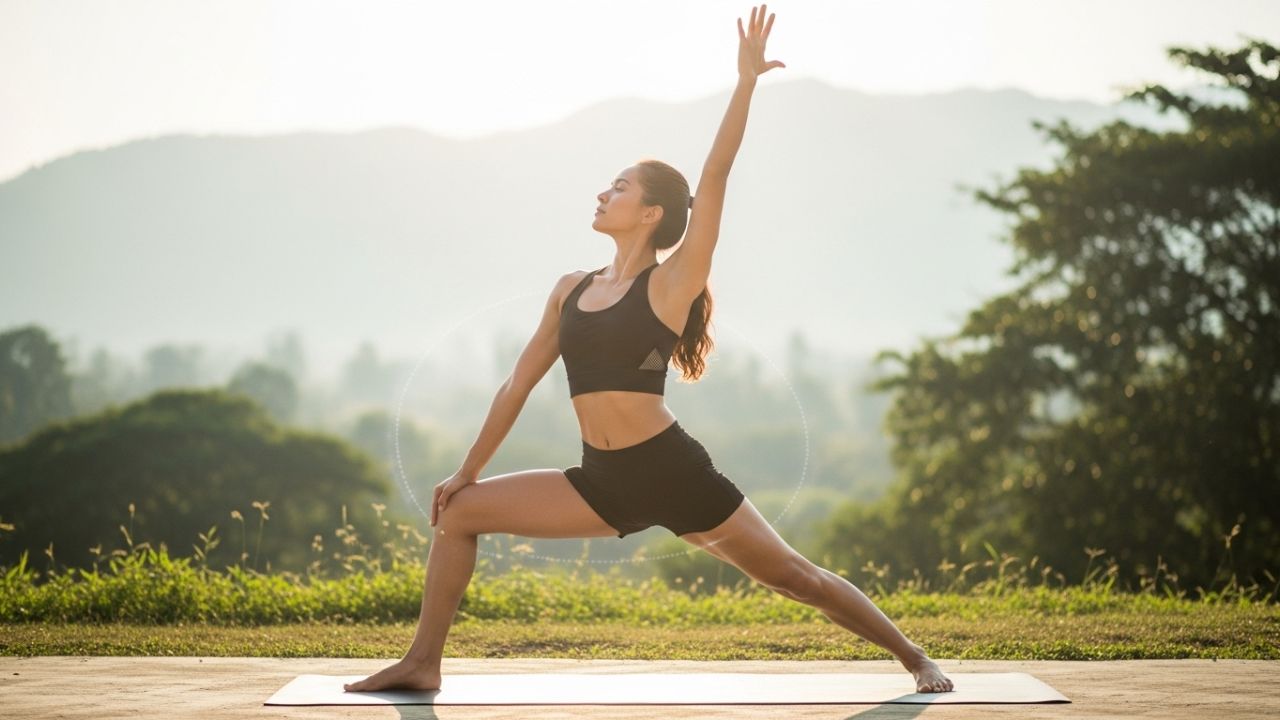
    Warrior Two Pose

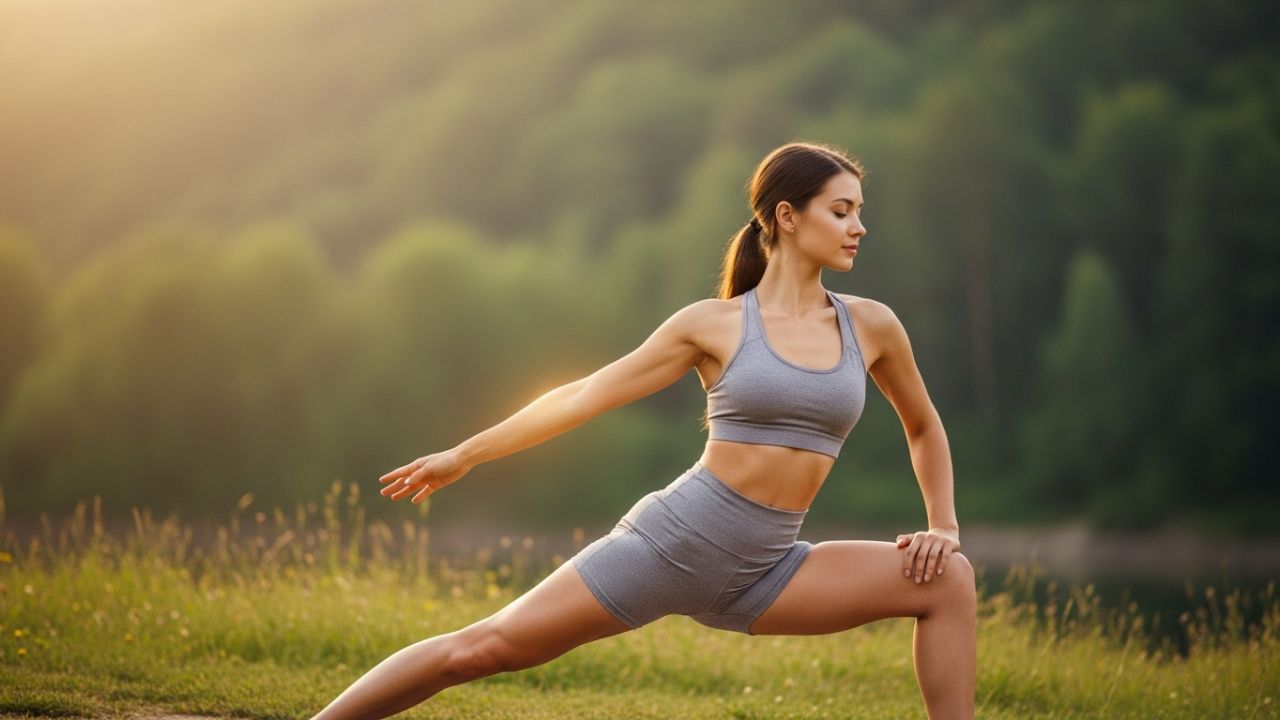
    Warrior Two develops strength and stamina while improving your ability to concentrate. Start by stepping one foot back to create a wide stance & then bend your front knee as you stretch both arms out to each side. Look straight ahead over your front hand and tighten your core and leg muscles while keeping your shoulders loose. This pose demands physical work and mental concentration which makes it effective for building confidence and maintaining focus. Warrior Two teaches your mind to remain present when facing difficult situations.

    Chair Pose

    Chair Pose works your large muscle groups and helps boost your energy naturally. Start by standing with your feet together & bend your knees like you’re sitting down in a chair. Lift your arms up over your head and keep your chest up. Tighten your core muscles & breathe in a steady rhythm. This position makes your legs stronger and gets your blood flowing better so you feel less tired. Chair Pose also helps you feel more determined & focused so it works well before you start working or studying.

    Cobra Pose

    Cobra Pose is a mild backbend that energizes the spine & expands the chest area. Start by lying face down with your hands positioned beneath your shoulders. Breathe in as you raise your chest from the ground while your hips stay in contact with the floor. Pull your shoulders backward and direct your gaze slightly ahead. This position works against poor posture and enhances your ability to breathe deeply. When you stretch the front side of your body through Cobra Pose you can reduce tiredness and create feelings of increased awareness and drive.

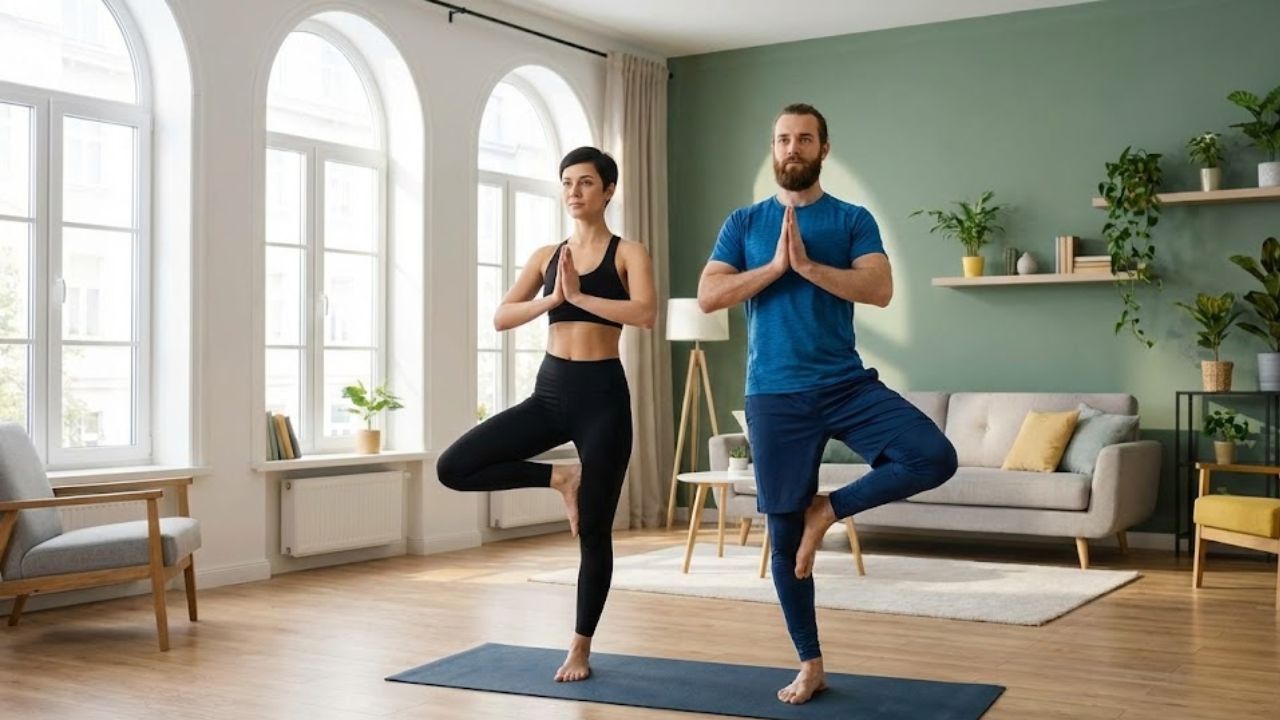
    Tree Pose

    Tree Pose helps develop better balance and coordination while making your mind clearer. Begin by standing upright and moving your weight to one foot. Position the bottom of your other foot against your calf or the inside of your thigh. Put your palms together at chest level or extend them above your head. Look at a fixed spot ahead of you. Balance exercises like Tree Pose require complete focus and reduce mental noise while improving your ability to concentrate. Regular practice of balancing can enhance your attention span during everyday activities.

    How To Practice These Poses For Best Results

    To get the most benefit from these poses you should practice them in a calm and well ventilated space. Focus on slow & steady breathing throughout each movement. Holding each pose for five to ten breaths is enough to feel energized without strain. This sequence can be completed in fifteen to twenty minutes which makes it easy to fit into busy schedules. Morning practice is ideal for setting a focused tone for the day while afternoon sessions can help overcome midday slumps.

    Building A Consistent Energy Boosting Routine

    Regular practice matters more than how hard you push yourself when doing yoga for energy & focus. Brief daily sessions can create real changes in how you feel and think throughout your day. You might notice over time that you need fewer cups of coffee or energy drinks because mindful movement keeps you alert naturally. Yoga teaches you to recognize when stress starts affecting your body so you can rest before you feel completely drained. Making these six basic yoga poses part of your routine helps you build lasting energy and stay focused. You’ll handle your daily work with a calm and clear mindset that feels more sustainable.

  • Mindset Transformation Yoga: 7 Practices That Improve Focus and Emotional Strength

    Mindset Transformation Yoga: 7 Practices That Improve Focus and Emotional Strength

    Yoga goes far beyond physical poses and flexibility. It is a powerful practice for mental and emotional growth. While yoga is widely recognized for improving flexibility, strength, and posture, its influence on the mind is just as profound. With consistent practice, yoga can help shift thought patterns, ease stress, and support a calmer, more focused, and balanced mindset. Below are seven essential yoga principles that can help reshape your thinking and bring greater peace and clarity into daily life.

    1. Mindful Breathing Through Pranayama

    One of yoga’s most effective mindset tools is mindful breathing, known as pranayama. Controlled breathing techniques help soothe the nervous system, lower anxiety, and enhance mental clarity. By directing attention to the breath, the mind naturally moves from restlessness to calm awareness.

    • Sit comfortably with a straight spine.
    • Close your eyes and breathe deeply through the nose, exhaling slowly.
    • Let distractions fade as you focus on the rhythm of your breath.
    • Practice for 5–10 minutes daily, increasing gradually.

    This practice encourages present-moment awareness, making it easier to manage stress and emotional tension.

    2. Strengthen Your Mindset With Sankalpa

    Setting an intention, or sankalpa, is a meaningful way to guide both your yoga practice and your mindset. A sankalpa is a positive affirmation that reflects what you wish to nurture in your life, such as calm, confidence, or self-acceptance.

    • Pause before practice to identify your intention.
    • Choose a simple, positive phrase like “I am at peace.”
    • Repeat it silently during your session.

    Integrating intention into yoga helps align your thoughts with your values, reinforcing positive self-belief and reducing negative mental patterns.

    3. Welcome Stillness Through Meditation

    Yoga emphasizes that stillness is a strength, not something to avoid. Meditation plays a vital role in calming the mind, improving focus, and enhancing clarity. Even brief daily meditation can create noticeable mental shifts.

    • Sit upright with eyes closed.
    • Focus gently on your breathing.
    • When thoughts arise, return attention to the breath.
    • Begin with 5 minutes and extend gradually.

    Meditation trains the mind to remain steady and calm, helping reduce anxiety while promoting inner balance.

    4. Build Gratitude Into Your Practice

    Yoga naturally encourages gratitude and appreciation for the body and the present moment. By acknowledging what is working well, your mindset shifts from scarcity to abundance.

    • Notice and appreciate your body’s strength and flexibility.
    • Reflect on positive areas of your life.
    • Use each practice to reconnect with gratitude.

    Gratitude supports emotional well-being, enhances happiness, and lowers stress, helping you develop a resilient mindset.

    5. Let Go of Negativity With Forward Folds

    Forward folds are calming postures that support the release of physical and emotional tension. These poses help clear mental clutter while encouraging relaxation.

    • Stand with feet hip-width apart.
    • Exhale as you fold forward from the hips.
    • Keep the spine long and neck relaxed.
    • Breathe steadily while holding the pose.

    These poses promote emotional release, leaving you feeling lighter and more focused.

    6. Develop Strength and Focus With Warrior Poses

    Warrior poses, or Virabhadrasana, build strength while reinforcing confidence and presence. They encourage a mindset rooted in determination and resilience.

    • Step one foot back from standing.
    • Bend the front knee to a right angle.
    • Extend arms parallel to the floor.
    • Gaze forward with steady focus.

    These poses help cultivate mental courage, encouraging you to face challenges with confidence.

    7. Restore Balance Using Tree Pose

    Tree Pose, known as Vrksasana, enhances balance, concentration, and mental stability. It teaches steadiness in both body and mind.

    • Shift weight onto one leg.
    • Place the opposite foot on the inner leg.
    • Bring hands to the heart or raise them overhead.
    • Fix your gaze on a steady point.

    This pose strengthens focus and promotes calm mental clarity, even during life’s challenges.

    Conclusion: Embracing a Calmer Way of Thinking

    Yoga offers a powerful pathway to mental transformation and emotional balance. Through mindful breathing, intention-setting, stillness, gratitude, and purposeful movement, yoga helps reshape the way you think and respond to life. By nurturing the connection between body and mind, yoga supports a harmonious inner state that extends beyond the mat. With regular practice and patience, its benefits can lead to a more peaceful, focused, and empowered mindset.

  • Optical Illusion Test: Spot the Number 743 in 7 Seconds

    Optical Illusion Test: Spot the Number 743 in 7 Seconds

    Get ready for a visual test that will challenge how well you can see details. The Optical Illusion 7 Seconds Challenge will test how quickly you can spot patterns when time is running out. Your task is to find the number 743 that is hiding among many repeating 742s. The twist is that you only have 7 seconds to complete it. This might seem easy at first but the illusion is harder than it looks and will test even people with excellent observation skills. Prepare yourself and get ready to prove how sharp your vision really is.

    The Puzzle Explained: Find the Hidden 743

    At first sight, this optical illusion looks easy enough. You’re presented with a grid packed entirely with the number 742. Hidden somewhere among them is a single 743. The challenge lies in the clever arrangement of the numbers, which makes them appear almost identical at a glance. Your task is to locate the unique number before the timer runs out.

    This challenge goes beyond simple eyesight. It tests your brain’s ability to recognize patterns and make fast, accurate observations under pressure. Because the difference between 742 and 743 is minimal, staying alert as the seconds tick away becomes essential.

    Why Finding the 743 Feels So Difficult

    The real difficulty of this seven-second challenge comes from how similar the numbers appear. When the same number repeats again and again, your brain naturally groups them into a single pattern. This makes spotting the one variation much harder.

    Since 742 repeats continuously, your mind starts to overlook small changes. The constant repetition creates visual noise, making it tough to isolate the lone 743. Add time pressure, and the challenge becomes even more intense. Success depends on concentration, patience, and resisting the urge to rush.

    The Science That Makes This Illusion Work

    Optical illusions like this one reveal how human perception really works. When scanning visuals, the brain relies heavily on familiar patterns to process information quickly. While this is usually helpful, it also makes subtle differences harder to detect.

    In this challenge, your brain must work harder to filter out irrelevant details and focus on what’s different. You’re testing not just your vision, but also your cognitive speed and ability to process visual data efficiently. These same skills are used in everyday tasks like recognizing faces or locating objects in crowded spaces.

    Simple Techniques to Spot the 743 Faster

    Although the puzzle can seem overwhelming at first, using the right strategy makes it manageable. Staying calm is key. Even with the countdown running, maintaining mental focus improves accuracy.

    Pay close attention to the final digit of each number. The difference between 742 and 743 is small but critical. Instead of scanning randomly, move your eyes in a steady, organized pattern from one row to the next. This method reduces distractions and increases your chances of catching the anomaly quickly.

    What This Challenge Says About Your Mind

    Spotting the number 743 within seven seconds highlights more than sharp eyesight. It reflects your ability to focus under pressure, manage stress, and process information rapidly. These traits are often linked to strong problem-solving and observation skills.

    In a fast-moving world, noticing small details quickly can be extremely useful. Whether you’re analyzing information, making decisions, or solving puzzles, this challenge mirrors real-life situations where attention to detail truly matters.

    Why Optical Illusions Are So Engaging

    Optical illusions provide a unique mental workout. They encourage you to slow down, sharpen your focus, and view problems from a fresh perspective. While they can be frustrating at first, they’re also deeply rewarding.

    These challenges help improve mental agility and observation skills while keeping the experience enjoyable. Whether you’re taking a short break or actively testing your brainpower, optical illusions offer an entertaining way to stay mentally sharp.

    The Answer Revealed: Where the 743 Is Hidden

    If you couldn’t locate the number in time, there’s no need to worry. The hidden 743 is located near the bottom-left corner of the grid. Its only difference is the final digit, which is a 3 instead of a 2.

    Once you know its location, the distinction becomes obvious. This challenge is designed to test attention to detail, pattern recognition, and focus under time pressure. With practice, spotting subtle differences like this becomes faster and easier. So, were you able to find it before the time ran out?

  • Optical Illusion Test: Spot the Number 982 in 7 Seconds

    Optical Illusion Test: Spot the Number 982 in 7 Seconds

    Optical illusion challenges have become a popular way to test attention and mental speed, especially across India where brain games are widely shared on social media. This optical illusion test invites readers to spot the number 982 within just seven seconds, pushing both focus and patience to the limit. At first glance, the numbers may appear identical, but subtle differences are hidden in plain sight. These visual puzzles are not only entertaining but also encourage sharper observation skills, making them a fun mental exercise for people of all ages.

    Optical Illusion Test to Spot 982 Quickly

    This optical illusion test is designed to challenge how quickly your eyes and brain work together. When surrounded by similar-looking numbers, your mind tends to assume repetition, which slows detection. Success depends on pattern recognition, steady visual scanning, and resisting time pressure. Instead of rushing, allowing your eyes to glide naturally can improve mental agility. Many people fail on the first attempt not due to poor vision, but because the brain jumps to conclusions too fast. Slowing your breathing and keeping a relaxed focus often leads to spotting the correct number sooner than expected.

    Why the Number 982 Is Hard to Find

    The difficulty of this puzzle lies in clever visual design. The surrounding digits create number camouflage, making 982 blend seamlessly into the grid. Your eyes may focus too narrowly, missing clues that appear just outside direct vision. Using peripheral focus helps detect micro differences between shapes. The brain also relies on brain shortcuts, assuming repeated patterns instead of checking each digit. These natural habits save time in daily life but become obstacles during illusion tests, where careful observation is the real advantage.

    Optical Illusion Challenges and Brain Benefits

    Regularly attempting optical illusion tests can sharpen more than eyesight. Over time, practice improves speed while strengthening attention control. Holding focus for several seconds builds visual endurance, which is useful for reading, driving, and screen-based work. Many participants also notice a confidence boost after solving tricky puzzles, reinforcing positive problem-solving habits. These challenges train the brain to stay alert under mild pressure, turning a simple game into a powerful mental workout that feels rewarding rather than exhausting.

    Summary and Final Analysis

    This seven-second optical illusion test may look simple, but it delivers a meaningful cognitive workout. By engaging with puzzles like this, readers can build a daily brain habit that supports sharper thinking. The act of searching improves focus training while keeping the experience light through a playful challenge. Whether solved quickly or after multiple tries, the value lies in exercising attention and patience. Over time, these small efforts can make visual processing faster and more accurate in everyday situations.

    Feature Description
    Target Number 982 hidden among similar digits
    Time Limit 7 seconds
    Skill Tested Focus and visual perception
    Difficulty Level Moderate to challenging

    Frequently Asked Questions (FAQs)

    1. What is the goal of this optical illusion test?

    The goal is to spot the number 982 within seven seconds.

    2. Is this puzzle suitable for all ages?

    Yes, it is safe and enjoyable for both kids and adults.

    3. Does failing the test mean weak eyesight?

    No, it usually reflects how the brain processes visual patterns.

    4. Can practicing such puzzles improve focus?

    Yes, regular practice can enhance attention and visual speed.

  • Optical Illusion Test: Spot the Number 594 Among 564s

    Optical Illusion Test: Spot the Number 594 Among 564s

    Optical illusion tests have become a popular way to challenge focus, logic, and visual sharpness, especially among puzzle lovers in India. These mind-bending visuals appear simple at first glance but quickly test how well your brain processes small differences. In this optical illusion test, the challenge is to spot the number 594 hidden among repeated 564s. While the numbers look almost identical, the illusion relies on pattern overload and distraction. Such puzzles are not only entertaining but also help sharpen observation skills and improve attention to detail.

    Optical Illusion Challenge to Spot 594 Quickly

    This optical illusion challenge pushes your eyes to work faster than your brain expects. When surrounded by repeated numbers, the mind tends to assume uniformity, making it harder to notice subtle changes. The task of finding 594 among dozens of 564s tests visual focus speed, pattern recognition skill, mental filtering ability, and attention under pressure. Many people scan too quickly and miss the difference, while others overthink the layout. The trick is to slow your gaze slightly and let your eyes move line by line instead of jumping randomly across the image.

    Why This Optical Illusion Test Tricks the Brain

    The brain is designed to save energy by grouping similar objects together, which is why optical illusions are so effective. In this test, repeated 564s create a visual rhythm that masks the odd number. This effect highlights cognitive shortcut behavior, visual overload response, automatic pattern scanning, and detail suppression effect. Once the brain assumes all numbers are the same, it stops actively checking each one. Optical illusion tests like this reveal how perception can differ from reality, even when the information is right in front of us.

    How Optical Illusion Puzzles Improve Observation Skills

    Regularly attempting optical illusion puzzles can improve everyday observation and concentration. These challenges train your eyes to slow down and your brain to question assumptions. Over time, this enhances selective attention control, visual discrimination accuracy, mental patience building, and focus consistency growth. Many educators and psychologists recommend such puzzles because they engage both logic and perception. Whether used for fun or mental exercise, optical illusion tests offer a simple way to sharpen awareness without complex tools or lengthy practice.

    Summary and Visual Analysis

    This optical illusion test demonstrates how easily the brain can be misled by repetition and similarity. Spotting 594 among 564s requires calm observation rather than speed. The illusion works by exploiting habit-based perception, visual expectation bias, number similarity trap, and focus fatigue tendency. By understanding why the illusion works, viewers can improve how they approach similar challenges. These puzzles remind us that seeing is not always the same as noticing, and small details often hold the real answers.

    Aspect Description
    Primary Goal Find the number 594 hidden among 564s
    Skill Tested Visual attention and detail recognition
    Difficulty Level Moderate
    Time Required 5–15 seconds on average
    Best For Brain training and focus improvement

    Frequently Asked Questions (FAQs)

    1. What is the goal of this optical illusion test?

    The goal is to identify the number 594 hidden among multiple 564s.

    2. Why is it hard to spot the different number?

    The brain groups similar patterns and overlooks small differences.

    3. Do optical illusion tests improve brain function?

    They help enhance focus, observation, and attention to detail.

    4. How long should it take to find 594?

    Most people find it within 5 to 15 seconds.

  • 7 Home Yoga Exercises That Help You Stay Fit Naturally

    7 Home Yoga Exercises That Help You Stay Fit Naturally

    Seven Simple Yoga Exercises to Stay Fit at Home Staying fit does not always require heavy workouts or gym equipment. Yoga offers a natural and balanced way to keep the body strong and flexible while boosting energy levels. Practicing yoga at home fits perfectly into modern routines where time and space are often limited. With consistent practice yoga supports muscle tone & improves posture while aiding digestion and stress control. These seven home yoga exercises are simple and effective for anyone who wants to stay fit naturally.

    Mountain Pose for Natural Posture and Strength

    Mountain Pose: The Foundation of Your Yoga Practice Mountain Pose serves as the starting point for countless yoga movements. To perform it correctly you should stand upright with your feet positioned close together. Let your arms hang naturally at your sides while keeping your spine in a straight alignment. Direct your attention to maintaining steady breathing patterns and feel the connection between your feet & the ground beneath you. This fundamental pose delivers several physical benefits. It works to strengthen the muscles throughout your legs while simultaneously working on your overall posture. Regular practice also sharpens your awareness of how your body moves and holds itself in space. Making Mountain Pose part of your daily routine can lead to lasting improvements in how you carry yourself.

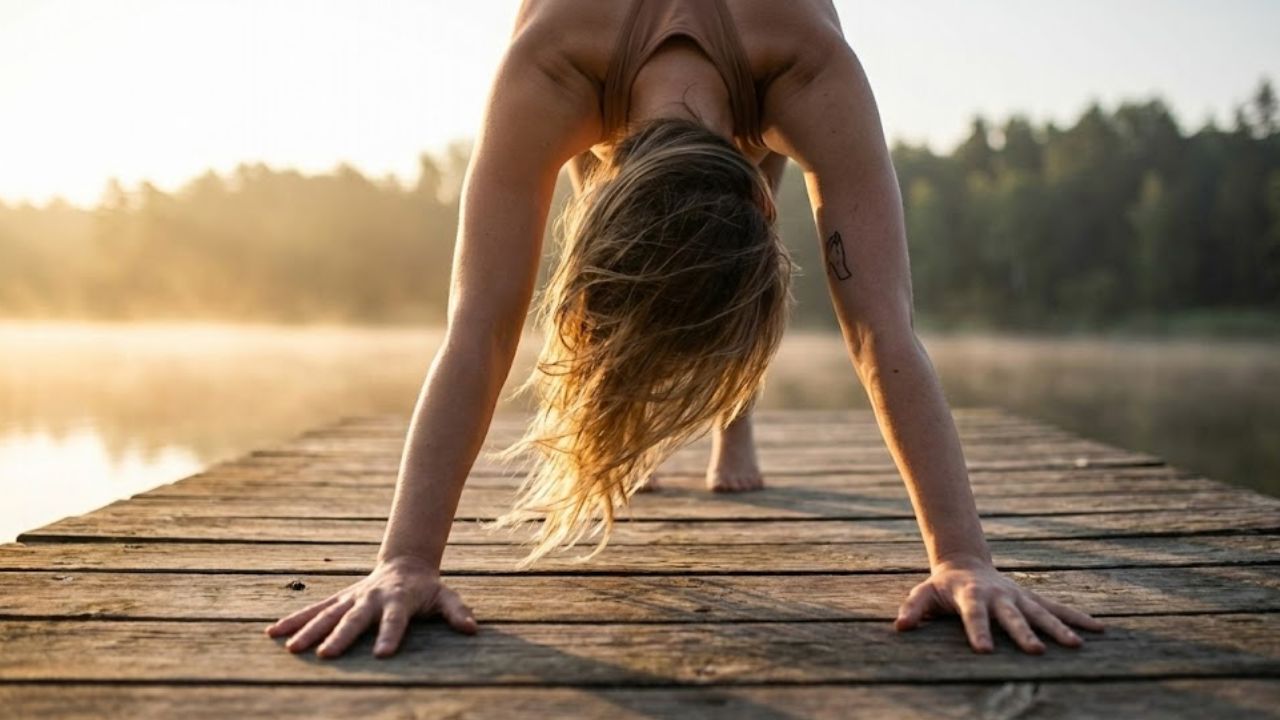
    Downward Facing Dog for Total Body Fitness

    Downward Facing Dog engages nearly all the major muscle groups in your body. Start from a hands & knees position & lift your hips upward while pressing your chest gently toward your thighs. This pose provides a stretch for the back & shoulders along with the calves & hamstrings. At the same time it builds strength in both the arms and legs. The position enhances blood circulation throughout the body & increases your energy levels. Regular practice of this pose at home supports ongoing flexibility & builds stamina without putting excessive strain on your body.

    Cobra Pose for a Healthy Spine

    Downward Facing Dog works almost every major muscle group in your body. Begin on your hands and knees and then lift your hips up while gently pressing your chest toward your thighs. This pose stretches your back and shoulders as well as your calves and hamstrings. It also strengthens your arms and legs at the same time. The position improves blood flow through your body and boosts your energy. Practicing this pose regularly at home helps maintain flexibility & builds endurance without placing too much stress on your body.

    Bridge Pose for Core and Lower Body Strength

    Bridge Pose strengthens the glutes and lower back along with the core muscles. You start by lying on your back and bending your knees so your feet rest flat on the floor. Then you lift your hips upward and press your feet firmly into the mat. This pose supports spinal health and improves circulation while toning the lower body. Regular practice helps maintain natural body strength and stability over time.

    Tree Pose for Balance and Body Control

    Tree Pose helps you develop better balance and makes your legs stronger. To do this pose you need to stand on one leg while placing your other foot against your calf or inner thigh. Put your hands together in front of your chest & look at something that isn’t moving. This type of exercise works on your physical stability and mental concentration at the same time. When you practice balancing poses regularly you gain better control over your muscles and learn to focus your mind more effectively. These skills are important for maintaining your fitness through natural movement & body awareness.

    Plank Pose for Full Body Toning

    Plank Pose works as an effective exercise for building total body strength. You position yourself on your hands and feet while keeping your entire body straight & tight through the middle. This position works your stomach muscles along with your arms & shoulders while also strengthening your back and legs. When you practice plank consistently you develop better stamina and create firmer muscles using only your body weight. This makes it one of the most practical strength exercises you can do at home without needing any special gear.

    Child Pose for Recovery and Relaxation

    Fitness requires proper recovery to be effective. Child Pose provides deep relaxation and helps release muscle tension. Start by kneeling on the floor and sitting back on your heels before folding forward gently. This position relaxes your spine along with your shoulders and hips while it calms your nervous system. The pose helps your body recover and gets you ready for your next workout or daily activities.

    Why Home Yoga Supports Natural Fitness

    Yoga works on balancing your entire body instead of targeting individual muscles. The practice brings together physical strength with flexibility while also incorporating breathing techniques & mental awareness. Modern approaches to health & wellness place importance on moving in ways that feel natural to your body while reducing daily stress & maintaining regular exercise patterns. Yoga addresses each of these wellness goals effectively. When you practice yoga in your own home you gain a sense of comfort and the freedom to move at your own pace. This home environment helps you establish a consistent routine that supports lasting fitness habits without creating unnecessary pressure or stress about performance.

    Simple Tips to Stay Consistent

    Practice yoga at the same time each day before eating and keep your sessions manageable. Pay attention to how well you move instead of pushing yourself too hard. Just twenty minutes of daily practice can help maintain your natural fitness level. Yoga offers a gentle but effective approach to staying fit without artificial methods. These seven home exercises build strength throughout your body while increasing flexibility & sharpening your mind. When you practice consistently yoga transforms from a simple workout into something deeper. It becomes a natural part of your routine that promotes lasting health and wellbeing.

  • 7 Yoga Stretches You Can Do Daily to Improve Flexibility

    7 Yoga Stretches You Can Do Daily to Improve Flexibility

    Flexibility Through Yoga Flexibility is not about forcing your body into deep poses. It is about allowing your muscles and joints to open slowly & safely. Many people feel stiff due to long sitting hours or stress or poor posture or lack of regular movement. Yoga stretches improve flexibility by increasing blood flow and reducing muscle tightness and improving joint mobility. These seven yoga stretches are ideal for beginners and experienced practitioners alike. They focus on major tight areas like the hips and hamstrings and spine and shoulders and back. Practicing them consistently can help you move better and feel lighter & reduce everyday aches. ## Why Yoga Stretches Improve Flexibility Safely Muscles tighten when they are stressed or unused. Yoga uses steady breathing and controlled movement to gently lengthen muscles without strain. Unlike sudden stretching yoga allows the nervous system to relax which helps muscles release naturally. Over time this leads to lasting flexibility without injury. Flexibility also improves circulation and posture & balance which makes daily movements easier.

    Wake Up Your Body With Gentle Standing Forward Folds

    This stretch works on your hamstrings, calves lower back and neck. It helps reduce stiffness when you have been sitting for a long time. How to do it: Stand with your feet at hip width. Bend your knees a little & fold forward from your hips. Let your head hang down naturally. You can place your hands on the floor, your shins or use a block for support. Flexibility benefit: Doing this stretch regularly makes the back of your legs longer & reduces tension in your spine. Hold for: 45 to 60 seconds while breathing slowly.

    Release Tight Hips and Legs Through a Deep Low Lunge Stretch

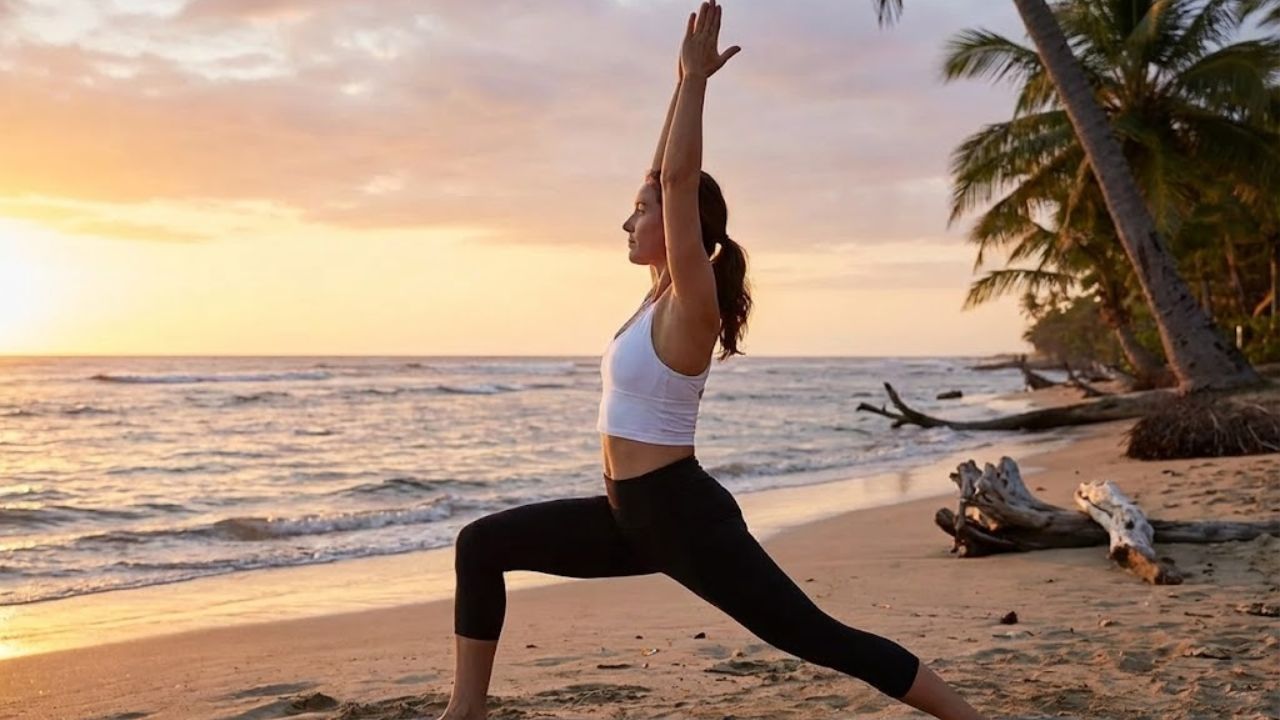
    Low Lunge provides a deep stretch for the hip flexors that typically become tight from prolonged sitting. How to do it: Place one foot forward and bring your back knee down to the mat. Keep your chest upright while allowing your hips to sink forward gently. You can rest your hands on your thighs or on the mat. Flexibility benefit: This stretch enhances hip mobility and helps improve your posture. Hold for: 30 to 60 seconds on each side.

    Lengthen the Spine Daily Using a Calm Seated Forward Bend

    This gentle stretch targets your hamstrings along with your lower back and spine. Start by sitting on the floor with your legs straight out in front of you. Take a breath in while sitting up tall to extend your spine. Then breathe out as you bend forward at your hips. You can keep a slight bend in your knees if that feels more comfortable. This stretch helps your muscles lengthen slowly & naturally without pushing too hard. Stay in this position for 60 seconds while breathing normally and keeping your body relaxed.

    Open Inner Thighs and Improve Mobility With Butterfly Pose

    Butterfly Pose gently opens your hips and stretches the inner thighs. This position works well for releasing tension in your lower body. How to do it: Sit down and bring the bottoms of your feet together. Allow your knees to drop open to the sides in a relaxed way. Hold onto your feet or ankles while keeping your back straight. Flexibility benefit: This pose makes your hips more flexible and helps reduce tightness in the area around your pelvis.

    Stretch the Entire Body Effectively Using Downward Facing Dog

    Butterfly Pose opens your hips and stretches your inner thighs in a gentle way. This position helps release tension from your lower body. To perform this pose sit on the floor & press the soles of your feet together. Let your knees fall naturally toward the sides without forcing them. Grip your feet or ankles with your hands and maintain a straight spine throughout the stretch. This pose increases hip flexibility and loosens the muscles around your pelvis. Hold for:

    Strengthen the Back and Increase Flexibility With Cobra Pose

    Cobra Pose stretches your chest & abdomen & spine. It makes your spine more flexible too. Here’s how you do it. Lie face down on the floor. Put your palms flat on the ground right under your shoulders. Push gently with your hands and raise your chest up. Don’t push too hard or you might hurt your lower back. This pose is great for your flexibility. It helps fix bad posture from slouching forward all day. Your spine will move better after practicing this regularly. Hold the position for 20 to 40 seconds. Do it one more time after a short rest.

    Relax the Spine and Ease Stiffness Using Supine Spinal Twist

    This easy stretch helps your spine relax and gently massages the organs inside your body. How to do it: Start by lying flat on your back. Pull one knee up toward your chest and then move it across to the opposite side of your body. Stretch your other arm straight out to the side. Make sure your shoulders stay loose and comfortable. Flexibility benefit: This movement makes your spine more flexible and helps ease tension in your lower back. Hold for: 45 seconds on each side.

    How to Practice These Yoga Stretches Daily for Maximum Flexibility Gains

    Flexibility gets better through regular practice rather than pushing yourself too hard. You should do these stretches every day or at least five days each week. Always move in a slow controlled way & never use bouncing movements when stretching. Your breathing pattern matters a lot. Breathe in to make room in your body and breathe out to go a bit deeper into the position. Stop and ease back a little if you feel any pain. Here is a basic flexibility routine that takes 10 minutes: Start with Standing Forward Fold. Then do Low Lunge on your left side & then your right side. Move into Downward Facing Dog next. After that do Seated Forward Bend followed by Butterfly Pose. Then practice Cobra Pose. Finish with Supine Spinal Twist on both your left and right sides.

    Smart Daily Habits That Help You Stay Flexible for the Long Term

    Start with a warm up before you do any deep stretching. Your muscles will not stretch well when they are cold. Make sure you drink enough water because hydrated muscles are easier to stretch. Be patient with yourself since everyone improves their flexibility at different speeds. Do strength training along with your stretching routine to keep your joints and muscles safe.

    Who Should Practice These Yoga Stretches With Extra Care and Caution

    If you have recent injuries or joint problems or chronic pain you should keep your stretches gentle and well supported. You can use props like cushions or blocks whenever you need them. If you are pregnant you should adjust deep twists and forward bends to make them safer. You do not need to spend hours practicing to improve your flexibility. Just a few careful stretches each day can make a real difference in how your body feels and moves. If you would like I can put together a morning or evening flexibility yoga routine that fits your schedule and matches your comfort level.

  • 5 Easy Yoga Poses: Beginner-Friendly Movements to Build Comfort and Confidence

    5 Easy Yoga Poses: Beginner-Friendly Movements to Build Comfort and Confidence

    Five Simple Yoga Poses Perfect for Complete Beginners Starting yoga for the first time can feel intimidating when social media shows advanced poses and complex routines. The reality is that yoga should be accessible and adaptable for everyone. Beginners gain the most from simple poses that emphasize breathing and body awareness along with basic alignment. These five easy yoga poses work well for newcomers who want to improve flexibility and reduce stress while building a strong foundation without feeling overwhelmed.

    Start Your Yoga Journey: Why Simple Poses Work Best for Beginners

    When you start practicing yoga your body needs time to learn how to move with awareness. Simple poses let you concentrate on your posture and breathing rather than fighting to stay balanced or build strength. These basic movements help your joints move more freely & reduce muscle tightness while calming your mind. Regular practice of fundamental poses also reduces your chance of getting injured & increases your confidence which makes it simpler to advance at your own pace.

    Grounding with Mountain Pose: Find Balance and Stability

    Mountain Pose is often the first pose taught in yoga because it builds the foundation for all standing postures. Stand with your feet hip width apart & arms resting by your sides. Distribute your weight evenly across both feet. Gently engage your legs and core while lifting your chest and lengthening your spine. Relax your shoulders and take slow deep breaths. This pose improves posture and body awareness and balance. It also helps beginners understand how proper alignment feels in a standing position.

    Flow Through Cat-Cow Pose: Loosen Your Spine and Improve Flexibility

    Cat Cow is a gentle flowing movement that warms up the spine and releases tension. Start on your hands and knees with your wrists positioned under your shoulders and your knees under your hips. Breathe in as you arch your back and lift your chest while looking slightly upward. Breathe out as you round your spine and draw your chin toward your chest. Move slowly between these two positions for several rounds of breathing. This pose improves spinal flexibility and helps reduce stiffness which makes it an excellent warm up for beginners.

    Relax with Child’s Pose: Release Tension and Calm Your Mind

    Child’s Pose is a deeply relaxing position that lets your body rest and reset. Start by kneeling on the floor and bringing your big toes together while sitting back on your heels. Reach your arms forward & lower your forehead toward the mat. You can place a cushion under your hips or head if you need extra support. This pose gently stretches your back and hips while calming your nervous system. Beginners can return to Child’s Pose whenever they need to during practice to regain comfort and focus.

    Stretch Safely with Seated Forward Bend: Ease Hamstrings and Lower Back

    Seated Forward Bend is a basic stretch that helps make your back and legs more flexible. Start by sitting on the floor with your legs straight out in front of you. Take a breath in to make your spine longer and then breathe out as you bend forward from your hips. Try to reach toward your shins or ankles but don’t push yourself too hard. Make sure your neck stays loose and keep breathing at a steady pace. This position is good for releasing tightness in your lower back and helps you feel more relaxed. It works well for people who are just starting out and sit down for most of the day.

    Strengthen Your Back and Glutes with Bridge Pose

    Bridge Pose is a gentle backbend that strengthens the legs and back while opening the chest. Lie on your back with knees bent and feet flat on the floor at hip width apart. Press your feet into the mat and lift your hips slowly. Keep your arms by your sides & roll your shoulders under slightly. Hold for a few breaths & then lower down with control. This pose improves spinal strength and supports better posture. It also boosts confidence in beginners who are exploring backbends for the first time.

    Practical Tips for New Yoga Practitioners: Build Confidence Safely

    As a beginner you should pay attention to what your body tells you & progress at a speed that feels right. Make sure to breathe deeply & steadily while holding each pose. Do not force yourself into painful positions or worry about how you compare to other people. Using a non slip mat & wearing clothes that allow easy movement will help make your practice more pleasant. Spending just ten to fifteen minutes each day on yoga can produce clear improvements in how flexible you feel and how positive your mood becomes.

    Designing a Beginner-Friendly Yoga Routine: Step-by-Step Approach

    You can practice these five poses in a simple sequence by starting with Mountain Pose and ending with Child’s Pose. Hold each pose for five to ten breaths and move slowly between them. Over time you may feel stronger & more flexible & more relaxed. As confidence grows you can gradually explore additional poses or longer sessions. Yoga is a journey and not a race. By starting with these easy yoga poses beginners can build a strong and safe foundation while enjoying the physical and mental benefits that yoga has to offer.

  • People who adopt German shepherd rescues are putting children at risk

    People who adopt German shepherd rescues are putting children at risk

    Across the United States, debates flare up whenever a serious dog bite makes headlines, and German Shepherd rescues often sit at the center of those conversations. The concern isn’t about demonizing a breed, but about understanding real-world risks when strong, intelligent dogs with unknown histories join homes that include children. Adoption can be a beautiful second chance, yet it also demands clear-eyed preparation. Families, shelters, and advocates increasingly agree that safety depends on education, screening, and realistic expectations rather than fear-driven assumptions.

    German Shepherd rescue adoption and child safety concerns

    German Shepherds are admired for loyalty and intelligence, but rescues can arrive with a rescue background unknown that families must carefully evaluate. As a powerful working breed, they often carry instincts shaped by previous environments, training, or neglect. Children’s unpredictable movements can clash with early socialization gaps, creating misunderstandings. Some dogs may show resource guarding signs around toys or food, which requires management. Add the dog’s size and strength, and it becomes clear why preparation matters. Risk doesn’t mean inevitability; it means awareness, assessment, and proactive planning before a child and dog share daily space.

    Reducing risks when adopting German Shepherd rescues

    Safety improves dramatically when families seek a family lifestyle match rather than choosing with emotion alone. Reputable rescues prioritize a professional behavior assessment to flag triggers and training needs. Teaching kids clear child dog boundaries—no climbing, grabbing, or startling—sets everyone up for success. Experts stress supervised interactions only during early months, especially around meals and play. Pair that with structured training plans, and many German Shepherd rescues become steady, trustworthy companions. Thoughtful preparation turns potential risk into a manageable transition period.

    What shelters can do to protect children and families

    Well-run rescues rely on shelter screening protocols that go beyond basic temperament tests. Honest bite history disclosure builds trust and allows informed decisions. Many organizations now encourage foster-to-adopt trials, letting families observe behavior in a home setting before committing. Access to ongoing support networks, such as trainers and behaviorists, prevents small issues from escalating. Finally, consistent post-adoption follow-ups help ensure both the dog and children adjust safely. These steps protect families while giving dogs a fair chance to succeed.

    Balanced perspective on risk and responsibility

    When headlines claim danger, it’s easy to forget that risk is contextual, shaped by preparation and supervision. German Shepherd rescues are not inherently unsafe; outcomes hinge on responsible ownership practices and honest communication. Families who make informed adoption decisions tend to report positive experiences, even with young kids. Communities benefit when shelters, adopters, and professionals align around community safety outcomes instead of blame. The goal is neither fear nor denial, but practical steps that protect children and give dogs a stable, loving home.

    Safety Factor Lower Risk Approach Higher Risk Scenario
    Dog History Full disclosure Unknown background
    Child Interaction Supervised play Unsupervised contact
    Training Professional guidance No formal training
    Adoption Process Foster-to-adopt Immediate placement
    Follow-Up Ongoing support No check-ins

    Frequently Asked Questions (FAQs)

    1. Are German Shepherd rescues dangerous for children?

    No, risk depends on the dog’s history, training, and supervision in the home.

    2. Should families with kids avoid adopting rescues?

    Not necessarily, but careful screening and preparation are essential.

    3. What age is best for children around large rescue dogs?

    Older children who can follow safety rules tend to reduce risk.

    4. Do shelters provide post-adoption help?

    Many reputable rescues offer training resources and follow-up support.