Author: admin

  • Screens Off, Mind On: Restorative Yoga Flows That Help Release Screen Stress and Promote Inner Calm

    Screens Off, Mind On: Restorative Yoga Flows That Help Release Screen Stress and Promote Inner Calm

    Finding Peace Through Yoga in a Digital World In our modern world the constant flow of information and online activity often leaves us feeling stressed & exhausted. To protect our mental & physical health we need ways to relax and step back from digital overload. Yoga is one of the most effective approaches for this purpose. Regular yoga practice offers many benefits including relaxation and awareness while giving us a much-needed break from technology. Anyone can benefit from adding certain yoga exercises to their daily routine regardless of their experience level. Yoga helps create a space where you can disconnect from screens and reconnect with yourself. The practice combines physical movement with breathing techniques that naturally calm your nervous system. When you focus on holding a pose or controlling your breath your mind shifts away from digital distractions. Starting a yoga routine does not require special equipment or advanced skills. Simple poses like child’s pose or cat-cow stretch can be done at home in just a few minutes. These basic movements help release tension that builds up from sitting at computers or looking at phones all day. The breathing exercises in yoga are particularly useful for managing stress caused by information overload. Deep breathing activates your body’s relaxation response and helps lower anxiety levels. Practicing these techniques regularly makes it easier to stay calm even when facing digital demands. Making time for yoga creates a healthy boundary between you and technology. Setting aside even fifteen minutes each day for practice can improve your mood and energy levels. Over time you may notice better sleep quality and increased ability to focus on tasks without feeling overwhelmed.

    Child’s Pose (Balasana) — Deep Grounding to Soothe the Nervous System and Quiet an Overstimulated Mind

    Child’s Pose is a gentle resting position that helps calm your mind and relax your body. Folding forward and placing your forehead on the mat creates a sense of peace & stability. To practice this pose start on your hands and knees. Move your hips back toward your heels and stretch your arms forward. Rest your forehead on the mat and take deep slow breaths. Stay in this position for 5 to 10 minutes to release tension & let your body fully relax.

    Legs Up the Wall (Viparita Karani) — Restorative Inversion to Calm Racing Thoughts and Relieve Digital Eye and Body Fatigue

    This posture helps reduce stress and gently calms the nervous system. It encourages healthy blood flow and can ease feelings of anxiety. Follow these steps to practice it:

    – Sit sideways with one hip close to a wall, then slowly lie down on your back while lifting your legs up against the wall.

    – Allow your arms to relax by your sides, or place your hands softly on your abdomen.

    – Gently close your eyes and bring attention to your breath, letting your body release any built-up tension.

    – Remain in this pose for about five to ten minutes, breathing slowly and comfortably.

    Seated Forward Fold (Paschimottanasana) — Introspective Stretch to Encourage Emotional Release and Mental Stillness

    This forward bend helps you unwind while stretching your back and hamstrings. It lowers stress levels & quiets your mind. How to do it:

    – Sit on the floor with your legs extended straight in front of you & your toes pointing up.

    – Take a deep breath to lengthen your spine and then exhale slowly as you fold forward & extend your arms toward your feet.

    – Allow your body to settle into the stretch & focus on your breath.

    – Hold this pose for 5 to 10 minutes.

    Cat–Cow Flow (Marjaryasana–Bitilasana) — Gentle Spinal Rhythm to Melt Screen Tension and Rebuild Mind–Body Awareness

    Cat-Cow is a simple flowing exercise that loosens your spine & neck. It connects your breathing to your movement and sharpens focus while lowering stress. Here’s how to do it: Start on your hands and knees. Put your wrists directly under your shoulders and position your knees under your hips. When you breathe in arch your back & lift your head to look upward. This is Cow Pose. When you breathe out round your spine and tuck your chin toward your chest. This is Cat Pose. Keep moving back & forth between these two positions for one to two minutes. Try to match your movements with your breathing as you go.

    Corpse Pose (Savasana) — Conscious Stillness for Full Mental Reset, Deep Relaxation, and Inner Balance

    Savasana is the concluding relaxation posture that allows your body and mind to fully integrate the benefits of your yoga practice while entering a state of deep rest.

    Steps to Practice:

    – Lie comfortably on your back with your legs extended and slightly relaxed. Rest your arms gently beside your body.

    – Close your eyes and bring your awareness to your natural breathing rhythm.

    – Gradually release any remaining tension in your muscles, allowing your body to sink into the surface beneath you.

    – Stay in this posture for five to ten minutes, giving your body and mind time to restore and reset.

    Creating a Yoga-Led Digital Detox — Mindful Movement Practices to Step Away from Screens and Reconnect with Inner Calm

    – Incorporating yoga into your daily routine provides a simple and effective way to step back from screens and digital distractions. Below are practical ideas to help you create meaningful tech-free moments:

    – Set Intentional Boundaries: Decide on specific times each day for yoga practice where phones, tablets, and laptops are kept away. Early mornings or calming evening sessions before bed are ideal for building mental clarity and relaxation.

    – Create a Peaceful Space: Design a calm and comfortable area for yoga that is free from electronic devices. Enhancing the space with soft lighting, candles, soothing aromas, or gentle ambient sounds can help deepen your sense of calm.

    – Practice Mindful Breathing: As you move through your yoga poses, bring full attention to slow, conscious breathing. Focusing on each inhale and exhale grounds you in the present moment and reduces the urge to check your phone.

    – Commit to Screen-Free Time After Practice: Once your yoga session ends, intentionally remain offline for a short period. You might go for a gentle walk, read a book, or simply sit quietly, allowing your mind and body to fully recharge.
  • Yoga for Instant Relief: 5 Calming Poses That Melt Tension and Restore Deep Mental Balance Quickly

    Yoga for Instant Relief: 5 Calming Poses That Melt Tension and Restore Deep Mental Balance Quickly

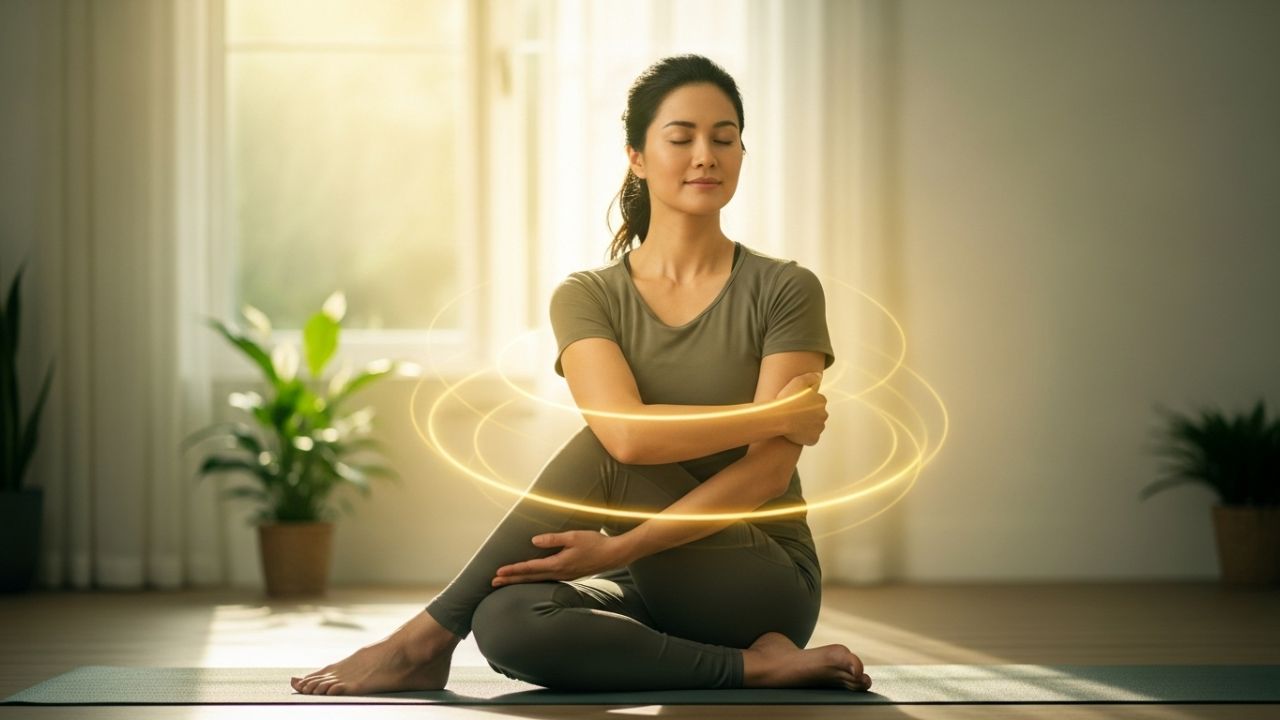
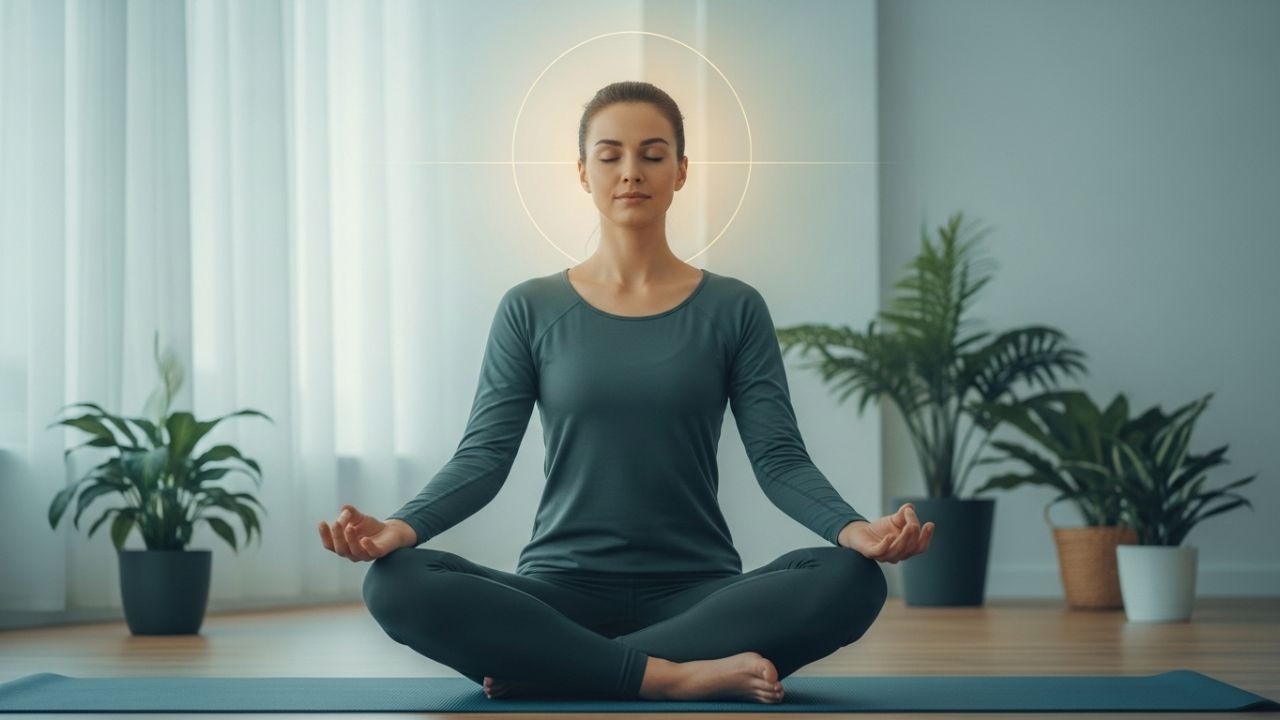
    Yoga is an effective practice that improves both flexibility & strength while supporting mental calmness. When you face everyday stress or just want to take a break yoga provides practical ways to help you relax. If tension or pressure builds up, specific yoga poses can quiet your thoughts, ease tight muscles and bring your body back into balance. This article covers five essential yoga poses that release tension and calm your mind.

    1. Child’s Pose (Balasana)

    Benefits: Child’s Pose is a deeply restorative yoga posture that gently stretches the lower back, hips, and thighs while promoting mental calmness. It is particularly effective for easing stress, relaxing the nervous system, and creating a sense of emotional comfort.

    How to Do It:

    – Begin by kneeling on your mat with your big toes touching and knees comfortably apart.

    – Lower your hips back toward your heels and gently fold your torso forward.

    – Extend your arms in front of you or rest them alongside your body.

    – Place your forehead on the mat and breathe deeply, allowing your body to soften.

    – Hold the position for 30 seconds to one minute while maintaining slow, steady breaths.

    2. Cat-Cow Pose (Marjaryasana–Bitilasana)

    Benefits: Cat-Cow is a flowing spinal movement that helps release stiffness in the back, neck, and shoulders. Coordinating breath with motion encourages relaxation, improves flexibility, and reduces built-up tension.

    How to Do It:

    • Start in a tabletop position with wrists aligned under shoulders and knees under hips.
    • Inhale as you drop your belly, lifting your chest and tailbone upward into Cow Pose.
    • Exhale as you round your spine, tuck your chin, and draw your tailbone down into Cat Pose.
    • Continue moving between these poses in sync with your breath.
    • Repeat for 5 to 10 slow, controlled breathing cycles.

    3. Seated Forward Fold (Paschimottanasana)

    Benefits: This calming forward bend stretches the hamstrings, spine, and lower back while helping release physical tension. It supports deep breathing, reduces anxiety, and promotes a peaceful state of mind.

    How to Do It:

    – Sit on the floor with your legs extended straight in front of you.

    – Flex your feet and inhale to lengthen your spine.

    – Exhale as you hinge forward from the hips, reaching toward your legs.

    – Keep your spine long and aim your chest toward your thighs.

    – Hold for 30 seconds to one minute, breathing slowly and evenly.

    4. Legs Up the Wall (Viparita Karani)

    Benefits: This restorative pose encourages deep relaxation and helps reduce stress and fatigue. It eases tension in the legs and lower back, improves circulation, and is ideal for unwinding after a long day.

    How to Do It:

    • Sit beside a wall and gently lower yourself onto your back.
    • Swing your legs upward so they rest vertically against the wall.
    • Adjust your hips to sit comfortably close to the wall.
    • Rest your arms by your sides with palms facing upward.
    • Relax and breathe deeply for 5 to 10 minutes.

    5. Corpse Pose (Savasana)

    Benefits: Savasana is the final relaxation pose that allows the body and mind to fully absorb the benefits of your yoga practice. It promotes deep rest, mental clarity, and complete release of tension.

    How to Do It:

    – Lie flat on your back with legs extended comfortably apart.

    – Place your arms alongside your body with palms facing upward.

    – Close your eyes and bring attention to your natural breathing.

    – Allow your body to feel heavy and fully supported by the ground.

    – Remain in this pose for 5 to 10 minutes, relaxing completely.

  • Stress Relief Yoga Practices: Gentle Techniques to Restore Calm and Emotional Ease

    Stress Relief Yoga Practices: Gentle Techniques to Restore Calm and Emotional Ease

    In our busy modern world stress affects almost everyone. Work demands and daily responsibilities along with constant distractions can harm both our minds and bodies. Yoga provides a practical solution for managing stress and finding inner peace. Through controlled breathing & gentle movement combined with meditation yoga helps people feel less anxious & think more clearly while creating a calmer mental state.

    Why Is Yoga Effective for Stress Relief?

    Yoga’s effectiveness in relieving stress comes from its holistic approach, combining breath control (pranayama), physical postures (asanas), and meditation. Together, these techniques help calm the mind, regulate the nervous system, and reduce the body’s stress response. Stress triggers the release of hormones like cortisol and adrenaline, which activate the “fight or flight” response. This can lead to increased heart rate, muscle tension, and anxiety. Yoga helps activate the parasympathetic nervous system—responsible for rest and recovery—leading to lowered cortisol levels and a deep sense of relaxation over time.

    The Best Yoga Poses for Stress Relief

    1. Child’s Pose (Balasana)

    This restful pose stretches the back and hips, allowing for physical and mental relaxation.

    – Begin in a kneeling position with knees spread apart.

    – Lower your torso down and extend your arms forward or beside your body.

    – Rest your forehead on the mat and breathe deeply, letting go of tension.

    2. Standing Forward Bend (Uttanasana)

    A gentle inversion that soothes the nervous system and releases tension in the spine and neck.

    – Stand with feet hip-width apart.

    – Hinge at the hips and fold forward, bringing your head toward the floor.

    – Keep knees slightly bent and allow the head to hang freely.

    3. Legs Up the Wall (Viparita Karani)

    This restorative inversion promotes blood flow and calmness by elevating the legs above the heart.

    – Lie on your back close to a wall and lift your legs up against it.

    – Keep your arms relaxed by your sides and close your eyes.

    – Focus on your breath and allow your body to fully relax.

    4. Corpse Pose (Savasana)

    A traditional closing pose in yoga that encourages total body relaxation and integration of the practice.

    – Lie on your back with arms by your sides and legs extended.

    – Close your eyes and bring attention to your breath.

    – Let go of thoughts and surrender to stillness.

    The Role of Breathwork in Stress Relief

    Pranayama, or breath control, is key in reducing anxiety and promoting calm. Controlled breathing activates the parasympathetic nervous system, slows the heart rate, and soothes the mind. Two useful techniques include:

    1. Alternate Nostril Breathing (Nadi Shodhana)

    Balances the left and right hemispheres of the brain, promoting calm and focus.

    – Sit upright with a straight spine.

    – Close the right nostril with your thumb and inhale through the left.

    – Close the left nostril with your ring finger, release the right nostril and exhale.

    – Inhale through the right nostril, close it, and exhale through the left.

    – Continue for several minutes.

    2. Box Breathing (Square Breathing)

    A structured breathing method that promotes stillness and resets the nervous system.

    – Inhale for a count of four.

    – Hold the breath for four counts.

    – Exhale for four counts.

    – Pause and hold for four counts.

    – Repeat for several rounds.

    Meditation and Mindfulness in Yoga

    Meditation and mindfulness are vital in supporting stress relief during and after yoga. They help reduce anxiety, improve focus, and nurture emotional balance.

    How to Practice Mindfulness in Yoga:

    – Focus on the present moment: Tune into how each pose feels, your breath, and your surroundings.

    – Let go of distractions: If your mind wanders, gently return to your breath or physical sensations.

    – Practice self-compassion: Accept yourself without judgment and allow your practice to unfold naturally.

  • Beginner Yoga Foundations: Simple Yoga Poses That Encourage Muscle Strength and Confidence Through Safe Daily Movement

    Beginner Yoga Foundations: Simple Yoga Poses That Encourage Muscle Strength and Confidence Through Safe Daily Movement

    Five Essential Yoga Poses for Beginners Yoga offers a simple way to add movement and mindfulness to your everyday life. If you want to become more flexible or feel less stressed or get stronger yoga can help you reach those goals. Learning the basic poses first makes everything easier & more fun. Here are five fundamental positions that work perfectly for people who are just starting out with yoga

    Downward-Facing Dog for Full-Body Activation and Beginner Strength Building

    The Downward-Facing Dog is a basic yoga pose that stretches your whole body and helps you relax. This position makes your spine longer & stretches your hamstrings while making your arms and legs stronger. To do this pose you should start on your hands & knees with your hands right under your shoulders & your knees under your hips. Press your palms hard into the mat & lift your hips up toward the ceiling to make an inverted V shape with your body. Put your feet hip-width apart and keep your hands shoulder-width apart. Keep your neck relaxed and put your head between your upper arms without letting it hang down. Hold this position for 15 to 30 seconds before going back to where you started.

    Child’s Pose for Deep Relaxation, Safe Recovery, and Breath Awareness

    Child’s Pose is a simple resting position that stretches your back and hips & thighs while helping you relax. You can use it whenever you need a break during yoga or when you want to reduce stress. How to do it: Kneel on your mat with your knees about hip-width apart and your big toes touching. Lower your bottom back toward your heels & bend forward until your forehead reaches the mat. You can either reach your arms out in front of you or place them alongside your body. Take slow deep breaths and stay in this position for 30 seconds to 1 minute.

    Mountain Pose to Improve Balance, Alignment, and Body Confidence

    Mountain Pose is a standing position that helps improve your posture & develops better balance and body alignment. This pose works as the foundation for many other yoga positions and should be learned early in your practice. To do Mountain Pose start by standing upright with your feet at hip-width distance & let your arms hang naturally at your sides. Press your feet firmly into the yoga mat and spread your toes as wide as possible. Lengthen your spine by lifting upward through the top of your head. Make sure your ears are positioned directly above your shoulders. Your shoulders should be stacked over your hips & your hips should align over your ankles. Tighten your abdominal muscles and take slow deep breaths. Hold this position for 30 seconds to one full minute.

    Cat–Cow Flow to Gently Mobilize the Spine and Release Daily Stiffness

    This smooth transition between Cat Pose and Cow Pose increases spinal flexibility and releases tension while connecting your breath to physical movement. How to do it: Start on all fours with wrists directly under shoulders and knees under hips. Inhale as you drop your belly toward the ground & lift your chest and tailbone up for Cow Pose. Exhale as you round your spine upward and tuck your chin and tailbone in for Cat Pose. Repeat this pattern for 5-10 breath cycles.

    Seated Forward Fold for Gradual Flexibility and Calm Muscle Release

    The Seated Forward Fold is a gentle and accessible stretch that targets the hamstrings, calves, and lower back. Practising this pose regularly helps increase overall flexibility and release built-up tension in the body over time.

    Here’s how to do it:

    – Sit comfortably on your mat with both legs extended straight out in front of you.
    – Inhale deeply and lengthen your spine, sitting tall through the crown of your head.
    – As you exhale, hinge forward from your hips and reach your hands toward your feet or shins.
    – Keep your back as straight as possible and move only to a point where your body feels relaxed and supported.
    – Hold the stretch for 30 seconds to one minute, breathing slowly and evenly throughout.

  • Spot the Difference Challenge: Can You Find 3 Hidden Changes in the Cars Image Within 7 Seconds

    Spot the Difference Challenge: Can You Find 3 Hidden Changes in the Cars Image Within 7 Seconds

    Think you notice small details instantly? Spot the Difference puzzles are designed to put that confidence to the test. They look simple at first glance, but once the timer starts, even tiny changes can slip right past your eyes. This seven second challenge featuring two car images is a perfect example of how visual tricks can fool the brain.

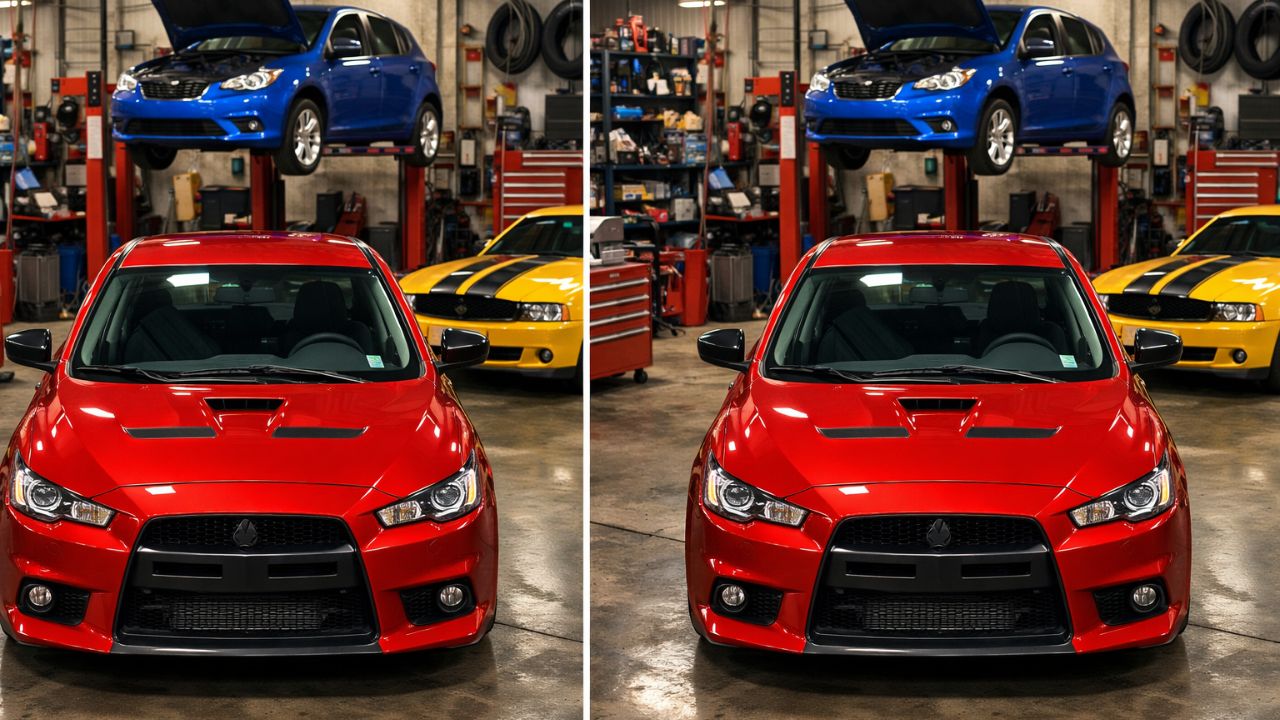
    In this puzzle, you are shown two nearly identical images of cars placed side by side. Everything appears the same at first. The colors match, the characters look familiar, and the layout feels balanced. But hidden within these images are three subtle differences. Your task is to find all three before seven seconds run out.

    Why Spot the Difference Puzzles Are So Popular

    Spot the Difference challenges have become a favorite form of quick brain exercise. They do not require special knowledge or long explanations. Anyone can try them instantly. What makes them engaging is the balance between simplicity and difficulty.

    The brain loves patterns. When it sees two images that look alike, it assumes they are identical and stops checking carefully. These puzzles take advantage of that habit. The more confident you feel, the easier it becomes to miss a small change.

    That is why these challenges are often shared online. They spark curiosity, friendly competition, and repeat attempts. People want to know if they really have sharp eyes or if the image managed to trick them.

    Understanding the 7 Second Cars Image Challenge

    In this specific puzzle, the images feature colorful cartoon-style cars. The overall scene remains consistent in both versions, which makes the differences harder to detect. Your eyes are naturally drawn to the bright colors and smiling faces, creating a sense of familiarity.

    Your goal is to locate three changes hidden across the two images. These differences are not dramatic. They are carefully blended into the scene so they feel natural rather than obvious. To succeed, you must compare both images actively rather than memorizing just one.

    Timer On: Why Seven Seconds Feels So Short

    Seven seconds sounds reasonable until you actually try the challenge. Once you start scanning, time moves quickly. Most people focus on the main subject first, assuming the biggest differences must be there.

    As the seconds pass, the pressure increases. Your eyes move faster, but faster scanning often leads to missed details. This is where many people struggle. The challenge rewards calm focus, not rushed movement.

    Common Mistakes During Spot the Difference Challenges

    One common mistake is focusing only on faces or expressions. While faces are important, other details like accessories and textures often hide differences.

    Another mistake is checking one image carefully and assuming the other matches it. Spot the Difference puzzles require constant comparison between both images. Looking back and forth is essential.

    Finally, many players overlook small details like patterns, shapes, or missing items. These are often the exact areas where differences are hidden.

    The Solution Explained Clearly

    If you did not find all three differences within seven seconds, the solution reveals what was easy to miss.

    The first difference appears on the yellow car. In one image, the car has a straight mouth. In the other, the mouth curves upward into a smile. Because the change is subtle and still looks natural, many people overlook it.

    The second difference involves the windshield wiper. In one image, the yellow car is missing its wiper entirely. Since windshield wipers are small and not always noticed immediately, this detail is easy to miss under time pressure.

    The third difference is found on the blue car’s front wheel. The tire tread pattern is different between the two images. This is one of the trickiest changes because most people do not examine wheel details closely unless prompted.

    Once these differences are pointed out, they become obvious. That moment of realization is what makes these puzzles so satisfying.

    What This Puzzle Reveals About Observation Skills

    This challenge highlights how perception works in everyday life. The brain often prioritizes speed over accuracy. It fills in missing information based on expectations rather than facts.

    People who perform well on these puzzles tend to slow down slightly and scan methodically. They divide the image into sections and compare one area at a time. This structured approach reduces mistakes and increases success.

    Missing a difference does not mean weak observation skills. It simply shows how powerful visual assumptions can be.

    Why Car-Themed Visual Puzzles Work So Well

    Cars are familiar objects. Most people feel comfortable identifying their parts and shapes. That familiarity creates confidence, which makes the illusion stronger.

    When the brain thinks it already understands what it is seeing, it pays less attention. That is why small changes like a missing wiper or altered tire tread can go unnoticed. Car-themed puzzles use everyday familiarity to increase difficulty without making the image complex.

    Tips to Improve Your Spot the Difference Speed

    If you want to improve at these challenges, start by scanning the background and smaller details first. Main subjects often distract attention.

    Another effective strategy is to look for missing items rather than added ones. It is often easier to notice what is gone than what has changed shape.

    Finally, keep your eye movement controlled. Fast scanning encourages assumptions. Steady comparison reveals differences.

  • Optical Illusion Challenge: Find the Hidden 60 and 50 Among 80s in 8 Seconds

    Optical Illusion Challenge: Find the Hidden 60 and 50 Among 80s in 8 Seconds

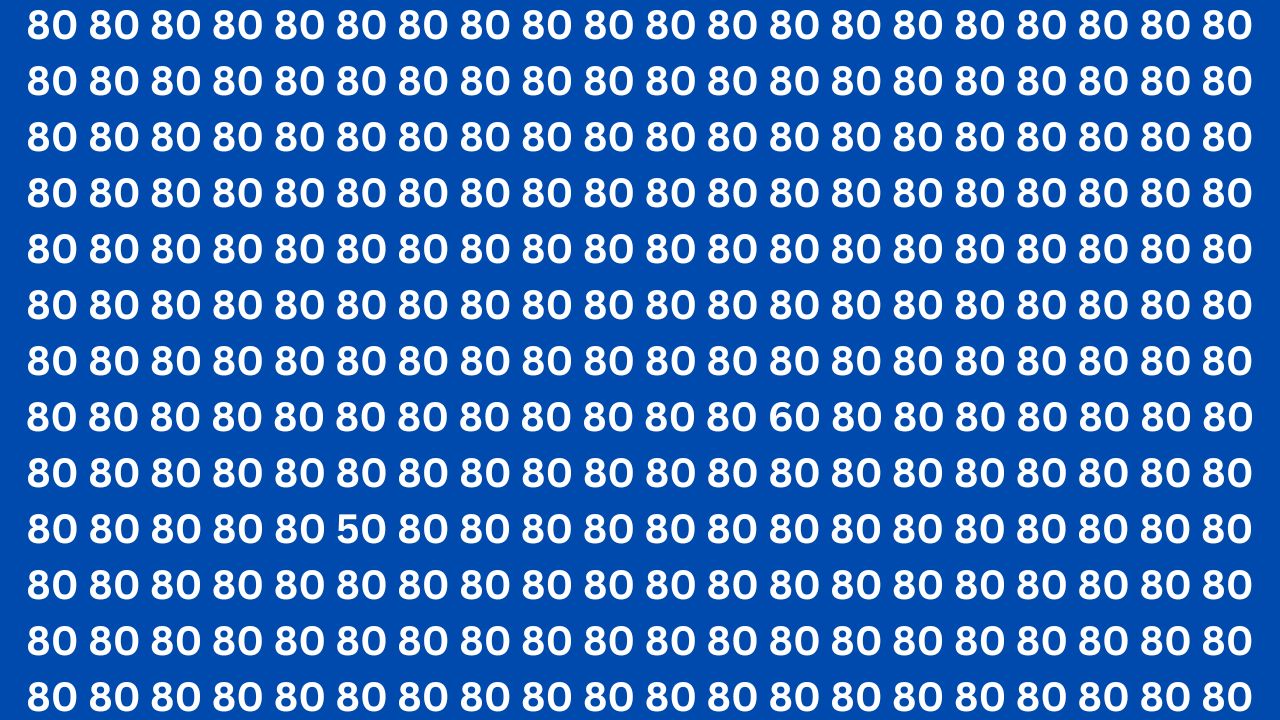
    How fast can you really observe when time is against you? This new optical illusion eye test challenge is putting thousands of puzzle lovers to the test. Your task is simple but tricky—spot the hidden numbers 60 and 50 among rows of identical-looking 80s within just eight seconds. It might sound easy at first, but once the timer begins, you’ll quickly realize how clever design and strategic patterning can fool even the sharpest eyes.

    The image looks innocent—a grid filled with identical blue circles, each displaying the number “80” in matching style and color. Yet, hidden among them are two imposters, one reading “60” and the other “50.” These subtle differences blend so smoothly into the repetition that your brain takes a moment too long to notice. It’s an elegant example of how carefully crafted illusions exploit human perception.

    Why This Optical Illusion Is So Deceptive

    At first glance, your visual system doesn’t see dozens of circles; it sees a familiar pattern. The brain naturally groups similar shapes or numbers together in a process called perceptual grouping. This is how we can quickly scan a page or a crowd without getting overwhelmed. However, this same efficiency can turn into a blind spot when subtle anomalies are hidden within repeating designs.

    The challenge becomes even tougher due to similar digit shapes—the “8” in “80” contains circular forms that closely resemble “6” and “0.” Because the differences are structural rather than color-based, they don’t “pop out” automatically. Under a short, eight-second time limit, your brain defaults to scanning rather than analyzing—an instinctive move that causes many people to miss the solutions until the clock runs out.

    Optical illusions like this one use these cognitive shortcuts to illustrate how perception isn’t purely visual—it’s interpretive. You don’t just see with your eyes; you see with your expectations.

    The Science Behind the Trick

    From a neuroscience perspective, this illusion demonstrates how selective attention and visual working memory work together under time pressure. The primary visual cortex processes the grid’s color contrast and shapes instantly, but higher-level regions like the parietal cortex are responsible for spatial awareness and object differentiation.

    Because everything in the image looks nearly identical, your brain sends a message that says, “Nothing important to see here—move on.” That moment of false certainty allows the hidden numbers to go unnoticed. The eye’s rapid movements, known as saccades, also make things worse because each jump leaves milliseconds of “blind spots.”

    When you finally spot one of the differing digits, it often feels like it suddenly appeared out of nowhere. In reality, your brain has finally slowed down enough to integrate fine line differences into conscious awareness. That instant moment of clarity is your visual cortex overcoming predictive bias.

    A Strategy That Actually Works

    Finding both hidden numbers within eight seconds isn’t impossible—if you approach it systematically instead of scanning chaotically. Experts in visual search tasks recommend the following steps:

    – Divide the image into zones: Mentally split the grid into four equal parts—top left, top right, bottom left, and bottom right. This minimizes redundant scanning.

    – Compare digit shapes, not positions: Focus on where “8” curves meet. The hidden digits “6” and “5” subtly break those curves.

    – Use controlled eye motion: Avoid darting eye movements. Let your gaze move slowly across each row.

    – Trust your periphery: Your side vision can sometimes detect irregularities faster than focused vision. Step back slightly.

    – Remain calm under pressure: Stress narrows focus. Deep breathing improves visual discrimination.

    When applied correctly, these steps often help solvers locate the number 60 in the upper-right of the grid, and the number 50 in the lower-left. Once spotted, they appear obvious—proof that deliberate focus beats chaotic searching.

    Why Your Brain Falls for It

    Your brain evolved to recognize patterns quickly rather than exhaustively. In real-world settings, this boosts efficiency. But in illusions, it creates visual complacency. Once you assume all the numbers are “80,” your brain filters out variations—making it hard to detect 60 or 50.

    This happens due to expectation bias. Your mind sees what it believes it should see. Spotting the difference means activating top-down control—where your conscious brain challenges assumptions. These momentary conflicts between what you expect and what you observe are what make illusions so educational—and fun.

    What Your Reaction Reveals About You

    If you found both numbers quickly, you likely possess strong visual discrimination and excellent focused attention—skills critical in areas like scientific analysis, engineering, or air traffic control.

    If you missed one or needed more time, that’s also revealing. People with a more holistic thinking style often excel in creative professions where big-picture insights matter. This puzzle simply reveals how you naturally process visual information—not how “smart” you are.

    The Hidden Value of Optical Challenges

    Regular participation in illusions like this builds mental flexibility and boosts attention control. The eight-second bursts of focus stimulate both frontal and parietal brain regions, which are key for cognitive speed and task switching.

    In a world dominated by multitasking and digital distraction, such visual puzzles offer a rare moment to practice deliberate attention. They strengthen visual-motor coordination and bring joy through small wins.

    Why This Puzzle Keeps Going Viral

    The “Spot 60 and 50 Among 80” puzzle is more than a quick brain game—it’s a masterclass in human perception. It’s short, challenging, and rewarding. Every time someone solves it, they get a hit of dopamine-fueled satisfaction.

    Its viral appeal lies in its minimalist genius. With a simple number grid, it teaches complex psychology. Whether you succeeded in seconds or stared in frustration, you’ve learned a valuable lesson—seeing isn’t just looking; it’s about noticing.

  • 5 Gentle Yoga Poses That Build Mind–Body Awareness and Support Emotional Wellbeing

    5 Gentle Yoga Poses That Build Mind–Body Awareness and Support Emotional Wellbeing

    Yoga provides a wonderful way to bring your body and mind together in balance. When you practice mindful movements along with focused breathing you can reach a deeper state of awareness that positively affects your health and wellness. Both newcomers and seasoned yoga practitioners can benefit from certain poses that strengthen this connection between mind and body. The following five yoga poses will stretch and build strength in your body while helping you become more aware of your inner self.

    Mountain Pose (Tadasana)

    The Foundation of Mindful Awareness

    Mountain Pose serves as the foundation for most yoga practices. The pose may look simple but it helps you develop awareness of your body and stay present in the moment. When you stand tall with your feet firmly planted and your body properly aligned you activate your core muscles while keeping your breathing calm and steady. This pose works well for finding your center & building better posture while creating a feeling of balance and strength. To do Tadasana you should stand with your feet placed about hip-width apart and let your arms hang naturally at your sides. Take a slow deep breath in and pay attention to how your feet connect with the floor. Notice how your body feels as you stand there and become aware of any areas where you feel tight or uncomfortable.

    Tree Pose (Vrksasana)

    Building Balance and Concentration

    Tree Pose goes beyond simple balance by developing your awareness of how your mind and body work together through careful focus. The pose demands mental concentration while you stabilize yourself on one leg. When you raise your foot to place it against the inner thigh or calf of your standing leg you should fix your gaze on a spot in front of you to maintain stability. Holding this position activates your leg & core muscles & improves proprioception which is your body’s natural ability to understand where it is positioned in space.

    Warrior II (Virabhadrasana II)

    Cultivating Strength and Grounding

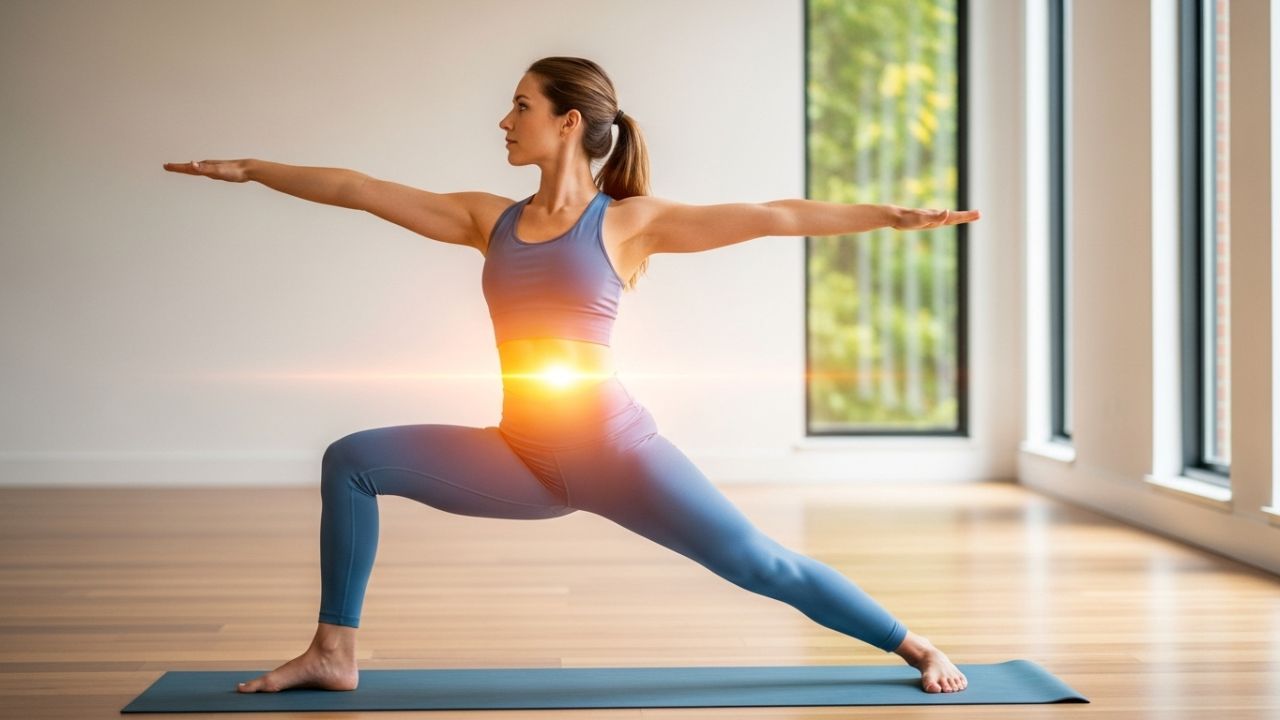
    Warrior II is an active pose that builds physical strength and mental toughness. You spread your legs wide and extend your arms in opposite directions while engaging your core and limbs. This strengthens your entire body as you maintain steady breathing. When you hold this pose you should notice how your body feels in the stretched position and recognize the effort needed to stay balanced. Focus on aligning your feet with your hips and shoulders to develop a strong sense of awareness that keeps you grounded in the present moment.

    Child’s Pose (Balasana)

    Reconnecting to Your Breath

    Child’s Pose is a gentle resting position that helps calm your mind and body while relaxing your nervous system. Start by kneeling on your mat & slowly bring your upper body down toward the floor. You can stretch your arms out in front of you or let them rest alongside your body. This position creates a feeling of letting go & helps you focus on your breathing while becoming aware of how your body feels. Regular practice of Child’s Pose can reduce tightness in your back and shoulders & neck while helping you pay attention to areas that feel tense.

    Seated Forward Fold (Paschimottanasana)

    Enhancing Flexibility and Self-Awareness

    The Seated Forward Fold helps you develop awareness of both your body and mind. Start by sitting on the floor with your legs stretched out in front of you. Bend forward slowly from your hips and reach your hands toward your feet. When you fold deeper into the pose you stretch your hamstrings and lower back while your core muscles work to keep you stable. While holding this position notice any tight spots or discomfort in your body. Take deep breaths and direct them toward these areas to help your muscles relax and let go of tension.

  • Optical Illusion Challenge: Can You Spot 663 Before the 5-Second Timer Ends?

    Optical Illusion Challenge: Can You Spot 663 Before the 5-Second Timer Ends?

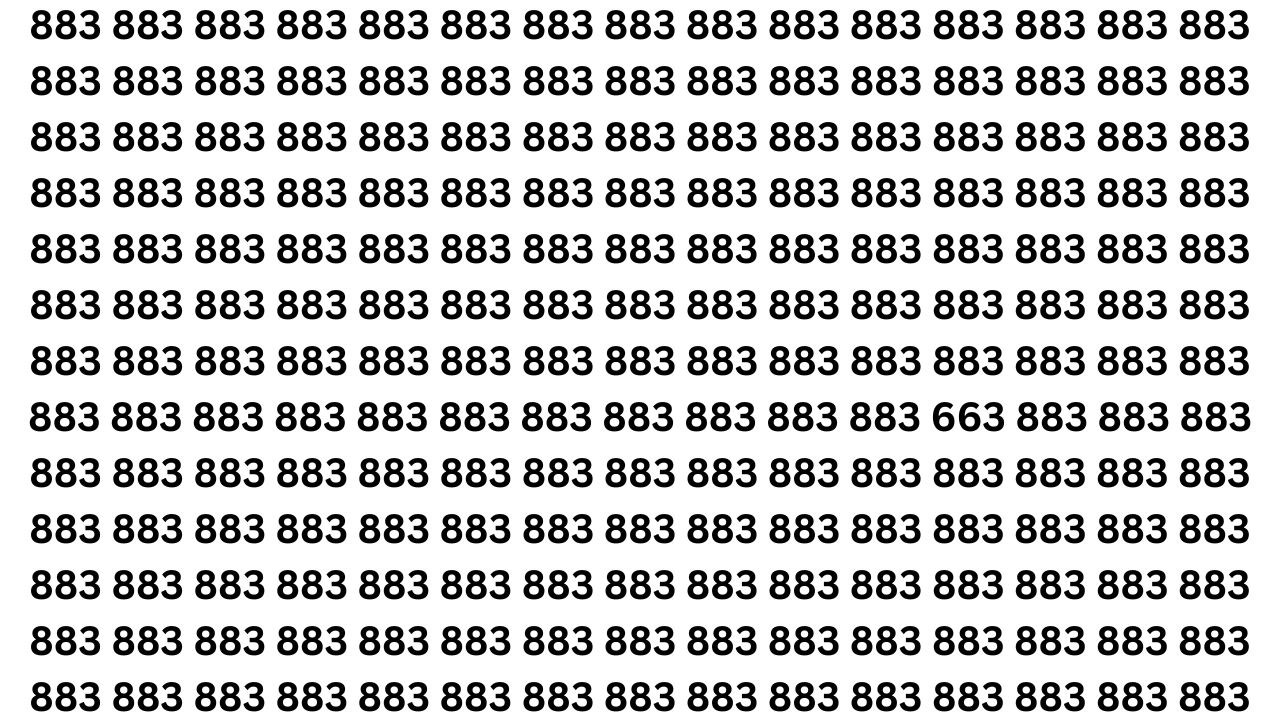
    Optical illusion challenges offer an entertaining method to measure your brain’s speed in processing what you see. When you first look at the image everything might appear identical but there is actually a tiny hidden element that makes all the difference. This particular challenge presents a straightforward yet difficult task. Your goal is to locate the number 663 concealed within rows of 665s and you only get 5 seconds to find it.

    This illusion works by tricking your pattern recognition abilities. The numbers 663 and 665 appear nearly the same at first glance. Your brain naturally skips over the image rather than checking each number with care. This is precisely why the challenge feels both engaging & annoying.

    Why Spotting 663 Is So Hard?

    The challenge comes from the way our brains process information. We scan patterns rapidly and depend on what looks familiar to us. When you look at repeated numbers such as 665 your mind automatically thinks they are identical. If just one digit is different, you can easily overlook it unless you take your time and pay close attention.

    Time pressure creates an extra challenge in this puzzle. When you only have five seconds available your brain shifts to quick thinking rather than careful analysis. The illusion uses this mental shortcut to make the hidden 663 blend seamlessly with its surroundings.

    Tricks to Find 663 Quickly

    To boost your success rate you should skip the random scanning approach. Move your eyes systematically across each row or down each column instead. Start by examining the middle digit because that’s typically where the variation shows up. Rather than reading every number completely you should practice spotting subtle differences in how the digits look.

    Another helpful trick is to slightly relax your focus. When you stare too hard your brain may rush. A calm scan often works better than aggressive searching.

    What It Reveals About Your Brain

    If you found 663 in less than five seconds, you likely have good attention to detail and process visual information quickly. If it took you more time that’s perfectly fine. These puzzles are made to trick even people who are good at spotting things.

    Working on optical illusions regularly can boost your focus & help you spot patterns more easily. These puzzles also make your thinking more flexible. Plus they give your mind a quick break while keeping it sharp and engaged.

    Final Answer: Where 663 Was Hidden

    The number 663 typically appears in spots you wouldn’t normally look at first. It tends to hide near sections that seem busy or filled with repeating patterns. After you finally spot it though you can’t help but notice it every time you look again. This sudden discovery is exactly what makes these optical illusion puzzles so rewarding & fun to solve.

  • Optical Illusion Challenge: Spot 8807 Hidden Among 8901s

    Optical Illusion Challenge: Spot 8807 Hidden Among 8901s

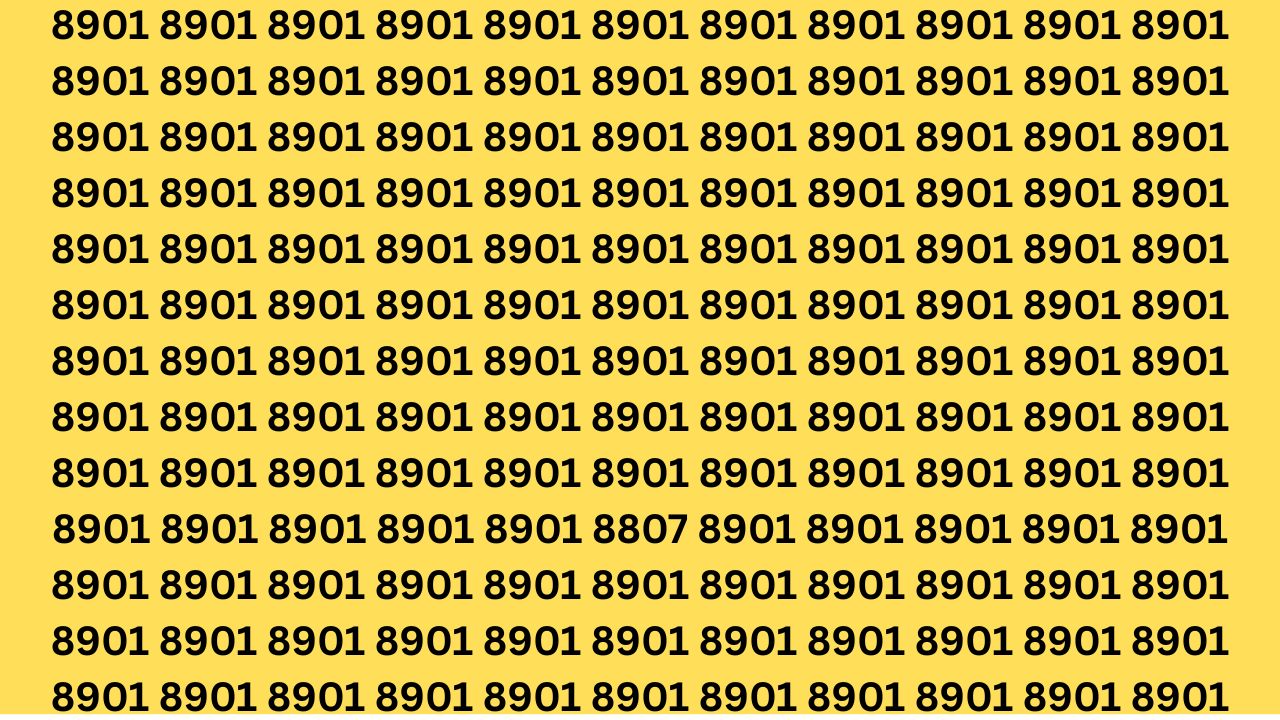
    Optical illusion number grids seem easy but they can challenge even skilled puzzlesolvers quickly. This puzzle asks you to locate the number 88078807 hidden among nearly identical 89018901 entries. You have only 77 seconds to complete it. That gives you enough time to look around but not enough to check every single item. The puzzle forces your brain to take shortcuts & then catches you out with a small detail that changed. People often call these “IQ tests” but they really measure visual search ability. They test how well you scan repeated information and spot differences when you’re under time pressure. This has more to do with attention control than traditional intelligence testing. Still these puzzles offer a fun and competitive way to see how sharp your observation skills are right now.

    Why this puzzle feels harder than it looks

    When a grid shows the same number multiple times your brain automatically creates a pattern. Here the sequence 89018901 becomes what you expect to see: 88 then 99 then 00 then 11. After your brain locks onto this pattern it begins filling in what it thinks should be there without carefully checking each number. The different sequence 88078807 breaks this pattern in several spots but its general shape still looks similar to the other entries. When the font is compact and the spacing stays consistent these differences become hard to notice during a quick scan. Within 77 seconds your brain typically reads the first digit and assumes the rest matches without actually verifying each one. This explains why you can look directly at the different number and still overlook it. Your brain is not missing the visual information but instead processing it through a lens of what it expects to find rather than what is actually there.

    How to attempt the 7-second scan (without “cheating”)

    If you want the real challenge you should avoid zooming in & resist the urge to trace each row slowly as if you were proofreading. Set a timer for 77 seconds and use a method that prioritizes speed over careful examination. Here are practical scanning strategies that work well for this specific number pattern. You can anchor on the second digit since most entries have 99 in position two so you should hunt for a second digit that differs from 99. You can sweep in blocks by dividing the grid into four zones and scanning each zone quickly instead of reading line by line. You can use a two-digit check by verifying only the first two digits of each item as you move & if the first two match you can skip ahead faster. You should let your peripheral vision help since mismatches often appear as a subtle texture break in the grid. The key idea is to reduce cognitive load since you lack the time to confirm all four digits everywhere. You need a rule that eliminates most entries quickly while still giving the odd one a chance to stand out.

    What your brain is doing under the hood

    This puzzle uses a simple fact about how humans see things: our brains look for patterns instead of examining every detail. This works well in everyday situations. You can find a friend in a busy place or read words without looking at each letter carefully. You can also drive a car while watching many things at once. But when you look at a grid full of repeated numbers this same ability works against you. When everything looks the same your brain treats it all as one thing. When you have limited time you depend even more on this shortcut. The hidden 88078807 tests whether you can stop this automatic process fast enough to notice the one different item.

    The detail difference that gives it away

    In 89018901 the middle digits 99 and 00 form a recognizable pattern with a looped shape next to a clean circle. In 88078807 the structure shifts the visual flow because two 88s appear together and create a heavier & more balanced appearance while the 77 at the end adds a sharper angle compared to the 11. When you scan efficiently you don’t actually read 88078807 right away. Instead you pick up on details like how one number looks thicker or how one ends differently and then your focus sharpens to verify what you noticed.

    Solution (location in the grid)

    If you tried the 77-second challenge & want to check your answer here is where the number appears based on the details you shared. The number 88078807 is located in the 7th row and 3rd column from the left side. When you know where to look it makes more sense why you might have missed it. Your brain naturally expects to see 89018901 so it usually skips over the second digit and last digit without a careful second look.

    Why puzzles like this are popular right now

    Quick challenges match how people scroll today. A number grid with one simple task creates instant pressure & quick satisfaction. Missing the answer still feels good because seeing the solution makes you want to try again. These puzzles also feel individual. Finding the number fast builds confidence. Missing it stays fun because the answer seems clear once revealed. This mix of fast challenge and immediate response explains why these optical illusion number tests keep spreading.

  • Quick Illusion Challenge: Spot 536 Camouflaged Among 556s in Just 5 Seconds

    Quick Illusion Challenge: Spot 536 Camouflaged Among 556s in Just 5 Seconds

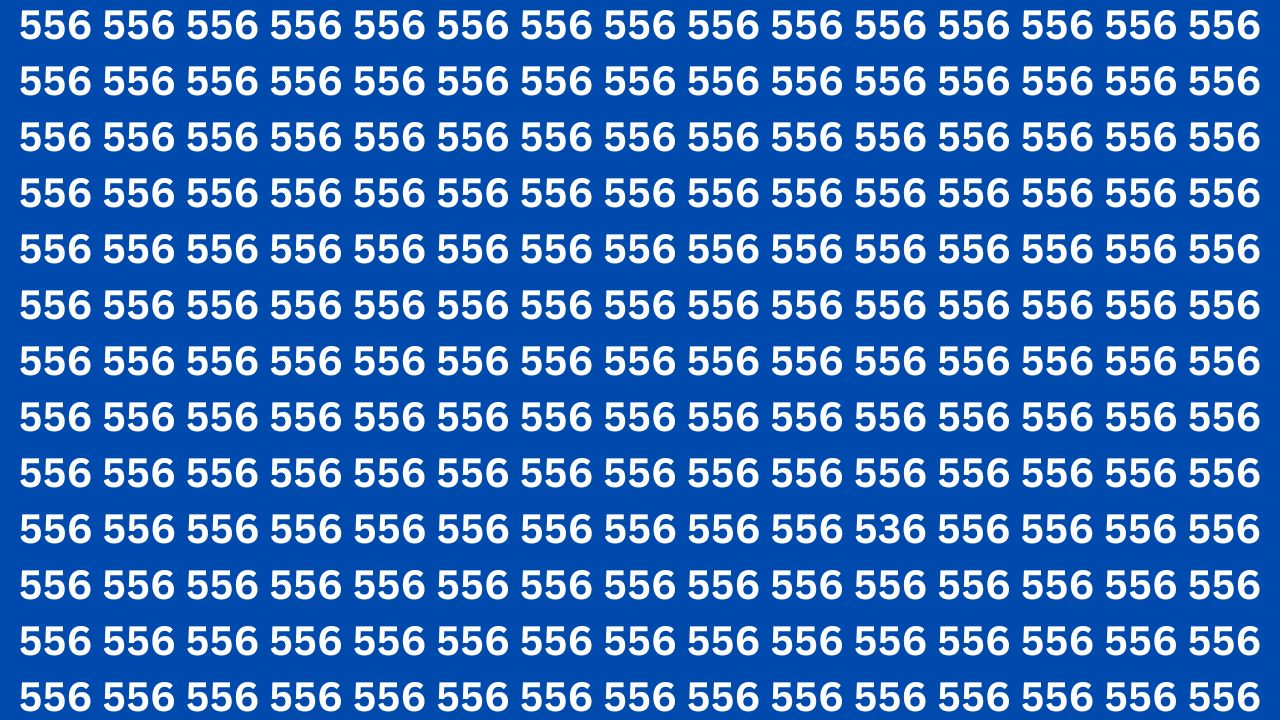
    Are you ready for a tricky optical illusion that will test how well you can focus? This challenge asks you to find the number 536 hidden among many 556s. The catch is that you only have 5 seconds to do it. This test is entertaining and also helps make your brain sharper by improving your ability to concentrate & notice small details. Let’s start and see if you can spot the hidden 536 quickly.

    Optical Illusions Challenge Your Brain

    Optical illusions are created to confuse the brain, making it difficult to quickly identify hidden numbers or objects. However, with the right approach, you can sharpen your focus and improve your chances of spotting the hidden 536 within seconds.

    Stay Calm and Focused

    A short 5-second timer can create unnecessary pressure. Take a deep breath, relax your mind, and concentrate only on the image in front of you. Staying calm helps your brain process visual details more accurately.

    Scan the Image in Sections

    Avoid looking at the entire image at once. Break it into smaller sections and examine each area carefully. This method helps patterns stand out and makes it easier to detect numbers that don’t belong.

    Notice Small Visual Differences

    The number 536 closely resembles 556, with only a slight variation. Train your eyes to catch these subtle differences in shape or spacing, as they are often the key to solving the illusion.

    Practice to Sharpen Your Mind

    Improving at optical illusions takes time and repetition. The more you challenge your brain with similar puzzles, the faster and more accurate you’ll become at spotting hidden details.

    Can You Spot 536 in 5 Seconds?

    Now it is time to put your brain to the test! Look closely at the numbers below. They may all look similar at first glance but one of them is not quite the same as the others. Focus & use the tips above to see if you can spot 536 hidden among the 556s before the timer runs out.

    Why Do Optical Illusions Work?

    Optical illusions happen when our brains misread what our eyes see. Our brain tries to understand images quickly by using what it already knows & the situation around us. With optical illusions the brain gets fooled into seeing things that are not real or reading details the wrong way. This makes them interesting and difficult at the same time. The challenge of spotting 536 hidden among many 556s works because your brain thinks all the numbers should look the same. It fills in what it expects to see instead of what is actually there. This makes it tough to catch small differences between numbers. When you practice beating these illusions you get better at focusing and your brain becomes sharper at spotting tiny details that look almost identical.