Author: admin

  • Morning Yoga Reset: Five Energising Poses to Prepare Your Body for the Day Ahead

    Morning Yoga Reset: Five Energising Poses to Prepare Your Body for the Day Ahead

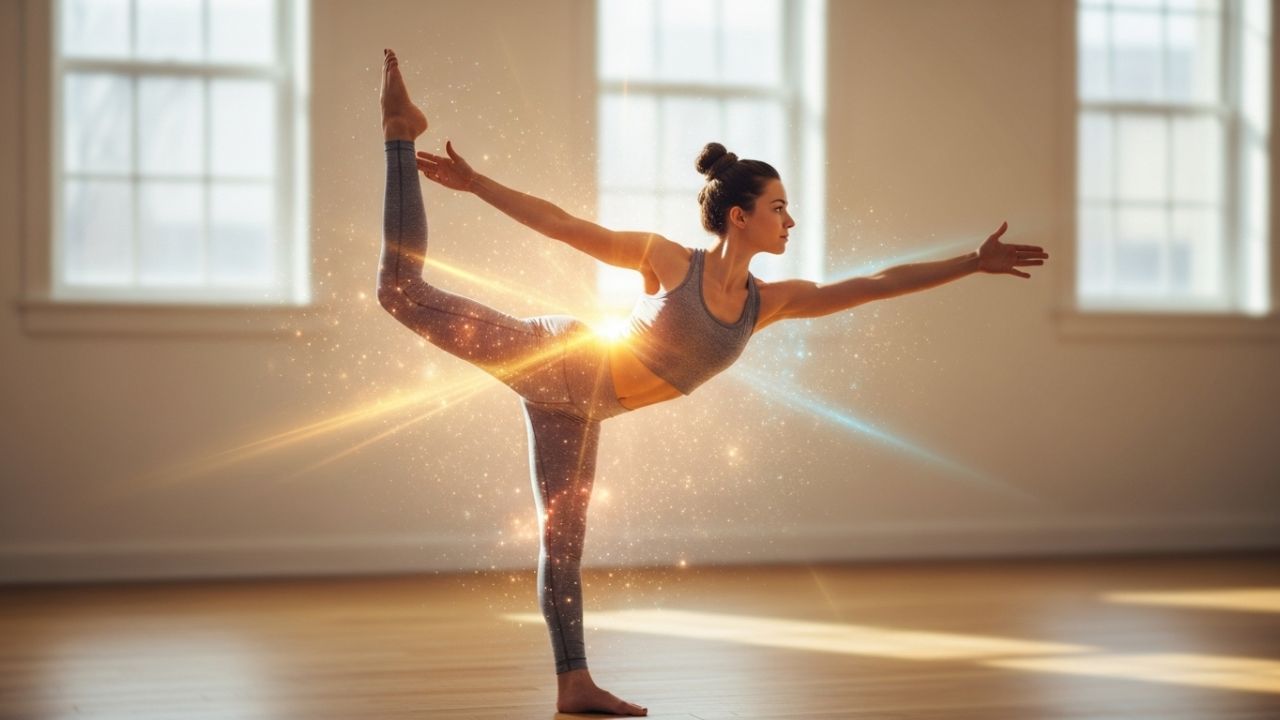
    Starting your morning can be difficult after sleeping through the night. Adding some basic yoga poses to your routine helps you begin the day feeling energized and ready. Yoga provides numerous advantages like better blood flow and improved flexibility while lowering stress levels. These five poses work well for stretching your entire body or waking up your mind as you begin your morning. Yoga gives you a practical way to transition from sleep to activity. The poses require only a few minutes and need no special equipment. You can practice them right after getting out of bed in whatever space you have available. Each position targets different muscle groups & helps your body wake up gradually. The movements also encourage deeper breathing which brings more oxygen to your brain and muscles. These morning poses suit people at any fitness level. Beginners can modify the positions to match their current flexibility while experienced practitioners can hold them longer or go deeper into each stretch. The key is moving gently and listening to what your body tells you. Starting with yoga creates a calm mindset that often carries through the rest of your day. This simple practice takes minimal time but delivers maximum benefits for both physical and mental wellbeing.

     Downward Dog: A Full-Body Wake-Up

    Why should you start with Downward Dog?
    Downward Dog is one of the most popular yoga poses and for good reason. It stretches the entire body and helps to wake up the muscles that are often stiff after a night of sleep. This pose targets the hamstrings, calves, shoulders, and spine, providing a full-body stretch. By holding this position for a few breaths, you’ll feel the tension start to release, leaving you feeling refreshed and ready to tackle the day.

    How to do it:
    – Start on your hands and knees, with your wrists directly under your shoulders and your knees under your hips.
    – Lift your hips towards the ceiling, forming an upside-down V shape with your body.
    – Press your hands firmly into the mat, and straighten your legs as much as possible while keeping your heels off the ground.
    – Hold the pose for 5-10 breaths, then slowly come back down to the starting position.

    Cat-Cow Stretch: Energizing the Spine

    How does the Cat-Cow Stretch benefit your morning?
    The Cat-Cow Stretch is a gentle flow between two positions that warms up the spine, helping you shake off any stiffness from sleep. This dynamic stretch also opens up the chest and promotes deep breathing, which is perfect for bringing fresh oxygen to your body as you wake up. Doing this stretch for a few minutes will help you feel grounded and balanced, making it an excellent way to start your morning.

    How to do it:
    – Begin on all fours, with your wrists aligned under your shoulders and your knees under your hips.
    – Inhale as you drop your belly toward the mat, lifting your head and tailbone (this is the Cow pose).
    – Exhale as you round your back toward the ceiling, tucking your chin to your chest (this is the Cat pose).
    – Continue flowing between Cat and Cow for 1-2 minutes, focusing on your breath.

    Warrior I: Building Strength and Confidence

    Why add Warrior I to your morning routine?
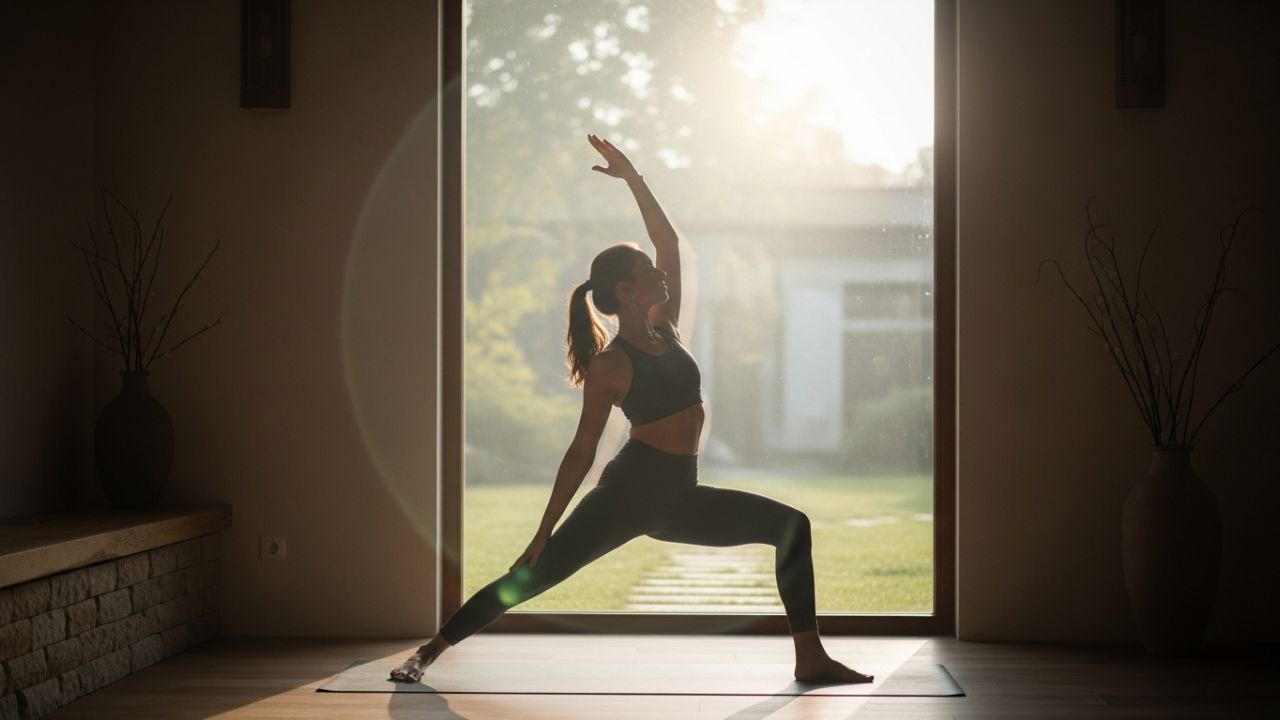
    Warrior I is a powerful standing pose that builds strength and opens up the hips, chest, and shoulders. This pose also helps with stability and balance, setting the tone for the rest of your day. By holding Warrior I, you not only stretch key muscle groups but also mentally prepare for challenges ahead, fostering a sense of strength and determination.

    How to do it:
    – Start in a standing position with your feet hip-width apart.
    – Step one foot back, keeping the front knee bent at 90 degrees, and turn your back foot out to a 45-degree angle.
    – Reach your arms overhead, with palms facing each other.
    – Engage your core and hold for 5-10 breaths before switching sides.

    Seated Forward Fold: Calming the Mind

    What makes the Seated Forward Fold great for mornings?
    The Seated Forward Fold is a calming stretch that targets the hamstrings and lower back. This pose helps to release any tension in the body and promote deep, soothing breaths. It’s especially helpful for those who experience stress in the morning, as it encourages relaxation and mindfulness, setting a calm tone for the day ahead.

    How to do it:
    – Sit on the floor with your legs extended straight in front of you.
    – Inhale, lengthening your spine, and then exhale as you fold forward, bringing your chest toward your thighs.
    – Reach for your feet or place your hands on the mat for support.
    – Hold the stretch for 5-10 breaths, focusing on relaxing your muscles with each exhale.

     Mountain Pose: Grounding Yourself for the Day Ahead

    Why is Mountain Pose essential for morning energy?
    Mountain Pose may look simple, but it’s incredibly powerful for cultivating a sense of balance and grounding. By standing tall with strong posture, you align your body and mind, boosting your confidence and focus. This pose encourages deep breathing, helping you to center yourself before jumping into your day’s tasks.

    How to do it:
    – Stand with your feet hip-width apart, grounding your feet firmly into the floor.
    – Reach your arms down by your sides with your palms facing forward.
    – Engage your legs and core, stand tall, and lengthen through the spine.
    – Close your eyes if you wish and take a few deep breaths, focusing on your body’s alignment.

    Conclusion: Embrace the Morning Energy

    These five yoga poses will help you feel energized and focused so you can handle whatever comes your way during the day. You can use them when preparing for a busy workday or when you just want to stretch away some tension. Adding these poses to your morning routine can create a positive start and give you energy for the entire day. Starting your morning with yoga helps wake up your body & clear your mind. The poses work together to increase blood flow & improve your breathing. This combination naturally boosts your energy levels without needing caffeine or other stimulants. Each pose targets different areas of your body while also calming your thoughts. Some poses open up your chest and shoulders where many people hold stress. Other poses strengthen your core and improve your balance. When you practice these movements regularly you will notice improvements in both your physical strength and mental clarity. The best part about these yoga poses is that they do not require much time or special equipment. You can do them right after waking up in your bedroom or living room. All you need is a comfortable space where you can move freely. Even spending just ten to fifteen minutes on these poses can make a significant difference in how you feel throughout the day. Making yoga part of your morning creates a healthy habit that benefits your body & mind. You will find yourself approaching daily challenges with more patience and confidence. The practice helps you stay grounded even when things get hectic or stressful.
  • Yoga Poses Designed to Clear Mental Overload and Restore Body-Mind Balance

    Yoga Poses Designed to Clear Mental Overload and Restore Body-Mind Balance

    Yoga offers benefits that extend well beyond physical flexibility. It serves as an effective tool for enhancing mental and emotional health. Modern life moves at a rapid pace and stress and anxiety often become overwhelming. Yoga provides a necessary break from this constant pressure. The practice blends mindfulness with controlled breathing and physical movement. This combination affects both mind and body to create balance and harmony in your life. This article explores how yoga can refresh your entire system and improve your overall health. Yoga helps you step away from daily pressures. When you practice regularly you develop stronger awareness of your thoughts and feelings. The breathing techniques calm your nervous system. The physical poses release tension stored in your muscles. Together these elements form a complete approach to wellness that addresses multiple aspects of health at once.

    How Yoga Gently Clears Mental Fog and Revives Inner Energy

    Finding Balance Through Yoga Modern life often leaves us feeling exhausted and overwhelmed. Yoga provides an effective approach to managing stress and promoting relaxation. This practice combines physical postures with controlled breathing and meditation to restore both mental and physical wellbeing. Regular yoga practice produces noticeable benefits over time. Your body gains increased flexibility and strength while your mind develops greater calmness and concentration. The breathing methods help you discover moments of tranquility even during hectic schedules. Yoga proves effective because it simultaneously targets physical strain & mental anxiety.  Key Benefits of Yoga Practice **Enhanced Mental Focus** Deep breathing exercises and meditation quiet your thoughts and improve concentration. This mental discipline reduces the constant stream of worries and distractions that typically occupy your mind. Natural Stress Reduction Yoga stimulates the parasympathetic nervous system to promote relaxation and recovery. This biological response helps your body shift from a state of tension to one of rest and restoration. Physical Renewal The various poses work to stretch and strengthen your muscles throughout the body. This physical activity releases accumulated tension that builds up from daily activities and poor posture.

    Restorative Yoga Poses That Rebalance the Body and Sharpen Focus

    Child’s Pose (Balasana) offers a gentle way to stretch your spine & relax your back while creating a peaceful state of mind. This pose works well as an opening position when you want to center yourself at the start of your practice. Downward-Facing Dog (Adho Mukha Svanasana) delivers a comprehensive stretch that reaches your entire body. This position eases tightness in your back and limbs while increasing blood circulation to your head. The pose refreshes both your body and mind effectively. Cobra Pose (Bhujangasana) focuses on bending your spine backward to increase its range of motion. The position expands your chest area and supports better posture. This energizing pose revitalizes your whole system. Warrior II (Virabhadrasana II) builds your physical power & endurance while sharpening your mental concentration. The strong stance increases self-assurance & creates a sense of equilibrium in your daily life. Seated Forward Bend (Paschimottanasana) provides a soothing stretch that settles your nervous system. This pose releases tightness in your lower back and enhances your flexibility. The position serves as an excellent way to unwind when your day ends. Legs Up the Wall Pose (Viparita Karani) uses a mild inversion technique to relieve tired legs and decrease swelling. This relaxing position helps you decompress after an active day and encourages profound rest.

    Mindful Breathwork Techniques to Calm Thoughts and Restore Vitality

    Yoga is not just about physical poses. Breathing exercises called Pranayama play an essential role in calming your mind & energizing your body. Practicing controlled breathing can boost your focus and increase your energy. Here are some fundamental techniques you should try. Deep Belly Breathing allows you to breathe more fully by using your diaphragm. This method lowers stress and delivers more oxygen throughout your body. To do this you put one hand on your chest and the other on your stomach. Breathe in slowly through your nose and allow your stomach to expand while your chest stays mostly still. Ujjayi Breath is also called Victorious Breath. You breathe in deeply through your nose and breathe out slowly through your mouth while making a gentle “ha” sound. This approach helps balance your energy & decreases stress. Nadi Shodhana is known as Alternate Nostril Breathing. This practice creates balance between the right and left hemispheres of your brain. It soothes your nervous system & enhances mental clarity. Kapalbhati means Skull Shining Breath. It involves quick exhalations through your nose that remove stale air from your lungs. This technique activates both your body and mind.

    Blending Yoga and Meditation for Deep Mental Clarity and Balance

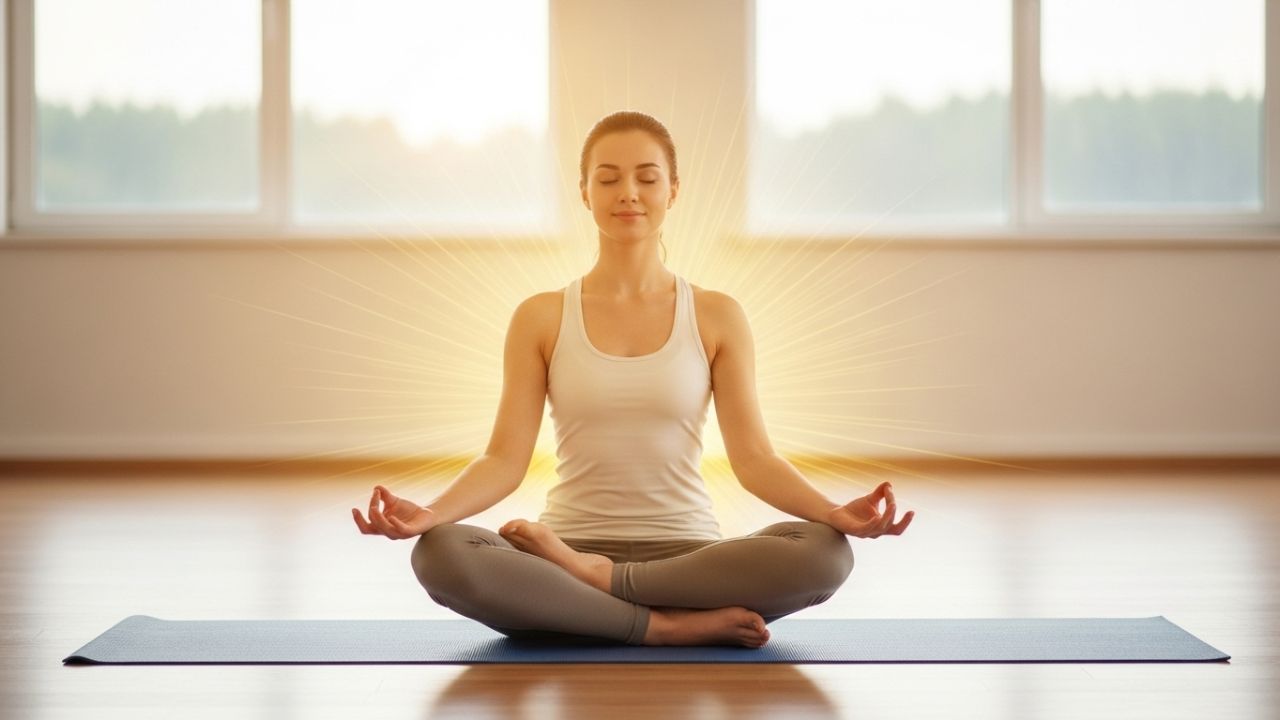
    Combining yoga with meditation creates a powerful way to rejuvenate your mind and body. Meditation helps quiet your thoughts by removing mental clutter & making space for peace and concentration. Just 10 minutes of meditation following your yoga session can deliver significant benefits.

    – Mindfulness Meditation involves paying attention to your breathing or body sensations or a particular thought to anchor yourself in the present.

    – Loving-Kindness Meditation focuses on developing compassion for yourself and those around you while letting go of negativity and encouraging positive feelings.

    – Guided Meditation relies on an instructor or application to lead you through the practice & works especially well for beginners.

  • Optical Illusion Test: Can You Spot 623 Hidden Among 628s in 7 Seconds

    Optical Illusion Test: Can You Spot 623 Hidden Among 628s in 7 Seconds

    Are you ready for a quick brain workout? This optical illusion challenge will test your focus & speed. Your task is to find the number “623” hidden among many “628s” in just 7 seconds. It might sound simple but your brain can easily trick you. What looks obvious at first often turns out to be harder to spot than you expect. This is a great chance to test how sharp your eyes and mind really are. Let’s jump in & see if you can find it!

    Why Optical Illusions Are So Engaging:

    Optical illusions fascinate us because they test how our brains see and understand what we look at. When you first see an image it might look simple enough but small changes in patterns or shapes can fool your eyes. Our brains are used to recognizing familiar things quickly so when something is a bit different we often miss it. This is why games like spot the difference or find the hidden object are so well liked because they challenge how carefully we can observe things and help us focus better.

    How Can You Spot 623 Among 628s in 7 Seconds?

    The secret to doing well in optical illusion tests like this involves combining concentration with patience and making decisions quickly. Here is an approach that could work for you:

    – Review the image in an organized way instead of looking around without a plan. Try examining the whole picture systematically by going through it row by row or breaking it into smaller parts. Pay attention to small variations by examining how the numbers are shaped and positioned.

    – Usually a minor adjustment in one digit or a different font can make the concealed number visible.Keep yourself relaxed & steady because letting the countdown stress you out too much can hurt your performance. Staying composed actually allows your mind to interpret the visual information better.

    – Follow your gut feeling since your initial reaction is frequently right. When you notice something that seems different you should examine it more carefully because it might be the number you are looking for.

    The Benefits of Optical Illusions for Your Brain

    Optical illusions provide more than simple entertainment because they deliver real cognitive advantages. When you work on these visual challenges regularly your brain gets better at focusing and noticing small details. The practice of solving these puzzles also strengthens your memory by training your mind to hold onto information more effectively. These exercises push you to think in creative ways which naturally improves your ability to solve problems. The time pressure involved in many of these challenges helps your brain work faster and makes quick thinking easier in everyday situations. Your mental reflexes become sharper through repeated practice with optical illusions. The benefits extend beyond just getting better at puzzles. Your overall concentration improves as you train yourself to spot hidden elements and patterns. The brain treats these activities as workouts that build stronger neural connections over time. This mental exercise translates into better performance when you need to process visual information quickly or make rapid decisions. Working through optical illusions regularly creates lasting improvements in how your brain handles complex visual data. The skills you develop transfer to real-world tasks that require attention and quick analysis. These simple exercises offer an accessible way to keep your mind active and responsive without requiring special equipment or extensive time commitments.

    How to Maximize Your Performance:

    Seven seconds might sound brief but it provides adequate time when you use the right approach. Consider these methods to enhance your results. Regular practice helps significantly. Your brain develops faster recognition abilities for hidden elements as you work with more optical illusions over time. Concentration matters greatly. Remove anything that might distract you so your attention stays completely on the puzzle. Begin without time pressure if you are just starting out. Study the image carefully to learn how patterns work and where differences typically appear before adding a timer. Believe what you see. The human brain frequently misses small variations in repeated patterns. When something looks different to you avoid overthinking your observation. These straightforward techniques will help you succeed with optical illusion challenges.

  • Yoga’s Calming Techniques Support Healing and Balance as People Turn Toward Mindfulness to Build Self-Awareness

    Yoga’s Calming Techniques Support Healing and Balance as People Turn Toward Mindfulness to Build Self-Awareness

    In today’s busy world it is easy to feel overwhelmed and lose touch with yourself. The endless rushing around and the noise and stress of everyday life can fill your mind with clutter and make you long for peace and balance. Yoga is an ancient practice that people have used for centuries to find inner peace and mental clarity & emotional stability. Whether you have practiced yoga for years or are just starting out it has something valuable to offer anyone who wants to bring more calm into their life.

    Why This Optical Illusion Pushes Your Brain to Its Visual Limits

    Yoga goes beyond simple exercise because it works with your mind & body together as one complete system. The practice centers on paying attention & staying aware of yourself. When you move with purpose & focus on breathing & meditation you start to notice more about how your body feels & what you think about. This awareness brings calmness and helps lower stress and worry. Breathing & moving together form an important part of yoga. When you pay attention to your breath and match it with how you move, your mind stops thinking about everything happening around you and focuses on right now. Staying in the present moment works well for finding peace inside yourself because it makes your thoughts quieter and lets you really feel what is happening at this exact time.

    How Focus and Mental Calm Improve Your Chances of Spotting 663 Fast

    Meditation works hand in hand with yoga to help you discover a peaceful state of mind. When you sit still and direct your attention inward, meditation helps sweep away distracting thoughts & brings you into a deeply relaxed state. Research shows it lowers stress levels, sharpens your focus and supports emotional health. When you make meditation a regular habit, you learn to handle difficult moments with a calm and clear mindset rather than acting on impulse. As time passes meditation builds a lasting sense of peace that stays with you well beyond your time on the yoga mat.

    Visual Awareness Techniques That Sharpen Pattern Recognition

    Meditation helps create inner peace but physical yoga poses are equally important for calming both mind & body. Specific poses work well to reduce tension and relax the nervous system while creating feelings of serenity. Here are some of the best yoga poses for finding inner peace: Child’s Pose (Balasana) is a gentle position that promotes deep relaxation & releases tension from the back and shoulders. Downward Dog (Adho Mukha Svanasana) is a well-known pose that stretches the entire body and improves blood flow while creating calmness. Savasana (Corpse Pose) is the ultimate relaxation position that helps you absorb the benefits of your practice & experience complete stillness. Seated Forward Fold (Paschimottanasana) quiets the mind & releases stress from the spine and hamstrings. Cat-Cow Pose (Marjaryasana-Bitilasana) is a flowing movement that increases spine flexibility and releases tension from the neck and shoulders. These poses encourage stillness and strengthen the connection between body and breath. This leads to a deeper sense of inner peace.

    The Role of Breath and Concentration in Beating the 5-Second Timer

    Breathing plays a key role in yoga practice. Different breathing methods called pranayama help calm your thoughts and create a relaxed state. These techniques control how you breathe and bring balance to your nervous system while soothing your body. Several breathing exercises can guide you toward inner peace. Nadi Shodhana involves breathing through alternate nostrils. This method creates balance between both sides of your brain and reduces stress while settling your mind. Ujjayi Breath uses slow and deep breathing patterns. This technique sharpens your focus and works well during yoga positions to improve concentration. Kapalbhati is known as Breath of Fire. This strong & energizing method clears toxins from your mind and body while bringing mental sharpness. When you add breathwork to your yoga routine you can let go of negative feelings & stop racing thoughts. This practice brings you back to a calm and peaceful state.

    From Illusion to Insight: What These Challenges Reveal About the Mind

    Yoga works as an ongoing practice rather than a final goal. When you keep doing yoga regularly you will notice that its positive effects reach into areas of your life outside your exercise routine. The awareness and calmness you develop during sessions start to influence how you handle everyday situations. You become better at dealing with pressure and managing your feelings when difficult moments arise. Through yoga you learn to be comfortable with who you are right now. This creates a healthier relationship with yourself. While you work through different poses & breathing exercises you develop a stronger connection to your body. This helps you understand yourself better & recognize what truly matters to you. Yoga offers more than physical fitness. It provides a path toward knowing yourself better and finding inner calm. The practice helps you get back in touch with your real self and creates a sense of balance that stays with you throughout your day.

  • Quick Optical Illusion: Find the Inverted 63 Among Inverted 65s Fast

    Quick Optical Illusion: Find the Inverted 63 Among Inverted 65s Fast

    Find the Hidden Number Challenge Optical illusions offer an entertaining method to keep your brain active and engaged. We have prepared an interesting puzzle for you today. Your task is to locate the inverted number 63 hidden within a collection of inverted 65s. This exercise will test how well you notice small details and how sharp your observation skills are. Are you prepared to attempt this challenge? Time is running out! The puzzle requires you to scan through multiple rows of similar-looking numbers. At first glance everything appears identical. However one number is different from all the others. Your eyes need to work quickly to identify which number breaks the pattern. This type of visual challenge helps improve your focus & concentration. It trains your mind to spot differences even when they seem minor. Many people find these puzzles difficult because the numbers look so similar when inverted. The key is to look carefully at each digit & compare them systematically. Take your time but remember that speed also matters in this challenge. Some people can spot the answer immediately while others need several attempts. There is no shame in taking longer as everyone processes visual information differently. The important thing is to keep trying until you succeed. If you are struggling to find the inverted 63 try breaking the image into smaller sections. Look at one area at a time rather than trying to scan everything at once. This method often makes it easier to spot the odd number out. Good luck with your search!

    Why Are Optical Illusions So Fascinating?

    Optical illusions are fascinating because they test how our brains interpret what we see. While our eyes capture visual details instantly, the brain sometimes misreads that information, creating surprising effects. Small differences between shapes, numbers, or patterns can easily be overlooked, which makes these challenges so engaging. Optical illusion puzzles—such as identifying inverted numbers—push our perception skills and encourage deeper concentration. They are an excellent way to strengthen focus and visual awareness.

    How Can You Spot the Inverted 63 Among 65s?

    To identify the inverted 63, examine each number carefully instead of scanning randomly. At first glance, all the numbers may look identical, but one has a slight variation. Pay close attention to the curves, spacing, and structure of each digit. Even though all the numbers are flipped, the shape of 63 differs subtly from 65. By slowing down and observing these small details, the odd number becomes easier to spot.

    Optical Illusion Benefits

    These visual puzzles offer more than simple entertainment. Regularly solving optical illusions can enhance memory, improve focus, and sharpen overall mental performance. They provide an enjoyable form of brain exercise that doesn’t feel stressful or demanding. Over time, these challenges help improve visual processing abilities and train the mind to notice finer details in everyday situations.

    Can You Find the Inverted 63?

    Take a few moments to carefully study the image. Try not to rush—patience plays a crucial role in solving optical illusions. Focus on how each number is shaped and arranged. You may notice that one number looks slightly different due to its curves or digit alignment. Once you identify the inverted 63, you’ll experience a satisfying sense of accomplishment.

    Solution

    If you’re still searching, the inverted 63 can be found in the bottom-left corner of the image. Although it is flipped like the others, its unique shape sets it apart when viewed closely. Careful observation reveals that it is the only number with the distinct structure of 63.

  • Strength-Building Yoga: Poses That Improve Stamina, Endurance and Body Control

    Strength-Building Yoga: Poses That Improve Stamina, Endurance and Body Control

    Yoga offers more than just flexibility & relaxation as it serves as a powerful method for developing strength & boosting stamina. When you practice yoga poses that focus on building strength your body activates several muscle groups at once while improving endurance and enhancing your overall physical abilities. These power-building poses work well for everyone from beginners to experienced practitioners & adding them to your regular routine will make you feel stronger and more energized while helping you tackle physical challenges more easily.

    Why Are Yoga Poses Effective for Strength and Stamina?

    Yoga poses require a combination of controlled movements, proper alignment, and breathwork. This combination strengthens muscles, promotes balance, and improves endurance. Unlike other workouts that may focus solely on one muscle group at a time, yoga engages multiple parts of your body simultaneously, making it an efficient way to build total-body strength.

    Downward Dog (Adho Mukha Svanasana)

    This iconic yoga pose stretches the back, strengthens the arms, shoulders, and legs, and enhances overall stamina. Holding this position builds endurance in the upper body while engaging the core to maintain stability.

    Benefits:
    – Strengthens arms, shoulders, and core
    – Improves flexibility in the back and hamstrings
    – Increases blood flow to the brain, reducing fatigue

    Plank Pose (Phalakasana)

    A powerful full-body pose, the plank strengthens the core, arms, and back. Holding the plank engages muscles throughout the body, gradually building stamina and mental focus.

    Benefits:
    – Builds core strength
    – Improves arm and leg endurance
    – Increases mental toughness and focus

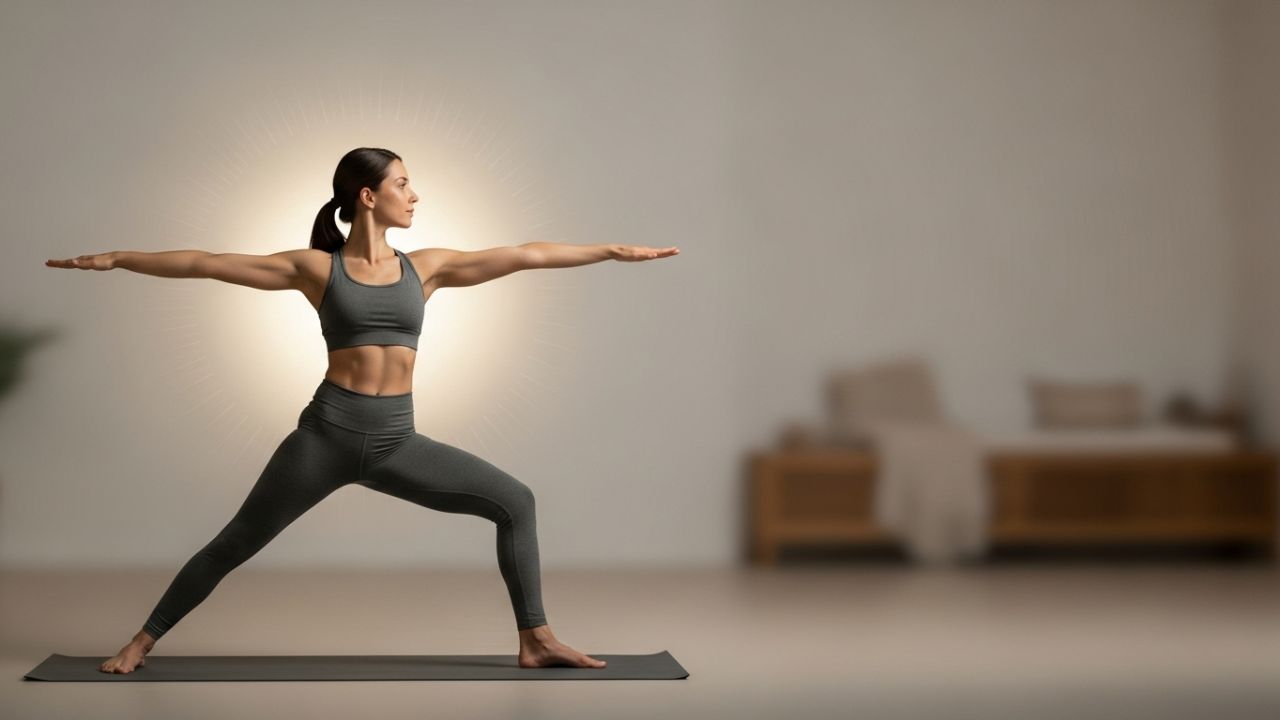
    Warrior II (Virabhadrasana II)

    Warrior II builds leg and core strength while enhancing balance. It challenges your endurance and concentration as you hold a grounded yet expansive stance.

    Benefits:
    – Strengthens legs, hips, and core
    – Improves balance and coordination
    – Boosts stamina and concentration

    Chair Pose (Utkatasana)

    Chair pose increases lower body strength and engages the core. The static hold builds heat and endurance in the quads, glutes, and calves.

    Benefits:
    – Strengthens legs and glutes
    – Improves endurance and stamina
    – Engages the core and back muscles

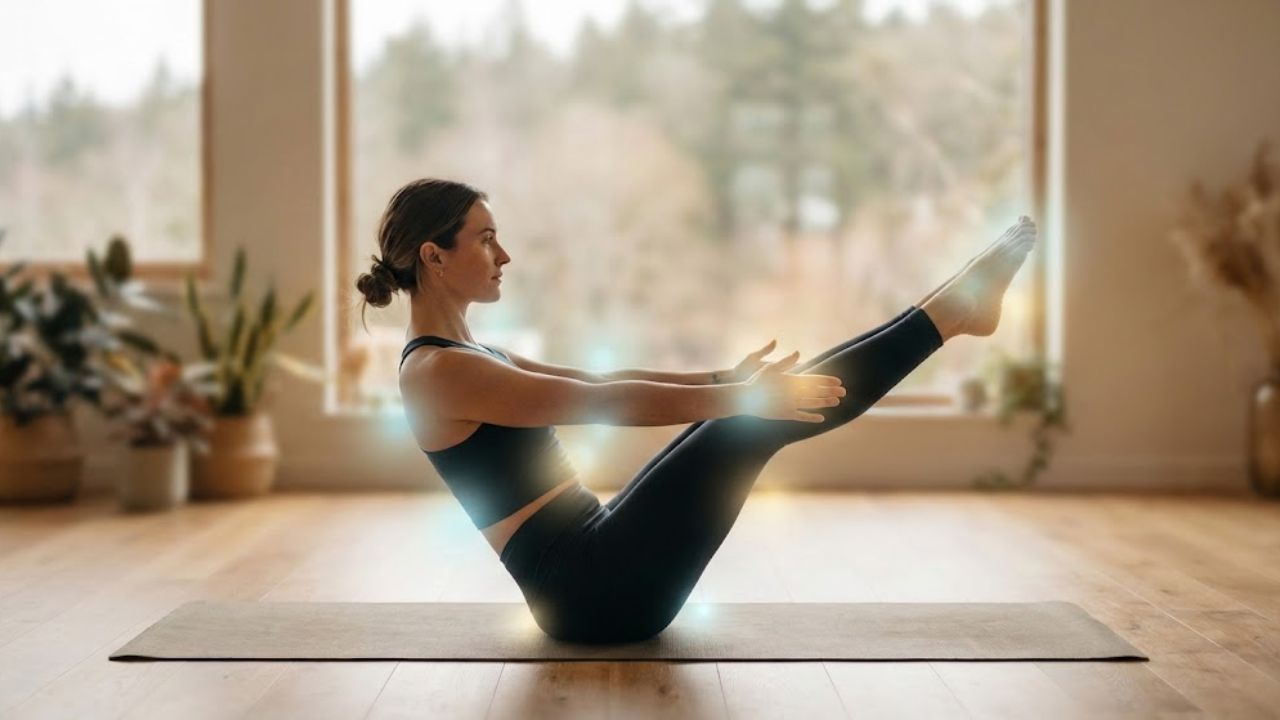
    Boat Pose (Navasana)

    This core-intensive pose requires strength and focus to hold. It targets the abs, spine, and hip flexors while improving posture and stamina.

    Benefits:
    – Builds core strength and stability
    – Improves balance and posture
    – Increases stamina in the abdominal region

    Cobra Pose (Bhujangasana)

    A gentle backbend that opens the chest and strengthens the spine. Cobra pose builds lower back endurance and supports healthy breathing.

    Benefits:
    – Increases spinal strength and flexibility
    – Stimulates abdominal organs for digestion
    – Opens the chest and encourages deep breathing

     Bridge Pose (Setu Bandhasana)

    Bridge pose strengthens the glutes, back, and core. It improves circulation and energy levels while enhancing flexibility in the spine and hips.

    Benefits:
    – Strengthens core, back, and glutes
    – Boosts circulation and energy flow
    – Enhances spinal and hip flexibility

    Crow Pose (Bakasana)

    An advanced arm balance, Crow Pose builds upper body and core strength. It tests your balance, focus, and resilience, increasing stamina both physically and mentally.

    Benefits:
    – Strengthens arms, shoulders, and core
    – Improves balance and coordination
    – Increases mental focus and resilience

    How Often Should I Practice Yoga for Strength and Stamina?

    Regular practice matters most when you want to build strength and stamina with yoga. Try to do yoga three to four times each week if you want to see real progress. Every session should mix strength poses like the ones mentioned earlier with stretches and breathing exercises that help your body stay flexible and recover properly.

    Can Yoga Replace Weightlifting for Strength Building?

    Yoga can complement weightlifting and other strength training routines, but it’s not a full replacement. While yoga helps to build functional strength, particularly in the core and stabilizing muscles, it doesn’t target the same heavy-load muscle building that weightlifting does. For optimal results, combine yoga with weight training for a balanced fitness program.

  • Yoga and Meditation Together: Mindful Practices for a Calm and Peaceful Lifestyle

    Yoga and Meditation Together: Mindful Practices for a Calm and Peaceful Lifestyle

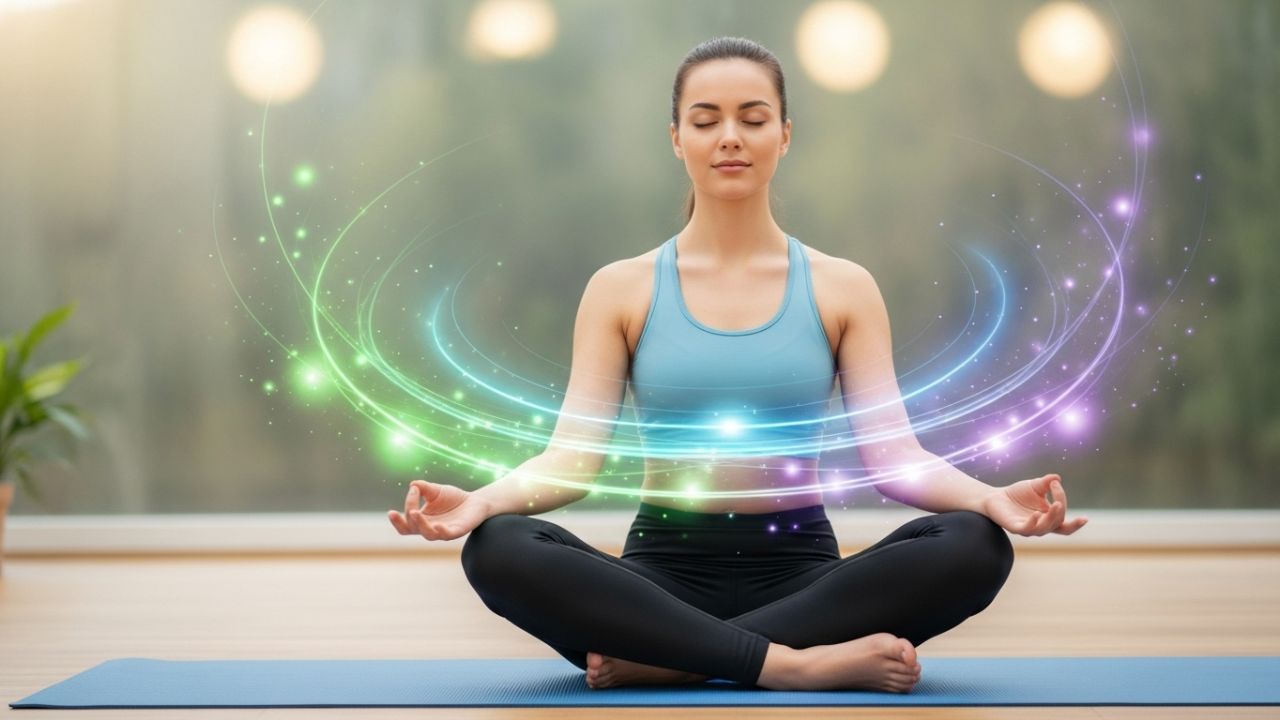
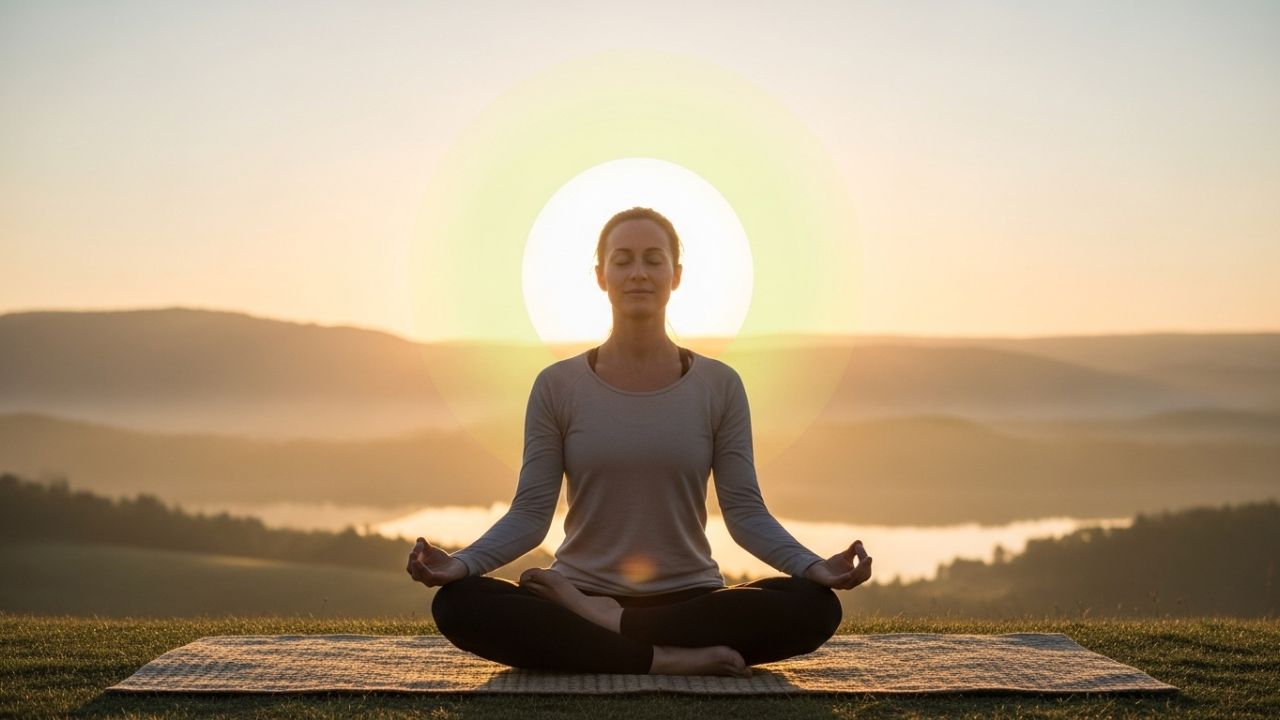
    The Power of Combining Yoga & Meditation for a Peaceful Life Modern life brings constant stress & endless distractions that leave many people feeling overwhelmed. Finding moments of calm has become increasingly difficult as our days fill with responsibilities and digital noise. People everywhere are searching for practical ways to restore balance and discover inner peace. Yoga and meditation have existed for thousands of years as separate practices. Each offers unique benefits on its own. However something remarkable happens when you bring them together. The combination creates a synergy that amplifies the positive effects on both mind & body. Yoga prepares the body through physical movement and controlled breathing. It releases tension from muscles and increases flexibility while building strength. The practice teaches awareness of how the body moves & feels. This physical foundation creates an ideal state for meditation. Meditation works primarily with the mind. It trains attention and develops the ability to observe thoughts without getting caught up in them. Regular meditation reduces mental chatter and brings clarity to daily life. The practice helps people respond to challenges with greater calm & wisdom. When you practice yoga before meditation the body becomes relaxed & the mind naturally settles.

    Why Yoga and Meditation Work Well Together

    Yoga and meditation have been practiced for thousands of years, both originating from Eastern philosophies. While yoga focuses on the body, meditation primarily engages the mind. When practiced together, they create a harmonious balance that nurtures both the body and the mind, leading to a greater sense of peace and tranquility. Yoga encourages flexibility, strength, and breath control, while meditation helps to clear the mind, reduce stress, and promote emotional well-being. By uniting these two practices, individuals can address both physical and mental health, creating a holistic approach to wellness.

    The Physical Benefits of Yoga and Meditation Combined

    Yoga is well-known for its physical benefits, such as improving flexibility, building strength, and enhancing balance. Asanas (yoga poses) promote the circulation of energy throughout the body, helping to release tension and reduce physical discomfort. The act of stretching and strengthening the muscles can alleviate stress held in the body, allowing for greater mobility and comfort.

    Meditation, on the other hand, focuses on calming the mind and promoting relaxation. By practicing mindfulness meditation, individuals can lower their heart rate, reduce blood pressure, and release the physical tension that often accompanies stress. Together, yoga and meditation support each other in providing physical and mental relief, fostering a more peaceful existence.

    How Meditation Enhances Yoga Practice

    Meditation plays a vital role in deepening a yoga practice. While yoga brings awareness to the body, meditation brings awareness to the mind. This mental clarity allows for better focus, concentration, and mindfulness during yoga practice. When meditation techniques like breath awareness or visualization are incorporated into a yoga session, they help anchor the practitioner in the present moment, reducing the likelihood of distraction.

    Additionally, meditation after a yoga session enhances the relaxation process. Following the physical exertion of yoga, meditation allows the body to release any lingering tension, helping the individual experience a profound sense of relaxation and peace.

    How Yoga Enhances Meditation Practice

    Just as meditation supports yoga practice, yoga also enhances meditation. The physical movements in yoga prepare the body for stillness by releasing pent-up energy and promoting relaxation. When the body feels relaxed and comfortable, it is easier to sit in meditation without physical discomfort distracting the mind.

    Furthermore, the breathing techniques taught in yoga, such as pranayama (controlled breathing), are highly effective in meditation. Deep, controlled breaths help calm the nervous system, allowing the individual to enter a meditative state more easily. By combining yoga with meditation, the practitioner can achieve deeper mental focus and a stronger connection to their inner self.

    Practical Tips for Incorporating Yoga and Meditation into Daily Life

    – Start Slow: Begin by incorporating short yoga sessions followed by a few minutes of meditation. Gradually increase the duration as you become more comfortable.

    – Set an Intention: Before starting, set an intention for your practice. Whether it’s to find inner peace, improve flexibility, or manage stress, having a clear intention can guide your practice.

    – Focus on Breath: Both yoga and meditation rely on conscious breathing. Pay attention to your breath during both practices to enhance relaxation and mindfulness.

    – Create a Calm Space: Set aside a quiet, peaceful space for your practice. This can help you focus and maintain a sense of calm throughout your session.

    – Consistency is Key: Try to practice yoga and meditation regularly, even if it’s just for a few minutes each day. Consistency helps build the foundation for long-term peace and balance. 

  • Optical Illusion Test: Can You Find 769 Among 766s in 5 Seconds

    Optical Illusion Test: Can You Find 769 Among 766s in 5 Seconds

    Optical illusions offer an entertaining method to test your brain while checking how well you observe details. We have prepared a special optical illusion challenge for you today. Your task is to find the number 769 hidden among multiple 766s within just 5 seconds. This might sound easy but these puzzles often turn out to be more difficult than they appear.

    Why Are Optical Illusions So Popular?

    Optical illusions grab our attention because they test how we see things. They reveal the way our brains process pictures & make us believe we are looking at something that differs from reality. These visual tricks can boost our ability to concentrate and remember things while also strengthening our thinking skills by making us examine details carefully & analyze what we observe. From a simple five-second test to a complicated puzzle optical illusions keep our minds active and offer an enjoyable method to give our brains a workout.

    How Can You Spot the 769 Among the 766s in Such a Short Time?

    In this test you need to find the number 769 that is hidden among many 766s. You will need good attention to detail and visual perception to spot the different number. Look carefully at each number. The numbers look similar but one stands out because it is different in an important way. Here are some tips to help you:

    Focus on the Last Digit: The number 769 is different from 766 in the last digit. Pay attention to this change.

    Scan in Sections: Break the image into smaller sections & scan each part quickly.

    Trust Your Instincts: If you think you have spotted it then go with your first instinct.

    Spot the Difference Solution

    After taking a moment to focus we can now reveal the solution. The number 769 is hidden among the 766s and the difference is subtle. The change happens in the third digit. While the other numbers feature two sixes at the end the hidden 769 has a nine instead. If you found it in time you are showing excellent observation skills and a sharp eye.
  • Heart Health Support: 6 Yoga Poses That Improve Circulation and Daily Vitality

    Heart Health Support: 6 Yoga Poses That Improve Circulation and Daily Vitality

    Six Yoga Poses for a Healthy Heart Keeping your heart healthy matters for your overall wellness. Yoga stands out as one of the best ways to make your cardiovascular system stronger. This practice brings together mindful movement & controlled breathing to help lower stress levels and improve blood flow throughout your body while supporting heart health. Here are six yoga poses that work to promote cardiovascular wellness & increase your energy levels for better physical & mental health.

    Mountain Pose (Tadasana)

    Mountain Pose may seem simple, but it lays the foundation for good posture and balance. It encourages deep, mindful breathing, which is essential for reducing stress—a major factor in heart disease. Standing tall with your feet together, lengthen through your spine and engage your core. With each breath, imagine the energy from the earth traveling up through your body, energizing your heart.

    Benefits for Heart Health:

    – Improves posture and alignment

    – Reduces stress and anxiety

    – Increases awareness of body positioning, promoting mindfulness

    Warrior I (Virabhadrasana I)

    Warrior I is an invigorating pose that stretches and strengthens the heart, lungs, and legs. By extending the arms overhead and grounding through the legs, you open the chest and increase circulation. This pose also fosters endurance and improves cardiovascular stamina.

    Benefits for Heart Health:

    – Strengthens the heart and lungs

    – Promotes deep breathing, improving oxygen flow

    – Expands the chest and opens the heart space

    Bridge Pose (Setu Bandhasana)

    Bridge Pose is an excellent way to stimulate the cardiovascular system and increase heart health. By lifting the hips toward the sky and opening the chest, this pose encourages better blood circulation. It also relieves tension in the chest and neck, areas that are often impacted by stress.

    Benefits for Heart Health:

    – Strengthens the heart muscles and improves circulation

    – Reduces anxiety and alleviates stress

    – Opens the chest, aiding in better heart health

    Cat-Cow Pose (Marjaryasana-Bitilasana)

    Cat-Cow Pose is a dynamic movement that gently massages the spine, helping to improve posture and heart health. This pose involves transitioning between arching the back (Cow Pose) and rounding the back (Cat Pose), synchronizing each movement with your breath. It promotes flexibility in the spine, improves digestion, and stimulates the heart.

    Benefits for Heart Health:

    – Relieves stress and tension in the body

    – Increases blood flow and heart rate with fluid movement

    – Enhances the flexibility of the spine, contributing to overall vitality

    Cobra Pose (Bhujangasana)

    Cobra Pose is known for its heart-opening benefits. Lying on the belly, you lift the chest by extending the arms and arching the back. This pose encourages a deep stretch in the upper body, especially the chest, helping to open up the heart chakra and improve blood flow.

    Benefits for Heart Health:

    – Expands the chest and lungs

    – Stimulates circulation, particularly in the heart

    – Reduces fatigue and promotes vitality

    Child’s Pose (Balasana)

    Child’s Pose is a gentle restorative pose that calms the mind and promotes relaxation. While it may not be as intense as some other poses, it’s incredibly beneficial for heart health due to its ability to reduce stress and anxiety. By resting the forehead on the floor and focusing on deep, slow breathing, you activate the parasympathetic nervous system, which helps lower heart rate and relax the entire body.

    Benefits for Heart Health:

    – Relieves stress and anxiety, which can lower blood pressure

    – Calms the nervous system, reducing the risk of heart disease

    – Promotes mindful breathing, improving oxygen circulation

    Why Yoga is Good for Heart Health

    Yoga not only helps with physical heart health but also supports emotional well-being. By reducing stress levels and promoting relaxation, yoga can play a significant role in lowering the risk of heart disease. The breathwork used in yoga, combined with physical movement, increases oxygen flow to the body’s tissues and helps improve circulation, contributing to overall cardiovascular health.

    Regular yoga practice also supports weight management and helps reduce the risk factors associated with heart disease, such as high blood pressure, cholesterol levels, and stress.

  • 7 Yoga Poses That Support Whole-Body Strength and Mental Reset Each Day

    7 Yoga Poses That Support Whole-Body Strength and Mental Reset Each Day

    Yoga goes beyond being a simple workout routine. It serves as a life-changing practice that deeply affects your mental state physical condition, and spiritual wellbeing. What makes yoga powerful is how it maintains your physical health while encouraging inner calm, present-moment awareness, and emotional balance. Making yoga part of your daily schedule delivers enduring advantages that range from better flexibility and muscle tone to sharper thinking and lower stress levels. The practice works on multiple levels simultaneously. Your body becomes stronger and more limber through the various poses and movements. Your mind gains focus and clarity as you concentrate on breathing and positioning. Your emotional health improves as you learn to stay present and release tension. These combined effects create a comprehensive approach to wellness that few other activities can match. Starting a yoga practice requires minimal equipment and can fit into almost any lifestyle. You need only a quiet space & enough room to stretch. Beginners can start with basic poses and gradually advance to more challenging positions as their abilities develop. The beauty of yoga is that it adapts to your current fitness level rather than demanding you meet specific requirements before starting. Regular practice brings noticeable changes within weeks. Your posture improves as core muscles strengthen. Sleep quality often increases as your body learns to relax more completely. Energy levels rise throughout the day. Many practitioners report feeling more centered & less reactive to daily stressors. These improvements build on each other and create momentum that makes continuing the practice easier and more rewarding over time.

    1. Tree Pose (Vrksasana)

    Tree Pose is a classic balance posture that supports both physical steadiness and mental focus. It strengthens the legs, hips, and core while improving coordination and posture. By rooting one foot firmly into the ground, this pose encourages a feeling of calm, stability, and inner balance. Tree Pose also enhances hip flexibility and deepens the mind-body connection, helping you cultivate patience, concentration, and emotional balance in everyday life.

    2. Warrior II (Virabhadrasana II)

    Warrior II is a strong standing pose that develops strength, stamina, and resilience. It primarily works the legs, hips, and core while opening the chest and shoulders. This posture builds confidence and determination, encouraging a sense of power and focus. Warrior II teaches you to remain grounded and steady while facing challenges, promoting mental clarity, courage, and self-belief both on and off the mat.

    3 Cobra Pose (Bhujangasana)

    Cobra Pose is a gentle backbend that stretches the spine, opens the chest, and strengthens the lower back muscles. It helps improve posture, increase spinal flexibility, and lift energy levels. This pose can boost mood, counteract the effects of prolonged sitting, and release tension in the upper body. Cobra Pose also stimulates the abdominal organs, supporting better digestion and overall vitality.

    4. Child’s Pose (Balasana)

    Child’s Pose is a deeply restorative posture that promotes relaxation and mindfulness. It gently stretches the back, hips, and thighs while calming the nervous system. This pose allows the body to slow down and the mind to settle, encouraging deep breathing and inner awareness. Child’s Pose is ideal for relieving stress, easing tension, restoring energy, and reconnecting with a sense of inner peace.

    5. Bridge Pose (Setu Bandhasana)

    Bridge Pose is a strengthening and opening posture that stretches the chest, neck, and spine while activating the glutes, hamstrings, and core. It supports proper spinal alignment, improves circulation, and helps release physical and mental stress. With regular practice, Bridge Pose can enhance posture, increase flexibility, and contribute to greater overall strength and balance.

    6. Corpse Pose (Savasana)

    Savasana is a pose of complete rest and relaxation and is often considered one of the most essential parts of a yoga practice. It allows the body and mind to fully integrate the benefits of the previous poses. This posture helps reduce stress, anxiety, and mental fatigue while promoting deep relaxation and improved sleep. Savasana offers profound rejuvenation, leaving you feeling refreshed, balanced, and centered.

    7. Downward-Facing Dog (Adho Mukha Svanasana)

    Downward-Facing Dog is one of the most well-known yoga postures that offers a full-body stretch. It helps build strength in the arms, legs, and core while promoting mental calmness. This pose is highly effective for easing stress and supporting better posture. Practicing it regularly enhances blood flow, releases tightness in the neck and shoulders, and leaves the body feeling refreshed and energized.

    The transformative power of yoga lies in its ability to connect the mind, body, and spirit. By regularly practicing these seven yoga poses, you can experience a profound change in your life. Not only will you improve your physical health, but you’ll also foster emotional balance, mental clarity, and inner peace. Start your journey today and unlock the full potential of your body and mind with yoga.