
Blog

  • He Hid an AirTag in Donated Sneakers and Accidentally Exposed a Disturbing Resale Reality

    He Hid an AirTag in Donated Sneakers and Accidentally Exposed a Disturbing Resale Reality

    The kind of shoes you drop into a donation bin with a faint sense of having done something good. Before parting with them, however, a man in Geneva tucked a tiny Apple AirTag beneath the insole, almost as a quiet challenge. Where would his worn sneakers actually go?

    He snapped a photo, tied the laces together, and carried them to a Red Cross collection point. A quick signature, a polite smile, then back to work. That should have closed the chapter. Days later, his phone vibrated. His “lost item” had moved. Not to a sorting center. Not to a refugee shelter. Instead, it appeared at a street market across town.

    The blue dot on his screen drifted between metal racks and tarpaulins. The sneakers, now officially “donated,” were on sale.

    From donation bin to market counter

    When he first opened the Find My app, he expected the AirTag to be sitting still in a warehouse. Instead, the map highlighted a location near a popular flea market. The kind of place known for second-hand jackets, mismatched chargers, and, apparently, charity sneakers with a hidden tracker.

    Intrigued and slightly uneasy, he cycled there one Saturday morning. The AirTag icon blinked on his phone, growing closer with every step between the stalls. Plastic sheets flapped, vendors called out prices, children tugged at sleeves. Somewhere in that crowded maze, his old shoes waited, now carrying a fresh price tag.

    He moved slowly along the rows, scanning piles of footwear. The signal intensified, then became unmistakable. He no longer needed the screen. The sneakers were right there, neatly arranged with other “donations,” now labeled as cheap finds.

    Tracked donations and unexpected journeys

    This was not an isolated error or an urban myth. In recent years, similar experiments have spread online: hidden trackers placed in donated clothes, toys, or electronics, quietly mapping their paths across cities and borders. In this Geneva case, the journey was short but revealing: collection point, temporary storage, reseller’s stall.

    Other items have traveled farther. A winter coat dropped in Berlin surfaced months later in Eastern Europe. A bundle of used T-shirts in London pinged from a cargo ship near North Africa. A laptop, supposedly “recycled,” moved straight from a charity depot to a refurbishing shop known for exporting old electronics.

    Each time, screenshots of these maps circulate online, sparking fascination and frustration. The donations did not disappear; they slipped into a long, opaque chain where good intentions meet economic reality.

    When generosity meets a global resale system

    For charities, the picture is more nuanced than a simple scandal. Many organizations openly resell part of what they receive to fund programs, pay staff, and keep warehouses operating. Some work with recycling firms or wholesalers who buy unsold clothes by the kilo. There is nothing illegal in this process, as long as it is transparent.

    The grey area appears when donors imagine their shoes on the feet of someone in urgent need, while the items are treated instead as raw material within a global second-hand industry. The Geneva sneakers on a market table capture that tension. One pair, a few francs, but behind it a system most people barely understand.

    Technology brings these blind spots into view. A 35-euro AirTag can trace an invisible journey worth millions.

    Donating more wisely without stopping altogether

    The AirTag story does not suggest abandoning generosity. It points toward adjusting how we give. A first step is to ask clear questions before dropping off bags. Where do items go? What portion is redistributed for free? What is sold, and to whom?

    Many reputable charities respond openly when asked directly or by email. Some publish detailed breakdowns of their donation flows. Spending a few minutes reading those pages can be more useful than hours of online outrage. If responses stay vague or evasive, that silence is also informative.

    Another simple habit is matching donations to what organizations truly need. Some shelters publish seasonal wish lists. Urban charities may prefer durable sneakers and coats, while rural groups might need baby clothes or school bags. Aligning what you give with actual demand reduces the pull toward automatic resale.

    There are also ways to keep generosity personal. Local groups on social platforms often connect donors directly with families, students, or newcomers. You give shoes, you see the smile, you hear the story. This does not replace large organizations, but it counters the feeling that everything vanishes into a black box.

    In many cities, social workers quietly assemble wardrobes for people leaving the streets for a first apartment. They know who needs size 43 sneakers and which job interview is coming up. Asking if they accept direct donations can make tracker-style curiosity unnecessary. The journey from your hallway to their closet may be just a bus ride.

    Of course, not everyone has the time or energy to organize ideal donations. Some weeks, even carrying a bag to the nearest bin feels like a win. Shifting perspective helps. Instead of imagining a perfect story for each item, think of supporting an ecosystem: the charity, its staff, its beneficiaries, and its shops.

    Soyons honnêtes: few people read annual reports and association statutes regularly. Still, taking one evening a year to check where your preferred charity stands can prevent disappointment. Do they run shops? Export surplus clothing? Publish audits? These answers often sit quietly on their websites.

    Some will continue tracking items out of curiosity or mistrust. That choice raises ethical questions about privacy and consent. Yet it also acts as a mirror, asking what we are truly checking: the honesty of others or our own idealized view of giving.

    “I wasn’t shocked that my sneakers were sold,” the donor later told a local journalist. “I was shocked that nobody had clearly said this was happening while asking me to give from the heart.”

    Lessons from one tracked pair of shoes

    Behind this single pair of sneakers, several practical lessons emerge for anyone who wants to keep donating without feeling naïve.

    • Seek transparency: Choose organizations that clearly explain how resale and exports are handled.
    • Give quality items: Clothes in poor condition often become waste rather than help.
    • Balance approaches: When possible, combine traditional charity donations with direct giving to people or groups you know.

    A hidden tracker and an uncomfortable clarity

    The Geneva story resonated because it felt like a social experiment anyone could repeat. A cheap AirTag, an old pair of sneakers, a donation bin. No hacking, no hidden cameras. Just a quiet test many had wondered about but never tried.

    At a deeper level, that blue dot on a phone screen confronts us with a question: how much do we really want to know about what happens after we “do the right thing”? We sort, we fold, we drop off. The mental story ends there. The real one continues through warehouses, ships, markets, and sometimes landfills.

    At a busy market, a vendor may see those sneakers simply as stock. A recognizable brand, decent condition, easy to sell. A few francs earned, perhaps a meal paid. It is difficult to fault someone operating within a system built long before. We have all faced the moment when tidy moral stories clash with messy reality.

    What the AirTag exposes is less a scandal than a gap between imagined impact and logistical truth. Closing that gap will not come from tracking more shoes, but from conversations rarely held. With charities. With local groups. With ourselves.

    Some readers will feel betrayed and step away from large organizations. Others will accept resale as a valid way to fund social programs. Many will sit uneasily in between, still wanting to help. That discomfort may be the most valuable outcome. It forces reflection instead of routine closet cleanouts on autopilot.

    Giving has always been about more than objects. It rests on trust, personal narratives, and a fragile link between giver and receiver. A tiny tracker hidden in a sneaker does not break that link. It simply draws it on a map, pulling it out of the shadows and into view.

    Key takeaways for donors

    • Ask how donations are used: Before dropping bags, contact charities to learn what percentage is given directly, sold, exported, or recycled.
    • Favor local, direct help: Pair traditional donations with local giving to see immediate impact.
    • Donate truly wearable items: Clean, intact clothing is more likely to help as intended rather than become low-value waste.
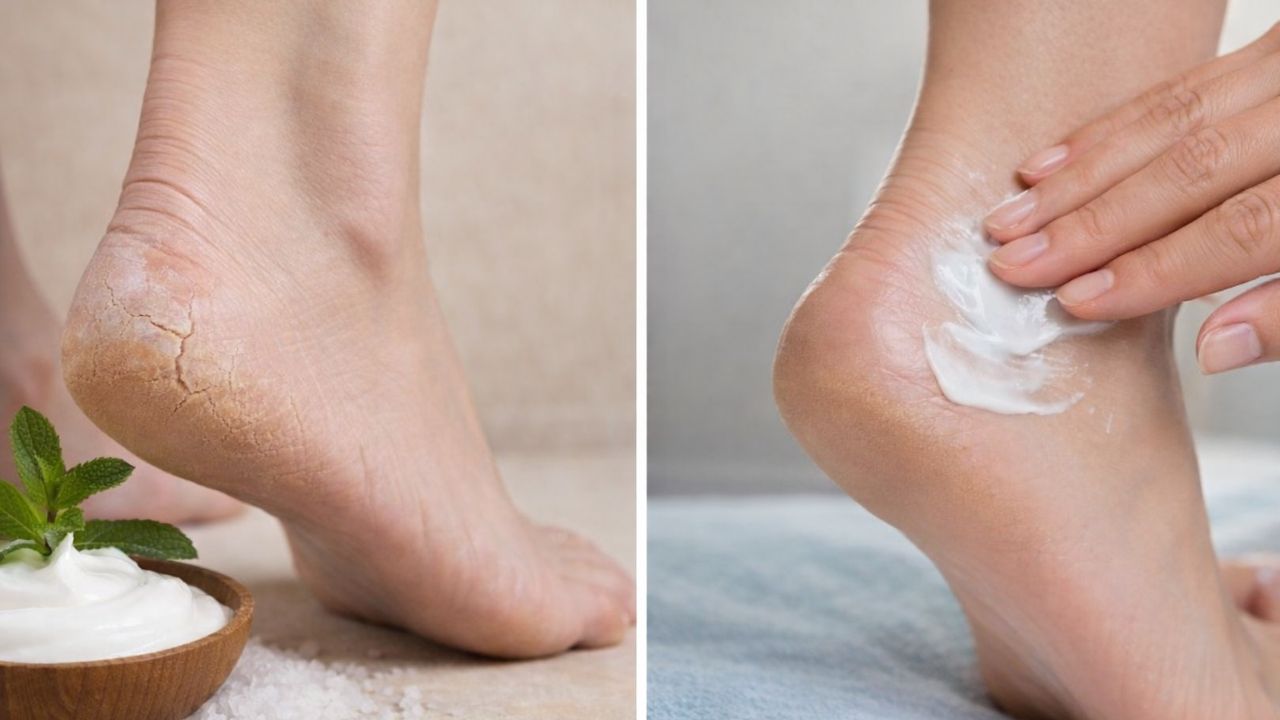
  • Fast Ways to Repair Dry Cracked Heels at Home With Gentle Kitchen Ingredients That Heal Skin

    Fast Ways to Repair Dry Cracked Heels at Home With Gentle Kitchen Ingredients That Heal Skin

    The first time you notice the cracks, they seem harmless. Fine, pale lines begin forming across your heels, resembling patterns on dry soil. It feels easy to dismiss them at first, often blamed on walking barefoot indoors or wearing open sandals too often. Over time, the sensation changes. As your feet touch the floor one morning, you feel roughness and a mild sting. The cracks have grown deeper, sometimes catching on fabric and causing soreness. That quiet discomfort is usually the moment you realize your heels need care. Dry, cracked heels develop gradually, and by the time they are noticeable, they are already uncomfortable. Thankfully, relief does not require costly products. Simple kitchen ingredients can slowly restore softness and comfort.

    What Your Heels Are Quietly Telling You

    Your heels carry more responsibility than you may realize. With every step, they absorb constant pressure and impact, especially during long hours of standing or walking. Because they are often hidden, heel care is easy to forget. You might notice rough skin during a shower and plan to address it later, only to overlook it again. Gradually, lack of moisture combined with daily pressure causes the skin to lose its flexibility. Barefoot walking on hard floors, thin-soled or open-back shoes, hot showers, cold weather, and indoor heating all worsen dryness. Heel skin is naturally thick for protection, but when overly dry, it cracks instead of bending. The encouraging truth is that skin can repair itself when given moisture, gentle attention, and protection.

    Turning Your Kitchen Into a Simple Skin Care Space

    Your kitchen already holds gentle solutions for dry heels. Olive oil and coconut oil help deeply moisturize and soften rough skin. Honey draws moisture into the skin while soothing irritation. Milk and yogurt gently loosen flaky layers through natural lactic acid. When sugar or salt is blended with oil, it becomes a mild exfoliant that removes dead skin. Using familiar ingredients feels reassuring because they are already trusted. There is no need for complicated labels or expensive products. Understanding how each ingredient works makes heel care easy, calming, and effective.

    Natural Ingredients That Support Heel Healing

    • Olive Oil or Coconut Oil: Deeply moisturizes, repairs dryness, and softens thick heel skin. Best massaged at night or used as a scrub base.
    • Honey: Locks in hydration, calms irritation, and supports natural healing. Ideal as a moisturizing mask mixed with oil or milk.
    • Milk or Yogurt: Gently loosens dead skin using natural lactic acid. Works well in warm foot soaks or softening packs.
    • Sugar or Salt: Removes rough layers and improves smoothness. Use gently after soaking feet.
    • Banana or Avocado: Nourishes dry skin with vitamins and healthy fats. Apply as a thick mask on very dry heels.

    A Calm Evening Routine for Healthier Heels

    Heel care can become a peaceful moment at the end of your day. As the house grows quiet, taking just fifteen minutes allows you to focus on comfort and care.

    Step 1: Warm Milk and Salt Foot Soak

    Fill a basin with comfortably warm water. Add half a cup of milk, one to two spoons of salt, and a small amount of olive oil. Soak your feet for ten to fifteen minutes. The warmth relaxes the skin, the milk softens dryness, and the oil begins restoring moisture.

    Step 2: Mild Exfoliating Scrub

    Mix sugar or fine salt with olive or coconut oil to form a thick paste. Massage it gently onto your heels using slow, circular motions. Focus on rough areas without applying pressure. Gentle exfoliation works better than harsh scrubbing. Rinse with warm water when finished.

    Step 3: Honey and Yogurt Moisture Mask

    Combine one tablespoon of honey with one tablespoon of thick yogurt and a few drops of oil. Apply generously to cracked areas and leave it on for ten to fifteen minutes. This mask provides deep hydration and calming relief. Rinse gently and pat dry.

    Overnight Oil Care for Lasting Softness

    Before going to bed, warm a small amount of olive or coconut oil and massage it into your heels for several minutes. Put on clean cotton socks to seal in moisture overnight. By morning, heels often feel noticeably softer, smoother, and less painful.

    Simple Daily Habits to Prevent Heel Cracks

    Once your heels recover, small habits help maintain results. Moisturize after showers, avoid very hot water, rotate footwear, and drink enough water daily. Address dryness as soon as it appears. Consistent care prevents deeper cracks from developing later.

    When At-Home Care May Not Be Enough

    If cracks become very deep, start bleeding, or do not improve with regular care, professional guidance may be needed. Certain health conditions can slow healing, and a medical professional can recommend proper treatment. In most cases, cracked heels are simply a sign of dryness and neglect. With patience, warmth, natural oils, and everyday kitchen ingredients, your feet can regain comfort and continue supporting you through daily life.

  • The Ordinary New Serum: “Filler in a Bottle” Claims Gain Attention After Visible Results on 40s Skin

    The Ordinary New Serum: “Filler in a Bottle” Claims Gain Attention After Visible Results on 40s Skin

    In India women in their 40s often discuss skincare concerns such as maintaining skin firmness and minimizing fine lines as they look for products that deliver visible results. The Ordinary’s latest serum has gained attention because users describe it as a “filler in a bottle” & many women seek noticeable yet natural improvements. This serum does not claim to provide immediate transformation but functions by delivering hydration that plumps the skin & refines its texture. It makes skin appear more refreshed and youthful without requiring any invasive treatments. For Indian women who balance their careers and family responsibilities while prioritizing self-care this simple and effective skincare solution feels both practical & empowering.

    The Ordinary Serum That Acts as a Filler-Style Alternative

    This Ordinary serum works by using advanced hydration science to mimic the results of professional fillers without any invasive procedures. The formula pulls moisture into the skin & keeps it there to create a naturally fuller look. When you use it regularly your skin starts to show visible plumping effects in areas where fine lines typically form first like the cheeks and around the mouth. Many people in their 40s notice smoother skin texture and a subtle bounce that makes makeup sit better on the face. The lightweight texture provides deep hydration without feeling heavy on the skin which works well in India’s variable weather conditions. With continued use many people see improved facial volume without experiencing any irritation.

    Why This Filler-Like Serum Works Well for Skin in Your 40s

    As skin reaches the 40s it loses moisture faster and fine lines become more visibvle along with a dull appearance. This serum works to boost the skin’s ability to hold water and tackle these issues head-on. Regular use helps lock in deep hydration so skin stays healthy-looking all day long. People appreciate that it doesn’t feel greasy especially in India’s humid weather. The formula keeps skin soft instead of tight which reduces the appearance of fine lines. After several weeks most users see a fresher & younger look that makes their face appear rested even when life gets hectic.

    How to Apply the Serum for More Youthful-Looking Skin

    Using the serum the right way makes a real difference in what you see. It works better on skin that is a little damp because this helps it sink in properly. You only need a few drops to give your skin deep moisture without making it feel heavy. Putting on a moisturizer after helps lock everything in and makes your skin look fuller. Most people use it morning & night to get steady results. When you stick with this easy routine your skin becomes stronger each day and stays smooth in a way that looks completely natural.

    Summary and Everyday Results

    A Practical Skincare Solution for Women in Their 40s For Indian women in their 40s this Ordinary serum offers a straightforward way to maintain youthful skin. It won’t replace professional cosmetic procedures but delivers noticeable results you can achieve at home. Regular use typically improves skin elasticity & creates a smoother texture with a natural glow. The serum stands out because it’s both easy to use & budget-friendly compared to clinic treatments. When you pair it with a regular skincare routine, it helps your skin look naturally fuller and boosts your confidence through gradual improvements rather than dramatic transformations.

    Feature What It Offers
    Main Benefit Hydration-based plumping effect
    Ideal Age Group 40s and above
    Texture Lightweight, fast-absorbing
    Usage Frequency Once or twice daily
    Skin Types Normal, dry, combination
  • Psychologists Say Self-Talk in Private Is Common Among Highly Focused and Emotionally Intelligent People

    Psychologists Say Self-Talk in Private Is Common Among Highly Focused and Emotionally Intelligent People

    Earbuds in place, coffee untouched, she stared at her laptop and quietly spoke to herself. Not whispering, not raising her voice — just a steady flow of words, as if narrating her own thoughts. A waiter passed by, paused with a confused glance, then carried on as though nothing unusual was happening.

    She gestured at the screen and silently mouthed, “No, that doesn’t make sense”, before deleting an entire paragraph. Moments later, she nodded and said aloud, “Yes. That’s better.” There was no phone call, no video meeting — just her voice guiding her thinking in a public space.

    Why Talking to Yourself Signals an Active, Powerful Mind

    Most people have caught themselves speaking out loud while searching for keys, replaying an argument, or rehearsing an awkward message. Usually, it comes with silent self-judgment. Yet this habit may actually point to a mind working at full speed.

    Watch someone who talks to themselves when they think no one is listening. There’s often an intensity in their focus, as though their thoughts are moving too quickly to stay contained. Psychologists call this “self-talk”, and it appears frequently among high performers.

    Athletes use it before competitions, surgeons before complex procedures, writers during creative blocks. Simple phrases like “Focus”, “Breathe”, or “You know this” are not random. They are tools the mind uses to guide itself instead of drifting.

    What Research Reveals About Speaking Your Thoughts

    In a 2012 experiment, participants completed a visual search task. Some stayed silent, while others repeated the name of the object they were looking for. Those who used self-talk found the item faster and with less effort. Speaking out loud didn’t make them sound clever — it made them effective.

    Another study focused on athletes. Those who used specific verbal instructions such as “Push through the last seconds” or “Relax your shoulders” performed better than those who remained silent. The difference wasn’t talent. It was how attention was directed.

    When thoughts are spoken, they move from a vague mental fog into something tangible. Saying “I’m stressed” out loud often leads naturally to “What do I need right now?” Even a simple “One step at a time” can create order in moments of mental chaos.

    Self-Talk Is a Sign of Strong Executive Function

    Far from indicating instability, self-talk reflects executive function in action. The brain is planning, correcting, and evaluating in real time. Externalising part of the inner dialogue helps organise it, much like spreading papers across a desk instead of keeping them folded away.

    It may look messy from the outside, but internally, clarity is forming. This is not confusion — it is active mental organisation.

    How to Turn Self-Talk Into a Practical Mental Tool

    There’s an important difference between uncontrolled mumbling and intentional verbal guidance. The key is shifting from vague commentary to short, deliberate phrases — like pressing verbal buttons that launch focused actions.

    When thoughts start racing, try simple commands: “Pause.” Then “Name it.” Say exactly what’s happening: “I’m overwhelmed” or “I’m starting this task.” Once named, state the next small step out loud: “I write the first sentence.”

    This approach may sound basic, but it mirrors techniques used in therapy to manage anxiety and procrastination. The voice becomes a guide instead of a critic, speaking to the part of you that knows how to move forward when panic clouds judgment.

    Replacing Harsh Inner Scripts

    Most people mix helpful self-talk with automatic, critical phrases like “You always mess this up” or “You’ll never get it right.” These scripts are often inherited from past experiences rather than chosen consciously.

    When spoken out loud, their harshness becomes undeniable. That discomfort can be useful. It creates a chance to intercept the sentence and soften it.

    Instead of “I’m useless”, try “I’m stuck right now, and that’s frustrating.” Replace “I can’t do this” with “I don’t know how to do this yet.” The shift turns a fixed judgment into a temporary situation — and situations can change.

    Simple Anchors for Healthier Self-Talk

    • Replace “always” and “never” with “right now” or “today.”
    • Speak to yourself as you would to a trusted friend.
    • Change “Why am I like this?” to “What do I need next?”
    • Use your first name during overwhelm to create distance.
    • Keep one short, believable mantra, such as “I can handle small steps.”

    The Hidden Strengths Revealed by Talking to Yourself

    Listen closely to someone speaking to themselves while working, cooking, or navigating a busy street. You’ll often hear planning and sequencing: “First this, then that.” Beneath the surface lies strong organisation.

    This narrative self-talk shows working memory in action. Tasks, priorities, and emotions are being managed simultaneously. The voice acts like a mental whiteboard, turning confusion into structure.

    For people with fast-moving or highly creative minds, speaking out loud can be essential. Silence allows thoughts to slip away. Words anchor them. Saying “I’m calling the doctor now” before dialing helps lock in action before distraction intervenes.

    Self-Distancing and Emotional Control

    When someone tells themselves, “You’ve handled harder things than this”, they’re using a technique known as self-distancing. Referring to yourself by name or as “you” creates emotional space.

    This distance reduces stress, improves decision-making, and limits impulsive reactions. It’s like stepping back from a painting to finally see the whole picture. Out loud, it may sound like coaching someone else. In reality, it’s self-coaching.

    Creativity, Simulation, and Mental Rehearsal

    Replaying conversations, rewriting arguments, or rehearsing future scenarios is another form of self-talk. These are mental simulations — testing outcomes, adjusting tone, refining responses.

    When uncontrolled, this can become rumination. Used intentionally, it mirrors the process actors and writers rely on. You’re experimenting safely before real stakes appear, which increases readiness when they do.

    Why Self-Talk Is Not a Flaw

    When strangers judge someone for talking to themselves, they’re seeing only a fragment of a larger process. They don’t witness the problem being solved, the fear being soothed, or the idea forming.

    Self-talk is not a malfunction. It’s a window into how intensely the mind is working. Those who speak to themselves are not broken — they are actively negotiating their inner world.

    The next time you catch yourself mid-sentence, resist the urge to stop out of embarrassment. Listen instead. Is the voice harsh or supportive? Chaotic or organising?

    You may discover that this private dialogue is one of the most honest conversations you have — and that within it, your clearest decisions, strongest ideas, and quiet resilience begin.

    Key Takeaways

    • Self-talk improves focus: Saying goals and steps aloud helps reduce distraction and mental fatigue.
    • Words expose hidden scripts: Speaking thoughts reveals outdated or harsh beliefs that can be changed.
    • Out-loud thinking signals strong cognition: Planning, self-coaching, and simulation reflect active problem-solving.
  • Why TPsychology Insight Revealsalking to Yourself Alone Often Signals Strong Intelligence and Mental Clarity

    Why TPsychology Insight Revealsalking to Yourself Alone Often Signals Strong Intelligence and Mental Clarity

    Her earbuds were in, her coffee sat untouched, and she stared at her laptop while quietly speaking to herself. Not whispering, not raising her voice—just a steady flow of words, as if she were narrating her own film. A waiter walked by, paused with a confused glance, then moved on as though nothing unusual was happening.

    She gestured toward the screen and silently mouthed, “No, that doesn’t work,” before deleting an entire paragraph. Moments later, she nodded and said aloud, “Yes. That’s better.” There was no phone call, no video meeting—only her voice conducting a private discussion in a public space.

    We have all experienced moments like this: talking to ourselves while searching for keys, replaying an argument, or rehearsing an awkward message. Most of the time, we judge ourselves quietly. But what if this habit isn’t strange at all? What if it actually points to a highly active and capable mind?

    Why speaking to yourself reflects a focused, powerful mind

    Observe someone who talks to themselves when they think no one is watching. There is often an intensity in their expression, as if their thoughts are moving too quickly to remain contained. The words slip out because the brain needs extra space, borrowing the air around it to keep up.

    Psychologists refer to this as self-talk, and it appears far more often among high performers than most people expect. Athletes use it before competitions, surgeons before demanding procedures, and writers during creative blocks. That inner voice saying “Focus,” “Breathe,” “You’ve got this” is not random—it is the mind actively guiding itself.

    Research supports this. In one experiment, participants completed a visual search task either silently or while repeating the name of the object they were seeking. Those who spoke aloud—“Where’s the banana?”—found it faster and with less effort. Speaking did not make them appear refined; it made them more effective.

    How vocalising thoughts improves performance and clarity

    Similar findings appear in sports psychology. Athletes who used clear verbal instructions during performance—such as “Push through” or “Relax your shoulders”—showed measurable improvement compared to those who stayed silent. The difference was not skill, but how they directed their attention.

    When thoughts are spoken, they move from a vague mental haze into something tangible and manageable. Words become handles you can grasp. Saying “I’m stressed” out loud often leads naturally to “What do I need right now?”. Even a simple phrase like “One step at a time” can act as an anchor in moments of mental overload.

    This is not a sign of instability. It is evidence of executive function in action. Your brain is planning, assessing, and correcting in real time. Externalising thoughts helps organise them, much like spreading papers across a desk instead of stuffing them into a pocket.

    Turning self-talk into a practical mental tool

    There is a clear difference between rambling out loud and using your voice with intention. The key is shifting from vague murmurs to short, purposeful phrases. Think of them as verbal switches that activate specific mental responses.

    When your thoughts start racing, try simple commands. Begin with “Pause.” Then name what’s happening: “I’m overwhelmed,” or “I’m starting this task.” Once it’s named, state the smallest next step aloud: “I write the first sentence.” Not the entire task—just one action.

    This approach may feel overly simple, but it mirrors what therapists teach to manage anxiety and procrastination. Over time, your inner voice becomes less critical and more supportive, guiding you instead of overwhelming you.

    Rewriting harsh inner scripts through awareness

    Most people mix helpful self-talk with automatic, harsh phrases like “I’m useless” or “I always mess things up.” These lines often come from old patterns we never consciously chose. Speaking out loud can make them suddenly obvious.

    That moment of discomfort is also an opportunity. You can catch the sentence and adjust it. Replace “I can’t do this” with “I don’t know how to do this yet.” The shift changes a fixed judgment into a situation that can evolve.

    As one idea suggests, the way you speak to yourself when no one is listening quietly shapes who you believe you are. Updating your language helps your mind stay flexible instead of shutting down.

    • Replace “always” and “never” with “right now” or “today”.
    • Speak as you would to a trusted friend, not an enemy.
    • Change “Why am I like this?” to “What do I need next?”.
    • Use your first name when overwhelmed to create distance.
    • Keep one honest mantra, such as “I can handle small steps.”

    The quiet strengths revealed by self-talk

    Listen closely to someone speaking to themselves while working or moving through daily tasks. You will often hear planning and mental mapping: “First I do this, then I handle that.” Beneath the surface, there is a strong sense of organisation.

    This narrative self-talk shows working memory at work. Tasks, priorities, and emotions are being managed simultaneously. For people with fast-moving or highly creative minds, speaking aloud can be essential. Words help secure actions before distraction interrupts them.

    Another powerful aspect is self-distancing. When someone says, “You’ve handled harder things than this,” using their own name or “you,” they create emotional space. Research shows this reduces stress, improves decisions, and limits impulsive reactions.

    Self-talk can also signal deep creativity. Rehearsing conversations, replaying moments, or acting out future scenarios are forms of mental simulation. When used intentionally, this mirrors the techniques of writers and actors, preparing you for real situations before they arrive.

    What outsiders see as odd is often just one frame of a larger process. They don’t see the problem being solved, the fear being eased, or the idea taking shape. Self-talk is not a mental flaw—it is a window into how actively the mind is working.

    The next time you catch yourself mid-sentence while alone, pause without judgment. Notice the tone. Is it harsh or supportive? Chaotic or searching for order? You may discover that this private dialogue is one of the most honest and productive conversations you have all day.

    • Self-talk improves focus: Speaking goals aloud filters distractions and reduces mental fatigue.
    • Words expose hidden beliefs: Hearing them allows you to revise harmful inner scripts.
    • Out-loud thinking signals strong cognition: Planning and self-coaching show active problem-solving.
  • Experts Warn Tap Water Safety Findings Raise New Questions About Long-Trusted Drinking Water Guidelines

    Experts Warn Tap Water Safety Findings Raise New Questions About Long-Trusted Drinking Water Guidelines

    Clear, faintly steaming water pours from the hot tap. For years, you’ve been told this is the safest drink in your home—tested, monitored, and ranked among the best. Then a new safety report appears, and a subtle unease settles in. The same water used for baby bottles, coffee, cooking, and showers may not be as harmless as it seems.

    At first glance, the issue sounds dry and technical. Updated standards, revised thresholds, phrases like “within acceptable limits.” Yet between those lines, experts are starting to signal something very different from the reassuring public health messages repeated for decades.

    A glass of tap water once symbolized progress and trust. Today, for a growing number of scientists, it has become a question mark rather than a certainty.

    When “safe to drink” starts to feel uncertain

    The warning did not begin with shocking images or viral outrage. It emerged quietly from an official-looking tap water safety report that most people would overlook. Inside were references to trace contaminants, emerging chemicals of concern, and risk models that subtly shifted long-standing assumptions.

    Public agencies have long stressed that tap water is tightly regulated. So when independent toxicologists reviewed the new findings and said, “this doesn’t align with what we’ve been told,” attention followed. Their concerns were not dramatic, but expressed in careful, academic language that nonetheless landed heavily.

    We now find ourselves between two realities: the comfort of everyday routines and new data that refuses to be ignored.

    One researcher described standing in his kitchen late at night after reviewing data on so-called “forever chemicals” in municipal water. He filled a glass, paused, and set it down untouched. “I couldn’t unsee the numbers,” he admitted.

    Stories like this are accumulating. From communities facing PFAS contamination to regions reporting rising nitrate levels, small observations are forming a broader picture. A parent noticed a child’s skin issues easing after switching to filtered water. A retired plumber avoids drinking from certain taps. These are not proofs, but signals.

    Why current standards no longer tell the whole story

    On paper, the numbers still sound reassuring. Most water samples meet regulatory standards. The problem is that many of those standards were written decades ago, before concerns like microplastics, pharmaceutical residues, and endocrine disruptors were fully understood.

    Toxicologists are clear on one point: they are not claiming tap water is poison. They are saying the definition of “safe” belongs to an earlier scientific era.

    For years, regulators relied on the principle that “the dose makes the poison.” Below a certain limit, exposure was assumed harmless. This worked for traditional contaminants such as lead or arsenic.

    New research complicates that logic. Some compounds appear to affect the body at extremely low doses. Others interact in combinations that laboratory models did not anticipate. When exposure happens daily, over many years, tidy calculations begin to falter.

    The latest safety report acknowledges this uncertainty, citing knowledge gaps and the need for further study. For experts, those phrases are warning signs. When reassurance documents hedge their own conclusions, confidence naturally erodes.

    What practical steps can actually reduce risk

    Faced with invisible risks, people often alternate between panic and dismissal. A more balanced response focuses on small, practical actions that reduce exposure without disrupting daily life.

    For many households, simple water filtration is the most realistic option. Not every trending gadget is effective, but independent testing shows that certified activated carbon filters can reduce various organic contaminants, including some PFAS and pesticide residues.

    Reverse osmosis systems remove a broader range of substances, though they require more maintenance and produce additional wastewater. The key principle is straightforward: match the filter to your local water issues, based on official quality reports rather than fear.

    Daily habits also matter. Letting the tap run for 20–30 seconds in the morning can clear water that sat overnight in pipes. Using cold water for drinking and cooking reduces the leaching of metals from plumbing.

    These steps are often buried in public health pamphlets, yet water engineers quietly rely on them at home. Boiling water is not a chemical solution; while it kills bacteria, it does not remove most contaminants and can sometimes concentrate them.

    The deeper issue behind the warnings: trust

    For decades, the message was simple: drink from the tap and trust the system. The current debate does not mean past advice was malicious. It means the science evolved faster than public messaging.

    As one epidemiologist put it, the guidance was outdated, not dishonest. Understanding long-term, low-dose exposure—especially during pregnancy and childhood—is still a work in progress.

    This gap between old reassurance and new uncertainty is where anxiety grows. On some days, it feels unsettling. On others, it becomes a reason to ask better questions and demand clearer answers.

    • Review your local water quality report annually, focusing on PFAS, nitrates, lead, and disinfection by-products.
    • Consider certified filtration if you are pregnant, have infants, or live in an older building.
    • Talk with neighbors; shared experiences often reveal patterns hidden in data tables.

    Why this conversation is unlikely to fade

    This is more than a scientific dispute. It touches daily routines and the invisible infrastructure that supports modern life. Brushing teeth, washing food, filling a glass—these acts rely on the assumption that tap water is safe by default.

    When experts question whether risks are underestimated, they are not only debating molecules. They are challenging how much uncertainty the public should be told.

    In a world already filled with warnings about food, air, and plastics, tap water was one of the last unquestioned comforts. Seeing it pulled into the same uncertainty strikes a nerve.

    Yet there is opportunity here. As communities begin reading reports, attending meetings, and asking why certain contaminants are not monitored, hidden systems become visible.

    The goal is not fear, but clarity. Somewhere between utility providers who need certainty and scientists who work with evolving data, a more honest story is still forming.

    Until that story fully aligns with the science, the ordinary act of turning on the tap carries a new awareness—a quiet responsibility reflected in every clear glass of water.

    • Safety standards are changing: Older regulations did not fully address PFAS and microplastics, explaining why past advice is now questioned.
    • Practical protection exists: Filters, flushing taps, and reading reports can meaningfully reduce exposure.
    • Transparency matters: Clear communication about uncertainty empowers informed decisions, not blind reassurance.
  • Make Grey Hair Disappear Without Dye Using a Simple Home Trick That Leaves Hair Looking Younger

    Make Grey Hair Disappear Without Dye Using a Simple Home Trick That Leaves Hair Looking Younger

    Her coffee had gone lukewarm, untouched, while her gaze stayed locked on her reflection in the café glass instead of the street beyond it. Each time that faint gray glimmer near her temple caught her eye, her lips tightened slightly. It wasn’t sadness. It was the subtle jolt of realizing your face has begun telling a story you don’t yet feel prepared to read. The moment felt quiet but heavy, like time making a polite yet firm introduction.

    Beside her, her friend treated her own silver strands like accessories—laughing, tossing them back, entirely unbothered. Same age. Same city. Completely different responses to the same change. The difference wasn’t about vanity. It was about control. Who decides when hair starts to look “old”? A stylist, a box of dye, or a small ritual in your own kitchen?

    Many people are rediscovering a simple at-home habit that can soften the look of gray, deepen natural tones, and make hair appear more rested overall. It begins with something most people already have tucked away in a cupboard.

    The quiet unease that comes with the first gray strands

    The first gray hair rarely appears discreetly. It usually shines right at the part, front and center, as if demanding attention. Some people laugh, take a photo, and joke about finally being “grown up.” Others retreat to the bathroom mirror, leaning in too close and starting to count. One. Two. Five. Ten.

    There’s an intimacy in that moment—alone, under flattering light that somehow amplifies anxious thoughts. You tug the strand, smooth it down, tuck it behind your ear as if hiding it might erase it. Beneath the surface sits a quiet worry: if my hair is changing, what else is shifting that I’m not ready to face?

    A 38-year-old project manager once shared that he noticed his first gray during a video call. While presenting, his camera window revealed a silver flash in his beard. He spent the rest of the meeting distracted, half listening, half spiraling. That evening, he searched “how to stop gray hair naturally” and fell deep into a maze of bold promises and alarming warnings.

    Searches for phrases like “reverse gray hair naturally” and “home remedies for gray hair” have risen sharply in recent years, especially among people in their early thirties. The underlying message is clear: many aren’t ready to jump straight to chemical dye. They’re looking for gentler ways to soften gray and slow its appearance without pretending they’re decades younger.

    Science is straightforward on this point. Once a hair loses its pigment, it doesn’t fully revert. Melanin, the compound responsible for hair color, fades as follicles age or respond to stress, genetics, and lifestyle factors. Some limited research suggests stress reduction and improved nutrition may help certain hairs regain slight warmth, but there’s no dramatic reversal. What can change, however, is how gray behaves and blends. That’s where a modest kitchen ingredient quietly earns attention.

    A simple kitchen rinse that gently tones gray without dye

    One of the most frequently mentioned natural options in both professional hair discussions and family traditions is a rinse made from strong black tea, coffee, and a touch of rosemary. This isn’t a miracle solution. It works more like a natural toner, lightly clinging to the hair shaft—especially to porous gray strands that absorb color more easily. Think subtle warmth, not heavy coverage.

    To prepare it, steep two to three tablespoons of loose black tea, ground coffee, or a blend of both in about two cups of boiling water. Let it brew until deeply dark, then cool and strain thoroughly. Add a teaspoon of dried rosemary or a fresh sprig if available. After shampooing, slowly pour the mixture over your hair in the shower, collecting and reapplying it two or three times. Leave it on for 15–20 minutes, then rinse lightly with cool water and skip additional shampoo.

    When used two to three times a week, this rinse gradually builds a soft tint that helps gray strands resemble gentle highlights rather than stark lines.

    What this natural method can — and cannot — do

    It’s important to be realistic. This approach works best for people with light to medium brown hair, dark blonde shades, or soft black tones. On very light blonde hair, it may appear dull. On very dark hair with minimal gray, the effect is more of a blur than coverage. It does not replace professional dye for anyone seeking an even, dramatic color change.

    Its strength lies in reducing contrast. Early gray blends into the base color instead of standing out. Many people abandon natural rinses simply because they forget, feel tired, or expect salon-level results within days. This method relies on rhythm, not perfection.

    The formula is gentle, which also means it works gradually. After the first use, the change may be barely noticeable. By the third or fourth application, gray often appears less sharp, as if the contrast has been turned down. Consistency over several weeks matters far more than daily use.

    Common mistakes and how to avoid them

    Several small missteps can limit results. Applying the rinse to hair coated with styling products prevents proper absorption. Rinsing with hot water immediately afterward washes away the tint. Forgetting to protect towels and clothing can lead to stains. Adding excessive coffee in hopes of stronger color often backfires, leaving hair smelling unpleasant rather than looking darker. Two to three tablespoons is sufficient.

    Managing expectations is key. You’re not repainting your hair. You’re softening the way time shows itself.

    Hairstylist and colorist Mariah DeLuca explains that many clients don’t want to erase gray entirely—they just want it to stop looking harsh. Natural rinses act like a soft-focus lens. You still look like yourself, just less worn.

    When approached thoughtfully, this ritual fits easily into a weekly routine. Brew extra tea during the afternoon, let it cool, and use it during an evening shower. Keep a dark towel reserved for rinse days. Treat the process as a brief pause rather than a task.

    • Apply on clean, freshly shampooed hair for better absorption.
    • Protect light fabrics with an old T-shirt and dark towel.
    • Test on a small section first if hair is bleached or very dry.
    • Repeat 2–3 times weekly for at least a month before judging results.
    • Add a few drops of oil if hair tends to feel dry afterward.

    Looking refreshed without pretending to be younger

    Natural gray-toning rinses resonate because they sit comfortably between extremes. They don’t loudly declare total acceptance, nor do they signal panic. They quietly resist pressure from both sides. Wanting your reflection to match how energetic you feel inside is reasonable, and doing so gently can feel deeply personal.

    The appeal lies in privacy and control. The ritual happens in your own bathroom, on your schedule, with familiar ingredients. There’s no dramatic reveal unless you choose one. After a few weeks, someone might simply remark that you look rested. You’ll remember the bowl of tea, the rosemary sprig, and the towel hanging behind the door like a small secret.

    On a deeper level, these habits help negotiate change rather than fight it. Aging isn’t a sudden switch—it’s a series of small adjustments. Better sleep. Softer lighting. Kinder self-talk. This rinse is just one of those adjustments. It won’t alter genetics, but it can make the mirror feel less adversarial.

    Some people will adopt the ritual long term. Others will decide they prefer stronger coverage and head to a salon. Neither choice is superior. The quiet win is knowing there are options between doing nothing and committing fully to chemical dye. That choice alone can subtly change how you carry yourself when you catch your reflection.

    • Natural gray-softening rinse: Black tea, coffee, and rosemary gently mute gray without full dye.
    • Regular, light use: Two to three sessions weekly fit easily into normal routines.
    • Realistic expectations: Blends and warms gray rather than erasing it completely.
  • Short Hair After 50 Is a “Mistake,” Says One Hairdresser – This 1 Rule Changes Everything Fast

    Short Hair After 50 Is a “Mistake,” Says One Hairdresser – This 1 Rule Changes Everything Fast

    The woman seated in the chair kept twisting her wedding ring, staring at her reflection as if she were seeing a stranger. Her haircut was undeniably stylish: a clean, jaw-length bob, sharp and modern, the kind often seen on a French film star. Yet her expression was unsettled. Sensing it, her hairdresser — a London stylist with three decades of experience and little tolerance for clichés — leaned closer and spoke softly. “Short hair after 50 isn’t the issue,” he said. “Breaking the one rule is.”

    She looked up, confused. One rule?

    As he explained, nearby conversations faded. It wasn’t about face shape. It wasn’t about trying to look younger. What he described was far more direct, and far more confronting.

    The harsh rule few women over 50 ever hear

    The stylist’s principle is blunt: short hair after 50 only works when it looks deliberately expensive, never merely convenient. Not expensive in cost, but in intention. The look must feel chosen, confident, and fully owned.

    The mistake he sees weekly is the quiet, defeated cut — the one that signals practicality before personality. Short hair exposes everything: jawline, neck, texture, colour, fine lines, even fatigue. Once length is gone, a careless cut has nowhere to hide.

    His rule is uncompromising. If you go short after 50, it must read as a statement, not a shortcut.

    A client story that changed everything

    He recalls Marion, 58, who arrived with shoulder-length hair pulled into a drooping ponytail. She showed him a photo of a celebrity pixie cut and said she wanted it all gone. Her reason wasn’t liberation, but exhaustion. “I’m tired of caring,” she joked, though her voice told another story.

    For ten minutes, he refused. Eventually, they struck a deal: short hair was fine, but only with structure, crown lift, and sharp detailing around the ears. A cut that said “I’m present”, not “I’ve stopped trying.”

    Three months later, Marion returned wearing lipstick, mascara, and the same carefully shaped cut. People kept telling her she looked more like herself. She didn’t argue.

    Why intention matters more than length

    The logic behind the rule is stark. Long hair forgives. It drapes, softens, and hides imperfections. On difficult days, it can be tied back and still suggest youth.

    Short hair is precise. It reveals bone structure, skin tone, posture, and presence the moment you enter a room. When the cut lacks intention, it immediately reads as resignation.

    Hair after 50 often loses density, shine, and elasticity. A blunt, careless cut draws attention to thinning and flatness. Thoughtful layering, texture, and smart colour transform those same changes into character.

    The real rule isn’t avoiding short hair. It’s this: never wear a short cut that feels like a compromise.

    How to apply the rule without a celebrity stylist

    His process begins before the scissors. Clients stand up, shoulders relaxed, feet grounded. He asks them to breathe out and simply watches. Neck length, posture, natural head tilt all guide the shape.

    A long neck can carry a bold crop with a tight nape. Rounded shoulders often need softness at the jaw and subtle height to lift the overall presence.

    His key technique is choosing one focal point: eyes, cheekbones, or mouth. The cut, fringe, and colour work together to draw attention there.

    When short hair follows this method, it looks designed, not default — even on an ordinary Tuesday morning.

    The truth about “low maintenance” short hair

    He often challenges what he calls the maintenance myth. Many women go short expecting effortless mornings. In reality, hair that looks intentionally styled requires small but regular care.

    This might mean a quick blow-dry, a touch of product, or restoring volume at the roots with your fingers. Not perfection — just presence.

    Instead of promising zero effort, he helps clients build a realistic ritual they can maintain. Ten minutes with a round brush. A silk pillowcase. Reshaping the fringe with damp hands.

    The mistake is choosing short hair for less work, then doing nothing — and wondering why it feels flat and ageing.

    A mirror, a message, and a shift in posture

    When Claire, 62, admitted she felt invisible after her last haircut, he didn’t reach for dye. He held up the mirror and said:

    “Short hair after 50 is a microphone. If you’re whispering ‘I’m done,’ it will amplify that. If you’re saying ‘This is me now,’ it will amplify that instead.”

    He gave her a simple checklist she now keeps in her bathroom:

    • Is there lift at the top, or is everything flat?
    • Do the edges look clean and intentional?
    • Does the colour around my face add light?
    • Do I recognise myself, not just my age?

    Claire didn’t change her length. She changed the intention, and her posture followed.

    Why the “brutal rule” has nothing to do with age

    Spend time with stylists like him and the age myth collapses quickly. He’s seen a 35-year-old look older after a blunt, lifeless crop, and a 72-year-old turn heads with a sculpted silver pixie.

    The difference wasn’t age. It was story. One cut came from anger and fatigue. The other came from a decision to be fully seen.

    That’s why the rule — short hair must be chosen, not convenient — becomes oddly freeing. It hands control back to you.

    Specificity is what makes a short cut powerful

    On a busy Saturday, three women over 50 left the salon with short hair. One wore a textured bob, one a structured crop with a long fringe, one a tight pixie that framed her jaw.

    They didn’t look younger. They looked specific.

    That’s the real point of the rule. Not a generic short cut for older women, but your cut — shaped to your habits, your face, and even your stubborn cowlick.

    On a phone screen, in a mirror, or under supermarket lights, a specific cut stands out. A generic one fades away.

    Being seen, on purpose

    This topic resurfaces constantly because it isn’t really about hair. It’s about visibility after 50. We’ve all heard the comment, “You’re so brave to go that short.” Beneath it sits a quieter question: am I still allowed to be seen?

    The stylist’s rule may sound severe, but it’s also an invitation. If you’re going to be seen, be seen deliberately. If you’re going short, do it with intention.

    The mirror can be unforgiving. A truly intentional cut knows how to answer back.

  • Short Hair After 50 Is a “Mistake,” Says One Hairdresser – Unless You Follow This 1 Harsh Rule

    Short Hair After 50 Is a “Mistake,” Says One Hairdresser – Unless You Follow This 1 Harsh Rule

    The woman sitting in the salon chair kept twisting her wedding ring, studying her reflection as if she were meeting herself for the first time. Her haircut was undeniably stylish: a clean, jaw-length bob straight out of a Paris film. And yet, she looked unsettled. Her stylist, a London professional with three decades of experience and no patience for tired beauty myths, leaned closer and spoke softly: “Short hair after 50 isn’t the issue. Breaking the one rule is.”

    She looked up, confused. One rule?

    Moments later, as he explained it clearly, the surrounding chatter faded. Several people nearby stopped talking to listen. It had nothing to do with face shape. It wasn’t about chasing youth. What he shared was far more confronting.

    The Unspoken Rule That Changes Everything After 50

    The stylist’s principle is blunt and unforgettable: short hair after 50 only works when it looks deliberately expensive, never merely convenient. Not expensive in cost, but in intention. Chosen. Confident. Owned.

    The mistake he sees repeatedly is what he calls the “I’ve given up” cut. A style driven by practicality rather than personality. Short hair reveals everything—jawline, neck, texture, colour, fine lines, even exhaustion. Without length to soften the look, there’s nowhere for a careless cut to hide.

    That’s why his rule is firm: if you go short after 50, it must read as a statement, not a shortcut.

    A Real Client Story That Proves the Point

    He recalls Marion, 58, who arrived with shoulder-length hair permanently tied into a drooping ponytail. She showed him a photo of a celebrity pixie cut and said she wanted everything gone. Her reason wasn’t excitement—it was exhaustion. “I’m tired of caring,” she joked, though her voice lacked energy.

    He refused at first. Eventually, they agreed on a different approach: she could go short, but only with structure, crown lift, and defined edges around the ears. A cut that said presence, not retreat.

    Three months later, Marion returned wearing lipstick and mascara, her haircut still sharply shaped. “People say I look more like myself,” she said casually.

    Why Short Hair Demands Intention

    The logic behind the rule is simple. Long hair forgives. It softens features, hides uneven texture, and can be pulled back on bad days. Short hair does the opposite. It highlights bone structure, skin tone, posture, even the way someone enters a room.

    As hair ages, it often loses density and elasticity. A blunt cut makes thinning obvious. But when shaped with layers, movement, and thoughtful colour, those same changes add character instead of fatigue.

    The rule isn’t about avoiding short hair. It’s about avoiding short hair that looks like a compromise.

    How to Apply the Rule Without a Celebrity Stylist

    His process starts before any cutting. Clients stand upright, relax their shoulders, and breathe out naturally. He watches how the body settles. The haircut must mirror that posture. A long neck can handle a dramatic crop. Rounded shoulders benefit from softness and height that lifts the overall presence.

    He insists on choosing one focal point—eyes, cheekbones, or lips. The cut, fringe, and colour should all guide attention there. When done right, short hair looks designed, not default, even on an ordinary weekday morning.

    He also challenges the maintenance myth. Short hair is not zero effort. To look intentional, it needs small, regular care: a quick blow-dry, a touch of product, or a fast root lift. Instead of promising ease, he helps clients build a realistic routine they can actually maintain.

    Why This Rule Has Nothing to Do With Age

    Listen long enough, and the age myth disappears. He’s seen a 35-year-old look older after a lifeless blunt cut, and a 72-year-old turn heads with a sculpted silver pixie. The difference wasn’t age—it was intention.

    One cut came from frustration and burnout. The other came from clarity and self-acceptance. That’s why the rule feels unexpectedly freeing. It gives control back to the person in the chair.

    One busy afternoon, three women over 50 left the salon with short hair. None looked younger. They looked more defined. More specific. And that’s the real goal—not a generic style for older women, but a cut that reflects who you are now.

    Maybe that’s why this conversation keeps resurfacing. It isn’t about hair alone. It’s about visibility. About choosing to be seen with intention. The mirror can be unforgiving—but the right cut can answer back.

  • Goodbye to the Dining Table: Why Homes Worldwide Are Removing Traditional Eating Spaces Permanently

    Goodbye to the Dining Table: Why Homes Worldwide Are Removing Traditional Eating Spaces Permanently

    The plates are still there. But right in the centre of the room—where a large dining table once ruled like a solid, reassuring island—there is now open space. Or more accurately, a flexible zone. A low platform along the wall, a generous kitchen counter, a soft rug with large trays ready to land wherever people choose to sit.

    One evening in Copenhagen, I watched a family of five eat dinner partly on the sofa and partly around a rolling trolley acting as a mini buffet. No one told anyone to “sit properly”. They talked, shifted places, came and went. The meal adapted to the family, not the other way around. At first, it felt unusual.

    But as I left, one thing became clear: the traditional dining table is quietly losing its crown—and this change is no coincidence.

    From fixed dining rooms to adaptable living spaces

    Step into newly built apartments in Amsterdam, Berlin, or Seoul and you’ll notice what’s missing. The large, proud rectangular dining table at the centre of the room is slowly fading away. In its place are kitchen islands with stools, wide window ledges layered with cushions, chunky coffee tables that lift and expand, and modular benches hiding storage while unfolding into serving areas.

    People are still eating together—just no longer at a rigid wooden altar. Developers describe this shift as “multi-use living” or “hyper-compact design”. In simple terms, every square metre must earn its keep. A dining table used properly only once or twice a day begins to feel excessive.

    Homes are borrowing ideas from cafés, co-working spaces, and even Japanese ryokan: low tables, floor seating, tall counters, and furniture on wheels. The dining table hasn’t disappeared—it has lost its fixed shape and fixed position.

    Why modern homes are letting go of the traditional table

    In Tokyo, where space is precious, many young couples skip the dining table entirely. They eat around a lift-top coffee table that doubles as a desk, then lower it to clear space for yoga or a futon. In Stockholm, oversized kitchen islands now function as prep zones, bars, homework stations, and dinner spots with stools squeezed around.

    A London interior designer shared that half her clients say the same thing: “We never use our dining table.” In one home, the table had become a laundry surface and parcel drop-off point. On good weeks, they ate around it rather than at it.

    When she suggested replacing it with a built-in wall bench and a slim extendable table, the shift was immediate. Children worked there after school, friends lingered with drinks, and weekend brunches felt looser—more café-like, less formal.

    How changing routines are reshaping eating spaces

    Once you notice this pattern, the logic is obvious. Our days no longer follow the old rhythm of fixed mealtimes. Life is scattered—late shifts, sports practices, remote work, reheated dinners at 10 pm. A large central table built for synchronized meals no longer fits that reality.

    The growing global approach is simple: let the space adapt to how people actually live. Furniture becomes lighter, foldable, and hybrid. Benches open up, islands stretch, coffee tables rise. Against laptops, yoga mats, and Lego cities spilling across living rooms, the traditional dining table starts to feel out of place.

    What replaces the dining table in everyday homes

    If you’re considering letting go of a large table, the first step isn’t shopping—it’s observation. Notice where you naturally drink coffee, where children leave their books, and where guests gather.

    Spend a week paying attention. Then choose one primary eating anchor: a kitchen island, a wide windowsill with stools, a large coffee table, or a wall bench. From there, build a simple system—light trays, washable placemats, and a basket holding napkins and cutlery.

    The goal isn’t perfection. It’s creating a clear, intentional ritual that makes eating without a formal table feel purposeful rather than accidental.

    In compact Paris apartments, many young professionals use a three-mode setup. Daily meals happen at the kitchen counter. Relaxed dinners move to a lift-top coffee table with floor cushions. Larger gatherings rely on a fold-out wall table used only when needed.

    In Barcelona, one couple replaced their dining table with a long bench beneath a window. Storage drawers below hold plates and linens. When friends arrive, a lightweight board on trestles appears, then vanishes minutes after guests leave.

    Designers stress one key point: removing the table means rethinking the ritual. Togetherness still needs anchors. This could be a specific lamp turned on at dinner, a shared playlist, or a large wooden tray that signals mealtime.

    Without these cues, meals can dissolve into solitary plates in front of separate screens. Successful table-free homes borrow from cafés—shared dishes, people facing one another, phones set aside. The furniture is more flexible, but the intention is stronger.

    As one Lisbon parent put it, choosing where to eat each night became a small decision made together—turning dinner into something conscious rather than automatic.

    • Define one main eating zone so meals don’t feel scattered.
    • Invest in one or two hybrid pieces like lift-top tables or fold-down walls.
    • Keep a ready meal kit with placemats, candles, and napkins.
    • Agree on a simple shared rule, such as no laptops or one shared dish.

    How this shift may change the way we live together

    Once you let go of the idea that a proper home needs a formal dining table, bigger questions emerge. Do we truly enjoy upright, structured dinners—or have we simply inherited them?

    For some, the absence of a table feels liberating. For others, it reveals nostalgia—for long Sunday lunches, the sound of cutlery on wood, and the feeling that time slowed at a familiar spot.

    We all recognise the moment when someone clears space, lays a cloth, and the room subtly changes. The question today isn’t whether a dining table is necessary—but where that feeling now lives. It might be the corner sofa under a warm lamp, the kitchen island catching a pasta pot, or a low table brought out only on Friday nights.

    The dining table as an object may fade, but the need it served remains. As homes shrink and lives grow more fluid, households are inventing new ways to gather—more flexible, less polished, and often more real.

    Some will keep their heavy wooden tables by choice. Others will trade them for furniture that disappears with a single push. Between those extremes lies a wide landscape of possibilities. That is where the real trend lives—not in what we remove, but in the freedom to decide how, and where, we come together.

    • Kitchen islands as dining hubs: Oversized islands now act as prep areas, bars, and eating spots, freeing floor space and encouraging conversation.
    • Lift-top coffee tables: Adjustable tables switch instantly from lounging to dining or working, often with hidden storage.
    • Fold-out wall tables: Slim, collapsible surfaces meet occasional needs without blocking everyday movement.