Blog

  • Blush Placement Method Subtly Reshapes Facial Appearance After Age 30

    Blush Placement Method Subtly Reshapes Facial Appearance After Age 30

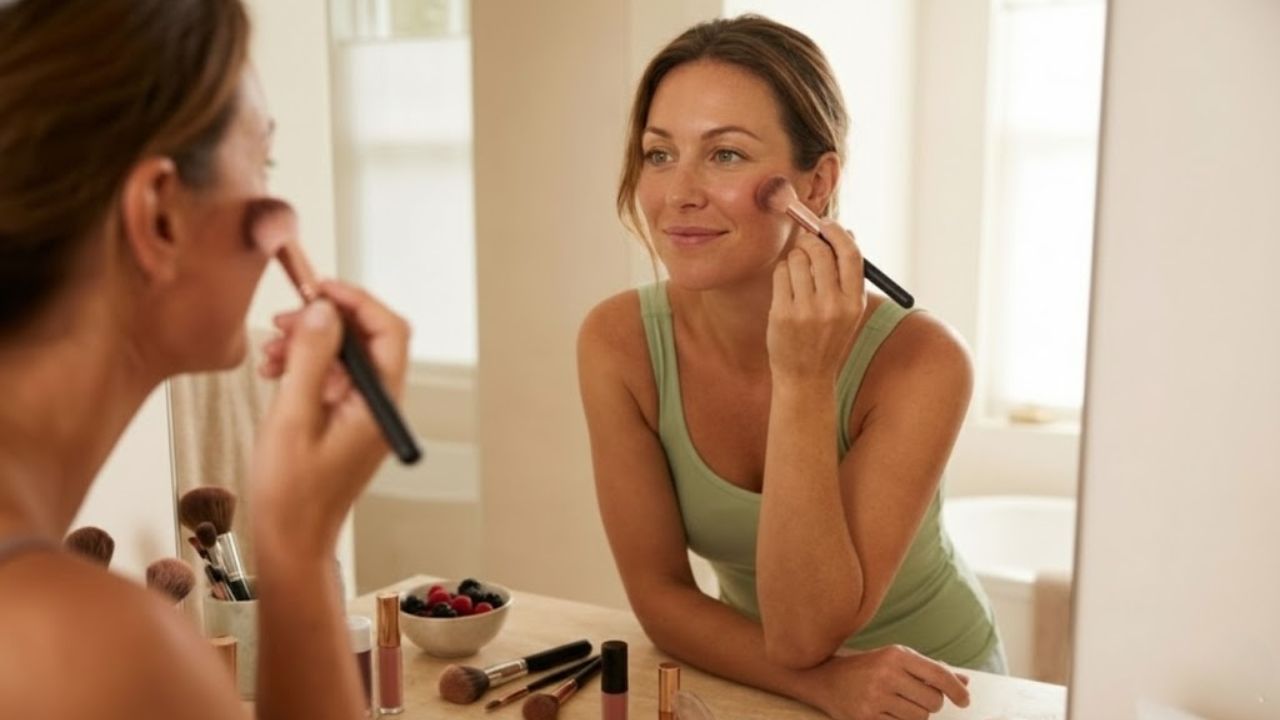
    The woman studying her reflection looks almost exactly as she did at 25—but not entirely. Her cheeks sit a little lower now. The soft fullness that once lifted when she smiled blends more gently into her jaw. She reaches for her familiar blush brush and follows the habit she’s used for years: smiling and sweeping color onto the apples of her cheeks. Then she pauses.

    The blush makes her face appear heavier instead of lifted. Shadows beneath her eyes look deeper, and the center of her face seems slightly puffy. She wipes the color away and tries again, this time placing it just a bit higher. Instantly, her cheekbones appear more defined. Her face looks lifted, her eyes brighter. It’s the same blush, the same person. What changed wasn’t the product—it was where it was applied.

    Why Blush Placement Starts Feeling Off After 30

    There’s a subtle stage in life when your makeup routine stops delivering the same results. It doesn’t happen overnight. One day, you simply notice that techniques you’ve relied on for years no longer look quite right. Blush is often the first issue.

    Applied low and rounded, blush can make a 32-year-old look tired by mid-afternoon. The shade that once added freshness now settles closer to soft lines around the nose and mouth. Instead of shaping the face, it draws attention to the center. At this point, placement matters more than product choice.

    A London makeup artist once shared that she can often guess someone’s age just by watching how they apply blush. Younger faces naturally suit color placed directly on the center of the cheeks. Many people over 30 keep using the same method, even as their facial structure subtly shifts.

    She recalled working with two sisters, aged 28 and 38. They had similar skin tones and used the same products. On the younger sister, blush on the apples of the cheeks enhanced her whole face. On the older sister, that same placement emphasized faint hollows beneath the eyes. When the artist repositioned the blush higher, closer to the temples, the older sister suddenly looked rested, as if she’d slept well. The color redirected attention to her eyes and cheekbones rather than the middle of her face.

    The reason is simple. After 30, bone structure remains stable, but the fat beneath the skin gradually shifts downward. Muscle memory still guides the brush to where fullness used to be. Placing blush there highlights that movement. When the color moves slightly upward and outward, the face appears lifted. You’re not altering your features—just changing where the eye lands first.

    The Modern Blush Map That Creates a Natural Lift

    The technique showing up everywhere right now is refreshingly simple. Instead of smiling while applying blush, keep your face relaxed and look straight ahead. Imagine a diagonal line running from the top of your ear toward the side of your nostril. Apply blush along the upper half of that line, closer to the ear than the nose.

    The shape should form a soft, angled curve that sweeps toward the outer corner of the eye. Blend upward into the temples rather than dragging color toward the center of the face. Let the pigment fade gently into the hairline, similar to watercolor spreading on paper. For many people over 30, this instantly reveals cheekbones they forgot they had.

    One small adjustment makes an even bigger difference. Leave a clean space between the under-eye area and where the blush begins. About a finger-width of bare skin helps prevent color from settling into fine lines or accentuating dark circles.

    If a fresh flush is the goal, a tiny touch of color on the bridge of the nose can work—but keep the main application high and toward the outer face. This approach delivers glow without looking heavy.

    Many people share the same concern: wanting to look healthy without appearing overdone. That hesitation is understandable. One heavy swipe placed too low can make the face look flushed in an unflattering way. This is why placement outweighs quantity.

    Start with less product than you think you need. Tap it on instead of sweeping. Build color slowly in light layers. Cream formulas often suit mature skin better, as they blend into the complexion rather than sitting on top.

    Real life isn’t a makeup tutorial. Some mornings, you’re applying blush while checking your phone. So remember one easy rule: higher and further back. On tired days, that subtle shift can make your entire face look more awake—like the version of yourself you still recognize.

    Key Points to Keep in Mind

    • Think diagonally when applying blush, not in a circular shape.
    • Keep the strongest color away from the nose and mouth.
    • Blend upward into the temples to create a lifting effect.
    • Choose cream or liquid formulas if powder emphasizes texture.
    • Revisit your blush placement every few years as your face evolves.

    How Blush Becomes a Quiet Confidence Reset Over Time

    There’s something quietly powerful about changing how you apply a product you’ve used for over a decade. It’s an acknowledgment that your face has changed—and a decision to work with it. A single angled stroke becomes a small negotiation with time.

    Friends often talk about looking tired or unlike themselves. Often, it’s not dramatic change but how light and shadow now move across their features. Shift the color, and you shift the light. The placement you choose subtly shapes the story your face tells before you speak.

    We’ve all caught our reflection unexpectedly and wondered who we’re seeing. Adjusting blush placement doesn’t erase that moment, but it softens it. It highlights the structure and expression you’ve earned without pulling everything downward.

    This simple tweak is also easy to share. Once you see the difference, it’s hard not to show someone else—doing one cheek the old way and one the new. The contrast often says more than any tutorial.

    Blush becomes less about trends and more about understanding your own facial architecture. Where does color make you look instantly more awake? While no single diagram fits everyone, one principle holds true: color that moves upward suggests energy. Color that settles in the center often suggests fatigue. That may be why this technique keeps resurfacing. It doesn’t require new products—just moving what you already own a few millimeters higher.

    Practical Placement Guide

    • Lift the application zone: Apply blush above the ear-to-nose axis, toward the temples, for a natural lifting effect.
    • Preserve under-eye space: Leave about one finger of bare skin to soften the appearance of dark circles and fine lines.
    • Favor angled lines: Blend blush diagonally rather than in a circular motion for a more refined look.

  • People Are Mixing Kiwi Peels With Vinegar for a Reason Few Expect

    People Are Mixing Kiwi Peels With Vinegar for a Reason Few Expect

    The kitchen carried a sharp note of vinegar, quiet and still. On the counter sat a small glass bowl holding something most of us discard without pause: twisted strips of kiwi peel, bright green against a cloudy liquid. A nutritionist friend hovered over it like a miniature experiment. She stirred, waited, then smiled. “This is the part nobody mentions,” she said. “The real value often hides in what we throw away.

    I had always peeled kiwis straight into the bin, moving on without thinking. The fuzzy skin, the sticky fingers, the next task waiting. Watching those scraps soak that day felt strangely defiant. Using what’s usually wasted. Turning leftovers into something quietly useful.

    “Mix kiwi peels with vinegar,” she said, “and you don’t just make a jar. You send a signal.

    Why Kiwi Peels and Vinegar Are Suddenly Gaining Attention

    The first surprise comes fast. Once kiwi peels meet vinegar, the clear liquid shifts colour within minutes, becoming a soft green-gold, almost like a pale herbal infusion. It looks alive. On the surface, it’s just scraps in a jar. Underneath, a dense mix of polyphenols, vitamin C, enzymes and minerals slowly migrates from peel to liquid.

    Some dietitians describe it as a micro-dose of concentrated plant defence. Others stay cautious but curious. To them, the ritual sits between science and symbolism: a way to transform everyday waste into a small, caring habit. It doesn’t shout “superfood.” It works quietly, almost invisibly.

    One food scientist joked that kiwi peel is “the neighbour nobody invites, even though they’re the most useful.” Lab tests often show the peel carrying higher antioxidant levels than the flesh itself. Vinegar becomes the carrier. It doesn’t just preserve; it extracts and delivers those compounds in a form the gut can actually use.

    In a small pilot project at a university lab in New Zealand, researchers compared vinegar infusions made from different fruit scraps. Kiwi peel ranked unexpectedly high, especially after steeping for more than a week. The samples showed a stronger ability to neutralise free radicals than plain vinegar. No miracle. Just a modest lift in defensive capacity.

    There’s also a human angle. A chef in Lyon told me that during periods of rising prices, clients suddenly paid closer attention to ideas that stretched food value. She began adding fruit-peel infusions to drinks and dressings. The kiwi-vinegar version became a favourite, used in salads, sparkling water and grilled vegetables. Not for show, she said, but because it finally felt like using the whole fruit with respect.

    The logic is disarmingly simple. Plants concentrate many protective compounds in their skins: pigments, fibres and bitter molecules. We strip that layer away in seconds. Vinegar, one of the oldest preservatives, acts as a gentle solvent with a long culinary history. Put them together and a low-tech extraction happens on your counter.

    From a nutritional perspective, experts usually point to three threads. First, the potential increase in antioxidants and plant compounds that support daily repair. Second, traces of fibre and prebiotic material clinging to the peel, which may gently support gut microbes. Third, the behavioural shift: people who adopt rituals like this often waste less, cook more and pay closer attention to what they consume. That side effect may be the real headline.

    • Using scraps creatively can change how you value everyday food.
    • Simple kitchen habits often ripple into broader lifestyle choices.
    • Small actions can quietly reshape long-term routines.

    How to Make a Kiwi Peel and Vinegar Infusion at Home

    The method itself is almost absurdly simple. Peel two or three ripe kiwis, but instead of tossing the skins, rinse them briefly under cool water. Pat them dry and slice them thinner if you want more surface area. Place the peels in a clean glass jar and cover them with a mild vinegar such as apple cider, rice, or white wine vinegar.

    Leave a small gap at the top, seal the jar and give it a gentle shake. Then you wait. Most specialists suggest five to fourteen days in a cool, dark place. A daily swirl helps the process. When the scent turns fruit-sharp and the colour deepens, strain out the peels and store the flavoured vinegar in a clean bottle. A splash on salad or a spoonful diluted in water is enough.

    This is where intention meets reality. It’s easy to imagine saving every peel, labelling jars and tracking dates. Soyons honnêtes : almost nobody does this perfectly. Routines slip back in. That’s why many nutrition coaches advise starting small, perhaps with one jar a week after a relaxed weekend breakfast.

    Most mistakes come from rushing. Overfilling the jar, using an aggressively harsh vinegar, or leaving it in direct sunlight can ruin the balance. The gentler the approach, the more pleasant and usable the result.

    The other common error is expecting magic. A kiwi peel infusion will not cancel out poor sleep, heavy smoking or an ultra-proces

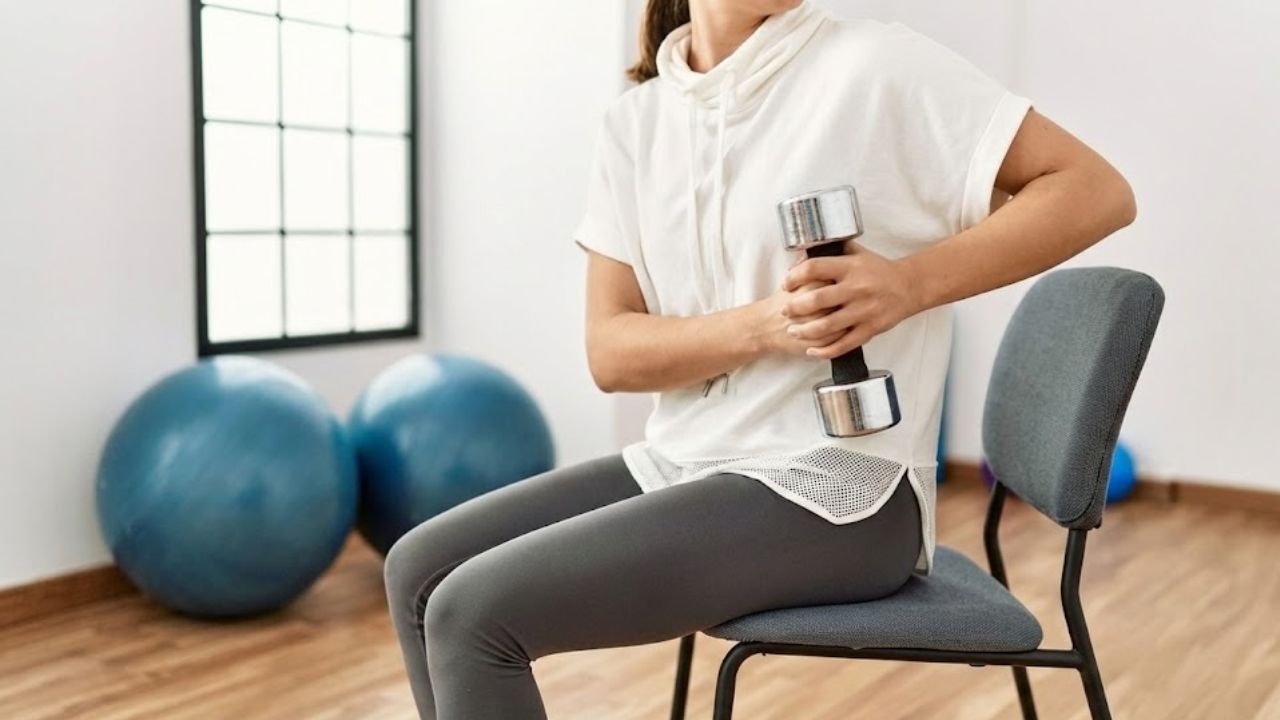
  • A personal trainer for seniors recommends these 4 seated exercises for core strength

    A personal trainer for seniors recommends these 4 seated exercises for core strength

    I work with many clients aged 65 and older, and some of them find it difficult or uncomfortable to get down onto a yoga mat for traditional floor-based core exercises. That doesn’t mean we avoid core work altogether. Ab training is still essential, even when movements need to be adapted.

    Building a strong core matters at every stage of life, but it becomes especially important for seniors. Core muscles such as the transverse abdominis and internal obliques support breathing, posture, and balance—areas that are often a priority for older adults who want to stay active and independent.

    When I’m working with someone who has mobility limitations, I rely on these four seated exercises as part of their core-strengthening routine. Even if you’re comfortable exercising on the floor, adding these movements can introduce variety and a new challenge to your abdominal workouts.

    How to Perform These Seated Core Exercises

    This workout requires no equipment other than a sturdy chair.

    Before beginning any new exercise routine, it’s important to check with your medical team. I also recommend working with a certified personal trainer, especially if you’re new to exercise. They can help refine your form and suggest modifications or alternatives when needed.

    Complete each exercise for 1–3 sets of 10–15 repetitions. If you’re just getting started, begin with fewer reps and sets, then gradually increase as your strength and confidence improve.

    1. Seated Torso Twist

    • Sit on the edge of a chair with your feet flat on the floor.
    • Maintain a neutral spine and engage your core.
    • Cross your arms, placing your hands on your shoulders.
    • Rotate your torso to the right while staying tall.
    • Return to the center, then twist to the left.
    • Alternate sides for 10–15 reps per side.

    2. Seated Knee Lifts

    • Sit upright on the edge of a chair with your feet grounded.
    • Engage your core muscles and keep your spine tall.
    • Slowly lift your right foot, keeping the knee bent.
    • Lower it back to the floor with control.
    • Repeat on the left side.
    • Continue alternating for 10–15 reps per side.

    3. Seated Side Bends

    • Sit on the edge of a chair with your feet flat.
    • Engage your core and maintain a neutral spine.
    • Place both hands behind your head.
    • Lower your left elbow toward the floor, contracting the left side of your torso.
    • Return to the center, then repeat on the right side.
    • Alternate sides for 10–15 reps per side.

    4. Seated Bicycles

    • Sit tall on the edge of a chair with your core engaged.
    • Place both hands behind your head.
    • Lift your right foot and rotate your torso so your left elbow moves toward your right knee.
    • Return to the starting position.
    • Repeat on the opposite side.
    • Alternate for 10–15 reps per side.

    If reaching your elbow to your knee feels challenging, work within a smaller, comfortable range of motion.

    Benefits of Seated Core Exercises

    This seated workout targets key core muscles, including the rectus abdominis, internal and external obliques, and the transverse abdominis. Together, these muscles help stabilize the body, support internal organs, assist with vital bodily functions, and maintain proper posture.

    Many traditional core exercises require lying on the floor, which may not be suitable for individuals with mobility concerns or certain injuries. Because these movements are performed while seated, they are accessible to a wide range of fitness levels and can be safely adjusted or progressed with guidance from a qualified personal trainer or physical therapist.

  • Build muscle power and a strong core with this 17-minute dumbbell workout

    Build muscle power and a strong core with this 17-minute dumbbell workout

    I enjoy workouts that rely on very little equipment. Not out of convenience, but because you don’t need piles of kettlebells, resistance bands, dumbbells, or bulky gym machines to gain strength, build muscle, and improve overall fitness. This routine proves that point clearly — it uses just two dumbbells and can be completed in 17 minutes.

    If your aim is serious muscle growth or increased strength, consistency matters. You’ll also need to apply progressive overload, which simply means gradually increasing your training volume over time. This can be done by adding more reps, sets, or weight, helping your muscles avoid plateaus and continue adapting.

    This three-move workout can easily slot into your current training plan. Just make sure you adjust it as you get stronger. Repeating the same routine with the same load won’t deliver new results, so increasing the weight over time is key if you plan to revisit this dumbbell session regularly.

    Understanding the 3-Move Dumbbell Workout

    A quality set of adjustable dumbbells is ideal, as it allows you to change the load when needed. If those aren’t available, a pair of medium-to-heavy hex dumbbells will work just fine. Below is a breakdown of the three exercises used in this routine.

    1. Farmer’s Walk

    The farmer’s walk is one of the most practical strength exercises around — it’s simply weighted walking. Hold a moderately heavy dumbbell in each hand and walk forward while staying upright, keeping your spine tall and avoiding any leaning or excessive arching.

    You may prefer shorter, quicker steps when carrying heavier weights, though stride length is a personal choice. Keep your shoulders pulled back and down, your chest lifted, and your core and glutes engaged. Focus on moving with your whole body rather than letting your arms do all the work. This exercise challenges grip and forearm strength while remaining more manageable than kettlebells due to the thinner handles.

    The goal is to maintain a strong posture without breaking stride or setting the weights down.

    2. V-Sits

    V-sits are primarily a bodyweight core movement, targeting the abdominals and hip flexors as your hands and feet meet to form a “V” shape. They also engage the obliques, back, quads, hamstrings, and shoulders, making them a full-body control exercise.

    Begin lying flat on your back with your arms and legs extended. Keeping everything as straight as possible, brace your core and lift your arms and legs together into a seated position. Aim to tap your hands and feet at the top before lowering with control. If needed, bend your knees and draw them toward your chest. You can also alternate by lifting one arm and the opposite leg at a time.

    3. Devil Press

    The devil press is a demanding full-body movement that tests strength, power, and endurance. Hold a medium dumbbell in each hand and start by dropping into a burpee, lowering your chest to the floor between the weights. Push back up, jump your feet just behind the dumbbells, then swing them slightly between your legs.

    With your elbows bent, drive the dumbbells overhead in one powerful motion. Lower the weights under control and repeat. Your core plays a major role here, but power should come from your legs as you thrust the dumbbells upward. This movement combines elements of a burpee and a dumbbell snatch rather than a traditional overhead press.

    The Workout Structure

    Begin with 2 reps each of the devil press and V-sit. Continue by increasing to 4 reps, then 6 reps, adding 2 reps each round while moving between exercises without resting.

    When you need a break, stop wherever you are and perform a 100-meter farmer’s walk. Use this as a reset, then take no more than 10 to 20 seconds to shake out your arms before returning to the main exercises.

    You can either restart from 2 reps or continue from where you left off — both approaches work.

    Maintain a steady pace throughout and avoid starting too aggressively. While this workout focuses on muscular endurance, it also challenges cardiovascular fitness. Choosing an appropriate load will help you avoid early fatigue.

    Can This Dumbbell Workout Build Muscle?

    Traditional muscle-building programs usually include 4 to 8 exercises, centered around compound lifts such as squats or bench presses, supported by accessory movements. These routines typically use 6 to 12 reps across 3 to 4 sets.

    Over time, variables like exercises, weights, reps, and equipment are adjusted to keep muscles challenged. While this is a common approach, it isn’t the only effective method. Muscle growth can also occur through varied training styles, including CrossFit-style routines that combine lifting, gymnastics, and conditioning.

    Muscle development depends on consistent challenge, proper stimulus, sufficient protein intake, and adequate recovery. Exercises such as the devil press engage major muscle groups across the upper body, lower body, and core, making them effective for full-body strength and conditioning. Along with muscle growth, this routine can deliver noticeable gains in power and endurance over time.

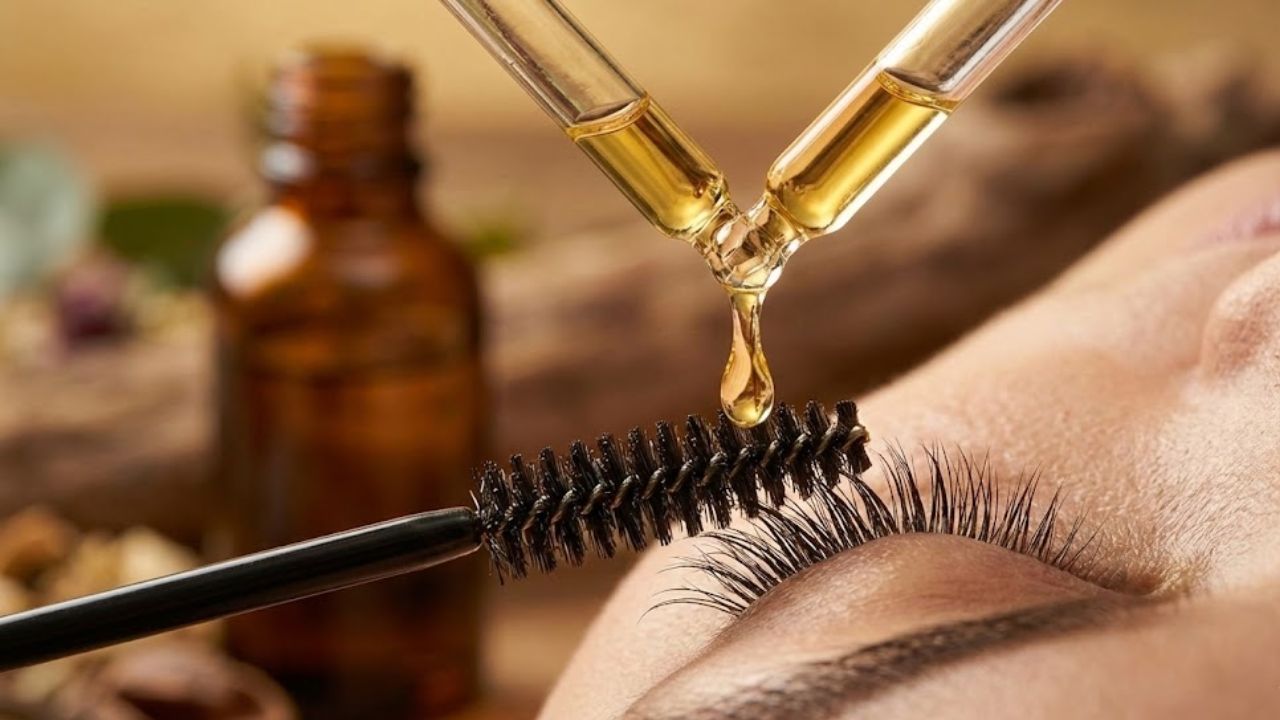
  • Almond Oil Uses That Support Fuller Eyelash Growth and Thicker Brows Naturally

    Almond Oil Uses That Support Fuller Eyelash Growth and Thicker Brows Naturally

    The first time I realized my lashes were getting thinner happened on an ordinary morning. I was standing by the window with my coffee as dawn lit up the city. When I saw my reflection I noticed something had changed about my eyes. They looked less defined and somehow less expressive than before. My eyebrows had also changed. They used to be thick with a natural fullness but now had small gaps where hair used to be. The change was subtle rather than dramatic. It was the kind of thing you don’t notice right away but eventually sense something is different.

    The Quiet Ritual of Reclaiming Your Lashes and Brows

    You may have noticed that your mascara doesn’t coat as many lashes anymore or that your brow pencil has to work harder to fill in gaps. For many people lashes & brows frame the face like a border around a painting. They don’t define who we are but they shape how our features come together. When they start to thin it’s not about vanity but rather a small personal loss. There’s something intimate about touching your own face with purpose and running your finger along your brow line or lash base. In a world full of quick fixes and bold claims a small bottle of almond oil seems almost traditional like something from your grandmother’s dresser next to her jewelry & handkerchiefs. Inside that pale golden liquid is a gentle kind of strength that offers moisture and nourishment rooted in a long tradition of care that goes beyond modern beauty trends. Almond oil doesn’t make grand promises.

    It won’t give you dramatically long lashes overnight or transform your brows in a week. What it provides is something slower & more subtle. It supports the health of the delicate hairs around your eyes and protects what you already have while encouraging a fuller and softer appearance over time. Think of it as a nightly ritual rather than a miracle product. It gives you a chance to slow down & reconnect with your reflection in a gentler way.

    How Almond Oil Actually Works on Lashes and Brows

    Before you apply any oil to your lashes or brows it makes sense to know what you expect it to accomplish. Every lash and brow hair is essentially a small strand composed mainly of keratin that grows from a follicle requiring oils and nutrients & a supportive environment to function properly. Almond oil cannot generate new follicles in places where they do not exist but it can establish conditions that better support your current hairs & follicles. Sweet almond oil which is the variety typically used for skincare & beauty contains high amounts of fatty acids such as oleic and linoleic acid along with vitamin E. These components are not unusual ingredients but rather straightforward and highly beneficial. Fatty acids work to lock in moisture which stops your delicate lash and brow hairs from turning dry and brittle and breaking easily.

    Vitamin E offers antioxidant benefits that protect the sensitive skin surrounding your eyes and brows from environmental damage including pollution and sun exposure that can gradually weaken hair health. You can view almond oil as a gentle protective layer around your hair follicles and the hairs themselves. When lashes & brows maintain better moisture levels and protection they are less prone to breaking off too soon. With reduced breakage your lashes and brows can look fuller and thicker and more uniform as time passes. The application method also matters. The basic action of carefully applying almond oil by running it along your lash line & around your brows can boost blood circulation in that area. Increased blood flow delivers more oxygen and nutrients to those small follicles. This does not promise significant regrowth but it provides a helpful push in a positive direction while creating a calming routine that benefits more than just how you look.

    Choosing the Right Almond Oil for Eye-Area Use

    When you stand in front of a store shelf looking at different bottles of almond oil it might seem easy to just pick the cheapest one and move on. However since you will be using this product near your eyes the quality of what you choose is important. Try to find bottles that are labeled as sweet almond oil that has been cold-pressed and is either unrefined or virgin. These types of almond oil usually keep more of their natural benefits & contain fewer chemicals or additives. Good quality almond oil normally has a mild nutty smell that is not too strong. The oil should feel light or medium in thickness and should spread smoothly on your skin without leaving a sticky feeling. If you know that you are allergic to nuts then you should avoid almond oil completely even though it has many good qualities. Instead you should speak with a dermatologist who can suggest other products such as castor oil or squalane that would be safer for you to use.

    Step-by-Step: Turning Almond Oil into a Nightly Lash & Brow Ritual

    The key to getting results from almond oil depends less on the amount you apply & more on using it regularly with proper technique. Consider it a simple bedtime ritual for your skin that you do each night before sleeping.

    Preparing Your Canvas: Clean Lashes and Brows

    Everything starts with a clean face that has no makeup on it. Products like mascara and brow pomades and long-wear liners can leave behind films that stop the oil from reaching where it needs to go. Remove all eye makeup gently using a mild remover that has no oil in it or use a creamy cleanser that will not sting your eyes. Rinse your face well & then pat your skin dry with a soft towel without rubbing or tugging at it.

    Safe Application Along the Lash Line

    When applying oil to your lashes you should use less rather than more. A clean mascara wand works well along with a sterile spoolie or a thin eyeliner brush. Cotton swabs are an option but they tend to absorb too much oil & reduce your control during application. Put one drop of almond oil on a clean fingertip or in a small dish. Dip your chosen tool lightly into the oil so it gets coated but not soaked. The application process is straightforward.

    Close one eye and brush the oil along your lash line beginning at the outer corner and working toward the inner corner. Focus on the base of your lashes rather than the waterline. You can coat the full length of each lash if you want but keep the oil amount small to prevent it from dripping into your eye. Getting a small amount of oil in your eye might temporarily blur your vision but it typically causes no harm. If you experience any discomfort you should rinse your eye gently with lukewarm water & use less oil during your next application.

    Brow Care: From Sparse to Softly Framed

    Your eyebrows are slightly less sensitive than your lash line but they still need gentle care. You can use a clean spoolie brush or your ring finger for application. Start with a very small amount of almond oil. One or two drops is enough for both eyebrows. Apply the oil following the natural direction your brow hairs grow. Work from the inner corner and move toward the outer end.

    Use small circular motions to massage the oil lightly into the skin underneath the hairs. This treatment does more than just add shine. When the skin under your eyebrows stays hydrated and healthy it creates a better environment for hair growth. With regular use you might see your brow hairs become less coarse and wiry. The overall texture may become softer and more even over time.

    Timing and Patience

    Almond oil needs time to show results. You should use it every night for at least 6 to 8 weeks before expecting visible changes. Some people notice small improvements like less hair falling out or softer texture after three to four weeks. Others might need up to three months to see a difference. For the best results follow this simple routine: Apply almond oil to your lashes and brows 4 to 6 nights each week. Stop using it temporarily if you experience irritation or blocked pores near your eyebrows. Be gentle with your lashes & brows by avoiding rough rubbing & limiting daily waterproof mascara. Also avoid excessive tweezing.

    What to Expect: Texture, Timeline, and Results

    As days turn into weeks, almond oil works slowly during your nightly routine. You should not expect to wake up with suddenly longer lashes because any changes will happen slowly & subtly. Most people first notice differences in how their lashes feel rather than how long they are. Your lashes might become less fragile & break less often when you use an eyelash curler or take off mascara. They might look better under mascara with less clumping because they are better moisturized. Your eyebrows can also start to feel smoother when you touch them & thin areas might gradually appear slightly fuller. It helps to think about this process in stages instead of expecting quick results.

    Time Period Visible Changes You May Experience
    Weeks 1–2 Lashes and brows may feel softer to the touch with a mild natural shine. The skin around the brow area can appear more hydrated and comfortable.
    Weeks 3–4 Reduced lash fallout becomes noticeable, while brows start to look neater and more balanced. Sparse areas may appear slightly less obvious.
    Weeks 6–8 The eye area may show a fuller overall look, with brows gaining improved consistency and density, especially in previously fragile sections.
    After 3 Months Optimal results can be seen: lashes look healthier and shinier, and brows develop a naturally fuller, softer shape when supported by gentle care habits.

    Blending Almond Oil with Other Gentle Allies

    Almond oil works well when combined with other products. You can mix it with different ingredients to make your own simple treatment for lashes and brows. This lets you try new combinations in a safe way without using strong prescription formulas. Start by testing small amounts to see how your skin reacts. Many people add a drop of castor oil or vitamin E to their almond oil base. These additions can provide extra nourishment without causing irritation.

    The beauty of making your own mixture is that you control what goes on your face. You know exactly which ingredients you are using and can avoid anything that bothers your skin. This approach gives you flexibility to adjust the formula based on what works best for you. Keep your homemade treatments in a clean container and use them within a few months. Store the mixture in a cool dark place to maintain its quality. Apply the blend to your lashes & brows each night before bed for the best results.

    Casting a Supporting Role for Castor Oil

    Castor oil has a thick and sticky texture and has been used for lash and brow care for many years. When you mix it with almond oil it becomes easier to work with. You can make a basic mixture using these amounts: 1 part castor oil 2 parts sweet almond oil Put both oils in a small clean glass bottle & shake it gently before you use it each time. The almond oil makes the mixture thinner so you can apply it more easily. The castor oil adds nourishing properties to the blend. Apply this mixture only at night and use small amounts because castor oil can feel heavy around the eye area.

    Pairing with Your Existing Routine

    Almond oil fits easily into your daily routine without taking over: Apply almond oil to your lashes and brows after your evening skincare. Stay away from the skin directly under your eyes if you tend to get milia which are small white bumps. Don’t use the oil on nights when you apply strong products like retinoids near your eyes. This helps prevent irritation. If you use a lash serum you can put that on first if the directions say it’s okay. Wait for it to dry and then add a light layer of almond oil just on the hair itself and not on your skin.

    Listening to Your Skin: Safety, Sensitivity, and Limits

    Almond oil works well in your daily routine without much effort. Put it on your lashes and brows after you finish your evening skincare. If you get milia, which are tiny white bumps, keep the oil away from the skin right under your eyes. Skip the oil on nights when you use strong treatments like retinoids around your eyes to avoid irritation. If you already use a lash serum apply that first if the instructions allow it. Let it dry completely before adding a thin layer of almond oil directly on the hairs and not on the skin.

    Reframing Beauty as Care, Not Correction

    Using almond oil feels like a quiet choice in a world that constantly promises quick fixes. Every night when you dip a clean wand into that golden liquid and brush it along your lashes and brows you are making a simple decision to work with what you have & nurture instead of harm. Fuller lashes and thicker brows might show up as a nice result from your patience. The changes might be small like healthier hairs or fewer gaps or a gentle shine that catches the light. But something else happens too. Your touch becomes more thoughtful and your routine becomes something meaningful. Beauty stops being about perfection & becomes about caring for what you already have. Tonight when things are quiet and you stand at the sink listening to the sounds of your house think of almond oil as more than just a beauty product. See it as a small steady act of care. Let your lashes & brows absorb that care night after night and notice what happens not just to how you look but to how you feel when you see yourself in the mirror.

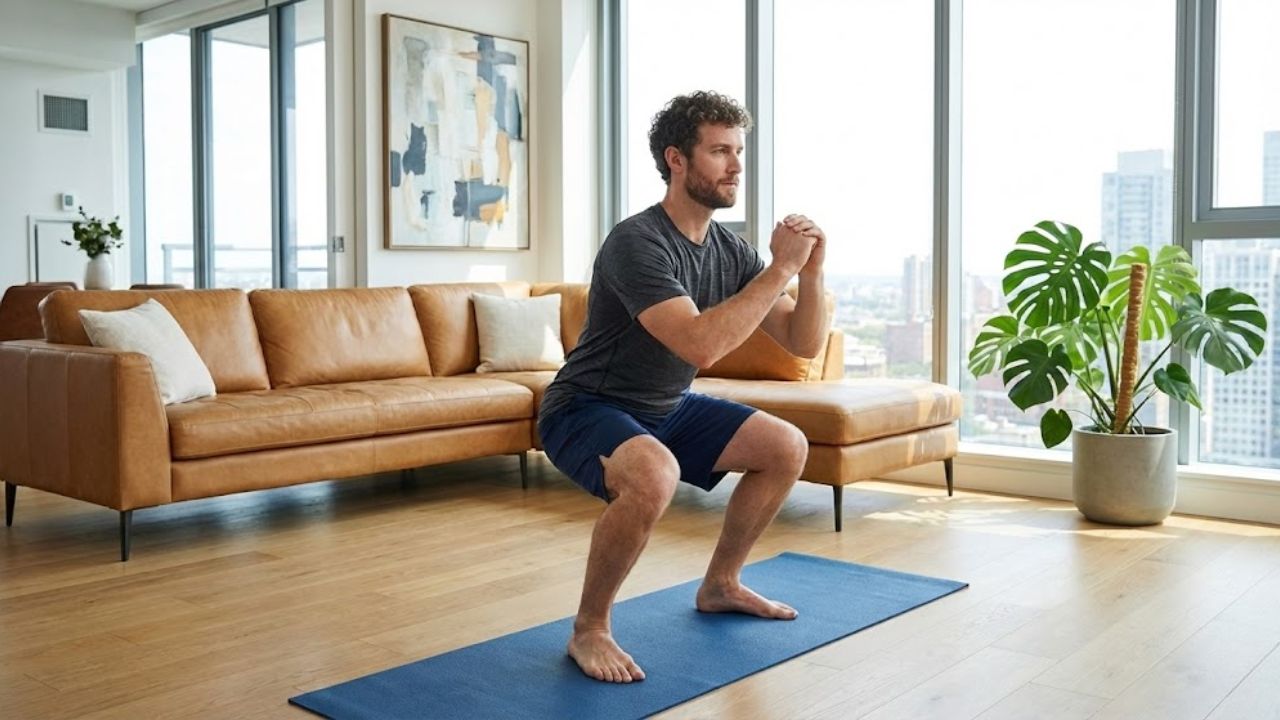
  • Bodyweight Exercises That Build Stronger Legs Without Any Gym Equipment

    Bodyweight Exercises That Build Stronger Legs Without Any Gym Equipment

    The stairs in front of you are just stairs until you decide to use them for the best leg workout you’ve ever had. That park bench looks like a place to rest but it can become your squat station or step-up platform for building stronger legs. The living room floor you walk across every day holds more potential than any expensive gym machine if you’re ready to work with your own body. You don’t need a membership or fancy equipment. All it takes is gravity and the simple choice to get stronger with what’s already around you.

    Strength Begins at Home: Why Bodyweight Leg Training Actually Works

    Stand barefoot in the middle of a room. Feel the floor under your feet. It is cool and steady and indifferent. Spread your toes a little. Rock your weight from heel to forefoot. Your legs are familiar pillars that carry you from bed to coffee maker to bus stop. They are already doing a thousand quiet calculations to keep you from tipping over. This is where leg training without equipment really begins. It does not start with numbers on a barbell but with the conversation between your feet and the ground. When you strip away machines and heavy weights you don’t lose effectiveness. You lose excuses.

    The work becomes simpler & more honest. Squat & lunge & hinge and push and jump and balance. These are movements older than gyms and older than sports and older than the word workout itself. Think of bodyweight leg training less like a gym routine and more like learning to move through the world with sharp awake muscles. The hills you walk and the stairs you climb & even the way you stand in line at the store can all become part of the practice. The reward isn’t just strong quads or defined calves. It’s knees that feel more stable on a rocky trail & hips that don’t complain when you squat down to pick something up. It’s a sense that your body is not an obstacle you drag through the day but a partner in everything you do.

    Switching On Your Legs: Preparing Muscles Without Machines

    Before your legs push and pull & burn they need to wake up. Not with frantic bouncy stretches but with small intentional movements that tell your body we’re about to do something important. A good warm-up for bodyweight leg training doesn’t require more than a few square feet & a willingness to pay attention. Start by marching in place for a minute and swing your arms while letting your heels touch the floor with a soft thud. Feel your heart rate drift up. Then circle your ankles slowly one at a time as if you’re drawing careful invisible moons in the air. Your knees get a turn next with soft bends and gentle circles.

    Never force anything but just coax them into fuller ranges of motion. Walk your hands down your thighs into a light forward fold with knees slightly bent and hamstrings waking up like someone opening one eye after a long sleep. Sink into a few shallow bodyweight squats not to impress anyone but just to feel how your hips & knees move today. Some days they’ll glide and other days they’ll complain. Both are fine. You’re not trying to dominate your body but trying to cooperate with it. This warm-up isn’t separate from your workout. It’s the opening chapter where the characters step onto the stage and introduce themselves. Your hips & knees and ankles and balance all need this moment. Skip it and the story never quite makes sense.

    Gravity as Resistance: The Foundational Movements That Shape Strong Legs

    Bodyweight training for your legs works like cooking with basic ingredients. When you approach it with care it becomes simple and satisfying while offering endless ways to adapt. You do not need twelve different exercises. You need a small set of movements that you can develop over time and build upon gradually. The foundation starts with movements you already know. Squats teach you how to sit back and stand up with control. Lunges show you how to balance and move through space with one leg leading.

    Bodyweight Squats: Building Power from the Ground Up

    Stand with your feet positioned at shoulder width. Picture yourself sitting back into a chair that sits slightly farther away than usual. Your hips move backward while your knees bend and your chest remains upright. The weight transfers to your heels while your toes maintain contact with the ground like roots extending into the floor. When you reach the lowest point of the squat whether it is a full depth position or a partial bend stop briefly and take a breath.

    Pay attention to the sensations in your quadriceps and glutes and perhaps a mild stretch in your hamstrings. When you stand back up push against the floor deliberately & avoid rushing through the movement. The exercise should feel like a balance between strength and control. Once regular bodyweight squats become too simple you can modify them by reducing the speed or extending the time spent in the bottom position or adding small pulses at the lowest point to increase the challenge. You do not require additional equipment like weight plates or barbells to make squats more difficult because adjusting the tempo and practicing patience can provide sufficient resistance on their own.

    Controlled Lunges: Mastering Balance, Stability, and Strength

    Lunges transform regular walking into a focused movement. You step one foot forward like you’re preparing to kneel before something unseen. Both knees bend at the same time. Your front knee stays positioned over the center of your foot while your back knee lowers toward the floor without touching it hard. Keep your upper body straight and look ahead calmly. Press through your front leg to return to a standing position. The front leg does most of the work here. Then repeat the movement on the other side. After a few repetitions you start noticing differences between your left and right sides.

    One leg might feel steadier while the other feels less secure. These differences aren’t problems but rather useful feedback about which areas need more attention. Lunges work as a stepping stone between basic squats & harder exercises that use only one leg at a time. They train your hips to stay stable and teach your knees to move in the right direction. Your feet learn to make small adjustments that protect your joints from injury. You can try walking lunges where you move forward across a room or reverse lunges where you step backward instead. Reverse lunges tend to be easier on the knees. Each repetition reinforces an important lesson about leg strength. Real strength isn’t only about how much force you can generate but also about how well you can control your movements.

    Glute Bridges: Activating the Posterior Chain Without Weights

    Lie on your back with your knees bent and your feet flat on the floor. Rest your arms by your sides. Press your lower back gently toward the floor and then push your hips up until your body forms a straight line from your shoulders to your knees. When you reach the top position squeeze your glutes hard. Hold this position for a moment or two & then slowly lower yourself back down one vertebra at a time. This exercise does more than just work your glutes. It activates the entire posterior chain that supports your lower back and stabilizes your hips. It helps you walk and run and climb more efficiently so your legs don’t have to do everything on their own. When you get stronger you can progress to single-leg bridges by lifting one leg at a time. This variation makes each hamstring & glute work much harder. You don’t need any weights for this exercise. All you need is yourself and the floor & gravity.

    Calf Raises: Unlocking Strength in the Most Neglected Muscles

    Stand with your feet hip-width apart and rest a fingertip on a wall or chair if you need balance. Push up onto the balls of your feet and lift your heels as high as possible. Hold that position for a moment. The muscles at the back of your lower legs will tighten as they support your entire body weight on two small areas. Then lower yourself slowly and pay attention to the movement. Your calves work as shock absorbers and springs that help you with every step. When your calves are strong they make climbing stairs easier and improve your hiking and running. You can do this exercise on flat ground or stand on a step to increase the range of motion. If you use a step let your heels drop slightly below the edge before pushing back up.

    Step-Ups: Turning Everyday Heights into Strength Tools

    Find a stable surface like a bench or sturdy chair or low wall. Put one foot on it & press through that foot to rise until you stand tall on top. Bring your other foot up gently and then step back down with control. The movement is simple but the feeling is clear because your working leg engages from hip to calf as it learns to lift and lower your entire body with power. Step-ups mirror real-world moments like climbing into vans or onto rocks or up uneven staircases. If your leg wobbles then your body is asking for more of this work rather than less. Over time you can try higher surfaces or slower tempos or pause at the top to test your balance in that elevated position.

    Beyond Reps: Smart Ways to Progress Without Adding Weights

    One of the most common doubts about bodyweight training is whether you will plateau without adding weight. But the human body adapts remarkably well. You can manipulate three variables that work just as effectively as adding more plates to a barbell: repetitions leverage and tempo. At first your progress might look like this: you go from 8 to 12 good squats and then from 2 sets to 3. Later you turn regular squats into jump squats by exploding upward & landing softly like a cat. Or you shift into pistol squat progressions by using a chair or doorframe to guide you as you learn to squat on one leg at a time.

    This turns your own bodyweight into a heavy challenge. Tempo is another quiet weapon. Try lowering into a squat for a count of three and pausing at the bottom for another three before rising for three. Those nine seconds will set your quads on fire faster than you might believe. The same goes for lunges and bridges. Move slowly enough that every inch of movement feels deliberate rather than rushed. And then there is leverage: adjusting the angles so your muscles work harder. Elevate your feet for glute bridges or place your front foot on a small step during lunges so your quads and glutes have to drive you up from a deeper position. None of this requires equipment beyond what is around you but each tweak nudges your body further along the path of adaptation.

    Designing a Simple, Effective Leg Routine Using Only Your Body

    You do not need a spreadsheet to create an effective leg routine. All you require is a small selection of exercises and a commitment to perform them several times each week with genuine effort. What follows is an example of how you can organize a bodyweight leg workout that works at home or outdoors or in any location where you have some space.

    Exercise Name Sets Repetitions / Duration Training Focus & Tips
    Bodyweight Squats 3 10–15 reps Move slowly, maintain balance, and pause briefly at the lowest point
    Reverse Lunges (Per Leg) 3 8–12 reps Step backward to protect knees; keep chest tall and stable
    Glute Bridges 3 12–15 reps Press through heels and contract glutes firmly at the top
    Step-Ups (Per Leg) 2–3 8–10 reps Use a secure surface; control the movement while stepping down
    Standing Calf Raises 3 15–20 reps Lift heels fully and hold the top position briefly each rep

    Rest for around 45 to 75 seconds after you finish each set. Change the number of reps based on what works for you. The final few reps in every set should feel hard but you should still be able to do them properly with correct form. As you get stronger you can increase the number of reps or add more sets. You can also slow down your movements or try harder versions of the exercises. Some examples include jump squats or Bulgarian split squats where your back foot is raised on something. You could also do single-leg bridges instead of regular ones.

    From Living Room to Park Bench: Transforming Any Space into a Leg Gym

    Once you notice it you cannot unsee it. The world is quietly full of training equipment. A curb becomes a platform for calf raises. A low wall becomes a box for step-ups. A tree branch becomes something to hang from while you stretch your hips and swing your legs gently. The landscape of your daily life can all be woven into your leg training. The park on your commute & the steps to your apartment and the sidewalk outside your door all become part of it. Try this on a walk. Turn the last block into a moving workout. Every second driveway stop for 10 squats. Use the park bench for 10 step-ups on each leg.

    Finish with 20 calf raises on the curb with your heels dropping slightly below the edge & rising again to meet the day just a little stronger than you were when you left the house. The beauty of bodyweight training is not only that it is free and convenient. It blurs the line between workout time and life time. Strong legs built without equipment are legs ready for anything. An impromptu hike or a long day on your feet or a spontaneous decision to sprint across a field just because it feels good. In the end stronger legs without gym equipment are not a compromise or a second-best option. They are a return to something basic and honest. It is a way of connecting back with your own body and the ground that holds you up. Your training becomes less about numbers on a machine and more about trust. Step by step & rep by rep you rediscover what your legs were always capable of when you finally decided to ask.

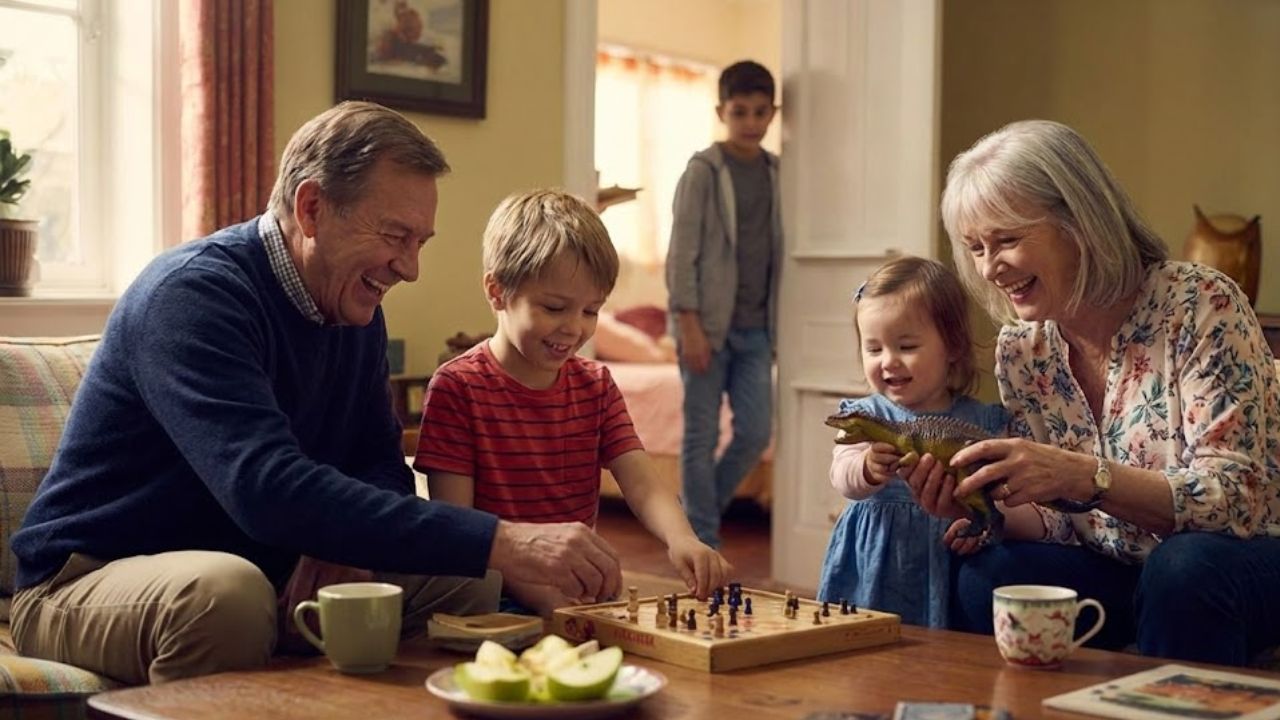
  • 9 things every senior did as a child that we no longer teach our grandchildren

    9 things every senior did as a child that we no longer teach our grandchildren

    An elderly man sat on a park bench, carefully tying his granddaughter’s shoelace. His movements were slow, deliberate, almost ritual-like. He tightened the knot, checked the heel, tugged once more, then nodded softly and let her go. She ran off. The knot stayed firm.

    Nearby, other children stumbled over loose shoes and open jackets, distracted by screens, calling adults for help at the smallest inconvenience. The grandfather leaned back, watched his granddaughter run, and murmured quietly, “We knew how to do things by ourselves.”

    1. Walking to School Alone and Learning the World Firsthand

    When seniors recall childhood, one image appears again and again: long walks to school, often cold, sometimes dark, almost always without supervision. They knew every sidewalk crack, every shortcut, every dog behind a fence. Those walks were daily lessons in awareness.

    Today, many children know car seats better than their own streets. They are escorted everywhere, tracked by apps, timed down to the minute. Life feels safer, but also smaller. The map lives on a screen, yet the place itself never settles into their bodies.

    A retired teacher once told me she walked two miles to school at eight years old, crossing a railway line and a busy road. No cameras. No reflective gear. She learned to judge speed, listen for trains, and move carefully with others in fog. That was her real geography class.

    Years later, she watched her grandson panic when traffic delayed their car. They were only 500 meters away, yet he cried, “I don’t know how to get there from here.” Same city. Same route. Entirely different childhood.

    We replaced everyday risk with controlled safety. In return, many children master digital navigation but feel lost when plans change. Street sense can’t be downloaded. It grows through mistakes, wrong turns, and the quiet pride of arriving alone.

    Small steps matter. Letting a child walk the last block alone or run a short errand says something powerful: I trust you. And slowly, they learn to trust themselves.

    2. Fixing, Mending, and Letting Things Last

    For many grandparents, broken toys meant sitting at a table under a yellow bulb, surrounded by screws, glue, and tools. Someone always knew how to fix things: a grandfather with steady hands, an aunt who could sew anything, a neighbor with a magical toolbox.

    Today, many objects feel disposable from the start. When something breaks, it’s replaced. Children see boxes opened, not problems solved.

    I once met a 74-year-old man who still sharpens knives by hand and repairs his grandchildren’s bags. He laughed, holding up a needle. “They think I’m doing magic.” As a boy, he spent Saturdays watching bike tires patched and chains adjusted. New wasn’t an option. Repair was.

    His grandson received a new scooter when a cable snapped. The old one, barely used, was left by the curb. No one opened it. No one showed how simple the fix could be.

    We’ve normalized throwing things away and quietly lost a whole set of skills: patience, improvisation, respect for objects. Not everything needs fixing every time. But showing a child even one repair can change how they see the world.

    They learn that some things don’t come from clicks. They come from effort and the quiet joy of saying, “I fixed it.”

    3. Playing Outside All Day Without a Script

    Many seniors remember leaving home after breakfast and returning at sunset, pockets full of strange treasures. The rule was simple: be back for dinner. Streets, trees, and empty lots became playgrounds. It was messy and sometimes risky, but deeply formative.

    Children made the rules, broke them, argued, and reconciled. No whistles. No schedules. Just imagination and time.

    A grandmother once told me about building a “village” in the woods with friends. Old boards, stolen nails, secret paths. By summer’s end, they had learned to tie knots, share tools, and judge which branches were safe to climb.

    Her granddaughter’s calendar is full: lessons, sports, workshops. Valuable experiences, yet little space for wandering boredom. Her parents say she gets bored easily. Perhaps boredom never has time to unfold.

    We fear danger and forget another risk: children who never experience free play may wait for life to be organized for them. Unscripted time builds leadership, resilience, and creativity.

    Allowing small zones of freedom isn’t nostalgia. It’s a deliberate gift of something screens cannot offer.

    4. Speaking to Neighbors With Natural Confidence

    There was once a common sight: a child knocking on a neighbor’s door to borrow an egg or ask if a friend could come out. Seniors remember greeting shopkeepers by name and helping neighbors without thinking twice.

    Today, many children live for years without knowing who lives nearby. Warnings about strangers become walls. Social worlds shrink.

    A 79-year-old widow recalled running errands as a teenager, delivering messages and prescriptions. No phone. Just memory, manners, and confidence.

    Her great-grandson orders food silently through apps and barely greets the delivery driver. The art of casual conversation fades quietly.

    Social ease grows through small, low-risk interactions: greeting the bus driver, asking a question, saying hello. One grandfather’s simple rule changed his grandson’s posture: say hello to three people a day.

    Human connection isn’t automatic. It’s practiced.

    5. Household Chores as Real Responsibility

    For many seniors, chores weren’t optional or decorative. They were necessary. Setting tables, washing dishes, caring for siblings. These tasks built a sense of belonging and usefulness.

    Today, chores are often rewards or punishments, rarely shared responsibility.

    An elderly woman remembered washing dishes at nine, her father showing her how to do it better. No praise. Just competence. Her granddaughter lives with machines that erase effort. Order feels like something adults create.

    A child who never contributes never fully learns their own capability.

    • Start small: one task that truly matters.
    • Explain why: shared homes mean shared work.
    • Drop sarcasm: calm thanks builds pride.
    • Choose repetition: routine teaches more than rewards.
    • Accept imperfection: effort matters first.

    6. Writing Letters and Learning to Wait

    Seniors remember the first letter addressed to them. Paper, handwriting, stamps. You read it again and again, then replied carefully, knowing the wait would be long.

    Messages today travel instantly and vanish just as fast. The slowness of writing, the weight of choosing words, is disappearing.

    A woman showed me decades of letters from her sister abroad. Arguments and affection lived side by side on paper. Those letters survived time.

    Her grandson’s conversations live mostly in memes and voice notes. When the phone breaks, history disappears.

    Handwritten notes, postcards, or journals teach something rare: pause. A slower thinking that emerges when hands move carefully.

    7. Understanding Money by Holding It

    Older generations learned money through touch: coins, envelopes, counting change. Money was visible and limited.

    Today, payments happen with taps and waves. The link between work and value blurs.

    A retired mechanic remembered earning small coins for cleaning tools, then choosing carefully what to buy. Each purchase carried meaning.

    His granddaughter believes money comes from phones and banks. Limits feel abstract.

    Letting children handle real money teaches choice. If you spend here, you can’t spend there. That frustration is not harm. It’s freedom beginning.

    8. Facing Small Risks Without Fear

    Seniors recall climbing high trees and jumping into rivers. Not everything was safe. But they learned how to judge risk.

    Today’s children hear constant warnings. Love-driven, yet often anxiety-building.

    Small, supervised risks still exist: cutting fruit with a real knife, climbing a modest tree, riding a little faster.

    Learning “I can be afraid and still act wisely” builds quiet strength.

    9. Being Bored and Letting Ideas Appear

    Boredom shaped many childhoods. With few options, imagination filled the gap.

    Now, boredom triggers screens instantly. The empty space where creativity grows rarely appears.

    A woman described inventing an entire world using buttons from a sewing box. Weeks of play from nothing.

    Her grandson has endless content yet struggles to linger. The boredom remains, just restlessly occupied.

    Allowing boredom to breathe often leads to invention. That moment is fragile and powerful.

    What Should We Really Pass On?

    Seniors rarely remember brands. They remember moments: keys in a pocket, fixing something alone, walking without holding hands.

    The past wasn’t perfect. But within it lived skills that still matter: autonomy, resilience, creativity, respect.

    The question isn’t whether things were better before. It’s what we want children to feel capable of.

    Maybe transmission happens through small gestures: handing over a screwdriver, letting them ring the bell, allowing boredom to last.

    The world has changed. Growing up hasn’t.

    • Everyday autonomy: simple tasks that build confidence.
    • Hands-on skills: repairing, managing money, handling boredom.
    • Social courage: conversation, patience, safe risk-taking.
  • Seven Gentle Exfoliating Acids That Brighten Mature Skin Safely

    Seven Gentle Exfoliating Acids That Brighten Mature Skin Safely

    As skin gets older, cell turnover naturally slows, and with it, that youthful glow can begin to fade. One of the most effective ways to revive radiance is through exfoliating acids – a trusted skincare solution for mid-life skin and beyond. However, choosing the right formula is essential, as not all acids are kind to mature or sensitive skin. Below, Dr Antoni Calmon, leading aesthetics doctor in Paris and London and founder of PERS Skincare, explains how to use exfoliating acids safely for visible luminosity.

    Understanding Exfoliating Acids in Skincare

    In skincare, exfoliating acids work by gently loosening the bonds between dead skin cells, allowing fresh cells to surface and supporting healthy turnover, explains Dr Calmon. Alongside traditional alpha hydroxy acids (AHAs) and beta hydroxy acids (BHAs), modern formulations for mature and sensitive skin now include polyhydroxy acids (PHAs).

    • AHAs (such as glycolic, lactic, and mandelic acid) are water-soluble and work on the skin’s surface to improve brightness, texture, and fine lines.
    • BHAs (mainly salicylic acid) are oil-soluble, allowing them to penetrate deeper and refine pores while reducing congestion.
    • PHAs exfoliate at a slower pace and help retain moisture, making them ideal for mature or sensitive skin.

    Are Exfoliating Acids Suitable for All Skin Types?

    Even those with sensitive skin can benefit from exfoliating acids, particularly PHAs, provided they are used correctly. Dr Calmon warns that the most common error is over-exfoliation, either through frequent use or combining too many active ingredients. This can compromise the skin barrier and trigger irritation. If this occurs, it’s best to stop exfoliating completely until the skin has fully recovered.

    How to Use Exfoliating Acids Effectively

    Some mild acid exfoliants are formulated for daily use, while stronger options should be spaced out. Always follow individual product guidelines. For a powerful yet gentle weekly routine, Dr Calmon recommends pairing exfoliation with retinol.

    “Once a week, use a product that combines gentle physical exfoliation with an AHA to smooth texture and lift dead cells,” he explains. After rinsing, skin becomes highly receptive. “Applying a 0.3% pro-retinol at this stage stimulates collagen without adding excessive exfoliation.”

    This method improves texture and pores while supporting renewal, achieving what Dr Calmon describes as the perfect balance between effectiveness and respect for mature skin.

    The Best Exfoliating Acids for Mature Skin

    According to Dr Calmon, lactic acid, low-strength glycolic acid, and PHAs are particularly beneficial for mature skin. These ingredients encourage renewal while maintaining the integrity of the skin barrier. He suggests leave-on serums or lotions with moderate concentrations, ideally paired with hydrating and barrier-supporting ingredients like hyaluronic acid or ceramides.

    Top Exfoliating Acids for Mature Skin

    Trinny London Tiptoe In

    Best for acid beginners, this gentle liquid exfoliant is an ideal introduction to chemical exfoliation. Formulated with two PHAs and a humectant, it refines the skin while locking in moisture. Apply after cleansing, before serum or moisturiser, morning or evening.

    • Type of acid: PHA

    Skin Rocks The Gentle Acid

    This soothing toner is perfect for sensitive or first-time users. A blend of AHAs, including mandelic and lactic acids, alongside the PHA gluconolactone, helps brighten and even skin tone. Glycerin and panthenol calm the skin, leaving it hydrated and radiant.

    • Type of acid: AHA, PHA

    Paula’s Choice Resist Anti-Aging 10% AHA Exfoliant

    Designed for those seeking visible anti-ageing results, this exfoliant combines four AHAs with a small amount of salicylic acid to address sun damage and fine lines. Those with normal skin should begin with twice-weekly use before increasing frequency.

    • Type of acid: AHA, BHA

    Sunday Riley Good Genes Lactic Acid Treatment

    This serum-style treatment offers all the glow-enhancing benefits of Good Genes in a lactic acid formulation that is easier for mature skin to tolerate. Used overnight, it helps smooth texture, plump the skin, and even tone.

    • Type of acid: AHA

    Jac Hale Reset Nectar Overnight Face Mask

    Trusted by skincare experts, this overnight mask blends lactic acid and pineapple enzymes to gently exfoliate while restoring radiance. A mild tingling sensation is normal and indicates the formula is working. Suitable for most skin types, except highly sensitive skin.

    • Type of acid: AHA

    NeoStrata PHA Renewal Pads

    These pre-soaked pads deliver daily exfoliation while leaving skin soft, smooth, and refreshed. Thanks to the dual exfoliating and hydrating benefits of PHAs, they clarify the complexion without stripping moisture.

    • Type of acid: PHA

    The Ordinary PHA 5% Exfoliating Lip Serum

    Exfoliating acids aren’t just for the face. This gentle lip serum uses PHAs to smooth dry patches, improve texture, and boost hydration, offering instant softness with continued use.

  • Experts reveal the garden plant you should never grow because it strongly attracts snakes and can turn your yard into a summer habitat for them

    Experts reveal the garden plant you should never grow because it strongly attracts snakes and can turn your yard into a summer habitat for them

    The first time I heard it, I laughed. “There’s a plant that works like a snake magnet,” my neighbor said, gesturing toward a lush corner of her backyard. The area was a tangle of green leaves and pale flowers, alive with insects and heavy with that thick, humid scent that hangs in the air before a summer storm.

    Then it happened. A long, dark shape slipped out from the base of the plant, silent and smooth, and vanished beneath her deck in seconds.

    We both froze, suddenly aware of our bare ankles brushing the grass.

    Later, a friend with professional wildlife experience confirmed it. Some plants don’t just “attract wildlife” in a charming way. They quietly encourage snakes to settle in and stay.

    And one popular garden choice sits right at the top of that list.

    The Harmless-Looking Plant That Quietly Welcomes Snakes

    The main culprit is dense ornamental groundcovers, especially English ivy and similar thick, sprawling varieties. These plants look elegant in garden catalogs, stylish on Pinterest, and perfect for covering bare soil or hiding unattractive fences.

    For snakes, however, this leafy carpet isn’t decoration. It’s prime real estate. The layered foliage keeps the soil cool, shelters small prey, and forms endless narrow pathways where a snake can move unseen.

    From a reptile’s perspective, a thick mat of ivy feels like a luxury summer retreat with everything included.

    One suburban homeowner in Georgia shared how she once took pride in how ivy had “tamed” the wild edge of her yard. It spread beneath shrubs, spilled over a low wall, and climbed neatly around old tree trunks.

    By mid-summer, she began noticing warning signs: shed snake skins near the hose, rustling sounds that weren’t birds, and a tail disappearing as she opened the back gate. What first seemed like a rare encounter turned into three sightings in a single week.

    Related Highlights Making Headlines

    • At 2,670 meters below the surface, the military makes a record-breaking discovery that could reshape archaeology
    • Restoration experts reveal how a microfiber cloth and a simple homemade solution can revive old wooden furniture
    • From February 15, hedges over 2 meters tall and closer than 50 cm to neighboring properties must be trimmed or face penalties
    • Ten phrases deeply unhappy people often use in everyday conversations
    • The longest solar eclipse of the century now has an official date, promising a rare spectacle
    • From January 22, pensions will rise only for retirees who submit a missing certificate
    • The U.S. already had the world’s best fighter jet engine, but the XA100 aims to surpass it
    • Six habits of grandparents who are deeply loved by their grandchildren, according to psychology

    Eventually, she contacted a local wildlife control specialist. His first question wasn’t about traps or repellents. Instead, he asked, “Do you have any dense ivy or low groundcover near the house?”

    Why Snakes Are Drawn to Ivy in the First Place

    The explanation is straightforward. Snakes aren’t attracted to the plant itself, but to what it provides: cover, moisture, and food. Thick ivy beds protect frogs, lizards, mice, and insects, which are exactly what many snakes hunt.

    The overlapping leaves keep the ground shaded and damp, even during extreme heat. This allows snakes to move comfortably without overheating or drying out. If they sense footsteps or vibrations, they can disappear instantly beneath that leafy cover.

    So while you might see low-maintenance greenery, a snake sees perfect camouflage paired with a built-in buffet.

    Creating a Garden That Snakes Avoid Without Sacrificing Style

    The good news is you don’t need to replace your yard with bare concrete to reduce snake activity. A beautiful, green garden is still possible. The key is replacing dense, creeping carpets with plants and layouts that don’t offer endless hiding spots.

    Begin by gradually removing large patches of English ivy and similar groundcovers near your home, patio, play areas, and narrow side paths. In their place, choose upright, clumping plants such as ornamental grasses, lavender, salvia, and compact shrubs.

    These plants grow vertically instead of forming thick mats, which reduces the dark, tunnel-like spaces snakes prefer.

    Many homeowners fall into the ivy trap while chasing that magazine-perfect look. Ivy seems like a quick, affordable solution that hides flaws and ties everything together.

    In reality, few people trim and inspect groundcover daily. Left unchecked, a small planting can turn into a dense jungle in just one season.

    If ivy is already established, there’s no need to remove it all at once. Start by cutting it back from walkways, doors, and seating areas. Open up clear sight lines. The more sunlight reaches the soil, the less attractive it becomes as a snake pathway.

    “I always tell clients that snakes look for three things in a yard: ground-level shade, clutter, and quiet corners,” says Mark Reynolds, a wildlife control expert in Florida. “Dense groundcovers like English ivy offer all three. Remove that, and you remove much of their reason to stay.”

    • Choose upright, clumping plants instead of sprawling groundcovers
    • Leave visible strips of bare or mulched soil along fences and walls
    • Keep grass moderately short near foundations
    • Store firewood and garden items off the ground and away from living areas
    • Trim lower shrub branches so the base remains visible

    Sharing Space With Nature Without Inviting Trouble

    Once you view your yard from a snake’s perspective, familiar features look different. That ivy-covered fence feels less charming. The shaded pile of pots behind the shed suddenly seems best avoided.

    This doesn’t mean living in fear. Most garden snakes are non-venomous, shy, and eager to avoid people. The goal isn’t to fight nature, but to stop unintentionally welcoming it too closely.

    You can still support birds, bees, and butterflies with flowers, native shrubs, and lighter groundcovers, while quietly removing elements that signal “ideal snake shelter.” The trade-off is simple: slightly less instant greenery and far more peace of mind when children run barefoot or pets explore the yard.

    And that moment when you hear a rustle without immediately tensing up? That alone can make a garden redesign worthwhile.

    Key Takeaways for a Safer Yard

    • Avoid dense ivy near living spaces: English ivy creates cool, hidden corridors that appeal to snakes
    • Choose upright, clumping plants: Grasses, lavender, and compact shrubs limit hiding spots while keeping the garden attractive
    • Keep ground-level areas visible: Trimming shrubs and clearing clutter improves visibility and outdoor comfort
  • 6 habits of grandparents deeply loved by their grandchildren, according to psychology

    6 habits of grandparents deeply loved by their grandchildren, according to psychology

    On a busy Saturday afternoon, a crowded supermarket hums with noise and movement. A young boy suddenly slips free from his mother’s hand and dashes straight toward an older woman near the fruit stand. Without hesitation, he leaps into her arms, as if this reunion has been building all week. She laughs, wipes her hands on her jeans, and bends close as he whispers an urgent story about dinosaurs and a broken Lego piece.

    Around them, shoppers push carts, scroll on phones, and move through the aisles looking worn out. She doesn’t notice any of it. In that instant, time seems to divide: their small, shared world, and everything else.

    Why some grandparents become a child’s safe place

    Psychologists have explored these relationships for decades, trying to understand why some grandparents feel like a warm inner home to their grandchildren, while others remain more distant. The difference is rarely about money, gifts, or even perfect health.

    More often, it comes down to a handful of deeply human patterns.

    1. They offer full, focused attention—and children sense it immediately

    Ask adults about their favorite grandparent and their expression often softens. They rarely mention wealth or possessions. Instead, they say things like, “He really listened to me” or “She made me feel like what I said mattered.” In a world full of distractions, that kind of presence is powerful.

    Psychologists describe this as attuned attention—the experience of being genuinely seen. For children, this is emotional gold. It quietly communicates: you matter, you count, you’re not background noise. When grandparents offer this consistently, kids store those moments like internal lifejackets.

    And those lifejackets remain long after toys fade from memory.

    A French study on intergenerational bonds found that children who described an especially close relationship with a grandparent repeated the same word again and again: listening. Not rules. Not discipline. Listening.

    One eleven-year-old explained that with her parents she often had to “hurry up” and avoid being a bother, but with her grandfather, “time stops.” She talked about him placing his phone face-down, turning off the television, and leaning in fully. No multitasking. No half-attention.

    A teenager shared that her grandmother remembered her friends’ names and her favorite music. Small details, perhaps—but to a child, they shine like a neon sign: “You matter enough for me to remember your world.”

    This kind of focused attention strengthens a child’s sense of security. Attachment research shows that when adults respond with warmth and presence, children develop stronger self-esteem and better emotional balance.

    The most loved grandparents don’t necessarily speak more. They simply listen more carefully. They ask follow-up questions. They resist the urge to fix everything or deliver long lectures.

    Of course, no one does this perfectly every day. People get tired. Phones buzz. Bodies ache. What children remember is the pattern, not perfection. The steady feeling that “when I’m with Grandma or Grandpa, the world slows down.”

    2. They create gentle rituals that quietly bond hearts

    Another defining habit of cherished grandparents is their love of small, repeatable rituals. The same song during car rides. The same card game before bed. A familiar way of slicing apples or a secret handshake at the door. These routines may seem ordinary, but inside a child’s mind, they’re building emotional structure.

    Family psychologists often describe rituals as anchors. They bring stability to a world that can feel overwhelming. When a grandparent holds these anchors with consistency and calm, grandchildren don’t just enjoy the activity—they begin to trust the relationship itself.

    That trust is subtle, yet profound.

    Imagine a grandson who visits his grandmother every Wednesday afternoon. The routine never changes. First, they open the window to “let the city in.” Then they drink hot chocolate—even in summer—and play exactly three rounds of the same board game. No more, no less.

    Years later, he’s taller and moodier, a teenager armed with headphones and sarcasm. He rolls his eyes easily. Yet on Wednesdays, he still shows up. He complains half-heartedly, but he still sits down and plays those three rounds.

    Research on family rituals shows that repeated routines can reduce stress hormones and increase a child’s sense of belonging. Grandparents who protect these traditions send a quiet message: “This place is steady. You can change, grow, leave, and return—it will still be here.”

    From a psychological standpoint, predictability creates emotional safety. When children know what to expect, they have more space for curiosity and joy.

    The most loved grandparents don’t chase constant novelty. They don’t rely on grand outings to build connection. They understand the strength of “the usual thing.”

    The magic isn’t in how impressive a ritual looks—it’s in how reliably it returns.

    3. They honor boundaries while keeping the door wide open

    The grandparents children adore most strike a delicate balance. They offer warmth and welcome, without overwhelming. A child can say “I’m tired” or “I don’t want a kiss right now”, and the grandparent steps back with grace. Children notice that respect immediately.

    Psychological research on autonomy shows that kids who feel their bodies and opinions are respected grow into adults who can say yes or no without guilt. Grandparents, removed from daily parenting pressure, are uniquely positioned to reinforce this.

    These grandparents quietly communicate: “You belong here, and you have a voice.”

    Picture a young girl who dislikes being tickled. Her parents often miss the moment when her laughter turns uncomfortable. One day, she tells her grandmother, “I don’t like it when Uncle Mark tickles me.” The room stills.

    A deeply trusted grandparent responds calmly: “You can always tell me what you don’t like. Your body is yours. When you say stop, it means stop.” There’s no drama, no public shaming—just validation.

    Over time, this builds powerful trust. The child learns, “I don’t have to pretend I’m okay here.”

    Psychologists emphasize that unconditional welcome does not mean unlimited access. Children feel safest when adults pair warmth with clear respect, saying both “I’m glad you’re here” and “I’ll knock first.”

    This balance often appears in simple, everyday actions:

    • Asking permission before sharing photos online
    • Knocking before entering a bedroom or bathroom
    • Accepting a hug, a fist bump, or just a smile
    • Not forcing conversations when a child is exhausted
    • Allowing harmless secrets without constant probing

    Together, these gestures send one clear message: You are your own person, and I’m beside you—not over you.

    4. They tell real stories, including the imperfect parts

    One often overlooked habit of beloved grandparents is honest storytelling. Not polished tales, but real memories: failing an exam, losing a job, getting their heart broken. In a world of filtered perfection, hearing “I struggled too” grounds children in reality.

    Developmental psychologists note that this kind of sharing helps children build a coherent life story. They learn that people evolve, mistakes happen, and pain passes. It also makes space for children to talk about their own fears.

    Imagine a teenager who just failed an important math test. He feels ashamed and inadequate. His parents urge him to study harder. He nods and tunes out.

    Later, his grandfather sits beside him and says quietly, “I failed my driving test three times. I was so embarrassed I lied about it.” The teenager looks up. The grandfather adds, “It didn’t mean I was stupid. It meant I was human and unprepared.”

    The grade doesn’t change—but something deeper does. The isolation lifts. Failure becomes shared, not shameful.

    Research on resilience shows that children who know their family’s ups, downs, and recoveries handle stress better. Grandparents often hold these stories.

    The most loved ones don’t rewrite their past to look flawless. They admit doubt, fear, and regret in ways children can understand.

    This honesty doesn’t diminish them. It makes them more human—and teaches children that love and flaws can coexist.

    5. They choose playfulness over pressure

    Ask children what they enjoy most with their grandparents and the answers are simple: cooking together, silly jokes, watching birds, dancing in the living room. These moments feel lighter than the rushed routines of everyday life.

    Beloved grandparents don’t turn every interaction into a lesson. They understand that joy is not wasted time. They laugh easily, make faces, and allow themselves to look a little ridiculous.

    One grandmother created a “Mistake of the Day” award while cooking with her grandson. Burned pancakes or oversalted soup were celebrated. The goal was simple: show that mistakes aren’t disasters.

    Over time, the boy became more willing to try new things, both in the kitchen and beyond. The low-pressure environment turned fear into curiosity.

    Psychologically, this playful frame transforms shame into experimentation. Children stop bracing for criticism and start exploring.

    Just as important is what these grandparents avoid. They don’t constantly compare children. They don’t turn visits into evaluations of grades or performance. They avoid phrases like “At your age, I already…”

    Grandchildren remember who made them feel lighter, not smaller.

    6. They remain emotionally available as time changes everything

    As years pass, bodies slow. Energy fades. Memory slips. The most cherished grandparents aren’t those who stay young, but those who stay emotionally reachable. They keep asking questions, even if they forget answers. They say, “Tell me again.”

    Children notice when a grandparent looks smaller in a hospital bed or quieter in a chair. What stays with them is the affection that remains unchanged: a squeezed hand, a bright smile, a familiar warmth.

    Psychologists describe this as continuity of connection. The form shifts, but the emotional message stays constant.

    One teenager recalled visiting his grandfather in a care home. “He forgot the day,” he said, “but he never forgot my name.” Each visit, his grandfather’s face lit up. That feeling stayed with him.

    This steady presence helps children understand aging and loss without being overwhelmed. They learn that love endures, even as bodies weaken.

    Allowing children to witness vulnerability, while still offering warmth, teaches one of life’s hardest truths in the gentlest way.

    The lasting, quiet legacy of deeply loved grandparents

    When adults speak about the grandparents they cherished, their tone changes. They remember smells, rituals, a particular chair by a window. Rarely do they recall grand speeches. Instead, they remember simple words: “I’m proud of you,” “I’m listening,” “You can always come here.”

    Psychology puts language to what children feel instinctively: being loved by a grandparent is like having a second emotional backbone. It helps you stand when life bends you.

    These habits aren’t a checklist. They’re directions—small ways to lean, again and again, toward connection.

    The next time a child walks into your kitchen or appears on your screen, the real question isn’t “What should we do?”

    It’s “How can I show them that being with them matters?”

    Key takeaways at a glance

    • Focused attention: Listening fully and remembering details strengthens everyday connection.
    • Respectful boundaries: Warmth paired with consent builds trust that lasts into adolescence.
    • Honest stories and playfulness: Real experiences and lightness nurture resilience and joy.