Blog

  • Full Body Detox Guide: 7 Yoga Poses That Support Cleansing and Internal Balance

    Full Body Detox Guide: 7 Yoga Poses That Support Cleansing and Internal Balance

    Seven Yoga Poses to Help Cleanse and Detoxify Your Body Yoga offers an effective way to support your body’s natural detoxification process. The combination of intentional movement & controlled breathing works to activate your digestive system & improve blood flow throughout your body. These physical benefits help your body eliminate unwanted toxins more efficiently. The following seven poses are particularly useful for cleansing your system. Each position targets specific areas that play important roles in detoxification. When you practice these poses regularly you give your body the support it needs to function at its best.

     Downward Dog (Adho Mukha Svanasana)

    Downward Dog is a classic yoga pose that stretches and strengthens the entire body. By reversing the flow of blood to your head, it helps improve circulation and enhances detoxification. This pose also stretches the spine, legs, and arms, providing a full-body release that aids in detoxification.

    – Start on your hands and knees, with your wrists under your shoulders and knees under your hips.

    – Lift your hips towards the ceiling, straighten your legs, and bring your heels toward the floor.

    – Hold for 5–10 breaths, feeling the stretch in your hamstrings and back.

    Twisted Chair Pose (Parivrtta Utkatasana)

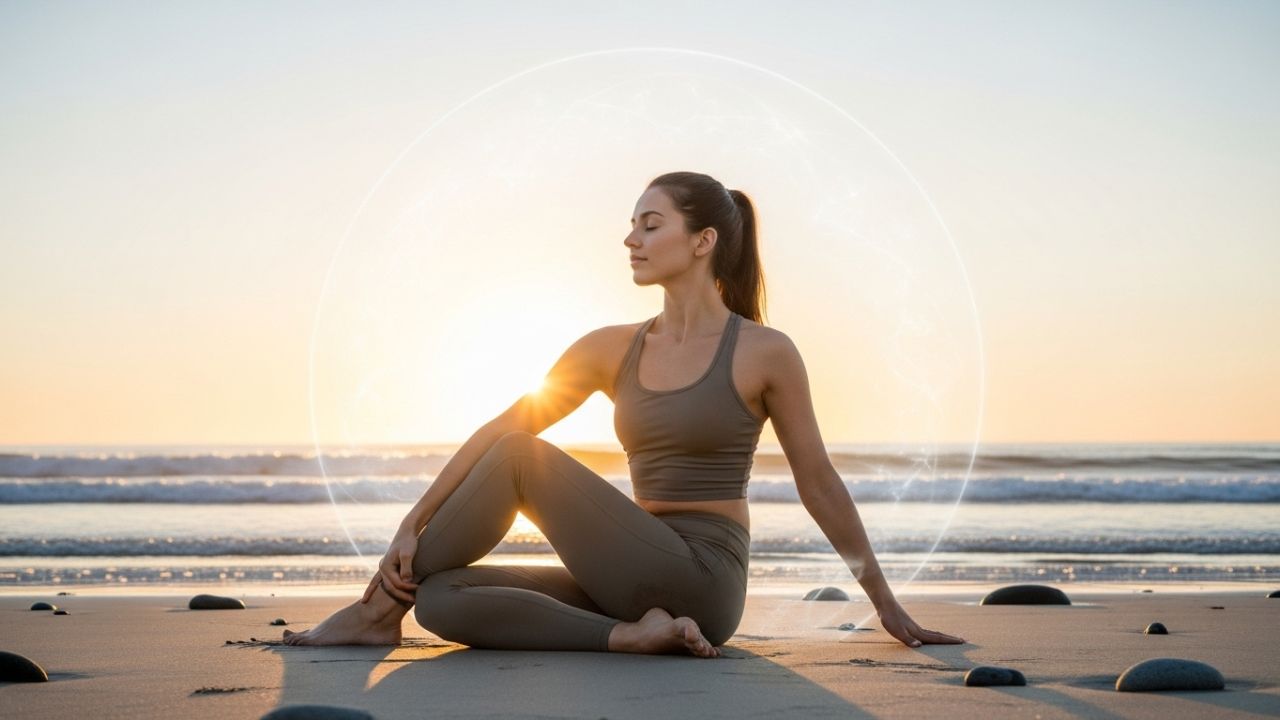
    The Twisted Chair Pose is excellent for improving digestion and stimulating the internal organs. The deep twisting motion helps wring out toxins and increases circulation to the abdominal region, aiding detoxification.

    – Begin in Chair Pose, with knees bent and thighs parallel to the floor.

    – Bring your palms together at your chest, then twist to the right, bringing the left elbow to the outside of your right knee.

    – Hold for 5–8 breaths, then switch sides.

     Seated Forward Fold (Paschimottanasana)

    This gentle forward fold stretches the back and hamstrings and massages internal organs to support detox. The deep stretch enhances circulation to the digestive system.

    – Sit with your legs extended straight in front of you.

    – Inhale to lengthen your spine; exhale and fold forward, reaching for your feet or ankles.

    – Hold for 5–10 breaths, feeling the stretch along your back and hamstrings.

    Bridge Pose (Setu Bandhasana)

    Bridge Pose helps open the chest and stimulate the thyroid, which plays a role in metabolism and detox. It also improves blood flow and aids digestion.

    – Lie on your back with knees bent and feet flat on the floor.

    – Lift your hips towards the ceiling, pressing through your feet and engaging your glutes.

    – Keep your shoulders relaxed and hold for 5–8 breaths, then gently lower your hips.

     Revolved Triangle Pose (Parivrtta Trikonasana)

    This deep twist pose stretches the legs, opens the hips, and stimulates digestion. It supports liver detox and enhances oxygen flow.

    – Begin in a wide-legged stance, feet about 3–4 feet apart.

    – Extend your arms and rotate your torso to the right, reaching your left hand to the floor and right arm to the ceiling.

    – Hold for 5–10 breaths, then repeat on the other side.

     Cobra Pose (Bhujangasana)

    Cobra Pose is a gentle backbend that stimulates digestive organs and supports detox through deep spinal extension. It also opens the chest and lungs.

    – Lie on your stomach with legs extended and hands under your shoulders.

    – Inhale as you lift your chest, pressing your palms into the floor.

    – Keep elbows slightly bent and hold for 5–8 breaths, feeling the stretch in your back and abdomen.

    Legs Up the Wall (Viparita Karani)

    This restorative pose drains excess fluid from the legs, stimulates circulation, and promotes deep relaxation—essential for effective detoxification.

    – Sit with one hip against a wall, then swing your legs up as you lie back on the floor.

    – Relax your arms at your sides, close your eyes, and breathe deeply.

    – Hold for 5–10 minutes to promote relaxation and detoxification.
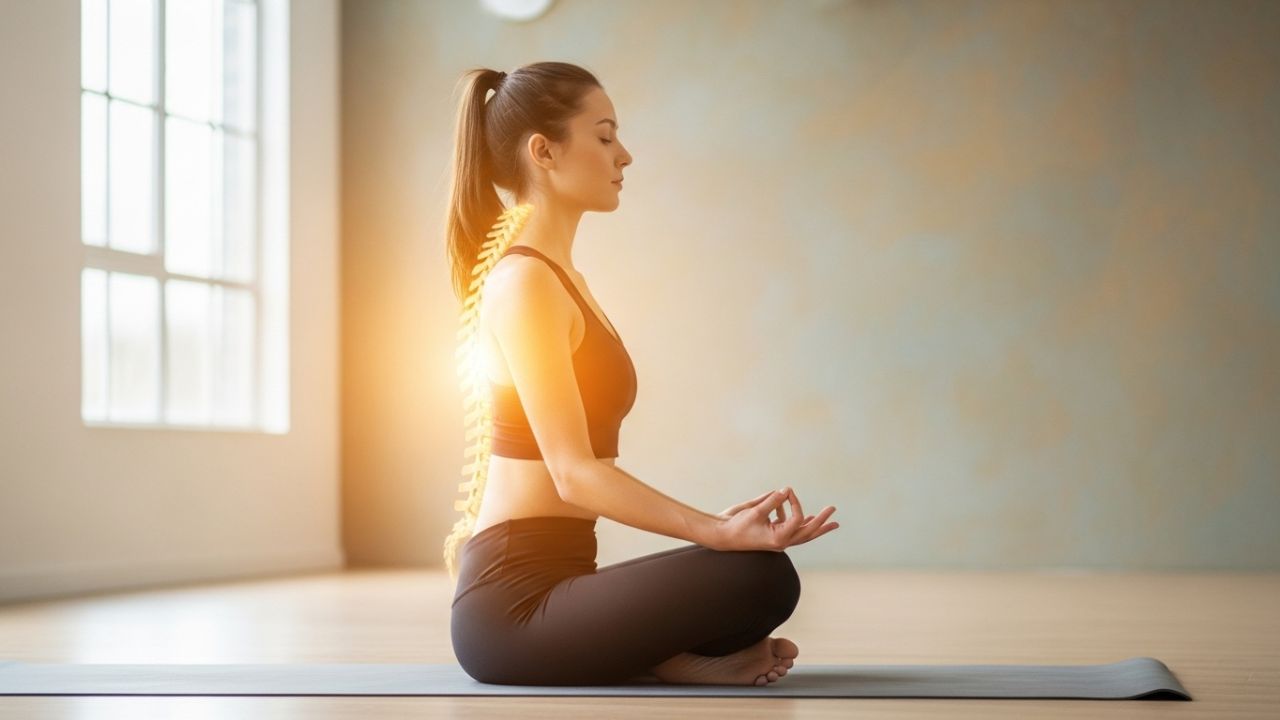
  • Restore Your Posture: 5 Alignment-Focused Yoga Techniques That Support a Stronger Spine and Reduce Daily Discomfort

    Restore Your Posture: 5 Alignment-Focused Yoga Techniques That Support a Stronger Spine and Reduce Daily Discomfort

    A healthy spine matters for your overall health and yoga offers an effective way to improve it. Bad posture and sitting too much along with everyday stress can harm your spine and cause pain or alignment problems. The good news is that practicing specific yoga poses regularly can fix your posture and make the muscles around your spine stronger while bringing your body back into balance. If you want to improve how your spine is aligned these five important yoga poses are an excellent starting point.

     Mountain Pose (Tadasana)

    Mountain Pose looks basic but works remarkably well for aligning your spine properly. This fundamental position helps you become more aware of your posture as you concentrate on how your feet, legs torso & head line up. The pose also activates your core muscles that are essential for keeping your spine healthy.

    – Start by standing upright with your feet placed hip-width apart and press them firmly into the ground.

    – Tighten your thigh muscles and lift your kneecaps while pulling your belly button toward your spine.

    – Expand your chest and let your shoulders drop naturally as you stretch your arms down alongside your body with palms turned forward.

    – Stay in this position for 30 seconds to one minute while taking deep breaths throughout.

    Cat-Cow Pose (Marjaryasana-Bitilasana)

    This flowing sequence between Cat and Cow poses works to loosen your spine and boost flexibility. It lengthens your back & neck while building strength in the muscles that support your spine. The smooth transition between arching and curving your back releases spinal tension and improves posture.

    – Begin on all fours in a tabletop position with your wrists placed directly beneath your shoulders and knees beneath your hips.

    – Breathe in and let your belly sink toward the floor while raising your head & tailbone upward for Cow Pose.

    – Breathe out and curve your spine toward the ceiling while tucking your chin down and pulling your navel inward for Cat Pose. 

    – Continue this pattern for 5 to 10 cycles while matching your breathing to each position change.

    Child’s Pose (Balasana)

    Child’s Pose is a gentle resting position that helps you relax and reduces tension in your spine and lower back. It stretches the spine and helps restore proper alignment after doing more challenging poses. This position is great for calming your nervous system and reducing stress. Begin by kneeling on the floor with your big toes touching and your knees apart.

    – Sit back so your bottom rests on your heels and reach your arms forward while placing your forehead on the mat.

    – Keep your arms engaged by pressing your palms down and think about lengthening your spine while you take deep breaths.

    – Hold this position for one to three minutes while breathing deeply and allowing your body to relax into the stretch.

    Cobra Pose (Bhujangasana)

    Cobra Pose works well for building back strength and expanding the chest area. The pose stretches your spine and promotes better upright positioning which matters for proper spinal alignment. It eases lower back tension and helps reduce stiffness from bad posture habits. Start by lying face down with your legs straight behind you and your feet flat against the floor.

    – Put your hands beneath your shoulders with elbows tucked in close and fingers pointing forward. 

    – Breathe in as you raise your chest upward by extending your arms while keeping a slight bend in your elbows and tightening your lower back muscles.

    – Stay in this position for 15 to 30 seconds while keeping your chest lifted and looking straight ahead. Breathe out as you lower yourself back down and do this 2 to 3 times total.

    Bridge Pose (Setu Bandhasana)

    Bridge Pose works to strengthen your lower back muscles along with your glutes and thighs. At the same time it stretches your chest and spine. The pose helps improve your body alignment by lifting your chest upward and keeping your spine stable. It works well for better posture and helps release back tension. Start by lying on your back and bend your knees. Keep your feet flat on the floor about hipwidth apart.

    – Put your arms down by your sides with your palms facing the floor.

    – Breathe in & lift your hips up toward the ceiling while pressing down through your feet.

    – Make sure your knees stay lined up with your hips. Bring your hands together under your back and roll your shoulders underneath to open up your chest.

    – Stay in this position for thirty seconds to one minute. Then breathe out as you lower your hips back down to the floor.

  • Morning Wellness Routine Begins With This Fast Yoga Flow to Energise Body and Mind

    Morning Wellness Routine Begins With This Fast Yoga Flow to Energise Body and Mind

    Starting your day well means waking up with energy and purpose. A short yoga session in the morning can help you feel more alert & focused. This practice wakes up your muscles and clears your mind so you can handle whatever comes your way. You only need a few minutes to complete this simple routine that will make your morning better. Begin by standing tall with your feet together & your arms at your sides. Take a deep breath in and raise your arms overhead while stretching upward. This movement helps you feel more awake and opens up your chest. Hold this position for a moment before breathing out and lowering your arms back down. Next you can move into a forward fold by bending at your hips and letting your upper body hang toward the floor.a

    Why is Yoga Important for Starting Your Day?

    Yoga offers many advantages when you do it in the morning. It makes your body more flexible and stronger while helping your mind become clearer. A short yoga session gives your body and mind energy so you stay alert and focused throughout the day. Regular practice reduces stress & worry which improves how you feel emotionally. This better mood makes it easier to manage your daily work & duties.

    What Are the Best Yoga Poses for a Morning Routine?

    A morning yoga routine can be quite simple. A handful of basic poses will refresh your body & mind effectively. The following sequence creates a perfect morning practice. Starting your day with yoga ranks among the best decisions you can make for your overall health. The beauty of a morning session lies in its simplicity and accessibility. You do not need costly equipment or an entire hour to experience the benefits. The key is choosing poses that gently wake up your body after sleep.

     Mountain Pose (Tadasana)

    Start by standing up straight with your feet placed hip-width apart. Let your arms hang down naturally at your sides. Take a few moments to focus on breathing deeply while keeping your spine straight and tall. This basic standing position helps you feel stable and grounded. Practicing it regularly will improve your posture over time. The stance opens up your chest area and gets your body ready for other exercises that follow.

    Downward Facing Dog (Adho Mukha Svanasana)

    Downward-Facing Dog Start by standing upright and then bend forward to place both hands flat on your yoga mat. Push your hips upward toward the ceiling until your body creates an inverted V shape. This position stretches your hamstrings and calves along with your back muscles. It also builds strength in your arms and shoulders. The pose promotes better blood flow throughout your body and gives you an energy boost.

    Cat-Cow Pose (Marjaryasana-Bitilasana)

    Get down on your hands and knees & move between two positions. First arch your back downward like a cow stretching. Then round your back upward like a cat. Breathe in and out as you switch between these poses. This movement helps massage your spine & makes your back more flexible. It works well for releasing tightness in your upper body especially after you wake up from sleep.

    Forward Fold (Uttanasana)

    Standing Forward Bend From Downward Dog position walk your feet forward until they reach your hands. Then fold your body forward at the hips. You can keep your knees slightly bent if you need to. This pose helps release tightness in your hamstrings & back muscles while also calming your mind.

    Warrior I (Virabhadrasana I)

    Warrior I Pose Instruction Step one foot back behind you and bend your front knee until it forms a right angle. Your back leg should stay straight and fully extended. Raise both arms overhead with your palms facing each other. This position strengthens your leg muscles & improves your balance. It also stretches your chest and creates more openness in that area.

    How Long Should I Practice This Yoga Flow?

    You don’t need much time to benefit from morning yoga. A quick session of 10 to 15 minutes is enough to wake up your body and mind. If you have extra time you can repeat the routine or add more poses that work for you. The important thing is consistency. Practicing yoga every morning will make a real difference in how you feel during the day.

    Can I Do Yoga Even if I’m a Beginner?

    Yoga works well for people at any skill level. The most important thing is to pay attention to what your body tells you and not try to do too much when you are just starting out. Begin with easy poses and slowly move toward harder ones as you get more comfortable. Keep in mind that practicing regularly matters more than doing everything perfectly.

  • Optical Illusion Challenges Visual Precision as 45 and 34 Hide Among a Grid of Look-Alike 54s

    Optical Illusion Challenges Visual Precision as 45 and 34 Hide Among a Grid of Look-Alike 54s

    Optical illusion challenges are a fun way to test your visual skills and mental quickness. These puzzles look easy at first but show how patterns can trick our eyes. This challenge asks you to find the numbers 45 & 34 hidden among many rows of the number 54. The twist is you only have 8 seconds to finish. Are you ready to test your observation skills? When you first look at the image it appears the same everywhere. All numbers look identical & your brain assumes there are no differences. This happens because our minds are built to spot patterns quickly before moving on. Optical illusion puzzles use this habit by hiding small differences in plain sight.

    When Visual Precision Is Tested: Decoding the 45 and 34 Among Identical 54s

    Your brain picks speed over accuracy when scanning visual information. When you encounter repeated numbers like 54 your mind stops checking each one carefully. This makes it easy to miss small changes like a flipped digit or a different sequence. In this puzzle the difference between 54, 45 & 34 is subtle so most people struggle to identify them quickly. These tasks force your brain to slow down and focus better. They improve your skill at spotting details and examining images more thoroughly. Doing these puzzles regularly can boost your concentration and maintain mental sharpness.

    Speed Meets Focus: Smart Techniques to Identify 45 and 34 Quickly

    If you want to improve your chances then avoid scanning the image randomly. Instead move your eyes row by row or column by column. Focus on the shape of each digit rather than reading the number as a whole. Pay close attention to the order of the digits. In this challenge your brain expects to see 54 so spotting 45 or 34 requires breaking that expectation. Another useful trick is to slightly blur your vision or zoom out. This can help differences stand out more clearly. Staying calm also matters. Panic makes your eyes jump around and this reduces accuracy.

    Hidden in Plain Sight: Tracing the Exact Positions of 45 and 34

    If you managed to locate both numbers within 8 seconds then you deserve recognition for your strong observation abilities. If you were unable to find them then you should not be concerned. These challenges are designed to be difficult by nature. The number 45 is often placed in an area where differences are not immediately obvious. It could be positioned near the middle section or along one of the outer borders. The number 34 is generally located at a greater distance to make the search more demanding.

    The Psychology Behind Viral Optical Illusion Puzzles Online

    Optical Illusion Challenges: Why They’re So Popular Optical illusion challenges have become extremely popular in recent years. These visual puzzles are fast to finish & simple to share with others. People like them because they deliver quick satisfaction when completed. Discovering the hidden object or noticing the difference gives users a real sense of achievement. The social element is another reason for their success. Many people enjoy comparing their results with friends and family. This sparks friendly competition and discussion. The challenges appeal to different age groups. Both children and adults find them fun & easy to understand. Social media platforms have made these puzzles spread quickly. They work perfectly for brief engagement during short breaks. People can try them while standing in line or during a coffee break. The format matches modern browsing habits well. These visual puzzles offer genuine benefits beyond simple entertainment. Solving them regularly can help maintain cognitive health.

  • Quick-Start Yoga Routines: Simple Flows for Active and Busy Lifestyles

    Quick-Start Yoga Routines: Simple Flows for Active and Busy Lifestyles

    Busy schedules often leave little room for extended workouts but that should not mean neglecting your physical & mental health. Quick yoga sessions are designed for people with active lifestyles who want to maintain flexibility & feel calm and energized. These routines emphasize straightforward movements and controlled breathing within short timeframes that work with everyday life. Just ten to fifteen minutes of consistent yoga practice can lead to meaningful gains in energy levels & physical balance.

    Contemporary living frequently includes extended periods of sitting alongside unexpected physical challenges & ongoing mental strain. Yoga addresses these issues by enhancing mobility and reducing stress while building general strength. What makes it particularly appealing is its straightforward nature. No equipment or large areas or complicated arrangements are required. A peaceful spot and comfortable clothes are sufficient to start.

    Why Short Yoga Sessions Work So Well for Active People

    Short yoga sessions work well because they target several body functions simultaneously. One simple flow can loosen stiff muscles while strengthening neglected areas & reducing stress all at once. This matters particularly for people who stay active since their bodies typically experience fatigue and tightness together.

    Shorter practices also help maintain regular habits. When exercise feels doable it becomes a natural part of your day rather than something you postpone. Regular practice over weeks and months produces superior outcomes compared to occasional lengthy workouts. A brief daily session of ten minutes typically creates more enduring improvements than an extended practice done sporadically.

    Gentle Morning Yoga to Activate and Energise the Body

    Starting your morning with a brief yoga session gets your body ready to move. Easy stretches boost blood flow and help your joints feel less tight after sleeping. Basic movements like rolling your neck and circling your shoulders along with gentle spine twists work well to shake off that early stiffness.

    You can include poses like Cat-Cow and Standing Forward Bend or do a gentle Sun Salutation to wake up your back & legs without using up too much energy. Pay attention to moving smoothly between poses while keeping your breathing steady. This type of morning practice brings mental clarity and physical balance while setting a peaceful tone for whatever the day brings.

    Midday Yoga Breaks to Restore Focus and Energy

    Active days filled with extended work shifts or constant activity tend to drain your energy well before the afternoon ends. Taking a brief yoga session during these moments allows your body and mind to recharge effectively. Simple movements like seated twists and chest-opening stretches work well when time is limited. Standing side bends also provide excellent results during quick breaks. These positions boost circulation throughout your body while easing tightness in your back and shoulder areas. Your neck muscles also benefit from the gentle release of accumulated stress. Incorporating slow & deliberate breathing into these movements delivers additional advantages. This breathing technique helps eliminate the foggy feeling that builds up mentally as your day progresses. Your ability to concentrate improves noticeably for whatever tasks remain ahead of you.

    Evening Yoga Practices for Relaxation and Recovery

    Evening is an ideal moment to help your body unwind after being active all day. A brief yoga session designed for recovery allows your muscles to loosen up and gets your body ready for good sleep. This works particularly well for anyone who works out often or maintains an active lifestyle. Soft movements like Child’s Pose & Seated Forward Fold along with Legs Up the Wall promote a sense of calm. Staying in each position for a while & taking slow breaths helps release built-up tension. Practicing yoga at night improves how well you sleep and helps your body recover naturally.

    How to Create a Simple and Effective Quick Yoga Routine

    Creating a personal short yoga routine is straightforward when you identify what you want to achieve. You might want more energy throughout your day or better flexibility in your muscles. Perhaps you need help relaxing after work. Once you know your main purpose you can select four to six poses that match that goal. Take your time moving from one pose to the next. Rushing through the movements reduces the benefits you gain from practice. Short yoga sessions work best when you stay aware of how your body feels during each position. Always end your routine with about one minute of quiet rest or slow breathing.

    This final pause allows your body and mind to absorb the positive effects of your practice. Pay attention to what your body tells you each day. Some mornings you might feel strong and ready for challenging poses. Other times your muscles might feel tight or tired and need gentler stretches instead. Adjusting your routine based on these signals helps you get the most from your yoga practice.

    Long-Term Benefits of Consistent Short Yoga Practice

    Regular yoga practice brings benefits that last over time. Your flexibility gets better slowly and this makes everyday activities feel easier and more natural. Your muscles grow stronger in a balanced way which helps you maintain good posture and keeps your joints healthy. Yoga helps your mind work better too. Simple breathing exercises lower your stress levels and help you handle emotional challenges. Most people notice they sleep better & can concentrate more easily after practicing yoga regularly for a few weeks. Their body pain also decreases. If you have an active lifestyle yoga gives you both exercise and rest in a straightforward and easy format.

  • 10-Minute Yoga Sessions: Daily Benefits That Keep You Energised All Day

    10-Minute Yoga Sessions: Daily Benefits That Keep You Energised All Day

    Life feels busy from the moment you wake up. Long workouts often get pushed aside but that does not mean your body & mind have to suffer. A focused 10 minute yoga session can create changes you notice throughout the entire day. With the right movements and breathing even a short practice can reset your energy & improve your posture and mood.

    Why Just 10 Minutes of Yoga Delivers Real, Noticeable Results

    Many people think yoga only works if you practice for an hour. The body actually responds fast to mindful movement. Ten minutes of yoga wakes up stiff muscles and improves blood flow while signaling the nervous system to slow down. This shift helps you feel calmer and more balanced even when the day gets stressful. Short sessions are also easier to stick with over time. When yoga becomes a daily habit the benefits add up. Consistency matters more than duration for beginners and busy professionals.

    Power-Up Mornings: 10-Minute Yoga to Boost Energy and Sharp Focus

    A brief yoga routine in the morning helps shape how the rest of your day unfolds. Simple stretches combined with focused breathing boost oxygen levels & clear away that groggy feeling. Movements such as cat cow, standing forward fold and easy twists work to relax your spine & enhance your posture. Spending just ten minutes each morning can ease muscle tightness improve mental clarity & help you stay focused during work or classes. Most people find they feel calmer and more centered when they begin their day with this practice.

    Midday Reset: Short Yoga Sessions That Melt Stress and Recharge You

    Afternoon Yoga for Mental Clarity and Physical Relief The afternoon hours typically bring a wave of mental exhaustion along with tightness in your neck and shoulder areas. Taking a brief yoga break during this time can effectively refresh your body and clear your mind. Basic stretches you can do while sitting down combined with gentle shoulder movements and controlled breathing work together to soothe your nervous system and eliminate accumulated tension. You don’t need special equipment or a dedicated space to benefit from these practices. Whether you choose to stretch at your office desk or find a spot on the floor the positive effects remain significant. Incorporating a short yoga routine into the middle of your day serves as a protective measure against complete exhaustion & helps maintain consistent energy throughout the afternoon rather than experiencing the typical late-day energy collapse.

    Wind-Down Evenings: Gentle Yoga for Deep Relaxation and Restful Sleep

    A gentle 10 minute yoga routine in the evening helps your body relax after a long day. When you move slowly & take deeper breaths your body understands that it is time to wind down. Simple poses like forward folds and hip openers along with stretches done while lying down can release the tightness that builds up from sitting or standing for many hours. People who do short yoga sessions before bed tend to fall asleep more quickly and feel more refreshed when they wake up. This practice also helps reduce the stress that comes from looking at screens all day by giving your mind a peaceful break before you go to sleep.

    Fast Physical Changes You’ll Start Feeling Within Days

    Short yoga sessions help your body become more flexible without pushing it too hard. When you practice every day your tight hips and stiff back start to loosen up along with tense shoulders. Your core muscles get stronger in a gentle way which helps you stand and sit better while reducing pain in your lower back. You might also find that your digestion works better and you feel fewer aches when the day ends. These little improvements build up over time & make everyday activities feel more comfortable.

    Mental Clarity and Emotional Balance That Carry Through the Day

    Yoga goes beyond simple physical exercise. When you control your breathing it reduces stress hormones in your body and helps you manage your emotions better. Just ten minutes of practice can lift your mood and decrease anxiety while making it simpler to face difficult situations with a calm mindset. People who practice yoga on a regular basis often notice they become more patient and focused. They also feel more emotionally stable even when they only do short sessions.

    Designing an Easy 10-Minute Yoga Flow Anyone Can Follow

    A balanced routine can be quite straightforward. Begin with one minute of slow breathing to calm your mind. Move on to gentle stretches that target your spine & hips. Include one or two standing poses to energize your body. End with a brief relaxation or some seated breathing exercises. The important part is moving at a slow pace and noticing how your body responds. Do not hurry through the poses. Even when time is short practicing mindful movement brings benefits that last.

    Turning 10-Minute Yoga into a Daily, No-Excuses Habit

    Choose a time that fits into your day. You might practice in the morning or at lunch or in the evening. Prepare your mat or clear a space beforehand so nothing stops you from starting. Remember that showing up matters more than perfect execution. Some days your body will feel strong and other days it will feel tight. This happens to everyone. True improvement comes from consistent practice over weeks and months.

  • Yoga for a Stronger Core: Simple Stability-Boosting Poses That Build Strength, Balance and Everyday Body Control

    Yoga for a Stronger Core: Simple Stability-Boosting Poses That Build Strength, Balance and Everyday Body Control

    A strong core forms the base for good posture & balance while supporting your overall fitness level. Yoga offers an excellent method to build core strength whether you want to enhance athletic performance or feel more stable during everyday activities. The yoga poses described here work the muscles that support your spine such as your abdominals and the muscles in your back and hips. Adding these poses to your regular practice will help you develop core strength & increase stability while improving your general health and wellness. Your core muscles do more than help you look fit. They stabilize your entire body during movement and help prevent injuries. A weak core can lead to poor posture and back pain while also making simple tasks feel harder than they should.

    Why is Core Strength Important?

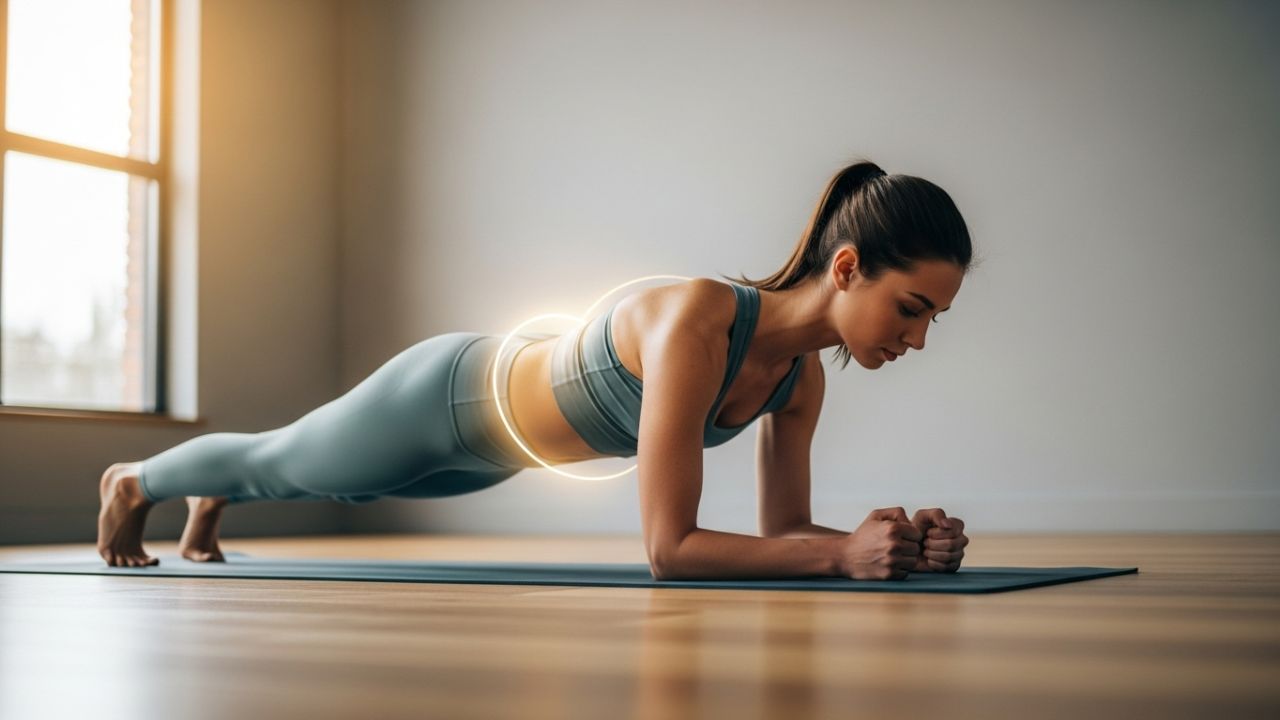
    Plank Pose (Phalakasana)

    The plank is a basic core-strengthening pose that works your entire body. When you hold this position you work both your abdominal muscles and lower back which builds endurance & stability.

    How to Perform It:

     Get into a push-up position with your hands placed directly under your shoulders and your feet positioned hip-width apart. Keep your body straight from your head to your heels while tightening your core muscles along with your glutes and thighs. Hold this position for 30 seconds to one minute and focus on breathing steadily throughout.

    Benefits:

     This pose strengthens your entire core along with your arms and shoulders. It also improves your overall body awareness and builds endurance.

    Boat Pose (Navasana)

    Boat Pose effectively builds core strength and stability by working your abdominal muscles along with your hip flexors & lower back.

    How to Perform It:

    Start by sitting on the floor with bent knees & your feet resting flat on the ground. Lean your torso back a little and raise your feet until your thighs become parallel with the floor. Straighten your legs while maintaining your torso at a 45-degree angle. Extend your arms forward so they are parallel to the floor with palms facing downward. Keep your spine elongated & prevent your chest from collapsing inward.

    Benefits:

    This pose provides a strong challenge for your abdominal muscles and particularly targets your lower abs. It simultaneously enhances your balance and increases flexibility in your hip flexors.

    Side Plank (Vasisthasana)

    Side Plank effectively works the oblique muscles located along the sides of your midsection. This exercise also enhances your balance and builds shoulder strength.

    How to Do It:

    Begin in a standard plank position and then transfer your weight to one arm. Place one foot directly on top of the other and extend your free arm straight up toward the ceiling. Keep your body in a straight line from your head down to your feet. Tighten your core muscles and maintain this position for 15 to 30 seconds before changing to the other side.

    Benefits:

    This exercise strengthens your obliques & shoulders while enhancing your balance & stability. It builds strength throughout the entire side of your body and increases overall core endurance.

    Warrior III (Virabhadrasana III)

    Warrior III is a balancing pose that strengthens your core while also working your legs and lower back.

    How to Perform It:

    Begin by standing upright. Transfer your weight to one leg and gradually lift the other leg straight behind you as you reach your arms forward. Maintain a straight line from your head to your toes & tighten your core muscles to stay balanced. Hold this position for 30 seconds before switching to the other leg.

    Benefits:

    This pose improves your balance & builds strength in your core muscles along with your legs and lower back. It also helps develop better coordination and mental focus.

    Bridge Pose (Setu Bandhasana)

    Bridge Pose offers a simple approach to working your core muscles while loosening up your hips and back. This exercise builds strength in your lower back area along with your glutes and stomach muscles.

    How to Do It:

    Start by lying flat on your back and bend your knees so your feet rest flat on the ground. Position your feet so they align with your hips and push down through them as you raise your hips upward toward the ceiling. Let your arms rest beside your body with your palms down. Tighten your glutes and core muscles while maintaining this position for anywhere from 30 seconds up to one minute.

    Benefits:

    This pose builds strength in your glutes & lower back while also targeting your abdominal muscles. It supports better spinal alignment and increases flexibility through your hip area.

    Locust Pose (Salabhasana)

    Locust Pose is an effective backbend exercise that works your lower back muscles along with your glutes and core. This pose helps build spinal strength and supports better posture.

    How to Perform It:

    Start by lying face down on the floor with your arms stretched out in front of you. At the same time lift your head and chest off the ground while also raising your arms and legs. Keep your back and core muscles tight throughout the movement. Stay in this position for 15 to 30 seconds before gently lowering yourself back down to the starting position.

    Benefits:

    This pose builds strength in your lower back and glutes while also activating your core muscles. It helps correct your posture and increases flexibility throughout your spine.

  • Focus Training Flow: Yoga Practices That Steady Attention, Ease Distractions and Support Clear, Purposeful Thinking

    Focus Training Flow: Yoga Practices That Steady Attention, Ease Distractions and Support Clear, Purposeful Thinking

    Yoga Poses That Sharpen Your Mind & Improve Focus Yoga is well known for making your body stronger & more flexible. But it also does something just as important for your brain. When you practice yoga poses that need concentration and steady breathing you can actually train your mind to focus better and think more clearly. Many people struggle with mental fog and find it hard to concentrate on tasks. The good news is that certain yoga poses can help fix this problem. These poses work by combining physical movement with mental attention and breath control. When you hold a challenging balance pose or move through a sequence that requires coordination your brain has to stay alert.

    Tree Pose (Vrikshasana): Sharpen Balance and Inner Focus

    Tree Pose provides an effective method for improving balance in your body and mind. You do this pose by standing on one leg & positioning your other foot on the inner thigh or calf of your standing leg. Keep your foot away from the knee joint itself. As you hold the position you need to look at one spot in front of you to stay stable. The work of maintaining balance in this pose keeps your mind in the present moment and stops distracting thoughts while improving your focus. This pose builds your core strength and enhances your stability while keeping your attention on the current moment. Regular practice of Tree Pose will probably lead to better concentration and mental clarity that carry over from your yoga sessions into everyday activities.

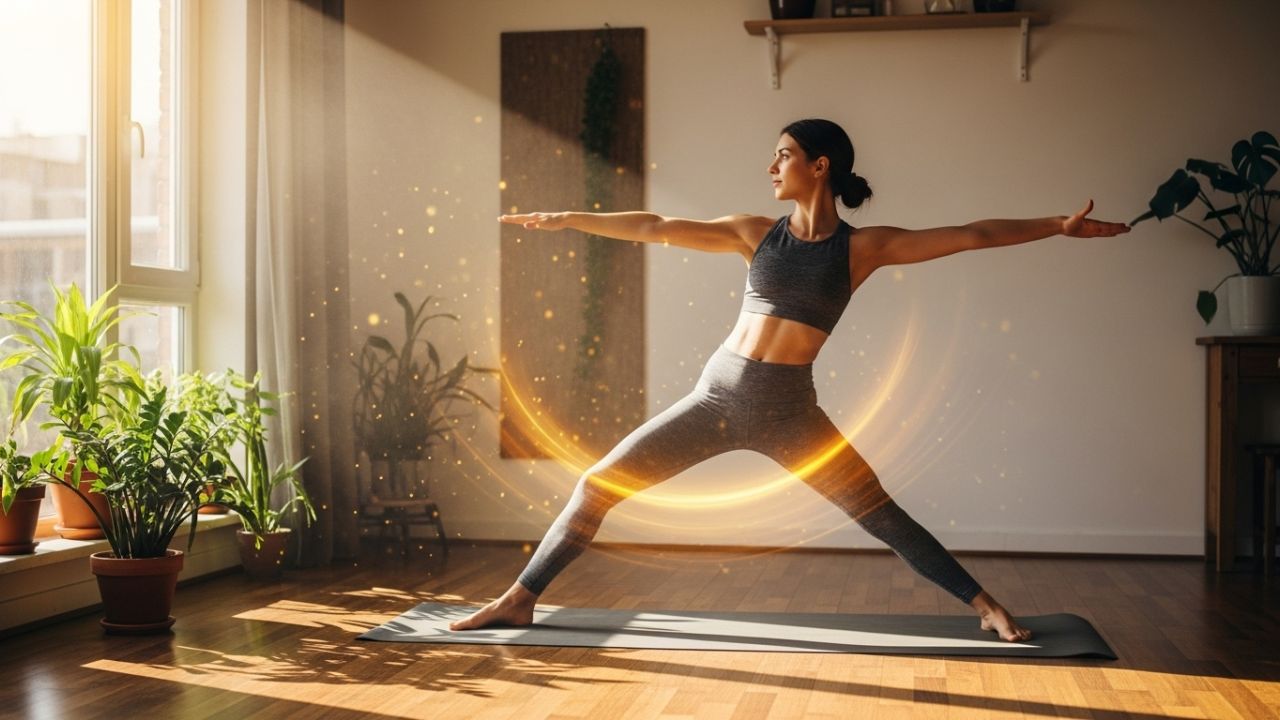
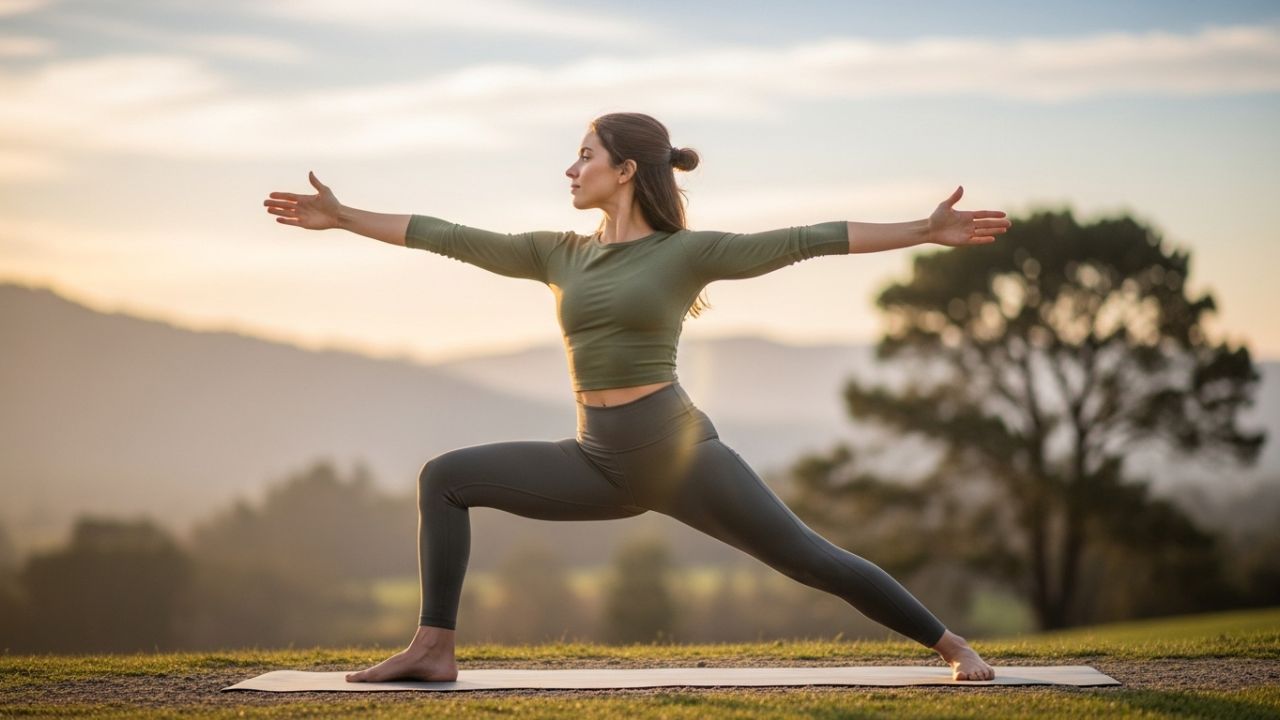
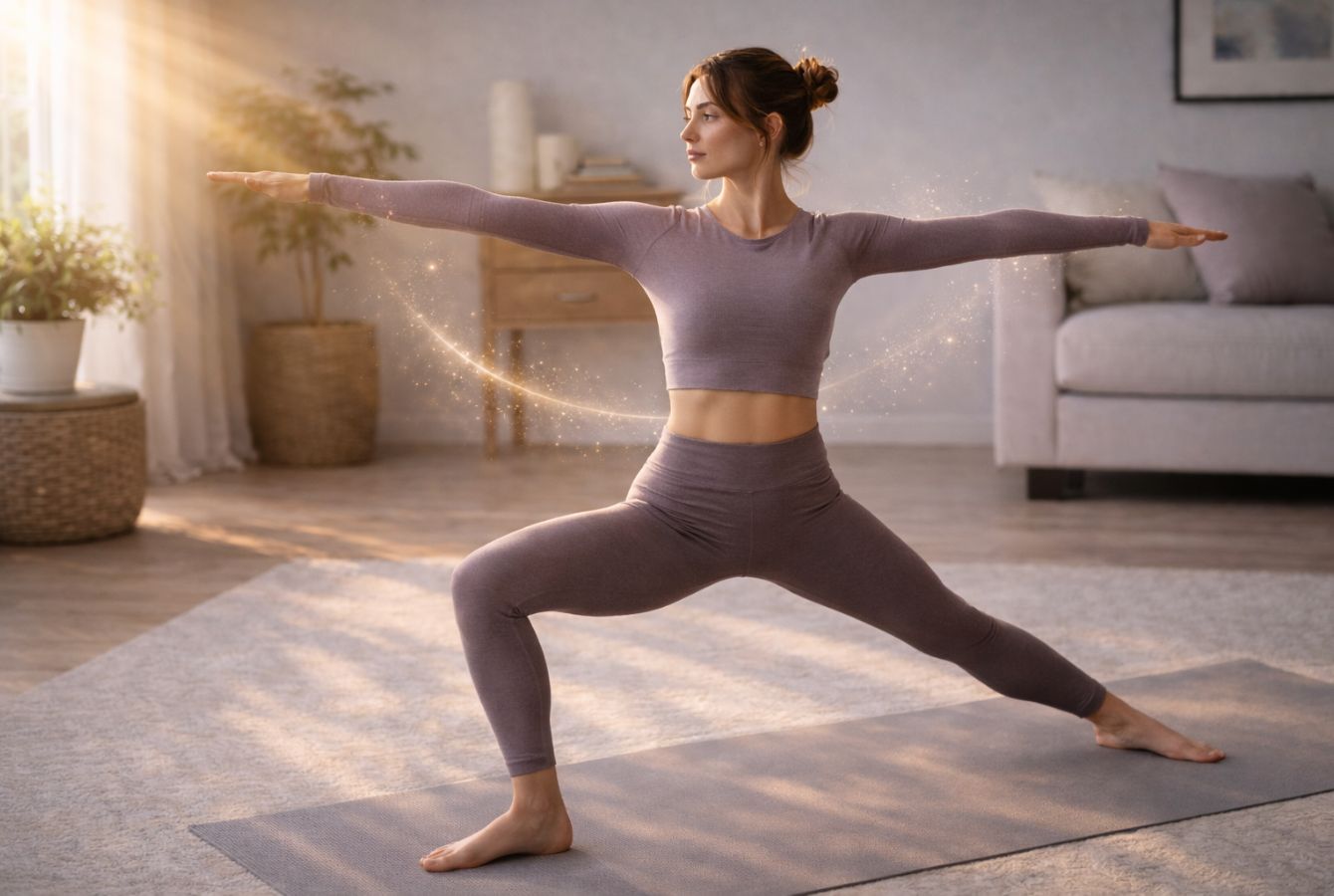
    Warrior II (Virabhadrasana II): Build Mental Power and Steady Determination

    Warrior II strengthens your body and mind while building your endurance. You position your legs far apart & bend one knee while extending your arms sideways at shoulder level. Holding this position requires concentration that helps you manage discomfort and stay present. The pose develops determination and mental clarity while increasing your resilience when facing difficulties. As you maintain the stance and focus on breathing your mind stays calm & develops inner strength.

     Mountain Pose (Tadasana): Enhance Grounding and Mindful Awareness

    Mountain Pose appears simple but it effectively enhances concentration and clears the mind. To practice Tadasana you should stand upright with your feet positioned at hip width and let your arms rest naturally beside your body with your palms turned outward. Engage your thigh muscles & raise your chest while extending your spine upward. Focus on your breath as you firmly plant your feet on the floor and become aware of the sensations throughout your entire body.

    Downward-Facing Dog (Adho Mukha Svanasana): Refresh the Mind and Improve Clarity

    This popular pose reduces tension & sharpens mental focus. Begin in a plank position and lift your hips toward the ceiling to form an inverted V-shape with your body. The pose stretches your hamstrings & shoulders and back while boosting blood flow to the brain. This energizes your mind & improves concentration. Downward-Facing Dog is a refreshing posture that releases built-up mental and physical tension. While holding the pose focus on your breathing and the stretch while letting go of distractions. It provides an effective way to refresh your mind and restore mental clarity.

    Seated Forward Fold (Paschimottanasana): Encourage Calmness and Deep Concentration

    Seated Forward Fold requires you to sit on the floor and extend your legs straight ahead. Lean forward & attempt to reach your toes. This basic pose encourages you to settle down while focusing on your breathing and observing how your body responds. The stretch works your hamstrings and the muscles running along your lower back and spine. It encourages deep relaxation and mental clarity. Folding forward creates an opportunity to direct your attention inward and reduce mental noise. Your mind receives a break and you can shift your focus toward what genuinely matters. This pose works particularly well when you need to let go of tension. It also enhances concentration after extended periods of sitting at a desk or studying.

    Eagle Pose (Garudasana): Strengthen Focus Through Controlled Balance

    Eagle Pose is a challenging balance posture that requires both mental concentration and physical precision. You begin by standing upright and wrapping one leg around the other. Next you cross your arms in front of your chest & press your palms together. The twisting motion combined with the balancing element demands your full attention and keeps you grounded in the moment. This pose effectively builds focus and mental resilience along with physical stability. Regular practice gradually enhances your ability to concentrate on whatever you are doing.

    Bridge Pose (Setu Bandhasana): Relax the Nervous System and Clear Mental Fog

    Bridge Pose reduces back and shoulder tension and helps clear your thoughts. Begin by lying flat on your back with your knees bent and feet placed firmly on the floor. Lift your hips upward while pressing your shoulders and arms down into the mat. This posture expands your chest & engages your mind to strengthen the connection between body and mental awareness. The pose effectively lowers stress and settles your nervous system while boosting concentration. Your breathing pattern & body alignment during this movement promote mental sharpness & physical ease.

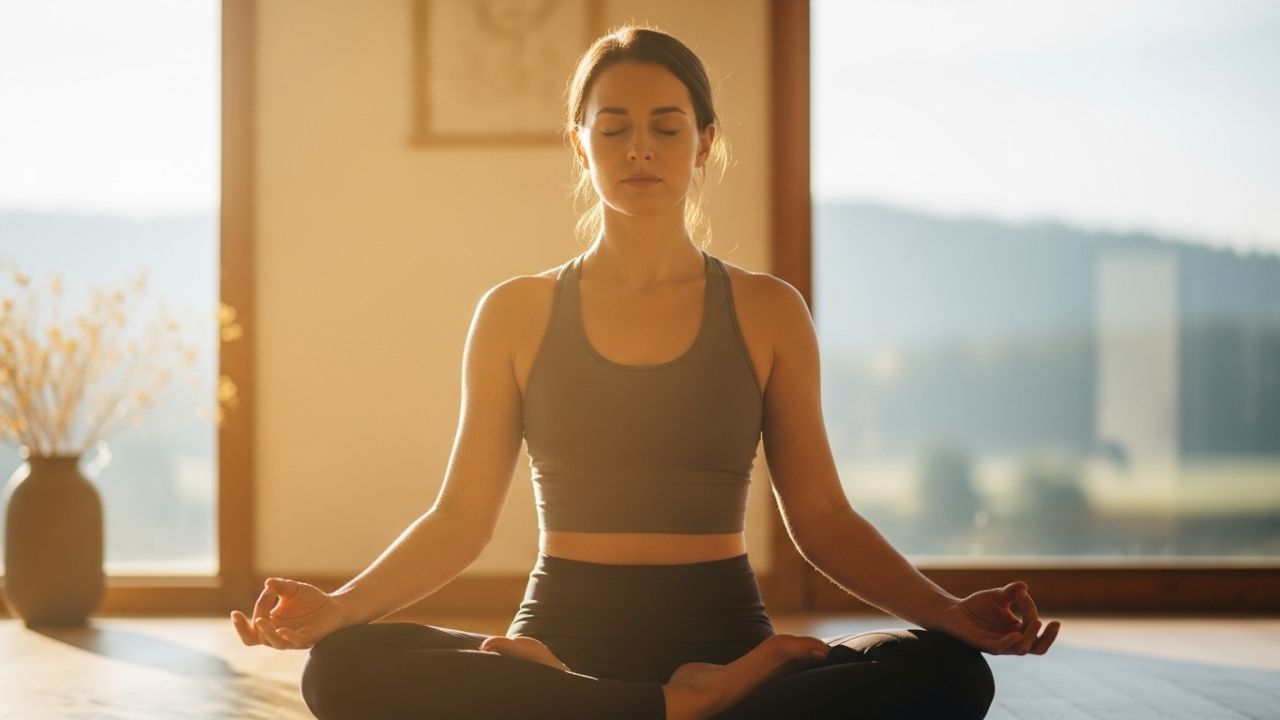
  • 7 Simple Yoga Poses: Strengthen Immunity and Support Everyday Health

    7 Simple Yoga Poses: Strengthen Immunity and Support Everyday Health

    A strong immune system develops gradually through consistent daily habits including quality sleep, nutritious eating stress management, and moderate physical activity. Yoga addresses all these elements simultaneously. Consistent practice enhances blood flow aids the lymphatic system, soothes the nervous system, and regulates stress hormones. When done regularly, basic yoga poses can naturally boost immunity without straining the body. The following seven simple yoga poses help strengthen immune function and are suitable for beginners to practice at home.

    1. Stand Tall with Tadasana: Boost Balance and Energy

    Mountain Pose for Daily Vitality Tadasana might appear basic at first glance but it serves as a powerful foundation for developing inner resilience. The pose works to enhance your posture while increasing awareness of your breath and promoting better blood flow throughout your body. When you stand upright and maintain controlled breathing you stimulate lymphatic movement and boost the delivery of oxygen to your cells. Try practicing this pose during morning hours to energize your body and establish a peaceful mindset that carries through the rest of your day. The simplicity of the stance makes it accessible for beginners while still offering meaningful benefits for experienced practitioners. Regular practice helps you develop better body alignment & creates a sense of groundedness that extends beyond your yoga session.

    2. Vrikshasana Power: Root Yourself Like a Tree

    Tree Pose helps you develop better balance & sharper concentration while gently stimulating your nervous system. When you hold this position your mind becomes more focused and your breathing naturally deepens. These effects work together to lower your stress levels. Research shows that reduced stress directly strengthens your immune system. The pose also increases circulation throughout your body and builds strength in your leg muscles. These benefits combine to create greater physical stability and support your overall health.

    3. Open the Heart with Bhujangasana (Cobra Pose)

    Cobra Pose and Its Health Benefits Cobra Pose helps open up your chest and lungs to support healthier breathing. This posture works on making your spine more flexible while also activating the thymus gland that helps your immune system function properly. When you practice Bhujangasana regularly it helps reduce tiredness and eases minor body stiffness. The pose naturally encourages you to breathe more deeply so your body takes in more oxygen. This combination of physical stretching & improved breathing creates multiple benefits for your overall wellness. The chest expansion that happens during this pose gives your lungs more room to work efficiently. Your spine gets a gentle backward bend that counteracts the forward slouching many people do throughout the day. The stimulation of the thymus gland adds an immune system boost that complements the other physical advantages.

    4. Full Body Stretch: Downward Facing Dog for Circulation

    This pose helps blood move more easily toward your upper body and improves circulation. It assists your body in removing toxins and supports the lymphatic system while reducing mental tiredness. Downward Facing Dog makes your arms & shoulders stronger and gently stretches your spine at the same time. Practicing this pose regularly keeps your energy steady throughout the day and helps your immune system work properly.

    5. Bridge Pose Benefits: Setu Bandhasana for Core & Calm

    Bridge Pose for Better Health Bridge Pose offers excellent support  for maintaining hormonal balance while opening up your chest area. The position naturally stimulates your thyroid gland and boosts blood flow to both your lungs & heart. People who spend most of their day sitting or deal with lower back stiffness will find this pose particularly beneficial. This gentle backbend works to lower your stress levels and strengthen your immune system at the same time.

    6. Relax and Rejuvenate: Viparita Karani (Legs Up Wall)

    Viparita Karani: A Restorative Pose for Body & Mind Viparita Karani stands out as an exceptionally calming position that directly benefits the nervous system. This gentle inversion enhances circulation throughout the body and helps reduce any swelling that accumulates in the lower legs during the day. The pose also encourages healthy lymphatic drainage which plays a vital role in removing toxins & supporting overall wellness. The practice offers significant recovery benefits after a long day of physical or mental exertion. When you hold this position your body enters a state of deep rest that counteracts the effects of daily stress and tiredness. Many practitioners find that tension melts away as they remain in the pose for several minutes. Sleep quality often improves when you incorporate this pose into your evening routine. Spending time in Viparita Karani before heading to bed helps signal to your body that it’s time to wind down. Better sleep directly strengthens immune function since the body performs crucial repair & regeneration processes during rest periods. Regular practice may therefore contribute to a more resilient immune system over time.

    7. Deep Breathing in Sukhasana: Calm Mind, Strong Immunity

    Simple seated posture combined with slow deep breathing creates a calming effect on the mind while helping to regulate stress hormones in the body. This controlled breathing technique supports better oxygen delivery throughout your system and contributes to improved lung function over time. As your stress levels decrease the immune system gains the ability to function with greater efficiency. This particular pose offers easy daily practice and serves effectively as a closing posture in your routine.

    Why Daily Yoga Boosts Immunity Naturally

    Yoga affects both your physical body and mental state. It enhances blood flow throughout your system and lowers inflammation levels while aiding your digestive processes and promoting quality sleep. Stress stands as a major contributor to weakened immune function. Through yoga practice you can better control stress by engaging your parasympathetic nervous system which enables your body to repair itself and return to its natural balanced state.

    Ideal Frequency: How Often to Practice for Health Results

    Regular practice is more important than pushing yourself hard when it comes to supporting your immune system. Doing these poses for 20 to 30 minutes at least five times each week can bring positive results over time. Simple movements paired with relaxed breathing work well to help your immunity without wearing out your body.

  • Optical Illusion Quiz: Search for Number 6 Among 8s at Record Speed

    Optical Illusion Quiz: Search for Number 6 Among 8s at Record Speed

    Optical illusion quizzes offer an enjoyable method to evaluate your visual sharpness. This particular challenge presents a straightforward yet demanding task. Your objective involves locating the number 6 concealed within multiple 8s while working against the clock. The difficulty stems from the fact that these two numbers feature comparable curved shapes that can easily cause you to miss the different digit without maintaining complete concentration. This type of puzzle helps develop faster mental processing and enhances your ability to notice visual details.

    Why This Optical Illusion Is So Challenging

    The numbers 6 & 8 have similar round forms that can trick your brain when you look at them quickly. When these numbers appear close together in a grid your eyes often miss the small difference between them. This puzzle uses that brief moment of confusion to make you change how you normally look at things. It works well as an exercise to help you focus better and see details more accurately. Most people go through it too fast and cannot find the hidden number. When you take your time and look more carefully the challenge becomes easier to understand.

    How to Spot the Number 6 Quickly

    Before you start scanning the entire puzzle randomly you should try to narrow your focus. Move your eyes in small blocks instead of trying to see everything at once. Look at the top rows first and then shift downward in small steps. This prevents your eyes from skipping important visual details. Another helpful tip is to look at the middle of each number rather than the outer outline. The shape of the inner loop in 6 is what separates it from 8. With this method people often spot it faster than they expect. It becomes a test of patience and precision more than speed.

    How Optical Illusions Improve Brain Power

    These challenges do more than just entertain you. They activate the parts of your brain that handle attention and decision-making & pattern recognition. When you try to find the number 6 hidden among many 8s you are training your brain to ignore distractions and focus on important details. This skill helps with everyday tasks like reviewing forms and spotting mistakes & staying focused during busy work periods. Even a quick puzzle like this can improve your cognitive flexibility & sharpen your mental agility over time.

    Did You Find the Hidden 6?

    Once your eyes adjust to the pattern the hidden number becomes easier to spot. If you struggled at first that is completely normal because most people do. The trick lies in identifying the subtle difference in the lower loop. When you finally see the number 6 it stands out clearly from the repeated 8s. Completing the challenge in record time is a great way to measure how strong your observation skills are today. With regular practice your time will keep improving.

    How to Spot the Number 6 Quickly

    How to Spot the Number 6 Quickly

    How to Spot the Number 6 Quickly

    How to Spot the Number 6 Quickly

    How to Spot the Number 6 Quickly

    How to Spot the Number 6 Quickly