Blog

  • Hairdressers Agree: The “Worst” Hairstyles for Fine Hair to Stop Wearing in 2026

    Hairdressers Agree: The “Worst” Hairstyles for Fine Hair to Stop Wearing in 2026

    In 2026, fine hair in India deserves hairstyles that enhance volume rather than weigh it down. Many hairdressers agree that certain cuts and styles, though trendy, can actually make thin strands appear flat and lifeless. From overly blunt bobs to heavy layers, the wrong choice can reduce movement and texture, leaving your hair looking sparse. Understanding which styles to avoid helps individuals make smarter salon decisions and embrace looks that boost natural volume. This guide highlights the “worst” hairstyles for fine hair, helping Indian women and men maintain a fuller, healthier appearance all year round.

    Blunt Bobs: Why They Don’t Suit Fine Hair

    Blunt bobs have been popular for years, but for fine hair, they often create a flat, lifeless effect instead of adding body. The uniform length can make hair appear thinner and emphasize scalp visibility, especially under bright lights. Hairdressers in India recommend avoiding overly straight cuts that remove natural texture, as these styles limit movement and volume. Fine-haired individuals might find that a softer, layered bob provides a more airy, dynamic look, allowing strands to fall naturally while appearing thicker. In 2026, embracing textured finishes will make a dramatic difference for those with delicate strands.

    Heavy Layers: The Common Mistake for Fine Hair

    Many assume that layering adds volume, but heavy layers can backfire for fine hair. When layers are too deep or uneven, they can create stringy, sparse ends that highlight thinness. Indian hairdressers advise opting for subtle, face-framing layers instead, which enhance texture without compromising thickness. Over-layered cuts also make styling difficult, reducing hair manageability and increasing breakage. For a more flattering look, light layering combined with volumizing products preserves body while keeping hair soft. The goal is a style that complements natural growth patterns, maintaining movement without thinning out the overall appearance.

    Excessive Straightening: A Volumizing Trap

    Sleek, pin-straight styles may look polished, but for fine hair, they often eliminate natural body. Continuous heat styling weakens strands, leading to breakage and frizz. Indian experts suggest avoiding daily flat ironing and embracing gentle waves or curls, which create an illusion of density. Additionally, excessive straightening can accentuate split ends, making hair look limp and unhealthy. Incorporating protective sprays and air-drying techniques enhances volume while maintaining shine. By reducing over-styling, individuals can preserve their hair’s strength and enjoy a fuller, lively texture without sacrificing sleekness.

    Summary of Fine Hair Hairstyle Mistakes

    In summary, fine hair in 2026 requires thoughtful styling choices. Avoiding blunt bobs, heavy layers, and excessive straightening ensures that strands maintain volume and natural movement. Hairdressers emphasize the importance of textured cuts and gentle styling, which highlight shine and thickness rather than exposing thinness. Indian individuals can enjoy low-maintenance styles that still look polished by choosing shapes that complement fine hair. With the right approach, thin hair can appear fuller, healthier, and effortlessly chic throughout the year.

    Hairstyle Issue for Fine Hair Recommended Alternative
    Blunt Bob Flat, lifeless appearance Textured bob with layers
    Heavy Layers Stringy ends, thinning look Subtle face-framing layers
    Excessive Straightening Breakage and limp hair Soft waves or curls
    Overgrown Fringe Weighs down hair Side-swept light bangs
    Long, Heavy Hair Lacks volume and body Layered mid-length cuts

    Frequently Asked Questions (FAQs)

    1. What hairstyles suit fine hair best?

    Textured bobs, soft layers, and gentle waves enhance volume naturally.

    2. Can fine hair grow thicker?

    While genetics matter, proper cuts and care improve appearance of thickness.

    3. How often should fine hair be trimmed?

    Trimming every 6–8 weeks helps prevent split ends and maintains shape.

    4. Are heat tools safe for fine hair?

    Use sparingly with protective products to reduce breakage and frizz.

  • Forget Curtain Bangs as the “Shattered Fringe” Is the 2026 Hair Trend You’ll See Everywhere

    Forget Curtain Bangs as the “Shattered Fringe” Is the 2026 Hair Trend You’ll See Everywhere

    Forget the classic curtain bangs—2026 is all about the shattered fringe, a bold hair trend taking over India’s salons. Unlike traditional styles, the shattered fringe adds a modern, edgy touch while remaining versatile for various face shapes. Influencers and celebrities across Mumbai, Delhi, and Bengaluru are sporting this look, making it a must-try for anyone wanting effortless style and fashion-forward hair. From casual outings to glamorous events, this trend promises fresh hair inspiration that’s easy to maintain and visually striking.

    Shattered Fringe Styles to Try in 2026

    The shattered fringe comes in multiple variations, allowing anyone to find a look that suits their personality. Layered edges create texture while keeping bangs light and airy, perfect for those who dislike heavy hair in the face. Soft face-framing options gently highlight cheekbones, giving a youthful appearance, while choppy cuts add playful movement and dimension. Many stylists in India recommend pairing the shattered fringe with medium-length hair for versatility, or even with long layers to maintain volume and flow.

    Maintaining Your Shattered Fringe Effortlessly

    Keeping a shattered fringe looking fresh requires minimal yet consistent care. Using light styling products ensures the layers stay defined without weighing down the hair. Regular trims every 4–6 weeks preserve the choppy texture and prevent overgrowth, while gentle washing routines maintain shine and softness. For busy mornings, a quick blow-dry combined with texturizing spray can create an effortlessly tousled look. Indian hair types benefit from deep conditioning once a week to avoid dryness and frizz, keeping the shattered fringe soft and touchable.

    Styling Ideas for Shattered Fringe Looks

    The beauty of the shattered fringe is its versatility for both casual and formal occasions. You can sweep the bangs to the side for a relaxed day look or pin sections back for polished evening hair. Adding subtle highlights enhances the layered effect and catches light beautifully. For extra flair, styling tools like curling wands or flat irons help define edges without compromising the natural flow of your hair. This trend allows anyone in India to feel confident and modern while experimenting with texture and shape.

    Why Shattered Fringe is Here to Stay

    The shattered fringe isn’t just a passing fad—it’s a versatile, low-maintenance hairstyle that fits multiple lifestyles. Its adaptability for different hair lengths, textures, and face shapes makes it perfect for India’s diverse population. Celebrities and influencers continue to inspire countless variations, while salons provide expert guidance for personalization. With trendy yet effortless styling and a chic edge, this look has all the ingredients to dominate Indian hair trends throughout 2026 and beyond, making it a smart choice for anyone seeking a modern update.

    Fringe Style Recommended Hair Length Maintenance Frequency Best Styling Tool
    Layered Shattered Fringe Medium to Long Every 4–6 weeks Texturizing Spray
    Soft Face-Framing Short to Medium Every 5–7 weeks Blow Dryer
    Choppy Fringe Medium Every 4 weeks Curling Wand
    Side-Swept Shattered Fringe Medium to Long Every 6 weeks Flat Iron

    Frequently Asked Questions (FAQs)

    1. What is a shattered fringe?

    A choppy, textured fringe that adds modern edge to any hairstyle.

    2. Can anyone wear this style?

    Yes, it suits most face shapes and hair types with minor adjustments.

    3. How often should it be trimmed?

    Every 4–6 weeks to maintain the layered, textured effect.

    4. Is it hard to style daily?

    No, minimal products and simple tools keep it effortlessly chic.

  • “We were all surprised”: ice volcanoes spotted on interstellar visitor 3I/Atlas

    “We were all surprised”: ice volcanoes spotted on interstellar visitor 3I/Atlas

    “We were all surprised”: ice volcanoes spotted on interstellar visitor 3I/Atlas has quickly become one of the most talked-about space discoveries of the year. Astronomers observing the object as it passed through the inner solar system noticed strange eruptions that looked nothing like typical comet activity. For researchers in the United States, the finding opens a rare window into material formed around another star. As telescopes gathered more data, scientists realized they were witnessing a phenomenon never directly observed on an interstellar object before.

    Ice volcanoes on interstellar visitor 3I/Atlas shock scientists

    When 3I/Atlas was first detected, it appeared to be a quiet, fast-moving body from beyond our solar system. That assumption didn’t last long. High-resolution observations revealed sudden plumes bursting from its surface, pointing to interstellar visitor behavior far more complex than expected. These eruptions resemble icy eruptions rather than dusty comet tails, suggesting internal activity. Researchers described the moment as a case of unexpected activity because interstellar objects were assumed to be mostly inert. Instead, 3I/Atlas seems geologically alive, challenging long-held theories about how small bodies survive the harsh journey between stars.

    How ice volcanoes formed on 3I/Atlas in deep space

    The leading explanation involves trapped gases beneath an icy crust. Using spectral analysis, scientists identified signs of frozen volatiles like carbon monoxide and nitrogen. As 3I/Atlas approached the Sun, rising temperatures increased subsurface pressure, eventually forcing material to escape through weak points. This kind of rapid heating can trigger explosive releases even on small bodies. What makes this remarkable is that these processes occurred on an object that formed around another star, hinting that similar chemical recipes may be common across the galaxy.

    Why interstellar object 3I/Atlas matters for astronomy

    Beyond the spectacle, 3I/Atlas offers crucial scientific value. Its steep solar flyby and extreme orbital speed allowed astronomers to measure tiny accelerations caused by outgassing, known as non-gravitational forces. These forces help explain its shifting path and coma formation. Studying such details helps researchers compare extrasolar debris with familiar comets, improving models of planet formation. Each new data point from 3I/Atlas sharpens our understanding of how planetary systems elsewhere may evolve.

    What this discovery means going forward

    The surprise of ice volcanoes on 3I/Atlas is a reminder that space still holds many unknowns. For planetary science, it suggests interstellar objects can remain active long after leaving their home systems. It also broadens our view of stellar neighborhoods, showing that dynamic, icy worlds may be widespread. With better telescopes and future surveys, astronomers expect to find more visitors like 3I/Atlas, each carrying clues about distant stars. These fleeting encounters could reshape how we think about the building blocks of planets.

    Feature Observed Details Scientific Importance
    Origin Interstellar space Shows extrasolar material
    Surface Activity Ice volcanoes Challenges inactive models
    Main Composition Ices and gases Clues to formation
    Trajectory Hyperbolic path Confirms interstellar origin
    Observation Tools Ground and space telescopes High-precision measurements

    Frequently Asked Questions (FAQs)

    1. What is 3I/Atlas?

    It is an interstellar object passing through our solar system from another star.

    2. Why are ice volcanoes unusual?

    Such eruptions have never been clearly observed on an interstellar visitor before.

    3. How did scientists detect the eruptions?

    They used telescopes to spot gas plumes and spectral signatures around the object.

    4. Will we see more objects like this?

    Yes, improved surveys are expected to discover more interstellar visitors in coming years.

  • Ageing well: how many showers a week do you really need?

    Ageing well: how many showers a week do you really need?

    As we get older, everyday habits start to matter more than we realise — and showering is one of them. Many people in Australia grow up believing that daily showers are essential for cleanliness, but ageing bodies don’t always agree. Skin changes, mobility issues, and even climate can affect how often you really need to step under the shower. Understanding the right balance can support comfort, confidence, and long-term health. So when it comes to ageing well, the real question isn’t how often you can shower — it’s how often you should.

    Ageing well and shower frequency myths

    For decades, we’ve been told that showering every day is the gold standard of hygiene, but that idea doesn’t always hold up as we age. Older adults often experience a weaker skin barrier, which means frequent washing can strip away natural oils that protect and hydrate the skin. The so-called daily shower myth can actually contribute to irritation, flakiness, and discomfort. In many cases, showering three to four times a week with gentle cleansing products is more than enough to stay fresh and healthy. Cleanliness isn’t about frequency alone — it’s about choosing routines that respect how your body changes over time.

    How ageing skin affects shower needs

    As the years pass, our skin naturally becomes thinner and less able to retain moisture, which directly affects shower habits. Ageing skin produces less oil, making it more vulnerable to moisture loss when exposed to hot water and harsh soaps. This can lead to itchy dryness, especially during cooler months or in air-conditioned homes. Being mindful of soap choices, water temperature, and shower length can make a noticeable difference. Short, warm — not hot — showers paired with moisturiser afterward often provide comfort without sacrificing hygiene or confidence.

    Finding the right shower routine as you age

    There’s no universal rule for how often older adults should shower because individual needs vary widely. Someone with higher activity levels may feel better showering more often, while others can comfortably reduce frequency. Australia’s diverse weather also plays a role, as climate factors like heat or humidity can influence sweat and skin comfort. Additionally, certain medical conditions may require tailored hygiene routines recommended by a healthcare professional. The key is paying attention to how your body responds and adjusting habits accordingly, rather than sticking rigidly to outdated rules.

    Ageing well through balanced hygiene habits

    Ageing well isn’t about following strict rules — it’s about creating a balanced routine that supports comfort, dignity, and health. Showering fewer times a week doesn’t mean neglect; it can actually reflect listening body signals and responding with care. For many older adults, focusing on quality over quantity — using mild products, moisturising regularly, and maintaining personal comfort — leads to better skin health and overall wellbeing. Thoughtful hygiene habits can be a simple yet powerful way to feel good every day.

    Age Group Recommended Showers Skin Considerations
    60–69 4–5 per week Early moisture loss
    70–79 3–4 per week Increased dryness
    80+ 2–3 per week Sensitive, fragile skin
    All ages As needed Post-exercise or heat

    Frequently Asked Questions (FAQs)

    1. Is it unhealthy to shower every day as you age?

    Daily showers can dry out older skin if water is hot or products are harsh.

    2. How many showers a week are ideal for seniors?

    Most older adults do well with two to four showers per week.

    3. Can sponge baths replace full showers?

    Yes, targeted washing can maintain hygiene between full showers.

    4. Should shower habits change in summer?

    Hot weather or sweating may require more frequent but shorter showers.

  • This Popular Garden Trend Is Wrecking Native Wildlife and Ecologists Are Furious

    This Popular Garden Trend Is Wrecking Native Wildlife and Ecologists Are Furious

    Across the United States, a sleek and low-maintenance garden trend is spreading rapidly through suburbs and cities, promising tidy yards with minimal effort. But behind the clean look, ecologists warn that this popular choice is quietly damaging local ecosystems. From disappearing insects to disrupted food chains, the consequences extend far beyond individual lawns. Wildlife experts say the trend prioritizes convenience over ecology, replacing living landscapes with lifeless surfaces. As awareness grows, so does frustration among conservationists who believe this shift is undoing decades of progress in protecting native species.

    How the garden trend harms native wildlife

    The biggest concern with this garden trend is how aggressively it strips away habitat. When natural soil and plants are removed, insects lose breeding grounds and birds lose food sources almost overnight. Ecologists point to habitat loss effects that ripple through entire neighborhoods, especially for pollinators. Without native plants, food web disruption becomes unavoidable, leaving frogs, birds, and small mammals struggling. Over time, these sterile spaces contribute to biodiversity decline risks that are hard to reverse. What looks neat to humans often functions as a biological dead zone for local wildlife.

    Why ecologists oppose artificial garden landscapes

    Ecologists aren’t angry because they dislike aesthetics; they’re alarmed by the long-term consequences. Artificial or gravel-heavy gardens alter water absorption, raising temperatures and worsening runoff issues. These changes create urban heat spikes that stress both wildlife and nearby trees. Experts also highlight soil life collapse, since microorganisms essential for healthy ecosystems cannot survive beneath synthetic layers. Over time, this leads to ecosystem imbalance warning signs such as invasive species dominance. For scientists who study nature recovery, watching healthy land replaced by artificial surfaces feels like a step backward.

    The hidden environmental cost of trendy gardens

    Beyond wildlife, this trend carries environmental costs many homeowners never consider. Manufacturing and installing artificial garden materials often involves plastics and chemicals, increasing plastic pollution impact across supply chains. Once installed, these surfaces limit rainwater absorption, increasing stormwater runoff issues that burden city drainage systems. There’s also a long-term waste problem when materials degrade and must be replaced. While marketed as eco-friendly due to reduced mowing, experts argue the environmental math doesn’t add up when the full lifecycle is considered.

    Why this trend is sparking a national debate

    The growing backlash reflects a broader shift in how Americans think about their outdoor spaces. Gardens are no longer just decorative; they’re increasingly seen as mini ecosystems with real responsibility attached. Conservation groups argue that even small yards can support bees, butterflies, and birds if planted thoughtfully. Ignoring this role leads to collective habitat erosion across cities and suburbs. The debate isn’t about banning trends but encouraging better choices that balance convenience with care. For ecologists, the hope is that awareness will inspire homeowners to rethink what a “beautiful” garden truly means.

    Garden Type Wildlife Support Water Impact Long-Term Sustainability
    Artificial Turf Very Low Poor Absorption Low
    Gravel Landscaping Low Moderate Runoff Low
    Native Plant Garden High Excellent Absorption High
    Mixed Shrub Lawn Moderate Good Absorption Moderate

    Frequently Asked Questions (FAQs)

    1. What is the garden trend ecologists oppose?

    It mainly refers to artificial turf and non-living landscapes replacing natural plants.

    2. Why does this trend affect wildlife?

    It removes food sources and shelter that native species rely on to survive.

    3. Are low-maintenance gardens always harmful?

    No, gardens using native plants can be both low-maintenance and wildlife-friendly.

    4. What is a better alternative for homeowners?

    Planting region-specific native species supports ecosystems while staying manageable.

  • The ATM “Secret Button” Claim Spreads Again and Banks Hate That People Are Talking

    The ATM “Secret Button” Claim Spreads Again and Banks Hate That People Are Talking

    The claim that a hidden “secret button” on ATMs can instantly alert police or release emergency cash is spreading again, and it’s catching attention across India. Social media posts and forwarded messages insist there’s a discreet code that can save users in danger, while banks quietly push back against the idea. The story resurfaces every few years, often during times of heightened concern about personal safety and digital fraud. As the rumor circulates once more, it’s worth unpacking where it came from, why people believe it, and why financial institutions are eager to shut it down.

    Why the ATM secret button claim keeps resurfacing

    The so-called ATM “secret button” claim refuses to die because it taps into fear and hope at the same time. Posts often describe a panic pin myth that supposedly lets users signal distress while appearing calm. Others talk about an emergency withdrawal rumor that promises help without alerting criminals nearby. These stories are usually paired with grainy screenshots and viral ATM videos that feel convincing in the moment. Add in whispers of a hidden keypad trick, and the idea spreads fast, especially on messaging apps where warnings travel quicker than corrections.

    Banks respond to the ATM secret button narrative

    Financial institutions tend to bristle when the ATM secret button claim trends, largely because it clashes with real-world safeguards. Banks point to bank security protocols that rely on clear, tested systems rather than secret codes. There’s also the matter of card network rules, which standardize how machines behave across regions. When myths circulate, they can delay proper responses and trigger unnecessary law enforcement alerts. Most concerning, banks warn that such stories create false safety assurances, leading people to take risks instead of using proven safety measures.

    What actually happens inside ATM systems

    Despite the rumors, ATM operations are far less mysterious than social posts suggest. Each transaction follows strict machine software limits designed to prevent abuse or confusion. Before installation, devices undergo hardware compliance checks to ensure uniform behavior nationwide. Every action is logged through transaction audit trails, making secret commands impractical. When users rely on myths, it increases consumer risk exposure, especially during fraud attempts or coercive situations where clear thinking and official channels matter most.

    Why this myth matters more than it seems

    The return of the ATM secret button claim highlights a broader issue beyond banking. It points to a digital literacy gap where well-meaning advice turns misleading. Online spaces thrive on misinformation cycles, especially when stories feel protective or empowering. In reality, safety depends on a shared responsibility between institutions and users, supported by education rather than secrets. What’s missing is clear public guidance that travels as fast as rumors do, helping people feel secure without relying on fictional solutions.

    Claimed Feature Reality Bank Position
    Secret panic button No such function exists Officially denied
    Reverse PIN alert Not supported by systems Considered a myth
    Silent police call No direct ATM link Use emergency numbers
    Extra cash release Technically impossible Warns of fraud risk
    Hidden keypad codes Standardized layouts only Uniform nationwide

    Frequently Asked Questions (FAQs)

    1. Is there really a secret ATM button?

    No, banks confirm there is no hidden or secret emergency button on ATMs.

    2. Does entering a reverse PIN alert police?

    This feature has never been implemented in ATM networks.

    3. Why do these ATM rumors keep returning?

    They resurface due to fear-based sharing and lack of quick corrections.

    4. What should users do in a real emergency?

    Seek help from authorities directly and follow official bank guidance.

  • Child Experts Say Time-Outs Don’t Work and Share a Better Discipline Method Parents Miss

    Child Experts Say Time-Outs Don’t Work and Share a Better Discipline Method Parents Miss

    Across the United States, many parents rely on time-outs as a go-to discipline tool, believing they teach children right from wrong. However, a growing number of child development experts argue that this approach often misses the mark. New research and real-world observations suggest that time-outs may fail to build emotional skills or improve behavior long-term. Instead, specialists are pointing parents toward methods that focus on connection, understanding, and guidance, offering practical alternatives that fit modern family life and help children learn self-regulation.

    Why child experts say time-outs don’t work

    According to child psychologists, time-outs often isolate children at moments when they need support the most. When emotions run high, kids lack the ability to calm themselves, making separation ineffective. Experts highlight that this method can create emotional disconnection and reinforce fear-based obedience rather than understanding. Over time, repeated time-outs may weaken parent-child trust and ignore brain development limits that affect impulse control. Instead of learning what to do differently, children may simply learn to avoid punishment, which doesn’t translate into better choices when adults aren’t around.

    A better discipline method parents often miss

    Specialists recommend a more effective approach known as collaborative or responsive discipline. This method focuses on teaching skills instead of enforcing silence. Parents stay present, helping children name feelings and solve problems together. Research shows this builds emotional regulation skills, supports long-term behavior change, and strengthens secure attachment bonds. By modeling calm responses, adults encourage self-control growth and mutual respect. While it may take more patience upfront, experts say the payoff is fewer power struggles and children who better understand consequences.

    How positive discipline works in daily life

    In everyday situations, positive discipline means pausing before reacting and guiding children through choices. For example, instead of sending a child away, a parent might sit nearby and discuss what happened. This approach emphasizes problem-solving conversations, clear expectations, and consistent gentle guidance. Experts note that routines and empathy help reduce behavioral power struggles while encouraging responsibility. Over time, children feel heard, which makes them more willing to cooperate and reflect on their actions without resentment.

    What this shift means for modern parenting

    The move away from time-outs reflects a broader understanding of how children learn. Experts stress that discipline should teach, not punish. By focusing on connection, parents promote healthy emotional awareness and strong family communication. This doesn’t mean avoiding boundaries; rather, it means enforcing them with empathy. As families across the U.S. adapt these strategies, many report calmer homes and children who develop lasting self-discipline habits that serve them well beyond childhood.

    Discipline Method Main Focus Short-Term Effect Long-Term Impact
    Time-Outs Isolation Stops behavior briefly Limited skill learning
    Positive Discipline Teaching skills Calms emotions Better self-control
    Responsive Parenting Connection Reduces conflict Stronger relationships
    Collaborative Approach Problem-solving Encourages cooperation Independent decision-making

    Frequently Asked Questions (FAQs)

    1. Do time-outs harm children?

    Experts say time-outs aren’t harmful but are often ineffective for teaching emotional skills.

    2. What age is positive discipline best for?

    Positive discipline can be adapted for toddlers through teenagers.

    3. Does this mean no consequences?

    No, consequences still exist but are explained and connected to learning.

    4. Is this approach supported by research?

    Yes, many child development studies support connection-based discipline methods.

  • Experts Recommend a Surprising Joint-Pain Activity for Over-65s and It’s Not Swimming or Pilates

    Experts Recommend a Surprising Joint-Pain Activity for Over-65s and It’s Not Swimming or Pilates

    Joint pain can quietly shape daily life for many older adults, especially across the UK where longer life expectancy brings new mobility challenges. While swimming pools and Pilates studios often get the spotlight, health experts are now pointing seniors toward a far more unexpected option. This activity is gentle, adaptable, and surprisingly effective at easing stiffness without stressing aging joints. For adults over 65 who want relief without intense workouts, this recommendation feels refreshingly realistic, offering both physical comfort and a sense of everyday independence.

    A Surprising Joint-Pain Activity for Over-65s: Gardening

    Experts increasingly highlight gardening as a powerful yet overlooked way to manage joint discomfort. The slow, purposeful movements involved help lubricate joints while avoiding sudden strain, making it ideal for aging bodies. Simple tasks like planting, pruning, or watering encourage natural joint motion and promote gentle muscle use throughout the body. Unlike structured exercise classes, gardening feels purposeful rather than clinical, which supports consistent daily movement. Many physiotherapists also note its role in improving hand grip strength and maintaining balance, both essential for reducing falls and preserving confidence in later years.

    Why This Joint-Pain Exercise Works Better Than You’d Expect

    What makes gardening so effective is how seamlessly it blends movement into routine life. Bending, reaching, and light lifting activate multiple joints without repetitive stress, supporting low-impact flexibility. Spending time outdoors also boosts mood, which can lessen how pain is perceived, creating a helpful mind-body loop. Researchers point to steady weight shifting during tasks as a quiet way to improve stability. Over time, these motions encourage joint fluid circulation, helping reduce stiffness while enhancing everyday mobility without the intimidation of traditional workouts.

    How Over-65s Can Start This Joint-Friendly Activity Safely

    Getting started doesn’t require a large garden or heavy tools. Experts suggest beginning with raised beds or containers to minimize strain and protect the knees. Wearing supportive footwear and using kneeling pads supports joint-safe posture from the start. Short sessions help the body adapt gradually, encouraging pain-aware pacing. Seniors are also advised to focus on slow movements to build functional joint strength over time. With a few adjustments, gardening becomes an accessible, enjoyable way to stay active without aggravating existing discomfort.

    Why Experts Are Rethinking Joint Pain Advice

    Medical guidance is shifting toward activities that feel sustainable rather than structured. Gardening stands out because it promotes movement without pressure, aligning with how older adults naturally live. The combination of light resistance, balance challenges, and outdoor engagement supports long-term joint comfort. Unlike short-term exercise plans, this approach encourages everyday mobility habits that fit easily into daily routines. For many over 65, this reframe offers a more realistic path toward staying active, independent, and comfortable as the years progress.

    Activity Joint Impact Accessibility Extra Benefits
    Gardening Low-impact High Mental wellbeing
    Swimming Very low Medium Cardio fitness
    Pilates Low Medium Core strength
    Walking Low High Heart health

    Frequently Asked Questions (FAQs)

    1. Is gardening safe for seniors with arthritis?

    Yes, when done slowly with proper posture and light tools.

    2. How often should over-65s garden for joint health?

    Short sessions two to four times a week are generally effective.

    3. Do you need a large garden to get benefits?

    No, containers or small raised beds work just as well.

    4. Can gardening replace other forms of exercise?

    It can complement or partially replace structured workouts for many seniors.

  • This Cheap Kitchen Liquid Unclogs Drains Automatically and People Say It Works Like Magic

    This Cheap Kitchen Liquid Unclogs Drains Automatically and People Say It Works Like Magic

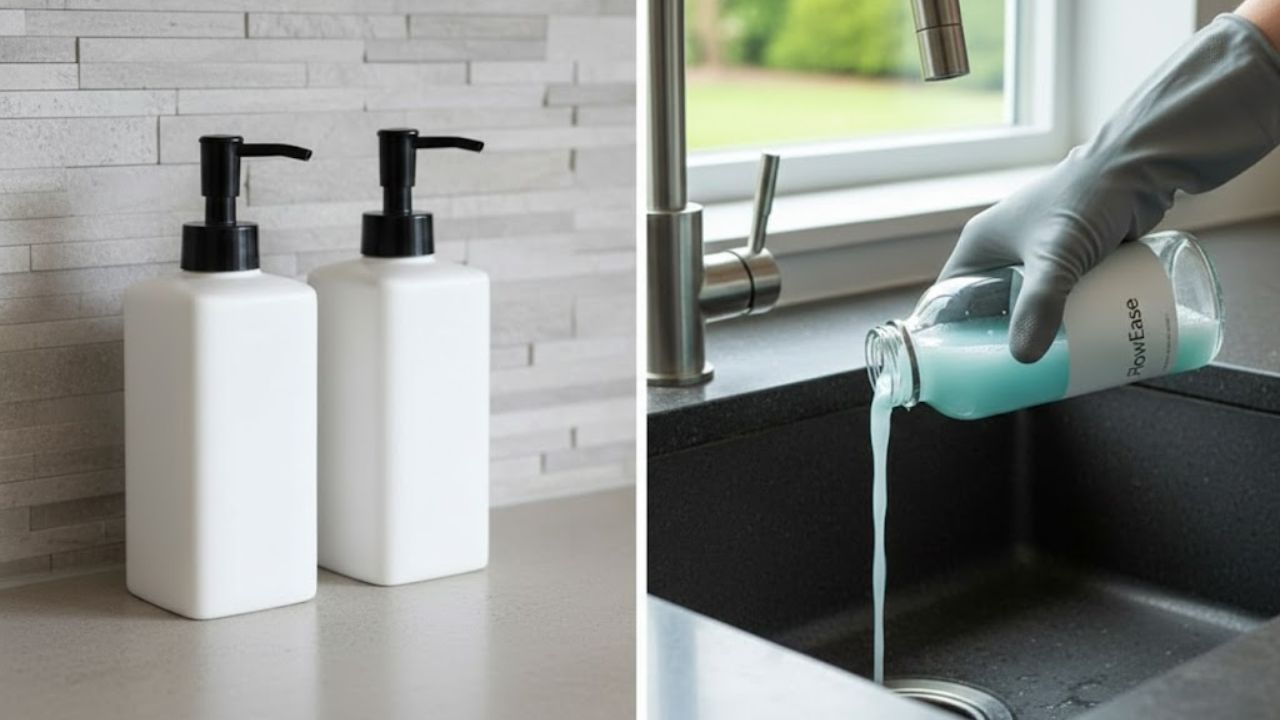
    Clogged kitchen drains are a common headache in homes across the United States, often leading people to expensive plumbing visits or harsh chemical cleaners. Lately, a surprisingly cheap kitchen liquid has gone viral for its ability to unclog drains almost automatically, with many claiming it works like magic. This everyday solution is already sitting in most kitchens, making it an appealing option for homeowners who want a fast, budget-friendly fix. But how does it work, and why are so many people switching to it?

    How This Cheap Kitchen Liquid Unclogs Drains Fast

    The reason this solution works so well comes down to simple chemistry and timing. When poured into a slow or clogged drain, the liquid reacts with buildup caused by grease, food scraps, and soap residue. Over time, it helps loosen stubborn blockages without aggressive scrubbing. Users say the process feels almost automatic, requiring minimal effort beyond pouring and waiting. Many appreciate the no harsh fumes, the simple kitchen fix, and the quick reaction time. It’s also praised for being a low-cost solution, especially compared to commercial drain cleaners that can damage pipes with repeated use.

    Why People Trust This Drain Cleaning Trick

    What makes this method popular isn’t just the price, but the trust built through shared experiences. Homeowners often report noticeable improvements after a single use, especially for slow-draining sinks. Because the liquid is already used in cooking, people feel safer handling it regularly. Reviews highlight the everyday household item, the pipe-friendly method, and the minimal effort required. There’s also growing appreciation for the eco-conscious choice, since it reduces reliance on chemical-heavy products that can harm plumbing systems and the environment.

    When This Kitchen Liquid Works Best for Clogs

    While the trick is effective, it works best on certain types of clogs. Grease-heavy kitchen drains and mild food blockages respond particularly well. For best results, people recommend using hot water before and after application to enhance the effect. Users often mention the best for grease, the overnight soaking option, and the consistent results seen. It’s also valued as a preventive maintenance step, helping keep drains clear when used regularly rather than waiting for a full blockage.

    Is This Drain Unclogging Method Worth Trying?

    For many households, this kitchen liquid has become a go-to solution for minor drain issues. It’s affordable, easy to use, and doesn’t require special tools or professional help. While it won’t replace a plumber for severe blockages, it offers a practical first step before escalating the problem. People like the budget-friendly approach, the safe home remedy, and the time-saving option. As a routine habit, it may even help reduce future clogs, making it a smart addition to regular kitchen maintenance.

    Method Cost Range Pipe Safety Best For
    Kitchen Liquid Method Very Low High Grease buildup
    Chemical Cleaner Medium Low Severe clogs
    Plunger Low High Soft blockages
    Professional Plumber High High Major issues

    Frequently Asked Questions (FAQs)

    1. What is the kitchen liquid used for unclogging drains?

    It’s a common cooking liquid that helps break down grease and residue in kitchen pipes.

    2. Is this method safe for regular use?

    Yes, it’s generally safe for pipes when used in moderation.

    3. Can it clear completely blocked drains?

    It works best for slow or mild clogs, not severe blockages.

    4. How often should this method be used?

    Many people use it monthly as a preventive drain maintenance step.

  • A Calm Strategy to Beat Anticipation Anxiety Before Routine Events and It’s Easier Than You Think

    A Calm Strategy to Beat Anticipation Anxiety Before Routine Events and It’s Easier Than You Think

    Anticipation anxiety can quietly build up before routine events like meetings, medical appointments, or family gatherings, making everyday life feel heavier than it needs to be. In India, where busy schedules, social expectations, and constant planning are part of daily routines, this kind of anxiety is especially common. The good news is that managing it does not always require complex techniques or drastic lifestyle changes. With a calm, practical strategy, you can reduce mental stress before it peaks and approach ordinary events with more ease, clarity, and emotional balance.

    Understanding anticipation anxiety before routine events

    Anticipation anxiety often shows up when the mind starts rehearsing future events repeatedly, even when those events are familiar and low-risk. Your thoughts may jump ahead, creating mental what-ifs that feel real in the moment. This pattern feeds emotional overthinking loops and keeps the nervous system alert longer than necessary. Over time, the body reacts with subtle stress signals like restlessness or shallow breathing. Recognizing this response as a habit—not a threat—is key. When you notice how predictive thinking patterns work, it becomes easier to interrupt them gently. Awareness alone can reduce background anxiety noise before it gains momentum.

    A calm strategy to beat anticipation anxiety naturally

    The most effective calm strategy is to narrow your focus to what is immediately controllable. Instead of replaying future outcomes, anchor yourself in present moment awareness. Simple actions like slow breathing or grounding sensations help create physical calm cues for the brain. Planning only the first small step builds manageable mental structure and prevents overwhelm. This approach encourages gentle emotional regulation rather than forceful distraction. With practice, your mind learns that routine events do not require constant vigilance, leading to steady nervous system relief before anxiety escalates.

    Why this approach feels easier than you expect

    This strategy works because it aligns with how the brain naturally calms itself. Instead of fighting anxious thoughts, you allow cognitive load reduction to happen gradually. Small calming habits create predictable safety signals that reduce mental resistance. Over time, you build emotional resilience skills that carry into other situations. Because the steps are simple, consistency becomes easier, supporting long-term anxiety management without burnout. The result is a sense of control that feels realistic, not forced, making routine events feel lighter and more approachable.

    How this strategy fits into daily life

    In daily life, this calm strategy blends seamlessly into existing routines. You can apply it while commuting, preparing meals, or waiting for appointments. These moments become opportunities for intentional mental pauses rather than stress triggers. Over time, your brain associates routine events with emotional safety reminders instead of tension. This consistency strengthens habit-based calm responses that feel automatic. As confidence grows, you experience reduced anticipatory stress and more emotional flexibility. The simplicity of the approach makes it sustainable, even during busy or unpredictable days.

    Routine Event Common Trigger Calm Strategy Focus
    Work Meetings Performance worry Present focus
    Medical Visits Health uncertainty Breathing cues
    Social Gatherings Judgment fear Grounding awareness
    Daily Commute Time pressure Sensory anchoring

    Frequently Asked Questions (FAQs)

    1. What is anticipation anxiety?

    It is anxiety that arises from worrying about future events, even when they are routine or familiar.

    2. Can this strategy work without professional help?

    Yes, it is designed as a simple self-help approach for managing mild to moderate anticipation anxiety.

    3. How long does it take to notice results?

    Many people feel small improvements within days, with stronger effects after consistent practice.

    4. Is this suitable for busy daily schedules?

    Yes, the strategy fits easily into everyday activities without requiring extra time.