Blog

  • Your Electric Car Isn’t Green, Critics Say, and the Emissions Math Nobody Wants Is Brutal

    Your Electric Car Isn’t Green, Critics Say, and the Emissions Math Nobody Wants Is Brutal

    Electric cars are often sold as a climate solution, but critics argue the green promise looks shakier once you examine the full emissions picture. In India, where coal still dominates electricity generation and EV adoption is accelerating, the debate is especially sharp. From mining battery materials to charging vehicles on carbon-heavy grids, skeptics say the math behind electric mobility is more complicated than marketing suggests. The question isn’t whether electric cars reduce pollution at all, but whether their real-world impact matches the clean image many drivers assume.

    Electric car emissions raise uncomfortable questions

    Critics of electric vehicles focus on the idea of hidden carbon costs that appear long before a car hits the road. Battery production requires energy-intensive mining of lithium, cobalt, and nickel, often in regions with weak environmental oversight. This creates front-loaded emissions that petrol cars spread out over years of driving. In India’s context, transporting raw materials and assembling batteries can add a manufacturing pollution spike that buyers rarely see. Supporters counter that EVs pay this back over time, but skeptics note the emissions breakeven point may arrive much later than advertised, depending on usage and local energy sources.

    Why electric vehicles aren’t always green in India

    The cleanliness of an electric car depends heavily on how the electricity is generated, and that’s where India faces challenges. With coal providing a large share of power, charging an EV can mean drawing from a coal-heavy grid. This leads to indirect tailpipe emissions shifted from roads to power plants. Urban charging hubs may rely on peak-hour electricity, which is often the dirtiest energy available. While renewable capacity is expanding, critics argue the current mix creates a carbon transfer problem, reducing local air pollution but doing less for overall climate goals.

    The emissions math critics say buyers ignore

    Environmental groups point out that many EV comparisons rely on optimistic assumptions. Short ownership cycles can worsen lifecycle emissions totals, especially if batteries are replaced early. Recycling systems for used packs remain limited, creating end-of-life uncertainty that adds future risks. In regions with inconsistent charging infrastructure, drivers may depend on diesel backup power, quietly undermining emissions gains. Critics also highlight uneven usage patterns, where low annual mileage means the carbon debt of manufacturing is never fully offset before resale or scrappage.

    Rethinking what “green” really means

    None of this means electric cars have no environmental value, but critics argue the conversation needs more honesty. A truly sustainable transition requires clean power alignment, better battery recycling, and longer vehicle lifespans. Without these, EVs risk becoming a symbolic climate fix rather than a structural one. For India, the opportunity lies in pairing electric mobility with renewable expansion and smarter grids. Otherwise, the shift may deliver quieter streets and cleaner cities, but only a partial emissions win at the national level.

    Factor Electric Cars Petrol Cars
    Manufacturing emissions High due to batteries Lower initial impact
    Running emissions Depends on power source Consistently high
    Energy source Grid electricity Fossil fuels
    Local air pollution Very low High
    End-of-life impact Battery recycling issues Conventional scrap

    Frequently Asked Questions (FAQs)

    1. Are electric cars worse for the environment than petrol cars?

    No, but their benefits depend heavily on electricity sources and usage patterns.

    2. Why does battery production matter so much?

    Because it creates large emissions upfront that take years of driving to offset.

    3. Does India’s power mix affect EV emissions?

    Yes, coal-based electricity significantly reduces the climate advantage of EVs.

    4. Can electric cars become truly green in the future?

    They can if paired with cleaner grids, better recycling, and longer vehicle use.

  • People Complaining About Being Poor Are Often Just Bad With Money, Critics Claim

    People Complaining About Being Poor Are Often Just Bad With Money, Critics Claim

    Debates about poverty and personal responsibility have grown louder in India, especially online, where critics argue that people complaining about being poor are often simply bad with money. Supporters of this view point to everyday spending habits, rising consumer debt, and lifestyle choices that don’t always match income levels. Others push back, saying this argument ignores deeper economic pressures. The truth likely sits somewhere in between. Understanding how money management, income realities, and social expectations intersect can help explain why this conversation keeps resurfacing across households and generations.

    Why Complaining About Being Poor Is Linked to Money Habits

    Critics who say people complaining about being poor are bad with money often focus on day-to-day choices. In their view, frequent takeout meals, unused subscriptions, and lifestyle spending create budget blind spots that quietly drain income. Small but repeated acts of impulse spending can add up faster than many realize. Add easy access to loans and credit cards, and credit dependence becomes a trap rather than a tool. Without a no savings buffer, even minor emergencies can feel like financial disasters, reinforcing the feeling of being constantly broke.

    Are People Bad With Money or Facing Real Financial Pressure?

    On the other side, many argue that labeling people as bad with money oversimplifies the issue. In India, a clear financial education gap means budgeting and investing skills are rarely taught early. At the same time, rising living costs for housing, healthcare, and education eat into paychecks faster than wages grow. Add irregular work or gig jobs, and income instability becomes a reality for millions. When unexpected expenses hit, people can fall into debt traps that are hard to escape, regardless of how careful they try to be.

    How Better Money Management Can Change the Conversation

    Even acknowledging economic pressure, many experts agree that smarter habits can ease financial stress. Simple steps like spending tracking help people see where money actually goes. Creating realistic budgeting plans, rather than overly strict ones, makes them easier to stick to. Building an emergency fund, even slowly, provides breathing room when surprises happen. Over time, small behavioral shifts can reduce anxiety and make financial complaints less frequent, even if income doesn’t dramatically increase.

    Summary and Broader Perspective

    The claim that people complaining about being poor are just bad with money is neither completely wrong nor entirely fair. Personal accountability matters, especially when habits quietly undermine financial stability. At the same time, structural pressures like wages, inflation, and job insecurity shape outcomes more than individual choices alone. A balanced perspective recognizes that better money skills can help, but broader economic realities also need attention. Moving beyond blame toward practical solutions may be the most productive path forward.

    Factor Common Issue Typical Outcome
    Daily Spending Untracked expenses Budget shortfalls
    Credit Use High-interest debt Monthly stress
    Income Type Irregular earnings Cash flow gaps
    Savings No emergency fund Financial shocks
    Financial Knowledge Limited planning skills Poor long-term outcomes

    Frequently Asked Questions (FAQs)

    1. Is being poor always a result of bad money management?

    No, income levels and economic conditions play a major role alongside personal habits.

    2. Can small spending changes really make a difference?

    Yes, consistent small changes often add up to noticeable savings over time.

    3. Why do people rely so much on credit?

    Easy access to loans and lack of savings push many toward short-term credit solutions.

    4. What is the first step to improving money management?

    Tracking expenses honestly is usually the simplest and most effective starting point.

  • Goodbye to Welfare Delays: Faster Payment Processing Begins Early February 2026

    Goodbye to Welfare Delays: Faster Payment Processing Begins Early February 2026

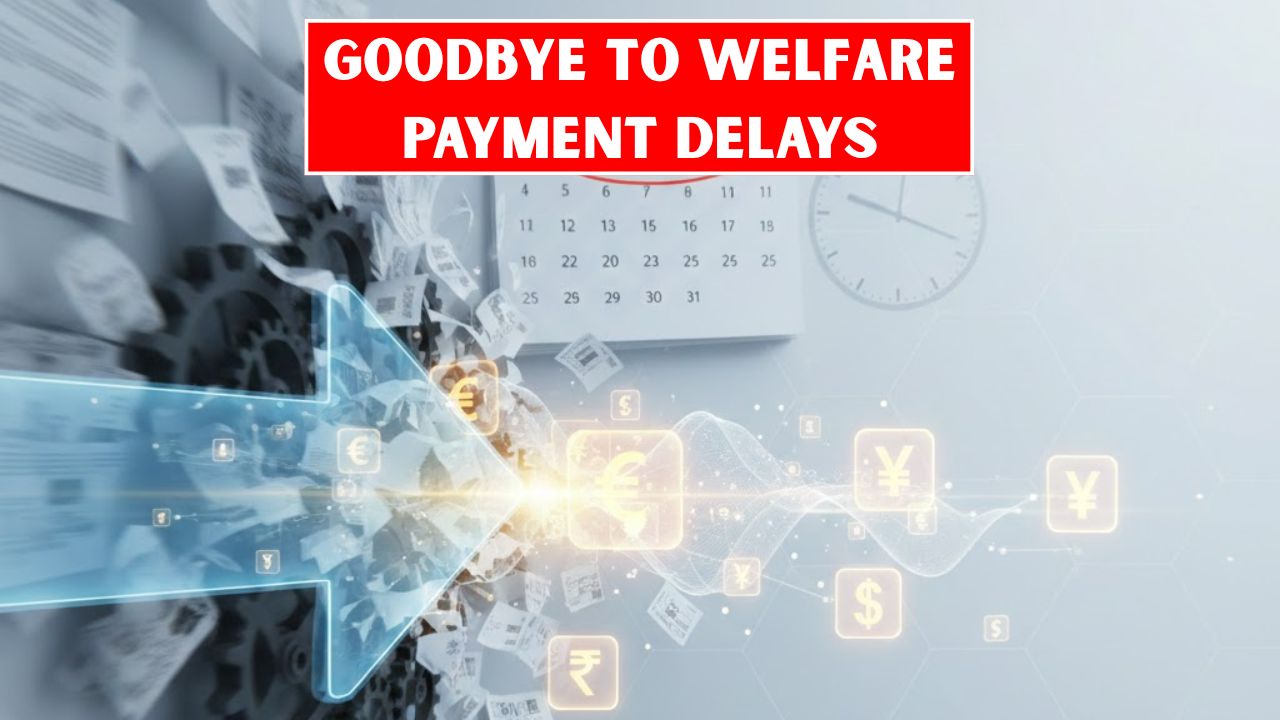
    Starting early February 2026, major changes to welfare payment systems will begin rolling out across the country, aiming to eliminate frustrating delays and streamline financial support for millions. This marks a major upgrade in how welfare claims are processed, approved, and delivered. Citizens across Australia and other regions can expect faster disbursements, more efficient systems, and fewer processing errors. The update is designed to reduce bureaucratic backlogs while improving access for eligible individuals who rely on timely financial aid. Here’s what you need to know about this significant transition to quicker welfare payments.

    Faster Welfare Payments Begin in February

    From early February 2026, the government will introduce an upgraded system designed to provide faster processing times for welfare recipients. The aim is to ensure on-time payments without traditional delays caused by manual verifications or outdated software. New algorithms will handle eligibility assessments in real time, cutting down wait periods that previously stretched into weeks. This change especially helps people relying on urgent financial relief to manage bills or rent. The Department of Social Services has already piloted the system with positive outcomes and reduced failure rates in test regions.

    New Digital Tools Reduce Welfare Delays

    The core of the transformation lies in adopting digital verification tools and automated checks. By integrating data from tax offices, ID systems, and income reports, the welfare department can now complete real-time reviews of a person’s eligibility. Previously, claims were often held up due to manual documentation errors or missing papers. The updated tech stack removes human bottlenecks and enables faster decisions for those in need. Importantly, applicants won’t need to repeatedly upload documents — their history is now cross-verified digitally through linked systems.

    Millions Set to Benefit From Speedier Processing

    This shift in welfare delivery will benefit nearly 9.8 million citizens across various benefit categories including unemployment aid, family tax benefit, and disability payments. The new system promises fewer rejections due to minor mistakes and enables quick corrections via self-service portals. With delays minimized, families will have better control over monthly budgeting and avoid last-minute loan dependence. Moreover, government analysts estimate that the efficiency gains could save nearly $480 million annually in administrative overhead. This is a significant win for both recipients and taxpayers.

    What This Means for Households

    The beginning of faster welfare payments in February 2026 signals a shift toward responsive governance and smarter service delivery. For households, this means no longer anxiously waiting for funds to clear, especially during rent weeks or bill cycles. The digital-first system enables greater predictability, and updates will now be delivered automatically via SMS or app alerts. This eliminates the need for frequent follow-ups or calls to support centers. Ultimately, the move promises greater dignity and trust in public support systems, which is essential for economic recovery and community well-being.

    Welfare Type Old Processing Time New Processing Time Available From
    JobSeeker 10–14 business days 3–5 business days Feb 5, 2026
    Disability Support Pension 3–4 weeks 7–10 days Feb 10, 2026
    Family Tax Benefit 2 weeks 4–5 days Feb 12, 2026
    Parenting Payment 12 business days 5 business days Feb 8, 2026
    Youth Allowance 2–3 weeks 5–7 days Feb 15, 2026

    Frequently Asked Questions (FAQs)

    1. What is the eligibility?

    Eligibility remains the same — based on income, residency, and application type.

    2. When does faster processing start?

    Faster processing begins in early February 2026 across all major programs.

    3. Do I need to reapply?

    No reapplication is needed — existing applicants are automatically transitioned.

    4. Will all payments be affected?

    Yes, most major welfare categories will shift to faster timelines.

  • Goodbye to Old Driving Rules: Higher Fines Begin Under New Road Laws February 2026

    Goodbye to Old Driving Rules: Higher Fines Begin Under New Road Laws February 2026

    Starting February 2026, drivers across Australia will face sweeping changes under new road safety laws that replace many of the older, lenient driving rules. These updates aim to improve compliance and reduce road accidents, but they also come with significantly higher penalties. With a greater focus on digital enforcement and automated systems, even minor traffic violations could now result in serious fines. Whether it’s updated speed limits, mobile phone usage, or seatbelt enforcement, drivers are urged to understand the full impact of these legal updates before hitting the road.

    New Road Rules Bring Tougher Penalties

    Authorities have confirmed that the new legislation introduces stricter road rules to crack down on risky behavior. These laws cover speeding violations, seatbelt offenses, red light running, and mobile phone use behind the wheel. For example, drivers caught using a phone while driving can now face penalties up to $1,000. Additionally, areas with school zones or pedestrian crossings will be closely monitored with increased enforcement tools. The goal is to reduce the rising number of preventable road accidents by making compliance unavoidable.

    Technology Behind the Stricter Monitoring

    What sets the 2026 reform apart is the nationwide rollout of AI-based traffic cameras and license plate scanning tools. These technologies enable near real-time detection of unauthorized vehicle use, expired registrations, and lane violations. The system has been designed to issue fines automatically, reducing the dependency on police patrols. This means that even remote roads and less-traveled routes will be under consistent surveillance coverage. Drivers should expect a new level of accountability that removes the chances of going unnoticed.

    Who’s Most Affected by the Changes

    While the laws apply to all road users, certain groups are expected to be disproportionately affected. This includes young provisional drivers, rideshare operators, and delivery vehicle drivers. These groups typically spend more time on the road and face higher exposure to enforcement zones. Those with past demerits or a history of traffic offenses could also find themselves immediately penalized under the new automated tracking system. Experts recommend reviewing license conditions and adapting to safer driving habits quickly to avoid accumulating penalties.

    What This Means for Australian Drivers

    The February 2026 reforms signal a new era in traffic governance for Australia. With more accurate surveillance and higher penalties, road users will need to pay closer attention to even the smallest traffic rules. This isn’t just a temporary crackdown — it’s a permanent shift toward digital policing. The message is clear: drive responsibly or pay the price. Those who stay informed and adjust their behavior will avoid trouble, while others may face significant financial consequences in the coming months.

    Violation Type Old Fine New Fine (Feb 2026)
    Using Mobile While Driving $480 $1,000
    Speeding (Low Range) $290 $540
    Seatbelt Violation $340 $750
    Red Light Offense $455 $920
    Driving Unregistered Vehicle $660 $1,250

    Frequently Asked Questions (FAQs)

    1. When do the new rules take effect?

    The updated road laws begin in February 2026.

    2. Will these rules apply nationwide?

    Yes, they apply across all Australian states and territories.

    3. Can I still contest a fine?

    Yes, but disputes must follow updated digital procedures.

    4. Are P-plate drivers subject to stricter rules?

    Yes, provisional drivers face even tighter restrictions and monitoring.

  • Goodbye to Driving Without Risk: Licence Cancellations Begin Under New Enforcement Rules February 2026

    Goodbye to Driving Without Risk: Licence Cancellations Begin Under New Enforcement Rules February 2026

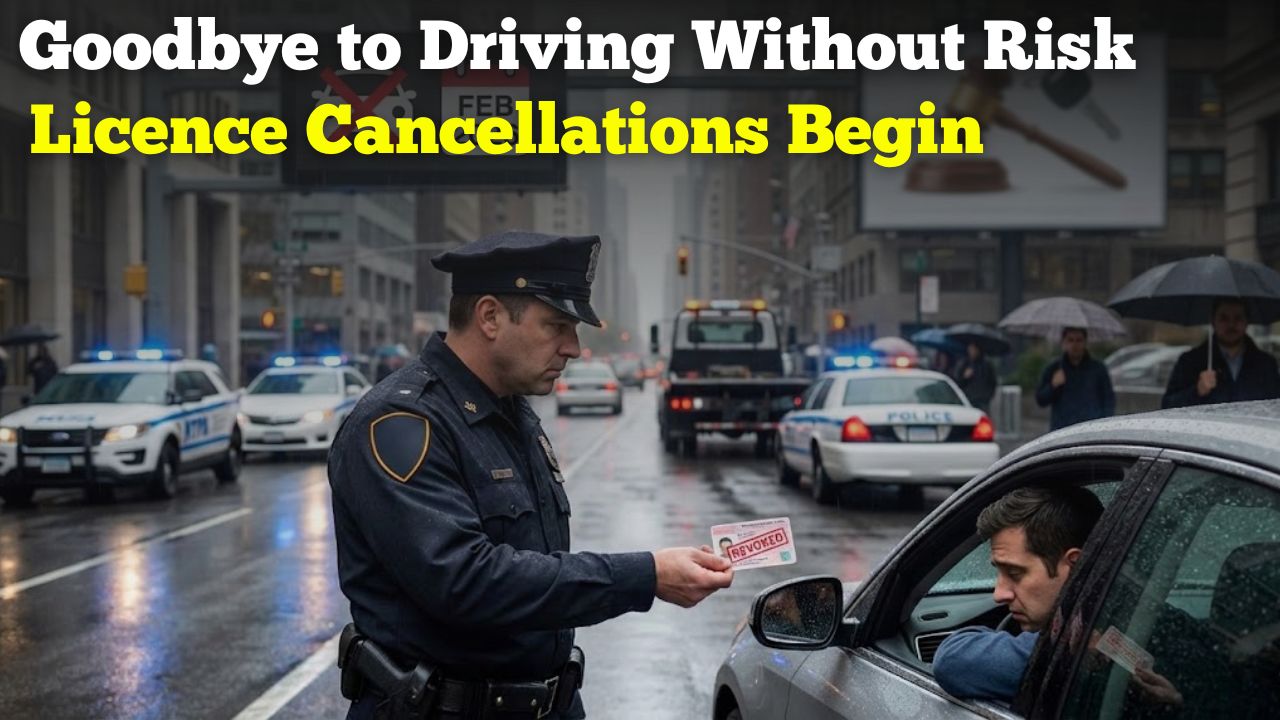
    Australia is preparing for a major shift in road safety as tougher licence enforcement rules arrive in February 2026. The changes are designed to crack down on risky driving behaviours and close long-standing loopholes that allowed repeat offenders to stay on the road. Under the new framework, authorities will rely more heavily on digital systems, shared databases, and faster administrative action. For everyday drivers, this marks the end of relaxed compliance and the beginning of a far more accountable era, where paperwork lapses and ignored notices can quickly lead to real-world consequences.

    New driving licence enforcement rules reshape road safety

    The February 2026 reforms introduce a more coordinated approach to licence enforcement across Australia. Instead of relying on slow, manual reviews, agencies will apply stricter licence checks powered by automated enforcement systems that flag issues almost instantly. Police, transport departments, and courts will operate with real-time data sharing, reducing the chances of errors slipping through. A key focus is on habitual offenders, with a clear repeat offence focus that escalates penalties faster than before. For compliant drivers, the changes may feel invisible, but for those cutting corners, the margin for error shrinks dramatically.

    Licence cancellations expand under updated compliance standards

    One of the biggest changes is how quickly a licence can be cancelled once a breach is confirmed. The rules introduce instant cancellation triggers for serious violations, meaning drivers may lose legal road access before they expect it. Authorities will also increase medical fitness reviews, especially for ageing drivers or those with reported conditions. With digital offence records now centralised, past behaviour carries more weight, and appeal windows shorten, giving drivers less time to respond. The message is clear: staying organised and informed is no longer optional.

    February 2026 rules target high-risk driving behaviour

    Technology plays a major role in identifying dangerous patterns on Australian roads. Expanded camera-based monitoring will track speed, mobile phone use, and compliance in greater detail. These insights allow cross-agency penalties, where a single incident can trigger multiple consequences. The government describes the shift as a zero tolerance rollout aimed squarely at high-risk drivers who endanger others. While critics worry about overreach, supporters argue the approach finally aligns punishment with actual risk posed on the road.

    What these licence changes mean for everyday drivers

    Taken together, the reforms signal a broader compliance culture shift in how Australia manages road safety. Drivers who plan ahead will find that early preparation matters, from updating medical details to responding promptly to notices. Many cancellations are expected to stem from legal awareness gaps rather than reckless intent, highlighting the need for better public information. Ultimately, the mobility consequences of losing a licence can affect work, family, and independence, making vigilance essential as February 2026 approaches.

    Rule Area Old System February 2026 Update
    Licence Checks Periodic manual reviews Continuous digital monitoring
    Serious Offences Delayed suspension Immediate cancellation
    Medical Reviews On request only Proactive assessments
    Appeal Process Long response periods Shorter response windows

    Frequently Asked Questions (FAQs)

    1. When do the new licence rules start?

    The updated enforcement rules take effect across Australia in February 2026.

    2. Can a licence be cancelled without a court hearing?

    Yes, certain serious breaches can trigger administrative cancellation before court review.

    3. Are medical checks becoming mandatory?

    Medical assessments will increase for specific risk categories rather than all drivers.

    4. How can drivers avoid unexpected cancellations?

    Keeping records updated and responding quickly to official notices reduces risk.

  • Goodbye to Low Pension Payments: Higher Retirement Support Rates Start Early February 2026

    Goodbye to Low Pension Payments: Higher Retirement Support Rates Start Early February 2026

    Australia is preparing for a meaningful shift in retirement support as higher pension payment rates are set to begin in early February 2026. The change is designed to respond to rising living costs, growing healthcare expenses, and the financial pressure many older Australians face in retirement. For pensioners who have struggled to keep pace with inflation, this update signals more than a routine adjustment. It reflects a broader effort to strengthen income security, reduce financial stress, and help retirees maintain dignity and independence during their later years.

    Higher pension payments bring relief

    The new pension rates aim to deliver stronger income security for retirees who rely heavily on fortnightly support. With essentials becoming more expensive, the adjustment is expected to provide meaningful cost relief rather than a token increase. Policymakers have framed the update around basic living stability, ensuring pensioners can better manage housing, utilities, and daily needs. For many households, the increase may also support healthcare affordability boost by easing the burden of prescriptions and medical visits. While not a complete solution, the revised payments mark a practical step toward improving everyday financial resilience.

    Retirement support rates adjusted fairly

    Australia’s pension review process looks closely at economic conditions to ensure fair payment alignment with real-world expenses. The February 2026 update reflects updated benchmarks tied to inflation and wages, helping prevent income erosion risks over time. Importantly, the changes are structured to preserve long-term system balance while still offering immediate help. By refining thresholds and payment calculations, authorities aim to deliver targeted support increases without disrupting sustainability. This balance is critical for maintaining confidence in the pension system for current and future retirees.

    What pensioners should expect next

    As implementation approaches, pensioners can expect automatic rate updates without the need for new applications. Payments reflecting the higher rates will begin from early February, improving monthly budgeting confidence for recipients. Communication from Services Australia is expected to clarify timelines and amounts, offering clear payment visibility. For those close to eligibility thresholds, it’s also a good moment to review circumstances and ensure accurate assessment records are up to date, helping avoid delays or missed benefits.

    Why this pension increase matters

    Beyond the numbers, the February 2026 adjustment highlights retirement dignity focus in public policy. Regular updates help preserve real purchasing power and acknowledge the realities older Australians face. While challenges remain, such measures reinforce social safety confidence and reduce anxiety linked to fixed incomes. Over time, consistent adjustments can support healthier ageing outcomes by allowing retirees to prioritize wellbeing rather than constant cost-cutting.

    Category Details Effective Date
    Payment Increase Higher fortnightly pension rates Early February 2026
    Eligible Group Age Pension recipients Ongoing
    Adjustment Basis Inflation and wage benchmarks 2026 Review
    Application Needed No, automatic update Not required
    Administered By Services Australia From rollout

    Frequently Asked Questions (FAQs)

    1. When do the higher pension payments start?

    The increased rates begin rolling out in early February 2026.

    2. Do pensioners need to apply again?

    No, eligible recipients will receive the new rates automatically.

    3. Who benefits from this pension increase?

    Current Age Pension recipients who meet eligibility rules will benefit.

    4. Will payment dates change?

    Payment schedules remain the same, with only amounts adjusted.

  • After 131 Cats Were Removed, This Island Ecosystem Changed in Ways Scientists Didn’t Expect

    After 131 Cats Were Removed, This Island Ecosystem Changed in Ways Scientists Didn’t Expect

    When scientists removed 131 feral cats from a remote island ecosystem in Australia, they expected a clear environmental recovery. Cats had long been blamed for declining bird populations and fragile native species. What followed, however, surprised researchers and reshaped how conservationists think about invasive species control. The island’s food web reacted in complex ways, triggering changes that no single model had predicted. From plant growth to unexpected animal population shifts, the experiment became a real-world lesson in how deeply connected ecosystems are.

    Unexpected ecosystem changes after feral cat removal

    Once the cats were gone, researchers noticed that bird numbers did not rebound as quickly as expected. Instead, smaller predators flourished, taking advantage of the sudden absence of their main competitor. This led to predator imbalance that altered nesting success and feeding patterns. Scientists observed rapid population shifts among rodents, which began spreading into new areas. Over time, this triggered vegetation pressure as grazing increased. The results showed that removing one invasive species can unleash hidden ecological forces already present but previously suppressed.

    How island wildlife responded to cat eradication efforts

    The island’s native animals reacted in ways that challenged long-held assumptions. Some ground-dwelling birds gained temporary relief, yet others faced new threats from booming rat numbers. This created a complex food web where survival depended on rapid adaptation. Researchers documented unexpected predator rise among species once considered minor players. Insects and reptiles also shifted their behavior, revealing cascading ecosystem effects that rippled across habitats. The situation highlighted ecological trade-offs that conservation teams must weigh before large-scale interventions.

    What scientists learned from removing invasive cats

    The project forced scientists to rethink simple cause-and-effect logic in conservation. While cat removal reduced direct predation, it also exposed long-term ecological risks that had been overlooked. Researchers emphasized adaptive management strategies to monitor changes over time rather than relying on one-time actions. The island became a case study in ecosystem resilience testing, showing that nature rarely responds in straight lines. Ultimately, the findings supported holistic conservation planning that considers every layer of an environment before action is taken.

    Why this island experiment changed conservation thinking

    This unexpected outcome reshaped how experts approach invasive species worldwide. Instead of focusing on a single culprit, scientists now stress system-wide interactions and continuous monitoring. The island showed that removing a dominant predator can expose latent ecological dynamics that were previously hidden. Conservationists learned the value of incremental interventions paired with data-driven adjustments. Above all, the experiment reinforced ecosystem humility, reminding humans that even well-intentioned actions can have surprising consequences.

    Aspect Studied Before Cat Removal After Cat Removal
    Top Predator Feral cats dominant Small predators increased
    Bird Population Declining steadily Mixed recovery results
    Rodent Numbers Controlled by cats Rapid population growth
    Vegetation Health Moderate grazing Higher grazing stress

    Frequently Asked Questions (FAQs)

    1. Why were the cats removed from the island?

    They were removed to protect native wildlife believed to be threatened by feral cat predation.

    2. Did bird populations fully recover?

    No, some bird species recovered slowly while others faced new pressures from rising predators.

    3. What surprised scientists the most?

    The rapid increase of smaller predators and rodents after cats were eliminated.

    4. How did this study influence conservation plans?

    It encouraged more holistic, long-term ecosystem monitoring instead of single-species solutions.

  • A 10-Second Signal From 13 Billion Years Ago “Exposes” NASA’s Biggest Theory Mistake, Critics Claim

    A 10-Second Signal From 13 Billion Years Ago “Exposes” NASA’s Biggest Theory Mistake, Critics Claim

    A mysterious 10-second signal believed to have traveled nearly 13 billion years through space is reigniting debate among astronomers and critics alike. Detected by advanced instruments and linked to the early universe, the signal has sparked claims that NASA may have misinterpreted a key piece of cosmic history. In the United States, where NASA’s research heavily shapes global space science, this discovery is fueling fresh conversations about how the universe formed, how fast it expanded, and whether long-standing theories need serious revision.

    Ancient cosmic signal challenges NASA theory

    The brief burst, often described as a whisper from the universe’s infancy, has drawn attention because of its unusual timing and intensity. Critics argue that this ancient space signal conflicts with predictions made by standard cosmological models. They point to unexpected radiation patterns that don’t neatly align with accepted explanations. Some researchers suggest the data hints at early universe anomalies, while others caution against jumping to conclusions. What makes this moment fascinating is the growing discussion around cosmic background noise and whether subtle details were previously overlooked. For now, the signal is less about proving NASA wrong and more about encouraging closer scrutiny.

    13-billion-year-old signal sparks scientific debate

    The discovery has quickly moved beyond academic journals into public discussion, with skeptics questioning long-held assumptions. According to critics, the signal’s characteristics suggest faster cosmic expansion than models predict. This has revived debates around dark energy behavior and how it shaped the universe’s growth. Others focus on measurement interpretation gaps, arguing that human bias may influence how data is framed. Still, many scientists stress the importance of peer review and replication, reminding audiences that one signal alone doesn’t rewrite history. Instead, it adds another layer to an already complex cosmic puzzle.

    NASA critics question Big Bang assumptions

    At the heart of the controversy is whether this signal undermines parts of the Big Bang framework. Detractors claim it exposes theoretical blind spots in how early cosmic events are modeled. Some believe it supports alternative universe models that allow for different expansion rates or energy distributions. NASA scientists, however, emphasize data calibration limits and the challenges of interpreting signals that old. The debate highlights how science evolves through disagreement, with each new finding pushing researchers to refine, not discard, existing theories.

    What this discovery could really mean

    Rather than a dramatic takedown of established science, the signal may represent a moment of refinement. It encourages healthy scientific skepticism while underscoring the need for long-term observation missions. As instruments improve, researchers may uncover hidden cosmic details that reshape understanding without overturning everything. For now, the conversation itself is valuable, reminding the public that space science thrives on questioning, testing, and revisiting even its most trusted ideas.

    Aspect Standard View Critics’ Claim
    Signal Origin Early universe noise Distinct cosmic event
    Duration Milliseconds expected 10-second anomaly
    Expansion Rate Gradual increase Potentially faster
    Theory Impact Supports Big Bang Calls for revision

    Frequently Asked Questions (FAQs)

    1. What was the 10-second signal?

    It was a brief burst of radiation detected from deep space and linked to the early universe.

    2. Does this prove NASA was wrong?

    No, it raises questions but does not conclusively disprove existing theories.

    3. How old is the signal?

    Scientists estimate it originated around 13 billion years ago.

    4. What happens next?

    Researchers will analyze more data and look for similar signals to confirm findings.

  • Why These Rifles Changed Military Power Balances and What It Means for Future Wars

    Why These Rifles Changed Military Power Balances and What It Means for Future Wars

    Modern rifles have quietly reshaped how nations project force, deter rivals, and fight wars. In the United States, shifts in infantry weapons have often signaled larger changes in doctrine, alliances, and battlefield expectations. From improved accuracy to modular designs, rifles have become more than tools—they are symbols of military intent. Understanding why these weapons altered power balances helps explain past conflicts and offers clues about how future wars may unfold as technology, training, and strategy continue to evolve together.

    How Modern Combat Rifles Redefined Military Power

    When modern combat rifles entered service, they changed how soldiers fought and how armies planned. Better ergonomics and reliability gave troops greater battlefield control, especially in urban and mixed terrain. Lighter materials allowed for faster troop movement, reducing fatigue during long operations. At the same time, standardized platforms improved logistical efficiency gains, making it easier to supply large forces abroad. These changes shifted power balances by enabling smaller, well-equipped units to challenge larger formations, forcing adversaries to rethink traditional mass-based strategies.

    Why Advanced Infantry Rifles Shifted Global Warfare

    Advanced infantry rifles didn’t just improve firepower; they altered how wars were fought. Enhanced optics and rails supported precision engagement dominance, allowing soldiers to identify and neutralize threats quickly. Modular designs encouraged rapid weapon customization, adapting rifles to deserts, jungles, or cities. This flexibility boosted unit-level tactical freedom, empowering commanders on the ground to make faster decisions. As these rifles spread globally, nations without comparable systems found their forces outmatched, even when numerical strength was similar.

    The Strategic Impact of Rifles on Future Wars

    Looking ahead, rifles will continue shaping conflict outcomes as part of broader systems. Integration with sensors and networks supports networked soldier systems, linking individuals to drones and command centers. Improved training around these weapons enhances small-unit lethality, making decentralized forces more dangerous. Meanwhile, global adoption drives arms balance recalculation, as states invest to avoid falling behind. Future wars are likely to feature fewer soldiers but higher effectiveness per fighter, driven in part by rifle evolution.

    Understanding the Bigger Picture

    Rifles alone do not win wars, but they influence how wars are fought and who holds the advantage. Their evolution reflects doctrine-driven weapon design, aligning tools with strategy. They also shape training culture shifts, as armies adapt tactics to new capabilities. Finally, they affect deterrence perceptions worldwide, signaling readiness and technological competence. By studying these patterns, analysts can better anticipate how future conflicts may start, spread, or be avoided.

    Rifle Feature Impact on Warfare Strategic Outcome
    Modular design Adaptable to environments Operational flexibility
    Improved optics Higher accuracy Reduced engagement time
    Lighter materials Lower soldier fatigue Extended missions
    Standardized parts Simpler maintenance Efficient logistics

    Frequently Asked Questions (FAQs)

    1. Why are rifles so important in military power?

    They directly affect soldier effectiveness and influence broader strategy.

    2. Did rifles really change global power balances?

    Yes, advanced rifles allowed smaller forces to compete with larger armies.

    3. Are future wars more dependent on infantry weapons?

    They will remain crucial as part of integrated combat systems.

    4. Which country led many rifle innovations?

    The United States has been a major driver of modern rifle development.

  • Teachers Who Ban Smartphones Are Failing to Prepare Kids for the Real World, Critics Argue

    Teachers Who Ban Smartphones Are Failing to Prepare Kids for the Real World, Critics Argue

    Across the United States, a growing debate is unfolding in schools as some teachers move to ban smartphones entirely from classrooms. Supporters say these bans reduce distractions, while critics argue they do more harm than good. In a country where digital tools shape work, communication, and daily problem-solving, many parents and education experts worry that strict phone bans leave students unprepared for life beyond school walls. The discussion is no longer just about discipline, but about how education should adapt to a tech-driven society.

    Why Smartphone Bans May Hurt Real-World Readiness

    Critics of classroom phone bans say removing smartphones ignores how deeply technology is woven into modern life. Outside school, students are expected to navigate apps, manage notifications, and find information quickly, yet bans create a digital literacy gap between school and reality. Instead of learning restraint, students miss chances for guided screen use that teaches balance. Employers increasingly value real-world skills like digital communication and self-management, which can be practiced safely in class. When phones are treated only as threats, lessons risk losing classroom relevance, making school feel disconnected from everyday experiences students already face.

    Concerns Driving Teachers to Restrict Smartphones

    Teachers who support bans often point to legitimate challenges they face daily. Constant alerts can interrupt lessons, and many educators worry about rising distraction concerns that make teaching harder. There are also growing mental health worries tied to social media pressure and online conflicts spilling into classrooms. From this view, limiting phones is a way to protect focus and wellbeing. However, critics say these focus tradeoffs should be addressed through structure rather than removal. Clear expectations and clear boundaries around phone use may help students learn control without eliminating devices altogether.

    Blending Technology Use With Classroom Discipline

    Rather than outright bans, many experts advocate for thoughtful integration of smartphones into learning. With proper teacher training, educators can design activities that use phones as tools, not distractions. Success also depends on parent alignment, ensuring rules at home and school reinforce each other. Addressing equity access is crucial too, since not all students have the same devices or data plans. When handled well, schools can model responsible habits that help students manage technology wisely, preparing them for college, work, and independent life.

    Finding a Balanced Path Forward

    The debate over smartphones in schools highlights a larger question about modern education. Total bans may feel simple, but they risk ignoring the skills students need after graduation. More balanced policies can acknowledge risks while still teaching practical use. By setting limits, offering guidance, and using phones intentionally, schools can create practical safeguards without shutting out technology. Ultimately, preparing students for tomorrow means focusing on future readiness, not just short-term classroom control.

    Policy Approach Classroom Use Main Benefit Key Drawback
    Total Ban No phone access Fewer disruptions Limited tech skills
    Restricted Use Teacher-approved tasks Structured learning Requires monitoring
    Guided Integration Learning activities Skill development Training needed
    Open Policy Student-managed use Real-world practice Higher distraction risk

    Frequently Asked Questions (FAQs)

    1. Why do some teachers ban smartphones?

    Many teachers believe bans reduce distractions and improve student focus.

    2. What do critics say about phone bans?

    Critics argue bans prevent students from learning responsible technology use.

    3. Are smartphones necessary for learning?

    They are not essential for every lesson but can support modern skill-building.

    4. Is there a middle ground solution?

    Yes, guided and limited smartphone use is widely seen as a balanced approach.