Blog

  • 5 Proven Yoga Asanas That Support Joint Health and Reduce Everyday Stiffness

    5 Proven Yoga Asanas That Support Joint Health and Reduce Everyday Stiffness

    Top 5 Yoga Poses for Healthy Joints and Better Mobility Maintaining healthy joints is essential for everyday movement and overall comfort. Yoga offers an effective way to keep your joints flexible & strong regardless of your age. Regular practice helps increase joint flexibility while reducing stiffness and strengthening the surrounding muscles. These five yoga poses are particularly beneficial for supporting joint health and enhancing your range of motion.

    How Downward-Facing Dog Enhances Joint Mobility and Full-Body Flexibility

    This popular pose stretches your entire body with special attention to your shoulders & wrists along with your hips and knees. It improves blood circulation & increases joint flexibility while decreasing stiffness and tension. The pose also strengthens the muscles around your joints to give them better support & reduce injury risk. Begin on your hands and knees with your wrists positioned directly below your shoulders and your knees below your hips. Push your palms firmly into the floor & raise your hips upward toward the ceiling. Extend your arms & legs fully while pressing your heels down toward the floor. Position your head between your arms and maintain this pose for 15 to 30 seconds.

    Why Warrior II Strengthens Hips, Knees, and Ankle Stability

    Warrior II is excellent for developing leg strength and supporting your knees & hips. This pose opens up your hip area and stretches your knees to improve both flexibility and range of motion. It also builds better balance and coordination which keeps your joints healthy. Start by standing with your feet positioned wide apart. Rotate your right foot outward to form a 90-degree angle and bend your right knee so it aligns over your ankle. Stretch both arms out to your sides so they are parallel with the floor & turn your palms to face downward.

    Child’s Pose Benefits: Gentle Joint Recovery and Deep Muscular Relaxation

    Child’s pose offers a gentle stretch for your spine & hips and knees. It helps ease tension and improve flexibility at the same time. This calming position works as a restorative exercise that reduces joint discomfort in your lower back and hip areas. The pose gives you an excellent way to relax after a long workday or an intense workout session. Your body rests in a natural folded position that removes pressure from your joints & muscles. When you settle into this position your breathing naturally deepens and your nervous system begins to calm down. Start on all fours with your wrists under your shoulders and knees under your hips. Inhale as you arch your back and lift your head and tailbone in Cow Pose. Exhale as you round your back and tuck your chin toward your chest in Cat Pose. Repeat this flow for 10 to 15 breaths and move slowly with control.

    Seated Forward Bend for Improving Joint Flexibility and Reducing Daily Stiffness

    This forward fold helps stretch your spine & the back of your legs. These body parts frequently lead to joint pain and stiffness. Lengthening your spine and improving flexibility in your hips and legs reduces the risk of joint strain. This exercise supports overall joint health.


  • Optical Illusion Challenge: Find 22 and 29 Among 92 Within 5 Seconds

    Optical Illusion Challenge: Find 22 and 29 Among 92 Within 5 Seconds

    If you like fast brain games that challenge your focus & reaction time this optical illusion is perfect for you. When you first look at the image it seems straightforward because it shows the number 92 over and over again. However two different numbers are hiding in there somewhere: 22 and 29. You need to spot both of them in only 5 seconds. Does that sound simple? Most people assume it will be until they actually start the clock. These challenges work well because our brains naturally look for patterns. When you see the same number filling up the entire image your eyes relax and stop examining things closely. That is precisely when the unusual numbers manage to hide in plain sight. The secret is to stay focused, look systematically & avoid letting your brain switch to automatic mode.

    Why This Optical Illusion Is Tricky

    The puzzle is hard mainly because the numbers look alike. The digits in 22 29 and 92 are the same but placed in different positions. When you look at many 92s your eyes treat them all as one thing. Your brain thinks nothing else is there even though two different numbers are hiding. This trick makes you need to look more carefully at how the digits are arranged. The time limit also makes it harder. Five seconds goes by fast & feeling rushed makes people hurry. When you hurry you might only look for one wrong number and forget about the second one. To find both 22 and 29 you need to search in an organized way instead of just looking around randomly.

    How to Spot 22 and 29 Faster

    A helpful method is to stop reading the numbers as complete units. Focus on single digits instead. Search for two 2s next to each other to find 22. For 29 look for a 2 with a 9 after it rather than a 9 with a 2 after it. Breaking down the pattern in your mind makes it easier to spot errors in repetition. Scanning the image one row at a time works better than looking randomly. Begin at the top left corner & move across before moving down. This approach lowers the risk of missing the hidden numbers.

    What This Puzzle Says About Your Brain

    If you found both numbers within five seconds it shows you have good visual attention and fast pattern recognition. If it took you more time that is perfectly normal. These puzzles are meant to challenge even people with sharp minds. Doing optical illusions regularly can help improve your focus & observation skills and mental flexibility over time.

  • Optical Illusion Challenge: Spot the Number 3 Hidden in a Sea of 8s

    Optical Illusion Challenge: Spot the Number 3 Hidden in a Sea of 8s

    Optical illusion challenges offer a popular method to measure concentration and how well you see details. This puzzle appears straightforward when you first look at it. The image shows the number 8 printed over and over. However a single number 3 sits hidden among all these matching figures. You need to locate it in 8 seconds. The challenge seems simple but most people find it difficult. The explanation is clear. Your brain prefers patterns. When it recognizes a shape that repeats it tends to miss small variations. This is precisely what makes the illusion both challenging and entertaining.

    Why This Optical Illusion Is So Hard

    The number 8 and the number 3 have a similar rounded shape. When they appear close together in a tight pattern the brain automatically treats them as the same object. This mental shortcut helps us process information quickly but it also causes us to miss small details. Another reason this illusion works so well is visual overload. When too many similar shapes appear at once your eyes stop scanning each character individually. Instead they skim the image as a whole. The hidden 3 blends in because your brain assumes everything is an 8.

    How to Approach the Challenge

    If you want to do better at this task do not look at the image in a random way. Break it down into smaller parts instead. Examine it one row at a time or one column at a time. Pay attention to the curved lines of each number rather than looking at the whole shape. The number 8 has two circles that are completely closed. The number 3 has curves that are open. Train yourself to notice the openings instead of looking for complete circles. This simple change in how you look at things usually helps you find the hidden number more quickly. You should also try not to blink too much. Keep your eyes steady on the image for several seconds. Sometimes the difference only becomes clear after your brain has time to adjust.

    What This Puzzle Says About Your Brain

    Optical illusions like this one show how perception works. Your eyes capture the image but your brain decides what you see. When patterns repeat the brain fills in details without checking every element. People who spot the hidden 3 quickly often have strong attention to detail. They are good at slowing down their thinking when needed. Those who struggle are not less intelligent. Their brain is simply working efficiently by relying on patterns. These puzzles are not about intelligence alone. They are about awareness and patience and visual flexibility.

    Benefits of Solving Optical Illusion Challenges

    Working on visual puzzles on a regular basis helps you focus better. These puzzles train your brain to take its time and look carefully rather than jumping to quick answers. This practice can make it easier to concentrate when you do everyday activities. Visual illusions give your mind a chance to rest. They help lower stress levels by pulling your attention away from the things you normally worry about. Most people feel more relaxed when they work on these puzzles even though they can be difficult. These puzzles also make your thinking more flexible. Your brain gets better at doubting what it sees at first glance & considering other possibilities. This ability helps when you need to solve problems or make important choices.

    Did You Find the Hidden 3

    If you found the number 3 in less than 8 seconds then you did well. Your ability to process visual information is strong. If you did not find it then there is no need to worry. Look at the image again and examine it more slowly. The answer usually becomes clear when you understand what you are searching for. Many people discover the hidden number after trying two or three times. The feeling of finally seeing it is what makes these puzzles enjoyable.

  • Screens Off, Mind On — Yoga Practices That Help You Unwind and Find Stillness

    Screens Off, Mind On — Yoga Practices That Help You Unwind and Find Stillness

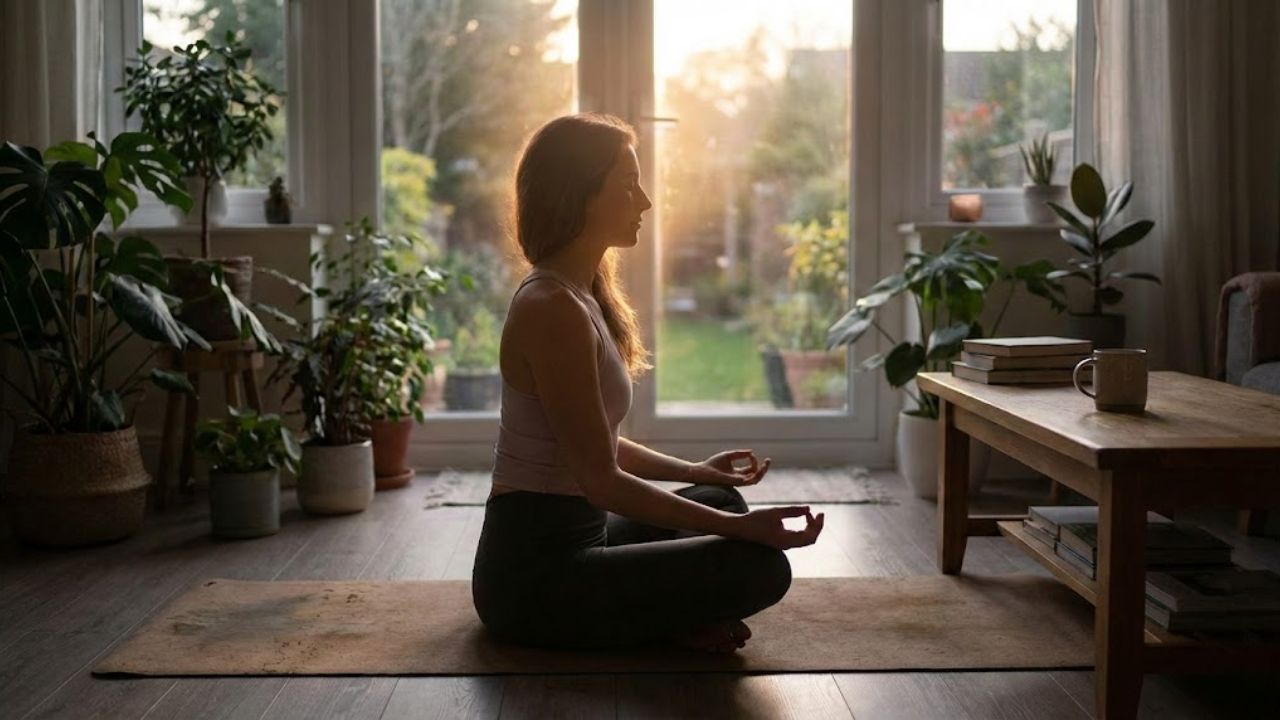
    Finding Peace Through Yoga in a Digital World In our modern world the constant flow of information and online activity often leaves us feeling stressed and exhausted. To protect our mental and physical health we need ways to relax & step back from digital overload. Yoga is one of the most effective approaches for this purpose. Regular yoga practice offers many benefits including relaxation and awareness while giving us a much-needed break from technology. Anyone can benefit from adding certain yoga exercises to their daily routine regardless of their experience level.

    Child’s Pose (Balasana) — A Gentle Grounding Pose That Calms the Nervous System and Releases Mental Overload

    Child’s Pose is a gentle resting position that helps calm your mind and relax your body. Folding forward and placing your forehead on the mat creates a sense of peace & stability. To practice this pose start on your hands and knees. Move your hips back toward your heels and stretch your arms forward. Rest your forehead on the mat and take deep slow breaths. Stay in this position for 5 to 10 minutes to release tension & let your body fully relax.

    Legs Up the Wall (Viparita Karani) — A Restorative Inversion to Slow Thoughts and Ease Screen-Induced Fatigue

    This pose is effective for lowering stress & helping your nervous system feel calmer. It supports better blood circulation & decreases feelings of anxiety. Here is how you can do it:

    Sit with one hip against a wall & then lie flat on your back as you lift your legs up the wall.

    Let your arms rest at your sides or put your hands on your stomach.

    Close your eyes & focus on your breathing as you allow your muscles to release tension.

    Stay in this position for five to ten minutes.

    Seated Forward Fold (Paschimottanasana) — A Quieting Stretch That Encourages Introspection and Emotional Stillness

    This forward bend helps you unwind while stretching your back and hamstrings. It lowers stress levels & quiets your mind. How to do it:

    – Sit on the floor with your legs extended straight in front of you & your toes pointing up.

    – Take a deep breath to lengthen your spine and then exhale slowly as you fold forward & extend your arms toward your feet.

    – Allow your body to settle into the stretch & focus on your breath.

    – Hold this pose for 5 to 10 minutes.

    Cat–Cow Pose (Marjaryasana–Bitilasana) — Rhythmic Spinal Flow to Release Tension and Restore Present-Moment Awareness

    Cat-Cow is a gentle flowing exercise that helps loosen your spine and neck. It links your breath to your movement and improves focus while reducing stress. Here’s how to do it:

    Start on your hands and knees. Place your wrists directly under your shoulders & position your knees under your hips.

    – As you breathe in arch your back and lift your head to gaze upward. This is Cow Pose.

    – As you breathe out, round your spine and tuck your chin toward your chest. This is Cat Pose.

    – Continue moving back and forth between these two positions for one to two minutes. Try to match your movements with your breathing as you go.

    Corpse Pose (Savasana) — Intentional Stillness for Deep Relaxation, Mental Reset, and Inner Balance

    Savasana serves as the final relaxation position that helps you absorb everything you gained from your practice while letting your body fully rest. Steps to Practice:

    – Position yourself flat on your back and stretch your legs out straight. Place your arms alongside your body.

    – Shut your eyes and pay attention to how you breathe.

    – Release all the tightness from your muscles and let your body feel heavy against the floor.

    – Remain in this position for five to ten minutes while your mind and body recover.

    Designing a Yoga-Based Digital Detox — Using Mindful Movement to Disconnect from Screens and Reconnect Within

    Adding yoga to your everyday life offers a straightforward method to disconnect from screens and devices. Here are practical suggestions for establishing a digital break:

    Establish Clear Limits: Choose particular moments each day dedicated to yoga without interruptions from phones or laptops. Morning sessions or evening practice before sleep work especially well for promoting calmness.

    Arrange a Quiet Area: Prepare a soothing environment for your sessions that excludes electronic gadgets. You might include candles or calming scents or gentle background sounds to improve the setting.

    Focus on Conscious Breathing: During your yoga session concentrate on deliberate breathing techniques to bring your awareness to the current moment. This helps decrease the impulse to look at your phone or check messages.

    Schedule Device-Free Periods: Following your yoga routine make a commitment to stay away from electronic equipment for a while. You could take a stroll outside or read something or just sit quietly to restore your energy.

  • Desk-Friendly Yoga: Easy Poses for People Who Sit Too Much

    Desk-Friendly Yoga: Easy Poses for People Who Sit Too Much

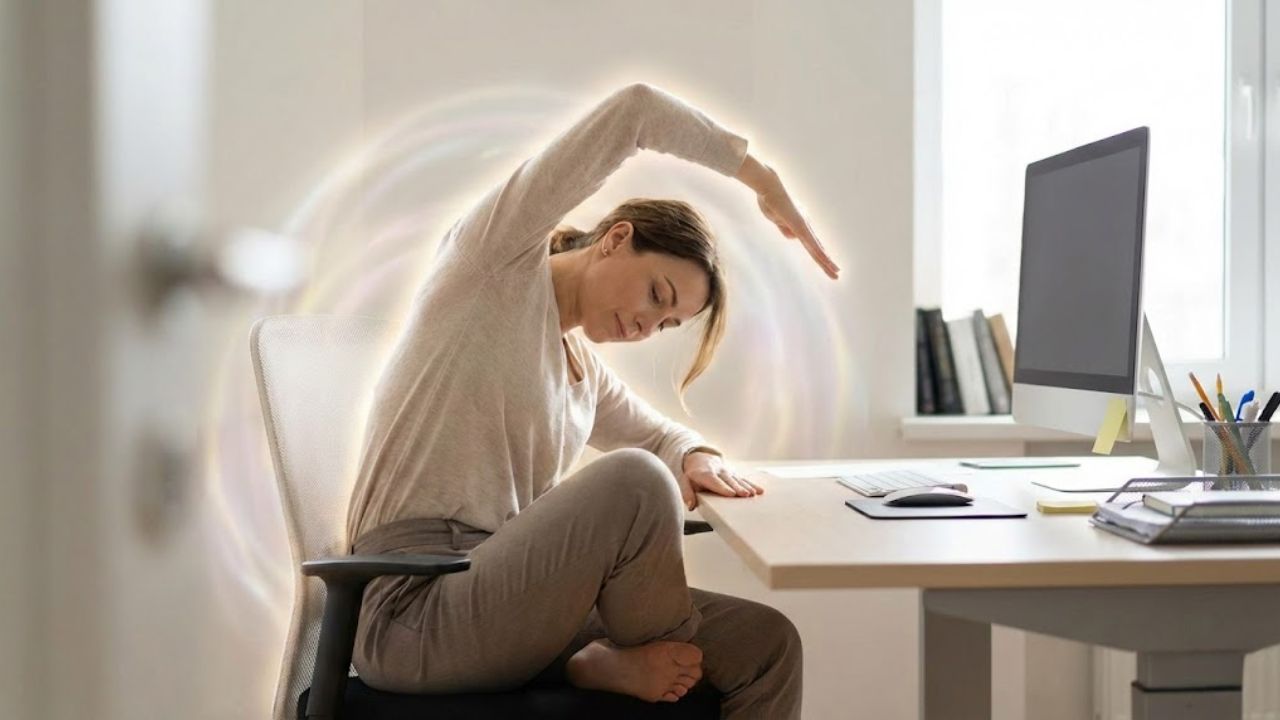
    Simple Yoga to Counter the Effects of Desk Work Spending many hours sitting at a desk gradually affects your physical wellbeing. Office workers commonly experience tight hips and stiff shoulders along with lower back discomfort and eye fatigue. These issues become regular companions during the workday. However you don’t need strenuous exercise routines or lengthy training sessions to improve how you feel. Basic yoga movements can effectively reverse the harm from extended sitting periods & make your body feel more comfortable and relaxed as you go through your day.

    The Hidden Impact of Sitting Too Long

    Sitting for extended periods causes your hip flexors to tighten while your glutes stop working properly & your spine loses its natural mobility. This gradually creates problems like bad posture and neck pain along with headaches and fatigue. Your blood circulation slows down when you sit too much and this makes you feel tired & foggy mentally. Yoga helps fix these issues by using gentle stretches and controlled movements combined with focused breathing techniques.

    Yoga Benefits for Desk-Bound Workers

    Yoga works well for people who spend most of their time sitting because it focuses on the body parts that get affected the most. Doing it regularly helps reduce pain in your back and neck while making your posture better. It also gets your blood flowing properly & lowers your stress levels. People who work at desks often find they can concentrate better and don’t feel as tired in the afternoon. Taking short yoga breaks throughout the day can create real improvements if you do them on a regular basis.

    Quick Desk Yoga Poses to Try

    You do not need special equipment or a lot of space to practice these poses. A small area near your desk or at home is enough.

    Seated Neck Stretch

    Sit tall with your feet flat on the floor. Gently tilt your head to one side and hold for a few breaths, then switch sides. This releases tension in the neck and shoulders caused by screen time.

    Seated Spinal Twist

    While seated, place one hand on the opposite knee and gently twist your torso. Keep your spine long. This pose helps improve spinal mobility and reduces stiffness in the lower back.

    Cat Cow Stretch

    You can do this on the floor or seated on a chair. Inhale as you arch your back and lift your chest. Exhale as you round your spine and tuck your chin. This movement keeps the spine flexible and relieves back tension.

    Standing Forward Fold

    Stand up, bend forward slowly, and let your head and arms hang. Slightly bend your knees if needed. This pose stretches the hamstrings and relaxes the spine after long sitting hours.

    Chest Opener Stretch

    Interlace your fingers behind your back and gently lift your hands while opening your chest. This counteracts rounded shoulders and improves posture.

    Seated Hip Stretch

    Cross one ankle over the opposite knee while seated. Gently lean forward. This stretch helps release tight hips caused by prolonged sitting.

    Ideal Yoga Frequency for Office Life

    Doing yoga regularly is more important than doing it for a long time. You can get benefits from just five to ten minutes once or twice each day. If you work at a desk you might find it better to take several short yoga breaks during your work hours instead of doing one long practice session. When you stretch in the morning you get your body ready for what comes next. Yoga in the evening helps you let go of the tension that has built up during the day.

    Make Desk Yoga a Daily Habit

    Set a reminder on your phone or computer so you remember to stretch every hour. Make sure your yoga routine stays simple and does not become too much to handle. When you hold each pose you should focus on taking slow and deep breaths. The most important thing is to pay attention to what your body tells you and never push yourself into pain.

  • Daily Yoga Habits: Simple Practices That Create Real Change You Can Feel

    Daily Yoga Habits: Simple Practices That Create Real Change You Can Feel

    Yoga does not require lengthy sessions or complicated positions to create meaningful results. Genuine transformation typically emerges from modest everyday practices that gradually alter your physical sensations and mental reactions to pressure. Once yoga integrates into your regular schedule the benefits become organic & enduring. These everyday yoga practices are straightforward and practical enough to work within actual daily life rather than a perfect timetable. Making yoga part of your morning routine establishes a positive foundation for the entire day. Even five minutes of gentle stretching or breathing exercises can shift your mental state before other demands arise. This early practice does not need to be elaborate or exhausting. Simple movements that wake up your spine and shoulders can reduce stiffness and improve your mood.

    Wake Up with Gentle Morning Flow

    Starting your day with gentle yoga movements helps your body wake up naturally. Just five to ten minutes of stretching can loosen tight joints and get your blood flowing better. Basic poses like cat cow or seated twists or a simple forward fold help release the tension that builds up while you sleep. This morning routine creates a peaceful start to your day and usually improves your concentration and keeps your energy steady until lunch.

    Build a Daily Breathwork Ritual

    Breathing forms the foundation of yoga but many people ignore its importance. When you practice mindful breathing every day it helps settle your nervous system & increases oxygen circulation throughout your body. Taking slow breaths through your nose and focusing on techniques like diaphragmatic breathing can lower stress levels and aid your digestive system. Making breathing exercises part of your daily routine allows you to handle difficult situations with a clear mind rather than reacting with stress.

    Recharge Midday with Quick Yoga

    Yoga doesn’t have to be limited to your mat. Taking quick movement breaks while you work or go about your day can really help. Easy movements like rolling your neck or shrugging your shoulders or doing some standing stretches can stop you from getting stiff and tired. These little routines keep your posture healthy and ease the tension that builds up from sitting too long or staring at screens all day.

    Relax Your Evenings with Restorative Poses

    Evening yoga helps your body transition from being active to resting. Simple poses like putting your legs up against a wall or doing a child’s pose tell your body it’s time to relax. A slow spinal twist works well too. Making this a daily routine leads to better sleep & calms your racing thoughts. After practicing for a while you’ll find it easier to fall asleep at night. You’ll also wake up feeling more refreshed in the morning.

    Consistency Over Perfection Matters Most

    Regular practice beats intense workouts when it comes to yoga. Doing a short session every day works better than cramming in long practices once a week. When yoga fits easily into your schedule it stops feeling like a chore and becomes a natural part of your routine. This steady approach teaches you patience and discipline while helping you trust yourself more. These benefits show up in other areas of your life too.

    Tune In to Your Body’s Feedback

    Daily yoga practice works better when you pay attention to how you feel. Your body might feel energetic one day and tired the next. When you learn to notice these signals you can avoid getting hurt and keep improving over time. This approach helps you understand the link between your body and your mind. Regular yoga becomes more effective through mindful observation. Some mornings you wake up ready to move while other times your muscles need gentler care. Recognizing what your body tells you protects you from strain and helps you grow stronger gradually. This practice strengthens the relationship between how you move and what you sense inside yourself. Building a yoga routine means checking in with yourself before each session.

    Bring Mindful Living Off the Mat

    Yoga goes beyond just doing poses on a mat. Adding basic practices like eating with awareness & drinking enough water can make your yoga routine work better for you. Taking brief pauses during your day to be still also helps. When you mix these habits with regular movement and focused breathing exercises, your body starts to feel less heavy and your thoughts become more organized. As weeks pass you might see changes like your stomach working better, feeling happier more often, & handling your emotions with less difficulty.

    Track Small Shifts That Add Up

    When you practice yoga every day you start to notice small changes in how you feel. Your body might feel less stiff when you wake up in the morning. You may find yourself staying calmer when stressful situations come up. Your posture tends to get better as you go through your daily activities. Your energy stays more consistent instead of going up and down. Many people also find that they sleep better at night. These improvements feel genuine because they develop slowly over time through consistent practice.

  • Immune Strength Through Yoga: Five Effective Poses That Support Natural Defence and Everyday Vitality

    Immune Strength Through Yoga: Five Effective Poses That Support Natural Defence and Everyday Vitality

    Yoga offers more than just flexibility & stress relief as it serves as an effective method for improving your overall health. The practice provides significant benefits for your immune system which plays an essential role in defending your body against diseases. Through specific yoga poses you can enhance blood circulation throughout your body while lowering stress levels and triggering your natural healing processes. This article presents five yoga poses that support & strengthen your immune system. The first pose to consider is the downward facing dog which creates an inverted position that encourages blood flow to your upper body and brain. This pose helps stimulate your lymphatic system which removes toxins from your body and supports immune function.

    Downward-Facing Dog (Adho Mukha Svanasana)

    Downward-facing dog is a popular yoga pose that stretches your whole body. It boosts blood flow to your brain & increases oxygen levels while activating your lymphatic system to help remove toxins. When your body has fewer toxins your immune system can work better & stay stronger.

    How to Do It:

    – Begin on your hands and knees with your hands under your shoulders and knees under your hips.

    – Lift your hips up and straighten your legs while lowering your heels toward the floor.

    – Keep your palms flat on the ground and let your head hang naturally between your arms.

    – Stay in this position for 30 seconds to 1 minute & breathe steadily.

     Cat-Cow Pose (Marjaryasana-Bitilasana)

    The cat-cow pose helps improve spinal flexibility & massages the internal organs. It stimulates energy flow throughout the body and can strengthen your immune system. The motion of arching and rounding your back activates the digestive system and enhances detoxification to support immune function.

    How to Do It:

    – Start on all fours in a tabletop position with your wrists under your shoulders and knees under your hips.

    – When you inhale, arch your back and lift your chest and tailbone upward for cow pose.

    – When you exhale round your back & tuck your chin to your chest while bringing your tailbone under for cat pose.

    – Repeat for one to two minutes and move smoothly with your breath.

    Child’s Pose (Balasana)

    Child’s pose is a calming yoga position that helps your body unwind and reduces stress levels. Since stress can significantly weaken your immune system making time to relax is important for staying healthy. This gentle pose stretches your back and hips while releasing built-up tension & soothing your nervous system.

    How to Do It:

    – Start by kneeling on the floor and then sit back so your bottom rests on your heels.

    – Lower your chest down toward your thighs and let your forehead touch the floor.

    – Extend your arms forward or rest them beside your body.

    – Take slow deep breaths and stay in this position for one to two minutes.

    Warrior II (Virabhadrasana II)

    Why This Pose Works:

     Warrior II builds strength in your legs and arms while opening your chest and lungs. The pose improves circulation and encourages deeper breathing while developing physical endurance. These benefits help your immune system function better since a stronger body can fight off illness more effectively.

    Steps to Practice:

     Position your feet three to four feet apart while standing. Rotate your right foot outward to a 90-degree angle and bend your right knee until it aligns directly above your ankle. Raise both arms to shoulder height & extend them parallel to the ground with your palms pointing down. Direct your gaze over your right hand and maintain this position for 30 seconds to one minute. Switch sides & repeat the same sequence.

    Bridge Pose (Setu Bandhasana)

    Bridge pose activates the thyroid gland that controls how your body processes energy & uses nutrients. When your metabolism works well it helps your immune system stay strong. This pose also builds strength in your back & buttocks while opening up your chest & spine to improve your overall health.

    How to Do It:

    – Lie flat on your back & bend your knees with your feet placed on the floor about hip-width apart.

    – Push down through your feet and raise your hips up while tightening your buttocks and thighs.

    – Bring your hands together under your back and keep your shoulders loose.

    – Stay in this position for 30 seconds to 1 minute & then gently lower your hips down.

  • Brain Teaser IQ Test: Spot the Hidden Inverted 32 Within 6 Seconds

    Brain Teaser IQ Test: Spot the Hidden Inverted 32 Within 6 Seconds

    Brain teaser challenges are now a popular way for people to test their focus & mental sharpness. This IQ-style puzzle seems simple at first but it can quickly fool your brain. Your task is to find the hidden inverted number 32 in just 6 seconds. Sounds easy right? The catch is that the surrounding numbers look very similar and make your eyes work harder than usual. This type of visual brain teaser depends on how the human brain processes patterns. When we see repeated numbers or shapes the brain tends to skim rather than study each detail. That is exactly why finding an inverted 32 becomes challenging under time pressure. Let us break down how this puzzle works & why it is such a good mental exercise.

    Why the Inverted 32 Is So Difficult to Notice

    This brain teaser becomes challenging because of visual similarity and orientation. Almost all the numbers appear upright and follow a consistent pattern, training your brain to expect uniformity. The inverted 32 slightly breaks that pattern, but the change is subtle enough to slip past quick observation. When the mind is conditioned to see sameness, small irregularities like flipped digits are easily ignored.

    Time pressure adds another layer of difficulty. With only 6 seconds to respond, your brain relies on rapid scanning instead of careful analysis. This instinctive rush increases the likelihood of overlooking the inverted number, even when it is clearly visible. These puzzles are intentionally designed to test focus under pressure.

    Tips to Increase Your Chances of Spotting the Inverted Number

    To solve this puzzle faster, avoid reading the numbers as complete units. Instead, concentrate on the individual shapes of each digit. An inverted 3 or 2 usually has slight differences in curves or angles that stand out when viewed closely. Scanning the image row by row rather than randomly jumping around helps maintain consistency and accuracy.

    Another effective approach is to briefly relax your eyes before beginning. Visual tension can reduce processing speed. A calm, steady scan allows your brain to register details more clearly, even within a tight 6-second time limit.

    Why Brain Teaser IQ Challenges Attract So Much Attention

    Brain teaser IQ challenges are widely enjoyed because they are quick, interactive, and deceptively difficult. They deliver immediate feedback and a rewarding sense of accomplishment when solved. Many people also like sharing these puzzles with friends or family to compare results and spark conversation.

    Beyond fun, these challenges help strengthen mental abilities such as focus, visual awareness, and rapid decision-making. Regular exposure to brain teasers keeps the mind engaged and sharp, especially in routines filled with screens and repetitive tasks.

    Did You Manage to Find the Inverted 32?

    If you spotted the inverted 32 within 6 seconds, it reflects strong attention to detail and quick visual processing. If you missed it, there is no need to worry. These puzzles are meant to be tricky, and missing one does not indicate low intelligence. Often, the inverted number is placed where your eyes least expect it, such as near the edges or slightly off-center.

    Try looking again without the time pressure. You will likely notice it almost immediately. That sudden realization is part of what makes visual brain teasers so enjoyable.

    Advantages of Practicing Visual Brain Teasers Often

    Regularly practicing visual brain teasers can gradually improve attention span and awareness. They train the brain to catch subtle differences and reduce reliance on autopilot thinking. This skill can be useful in everyday activities like reading, driving, and workplace problem-solving.

    These puzzles also act as quick mental refreshers. Instead of endlessly scrolling, spending a minute on a brain teaser can reset your focus and prepare your mind for the next task.

  • Optical Illusion Challenge: Find 83 and 85 Among Similar 85 Patterns

    Optical Illusion Challenge: Find 83 and 85 Among Similar 85 Patterns

    Optical illusion challenges have become a popular way to test how well you can focus and notice small details. This visual puzzle seems easy when you first look at it but it turns out to be much harder than expected. You need to find the hidden numbers 83 & 85 in rows that are packed with almost identical 85s. The numbers look so similar that your eyes can easily miss the differences when you are racing against the clock. These puzzles do more than just entertain you. They force your brain to work faster when processing what you see. When you look at the same number over and over your brain begins to assume that everything looks identical. This assumption is exactly what makes the illusion so effective and difficult to solve.

    Why This Optical Illusion Is Harder Than It Looks

    The number 85 appears repeatedly in an even pattern which establishes a visual rhythm. When your brain recognizes this rhythm it stops examining each number carefully. The hidden 83 fits in naturally because just one digit is different. Your mind usually misses minor variations when they appear within familiar patterns. Visual fatigue makes this illusion harder to solve. Your eyes begin to relax after scanning for a few seconds and skip over details. This explains why many people cannot find the correct answer even when they look at the image several times.

    How to Approach the Challenge Smartly

    Instead of scanning randomly you should break the image into sections. Move your eyes row by row or column by column. Focus on the curves and angles of the digits rather than reading the full number. The difference between 83 and 85 is subtle but the shape of the final digit is the key. Blinking once before starting can also help reset your vision. A calm and focused look works better than rushing across the image. Speed matters but controlled scanning matters more.

    What This Puzzle Says About Your Brain

    Hidden Numbers Challenge If you can find both numbers right away it means you have good pattern recognition and strong visual focus. People who like solving problems working on puzzles or doing creative tasks usually do well on these types of challenges. If it takes you more time that does not indicate bad eyesight or low intelligence. It just demonstrates how effective visual illusions become when repetition plays a role.

    The Fun of Number-Based Optical Illusions

    Number illusions work really well because they mix logic with visual tricks. When you look at image-based illusions your brain only has to process what it sees. But with numbers your brain must understand both the meaning & the shape at once. This double task makes it harder and more satisfying when you finally solve it. This explains why puzzles like finding 83 & 85 hidden among rows of identical 85s keep going viral on social media. They are fast to try & easy to share with friends and they turn out to be much harder than they look.

    Try It Again With a Time Limit

    If you found the solution without much trouble you should try setting a timer for five or six seconds and attempt the challenge again. Adding time pressure completely changes how your brain processes the task. Many people who can solve it easily when they are relaxed find themselves struggling once they have to beat a countdown. The extra pressure helps you concentrate better but it also makes you more likely to make errors. Another option is to challenge your friends or family members and see who can solve it fastest. These types of puzzles usually create fun competition and plenty of laughs among everyone involved.

  • 5 Yoga Poses That Train the Body for Better Posture and Balanced Alignment

    5 Yoga Poses That Train the Body for Better Posture and Balanced Alignment

    Rewritten Text Modern life has brought about many posture issues. People sit for long hours at their desks and bend over their phones while managing everyday stress. Poor posture leads to back pain and muscle tension along with various health problems. Yoga offers a natural way to correct posture and enhance body alignment. Practicing specific yoga poses regularly strengthens your core & boosts flexibility while creating long-term posture benefits. Here are five powerful yoga poses that help you stand taller and keep proper alignment. These poses target the muscles that support your spine and shoulders. When you practice them regularly you develop strength in weak areas & release tension in tight muscles. The outcome is improved posture that feels natural and comfortable throughout your day.

    The Role of Proper Posture in Everyday Health

    Good posture plays a vital role in your overall health and wellness. When you keep your body properly aligned you avoid putting extra stress on the muscles and ligaments around your spine. This lowers your chances of injury and allows your body to work more effectively. Proper posture ensures your joints stay in the right position so your muscles can perform their job without wasting energy. It also promotes better blood flow through your entire body and helps reduce fatigue as you go about your daily activities.

    Mountain Pose Foundations for Upright Balance

    Mountain Pose forms the base for all standing positions in yoga. This pose looks simple but provides excellent benefits for better posture. When you practice Mountain Pose you learn the correct way to align your body from head to toe. It helps you become more aware of how you stand. The pose shows you how to balance your weight equally on both feet while activating your leg muscles and extending your spine. You also learn to pull your shoulders back and down from your ears while maintaining an open chest.

    Cat Cow Flow for Spinal Mobility

    Cat-Cow Pose is a flowing exercise that moves between two positions to stretch and strengthen your spine. This movement helps improve spinal flexibility and supports better posture by promoting the natural curves your back should have. Practicing this pose regularly gives your spine the movement it needs to stay healthy. The smooth transition between positions activates the muscles along your back and moves your spine in multiple directions. This gentle motion reduces stiffness and makes everyday activities easier and more comfortable. The pose also builds awareness of how your spine moves. As you shift between the cat and cow positions you learn to recognize the difference between rounding and arching your back. This body awareness extends into daily life and helps you notice when you begin to slouch or hold tension in your back.

    Cobra Pose for Chest and Spine Strength

    Cobra Pose Cobra Pose is a backbend that opens your chest and stretches your spine. It strengthens your lower back muscles & improves spinal alignment. Start by lying face down on the floor with your legs stretched out behind you. Place your palms flat on the ground directly under your shoulders. Push down through your hands and lift your chest up off the floor while extending your spine upward. Make sure your elbows stay tucked in close to your sides and keep your shoulders down away from your ears. Stay in this position for a few deep breaths & then slowly lower yourself back down to the floor.

    Child’s Pose for Alignment Recovery

    Child’s Pose is a gentle resting position that stretches your back and helps you relax. This pose releases tightness in your spine and loosens up your hips and shoulders. It works especially well when you need relief after sitting or standing for long periods.

    Bridge Pose to Activate Postural Muscles

    Bridge Pose strengthens your lower back and hips while opening your chest. It improves spinal alignment & builds better posture by working the muscles around your spine. The exercise focuses on posterior chain muscles that support your spine during everyday movements. Regular practice strengthens your glutes and hamstrings and helps reduce lower back pain. The chest opening aspect fights the hunched position that comes from desk work & phone use. Your shoulder blades pull together as your chest expands and your upper back muscles activate correctly. The pose also engages core stabilizers that work with back muscles to create a solid base for your spine. This muscle activation protects your vertebrae from strain and supports healthy spinal function.