Category: News

  • Why a Blunt Haircut Makes Fine Hair Look Thicker Fuller and Healthier Than Wispy Layered Styles

    Why a Blunt Haircut Makes Fine Hair Look Thicker Fuller and Healthier Than Wispy Layered Styles

    From the front, the hair looks perfectly fine—maybe a little flat, a little flyaway. But once the stylist lifts the ends, light slips straight through the wispy bottom, almost like sunlight through sheer fabric. There’s a pause. “It just feels… thin.” The scissors hover for a moment before a surprisingly simple suggestion appears: a blunt cut. No feathered edges. No complex layering. Just one clean, straight line.

    Minutes later, the transformation feels almost shocking. The hair hasn’t changed in amount, yet it suddenly appears twice as dense, as if the volume knob was quietly turned up. The effect is immediate, visible, and slightly unsettling in how effective it is.

    Why Fine Hair Looks Thicker After a Blunt Cut

    Scroll through any hair transformation video and the pattern is obvious. Someone arrives with long, stringy ends that seem to drift around the shoulders. They leave with a sharp, defined line grazing the collarbone, and suddenly their hair looks confident, solid, and intentional.

    Nothing about the person or their strands has changed. What changes is how those strands meet at the bottom. A blunt cut pulls every strand into one unified edge instead of letting them taper away. That edge is what the eye interprets as thickness.

    Many people who chase maximum length notice the same frustration: the longer the hair grows, the thinner it appears. Ends start to fray visually, flipping in different directions. In photos, the lower section almost disappears into the background. One clean cut above the shoulders brings everything back together, creating a heavier, more deliberate shape.

    This isn’t magic—it’s simple geometry. Wispy ends scatter fine strands, allowing light to pass through and soften the outline. A blunt cut concentrates those strands at nearly the same point, forming a dense perimeter that blocks light and defines shape.

    How to Ask for the Right Blunt Cut for Fine Hair

    The most flattering blunt cuts for fine hair usually sit in a narrow range—between the chin and the collarbone. This length feels polished without giving ends enough time to thin out or split.

    In the chair, clarity matters. Say something simple like: “I want a one-length blunt cut that makes my hair look fuller, not wispy.” Use your fingers to show exactly where you want the line to land. If your hair is extremely fine, ask for minimal layering at the ends. Soft shaping near the face is fine, but the bottom edge needs to stay strong.

    Think of it like choosing a clean hem on a dress instead of a frayed one. The structure does the work.

    Maintaining the Full Look Between Appointments

    The frustration usually appears weeks later. The cut looks incredible at first, then the ends begin to soften. Tangling increases. The clean line fades. Hair starts flipping unpredictably at the shoulders.

    Let’s be honest—no one has time for a full salon routine every morning. The goal isn’t perfection, but just enough maintenance. Most stylists recommend trims every 8–10 weeks for blunt cuts, not to reshape layers but to keep the dense edge from fraying. Waiting too long doesn’t preserve length—it slowly erases visible fullness.

    One of fine hair’s biggest enemies is invisible thinning. Texturizing shears or razors used “to lighten the ends” can make already fine hair nearly transparent. On thick hair, this can feel freeing. On fine hair, it weakens the perimeter.

    What to Avoid—and What to Be Clear About

    When you sit in the chair, be direct about what you don’t want. No aggressive thinning at the ends. No heavy internal layers that leave the outline weak. Ask your stylist to check how the cut looks when your hair is dry and straight, not only styled and bouncy.

    London-based stylist Mia Roberts puts it simply: cutting more length is better than shredding the ends. Once that clean edge is broken up, no amount of product can fully recreate the look of density.

    There’s also an emotional hurdle in letting go of length. Wispy inches can feel like proof that hair is “long.” But a fresh blunt lob often brings an unexpected reaction: people assume your hair has grown because it suddenly looks thicker and healthier.

    • Very fine hair: Choose a bob or lob with almost no layers through the length.
    • Fine, wavy hair: Keep the blunt edge, with very soft internal shaping to avoid bulk.
    • Hair thinned by breakage: Cut back to where the ends feel solid, even if it feels short at first.

    Living With a Blunt Cut: What Changes and What Stays the Same

    A blunt cut won’t change your natural strand thickness or root density. But it can shift how your hair behaves and feels day to day. Brushing becomes quicker. Ends knot less. Ponytails look slimmer but stronger. Blow-drying takes less time, yet the result appears intentional.

    On camera—video calls, selfies, candid photos—the outline of your hair finally holds its shape against clothing and background. Instead of watching hair fade as it falls, you see it arrive at a deliberate line.

    Many people notice they touch their hair less. There’s more substance at the ends, so the habit of rolling fragile strands between fingers fades. Styling shifts from camouflage to subtle enhancement.

    Hairdressers often talk about movement and shape. What a blunt cut gives fine hair is something simpler: presence. The hair stops apologising at the ends. It still feels soft and feminine—it just looks grounded, healthy, and confidently there.

    Key Takeaways for Readers

    • Blunt cut vs wispy ends: A solid perimeter creates instant visual thickness.
    • Ideal length zone: Chin to collarbone offers fullness without sacrificing identity.
    • Maintenance matters: Regular trims and avoiding razors protect visible density.

  • Strengthen Then Lengthen: 5-Move Mobility Routine That Builds Power and Flexibility Together

    Strengthen Then Lengthen: 5-Move Mobility Routine That Builds Power and Flexibility Together

    It’s not just about making muscles longer — it’s about making them stronger as well. This five-move, personal-trainer-approved routine does both, using only an exercise mat and a few optional props.

    The goal is to build full-body flexibility while expanding your range of motion through dynamic movements. Instead of holding static stretches, this flow keeps your joints moving, helping you strengthen muscles and joints while moving with control and rhythm.

    This energizing stretch-and-flow routine takes just 10 minutes and leaves you feeling taller, looser, and more powerful — perfectly primed to start the day.

    Exercise Walkthrough: How the Flow Comes Together

    Below, each movement is broken down so you understand exactly what you’re doing and why. Once you’re familiar with the exercises, you can link them together into one smooth, continuous flow.

    Cat-Cow Spine Flow

    The routine begins with the cat-cow, a movement that mobilizes the spine while stretching the abdomen and front of the body. Use this time to settle onto your mat, slow your breathing, and block out distractions.

    Inhale as you drop your belly toward the mat, then exhale as you round through your upper back. Let your breath guide the movement, creating a strong mind-body connection. Aim for 9–10 controlled rounds.

    Glute Kickbacks

    Next, move into glute kickbacks. Perform 8–12 repetitions per side. You can add a resistance band just above the knees or stick with bodyweight only.

    This exercise stretches the hip flexors while activating the gluteus maximus. Focus on squeezing the glutes at the top of each rep, keeping your hips square and avoiding any arch in the lower back. Move slowly and with control.

    Fire Hydrants

    Without resting, transition straight into fire hydrants, completing 8–12 reps per leg. Bands are optional here as well.

    This movement targets the outer glutes, specifically the gluteus medius. Concentrate on lifting the leg from the hip rather than rotating the pelvis. Avoid arching your back and keep the movement clean and deliberate.

    Once you finish a round, either return to kickbacks and repeat both exercises for another set, or continue to the next movement.

    Bear Squats

    Before starting the full bear squat, begin in a tabletop position. Lift your knees a few inches off the mat, hold briefly, then lower them. Repeat for several rounds.

    This prepares your body by activating the quads, glutes, hamstrings, and core. Keep your spine neutral, eyes focused forward, and gently draw your stomach inward as you lift.

    After warming up, complete 8–12 bear squats, maintaining a steady pace and strong core engagement.

    Pigeon Stretch Finish

    To finish, transition into a pigeon stretch. One smooth option is to move through downward-facing dog first, pedaling the feet to release the legs after the bear squats.

    From pigeon, either sit upright or hinge forward at the hips to deepen the stretch through the glutes. Keep your hips square and rest your weight through the front of the leg rather than the knee. If needed, place a cushion under your hips or bring the front foot closer to your body.

    If pigeon feels uncomfortable, switch to a 90/90 stretch instead. Hold for 1–2 minutes per side, close your eyes, and focus on slow, steady breathing.

    Why Flexibility and Mobility Matter

    Stretching improves flexibility, which plays a key role in injury prevention. Tight muscles can create unnecessary tension, restrict movement, and place stress on surrounding joints.

    Range of motion is just as important. It refers to how freely your joints can move — think of motions like hip circles or arm rotations.

    Mobility training combines strength, control, and movement to expand joint motion and make everyday movement feel easier. Together, flexibility and mobility offer a clear picture of your overall movement quality and functional strength.

    About the Coach

    Sam Hopes is a Level 3 qualified personal trainer, Level 2 Reiki practitioner, and Fitness Editor. She is currently completing her Yoga for Athletes training.

    With experience across multiple fitness platforms and studios, Sam has coached in environments ranging from group fitness classes to personal training. Her teaching now focuses on outdoor bootcamps, bodyweight training, calisthenics, kettlebells, and mobility work.

    She regularly leads mobility and flexibility sessions and believes true strength comes from a balanced, holistic approach to training. Sam has also competed in multiple Hyrox mixed doubles events across Europe.

  • Blush Placement Technique: A Simple Method That Changes Face Shape After 30

    Blush Placement Technique: A Simple Method That Changes Face Shape After 30

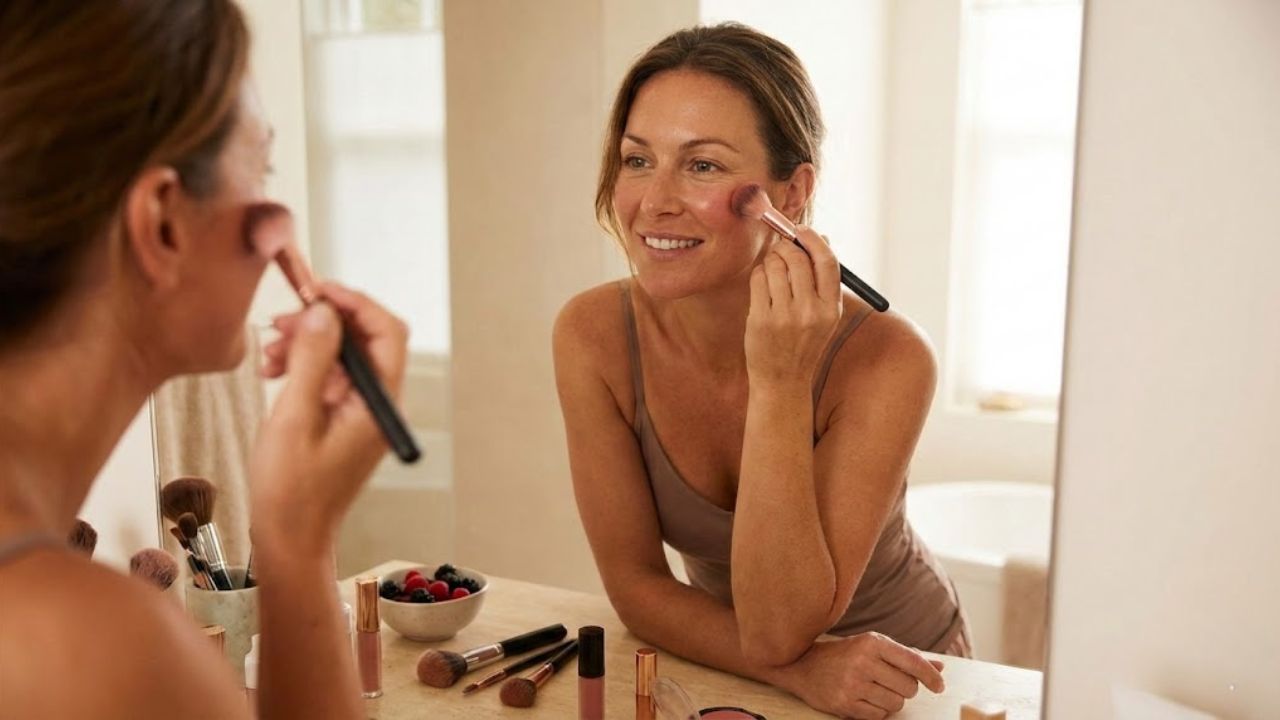
    The woman looking at her bathroom mirror appears nearly identical to how she looked at 25 but not quite. Her cheeks have dropped slightly lower. The rounded areas that used to lift when she smiled now blend gently into her jawline. She picks up her trusted blush brush & follows her usual routine of smiling and applying color to the apples of her cheeks. Then she stops. The color makes her face look droopy instead of lifted. The shadows under her eyes appear darker and the middle of her face looks somewhat swollen. She removes the blush and tries again but this time places it slightly higher. Her cheekbones suddenly look more defined. Her entire face appears lifted and her eyes look more awake. She used the same blush. She is the same person. But her face looks completely different. The product did not change. What changed was where she applied it.

    Why Traditional Blush Placement Suddenly Feels Wrong After 30

    There’s an odd age when your makeup routine stops working as well. There’s no clear moment when it happens. You just start wondering why things don’t look right anymore when you use the same techniques that worked for years. Blush is usually the first problem. When you apply it low & round it can make a 32-year-old look tired by late afternoon. The color that used to look fresh on the apples of your cheeks now sits closer to soft lines around your nose & mouth. Instead of adding shape it just settles into those areas. That’s when changing where you put blush becomes more important than which blush you use. A makeup artist in London told me she can guess someone’s age by watching how they apply blush. Younger people put it right on the center of their cheeks like a simple drawing. People over 30 often keep doing this even though their face has changed slightly over time. She mentioned two sisters who were 28 and 38 who came to see her together. They used the same products and had similar skin tones. On the younger sister the color on the apples of her cheeks made her whole face look better. On the older sister that same spot suddenly made the slight hollows under her eyes more obvious. When the artist moved the blush higher toward the temples on the 38-year-old it looked like she had gotten a full night of sleep. The color worked like a soft filter that drew attention to her eyes & cheekbones instead of the middle of her face. The reason for this is straightforward even though people don’t talk about it much. After 30 your bone structure stays the same but the fat under your skin starts to shift. The round part of your cheek moves lower. Your muscle memory still makes you smile and follow where that round part used to be. So you end up putting color in the area that’s starting to drop. When you place blush there it makes your face look like it’s sagging. Move it slightly up and out & it makes your face look lifted. You’re not actually changing your features. You’re just changing where people look first when they see you. That’s what makes a small amount of pink blush so effective.

    The Modern Blush Placement Map That Creates a Natural Lift

    The Simple Blush Trick That Actually Works After 30 The makeup technique that keeps showing up everywhere right now is surprisingly straightforward. Instead of smiling & applying blush to the apples of your cheeks you should keep your face relaxed & look straight ahead. Picture a diagonal line running from the top of your ear down to the side of your nostril. Apply your blush along the upper half of that imaginary line closer to your ear than your nose. The shape should be a soft slanted C that curves toward the outer corner of your eye. Blend the color upward into your temples rather than down toward the center of your cheek. Let the color fade gradually as it moves toward your hairline like watercolor on paper. For most people over 30 this placement immediately brings out cheekbones you may have forgotten existed. There is another small adjustment that makes a noticeable difference. Leave a clean gap between your under-eye area and where the blush starts. About a finger-width of bare skin prevents color from settling into fine lines or highlighting dark circles. If you want that fresh flushed appearance you can add just a tiny bit of blush on the bridge of your nose but keep the main color high and toward the outer face. Many people over 30 share the same concern. They want a healthy glow but worry about looking overdone. The concern makes sense because one heavy application too low on the cheek can make you look flushed in an unflattering way. This is why where you put the blush matters more than how much you use. Start with less product than you think you need. Tap it on instead of sweeping it across your skin. Build up the color gradually in thin layers rather than applying one thick stripe. Cream blushes often work better on mature skin because they blend into the skin instead of sitting on top of it. Let’s be honest about real life. Nobody actually does this every day with professional brushes and twenty minutes to spare. You might be applying makeup with one hand while checking your phone with the other. So pick one simple rule you can remember on a busy morning like “higher and further back” and forget about the rest. The emotional impact is genuine too. On a tired day that slightly higher placement can make your whole face look more awake. You suddenly look like the version of yourself you still feel like on the inside. Key Points to Remember Think of an angled line instead of a circular shape when applying blush along an upward diagonal rather than as a round spot. Keep the strongest color away from your nose & mouth area. Blend upward into your temples to create a lifting effect on the outer part of your face. Choose cream or liquid formulas if powder settles into skin texture. Reassess your blush placement every few years because faces change & your routine should change with them.

    How Blush Becomes a Subtle Confidence Reset With Age

    There’s something quietly radical about changing how you apply a product you’ve used for 15 years. It’s like admitting that your face has changed and deciding to work with it instead of against it. One subtle diagonal stripe becomes a small act of negotiation with time. Friends talk in bathrooms about looking tired or not quite like themselves. Often it’s not their face that’s changed so dramatically but the way light & shadow now move across it. Change the splash of color and you change where the light seems to land. It’s almost philosophical because the map you draw on your skin shifts the story your face tells before you even speak. We’ve all had that moment where we catch our reflection in a shop window & think who is that. Remapping blush doesn’t erase that shock but it can soften it. The right placement whispers that you’re still in there. It doesn’t pretend you’re 22 but highlights the structure & expression you’ve earned without dragging everything downward. This simple tweak is also strangely shareable. Once you’ve tried the higher lifted placement & seen the difference it’s hard not to show a friend or your mum. You end up doing that half & half trick with one cheek the old way & one the new. The contrast usually says more than any tutorial. Blush becomes less about copying trends and more about understanding your own architecture. Where does your face want color and where does it look instantly more awake? There’s no universal diagram that fits everyone but just a guiding idea that color traveling upward tends to read as youth and energy. Color that pools in the center tends to read as fatigue. Maybe that’s why this technique keeps resurfacing on social feeds no matter how much contouring or highlighting comes and goes. It’s simple & doesn’t require new products. You’re just moving what you already own a few millimeters north.

    Astuce principale Méthode recommandée Bénéfice esthétique
    Remonter la zone d’application Déposer le blush au-dessus de l’axe oreille-nez, en direction des tempes Donne un effet lift naturel au visage, sans chirurgie ni retouche
    Préserver l’espace sous l’œil Laisser environ un doigt de peau libre entre le correcteur et le blush Atténue visuellement les cernes et limite l’accentuation des ridules
    Favoriser les lignes obliques Estomper le blush en diagonale plutôt qu’en cercle sur la joue Affine les contours du visage et évite l’effet de traits alourdis après 30 ans
  • Goodbye Christmas Tree: The Unexpected Plant Florists Say Will Replace It This Season

    Goodbye Christmas Tree: The Unexpected Plant Florists Say Will Replace It This Season

    The Christmas lights were still tangled on the floor when a new kind of festive image began appearing on Instagram: florist windows filled with soft silver-green leaves, oversized terracotta pots, and tiny warm lights wrapped around a plant that wasn’t a pine at all. There were no baubles, no plastic garlands, just a calm, Mediterranean feel that felt almost rebellious in the middle of December. It was as if the definition of “festive” had quietly changed overnight.

    In a small flower shop in east London, a florist slid a tall potted olive tree into the display window, swapped a fake spruce garland for a simple linen ribbon, and stepped back. Outside, a passerby paused, phone raised, whispering a soft “wow.” The message was clear: goodbye Christmas tree, hello living plant.

    Why Florists Are Moving Beyond the Classic Christmas Tree

    Step into trend-led florists this season and the shift is immediate. Traditional Christmas trees haven’t vanished, but they’ve lost their spotlight. In their place stand elegant olive trees, airy Norfolk Island pines, and sculptural eucalyptus branches arranged in floor vases. The overall mood has softened, moving away from heavy chalet styling toward something calmer and more lived-in.

    At Studio May & June in Paris, the owner reports selling twice as many potted olive trees as cut firs since last winter. Florists in Berlin tell a similar story: last year it was about downsizing trees, this year customers are asking whether their plant can live on the balcony through summer. After years of dragging dried-out trees to the pavement in late December, people are choosing plants meant to stay.

    The logic is simple. Buyers want fewer objects that die quickly and more pieces that earn their place at home. A tree that browns in three weeks feels wasteful next to a plant that can live for years. Add climate concerns, smaller apartments, and interiors filled with natural textures, and the old plastic tree starts to feel outdated.

    The Potted Olive and Its New Festive Companions

    The standout plant this season is the indoor potted olive tree. With its slim trunk and soft grey-green leaves, it brings a subtle “holiday in southern Europe” feeling, even in a city flat. Florists love it because it fits neatly into narrow spaces while still looking generous and intentional.

    Styled with a few warm-white lights and a ribbon tied at the base, the olive offers a festive outline without the dense bulk of a fir. In Lisbon, florist Ana Rocha introduced a “Mediterranean Christmas” set featuring a 1.2-metre olive tree, clay pot, lights, and a small brass ornament. She expected modest interest and instead sold more than four times her original plan.

    In London, some shops pair young olive trees with rosemary, bay, or thyme, creating small festive herb clusters for kitchen counters. Customers often mention how refreshing it feels that the scent comes from real plants rather than artificial sprays.

    There’s also everyday practicality. A potted olive doesn’t shed needles, doesn’t leak sap, and needs only light watering and good light. Florists say many people are simply tired of storing bulky fake trees for most of the year. One beautiful plant that works from December through summer feels like a calmer choice.

    Styling a Living-Plant Festive Corner at Home

    If you’re considering skipping the traditional tree, start with one statement plant: an olive, a Norfolk Island pine, a ficus, or a lush monstera. Place it somewhere you actually spend time, not tucked away for appearances. Keep additions restrained: soft lights, a fabric ribbon, or a few paper ornaments are enough.

    The key is to let the plant remain itself. Avoid heavy tinsel or oversized decorations that turn it into a costume. Natural materials like linen, wood, paper, and brass blend better and feel intentional. One carefully chosen ornament can say more than a dozen plastic ones.

    A common mistake is overdecorating. If branches start bending or the plant disappears visually, it’s too much. Another is ignoring basic care. An olive placed in a dark hallway for aesthetic reasons will quickly drop leaves, creating the wrong kind of December drama.

    As one Copenhagen-based stylist put it, switching from a cut tree to a living plant changes behaviour. People treat it less like a prop and more like a companion, moving it with the seasons and letting it become part of the home’s story.

    A Slower, More Lasting December Ritual

    There’s something grounding about turning on lights around a plant you plan to keep beyond January. The act is smaller than setting up a full tree, yet it often feels more personal. You’re not dressing something temporary; you’re lighting up something that stays.

    There’s relief, too. No post-holiday clean-up, no wrestling with oversized boxes, no final goodbye on the pavement. In January, the decorations come off and the plant simply moves to its long-term spot by a bright window or onto a balcony. That softness reflects a wider shift toward celebrations that are slower, less plastic, and more real.

    When the holidays end and the living room feels suddenly bare, a living plant changes the atmosphere. It remains, grows, and quietly connects winter to spring. Some will still love the scent and shape of a classic fir, others will blend both worlds. Underneath the trend isn’t rejection, but continuity.

    The question this year is no longer about real versus fake trees. It’s about what you actually want to live with once the lights are switched off.

    Practical Guidance Florists Commonly Share

    • Plant alternatives: Potted olive trees (1–1.5 m), Norfolk Island pines, ficus lyrata, and tall eucalyptus stems in floor vases are leading choices.
    • Cost comparison: Cut firs typically cost €40–€90, while potted olives range from €70–€150 but last for years with basic care.
    • Light and care: Olive trees prefer bright light, minimal watering, and cooler rooms away from radiators.
    • Simple styling: One plant, warm-white lights, a natural ribbon, and a handful of lightweight ornaments create a modern look.
    • Small spaces: Tabletop olives, mini Norfolk pines, or grouped herb pots work well in compact homes.
    • After December: Remove decorations, repot if needed, and transition the plant gradually to its long-term position.
  • 72-Year-Old Trainer Approved: 4 Seated Exercises That Improve Mobility Flexibility and Daily Strength

    72-Year-Old Trainer Approved: 4 Seated Exercises That Improve Mobility Flexibility and Daily Strength

    When we’re younger, moving freely often feels effortless. But with age, preserving mobility, strength, and balance becomes essential for maintaining independence and quality of life.

    This is something 72-year-old certified personal trainer Mitch Kahn understands well. The founder of Forever Fit With Mitch, Kahn designs workouts specifically for older adults, focusing on balance, strength, flexibility, and confidence.

    Why Mitch Kahn Recommends Chair Workouts

    Among the many exercise styles he teaches, chair-based workouts are the ones Kahn consistently advocates. As he explains, chair exercises can develop real strength, coordination, and confidence without unnecessary strain.

    Kahn has shared four simple chair exercises he believes every older adult should try. All you need to begin is a stable, comfortable chair and, optionally, a resistance band.

    If you’re new to exercise or returning after a break, it’s important to check with your doctor first and move at a pace that feels right for you.

    The Four Chair-Based Exercises Explained

    Created by Kahn, these seated movements are ideal for beginners and seniors. Together, they target full-body strength, coordination, and functional fitness, helping you feel more stable and capable in daily life.

    Cross-Body Punches

    This bodyweight movement focuses on improving core rotation and coordination, encouraging controlled, fluid motion through the upper body.

    Seated Leg Press (With or Without a Band)

    This lower-body exercise builds leg strength and power, which supports everyday actions such as walking and climbing stairs. Kahn demonstrates it both with and without a resistance band. Beginners are encouraged to start with bodyweight only before adding resistance.

    Overhead Arm Circles

    Modern habits like prolonged sitting and looking down at screens can affect posture. Overhead arm circles help increase flexibility, shoulder strength, and alignment, supporting healthier posture.

    Seated Row With Side Taps

    This movement engages the arms, legs, and core simultaneously. It supports upper-body strength, helps reset posture, and enhances overall coordination.

    Kahn recommends performing 12 repetitions of each exercise, taking a short rest, and repeating the circuit three times.

    Benefits of This Chair Workout

    Chair workouts like this four-move routine offer an accessible way to build strength, flexibility, and balance, particularly for beginners and older adults.

    They also provide a practical option for those who find it difficult to get down onto the floor, allowing continued work on posture, muscle strength, and overall wellbeing, while still delivering that valuable endorphin boost.

    Perhaps most importantly, chair exercises help improve functional fitness—the strength needed for everyday tasks such as climbing stairs, getting in and out of bed, or standing up from a chair.

    Research supports this approach. A 2021 study published in the International Journal of Environmental Research and Public Health concluded that chair-based exercises are not only effective, but should be promoted as simple and easily implemented activities to help older adults maintain and develop strength.

  • Hairstyles After 60: Forget Dated Cuts This Hairstyle Is Considered the Most Youthful by Stylists

    Hairstyles After 60: Forget Dated Cuts This Hairstyle Is Considered the Most Youthful by Stylists

    The woman facing the salon mirror kept pulling at the tips of her hair. It sat at shoulder length, perfectly blow-dried and held firmly in place. “I’ve worn this cut since my son was in high school,” she said softly, meeting her own gaze as if for the first time. Her son is now 43. Around her, hairdryers buzzed and quiet chatter floated by, yet she felt alone with one nagging thought: when did my hair start looking older than I feel?

    The stylist leaned in, studied her face, then smiled. “You’re 64, not 104. Give me twenty minutes and we’ll take ten years off.”

    What followed is something professional hairstylists are repeating more and more. One very specific haircut is quietly taking over.

    The haircut that subtly takes years off after 60

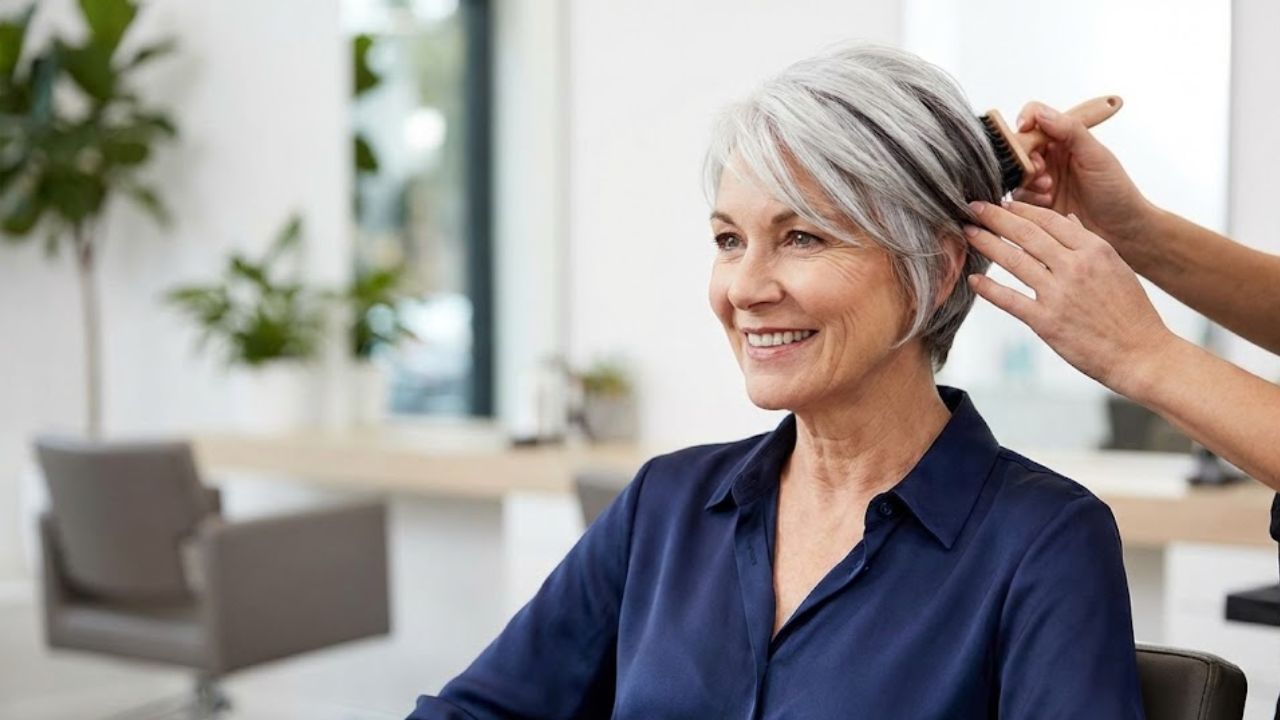
    Ask several stylists which haircut makes women over 60 look instantly refreshed, and the answer is strikingly consistent. A modern, softly layered bob, slightly undone, falling somewhere between the jawline and the collarbone. Not the stiff, rounded styles of the past. Not the ultra-short cuts that can sharpen features too much.

    This bob has movement. It sways as you walk, softens strong lines, and lets a few strands frame the cheeks. The face appears lifted rather than pulled tight. It doesn’t look “set.” It looks lived-in, relaxed, and real.

    Take Françoise, 67, a retired nurse, who walked into a Paris salon wearing the same rigid, back-combed style she’d kept since the 1990s. Her stylist suggested a layered bob grazing the neck, with gentle bangs brushing the eyebrows. “I almost protested,” she laughs. “I thought going shorter would make me look older.”

    They cut it anyway. The blow-dry took ten minutes. When she put her glasses back on and looked up, the change was subtle but undeniable. Her jawline appeared more defined, the lines around her mouth softened, and her eyes looked brighter. Two weeks later, friends kept asking if she’d done something to her face. She hadn’t. It was just the haircut.

    Why this layered bob works so well beyond sixty

    The reason this style is so effective is simple. As the face naturally loses volume over time, long and heavy hair tends to pull features downward. Extremely short hair, on the other hand, can expose every contour and shadow. The mid-length layered bob sits right in between. It frames the face, adds support, and brings structure without overwhelming it.

    Light layers introduce texture where hair often becomes finer. Soft movement around the cheekbones creates a gentle, contouring effect. The eye reads the face differently when hair lifts instead of weighing it down. That’s why many professionals quietly refer to this cut as their “non-surgical facelift.”

    How to ask for a youthful bob without disappointment

    The transformation doesn’t happen by simply asking for “a bob.” The youthful version relies on three essentials: the right length, soft layers, and gentle framing around the face. Most stylists agree the most flattering length sits between the bottom of the ear and just above the collarbone. Too short can feel severe. Too long, and the lifting effect disappears.

    When you sit in the chair, avoid vague descriptions. Bring one or two photos of women close to your age whose hair you admire. Then be clear: “I want a layered bob with movement, not a round, helmet-style blow-dry.” Those words matter more than you might expect.

    A common mistake after 60 is chasing volume at all costs. Heavy teasing, stiff hairspray, thick mousse at the roots—techniques that once worked can now look dated. They freeze the hair and draw attention to lines around the forehead.

    Another trap is holding onto a style that suited a younger version of your face. We’ve all looked at old photos and thought, “That haircut was so me.” But features change, and so does daily life. Few people do a perfect salon blow-dry every morning. You need a cut that still works when you simply rough-dry it with your hands.

    Stylists agree on one rule: this bob should never look too perfect. A few uneven pieces, a slightly tousled finish, maybe a soft wave from a large-barrel iron. That intentional imperfection is what keeps it modern.

    What professional stylists emphasize most

    “Women over 60 don’t need ‘age-appropriate’ hair,” says London hairstylist Carla Mendez, who works primarily with mature clients. “They need hair that reflects their energy. A soft, textured bob lets them move, laugh, run for the bus, and still feel like themselves. The goal isn’t to hide age, but to stop the haircut from adding years they don’t feel.

    • Ask for softness: Face-framing layers, light texture, and no harsh lines around the jaw.
    • Prioritize movement: A cut that holds its shape when air-dried or finger-styled.
    • Keep some length: Between chin and collarbone allows tucking, pinning, or gentle waves.
    • Consider a gentle fringe: Wispy bangs can soften the forehead and highlight the eyes.
    • Limit styling time: If it needs forty minutes every morning, it’s working against you.

    More than a haircut: a quiet shift after sixty

    What surprises many women isn’t just how this cut looks, but how it feels. When the old, stiff style falls to the floor, something else often goes with it: other people’s expectations of how a woman “should” look at a certain age. The new bob moves when you laugh, works with sneakers or lipstick, behaves on holiday and in the grocery line.

    Some women embrace their grey and add a luminous gloss. Others choose a soft balayage to break up solid color. The shared thread is the same: less effort, more presence. A haircut that doesn’t demand attention yet quietly says, “I’m still here, and I’m not done trying.” It sparks conversations, invites photos with grandchildren, and travels lighter than a bag full of makeup.

    • Modern layered bob: Mid-length, textured, and softly moving around the face, helping lift features and counter the downward pull of heavy hair.
    • Soft, flexible styling: Air-dried finishes and light products that look current without salon-level effort.
    • Personal adaptation: Adjusting length, fringe, and color to suit your face shape and daily life, creating a cut that feels authentically yours.
  • Restore Shine to Dirty Tiles and Grout Quickly Using Easy Natural Methods

    Restore Shine to Dirty Tiles and Grout Quickly Using Easy Natural Methods

    The tiles beneath your feet hold more history than you might realize. They have absorbed years of wet footprints and muddy paw prints along with spills from rushed morning meals and dust that settles after long days. One day you look down and notice the floor that used to be bright now appears worn out. The grout lines that were once clean & light have become dark borders that make the entire room seem lifeless. You drag a finger across a grout line and it leaves a gray mark. It is not a major problem but it makes your home feel less inviting. The thought of using strong chemical cleaners with rubber gloves and harsh fumes seems as tiring as dealing with the dirt itself. However it does not need to be that way. Using a few natural ingredients & some effort you can bring back that brightness without much trouble.

    The Moment You Notice the Dullness

    It often starts with a single ray of light. The afternoon sun slants across your kitchen and suddenly every streak and speck becomes visible. You see dull spots where there used to be a glossy reflective surface. The grout lines between tiles look darker as if they’re swallowing the light instead of reflecting it. You crouch for a closer look. Near the stove you notice a faint ring from an old sauce spill. By the door there’s a gritty trail from shoes that came in on a rainy day. You hadn’t noticed the gradual shift or the way dirt & grime layered themselves over time. You just saw the slow fade of shine and the subtle way a bright room can go a little flat. There’s an instinctive urge to scrub and fix it right now. But you hesitate. The strong chemical smell from store-bought tile cleaners lingers in your memory. You picture harsh sprays fogging the air with your eyes stinging and your throat scratching. That strange artificial scent somehow smells both clean and completely unnatural. You’d rather open the windows and pull on comfortable clothes. You want to reach for something gentler that you can mix in a simple bowl on your kitchen counter.

    The Quiet Power of Simple Natural Ingredients

    Natural cleaning can be just as effective as chemical products. The key is combining the right ingredients with warm water and a soft brush while giving them enough time to work. These gentle cleaning agents are convenient because most of them are already in your home. You can find them in your pantry or under your kitchen sink ready to use whenever you need them. The effectiveness comes from understanding how these natural substances interact with dirt and grime. They may work more slowly than harsh chemicals but they get the job done without releasing toxic fumes or leaving harmful residues behind. This makes them safer for your family and pets while still maintaining a clean home environment.

    Baking Soda: The Soft Grit That Listens to Your Hands

    Baking soda has a texture that feels soft and powdery when you touch it. If you rub it between your fingers it seems almost silky but still has a slight grittiness to it. When you use it on tile and grout it works as a mild scrubbing agent. It has enough roughness to remove dirt and grime but it won’t damage the surface underneath. Instead of stripping away material it gently lifts away the mess.

    Vinegar: The Sharp, Efficient Restorer

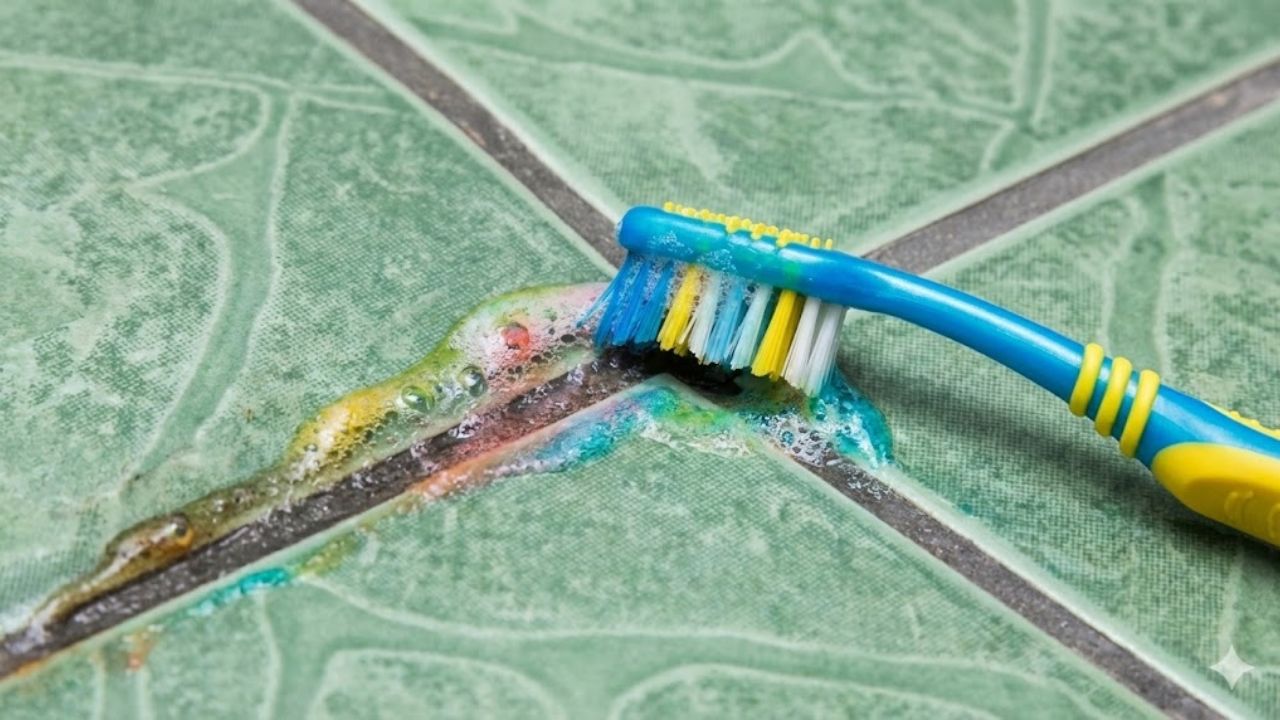
    Vinegar has a sharp smell that hits you as soon as you open the bottle. When you use it for cleaning it works in a straightforward way. Mix it with warm water & it removes soap scum and water spots along with the daily buildup that makes tiles look dull. It works particularly well on ceramic & porcelain tiles that have developed a cloudy layer. When you combine vinegar with baking soda on grout lines you get a fizzing reaction. The bubbles form & break down while pulling dirt out of small spaces. It seems almost magical but it’s really just basic chemistry using common household items to clean your floors effectively.

    Lemon, Soap, and Salt: The Supporting Cast

    Sometimes you need a cleaning routine that fills your space with fresh & lively scents. Lemon juice brings the smell of sunshine and fresh air into your home. When you rub a cut lemon across dirty tile edges it leaves a clean citrus scent behind while its natural acids work to break down stains and mineral buildup. Adding castile soap or a gentle dish soap helps the mixture spread smoothly across surfaces and breaks down greasy spots to make mopping simpler. For those extra tough stains you can add a small amount of fine salt to boost your scrubbing power. The tiny grains work like little helpers that gently wear away the marks left behind from daily use.

    A Simple Natural Routine That Brings Back the Shine

    Picture this: the windows are open, soft light comes through a basin of warm water sits on the counter and a small group of ingredients waits beside it. Restoring tile doesn’t need to be difficult. It can feel like caring for a surface that has served you quietly for years.

    Step 1: Clear, Sweep, and Breathe

    Begin by clearing the floor. Pull back chairs and lift rugs. Move small baskets and bins aside. As the space opens you get a clearer view of every tile and every line of grout. Then sweep with slow strokes. Listen to the gentle sound of bristles moving dust and crumbs into small piles. When you’ve swept and maybe run a dry mop over the surface the room already feels lighter and more orderly.

    Step 2: Mix a Quick Everyday Tile-Shine Solution

    Ingredient Amount Purpose
    Warm water 2 liters (about 8 cups) Base for dissolving dirt and spreading cleaner
    White vinegar* 1/2 cup Cuts residue, restores shine
    Liquid castile or mild dish soap 1–2 teaspoons Lifts grease and everyday grime
    Optional: a few drops of essential oil 3–5 drops Adds a gentle, pleasant scent

    Step 3: Focused Grout Revival with Baking Soda and Vinegar

    Speed does not have to mean aggression. Quick & natural methods can deliver visible results in a single afternoon without leaving your home smelling like a laboratory. The secret lies in understanding what your tiles and grout actually need and what they cannot stand. Most people assume that harsh chemicals are the only way to achieve fast cleaning results.

    Matching Method to Material

    Not all tiles are the same & giving them the right kind of care matters for keeping them in good condition. Ceramic and porcelain tiles are the easiest to maintain. You can safely use vinegar-and-water solutions or baking soda paste or mild soap on these surfaces. Natural stone tiles like marble or slate or travertine or limestone need more careful handling. Acidic cleaners such as vinegar and lemon can damage the surface and create dull spots that are difficult to fix. For stone tiles stick to warm water with a small amount of gentle pH-neutral soap and use microfiber cloths or mops. Glazed tiles have a protective glassy coating while unglazed tiles are more porous. Avoid harsh scrubbing on unglazed tiles and make sure to rinse all surfaces thoroughly after cleaning. When you are unsure about a cleaning method test it on a small hidden area first. This simple step helps you avoid damaging your tiles.

    Keeping the Shine Alive with Gentle Habits

    Once the tiles are gleaming and the grout looks clean again the room feels different. Light bounces around more easily and colors in the room appear more accurate. This is not just about cleanliness but about how a bright floor makes a space feel more alive. The transformation goes beyond surface level improvements. A freshly cleaned floor changes the entire atmosphere of the room. Everything seems more inviting & the space feels larger than before. The renewed appearance creates a sense of order that affects how you experience the entire area.

    Small Daily and Weekly Rituals

    Keeping your floors looking good does not require scrubbing every weekend. Think of it as taking care of a small garden with regular and simple work. Stop dirt at the door by placing a doormat on both sides of entry doors. Walking on these mats removes tiny rocks & dirt that could scratch or damage your tiles. Use a dry mop or broom regularly to pick up dust before it gets stuck in the grout lines. A soft broom or microfiber mop works well for quick cleaning. Clean up spills right away when they happen. If you drop sauce or spill coffee just wipe it up within a few minutes. The less time liquid sits on the floor the lower the chance it will leave a stain. Do a light mopping once a week using warm water with a small amount of mild soap. This is usually all you need. Only use vinegar when you notice buildup forming rather than using it every time. Let fresh air in while you clean. Opening windows helps the floor dry faster and makes the room feel more comfortable.

    A Soft Finish: Buffing by Hand

    There is something quietly satisfying about the final step. After you finish mopping and cleaning the grout and the floor has mostly dried in the air you should take a clean and dry microfiber cloth or flat mop & move it lightly across the tiles. This simple buffing step removes the last drops of moisture and any faint streaks that remain. Under your hand the floor transforms from just clean to softly gleaming. You notice how the light from a lamp now travels across several tiles before breaking. You see the faint reflection of a chair leg and the outline of a plant pot mirrored gently in the floor. These are small things but they alter how a room feels in a way that is a bit like opening curtains in your mind.

    When Cleaning Becomes a Conversation with Your Home

    Restoring the shine to dirty tiles & dim grout lines goes beyond just making things look better. It connects you to the surfaces that support you daily. You kneel and scrub and rinse while remembering dinners and spills and moving days and muddy seasons. Dirt tells a story but so does the act of clearing it away. Natural methods fit into that story without disruption. There are no harsh chemical fogs and no aching throat from fumes. Just warm water and grainy baking soda and bright citrus & the soft slide of vinegar across dull ceramic. Your skin stays comfortable and the air remains breathable. Pets wander through the room without any danger. The transformation happens surprisingly fast. An afternoon or even an hour for a small space can make an obvious difference. The room becomes lighter and your mood lifts with it. You see clean grout like fresh lines in a sketch and tiles shining like they did when the room was new. You accomplished this with simple tools that care for your home without damaging it. The next time sunlight crosses your floor it will meet a surface ready to reflect it back into the room. You will feel that small quiet satisfaction of knowing you did more than scrub a floor. You gave part of your home its light back.

  • Plank Hold Timing Explained: The Ideal Plank Durations That Build Core Strength Based on Age

    Plank Hold Timing Explained: The Ideal Plank Durations That Build Core Strength Based on Age

    The floor presses cool against your forearms. Your toes grip the mat, legs engaged, and breathing settles into a steady rhythm. Between the tension in your core and the focus in your mind, a question arises: “How long should I hold this plank?” Ten seconds? Thirty? Two minutes that feel endless? Planks aren’t one-size-fits-all. They are a dynamic interplay between your body and gravity, evolving as you age. What feels strong at 18 can become challenging at 48 or demand extra care at 68. Across all ages, your core remains the foundation—supporting your spine, protecting your back, and allowing fluid movement. Determining the ideal plank duration starts with understanding your body as it is today.

    Plank Hold Timing: How It Works

    The Silent Strength Within

    Unlike noisy workouts with pounding feet or clashing weights, planks arrive quietly. Your body forms one long line: shoulders stacked over elbows or wrists, heels reaching back, head floating naturally. From the outside, it looks effortless. Inside, however, a subtle storm activates. Deep stabilizers engage: the transverse abdominis tightens like a supportive belt, the multifidus protects the spine, the diaphragm links breath to effort, and the pelvic floor provides steady support from below. These muscles thrive on calm, precise effort repeated consistently.

    For this reason, quality matters more than duration. A tense, collapsing one-minute plank offers less benefit and higher risk than a clean twenty-second hold performed with strong alignment and control. Time is important, but it should end when your form begins to falter, not after pushing through discomfort.

    The Truth About Long Planks

    Fitness culture often glorifies extremes: two-minute holds, five-minute challenges, viral clips of shaking bodies clinging on by willpower. The reality is quieter: beyond a certain point, holding a plank longer builds tolerance for discomfort more than meaningful strength. Research and expert coaching agree—short, precise holds repeated regularly are more effective for core strength and spinal health than occasional marathon efforts.

    This doesn’t mean long planks are harmful, only that the benefits diminish while the risk of fatigue-related misalignment rises. Over time, the question shifts from “How long can I endure?” to “How well can I support my body now?”

    Age, Gravity, and the Plank Equation

    As we age, the body’s response changes. Recovery slows, tissues stiffen, and balance demands more focus. A plank once effortless may now require intention—and that reflects biology, not weakness. Rather than a single rule, it’s helpful to follow flexible ranges based on your form and capability.

    Suggested Plank Hold Times by Age

    • Teens (13–19): 20–40 seconds, 2–4 sets, 2–4 days/week
    • 20s–30s: 30–60 seconds, 2–4 sets, 3–5 days/week
    • 40s: 20–45 seconds, 2–4 sets, 3–4 days/week
    • 50s: 15–40 seconds, 2–3 sets, 2–4 days/week
    • 60s–70s+: 10–30 seconds, 2–3 sets, 2–4 days/week

    These ranges are guideposts, not rules. What matters most is the quality of each second you hold.

    Your 20s and 30s: Strength Without Limits

    In this age range, recovery is fast, tissues resilient, and strength comes naturally. Thirty to sixty seconds is often ideal. The main risk is subtle breakdowns: hips dipping, shoulders creeping, or lower back warnings. Dividing effort into several shorter, controlled holds is more beneficial than one long, punishing attempt.

    Your 40s: Strength With Awareness

    By your 40s, your body communicates more clearly: old injuries, stiffness, or tightness appear faster. Most productive holds now range from 20 to 45 seconds, repeated a few times. Some days may allow longer holds, while other days stopping sooner is wiser. The focus shifts to sustainability and supporting posture over time.

    Your 50s, 60s, and Beyond: Resilient, Not Reckless

    Later decades require rethinking strength. Muscle mass may decline, balance may shift, and recovery may lengthen—but planks remain valuable. Short holds of 10–30 seconds with excellent alignment can be very effective. Modified versions like knee or incline planks are intelligent adaptations. Each well-supported second preserves posture, stability, and confidence in movement.

    Recognizing When to Stop

    Your body signals when a plank becomes risky: lower back sag, shoulder tension, breath-holding, or facial strain. Stopping at the first sign of form loss isn’t quitting—it’s smart training. This approach teaches your nervous system efficiency and prevents collapse over time.

    Making Planks a Daily Practice

    Planks don’t need to be dramatic. They can be sprinkled throughout the day: a short hold before coffee, another after work, one before bed. Over time, these small, consistent efforts build meaningful strength. The goal isn’t a record—it’s standing taller, moving confidently, and supporting your body in daily life. Hold as long as form feels honest. Rest. Repeat. That’s where lasting core strength lives.

  • At 56 Jennifer Aniston Credits This 30 Minute Fitness Class for Maintaining Strength and Muscle Tone

    At 56 Jennifer Aniston Credits This 30 Minute Fitness Class for Maintaining Strength and Muscle Tone

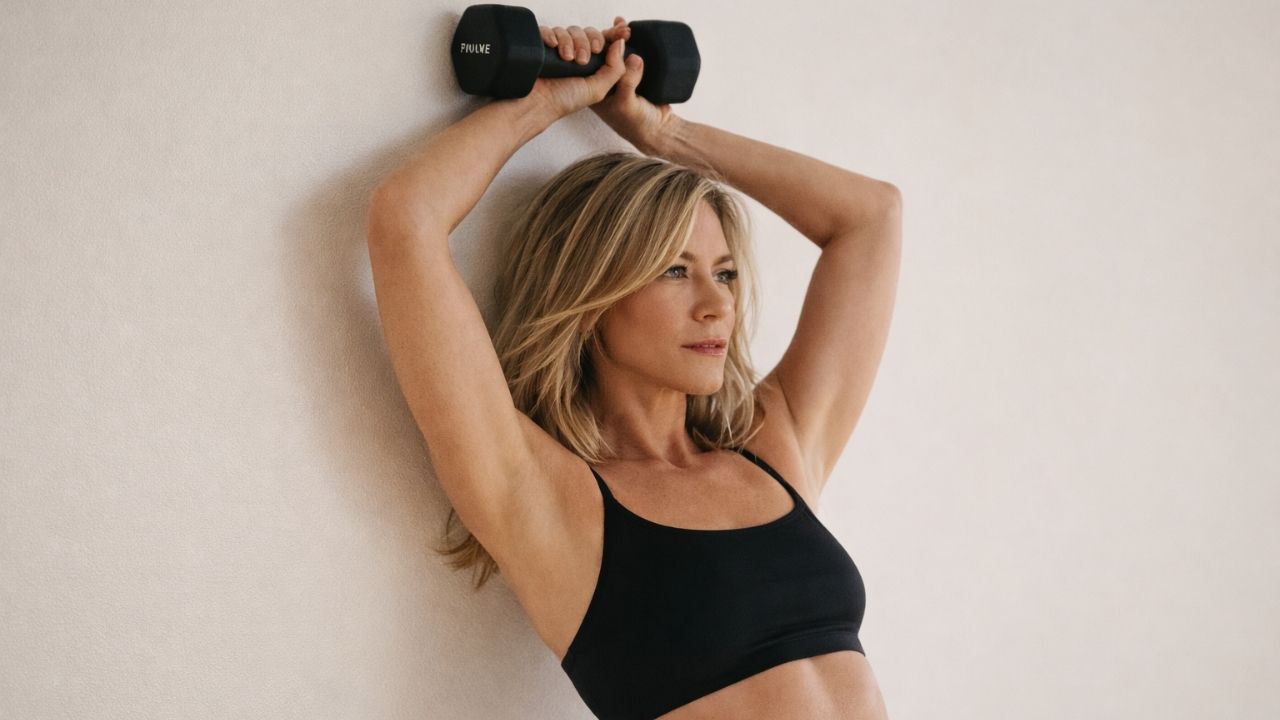
    For Hollywood legend Jennifer Aniston, working out once meant spending 45 minutes on high-intensity cardio like running or boxing. After years of demanding, high-impact routines, her body began craving movement that was gentler—but still powerful. That change led her to Pvolve, a low-impact workout centered on functional strength training.

    Guided by her trainer, Dani Coleman, the 56-year-old has been focusing more on strength and longevity rather than intensity alone.

    Why Strength Matters More With Age

    Muscle supports our skeleton,” Jennifer explains. “As we get older and lose muscle mass, our bones can become brittle and may lead to osteoporosis. One of the main causes of injury among older adults is falling and breaking a bone because there isn’t enough muscle support—we want to avoid that.”

    Wellness Beyond the Workout

    Exercise is just one piece of Jennifer’s overall wellness routine. She recently spoke with Women’s Health about the many habits that help her stay balanced, energized, and happy—including time spent with her two beloved dogs.

    Jennifer Aniston’s Healthy Habit Q&A

    After letting my dogs, Clyde and Chesterfield, outside to run around, I prepare 16 ounces of water mixed with colostrum, hair-growth peptides, and the juice of a whole lemon. That’s the first thing I consume, about 30 to 45 minutes before coffee or breakfast.

    Who inspired you early on?

    My grandmother. I loved sitting with her in the kitchen while she made spanakopita, cookies, and Greek pastries. She always made me laugh and took such loving care of me.

    Nothing makes me happier than curling up on the couch with my two dogs, getting cozy, and watching a great show.

    Your go-to habit for physical longevity?

    Maintaining healthy muscle mass is essential. I do Pvolve workouts with my trainer, Dani, three to five times a week, and I’ll add a Pilates class occasionally to keep things varied.

    How do you care for your mental health?

    I try to meditate daily. Some days are too busy for a full 20 minutes, but I’ll still find 10 minutes—or even a short pause—to breathe and quiet my mind.

    When did you last feel truly on top of the world?

    I always feel that way when I finish a project. Wrapping something that required real effort and meant a lot is incredibly fulfilling. The most recent project I completed was season four of The Morning Show.

  • Goodbye Hair Dye The Grey Coverage Trend Helping People Look Younger Without Colouring

    Goodbye Hair Dye The Grey Coverage Trend Helping People Look Younger Without Colouring

    “I’m tired of chasing my roots,” she says, eyes fixed on the fine silver line cutting through her part. The counter around her looks like a color lab, stacked with bowls labeled chestnut, espresso, iced mocha brown. She doesn’t want any of them. What she’s asking for is something quieter. Not hair dye as people recognize it. Something subtle, forgiving, and far less desperate.

    The stylist understands. Instead of the usual swatches, she reaches for a different guide — one filled with sheer tones, soft glosses, and strategic light placement. There’s no dramatic color shift planned, no long afternoon trapped in the chair. Just techniques that let gray blend in, blur harsh lines, and quietly take years off without broadcasting the effort.

    This is the end of hair dye as we used to know it. What’s replacing it is calmer, smarter, and designed for real life. And it’s reshaping how people choose to age in public.

    From Full Coverage to Subtle Camouflage

    Step into any modern salon and you’ll hear the same phrase repeated: “I don’t want it to look dyed.” The resistance isn’t to gray hair itself. It’s to the solid, opaque color that looks flat under daylight and artificial under scrutiny. The new focus is on soft blending — allowing silver to show, but deciding where and how.

    Instead of harsh permanent formulas, colorists are leaning on semi-permanent washes, translucent tints, root shadows, and light-catching glosses. The payoff is fewer stark regrowth lines, shorter appointments, and hair that looks refreshed rather than freshly treated. It’s less about concealment and more about making natural gray work in your favor.

    In a small London salon, 52-year-old Karen arrived with a familiar plea: “Make the gray disappear.” She’d been coloring every three weeks, constantly chasing a regrowth line that felt relentless. Her stylist proposed another route — a soft mushroom-brown glaze across the hair, ultra-fine highlights around the face, and no solid root coverage.

    Two hours later, the sharp divide between gray and color was gone. In its place sat a smoky, dimensional tone where the silvers looked deliberate, almost like refined balayage. Eight weeks on, the grow-out was barely noticeable. “I feel younger,” she said, not because the gray vanished, but because I stopped fighting it. That mental relief is a big reason this approach is catching on well beyond social media.

    Why Blending Gray Changes the Whole Face

    There’s a practical reason this shift works. Solid dark color can frame the face too harshly, exaggerating fine lines and shadows. At the other extreme, bright white roots against dyed lengths draw attention straight to the scalp. Blending techniques soften both problems.

    By lowering contrast and introducing light around the face, the skin appears brighter, features look cleaner, and the eye focuses on expression instead of regrowth. Stylists often describe it as contouring for hair — using light and depth to redirect attention.

    The gray isn’t erased. It’s integrated. Not magic, just smarter use of what’s already growing.

    The Modern Playbook for Younger-Looking Gray Hair

    The standout technique right now is known as gray blending. It’s less about covering and more about negotiation. Rather than coating every strand, the stylist works in sections. A sheer demi-permanent tone softens the brightest whites, while subtle lowlights add depth. Around the face, ultra-fine “baby lights” break up heavy patches.

    This method frees people from rigid schedules. With no hard line between color and gray, appointments can stretch to eight or even twelve weeks. The slightly imperfect finish is intentional — those tiny shifts in tone create a polished, lived-in look that reads as expensive rather than obvious.

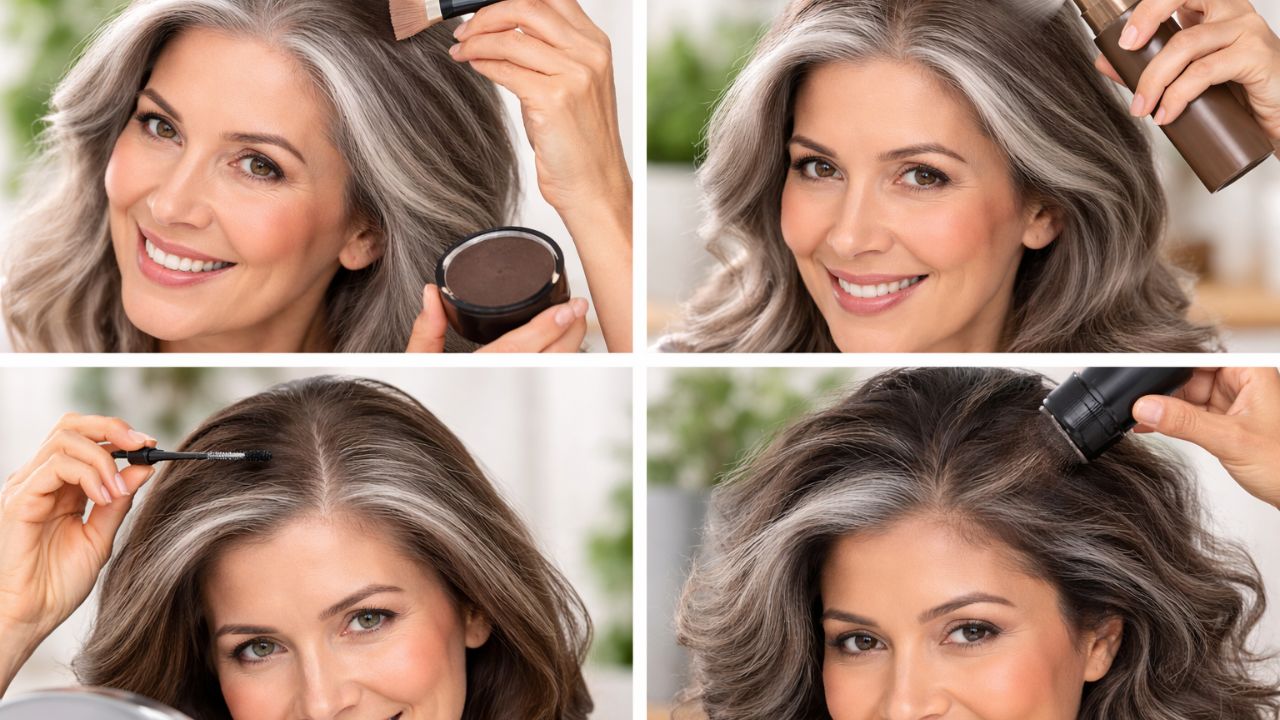
    Daily maintenance stays simple. A gentle purple or blue shampoo once a week keeps silver from yellowing. A lightweight oil or shine serum helps wiry grays lie smoother and reflect light instead of frizzing. For special occasions, tinted root sprays or powders can soften the part in seconds, blending everything together like a discreet filter.

    What’s lasting about this trend is its realism. No one wants a long routine before breakfast. Small, sustainable habits matter more — milder shampoos, heat protection when blow-drying, and regular trims so silver strands don’t stick out. Over time, these choices make gray hair look intentional rather than unruly.

    A Quieter Shift in Confidence

    This softer approach also changes how people talk to themselves. Instead of inspecting every white strand up close, attention shifts to texture, shine, and movement. The question becomes, “Does my hair look alive?” rather than “Does it look young enough?” That change alone removes much of the daily frustration gray hair can bring.

    “My clients don’t ask to cover gray anymore,” says Paris-based colorist Lila Moreau. “They ask to look rested and brighter, like themselves on a good day. Gray blending, gloss, and face-framing light are how we get there now. The aim isn’t to hide age, but to stop roots from speaking first.”

    Common Mistakes That Undermine the Effect

    • Choosing overly dark shades for coverage, which harden the face
    • Relying on frequent permanent box dye, creating a flat, heavy finish
    • Ignoring cut and shape, even with good color
    • Overusing purple shampoo until hair looks dull
    • Expecting one appointment to erase years of coloring

    Rethinking Age, Hair, and Control

    When people stop chasing the idea of zero gray, something shifts. They experiment again — softer fringe, lighter pieces around the face, or a cut that lifts the neckline. Friends rarely comment on the gray itself. Instead they say, “You look rested,” or, “You look different, in a good way.”

    This isn’t a rejection of color. It’s a farewell to panic touch-ups, hiding under hats, and the dread of visible regrowth. Some still use dye, just with more flexibility. Others lean into natural gray with a light gloss. Many land somewhere between. None of it has to be absolute.

    The deeper change is about choice. When gray becomes a design element instead of a flaw, the focus moves from erasing age to shaping how it appears. Keeping your years while refining light, texture, shape, and shine isn’t about hiding. It’s about deciding how you want to be seen — and that quiet control is what truly shows.