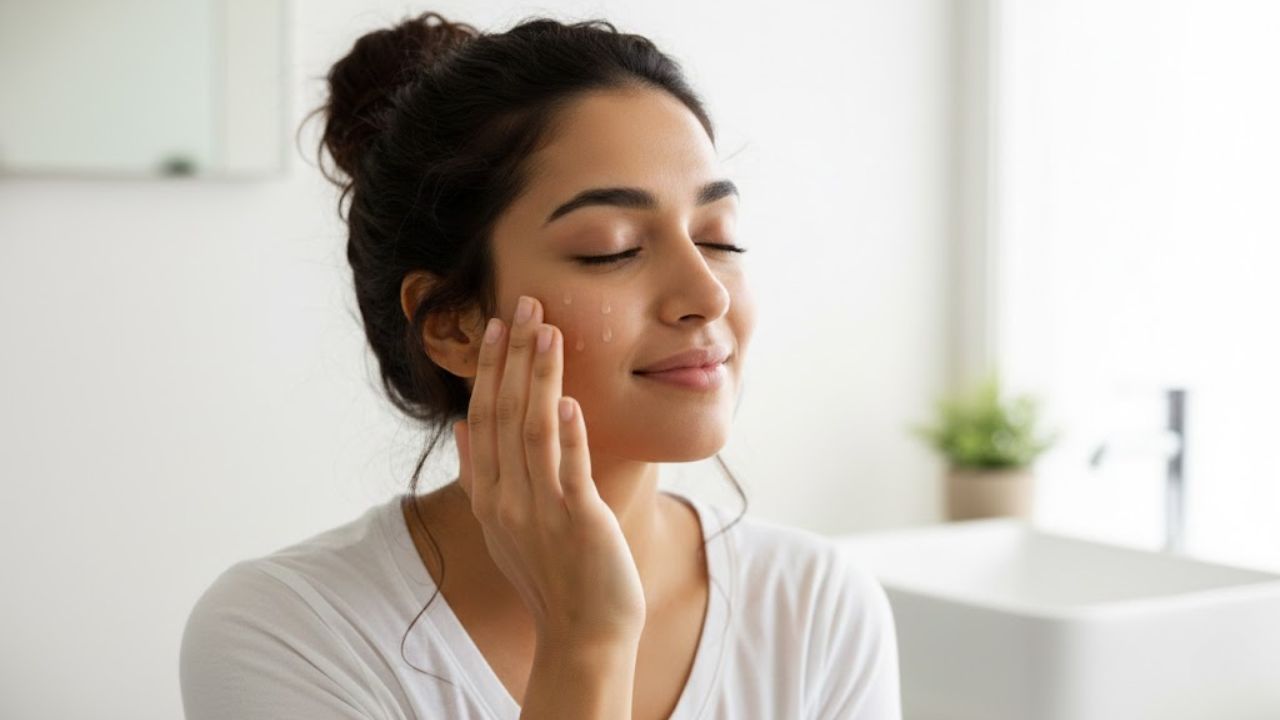
Category: News

  • Not Once a Week and Not Every Other Day: Dermatologists Clarify How Often Hair Should Be Washed

    Not Once a Week and Not Every Other Day: Dermatologists Clarify How Often Hair Should Be Washed

    Scroll through TikTok and you’ll hear two loud camps: one person swears by washing just once a week, another insists daily shampooing is the secret. Both somehow look flawless. Meanwhile, you’re just trying to reach Friday without hiding your hair in a last-minute ponytail. The truth is, the answer isn’t locked into “once a week” or “every other day.” For most people, the real solution sits somewhere in between, and it depends far more on your scalp than on trends.

    Why Most Hair Problems Start at the Scalp

    Dermatologist Dr. Lara Kim sees the same pattern every week in her clinic. Patients complain about oily roots, itchy skin, flat hair, and stubborn flakes. Many have already rotated through multiple shampoos, convinced the product is the problem. When she asks how often they wash, the answers swing to extremes. Daily washers describe squeaky-clean hair that tangles easily, while once-a-week loyalists rely heavily on dry shampoo. In both cases, the scalp is often left off-balance and confused.

    The Problem With Washing Too Much—or Too Little

    Dr. Kim explains that the scalp behaves like skin anywhere else on the body. Wash too aggressively and you strip natural lipids, triggering rebound oil production. Wait too long and sweat, pollution, and product build up, creating irritation and flakes. Whether it’s daily clarifying shampoos or eight days between washes, the outcome is surprisingly similar: itching, redness, and hair that never quite cooperates.

    The Dermatologist’s Sweet Spot

    For most healthy scalps, Dr. Kim recommends a flexible rhythm: washing every 2 to 3 days on average. This allows sweat and dirt to rinse away while still letting sebum protect the scalp and hair fiber. Fine or oily hair may lean closer to every other day, while thick or curly hair often feels best every three to four days. The goal isn’t a rigid schedule—it’s comfort, balance, and predictable behavior.

    How to Find Your Personal Wash Rhythm

    The 10-Day Scalp Diary Method

    Instead of starting with a new shampoo, Dr. Kim starts with observation. She asks patients to keep a simple 10-day scalp diary, noting when they wash, when oil appears, when itching starts, and even what the weather is like. Day by day, patterns emerge. The point where hair starts to feel heavy or uncomfortable is the signal your scalp sends when it’s ready for cleansing.

    Wash Before Discomfort, Not After

    Once that pattern is clear, the adjustment is small but powerful. If your scalp feels greasy by the third evening, washing on day two or early day three is ideal. Not waiting until day five, and not shampooing daily “just in case.” Timing the wash just before discomfort often resolves irritation without changing a single product.

    Why Lifestyle Matters More Than Products

    Daily routines quietly shape scalp health. Morning workouts, bike helmets, city pollution, open windows near traffic—all add layers of sweat and particles. Skipping a wash once in a while won’t ruin anything. What causes trouble is a long-term habit of over-stripping or under-cleansing. No ingredient list can override an unbalanced routine.

    Practical Rules That Actually Work

    A Simple Washing Technique

    Dr. Kim teaches a routine designed for real life, not spa days. Start by fully soaking hair and scalp for at least 30 seconds using lukewarm water. Dilute a small amount of shampoo in your palm and apply it only to the scalp. Massage gently with flat fingers, then rinse thoroughly—longer than you think. Conditioner belongs on mid-lengths and ends only, never directly on the scalp.

    Common Mistakes That Disrupt Balance

    Many people scratch their scalp with nails, believing tingling equals cleanliness. Others layer dry shampoo for days or use anti-dandruff formulas at every wash without visible flakes. These habits often create the very problems they’re meant to fix. Gentle handling and consistent rhythm matter more than aggressive techniques.

    Listening to Your Scalp, Not Social Media

    Dr. Kim often reminds patients that hair anxiety is deeply tied to image and expectations. Seasons, hormones, and stress all affect scalp behavior. Her core advice is simple: ignore influencer schedules and follow your own signals. When your scalp feels calm and your roots behave predictably, you’ve found your rhythm.

    Scalp Cheat-Sheet: Key Takeaways

    • Start with 2–3 washes per week, then adjust slightly based on oil, itch, and comfort.
    • Wash the scalp, not the lengths: shampoo on roots, conditioner on ends.
    • Adjust with the seasons: add a wash in hot, humid months and reduce one in dry winter air.

    What This Means for Different Hair Types

    • Fine or straight hair often looks oily faster and may suit every-other-day washing.
    • Thick or curly hair usually tolerates washing every 3–4 days with a moisturizing shampoo.
    • Active lifestyles may benefit from water rinses between shampoo days to remove sweat without stripping.

    As Dr. Kim sums it up: your scalp doesn’t care about trends—it cares about balance.

  • Haircut for Fine Hair: The Invisible Layering Technique That Adds Volume and Softens Facial Age After 50

    Haircut for Fine Hair: The Invisible Layering Technique That Adds Volume and Softens Facial Age After 50

    The stylist stands ready, scissors poised, head tilted with that calm patience professionals master over time. She lowers her voice. “My hair feels so thin now,” she says softly, almost apologetic. “I want volume, but I don’t want it to look chopped.” At 56, her hair is still silk-soft, yet every extra centimetre seems to pull her features downward. Under the salon lights, the mirror reflects a sparse crown, flattened sides, and a fringe that’s lost its energy.

    The stylist smiles and introduces a technique she’s never heard of: invisible layering. No harsh steps. No obvious graduation. Just fine, hidden layers worked quietly inside the cut to lift everything without announcing a dramatic change. An hour later, her jawline appears sharper, her cheekbones more defined, and her hair suddenly full of life.

    The quiet rise of invisible layers after 50

    Step into a busy city salon on a weekend and you’ll notice a familiar pattern. Women over 50 twist the ends of their hair, pull it away from their faces, and scroll through photos on their phones. They aren’t chasing extremes. They want hair that feels lighter, fuller, and subtly younger, without losing themselves in the process.

    Fine hair makes this balance delicate. One wrong cut can leave it looking thinner instead of fuller. This is where invisible layering makes its difference. The stylist creates micro-layers inside the haircut, keeping the outer surface smooth and intact. The result is hidden support. Hair lifts gently at the roots, moves naturally with motion, and frames the face in a way that quietly softens time.

    It’s the kind of haircut you only fully notice when you compare it to the “before.”

    At a London salon known for serving mature clients, stylists estimate that nearly 60% of women over 50 come in with fine hair and the same request: more volume. One regular, Claire, 62, spent years hiding her hair in low ponytails and headbands. Her frustration was simple. “If I cut it, it looks thinner. If I grow it, it drags my face down.”

    Her stylist suggested a collarbone-length bob with invisible layers. No choppy edges. No visible texture on the surface. Weight was removed from the interior instead, with shorter strands hidden beneath longer ones, especially at the crown and nape. The change wasn’t dramatic in a makeover sense. It was quieter and more convincing.

    A week later, Claire returned just to share that people had been asking if she’d changed her skincare or lost weight. No one mentioned her hair. That’s the point. Invisible layering works because people sense something is fresher, without being able to name it.

    Fine hair behaves differently. Each strand is slimmer, softer, and sits closer to the scalp. Traditional visible layers remove bulk from the ends, leaving fragile lengths exposed. The result can be wispy hair that exaggerates hollows and heaviness in the face.

    Invisible layering works in reverse. The stylist removes weight where hair tends to collapse: near the roots, under the crown, and just behind the ears. These internal adjustments allow the hair to lift and support itself. The outer shape stays clean and full, so the ends remain dense rather than stringy.

    This subtle structure reshapes how the face is framed. Lift at the crown can visually raise the features. Gentle internal layers near the front open the eyes, while fuller ends around the jaw create a soft contour. The brain reads this balance as energy and youth, without the obvious signal of a new haircut.

    Using invisible layers to add volume and soften features

    Invisible layering isn’t a single haircut. It’s a technique. It works with pixies, French bobs, midi cuts, and even longer lengths. The difference lies in where the scissors work. Instead of cutting visible layers on the surface, the stylist shapes the interior, removing weight in tiny, controlled sections.

    Ask your stylist to focus on three key zones: the crown, the occipital bone (the bump at the back of the head), and the area around the cheekbones. These are natural collapse points for fine hair. By lightening them from within, the outer layers can sit higher and appear fuller. Think of it as padding beneath a cushion. You notice the lift, not the structure.

    The result is a haircut that looks simple but styles quickly.

    Invisible layers work best when paired with realistic habits. That means choosing a length that suits your routine. If you dislike blow-drying, a jaw-length bob with subtle internal layers and a natural part will feel far more manageable than a heavily layered style that needs daily effort.

    Many women over 50 hold onto length hoping it reads as more feminine, even as density decreases. Long, fine hair can stretch the face downward, emphasising fatigue. A slightly shorter cut with clever internal layers and fuller ends often does the opposite. It lifts. On a low-energy morning, that difference feels almost magical.

    Let’s be honest: very few people maintain elaborate styling routines every day. The perfect round-brush blow-out, multiple products, timed root lifts. A well-executed invisible-layer cut builds support into the hair itself, so even a rough dry with your fingers looks deliberate.

    “After 50, my job isn’t to make hair trendy. It’s to make the face look awake. Invisible layers let me do that without destroying the cut.”

    Used thoughtfully, invisible layers become a flexible tool. Want more height on top? The layers are carved beneath the crown. Need a softer jawline? The interior around the neck is lightened so the ends curve inward instead of hanging flat.

    • Ask for “invisible” or “internal” layering, not heavy layers.
    • Show photos that highlight movement, not just length.
    • Keep the outer perimeter solid for fullness.
    • Consider a gentle fringe or face-framing pieces.
    • Schedule small, regular trims instead of drastic yearly cuts.

    Living with your cut: everyday volume without effort

    A strong invisible-layer cut has to work beyond salon lighting. It needs to survive busy mornings, long days, heat, and humidity. The advantage of this technique is that much of the work is already built into the shape.

    For fine hair, volume can come from something as simple as rough-drying the roots in the opposite direction of your usual part, then flipping them back. The internal layers catch against each other, creating lift. A small amount of lightweight mousse or root spray, applied mainly at the crown and front, helps activate that hidden structure.

    You don’t need to battle your hair daily. You just need a cut that quietly supports you.

    There are pitfalls to avoid. Over-texturising with thinning shears or razors can cause fine hair to fray and separate, destroying the illusion of density. Strong, blunt fringes paired with heavy interior layers can also throw off balance, leaving the fringe flat while the rest floats.

    At home, product choice matters. Many women still use rich conditioners designed for damaged or curly hair. On fine hair, these formulas can flatten invisible layers completely. Switching to a lightweight, volumising conditioner, applied only to mid-lengths and ends, often reveals lift you didn’t realise you had.

    Emotionally, hair after 50 can feel like a negotiation. New texture, reduced density, emerging greys, all while wanting to recognise yourself in the mirror. A cut with smart, hidden structure can be a quiet statement of continuity: this is still me.

    For many, the first invisible-layer cut feels risky. It sounds less reassuring than “just a trim.” But the shift isn’t about losing length. It’s about subtle architecture. One client described it as “putting air back into my hair”.

    An unexpected bonus is easier styling. When shape is built from within, small imperfections look intentional. A few flyaways highlight lift. Slight unevenness at the ends reads as movement, not neglect. Invisible layers allow hair to be imperfect and still polished.

    That’s the real secret here. Not chasing youth, but working intelligently with what you have, so your hair and face tell the same story: current, alive, and confidently yours.

    Once you experience hair that lifts and moves without constant effort, it’s hard to return to heavy, one-length cuts. You may notice subtle shifts in how you style yourself, how you move, and how confidently you catch your reflection.

    More women are now asking for hair that fits their real lives, not magazine spreads. Invisible layering, especially for fine hair after 50, feels like a thoughtful answer: understated, clever, and low-drama.

    It often begins with one question: “How can we add volume without obvious layers?” From there, you talk about daily habits, collapse points, and features you love.

    The scissors do the rest, quietly reshaping how your hair falls and how your face is framed. You leave not looking transformed, but more like yourself. And that’s the kind of change people notice, even if they can’t explain why.

    • Invisible layering: Hidden micro-layers inside the cut that add volume without thinning fine hair.
    • Face-framing effect: Subtle lift around the crown, cheekbones, and jaw for a fresher look.
    • Low-effort styling: Built-in structure that supports quick, realistic routines after 50.
  • 11 Trending Nail Polish Colors to Try This Winter Season

    11 Trending Nail Polish Colors to Try This Winter Season

    Royal purple & ruby red are just some of the many nail polish shades that True Winter color lovers enjoy. Even those who prefer neutral tones have plenty of variety to choose from. For those who love cool tones there are actually more shades of white available than you might think. Anyone who has watched snow fall & sparkle in sunlight before melting understands this truth. The same goes for gray tones. And the range of burgundy shades including cranberry and deep berry & merlot is equally impressive. World champion nail artist and beauty educator Valeriia Telemaniuk shared with Byrdie that the winter season inspires a return to classic nail looks. This means French manicures will be popular along with various shades of gray and blue tones. Deep red shades in both bold & subtle versions will also dominate the next few months. Continue reading to learn about the trending nail colors for this winter as predicted by professional nail artists and find out where to buy these shades.

    Chocolate Ganache

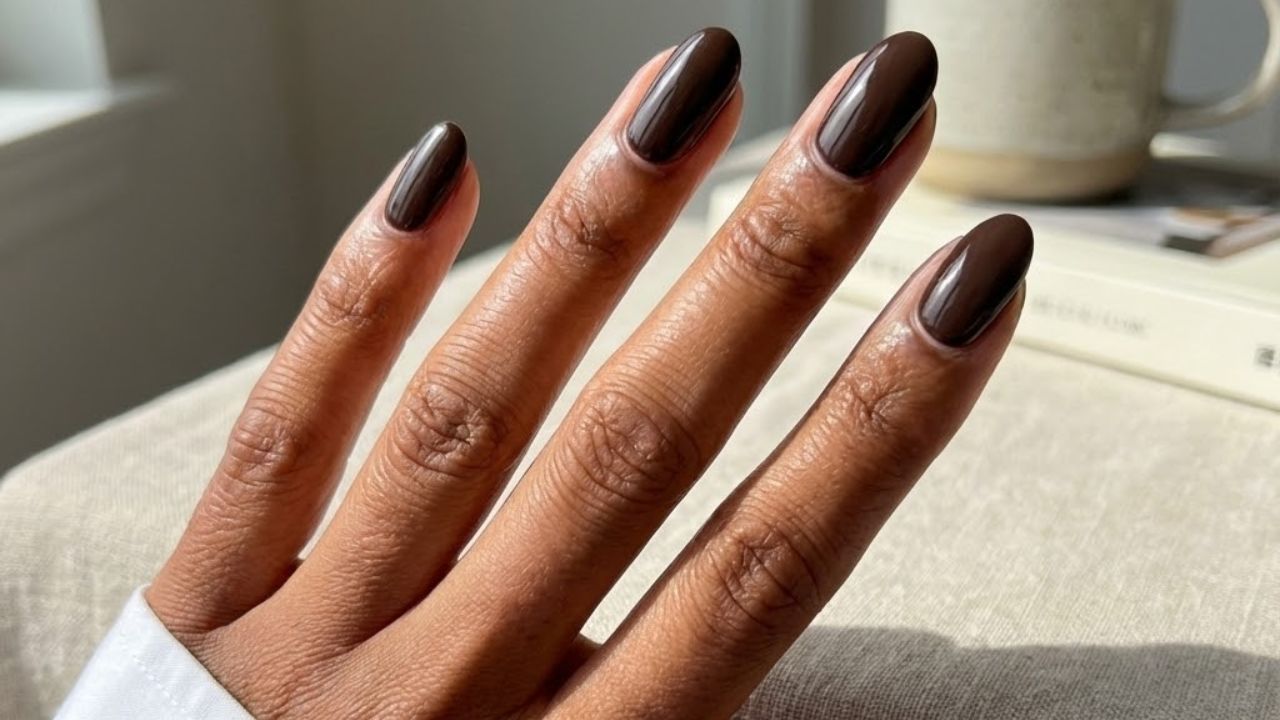
    Brownie pudding nails are making way for a richer winter favorite: ganache nails. Nail artist and educator Sofiia Mazur describes this shade as a deep, indulgent brown that resembles melted dark chocolate. Think tones similar to Red Iguana’s Ganache gel or Dazzle Dry’s Fringe. The color feels warm and luxurious, making it ideal for colder months or anyone who prefers understated elegance. On nails, ganache delivers quiet confidence—refined yet inviting. It pairs effortlessly with gold jewelry, soft neutral outfits, or minimalist black looks, giving it a timeless and versatile appeal.

    Muted Berry

    Deeper, grounding shades are gaining popularity this season. Juanita Huber-Millet, founder and creative director of Townhouse Salons, notes that clients are leaning toward espresso browns, soft mauves, and muted berry tones. These colors strike a balance between warmth and sophistication while remaining subtle enough for everyday wear. Muted berries, in particular, offer a refined alternative to brighter reds, adding depth without overpowering the overall look.

    Light Ocean Blue

    Light ocean blue with a pearlescent finish is another shade to watch. Nail professional Amy Ling Lin describes these soft blues as calm, luminous, and uplifting. Shades like Sundays Studio’s L09 provide a refreshing contrast to winter’s typically darker palette. The delicate pearl finish reflects light beautifully, adding dimension and a subtle glow. This color carries a soothing, positive energy—calming, airy, and quietly joyful—while still feeling polished and modern.

    Cool Gray

    Cool gray is emerging as a favorite winter neutral. According to OPI Global Ambassador Coca Michelle, it’s a chic and sophisticated shade that complements winter wardrobes effortlessly. Cool gray also enhances jewelry, especially for those who enjoy mixing metals. Some standout options include OPI’s Peace of Mined, Case of Glamnesia, and Suzi Talks with Her Hands, all of which offer versatile, refined finishes.

    Deep Navy

    Deep navy is described as the perfect post-holiday reset color. It feels calming and transitions seamlessly from winter into the New Year. Easy to wear, this classic shade works equally well for special occasions and everyday office looks. Recommended polishes include OPI Nail Lacquer in Less is Norse, Havin’ a Candy Ol’ Time, and Suzi & the Arctic Fox, all offering rich, wearable navy tones.

    The “Barely Theres”

    Winter often brings a desire for clarity and calm, reflected in the rise of barely-there nail shades. Soft milky tones, cool neutrals, and subtle pastels are trending, according to Huber-Millet. Shades like Coconut Milk, Glazed Marshmallow, and Milkshake from Townhouse’s Flawless Collection feel clean and restorative—a perfect reset after autumn’s richer colors. For pinky neutrals, experts recommend adding French tips, whether traditional crisp white or softer modern variations, for a timeless finish.

    Warm, Deep Red

    A warm, deep red remains a winter essential. Amy Ling Lin describes this tone as warm, chic, and quietly powerful. It instantly adds coziness during colder months while still feeling polished and festive. This shade transitions effortlessly from everyday elegance to holiday moments, offering sophistication without heaviness.

    Earthy Metallics

    Earthy and organic metallics are also set to trend this winter. Sofiia Mazur highlights bronze, clay gold, and olive chrome tones—often paired with matte or stone-textured finishes. These shades reflect light softly, creating a refined, lived-in glow that feels expensive without being flashy. Inspired by fashion runways like Balmain’s fall collection, earthy metallics can be worn as a full nail look or as subtle accent shades.

    Black Cherry

    Black cherry nails offer understated drama, blending deep darkness with a hint of red warmth. Mazur notes that this balance keeps the shade elegant and wearable. Long favored by fashion icons and celebrities, black cherry pairs just as well with evening wear as with casual outfits like oversized blazers or vintage denim. It has become a cold-season staple that consistently returns each winter.

    Crisp White

    Crisp white polish is having a strong winter moment. With Pantone’s announcement of Cloud Dancer, pure white shades like Mineral Fusion Ice Breaker are in high demand. This clean, modern color captures the essence of snowy landscapes, cozy knits, and frosty mornings. Once considered a summer staple, white is now a key player in winter minimalism.

    Gray-Lavender

    Gray-lavender combines cool gray tones with a soft hint of purple, making it especially relevant for winter. According to Telemaniuk, shorter daylight hours and cooler atmospheres draw clients toward muted shades like this. Gray-lavender feels elegant, versatile, and modern—minimal yet chic—making it an ideal choice for the colder months.

  • Blush After Powder Technique Creates a Softer More Natural Makeup Finish

    Blush After Powder Technique Creates a Softer More Natural Makeup Finish

    We all know that moment of uncertainty when you wonder if adding blush will mess up your makeup. Makeup tutorials tell you to apply blush before powder while your friends do it the other way around. Most of us end up guessing and hoping our cheeks don’t look heavy or artificial. But on TikTok & at fashion shows a simple method is becoming popular. Makeup artists are applying blush after powder as the finishing step. This approach works like adding warmth to a cold room. The technique does more than just add color to your face. It affects how fresh and natural your makeup looks throughout the day. Maybe the trick to realistic blush is just putting it on last.

    Why Applying Blush After Powder Creates a Naturally Lived-In Look

    The first time you watch a professional apply blush as the last step, it feels almost magical. The skin is already perfectly powdered, dark circles concealed, and the forehead matte. You might expect the color to slip around, settle into pores, or cling to dry patches. Yet, when the brush barely grazes the cheekbone, the blush melts seamlessly into the matte finish, creating the appearance of a natural, internal warmth. Unlike the streaky pinks of our teenage years, this color emerges subtly, like an emotion rising from within.

    A young woman backstage in Paris laughed as she described her experience: she arrived with flawless but flat skin. The makeup artist finished her look by applying powder blush over a layer of loose powder that had set for twenty minutes. Just a few gentle touches on the upper cheeks, a hint on the nose bridge, and a soft sweep on the forehead instantly brought the face to life. No harsh lines, no sticky patches—just the shy, natural flush you feel after climbing a couple of flights of stairs. That day, it was the blush applied after powder that made her complexion feel alive again.

    Technically, it’s a simple yet surprising logic. Powder sets the foundation and blurs skin texture while evening out the tone. Adding blush afterward means you aren’t mixing it with everything else or breaking down your concealer coverage. Instead, you’re laying a thin, controlled layer of color over a stable surface. The result is precise placement, softly blended edges, and intensity that’s easy to manage, transforming the base into a calm canvas while the blush becomes the living detail that makes a face appear real—even in photos.

    How to Apply Blush Over Powder Without Patchiness

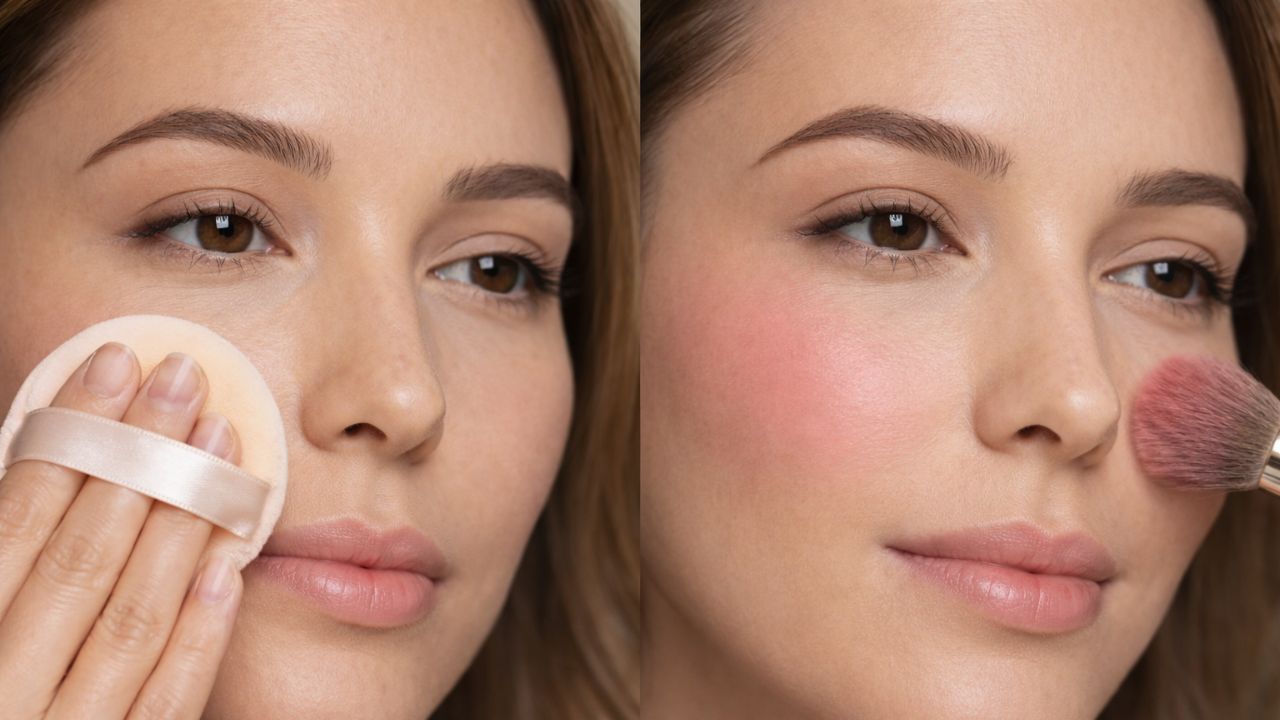
    The key to success is minimal, delicate movements. Use a clean, soft-bristled brush that is wide enough to cover the cheek but not oversized. Lightly dip into the powder blush and tap off any excess before applying it to already powdered skin. Approach it as gently as you would with a highlighter—avoid harsh rubbing.

    Use short circular motions or small arcs to deposit color without disturbing the base. Start away from the nose, sweeping toward the upper cheekbone, then lightly move up toward the temple. Any leftover color on the brush can be added to the nose or chin to harmonize the look. The goal is not to make the blush obvious, but to create a subtle, natural glow.

    Resist the urge to press harder for immediate color, which is a common mistake that leads to patchiness. Instead, build up thin layers gradually. Apply a light first layer, check in natural light, and only add a second layer where the cheek naturally catches light. While this method may feel indulgent for everyday mornings, it’s perfect for evenings when you want to appear rested and naturally radiant. The result is a healthy, subtle flush that enhances your complexion without looking heavy or artificial.

    The Transformative Power of Blush as the Final Step

    What makes blush applied after powder so captivating is its almost psychological effect. A gentle touch of color as the final step subtly shifts your reflection. You no longer focus on the corrective work of makeup; instead, you see a reflection that feels alive. Others may not pinpoint the change, but they notice a more vibrant, awake appearance.

    When color comes last, it moves beyond technical application. It becomes a signal of presence and vitality, aligning how you feel internally with how your face appears externally. Those few extra seconds with a brush can transform your makeup from flawless to genuinely luminous.

    Technique Beauté Explication Optimisée Avantage pour le Teint
    Blush après fixation du teint Appliquer le blush sur une base déjà poudrée permet de stabiliser la couleur. Résultat plus doux, harmonieux et tenue prolongée de la couleur.
    Application progressive Ajouter le blush en fines touches successives plutôt qu’en un seul geste. Évite les excès, assure un fini naturel et uniforme.
    Placement stratégique Appliquer le blush sur le haut des joues et estomper vers les tempes. Illusion de relief, visage plus lumineux et effet bonne mine immédiat.
  • Collagen-Rich Broth Rituals That Improve Skin Moisture and Elasticity Naturally

    Collagen-Rich Broth Rituals That Improve Skin Moisture and Elasticity Naturally

    The first time I made a pot of collagen-rich broth and let it simmer for hours, my house felt like a quiet winter cabin. Steam rose toward the windows and left soft trails on the glass while the pot barely moved. There was no rolling boil just a few slow bubbles now and then. It felt more like taking care of something than cooking. The process was gentle and needed time instead of effort. I didn’t know then that this simple task would become one of my favorite ways to care for my skin.

    Why Drinking Your Skincare Feels So Grounding

    Most of us learn to care for skin from the outside. We buy bottles that promise smoother texture and better glow. But nourishing skin from within has a quiet power. When you drink something warm you know the care is moving through your body instead of just sitting on the surface. Collagen broth comes from an older way of eating. People made stock from bones & soup from scraps. Nothing useful was wasted and nourishment wasn’t called wellness.

    In our modern world of screens & complicated routines this simplicity feels almost rebellious. Collagen broth is modest. It needs bones and connective tissue & water and a few aromatics & time. During the long simmer collagen transforms into gelatin and amino acids. Your body uses these to support skin from the inside. They help with moisture retention & softness and elasticity. This ritual doesn’t just target skin. It supports joints and digestion and even mood. It reminds us that skin is inseparable from the body it belongs to.

    The Structural Backbone Behind Plump, Hydrated Skin

    Healthy skin depends on what sits below the surface. Picture skin like fabric pulled over a frame. The surface only looks smooth when the structure underneath stays strong. Collagen works as that framework in the dermis and gives skin its firmness and bounce. Over time the body makes less collagen naturally. The inner cushion of the skin gets thinner & elasticity fades while fine lines start to show up. Moisturizers work on the surface but collagen-rich broth goes deeper. When you digest collagen and gelatin they break down into amino acids like glycine and proline. These compounds help your body rebuild collagen and support the moisture barrier while preserving elasticity. There is also a connection between digestion and how skin looks.

    Gelatin can help soothe the gut lining and when digestion works well the body can focus more on repair instead of fighting inflammation. The changes do not happen overnight. They show up gradually with less tightness after washing your face and makeup sitting better on your skin. Dehydration lines soften over weeks and months. This is the difference between surface moisture and deep hydration that lasts.

    Transforming Broth from Food into a Daily Care Practice

    A daily ritual does not need to be complicated to matter. Collagen broth can become a steady part of your day that is simple and supportive. Some people prefer it in the early morning before the day starts. You hold a warm mug in your hands & let the steam rise as you take in the first nourishment before checking emails or your phone. Others find it works better in the late afternoon as a break from work. It can replace another cup of coffee or a sugary snack with something more nourishing.

    Small choices can make this habit feel special. You might pick a favorite mug or take a moment to breathe in the steam and notice the warmth spreading through your body. Over time your body starts to recognize this moment as a form of self-care. That feeling of comfort and nourishment helps support healing throughout your body including your skin.

    Making a Deeply Nourishing Collagen Broth at Home

    Making your own broth at home can be a calming experience. Store-bought versions work fine but simmering broth yourself creates a different kind of satisfaction. The process is straightforward. Start with bones that contain plenty of collagen such as joints or knuckles or chicken feet & necks or fish frames. Add enough water to cover the bones & include a bit of acid like apple cider vinegar or lemon juice to help pull out minerals and collagen. Then let time work its magic through several hours of slow and steady heat. Adding ingredients like onion or garlic or bay leaf or peppercorns gives the broth more character without taking over the flavor.

    The broth becomes cloudy and takes on a golden color as it cooks. A good broth will often turn into a soft gel when it cools down because the collagen has been extracted properly. After the broth is done you can pour it into glass jars and freeze most of it while keeping some in the fridge for easy access whenever you want a warm cup.

    Simple Flavor Twists to Keep the Ritual Inviting

    To keep things interesting you can treat each cup as a slight twist on the basic recipe. Adding a squeeze of lemon with sea salt makes it taste brighter. Fresh ginger brings warmth and deeper flavor. Stirring in soft herbs right before you drink it adds freshness. A bit of turmeric mixed with some fat gives it richness and color. These simple adjustments help the routine stay enjoyable and let you match it to how you feel.

    How Broth Fits into a Skin-Supportive Way of Living

    Collagen broth should not be viewed as a complete answer on its own. Instead it functions best when combined with other habits that promote healthy skin. Your skin needs proper hydration along with good fats, enough sleep & a stable internal system to look its best. Drinking warm broth helps you stay hydrated while delivering minerals and amino acids that regular water cannot provide. These nutrients strengthen the skin’s foundation and help it retain moisture both internally and externally.

    A healthier gut can also lead to fewer breakouts and skin problems. Broth becomes most effective when you also get sufficient rest exercise moderately and drink enough fluids throughout the day. Together these practices create a complete approach that allows your body to absorb and use nutrients properly.

    A Gentle Daily Rhythm That Includes Broth

    Broth fits easily into a regular day. You can have a small mug in the morning after drinking water. Another mug works well in the afternoon when your energy drops. You can also use it as a base for a light soup in the evening with vegetables and protein. This pattern does not need strict rules. The power comes from doing it regularly over time rather than doing it perfectly.

    Practical Tips for Choosing, Storing, and Using Broth

    Simplified Text For people with busy schedules simplicity is important. Homemade broths or ones that simmer slowly with just a few ingredients are the best choice. When you chill the broth & it becomes gel-like that means it contains collagen. Most people find that drinking one to two cups each day is enough when they have it regularly. You can keep broth in the refrigerator for a few days or freeze it in small amounts to make it easier to use.

    Benefits for your skin usually show up slowly & often take several weeks of regular drinking to notice. People who don’t eat animal products won’t get collagen directly from plants. However vegetable broths that are rich in minerals and foods with lots of vitamin C can help your body make its own collagen. The practice of having warm and mindful nourishment still has value.

    Returning to Care: Skin as a Reflection of Nourishment

    When broth becomes part of your daily routine instead of just a passing trend, it takes on real significance. Skin care transforms from a superficial task into something that shows how well you look after yourself from the inside. Every pot you simmer and every warm cup you drink is a small commitment you make to yourself.

    Your skin might look more hydrated and glowing over time, but what matters most is that you’re treating your body with care and patience. Collagen-rich broth isn’t really about fighting aging. It’s about going through life feeling both gentle and strong. Let the steam fill your kitchen, hold the warm mug in your hands and enjoy nourishment that is both easy and truly healing.

  • Knife Sharpening at Home: A Professional Method to Restore Razor-Sharp Edges Safely

    Knife Sharpening at Home: A Professional Method to Restore Razor-Sharp Edges Safely

    The first time I opened a bottle of storebought cleaner after a long hike in the woods the smell hit me like a wall. Artificial lemon. Chemical sharpness. My eyes prickled & my throat caught and suddenly the quiet moss-covered trail I’d left an hour before felt like it belonged to another planet. Out there water moved through soil and stone filtered by roots and time. In here under harsh lights and plastic bottles everything felt manufactured. I remember thinking why does my home have to smell like a laboratory to be considered clean?

    The Moment You Realize Your Home Is Part of an Ecosystem

    Once you notice it you cannot un-notice it. The way bright blue liquid circles the sink drain and vanishes as if into nothing when you know it goes somewhere: into pipes and treatment plants and rivers and oceans that already work too hard. The way spray from glass cleaner hangs in sunbeams and drifts through the room like a tiny chemical fog you quietly breathe in. The way your recycling bin overflows with hard plastic bottles that used to hold something that made your head spin a little when you used too much. We talk a lot about the environment as if it exists somewhere far away like a forest or coastline or the Arctic. But the truth is you live inside an ecosystem right now. Your home is not a sealed bubble. Air flows in and out while dust travels on the wind and on your socks & water moves in from the tap and back out again carrying traces of what you pour into it. The cleaners under your sink do not just affect the surface they scrub. They shape the tiny world you inhabit every day. There is something quietly radical about opening your cupboard & finding not a row of neon-colored mystery solutions but a few humble familiar things: a jar of baking soda & a bottle of vinegar & a chunk of plain soap & a lemon & maybe a small vial of essential oil if you like a bit of perfume with your practicality. These are ingredients your great-grandparents would recognize. Ingredients that in the right combination can make your home smell like a place where people cook and read and rest and open windows. Not like a showroom.

    The Secret Lives of Everyday Ingredients

    Your kitchen already contains everything you need for effective cleaning. The secret is recognizing that everyday items can work as powerful cleaning agents. Pick up these common ingredients and examine them closely. Baking soda feels fine & soft when you touch it. White vinegar has a sharp smell that might make your nose wrinkle but it carries a clean scent that seems to cut through dirt. A lemon has bright waxy skin that feels slightly sticky after you slice it. Olive oil pours slowly and has a smooth heavy texture. These simple household items can replace many commercial cleaning products.

    Simple Recipes That Turn Your Kitchen into a Low-Waste Lab

    Let’s make that quiet apothecary come alive with some practical use. These recipes work well because they bend to fit what you already have at home. You do not need fancy equipment or precise measurements that stress you out. All it takes is basic common sense & a bit of willingness to try something new. The formulas here are meant to be forgiving when you make small changes. If you are missing one ingredient you can often swap it for something similar. The goal is to make remedies that actually fit into your real life instead of sitting as pretty ideas in your head.

    All-Purpose Surface Spray

    – This is the everyday cleaner you’ll end up using the most—on kitchen counters, door handles, light switches, and those random sticky patches that seem to appear out of nowhere. It’s simple, effective, and relies on ingredients most homes already have.

    – Mix equal parts white vinegar and water in a clean spray bottle. If you enjoy a subtle scent, add a few drops of an essential oil such as lemon, lavender, or tea tree, then shake gently to combine. There’s no complicated process and no long waiting time.

    – Spray directly onto hard surfaces and wipe with a cloth. Avoid using this on natural stone like marble or granite, as the acidity of vinegar can damage and etch these materials. The initial vinegar smell may feel strong, but it fades quickly as it dries. Over time, that faint tang starts to signal “clean” rather than harsh chemicals, making the process feel calmer and more familiar.

    Gentle Scrub for Sinks, Tubs, and Stovetops

    – This scrub is ideal for surfaces that look dull or worn—a ring around the bathtub, a sink that’s lost its shine, or stubborn residue around stovetop burners. It cleans without scratching and restores surfaces gently.

    – Combine half a cup of baking soda with just enough water to create a thick, spreadable paste. For extra grease-cutting power, you can add a tablespoon of castile or plain liquid soap. Mix until smooth. You can prepare it fresh each time or store it in a small covered container for a few days.

    – Apply the paste using a damp cloth or sponge, scrub gently, then rinse thoroughly. On stainless steel or enamel, it leaves behind a soft, honest shinenot overly glossy, but clearly clean and refreshed.

    Glass and Mirror Cleaner

    – This solution is designed for clarity—no streaks, no cloudy residue, and no overpowering chemical smell. Just clean glass that almost disappears when the light hits it correctly.

    – Mix equal parts white vinegar and water in a spray bottle. For improved streak-free results, especially on mirrors, add one teaspoon of rubbing alcohol per cup of solution. Shake gently before use.

    – Spray lightly onto glass or mirrors and wipe with a lint-free cloth or an old cotton T-shirt. Step back once finished; the surface looks clear and neutral, reflecting light and space rather than artificial fragrance.

    Wood Surface Polish

    – This polish is meant for wooden furniture that shows signs of everyday life—coffee rings, armrests with a soft sheen, or shelves that deserve more than a quick dusting. It nourishes rather than disguises.

    – Combine two parts olive oil (or another light plant-based oil) with one part lemon juice or white vinegar in a small jar or bottle. Shake well before each use, as the mixture naturally separates over time.

    – Dampen a soft cloth with a small amount of the polish and rub it into the wood following the grain. Buff gently with a dry section of the cloth. The result isn’t brand-new furniture, but wood that looks cared for and respected.

    Deodorizing Carpet or Mattress Shake

    – For soft surfaces that aren’t washed often—like carpets, rugs, or mattresses—this mixture helps lift trapped odors quietly and effectively, without masking them with heavy perfumes.

    – Mix one cup of baking soda with 10 to 15 drops of essential oil, if desired. Stir thoroughly until there are no clumps and the scent is evenly distributed throughout the powder.

    – Sprinkle lightly over the surface, allow it to sit for 15 to 30 minutes, then vacuum thoroughly. Instead of an artificial fragrance, what remains is simply the absence of unpleasant smells.

    Eco-Cleaning Starter Kit: Quick Reference

    Below is a simple overview of common eco-cleaning ingredients and their uses, useful for quick reference and easy planning.Baking soda is ideal for scrubbing and deodorizing sinks, tubs, ovens, and refrigerators. White vinegar works well for degreasing and removing limescale but should be avoided on marble, granite, and natural stone. Castile or plain soap serves as a base for general cleaning, including dishes and floors. Lemon or citrus helps with deodorizing and light bleaching, though it should be used carefully on fabrics. Salt adds extra scrubbing power for pans, cutting boards, and drains. Essential oils can add light scent and mild antimicrobial properties when used sparingly and stored safely.

    Cleaning That Feels More Like Care Than a Chore

    – Switching from harsh commercial cleaners to simple, pantry-based ingredients subtly changes the experience of cleaning. It becomes less aggressive and more intentional, similar to cooking or tending plants. There’s mixing, testing, and adjusting based on what’s needed in the moment.

    – As you wipe down surfaces, you begin noticing small details—fingerprints on doorframes, smudges at child height, signs of daily life. Cleaning becomes less about erasing evidence of living and more about preparing the space for what comes next.

    – Scrubbing a sink with baking soda offers resistance and response, effort and result. The outcome isn’t advertisement-level shine, but something more honest: a surface that feels clean to the touch, without worry about invisible residues.

    Safety, Sanity, and Knowing the Limits

    – Eco-friendly cleaning still requires awareness and responsibility. Not every natural ingredient can be mixed freely, and not every situation is suited for homemade solutions.

    – Never mix vinegar with bleach, as this produces toxic chlorine gas. Use vinegar cautiously on sensitive surfaces like natural stone or delicate finishes. Always label homemade solutions clearly, especially in homes with children or pets. Spot-test new mixtures before full use, and ensure proper ventilation during cleaning.

    – There are times when commercial products are appropriate, such as serious mold or post-illness disinfection. Thoughtful cleaning isn’t about perfection, but about choosing gentler defaults whenever possible.

    From Under the Sink to Down the River

    – Everything used in cleaning continues its journey beyond your home. Water carries residues through pipes, treatment systems, and eventually back into the environment. Some substances persist; others break down easily.

    – Simple ingredients like soap, vinegar, and baking soda are familiar to natural systems. Microorganisms can process them without long-term harm, reducing environmental impact. The benefits are immediate as well—cleaner indoor air, gentler effects on skin, and less plastic waste.

    – Over time, the space under your sink changes too. Fewer bottles, more refillable containers, and a sense of calm replace clutter. Cleaning becomes a quiet partnership with your home and the wider world, focused on care rather than control.

  • An old-school moisturizer, far from luxury brands, is crowned the number one choice by dermatology experts

    An old-school moisturizer, far from luxury brands, is crowned the number one choice by dermatology experts

    On a sleepy Sunday morning at the drugstore, beneath slightly buzzing neon lights, a woman in a black blazer stands motionless in the skincare aisle. To her left sit the glossy jars: frosted glass, gold-toned lids, names that sound like luxury perfumes. To her right, a plain white tub with a blue lid. Its price? Less than what you’d spend on a couple of coffees.

    She lifts the expensive cream, skims the promises, arches an eyebrow. Then she picks up the simple tub, flips it over, and smiles. “My dermatologist swears by this,” she tells the cashier, almost apologetically, as if choosing the plain option needs an excuse.

    And it has very little to do with marble bathrooms or rose-gold tools.

    The Modest Moisturizer Dermatologists Truly Trust

    Ask dermatologists what they personally use at home, and a pattern quickly emerges. Their answers usually point to the same type of product: a low-cost, fragrance-free, no-frills moisturizer packaged in a tube or tub.

    No shimmering peptides. No diamond dust. Just a thick, almost old-fashioned cream that wouldn’t look out of place in a grandmother’s bathroom.

    That’s the product quietly earning the top spot in clinics worldwide.

    A New York dermatologist once explained that when patients ask for “the best cream, like celebrities use,” she simply smiles and reaches for the same sample every time: a basic pharmacy-brand moisturizer. No influencer campaign. No luxury counter. Just a straightforward label and a formula rich in ceramides and glycerin.

    She remembers a patient with severely dry, irritated skin who had cycled through three premium “cloud creams,” each pricier than the last. None helped. After one month with the basic cream, her skin barrier settled, redness eased, and she stopped relying on heavy makeup to hide irritation.

    The patient’s stunned response? “You mean this was all I needed?”

    From a dermatological perspective, the reasoning is blunt and simple. Skin ignores marketing and responds to ingredients. Experts favor short, functional formulas: humectants like glycerin and hyaluronic acid, occlusives such as petrolatum, and barrier-repairing ingredients like ceramides or niacinamide.

    Fragrance and essential oils are often skipped, not because they’re inherently bad, but because they’re among the most common triggers for irritation and allergies. That’s why the “number one” cream is usually the one that hydrates quietly, protects the barrier, and avoids drama.

    Unexciting in the jar. Transformative on stressed skin.

    Using a Basic Cream the Right Way

    How you apply a simple moisturizer can make a surprising difference. Dermatologists tend to recommend the same uncomplicated routine: cleanse gently, leave the skin slightly damp, then apply a generous layer of cream. Not five steps — just one, done properly.

    Many suggest warming the product between your fingers first, then pressing it into the cheeks, forehead, and chin instead of rubbing aggressively. The idea is to coat the skin evenly, like putting on a soft cotton T-shirt rather than squeezing into something restrictive.

    On especially dry days, a thin second layer can help on areas like the cheeks or around the nose.

    Plenty of people unknowingly undermine good moisturizers. They over-cleanse with harsh foaming washes, layer multiple active serums, and then blame the cream when their skin stings. Often, the issue isn’t the product — it’s the routine around it.

    Dermatologists almost sound relieved when someone agrees to simplify: a mild cleanser, one dependable moisturizer, sunscreen in the morning. Stick with it for four weeks, and skin often responds with calm, steady improvement.

    This doesn’t mean giving up enjoyable skincare entirely. It means building on a solid base first. As one French dermatologist put it:

    “Trendy actives are like high heels — great occasionally, but you don’t live your life in them. Everyday skin health relies on a sturdy pair of sneakers: a basic moisturizer.”

    What Experts Look For in “Old-School” Creams

    • Short, easy-to-read ingredient lists
    • No fragrance or very minimal fragrance
    • Ceramides, glycerin, and/or petrolatum
    • Tested on sensitive skin, not only “normal” skin
    • Affordable enough for generous, twice-daily use

    The last point matters more than most people admit. When a cream is expensive, users tend to apply too little — and then conclude it doesn’t work.

    What This Shift Reveals About Beauty Today

    When dermatologists consistently recommend modest products, it raises an uncomfortable question: what are we really paying for with a $120 jar of cream — the formula, or the fantasy around it?

    Many of us know that feeling: opening a luxurious jar and hoping it will finally change how our skin looks, how we feel, how we see ourselves. The basic moisturizer offers no such promises. It simply says, “I’ll help your skin function better.”

    That may be why experts defend it so strongly.

    There’s something grounding about choosing the plain tub at night after a day of scrolling past flawless faces online. It’s a decision rooted in function, not fantasy. Supporting the skin you have, rather than chasing the one you wish you woke up with.

    In a quiet way, that choice feels rebellious. You start to notice that glow comes less from gold packaging and more from skin that isn’t constantly battling dryness and inflammation.

    This mindset doesn’t banish pretty jars forever. It simply reshuffles priorities. First, a dependable moisturizer that respects your skin barrier and your budget. Then, if you want, the extras — a serum here, a mask there.

    The dermatologist-approved “number one” isn’t a single brand or secret formula. It’s a category: simple, barrier-supporting moisturizers that work across ages, skin types, and trends.

    The next time you’re standing under fluorescent lights in that aisle, the real question might not be “Which cream looks the most luxurious?” but “Which one will my skin quietly thank me for in three months?”

    Key Takeaways

    • Simple formulas win: Fragrance-free creams with humectants and barrier-repairing ingredients focus on function over hype.
    • Application matters: Gentle cleansing, damp skin, and consistent use maximize results.
    • Higher price doesn’t mean better results: Affordable pharmacy moisturizers often outperform luxury products for sensitive or dry skin.
  • Breakthroughs in diabetes care signal a turning point that could soon render todays treatments obsolete

    Breakthroughs in diabetes care signal a turning point that could soon render todays treatments obsolete

    On a rainy Tuesday in Boston, inside a clinic that still carries the faint scent of disinfectant and coffee, a nurse gently removes a small white sensor from a patient’s arm. The woman sitting in the chair has lived with type 1 diabetes since she was eleven. She checks her phone, bracing herself for the usual red spikes. Instead, the graph shows a calm, steady line.

    Her insulin pump and sensor have been communicating all night, smoothing out fluctuations while she slept. No alarms. No corrections. Just balance.

    Outside, people hurry through puddles, unaware that inside this modest exam room, the daily rules of diabetes are quietly being rewritten. The nurse smiles and says, almost offhandedly, “This is only the start.”

    The Silent Transformation Behind a Simple Glucose Line

    If you haven’t kept up with diabetes care recently, you might still picture finger pricks, carb calculations, and the constant worry of nighttime highs. Those fundamentals remain, but the tools have evolved rapidly. In fact, some clinicians admit the pace of change has made parts of their training feel outdated.

    Step into a modern diabetes clinic today and you’ll see apps, sensors, and algorithm reports instead of handwritten logbooks. Pumps connect to phones, phones sync to the cloud, and the data comes back as personalized patterns showing how your body reacts to pizza dinners or stressful Mondays.

    Behind those charts, a deeper change is underway. The relentless mental work of diabetes management is slowly being handed over to machines.

    Not long ago, terms like “closed-loop systems” or “artificial pancreas” sounded futuristic. Today, they’re prescribed to teenagers who scroll through social media while their pumps adjust insulin doses every few minutes without intervention.

    One 17-year-old described waking up without a headache for the first time in years. His overnight glucose stayed in range. He hadn’t done anything special. He simply slept.

    Recent clinical trials echo these stories. People using hybrid closed-loop systems spend significantly more time in healthy glucose ranges. Severe lows decrease. Dangerous highs flatten. Parents of children with type 1 diabetes often say the biggest change isn’t in the data. It’s in their sleep.

    Why This Shift Feels Different From Past Tech Upgrades

    What made this possible is a quiet combination of more accurate sensors, smarter algorithms, and gentler hardware. Continuous glucose monitors now check sugar levels every few minutes through the skin, replacing the need for constant finger pricks. Pumps deliver tiny, precise doses based on prediction, not just reaction.

    More than new gadgets, this change is about returning mental space to the person living with diabetes. When machines handle the minute-by-minute calculations, your brain no longer has to act as a full-time pancreas. It can simply be a brain again.

    This isn’t magic. Not yet. But compared to the era of syringes and guesswork, today’s systems already feel like they belong to a different century.

    Beyond Management: The Push Toward Fewer Treatments

    Here’s where the story truly shifts. For decades, diabetes care focused on living better with a lifelong condition. Now, researchers are openly exploring something more radical: reducing or eliminating daily treatment altogether.

    Across labs in Cambridge, California, and beyond, scientists are developing beta cell replacement therapies. The goal is to provide new insulin-producing cells that can survive safely inside the body. Some are created from stem cells and trained to behave like natural pancreatic cells. Others are protected inside tiny capsules that shield them from immune attacks.

    Early results have already made headlines. In one trial linked to Vertex Pharmaceuticals, a man with long-standing type 1 diabetes reduced his insulin use by over 90% after receiving stem-cell–derived islet cells. His pancreas function, measured by C-peptide levels, began to resemble that of someone without diabetes.

    Another approach uses an implantable pouch filled with insulin-producing cells, designed to act like a mini pancreas under the skin. Roughly the size of a credit card, it quietly performs the job the pancreas once handled.

    These trials remain early, with careful language about partial remission and unknown durability. Still, for people who have counted carbs since childhood, a 90% reduction in insulin is less a statistic and more a glimpse of a different life.

    What makes these therapies so disruptive is their logic. Instead of constantly correcting blood sugar from the outside, they aim to restore the body’s internal system. That represents a fundamental shift away from endless management.

    Rewriting the Biology, Not Just Replacing Cells

    At the same time, gene-editing tools like CRISPR are being explored in conditions tied to immune and metabolic dysfunction. The long-term hope is not only to replace damaged cells, but to retrain the immune system that destroys them.

    Other research teams are testing vaccines designed to delay or even prevent type 1 diabetes in high-risk children by calming immune responses before the pancreas is attacked.

    If even some of these efforts succeed, the insulin pens, pumps, and supplies that define diabetes today could eventually feel outdated, much like dial-up internet in an age of fiber connections.

    Living in the Transition Without Burning Out

    So what does this mean for someone managing diabetes right now, caught between finger pricks and future cures? Many specialists suggest treating current technology as supportive teammates, not strict taskmasters.

    If you use continuous glucose monitoring or smart insulin tools, focus on patterns rather than perfection. A midweek spike might reflect commute stress, not personal failure. Make one small adjustment, watch for a few days, and adjust again.

    Think of today’s tools as training wheels. The better you understand your body now, the more prepared you’ll be when more advanced options arrive.

    Breakthrough headlines can also stir complicated emotions. Some people feel pressure to use every feature flawlessly. Sensors fall off. Pumps alarm at inconvenient times. Sometimes, you just eat the cake.

    The mistake is believing imperfect use equals failure. Progress in diabetes care is meant to serve people, not judge them. Simplifying settings or taking mental breaks isn’t regression. It’s human.

    As one endocrinologist put it, today’s newly diagnosed patients may not need the same treatments ten years from now. The conversation is shifting from tighter control to the real possibility of less treatment altogether.

    Practical Ways to Stay Grounded While Things Change

    • Stay informed without overload: Check trusted updates monthly instead of chasing every headline.
    • Ask one focused question at appointments: “If I were your family, what option would you want me to know about?”
    • Think in time horizons: What helps now, in a few years, and over the next decade?
    • Protect emotional energy: Step back if news creates frustration instead of hope.
    • Share responsibility: Make sure at least one other person understands your setup and emergency plan.

    A Moment That Redefines What “Chronic” Means

    Health headlines often promise revolutions and deliver incremental change. Diabetes has seen plenty of those disappointments. This moment feels different.

    Daily care is steadily becoming automated, easing the constant interruptions and sleepless nights. At the same time, entirely new strategies — from stem-cell implants to immune-targeted therapies — are pushing toward a future where lifelong treatment may no longer be the default.

    That future still faces real barriers: cost, access, and inequality across regions. Breakthroughs only matter if they become widely available, not exclusive luxuries.

    Even so, the ground is shifting. Children diagnosed today may one day tell their families about a time when devices were worn constantly, much like earlier generations spoke of glass syringes and boiling needles.

    For decades, diabetes has been defined by constant adjustment. Now, the question is slowly changing from “How can I manage this better?” to “How long will I need to manage this at all?”

    No one can promise timelines. Science rarely moves on demand. But for the first time, the idea that today’s standard treatments could become obsolete feels less like fantasy and more like an ongoing project.

    Perhaps the real shift is this: people with diabetes are beginning to imagine a future where the condition no longer dominates every thought. What they do with that reclaimed time and energy may be the most meaningful outcome of all.

    Key Takeaways

    • Automation of daily care: Closed-loop systems reduce constant decisions, leading to better sleep and steadier days.
    • Cell-based therapies emerging: Early trials suggest insulin dependence could drop dramatically for some.
    • Preparing for change: Using current tools wisely builds confidence and direction instead of passive waiting.
  • Bad news for homeowners: starting February 15, a new rule bans lawn mowing between noon and 4 p.m., with fines at stake

    Bad news for homeowners: starting February 15, a new rule bans lawn mowing between noon and 4 p.m., with fines at stake

    The sound arrived just after lunch. A sharp, metallic hum slicing through the drowsy calm of a winter afternoon. Curtains shifted, a dog started barking, and someone muttered under their breath behind closed glass. Then, barely two minutes later, it stopped. You could almost sense the realization settling in next door. February 15. The new rule.

    From that day forward, between 12 p.m. and 4 p.m., the lawn mower stays parked. Across many towns, a fresh regulation has quietly woven itself into daily life, landing squarely in that inconvenient window when people finally have time to deal with their gardens. Fines are possible, complaints are rising, and long-standing backyard habits are being reshaped.

    The grass, of course, will continue to grow.

    From Sunday Calm to Daily Quiet: Understanding the Midday Ban

    For years, the rule was simple: protect Sunday mornings. No drills, no chainsaws, no roaring mowers while people enjoyed slow starts and coffee at home. Now that quiet period has stretched into the heart of the day, and it applies well beyond weekends. From February 15, many municipalities prohibit lawn mowing and other noisy garden work between noon and 4 p.m., with penalties that can be costly if ignored.

    On paper, the idea feels sensible. Hotter summers, remote work, children napping, and older residents resting all play a role. In practice, the restriction collides with the limited free time many homeowners actually have.

    Think about a typical weekday. Leaving home early, returning late, cooking dinner, helping with homework, tackling chores. By the time the mower could come out, daylight is fading or local rules already ban noise after early evening. Weekends aren’t much better, filled with errands, sports, and family commitments. For many, that midday stretch in spring and summer was the only realistic chance to tame the lawn.

    Now imagine receiving a warning for mowing at 1 p.m. on your only free Saturday. Some towns have already noted a rise in neighbor complaints related to garden noise over the past three years, especially since working from home became common. Each complaint may look small on paper, but it often reflects real frustration.

    There is reasoning behind the silence. Heatwaves are more frequent, and cutting grass in early afternoon strains both lawns and people. Local authorities also point to how constant background noise slowly erodes community comfort. Leaf blowers, hedge trimmers, pressure washers—together they’ve transformed the sound of residential streets. The rule aims to guarantee a daily pocket of calm.

    The downside is who bears the burden. Not everyone can hire a gardener who works mid-morning. Not everyone can afford a robot mower quietly gliding across the yard. This is where a rule designed with good intentions can start to feel heavy-handed.

    What Changes Now: Adjusting Habits Without Losing Your Mind

    The first adjustment is straightforward: shift your mowing schedule. Most regulations still allow noisy garden work early in the morning or later in the afternoon. That may mean starting a bit earlier on Saturdays from spring through autumn, or using long summer evenings between 5 p.m. and 7 p.m.. The lawn won’t mind being cut at 9 a.m. instead of 1 p.m.

    Planning may sound dull, but here it genuinely helps. A simple lawn calendar on the fridge—every 10 to 14 days, outside the banned window—can save both stress and fines. Treat mowing like an appointment: inconvenient to schedule, but worse if neglected.

    Then there’s the issue everyone feels: noise. Many homeowners are gradually replacing old petrol mowers with battery-powered models. They aren’t silent, but they are noticeably quieter and far less likely to trigger complaints. The same trend applies to hedge trimmers and blowers. The upfront cost can sting, but the long-term peace is often worth it in dense neighborhoods.

    Most people recognize that moment of pulling the starter cord and sensing every nearby window watching. No one wants to be the cul-de-sac villain. And realistically, few people read every line of local bylaws and follow them perfectly overnight. A bit of flexibility and goodwill on all sides usually keeps daily life manageable.

    Some residents are taking the rule as a chance to rethink their gardens entirely. Smaller lawns, ground cover, and wildflower patches that need minimal mowing are becoming more common. In parts of France and Germany, towns even promote no-mow zones to support pollinators. It doesn’t mean abandoning order, just reducing the area that requires noisy maintenance.

    As one small-town mayor recently admitted, “At first, people were angry. After a year, several said they felt relieved. The neighborhood is quieter, and they spend less time mowing under intense heat.”

    • Switch part of your lawn to slow-growing grass or flower meadow mixes
    • Group noisy tasks like mowing and hedge trimming into one morning session
    • Share a battery mower with neighbors instead of multiple petrol machines
    • Use the noon–4 p.m. slot for quiet garden tasks such as hand weeding or planning
    • Check local details, as some towns allow exceptions for professionals or small electric tools

    Beyond the Rule: What Midday Silence Reveals About Community Life

    This restriction is more than a technical limit on decibels. It highlights the ongoing balance between private space and shared comfort. Your garden is personal, your free time is scarce, and your lawn often reflects pride and effort. At the same time, sound travels easily through thin walls and shared courtyards, especially in closely packed housing.

    Some residents will adapt smoothly, setting alarms earlier and choosing quieter equipment. Others will feel singled out, seeing yet another rule that overlooks long commutes, tight budgets, and packed schedules. Between these reactions lies room for conversation—on the sidewalk, at town meetings, or in neighborhood chats where someone finally asks, “Can we talk about the noise?”

    The grass will keep growing, with or without regulations. What may truly shift is how neighbors negotiate everyday life together, balancing lawns, time, and patience side by side.

    Key Takeaways at a Glance

    • New midday restriction: No noisy garden work from 12 p.m. to 4 p.m. starting February 15, helping avoid fines and disputes
    • Adjusted routines: Early morning or late afternoon mowing keeps you compliant and reduces stress
    • Quieter garden choices: Battery tools and smaller lawns mean less noise, fewer complaints, and easier upkeep
  • Eyebrow Placement Hack Makeup Artists Use to Instantly Create a Brighter Look

    Eyebrow Placement Hack Makeup Artists Use to Instantly Create a Brighter Look

    The woman sitting in the café looked exhausted at first glance. Her laptop was open, a triple espresso in hand, with faint shadows visible beneath her concealer. Yet when she lifted her face, she appeared surprisingly refreshed. Not spa-rested, but genuinely awake. The reason was subtle and sat just above her eyes. Her eyebrows were slightly lifted and softly highlighted, making her eyes appear bright and alert even under unforgiving café lighting and unreliable Wi-Fi.

    Makeup artists backstage at fashion weeks and creators on social media repeat the same advice. If you only have one minute in the morning, focus on your eyebrows. A tiny adjustment creates a quiet illusion. It is the kind of change that makes coworkers ask if you switched skincare routines, when all you really did was draw your brow pencil a few millimeters higher. One small eyebrow shift can noticeably change how your entire face is read.

    Why an Awake Appearance Starts With Brows

    Look closely at backstage photos from any fashion show and one detail stands out. Models may have unfinished base makeup, but their eyebrows are already shaped. The tails are gently lifted, arches defined, and the brow bone looks clean and open. This small touch makes the upper face appear instantly more alert.

    Makeup artists know that eyebrows are noticed before most other facial features. Their angle, height, and framing influence whether someone looks tired, relaxed, stern, or refreshed. Brows that sit too low can make the face look sleepy. When they are softly raised and opened, the eyes appear rested even after poor sleep.

    This is easy to spot during a morning commute. Someone in gym clothes may skip foundation, but if their brows are brushed upward and the inner corners brightened, they look ready for the day. Someone else with puffy eyes from a late night can appear meeting-ready simply by tidying the brows and lifting the arch slightly.

    Social media has embraced this trick as well. Before-and-after clips often show only a brow adjustment and a touch of highlight. The result looks more awake and sometimes younger. A 2023 trend known as the eyebrow lift hack gained millions of views because people wanted to look less tired without heavy makeup.

    The reason this works is tied to facial structure. Eyebrows act like curtains for the eyes. When they sit low or feel heavy, they visually press down on the eyelid, emphasizing under-eye shadows and puffiness. Lifting the tail slightly and cleaning beneath the arch opens vertical space, making the whites of the eyes look brighter. Nothing physically moves, yet the illusion changes how your face is perceived.

    Light also plays a role. Brightening the brow bone, inner corner, and peak of the arch helps reflect light where faces naturally appear alert. This balance of shadow and highlight is how makeup artists refresh tired faces in minutes backstage.

    The Simple Brow Adjustment Makeup Artists Swear By

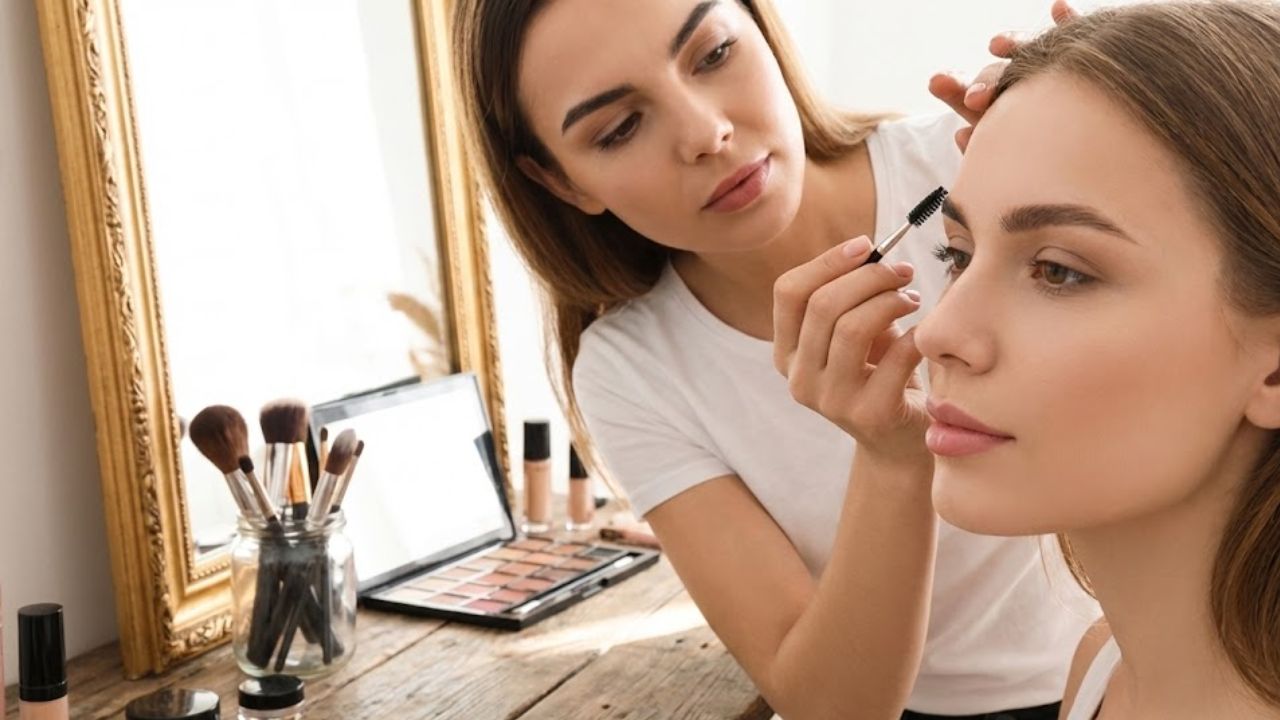
    The technique itself is simple and relies on three small steps to create an invisible lift. First is fill and lift. Lightly fill the top edge of the brow instead of focusing only on the bottom. Concentrate on the outer third, using hair-like strokes to raise the tail by one or two millimeters. This alone changes how your face looks.

    Next is clean and brighten. Using a small brush or fingertip, tap a skin-tone concealer or brightening pen just under the highest point of the arch. Blend it downward onto the lid to remove heaviness rather than create a sharp line.

    Finally, highlight with intention. Add a tiny amount of satin-finish highlighter under the arch and at the inner corner of the eye. Tap gently instead of dragging. Once practiced, the entire process takes about 45 seconds per eye.

    The result does not look trendy or overdone. It simply makes you appear more awake than you feel. Problems happen when the brow is overfilled from underneath, creating thickness and weight above the eyelid. This can pull the gaze downward, especially when the tail extends too far.

    Using concealer that is too light can also backfire. Harsh halo brows may work under studio lights but can look chalky in daylight. The lift should feel soft and natural. Choose a shade close to your skin tone with slight brightness and blend until it melts into the lid.

    This method works because it is easy enough to become routine. Two strokes to lift the tail, one swipe to clean the arch, and a small dot of light. No extra products and no extra time.

    A Minimal Brow Shift That Gently Lifts Your Whole Face

    Once this technique becomes part of your routine, you may notice small changes. Seeing yourself on a phone screen later in the day, you might look less tired than expected. On warm days, brows and mascara alone may feel enough for a video call.

    There is also comfort in these small rituals. Those brief moments in front of the mirror are often the only time you look at your face with intention rather than criticism. Adjusting a brow or softening a shadow is not about vanity. It is a quiet way of preparing yourself for the day.

    When you are exhausted but still need to show up, that subtle brow lift becomes a small sign of readiness. When things are going well, it simply helps your appearance match how you feel. Whether on a screen, in a meeting, or waiting for coffee, your eyes look alert even as your mind catches up.