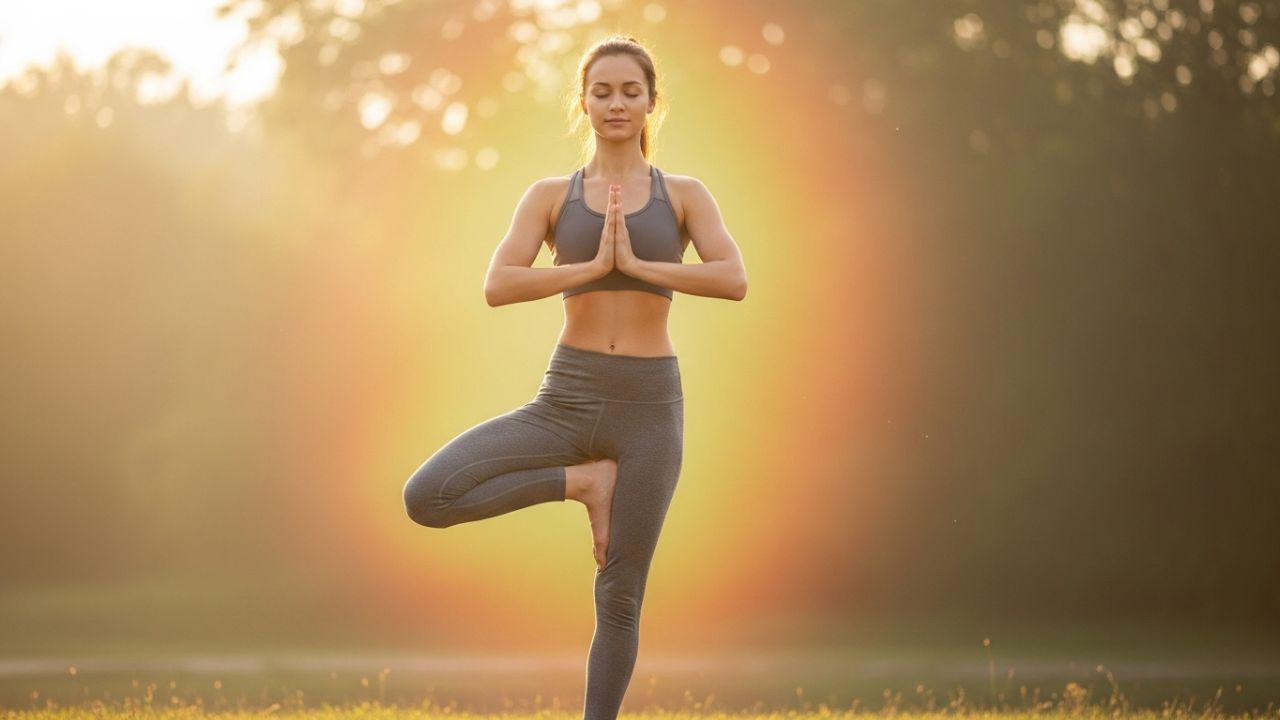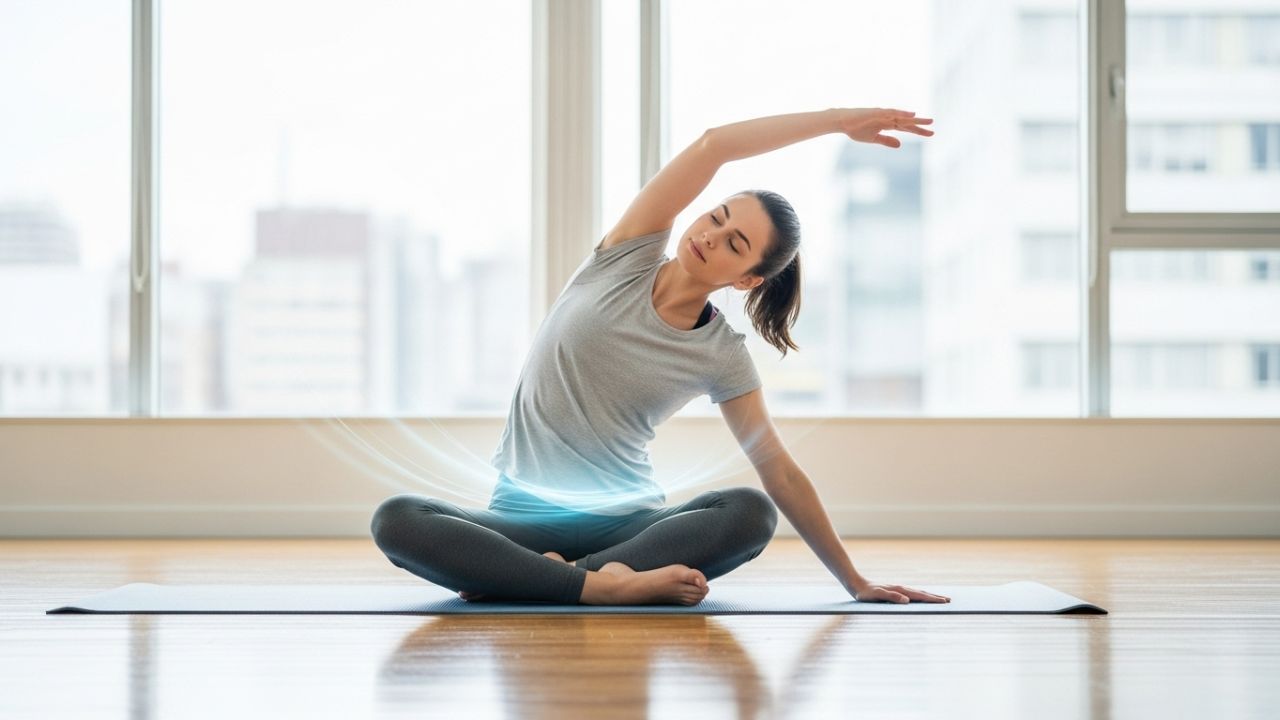
Category: News

  • Yoga for Office Pain Relief: Simple Poses to Reduce Desk Strain and Improve Daily Posture

    Yoga for Office Pain Relief: Simple Poses to Reduce Desk Strain and Improve Daily Posture

    In our modern world many office workers sit at computers for extended periods which causes bad posture and ongoing pain. Back problems and stiff necks affect most people who work at desks all day. Yoga provides a straightforward and proven way to reduce office-related pain while fixing posture and improving overall physical health. This article explains how yoga benefits office workers and includes specific poses that relieve pain and encourage better posture. Office work creates several physical problems. Sitting for hours makes muscles tight and weak at the same time. The hip flexors and hamstrings become shortened while the core and back muscles lose strength. Leaning forward toward a screen rounds the shoulders and pushes the head forward which strains the neck & upper back. This position also compresses the chest and restricts breathing.

    How Yoga Supports Office Wellness

    Office workers often experience discomfort from sitting at their desks all day. Bad posture and tight muscles can cause ongoing pain in the neck, shoulders and lower back. Yoga helps solve these issues by making the body more flexible & building strength in important muscle groups. Yoga is different from other workouts because it is easy on the body. It works on straightening the spine and loosening tight muscles while reducing tension. This practice benefits both the mind & body which makes it perfect for people who work at desks.

    Top Desk-Friendly Yoga Poses to Ease Pain

    Here are five yoga poses you can do at your desk or in your office space to relieve pain and improve posture:

    1. Seated Cat-Cow Stretch (Marjaryasana-Bitilasana)

    This gentle stretch focuses on the spine and shoulders. It increases spinal flexibility and eases tension in the neck and upper back.

    How to do it:
    – Sit at the edge of your chair with your feet flat on the floor.
    – Place your hands on your knees.
    – Inhale, arch your back, and look upward (Cow pose).
    – Exhale, round your spine, and drop your head toward your chest (Cat pose).
    – Repeat for 5-10 breaths.

    2. Chair Forward Fold (Uttanasana)

    This forward fold stretches the hamstrings and lengthens the spine, helping relieve lower back pain.

    How to do it:

    – Stand behind your chair with your feet hip-width apart.
    – Inhale and lengthen your spine.
    – Exhale, hinge at your hips, and fold forward, letting your upper body hang over your legs.
    – Hold for 5 breaths, feeling the stretch along your back and legs.

    3. Seated Spinal Twist (Ardha Matsyendrasana)

    This twist targets the spine and eases tension in the lower back and hips, common areas of discomfort for office workers.

    How to do it:

    – Sit up tall with your feet flat on the floor.
    – Inhale and lengthen your spine.
    – Exhale, twist your torso to the right, placing your left hand on your right knee.
    – Hold for 3-5 breaths, then switch sides.

    4. Desk Downward Dog (Adho Mukha Svanasana)

    This pose stretches the entire body, especially the shoulders, hamstrings, and calves, while promoting better posture.

    How to do it:

    – Stand with your feet hip-width apart and place your hands on your desk.
    – Step your feet back, raising your hips, forming a V-shape with your body.
    – Push your chest toward your thighs and press your heels toward the floor.
    – Hold for 5 breaths, then release.

    5. Neck Stretches

    Gentle neck stretches can help relieve stiffness and neck pain, which is common among office workers.

    How to do it:

    – Sit or stand with a tall spine.
    – Slowly drop your ear toward your shoulder, holding for 5-10 seconds.
    – Gently roll your head forward and backward, then repeat on the other side.
    – Perform 2-3 repetitions on each side to release tension.

    Tips for Maintaining Good Posture at the Office:

    Ergonomic Setup: Adjust your desk and chair to support good posture. Your monitor should be at eye level, and your feet should rest flat on the floor.

    Take Breaks: Stand, stretch, or walk for a few minutes every hour to reduce stiffness.

    Mind Your Posture: Sit upright with your shoulders back and avoid slouching.

    Daily Benefits of Practicing Yoga at Work

    Regular yoga practice provides numerous benefits specifically for office workers. Key advantages include:

    Pain Relief: Practicing yoga helps alleviate chronic pain by enhancing flexibility and strengthening muscles that support the spine and joints.

    Improved Posture: Consistent yoga practice can correct misalignments caused by slouching or hunching, promoting a more upright and confident posture.

    Increased Flexibility and Strength: Yoga engages muscles often neglected by office workers, boosting overall strength and flexibility while reducing the risk of injuries.

    Reduced Stress: Yoga soothes the nervous system and encourages mental clarity, helping office workers manage stress and feel more relaxed.

    Enhanced Focus and Productivity: By improving circulation and releasing tension, yoga enhances concentration, focus, and overall work performance.
  • Visual Observation Challenge: Spot 3 Hidden Differences in the Skydiver Image in 8 Seconds

    Visual Observation Challenge: Spot 3 Hidden Differences in the Skydiver Image in 8 Seconds

    Find the Differences in the Skydiver Picture Our entertainment options keep changing as technology advances. We now have social media apps and mobile games that offer quick mental challenges whenever we want them. One popular type of puzzle asks you to spot differences between two similar images.

    This article focuses on a specific challenge where you need to find three hidden changes in a skydiver picture within eight seconds. The game seems simple but actually requires sharp observation skills and fast thinking.

    Inside the Skydiver Puzzle Craze: What’s It All About?

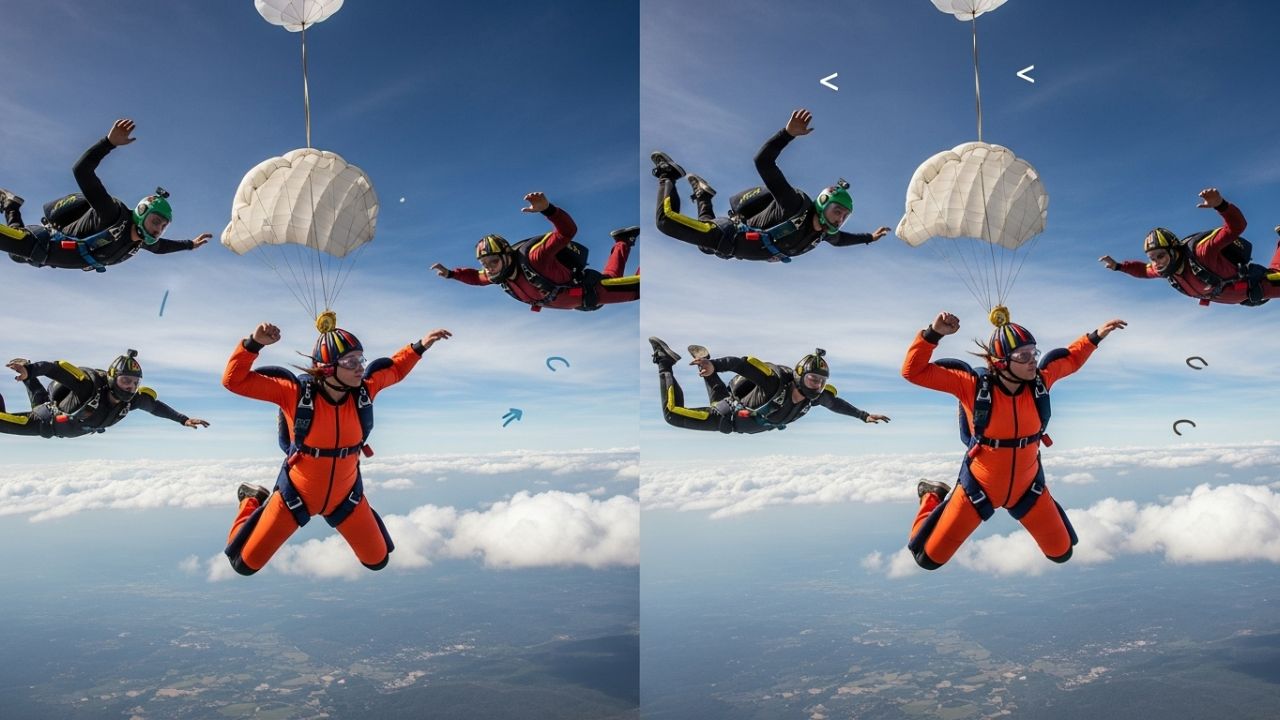
    The Skydiver Image Challenge is a visual puzzle game that shows you two copies of the same picture. The first picture looks completely normal and the second picture contains some subtle changes hidden inside it. Your goal is to spot these three hidden changes in just 8 seconds.

    This challenge appeals to people because of its simple concept and tight time limit. Finding only three differences might sound easy but it actually requires strong mental focus and sharp observation skills.

    The 8-Second Rule: Why Speed Sharpens Your Brain

    When we try to find something in just eight seconds our brain uses its fastest and most efficient processes. This time limit makes the game engaging and helps players develop the ability to perform under pressure.

    Scientific studies have shown that focusing intensely for short periods improves our concentration & quick decision-making abilities. This is not just a game but also a mental exercise in accuracy and speed.

    Ready, Set, Spot! How to Play This Sky Challenge

    Playing the Skydiver Image Challenge is easy to start, but succeeding requires the right approach. Begin by carefully studying the first image. Observe every detail of the skydiver, including their outfit, posture, background scenery, and overall surroundings.

    Next, examine the second image closely and compare it with the first. Look for small but important changes, such as the position of the feet, helmet color, cloud shapes in the background, or variations in the parachute strings. Strong concentration and a sharp eye are essential to spot all three differences within just 8 seconds.

    Brain Boosting Perks: Memory, Focus, and More

    These puzzles serve a purpose beyond simple entertainment. They function as mental workouts that strengthen your brain. When you engage with them you develop better visual discrimination skills which means you become more capable of spotting small differences between similar objects.

    Working through these puzzles with time constraints also enhances your ability to focus and respond quickly. Both young people and adults gain advantages from this activity. The practice not only makes your thinking sharper but also helps you build patience & adapt your mental approach to different challenges.

    What’s Driving the Viral Success of This Game?

    These spot the difference games are getting more attention on social media lately because they work well for everyone regardless of age. They are simple enough to enjoy alone or with others in your household.

    People spend most of their time looking at screens nowadays so these quick puzzles offer a way to have fun while testing your observation skills in just a couple of minutes. The challenge of finding only three differences in the skydiver picture adds an extra layer of excitement to the activity.

    A Visual Treat for Kids: Fun Meets Learning

    This game is highly beneficial for children as it supports overall mental development. While playing, children improve their attention span, analytical thinking, and observation skills. The 8-second time limit pushes them to think quickly, make fast decisions, and stay mentally alert.

    Parents and teachers can use this game as a fun yet educational activity for kids. It allows children to learn through play while strengthening their cognitive abilities in an engaging and enjoyable way.

    Adult Brain Recharge: Relaxation Meets Mental Agility

    This game works well for adults too. When your day feels busy and stressful it gives you a chance to focus on a simple puzzle for just 8 seconds. It helps calm your mind and reduces stress. Playing these puzzles on a regular basis also sharpens your thinking speed & helps you solve problems better.

    You get a quick break from work pressure while giving your brain a good workout at the same time.

    Want More Fun? Smart Tips to Level Up the Game

    To make the game even more exciting, try turning it into a friendly competition with your friends or family. Racing to see who can spot all three differences first adds an extra layer of fun and energy to the challenge.

    You can also keep things interesting by choosing puzzles with different difficulty levels. Whether you start as a beginner or take on expert-level challenges, the game continually tests your skills while sharpening your focus, concentration, and visual awareness.

    Where to Play: Web-Based and App Versions Explained

    Nowadays this game is available on many online websites and mobile apps. You can play it on your mobile device anytime and anywhere. Playing the game on digital platforms also gives you instant feedback and scores which increases the competition & excitement.

    When playing on mobile you can use a timer and measure your reaction time and speed. This makes the game not only entertaining but also a tool for testing your personal abilities.

  • Optical Illusion Challenge: Can You Spot 05 and 30 Hidden Among 50s?

    Optical Illusion Challenge: Can You Spot 05 and 30 Hidden Among 50s?

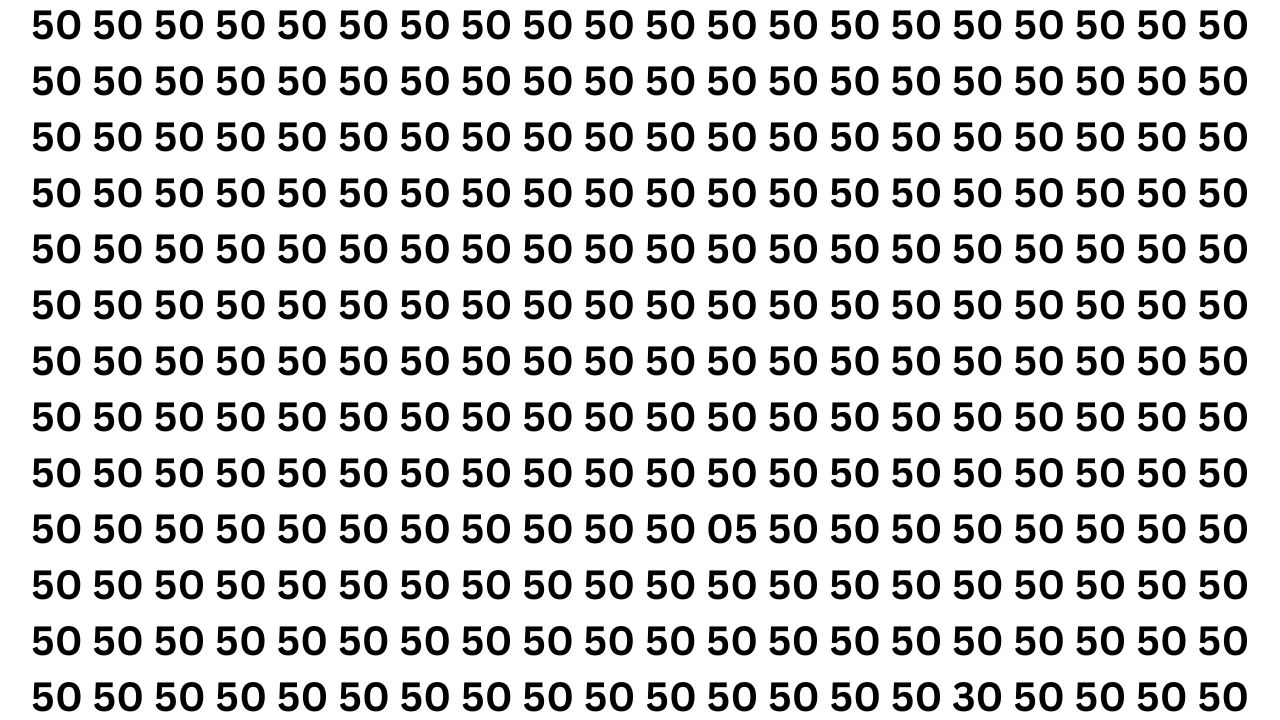
    Optical illusions offer more than just entertainment. They give your brain a solid workout by testing how well you process visual information and pay attention to small details. This particular challenge presents you with a grid packed with the number 50 repeated over and over. Your job is to locate two different numbers hidden among them: 05 & 30. The twist is that you only get five seconds to spot both. What seems easy at first becomes surprisingly difficult because your eyes keep seeing 50 everywhere. The repetition creates a visual trap that makes the hidden numbers blend right in. This puzzle will show you just how sharp your observation skills really are.

    What Are Optical Illusions?

    Optical illusions are images that confuse how your brain sees things. They make you perceive something differently than it actually is or cause you to overlook certain details. Your mind gets tricked into reading visual information the wrong way and this forces your brain to work harder at understanding what it sees. These illusions appear in different ways. Some hide images inside other pictures while others use visual patterns that seem to move or look three-dimensional. An optical illusion puzzle tests how well you can observe details and spot hidden elements or small differences in an image. Working through these puzzles makes your brain practice better focus and sharper visual skills. When you solve optical illusions you get entertainment and also train your brain to concentrate better. You learn to recognize patterns faster and process what you see more quickly. These abilities prove useful in regular daily situations.

    The Challenge: Find the Numbers 05 and 30 Among 50s

    Today’s optical illusion presents a straightforward task that demands keen observation. A grid packed with the number 50 contains two different numbers concealed within it: 05 & 30. Your goal is to find them in just five seconds. It might sound simple but the real difficulty comes from how similar everything looks and how many times 50 appears throughout the grid making it hard to locate the hidden numbers quickly. The illusion works because seeing 50 repeated so many times tricks your brain into missing the small variations. When you look at the grid you might feel overwhelmed by how uniform everything appears but staying focused and observing carefully will help you spot the two hidden numbers. What makes optical illusions like this interesting is how they challenge your brain to filter out distractions and concentrate on tiny details. The task goes beyond simply seeing numbers because you need to recognize subtle differences among a mass of nearly identical figures.

    How Optical Illusions Improve Your Brain Power

    How Optical Illusions Benefit Your Brain Optical illusions are more than entertaining puzzles. They provide real mental advantages when you practice them regularly.

    Better Concentration: These challenges require intense focus on one specific task. Even when repeating numbers or patterns try to distract you your brain must filter out the noise and spot subtle differences. This strengthens your ability to concentrate in everyday situations at work or home.

    Quicker Mental Processing: Working with optical illusions teaches your brain to handle visual information faster. When you scan a grid looking for numbers like 05 and 30 among many 50s you develop rapid visual processing skills. This ability helps you make faster decisions in daily life.

    Sharper Detail Recognition: Finding hidden numbers demands careful observation. Success comes from noticing small variations like different digits in number sequences rather than seeing obvious elements. This skill proves valuable in precise work such as proofreading or data analysis.

    Stronger Memory: Solving these puzzles exercises your memory as well. Focusing on specific patterns and numbers improves how your brain stores and retrieves information. This mental skill supports better performance in school and work environments.

    The Solution: Finding the Hidden Numbers

    Finding the Number 05: Examine the grid carefully and look at the number patterns. You will find the number 05 in the sixth row and third column from the left side. This number is difficult to notice because 50 appears many times throughout the grid. Pay attention to how the digits are arranged & you will notice the difference between the zero and five. Finding the Number 30: You can locate the number 30 in the second row from the bottom and second column from the right side. This number also blends with the surrounding 50s which makes it challenging to identify. Focus on the second digit of each number sequence to find it. Most numbers show a 5 in that position but the number 30 has a 3 instead. After you locate both numbers you will realize they stand out from the other 50s in the grid despite looking similar initially. Solving this puzzle requires patience and practice along with the ability to stay focused when working against time constraints.

    Why Optical Illusions Are So Tricky

    Optical illusions work by exploiting how your brain processes information. When numbers look nearly identical, your brain struggles to tell them apart, particularly when you’re trying to work quickly. The numbers 50 05 and 30 share similar shapes, and when 50 appears multiple times in a row, finding the different numbers becomes even more difficult. Your brain naturally searches for patterns and expects things to match. When you see 50 repeated throughout the puzzle, your mind assumes every number is the same. You have to consciously push past this automatic response and examine each number carefully to identify the subtle variations that make 05 & 30 different from 50. These types of visual puzzles are valuable tools for improving mental sharpness. They force your brain to analyze details more carefully and notice small differences that would normally go unnoticed. Regular practice with such challenges helps develop better attention to detail and stronger visual processing skills.

    How to Get Better at Spotting Hidden Objects

    Practice Often: Regular practice leads to improvement. Work with optical illusions every day to help your brain get better at finding hidden details faster.

    Keep Your Cool: Time limits can make you nervous but remaining calm allows you to think better. Look through the image in an organized way so you don’t miss anything.

    Use Sections: When you can’t find something divide the puzzle into smaller parts. Check one area of the image at a time to help you concentrate better.

    Build Your Memory: Optical illusions depend on memory and recognition skills. Working on these puzzles improves not only how well you see details but also how well you remember patterns.

  • Spot the Difference Challenge: Find 3 Changes in the Santa Claus Image in 9 Seconds

    Spot the Difference Challenge: Find 3 Changes in the Santa Claus Image in 9 Seconds

    Festive puzzles carry a unique appeal. They bring warmth & familiarity while still testing your mind in unexpected ways. This Santa Claus spot the difference puzzle offers exactly that kind of challenge. When you first glance at both images they look identical and cheerful. Santa appears happy and the background creates a magical atmosphere where everything seems perfectly aligned. However three subtle differences hide within this pleasant scene and you have just 9 seconds to find them. Most people start with confidence but their certainty fades as time runs out. The details begin blending together and what seemed simple becomes surprisingly difficult. This is what makes the puzzle so captivating. It presents itself as straightforward but quietly measures how well you actually observe details.

    Why Festive Spot the Difference Puzzles Are So Engaging

    Holiday puzzles work well because they show things people already know. Images of Santa Claus & bright stars make viewers feel comfortable and happy. When your brain is in this relaxed state it pays less attention to small details. This is exactly when tiny changes in the picture become much harder to spot. This puzzle uses that trick on purpose. The differences are not big or easy to see. They fit naturally into the holiday scene so the challenge feels reasonable but still difficult. The festive setting also makes people feel good while they search. This means they enjoy the puzzle instead of getting annoyed when they cannot find all the answers right away.

    How to Tackle a 9 Second Observation Challenge

    When you have limited time rushing through the image in a panic will not help you succeed. The most effective method is to remain calm & work through the puzzle in an organized way. Begin by examining one specific section of the image before moving to the next. Look at Santa himself as your starting point & then shift your attention to the objects positioned near him before finally reviewing the background areas. Your brain processes missing objects faster than it detects small changes in design or color. Remember this fact while you search for differences. Another important point is to avoid thinking that all the differences will be clustered in a single area. Most puzzles deliberately place the differences throughout various parts of the image to challenge your concentration and make the task more difficult.

    What Makes This Santa Claus Puzzle Tricky

    This puzzle works well because it relies on tiny everyday elements that your brain tends to skip over. Small items like accessories & background details or minor clothing features get missed easily when you focus mainly on Santa’s face or his general appearance. Most of the colors and shapes stay the same which builds a powerful sense that everything matches. This feeling of similarity makes spotting the actual differences much harder when you have limited time to solve it.

    Benefits of Solving Spot the Difference Puzzles

    Puzzles like this serve a purpose beyond simple entertainment. They contribute to the development of essential cognitive abilities. When practiced regularly they enhance your capacity to notice fine details and improve both focus and visual recall. These abilities prove valuable in daily situations such as careful reading or detecting subtle changes in your environment. Children benefit from these puzzles by developing patience and learning to observe more carefully. Adults find them useful as brief mental exercises that provide refreshment without causing fatigue. Even spending a few minutes on a puzzle can help clear your mind when your day feels overwhelming.

    Common Mistakes People Make While Solving

    One common mistake is focusing only on the main character. Many people stare at Santa’s face and miss the background entirely. Another mistake is assuming the differences will be large. Most spot the difference puzzles rely on tiny changes instead of dramatic ones. People also tend to rush through these challenges. While speed matters in timed puzzles controlled observation works better. Slowing down just a bit helps you catch details that rushed eyes miss.

    Santa Claus Spot the Difference Puzzle Solution

    If you spotted all three differences in 9 seconds, you have excellent observation abilities. If you didn’t find them all there’s no need to feel bad. This puzzle was created to test even the most attentive people. The first difference involves the teddy bear. The left image shows the teddy bear with a nose. The right image has removed that nose. Many people miss this change because the bear occupies only a small portion of the picture. The second difference is located in the sky. The left image includes an additional star that has been removed from the right image. This missing star is hard to notice because the sky already has multiple objects in it. The third difference can be seen on Santa. The left image displays a visible shoe lace on Santa’s shoe. The right image does not show this shoe lace. Small clothing details like this often go unnoticed when the overall appearance remains similar. All three differences are minor & blend naturally into the holiday scene. This is exactly what makes the puzzle both entertaining and difficult.

    Why Time Based Puzzles Feel So Addictive

    Adding a countdown changes how your brain responds to the challenge. Nine seconds feels incredibly short and this creates a mix of excitement and pressure. Even when you miss a difference you usually want to try again right away. These puzzles deliver quick satisfaction. Finding all the differences gives you a sense of achievement while missing one keeps your curiosity engaged. This balance explains why people enjoy sharing and replaying spot the difference challenges with others.

    Final Thoughts on This Festive Puzzle

    This Santa Claus puzzle offers an enjoyable method to check how well you notice details in a holiday setting. It shows us that tiny differences can be easy to miss even when they’re right in front of us. Whether you found the answer fast or looked at the solution your mind still received good exercise. These types of puzzles help you concentrate better and give you a pleasant break from everyday thoughts. Continue testing your observation skills with images that seem familiar because the tiniest changes are often the most difficult to spot.

  • 5 Powerful Yoga Poses to Increase Flexibility Within 30 Days

    5 Powerful Yoga Poses to Increase Flexibility Within 30 Days

    Flexibility plays a vital role in overall health by improving mobility, posture, and reducing the chances of injury. Yoga is one of the most effective and natural ways to build flexibility, and with regular practice, noticeable results can be achieved within just 30 days. Whether you are new to yoga or already experienced, adding a few targeted poses to your daily routine can significantly improve your body’s range of motion. Below are five powerful yoga poses that help increase flexibility when practiced consistently.

    Downward-Facing Dog (Adho Mukha Svanasana)

    This foundational yoga pose provides a full-body stretch and is especially effective for improving flexibility in the hamstrings, calves, shoulders, and spine. Begin in a tabletop position with hands under shoulders and knees under hips. Lift your hips upward, straightening your legs as much as comfortable to form an inverted V shape. Keep your heels reaching toward the floor and your spine long. Hold the pose for 30 seconds to one minute while breathing deeply.

    Benefits include stretching the hamstrings and calves, strengthening the arms and legs, and improving overall blood circulation.

    Forward Fold (Uttanasana)

    Forward Fold is an excellent pose for lengthening the hamstrings and releasing tension in the lower back. Stand with your feet hip-width apart and hinge forward from the hips, allowing your upper body to relax toward the floor. Keep a slight bend in the knees if needed to protect the lower back. Hold the pose for 30 seconds to one minute, focusing on lengthening the spine with each breath.

    This pose helps stretch the back of the legs, calm the nervous system, and support better posture.

    Seated Forward Fold (Paschimottanasana)

    This seated pose deeply targets the hamstrings, spine, and shoulders, making it highly effective for improving overall flexibility. Sit on the floor with legs extended straight ahead. Inhale to lengthen the spine, then exhale and fold forward from the hips, reaching for your feet, ankles, or shins. Hold for 30 seconds to one minute, maintaining steady breathing. A yoga strap can be used for support if flexibility is limited.

    It helps relieve lower back tension, improves spinal flexibility, and promotes relaxation through controlled breathing.

    Low Lunge (Anjaneyasana)

    Low Lunge is ideal for opening tight hips and stretching the hip flexors, quadriceps, and groin area. Step one foot forward into a lunge and lower the back knee to the floor. Keep your torso upright and hands resting on the front thigh or the mat for balance. Gently press the hips forward to deepen the stretch. Hold for 30 seconds to one minute before switching sides.

    This pose improves hip mobility, strengthens the legs, and counters stiffness caused by prolonged sitting.

    Bridge Pose (Setu Bandhasana)

    Bridge Pose combines flexibility and strength by opening the chest, hips, and spine while engaging the lower body. Lie on your back with knees bent and feet flat on the floor, placed hip-width apart. Press through your feet and lift your hips upward, creating a straight line from shoulders to knees. Hold for 30 seconds to one minute, then gently lower down.

    Benefits include improved spinal flexibility, strengthened glutes and hamstrings, and better posture.

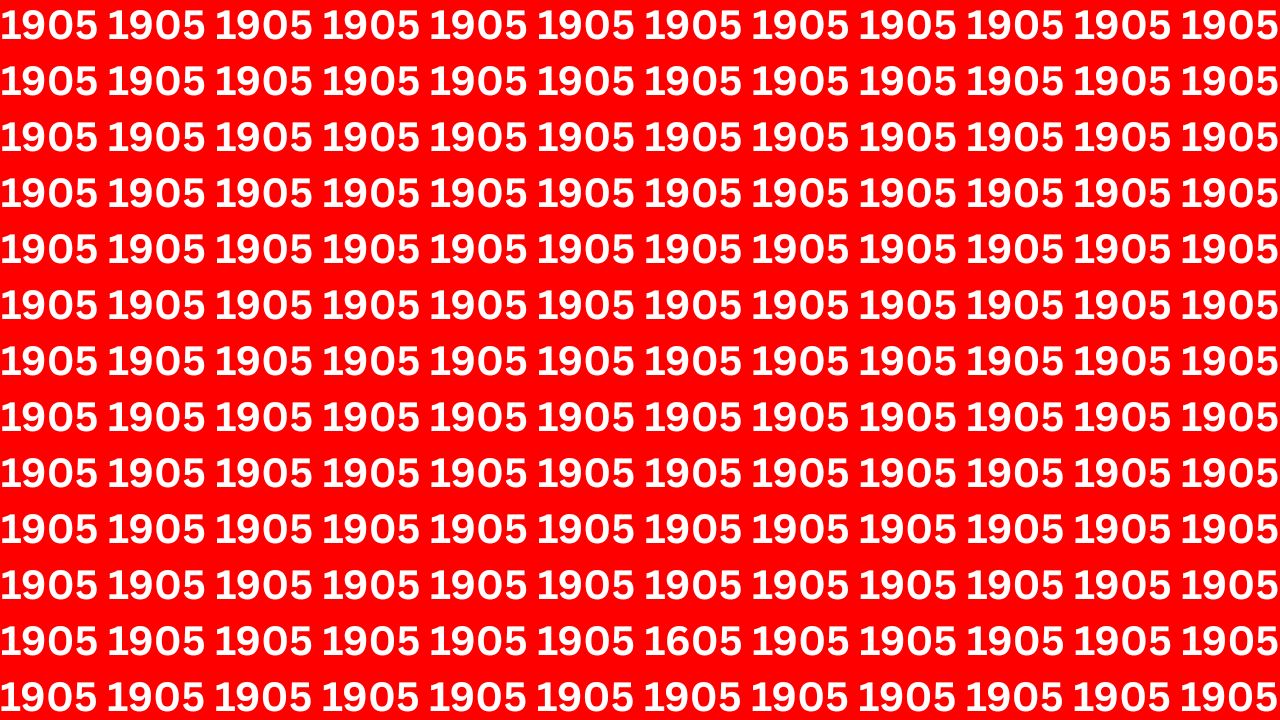
  • Optical Illusion Challenge: Can You Find 1605 Hidden Among 1905s?

    Optical Illusion Challenge: Can You Find 1605 Hidden Among 1905s?

    Optical illusions offer an interesting method to test our brains and improve how well we observe things. They work as more than simple entertainment because they help us develop better focus and strengthen our ability to notice small details and process what we see. This particular optical illusion presents a genuine challenge where you need to find the number 1605 hiding among many instances of 1905 in only 9 seconds. When you first look at it the task appears easy but the numbers look so similar that it becomes much more difficult than most people anticipate. This exercise evaluates both how well you can concentrate and how quickly you can spot differences which makes it an effective way to exercise your brain.

    What Is an Optical Illusion?

    An optical illusion happens when your eyes see something that differs from what actually exists. Your brain gets fooled and reads the visual information wrong because of the way images or patterns are set up. These illusions come in different types. Some hide objects inside complicated pictures while others mess with how you see depth or color or movement. They usually contain small details that you might miss when you first look but become obvious when you examine them more carefully. These puzzles do more than just entertain you. They also help your brain work better. When you look at optical illusions your brain learns to handle visual information faster. You get better at concentrating when things get difficult and you become more skilled at spotting patterns. This makes them useful for improving how your mind works.

    The Challenge: Spot the Number 1605

    This optical illusion puzzle asks you to find the number 1605 hidden in a grid filled with 1905s. These numbers look almost identical at first but there is a small difference between them. Your challenge is to locate the number 1605 in only 9 seconds. It might sound easy but it is actually quite tricky. The repeated pattern of 1905 can fool your brain into missing the subtle variation you need to find. The puzzle tests how quickly you can process visual information & notice small details. Optical illusions work by taking advantage of how your brain naturally focuses on repeating patterns while missing minor changes. With the numbers 1905 & 1605 the difference is in the middle digits where a 6 replaces the 9. This tiny but significant change is what you need to spot to solve the puzzle.

    Why Optical Illusions Are So Effective

    Why Optical Illusions Are Great Brain Exercise You might ask yourself why optical illusions work so well for training your brain. These puzzles offer more than simple entertainment. Here are the reasons they help boost your mental skills:

    Better Attention to Small Details

    Optical illusions make your brain notice tiny things you normally miss. When you search for the hidden number 1605 among all those 1905s you are training yourself to see differences in similar patterns. This ability helps you in many situations like checking documents or fixing complicated problems.

    Faster Visual Processing

    The 9-second deadline in this puzzle pushes you to look at visual information quickly. Your brain must scan the grid fast and find the number 1605 while ignoring all the repeated 1905s. This trains your brain to handle visual information faster which helps in busy situations.

    Stronger Focus and Concentration

    Optical illusions need serious focus because your brain must sort through repeated elements and spot small changes. When you practice this kind of mental workout you can improve your concentration & learn to ignore distractions. This skill helps at work and in everyday life.

    Better Pattern Recognition

     Optical illusions usually involve finding patterns that are hidden or twisted. When you practice these puzzles you teach your brain to spot patterns faster. This improves your ability to make quick choices and solve problems in different parts of your life.

    The Solution: How to Find the Number 1605

    If you’re still having trouble finding the number 1605 here’s a helpful tip: look at the last digit. The number 1605 is different from 1905 by just one digit—the “5” instead of the “9.” This might seem like a small difference but it’s essential for identifying the correct number. To make it easier the number 1605 is in the 5th row and 3rd column from the left. When you look at the grid carefully you’ll see that this is the only number where the last digit is a “5” rather than a “9.” This small difference is what solves the puzzle. The secret to finding the number 1605 is to scan the image carefully and look for slight variations. While all the other numbers are 1905 this one is different because of the changed last digit. Once you find it you’ll see it clearly.

    Why Is This Puzzle So Challenging?

    The challenge in this optical illusion puzzle comes from how similar the numbers 1605 and 1905 look to each other. These numbers are nearly the same except for one digit in the middle. This similarity is what makes optical illusions difficult because the differences are so small that they blend in with everything else around them. Your brain likes to find patterns and notice things that repeat. When you look at a row of numbers like 1905 appearing multiple times your brain pays attention to what stays the same and misses what changes. This explains why optical illusions work so well because they hide small differences that need careful attention to spot. The 9-second time limit makes this puzzle even harder because you must look quickly without losing focus. Having a clock counting down pushes your brain to work faster and tests how well you can examine visual details when you are in a hurry.

    How to Improve Your Optical Illusion Solving Skills

    If you want to get better at finding hidden details in optical illusions you should try these suggestions: Practice Often: The more time you spend on these puzzles the easier it becomes to notice small differences. Begin with basic illusions and slowly move toward harder ones. Keep Your Cool: Time limits make these challenges tougher but staying relaxed helps a lot. Breathe slowly & look through the image in an organized way. Focus on Tiny Changes: These illusions usually depend on minor details that are simple to miss. Teach yourself to concentrate on small elements like the numbers in this puzzle and work on sharpening your focus on these little variations. Build Pattern Skills: Many optical illusions need you to spot patterns or find objects that mix into the surroundings. With regular practice you will get faster at seeing patterns & noticing differences.

  • Optical Illusion Eye Test: Can You Identify What Makes These Twins Different?

    Optical Illusion Eye Test: Can You Identify What Makes These Twins Different?

    Optical illusion eye tests appeal to puzzle enthusiasts because they appear straightforward but contain hidden complexities. This particular challenge presents two cartoon girls that look the same when you first see them. Their hairstyles match & their clothing is identical. Their facial expressions and body positions also appear the same. At first it seems like you are viewing genuine twins without any noticeable differences. However the challenge poses a question that proves more difficult than expected. If these are twins then what distinguishes them from each other? The solution involves a small detail that most observers overlook in their initial examination.

    The key is to look beyond the obvious similarities and focus on subtle elements. Many people scan the image quickly and assume the figures are completely identical. This assumption causes them to miss the distinguishing feature. Success requires careful attention & patience rather than speed. The difference between the two girls exists but remains deliberately obscure. The creators designed this test to challenge your observation skills and attention to detail.

    Why This Optical Illusion Challenge Captures Attention Instantly

    The human brain has a natural ability to identify faces and patterns it knows well. When two images appear nearly identical the brain makes a quick judgment that they match perfectly and stops searching for any variations. This automatic response helps conserve mental resources during everyday activities but it works against you when solving optical illusion challenges. This visual test exploits that tendency. The strong resemblance between both images tricks your brain into believing no differences exist. Your focus then shifts away from the tiny details where the actual difference is concealed.

    The Science Behind How Visual Illusions Trick the Human Brain
    Optical illusions work because of assumptions. The brain processes images fast and adds details based on expectations instead of reality. When looking at puzzles with twins the brain assumes everything should match. Most people glance at the entire image without studying individual facial features closely. This explains why obvious differences can remain hidden even when staring directly at them. The mind takes shortcuts when processing visual information.

    It relies on patterns & past experiences to make quick judgments. With twin images this automatic process works against finding differences because the brain predicts similarity before actually analyzing the details. People tend to scan images rapidly rather than examine them section by section. The eyes might pass over a changed element multiple times without the brain registering it as different.

    Key Visual Clues to Spot When Comparing Twin Images

    To solve puzzles like this you need to change how you examine the image. Instead of looking at the figures as complete units you should separate them into individual components. Start with the face and then examine the hair followed by the eyes & eyebrows before checking the clothing. People frequently miss the eyebrows despite their significant impact on facial expressions. Their small size and delicate nature mean that variations in their shape or thickness often go unnoticed unless you deliberately search for them.

    The Subtle Difference Revealed in a Simple Way

    If you could not spot the difference here is the answer. The two cartoon girls look almost the same but there is one small change in their eyebrows. The girl on the right has a thicker and darker left eyebrow. The girl on the left has thinner & lighter eyebrows. This small change is easy to overlook because everything else in the picture stays the same. When you finally see the eyebrow difference it becomes clear. This delayed recognition is a typical trait of optical illusion eye tests.

    What Your Final Answer Reflects About Your Observation Power

    Finding the eyebrow difference right away shows that you have good attention to detail and process visual information carefully. It means your brain can look past what it expects to see and notice small changes. If you needed extra time or had to check the answer that does not mean you are bad at observing things. Most people look at the whole picture first before they examine the smaller parts. This ability gets better with regular practice.

    Why Optical Illusion Eye Tests Go Viral on Social Media

    Optical illusion eye tests get shared a lot because they are quick and fun to do. They make people want to join in right away & they create curiosity. People like to challenge their friends and see who can spot the difference fastest. These puzzles also give people a good feeling when they solve them. Finding the hidden detail usually comes as a surprise and that makes the whole experience stick in your mind and feel rewarding.

    Do These Visual Puzzles Truly Measure Eye and Brain Sharpness?

    Visual Puzzles These puzzles are commonly referred to as eye tests but they do not serve any medical purpose. Their actual function is to evaluate how well someone can maintain attention and scan visual information rather than measuring the quality of their eyesight. Despite not being medical tools these puzzles offer real benefits. They help develop the ability to notice small visual details. This skill proves valuable in numerous daily activities including reading documents and navigating roads safely. The same attention to detail supports problem solving abilities & enhances creative thinking in professional work.

    Unexpected Mental Benefits of Solving Illusion-Based Puzzles

    Solving optical illusion puzzles on a regular basis can boost your ability to focus & notice visual details. These puzzles make your brain pause and examine what appears in front of you rather than jumping to quick conclusions. A lot of people find working on these puzzles calming. They provide a brief mental escape that feels useful without creating any pressure. With continued practice you will get better at identifying differences more quickly & with less effort.

    How Noticing Tiny Details Improves Visual Intelligence

    This twin illusion shows that small details matter a lot. A tiny change like different eyebrows can completely change the solution to a puzzle. In everyday life noticing details helps you avoid errors and understand things better. Optical illusion eye tests make this lesson fun & challenging.

    Why You Should Keep Challenging Your Eyes and Mind Daily

    If you liked this optical illusion eye test you can find many similar puzzles to try. Search for challenges with hidden objects or small differences in faces and patterns. These puzzles help train your brain to notice details and maintain focus. When you practice regularly you might be surprised at how much better you become at spotting tiny differences.

  • 7 Simple Yoga Poses: Gentle Practices That Boost Energy More Than Coffee

    7 Simple Yoga Poses: Gentle Practices That Boost Energy More Than Coffee

    I always began my day drinking coffee and sometimes I would have two cups of it. The caffeine worked well at first but then I would feel tired & unfocused later. A few months back I decided to try something new and started doing a short yoga session in the morning instead of relying on coffee. I was not sure if it would help but the results were surprising. These basic yoga movements provided me with consistent energy throughout the day without the shaky feeling or sudden energy crash that coffee gave me. I felt calm and focused while also feeling physically stronger. Yoga activates your breathing patterns along with your muscles and nervous system in a gentle way. It helps wake up your body naturally and removes the foggy feeling in your mind. I want to share seven yoga poses that made me feel more energized and mentally sharp. These poses are suitable for beginners and simple to practice.

    How Yoga Revives Energy Without Stimulants

    Yoga improves circulation by increasing blood flow and oxygen throughout the body. Many poses gently open the chest and release tight muscles, allowing the lungs to expand more fully. This encourages deeper, steadier breathing. When you breathe deeply, more oxygen reaches the brain, which can instantly help you feel more alert and refreshed.

    Yoga also helps lower stress hormones in the body. As stress levels decrease, natural energy levels begin to rise. Rather than pushing the body to stay awake, yoga supports a smooth and balanced flow of energy, helping you feel calm yet energized.

    Mountain Pose: A Simple Way to Activate Your Body

    Mountain Pose appears basic but holds real strength. Position yourself upright with your feet firmly planted on the ground. Raise your chest upward and pull your shoulders toward your back. Breathe in and out slowly with full breaths. This position strengthens your posture and steadies your balance.

    It creates a feeling of being grounded & focused. I frequently begin with this pose to establish the right mindset for practice. Spending just sixty seconds in this position can increase your awareness of the present moment.

    Sun Salutation Flow for Complete Energy Renewal

    Sun Salutation is a short sequence of yoga poses performed one after another. It works to stretch and strengthen nearly all the major muscle groups while also providing a gentle cardiovascular boost. This flowing sequence warms up the body quickly & enhances blood circulation throughout your system.

    I typically perform it three to five times in succession. Once I finish these repetitions my body feels energized and prepared for additional movement.

    Downward Facing Dog to Shake Off Fatigue

    Downward Facing Dog works well when you feel sluggish or exhausted. The position allows fresh blood to flow toward your brain while stretching your spine & legs at the same time. Stay in this pose for five deep breaths and push your hands firmly against the mat. Allow your head to hang naturally without tension.

    This pose consistently makes me feel more energized and less weighed down afterward.

    Warrior II Pose to Build Power and Confidence

    Warrior II strengthens the legs and core while sharpening mental focus. Holding this pose creates a sense of stability and inner strength, helping you feel grounded and confident.

    This posture is especially useful for reducing fatigue connected to low motivation. It sends a clear message to the body about resilience and capability. I personally felt a noticeable boost in energy when maintaining this pose with calm, steady breathing.

    Tree Pose to Improve Balance and Mental Clarity

    Tree Pose Tree Pose helps improve your balance & sharpens your focus. To do this pose you stand on one leg while placing your other foot against either your calf or inner thigh. You can keep your hands pressed together at your chest or stretch them up above your head. When you practice balancing poses your nervous system becomes more active and engaged.

    These poses force your mind to focus completely on what is happening right now. I found that Tree Pose made me feel more awake and mentally sharp during those mornings when I felt sluggish and slow to start my day.

    Cobra Pose for Chest Expansion and Fresh Energy

    Cobra Pose gently stretches the chest and spine. It helps reverse the effects of long hours spent sitting. This posture also supports deeper, more relaxed breathing.

    Lie flat on your stomach with your legs extended. Place your palms beneath your shoulders. Slowly lift your chest while keeping your lower back relaxed. Avoid pushing too hard. Practicing this pose made my breathing feel lighter and my energy flow more smoothly.

    Seated Twist to Rejuvenate the Spine Gently

    Seated twists are effective for releasing back tension and they help your digestive system work better. Better digestion naturally leads to higher energy levels throughout the day. To do this pose you should sit up straight and slowly rotate your torso to one side.

    Stay in that position while taking several breaths and then repeat the movement on the opposite side. The exercise provides both a refreshing sensation & a sense of calm.

    When You’ll Start Feeling the Energy Benefits

    You do not need a long session. I felt a difference in just ten minutes. A short daily practice works better than a long session once a week. Consistency matters more than intensity. Over time your body learns to wake up naturally. Doing this every day brings better results than occasional longer attempts. Regular practice trains your system gradually. Your body adapts when you maintain a steady routine. The changes happen slowly but they become permanent.

    You will notice improvements within the first few weeks. Small daily efforts accumulate into significant progress. Your natural rhythms adjust without forcing anything. This approach feels easier and more sustainable. You can fit ten minutes into any schedule. The simplicity makes it practical for busy people. Your body responds well to gentle repetition. Morning alertness becomes automatic after consistent practice.

    Ideal Time of Day to Practice Yoga for Energy

    Morning is the best time for energizing yoga, as it helps set a positive pace for the entire day. Practicing early can boost alertness and improve overall focus. However, yoga can also be helpful in the afternoon, especially when energy levels naturally drop and the body feels sluggish.

    Late at night, it’s better to avoid very intense or stimulating poses. Instead, choose gentle and calming yoga practices before bedtime, as they help relax the body, ease tension, and prepare the mind for restful sleep.

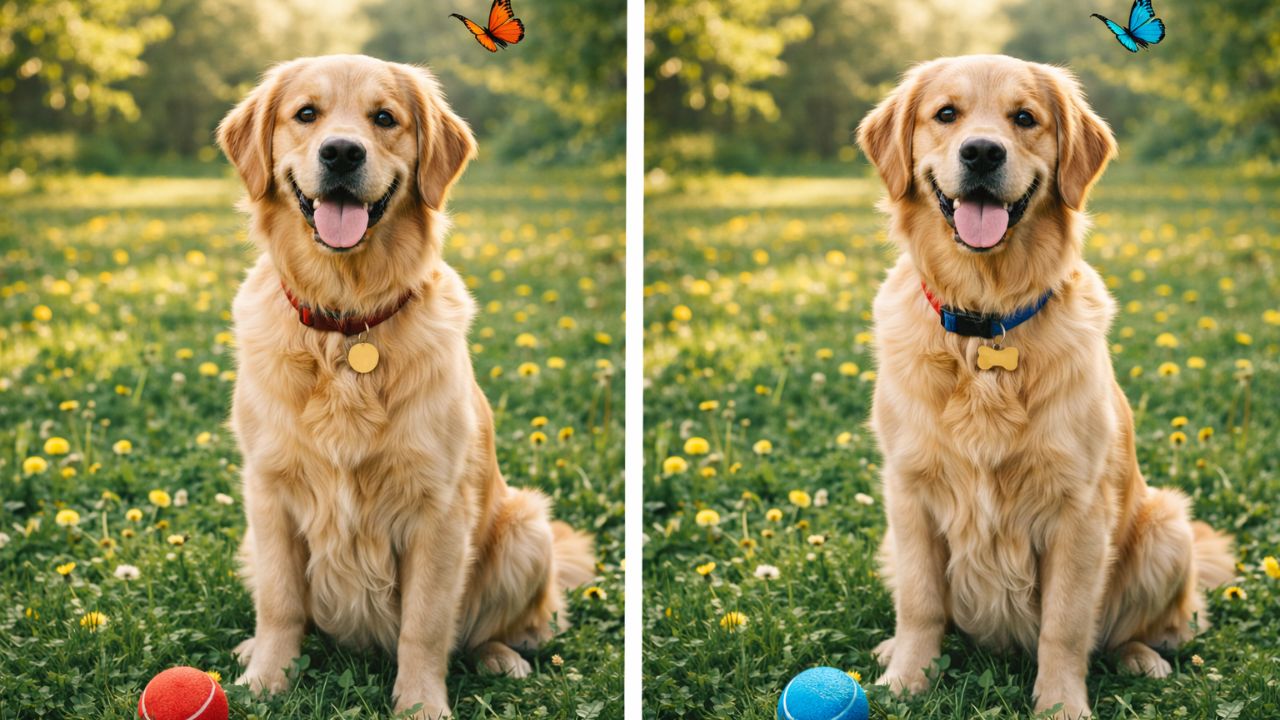
  • Picture Puzzle Challenge: Spot 3 Differences in This Dog Image in 8 Seconds

    Picture Puzzle Challenge: Spot 3 Differences in This Dog Image in 8 Seconds

    Picture puzzles offer an enjoyable method to test your observation abilities. This puzzle featuring a dog appears straightforward and welcoming but contains a smart challenge. The puzzle presents two nearly matching images of a cheerful dog in a bright outdoor environment. At first the scene appears peaceful and recognizable. However three minor differences exist within the picture and you must locate all of them in just 8 seconds.

    Most people start with confidence. The dog along with the house and fence & yard seem completely identical. Once the timer begins those small changes become surprisingly difficult to spot. This combination of apparent simplicity & actual difficulty makes picture puzzle IQ tests appealing.

    Understanding the Concept of Picture Puzzle IQ Challenges

    A picture puzzle IQ test is designed to evaluate how well you can detect visual differences under time constraints. Unlike traditional quizzes that focus on numbers or logical reasoning, these challenges emphasize visual observation. Typically, two similar images are shown side by side, and your task is to identify subtle changes between them.

    These variations may include added elements, missing details, or slight shifts in shape or placement. The human brain tends to overlook these differences due to pattern recognition, often filling in expected visuals. That’s why picture puzzles are excellent for enhancing your focus, attention to detail, and overall visual perception skills.

    Why This Dog Image Puzzle Tricks Your Brain at First Glance

    This puzzle shows a friendly and playful scene. A cute dog in a backyard creates an instantly comforting feeling. When the brain sees something familiar it relaxes and stops examining every detail carefully. That is where the challenge starts.

    The differences in this puzzle are subtle. Nothing major has been removed or changed. Instead small elements have been added in a way that blends naturally into the background. The dog itself remains the same which tricks the brain into thinking the rest of the image is also unchanged.

    Smart Strategies to Beat an 8-Second Visual Challenge

    When you are racing against the clock, scanning randomly usually leads to missed details. A better approach is to scan the image in sections. Start at the top & move slowly downward while comparing both images side by side.

    Look at the sky first, then the ground and then objects near the dog. Our eyes are often better at spotting new additions rather than missing items. Keeping that in mind can help you find differences faster.

    Staying calm also matters. Rushing creates tunnel vision, which makes you miss obvious changes.

    How Spot-the-Difference Puzzles Boost Focus and Thinking Speed

    Picture puzzles aren’t just fun—they sharpen the brain. They enhance focus, improve visual memory, and boost pattern recognition skills. Regularly solving them trains the mind to slow down and analyze details with care.

    For kids, these puzzles encourage patience and attention. For adults, they offer a quick but stimulating mental break that keeps the brain engaged. Even a few minutes spent on a puzzle can refresh your mind and help reduce cognitive fatigue.

    Most Common Errors People Make During Dog Image Puzzles

    One common mistake is focusing only on the main subject. In this puzzle many people stare at the dog & miss the background changes. Another mistake is assuming all differences will be in the same area.

    People also tend to ignore small background elements like clouds or grass or bowls because they seem unimportant. That is exactly where puzzle creators like to hide differences.

    Explained Solution for the Dog Picture Puzzle IQ Test

    If you managed to spot all three differences within 8 seconds, that shows excellent observation skills. If you missed any, don’t worry—this puzzle is cleverly designed to be challenging even for sharp eyes.

    The first difference is found in the sky. On the right-side image, there’s an extra small cloud added just above the tree on the left. Since the sky already looks calm and full, this extra cloud often goes unnoticed.

    The second difference is near the dog on the ground. A small patch of grass appears close to the dog’s front paw in the right image. It blends in naturally with the existing ground details, making it easy to overlook.

    The third difference is near the steps. A bone has been added inside the blue bowl next to the steps in the right image. Because the bowl is present in both versions, most people don’t notice the subtle change.

    These three small additions are designed to fit seamlessly into the scene, making them tricky to catch without focused attention.

    The Psychology Behind Addictive Time-Limited Puzzles

    Adding a time limit changes how your brain responds to the challenge. Eight seconds feels very short and this creates both pressure & excitement. Even when you miss spotting a difference the desire to try again stays strong.

    Puzzles based on time also provide immediate feedback. Successfully finding all the differences creates a satisfying feeling of accomplishment. Missing just one keeps your curiosity engaged and makes you want to keep trying. This careful balance explains why these puzzles get shared frequently and why people of all ages enjoy them.

    Key Takeaways From This Dog Spot-the-Difference Challenge

    This dog image puzzle is a brilliant example of how even the simplest scenes can hide clever visual tricks. It highlights how our brains often rely on expectations, sometimes missing what’s right in front of us.

    Whether you spotted the differences instantly or needed help with the solution, your brain still got a valuable workout. Puzzles like these boost focus, sharpen attention, and turn observation into a fun, trainable skill. Keep practicing with similar challenges — the more you play, the sharper your eyes become.

  • 16 Yoga Benefits: Build a Calm Mind and a Strong, Resilient Body

    16 Yoga Benefits: Build a Calm Mind and a Strong, Resilient Body

    Yoga is one of the few practices that strengthens the body while calming the mind at the same time In daily life stress weakens muscles and tightens joints while disturbing mental balance. Yoga works in the opposite direction by building physical strength gently and soothing the nervous system. Below are 16 powerful yoga benefits that help create a calm mind and a strong resilient body when practiced regularly. Yoga improves flexibility through sustained stretching that lengthens tight muscles and increases range of motion in joints. Regular practice gradually loosens areas that feel stiff from sitting or repetitive movements.

    Builds Physical Strength Without Strain

    Yoga strengthens muscles using body weight instead of heavy equipment. Each pose activates multiple muscle groups at the same time, helping develop overall strength without stressing the joints. This approach creates balanced, functional strength that feels natural, controlled, and easy to maintain over time.

    Calms the Nervous System

    Slow movements combined with mindful breathing trigger the body’s relaxation response. Yoga lowers stress hormones and gently guides the body out of constant tension. A calmer nervous system improves emotional balance and supports faster physical recovery.

    Improves Flexibility and Mobility

    Consistent yoga practice gently stretches muscles and connective tissues. Improved flexibility reduces stiffness and allows smoother, more comfortable movement. Flexible muscles recover more quickly and are less likely to become injured.

    Enhances Posture and Body Alignment

    Yoga increases awareness of posture and alignment. Strong core and back muscles support the spine, helping reduce slouching and unnecessary strain. Proper alignment allows the body to move efficiently while conserving energy.

    Strengthens the Core Naturally

    Many yoga poses engage deep core muscles without aggressive effort. A strong core improves balance, protects the lower back, and enhances overall stability. This strength carries over into daily movements and activities.

    Reduces Muscle Tension and Tightness

    Stress often causes muscles to remain tight even during rest. Yoga helps release stored tension through slow stretching and controlled breathing. Relaxed muscles improve circulation and reduce aches and discomfort.

    Improves Balance and Coordination

    Balancing poses train the body to remain steady and focused. Improved balance strengthens stabilizing muscles and sharpens coordination. This reduces the risk of falls and supports confident, controlled movement.

    Supports Joint Health

    Yoga moves joints gently through their full range of motion. The combination of compression and release nourishes joint tissues and improves lubrication. Healthy joints contribute to long-term comfort and mobility.

    Improves Breathing Efficiency

    Yoga emphasizes mindful and controlled breathing. Better breathing increases oxygen flow and supports endurance. Efficient breath patterns also calm the mind and help reduce physical fatigue.

    Boosts Mental Focus and Clarity

    Yoga encourages awareness of the present moment. This practice sharpens concentration and reduces mental distractions. A focused mind improves body awareness and enhances movement control.

    Improves Sleep Quality

    Relaxation techniques used in yoga prepare the body for deep rest. Better sleep allows muscles to repair and the nervous system to reset. Quality sleep supports both calmness and physical strength.

    Supports Emotional Balance

    Yoga helps regulate emotional responses by calming stress reactions. Emotional balance prevents tension from accumulating in the body. A stable emotional state supports long-term physical well-being.

    Enhances Circulation and Energy Flow

    Yoga improves blood flow through coordinated movement and breath. Enhanced circulation delivers oxygen and nutrients to muscles and organs. This supports strength while reducing feelings of fatigue.

    Builds Endurance Gradually

    Holding yoga poses develops muscular endurance without overwhelming the body. Over time, strength and resilience increase steadily. This gradual progress helps prevent burnout and supports consistency.

    Encourages Body Awareness and Mindfulness

    Yoga trains awareness of posture, sensations, and breathing. This mindfulness reduces the risk of overuse and injury. A connected mind and body function together more efficiently.

    Creates Inner Calm with Outer Strength

    One of yoga’s greatest benefits is balance. It cultivates inner calm while building outer physical strength. This combination supports confidence, resilience, and overall well-being.

    Why Yoga Is Ideal for Calmness and Strength

    Yoga does not push the body to extremes. It works with natural movement and breathing patterns. This makes it suitable for all ages and fitness levels, allowing strength to grow gently while calmness develops effortlessly.

    How Often to Practice Yoga for Best Results

    Practicing yoga three to five times per week leads to noticeable improvements. Even short daily sessions can support calmness and strength when practiced consistently.