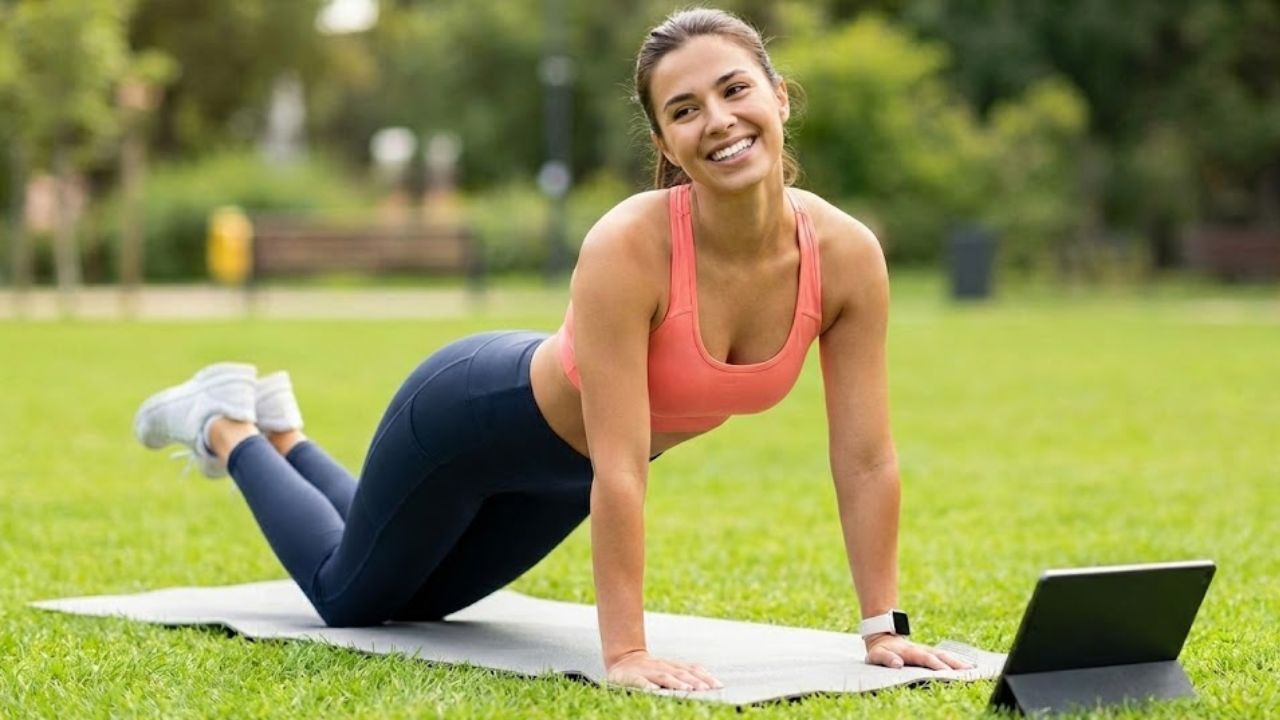
Category: News

  • These 3 seated exercises help tone arms after 50 without push-ups

    These 3 seated exercises help tone arms after 50 without push-ups

    Strong, sculpted arms aren’t only a seasonal fitness goal. If you’re new to exercise, or if standing or getting down on the floor for moves like push-ups feels challenging, knowing where to begin can be difficult. The good news is that there’s an easy starting point — three simple, seated exercises that help strengthen and shape your upper body using only your bodyweight.

    Building a strong upper body goes far beyond appearance. Upper-body strength supports everyday movements such as lifting shopping bags or laundry, reaching items on high shelves, opening doors, or pushing yourself up from a chair. As we age, this strength becomes even more important. A well-conditioned upper body can help reduce injury risk during falls and supports balance and control when climbing stairs or moving independently.

    As with any new routine, if you’re recovering from an injury or managing specific mobility limitations, it’s wise to consult a qualified professional before starting. While these exercises are suitable for most people, stop immediately if you feel pain and seek guidance to ensure proper form and avoid unnecessary strain.

    What Does the Workout Involve?

    This routine was created by Deron Buboltz, a certified Strength and Conditioning Specialist for Seniors. It includes three bodyweight exercises. Perform each movement for 20 seconds and repeat the full circuit five times to complete a five-minute workout. Short rest breaks between rounds are optional if needed.

    Exercises Included in the Routine

    Chicken-wing arm raises: Sit upright in your chair and engage your core by gently drawing your belly button toward your spine. With elbows bent, lift both arms out to your sides. Hold briefly at the top, then slowly lower them back toward your body.

    Double-jab movement: Begin with your arms raised and elbows bent. Focus on squeezing your shoulder blades together. Make a fist with each hand and extend both arms straight forward. Pause, then bend your elbows to return to the starting position.

    Double-arm flutter: Stretch your arms forward, away from your body. Gently flutter them up and down. This movement also supports better circulation while activating the upper-body muscles.

    This workout targets areas often referred to as “flabby arms.” While fat loss can’t be isolated to one spot, these exercises effectively engage the triceps, biceps, and shoulder muscles. For added intensity, you can hold light dumbbells in each hand as you perform the movements.

    Stay informed and inspired by signing up for the best of Tom’s Guide. Get quick access to breaking news, top reviews, standout deals, and practical tips delivered straight to your inbox.

  • Forget crunches and sit-ups as this beginner-friendly core workout builds strength without strain

    Forget crunches and sit-ups as this beginner-friendly core workout builds strength without strain

    For many beginners in India, traditional crunches and sit-ups can feel uncomfortable, intimidating, or even risky for the lower back and neck. That’s why more people are turning to gentler core routines that still deliver real strength gains without unnecessary strain. This beginner-friendly core workout focuses on controlled movements, breathing, and stability rather than force. It helps activate deep abdominal muscles, improve posture, and support everyday movements. Best of all, it’s accessible for all fitness levels and fits easily into a regular home workout routine.

    Beginner-friendly core workout without crunches

    This beginner-friendly core workout replaces high-pressure movements with slow, intentional exercises that prioritize form. Instead of flexing the spine repeatedly, you focus on maintaining alignment and tension through moves like dead bugs and standing core holds. These exercises promote spine-friendly training, encourage deep muscle activation, and support better body control. Because the movements are low impact, they’re easier to learn and safer for those returning to exercise. Over time, this approach builds a strong foundation that supports balance, posture, and daily tasks without overwhelming the body.

    How this no sit-up core routine builds strength

    A no sit-up core routine works by engaging stabilizing muscles that are often ignored in traditional ab workouts. When you resist movement rather than create it, your core learns to brace and protect the spine. This leads to functional core strength, improved joint stability focus, and balanced muscle engagement. Beginners often notice better posture and reduced discomfort during daily activities. Because the exercises emphasize control, they also help develop coordination and confidence, making it easier to progress to more advanced workouts later.

    Why beginners benefit from low-strain core exercises

    Low-strain core exercises are especially valuable for beginners because they reduce the risk of overuse injuries and soreness. By avoiding aggressive spinal flexion, these movements encourage safe movement patterns, promote steady strength progress, and support long-term consistency. Many people find they’re more likely to stick with a routine that feels manageable and rewarding. Over time, this consistency leads to stronger muscles, improved mobility, and a greater sense of confidence in one’s physical abilities.

    Summary and practical takeaway

    Skipping crunches doesn’t mean skipping results. A beginner-friendly core workout that focuses on stability, breathing, and alignment can be just as effective, if not more. This approach supports everyday movement ease, encourages mindful exercise habits, and builds lasting core resilience. For beginners in India looking to start safely, these low-strain routines offer a practical, sustainable way to develop strength without discomfort or fear of injury.

    Exercise Type Main Benefit Strain Level
    Dead Bug Core stability Low
    Standing Knee Lift Balance support Low
    Bird Dog Spine control Low
    Plank Hold Total core engagement Moderate

    Frequently Asked Questions (FAQs)

    1. Is this core workout suitable for complete beginners?

    Yes, it’s designed to be safe, simple, and easy to follow.

    2. How often should beginners do this routine?

    Two to three times per week is ideal for steady progress.

    3. Do I need any equipment for this workout?

    No equipment is required; bodyweight is enough.

    4. Can this replace traditional ab workouts?

    Yes, it can effectively build core strength without crunches or sit-ups.

  • Weight Loss Yoga: 5 Moves That Support Fat Burn and Metabolism

    Weight Loss Yoga: 5 Moves That Support Fat Burn and Metabolism

    Yoga is usually thought of as gentle stretching or meditation. However certain yoga poses can support weight loss and help boost metabolism when practiced with focus and controlled breathing. Unlike high intensity workouts or typical gym exercises yoga blends strength with balance and continuous movement. This method helps develop lean muscle and raises heart rate while supporting calorie burn for hours after your session ends. The five yoga poses described here work well for both beginners & experienced practitioners. You can practice them in a brief session or add them to your everyday schedule. Yoga supports weight loss by activating major muscle groups and enhancing blood flow. It also lowers stress hormones that promote fat accumulation in the midsection. Through consistent practice your body gets better at burning energy and your mental clarity improves so you tend to make better decisions about food & lifestyle habits. The five poses presented below were selected because they engage multiple muscle groups and elevate heart rate without causing strain while building stamina.

    Warrior I Pose for Building Strength and Burning Calories

    Warrior I is a classic standing yoga posture that helps develop strength in the legs, core, and arms. Holding this pose with steady breathing gently increases your heart rate while your muscles work to stay stable. Over time, this effort supports the development of lean muscle mass, which plays a role in boosting your resting metabolism.

    Start by standing with your feet wide apart. Turn your right foot outward and angle your left foot slightly inward. Bend your right knee so it stacks directly over your ankle. Lift both arms overhead with your fingers reaching up. Press firmly into the floor, lengthen your spine, and hold for 30 to 60 seconds while breathing evenly. Switch sides and repeat.

    This posture activates the quadriceps, glutes, shoulders, and core. Strong lower-body muscles help your body burn more calories even at rest. Warrior I also opens the chest and lungs, encouraging deeper breathing and improved oxygen use.

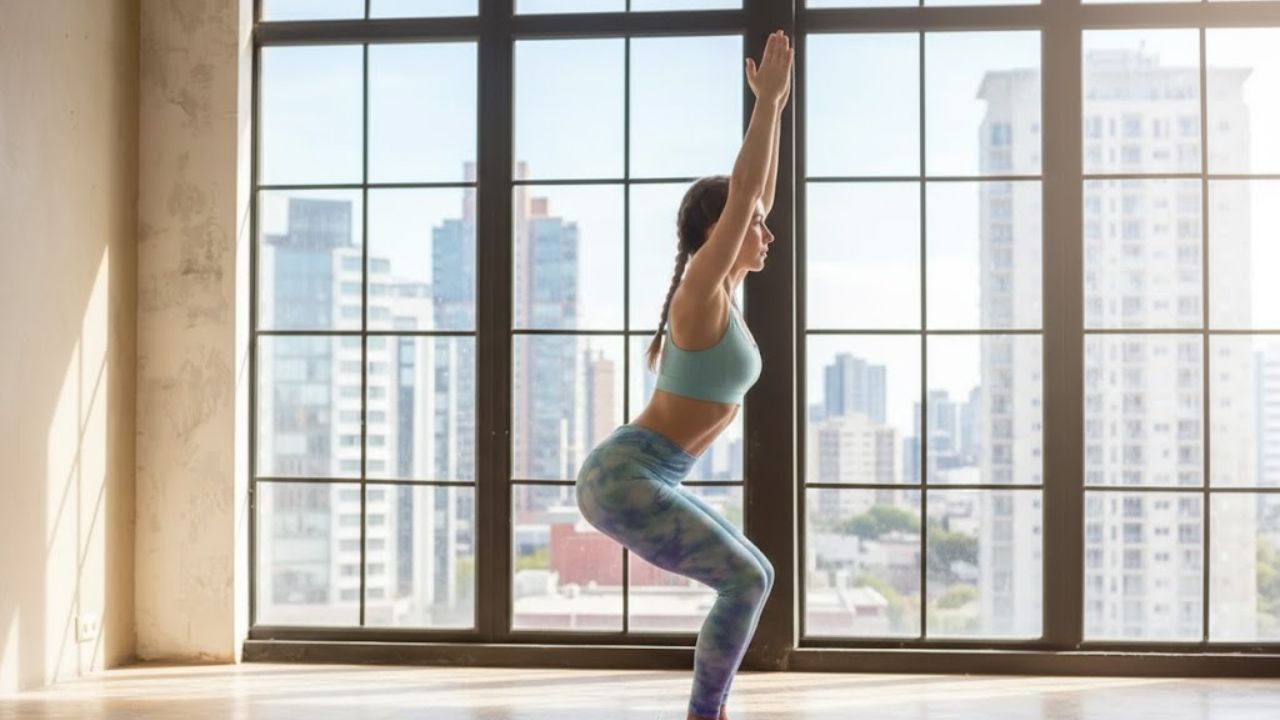
    Chair Pose to Activate the Core and Lower Body

    Chair Pose is an effective posture for encouraging fat burn because it engages the core, thighs, and glutes at the same time. Your body must stay lifted and steady, which increases energy use in muscles essential for everyday movement.

    Stand with your feet together or hip-width apart. Inhale as you raise your arms overhead. As you exhale, bend your knees as if sitting back into an imaginary chair. Keep your spine long, shift your weight into your heels, and reach your arms forward and up without tensing the shoulders. Hold the pose with calm breathing for 30 to 45 seconds.

    Chair Pose strengthens the lower body, which supports continued calorie burn even after your session ends. Holding muscle engagement under tension encourages endurance, and with regular practice, your legs and core grow stronger, supporting a leaner body composition.

    Sun Salutation Flow for Total Body Activation

    Sun Salutation is a flowing sequence that connects breath with movement. Repeating this cycle raises the heart rate and quickly warms the body. It involves nearly every major muscle group, helping support fat loss and stamina.

    Begin standing tall. Inhale and sweep your arms upward. Exhale as you fold forward from the hips. Inhale to lift halfway with a flat back. Exhale and step or jump back into plank. Lower down, then rise into Cobra or Upward Facing Dog. Exhale back into Downward Facing Dog. After a few breaths, step forward, lift halfway, and return to standing. Repeat the sequence five to ten times.

    Practicing Sun Salutation continuously with rhythmic breathing keeps your body in motion and supports a higher metabolic rate. The blend of forward folds, backbends, and plank work builds strength and flexibility while helping your body use energy more efficiently.

    Boat Pose to Strengthen the Core and Support Fat Loss

    Boat Pose is a targeted posture for core strength. A strong core improves posture, balance, and overall movement quality, all of which are important for sustainable weight loss. This pose focuses on the abdominal muscles that stabilize your body.

    Sit on the mat with knees bent and feet flat on the floor. Lean back slightly and lift your feet so your shins are parallel to the ground. Extend your arms forward alongside your legs. If stable, straighten your legs to form a V shape. Hold while breathing deeply for 20 to 40 seconds, then release.

    This pose challenges the entire midsection and helps tone muscles essential for daily activity. When the core works efficiently, it supports more intense movement and contributes to higher overall energy use.

    Triangle Pose for Balance and Metabolic Support

    Triangle Pose is a strong standing posture that works the legs, hips, and core while opening the chest and shoulders. It enhances balance and encourages coordinated muscle engagement, which helps raise the heart rate and support calorie burn.

    Stand with your feet wide apart. Turn your right foot outward and your left foot slightly inward. Inhale as you reach your right arm forward, then lower it toward your ankle. Extend your left arm upward and open your chest, gazing toward your raised hand. Hold for 30 to 60 seconds with steady breathing, then switch sides.

    Triangle Pose supports digestive function and stimulates internal organs linked to metabolism. It also lengthens the spine and stretches the sides of the body, improving flexibility and range of motion.

    Practicing These Poses for Optimal Results

    Consistency is key when working toward results. Aim to practice these five poses three to five times per week. They can be combined into one 20 to 30 minute session or spread out in shorter sessions throughout the day. Begin with a gentle warm-up for a few minutes and finish with relaxation in Corpse Pose, lying on your back with relaxed breathing.

    Pairing yoga with mindful eating and proper hydration supports progress. Regular practice builds body awareness, often leading to healthier food choices and balanced eating habits that align with weight goals.

    Tracking your sessions can also help. Pay attention to how you feel, how your energy shifts, and how your clothes fit. While visible weight changes may take time, gains in strength, stamina, and mood often appear sooner.

    Lifestyle Habits That Enhance Weight Loss

    Yoga supports weight loss most effectively when combined with supportive daily habits. Stay active through walking or light movement, prioritize quality sleep, and include protein-rich foods and vegetables to aid muscle repair and sustained energy.

    Managing stress is equally important. The controlled breathing used in yoga helps lower stress hormones associated with fat storage, particularly around the midsection. A calmer nervous system allows the body to release stored energy more efficiently.

    Weight loss is a gradual process. These yoga poses offer a steady, body-respectful way to support that path. With regular practice, focused breathing, and mindful movement, improvements in strength and overall well-being naturally follow.

  • This Baking Soda Paste Trick Makes Dirty Oven Glass Look Clear Again

    This Baking Soda Paste Trick Makes Dirty Oven Glass Look Clear Again

    Keeping oven glass clean can feel impossible once grease and baked-on grime take over, especially in busy Indian households where ovens see frequent use. Many people turn to harsh chemical cleaners, but these often leave fumes and residue behind. A simple baking soda paste trick has quietly become a go-to solution because it uses an ingredient already found in most kitchens. When applied correctly, this natural method helps restore cloudy oven glass to a clear finish, saving time, money, and effort while keeping your home safer and more eco-friendly.

    Baking soda paste method for dirty oven glass

    The baking soda paste method works because baking soda is mildly abrasive yet gentle enough for glass surfaces. By mixing baking soda with a small amount of water, you create a spreadable paste that clings to grease stains. Once applied, it slowly breaks down buildup without scratching. The real magic happens when you let it sit, allowing natural grease breakdown to occur. This approach avoids harsh chemical fumes, making it ideal for enclosed kitchens. Many users love how the paste delivers visible clarity return with minimal effort and supports eco friendly cleaning habits at home.

    Why baking soda cleans oven glass so effectively

    Baking soda works at a chemical level that makes it surprisingly powerful for cleaning oven glass. Its alkaline nature reacts with acidic grease residues, loosening their grip on the surface. This reaction allows stubborn stains to wipe away more easily after soaking. Unlike liquid sprays, the paste stays in place, promoting deep grime loosening over time. Because it is non-toxic, it also ensures safe kitchen surfaces for families. The method supports scratch free results while delivering low cost cleaning benefits that outperform many store-bought solutions.

    How to apply the oven glass cleaning trick correctly

    To get the best results, application matters just as much as the ingredients. Start by spreading the paste evenly across the glass, focusing on darker areas. Let it rest for at least 20–30 minutes so the baking soda can work through the residue. Gentle wiping with a damp cloth then reveals streak free finish without heavy scrubbing. For older ovens, repeating the process helps achieve long lasting shine. This method is valued for its simple home solution feel and offers time saving cleanup for everyday cooks.

    Is this baking soda trick worth trying?

    For most households, this baking soda paste trick is absolutely worth trying before investing in commercial cleaners. It combines affordability with effectiveness, making it accessible to nearly everyone. The method aligns with budget friendly care while reducing exposure to chemicals. Over time, consistent use helps maintain clear oven visibility and reduces buildup. It also encourages health conscious cleaning routines and promotes sustainable household habits. While extremely neglected ovens may need extra rounds, the overall results prove that simple solutions can still deliver impressive outcomes.

    Cleaning Aspect Baking Soda Paste Chemical Cleaner
    Cost Very low Moderate to high
    Fumes None Strong
    Glass safety Gentle May be harsh
    Eco impact Eco-friendly Chemical waste
    Ease of use Simple Quick but strong

    Frequently Asked Questions (FAQs)

    1. Can baking soda scratch oven glass?

    No, when mixed into a paste and wiped gently, it is safe for glass.

    2. How long should the paste sit on the glass?

    Let it sit for 20–30 minutes for best grease removal.

    3. Is this method safe for daily use?

    Yes, it is mild enough for regular maintenance cleaning.

    4. Will it remove very old stains?

    Old stains may need repeated applications for full clarity.

  • Brain Teaser Challenge: Spot 3 Differences in the Deer Images Within 9 Seconds

    Brain Teaser Challenge: Spot 3 Differences in the Deer Images Within 9 Seconds

    Brain teaser challenges keep getting more popular because they give people a fast and useful way to improve their thinking skills. Visual puzzles are some of the most interesting types because they make you find small changes between two pictures that look almost the same. One challenge asks you to use your observation skills to find three differences in two deer pictures in only 9 seconds. When you first look at the images they seem identical but small hidden details set them apart. This puzzle makes your brain work hard to concentrate and understand visual information fast without jumping to conclusions. The tight time limit turns it into a real test of how well you can notice details & stay mentally focused.

    Why Spot the Difference Puzzles Are So Effective

    Visual brain teasers are effective because they challenge how the brain normally handles information. When two nearly identical images are placed side by side, the brain quickly assumes they are the same. This shortcut helps save mental energy, but it also creates blind spots where small changes are easily missed.

    In this deer puzzle, the brain instantly recognizes the scene and treats it as familiar. That sense of familiarity makes subtle differences harder to detect. The puzzle forces the mind to slow down and actively question what it thinks it already knows. This shift from automatic viewing to focused observation is what makes spot the difference challenges so powerful.

    The added time pressure increases the difficulty. Nine seconds feels manageable, but it keeps the brain alert and tense. That urgency pushes concentration higher, making every moment count.

    What This Deer Brain Teaser Tests

    This challenge measures more than just eyesight. It tests multiple cognitive abilities at the same time. Visual attention is key, as you must notice fine details that do not immediately stand out.

    Short term memory also plays an important role. As your eyes move between the two images, your brain must remember details and compare them accurately. Visual processing speed is equally important because the task must be completed quickly and under pressure.

    People who regularly enjoy puzzles like this often develop stronger focus over time. Repeated exposure to visual challenges can help train the brain to notice details more efficiently in everyday situations.

    How to Approach the Puzzle Smartly

    Many people struggle with this challenge not because it is too difficult, but because they use an ineffective approach. Randomly scanning the image rarely works. A structured method improves your chances of success.

    Begin by focusing on the main subject, which is the larger deer. Examine its antlers, body markings, and posture carefully. After that, move on to secondary elements such as the smaller deer and the surrounding plants.

    Breaking the image into sections helps prevent your eyes from skipping over important areas. Comparing one feature at a time is far more effective than scanning the entire scene at once. Staying calm is essential, as rushing usually leads to missed details.

    The Three Differences Explained Clearly

    If you were unable to find all three differences within the time limit, the solution becomes much clearer once explained. The first difference appears in the antlers of the larger deer. In one image, a branch on the right side of the antlers is missing, slightly changing the shape.

    The second difference is located on the body of the larger deer. A small white spot near its back appears in one image but is absent in the other. Because it blends naturally with the fur, it is easy to overlook.

    The third difference is found near the baby deer. The plants around its feet change in shape and size between the two images. This background detail is subtle and often the last difference people notice.

    Why These Differences Are Hard to Notice

    Each difference is designed to blend seamlessly into the scene. The missing antler branch does not dramatically alter the deer’s appearance. The white spot looks like a natural variation in fur, and the altered plants fit perfectly into the forest environment.

    Because these changes feel realistic, the brain does not immediately recognize them as unusual. The puzzle takes advantage of normal visual expectations, which makes it more challenging than it appears at first glance.

    Benefits of Solving Brain Teasers Like This

    Visual brain teasers offer more than simple entertainment. Research on cognitive activity suggests that regular mental challenges can help maintain mental sharpness and improve focus. While puzzles alone do not increase intelligence, they do help strengthen attention and patience.

    Spot the difference puzzles are particularly useful for improving observation skills. Over time, people who practice these challenges often become quicker at noticing small changes in real life, such as while reading or navigating busy environments.

    They also provide a healthy mental break. Unlike passive scrolling, puzzles actively engage the brain, making them a productive way to relax.

    Why This Puzzle Is So Shareable

    This deer brain teaser is highly shareable because it is easy to understand and quick to try. No special instructions are needed. The time limit adds excitement, and people naturally want to compare results with others.

    The moment the differences are revealed often creates surprise and discussion. That emotional reaction is what helps puzzles like this spread rapidly across social platforms.

    Final Thoughts on the Deer Spot the Difference Challenge

    The challenge of finding three differences in the deer images within nine seconds highlights how easily small details can be missed. What looks obvious at first glance often hides subtle changes that require careful observation.

    Whether you spotted all three differences quickly or needed the explanation, this brain teaser provides a valuable mental workout. Practicing puzzles like this can sharpen focus, improve attention to detail, and keep the mind active and alert.

  • Find 3 Hidden Differences in the Boy and Dog Picture Within 12 Seconds

    Find 3 Hidden Differences in the Boy and Dog Picture Within 12 Seconds

    Are you ready for a quick challenge that will test how well you notice small details? This spot the difference puzzle will check your focus and observation abilities. You will look at two images showing a boy relaxing with his dog. Your job is to find three small differences between the pictures within just 12 seconds. The clock is ticking and every second matters so are you prepared for this challenge? This type of puzzle helps improve your concentration and trains your brain to spot tiny changes quickly.

    The Challenge: Spot the 3 Differences in 12 Seconds

    At first glance both images look nearly the same. They show a calm scene with a boy & his dog sitting together. There is bright greenery around them with a clear sky above and soft grass beneath them. However three small differences exist between these two pictures. Can you locate all three within the time limit? This might sound simple but these puzzles are meant to challenge you. The changes are small and might not jump out at you right away even though they are visible. The real test is whether you can identify these differences quickly while under pressure. Can you find the three differences in just 12 seconds? Let’s find out how fast you are!

    Why Do “Spot the Difference” Puzzles Work?

    If you struggle to spot the differences do not worry because many people face the same challenge. These puzzles work by tricking your brain while testing how well you observe details. Your brain naturally looks for patterns & tries to complete missing information when viewing two similar pictures. This automatic process makes these puzzles both entertaining and difficult. Your brain tends to assume that two nearly identical images are exactly the same when you first look at them. This assumption makes you miss small variations between the pictures. Scientists call this mental shortcut perceptual filling in. Your mind creates expectations based on what it sees & those expectations can hide subtle changes from your awareness. These puzzles require you to examine tiny details carefully. This practice helps you develop better focus & stronger attention skills. Regular practice trains your brain to notice visual differences more quickly. Over time your observation abilities become sharper & more reliable.

    Solution: Did You Find All the Differences?

    So how did you do? Were you able to find all three differences within the 12-second time limit? If not there is no need to worry! Here are the three subtle differences hidden within the two images:

    The Cloud: In the second image the cloud above the boy’s head is missing a small detail. This cloud looks identical at first but a small section is removed in the second image.

    The Dog’s Food: Take a closer look at the dog’s food dish. In the second image the food inside the dish has slightly changed because it is missing a small portion of food in one spot.

    The Tree on the Right: Look at the tree in the background near the top right corner of the image. One of the leaves in the second image has been altered slightly and this makes it distinct from the first picture. It is incredible how these changes were hidden in plain sight. They are subtle but noticeable when you pay close attention to detail.

    Why Are “Spot the Difference” Puzzles So Popular?

    “Spot the Difference” puzzles have remained popular for many years because they offer both entertainment and mental benefits. These puzzles work as effective brain exercises that strengthen cognitive abilities like memory and attention while sharpening problem-solving skills. Playing these puzzles trains your brain to notice small details and identify subtle changes between images. When you practice regularly your mind gets better at analyzing visual information. This leads to stronger concentration and enhanced mental performance over time. You can find these puzzles almost anywhere today. Newspapers and magazines have featured them for generations. Now they also appear on mobile apps & websites. They give you an easy way to boost your mental sharpness without feeling like work. The best part is that these puzzles make brain training enjoyable. They offer a refreshing break from routine activities while keeping your mind active and engaged. You get to challenge yourself in a way that feels more like play than exercise.

    The Cognitive Benefits of “Spot the Difference” Puzzles

    Benefits of Spot the Difference Puzzles

    Improves Attention Span & Focus When you work on finding differences within a time limit you train your brain to notice specific details. This practice strengthens your ability to concentrate & pay attention which can benefit many areas of your daily life.

    Boosts Memory and Recall

    Searching for differences exercises your brain’s memory functions. Your mind gets better at remembering patterns and visual details which makes it easier to recall information when you need it in everyday situations.

    Enhances Visual Perception

    These puzzles improve how you process visual information. Regular practice helps you notice small details and view things from multiple perspectives. Over time you become more skilled at spotting differences not only in puzzles but also in real world scenarios.

    Builds Problem-Solving Skills

    Spot the difference puzzles require you to think critically & solve problems. They teach you to examine details carefully & look for patterns in an organized manner. This methodical approach helps you tackle challenges more effectively.

    Reduces Stress and Increases Relaxation

    These puzzles provide mental stimulation while also offering a relaxing experience. Taking time to work on a spot the difference puzzle gives your mind a pleasant break from daily pressures and helps you unwind during hectic days.

  • Why Walking Barefoot at Home Can Slowly Improve Balance and Body Awareness

    Why Walking Barefoot at Home Can Slowly Improve Balance and Body Awareness

    The door closes with a soft click that signals the end of the day. You drop your bag on the floor & place your keys on the shelf. Without thinking you kick off your shoes and let your feet touch the cool living room floor. The tiles feel rough and the rug feels fluffy & the wooden floor feels slightly warm where sunlight touched it earlier. You walk to the kitchen barefoot while looking at your phone. Your feet are quietly working in the background by testing the ground and making small adjustments & sending signals to your brain. You do not notice this but your body does. Later when you bend down to load the dishwasher or step over a toy car you do not stumble. You sway for a moment and catch yourself and continue moving. There is no drama. These are just small victories that you barely notice. This is where the story of barefoot balance begins.

    Why your feet quietly crave balance

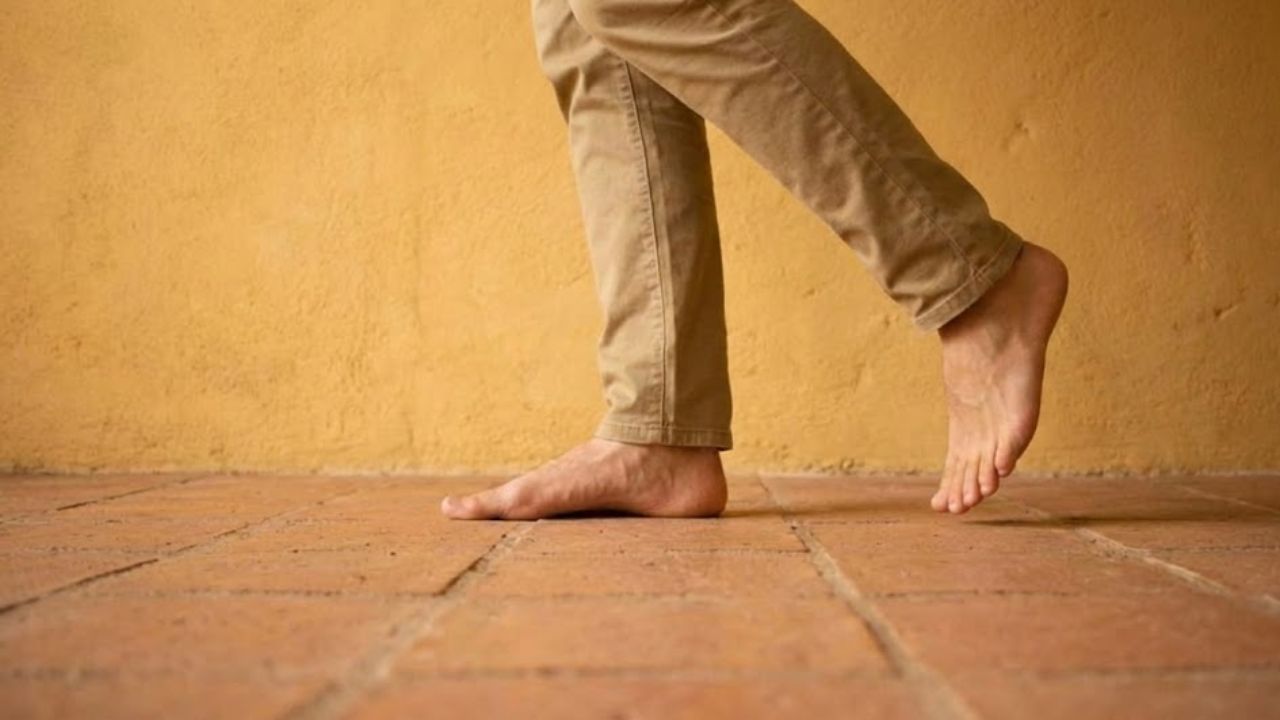
    Most people think of feet as basic tools — useful for moving from the sofa to the fridge and back. They work all day, hidden in socks or shoes, rarely noticed. Yet each foot contains thousands of nerve endings that constantly read the ground, track your weight, and sense how your body tilts and shifts.

    Walking barefoot at home reactivates that entire system. The sole of your foot finally reconnects with reality: cool hallway tiles, a slightly tacky kitchen floor, or the soft give of bedroom carpet. Instead of filtered, padded signals from thick soles, your brain receives clearer, more detailed information.

    When sensory input sharpens, your body responds faster. Ankles make tiny corrections. Toes spread and grip. Small muscles activate in subtle ways you never consciously notice. That quiet adjustment is a hidden training session happening every time you cross the room barefoot.

    A small personal shift that changed everything

    Take Marta, 42. She noticed she was losing balance while carrying laundry down the corridor. No injury, no illness — just an unsettling wobble that felt new. One rushed morning, she forgot her slippers and walked barefoot across the hardwood floor.

    She felt her toes engage slightly when turning. Her heel landed more softly stepping off the rug. Nothing dramatic, nothing worth photographing. Just a sensation that her feet felt more alert, more present.

    Out of curiosity, she tried a simple test: one month without slippers at home, except in the bathroom. By week two, she could stand on one leg to pull on jeans without bracing against the wall. By week four, she could carry a full laundry basket and turn without that sudden, scary lurch. No gym, no equipment — she had simply removed a barrier between her body and the floor.

    How barefoot feedback supports balance

    From a practical standpoint, this adds up. Balance relies on a three-way system: vision, the inner ear, and the sensory receptors in muscles and joints. Going barefoot increases the volume of that third signal.

    When your toes feel the precise angle of the floor, your nervous system reacts in milliseconds. It’s like switching from a blurry image to high definition. The small muscles in your ankles, arches, and calves get frequent, low-level stimulation as they respond to every slight sway.

    Over time, those tiny corrections accumulate. Posture becomes steadier. Your centre of gravity feels easier to control. You don’t transform into a gymnast, but everyday movements begin to feel safer, smoother, and less accident-prone.

    Turning barefoot moments into gentle balance practice

    Start modestly. Pick one area of your home where you go barefoot daily — perhaps the bedroom and hallway. Walk slowly for a minute or two, noticing how your heel touches down, how your toes meet the floor, and how weight shifts across your foot.

    Introduce variety. Stand on a folded towel while brushing your teeth. Move from a rug onto hard flooring and register the contrast. Let your toes spread on a yoga mat or thick carpet. These small changes force your body to recalibrate, quietly strengthening balance without feeling like exercise.

    If it feels safe, try standing on one foot while waiting for the kettle — just a few seconds per side. Enough for your ankles to reconnect with the rest of your body.

    Common mistakes and realistic limits

    The biggest trap is doing too much, too fast. Switching from constant supportive footwear to barefoot all day can overload unprepared feet. Arch soreness or tight calves often come from rushing, not from barefoot walking itself.

    Existing conditions matter too. Anyone with significant balance issues, chronic foot pain, or diabetes should approach barefoot time cautiously and seek guidance if needed. Sharp pain isn’t progress — it’s feedback that something is wrong.

    There’s also a mental hurdle. For some, walking barefoot indoors feels strangely exposed, especially if slippers were the norm growing up. On tough days, cold floors can feel like one irritation too many. Let’s be honest: no one practices gentle habits perfectly every day.

    As one hypothetical yet believable physiotherapist puts it: “The foot is often overlooked in balance discussions, even though it’s one of the body’s richest sensory organs. Using bare feet at home doesn’t just free the toes — it reactivates a feedback system that’s been neglected for years.”

    What barefoot time at home can realistically offer

    • Faster reactions to small shifts in body position
    • Stronger stabilising muscles in ankles and arches
    • Less fear of tipping during turns or bends
    • A familiar space that quietly supports better balance

    Letting your home become a balance laboratory

    Once you start noticing how your bare feet move, it’s hard to ignore. The way toes spread on cold mornings. The subtle shift in weight when you reach for your bag. These sensations become part of an ongoing conversation with your body.

    Your home turns into a low-key experiment. While coffee brews, you gently rock from heel to toe. Watching a show, you rest your feet on the floor instead of tucking them away. Nothing dramatic — just awareness in small moments.

    Most people know that flash of panic from a near-slip in the kitchen. The plate that almost falls. The ankle that twists just enough to spike your heart rate. Barefoot walking doesn’t promise perfection, but it can change how your body responds when those wobbles happen.

    You may never mention it to anyone. No one else may notice you’re barefoot more often. Still, over weeks, something shifts. Turns feel quicker. Standing feels easier. Recovering from missteps becomes calmer, less chaotic.

    That’s the quiet nature of better balance. It doesn’t announce itself with milestones. It shows up in countless small moments where your body simply supports you — a little more steadily than the day before.

    Point clé Détail Intérêt pour le lecteur
    Sensory feedback Bare soles receive richer information from the floor Helps your brain correct posture and avoid stumbles
    Micro-muscle training Small foot and ankle muscles work more with each step Builds subtle strength for everyday balance
    Everyday routine Short barefoot moments during normal tasks Makes balance training easy to fit into real life
  • Natural Skincare Practices Using Facial Massage to Tighten Skin and Smooth Lines

    Natural Skincare Practices Using Facial Massage to Tighten Skin and Smooth Lines

    The first time you see a new line on your face it usually happens without much drama. It shows up quietly in the bathroom mirror as a small crease near your mouth or a faint line by your eye. You move closer and press your finger against the skin and the wrinkle vanishes for a second under the pressure & hope. Then you release your finger and it comes back. It doesn’t look terrible or particularly unwanted but it feels new. It serves as a gentle reminder that your face is more than what other people see. It’s where time leaves its mark.

    The Quiet Ritual of Touch

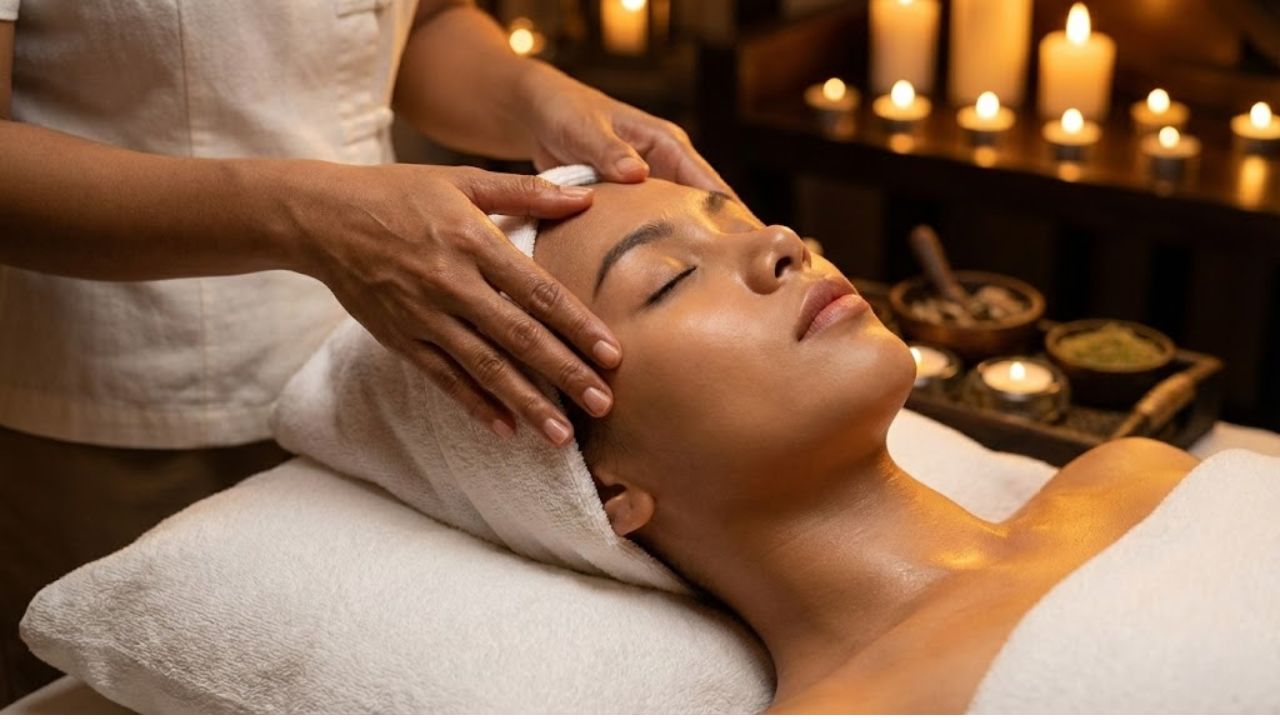
    Imagine an evening when the noise of the day has finally softened into a gentle hum. You stand by the sink, warm water flowing over your hands, a clean towel nearby. You reach for your favorite oil or cream—something familiar, comforting—and before you even touch your face, something shifts inside. Your breathing slows. Your body prepares. Facial massage begins here, not with technique, but with awareness and presence.

    There is a quiet difference between quickly applying skincare and intentionally touching your face. One is habit; the other is ritual. When your fingertips meet your skin with care, your nervous system responds. Shoulders relax, the jaw loosens, and the small muscles of the face—busy all day with expressions, tension, and emotion—finally receive permission to rest.

    Understanding the Landscape of Your Face

    Your face is more than skin over bone. It is a living, layered landscape of muscles, connective tissue, and expression. Beneath the surface, fine muscle fibers lift brows, soften smiles, and help you speak, chew, and react. Over time, repeated movement, gravity, and natural collagen loss leave their marks as lines, folds, and changes in firmness. This is not damage—it is simply the story of living.

    Facial massage works by gently influencing this landscape. It improves circulation, encourages lymphatic flow, releases tension held in overworked muscles, and supports healthier skin function. With regular practice, skin can appear brighter, puffiness may reduce, and lines can soften, becoming less sharp and more blended into the natural structure of the face.

    Setting the Stage: Preparing for Facial Massage

    Preparation is a quiet but essential step. Begin with clean hands and a freshly washed face. Choose a product that provides slip—a facial oil, serum, or nourishing cream—so your fingers glide without pulling the skin. You only need enough to feel smooth and comfortable.

    Posture matters. Sit or stand tall, relax your shoulders, soften your jaw, and let your tongue rest away from the roof of your mouth. Take a slow breath in through your nose and release it through your mouth. This signals that this moment is not rushed, but intentional.

    Step What to Use Purpose & Benefit
    Cleanse Skin Mild face wash, lukewarm water Clears away dirt, oil, and makeup to avoid friction and irritation during massage.
    Add Slip Face oil, hydrating serum, or moisturizer Creates smooth movement, protects the skin barrier, and reduces pulling.
    Relax Body Slow breathing, relaxed shoulders and jaw Helps release tension so facial muscles respond more effectively to massage.
    Start Softly Light to moderate fingertip pressure Keeps sensitive facial areas safe, especially under the eyes and around the mouth.

    Facial Massage for Natural Lift and Firmness

    Facial massage does not require tools—only your hands and mindful pressure. Your touch should feel supportive, never harsh. If your skin feels sore or overly red, reduce the pressure. Comfort guides effectiveness.

    Jawline Lift and Sculpt

    Place your index and middle fingers at the center of your chin, just beneath the jawbone. Glide outward toward the ears using slow, upward strokes. Repeat five to ten times on each side. This movement helps release jaw tension and encourages a more defined lower face over time.

    Cheek Lift for Soft Fullness

    Starting at the corners of the mouth, sweep your fingers upward along the cheekbones toward the temples. Move slowly and symmetrically with both hands. Repeat ten times. This boosts circulation, supports natural facial volume, and brings a subtle brightness to the cheeks.

    Forehead Smoothing for Expression Lines

    Place both hands at the center of the forehead and glide outward toward the temples in long, gentle strokes. Keep pressure light to medium. Repeat ten to fifteen times. This helps relax habitual tension and soften the appearance of horizontal lines over time.

    Softening Wrinkles with Intention

    Wrinkles are part of expression and experience. Facial massage does not erase them but helps them soften and integrate naturally into your features. Gentle repetition and awareness are far more effective than force.

    Eye Area: De-Puff and Brighten

    Using your ring fingers, trace lightly along the bone beneath the eyes from the inner corner outward, then up across the brow bone, forming a slow circle. Repeat eight to ten times. This supports lymphatic drainage and reduces puffiness while maintaining comfort for delicate skin.

    Smile Lines: Gentle Softening

    Place fingertips beside the nostrils and sweep diagonally outward and upward toward the cheeks. Then use small, light circular motions along the smile lines. Spend about one minute here. This helps keep the area supple and reduces the appearance of deep folds over time.

    Creating a Daily Massage Ritual

    Consistency matters more than duration. Even three to seven minutes a day can create visible changes over time. Pair facial massage with an existing routine—morning skincare or evening cleansing—to make it effortless and sustainable.

    Sample 7-Minute Evening Routine

    Minute one to two: Cleanse and apply oil or cream. Minute three: Jawline strokes. Minute four: Cheek lifting movements. Minute five: Forehead smoothing. Minute six: Eye-area circles. Minute seven: Smile-line massage and final outward strokes. End by resting your palms on your cheeks and taking one slow breath.

    Listening to Your Skin and Knowing Your Limits

    Facial massage should always respect your skin’s condition. Reduce pressure or avoid massage during active breakouts, irritation, sunburn, or after cosmetic procedures unless advised otherwise. Healthy signs include warmth and a gentle glow—not pain or broken capillaries.

    Facial massage works best alongside supportive habits like hydration, nourishment, sun protection, and rest. Its true benefit goes beyond appearance—it changes how you relate to your face. Instead of judgment, there is presence. Instead of distance, there is touch. In those few quiet minutes, you become an active, compassionate participant in your own care.

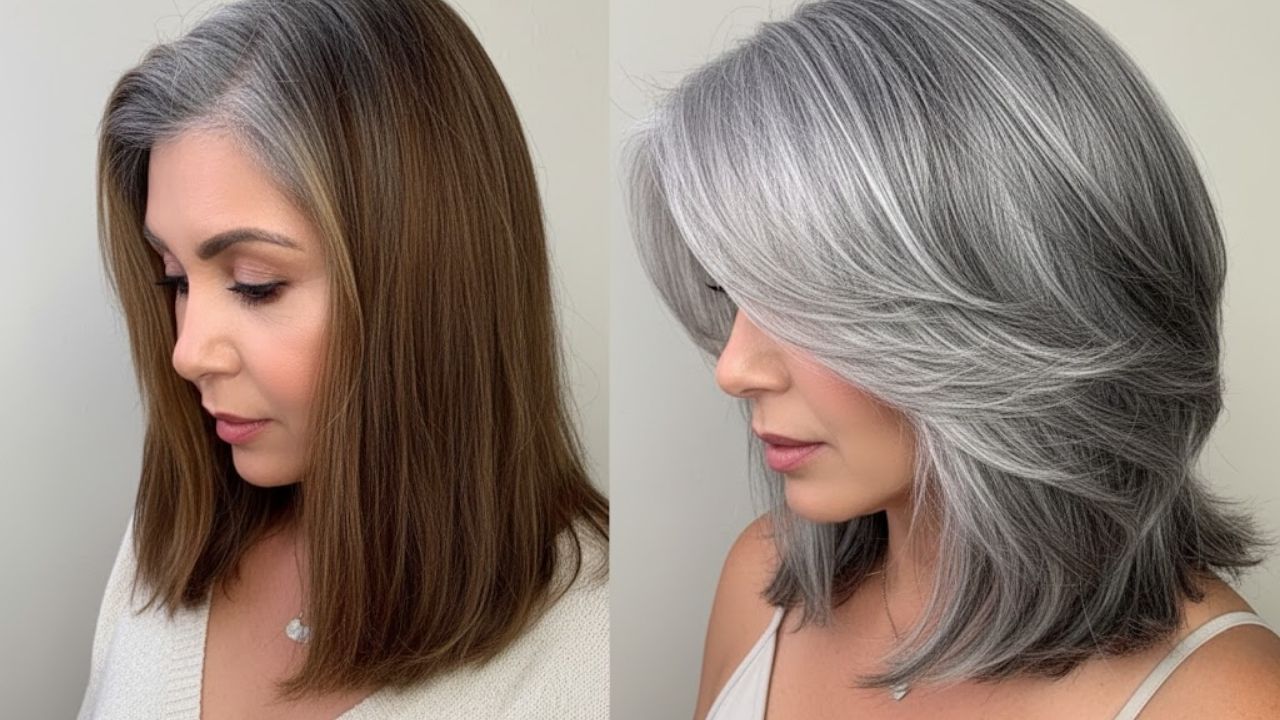
  • What to Do with Gray Hair: When It Looks Beautiful and When to Dye It

    What to Do with Gray Hair: When It Looks Beautiful and When to Dye It

    Gray hair is no longer just a sign of ageing; it has become a personal style choice for many people in the UK. From silver streaks embraced with confidence to carefully coloured locks that restore warmth, deciding what to do with gray hair is deeply individual. Lifestyle, profession, skin tone, and even social attitudes all play a role. Some people love the authenticity of natural gray, while others prefer the polished look of dyed hair. Understanding when gray hair looks beautiful and when dyeing makes sense helps you make a choice that truly feels like you.

    When Gray Hair Looks Naturally Beautiful

    Gray hair often looks stunning when it appears intentional rather than accidental. Well-maintained silver tones can highlight facial features and give a sense of confidence that feels modern and elegant. Regular trims, hydration, and the right shampoo can turn gray hair into a real asset. Many people find that embracing gray supports natural confidence boost and reflects authentic personal style. It can also simplify routines, offering low maintenance beauty and reducing exposure to chemicals. In the UK, where understated elegance is often admired, gray hair can signal mature sophistication and quiet self-assurance. When hair is healthy and evenly toned, gray doesn’t age you—it defines you.

    When Dyeing Gray Hair Makes Sense

    Dyeing gray hair can be the right choice when natural tones feel uneven or make you look more tired than you feel. Patchy grays or stark white roots may clash with your complexion, leading some to seek a softer look through colour. Choosing to dye can restore youthful visual balance and create even hair tone that feels more polished. For professionals in public-facing roles, colour can support career image control and boost confidence in daily interactions. The key is subtlety—modern dyes allow soft colour blending rather than harsh coverage, helping hair look natural rather than artificial.

    Finding the Right Balance With Gray Hair

    Many people discover that the best approach lies somewhere between full gray and full dye. Techniques like highlights, lowlights, or gloss treatments allow you to soften gray while keeping its character. This middle path offers flexible style options and supports gradual transition comfort as your hair changes over time. It also encourages healthy hair habits, since maintaining mixed tones requires care rather than constant colouring. In the UK, this balanced approach fits well with evolving beauty norms that value individuality. Choosing balance means your hair evolves with you, not against you.

    Gray Hair Choices: A Practical Perspective

    Deciding what to do with gray hair is less about rules and more about self-perception. Hair should support how you want to feel, whether that’s bold, refined, or quietly natural. Some days, embracing gray reflects personal acceptance journey; other times, colour offers a refreshing reset. The most important factor is intention. When your choice aligns with your lifestyle and identity, it creates emotional style alignment and lasting satisfaction. Rather than asking what others expect, the better question is what makes you feel comfortable and confident today.

    Hair Choice Best For Maintenance Level Overall Effect
    Natural Gray Even silver tones Low Authentic and elegant
    Full Dye Strong gray coverage High Youthful and uniform
    Highlights Blending grays Medium Soft and modern
    Gloss Treatment Dull gray hair Low Shiny and refreshed

    Frequently Asked Questions (FAQs)

    1. Does gray hair always make you look older?

    No, well-maintained gray hair can look stylish and modern at any age.

    2. Is it harmful to dye gray hair regularly?

    Frequent dyeing can dry hair, but gentle products and spacing treatments reduce damage.

    3. Can gray hair turn yellow over time?

    Yes, environmental factors can cause yellowing, which purple shampoos can help neutralise.

    4. What is the easiest way to transition to gray hair?

    Gradual blending with highlights or short cuts makes the transition smoother.

  • 8-Second Visual Challenge: Can You Spot the 3 Differences in the Duck Wearing Jacket Image?

    8-Second Visual Challenge: Can You Spot the 3 Differences in the Duck Wearing Jacket Image?

    If you enjoy optical illusions and the excitement of a good brain teaser then you are in for a treat today. We have prepared an exciting Spot the Difference puzzle that will test your observation skills and challenge your quick thinking. This fun visual puzzle features a charming duck wearing sunglasses and a stylish jacket while strolling near a tranquil pond. However there is a catch because there are three subtle differences hidden within two nearly identical images. Can you spot them in just 8 seconds? Only the sharpest eyes will make it in time!

    Why Spot-the-Difference Games Instantly Grab Attention

    Spot the Difference puzzles have remained a popular form of entertainment for decades. They are easy to understand, highly engaging, and surprisingly effective at sharpening cognitive skills. By requiring close attention to small details, these puzzles help strengthen visual perception and boost mental speed. Even though they appear simple at first glance, the challenge increases when differences are cleverly hidden, pushing the brain to work harder.

    What makes these puzzles so appealing is their wide-ranging accessibility. They can be enjoyed by children as a playful activity or by adults seeking a quick and stimulating brain exercise. Spot the Difference challenges also support better memory retention, improved focus, and sharper attention to detail, which is why they continue to be loved by puzzle and brain-game enthusiasts alike.

    The 8-Second Duck Puzzle That Tests Your Sharpness

    Today’s puzzle shows two pictures of a cute yellow duck dressed in sunglasses & a jacket. The duck walks beside a pond in a calm outdoor setting. The images look the same when you first see them but they actually contain small differences.

    You need to find three differences in only 8 seconds. This might seem simple but time passes quickly and you must use your observation skills to spot all the changes before the timer ends. The differences are not easy to see so you should examine every part of both images carefully.

    Smart Ways to Scan Images Without Missing Details

    Here are some effective ways to sharpen your observation skills and perform better in spot-the-difference puzzles:

    Start With a Fast Overview: Begin by giving both images a quick glance to understand the overall layout. This initial scan helps your brain register the main elements before you zoom in on finer details.

    Focus on Individual Elements: After the quick scan, compare specific parts of the image one by one—such as the duck’s jacket, the pond area, or nearby objects. Small changes are usually hidden in these focused areas.

    Watch for Color, Size, and Shape Changes: Differences often involve slight shifts in color, shape, or proportion. Carefully observe similar objects in both images, as even tiny variations can be the key to spotting a difference.

    Use Balance and Symmetry: Puzzle designers often place differences in balanced or mirrored positions. Checking one side against the other can make inconsistencies easier to notice.

    Train With Short Time Limits: Improve your speed by setting a tight timer, such as 7 seconds, and trying to spot the differences quickly. Regular timed practice sharpens your ability to detect subtle details under pressure.

    Revealing the Three Hidden Changes in the Jacketed Duck

    Now let’s take a closer look at the three hidden differences in the image. If you’re ready to spot them, here’s a clear and detailed breakdown of what you should be looking for:

    1. The Rock That Vanishes Near the Grass

    The first difference appears in the lower part of the image near the grassy area. In the left image, a small rock can be seen close to the grass, while in the right image, this rock is completely gone. Because it blends naturally into the background, this change is easy to overlook. Carefully examine the area near the duck’s feet to notice this subtle difference.

    2. The Hoodie Drawstring That’s Gone

    The second difference is located on the duck’s hoodie. In the left image, the hoodie clearly shows a drawstring hanging from the neckline. However, in the right image, the drawstring is missing entirely. Since the hoodie itself looks nearly identical in both images, this small detail can be tricky to catch. Focus closely on the neckline area to spot this change.

    3. The Frog Missing by the Pond

    The third and final difference is near the pond. In the left image, a small frog is sitting near the water’s edge, adding a tiny but noticeable detail. In the right image, the frog has disappeared. This difference can be missed if you’re not paying close attention, but the frog’s absence is a key clue. Checking the pond area carefully will help you identify this final change.

    How Visual Puzzles Quietly Strengthen Observation Power

    Spot the Difference puzzles do more than keep you entertained. They actually help your brain work better. When you search for tiny differences between two images you learn to notice small details that you might normally miss in daily life. This skill of spotting subtle changes becomes useful in many situations. These puzzles also train you to concentrate better. The more you practice finding differences the stronger your focus becomes. This improved concentration can help you perform better at work or when studying.

    Playing these games regularly makes your brain faster at processing what you see. Your short-term memory gets better too because you need to remember details from one image while comparing them to another. This ability to quickly analyze and remember information comes in handy throughout your day.

    Pro Tips to Master Spot-the-Difference Challenges Faster

    If you want to sharpen your skills in Spot the Difference puzzles and identify changes more quickly, try these effective tips:

    Practice Regularly: Consistent practice helps train your eyes and brain to recognize even the smallest variations. The more puzzles you solve, the faster and more accurate you’ll become.

    Train with a Timer: Recreate the 8-second challenge by using a timer during practice. Pushing yourself against the clock builds speed while maintaining focus and precision.

    Pay Attention to Fine Details: Many differences hide in subtle areas. Look closely at patterns, textures, outlines, and small objects that are easy to overlook at first glance.

    Move on to Advanced Puzzles: After getting comfortable with simple images, test yourself with more detailed and complex scenes. This will strengthen your observation ability and improve overall visual sharpness.