Category: News

  • How to Run Faster After 40 Using a Strength Routine Trainers Say Actually Works

    How to Run Faster After 40 Using a Strength Routine Trainers Say Actually Works

    Running faster after 40 can feel challenging, but it is far from impossible with the right approach. As many runners in India discover, smart strength training can offset age-related muscle loss, joint stiffness, and slower recovery. Trainers now emphasize targeted routines that support speed without overloading the body. By focusing on movement quality, muscle balance, and recovery, runners over 40 can still see meaningful gains. This article breaks down how a strength-based routine can help you run faster, stay injury-free, and enjoy running well into midlife and beyond.

    How to Run Faster After 40 with Strength Training Basics

    Learning how to run faster after 40 starts with understanding why strength work matters more than ever. As muscle mass naturally declines, building strength helps restore power and efficiency in your stride. Trainers recommend focusing on lower-body and core exercises that improve stability and force production. Moves like squats, lunges, and deadlifts reinforce muscle power loss while supporting joint stability focus. Adding controlled tempo lifts also improves neuromuscular control, which translates into smoother, faster running. Instead of chasing long workouts, consistency is key, especially when managing age-related recovery. Two to three short sessions per week can make a noticeable difference without draining energy needed for running.

    Run Faster After 40 by Building Power and Mobility

    To truly run faster after 40, strength routines must go beyond basic lifting and address power and mobility together. Trainers often blend strength moves with light plyometrics and mobility drills to maintain speed safely. Exercises like step-ups, calf raises, and hip bridges enhance stride efficiency gains while reducing unnecessary stress on joints. Mobility work keeps hips and ankles flexible, supporting injury risk reduction and better mechanics. Short bursts of controlled explosive movements can reawaken fast-twitch activation without overloading tendons. When paired with proper warm-ups, this approach promotes running economy improvement, helping older runners feel lighter and more responsive on every run.

    Strength Routines That Help You Run Faster After 40 Safely

    Safety is essential when using strength routines to run faster after 40. Trainers advise prioritizing proper form and gradual progression over heavy loads. Bodyweight and moderate resistance exercises protect joints while building confidence and training longevity mindset. Rest days are equally important, as they allow muscles to adapt and support hormonal balance support. Including unilateral exercises improves balance and corrects asymmetries, which aids posture alignment control during runs. By listening to your body and adjusting volume, runners can maintain sustainable speed progress without setbacks. This thoughtful approach keeps training enjoyable and effective year-round.

    Why Strength Training Makes Speed Sustainable After 40

    Strength training is not about turning runners into lifters; it is about preserving speed as the body changes. After 40, efficiency matters more than raw mileage, and strength work fills that gap. It supports long-term performance health by reinforcing muscles that protect joints and absorb impact. Trainers note that consistent strength routines improve confidence, leading to better pacing and mental resilience boost. Over time, runners experience fewer aches and improved overall movement quality, making faster running feel natural rather than forced. When strength, mobility, and recovery work together, running speed becomes something you can maintain, not chase.

    Strength Focus Key Benefit Recommended Frequency
    Lower-body strength Improved push-off power 2 times per week
    Core stability Better running posture 2–3 times per week
    Mobility drills Reduced stiffness Daily or post-run
    Light plyometrics Faster leg turnover 1 time per week

    Frequently Asked Questions (FAQs)

    1. Can strength training really help you run faster after 40?

    Yes, it improves power, stability, and efficiency, which directly support running speed.

    2. How many days a week should runners over 40 do strength training?

    Most trainers recommend two to three short sessions per week.

    3. Is heavy lifting necessary to run faster after 40?

    No, moderate weights and bodyweight exercises are usually sufficient.

    4. How long does it take to see speed improvements?

    Many runners notice better speed and form within four to six weeks.
  • I Depend on This Budget Skin Plumping Concealer to Calm Redness and Restore Winter Glow

    I Depend on This Budget Skin Plumping Concealer to Calm Redness and Restore Winter Glow

    Every year around this time, my skin becomes extremely dry, turning flaky and bright red. I had been keeping my makeup minimal to let my skin breathe, relying on rich moisturizers to maintain hydration. However, the holiday season disrupted that routine. Between end-of-year book club events and consecutive family gatherings, I found myself getting fully made up almost every day.

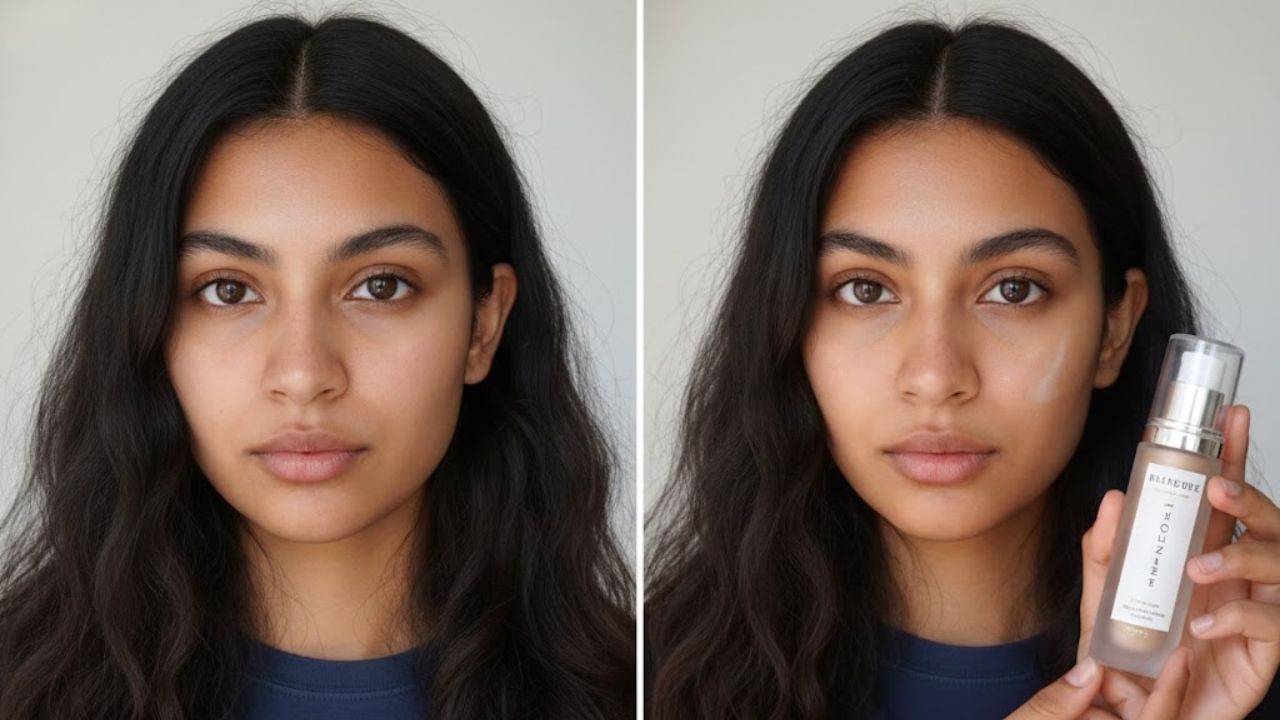
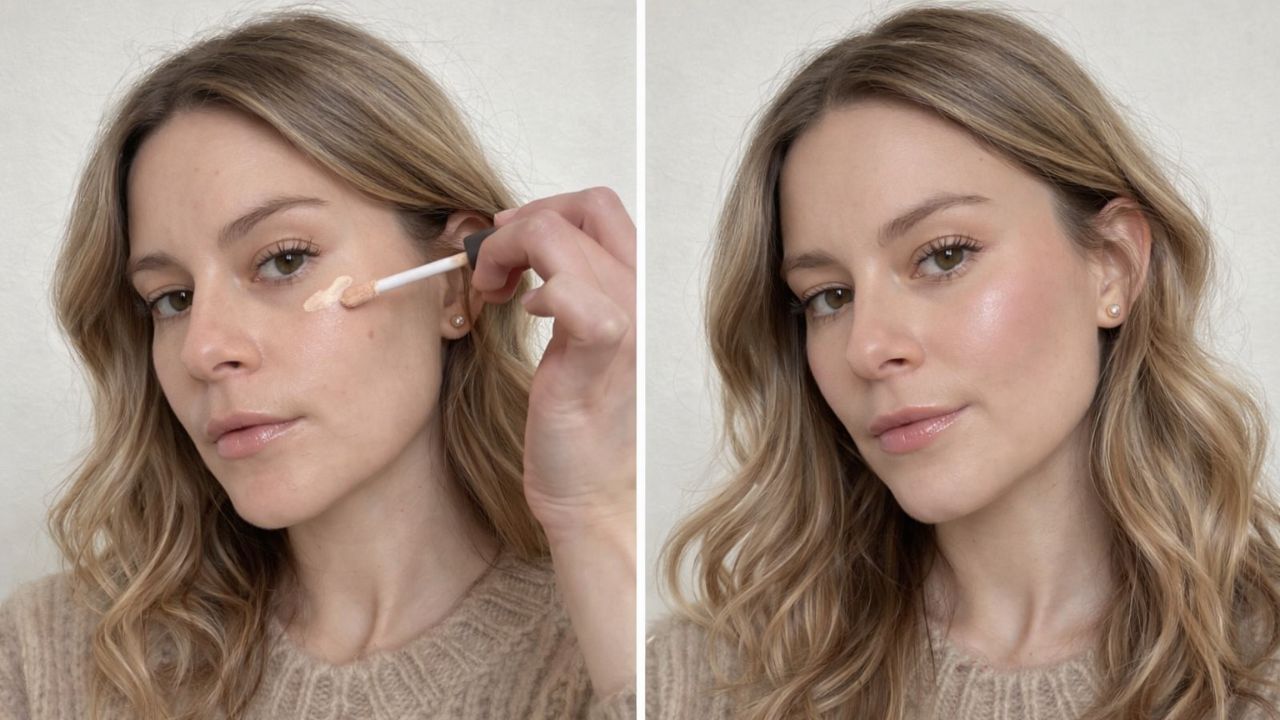
    Fortunately, I discovered a high-performing concealer that not only masks visible redness but also hydrates cracked, dry skin. Even better, a small amount delivers effective coverage, allowing me to conceal problem areas while keeping my skin well moisturized. The product I’ve been relying on is the e.l.f. Cosmetics Soft Glam Satin Concealer, and it comes in at just $5.

    e.l.f. Soft Glam Satin Concealer Overview

    This lightweight, serum-like formula is infused with multiple skin-care-focused ingredients, including hyaluronic acid, known for providing deep hydration and a plumping effect. It also contains a blend of amino acids and a hibiscus-based complex designed to support skin repair, retain moisture, and enhance brightness, resulting in a soft, radiant finish.

    How It Performs on Dry Winter Skin

    As a whole, this complexion-enhancing concealer feels like a surge of hydration for parched winter skin. With temperatures hovering between the 30s and 40s where I live in Texas, my face is usually the first place to show dryness and inflammation. This concealer helps my skin stay comfortable and supple throughout the day, and at times, the finish looks so dewy that it resembles the moisture level of my CeraVe moisturizer.

    Coverage, Wear Time, and Finish

    Another standout feature is the creamy yet weightless texture, which lasts for up to 10 hours without creasing or caking. A single swipe of the medium-coverage formula effectively conceals post-acne hyperpigmentation, under-eye discoloration, and especially redness around the chin and cheeks. Its performance rivals both the $86 Victoria Beckham Beauty Concealer Pen and the $33 Charlotte Tilbury Beautiful Skin Radiant Concealer, making this $5 option a standout.

    Affordable Concealer Worth Trying

    For a hydrating concealer that effectively camouflages redness, the e.l.f. Cosmetics Soft Glam Satin Concealer is available for $5. You can also explore similar options if you’re looking for alternatives with comparable benefits.

  • This Blurring Primer Makes Skin Look Fresh Smooth and Post Facial Radiant in Seconds

    This Blurring Primer Makes Skin Look Fresh Smooth and Post Facial Radiant in Seconds

    I’ve been dealing with a serious case of the January slump. My hair feels brittle and dull, my skin is parched from cold weather, and my makeup just isn’t sitting right. That might sound dramatic, but my routine clearly needed a fresh new-year update. To start, I decided to revamp my makeup bag with products that help me look awake and refreshed, even when it’s freezing outside and getting out of bed feels impossible. The first product I reached for was the Too Faced Born This Way Super Glow.

    Why This Glowy Primer Changed My Mind

    I’ve never been a fan of luminizing primers. The ones I tried before felt thick and chunky and looked far too glitter-heavy for my taste. With combination skin, my matte base already turns shiny after a few hours, so I worried I’d end up looking overly reflective. Thankfully, that wasn’t the case with this new complexion product. After applying it, my skin had a soft, post-facial glow that looked healthy rather than sparkly.

    Too Faced Born This Way Super Glow Multi-Use Highlighting Skin Enhancer

    I used the Opalescent shade and found it helped balance my skin tone without emphasizing texture. The shimmery formula blended seamlessly and delivered a natural-looking radiance. Infused with hyaluronic acid and glycerin, it felt more like a lightweight moisturizer than makeup. I paired it with a skin tint and a few dots of concealer, which created the ideal mix of coverage and glow. My makeup also lasted longer and didn’t separate throughout the day. My skin looked glowy but not oily, leaving me looking refreshed and well-rested.

    A Truly Flexible, Multi-Use Formula

    If luminous primers haven’t worked for you in the past, this one may change your mind. It proved that a glow-enhancing base can elevate an everyday routine. I love that it can be used over foundation, mixed into a skin tint, worn alone with concealer, or applied for quick touch-ups during the day. Its multi-use design makes it easy to customize depending on your needs.

    You can shop the Too Faced Born This Way Super Glow for $39 at Amazon, and if you’re interested, explore other luminous primer options to find what works best for your routine.

  • Aluminum foil in the freezer: the simple hack winning over more households

    Aluminum foil in the freezer: the simple hack winning over more households

    A friend opens their freezer and you notice something different. Instead of the usual plastic containers with mismatched lids, there are silver packages stacked neatly like bricks. Nothing is labeled & nothing falls out when the door opens. Everything looks organized & wrapped in aluminum foil. They pull out one package and tap it against the counter. “Lasagna from two months ago. Still tastes great.” You watch the foil reflect the kitchen light and think about your own freezer at home. You picture the unlabeled containers, the bread covered in ice crystals & the half-empty bag of vegetables you meant to cook last week. Your friend mentions that aluminum foil completely changed how they store food in their freezer. The statement seems like an overstatement at first. But you keep thinking about those neat silver packages and wonder if they might be right.

    Why Aluminum Foil Is Quietly Transforming Freezers Everywhere

    Freezers were once where good intentions disappeared. Leftovers, bulk groceries, and “I’ll cook this later” plans were shoved inside and forgotten. Aluminum foil is slowly changing that pattern in a surprisingly simple way: it makes freezing feel easy, intentional, and useful again.

    People are rediscovering foil as more than a baking accessory. It’s thin, flexible, and fast to use. You shape it around food, press out the air, and it holds its form. No bulky containers. No awkward lids. Just compact silver parcels that slide neatly into any freezer space.

    Behind this small habit is a larger shift in how households think about food waste, time, and comfort meals. The freezer stops feeling like a chaotic archive and starts working as a backup plan people actually trust.

    How One Simple Wrap Turns Past Effort Into Present Relief

    On a weeknight in a small London flat, a tired family faces a late dinner and picky eaters. The freezer opens, and out comes a compact foil-wrapped block, clearly marked in black marker: “Chicken curry – 12/09”.

    The foil peels away, the frozen portion slides into a pan with a splash of water, and within minutes the kitchen smells like a weekend meal. No searching through containers. No mystery leftovers. Just food they’re happy to eat.

    This is the quiet strength of the method. It turns previous cooking effort into instant relief, without extra decisions or frustration.

    Why Foil-Freezing Is Gaining Ground in the US and Beyond

    Similar stories are appearing in US households, especially among people trying to reduce waste. A 2023 consumer survey from a major retailer found that those who batch-cooked and froze meals using foil reported throwing away fewer meals and feeling less guilty about leftovers.

    Beyond the numbers, the experiences sound familiar: less freezer chaos, fewer forgotten meals, and more food actually eaten instead of tossed.

    The Practical Science Behind Aluminum Foil in the Freezer

    There’s straightforward logic behind the trend. When used correctly, aluminum foil creates a tight barrier against air and moisture, helping slow freezer burn. Freezer burn is what turns pizza rubbery and chicken dry and grey.

    By wrapping food snugly and pressing the foil close, you reduce trapped air. Less air means less ice on the surface, which helps preserve texture and flavor.

    Foil is also highly space-efficient. Its thinness allows portions to be shaped into flat bricks that freeze faster and stack neatly. That’s why rows of foil-wrapped lasagna, casseroles, or bread slices look so satisfying lined up like silver books.

    The Psychological Benefit of an Organized Freezer

    There’s also a mental shift. When opening the freezer doesn’t feel like digging through a junk drawer, people are more likely to use what’s inside. Neatly wrapped, clearly labeled foil parcels quietly signal: this food is ready, not abandoned.

    How to Freeze Food With Aluminum Foil Without the Hassle

    The method itself is simple. Tear a piece of heavy-duty aluminum foil large enough to fully wrap the food with extra room for folding. Place the food in the center. For saucy or delicate dishes, a thin inner layer like baking paper or a freezer bag helps prevent sticking.

    Wrap it like a small gift. Pull the foil up from opposite sides, press it gently around the shape, push out as much air as possible, and fold tightly. Rotate and repeat with the remaining sides. The goal is a compact, firm parcel, not a loose bundle.

    Finish by labeling it with a marker. Keep it short and clear: “Veg lasagna – Jan 3”. That brief step makes a noticeable difference.

    Common Mistakes That Reduce the Benefits

    One frequent mistake is using thin foil for sharp or bony foods. Edges can puncture it, letting air and ice in. A double layer or inner bag works better for these items.

    Another issue is skipping labels. Without dates, the freezer turns into a silver guessing game. People also often freeze food while it’s still warm, which raises the freezer’s temperature and causes uneven freezing. Let dishes cool first.

    While freezer inventories sound ideal, most people don’t maintain them daily. What works instead is keeping a few reliable “hero meals” ready at all times: a soup, a pasta bake, a curry.

    Habits Shared by People Who Make Foil-Freezing Work

    • They freeze realistic portions, usually single or double servings.
    • They stack flat parcels so nothing disappears at the back.
    • They rotate stock, eating older meals first.
    • They use containers only when necessary, such as for very liquid foods.
    • They choose heavy-duty foil to reduce tearing and allow reuse.

    At its core, this habit isn’t about perfection. It’s about a gentler, more forgiving approach to everyday meals.

    The Subtle Ripple Effects of a Silver-Wrapped Freezer

    Once people start wrapping with intention, the benefits spread. Cooking feels more purposeful. Extra effort on energetic days turns into future convenience. Freezing leftovers becomes a practical habit rather than an act of guilt.

    On a calm Sunday, vegetables get roasted, rice is cooked in extra portions, sauces are saved. Everything is wrapped, dated, and stacked in minutes. Later in the week, after a tiring day, those silver parcels feel like small promises kept.

    Many households notice secondary changes too: fewer takeaways, fewer last-minute grocery runs, and less food quietly spoiling on counters. Bread, cake, tortillas, and leftovers get wrapped, dated, and frozen instead.

    There’s no miracle involved. Just a thin sheet of metal, easily torn, becoming a daily kitchen ally. Tear, wrap, press, label, freeze. Over time, that simple rhythm can quietly reshape how people cook, eat, and care for tomorrow.

    Point clé Détail Intérêt pour le lecteur
    Better protection Tight foil wrapping limits air and moisture contact Reduces freezer burn and keeps food textures closer to fresh
    Space efficiency Flat, stackable parcels fit around other items Makes even small freezers feel bigger and more organized
    Everyday practicality Quick to use, easy to label and portion Turns leftovers and batch-cooking into ready-to-go future meals
  • Heating Experts Say the 19 Degree Rule Is Out and a New Ideal Indoor Temperature Is Recommended

    Heating Experts Say the 19 Degree Rule Is Out and a New Ideal Indoor Temperature Is Recommended

    In one home, someone pulls on a thick wool jumper. In another, someone walks around comfortably in a T-shirt. Somewhere between those extremes sits the famous 19 °C “ideal”, repeated for years in energy campaigns and health advice. Yet behind closed doors, reality has always been less tidy. People quietly turn the dial up, or sneak it down when no one is watching. As winters become more unpredictable and energy costs fluctuate, that old benchmark now feels outdated.

    The quiet end of the 19 °C myth

    For decades, 19 °C carried moral weight. Setting your heating there meant being responsible, disciplined, and environmentally aware. Anything higher felt indulgent. Anything lower sounded heroic or impractical. But when researchers began closely studying real households—tracking humidity, insulation quality, and health outcomes—a clear pattern emerged. One fixed number no longer fits modern life.

    Homes have changed. Daily routines have shifted. Winters feel different. As a result, the recommended range has slowly moved upward.

    Large European studies on indoor comfort now point to 20–21 °C as the healthiest range for living spaces. Not 19 °C, and not the mid-20s. Within this narrow band, cardiovascular strain eases, respiratory infections decline, and people function more comfortably overall. A British hospital audit found that older patients returning to homes below 19 °C were far more likely to be readmitted within weeks. Families with young children, asthma, or hybrid work schedules also report fewer sick days once their average temperature sits closer to 20.5 °C. This shift is about stability, not luxury.

    The reasoning is straightforward. People spend more time indoors than ever before, move less during winter, and cold, damp air places constant stress on the body. Below 19 °C, blood pressure rises slightly, immune responses weaken, and condensation begins to form quietly on walls and windows. Push temperatures too high, and energy bills surge, sleep quality drops, and environmental impact grows. The emerging consensus is a balanced one: around 20–21 °C in main living areas, 18–19 °C in adult bedrooms, and warmer settings for elderly people, babies, and those with chronic conditions.

    Heating smarter within the new comfort range

    The first adjustment is mental. Instead of treating temperature as a rigid target, it helps to see it as a comfort band. Aim for 20–21 °C only in rooms where people actually spend time. Heating the entire house evenly is rarely necessary. Zoning makes a real difference, whether through smart radiator valves or simply turning down rarely used rooms to 17–18 °C. The aim is to keep the core of the home warm and dry, not to chase perfect uniformity.

    Heating rhythm matters just as much. Warming spaces when people are home and relatively still, then easing back when the house is empty or busy, often saves more energy than an all-or-nothing approach. Many thermostats now learn daily patterns, but even basic programmable models can follow a weekly routine. Experts often suggest a base setting around 19 °C, with planned boosts to 20–21 °C during key comfort periods such as mornings, homework hours, and late evenings.

    One London household involved in an energy trial described the change simply:

    This shift in thinking had practical effects. They added thicker curtains, sealed draughts, and kept an extra blanket on the sofa instead of turning the boiler up. Despite the higher living-room temperature, their winter gas use dropped by 12 percent.

    Key practical guidelines

    • Target 20–21 °C in main living areas and 18–19 °C in adult bedrooms.
    • Lower temperatures in little-used rooms instead of cooling the entire home.
    • Combine simple fabric solutions like curtains and rugs with smart heating controls.
    • Think in terms of people and activities, not just numbers on a dial.

    Common mistakes when moving beyond 19 °C

    The most frequent mistake is overcorrecting. Some people abandon 19 °C and immediately heat every room to 23–24 °C all day, only to be shocked by the first bill. The recommended 20–21 °C range is not unlimited. It still assumes sensible clothing, some movement, and realistic expectations. The goal is to avoid long-term cold stress and damp, not to recreate summer indoors. A simple check helps: if you are wearing a T-shirt in January and the house feels like spring, the setting is probably too high.

    Another common oversight is humidity. A slightly cooler room with 40–60 percent humidity often feels more comfortable than a warmer but overly dry space where eyes sting and skin cracks. On the other hand, a 20 °C room at high humidity quickly feels clammy and encourages mould, worsening asthma and allergies. Experts now treat temperature and moisture as inseparable. Brief, effective ventilation once or twice a day, drying laundry in a single well-aired room, and using extractor fans during cooking and showers all help maintain balance.

    People also react differently to the same temperature. Children moving constantly generate their own warmth, while an older person sitting still for hours does not. One geriatric specialist summed it up clearly during a workshop:

    What to keep in mind

    • Avoid chasing one single number for everyone; adjust slightly by age and health.
    • Monitor humidity as closely as temperature, especially in small flats.
    • Increase settings gradually from 19 °C, by half-degree steps over several days.
    • Keep energy costs visible so comfort does not become financial strain.

    Rethinking what warmth at home really means

    The gradual fading of the 19 °C rule represents more than a technical update. It reflects a deeper shift in how a “good” winter home is defined. For years, lower temperatures were seen as virtuous and higher ones as wasteful. Today’s guidance paints a more nuanced picture, where the right setting is the one that protects health, avoids unnecessary waste, and remains emotionally livable.

    There is value in talking openly about this change—with parents who grew up in colder houses, with flatmates balancing comfort and bills, and with neighbours who may be sitting in 16 °C without saying a word. The 20–21 °C comfort band offers a shared reference point, not a commandment, but a place to begin.

    Ultimately, home temperature is never just physics. It is late-night work at the kitchen table, disagreements over blankets, a baby’s first winter, and quiet anxiety about the next bill. The small shift away from 19 °C acknowledges a simple reality: our lives have changed faster than our rules. Finding balance between comfort, health, and climate now happens room by room, and person by person.

    Key takeaways at a glance

    • New target range: 20–21 °C in living areas, 18–19 °C in adult bedrooms.
    • Profile-based adjustment: Add 1–2 °C for elderly people, babies, and those with chronic illness.
    • Comfort-band approach: Balance temperature, humidity, clothing, and daily routines to improve comfort without driving up energy use.
  • The 7 Best Products for Fine Hair That Add Volume Thickness and a Fuller Looking Finish

    The 7 Best Products for Fine Hair That Add Volume Thickness and a Fuller Looking Finish

    Fine, thin hair definitely comes with its own set of advantages. For one, strands can air-dry in minutes straight out of the shower, with minimal effort required. Packing for trips is also easier, since bulky styling tools often aren’t necessary. That said, there’s another side to it. Fine hair can turn greasy fast, and achieving lasting volume or bounce can feel like a constant struggle — especially when certain products weigh down already delicate strands.

    If this sounds familiar, chances are you’ve tested countless formulas claiming to boost volume and create the illusion of thickness. Whether those promises delivered real results? That’s often another story altogether.

    Fortunately, at Cosmopolitan UK, beauty products are kind of our thing. From daily deep dives into skincare and makeup to testing seasonal favourites and viral launches, we know what performs and what falls flat. Every product is tried, tested, and honestly reviewed. So when we say these haircare essentials help achieve thicker-looking, bouncier hair, you can trust we mean it.

    Keep scrolling for our carefully curated selection of the best products for fine hair, including volumising mousses, clarifying shampoos, and thickening sprays.

    Volume Forever Volumizing Blow Dry Cream

    Created in collaboration with ghd heat engineers and formulation scientists, this innovative cream delivers a salon-style blow-dry effect while creating up to four times more volume. The lightweight yet nourishing formula works best when paired with a ghd hair dryer, helping fine hair look fuller without feeling heavy.

    Customer review: “The results are fantastic, adding noticeable volume without any heaviness. Highly recommend for anyone looking to boost their hair’s volume effortlessly.”

    Grandiose Hair Plumping Mousse

    This luxe mousse is designed to lift and plump fine strands while keeping them well cared for. Infused with Oribe’s Signature Complex — featuring watermelon, lychee, and edelweiss flower — it helps defend hair against environmental stress and preserve colour. Added sunflower oil and vitamin E provide a moisture boost for healthier-looking hair.

    Customer review: “If you are looking for volume, this mousse is the ticket! I have never used anything that added this kind of volume, with absolutely no crunch. A little goes a long way.”

    Cool Girl Volume Cleanse

    This volumising shampoo is formulated to enhance thickness while delivering weightless body and shine. Powered by Voluminis™, hydrating pro-vitamin B5, and protein-rich fermented rice water, it helps strengthen and soothe fine hair while boosting overall volume.

    Customer review: “I’ve tried countless shampoos for fine hair, but this one stands out. It smells amazing, lathers beautifully, and delivers real, lightweight volume.”

    Cool Girl Volume Nourish

    Designed to complement the matching shampoo, this conditioner is enriched with Voluminis™ to instantly thicken strands and enhance volume. Fermented rice water adds shine, smoothness, and strength, leaving hair soft without flattening it.

    Customer review: “This conditioner hydrates and nourishes without weighing hair down. Used with the shampoo, it brings life and volume back to thin hair while keeping it silky and soft.”

    Thickening Spray

    This lightweight spray is formulated to visibly thicken hair fibres, delivering lifted, denser-looking strands with a soft finish. It also plumps hair with moisture and is infused with OUAI’s signature Cape Town fragrance for an added sensory boost.

    Customer review: “This spray is incredible. It smells amazing, adds loads of volume to my curls, and keeps them soft and bouncy all day.”

    Volumising Blow Dry Mist

    While OLAPLEX is best known for its bond-repair technology, this blow-dry mist is a standout for fine hair. It delivers instant body and bounce, speeds up drying time, and provides heat protection. The secret lies in its plant-derived protein, which helps hydrate and volumise without residue.

    Customer review: “My very fine hair usually falls flat quickly, but this made it feel fuller and bouncier straight away. No stickiness, no heavy product feel — just great volume.”

    Oi Soufflé

    This innovative formula transforms from an oil into a fluffy mousse, smoothing and softening strands while adding body, bounce, and shine. It also detangles, tames flyaways, and offers heat protection, making it a versatile styling essential.

    Customer review: “After my hairdresser used this on me, I had to buy it. It gives beautiful volume and shine, and made my very fine hair look full and healthy. Pricey, but absolutely worth it.”

  • 5 Standing Exercises That Target Belly Fat Faster Than Gym Machines for People Over 55

    5 Standing Exercises That Target Belly Fat Faster Than Gym Machines for People Over 55

    Standing exercises are incredibly popular, especially among older adults—and for good reason. They help build strength, balance, and coordination while engaging multiple muscle groups at the same time. These movements closely mirror everyday actions like walking, climbing stairs, lifting, and standing up from a chair. Another major benefit is that standing workouts are generally gentle on the joints. When practiced consistently, they can also support overall fat loss, including stubborn belly fat.

    We spoke with Steve Chambers, Senior Certified Personal Trainer and Gym Manager at Ultimate Performance, who highlights five standing exercises that can help reduce belly fat more effectively than traditional gym machines for adults over 55.

    “Your core’s main job is to stabilize your body while upright. Walking, lifting, bending, carrying groceries, or getting out of a chair all require your abdominal muscles to stay active while standing,” Chambers explains. “Simply standing already activates the core. When you add movement, load, or instability, the demand on your abs increases significantly. That’s why standing core exercises are so powerful—they force the abs to brace, stabilize, rotate, resist movement, and support the spine in real-world positions.”

    Another advantage of standing workouts is how easily you can apply progressive overload by increasing weight or time under tension.

    “Progressive overload is essential if you want your muscles—especially your abs—to actually change,” Chambers says. “After 55, it becomes even more important. You’re no longer training just for appearance. You’re training for strength, balance, posture, metabolic health, and longevity. Standing core exercises deliver all of that together.”

    Five Standing Exercises That Help Reduce Belly Fat

    Chambers emphasizes that spot reduction is a myth, and fat loss happens throughout the entire body.

    “Doing endless crunches won’t reduce belly fat unless your diet supports fat loss by keeping you in a calorie deficit,” he notes. “Standing core exercises are highly effective because they help build muscle, increase energy expenditure, and strengthen the muscles that shape and firm your waist as body fat decreases.”

    Farmer’s Walk

    The farmer’s walk is often overlooked, yet it’s one of the most effective core exercises. Carrying heavy weights while walking forces your core to stay braced and your torso upright and stable.

    “Farmer’s walks heavily engage the abdominals, obliques, lower back, shoulders, and grip while also elevating your heart rate,” Chambers explains. “That blend of muscular tension and cardiovascular effort makes them extremely effective for fat loss.”

    • Hold a heavy dumbbell or kettlebell—about 50% of your body weight—in each hand at your sides.
    • Walk forward with control, keeping your torso tall and steady.

    Deadlifts

    Although they’re not typically seen as an ab exercise, deadlifts are among the most powerful core builders.

    “Every rep requires the abs and obliques to brace hard to protect the spine while the lower body produces force,” Chambers says. “For adults over 55, deadlifts help preserve muscle mass, strengthen the posterior chain, and increase metabolic demand. This is especially important due to age-related risks like sarcopenia and osteoporosis, both of which can impact posture. More muscle also means higher calorie burn at rest, which supports belly fat reduction.”

    • Stand tall with feet hip-width apart, holding a heavy dumbbell in each hand in front of your thighs.
    • Keep your legs mostly straight with a slight bend in the knees.
    • Hinge at the hips and lower the dumbbells along your legs toward the floor.
    • Maintain a flat back and keep the weights close to your body.
    • Engage your glutes and hamstrings to return to standing.

    Squats

    Squats are a foundational movement that deserves priority. They activate nearly the entire body, including the abs, which work continuously to maintain balance and posture.

    “To maximize the core benefits of squats, focus on bracing—take a deep breath, tighten your midsection, and maintain tension throughout the movement,” Chambers advises. “This transforms the squat into both a powerful core exercise and an effective calorie burner.”

    • Stand with feet shoulder-width apart.
    • Extend your arms forward or place your hands on your hips. Use a chair for support if needed.
    • Bend at the hips and knees to lower into a squat.
    • Lower with control until your thighs resemble a seated position or go slightly deeper.
    • Push through your heels to return to standing.

    Dumbbell Side Bends

    Side bends are excellent for targeting the obliques and deep spinal-support muscles,” Chambers explains. “Unlike many floor exercises, they allow you to use meaningful resistance, making progressive overload possible. After 55, maintaining muscle around the waist supports posture, spinal stability, and the appearance of the midsection as fat decreases.”

    • Stand with feet hip-width apart, holding a light dumbbell in each hand.
    • Engage your core and slowly bend to the right, lowering the right dumbbell toward your thigh.
    • Return to the starting position.
    • Repeat on the left side.

    Standing Woodchops

    Woodchops are a highly effective rotational movement,” Chambers says. “They can be done with a dumbbell, cable, resistance band, or bodyweight, and they train the abs, obliques, shoulders, and upper back together. The twisting motion under tension challenges the core in ways that sit-ups and planks cannot.”

    • Hold a dumbbell with both hands and stand with feet shoulder-width apart.
    • Lift the weight toward your right side with arms extended.
    • Rotate your torso and legs to bring the dumbbell down toward your left side.
    • Bend your knees and lower your hips as the weight moves toward the ground.
    • Reverse the movement, lifting the dumbbell back up to the right and overhead.
  • My Thin Hair Feels Stronger Than Ever Thanks to a Conditioner a 65 Year Old Swears Stops Hair Fall

    My Thin Hair Feels Stronger Than Ever Thanks to a Conditioner a 65 Year Old Swears Stops Hair Fall

    I know I’m not the only one who feels like their hair changed dramatically after becoming a mom. Mine started shedding constantly, felt noticeably drier and rougher, and became far more fragile than before. While I’ve tried products that temporarily add shine and hydration, I was searching for an all-in-one solution—something that could repair damage, strengthen fine, brittle strands, and smooth my texture at the same time. After some research, I finally found exactly that: Bumble & Bumble’s Bond-Building Hair Repair Conditioner.

    Bumble & Bumble Bond-Building Hair Repair Conditioner

    What sets this powerful conditioner apart is its ability to rebuild hair bonds from the inside out. It works from the cortex—the middle layer of the hair shaft—through to the cuticle, helping to strengthen strands, reduce breakage, and prevent future damage by forming new bonds where hair needs it most.

    Along with repairing internal bonds, the formula creates a protective barrier around each strand, which helps improve hair strength and resilience over time. This makes it especially helpful if you regularly color your hair, use chemical treatments, or rely on heat styling tools. Even without consistent heat protection, this conditioner helps shield bonds from breaking during thermal or chemical stress. Its proprietary bond-building complex includes honey ferment, known for its hydrating, strengthening, and anti-bacterial benefits.

    Beyond repair, the nourishing formula also controls frizz, boosts moisture levels, and enhances natural shine. After using it for several weeks, my hair looks visibly healthier, feels stronger, and has a noticeably softer texture. Even during winter—when my scalp typically becomes itchy and prone to dandruff—I experienced no irritation or dryness.

    An unexpected bonus was how much my hair shedding decreased. Other users noticed similar results. One 65-year-old reviewer shared that while their hair had been thinning, it was “not falling out like it was” after using this conditioner, and they now receive more compliments. Another shopper said the formula greatly improved breakage and split ends, particularly on color-damaged hair, allowing their front sections to finally grow. A final reviewer, who experienced excessive breakage postpartum, said they loved how healthy and strong their hair felt after consistent use.

    You can shop the Bumble & Bumble Bond-Building Hair Repair Conditioner for $38. There are also additional strengthening and hair-growth treatments available to explore, with options starting at just $9.

  • Facial Balance Tip: Why Incorrect Blush Placement Near the Nose Disrupts Overall Face Harmony

    Facial Balance Tip: Why Incorrect Blush Placement Near the Nose Disrupts Overall Face Harmony

    Makeup trends travel fast in India thanks to social media, but not every technique suits every face. One common mistake many people notice only later in photos is blush placed too close to the nose. It may look fine in a bathroom mirror, yet in natural daylight or on camera it can subtly change how your features appear. Understanding how blush placement affects facial balance is less about fashion rules and more about simple visual geometry that works across different skin tones, face shapes, and everyday lighting conditions.

    How blush placement near the nose affects facial balance

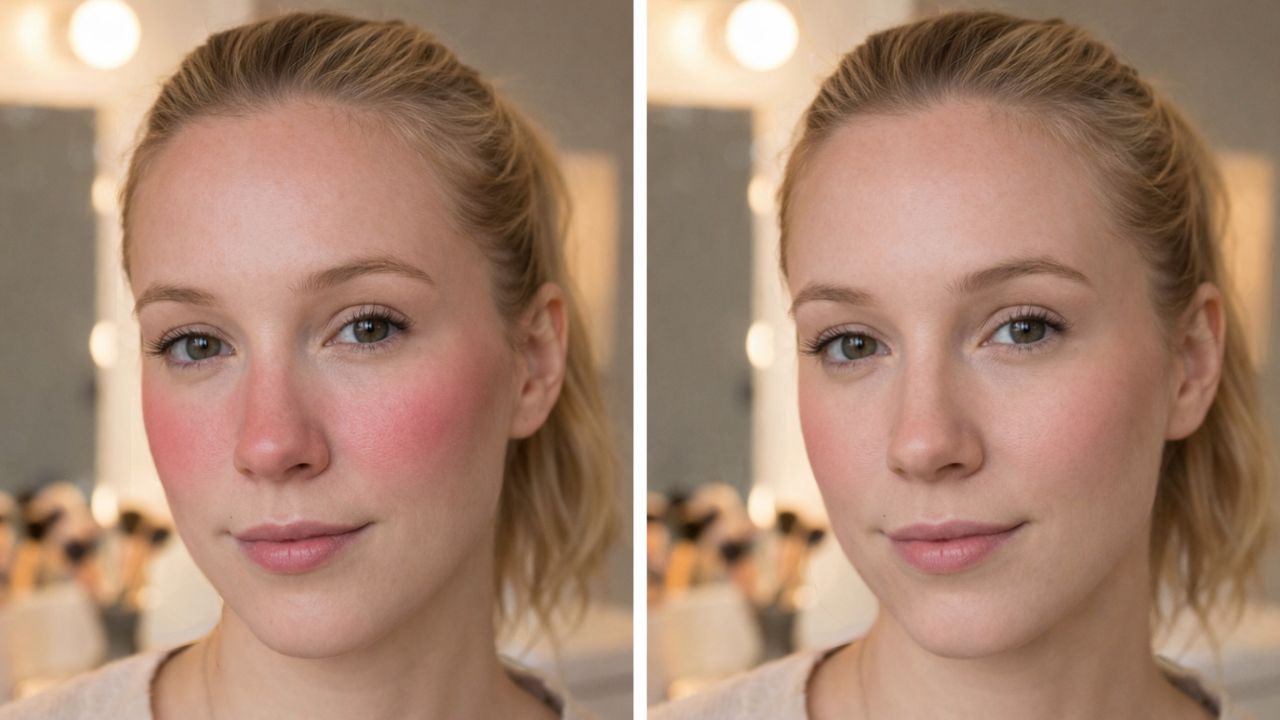
    When blush sits too close to the nose, it pulls visual attention toward the center of the face. This can create a crowded facial center where your eyes and cheekbones no longer stand out. Instead of lifting the face, the color causes compressed proportions that make features seem closer together. In harsh lighting, this placement often emphasizes natural redness, leading to unwanted nose focus. Over time, repeated inward placement becomes a habit, resulting in flattened cheek structure rather than a soft, balanced glow that enhances your natural bone lines.

    Why blush too close to the nose looks off in photos

    Cameras exaggerate contrast and shadows, which is why blush placed near the nose often looks heavier in pictures. What feels subtle in person can turn into a solid color block on screen. This effect shortens the visual length of the face, creating shortened facial lines that feel slightly unnatural. In selfies, especially under indoor lights, the blush can blend with redness around the nostrils, causing uneven skin emphasis. The result is a look that appears tired or flushed instead of fresh and defined, even when the makeup itself is high quality.

    Correct blush placement to restore facial harmony

    A simple adjustment outward can completely change how your makeup reads. Start by imagining a line down from the center of your eye and keep blush outside that area to maintain balanced feature spacing. Apply color where your cheek naturally lifts when you smile slightly, then blend toward the temple for natural outward lift. Leaving a small gap near the nose prevents overloaded midface and helps preserve dimension. Light layers and upward blending also reduce the risk of pore-heavy buildup, especially on textured skin.

    Understanding facial balance beyond makeup trends

    There is no single correct way to apply blush, but awareness makes all the difference. Some people enjoy a central flush for a playful look, while others prefer a sculpted style that enhances bone structure. The key is intentional placement guided by visual face geometry rather than habit. Testing different placements in daylight photos reveals how color guides attention. This process encourages personal style clarity and reduces reliance on trends. Once you see how small shifts affect your look, blush becomes a tool for expression, not correction, supporting confident facial balance every day.

    Blush Placement Area Visual Effect
    Too close to nose Makes face look crowded
    Center of cheeks Creates youthful flush
    Outer cheekbones Lifts facial features
    Blended toward temples Enhances overall balance

    Frequently Asked Questions (FAQs)

    1. Why should blush not be placed too close to the nose?

    Because it visually compresses the face and draws attention to the center.

    2. How far from the nose should blush start?

    Leave about one finger-width of bare skin between the nose and blush.

    3. Does face shape affect blush placement?

    Yes, different face shapes benefit from slightly different blush positioning.

    4. Can inward blush placement ever look good?

    It can work intentionally, but only when applied lightly and with balance.

  • Awake Look Hack: The Brow Placement Trick Makeup Artists Use for an Instantly Refreshed Face

    Awake Look Hack: The Brow Placement Trick Makeup Artists Use for an Instantly Refreshed Face

    The woman in the café looked tired. She had her laptop open and held a triple espresso while dark circles showed faintly beneath her concealer. But when she raised her head she appeared awake. It wasn’t the kind of awake that comes from a spa day but rather the look of someone who had actually gotten sleep. The reason was subtle and sat just above her eyes. Her eyebrows were gently lifted and lightly highlighted in a way that made her eyes seem bright and alert even under harsh café lighting with terrible Wi-Fi. Makeup artists working at fashion weeks and posting on social media keep saying the same thing. If you only have one minute in the morning then focus on your eyebrows. A small adjustment creates a simple illusion. It’s the type of change that makes coworkers wonder if you started using new skincare products when really you just drew your eyebrow pencil two millimeters higher than usual. One small eyebrow adjustment can make a noticeable difference in how your face looks.

    Why a More Awake, Refreshed Look Starts With the Brows

    If you study backstage photos from fashion shows, one detail stands out immediately. Models may still have unfinished base makeup, but their eyebrows are already polished. The tails are softly lifted, the arches refined, and the skin beneath the brow bone looks clean and bright. This subtle step instantly makes the upper face appear more alert. Makeup artists know that eyebrows are often noticed before most other facial features. Their angle, placement, and shape influence whether someone appears rested, tired, stern, or relaxed. Even small changes can shift how a face is read.

    When brows sit too low or tilt downward, the entire face can look heavy and sleepy. When they are gently lifted and opened, the eyes appear more refreshed—even after very little sleep. You can see this effect during a morning commute. Someone in gym clothes may skip foundation entirely, but brushed-up brows and bright inner corners make them look alert. A professional with puffy eyes from a late night can appear meeting-ready simply by tidying the brows and lifting the arch slightly.

    This effect is widely shared on social media as well. Short before-and-after videos often show that adjusting only the brows and adding light beneath the arch transforms the face. The original look may be fine, but the updated version appears brighter, more awake, and sometimes younger. In 2023, a viral TikTok trend known as the “eyebrow lift hack” attracted tens of millions of views, driven by a universal desire to look less tired without heavy makeup. These techniques address a basic concern: appearing present and professional when energy is running low.

    How Brow Position Changes the Way a Face Is Read

    The effectiveness of this trick comes down to simple facial structure. Eyebrows act like curtains for the eyes. When they sit low, straight, or overly heavy, they visually press down on the eyelid. This makes under-eye shadows and puffiness more noticeable and reduces the space between the brow and lash line, which can create a tired or sad appearance. Lifting the tail slightly and cleaning up beneath the arch increases that vertical space, making the eyes look more open.

    Light also plays a key role. Brightening specific points around the eyebrow helps reflect light where the face naturally signals alertness. These areas include the brow bone, the inner corner of the eye, and the highest point of the arch. This careful balance of shadow and highlight is exactly what makeup artists rely on when they need to refresh a face in just a few minutes backstage.

    The Simple Brow Adjustment Makeup Artists Use Every Time

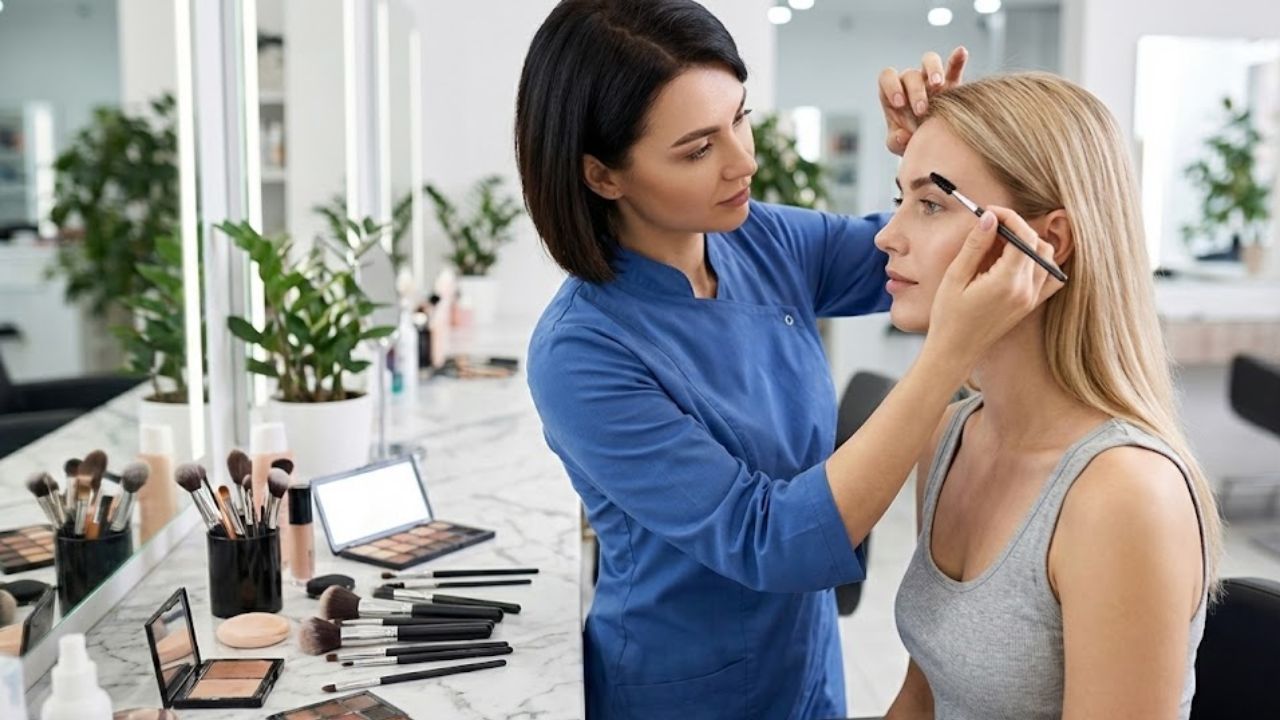
    The technique itself is surprisingly simple and relies on three small steps. First is fill and lift. Instead of focusing only on the bottom of the brow, lightly fill along the top edge, especially on the outer third. Use fine, hair-like strokes to raise the tail by just a millimeter or two. This tiny shift can noticeably change how your face appears.

    Next comes cleaning and brightening. With a small brush or fingertip, tap a skin-tone concealer or brightening pen directly under the highest point of the arch. Blend downward toward the lid to remove heaviness rather than drawing a visible line. Finally, highlight with intention. Apply a minimal amount of satin-finish highlighter beneath the arch and at the inner corner of the eye. Always tap gently instead of dragging.

    With practice, this routine takes about 45 seconds per eye. It does not look trendy or overdone. It simply makes you appear more awake than you feel.

    Common Mistakes That Can Make Brows Look Heavier

    This approach often fails when people overfill the bottom of the brow, making it thicker and darker above the eyelid. That added weight pulls the gaze downward, especially if the tail extends too far toward the temple. The result can look sharper but paradoxically more tired.

    Another common issue is using concealer that is far too light under the brow. While exaggerated “halo brows” may work under studio lighting, they can appear chalky and harsh in natural daylight. The lift should feel subtle, not obvious. Choose a concealer close to your skin tone with only a slight brightening effect, and blend until it melts seamlessly into the lid. This technique works best when it is quick and repeatable—something you can do without thinking during a busy morning.

    The Quiet Confidence of a Small Daily Brow Ritual

    Once this becomes part of your routine, you may notice gradual changes. During an afternoon video call, you might realize you look less tired than expected. On warm days, you may skip foundation entirely and rely only on brows and mascara to look presentable. These small habits can feel grounding. Those brief moments in front of the mirror are often the only time you look at your face with intention rather than criticism.

    Adjusting an eyebrow or brightening the eye area is not about vanity. It is a simple way of preparing yourself for the day ahead. Even when you are exhausted, that subtle brow lift sends a quiet message of readiness and determination. Whether you are on screen, in a meeting, or standing in line for coffee, your eyes appear alert—even if your mind is still catching up.

    Astuce clé Comment l’appliquer Bénéfice visible
    Rehausser subtilement la queue du sourcil Remplir légèrement la partie haute et raccourcir la fin du sourcil Apporte immédiatement un effet réveillé et lifté, sans retouche ni intervention
    Illuminer sous l’arche Appliquer un correcteur léger sous le point le plus haut, puis bien fondre Élargit le regard et réduit visuellement l’aspect des paupières tombantes
    Travailler les points de lumière Ajouter une touche lumineuse sous l’arc et au coin interne de l’œil Donne l’illusion d’un regard frais et éclatant en moins de deux minutes