Author: admin

  • 15 Minutes 4 Moves: Kettlebell Workout That Builds Power Strength and Endurance Head to Toe

    15 Minutes 4 Moves: Kettlebell Workout That Builds Power Strength and Endurance Head to Toe

    Many people grow up believing that lifting the heaviest weights possible is the ultimate training goal. While heavy lifting does support muscle adaptation and maximum strength gains, not every workout needs extreme loads. Some training styles rely on lighter weights to truly challenge your endurance and overall fitness engine.

    A Four-Move Kettlebell Routine That Builds Endurance

    This simple four-exercise kettlebell workout is designed to boost your cardiovascular capacity. All you need is a set of medium-weight kettlebells. From experience, workouts with minimal equipment often feel the toughest. What looks easy at first quickly proves otherwise once the work begins.

    The reality is, you don’t need a gym full of machines to see progress. What matters most is consistency, the right level of challenge, and smart, progressive training. Everything else can stay flexible, creative, and enjoyable.

    Understanding The Kettlebell Exercises

    Each movement in this routine is a compound exercise, meaning it works multiple muscle groups at the same time. This approach helps you train efficiently while also increasing your calorie-burning potential.

    1. American Kettlebell Swings

    Swings are an excellent way to test muscular endurance while engaging the core, hips, glutes, and hamstrings. The movement relies on a powerful hip hinge and hip drive. The American variation increases the challenge by taking the weight overhead, placing extra demand on shoulder stability.

    Focus on generating power from your core and lower body rather than pulling with your arms. Using a lighter kettlebell allows you to maintain control and proper form, especially while learning this variation.

    2. Kettlebell Sumo Squats

    The sumo squat uses a wider stance than a standard squat, placing more emphasis on the outer glutes, particularly the gluteus medius. You can hold one kettlebell with both hands or use two at shoulder height.

    Prioritize depth and control at the bottom of the squat, then drive upward with strength. Since this is a lower-body focused movement, it can handle heavier loads if you have access to them.

    3. Kettlebell Arnold Presses

    Inspired by Arnold Schwarzenegger, this press variation targets all three heads of the shoulders along with the triceps. Holding one kettlebell in each hand ensures both sides work equally, exposing any strength imbalances.

    Kettlebells naturally challenge stability and coordination more than dumbbells, so select a weight your weaker side can control throughout the full range of motion.

    4. Kettlebell Thrusters

    Thrusters combine everything together. After working endurance, lower body, and upper body separately, this move links them into one full-body exercise.

    With a kettlebell racked on each shoulder, perform a squat and then drive upward into an overhead press. This seamless coordination demands strength, balance, and power, while pushing your cardiovascular system into high gear.

    How The Workout Is Structured

    This routine uses a kettlebell flow, making it ideal when time is limited. Rest is minimal, which increases time under tension and keeps intensity high.

    • Start with 2 American swings
    • Move directly into 2 sumo squats
    • Perform 2 Arnold presses
    • Finish the round with 2 thrusters

    In the next round, increase to 4 reps per movement, then 6 reps, and continue building. Keep progressing until you reach 15 minutes of total work.

    Take rest only when necessary, limiting breaks to no more than 20 seconds. Whenever possible, finish a full round before stopping to maintain rhythm and intensity.
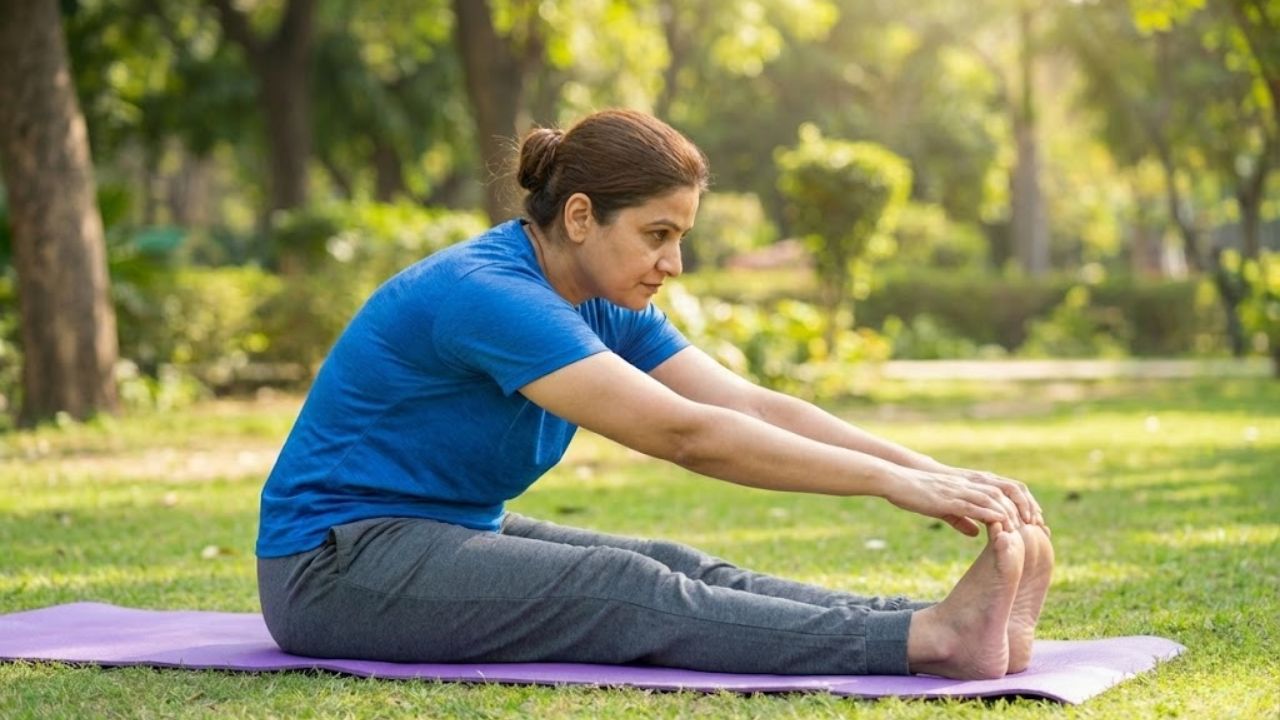
  • If you can do this many sit-to-stands after 60, your leg strength is considered ‘above average

    If you can do this many sit-to-stands after 60, your leg strength is considered ‘above average

    As the years go by, maintaining physical fitness becomes increasingly important. Staying active helps you remain independent for longer, slows down age-related muscle loss, and plays a key role in reducing the risk of falls and injuries.

    A Simple Way To Check Your Fitness Level

    If you’re returning to exercise after an injury, coming back from a long break, or simply curious about how your fitness compares to others your age, the Senior Fitness Test Kit offers a useful starting point. This assessment looks at overall functional fitness using everyday movements such as standing from a chair, walking, lifting, bending, and stretching.

    Why The Sit-To-Stand Exercise Is So Important

    The sit-to-stand movement is essentially a basic squat, but its impact is far from simple. It’s one of the most valuable exercises for long-term mobility and longevity. This test measures lower-body strength by activating the quads, glutes, hamstrings, and core. Because it works the largest muscle groups in the body, performing repeated reps can also raise your heart rate, offering cardiovascular benefits at home without any equipment.

    How To Perform The Sit-To-Stand Exercise Correctly

    To get started, choose a stable chair that allows you to sit comfortably with both feet flat on the floor. The chair should ideally be free from armrests and wheels.

    • Sit near the front of the chair with your feet hip-width apart and knees bent at roughly 90 degrees.
    • Place your hands on your thighs, by your sides, or crossed over your chest for a more challenging variation.
    • Lean slightly forward, shift your weight into your feet, and engage your core as you press through your legs to stand.
    • Lower yourself back down slowly, controlling the movement, and gently tap the chair before repeating.
    • Keep your core activated throughout by drawing your belly button toward your spine or bracing your midsection.

    What Counts As ‘Above Average’ After Age 60

    In the Senior Fitness Test, leg strength is measured by how many sit-to-stand repetitions you can complete in 30 seconds. Using a timer and keeping count, you’ll perform as many controlled reps as possible within that time frame. Hitting the recommended benchmark places your lower-body strength above average for your age group.

  • Psychologists Say Piling Clothes on a Chair Isn’t “Just Laziness” – The Habit Reveals a Bigger Pattern

    Psychologists Say Piling Clothes on a Chair Isn’t “Just Laziness” – The Habit Reveals a Bigger Pattern

    What begins as a chair soon becomes a mountain of fabric—jeans from Tuesday, a hoodie you consider “good,” and a T-shirt worn for just an hour. You promise yourself you’ll fold everything tonight. You don’t. Across the hallway, someone else’s room could be straight out of a Pinterest board: everything neatly in place or in the laundry. Psychologists suggest that this seemingly mundane domestic scene reflects much deeper dynamics about control, decision-making, and emotional regulation. That chair isn’t just furniture—it’s a silent witness to daily compromises and cognitive strategies we use to manage our lives.

    Why a Simple Chair Sparks Strong Reactions in Shared Homes

    Walk into any shared apartment, and you’ll spot the same quiet battlefield: one person’s chair is tidy, another’s sagging under layers of clothing. No one consciously agrees to this system; it evolves gradually. A shirt “just for now,” a dress “until tomorrow”—these small delays accumulate. Observers often interpret the pile as carelessness, while the owner sees it as a visual to-do list. Psychologically, the chair becomes a mirror: those who thrive on routine feel stress seeing clutter, whereas people managing fatigue or overstimulation see it as a survival tactic. Conflict arises not from clothes but from different cognitive and emotional patterns.

    Case Study: Clash of Routines in a London Flatshare

    Emma, 29, worked late shifts and used her chair as a “halfway zone”—clothes too clean for the laundry, too worn to fold back. The pile grew during busy periods and shrank when life eased. Her flatmate, Mark, 31, adhered to early mornings and strict routines. Anything out of place triggered a stress response rooted in childhood habits. The argument that followed wasn’t about clothing; it was about perceived loss of control versus energy management. Surveys support this split: highly orderly individuals experience stress from visual clutter, while those “chaotic but functioning” rely on micro-piles as memory aids.

    The Cognitive Mechanics Behind the Chair Pile

    Psychologists describe the intention-action gap—the difference between plans and actions late at night. Each garment represents a micro-decision: wear again, wash, donate, or mend. When mental energy is low, decision fatigue leads to deferral, and the chair becomes the physical landing zone for postponed choices. Labeling this laziness oversimplifies reality: piles often reflect burnout, ADHD, depression, or simply a life overloaded with responsibilities. The clothes chair is not a flaw—it’s a coping mechanism signaling mental load.

    Transforming the Clothes Chair into a Functional System

    Experts advise redefining the chair rather than eliminating it. Designate a clear “in-between zone” with limits: only clothes to be re-worn within 48 hours may sit here. When the pile reaches the seat back, it’s time to reset. Pre-sorting by category—tops, bottoms, “unsure”—reduces nightly micro-decisions. Keeping laundry baskets and hooks near where you undress minimizes friction and lowers the chance of defaulting to piles. For ADHD or chronic fatigue, open storage solutions like hooks, shallow baskets, or a dedicated chair zone outperform traditional drawers.

    Communication and Shared Household Strategies

    When living with others, the chair becomes a site of negotiation between different energy patterns. Open discussion can prevent conflict:

    • Agree on one chair, one rule, one weekly reset moment.
    • Use a 5-minute timer for quick chair clear-outs.
    • Establish non-negotiables (no damp gym clothes, underwear visible) while leaving the rest flexible.

    Reframing the pile as a signal rather than failure helps each household member understand underlying needs: it reflects energy levels, emotional load, or routine differences. Arguments over clutter often hide shame, perfectionism, and anxiety around control.

    Practical Table: Making the Clothes Chair Work

    Key Point Implementation Benefit to Users
    Define an “in-between zone” Limit the chair to clothes you plan to re-wear within 48 hours; anything older goes to laundry or wardrobe. Transforms the pile from a guilt-inducing mound into a structured reminder system.
    Reduce decision fatigue Place hooks, laundry basket, and chair near where you undress; pre-decide simple sorting rules. Streamlines nightly routines and prevents defaulting to large piles.
    Open communication with housemates Discuss what the pile represents and agree on shared rules while respecting personal zones. Prevents conflicts over respect or cleanliness and fosters understanding of different energy patterns.
    Pre-sort clothing categories Assign hooks or sections for tops, bottoms, and uncertain items. Reduces nightly micro-decisions and eases mental load.
    Regular reset routine Schedule a short weekly or evening reset to manage pile growth. Keeps the chair functional and prevents overwhelming clutter.

    The Emotional Story Beneath the Pile

    The “clothes chair” has become a minor internet villain, but psychologists hear exhaustion, perfectionism, and old family rules behind the piles. Tackling the pile brings relief and a sense of control, not because a chair defines worth, but because order and mental stability are constantly negotiated. The pile reflects your energy, priorities, and life load. Recognizing this transforms the chair from a battleground into a tool, signaling when to check in with yourself and your household dynamics.

  • Grey Pride or Laziness Debate Erupts as Silver Hair Trend Turns Into an “Empowerment” Statement

    Grey Pride or Laziness Debate Erupts as Silver Hair Trend Turns Into an “Empowerment” Statement

    Un matin, sous la lumière un peu trop franche de la salle de bain, il n’est plus question de « quelques cheveux blancs » mais d’une véritable constellation argentée qui s’installe près des tempes. Le choix se pose alors : ressortir le tube de coloration ou repenser à cette photo Instagram aperçue la veille, où une femme lumineuse affiche fièrement sa chevelure argent avec le hashtag #GreyPride. Est-ce un acte de courage assumé ou une facilité relookée en discours d’empowerment ?

    Dans un café de quartier à Londres, Mary, 49 ans, tapote machinalement sa racine poivre et sel déjà visible, trois semaines après sa dernière couleur. À la table voisine, une trentenaire à la coupe courte entièrement silver ajuste son selfie, cadrage précis, légende déjà en tête. Les regards se croisent, mêlant curiosité et gêne. Entre ces deux femmes, il n’y a qu’un dégradé de gris, mais un gouffre narratif.

    Le gris revendiqué s’affirme comme un manifeste identitaire, parfois politique, souvent rentable. Mais derrière les slogans bien rodés, une interrogation persiste, flottant dans l’air comme un cheveu oublié sur le lavabo.

    Grey pride : révolution sincère ou simple rebranding ?

    La tendance des cheveux gris assumés ne se limite plus aux influenceuses beauté. On la remarque au bureau, dans les transports, lors des réunions parents-profs. Mèches argent portées sans complexe, carrés entièrement blancs, hommes laissant pousser leurs tempes grises comme un signe de sérénité sociale. Le phénomène s’affiche aussi chez les coiffeurs, où des services « transition vers le gris » figurent désormais entre un balayage miel et un lissage brésilien.

    Ce qui change n’est pas la couleur, mais le discours. Le gris n’est plus associé au laisser-aller, mais à la libération du culte de la jeunesse. Les réseaux sociaux amplifient le message, transformant chaque racine naturelle en micro-acte militant, soigneusement cadré et filtré.

    Selon un rapport de L’Oréal, le marché mondial des produits dédiés aux cheveux gris ou blancs naturels avoisinait 2 milliards de dollars en 2023. Une somme impressionnante pour un phénomène qui survient naturellement. À Paris, une coloriste spécialisée dans les transitions au gris explique avoir doublé sa clientèle en deux ans, accueillant des femmes de 30 à 70 ans. Beaucoup arrivent avec des moodboards Pinterest, prêtes à investir des centaines d’euros pour obtenir ce que la nature leur offre gratuitement, mais sans imprévisibilité.

    Les différences de perception restent marquées. De nombreux hommes racontent être perçus comme plus crédibles dès l’apparition de tempes argentées. À l’inverse, les femmes doivent souvent transformer leurs cheveux blancs en projet esthétique et narratif pour être jugées inspirantes plutôt que négligées. Là où le gris masculin évoque le charisme, le gris féminin demeure sur une ligne fragile entre respectabilité et abandon.

    La grey pride agit parfois comme un vernis marketing sur une réalité plus inconfortable : le vieillissement n’a jamais été aussi observé. Revendiquer ses cheveux gris devient une manière de reprendre le contrôle du récit. Refuser la teinture n’est plus un simple refus, mais un nouveau oui, parfaitement scénarisé, qui affirme : je choisis comment tu me regardes. Reste à savoir qui tire réellement profit de cette mise en scène.

    Adopter le gris volontairement sans perdre pied

    Passer au gris ne signifie pas arrêter la coloration du jour au lendemain. À moins d’accepter des racines contrastées pendant des mois, une épreuve souvent socialement pesante. Les coloristes évoquent généralement une période de 6 à 18 mois pour une transition progressive, combinant mèches éclaircies, patines argentées et coupes plus courtes, le temps que la teinte naturelle prenne le dessus.

    La technique la plus répandue consiste à éclaircir peu à peu les longueurs afin de les rapprocher de la repousse grise. Le travail se fait en balayage très fin, presque point par point, pour atténuer la démarcation entre l’ancienne couleur et le blanc naissant. L’œil ne distingue plus clairement la frontière, rendant la fameuse phase du « skunk hair » beaucoup plus supportable.

    Beaucoup commencent avec une image idéalisée, inspirée d’un compte Instagram ou d’une actrice arborant un carré argent impeccable. Puis la réalité s’impose : texture différente, gris plus chaud que prévu, zones foncées dessinant des contrastes inattendus. Peu de personnes maintiennent quotidiennement masques violets, gloss et brushings parfaits. Le véritable enjeu n’est pas la couleur, mais le rapport au miroir durant cette phase instable.

    Une erreur fréquente est de ne modifier que la teinte. Un gris laissé sans coupe structurée peut accentuer la fatigue, tandis qu’un dégradé net, une frange ou un court graphique transforment l’ensemble. Les professionnels insistent : la forme du cheveu compte autant que sa couleur. Certain·es optent même pour une coupe très courte, repartant de zéro dans un geste vécu comme un rite de passage.

    Une coloriste londonienne résume souvent la démarche ainsi :

    « Ce n’est pas simplement arrêter la couleur, c’est endosser un nouveau rôle et accepter la réaction du public. »

    Cette transition implique aussi des choix très concrets :

    • Utiliser un shampoing violet une fois par semaine pour limiter les reflets jaunes.
    • Ajuster son maquillage, avec un rouge à lèvres plus affirmé ou des sourcils mieux définis.
    • Préparer une réponse courte face aux remarques (« Oui, j’essaie le gris, on verra si on s’entend. »).
    • Conserver des photos avant/après, non pour les likes, mais pour mesurer le chemin parcouru.

    Empowerment réel ou nouvelle discipline beauté ?

    C’est ici que le débat se tend. Certaines femmes expliquent que l’arrêt de la coloration leur a rendu du temps et de l’espace mental. Plus de rendez-vous mensuels, plus de racines à surveiller, un budget allégé. Pour elles, l’empowerment se traduit par une heure gagnée le week-end et une charge mentale allégée.

    D’autres décrivent l’inverse. Le passage au gris les a plongées dans une nouvelle forme d’exigence. Soins spécifiques, sérums brillants, routines anti-jaunissement, consultations professionnelles pour trouver le gris flatteur. On ne cache plus l’âge, on le met en scène. La liberté prend parfois la forme d’une nouvelle liste de tâches beauté.

    Une communicante de 52 ans, passée au gris intégral, résume sans détour :

    « Je suis passée de trois heures chez le coiffeur chaque mois à quinze minutes chaque matin devant le miroir. Je n’ai pas gagné du temps, j’ai changé de rituel. »

    Quand le choix personnel devient récit collectif

    Cette remarque met en lumière ce qui dérange. La grey pride évoque rarement celles et ceux qui n’ont jamais eu les moyens, l’envie ou le temps de se teindre les cheveux. Ni celles qui refusent de transformer chaque mèche blanche en déclaration publique. L’empowerment mis en avant ressemble parfois à une version esthétisée d’un choix ordinaire : composer avec le temps qui passe.

    Ce qui évolue, en revanche, c’est l’espace mental collectif. Porter ses cheveux gris sans justification ouvre une brèche dans le regard social. Qu’on perçoive ce mouvement comme marketing, libérateur ou ambivalent, il force une question essentielle : à partir de quand un corps qui vieillit cesse-t-il d’être un problème à corriger ? La réponse, elle aussi, se décline en une infinité de nuances de gris.

    Key point Details Why it matters to readers
    Cost of staying dyed vs going grey Salon root touch-ups every 4–6 weeks can easily reach €600–€1,000 per year, while a “grey transition plan” often coûte entre €150 et €400 sur quelques séances, puis un simple entretien à domicile. Seeing the numbers side by side helps you decide if grey pride is a financial relief or just a different type of spending.
    Social impact at work HR consultants report that women in visible positions hésitent encore à assumer le gris avant 50 ans, par peur d’être perçues comme « moins dynamiques », alors que les hommes reçoivent plus souvent des commentaires positifs. Knowing this bias lets you plan your transition (or not) around key moments: job changes, promotions, client-facing roles.
    Maintenance reality of silver hair Natural grey often needs purple shampoo, hydrating masks and heat protection, especially if hair is fine or frizzy. A low-maintenance look reste possible, mais il demande d’accepter une texture parfois plus sèche et indisciplinée. Understanding the day-to-day routine prevents disappointment and helps you choose between “polished silver icon” and a freer, more undone grey.
  • A “Scandalous” Grey-Hiding Method Is Splitting Hairdressers and Doctors – Some Call It Risky Genius

    A “Scandalous” Grey-Hiding Method Is Splitting Hairdressers and Doctors – Some Call It Risky Genius

    The sharp silver line at her roots, louder than her lipstick, her blouse, even her voice, stares back at her in the mirror. She scrolls on her phone, half-dressed and already late, when a headline flashes across the screen: “New injection erases grey hair in 30 days.”

    On TikTok, a woman half her age parts her hair to show her scalp, then cuts to the “after” clip: no grey, no regrowth, no visible filter. In the comments, some ask “Where?” and “How much?” Others warn “This is dangerous,” adding skull emojis. Somewhere between the excitement and the fear, real women are quietly booking appointments — or cancelling them.

    This time, the promise doesn’t come with the smell of ammonia or stained towels. It comes with a needle.

    The anti-grey shortcut sending shockwaves through salons

    Ask any busy colourist in London, New York, or Paris, and you’ll hear the same story. Clients arrive clutching screenshots of so-called “melanin booster injections” that claim to turn grey hair back to its natural colour at the root. No monthly dye. No harsh regrowth line. Just a tiny injection marketed as the fastest way to look younger.

    In the salon chair, emotions run high. Some clients compare it to Botox for the scalp. Others admit they’re exhausted from pretending they’re “fine” with going grey when it actually fills them with dread before meetings. The idea sounds almost magical, which is exactly why so many professionals feel uneasy.

    One afternoon in a central London salon, a 49-year-old HR director unfolds a printed leaflet from a clinic in Turkey advertising “pigment restoration therapy.” The treatment claims to reactivate melanin cells using a blend of peptides and vitamins injected along the hairline. The cost is less than a year of regular salon colouring. The promise is up to 80% reduction in grey hair within three months.

    The stylist hesitates. She’s seen similar offers online, often bundled with medical tourism packages — hair transplants, veneers, and now anti-grey injections. In some countries, these procedures are sold as cosmetic treatments. In others, they exist in a legal grey area, hovering between beauty and experimental medicine. Clients rarely ask about regulation. They focus on the before-and-after photos.

    Dermatologists focus on what’s inside the syringe. Grey hair appears when melanocytes in the hair follicle slow down or disappear. Emerging research explores molecules that might protect or stimulate these cells. In theory, it sounds promising. In reality, many injectable formulas used in clinics lack robust, peer-reviewed evidence on long-term safety.

    One doctor likens it to “flicking a switch on wiring you don’t fully understand.” Hairdressers have another fear: if a client reacts badly or experiences shedding, the salon often absorbs the blame. This trend sits right at the collision point of vanity, science, and money.

    What these injections claim to do — and why many avoid them

    Behind the dramatic marketing, the process is simple. A practitioner injects a liquid blend — usually peptides, antioxidants, amino acids, and sometimes unlicensed compounds — into the scalp along the parting and hairline. The claim is that these substances stimulate pigment cells, allowing new hair to grow in with its original colour.

    Appointments typically last 20 to 40 minutes. Most clients are sold a course of sessions spaced weeks apart, followed by annual or biannual maintenance. Common side effects include tightness, itching, or tenderness. Some people notice darker regrowth in treated areas. Others see no change at all beyond small injection marks and a lighter bank balance. There is no guaranteed outcome.

    Because of this uncertainty, many stylists are guiding clients toward less invasive alternatives. Grey blending with ultra-fine highlights doesn’t eliminate grey hair, but it softens contrast so regrowth is far less obvious. Subtle lowlights near the temples can reduce harsh white streaks without changing the overall shade.

    Another growing technique uses semi-permanent root toners applied only at the parting. These fade within four to six weeks, avoiding the stark regrowth line of permanent dye. One Paris colourist calls it “Photoshop for the parting.” It requires precision, but it’s gentler on sensitive scalps than frequent colouring or injections.

    Medical opinions remain divided. Some doctors believe tightly regulated pigment-restoring treatments may eventually help people who go grey unusually young. Others see the trend as cosmetic fear marketing wrapped in medical language. Meanwhile, hair professionals are left trying to protect both their clients’ confidence and their health.

    Before letting anyone inject your scalp

    If anti-grey injections are tempting, the most important step is also the least glamorous: a proper medical consultation. Not a sales chat in a polished clinic, but a real discussion with a qualified professional. Ask for a written list of every ingredient. Check whether those substances are approved in your country and for what use. Your scalp may be small, but your bloodstream is not.

    A cautious dermatologist will likely ask about stress, nutrition, hormones, smoking habits, and family history. Some forms of premature greying are influenced by lifestyle factors. Blood tests may be suggested before any cosmetic procedure. It’s not common practice, but it’s safer than chasing a miracle solution blindly.

    There’s also emotional groundwork to do. Pull your hair back in natural light and take a photo. Ask yourself what truly bothers you. Often it’s a narrow strip at the front or temples, not the entire head. A fringe, a softened parting, or a root-blur product can resolve most of the anxiety without medical intervention.

    Many people who regret rushing into injections describe feeling subtly pressured — beautiful clinics, quick forms, and reassurance that they’re a “perfect candidate.” A simple rule applies: if you can’t walk away and think it over, walk away anyway. A trustworthy practitioner will welcome hesitation and second opinions.

    Hairdressers are adapting too. They now ask about scalp treatments, topical medications, and recent procedures. A modern colourist often acts as both therapist and investigator, helping clients make informed choices rather than fear-driven ones.

    Key point Details Why it matters to readers
    What’s actually in the injections Most formulas mix peptides, vitamins, amino acids and antioxidants, sometimes alongside unlicensed actives that claim to “reactivate melanin”. Ingredients and dosages vary widely from clinic to clinic. Knowing the cocktail helps you spot red flags, talk to a real doctor, and avoid paying premium prices for something that might be little more than expensive scalp mesotherapy.
    How fast you might see a change Hair grows roughly 1–1.5 cm per month. Any true pigment shift would show up only in new growth after several weeks, not overnight. Photos showing instant results usually rely on dye, lighting or filters. This timeline keeps expectations realistic and makes it easier to question dramatic “30-day miracles” that don’t match basic biology.
    Safer salon alternatives Grey blending, lowlights around the face, root-shadow toners, and glosses can soften grey without fully covering it. Damage and scalp stress are lower than with frequent full-head dye. These options offer a way to look fresher with far fewer risks than an untested injection trend, while still looking like yourself in the mirror.

    Where beauty and medicine now overlap

    Grey hair is often the first visible reminder that time is moving faster than expected. This injection trend targets that vulnerability directly. It doesn’t just promise darker hair — it promises a quiet rewind of the relationship between age and identity.

    Some people will refuse it entirely, embracing silver strands or managing them with low-tech colour techniques. Others will discreetly sign consent forms and hope they fall into the group that sees results. Between these extremes lies a growing middle ground: people who don’t worship youth, but aren’t ready to surrender their hairline without resistance.

    The deeper tension isn’t only cosmetic. It plays out in workplaces, dating apps, and family photos, where grey hair still carries assumptions. The needle becomes a symbol in a much larger negotiation about visibility, ageing, and self-worth.

    Before chasing a radical solution, mapping gentler options can be surprisingly effective:

    • Root-blur sprays or powders for short-term coverage
    • Gloss treatments to soften contrast and add shine
    • Targeted grey blending at the front rather than full coverage
    • Professionally guided supplements based on blood work
    • A strategic haircut change that shifts focus from roots to movement

    The conversation between doctors and hairdressers is only beginning. And for now, it’s happening right where everyone can see it — at the hairline.

  • Hygiene After 60: Experts Say Neither Daily Nor Weekly Washing Is Ideal for Long-Term Health

    Hygiene After 60: Experts Say Neither Daily Nor Weekly Washing Is Ideal for Long-Term Health

    Dans une résidence pour seniors près de Londres, une infirmière raconte voir tous les extrêmes : cette femme qui se douche deux fois par jour, sans jamais déroger, et cet homme qui préfère attendre que cela devienne « vraiment nécessaire ». Entre ces habitudes opposées, les spécialistes commencent à s’accorder sur une fréquence étonnamment modérée. Ni quotidienne, ni hebdomadaire, elle vise à préserver la peau, soutenir les défenses naturelles et maintenir l’envie de rester actif. Une approche discrète, mais de plus en plus solide, se dessine.

    Pourquoi les douches quotidiennes posent problème après 60 ans

    Dans les vestiaires d’une piscine tôt le matin, la scène est familière : un homme âgé qui se frotte énergiquement, une femme qui enchaîne shampoing, gel douche et gommage comme un rituel immuable. Se laver chaque jour est devenu un marqueur d’identité : être propre, présentable, encore debout. Pourtant, après 60 ans, la peau suit moins bien. Les gestes qui semblaient rafraîchissants à 30 ans laissent place à rougeurs, démangeaisons et à cette sensation de peau qui tiraille.

    Ce que les dermatologues observent en consultation

    Les dermatologues reconnaissent voir ce schéma régulièrement. Une ancienne enseignante de 68 ans consulte pour une peau devenue soudainement sensible, persuadée d’une allergie ou d’un problème sérieux. Les examens sont normaux. Aucun changement de traitement. En creusant, la cause apparaît : douches très chaudes deux fois par jour, savon antibactérien, produits parfumés. Invitée à réduire la fréquence et à utiliser un nettoyant doux et crémeux, elle hésite. Deux semaines plus tard, les démangeaisons disparaissent et le sommeil s’améliore.

    Ce qui se passe réellement au niveau de la peau

    Biologiquement, le mécanisme est simple. Avec l’âge, la barrière cutanée s’affine et la production de sébum naturel ralentit. L’eau chaude et les savons agressifs enlèvent cette protection déjà fragile. Le microbiome cutané, ce bouclier invisible de bonnes bactéries, évolue lui aussi. Se laver trop souvent ne rend pas plus propre : cela laisse la peau sèche et vulnérable. Chez les seniors, les douches quotidiennes sur tout le corps ressemblent de plus en plus à une agression inutile.

    La fréquence idéale pour rester propre et en bonne santé

    Si se laver tous les jours est excessif et une fois par semaine insuffisant, quelle est la bonne mesure ? De nombreux spécialistes en gériatrie et en dermatologie recommandent une voie médiane : une vraie douche tiède avec savon deux à trois fois par semaine. Il ne s’agit pas de frotter vigoureusement, mais de nettoyer en douceur les zones qui transpirent, se plient ou frottent. Les autres jours, une toilette ciblée au gant, au bidet ou à la douchette suffit à rester frais.

    Un veuf de 72 ans à Manchester en a fait l’expérience. Habitué à se doucher chaque matin, il se sentait fatigué et inquiet de glisser. Sur conseil d’une infirmière, il adopte un nouveau rythme : douche complète le lundi, jeudi et samedi, avec une toilette quotidienne des aisselles, de l’aine, des pieds et du visage au lavabo. En un mois, les étourdissements diminuent, la peau cesse de peler et, contre toute attente, il se sent plus propre qu’avant.

    Adapter sa routine : des bénéfices concrets et durables

    Cette règle des deux à trois douches par semaine répond à plusieurs enjeux. Elle respecte le renouvellement plus lent des cellules, réduit le temps passé debout sur un sol glissant et limite l’exposition à l’eau chaude, connue pour assécher la peau et faire baisser la tension. Elle préserve aussi une partie des huiles naturelles et des bactéries utiles. Soyons honnêtes : après 60 ans, peu de corps supportent un lavage quotidien complet sans conséquences.

    Se laver plus intelligemment après 60 ans

    La clé consiste à réduire la durée plutôt que supprimer la douche. Huit à dix minutes, eau tiède, en ciblant les zones essentielles : aisselles, plis, parties intimes, pieds, cuir chevelu. Un nettoyant doux sans parfum suffit, appliqué uniquement là où c’est nécessaire. Les bras et les jambes peuvent souvent être simplement rincés.

    À la sortie, évitez de frotter : tamponnez la peau, puis appliquez rapidement une crème épaisse et simple, surtout sur les tibias et les avant-bras. Les parfums forts et déodorants agressifs juste après la douche sont à limiter, la peau étant plus réactive. Ce simple ajustement apaise souvent des irritations installées depuis longtemps.

    Erreurs fréquentes et ajustements utiles

    Beaucoup de seniors, par souci de bien faire, augmentent la température de l’eau « pour les articulations », utilisent des éponges abrasives ou lavent leurs cheveux à chaque douche. Ces pratiques fragilisent la peau et le cuir chevelu. Une approche plus douce consiste à séparer les gestes : cheveux une à deux fois par semaine, corps deux à trois fois avec savon ciblé, et toilette quotidienne localisée. Inutile de transformer chaque matin en rituel complexe pour se sentir présentable.

    Comme le résume une dermatologue consultante : après 65 ans, l’hygiène n’est plus une compétition. Il s’agit de préserver l’intégrité de la peau, maintenir la confiance et sécuriser une routine appelée à durer.

    Repères pratiques pour une hygiène adaptée

    • Fréquence idéale : douche complète avec savon 2 à 3 fois par semaine, toilette quotidienne ciblée des aisselles, de l’aine, des pieds et du visage.
    • Eau et durée : eau tiède, moins de 10 minutes, utiliser un siège si rester debout fatigue ou étourdit.
    • Produits recommandés : nettoyants sans parfum et au pH doux, crèmes épaisses et simples ; éviter gommages, savons antibactériens et parfums forts.

    Quand l’hygiène devient un soutien plutôt qu’une contrainte

    Lorsque les personnes âgées cessent de lutter contre leur propre peau, un changement discret s’opère. Une femme parisienne au début de la soixantaine-dix raconte avoir arrêté de vouloir « sentir la publicité » pour simplement se sentir elle-même. Ses douches quotidiennes sont passées à trois par semaine, les flacons ont disparu, et ses matinées ont retrouvé du temps pour un café partagé. L’objectif n’était pas d’abandonner la propreté, mais de ne plus laisser la peur de « ne pas être assez propre » diriger chaque journée.

    Ce nouveau rythme améliore souvent le sommeil, préserve l’énergie et rend la salle de bain plus sûre. Les échanges changent aussi : beaucoup admettent qu’ils étaient fatigués de l’ancienne routine, pensant être les seuls. Accepter que deux ou trois douches bien faites par semaine, complétées par une toilette quotidienne ciblée, soient non seulement suffisantes mais recommandées, allège une pression invisible.

    S’adapter avec dignité ne signifie pas baisser ses exigences. Cela revient à choisir ce qui soutient réellement une vie encore riche. Une peau respectée tiraille moins, se fissure moins. La salle de bain cesse d’être un champ de bataille pour devenir un lieu d’attention à soi. Entre « tous les jours » et « de temps en temps », un nouvel équilibre existe déjà, et il ressemble à une forme de liberté.

  • Hygiene After 65: Doctors Clarify the Shower Frequency That Best Protects Skin Health as You Age

    Hygiene After 65: Doctors Clarify the Shower Frequency That Best Protects Skin Health as You Age

    Un fils inquiet pour sa mère de 78 ans qui “oublie” parfois de se laver. Une femme de 69 ans qui reconnaît, un peu gênée, que la douche lui semble désormais une épreuve physique. Dans les couloirs des maisons de retraite, le cliquetis des chariots tranche avec le silence discret autour de l’hygiène quotidienne.

    Un médecin gériatre m’a confié passer davantage de temps à parler de douche et de savon que d’ordonnances. Il le disait sans ironie. Après 65 ans, se laver n’est plus un automatisme banal. C’est un geste lié à la dignité, au confort, à la sécurité et à la peur de la chute.

    Derrière les flacons de shampoing et les gants de toilette, la vraie question est plus simple qu’il n’y paraît. Ni tous les jours, ni trop rarement. Alors, à quel rythme la douche protège-t-elle réellement la santé après 65 ans ?

    À quelle fréquence se doucher après 65 ans ?

    Lorsqu’on parle d’hygiène après 65 ans, deux excès s’opposent. Certains continuent à se doucher chaque jour “par principe”, avec la peau rouge, des démangeaisons aux jambes et une sensation de tiraillement. D’autres repoussent le moment, glissant peu à peu vers une douche hebdomadaire, parfois moins, sans l’avoir vraiment décidé.

    Les gériatres sont pourtant assez unanimes : la majorité des personnes en bonne santé après 65 ans se portent mieux avec 2 à 3 douches complètes par semaine. Les autres jours, une toilette ciblée au lavabo, avec un gant ou une lingette adaptée, suffit largement. La peau vieillit, s’affine et perd ses huiles naturelles. Une douche quotidienne, surtout chaude et très savonneuse, fragilise plus qu’elle ne protège.

    Un infirmier à domicile m’a raconté l’histoire de M. André, 83 ans, ancien militaire habitué aux douches matinales quotidiennes. Lorsque des plaques rouges et des démangeaisons sont apparues, il a d’abord pensé à une allergie. Les examens n’ont rien révélé d’anormal, jusqu’à ce que la fréquence des douches soit évoquée : tous les jours, eau chaude, savon parfumé sur tout le corps.

    La solution a été simple : trois douches par semaine, un produit lavant surgras, et les autres jours une toilette rapide des zones clés. En un mois, les démangeaisons ont diminué, l’usage de crèmes a baissé et le confort est revenu. Surtout, la douche ne l’épuisait plus. Chaque entrée et sortie de la baignoire était auparavant une lutte contre le vertige et le risque de chute.

    La bonne fréquence se situe donc entre le “trop” et le “pas assez”. Le corps transpire moins avec l’âge. Les odeurs proviennent surtout des aisselles, des plis (aine, sous la poitrine, fesses) et des pieds. Une douche complète deux à trois fois par semaine nettoie efficacement la peau et les cheveux, tout en laissant le temps à la barrière cutanée de se régénérer. Les autres jours, une toilette ciblée suffit à garder odeurs et bactéries sous contrôle.

    Le véritable risque vient surtout de l’eau trop chaude, des savons agressifs et de la fatigue physique liée à la douche. La fréquence doit donc s’adapter à chacun. Une personne fragile ou anxieuse face au risque de chute n’a pas le même rythme qu’un retraité sportif. La bonne cadence est celle qui préserve l’hygiène sans abîmer la peau ni l’énergie.

    Faire de l’hygiène une routine douce et sécurisée

    Après 65 ans, la question n’est pas seulement “combien de douches”, mais aussi “comment les prendre”. Une approche simple consiste à choisir deux ou trois jours fixes de douche dans la semaine, notés comme un rendez-vous, de préférence le matin, lorsque la tension est plus stable. Préparer la salle de bains à l’avance aide beaucoup : tapis antidérapant, siège de douche, savon à portée de main, serviette déjà prête.

    Les jours sans douche complète, un rituel court au lavabo suffit : visage, aisselles, plis, parties intimes, puis les pieds si possible. Une bassine ou un petit tabouret peut soulager le dos et limiter l’essoufflement. Ce n’est pas une solution “au rabais”, mais une façon adaptée de rester propre avec un corps qui change.

    Les erreurs les plus fréquentes viennent souvent de bonnes intentions. Frotter trop fort pour “être vraiment propre” est une mauvaise idée sur une peau mature. Les gants rêches, brosses dures et gels très parfumés enlèvent le film protecteur naturel. Résultat : tiraillements, eczéma et microfissures. À l’inverse, espacer excessivement le lavage des plis cutanés favorise mycoses, irritations et odeurs persistantes, qui peuvent affecter l’estime de soi.

    Beaucoup de seniors n’osent pas dire qu’ils ont peur de glisser ou qu’ils ont froid sous la douche. Ils repoussent alors le moment, jusqu’à ce qu’un proche remarque un changement. Parfois, une simple barre d’appui ou un siège de douche suffit à tout transformer. L’hygiène redevient possible sans angoisse ni humiliation. L’objectif n’est pas la perfection, mais le confort dans un environnement sécurisé.

    Comme le résumait une dermatologue en gériatrie : « Avec l’âge, l’hygiène n’est plus une question de performance, mais de confort et de respect de soi. La peau raconte une histoire : il faut la protéger, pas la décaper. »

    Quelques repères simples facilitent le quotidien :

    • 2 à 3 douches complètes par semaine suffisent à la majorité des personnes de plus de 65 ans en bonne santé.
    • Les autres jours, une toilette ciblée des zones clés maintient une bonne hygiène sans fatiguer le corps.
    • Un savon surgras ou pour peaux sensibles limite rougeurs et démangeaisons.
    • Une salle de bains sécurisée réduit fortement le risque de chute.
    • Une eau tiède et un temps de douche plus court protègent la peau et la tension artérielle.

    Ce qui protège vraiment la santé, au-delà du nombre de douches

    Avec un peu de recul, la question de la douche après 65 ans va bien au-delà d’un simple geste d’hygiène. Elle parle d’un corps que l’on apprend à regarder autrement, de rythmes que l’on ajuste et de limites que l’on accepte. Elle révèle aussi la frontière délicate entre aide et intrusion : qui aide, quand, et comment sans blesser la dignité.

    Dans les familles, ces discussions surgissent souvent à demi-mot. Une proposition anodine — “Tu veux que je regarde pour un siège de douche ?” — peut cacher la peur d’être catalogué comme “vieux”. Parler d’hygiène touche à quelque chose de profondément intime.

    Ceux qui trouvent leur équilibre en parlent souvent avec soulagement. Moins de douches, mais mieux pensées. Plus de soins ciblés : hydratation des jambes, ongles entretenus, cheveux lavés sans transformer le bain en épreuve. Une toilette rapide le soir peut devenir un moment de douceur. La fréquence idéale n’est jamais une règle figée, mais un ajustement entre le corps, l’esprit et le quotidien.

    Ce qui préserve réellement la santé, ce sont des gestes réguliers et souples. Être attentif aux signaux de la peau — rougeurs, démangeaisons, odeurs inhabituelles — et reconnaître la fatigue ou les vertiges. Parfois, demander un avis médical permet d’adapter savons, crèmes ou traitements. Partager ces questions ouvre souvent la porte à des solutions simples et concrètes.

    • Fréquence idéale : la plupart des seniors en bonne santé vont bien avec 2 à 3 douches complètes par semaine, complétées par des toilettes rapides ciblées.
    • Protection de la peau : eau tiède, produits doux sans parfum et hydratation après le lavage réduisent démangeaisons et fissures.
    • Sécurité : barres d’appui, tapis antidérapants, siège de douche et bonne lumière diminuent fortement le risque de chute.
  • Hair Melting Is Replacing Balayage as the Go To Method for Soft Natural Gray Coverage

    Hair Melting Is Replacing Balayage as the Go To Method for Soft Natural Gray Coverage

    The world of hair colour is undergoing a noticeable transformation as hair melting gains popularity as a refined and practical alternative to traditional balayage, particularly for those looking for effective gray coverage. This technique blends colour effortlessly with natural tones, allowing gray strands to soften into the background rather than stand out. As more people move toward low-maintenance beauty routines, hair melting has emerged as a go-to option, delivering a natural finish while reducing the need for frequent salon visits.

    Unlike balayage, which often relies on contrasting highlights and can leave visible regrowth lines, hair melting focuses on seamless transitions. The gradual flow between shades mirrors the natural variation in hair, making it ideal for anyone who wants a refreshed look without constant touch-ups. Beyond covering gray, the technique enhances overall hair vitality and creates a more youthful, balanced appearance.

    Blending Gray Gracefully with the Hair Melting Technique

    Celebrated stylist Jill Buck has helped redefine how gray hair is approached by treating it as part of the overall aesthetic rather than something to conceal. Clients drawn to this method often have varying degrees of gray, commonly around 25% at the temples and hairline. Buck’s approach uses soft blending that complements the client’s skin tone, allowing gray strands to merge naturally with the surrounding colour.

    This method shifts the focus from hiding gray to working with natural hair patterns. By respecting the existing colour distribution, hair melting produces a harmonious result that feels intentional and polished, rather than forced or overly processed.

    The Technique Behind Hair Melting

    Hair melting relies less on heavy, uniform dyes and more on refining and blending existing shades. By carefully combining lighteners and toners, colourists create a smooth, cohesive finish that appears multidimensional. The result is a sense of depth that enhances natural beauty without the harsh effect of an all-over colour application.

    The balance of warm and cool tones is selected with care to complement individual complexions. This thoughtful colour placement helps maintain a fresh, vibrant look while preserving the hair’s natural movement and texture.

    Why Hair Melting Stands Out from Balayage

    For those accustomed to traditional colouring methods, hair melting offers several clear advantages. One of the most appealing benefits is reduced maintenance. The softer grow-out minimises visible roots, making regrowth far less noticeable over time.

    The technique also allows for highly customised results, with shades tailored to personal preferences and skin tones. The final look appears more natural, avoiding stark contrasts and instead reflecting the subtle variations found in untreated hair. Additionally, the process is generally less aggressive, which helps limit damage and supports healthier hair in the long run.

    Helpful Tips for Trying the Hair Melting Trend

    Anyone considering this approach should start by consulting a colourist experienced in advanced blending techniques. Professional guidance ensures the selected shades enhance individual features and natural tones.

    • Use colour-safe shampoos, such as purple or balancing formulas, to maintain tone and vibrancy.
    • Plan salon visits every three to four months to refresh the look while allowing natural growth.
    • Focus on hair care routines that support moisture and strength to prolong the colour’s finish.

    The Future of Gray Coverage

    As beauty trends continue to evolve, the growing popularity of hair melting reflects a broader shift toward embracing natural beauty. Gray hair is no longer something to hide, but an element that can be blended thoughtfully and stylishly. This technique combines practicality with elegance, offering a solution that enhances confidence while celebrating one’s natural appearance.

  • Hygiene After 65: Why Experts Say Neither Daily Nor Weekly Showers Truly Support Aging Skin Health

    Hygiene After 65: Why Experts Say Neither Daily Nor Weekly Showers Truly Support Aging Skin Health

    The bathroom carried a soft scent of lavender mixed with steam when Margaret, 72, called her daughter closer. One hand rested on the safety rail, the other pressed against her hip. Her skin looked red, tight, and overworked, as if it had been scrubbed a little too often. She asked a question that had been quietly bothering her for months: did she really need to shower every single day?

    Her doctor had already warned her about several things — unstable blood pressure, balance issues, and severely dry skin that cracked easily. Still, lifelong habits are hard to shake. For decades, she had believed that daily washing meant discipline, and discipline meant good health.

    Meanwhile, her husband George followed a very different routine. He hadn’t taken a full shower in four days. Instead, he used a warm cloth, changed his clothes, and went back to his crossword. He felt comfortable, clean, and surprisingly better than when he tried to force himself into a daily shower. Between them, an unspoken question lingered: how often should older adults really shower?

    How Often Should You Shower After 65?

    Ask ten people over 65 about their shower habits and you’ll hear ten different answers. Some rely on a morning rinse to feel ready for the day. Others avoid showers because of fear of slipping, dizziness, or sheer exhaustion. Beneath these personal habits, medical guidance has been quietly shifting.

    Many geriatric doctors and dermatologists now agree on one key point: the traditional daily shower routine no longer suits aging bodies. After 65, skin becomes thinner, drier, and far more fragile. Natural oils decrease, and small cracks form easily. Hot water and strong soaps can turn routine hygiene into a source of irritation.

    As a result, experts often suggest a middle ground. For most healthy seniors, two to three full showers per week, combined with daily targeted washing, is usually enough. This approach avoids extremes and offers a balance that protects both skin and energy levels.

    Why Fewer Showers Can Mean Healthier Skin

    One geriatrician recalls a patient named Frank, 79, who complained of constant itching. He showered every morning using a strong antibacterial gel. His arms and legs were raw, and his back showed red, irritated patches. When advised to reduce showers to three times a week and switch to a mild, fragrance-free cleanser, Frank worried about odor.

    Three weeks later, he returned with calmer skin, better sleep, and a surprising realization: nothing about his cleanliness had changed. Similar patterns appear in home-based studies of older adults. Those who insist on daily showers often develop dermatitis, micro-cuts, and infections, while those who space showers and maintain simple daily hygiene frequently do just as well, or better.

    The reason is straightforward. Skin is a living protective barrier, home to helpful bacteria that defend against irritation and infection. Long, hot showers and harsh products strip away these defenses. Younger skin recovers quickly, but after 65, repair slows. Hygiene becomes less about intensity and more about timing, moderation, and care.

    Building a Realistic Shower Routine After 65

    The most effective routines are the ones people can actually maintain. Standing under hot water for fifteen minutes, bending and reaching, washing hair, drying, and moisturizing can feel overwhelming for an aging body. That’s why many care teams recommend a simple structure: two or three full showers per week, plus brief “mini-washes” on other days.

    On shower days, guidance is consistent. Use lukewarm water, not hot. Keep showers short, ideally five to ten minutes. Focus on areas prone to odor and infection such as underarms, groin, feet, and skin folds. Mild, pH-balanced cleansers should be used only where needed.

    On non-shower days, a warm washcloth or gentle wipes can cover essentials: face, neck, underarms, groin, feet, and hands. Fresh underwear and socks contribute more to cleanliness than many people realize.

    Safety, Comfort, and Redefining Cleanliness

    Fear plays a major role in hygiene habits. Many older adults have experienced a slip, sudden dizziness, or moment of panic in the shower. These memories linger. Occupational therapists often emphasize that safe hygiene supports both physical and mental well-being.

    Simple adjustments can make a dramatic difference: non-slip mats, grab bars, shower chairs, and hand-held shower heads. These tools can turn a stressful task into something manageable and even comforting.

    Families sometimes worry about judgment, but most healthcare professionals agree that a calm, safe routine matters more than daily perfection. Clean, comfortable, twice-weekly showers paired with good daily basics are often healthier than forced routines that lead to falls or conflict.

    Common Mistakes That Damage Aging Skin

    Problems usually arise from a few habits: overly hot water, aggressive antibacterial gels, rough sponges, long scrubbing sessions, and skipping moisturizer. Over time, these turn showers into repeated skin assaults.

    A gentler approach works better. Short, warm, targeted showers followed immediately by a simple, fragrance-free moisturizer on dry areas can significantly improve comfort over months and years.

    Key Takeaways for Showering After 65

    • Ideal frequency: 2–3 full showers per week for most adults over 65
    • Daily care: Targeted washing of underarms, groin, feet, face, and hands
    • Water temperature: Warm, not hot, with showers lasting 5–10 minutes
    • Products: Mild, fragrance-free, pH-balanced cleansers
    • Safety: Use grab bars, non-slip mats, or shower chairs if needed

    Finding the Right Balance in Later Life

    Hygiene after 65 is about more than soap and water. It touches on dignity, routine, and comfort. Many older adults fear smelling bad or becoming a burden, which makes the idea of showering less often feel like failure.

    Yet evidence consistently shows that fewer showers, supported by smart daily care, often protect skin and health just as effectively. Clean clothing, breathable fabrics, fresh bedding, and good oral hygiene matter just as much.

    When expectations shift, tension often fades. A parent who resists daily showers may accept a twice-weekly routine if they feel respected. Small changes can lead to fewer arguments, less skin damage, fewer falls, and calmer days. The real goal is balance — between cleanliness, safety, and peace of mind.

  • Beauty Experts Are Already Predicting These Major Trends Will Shape How We Look in 2026

    Beauty Experts Are Already Predicting These Major Trends Will Shape How We Look in 2026

    Side fringes are set to dominate 2026, drawing inspiration from iconic 90s looks like Amber Valetta’s Gucci era fringe that softly skims the eye. Contemporary versions, seen on names such as Bella Hadid, feel fresh and wearable. Simply changing your parting can instantly refresh your style, making this one of the easiest updates for the year ahead.

    A More Polished Hair Finish

    The direction for 2026 leans towards healthy, glossy and refined hair that still feels natural. It’s not overly styled or stiff, but fluid and well cared for. Think hair that looks effortlessly put together rather than perfectly set. Maintaining good condition is key, with regular trims, weekly masks and mindful drying techniques that create a soft curve at the ends for a smooth yet relaxed finish.

    Elevated Minimalism

    This season champions elevated minimalism — beautifully groomed lengths with subtle movement and a luminous sheen. Instead of controlling natural texture, the focus is on refining it. The result is hair that feels modern, understated and undeniably cool, with a polished but effortless appeal.

    Modern French Twists

    As power dressing makes a comeback, up-dos are returning in a more relaxed form. The modern French twist looks as though it was styled in moments, yet remains ornate, chic and intentional. Minimalist in feel, it carries a soft nod to 90s glamour without appearing overworked.

    Make-Up Trends for 2026

    Bold Eyes and Statement Lashes

    After seasons dominated by clean, pared-back beauty, eyes are once again taking centre stage. Expect intense smokey eyes, graphic or elongated liner, soft watercolour washes and doll-like clustered lashes. The mood is expressive, playful and confident, making this trend easy to experiment with.

    Lightweight, Radiant Layers

    2026 make-up focuses on radiant, healthy-looking skin achieved with lightweight formulas. Heavy, mask-like finishes give way to products that feel barely there, enhancing natural glow. The look is completed with juicy lips and a subtle, skin-kissed flush that feels fresh and effortless.

    A Sensory Beauty Ritual

    Consumers are increasingly drawn to how products feel and fit into daily routines. There’s growing demand for luxurious, sensorial formulas that deliver results without complexity. Beauty is becoming more ritualistic, turning everyday application into a moment of enjoyment while still offering effortless efficacy.

    Skin Priorities in 2026

    Barrier and Microbiome Support

    Skin barrier health remains a major focus, with increased use of postbiotic and microbiome-based ingredients. Fermented extracts, bacterial lysates and prebiotics help strengthen the barrier and support skin’s ability to self-regulate. Ingredients like ceramides and niacinamide continue to play a crucial role in maintaining resilient, balanced skin.

    Cellular Health Awareness

    There’s a clear shift toward a proactive skincare mindset, centred on cellular health, longevity and prevention. Rather than quick fixes, the emphasis is on long-term support — asking what can be done today to protect skin health over the next five, ten or even twenty years.

    Longevity-Driven Beauty

    Beauty and wellness continue to merge, with skin longevity at the heart of this evolution. Functional skincare, supplementation and fragrance are growing, with a strong focus on sleep, microbiome balance, barrier repair and long-term skin health. The goal is sustained wellbeing, not temporary results.

    Dedicated Lip Care

    Lip care has firmly established itself as a standalone category. Consumers want products that deliver performance while feeling indulgent, blending effective treatment with enjoyable textures, flavours and shades. It’s about caring for lips properly while still enjoying products that feel special.

    Regenerative Skin Treatments

    The future of aesthetics is shifting toward treatments that work with the skin’s biology. Regenerative approaches, such as polynucleotides and exosomes, focus on improving skin function from within. These treatments support repair, reduce inflammation and encourage regeneration, prioritising overall skin health over surface-level correction.

    Nail Colour Trends for 2026

    Milky Whites and Rich Browns

    Pantone’s Colour of the Year 2026, Cloud Dancer, highlights the ongoing appeal of soft, milky white nails. Alongside this, brown tones remain a key trend. From mocha to deep chocolate, these velvety neutrals add warmth and sophistication, offering a refined alternative to classic nudes across a range of skin tones and seasons.