Author: admin

  • 4 Therapeutic Yoga Poses That Help Reduce Chronic Inflammation and Support Healing

    4 Therapeutic Yoga Poses That Help Reduce Chronic Inflammation and Support Healing

    Chronic inflammation is often experienced as a quiet, ongoing strain on the body. It may appear as joint stiffness, muscle aches, digestive discomfort, persistent fatigue, or a general sense of physical unease. While medication and nutrition are important factors, gentle movement can be equally supportive. When practiced slowly and regularly, yoga stretches help calm the nervous system, enhance circulation, and ease inflammatory responses. The most effective approach focuses on relaxation over effort. These four therapeutic yoga stretches are widely recognized for supporting the body’s natural healing process while remaining suitable for most individuals.

    Why Gentle Yoga Can Help Reduce Inflammation

    Inflammation is strongly connected to chronic stress, limited circulation, and restricted movement. When the body stays tense, stress hormones remain elevated, which can aggravate inflammatory conditions. Gentle yoga movements stimulate the parasympathetic nervous system, commonly known as the rest-and-repair response. This shift allows muscles to relax, blood flow to improve, and internal systems to operate more efficiently. With consistent practice, this calming effect may help lower ongoing inflammation and minimize flare-ups. The stretches below emphasize slow breathing, supported postures, and mindful awareness, making them especially therapeutic.

    Child’s Pose for Deep Whole-Body Relaxation

    Child’s Pose is one of the most restorative yoga stretches and is especially helpful for calming inflammation linked to stress and fatigue. It gently lengthens the hips, lower back, and shoulders while encouraging slow, steady breathing.

    To practice, kneel on the floor with your knees slightly apart and lower your hips toward your heels. Fold forward, resting your torso over your thighs. Extend your arms in front of you or allow them to relax alongside your body. Place your forehead on the mat or on a cushion for support. Remain here for one to three minutes, breathing evenly and without effort.

    This posture helps release tension in the spine and hips, areas where inflammation often develops due to prolonged sitting or poor posture. Gentle abdominal compression may also support digestive function, which plays a role in regulating inflammatory responses.

    Supported Bridge Pose for Circulation and Joint Comfort

    Supported Bridge Pose provides the benefits of a mild backbend without placing strain on the spine or joints. It encourages healthy circulation and helps counter inflammation caused by stiffness and limited mobility.

    Lie on your back with your knees bent and feet flat on the floor. Lift your hips slightly and place a yoga block or firm cushion beneath your sacrum. Allow your hips to rest fully on the support without engaging the muscles. Keep your arms relaxed at your sides and let the chest open naturally. Hold this position for one to two minutes while maintaining calm, steady breathing.

    This stretch enhances blood flow to the spine and pelvis and gently stimulates the endocrine system, which is important for inflammation regulation. Because the pose is passive, it allows the body to release tension without effort, making it suitable for those experiencing chronic pain or joint sensitivity.

    Seated Forward Fold to Calm Internal Inflammation

    Seated Forward Fold is a soothing stretch that targets the back body while also calming the nervous system. It can be especially beneficial for individuals whose inflammation is connected to digestive or autoimmune concerns.

    Sit on the floor with your legs extended straight ahead. Inhale to lengthen your spine, then slowly hinge forward from the hips. Rest your hands on your legs or feet without forcing the stretch. Keep your neck relaxed and allow the back to soften as needed. Hold the position for up to one minute with slow, controlled breathing.

    This posture gently massages the internal organs, supports digestion, and encourages circulation to areas that may feel tight or inflamed. Forward folds are also known for quieting mental activity, helping reduce stress-related inflammatory triggers.

    Supine Spinal Twist for Mobility and Detox Support

    Supine spinal twists are effective for easing inflammation by improving spinal mobility and supporting gentle detoxification. Twisting movements help release tension along the spine while stimulating circulation in the abdominal organs.

    Lie on your back with your knees bent. Draw your right knee toward your chest, then guide it across your body to the left side. Extend your right arm outward and gently turn your head to the right if it feels comfortable. Hold for several slow breaths before switching sides.

    This stretch helps reduce stiffness in the lower back and hips while supporting digestive and lymphatic flow. Because it is performed on the floor, it places minimal stress on the joints and is well suited for those managing chronic inflammation.

    Safe Practice Tips When Managing Inflammation

    When inflammation is present, gentleness matters more than intensity. Move slowly, avoid sharp or painful sensations, and use props whenever needed. Let deep, relaxed breathing guide each movement. Practicing these stretches five to six days a week, even for ten minutes at a time, can be more beneficial than pushing the body too hard occasionally. Listening to your body and resting when necessary is an essential part of healing.

    A Gentle Approach to Long-Term Comfort

    Chronic inflammation does not resolve overnight, but small daily habits can create meaningful change. Therapeutic yoga stretches offer a non-invasive way to reduce tension, improve circulation, and calm the systems that drive inflammation. By practicing these four poses regularly, you allow your body the space it needs to restore balance. Over time, this gentle routine can support greater comfort, improved mobility, and a stronger sense of overall well-being.

  • 4 Morning Yoga Poses That Reduce Bloating and Ease Gastric Discomfort Naturally

    4 Morning Yoga Poses That Reduce Bloating and Ease Gastric Discomfort Naturally

    Waking up with a heavy, tight, or bloated stomach can quietly disrupt your entire day. Morning bloating is common and often linked to slower overnight digestion, eating habits, stress, or irregular sleep patterns. Instead of skipping breakfast or reaching for quick fixes, a brief yoga routine can help the body reset in a natural way. Gentle morning yoga poses activate digestion, release trapped gas, and awaken the abdominal muscles without strain. Practiced on an empty stomach, these poses take only a few minutes and easily fit into any morning routine.

    Why Morning Yoga Supports Digestion and Relieves Gas

    During sleep, digestion naturally slows, allowing gas to build up in the intestines. Upon waking, the digestive system responds better to movement rather than pressure. Morning yoga creates a rhythm of gentle compression and release in the abdominal area, helping gas move smoothly through the digestive tract. It also improves circulation and stimulates the parasympathetic nervous system, which plays a key role in healthy digestion. When practiced regularly, these poses can enhance gut awareness, reduce reliance on medication, and promote a calmer start to the day.

    Pawanmuktasana for Quick Gas Relief

    Pawanmuktasana, commonly called Wind Relieving Pose, is highly effective for easing bloating and gastric discomfort. The posture applies gentle pressure to the abdomen, encouraging the release of trapped gas.

    Lie flat on your back with both legs extended. Bend the right knee and draw it toward your chest, holding the shin with both hands. Gently pull the knee closer while keeping the shoulders relaxed on the floor. Hold for a few slow breaths, then switch to the left leg. Afterward, bring both knees to the chest together and hold.

    This pose massages the intestines and supports peristalsis, the body’s natural digestive movement. Practicing it calmly in the morning can ease heaviness and encourage smoother bowel activity throughout the day.

    Malasana to Activate Digestive Energy

    Malasana, also known as the Yogic Squat, is a simple yet powerful posture for digestion. It aligns the lower abdomen, colon, and pelvic floor, areas often associated with gas and bloating.

    Stand with your feet slightly wider than hip-width and slowly lower into a squat. Keep the heels grounded if possible and bring the palms together at the chest. Gently press the knees outward with the elbows to create space in the lower abdomen. Keep the spine upright and breathe deeply.

    This posture increases blood flow to the digestive organs and supports natural elimination. Holding Malasana for even one minute each morning can help regulate bowel habits and reduce pressure caused by gastric discomfort.

    Apanasana for Calm, Gentle Digestion

    Apanasana is a gentler variation of Pawanmuktasana and is ideal for those who prefer slow, soothing movements in the morning. The pose is associated with the downward movement of waste in the body.

    Lie on your back and draw both knees toward the chest. Wrap the arms around the legs and gently rock side to side if comfortable. Maintain slow, steady breathing while keeping the neck and shoulders relaxed.

    This pose helps calm the nervous system while supporting digestion. It is especially beneficial for stress-related bloating, which often occurs when tension in the mind affects the gut. Regular practice may improve gut sensitivity and reduce recurring discomfort.

    Seated Spinal Twist to Wake Up Digestion

    Seated spinal twists gently stimulate the digestive organs, similar to squeezing out a sponge. The twisting action supports digestion without placing excessive pressure on the stomach.

    Sit upright with the legs extended. Bend the right knee and place the foot outside the left thigh. Position the left elbow on the outside of the right knee and gently twist the torso to the right. Keep the spine tall and breathe slowly. Hold for several breaths before switching sides.

    Twisting poses stimulate the liver, pancreas, and intestines. Practicing this movement in the morning helps reduce digestive sluggishness that often contributes to bloating.

    Creating a Simple Morning Yoga Flow

    These four poses can be combined into a short routine lasting around ten to twelve minutes. Begin with gentle breathing, then move into Pawanmuktasana and Apanasana on the floor. Follow with Malasana to activate the lower abdomen, and finish with seated spinal twists to fully stimulate digestion.

    Consistency is more important than intensity. Practicing daily, even briefly, allows the digestive system to adapt and function more smoothly. Pairing this routine with warm water and mindful eating habits can enhance the benefits.

    Natural Support for Digestive Comfort

    Morning bloating and gastric discomfort are common, but they do not need to become a daily issue. Yoga offers a natural and accessible way to support digestion without side effects. These four poses focus on mindful movement, breath, and body awareness, helping the body release what it no longer needs and begin the day feeling lighter.

    With regular practice, these poses can improve digestion, reduce discomfort, and create a more balanced and energized start to your mornings.

  • 4 Mindful Yoga Poses That Help Ease Asthma Symptoms and Strengthen Lung Health

    4 Mindful Yoga Poses That Help Ease Asthma Symptoms and Strengthen Lung Health

    Living with asthma can make even everyday breathing feel exhausting. While yoga is not a substitute for medical care, regular mindful practice can gently support lung function, enhance breath awareness, and ease stress that often triggers symptoms. The focus should always be on slow movement, relaxation, and never forcing the breath. Below are four mindful yoga poses commonly practiced to encourage deeper breathing and better lung strength when performed with care.

    How Mindful Yoga Helps With Asthma Care

    Asthma is closely connected to breathing patterns, physical tension, and emotional stress. When the body remains tight, breathing naturally becomes shallow. Mindful yoga promotes slow movements and calm awareness, helping relax the chest muscles and improve posture. Over time, this can make breathing feel more open and controlled. Many people also develop stronger awareness of their breath, which can be helpful during moments of discomfort. Practicing in a quiet space and respecting the body’s signals is especially important for those with asthma.

    Sukhasana With Conscious Breathing (Easy Pose)

    Sukhasana may appear simple, yet it is one of the most effective poses for developing breath awareness. Sitting calmly allows the lungs to expand naturally without strain.

    To practice, sit cross-legged on the floor or on a folded blanket. Keep your spine upright but relaxed, and rest your hands on your knees. Gently close your eyes. Inhale slowly through the nose, noticing the chest and belly rise. Exhale slowly, allowing the shoulders to soften. Remain here for five to ten minutes.

    This pose helps train the lungs to draw in air more evenly while calming the nervous system. Since anxiety can worsen asthma symptoms, regular practice may help breathing feel smoother and more controlled over time.

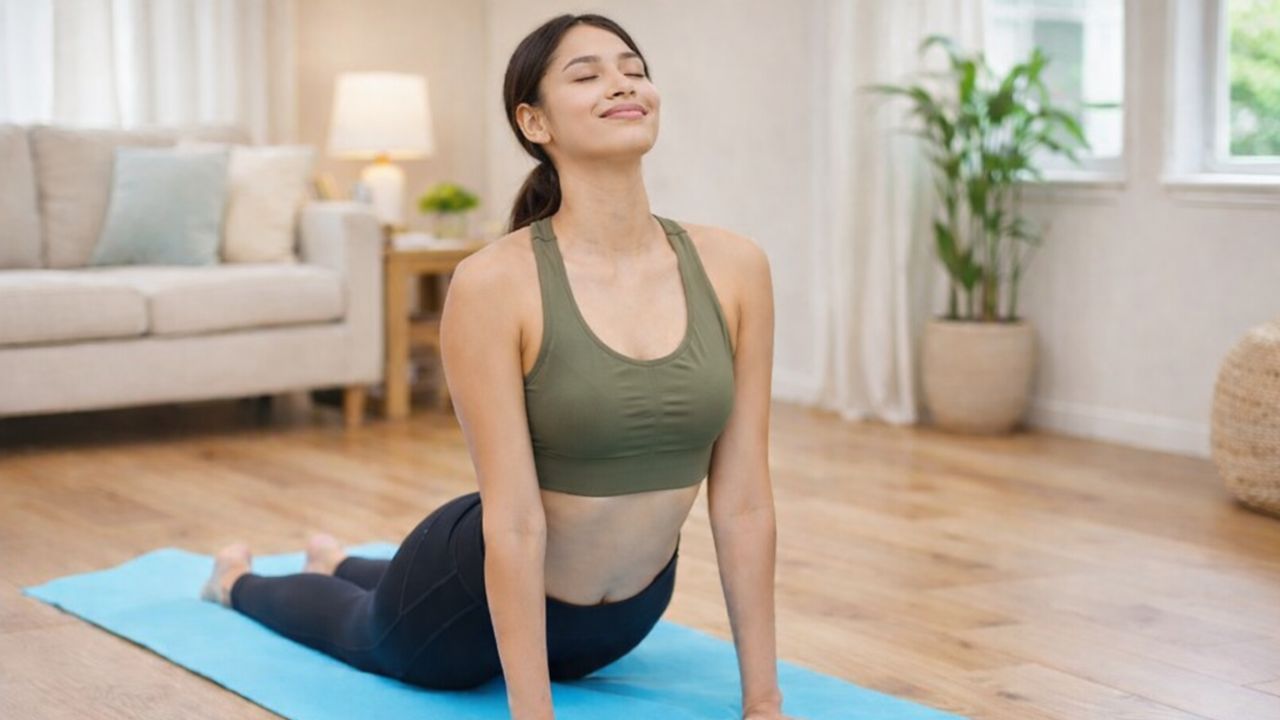
    Bhujangasana (Gentle Cobra Pose)

    Cobra pose supports chest opening and stretches the front of the body, creating more space for the lungs and encouraging fuller breaths.

    Lie on your stomach with your legs extended back. Place your palms beneath your shoulders. As you inhale, gently lift your chest using your back muscles, keeping the elbows slightly bent. Avoid pushing too hard. Hold for a few breaths, then slowly lower down. Repeat two to three times.

    Bhujangasana improves spinal flexibility and helps correct poor posture caused by prolonged sitting. Better posture allows the lungs to expand more freely. Always move slowly and continue breathing naturally throughout the pose.

    Setu Bandhasana (Bridge Pose)

    Bridge pose is well known for opening the chest and strengthening respiratory muscles. It also supports healthy blood flow to the lungs and heart.

    Lie on your back with your knees bent and feet hip-width apart. Place your arms alongside your body. On an inhale, gently lift your hips while pressing your feet into the floor. Keep the chest open and shoulders relaxed. Hold for a few calm breaths, then slowly lower the hips as you exhale.

    This pose encourages deeper inhalation and helps release tension stored in the chest area. Practiced regularly, it may help improve overall breathing capacity. A yoga block under the hips can be used for added comfort.

    Ardha Matsyendrasana (Seated Spinal Twist)

    Seated spinal twists help support lung function by gently mobilizing the chest and rib cage. They also contribute to better digestion and spinal health.

    Sit with your legs extended forward. Bend one knee and place the foot outside the opposite thigh. Gently twist your torso toward the bent knee while keeping the spine tall. Breathe normally and stay for a few breaths before switching sides.

    Twisting poses improve rib mobility, allowing the lungs to expand more fully. When practiced mindfully, this posture supports balanced breathing and improved posture. Avoid twisting forcefully, especially if you feel breathless.

    Safety Tips for Practicing Yoga With Asthma

    • Practice in a calm space with clean, fresh air.
    • Avoid yoga during an active asthma attack.
    • Keep your inhaler nearby if prescribed.
    • Focus on slow, relaxed breathing rather than forced deep breaths.
    • Rest whenever needed and honor your body’s limits.

    Creating a Simple Daily Yoga Habit

    Long sessions are not necessary to feel benefits. Even ten to fifteen minutes of mindful yoga each day can make a difference. Begin with seated breathing, include one or two gentle poses, and end with relaxation. Consistency matters more than intensity, and over time many people notice better breath control and reduced chest tightness.

    Closing Thoughts

    Mindful yoga provides a gentle way to support lung health and ease asthma-related discomfort. Through slow movements, relaxed postures, and calm breathing, these practices can help the body feel more balanced and at ease. Always move with patience and respect your limits. With steady practice, mindful yoga can become a supportive part of a healthy breathing routine.

  • Five Beginner Yoga Poses That Promote Relaxation Improve Balance and Support Weight Control

    Five Beginner Yoga Poses That Promote Relaxation Improve Balance and Support Weight Control

    Yoga is often viewed as a slow and soothing practice, yet it can also support weight control when practiced with awareness and regularity. For beginners, yoga provides a low-impact approach that relaxes the body, eases stress, and helps build habits that encourage long-term weight management. Factors like stress, poor sleep, and emotional tension often contribute to weight gain, and yoga directly works on these underlying issues. The poses shared below are simple, beginner-friendly, and designed to calm the mind while improving balance and body control.

    How Yoga Supports Relaxation and Weight Management

    Yoga helps manage weight in a way that differs from high-intensity exercise. Rather than focusing on rapid calorie burn, it works by calming the nervous system, supporting digestion, and encouraging hormonal balance. When stress levels decrease, the body is less likely to store excess fat. A regular yoga routine also enhances body awareness, making it easier to recognize hunger signals and reduce emotional eating.

    For beginners, this method feels manageable and sustainable. Instead of forcing change, yoga gently teaches the body to function more efficiently.

    Seated Forward Bend (Paschimottanasana)

    This pose is gentle yet effective for calming the mind and stretching the entire back of the body. Sit on the floor with your legs extended straight ahead. Inhale to lengthen your spine, and as you exhale, fold forward from the hips. Reach toward your shins, ankles, or feet without forcing the stretch.

    The Seated Forward Bend helps reduce mental tension and supports healthy digestion. A relaxed digestive system is closely connected to better weight balance. This pose also encourages beginners to slow down and synchronize breath with movement, which supports mindful eating habits.

    Cat Cow Pose (Marjaryasana and Bitilasana)

    Cat Cow is one of the most accessible poses for beginners because it feels natural and soothing. Begin on all fours with your hands under your shoulders and knees beneath your hips. Inhale as you drop your belly and lift your chest into Cow Pose. Exhale as you round your spine and tuck your chin into Cat Pose.

    This flowing movement gently massages the abdominal organs and improves circulation. It activates the core muscles without strain. Practicing Cat Cow regularly can help support metabolism and ease bloating, both of which influence how the body manages weight.

    Child’s Pose (Balasana)

    Child’s Pose is deeply calming and ideal for stress relief. Kneel on the floor, sit back on your heels, and fold forward, resting your forehead on the mat. Your arms can stretch forward or rest alongside your body.

    This pose soothes the nervous system and helps lower cortisol levels, a stress hormone associated with weight gain around the midsection. With consistent practice, Child’s Pose can support better sleep and emotional balance, both of which are essential for maintaining a healthy weight.

    Supine Knee to Chest Pose (Apanasana)

    Lie on your back and gently draw your knees toward your chest. If comfortable, rock softly from side to side. This simple pose is often overlooked, yet it is extremely beneficial for beginners.

    Apanasana stimulates digestion and helps release trapped gas. An efficient digestive system processes nutrients more effectively and reduces discomfort that can lead to unhealthy food choices. This pose also promotes relaxation while showing beginners how restorative yoga can still support weight control.

    Bridge Pose (Setu Bandhasana)

    Bridge Pose is ideal for beginners who want to gently activate the body while feeling supported. Lie on your back with your knees bent and feet hip-width apart. Press your feet into the floor and slowly lift your hips while keeping your shoulders relaxed.

    This pose strengthens the glutes and core while opening the chest. It stimulates the thyroid gland, which plays a role in regulating metabolism. Bridge Pose also helps reduce fatigue and improve energy levels, making it easier to stay consistent with healthy routines.

    How Beginners Should Practice These Poses

    When it comes to yoga, consistency matters more than intensity. Practicing these poses for 15 to 20 minutes daily can lead to meaningful results over time. Focus on slow breathing and controlled movements instead of pushing into deeper stretches.

    Practicing yoga at the same time each day can also help build a stable routine. Beginners should always listen to their body and avoid pain or strain.

    The Mind-Body Link in Weight Control

    One of yoga’s most powerful benefits is its ability to connect the mind and body. As stress decreases and awareness increases, decisions around food, rest, and movement become more intentional. Yoga supports a calm mental state that encourages long-term weight balance rather than short-term fixes.

    Many beginners notice improvements in mood and sleep quality before visible physical changes appear. These early shifts are positive signs that the body is responding well.

    Final Thoughts

    Yoga does not promise instant results, but it offers something more meaningful. It builds balance, patience, and self-awareness. These five beginner yoga poses are gentle enough for anyone starting their journey, yet effective enough to support relaxation and healthy weight control.

    By focusing on calm movements, steady breathing, and regular practice, yoga becomes a tool for sustainable wellness rather than pressure-driven fitness. Over time, the benefits feel natural, lasting, and deeply supportive of overall health.

  • 4 Powerful Yoga Steps That Improve Blood Circulation and Boost Brain Function Naturally

    4 Powerful Yoga Steps That Improve Blood Circulation and Boost Brain Function Naturally

    Healthy blood circulation to the brain plays a vital role in clear thinking, strong focus, memory retention, and emotional balance. When circulation slows, it may result in fatigue, poor concentration, headaches, and mental tension. Yoga provides a natural way to encourage better circulation by improving posture, soothing the nervous system, and promoting steady breathing. Specific poses gently guide oxygen-rich blood toward the brain, helping it function more efficiently. Practiced mindfully, these movements can support mental clarity and long-term brain health.

    Why Strong Brain Circulation Is Important

    The brain relies on a constant supply of oxygen and essential nutrients to perform at its best. Prolonged sitting, poor posture, stress, and shallow breathing can interfere with healthy blood flow. Yoga helps counter these effects by stretching tight muscles, aligning the spine, and relaxing the body. With regular practice, circulation becomes smoother, the mind-body connection strengthens, and awareness improves. These changes build gradually and feel more stable when yoga remains gentle and consistent.

    Adho Mukha Svanasana (Downward Facing Dog)

    Downward Facing Dog is a highly effective pose for encouraging blood flow toward the brain without placing strain on the neck. By positioning the head below the heart, gravity naturally assists circulation.

    Begin on your hands and knees. Lift your hips upward while extending your arms and legs as comfortably as possible. Keep the head relaxed between the arms and avoid tension in the neck. Breathe slowly and hold the pose for five to ten breaths.

    This pose helps refresh the brain, sharpen focus, and ease mental fatigue. It also strengthens the arms and legs while calming the nervous system. If dizziness occurs, exit the pose slowly and rest.

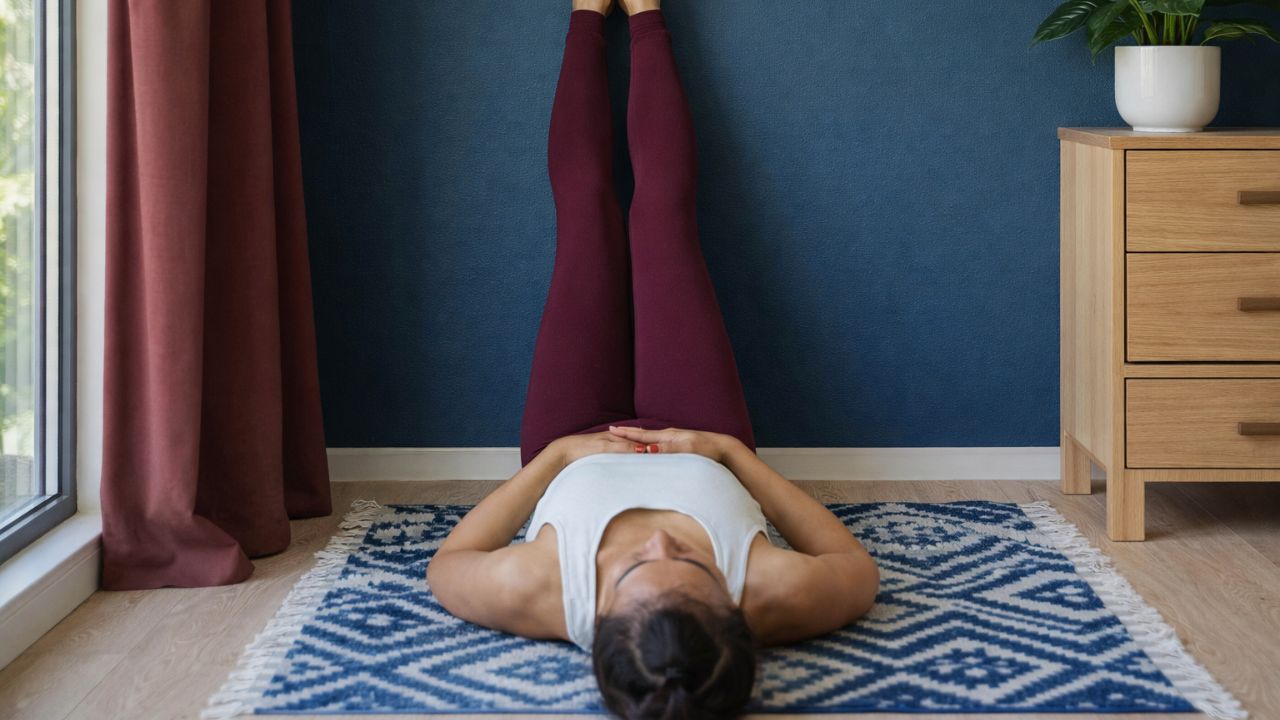
    Viparita Karani (Legs Up the Wall Pose)

    Legs Up the Wall is a deeply restorative posture that gently improves blood circulation toward the brain while calming the entire body. It is especially beneficial after long periods of mental or physical activity.

    Sit sideways close to a wall and carefully lift your legs so they rest vertically against it. Lie back comfortably with arms relaxed by your sides. Close your eyes and breathe naturally for five to ten minutes.

    This pose reduces pressure in the legs and lower body, allowing blood to move smoothly toward the upper body and brain. It supports mental calmness, emotional balance, and relief from tension headaches. It is beginner-friendly and suitable for daily practice.

    Balasana with Forehead Support (Child’s Pose)

    Child’s Pose may appear simple, but when practiced mindfully, it offers powerful calming benefits. Resting the forehead on the mat or a cushion encourages gentle circulation to the brain while promoting deep relaxation.

    Kneel on the floor and sit back on your heels. Slowly fold forward, placing your forehead on the ground or a support. Let your arms rest forward or alongside your body. Maintain slow, steady breathing for one to two minutes.

    This pose soothes the nervous system and eases mental overload. Forehead support helps quiet brain activity while improving circulation in a safe and controlled manner, making it ideal during stressful moments.

    Uttanasana (Standing Forward Bend)

    Standing Forward Bend directs blood toward the brain while stretching the spine and hamstrings. When practiced gently, it helps refresh the mind and reduce mental exhaustion.

    Stand with feet hip-width apart. Exhale and hinge forward from the hips, allowing the head to hang naturally. Relax the neck and bend the knees slightly if needed. Hold for a few breaths, then rise slowly.

    This pose improves circulation, releases spinal tension, and calms racing thoughts. Enter and exit the pose gradually to avoid dizziness, especially for beginners.

    Tips for Safe and Mindful Practice

    • Move slowly and avoid rushing into poses where the head is below the heart.
    • Do not hold your breath during any posture.
    • Practice on an empty or light stomach.
    • If you have high blood pressure, neck issues, or frequent dizziness, consult a qualified instructor before attempting inversions or forward bends.
    • Consistency matters more than intensity.

    Building a Simple Daily Yoga Routine

    These poses can be practiced within a fifteen to twenty-minute session. Start with gentle breathing, move into one or two poses, and end with rest. Practicing in a calm, quiet environment enhances the benefits. With regular effort, the brain may feel clearer, more energized, and better equipped to manage daily stress.

    Final Thoughts

    Yoga provides a natural and mindful approach to supporting healthy blood circulation to the brain. These four poses help refresh the mind, improve focus, and encourage overall mental balance. When practiced with patience and awareness, yoga becomes a valuable tool for both mental and physical well-being.

  • How to Make a Curly Bob Work for Your Texture According to Professional Stylists

    How to Make a Curly Bob Work for Your Texture According to Professional Stylists

    There’s no denying it: the bob haircut has ruled the hair scene for years. From relaxed, Parisian-inspired cuts to sleek, commanding styles, this shape has proven endlessly adaptable. A quick scroll online reveals bobs in every possible length, texture, and finish, making it one of the most versatile haircuts around.

    For those with curls, though, the idea of going shorter can raise questions. When you’re used to longer lengths helping weigh hair down and define curls, a bob can feel like a risk. Cut it too short and you might worry about unwanted volume; leave it too long and curls can lose their natural bounce and definition.

    The reality is far more reassuring. With the right shape, tailored length, and thoughtful finish, a curly bob can be incredibly flattering and surprisingly freeing. When designed around your natural texture and face shape, it can completely change how your curls look and feel.

    Why a Curly Bob Is So Effective

    Curly bobs work particularly well because of their flexibility in shape. According to stylist Conor McLaughlin of Hershesons Belgravia, shorter lengths allow curls to show their true texture without excess weight pulling them down. By adjusting where bulk is removed, the cut can be made more rounded or closer to the head, depending on the desired effect.

    In simple terms, this means curls are free to spring naturally, hold their bounce, and move with ease. Without heavy length dragging the hair down, the overall shape looks deliberate, light, and well-balanced rather than bulky.

    Modern Takes on Curly Bob Haircuts

    Much like straight and wavy bobs, curly versions come in a range of styles. While sharp blunt cuts and asymmetrical lines remain popular, current trends are leaning softer. McLaughlin favors curly bobs that feel lighter and less chunky, focusing on looser shapes that create effortless volume.

    Think fluid movement, soft structure, and natural-looking fullness rather than tight, retro curls. The goal is a relaxed finish that feels modern, wearable, and easy to maintain.

    How to Style a Curly Bob with Ease

    One of the biggest advantages of a bob is its low-maintenance nature, though a little preparation makes a noticeable difference. McLaughlin recommends starting with a curl cream to nourish and define the hair, followed by the Hershesons Airdry Spray to enhance texture without making curls look overly polished.

    This approach helps achieve healthy definition, soft hold, and effortless texture, resulting in curls that feel natural rather than styled to perfection.

    Inspiration for Your Curly Bob Look

    For visual inspiration, Julia Garner shows how short, loose curls can look polished yet relaxed. Nathalie Emmanuel offers another take, proving that fuller, rounder shapes can bring striking impact. For a more timeless reference, McLaughlin highlights Natalie Portman’s textured, laidback bob as a perfect example of understated style.

    Whether you prefer something sculpted and face-framing or soft and undone, the curly bob is a cut that embraces texture instead of controlling it. It’s easy to manage, visually impactful, and could easily become the most effortless hair choice you make.

  • Dermatologists Depend on These Underrated Skincare Products Despite Their Plain Packaging

    Dermatologists Depend on These Underrated Skincare Products Despite Their Plain Packaging

    Let’s be realistic: a skincare product’s success often depends as much on its presentation as on its performance. In today’s crowded beauty market, visibility matters, and products with sleek packaging and heavy marketing budgets are far more likely to go viral and reach mass sales.

    That said, while brands like Rhode and Tatcha deserve their praise, they are far from the only formulas delivering results. Many low-profile brands and no-frills formulations perform just as well—sometimes even better—despite lacking aesthetic appeal or social media hype. A product not looking chic on your shelf doesn’t mean it isn’t among the best skincare solutions available.

    With this perspective, I consulted respected industry experts to identify nine so-called “unsexy” skincare essentials that dermatologists consistently recommend. From multi-tasking barrier creams to ultra-gentle cleansers, these are reliable formulas worth your money, regardless of packaging trends or online popularity.

    Dermatologist-Approved Skincare Staples That Truly Perform

    Aestura Atobarrier 365 Cream

    A cult favourite in South Korea, Aestura’s Atobarrier 365 Cream is designed to repair the skin barrier without clogging pores or feeling heavy. While the packaging may seem underwhelming, the formula delivers deep hydration, barrier reinforcement, and overnight recovery support. Multiple dermatologists recommend it for stressed or compromised skin, especially when irritation or inflammation is present.

    La Roche-Posay Toleriane Dermo-Cleanser for Sensitive Skin

    This cleanser proves that simple formulas work best. Free from harsh actives, it gently removes impurities while maintaining skin comfort and barrier integrity. Its milky texture cleanses effectively without stripping, making it ideal for daily use and suitable for sensitive or acne-prone skin, especially as part of a double-cleansing routine.

    Environ Youth+ Serience Night Serum

    Quietly effective and science-backed, this night serum targets skin fatigue and early signs of ageing. Enriched with antioxidants and a Malachite-Neuropeptide Complex, it helps soften fine lines while restoring vitality. It’s particularly beneficial when skin appears dull, tired, or depleted.

    Epaderm Cream

    This pharmacy staple may lack glamour, but it’s highly effective for chronic dryness and skin conditions. Frequently recommended for concerns like keratosis pilaris and eczema-prone skin, it offers reliable moisture support without unnecessary ingredients—all at a very accessible price point.

    Cetaphil Gentle Skin Cleanser

    A longstanding favourite in dermatology, this cleanser is fragrance-free, non-stripping, and suitable for sensitive or eczema-prone skin. While understated in appearance, it delivers consistent results and pairs perfectly with drying acne treatments by maintaining long-term skin balance.

    Clinisoothe Skin Purifier

    Powered by hypochlorous technology, this spray helps protect against impurities while calming inflamed or acne-prone skin. Applied after cleansing, it supports breakout prevention and skin recovery. Though far from flashy, its soothing benefits make it a trusted staple in sensitive skincare routines.

    Eucerin Aquaphor Soothing Skin Balm

    A true dermatology classic, this occlusive balm creates a protective barrier that locks in moisture and supports skin healing. It’s widely used for cracked lips, dry cuticles, post-procedure care, and areas of severe irritation, making it one of the most versatile products available.

    Vanicream Moisturizing Cream

    Ideal for skin that’s post-procedure or highly reactive, Vanicream is known for its gentle formulation and dependable hydration. Free from unnecessary additives, it’s frequently recommended for sensitive skin and recovery periods following treatments like injectables or microneedling.

    Advanced Nutrition Programme Skin Accumax

    While not a topical product, these supplements play a valuable role in supporting acne-prone skin. Formulated with vitamins A, C, and E alongside phytonutrients, they help enhance the results of topical routines. Often overlooked in favour of trend-driven alternatives, their low-key formulation delivers meaningful internal support.

  • Winter Nail Polish Shades Everyone Is Choosing for a Fresh Seasonal Update

    Winter Nail Polish Shades Everyone Is Choosing for a Fresh Seasonal Update

    Royal purple and ruby red remain standout choices for True Winter color palettes, while those who prefer neutral aesthetics still have a wide range of refined options. Cool-toned tastes now include an unexpectedly broad selection of crisp whites, reminiscent of sunlit snow. This same richness carries into layered gray variations and deep burgundy families such as cranberry, deep berry, and merlot. World champion nail artist and beauty educator Valeriia Telemaniuk shared with Byrdie that winter consistently brings renewed attention to timeless nail styles, including French manicures, cool grays, soft blues, and deep reds in both bold and softened finishes.

    Refined Chocolate Ganache Brown

    Once-trending brownie pudding nails are giving way to a more polished winter favorite: ganache brown. Nail artist and educator Sofiia Mazur describes this shade as a deep, indulgent color inspired by melted dark chocolate. Similar to tones like Red Iguana’s Ganache gel or Dazzle Dry’s Fringe, it feels warm, luxurious, and elevated. Ganache brown projects quiet confidence and pairs effortlessly with gold accessories, neutral wardrobes, and streamlined black ensembles.

    Soft and Muted Berry Shades

    This winter signals a shift toward grounded, deeper nail tones. Juanita Huber-Millet, founder and creative director of Townhouse Salons, notes increasing interest in espresso browns, soft mauves, and muted berry hues. These shades balance warmth with refinement, making them suitable for everyday wear. Subdued berry tones provide a softer alternative to classic bright reds, delivering depth and richness without overwhelming the overall look.

    Light Ocean Blue With Pearlescent Shine

    A light ocean blue finished with a gentle pearly sheen is emerging as a seasonal highlight. Nail professional Amy Ling Lin describes these tones as calming, luminous, and uplifting. Shades like Sundays Studio’s L09 introduce a refreshing contrast to darker winter palettes, while the pearl finish subtly reflects light, creating added dimension and elegance.

    Modern Cool Gray Neutrals

    Cool gray nails are becoming a winter staple for those seeking a refined neutral. According to OPI Global Ambassador Coca Michelle, this shade feels effortless, chic, and sophisticated, blending seamlessly with seasonal wardrobes. Cool gray also works well with mixed-metal jewelry. Notable options include OPI Peace of Mined, Case of Glamnesia, and Suzi Talks with Her Hands, each offering a sleek, adaptable finish.

    Timeless Deep Navy Blue

    Deep navy is widely viewed as an ideal post-holiday transition shade. This calming color carries smoothly through winter and into the New Year while remaining easy to wear. A true classic, navy suits both special occasions and everyday office looks. Popular choices include OPI Less is Norse, Havin’ a Candy Ol’ Time, and Suzi & the Arctic Fox.

    The Shift Toward Barely-There Nails

    As winter deepens, many are choosing nail colors that convey calmness and clarity. Huber-Millet highlights growing interest in soft milky shades, cool neutrals, and subtle pastels. Colors such as Coconut Milk, Glazed Marshmallow, and Milkshake from Townhouse’s Flawless Collection feel clean, restorative, and fresh, offering a gentle departure from autumn’s darker tones.

    Warm and Deep Red Essentials

    A warm, deep red continues to be a winter must-have. Amy Ling Lin describes this shade as cozy, polished, and quietly powerful. It delivers instant warmth during colder months while maintaining a refined, festive feel. This versatile color transitions effortlessly from everyday elegance to holiday-ready styles.

    Earth-Inspired Metallic Accents

    Earth-toned metallic finishes are gaining momentum this winter. Sofiia Mazur points to shades like bronze, clay gold, and olive chrome, often paired with matte or stone-inspired textures. These finishes catch light gently, creating a refined glow that feels luxurious without appearing flashy, whether worn alone or as understated accents.

    Elegant Black Cherry Tones

    Black cherry nails bring subtle drama by combining deep darkness with a hint of red warmth. Mazur explains that this balance keeps the shade elegant and wearable. Long favored by fashion icons, black cherry works equally well with eveningwear and relaxed outfits like oversized blazers or vintage denim.

    Clean and Crisp Winter Whites

    Crisp white nails are making a noticeable return this season. Following Pantone’s introduction of Cloud Dancer, pure white shades such as Mineral Fusion Ice Breaker are seeing renewed attention. This clean, modern color echoes snowy landscapes and frosty mornings, reinforcing white as a defining element of winter minimalism.

    Soft Gray-Lavender Blends

    Gray-lavender shades combine cool gray foundations with a subtle touch of purple, making them especially suited to winter. Telemaniuk notes that shorter days and cooler moods are drawing interest toward muted, soothing tones like this. Gray-lavender feels modern, minimal, and refined, offering a versatile option for the colder season.

  • 3-Move Dumbbell Routine: Trainer’s Fast Plan to Build Muscle Strength and Definition at Home

    3-Move Dumbbell Routine: Trainer’s Fast Plan to Build Muscle Strength and Definition at Home

    I’m a huge supporter of dumbbell-based training. These workouts can be completed in under an hour, require minimal equipment, and make it easier for more people to stay active without sacrificing an entire lunch break or commuting to the gym. The result is time-efficient training that doesn’t compromise on quality.

    With that in mind, here’s a three-move dumbbell workout that takes just 15 minutes to complete and can be easily adjusted to suit a beginner-friendly routine if needed.

    The structure is simple: you’ll gradually reduce your rep count across three exercises with each round until you reach the 15-minute time cap. It’s challenging, engaging, and competitive, making it a great option for training solo or with a partner.

    Be warned — this session will leave you seriously fatigued, but with a strong sense of accomplishment. Using just two medium-heavy or adjustable dumbbells, it builds power, strength, and overall conditioning.

    How the 3-Move Dumbbell Workout Works

    Before starting, familiarize yourself with each movement, then follow the workout format below. Once you’re ready, commit to the pace and stay focused throughout.

    1. Dumbbell Suitcase Deadlift

    The suitcase deadlift takes its name from the days when luggage had no wheels and had to be lifted from the ground. This movement targets the legs, core, and grip strength and should be performed with intent while maintaining solid technique.

    Lower the dumbbells until they lightly touch the floor, then drive up powerfully to stand. Keep your chest lifted, back neutral, and hinge through the hips. A strong glute squeeze at the top helps maintain stability and protects the lower back.

    2. Dumbbell Devil Press

    The dumbbell devil press lives up to its name. This demanding move combines a burpee, swing, and snatch into one fluid exercise. It builds full-body strength and explosive power while testing endurance and weight control.

    Select weights that allow you to maintain a steady rhythm. With a high volume of reps, it’s important to limit unnecessary rest. Ideally, aim to break the reps into manageable sets — for example, splitting 20 reps into two sets of 10 with only a brief pause.

    3. Dumbbell Squat Clean

    The dumbbell squat clean develops leg drive, core strength, and coordination. It trains your ability to move weights from the floor to your shoulders while maintaining balance and control under load.

    Focus on an explosive pull from the floor, guiding the dumbbells to your shoulders with elbows moving forward to rack the weights securely. Drop straight into a deep squat, then drive upward with power. Avoid shallow reps — aim for full depth, strong posture, and quick resets.

    The Workout Structure

    This session follows a descending ladder format:

    • 20 / 18 / 16 / 14 / 12 / 10 reps
    • Suitcase deadlift
    • Devil press
    • Squat clean

    Begin with 20 reps of each exercise, moving from one movement to the next with minimal rest. You may choose to alternate arms using a single dumbbell by dividing the reps evenly, or adjust the time cap if needed.

    Each round, reduce the reps by two and continue descending the ladder until the time limit is reached. A 15-minute cap is ideal, allowing you to track progress over time using the same weights as your fitness improves.

    Because speed matters, avoid going excessively heavy. Aim to complete each set with no more than one short rest. Once you reach 10–12 reps per exercise, challenge yourself to perform them without stopping.

    Good luck — and embrace the challenge.

  • Ditch sit-ups and crunches — blast your abs in 10 minutes with this 4-move standing core workout

    Ditch sit-ups and crunches — blast your abs in 10 minutes with this 4-move standing core workout

    There are many ways to develop core strength, and the good news for anyone who dislikes long workouts or traditional sit-ups is that you can shape stronger abs and obliques in just 10 minutes using this effective standing routine.

    This standing abs workout was created by fitness trainer Kat Boley and features four targeted movements. She recommends using a light-to-medium dumbbell during the session—she demonstrates with a 10lb weight—along with an extra-light looped resistance band.

    If you don’t have access to these tools, you can still complete the workout without them. However, adding resistance increases the challenge. For example, a can of food can be used as a dumbbell substitute if needed.

    Why Resistance Bands Are Worth Using

    Lightweight resistance bands are a useful addition to any core routine thanks to their portability and versatility. Picking up a looped band for this workout means you’ll likely find plenty of other uses for it in future training sessions.

    How the 10-Minute Standing Abs Workout Works

    The workout consists of three rounds of four core-focused exercises. Aim to complete 10–12 repetitions per movement, performing reps on both sides when required.

    By keeping a steady pace and minimizing rest between exercises, the full routine can easily be finished in under 10 minutes. That said, it’s important to rest longer if your body needs it.

    Kat Boley demonstrates each exercise in her Instagram post, so it’s helpful to watch all the movements in advance to understand proper form before starting.

    The Four Standing Core Exercises

    • Standing crunch with dumbbell and band
    • Standing side crunch with dumbbell
    • Alternating standing toe taps
    • Side-to-side toe taps with band

    Why This Workout Is Effective

    This routine is designed to engage the upper abs, lower abs, and obliques using just four movements. Completing all three rounds will leave you feeling the impact on your core strength.

    While floor-based exercises like sit-ups are effective, they can place strain on the neck for some people. Standing abs workouts offer a joint-friendly alternative, especially for beginners or those returning to fitness.

    Whether you’re training on the floor or standing, consistency is key. Aim to complete this workout or similar core sessions two to three times per week, then gradually move on to more challenging routines as your strength improves.

    If you enjoy this approach and want a longer session, a 20-minute standing core workout is a great next step to build on this foundation.