Author: admin

  • Time-Saving Home Yoga Workouts Perfect for Busy Schedules and Short Sessions

    Time-Saving Home Yoga Workouts Perfect for Busy Schedules and Short Sessions

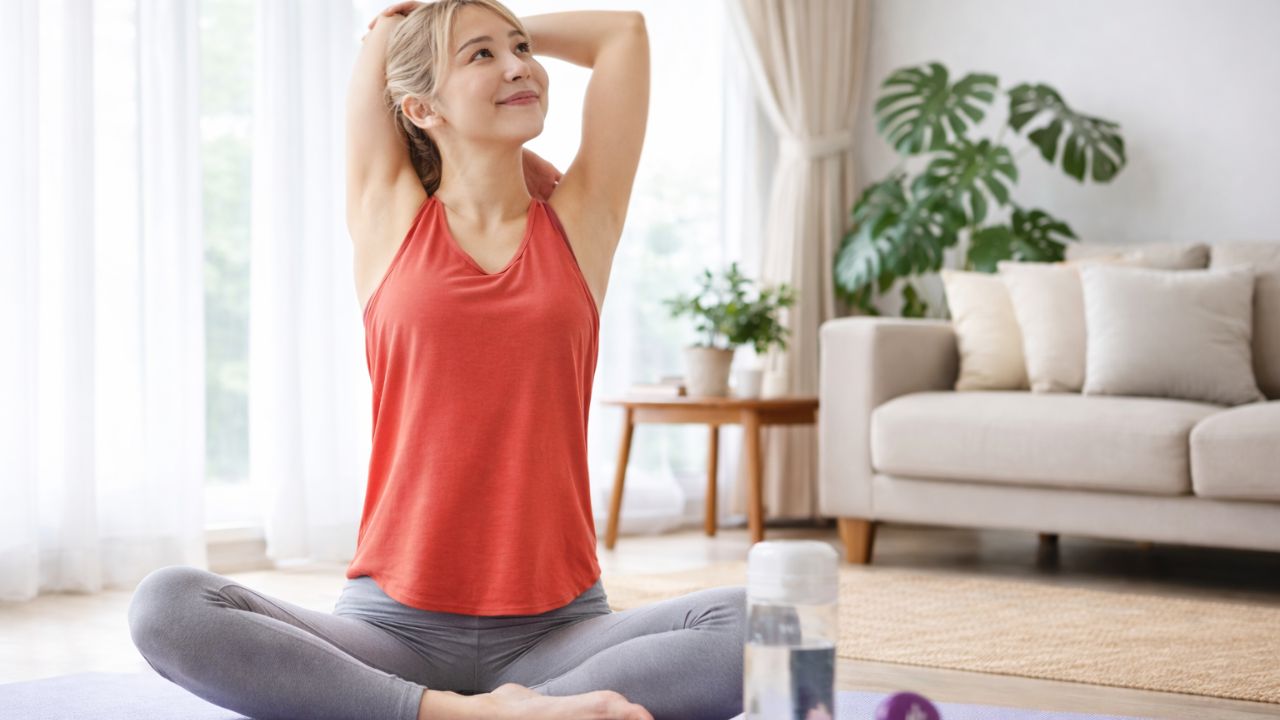
    In a world that moves quickly, finding time for the gym or scheduled yoga classes can feel almost impossible. The good news is that yoga is highly flexible and can be practiced right at home. This makes it easy to enjoy a few moments of mindful movement, even on the most demanding days. At-home yoga routines support stress relief, improve flexibility, and enhance overall well-being without requiring much time. No matter how full your schedule is, yoga can still be part of your daily routine.

    Why Practicing Yoga at Home Works for Busy Lifestyles

    Convenience: Practicing yoga at home removes the need for travel or advance planning. You can simply roll out your mat and begin whenever it suits you. Any room and any time can work.

    Time-efficient: Even on packed days, yoga can be effective in just 10 to 15 minutes. Short, focused sessions deliver benefits without long workouts.

    Stress reduction: Just a few minutes of yoga can noticeably ease stress and release built-up tension, helping you mentally reset during hectic moments.

    Flexible and adaptable: Home yoga allows you to tailor your practice to your needs, whether that means boosting energy in the morning, loosening up mid-day, or relaxing before sleep.

    Quick and Effective Yoga Routines for Busy Days

    These short yoga sequences are designed to fit seamlessly into your day, no matter how limited your time is. They require very little space and can be practiced comfortably at home.

    1. Gentle Morning Wake-Up Yoga (10–15 Minutes)

    Best for: Beginning the day feeling energized and focused.

    Routine:

    • Child’s Pose (Balasana) – 2 minutes: A soothing stretch to calm the mind and lengthen the spine.
    • Cat-Cow Pose (Marjaryasana-Bitilasana) – 2 minutes: Flow gently to awaken the spine and improve mobility.
    • Downward-Facing Dog (Adho Mukha Svanasana) – 2 minutes: Stretch the back and hamstrings while strengthening arms and legs.
    • Standing Forward Fold (Uttanasana) – 2 minutes: Release tension from the back and legs.
    • Warrior I (Virabhadrasana I) – 2 minutes per side: Open the hips and chest while building leg strength.
    • Seated Forward Fold (Paschimottanasana) – 3 minutes: End with a calming stretch for the back and legs.

    Benefits:

    • Stretches the entire body
    • Activates muscles and boosts energy
    • Reduces morning stiffness and improves flexibility

    2. Midday Energy Reset (10–12 Minutes)

    Best for: Refreshing your body and mind during a busy workday.

    Routine:

    • Mountain Pose (Tadasana) – 1 minute: Stand tall, breathe deeply, and center yourself.
    • Chair Pose (Utkatasana) – 2 minutes: Engage the legs and core for an energizing boost.
    • Warrior II (Virabhadrasana II) – 2 minutes per side: Build endurance while opening the chest.
    • Plank Pose (Phalakasana) – 2 minutes: Strengthen the core, arms, and legs.
    • Downward-Facing Dog (Adho Mukha Svanasana) – 2 minutes: Stretch the back and legs while improving circulation.
    • Seated Twist (Ardha Matsyendrasana) – 2 minutes: Ease spinal tension and support digestion.

    Benefits:

    • Enhances energy and focus
    • Strengthens the core and lower body
    • Improves mental clarity and alertness

    3. After-Work Yoga to Release Tension (15 Minutes)

    Best for: Letting go of stress and unwinding after a long day.

    Routine:

    • Child’s Pose (Balasana) – 3 minutes: Gently release physical and mental stress.
    • Cat-Cow Pose (Marjaryasana-Bitilasana) – 2 minutes: Stretch the spine and ease back tension.
    • Reclining Bound Angle Pose (Supta Baddha Konasana) – 3 minutes: Open the hips and relax the lower back.
    • Bridge Pose (Setu Bandhasana) – 2 minutes: Strengthen the back and glutes while opening the chest.
    • Legs Up the Wall (Viparita Karani) – 5 minutes: Restore the body and calm the nervous system.

    Benefits:

    • Eases back and neck tension
    • Calms the mind after a demanding day
    • Supports relaxation and better sleep

    4. Quick Stretch Break (5–10 Minutes)

    Best for: A short pause to stretch and refresh during a busy schedule.

    Routine:

    • Standing Forward Fold (Uttanasana) – 1 minute: Stretch the hamstrings and lower back.
    • Cat-Cow Pose (Marjaryasana-Bitilasana) – 1 minute: Gently warm up the spine.
    • Downward-Facing Dog (Adho Mukha Svanasana) – 1 minute: Stretch the full body, focusing on the back and legs.
    • Seated Twist (Ardha Matsyendrasana) – 1 minute: Release tension from the spine and shoulders.
    • Warrior II (Virabhadrasana II) – 2 minutes per side: Strengthen and open the hips, legs, and chest.

    Benefits:

    • Improves flexibility and mobility
    • Relieves tight muscles and joints
    • Provides a quick mental reset

    5. Evening Wind-Down Yoga Flow (15–20 Minutes)

    Best for: Relaxing the body and preparing for restful sleep.

    Routine:

    • Child’s Pose (Balasana) – 3 minutes: Settle the body and quiet the mind.
    • Downward-Facing Dog (Adho Mukha Svanasana) – 2 minutes: Gently stretch the spine and legs.
    • Pigeon Pose (Eka Pada Rajakapotasana) – 3 minutes per side: Open the hips and release stored tension.
    • Seated Forward Fold (Paschimottanasana) – 3 minutes: Lengthen the back and hamstrings.
    • Legs Up the Wall (Viparita Karani) – 5 minutes: Calm the nervous system and encourage deep relaxation.

    Benefits:

    • Releases tension in hips, legs, and lower back
    • Encourages relaxation and better sleep quality
    • Helps the body fully unwind before bed

    Helpful Tips for Practicing Yoga at Home on Busy Days

    Stay consistent: Even a short daily practice of 10–15 minutes can noticeably improve flexibility, strength, and overall well-being.

    Create a dedicated space: Setting aside a quiet corner for yoga helps build routine and minimizes distractions.

    Use online resources: Many apps and platforms offer quick sessions for different needs, making it easier to stay motivated.

    Listen to your body: Yoga should feel supportive, not painful. Modify or skip poses whenever needed.

    Keep it simple: Yoga does not require complex poses or equipment. Mindful, basic movements can be highly effective.

    Conclusion

    Yoga fits perfectly into even the busiest days, allowing you to stretch, strengthen, and relax without needing much time or space. Whether practiced in the morning, during a break, or in the evening, these short routines can easily become part of your daily life. Just a few minutes of yoga can help reduce stress, improve flexibility, and restore a sense of calm. Roll out your mat, focus on your breath, and enjoy the balance and peace yoga brings—right at home.


  • Thinking of adopting an Australian Shepherd? Here’s everything you need to know first

    Thinking of adopting an Australian Shepherd? Here’s everything you need to know first

    Thinking about welcoming an Australian Shepherd into your life is exciting, but it also comes with important responsibilities. Known for their intelligence, loyalty, and boundless energy, this breed isn’t a casual choice for every household. In Australia, where outdoor lifestyles are common and space varies widely, understanding whether this dog truly fits your routine is essential. From daily exercise expectations to grooming needs and training demands, knowing what lies ahead helps avoid surprises. This guide walks you through what adopting an Australian Shepherd really involves before you make that life-changing decision.

    Australian Shepherd adoption and breed personality

    Australian Shepherd adoption often appeals to people drawn to smart, alert, and people-focused dogs. This is a high energy breed with strong herding instincts, meaning they thrive when given purpose and structure. They form deep bonds with their families and prefer being involved in daily activities rather than left alone. Without enough engagement, boredom can quickly lead to unwanted behaviors, so daily mental stimulation is just as important as physical exercise. These dogs usually do best in active households where walks, games, and training are part of everyday life, not occasional extras.

    Adopting an Australian Shepherd: exercise and training needs

    When adopting an Australian Shepherd, it’s crucial to plan for their demanding routine. They have intensive exercise needs that go beyond short walks, often requiring running, agility, or interactive play. Training should begin early and remain ongoing, supported by consistent training routines that keep their sharp minds engaged. They respond best to positive reinforcement methods, building trust rather than fear. Just as important is early social exposure, which helps them grow into confident, well-mannered adults around people, children, and other animals.

    Australian Shepherd care: grooming, health, and upkeep

    Australian Shepherd care involves more than food and affection. Their beautiful coats require a real grooming commitment, especially during seasonal shedding cycles when loose hair increases dramatically. Regular brushing helps prevent matting and keeps their skin healthy. Like many pure breeds, responsible adoption includes awareness of genetic health screening for issues such as hip dysplasia or eye conditions. Ongoing wellness depends on regular vet visits, balanced nutrition, and monitoring their activity levels to prevent injuries from overexertion.

    Is an Australian Shepherd the right choice for you?

    Before committing, it’s worth reflecting on the long term responsibility that comes with this breed. Australian Shepherds demand a real time investment required for training, exercise, and companionship. For the right owner, that effort is rewarded with rewarding companionship, loyalty, and an incredibly responsive partner. The key is an honest lifestyle compatibility check—matching their needs with your daily schedule, energy level, and living space ensures a happy outcome for both you and your future dog.

    Category Australian Shepherd Overview
    Energy Level Very high, needs daily activity
    Training Difficulty Moderate to easy with consistency
    Grooming Needs Medium to high year-round
    Best Living Environment Homes with space and active owners
    Typical Lifespan 12–15 years

    Frequently Asked Questions (FAQs)

    1. Are Australian Shepherds good for first-time owners?

    They can be, but only for owners ready to commit to training and daily exercise.

    2. Do Australian Shepherds do well in apartments?

    They can adapt, but only if their exercise and mental needs are fully met.

    3. How much exercise does an Australian Shepherd need daily?

    Most need at least one to two hours of active exercise every day.

    4. Are Australian Shepherds good with children?

    Yes, when properly trained and socialised, they are affectionate and protective.

  • 8 Things People With Happy Childhoods Take for Granted That Others Notice Immediately

    8 Things People With Happy Childhoods Take for Granted That Others Notice Immediately

    We often don’t realize how deeply childhood experiences shape us until adulthood, when we sit across from someone raised in a completely different emotional environment. In counseling settings, this contrast shows up again and again. Two people can hear the same words, experience the same pause, or sit in the same silence, yet their bodies respond in entirely different ways. Much of that difference traces back to one core question: did you feel safe growing up? That early sense of security, or the lack of it, quietly influences how we interpret the world around us.

    How Emotional Safety Shapes Everyday Reactions

    Those raised in stable, supportive homes often move through life with unspoken expectations. They tend to believe things will work out, that conflicts can be repaired, and that love does not need to be earned. For people who grew up in chaotic or emotionally painful environments, awareness works differently. They notice details others overlook, not because they are overly sensitive, but because their nervous system learned vigilance early. It became skilled at scanning for signs of danger, preparing for shifts that once carried real consequences.

    Calm voices during disagreement

    In conflicts, some people remain composed, using steady voices without raised tones or emotional punishment. Those with emotionally safe childhoods often expect disagreements to stay respectful. But for anyone raised where anger signaled danger, tone matters deeply. A slight change in volume or pace can trigger instant alertness. This response developed from learning that anger often escalated, became unpredictable, and led to consequences. While others simply think, “We’re disagreeing,” the body remembers moments when anger meant something far more serious.

    2) Receiving comfort without guilt

    When emotions were welcomed early in life, seeking comfort feels natural. Sadness, stress, and vulnerability don’t come with shame. For those taught to hide feelings or stay strong, comfort can feel complicated. Even when support is offered, guilt may surface, along with the urge to minimize emotions. This comes from learning that feelings carried a cost. As adults, being comforted can still feel like doing something wrong, while others accept care without turning it into an internal struggle.

    Believing good moments can last

    People raised with consistency often trust that happiness is allowed to linger. They enjoy good times without bracing for loss. Those shaped by unpredictable childhoods may struggle to relax, even during positive periods. Past experiences taught them that calm often came with a hidden downside. As a result, the mind stays alert, waiting for change. Feeling anxious when things go well reflects a brain trained to expect shifts, not stability.

    Accepting compliments at face value

    A simple compliment can feel easy or unsettling, depending on early experiences. When praise was sincere and steady, “thank you” comes naturally. When childhood involved criticism, sarcasm, or conditional approval, positive words may spark doubt. The mind questions intent or braces for strings attached. Without consistent affirmation growing up, praise can feel unfamiliar, and unfamiliar experiences are often interpreted by the brain as unsafe.

    Feeling entitled to personal needs

    One of the clearest differences appears in how adults relate to their needs. Those with emotionally supportive upbringings usually believe they’re allowed to ask for help, set boundaries, and speak up. When needs were ignored or treated as inconvenient, suppression became a survival skill. Many learned to be the easy one, the quiet one, or the caretaker. As adults, even basic requests can feel uncomfortable, leading to apologies for needing reassurance, time, or support.

    Resting without self-blame

    Rest feels natural to some and unsettling to others. In calm households, downtime didn’t need to be earned. In high-stress environments, quiet moments often felt unsafe or temporary. Productivity may have become tied to worth. As adults, rest can trigger unexplained guilt, making relaxation feel wrong or irresponsible. That discomfort often traces back to early lessons about staying alert and useful.

    Viewing mistakes as repairable

    Healthy childhoods tend to teach that mistakes can be fixed. Apologies, learning, and growth feel possible. In contrast, when errors were met with shame or harsh reactions, mistakes became threatening. Adults shaped by those experiences may fear being rejected for getting something wrong. This can lead to perfectionism, avoidance, or anxiety, rooted in the belief that mistakes once signaled danger rather than learning.

    Feeling at ease with silence

    Silence can feel neutral or loaded. For those raised in emotionally steady homes, pauses don’t carry much meaning. For others, silence once meant withdrawal, anger, or an impending outburst. That history creates heightened awareness in quiet moments. The mind replays conversations, searching for errors, driven by lessons learned when silence preceded emotional harm.

    Final reflections on awareness and healing

    If these patterns feel familiar, it’s important to remember that they developed for a reason. They reflect early emotional survival skills, not personal flaws. What once protected you doesn’t have to define the future. With understanding and support, the nervous system can learn that calm conflict exists, rest is permitted, and needs matter. Healing isn’t about denying the past, but about recognizing its impact and choosing what to carry forward with care.

  • Government confirms: a new tax on bank savings will hit millions of ordinary savers and pensioners starting next month

    Government confirms: a new tax on bank savings will hit millions of ordinary savers and pensioners starting next month

    A new tax on bank savings is set to begin next month in the United Kingdom, and it’s already stirring concern among everyday savers and pensioners. The measure targets interest earned on savings accounts, bringing millions of people into scope who previously paid little or no tax on modest returns. While officials argue the move modernises the tax system, many households are worried about shrinking nest eggs at a time when living costs remain high. Understanding how the change works, who it affects, and what steps to take now has become essential.

    How the bank savings tax will work

    The new bank savings tax focuses on interest earned rather than the money you deposit, which means even small balances could be affected. Banks will calculate interest monthly and apply a savings interest levy before funds reach your account. For many ordinary account holders, this may be the first time they see tax deducted directly from savings. The system relies on monthly balance checks, allowing authorities to capture tax in near real time. Supporters say automatic deductions simplify compliance, but critics warn the change could quietly reduce returns for people who rely on savings to top up income.

    Tax on bank savings and pensioners

    Pensioners are among those watching the changes most closely, as savings often play a key role in supplementing pensioner incomes. Those holding fixed term deposits may notice lower maturity payouts once tax is applied to accrued interest. The government has pointed to threshold exemptions designed to protect very small savers, alongside a limited tax free allowance. Still, advocacy groups argue that inflation already erodes returns, and the added tax could push some retirees to dip into capital rather than live off interest.

    Preparing for the savings tax impact

    Banks are updating systems to meet stricter bank reporting rules, sharing interest data directly with tax authorities. For customers, this means the withholding process happens largely behind the scenes, reducing paperwork but also transparency. Some savers may need to reflect deducted amounts on self assessment returns, particularly if they hold multiple accounts. Others will receive digital tax notices summarising what was taken. Financial advisers suggest reviewing account structures now, rather than waiting for the first post-tax statement to arrive.

    What this change means overall

    At its core, the new tax reshapes how savings contribute to household cash buffers, especially for people who rely on interest as steady income. While the sums deducted each month may appear small, over time they can affect long term planning for retirement or emergencies. Savers may respond by spreading money across accounts or focusing on rate comparison shopping to offset losses. The key takeaway is awareness: knowing the rules early gives individuals more control in adjusting habits before the impact becomes permanent.

    Account Type Interest Taxed? Applied From
    Easy-access savings Yes Next month
    Fixed-term deposits Yes At maturity
    Basic pensioner accounts Partially Next month
    Below-threshold balances No N/A

    Frequently Asked Questions (FAQs)

    1. Who will be affected by the new tax?

    Anyone earning interest on bank savings above the exemption threshold will be impacted.

    2. Will pensioners automatically pay this tax?

    Only pensioners whose savings interest exceeds the allowance will see deductions.

    3. Do I need to apply for the tax to be deducted?

    No, banks will apply the tax automatically when interest is paid.

    4. Can I reduce the impact of the savings tax?

    Reviewing accounts and using available allowances can help limit how much you pay.

  • Green or yellow kiwi: which one should you choose for health benefits?

    Green or yellow kiwi: which one should you choose for health benefits?

    Choosing between green and yellow kiwi can feel confusing when both look healthy and refreshing. In India, where fruit choices often balance taste, nutrition, and affordability, kiwi has become a popular addition to breakfast bowls and smoothies. While both varieties come from the same fruit family, their nutritional profiles, flavor, and digestive benefits differ in important ways. Understanding how green and yellow kiwi compare can help you decide which one fits your health goals better, whether you are focusing on immunity, digestion, or overall daily nutrition.

    Green kiwi health benefits and nutrition

    Green kiwi is widely known for its tangy taste and dense nutritional value. It is packed with high vitamin C, which supports immune function and helps the body fight everyday infections. The green variety also contains rich dietary fiber, making it especially useful for digestion and gut health. Many nutritionists recommend it for people dealing with digestive regularity issues or slow metabolism. Another advantage is its low glycemic load, which means it has a gentler effect on blood sugar levels. Because of these qualities, green kiwi is often considered a smart everyday fruit for balanced diets.

    Yellow kiwi vs green kiwi nutrition comparison

    Yellow kiwi stands out for its sweeter flavor and smoother texture, which many people find easier to enjoy. Nutritionally, it offers higher natural sweetness while still being loaded with antioxidants. It is particularly valued for immune system support due to its slightly higher vitamin C concentration compared to the green variety. Yellow kiwi also contains softer flesh texture, which can be gentler on sensitive stomachs. Additionally, its antioxidant rich profile helps reduce oxidative stress in the body. These traits make yellow kiwi appealing for those who prefer taste without compromising health.

    Which kiwi is healthier for daily diet

    Deciding which kiwi is healthier depends largely on your personal health priorities. If your goal is improved digestion and fiber intake, green kiwi offers better gut support thanks to its higher fiber content. On the other hand, yellow kiwi provides quick energy boost and is often preferred by people who dislike sour flavors. Both types contribute to heart friendly nutrients like potassium, supporting healthy blood pressure levels. Including either variety regularly can also help with daily micronutrient intake, making kiwi a versatile fruit choice in balanced meal planning.

    Summary or Analysis

    When comparing green and yellow kiwi, there is no single winner for everyone. Green kiwi shines in fiber content and digestive benefits, while yellow kiwi excels in sweetness and antioxidant concentration. From a broader nutrition perspective, both support overall immune balance and contribute to healthy lifestyle habits when eaten consistently. The best approach is often to rotate between the two, allowing you to enjoy varied nutrient intake and flavor diversity. Ultimately, choosing the kiwi you enjoy most increases the chances of making fruit a regular part of your diet.

    Aspect Green Kiwi Yellow Kiwi
    Taste Profile Tangy and slightly sour Sweeter and milder
    Fiber Content Higher fiber Moderate fiber
    Vitamin C High Very high
    Digestibility Good for digestion Easier on sensitive stomachs
    Best For Gut health focus Taste and immunity focus

    Frequently Asked Questions (FAQs)

    1. Is green kiwi better than yellow kiwi?

    Green kiwi is better for fiber and digestion, while yellow kiwi is better for sweetness and vitamin C.

    2. Which kiwi is easier to digest?

    Yellow kiwi is generally easier to digest due to its softer flesh.

    3. Can diabetics eat kiwi?

    Yes, both green and yellow kiwi can be eaten in moderation due to their low glycemic impact.

    4. How many kiwis should you eat per day?

    One to two kiwis per day is usually enough to gain health benefits.

  • If, at 80, you can still do these 8 things, you’re truly an exceptional person

    If, at 80, you can still do these 8 things, you’re truly an exceptional person

    Reaching 80 is an achievement in itself, but being able to live fully and independently at that age is something truly special. In the United States, where life expectancy and quality of life are closely discussed, many seniors continue to surprise everyone with their strength, mindset, and daily habits. This article explores eight meaningful things that set exceptional 80-year-olds apart, not in a dramatic way, but through simple, everyday abilities. These traits reflect resilience, emotional balance, and quiet confidence—proof that ageing well is often more about how you live than how long you live.

    Daily independence at 80 shows exceptional strength

    One of the clearest signs of an exceptional person at 80 is the ability to manage daily life with minimal help. This doesn’t mean doing everything alone, but having enough physical and mental capacity to make choices and handle routines. Being able to prepare meals, manage personal hygiene, and keep track of medications reflects functional independence. It also shows strong mobility, even if movement is slower than before. Many seniors who maintain balanced coordination and practice safe decision making feel more confident and less anxious. This independence often comes from years of staying active, adapting to limitations, and accepting help wisely without giving up control. It’s not about pride—it’s about dignity.

    Emotional resilience is a key sign of exceptional ageing

    At 80, life has included loss, change, and unexpected turns. What makes someone exceptional is how they respond emotionally. Seniors who can process emotions calmly often show emotional resilience developed over decades. They tend to maintain healthy perspective, avoiding unnecessary conflict and stress. Many display quiet optimism, choosing gratitude over regret. This emotional balance supports stable relationships with family and friends, even when opinions differ. Instead of reacting quickly, they pause, reflect, and respond thoughtfully. This ability doesn’t come from avoiding hardship, but from learning how to live with it without bitterness.

    Mental engagement at 80 reflects an exceptional mindset

    Staying mentally active at 80 is another powerful indicator of exceptional ageing. This can include reading, learning new skills, or simply staying curious about the world. Seniors who ask questions and enjoy conversation often maintain active curiosity. Engaging the brain supports cognitive flexibility, helping them adapt to new technologies or routines. Many also show clear communication, expressing thoughts without confusion. Regular mental challenges encourage memory awareness, even if recall isn’t perfect. What matters most is the willingness to think, learn, and participate, rather than withdrawing from life.

    Why these abilities matter more than age itself

    These eight abilities—spread across physical, emotional, and mental health—highlight what truly defines an exceptional person at 80. Age alone doesn’t determine quality of life; habits and mindset do. Seniors who maintain adaptive habits tend to handle change better than those who resist it. A sense of personal purpose, whether through family, hobbies, or community, fuels motivation. Combined with consistent routines and self respect, these traits create a fulfilling later life. Exceptional ageing isn’t about perfection—it’s about staying engaged, flexible, and human.

    Ability Area What It Reflects Why It Matters
    Daily Independence Self-care skills Maintains dignity and confidence
    Emotional Balance Calm responses Reduces stress and conflict
    Mental Engagement Active thinking Supports brain health
    Social Connection Meaningful bonds Prevents isolation
    Adaptability Flexibility to change Improves long-term wellbeing

    Frequently Asked Questions (FAQs)

    1. Does being exceptional at 80 mean perfect health?

    No, it means managing limitations with confidence and adaptability.

    2. Can these abilities be developed later in life?

    Yes, many habits can improve with small, consistent changes.

    3. Is independence more mental or physical?

    It’s a combination of both, supported by attitude and routine.

    4. Why is emotional resilience so important at 80?

    It helps seniors cope with change, loss, and uncertainty calmly.

  • With this test, you can tell in under thirty seconds if you’re in good physical shape

    With this test, you can tell in under thirty seconds if you’re in good physical shape

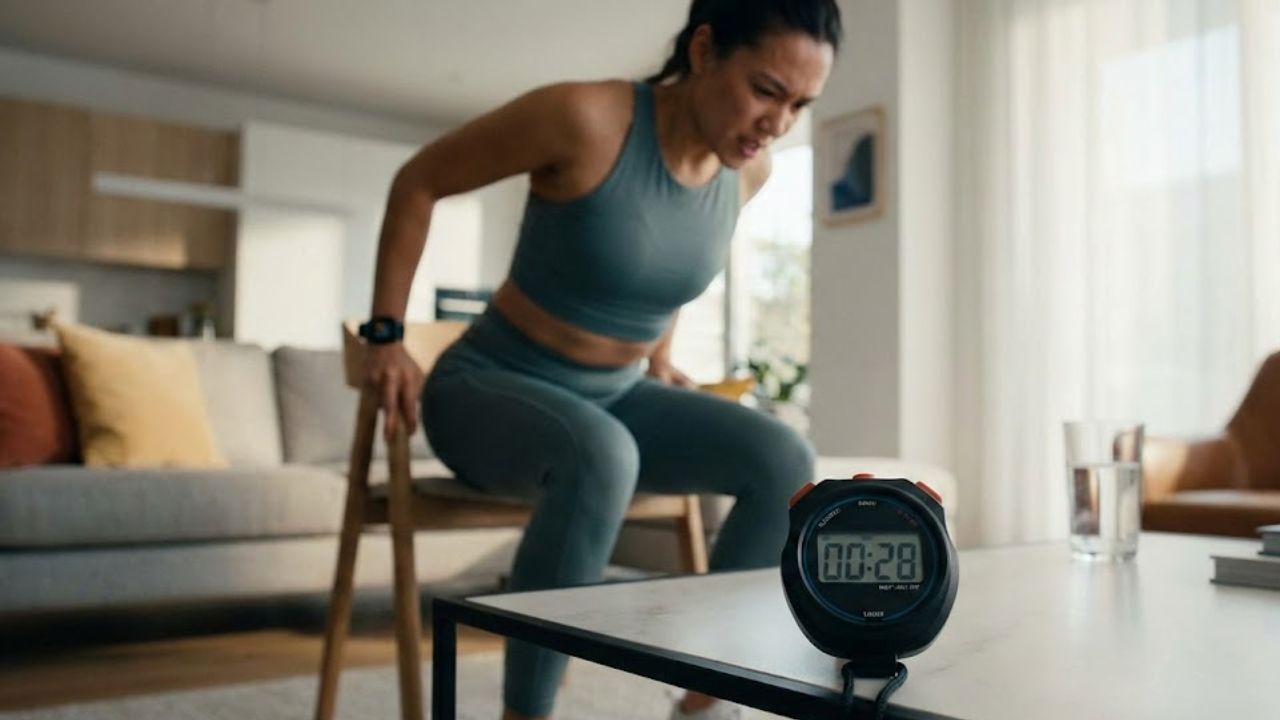
    Staying fit doesn’t always require lab tests or expensive equipment. In the United States, health professionals often recommend quick movement-based checks to get a fast snapshot of overall fitness. This simple test can be done almost anywhere and takes less than thirty seconds, making it ideal for busy adults. While it doesn’t replace a full medical exam, it gives useful insight into strength, balance, and cardiovascular readiness. Knowing where your body stands can motivate smarter exercise habits and help you notice early signs that your physical condition needs attention.

    A simple under-thirty-seconds fitness test

    This quick assessment usually involves standing up from a seated position repeatedly or holding a controlled movement for a short time. It quietly measures functional body strength, joint coordination, and basic endurance levels all at once. Because it mimics everyday actions, the result reflects how well your body handles real-life demands. Many trainers like it because it requires no special equipment and can be adjusted for age or ability. If you can complete the movement smoothly, it often signals that your muscles and nervous system are working efficiently together.

    What this physical shape test reveals

    Although it looks simple, the test offers insight into several fitness markers. It highlights lower body stability, core muscle engagement, and movement control quality within seconds. Struggling or losing balance can point to weak support muscles or limited mobility. For adults in the United States, these indicators matter because they relate to fall prevention and long-term independence. The test also reflects cardio response speed, as your breathing and heart rate react quickly during the effort.

    Using the test to track fitness progress

    One of the biggest advantages of this method is consistency. Repeating it every few weeks lets you notice gradual strength gains, improved balance confidence, and better movement efficiency over time. You don’t need perfect results—small improvements matter. Fitness coaches often suggest pairing this check with regular walking or resistance training to support healthy ageing habits. When the movement feels easier, it’s a clear sign your body is adapting positively.

    Why quick tests matter for everyday health

    Short fitness checks work because they focus on how the body performs as a whole, not isolated muscles. In daily life, we rely on full body coordination, real world strength, and efficient energy use far more than maximum power. This kind of test encourages awareness without pressure and supports preventive health thinking. Used sensibly, it can prompt timely lifestyle changes and reinforce the value of staying active at any age.

    Test Outcome What It Suggests General Fitness Level
    Completed easily Good strength and balance Above average
    Completed with effort Moderate endurance Average
    Struggled to finish Weak support muscles Below average
    Unable to complete Mobility or strength issues Needs improvement

    Frequently Asked Questions (FAQs)

    1. Is this test safe for most adults?

    Yes, it is generally safe, but people with medical conditions should consult a professional first.

    2. How often should I try this test?

    Doing it once every two to four weeks is enough to track changes.

    3. Does failing the test mean I’m unhealthy?

    No, it simply shows areas where your fitness can improve.

    4. Can this replace a full fitness assessment?

    No, it’s a quick indicator, not a substitute for medical or professional evaluations.

  • Gray Hair Choices Explained Knowing When Natural Silver Looks Stunning and When Coloring Is the Better Option

    Gray Hair Choices Explained Knowing When Natural Silver Looks Stunning and When Coloring Is the Better Option

    Gray hair has stopped being merely an aging indicator and turned into a genuine style statement for numerous people across the UK. Whether you choose to showcase natural silver strands with pride or opt for color treatments that bring back vibrancy, the decision about gray hair remains entirely personal. Your lifestyle and work environment matter as do factors like your complexion and how society views aging. Some individuals appreciate the genuine appearance of untreated gray hair while others favor the refined aesthetic that comes from dyeing. Knowing when gray hair enhances your look and when coloring serves you better allows you to select an option that genuinely represents who you are.

    When Gray Hair Feels Effortlessly Attractive

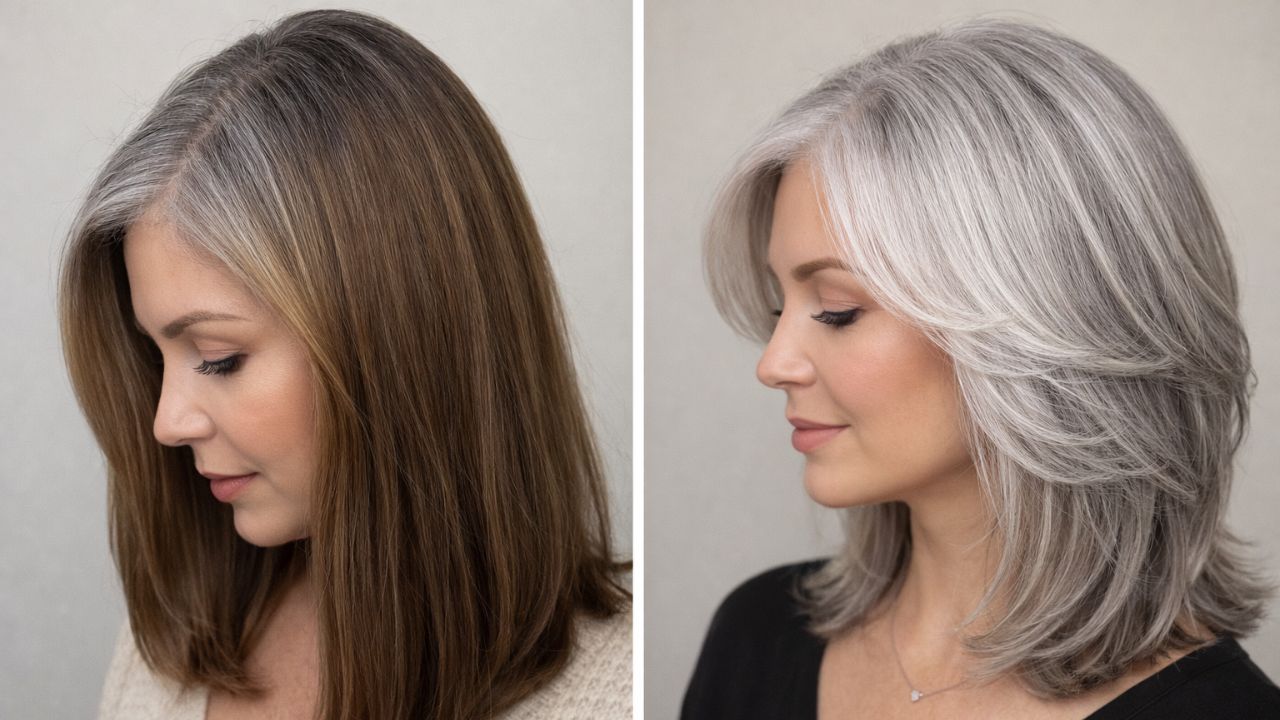
    Gray hair often looks its best when it appears intentional and well cared for rather than unplanned. Clean, evenly toned silver shades can enhance facial features and project a sense of modern confidence and understated elegance. With regular trims, proper hydration, and the right shampoo, gray hair can become a genuine style strength. Many people find that embracing gray supports a natural confidence boost and expresses an authentic personal style. It can also simplify daily routines, offering low-maintenance beauty while reducing reliance on chemicals. In the UK, where subtle refinement is often appreciated, gray hair can reflect mature sophistication and quiet self-assurance. When hair looks healthy and balanced in tone, gray doesn’t make you look older—it helps define who you are.

    When Coloring Gray Hair Is the Better Option

    Choosing to dye gray hair can be practical when natural shades appear uneven or create a more tired look than you feel. Patchy gray strands or bright white roots may not always complement your complexion, leading some to prefer a softer, more consistent colour. Dyeing can help restore visual balance and achieve an even hair tone that feels refined and polished. For individuals in public-facing or professional roles, maintaining colour may also support image consistency and confidence during everyday interactions. The key lies in subtle application—today’s colouring techniques allow for gentle blending rather than heavy coverage, keeping the result natural instead of artificial.

    Striking a Comfortable Middle Ground With Gray

    For many, the ideal solution falls between fully gray hair and full colour coverage. Options such as highlights, lowlights, and gloss treatments can soften gray while preserving its natural character. This balanced approach provides flexible styling choices and allows for a gradual, comfortable transition as hair evolves over time. It also promotes healthier hair habits, as maintaining blended tones focuses more on care than frequent colouring. In the UK, this method aligns well with shifting beauty preferences that celebrate individual expression. Choosing balance allows your hair to change alongside you, not in opposition to you.

    A Practical Way to Think About Gray Hair Decisions

    Deciding how to manage gray hair is less about fixed rules and more about personal perception. Your hair should support how you want to feel—whether that is bold, polished, or naturally relaxed. At times, embracing gray may reflect a journey of self-acceptance; at other moments, adding colour can feel like a refreshing reset. What matters most is clear intention. When your choice fits your lifestyle and sense of identity, it creates emotional alignment with your style and long-term satisfaction. Instead of focusing on expectations, the more meaningful question is what helps you feel comfortable and confident today.

    Hair Option Ideal For Care Required Final Look
    Embracing Natural Gray Balanced, even silver shades Minimal upkeep Graceful, confident, and timeless
    Complete Hair Coloring Full coverage of gray strands High maintenance Polished, youthful appearance
    Subtle Highlights Smoothly blending gray hair Moderate care Natural, soft, and contemporary
    Gloss or Shine Treatment Dull or lifeless gray hair Low effort Radiant, healthy-looking finish
  • Hairstyles After 60: Forget Dated Cuts This Hairstyle Is Considered the Most Youthful by Stylists

    Hairstyles After 60: Forget Dated Cuts This Hairstyle Is Considered the Most Youthful by Stylists

    The woman facing the salon mirror kept pulling at the tips of her hair. It sat at shoulder length, perfectly blow-dried and held firmly in place. “I’ve worn this cut since my son was in high school,” she said softly, meeting her own gaze as if for the first time. Her son is now 43. Around her, hairdryers buzzed and quiet chatter floated by, yet she felt alone with one nagging thought: when did my hair start looking older than I feel?

    The stylist leaned in, studied her face, then smiled. “You’re 64, not 104. Give me twenty minutes and we’ll take ten years off.”

    What followed is something professional hairstylists are repeating more and more. One very specific haircut is quietly taking over.

    The haircut that subtly takes years off after 60

    Ask several stylists which haircut makes women over 60 look instantly refreshed, and the answer is strikingly consistent. A modern, softly layered bob, slightly undone, falling somewhere between the jawline and the collarbone. Not the stiff, rounded styles of the past. Not the ultra-short cuts that can sharpen features too much.

    This bob has movement. It sways as you walk, softens strong lines, and lets a few strands frame the cheeks. The face appears lifted rather than pulled tight. It doesn’t look “set.” It looks lived-in, relaxed, and real.

    Take Françoise, 67, a retired nurse, who walked into a Paris salon wearing the same rigid, back-combed style she’d kept since the 1990s. Her stylist suggested a layered bob grazing the neck, with gentle bangs brushing the eyebrows. “I almost protested,” she laughs. “I thought going shorter would make me look older.”

    They cut it anyway. The blow-dry took ten minutes. When she put her glasses back on and looked up, the change was subtle but undeniable. Her jawline appeared more defined, the lines around her mouth softened, and her eyes looked brighter. Two weeks later, friends kept asking if she’d done something to her face. She hadn’t. It was just the haircut.

    Why this layered bob works so well beyond sixty

    The reason this style is so effective is simple. As the face naturally loses volume over time, long and heavy hair tends to pull features downward. Extremely short hair, on the other hand, can expose every contour and shadow. The mid-length layered bob sits right in between. It frames the face, adds support, and brings structure without overwhelming it.

    Light layers introduce texture where hair often becomes finer. Soft movement around the cheekbones creates a gentle, contouring effect. The eye reads the face differently when hair lifts instead of weighing it down. That’s why many professionals quietly refer to this cut as their “non-surgical facelift.”

    How to ask for a youthful bob without disappointment

    The transformation doesn’t happen by simply asking for “a bob.” The youthful version relies on three essentials: the right length, soft layers, and gentle framing around the face. Most stylists agree the most flattering length sits between the bottom of the ear and just above the collarbone. Too short can feel severe. Too long, and the lifting effect disappears.

    When you sit in the chair, avoid vague descriptions. Bring one or two photos of women close to your age whose hair you admire. Then be clear: “I want a layered bob with movement, not a round, helmet-style blow-dry.” Those words matter more than you might expect.

    A common mistake after 60 is chasing volume at all costs. Heavy teasing, stiff hairspray, thick mousse at the roots—techniques that once worked can now look dated. They freeze the hair and draw attention to lines around the forehead.

    Another trap is holding onto a style that suited a younger version of your face. We’ve all looked at old photos and thought, “That haircut was so me.” But features change, and so does daily life. Few people do a perfect salon blow-dry every morning. You need a cut that still works when you simply rough-dry it with your hands.

    Stylists agree on one rule: this bob should never look too perfect. A few uneven pieces, a slightly tousled finish, maybe a soft wave from a large-barrel iron. That intentional imperfection is what keeps it modern.

    What professional stylists emphasize most

    “Women over 60 don’t need ‘age-appropriate’ hair,” says London hairstylist Carla Mendez, who works primarily with mature clients. “They need hair that reflects their energy. A soft, textured bob lets them move, laugh, run for the bus, and still feel like themselves. The goal isn’t to hide age, but to stop the haircut from adding years they don’t feel.

    • Ask for softness: Face-framing layers, light texture, and no harsh lines around the jaw.
    • Prioritize movement: A cut that holds its shape when air-dried or finger-styled.
    • Keep some length: Between chin and collarbone allows tucking, pinning, or gentle waves.
    • Consider a gentle fringe: Wispy bangs can soften the forehead and highlight the eyes.
    • Limit styling time: If it needs forty minutes every morning, it’s working against you.

    More than a haircut: a quiet shift after sixty

    What surprises many women isn’t just how this cut looks, but how it feels. When the old, stiff style falls to the floor, something else often goes with it: other people’s expectations of how a woman “should” look at a certain age. The new bob moves when you laugh, works with sneakers or lipstick, behaves on holiday and in the grocery line.

    Some women embrace their grey and add a luminous gloss. Others choose a soft balayage to break up solid color. The shared thread is the same: less effort, more presence. A haircut that doesn’t demand attention yet quietly says, “I’m still here, and I’m not done trying.” It sparks conversations, invites photos with grandchildren, and travels lighter than a bag full of makeup.

    • Modern layered bob: Mid-length, textured, and softly moving around the face, helping lift features and counter the downward pull of heavy hair.
    • Soft, flexible styling: Air-dried finishes and light products that look current without salon-level effort.
    • Personal adaptation: Adjusting length, fringe, and color to suit your face shape and daily life, creating a cut that feels authentically yours.
  • 30 Pretty Pink Nail Designs That Work for Minimalists Maximalists and Every Style Between

    30 Pretty Pink Nail Designs That Work for Minimalists Maximalists and Every Style Between

    Pink nails have a unique way of feeling both timeless and trend-forward. From soft blush shades to bold, high-impact pinks, this color works effortlessly across seasons, occasions, and personal styles. Whether you love minimal finishes or detailed designs, pink manicures offer endless versatility for everyday wear and special moments alike.

    As you browse through these looks, imagine how each manicure comes together—from the polish shades to the tools and finishes that make recreating them at home simple. This curated collection is designed to spark inspiration while helping you find the exact colors and nail essentials behind each style.

    Hot Pink Chrome Nails

    This high-shine hot pink chrome manicure is made to stand out without extra artwork. The reflective finish delivers instant salon-level impact and looks especially striking on short, rounded nails.

    Shimmery Pink Almond Nails

    Featuring a soft almond shape and a delicate pink shimmer, this look catches the light beautifully. It’s ideal for anyone who loves feminine nails with a hint of sparkle that still feels wearable day to day.

    Pink and Rose Gold Glitter Coffin Nails

    This glamorous set blends a muted pink base with rose gold glitter accents for a luxurious finish. Perfect for special occasions, it pairs effortlessly with gold jewelry and dressier outfits.

    Pink Rhinestone Statement Nails

    For lovers of maximalist nail art, this design delivers. Covered in rhinestones, charms, and raised details, it’s bold, playful, and made for moments when your nails are meant to be the main accessory.

    Soft Blush Square Nails

    These blush pink square nails are clean, classic, and endlessly versatile. The neutral tone makes them perfect for workdays, weddings, or anyone who prefers a polished, minimal manicure.

    Classic Baby Pink Almond Nails

    This baby pink almond style remains a favorite for good reason. With a glossy finish and flattering shape, it feels feminine, fresh, and timeless across both casual and elevated looks.

    Pink Ombre Coffin Nails

    This soft ombre design blends seamlessly from a natural base into a brighter pink tip. It’s a clean yet eye-catching style that works beautifully for everyday wear.

    Hot Pink Heart Accent Nails

    Bold hot pink nails paired with playful heart accents create a cheerful, feminine look. Perfect for Valentine’s Day, date nights, or anytime you want something fun without overdoing it.

    Glossy Hot Pink Square Nails

    Simple, bold, and impossible to ignore, these glossy hot pink square nails make a statement with color alone. Ideal if you love a clean manicure with high impact.

    Metallic Pink Chrome Almond Nails

    This metallic chrome finish delivers a mirror-like, luxe effect. The almond shape keeps the look sleek and sophisticated, making it perfect for nights out or special events.

    Coral-Pink Almond Nails

    A coral-leaning pink brings warmth and softness to this classic almond shape. It’s the perfect middle ground if you want something brighter than blush but softer than hot pink.

    Soft Pink Almond Nails

    These soft pink almond nails are effortlessly chic and endlessly wearable. The neutral tone pairs well with everything, making them ideal for work, weddings, or daily wear.

    Pink Ombre Almond Nails

    Fading from a milky base into a rosy pink tip, this ombre design offers a delicate, feminine finish. Perfect for minimal nail lovers who still want a touch of color.

    Blush Pink Sculpted Nails with Gold Accents

    This design features sculpted textures and subtle gold detailing for an editorial, elevated feel. The added dimension keeps the look interesting while maintaining a soft color palette.

    Bright Pink Coffin Nails

    Sleek, glossy, and unapologetically bold, this bright pink coffin set makes instant impact. It’s perfect for anyone who loves statement nails with a clean, uniform finish.

    Pink Heart French Nails

    This playful twist on a French manicure replaces traditional tips with pink heart details. It’s flirty, modern, and perfect for themed or romantic looks.

    Hot Pink Almond Nails

    These hot pink almond nails strike a balance between bold color and refined shape. The high-gloss finish keeps them polished, vibrant, and wearable.

    Pink Floral Rhinestone Nails

    This full-glam floral design features 3D flowers, rhinestones, and gold accents. A true showstopper made for special occasions or standout moments.

    Pink Valentine Mix-and-Match Nails

    Mixing hearts, stars, gingham, and graphic accents, this playful set delivers a fun Valentine-inspired look with variety across each nail.

    Short Pink Heart Accent Nails

    These short nails combine soft pink tones with tiny heart details for a cute, low-maintenance manicure that still feels festive.

    Bright Pink Floral Accent Nails

    A bold pink base gets a sweet update with simple floral accents. This look is cheerful, fresh, and eye-catching, perfect for spring or anytime you want a pop of color.

    Milky Pink Square Nails

    Clean, glossy, and effortlessly elegant, these milky pink square nails feature a sheer finish that works beautifully for everyday wear or special occasions.

    Hot Pink Abstract Accent Nails

    This modern set pairs solid hot pink nails with a soft abstract accent design. It feels trendy and artistic without being overwhelming.

    Classic Hot Pink Long Nails

    This manicure proves that a single bold shade can do it all. With a smooth finish and confident color, it’s simple, striking, and timeless.

    Deep Berry Pink Almond Nails

    A rich berry-toned pink adds depth and drama while the almond shape keeps things refined. Ideal for winter, evenings out, or elevated everyday wear.

    Pink Bubble Accent Stiletto Nails

    This playful stiletto set mixes soft pink shades with bubble-style accents and rhinestones for a creative, statement-making finish.

    Neon Pink Mix-and-Match Nails

    Bright neon pink paired with graphic and animal-print accents creates a bold, fashion-forward manicure. Perfect for anyone who loves mixing patterns and standing out.

    Short Pink Valentine Accent Nails

    Featuring hearts, stripes, polka dots, and glitter, these short nails feel festive yet practical, offering playful details without extra length.

    Soft Pink Glitter Accent Nails

    This manicure blends glossy neutral pink nails with subtle glitter accents for just the right amount of sparkle. A versatile option for everyday and events alike.

    Pink Swirl Heart Nails

    Layered pink tones, swirls, and heart accents come together for a retro-inspired, playful look that feels expressive without being too bold.

    Pink Nails for Every Mood and Style

    No matter your aesthetic—minimal, playful, or full glam—pink nails are a reliable go-to that always delivers. This collection highlights just how versatile pink can be, from everyday manicures to standout designs that feel bold and expressive.

    If a style caught your eye, take it as your sign to try something new. With the right polishes, press-ons, tools, and accessories, recreating your favorite pink manicure at home is easier than ever. Save your favorites, shop confidently, and enjoy how pink nails instantly elevate your look.