Author: admin

  • Indoor Air Quality Guide: Top Houseplants That Naturally Purify Toxic Air in UK Homes

    Indoor Air Quality Guide: Top Houseplants That Naturally Purify Toxic Air in UK Homes

    The first thing that hits you isn’t a strong smell. It’s something quieter — that dull, closed-in feeling of air that hasn’t moved properly in days. Not the sharpness of bleach or the sweetness of perfume, just a slightly heavy stillness. The heating has been running, the windows sealed tight against the rain, and your living room — meant to be a place of comfort — feels oddly draining. Your eyes feel strained. Your breathing feels shallow. The air itself feels tired. This is the unnoticed reality of many UK homes: warm, well-insulated, and slowly filling with invisible pollutants.

    Why UK Homes Quietly Struggle With Indoor Air

    Modern housing has brought us double glazing, energy-efficient insulation, plush carpets, and beautifully painted walls. But along with comfort comes a hidden trade-off. When homes are sealed to keep heat in, they also trap the by-products of everyday living.

    New furniture and MDF boards release formaldehyde. Paints, varnishes, and solvents contribute benzene and toluene. Cleaning products, air fresheners, and scented sprays emit VOCs — volatile organic compounds that linger long after the “fresh” smell fades. Even that faint scent from a new sofa, rug, or mattress is often chemical off-gassing rather than cleanliness. Research over many years has shown that indoor air can easily be more polluted than outdoor air, even in urban areas.

    In the UK, where cold weather, rain, and short winter days keep windows shut for long stretches, these pollutants quietly accumulate. Add candles, plug-in fragrances, and heavily perfumed sprays, and we unknowingly load the air even further — all while expecting our homes to feel calming and clean.

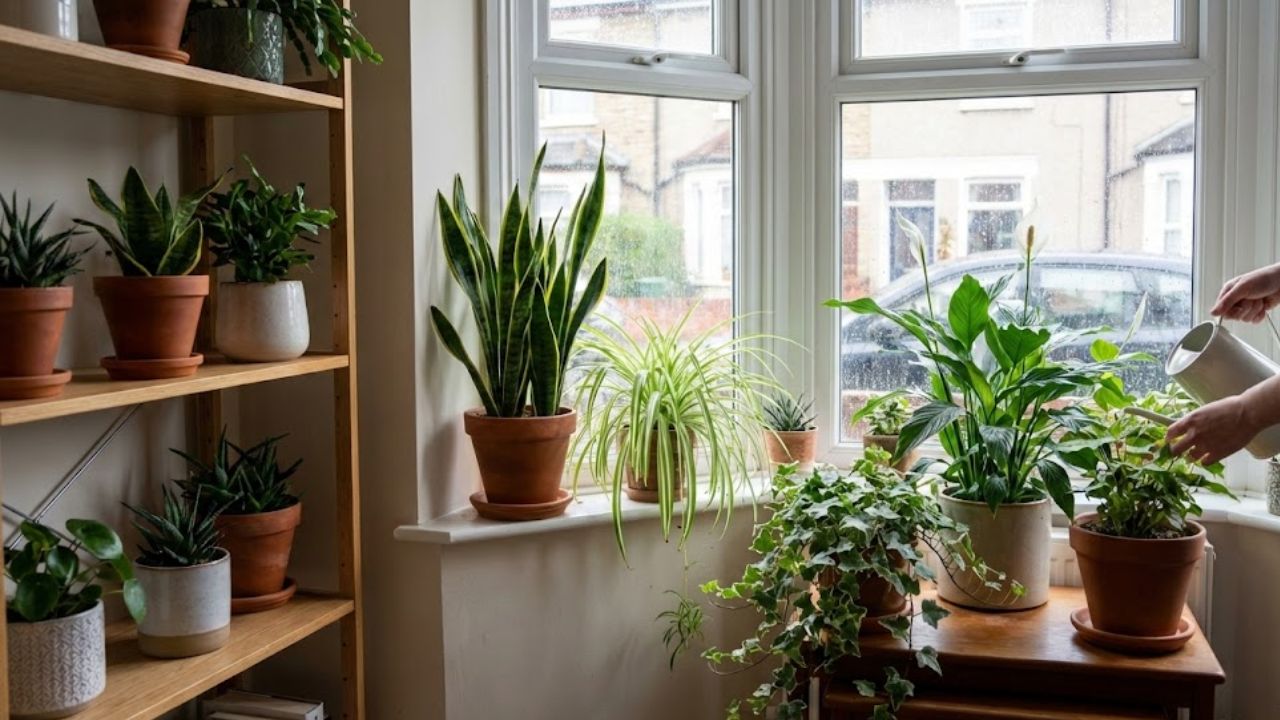
    Nature offers a softer solution. Long before filters and purifiers existed, plants evolved to survive in challenging environments, absorbing compounds from the air through their leaves and roots. When a few of these plants enter a flat in Manchester or a semi-detached home in Kent, something changes almost imperceptibly. The atmosphere feels lighter. Breathing feels easier. The space feels more alive.

    Houseplants aren’t magic fixes. They won’t solve serious mould issues or counter heavy smoke exposure. But as part of a balanced, natural approach to indoor living, they play a quiet role that matters. They help transform sealed, stagnant rooms into living spaces that feel calmer, fresher, and gently connected to the natural world.

  • Athlete Recovery Methods: Proven Techniques to Reduce Muscle Soreness and Speed Healing

    Athlete Recovery Methods: Proven Techniques to Reduce Muscle Soreness and Speed Healing

    The day after an intense workout has a mood all its own. You can sense it before your eyes even open: a deep heaviness in your thighs, a lingering heat in your shoulders, a tight pull through your calves that makes standing up feel strangely deliberate. Many people label this as “good soreness,” a reassuring sign that effort was made and progress is happening. But anyone who has tried to ease themselves down a staircase after a heavy leg session knows how thin the line is between rewarding discomfort and the kind that makes you question your training choices.

    The Subtle Biology of Soreness

    For athletes, muscle soreness is a familiar companion—sometimes barely noticeable, other times impossible to ignore. In scientific terms, it’s called DOMS, or delayed onset muscle soreness. It typically appears 12 to 24 hours after strenuous exercise and often peaks around the 48-hour mark, especially following eccentric actions such as lowering weights, downhill running, or explosive jumps.

    What’s happening beneath the surface has little to do with lactic acid, despite how often that idea gets repeated. Instead, intense training causes microscopic damage within muscle fibers. These tiny disruptions spark inflammation and fluid changes, while the nervous system amplifies sensations of stiffness, tenderness, and limited movement. From the body’s perspective, this isn’t injury—it’s adaptation. But when training schedules are tight or competitions come back-to-back, managing this soreness becomes a key part of staying effective.

    Over time, recovery strategies once hidden in elite sports environments have become widely visible. Ice baths, compression sleeves, massage devices, and athletic tape are now common sights on social media and gym floors alike. Beneath all of it lies the same question every athlete faces: how can I help my body recover efficiently so I can perform again—stronger and sooner?

    Cold, Heat, and Choosing Discomfort

    Cold Water Immersion: The Shock That Soothes

    Lowering yourself into cold water is never a quiet experience. The initial sting, the sharp intake of breath, the urge to escape—it all happens fast. Yet many athletes willingly repeat this ritual. Cold water immersion, usually in temperatures around 10–15°C (50–59°F), is thought to ease muscle soreness by narrowing blood vessels, reducing inflammation, and then promoting fresh circulation as the body warms afterward.

    Ask endurance runners after a race or contact-sport athletes after a tough match, and you’ll hear a familiar pattern: the first moments are brutal, but soon the legs feel lighter and looser. Research offers mixed conclusions—cold immersion often lowers the sensation of soreness, even if its impact on actual muscle repair is modest. Still, perception matters. When athletes feel better, they move more confidently, recover faster mentally, and return to training with better rhythm.

  • Grow Lettuce Year-Round in Arizona: Beginner Secrets for Crisp, Tender Greens Even During Extreme Summer Heat

    Grow Lettuce Year-Round in Arizona: Beginner Secrets for Crisp, Tender Greens Even During Extreme Summer Heat

    The first time you step outside on a July afternoon in Arizona and feel that wall of heat hit your face, lettuce is probably the last word that comes to mind. The idea of crisp cool tender greens in a place where even your flip-flops threaten to melt on the patio seems almost absurd. Lettuce is supposed to be a cool-season diva after all. It is delicate and temperamental and prone to bolting at the slightest hint of stress. And yet scattered across this sunburned landscape there are quiet little oases where gardeners are harvesting salad bowls in August. They are plucking pale green leaves that taste as if they grew beside a mountain stream instead of in desert gravel. Growing lettuce year-round in Arizona is not a miracle. It is a series of small clever choices. You need shade here and water there along with timing and soil & a bit of observation. Anyone can learn it even a beginner.

    Listening to the Desert: Why Lettuce Struggles (and How You Can Help It)

    Arizona doesn’t just get hot. It gets intense. The sun is hard & bright and unrelenting. Summer afternoons can push well over 110°F and even in the milder seasons the light feels sharper than in most places. Lettuce by nature is a creature of cool moist mornings and gentle evenings. Its roots prefer steady moisture and its leaves prefer soft light. In the desert it’s like an introvert dropped into a raging party at high noon. When lettuce gets stressed in heat two things happen fast. It wilts and it bolts. Wilting is obvious enough because leaves droop and edges crisp and colors dull. Bolting is sneakier but just as ruthless because the plant senses it’s in trouble and sends up a tall central stalk racing to produce seeds. Once that happens the tender sweetness you imagined in your salad turns into bitterness that no dressing can hide. So the secret to growing lettuce year-round in Arizona isn’t some magic fertilizer or expensive gadget. It’s about giving lettuce the illusion that it lives somewhere cooler. You need to build a microclimate that feels gentler than the desert just beyond your fence. The more you think in those terms the more lettuce suddenly feels possible even in August.

    Desert Timing: Planting Lettuce by Season

    In Arizona, the calendar is your quiet ally. The same seeds behave very differently depending on when you drop them into the soil. Timing is the first lever you can pull to tilt the odds in your favor.

    Cool-Season Sweet Spot

    From late fall to early spring the desert becomes a good place for growing lettuce. In low desert regions such as Phoenix Tucson and Yuma the best time for lettuce is approximately October through March. During these months you can plant seeds directly in the ground or use raised beds or containers and they will produce crisp leaves with minimal effort. The sunlight remains bright but becomes much gentler and nighttime temperatures drop to the cool range that lettuce prefers.

    The Tricky Season You Can Still Win

    Summer is when beginners usually give up and assume lettuce just isn’t possible. Yet this is exactly where the fun starts. To grow lettuce in Arizona’s summer, you don’t fight the sun directly; you negotiate with it.

    – Plant in the “edges” of heat: late spring for early summer harvests, late summer for early fall ones.

    – Use partial shade and cooler microclimates to keep plants from frying.

    – Choose heat-tolerant varieties that can stand a bit more stress.

    Instead of whole heads that stay in the ground for weeks, you’ll lean toward “cut-and-come-again” lettuces—leafy types you harvest a little from at a time. They grow fast, and you eat them young, before the heat and stress build up.

    Choosing Lettuce Varieties that Don’t Melt in the Heat

    Not all lettuces react to Arizona’s sun the same way. Imagine you’re gathering a cast of characters—some are delicate and dramatic, others are sturdy and unbothered by a little adversity. You want a mix, but in summer especially, you need survivors.

    Heat-Tolerant Heroes

    From late fall to early spring the desert becomes ideal for growing lettuce. In low desert regions like Phoenix Tucson and Yuma the optimal planting window runs from October through March. During this period you can sow seeds directly into the ground or use raised beds and containers with excellent results. The plants will produce crisp tender leaves without requiring much attention. The sunlight stays bright but loses its harsh intensity while nighttime temperatures drop into the cool range that lettuce thrives in.

    Best Lettuce Varieties to Grow in Arizona

    Think of your garden as a seasonal wardrobe—swapping varieties as temperatures shift. Arizona’s intense sun and fluctuating temperatures mean your lettuce strategy should adapt too. In the cooler months, nearly all types will thrive. But when the heat arrives, it’s time to shift toward resilient, shade-loving options that mature quickly and stay tender.

    Type Example Traits Best Use in Arizona
    Looseleaf Lettuce Fast-growing, harvest a few leaves at a time; many heat-tolerant strains available Year-round in shaded spots and containers; perfect for summer cut-and-come-again harvests
    Romaine (Cos) Thicker, crunchy leaves; handles sun and stress better than most Ideal from fall through spring in open beds; use partial shade in summer
    Butterhead / Bibb Soft, sweet leaves; more delicate and heat-sensitive Best grown during cooler periods—fall, winter, and early spring only
    Loose Mixes / Mesclun Young baby greens and lettuces; quick to grow and ready for frequent harvest Great for small containers and shaded balconies, especially during hot months

    Tips for Arizona Lettuce Success

    – In summer, provide afternoon shade or grow under shade cloth.

    – Use mulch to retain soil moisture and cool roots.

    – Harvest young and often—tender leaves handle heat better.

    – Don’t aim for large heads in summer; focus on baby leaves and quick regrowth.

    Creating Shade and Cool Pockets: Microclimates that Save Your Lettuce

    If timing & variety are your first moves then microclimate is your masterstroke. Arizona gardens are not flat equal spaces. They exist as a patchwork of hotter and cooler spots with harsher and softer light. Once you see your yard this way you can put lettuce in the places that feel like dusk while the rest of the garden is still noon. The key is learning to read your space. Walk around your property at different times of day and notice where shadows fall. Pay attention to which areas get morning sun versus afternoon heat. Check where walls or fences create shade or trap warmth. These observations will show you the hidden zones in your garden. East-facing spots get gentle morning light and afternoon shade. This makes them perfect for heat-sensitive plants like lettuce and spinach. South-facing areas receive intense sun all day long. Reserve these for your toughest desert natives & heat lovers. West-facing zones get the brutal afternoon sun that can scorch even adapted plants. North-facing spaces stay cooler and shadier throughout the day. Structures create their own weather patterns. A wall radiates stored heat at night & creates a warm pocket. An overhang provides consistent shade and protection. Large rocks absorb heat during the day and release it slowly. Trees offer dappled shade that changes with the seasons. Even a slight slope affects how water drains and where cold air settles. You can also build microclimates intentionally. Plant tall crops to shade shorter ones. Use shade cloth to filter harsh light. Add mulch to cool the soil surface. Group plants with similar needs together. Create windbreaks to reduce drying effects. Install drip irrigation to maintain consistent moisture in specific zones. This approach lets you grow a wider range of plants than you thought possible. Your garden becomes a collection of small environments rather than one challenging space. Each plant gets conditions that suit its needs instead of fighting against the default setting.

    Playing with Light, Wind, and Surfaces

    If your soil is poor or your yard is mostly rock, don’t fight it. Containers and raised beds give you more control over both temperature and moisture. In summer, you can:

    – Move containers as the sun shifts—tucking them under a patio roof in the afternoon.

    – Use light-colored pots that don’t absorb as much heat.

    – Cluster pots together to reduce drying winds and create little humid pockets.

    Indoors, a bright window, sunroom, or simple grow light setup can turn lettuce into a kitchen companion you harvest as you cook. In the peak of summer, a small indoor lettuce corner might carry you through when the outdoor heat is simply too much.

    Containers, Raised Beds, and Indoor Nooks

    If above-ground life is all about light and heat, below-ground life is about comfort. Lettuce roots are shallow and easily stressed. In the desert, that stress usually shows up as dry, hard soil that swings wildly between soaked and bone-dry. To grow tender leaves, you need to make the soil feel like a steady, cool blanket rather than a baking pan.

    Soil, Water, and Mulch: Building a Cool, Moist Root World

    Begin with a light and nutrient-rich soil that drains water easily. When planting directly in the ground, add compost along with worm castings & some aged manure to boost nutrients and help the soil retain moisture. Desert soil that contains mostly sand or rocks drains water too quickly and becomes extremely hot. Adding organic material transforms it into a more stable medium that holds water better. For raised beds or containers choose a mixture that feels soft & has a slight bounce when you squeeze it. Avoid soil that feels heavy and clumps together or feels powdery and bone dry. The ideal soil should absorb water quickly and hold it for a reasonable time before draining away without creating puddles.

    Soil That Holds Moisture Without Drowning Roots

    In Arizona, water is not just a resource; it’s an art. Lettuce prefers consistent moisture rather than feast-and-famine watering. Instead of blasting plants every few days, try to keep the soil evenly damp:

    – Water deeply enough to reach the root zone, not just the surface.

    – In summer, early morning is best—leaves dry quickly, and roots have cool hours to drink.

    – Drip irrigation or soaker hoses are ideal, delivering water slowly right where roots need it.

    Mulch is your quiet ally. A thin layer of straw, shredded leaves, or even clean pine needles around lettuce plants shades the soil, keeps it cooler, and slows evaporation. In a place where every drop of water is precious, mulch isn’t optional—it’s a simple, powerful tool.

    Watering Like a Desert Lettuce Whisperer

    Once you’ve chosen your varieties, created gentle light, and built soft, moist soil, the final piece is learning to read your lettuce. It will tell you what it needs if you pay attention with a beginner’s curiosity instead of a perfectionist’s stress.

    Planting, Harvesting, and Reading the Plants

    Lettuce seeds are very small and should not be planted deep in the soil. Sprinkle them on the surface and add just a thin layer of soil or compost on top. When the weather is hot the seeds can struggle to sprout because the top layer of soil dries out fast. You can solve this problem by starting your seeds in small containers or shallow trays in a shaded area and then moving them to the garden later. Another option is to place shade cloth or a wooden board over the planted area for a few days to keep the soil moist. Remember to remove the cover as soon as you see the first seedlings coming up. Rather than planting all your lettuce seeds at the same time you should plant small amounts every week or two throughout the growing season. This method is called succession planting and it gives you a steady supply of fresh lettuce instead of having too much at once & then none at all.

    Sowing and Spacing for a Desert Rhythm

    Growing lettuce in Arizona works best when you harvest it young instead of waiting for full heads like you see in stores. The intense heat & sun cause too much stress on the plants if you let them mature completely. The best approach is to harvest frequently using one of two methods. You can pick the outer leaves while leaving the center intact so the plant continues producing new growth. Another option is to cut the entire plant about an inch above the ground with scissors. Most lettuce varieties will grow back and give you a second harvest. Young lettuce leaves taste sweeter and more tender than mature ones. They also have much less bitterness. This harvesting approach gives you both more lettuce and better quality greens. Pay attention to your plants as they grow. When they begin stretching upward and developing a central stalk or when the leaves suddenly taste sharp and bitter the plant is bolting. This is a natural process you should accept rather than resist. Consider allowing some plants to bolt and produce seeds. The lettuce that grows from these seeds might adapt better to your specific Arizona location than the varieties you purchase from seed companies.

    The Joy of Harvesting Young and Often

    There is something quietly rebellious about walking outside in August when the pavement is radiating heat and returning inside with a handful of cool greens. It feels like you have bent the rules just a little & turned the desert’s reputation upside down. But what you have actually done is listen to the sun and the shade and the soil & the water and the days that grow longer & shorter and the plants themselves telling you what they like & what they cannot tolerate. Growing lettuce year-round in Arizona is not about perfection. Some plantings will fail. Some days the heat will win no matter what you do & a patch will bolt overnight. That is part of the process. But between those moments you will taste the tenderness that comes from attention. You will enjoy crisp leaves that snap gently in your fingers with a faint earthy sweetness and the way they cool your mouth like a sip of water from a cold glass. Over time you will develop your own rituals. Maybe it will be the pre-dawn walk outside in July when you water barefoot while the world is still soft and blue. Maybe it will be the winter afternoon when the sun is low and golden and your lettuce beds are full and emerald and thriving while the rest of the country shivers. You will plant by instinct as much as by calendar. You will know which corner by the wall is perfect in May but too harsh in June. You will tuck seeds in containers by the kitchen door just because it feels right. That is the real secret for beginners. It is not just about techniques but about relationship. When you stop trying to force lettuce to behave as if you are gardening in Vermont and instead learn to work with the desert then year-round lettuce stops being a fantasy. It becomes just another rhythm of your days. It becomes one more small and beautiful defiance against the idea that the desert cannot be soft. So the next time the forecast threatens triple digits do not write off your salad dreams. Think about shade. Think about microclimates. Think about fast-growing and heat-tolerant leaves you will harvest young. Build a small green haven like a raised bed under a tree or a group of pots tucked by the porch or a row of romaine under shade cloth. Then one hot evening when the light finally eases and the sky goes lavender walk out with a bowl & a pair of scissors. Listen to the quiet snip of stems and feel the coolness of fresh-picked leaves against your fingers and know that even here in Arizona’s bright and fierce desert crisp & tender lettuce can be yours in every season.

  • Common Myths About Laser Fat Reduction Treatments

    Common Myths About Laser Fat Reduction Treatments

    Common Myths About Laser Fat Reduction – Laser fat reduction treatments have gained attention as a non-surgical option for body contouring, but they are also surrounded by widespread misinformation. In Australia, many individuals considering cosmetic procedures often encounter confusing claims about safety, effectiveness, and long-term results. This article clears up common myths about laser fat reduction by explaining how the treatment actually works, who it may be suitable for, and what realistic outcomes look like. Understanding the facts helps Australian residents make informed, confident decisions based on medical guidance rather than marketing hype or online speculation.

    Laser Fat Reduction Myths Among Australians Explained

    One of the most common misconceptions among Australians is that laser fat reduction is a weight-loss solution. In reality, these treatments are designed for targeted fat reduction and body shaping, not overall weight management. Another myth is that results are instant and permanent after a single session. Most clinics across Australia clearly state that multiple sessions are often required, and results depend heavily on lifestyle factors such as diet and physical activity. There is also a belief that the procedure is painful or dangerous, but approved laser technologies used by Australian practitioners are non-invasive and generally well tolerated when performed by trained professionals.

    Truth About Laser Fat Removal for Australian Citizens

    Many Australian citizens assume that laser fat removal can replace exercise or surgery, which is not accurate. The treatment works by targeting fat cells with controlled laser energy, causing them to break down gradually and be eliminated by the body. Another myth is that the procedure works equally well for everyone. In practice, Australian clinics assess factors like body mass index, skin condition, and treatment goals before recommending laser fat reduction. It is also important to note that while the procedure can reduce fat in specific areas, it does not tighten loose skin to a significant degree.

    Aspect Common Myth Actual Fact in Australia
    Purpose Weight loss treatment Body contouring only
    Pain Level Very painful Mild warmth or tingling
    Sessions One session is enough Multiple sessions required
    Results Immediate and permanent Gradual and maintenance-based

    Laser Body Contouring Facts Across Australia

    Across Australia, licensed cosmetic clinics emphasize that laser body contouring is best suited for individuals close to their ideal weight who struggle with stubborn fat pockets. A common myth suggests there is no recovery period at all, but while there is no downtime like surgery, mild redness or swelling can occur temporarily. Another misunderstanding is that fat cells will never return; however, Australian health professionals caution that remaining fat cells can expand if lifestyle habits change. Clear consultations and realistic expectations are key to satisfactory outcomes.

    Non-Surgical Fat Reduction Reality for People in Australia

    For people in Australia, non-surgical fat reduction is regulated under strict health and safety standards, which helps ensure patient protection. Despite myths claiming the treatment is unregulated or experimental, laser fat reduction devices used in Australian clinics are approved and widely studied. Another false belief is that the procedure suits all body types, but practitioners stress the importance of proper candidate selection. When combined with healthy habits, laser treatments can enhance body shape, but they should be viewed as a supportive cosmetic option rather than a medical solution.

    Frequently Asked Questions (FAQs)

    1. Is laser fat reduction a weight-loss treatment in Australia?

    No, it is designed for targeted fat reduction and body contouring, not overall weight loss.

    2. Are laser fat reduction treatments safe for Australians?

    Yes, when performed by qualified practitioners using approved devices, they are generally safe.

    3. How long does it take to see results from laser fat reduction?

    Results usually appear gradually over several weeks after completing recommended sessions.

    4. Can fat return after laser fat reduction treatment?

    Yes, remaining fat cells can enlarge if healthy lifestyle habits are not maintained.

  • Gentle Body Detox Guide: Natural Ways to Cleanse Without Extreme Diets

    Gentle Body Detox Guide: Natural Ways to Cleanse Without Extreme Diets

    The first thing you notice is the heaviness. Not dramatic but a low-grade fog that clings to your skin and mind. Your jeans fit but not the way they used to. Mornings arrive with puffy eyes and a coated tongue & a quiet resistance to getting up. You tell yourself it’s just stress or maybe not enough sleep. But somewhere between the third afternoon coffee and the restless midnight scrolling you realize something deeper. Your body feels crowded. Not just with food but with noise. Chemicals and screens and deadlines and takeout boxes and the constant pressure to optimize everything including your health. That’s usually when the internet offers you its loudest answer which is detox. A three-day juice cleanse or a seven-day liquid diet or a ten-day miracle plan with powders and pills and promises. The more extreme it sounds the more convincing it becomes when wrapped in glossy before-and-after photos & the warm glow of reset & glow-up language. But your body is not a cluttered kitchen cabinet you can empty in a weekend. It’s a forest that is alive & self-regulating and deeply intelligent. Forests don’t heal by bulldozing everything and starting over. They heal slowly through balance & diversity and time. Your body works the same way.

    What Your Body Is Quietly Doing Every Single Day

    Detox is not a dramatic reset you plan after an indulgent weekend. It is a nonstop biological process your body has been running since before you were born. Your liver, kidneys, lungs, digestive tract, skin, and lymphatic system work together silently to filter, convert, and remove waste around the clock.

    Your liver transforms hormones, alcohol, chemicals, and metabolic byproducts into safer forms your body can eliminate. Your kidneys continuously clean your blood, balancing minerals and flushing waste. Your lungs release carbon dioxide and microscopic particles with every breath. Your gut microbes break down food, neutralize harmful substances, and support immunity. Even your skin plays a role, releasing small amounts of waste through sweat while acting as a protective barrier.

    This matters because many detox trends rely on the idea that your body is incapable without extreme measures. In reality, your body is highly capable—it just gets overloaded. Gentle detox isn’t about forcing everything out at once. It’s about reducing pressure and supporting the systems already doing the work.

    Why Extreme Detoxes Often Backfire

    Imagine driving your car across the country, then draining the oil and fuel and pushing it by hand. That’s what harsh detoxes often demand. Severe restriction deprives your body of protein, fats, fiber, and energy, triggering headaches, dizziness, irritability, and fatigue. Weight loss may occur, but it’s often water and muscle—not meaningful cleansing.

    Your liver depends on amino acids, vitamins, minerals, and antioxidants to neutralize toxins. Juice-only cleanses flood the body with sugar while withholding the nutrients detox pathways require. Instead of helping, they make the system struggle harder with fewer resources.

    There’s also a psychological toll. Extreme detoxes often feel like punishment for being “bad.” Gentle detox reframes this entirely. It’s about partnership, not penance—supporting your body instead of fighting it.

    Gentle Detox Begins With Everyday Nourishment

    Your kitchen is where gentle detox actually starts. Each food choice either supports your body or adds to its workload. The goal isn’t perfection—it’s consistency.

    Heavy, processed meals may satisfy briefly but often leave you sluggish and foggy. Meals built around vegetables, whole grains, and protein feel steadier and sustaining. Fiber acts like a soft broom through your digestive system, antioxidants neutralize free radicals, and healthy fats support cell repair and brain health.

    Gentle detox foods are familiar: fruits, vegetables, legumes, whole grains, nuts, seeds, herbs, and clean proteins. Small shifts—like improving just one meal a day—can stabilize energy, reduce cravings, and ease your body’s daily burden.

    Drink as If Your Organs Can Hear You

    Hydration may be the least exciting detox advice, but it’s one of the most effective. Water keeps blood, lymph, and cells moving waste toward elimination. Dehydration creates internal traffic jams.

    This doesn’t mean excessive water intake. It means steady sipping, honoring thirst, and recognizing that caffeine and alcohol increase fluid needs. Herbal teas, broths, and water-rich foods help. Pale urine usually signals good hydration, while darker color suggests your body needs more fluid.

    Feed Your Microbiome, Not Just Hunger

    Your gut hosts trillions of microbes that aid digestion, produce vitamins, and regulate immunity. When nourished with fiber and variety, this ecosystem helps neutralize toxins and supports regular elimination.

    You don’t need expensive supplements. Yogurt, kefir, sauerkraut, kimchi, miso, and diverse plant foods are enough. Aim for variety rather than perfection. A diverse microbiome often means stronger resilience and smoother detox processes.

    Move to Help Your Body Let Go

    Movement supports detox by encouraging circulation, lymph flow, breathing, and digestion. Walking pumps lymph through your legs. Deep breathing helps your lungs release waste gases. Stretching and gentle movement stimulate internal flow.

    This isn’t about punishment workouts. It’s about consistency—short walks, light yoga, stretching, or dancing at home. Movement reduces stagnation, which is often behind the heavy, sluggish feeling people associate with needing a detox.

    Sweat as a Gentle Ritual

    Sweating releases small amounts of waste, but its bigger benefit lies in circulation and stress relief. Warm baths, saunas, or light exercise that leaves you gently flushed can support this process.

    Always follow sweating with hydration and rest. Gentle detox works through cooperation, not extremes.

    The Toxins You Absorb Without Eating

    Detox isn’t just about food. Your body also processes what you breathe, apply, and surround yourself with. Household cleaners, fragrances, and indoor air quality all contribute to chemical load.

    You don’t need to replace everything at once. Small swaps—like simpler cleaning products or fragrance-free personal care—gradually reduce exposure. Over time, your liver feels the difference, even if it’s subtle.

    Detoxing From Stress and Noise

    Chronic stress is a major detox burden. Constant alerts, pressure, and overstimulation increase stress hormones that strain digestion, immunity, and detox pathways.

    Gentle detox includes mental space. Short phone-free mornings, quiet walks, or screen-free evenings help your nervous system shift from survival to repair mode—where detox naturally improves.

    Sleep: Your Built-In Night Detox System

    During sleep, your brain clears metabolic waste and your liver performs key detox tasks. Poor sleep disrupts this night shift.

    Support sleep with dim lights, consistent routines, a cool dark room, and lighter evenings. Better sleep often reduces cravings for extreme detoxes by restoring balance naturally.

    Turning Gentle Detox Into a Way of Life

    Gentle detox is not a short-term plan. It’s an environment you create daily. Modern life will always involve some exposure; the goal is balance, not purity.

    Each day contains choices that either add strain or offer support. Whole foods, hydration, movement, rest, and simplicity quietly tip the scale. You don’t need suffering to feel better—only steady care.

    Maybe it starts small: a glass of water, a short walk, an extra vegetable, or an earlier bedtime. These won’t create dramatic transformations overnight, but over time, they build something more valuable—a body that feels supported, not battled.

  • Recycling Mistakes Explained: Proper Tips for Household Items Many Americans Get Wrong

    Recycling Mistakes Explained: Proper Tips for Household Items Many Americans Get Wrong

    The blue recycling bin stands at the curb like a quiet confession. Each week, you wheel it out, the lid rattling slightly, packed with rinsed bottles, collapsed cardboard, and that familiar feeling of having done something responsible. There’s a small sense of pride in it. Maybe you imagine glass reborn as park benches or old newspapers returning as fresh pages in someone else’s story. What you don’t imagine is the low groan of a recycling facility forced to shut down because of a single plastic bag, or a half-clean jar that spoiled an entire load of paper, or a takeout cup labeled “recyclable” that was never recyclable to begin with.

    The Illusion of “Better Safe Than Sorry”

    For many Americans, recycling feels like a moral shortcut: blue bin equals good intentions, trash equals failure. Years of simplified messaging and green branding have taught people to toss items in hopefully—if it looks recyclable, why not try? Sending it to the landfill feels worse than giving it a chance.

    That well-meaning habit is known as wishcycling, and it quietly undermines the entire system. When non-recyclable items end up in the bin, they don’t just get removed individually. They can contaminate whole loads, damage equipment, or force facilities to reject otherwise valuable materials. What starts as a personal effort to help the environment can end with everything—yours and your neighbors’—being diverted straight to the landfill.

    Recycling in the United States isn’t one clean, national process. It’s a fragmented network of local rules, contracts, and technologies. Something accepted in one city may be banned in the next. Yet despite those differences, the same mistakes show up almost everywhere. They revolve around a few common household items and stubborn myths that refuse to peel away, much like old labels on a jar.

    So imagine opening that blue bin. Hear the clatter of glass, the soft scrape of cardboard, the slippery rustle of plastic film. Now take a closer look at what goes in each week—and what actually needs to happen to it once it’s collected.

    Plastic: The Ultimate Recycling Impostor

    Plastic is endlessly misleading. It can feel solid like glass, thin like paper, flexible like fabric. It may be stamped with words like “eco,” “biodegradable,” or “plant-based” and still cause serious problems in recycling facilities. Even the familiar chasing-arrows triangle—the symbol many people rely on—often creates more confusion than clarity in the recycling stream.

  • Grow Broccoli Organically: A New Method for Tight Heads and Higher Antioxidant Yields

    Grow Broccoli Organically: A New Method for Tight Heads and Higher Antioxidant Yields

    On a foggy spring morning before the sun fully rises a row of young broccoli plants receives the first pale light. Their leaves are wide and blue-green with tiny drops of dew that smell like cut grass & cool earth. You walk between the beds with boots moving quietly through mulch while holding steaming coffee and you notice something different. The broccoli crowns are forming early and appear compact and tight with florets packed together in a deep forest green color that almost shimmers. When you touch the surface the buds spring back with resilience. This is not the loose broccoli you used to grow. This feels new and alive.

    From Average Broccoli to Peak-Nutrition Powerhouse

    For years many gardeners & small farmers have had a simple goal with broccoli: get a decent head to the kitchen before the weather turns hot and the plants bolt. A tight head was a bonus. Flavor was sometimes a surprise. Nutrition was assumed. But quietly both scientists & soil-minded growers have been asking a different question. Broccoli has always had a reputation as a nutritional heavyweight.

    It contains high amounts of vitamin C and vitamin K along with a family of plant compounds known as glucosinolates. These compounds are precursors to powerful antioxidants like sulforaphane. These molecules work quietly in your body by moving through your cells and helping to reduce oxidative stress while supporting detox pathways. But the levels of these compounds are not fixed. They respond to how you grow the plant through factors like soil life and stressors and timing and temperature and even the way you water.

    So the new organic method for broccoli is not a single magic product or a miraculous fertilizer. It’s a way of managing conditions like soil and microbes and minerals and stress & shade and timing so that the plant responds by forming tight dense heads that are richer in antioxidants than the average supermarket floret. Imagine growing broccoli that has both the visual perfection of a farmer’s market display & the biochemical strength of a well-designed supplement. That’s the promise here.

    Creating a Living Engine: How Soil Becomes an Antioxidant Factory

    Everything begins beneath your feet. When you cut through a cross-section of thriving broccoli soil, you’re uncovering a living factory at work. Fine fungal networks stretch between tiny clay particles. Beneficial bacteria gather around microscopic root hairs. Earthworms pull fallen leaves down into the soil below. Modern organic methods recognize this unseen ecosystem as the true engine behind crop quality.

  • Grow Potatoes Anywhere: A Simple Bag-Growing Guide for Beginners Seeking Bigger Yields

    Grow Potatoes Anywhere: A Simple Bag-Growing Guide for Beginners Seeking Bigger Yields

    The first time you grow potatoes in bags it feels like gardening magic. You roll down a fabric sack and drop in a few seed potatoes and cover them with soil. Then magic begins. Weeks later you plunge your hands into that same bag and feel smooth tubers hiding in the dark like buried treasure. No big backyard needed. No perfect soil required. Just a bag and some dirt and a quiet corner of a balcony or patio or driveway that suddenly becomes a potato patch.

    The Quiet Joy of a Potato Bag Garden

    There’s something grounding about growing potatoes in bags. It’s simple and forgiving and oddly intimate. Instead of kneeling in a sprawling plot you’re crouched beside a container watching green foliage spill over the sides. You can move your garden if a storm is coming or chase the sunlight across a small courtyard or slip a bag behind a chair on a tiny balcony. Potatoes are surprisingly willing to adapt. Imagine waking up & stepping outside with your coffee and brushing your fingers along the soft leaves. The air smells faintly of damp compost and chlorophyll. Ladybugs patrol the stems. A bumblebee pauses at a stray potato flower with pollen dusting its legs. All this is happening not in some idyllic countryside but beside a brick wall or on a rooftop or under the stairs of an apartment stoop. Growing potatoes in bags doesn’t demand that you already know what you’re doing. It simply asks that you’re curious enough to try. The rest falls into place with a little guidance.

    Gathering Your Tools: Turning Any Corner into Potato Country

    Before those green shoots appear you’ll need a few basic supplies. The nice part is that none of them are exotic and many can be repurposed from things you already have lying around.

    Choosing the Right Bag

    Potatoes don’t need a fancy home but they do need one that drains well and gives their roots room to explore. Think of the bag as a temporary underground ecosystem.

    Bag Type Pros Cons
    Fabric Grow Bags (7–15 Gallon) Excellent drainage and airflow; reusable material; built-in handles make moving easy. Soil dries faster; requires regular and consistent watering.
    Sturdy Plastic Potato Bags Lightweight design; flap opening allows potato checks; retains moisture well. May overheat under strong sunlight; proper drainage holes are essential.
    Upcycled Buckets or Sacks Low-cost or free option; customizable sizes; ideal for DIY gardening. Drainage holes must be added carefully; some materials weaken in direct sun.

    Soil, Seed Potatoes, and the Not-So-Secret Ingredients

    Potatoes grow best in loose and airy soil. The texture should be fluffy instead of heavy. When you grab some soil and squeeze it the mixture should clump together lightly and then break apart easily when you touch it. Do not use pure garden soil or heavy clay because these materials compact too much and prevent the tubers from growing properly. For each growing bag you should create a mixture using these proportions. Use two parts of high-quality potting mix that does not contain slow-release herbicides. Add one part of well-rotted compost that should not smell bad or feel slimy. You can also add a small amount of organic potato fertilizer or balanced vegetable feed if you want. The other important component is your seed potatoes. These are different from regular potatoes that have started sprouting in your kitchen. Real seed potatoes are grown specifically to be free from disease and to grow vigorously. They come firm & plump and are ready to produce sprouts from their eyes. Early varieties & mid-season types & late varieties all grow well in bags. Many people who are just starting out prefer to use early or second-early types because they mature more quickly & have fewer problems with disease. You can picture yourself lifting a bag in early summer and discovering many new potatoes that are small enough to cover with butter and eat with your hands.

    Planting Your First Bag: Layering for Hidden Abundance

    Step 1: Preparing the Seed Potatoes

    Begin by spreading your seed potatoes in a single layer on a sunny windowsill or a bright indoor shelf. Leave them there for a few days so they can develop short, sturdy sprouts. This process is known as “chitting.” The goal is to encourage firm potatoes with dark, compact shoots rather than long, pale, weak ones.

    If your seed potatoes are larger than a small egg, cut them into pieces, making sure each piece has at least two healthy eyes. Allow the cut surfaces to dry and form a callus for one to two days. This simple step reduces the risk of rot once the potatoes are planted.

    Step 2: Creating the Base Layer

    Place your grow bag in its permanent position before filling it, as a bag full of damp soil can be heavy and difficult to move. Roll the sides of the bag down, similar to cuffing boots, leaving about 20–25 cm (8–10 inches) of height exposed.

    Add 10–15 cm (4–6 inches) of prepared soil mix to the bottom and level it gently. This layer forms the foundation where the potatoes will begin growing beneath the surface.

    Step 3: Planting the Seed Potatoes

    Set the seed potatoes on the soil with their sprouts facing upward. In a 10–15 gallon bag, planting three to four seed potatoes is ideal. Space them evenly so each has room to develop.

    Cover the potatoes with another 10–15 cm (4–6 inches) of soil. Lightly press the surface so it feels springy rather than compacted. Water slowly until the soil is evenly moist. Avoid overwatering; if water pours out when you squeeze the soil, it is too wet.

    The Art of Earthing Up: Boosting Tuber Formation

    Potatoes form tubers along underground stems rather than on roots. By gradually burying more of the stem as the plant grows, you increase the number of potential tubers.

    Watching for the First Shoots

    After one to three weeks, green shoots will emerge from the soil. Allow these shoots to grow to about 15–20 cm (6–8 inches) tall. At this stage, the plants resemble small versions of mature potato plants with healthy green leaves.

    Layer by Layer: Filling the Bag

    Add more soil around the stems, covering the lower leaves while leaving the top foliage exposed. Water well after each addition of soil. Repeat this process every time the plants grow another 10–15 cm (4–6 inches), gradually unrolling the bag and filling it.

    Eventually, the bag will be nearly full, with lush foliage above and developing tubers hidden below the soil.

    Sun, Water, and Ongoing Care

    Once the plants are established, focus on consistent care. Potato bags create a small, self-contained growing environment that responds quickly to changes in light and moisture.

    Sunlight Needs

    Potatoes thrive with at least six hours of direct sunlight daily. Morning sun is ideal, while intense afternoon heat can cause stress. One advantage of grow bags is that they can be moved to adjust for changing light conditions.

    Watering Correctly

    Check moisture by inserting your finger into the soil. If it feels dry past the first knuckle, it is time to water. Water slowly until excess moisture drains from the bottom. Mulching the surface with straw or dry leaves helps retain moisture and keep the soil cool.

    Feeding and Monitoring Plant Health

    If your soil mix contains compost, feeding requirements are minimal. Applying a mild organic liquid fertilizer every two to three weeks can support healthy growth. While watering, inspect the leaves for signs of pests or nutrient stress.

    Chewed leaves may indicate insects, which can often be removed by hand. Yellowing can signal aging or nutrient imbalance, while persistent wilting may mean heat stress or drainage issues.

    Harvest Time: Collecting Your Potatoes

    Harvesting is the most rewarding stage. For early potatoes, you can gently remove a few tubers once the plants begin flowering. For a full harvest, wait until the foliage yellows and dies back naturally.

    Harvesting Methods

    You can tip the entire bag onto a tarp and sift through the soil to collect the potatoes, or remove them gradually through a side opening if the bag allows. Both methods reveal the crop without damaging the tubers.

    After the Harvest

    Once harvesting is complete, remove old roots and reuse the soil for other plants by mixing in fresh compost. Avoid growing potatoes in the same soil again immediately to reduce disease risk.

    Building Confidence with Each Season

    Starting with one grow bag often leads to expanding into several. Over time, you may experiment with different varieties and stagger planting times for a continuous harvest. Each season builds experience and confidence.

  • Dry Scalp Relief: Natural Solutions for Dandruff Without Using Special Shampoos

    Dry Scalp Relief: Natural Solutions for Dandruff Without Using Special Shampoos

    The first itch feels like nothing much. You scratch near your ear while waiting at a traffic light or looking at your phone. Then it happens again. Small white flakes fall onto a dark shirt and suddenly you notice. You brush them off fast & hope nobody saw. Your bathroom shelf probably has several anti-dandruff shampoos by now. Each bottle promised to fix the problem but none of them really worked. The labels are bright and the bottles take up space but your scalp still feels tight and itchy. Instead of buying another product you might want to try something different. Consider going back to simpler and older methods that people used before all these commercial products existed. These are things you can find in your kitchen or garden & they require a slower & more thoughtful approach. Before all the clinical branding existed people used oils & herbs and gave their scalp time to heal. They learned to treat the scalp as living skin instead of just a problem that needed to disappear.

    Listening to Your Scalp as Part of the Story

    The scalp usually receives less attention than hair. People style and judge their hair while the skin underneath works without notice. Dryness and dandruff often mean this forgotten skin needs care. When you touch your scalp you might feel tightness in some spots & oiliness in others or soreness near the top. Dry scalp typically means the skin lacks moisture and has a damaged protective layer. Dandruff happens when yeast interacts with scalp oils and causes flakes and irritation. Both problems can occur at the same time after using harsh shampoos that remove natural oils. Natural care aims to soothe the scalp & help it recover its balance instead of attacking flakes directly.

    Oil, Water, and the Art of a Gentle Reset

    Think of your scalp as dry soil. When you pour water too fast it just runs off the surface without soaking in. But if you soften the soil first it absorbs the moisture and becomes fertile again. Oils and gentle rinses work the same way for your skin. A careful routine lets your scalp relax before you wash it. This reduces irritation and flaking over time. The method focuses on consistency and gentle care rather than harsh treatment. It helps your scalp return to its natural balance instead of becoming reactive & defensive.

    The Pre-Wash Oil Ritual

    Before washing your hair massaging a light oil into your scalp helps prepare it for cleaning. Jojoba oil works well because it resembles the natural oils your skin produces. Sweet almond oil provides gentle nourishment while coconut oil delivers deep hydration for many people. Warm a small amount between your hands & work it into your scalp one section at a time. Take your time with this step rather than rushing through it. You might notice areas that feel different or more tender than others. These spots can tell you something about the health of your scalp. Let the oil sit for 20 to 30 minutes before shampooing. This waiting period loosens any flakes and protects your skin while reducing how much your cleanser strips away natural moisture.

    The Vinegar Rinse That Restores Balance

    After washing your hair with a gentle shampoo you can use a diluted apple cider vinegar rinse to help restore your scalp’s natural pH balance. Mix one to two tablespoons of vinegar with a cup of water to create a mild solution that helps prevent yeast from growing and clears away product residue. Pour the mixture slowly over your scalp & massage it in gently before rinsing it out after a minute or two. When you use this treatment once or twice each week your scalp will typically feel more comfortable and cleaner without any feeling of dryness or tightness.

    Kitchen Remedies with Texture and Memory

    Natural Scalp Care from Your Kitchen Your pantry likely contains several ingredients that can help soothe your scalp. Honey and yogurt along with olive oil & lemon have been household remedies for many years. These are not miracle solutions that work overnight but they can provide helpful support when used consistently. The key to success with these natural ingredients is gentle and regular application. They work best when you make them part of your ongoing routine rather than expecting immediate results from a single use. Think of them as supportive care that gradually improves scalp health over time. These traditional remedies have stood the test of time because people have found them useful across generations. While they won’t replace medical treatment when needed they offer a natural approach to maintaining scalp comfort and health.

    Honey as a Moisture-Restoring Mask

    Raw honey pulls in moisture and provides gentle antimicrobial properties. Mix it with warm water and massage it into your scalp to calm dryness and minimize flaking. Let it sit for roughly 20 minutes before washing it out. Despite its sticky texture honey typically makes the scalp feel soft and nourished instead of dried out.

    Yogurt for Cooling and Calm

    Plain yogurt that contains live cultures offers mild exfoliation and a cooling sensation. When you mix it with a little bit of oil it helps reduce tightness and minor inflammation. You should apply this mixture to your scalp for 15 to 25 minutes. This treatment works particularly well for scalps that feel overheated or sensitive.

    Botanicals with a Quiet Medicinal Strength

    Beyond the kitchen herbs and plant extracts offer deeper support. Aloe vera gel hydrates and soothes irritated skin. Tea tree oil can help control dandruff-related yeast when properly diluted. Rosemary provides a subtle toning effect when used as a rinse. It also adds a grounding herbal scent that turns routine washing into a sensory ritual.

    Daily Habits That Influence Flaking

    Scalp Health & Daily Life Your scalp condition shows what happens in your everyday routine. When you spend time in dry indoor spaces or take very hot showers, your skin reacts. Not drinking enough water and dealing with ongoing stress also throw off your skin’s natural balance. You can make practical changes that help. Adding a humidifier to your room puts moisture back in the air. Washing your hair with warm water instead of hot water protects your scalp. Including foods with healthy fats in your meals supports your skin from the inside. Building small stress management routines that you can stick with makes a real difference. These adjustments might not seem directly connected to dandruff at first. But they actually create better conditions for your scalp to recover and stay healthy. When you address these basic factors you remove many of the things that cause dandruff in the first place.

    Creating a Gentle Weekly Rhythm

    A steady weekly routine works better than looking for quick fixes because it gives natural remedies time to show results. You might use oil massage & vinegar rinse on one day & try aloe or honey on another day. Herbal rinses can be part of a different day in your schedule. Taking rest days between washes lets your scalp recover and breathe properly. This approach helps you develop patience & consistency while making you more aware of what your hair actually needs instead of rushing to see immediate changes.

    Knowing When Extra Help Is Needed

    Natural care methods work well for treating common dryness and dandruff problems. However you should see a doctor if you notice ongoing redness or thick scales on your scalp. Pain in these areas can also be a warning sign. These symptoms might indicate psoriasis or seborrheic dermatitis rather than simple dandruff. Medical advice becomes necessary when dealing with these more serious skin conditions. You can still use natural remedies alongside professional treatment. Getting the right diagnosis early helps you avoid months or years of trying solutions that won’t work for your specific problem.

    A Kinder Way to Respond

    Dry scalp and dandruff are simply signs that something needs attention. Using natural remedies does not mean turning away from modern treatments. It means taking a gentler path that focuses on understanding rather than harsh fixes. When you use light touch and basic ingredients while building consistent routines your scalp usually returns to a healthy state gradually. The process happens quietly without dramatic intervention as the flaking slowly disappears & comfort returns.

  • Adopting a Rescue Dog “Ruins Family Life” and the Internet Is Fighting Over the Claim

    Adopting a Rescue Dog “Ruins Family Life” and the Internet Is Fighting Over the Claim

    Adopting a rescue dog is often seen as a heartwarming choice, but a viral claim suggesting it “ruins family life” has sparked fierce debate across the United States. Social media users, pet experts, and everyday families are weighing in, sharing deeply personal stories that range from joyful success to overwhelming stress. The discussion highlights how expectations, preparation, and support can shape the experience. While rescue dogs can bring companionship and purpose, they can also challenge routines, relationships, and patience in ways many families don’t anticipate.

    Why adopting a rescue dog sparks family tension

    For many households, the first weeks after adoption are the hardest. Families often underestimate the emotional baggage a rescue dog may carry, leading to unexpected behavior issues that disrupt daily life. Sleep schedules can be affected by constant adjustment periods, while बच्चों and adults alike struggle with shifted household routines. Some parents admit feeling guilty when stress levels rise instead of the instant joy they imagined. These pressures don’t mean adoption was a mistake, but they do explain why some families feel blindsided by the reality.

    Internet debates over rescue dog adoption stories

    Online platforms are filled with clashing opinions about whether rescue dogs harm family harmony. Supporters argue that critics ignore long-term bonding rewards and the value of patient training efforts. Others counter with stories of emotional burnout moments and relationships strained by conflicting expectations. Viral posts amplify extreme experiences, making it harder for new adopters to see a balanced picture. The debate shows how personal circumstances shape outcomes far more than the act of adoption itself.

    What families should know before adopting a rescue dog

    Preparation is the difference between regret and resilience. Experts recommend honest conversations about time, finances, and energy to avoid family readiness gaps. Understanding a dog’s background helps reduce behavioral surprise risks, while committing to consistent training plans can ease transitions. Families who seek professional guidance early often report smoother adjustments. Adoption isn’t just an emotional decision; it’s a practical one that benefits from clear expectations.

    Understanding the bigger picture

    The claim that adopting a rescue dog “ruins” family life oversimplifies a complex reality. Every household brings unique dynamics, and dogs arrive with their own histories. When challenges arise, they can feel overwhelming, yet many families later describe growth through responsibility, deeper family empathy, and lasting companionship bonds. The controversy serves as a reminder that rescue adoption is neither a guaranteed fairy tale nor a guaranteed disaster—it’s a journey that requires honesty, patience, and support.

    Aspect Common Expectation Possible Reality
    Behavior Instantly calm Needs time to adjust
    Family Routine No major change Daily schedule shifts
    Emotional Impact Immediate joy Mixed emotions initially
    Support Needed Minimal Training and guidance

    Frequently Asked Questions (FAQs)

    1. Does adopting a rescue dog always cause family problems?

    No, outcomes vary widely depending on preparation and support.

    2. Are rescue dogs harder than puppies?

    They can be, but many adapt well with patience and training.

    3. How long does adjustment usually take?

    Most families see improvement within a few weeks to months.

    4. Should families avoid adoption because of these claims?

    No, informed planning can help families have positive experiences.