Author: admin

  • 6 Yoga Poses for Stress Relief: Calm the Mind and Relax the Body

    6 Yoga Poses for Stress Relief: Calm the Mind and Relax the Body

    6 Yoga Poses to Help You Relax and Reduce Stress Stress does not always announce itself clearly. Sometimes it appears as tense shoulders or quick shallow breaths. You might notice your mind racing or feel constantly on edge. Yoga provides a natural way to release this tension without forcing yourself to relax. The secret is selecting poses that slow your body down & promote steady breathing. These six yoga poses work to calm your nervous system & loosen areas where tension builds up while helping your mind become quieter. You do not need to be flexible or own special equipment. Long practice sessions are not required either. All you need is a quiet space and comfortable clothes. A few minutes of focused attention will do. Move through each pose slowly and breathe through your nose.

    How Yoga Eases Daily Stress and Clears Mental Clutter

    Understanding How Yoga Reduces Stress Stress triggers your body’s alert system and causes your muscles to tense up while your breathing becomes faster. Gentle yoga helps move your body into a calmer state by releasing muscle tension & encouraging deeper breathing. When you combine movement with controlled breathing your heart rate decreases and your mind starts to settle. Regular practice trains you to handle stressful situations with greater clarity rather than reacting with physical tension.

    Mountain Pose (Tadasana) – Stand Tall, Feel Grounded

    Mountain Pose appears straightforward but it effectively grounds scattered energy. Position your feet hip width apart with your arms hanging naturally at your sides. Balance your weight equally across both feet. Extend upward through the top of your head while maintaining relaxed shoulders. For stress relief focus on how your feet connect with the floor. Complete five slow breaths by inhaling for four counts & exhaling for six counts. This position creates a sense of stability when your thoughts feel chaotic.

    Standing Forward Fold (Uttanasana) – Release Tension from Head to Toe

    This pose helps release tension from your spine neck and shoulders. Start from Mountain Pose & bend forward at your hips while letting your upper body hang down. Keep your knees slightly bent to protect your lower back. Allow your head to relax completely and let your arms hang freely or hold opposite elbows. The gentle inversion helps calm your mind. Hold this position for one to two minutes while breathing slowly. If your mind feels busy, picture your thoughts flowing down toward the floor each time you breathe out.

    Cat-Cow Flow (Marjaryasana & Bitilasana) – Soothe Your Spine, Free Your Mind

    Cat Cow is excellent for releasing stress that builds up in your spine. Get down on your hands and knees in a tabletop position. When you breathe in drop your belly down toward the floor & lift your chest up. When you breathe out round your spine upward and tuck your chin toward your chest. Move through these positions slowly while staying connected to your breathing. For stress relief repeat this sequence eight to ten times. The flowing movement massages your nervous system and helps you link your breath with your body’s movement. This connection becomes especially important when you are going through stressful times.

    Seated Forward Fold (Paschimottanasana) – Stretch Deep, Let Go of Worries

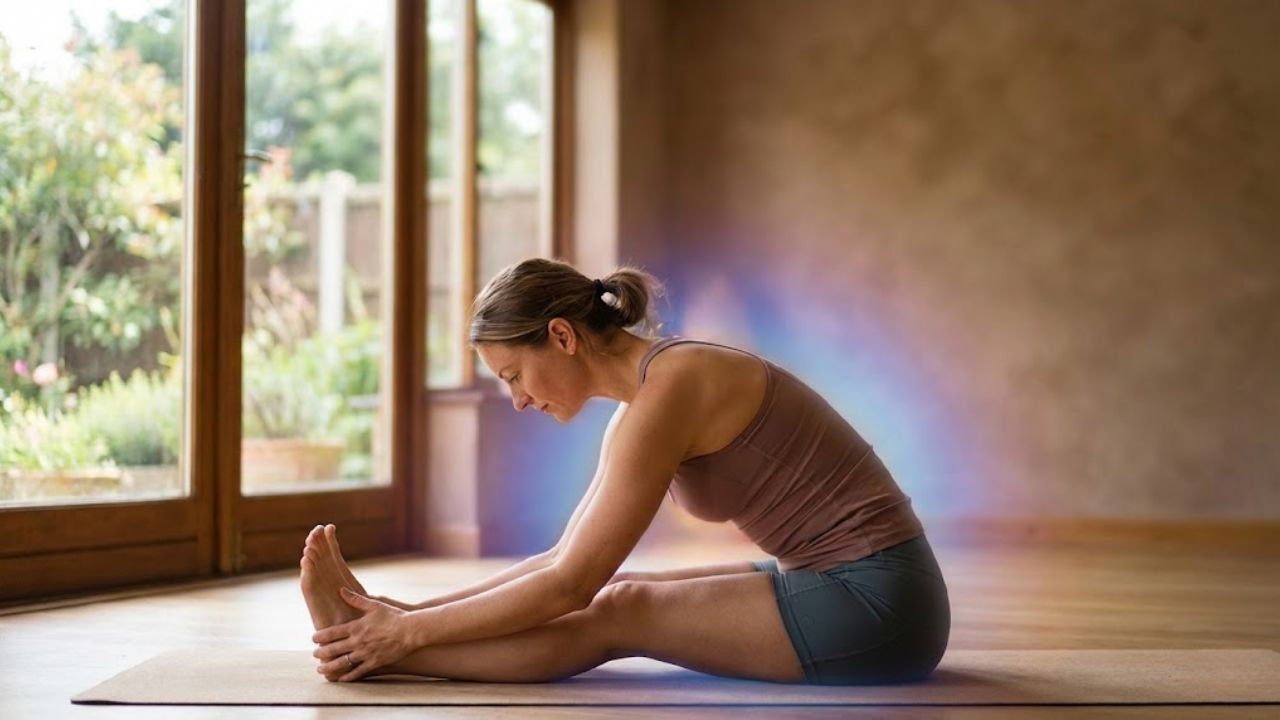
    Sit on the floor & stretch your legs out in front of you. Take a breath in to make your spine longer then bend forward slowly from your hips. Keep your back straight and place your hands wherever they feel natural. You can put a folded blanket under your hips to make the position more comfortable. This pose helps you focus inward. Stay in this position for one to three minutes and breathe in a steady rhythm. Don’t worry about touching your toes. Being comfortable is more important than how far you can bend.

    Reclining Twist (Supta Matsyendrasana) – Unwind Your Back and Restore Balance

    Lie down on your back & pull your knees up toward your chest. Let both knees fall to one side while you stretch your arms out to the sides. If it feels good you can turn your head to look the opposite way from your knees. This twist position helps let go of tension that builds up in your lower back & belly area. Hold this position for one to two minutes on each side. Each time you breathe out try to picture your shoulders sinking down and relaxing into the mat beneath you.

    Legs Up the Wall (Viparita Karani) – Relax, Recharge, and Calm Your Nervous System

    This restorative pose brings deep calm after long or demanding days. Sit next to a wall and gently swing your legs upward as you lie back. Place a pillow under your hips if you need extra support. Rest your arms in a comfortable position and close your eyes. Stay in this pose for five to ten minutes to help regulate circulation and signal your body that it is safe to relax. Slow breathing through your nose makes the calming effect even stronger.

    Quick Yoga Sequence for Hectic Days – Restore Calm in Minutes

    You can practice all six poses in about fifteen minutes. Start with Mountain Pose and then move into Forward Fold before doing Cat Cow. After that you can follow with Seated Forward Fold and Reclining Twist before you finish with Legs Up the Wall. If time is limited you should choose just three poses and focus on longer breathing instead.

    Breathing Techniques to Amplify Relaxation and Inner Peace

    Breathing Techniques for Relaxation Breathing matters just as much as getting the yoga poses right. A simple method is to breathe in through your nose while counting to four & then breathe out while counting to six. When you exhale for a longer time than you inhale your body gets the signal that it can relax and let go of tension. Your mind will probably drift away while you practice this breathing pattern. That happens to everyone and it is completely normal. When you notice your thoughts wandering just guide your focus back to your breathing. Do this in a kind way without criticizing yourself for losing concentration. The goal is not to have perfect focus but to keep returning to the breath each time you notice your attention has shifted elsewhere. This breathing technique works because it activates your parasympathetic nervous system which controls your rest and digest functions. The extended exhale is particularly effective at triggering this relaxation response in your body. You can use this method during yoga practice or anytime you need to calm down during your day.

    Building a Daily Stress-Relief Yoga Habit for Lasting Calm

    Yoga delivers the best results when you practice it regularly even if your sessions are brief. Pick a consistent time like early morning or evening & maintain realistic expectations. Your mind might settle down fast on some days while on other days it could take more time. This variation is completely normal. As time passes these poses teach your body to handle stress calmly instead of building up tension. Through steady practice and patience these six yoga poses can turn into a dependable method for quieting your thoughts and loosening up your muscles while bringing balance to your daily routine.
  • 7 Yoga Moves: Gentle Practices That Help the Body Feel Lighter and More Relaxed

    7 Yoga Moves: Gentle Practices That Help the Body Feel Lighter and More Relaxed

    Feeling heavy in your body does not always mean you have gained weight. It might be stiffness or swelling from sitting too long. It could be stress that settles in your shoulders or slow digestion. Poor sleep can cause it too. Sometimes you just feel stuck after a busy week. The good news is that you do not need a hard workout to feel lighter. A short yoga routine can help. When you focus on breathing and gentle twisting and opening tight spots your body can feel freer quite fast. Here are seven yoga moves that work well for most adults. They are especially helpful if you sit for long hours or feel bloated often or wake up feeling stiff.

    Understanding the Lightness: What “Feeling Lighter” Truly Means for Your Body

    Most people say “lighter” means less tension and easier breathing along with better posture and smoother digestion and a calmer nervous system. Yoga helps with all of this through two basic ideas. First it improves blood flow and movement in areas that get squeezed all day like your hips & spine and ankles and chest. Second it teaches slow & steady breathing which lowers stress signals that make your body feel tight and swollen. When stress drops your shoulders relax and your jaw loosens & even your stomach feels less tight.

    Maximizing Benefits: How to Practice This Routine for Best Results

    Follow these exercises in the sequence provided. Maintain steady and relaxed breathing throughout. Try breathing in through your nose for four counts and breathing out for six counts. The extended exhale encourages your body to enter a more relaxed state. Plan to spend between 12 and 18 minutes on the complete routine. You can practice this sequence in the morning to loosen up tight muscles or in the evening to unwind after your workday. If you experience issues with your knees or spine or have blood pressure problems then move carefully and do not push yourself into deep twisting positions.

     Cat-Cow Flow: Liberate Your Spine and Soothe Your Breath

    Cat-Cow Pose Begin by positioning yourself on all fours. Your wrists should align directly beneath your shoulders and your knees should sit directly under your hips. As you breathe in allow your belly to sink down gently while lifting your chest upward and directing your gaze forward. As you breathe out, curve your spine upward while tucking your tailbone under and allowing your head to hang down naturally. Continue this movement pattern for 8 to 10 complete cycles at a slow and steady pace. **Benefits:** This exercise activates the entire spine and enhances the mobility of your ribcage. It also promotes easier breathing. People often experience a sensation of heaviness when their upper back becomes tight and their chest feels restricted. This simple movement helps release tension in these areas quickly & safely.

    Standing Forward Fold: Release Tension from Your Back and Hamstrings

    Stand with your feet about hip-width apart & bend your knees slightly. Fold your body forward and allow your head to drop naturally. Place your hands wherever they comfortably reach on your shins or ankles or let them rest on the floor. Hold this position for 6 to 8 breaths. Why it helps: This forward fold releases tightness through the back of your body and targets your hamstrings and lower back muscles. The position also helps quiet your thoughts. If you have a sensitive neck then tuck your chin just a bit and avoid forcing your head downward. Tip: For an immediate feeling of lightness try swaying gently from side to side while keeping your jaw loose and relaxed.

    Low Lunge: Unlock Hips Stiffened by Sitting All Day

    Step your right foot forward & place it between your hands while lowering your left knee to the mat. Make sure your front knee stays directly above your ankle. Raise your chest upward and rest both hands on your front thigh. Hold this position for 5 to 7 breaths before switching to the other side. Why it helps: When you sit for long periods your hip flexors become shortened and your legs can feel heavy and stiff. The Low Lunge position opens up the front area of your hip and helps improve both your walking stride and your posture. Once your hips become more open you will notice that walking feels much easier and your lower back typically feels less pressure. Make it safer: If your front knee experiences any stress then move your foot a bit more forward. Place a folded towel underneath your back knee for extra cushioning.

    Supine Twist: Ease Digestive Discomfort and Calm Your Nervous System

    Lie flat on your back and pull your knees toward your chest. Let both knees fall to your right side while your shoulders stay pressed against the floor. Stretch your arms out to form a T shape. Hold this position for 6 to 10 breaths and then repeat on the other side. Why it helps: Gentle twists feel good when your stomach is bloated or your waist and back feel tight. The real benefit comes from calming your nervous system. A slow twist signals to your body that it can relax and that simple shift can make you feel much lighter. Tip: Keep the twist gentle. Focus on breathing easily rather than twisting as far as you can.

    Legs Up the Wall: Reduce Leg Fatigue and Swelling Instantly

    Position yourself near a wall & lift your legs upward while lying on your back. You can place your hips directly against the wall or leave a small gap depending on what feels better. Hold this position for 2 to 5 minutes while breathing at a relaxed pace. Why it helps: This pose offers one of the fastest ways to refresh tired legs after standing for long periods or traveling. It improves blood flow and eliminates the heavy sensation that many people experience by evening. Make it cozy: Add a small pillow beneath your head or fold a blanket under your hips for extra comfort.

    Bridge Pose: Energize Your Body Gently Without Strain

    Lie on your back & bend your knees while keeping your feet flat on the floor about hip-width apart. Push down through your feet and raise your hips up. Make sure your ribs stay relaxed & don’t stick out. Stay in this position for 5 breaths & then lower yourself down slowly. Do this 2 to 4 times. Why it helps: The bridge exercise works your glute muscles and stretches the front side of your body. Opening up your chest and making your hips stronger leads to better posture and makes your body feel more upright. This exercise builds strength in a gentle way that won’t leave you feeling tired. Tip: Push down equally through both feet. If you feel any pinching in your lower back then don’t lift your hips as high & try to lengthen your tailbone instead.

    Child’s Pose with Mindful Breathing: End Feeling Light, Clear, and Centered

    Get down on your knees & bring your big toes together while spreading your knees a little bit apart. Lower yourself back toward your heels and reach your arms out in front of you. Put your forehead down on the mat and breathe slowly eight to twelve times. Why it helps: This pose lets your body take in all the good effects from your practice. Child’s Pose calms your mind and loosens up your belly and shoulders. Most people find they can breathe more deeply in this position than they could when they first started. Quick option: If your knees hurt you can keep them closer together and put a pillow under your chest for support.

    Tiny Daily Tweaks: Lifestyle Habits That Amplify Your Yoga Practice

    If you want that light body feeling to last then add two simple habits. First take a short walk after meals when possible even for 8 to 10 minutes. Second drink water steadily through the day instead of suddenly at night. These sound basic but they support digestion and reduce that heavy sluggish feeling that builds up from dehydration and long sitting.

    A Beginner-Friendly Weekly Yoga Plan You Can Actually Stick To

    Practice this routine four days each week. On your rest days you only need to do two exercises: Cat-Cow for one minute and Legs Up the Wall for three minutes. Staying consistent matters more than pushing yourself too hard. Most people feel less stiff in the morning after just one week. They also notice their hips move more easily and they have fewer days when their body feels heavy. I can write another version if you want. One option focuses on reducing belly bloating and improving digestion. Another option targets heavy legs and swelling for people who stand throughout their workday.

  • Lifestyle Transformation Through Yoga: 5 Benefits That Support Daily Well-Being

    Lifestyle Transformation Through Yoga: 5 Benefits That Support Daily Well-Being

    Yoga is more than just exercise or a quick escape from daily life. When you practice it consistently yoga gradually transforms the way you live and think & care for yourself. The most significant lifestyle shifts don’t happen because of difficult poses or marathon sessions. They emerge from small everyday practices that influence your energy levels and mental clarity & the decisions you make. Here are five meaningful yoga benefits that truly reshape your lifestyle over time explained in a straightforward and realistic manner.

    How Yoga Helps You Build a Calm and Consistent Daily Routine

    A Structured Approach to Daily Living One of the earliest changes that yoga brings into your life is the development of a consistent routine. When you dedicate just ten minutes each day to practice you start your mornings or evenings with purpose rather than chaos. This regular commitment naturally extends into other areas of your daily life. Many people who maintain a daily yoga practice find themselves becoming more disciplined about their sleep patterns, eating habits, and how they manage their personal time. Yoga introduces a meaningful break in your day when you can reconnect with your physical self & focus on your breathing. This intentional pause helps you organize your day more effectively and diminishes that constant sensation of running behind schedule.

    Why Yoga Trains Your Mind to Handle Stress More Gracefully

    Stress exists in everyone’s daily routine but yoga helps modify your reaction to it. When you practice regularly your nervous system learns to remain more composed during difficult situations. Yoga uses breathing techniques and intentional movements to show your body that most challenges don’t require panic responses. This training gradually reduces how intensely you react emotionally & helps you make smarter choices. You’ll probably find that minor issues become less overwhelming and you bounce back quicker after tense experiences. This steadier approach to stress benefits your job performance and personal connections while creating better emotional stability in your life.

    How Yoga Reshapes the Way You Listen to and Respect Your Body

    Yoga helps you become more aware of your body without being critical of it. Instead of forcing yourself into difficult positions, yoga shows you how to pay attention to what your body is telling you through tiredness, tightness or pain. This increased awareness usually helps you make better choices in your daily life. You might find yourself sitting up straighter, resting when you need to and stopping behaviors that hurt your body. Yoga also teaches you to appreciate slow improvement, which means you feel less annoyed with yourself and stop comparing yourself to others. As time goes on, this approach helps you develop a better and kinder relationship with your body.

    Yoga’s Role in Improving Sleep Quality and Everyday Energy Levels

    Sleep quality has a major impact on overall health & wellbeing. Yoga helps improve sleep by easing physical tension and quieting the mind. Simple stretching exercises combined with controlled breathing help prepare your body for rest. This makes falling asleep easier and helps you sleep through the night without waking up. When you sleep better you naturally have more energy throughout the day. Many people find they need less caffeine and wake up feeling more refreshed each morning. This steady energy level helps you get more done during the day without feeling exhausted or overwhelmed.

    How Yoga Naturally Encourages Mindful Living and Healthier Choices

    Yoga helps you become more mindful without forcing it. As you pay attention to your breathing & how your body moves you start noticing your everyday habits more clearly. This natural awareness often makes you choose healthier foods & manage your time better while taking better care of yourself. The practice does not push you to change anything. It simply helps you see things more clearly. You start to recognize which activities make you feel energized and which ones leave you feeling drained. This understanding gradually shapes a lifestyle that feels more balanced and purposeful. The changes happen naturally and stick around because they come from your own awareness rather than external pressure.

    How Yoga Creates Long-Term Lifestyle Changes That Actually Last

    Yoga builds mindfulness in a natural way without any force. When you focus on your breath & body movements you begin to see your daily patterns more clearly. This awareness typically leads to better food choices and improved time management along with stronger self-care habits. The practice never demands that you change. It just makes things easier to see. You begin to identify which activities give you energy and which ones exhaust you. This knowledge slowly creates a lifestyle that feels more balanced and meaningful. The changes occur organically and last longer because they stem from your own understanding instead of outside pressure.

    A Gentle and Pressure-Free Way to Begin Your Yoga Journey

    To make yoga a real part of your life you need to keep things straightforward. Begin with fundamental poses such as cat cow, downward dog, forward fold low lunges and seated twists. Finish each session with a few minutes of calm breathing. Pick a time that works naturally with your schedule instead of trying to squeeze in a lengthy practice. Showing up regularly is more important than how long you practice. Your body will feel different from one day to the next. Sometimes your practice will feel powerful and other times it will feel softer and easier. Both types of sessions have their own worth.

    Simple Ways to Integrate Yoga Into Real, Busy Everyday Life

    Yoga works in everyday life because it adjusts to your needs. You can do it at home on a mat or just a quiet spot on the floor. There is no need for perfect flexibility or costly equipment or a rigid timetable. Yoga starts from your current level and develops alongside you. When it becomes part of your daily habits it gradually changes how you move and think and react to regular situations.

  • 4 Easy Yoga Steps for Weight Control After Age 30

    4 Easy Yoga Steps for Weight Control After Age 30

    Four Simple Yoga Practices for Weight Management After 30 Weight control after turning 30 can feel more challenging than in earlier years. Metabolism slows down and muscle mass gradually declines while stress often increases due to work and family responsibilities. Intense workouts may not always be practical but yoga offers a gentle yet effective way to support a healthy weight. These four simple yoga practices emphasize balance and consistency for long-term wellness rather than quick fixes.

    Why Yoga Supports Weight Management After 30

    After turning 30 your body responds better to consistent & thoughtful exercise. Yoga helps with weight management by improving muscle tone & supporting better digestion while reducing stress levels and keeping hormones balanced. When stress levels get too high it often leads to emotional eating and extra fat storage particularly around your stomach area. Yoga calms your nervous system & makes it easier to choose healthier habits in your daily life. Practicing yoga regularly also makes you more aware of your body so you can recognize when you’re actually hungry and stop yourself from eating too much. When you combine yoga with focused breathing techniques it creates lasting habits that support healthy weight management over time.

    Step 1: Wake Up with Gentle Morning Movement

    Start your day by gently activating your body without pushing too hard. Morning stretches help wake up your metabolism and ease the stiffness that builds up during sleep. Simple movements work best for this purpose. Try slow stretches that target different muscle groups. Spinal rolls help loosen your back while gentle forward bends stretch your legs and lower back. Standing poses that use large muscle groups give you the most benefit. Remember to breathe steadily rather than rushing through the movements. Taking 10 to 15 minutes for gentle movement gets your blood flowing and increases your energy levels. This practice creates a positive start to your day & helps you stay active throughout the hours ahead.

    Step 2: Build Strength with Controlled Holds

    Maintaining Muscle Mass Through Yoga After 30 Keeping your muscle mass intact becomes increasingly important once you reach your thirties. Muscles naturally burn calories throughout the day even when you’re not actively moving. Yoga offers an effective way to strengthen your body using controlled positions rather than jarring high-impact workouts. Focus on poses that work your core muscles along with your legs & arms. Stay in each position for multiple breaths to give your muscles a proper challenge without risking injury. Moving through transitions slowly and with full attention helps you avoid unnecessary strain on your body. When you practice strength-oriented yoga three to four times each week you will notice improvements in muscle definition and find it easier to maintain a healthy weight over time. Paying attention to correct body alignment and breathing patterns will help you get the most from your practice.

    Step 3: Enhance Digestion and Metabolic Function

    Digestive health has a significant impact on weight management. When digestion slows down it often causes bloating and leaves you feeling tired. Specific yoga poses can activate your digestive organs and help boost your metabolism. Twisting movements and gentle forward bends work to massage your abdominal area and enhance how your gut functions. Practicing these poses regularly helps your body absorb nutrients better and decreases the uncomfortable feeling you might get after eating. Combining yoga with mindful eating habits creates better results. When you eat slowly & skip heavy meals late at night you strengthen the benefits of your yoga practice. This combination makes managing your weight much simpler once you reach your thirties.

    Step 4: Reduce Stress and Improve Sleep

    Managing Stress Through Yoga for Better Weight Control Keeping stress under control plays a major role in maintaining a healthy weight. When stress levels rise your body produces more cortisol which is a hormone that encourages fat to accumulate around your midsection. Yoga provides natural methods to reduce stress through various relaxation techniques. Taking time at the end of your day to practice gentle yoga poses combined with deep breathing exercises helps your body & mind relax. This type of relaxation directly improves how well you sleep at night. Good sleep is vital for weight management because when you don’t sleep enough your hunger hormones become imbalanced and you experience stronger food cravings. You don’t need to spend hours on this practice. Just five to ten minutes of relaxation exercises before bed can make a noticeable difference in your sleep quality and help you maintain better control over your weight.

    Optimal Yoga Frequency for Results

    Regular practice is more important than how long each session lasts. Doing yoga four to five times each week works better than having long sessions once in a while. This is true even when your practice sessions are short. A good routine should include different types of activities such as movement exercises along with strength building and relaxation techniques. Pay attention to what your body tells you and change how hard you work based on how you feel. Taking days off to rest helps your body recover & becomes especially important as you get older.

    Who Can Follow These Yoga Practices

    These four yoga steps work well for most adults over 30 and are beginner-friendly. The focus should be on comfort and consistency instead of pushing too hard. Anyone with health issues should adjust the poses and talk to a professional when necessary. Yoga adapts to any fitness level and offers a practical approach for managing weight over time.

    Combining Yoga with Healthy Lifestyle Choices

    These four yoga steps work well for most adults over 30 and are beginner-friendly. The focus should be on comfort and consistency instead of pushing too hard. Anyone with health issues should adjust the poses and talk to a professional when necessary. Yoga adapts to any fitness level and offers a practical approach for managing weight over time.

    Designing a Yoga Routine That Fits Your Life

    Choose a time that works best for your schedule. Practicing yoga in the morning helps boost your metabolism and gives you energy for the day ahead. Evening sessions work well for reducing stress after work. You don’t need long sessions to see benefits since short regular practices are very effective. Set up a quiet space in your home where you won’t be disturbed. Wear comfortable clothing that allows you to move freely. These simple preparations make your practice more enjoyable. As you continue practicing regularly yoga will naturally become part of your daily routine without feeling like an extra task you need to complete.

    Long-Term Benefits of Yoga Beyond 30

    The Benefits of Yoga for Your Body and Mind Yoga offers meaningful improvements to your physical and mental wellbeing. Regular practice enhances your flexibility and helps you maintain better posture throughout your daily activities. Many people also notice improved mental clarity after incorporating yoga into their routines. Your joints benefit significantly from yoga practice. The gentle movements and stretches support joint health by promoting mobility and reducing stiffness. This protective effect extends to injury prevention as well. When your body becomes more flexible and balanced through yoga you naturally reduce your risk of common injuries. These advantages become more valuable as you get older. Maintaining flexibility & joint health grows increasingly important with each passing year. What works easily in your twenties requires more attention in your forties and beyond. Beyond the physical aspects yoga changes how you relate to your own body.

    Final Thoughts on Weight Control After 30

    which becomes increasingly important as you age. You’ll likely notice improvements in your posture and a reduction in everyday aches and pains. Many people also report sleeping better after incorporating yoga into their routine. Better sleep supports weight management by regulating hunger hormones and giving your body time to recover. The mindfulness aspect of yoga can also change your relationship with food. As you become more aware of your body’s signals you may find yourself making healthier choices naturally without feeling deprived.

  • How Yoga Improves Overall Health: 7 Key Benefits for Body and Mind

    How Yoga Improves Overall Health: 7 Key Benefits for Body and Mind

    7 Ways Yoga Improves Your Overall Health Yoga is often seen as a flexibility routine but its real impact goes far beyond stretching. When practiced regularly yoga supports physical strength and mental balance and long term health in a very natural way. You do not need intense sessions or advanced poses to feel the difference. Even simple daily yoga can create noticeable improvements in how your body functions & how your mind responds to everyday challenges. Below are seven clear ways yoga improves your overall health explained in a practical and up to date way.

    Build Full-Body Strength Gently — Power Without Joint Pressure

    Yoga builds strength throughout your body by relying on your own weight rather than gym equipment. Positions such as plank and warrior engage several muscle groups simultaneously. This creates even strength development instead of focusing too much on single areas. The slow and deliberate movements protect your joints from unnecessary stress. As your muscles get stronger they offer improved support to your knees & hips and shoulders and spine. This leads to fewer injuries during daily activities.

    Increase Flexibility and Smooth Mobility at the Same Time

    Flexibility by itself does not create healthy movement. Control is equally important. Yoga develops both flexibility & mobility through gentle muscle lengthening combined with stability training. Consistent practice releases tension in commonly tight areas including the hips and hamstrings & calves and chest and shoulders. This results in easier movement during everyday activities like bending and walking and sitting for extended periods. Better mobility also decreases the stiffness that typically develops from aging or a sedentary lifestyle.

    Support a Healthier Heart Through Consistent Yoga Practice

    Yoga does not resemble typical cardio workouts but it contributes significantly to heart health. The combination of steady movement and controlled breathing helps manage blood pressure & improve circulation. Flow based yoga styles can moderately increase your heart rate while maintaining low stress levels. Breathing exercises & relaxation poses calm the nervous system and promote healthier heart rhythms. Regular yoga practice works well alongside walking or light exercise to support cardiovascular wellness.

    Calm Stress Levels and Restore Nervous System Balance

    Yoga offers significant health benefits and one of the most important is its ability to reduce stress. When you practice yoga your body activates the parasympathetic nervous system that promotes relaxation & recovery. The combination of gentle movements & deep breathing along with mindful pauses tells your body to release constant tension. This process can decrease stress symptoms like headaches & muscle tightness as well as digestive problems & mental exhaustion. People who practice yoga regularly often find they handle stressful situations more calmly rather than reacting impulsively.

    Improve Digestion and Enhance Overall Gut Comfort

    Yoga helps your digestive system work better through gentle movements and relaxation techniques. When you do twisting poses & forward bends along with controlled breathing you activate your digestive organs and increase blood circulation to your stomach and intestines. Since stress often causes bloating & digestive problems yoga works to calm your body’s stress reactions. People who practice yoga regularly often find they become more aware of their hunger signals and experience less stomach discomfort and better digestion overall.

    Enhance Sleep Quality and Support Natural Body Recovery

    Better sleep plays an important role in staying healthy and yoga helps achieve this through several methods. When you move your body during yoga practice you release muscle tension that has built up over time. Breathing exercises help quiet your thoughts when you prepare for bed. Practicing yoga in the evening allows your body to relax naturally so you can fall asleep faster and sleep through the night without waking up. Morning yoga sessions also make a difference by reducing stress as you go through your day. When you sleep better you will notice that you have more energy during the day & your mood stays more balanced. Good sleep also strengthens your immune system so your body can fight off illness more effectively.

    Sharpen Mental Focus and Maintain Emotional Stability

    Yoga helps mental health by building a link between your body and mind. When you focus on breathing and moving your body it becomes easier to calm your thoughts and pay attention better. Doing this regularly helps you manage your emotions and keeps your mood more stable. People who practice yoga often notice they become more patient & focused while feeling more balanced emotionally. This clearer state of mind makes it easier to get things done and make good choices which improves how satisfied you feel with life overall.

    Simple Ways to Unlock the Maximum Health Benefits of Yoga

    You do not need long sessions to improve your health. Ten to twenty minutes of daily yoga works well when you practice regularly. Focus on basic poses and steady breathing with smooth movements between positions. A good routine includes gentle warm ups and some strength poses along with stretches and a brief relaxation period at the end. Pay attention to what your body tells you. Yoga should feel challenging but it should never create sharp pain.

    Turning Yoga Into a Sustainable Daily Lifestyle Habit

    The true health advantages of yoga show up when you make it part of your daily life rather than something you do for a short period. Pick a time that works with your day and keep things straightforward. Your body will feel powerful on some days and tired on others. This is completely normal. Yoga adjusts to your needs & that makes it valuable no matter your age or fitness level. Regular yoga practice builds strength & flexibility while also helping your digestive system work better. It improves how well you sleep & makes your mind sharper. You will also handle stress more effectively. These benefits work together to make yoga one of the best long-term approaches for maintaining good health in your regular routine.

  • 7 Yoga Poses That Support Long-Term Fitness and Daily Strength

    7 Yoga Poses That Support Long-Term Fitness and Daily Strength

    Long-term fitness focuses on building strength and flexibility in ways that last for years rather than pushing your body too hard. Yoga fits this approach perfectly because it combines mindful movement with controlled breathing. Instead of looking for quick results yoga teaches you to stay consistent & pay attention to what your body needs. This awareness helps maintain physical health throughout your life. The seven yoga poses described here work especially well for supporting fitness over time and making everyday movements easier and more effective.

    Why Yoga Supports Long-Term Fitness

    Yoga works on many parts of your body at once. It builds muscle strength and protects your joints while improving how you stand and sit. It also sharpens your mental focus. Unlike running or jumping exercises that can be hard on your body, yoga is gentle on your joints. This makes it a good choice for people at any age. When you practice yoga regularly, your body becomes less stiff and moves more easily. You also lower your chances of getting hurt during other activities. Another benefit of yoga is that you can adjust it to fit your needs. As you get older or your fitness level changes you can modify the poses to keep them safe and helpful. This makes yoga something you can stick with for years as a reliable way to stay healthy.

    Mountain Pose for Posture and Stability

    Mountain Pose serves as the base for most standing yoga positions. It helps you learn correct body alignment and makes you more aware of how your body stands & moves. Stand up straight with your feet flat on the ground and your spine stretched tall. Tighten your core muscles slightly while keeping your shoulders relaxed and breathing at a steady pace. Doing this pose regularly makes your posture better and improves your balance & body awareness. It also fixes alignment problems that affect how you move every day and keeps your joints healthy over time.

    Downward Facing Dog for Full-Body Strength

    Downward Facing Dog is a well-known yoga pose that works to strengthen and stretch your whole body. It helps maintain long-term fitness by improving mobility and blood flow. Start on your hands and knees then lift your hips up while straightening your legs to a comfortable degree. Push your hands firmly into the mat & extend your spine. This position builds strength in your arms and shoulders while stretching your hamstrings and calves. It promotes a healthy spine and helps reduce tension that builds up from sitting for extended periods.

    Warrior II for Lower-Body Strength

    Warrior II develops leg strength and stamina while enhancing your balance and concentration. These benefits become increasingly important for maintaining an active lifestyle as you get older. To perform this pose you should step one foot behind you and bend your front knee while stretching both arms out horizontally to each side. Direct your gaze straight ahead and keep it fixed on one point. When you maintain this position you work the muscles in your thighs and hips which helps stabilize your joints & sharpens your mental clarity. Building strong leg muscles decreases your chances of falling and helps preserve your ability to move freely over time.

    Tree Pose for Balance and Coordination

    Balance naturally declines with age and that makes Tree Pose an important part of long-term fitness. Stand on one leg and place the sole of the opposite foot on your calf or inner thigh. Bring your hands together at your chest & focus on a steady point. This pose improves balance and strengthens the ankles while enhancing coordination. Regular balance practice supports confidence in daily movement.

    Plank Pose for Core Strength

    A strong core supports the spine & helps protect against back pain. Plank Pose builds core strength without complex movement. Begin on your hands & knees and then step your feet back to form a straight line from head to heels. Keep your shoulders aligned over your wrists & engage your abdominal muscles. Holding Plank Pose strengthens the core and arms and shoulders. Improved core stability supports posture and reduces injury risk over time.

    Bridge Pose for Spine and Hip Health

    Bridge Pose strengthens the back of the body and opens the hips. These areas often become tight or weak with age. Lie on your back with your knees bent and feet flat on the floor. Press into your feet and lift your hips upward. Keep your shoulders grounded during the movement. This pose strengthens the glutes and lower back. It improves spinal flexibility at the same time. The exercise also supports healthy posture and hip mobility.

    Child’s Pose for Recovery and Relaxation

    Recovery matters just as much as building strength when you work toward lasting fitness goals. Child’s Pose gives your body the chance to rest and reset after physical effort. Start by kneeling on your mat and then fold your upper body forward until your forehead touches the ground. Allow your arms to rest in a comfortable position and focus on breathing at a slow and steady pace. This position provides a gentle stretch for your back and hip areas while it helps calm your nervous system. Making time for regular relaxation supports your body’s recovery process and reduces the risk of burnout from overtraining.

    Practicing These Poses Safely

    Regular practice of these movements helps build strength and improve flexibility over time. The key is to move at your own pace and pay attention to how your body feels during each position. Start by moving slowly & concentrate on getting your body position right instead of trying to go too deep into the pose. Keep your breathing steady and even as this helps your muscles relax and reduces tension throughout your body. If you find certain positions challenging you can use yoga blocks or cushions to make them easier and more comfortable. The most important thing is to practice regularly rather than pushing yourself too hard. Doing these poses a few times each week will help you see gradual improvements in your overall fitness that last over time. Listen to your body and adjust the movements as needed to suit your current fitness level.

    Adapting Yoga as the Body Changes

    Understanding Yoga Modifications One of yoga’s greatest strengths is its adaptability. Poses can be adjusted to suit different abilities & life stages. Listening to the body and making thoughtful modifications ensures long-term sustainability in practice.

    Creating a Balanced Yoga Routine

    A Complete Yoga Routine for Balanced Fitness A well-rounded yoga practice should include exercises that build strength and flexibility while also improving your balance and giving your body time to recover. When you combine these elements together you create a foundation for better overall fitness and movement that supports your physical health over the long term. This collection of seven yoga poses works together to give you all of these benefits. Each pose serves a specific purpose in developing your body’s capabilities.

  • Stress Release Yoga: 5 Poses That Help Unwind Tension Stored in the Body

    Stress Release Yoga: 5 Poses That Help Unwind Tension Stored in the Body

    5 Yoga Poses to Release Stress from Your Body Stress affects more than just your mind. It creates physical tension that shows up as tight shoulders and stiff hips. You might notice a clenched jaw or an aching lower back. Your breathing becomes shallow and your heart races. When stress becomes chronic it can feel like carrying a heavy weight that never goes away. Yoga offers an effective solution because it brings together movement & breath with focused awareness. When you practice regularly your nervous system begins to calm down. Blood flow improves throughout your body. Tight muscles start to loosen & the accumulated tension gradually fades away. This article presents five specific yoga poses that target the areas where your body stores stress. You will learn the proper way to practice each pose so you can experience real relief in both your physical body and your mental state.

    Standing Forward Fold for Spinal Release

    Standing Forward Fold is a gentle yet effective posture that helps release built-up tension in the spine, shoulders, and back. Stress often causes the muscles supporting the spine to tighten, leading to stiffness and discomfort. This pose eases that pressure while increasing blood flow toward the head, which helps calm the nervous system. Begin by standing with your feet hip-width apart and your arms relaxed at your sides. Inhale and grow tall through the spine. As you exhale, hinge forward from the hips. Let your head hang heavy and allow your upper body to fully relax. Keep a soft bend in the knees if your hamstrings or lower back feel tight. Hold for one to three minutes, breathing slowly and deeply. As you stay in the pose, gently shift your attention away from daily stress and toward physical sensations. This posture is especially helpful after long desk hours or when emotional tension settles in the shoulders.

    Child’s Pose for Complete Relaxation

    Child’s Pose is a deeply restorative posture that encourages rest, grounding, and nervous system balance. It gently stretches the lower back, hips, and shoulders while creating a feeling of safety and calm. To enter the pose, kneel on the mat with your big toes touching and knees set hip-width apart. Slowly sit your hips back toward your heels and fold forward, resting your forehead on the mat. Extend your arms forward with palms down or let them relax alongside your body with palms facing upward. Breathe slowly through your nose and focus on the natural rise and fall of your abdomen. Remain here for two to five minutes. Many practitioners turn to Child’s Pose during stressful moments because it offers a sense of surrender and rest. The slow breathing in this posture activates the parasympathetic nervous system, helping the body move out of stress mode.

    Legs Up the Wall for Circulation and Calm

    Legs Up the Wall is a restorative inversion that supports circulation and encourages deep relaxation. Stress is often stored in the hips and lower body, especially after standing or sitting for long periods. This pose helps improve venous return, allowing blood to flow back toward the heart more easily. To practice, sit sideways next to a wall and gently lie back as you swing your legs upward so they rest against the wall. Keep your hips close to the wall and let your arms relax by your sides with palms facing upward. Close your eyes and breathe slowly for five to ten minutes. Focus on softening your jaw, shoulders, and facial muscles. This posture can reduce swelling in the legs and feet while giving your nervous system a much-needed break. It is particularly beneficial after a long day or intense physical activity.

    Bridge Pose for Heart Opening

    Bridge Pose helps open the chest and shoulders, areas where stress commonly accumulates. When feeling overwhelmed, people often round the shoulders forward, restricting the chest and limiting deep breathing. This posture counteracts that pattern by creating space across the front of the body and supporting fuller breaths. To begin, lie on your back with your knees bent and feet flat on the floor, positioned hip-width apart. Press into your feet and lift your hips upward. Keep your arms alongside your body or interlace your hands beneath your lower back for added support. Breathe deeply through the nose as you hold the pose for one to three minutes. With each inhale, imagine the chest expanding and filling with air. Improved oxygen flow supports relaxation and helps release stored tension. Bridge Pose is especially helpful in the evening to reverse the effects of sitting and mental stress.

    Reclining Twist for Full Body Detox and Release

    Reclining Twist is a soothing posture that gently releases tension from the spine, hips, and digestive area. Twisting movements stimulate circulation and help the body unwind stress caused by prolonged sitting, poor posture, or emotional strain. To practice, lie on your back and draw your knees toward your chest. Let both knees drop to the right side while extending your arms out in a T shape. Turn your head to the left if it feels comfortable. Relax here for one to three minutes, then switch sides. Keep both shoulders heavy on the floor and maintain slow, steady breathing. This pose provides a gentle massage for the spine and internal organs while encouraging relaxation and detoxification. Twists are particularly helpful for easing tightness in the lower back and hips.

    How to Make These Poses Part of Your Routine

    Consistency is the most important factor when it comes to releasing stress from the body. Practicing these poses regularly can help muscles soften, calm the nervous system, and reduce mental tension over time. A long session is not required. Even ten minutes in the morning or before bed can be effective. Many yoga instructors share short stress-relief sequences online that focus on mindful movement and breathing. One such teacher is Tim Senesi, known for clear guidance and an emphasis on strength, mobility, and self-awareness. He lives in the United States with his partner Emily and their dog Kai, and has built a strong online wellness community. Students often report reduced physical tension and improved calm through consistent practice. Over time, small daily efforts can create lasting change and support a more relaxed, resilient body.

  • 15 Yoga Benefits: How Daily Practice Improves Energy, Strength and Mental Balance

    15 Yoga Benefits: How Daily Practice Improves Energy, Strength and Mental Balance

    15 Powerful Yoga Benefits That Boost Your Daily Energy Feeling exhausted after sleeping through the night has become a regular problem for many people today. Spending too much time looking at screens combined with constant mental pressure & sitting in awkward positions while barely moving around gradually depletes your energy reserves throughout the day. Yoga provides a natural way to fix this problem that actually lasts. It addresses both physical and mental aspects of tiredness and helps you regain consistent energy without needing coffee or energy drinks. Here are 15 ways that yoga can dramatically increase how much energy you have each day when you make it part of your regular routine.

    Ignite Your Body’s Natural Energy Pathways

    Yoga clears away physical and energetic obstacles in your body. When you do gentle stretches and movements your blood circulation gets better. This means oxygen and nutrients can travel to every cell in your body. The natural energy flow that results helps reduce feelings of tiredness & keeps you alert all day long.

    Enhance Brain Function with Better Oxygen Flow

    Yoga removes physical and energetic blockages from your body. Gentle stretches and movements improve your blood circulation so oxygen and nutrients reach every cell. This natural energy flow reduces tiredness and keeps you alert throughout the day. The practice works by opening up pathways that may have become restricted through stress or inactivity. When these pathways clear your body functions more efficiently. You feel more awake because your system operates at its optimal level rather than struggling against internal resistance. Regular yoga sessions train your body to maintain this improved circulation even when you are not practicing. The benefits accumulate over time as your cardiovascular system becomes stronger and more responsive. Your cells receive a steady supply of what they need to produce energy naturally without relying on external stimulants.

    Melt Away Stress That Drains Vitality

    Chronic stress drains your energy without you even noticing it happening. Yoga helps to settle your nervous system and brings down the levels of stress hormones in your body. Once your stress decreases your body no longer burns through energy dealing with constant tension and worry. This leaves you feeling more energized and mentally clear throughout your day. The practice works by activating your parasympathetic nervous system which is responsible for rest & recovery. Instead of staying in fight-or-flight mode your body can finally relax and use its resources more efficiently. You stop running on empty & start feeling genuinely restored.

    Boost Digestion and Absorb Nutrients Efficiently

    When your digestion is not working well it can make you feel tired & drained. Yoga helps wake up your digestive system by using twisting poses & gentle pressure on your belly area. When your digestion gets better your body can take in vitamins and nutrients from food more easily. This means you will have more energy and feel stronger throughout the day.

    Harmonize Your Nervous System for Calm Focus

    Yoga Balances Your Nervous System for Steady Energy Yoga helps regulate both parts of your nervous system that control stress & relaxation. When these systems work together properly you avoid the exhaustion that comes from being constantly stressed. Your energy levels stay consistent instead of jumping between extreme highs & sudden crashes during the day.

    Achieve Restful Sleep Through Gentle Yoga

    Restorative yoga & breathing techniques help people sleep more deeply and improve their overall sleep quality. When sleep improves the body gets the chance to recover completely from daily stress and activity. This leads to waking up feeling more refreshed in the morning. As a result people experience higher energy levels throughout their day & can handle their activities with greater vitality.

    Build Muscle Strength Without Overexertion

    Yoga builds strength in a gradual way instead of wearing you out like intense exercise does. When your muscles get stronger they need less effort to handle everyday activities. This means you feel less tired physically & have more energy left over for other things.

    Improve Posture and Ease Everyday Physical Strain

    Poor posture makes it harder to breathe properly and limits blood flow throughout the body. Yoga helps fix posture problems by building strength in the spine & core muscles. When your body is aligned correctly it can move more efficiently without wasting energy on compensating for imbalances.

    Sharpen Mental Clarity and Inner Motivation

    Mental fatigue can feel similar to being physically tired. Practicing yoga helps sharpen your focus and clears away mental distractions. When your mind stays focused it doesn’t waste as much energy. This leads to better motivation & helps you get more done during your day.

    Support Balanced Hormones Naturally

    Hormonal imbalances often lead to persistent fatigue throughout the day. Practicing yoga works to regulate stress hormones in your body while supporting the health of your endocrine system. When your hormones reach proper balance you will notice improvements in your mood & metabolism along with more stable energy levels overall.

    Enhance Blood Flow and Strengthen Heart Health

    Yoga helps blood move through your body better without putting too much strain on your heart. When your circulation improves it means your muscles and organs get the oxygen they need. This makes you feel more energized instead of tired and drained.

    12. Release Muscle Tension and Stiffness Effectively

    Tight muscles use up energy even when you are resting. Yoga helps release the tension that builds up in your body. When your muscles finally relax, your body saves that energy and uses it for better things like moving around, staying focused & being creative.

    Cultivate Emotional Resilience and Stability

    Emotional ups and downs take away your mental energy. Yoga helps you find emotional balance by teaching you to control your breathing and stay present in the moment. When your emotions stay calm and steady you stop losing energy to worry and frustration. You also avoid the exhaustion that comes from overthinking everything.

    Foster Consistent Healthy Lifestyle Habits

    Yoga helps people become more conscious of their daily lifestyle decisions. People who practice yoga tend to improve their eating patterns and pay closer attention to staying hydrated and maintaining regular physical activity. When combined together these positive habits help maintain steady energy throughout the day.

    Generate Sustainable Energy, Avoid Short Lapses

    Yoga gives you energy that lasts much longer than what you get from caffeine or sugar. Instead of just giving your body a quick boost that wears off fast, yoga actually makes your body work better from the inside. It strengthens your basic body functions rather than just pushing them to work harder for a short time. Because of this the energy you gain from yoga stays with you throughout the entire day without any crashes or drops.

    Why Yoga Is the Perfect Daily Energy Booster

    Yoga requires no intense physical strain or costly gear. It works for people of any age and fitness level. Just 20 to 30 minutes each day can lead to clear improvements in energy & alertness.

    Optimal Timing: When to Practice Yoga for Maximum Energy

    Morning yoga wakes up your body and helps you start the day in a good mood. Doing gentle yoga in the evening can also help you feel better by letting go of stress and tension. It matters more that you practice regularly than when you choose to do it.

    Practice Frequency: How Often Should You Do Yoga

    Practicing yoga three to five times each week provides enough activity to notice better energy levels throughout your day. Shorter sessions done on a regular basis work better than doing long workouts only once in a while.

  • Daily Mobility Support: 4 Yoga Benefits That Make Everyday Movement Easier

    Daily Mobility Support: 4 Yoga Benefits That Make Everyday Movement Easier

    Daily movement matters for a healthy life but many people deal with stiffness and fatigue. Joint pain & muscle tightness often make everyday tasks feel unnecessarily difficult. Yoga has grown popular as a movement practice because it combines stretching with balance and breathing exercises in a way that helps the entire body. People in their 20s can benefit from it just as much as those working long hours in their 30s and 40s or anyone over 50 dealing with age-related physical changes. Yoga provides specific advantages that make regular movement feel more natural and less challenging. This article covers four key benefits of yoga and shows how they help with common activities like walking and lifting objects. These benefits also make bending down and reaching for things easier while improving your ability to stand comfortably throughout the day.

    Improved Joint Mobility and Overall Flexibility

    One of the most noticeable advantages of practicing yoga is better joint mobility and flexibility. Flexibility is not just about reaching your toes; it is about allowing your body to move comfortably in all directions. True functional flexibility means that joints such as the hips, shoulders, knees, and ankles can rotate smoothly without discomfort or stiffness. Yoga postures are intentionally designed to lengthen muscles gradually while promoting healthy joint movement through slow, controlled motion.

    For example, Downward Facing Dog works multiple areas at once. It stretches the hamstrings and calves, opens the shoulders, and gently decompresses the spine. These areas commonly become tight from long hours of sitting or driving. With consistent practice, even for a few minutes a day, movements like this improve range of motion, making everyday actions like bending down, climbing stairs, or reaching overhead feel easier and more fluid.

    Better mobility also lowers the risk of injury. When joints move freely, surrounding muscles do not need to overwork to compensate. This reduces long-term strain and supports balance, helping with daily activities such as stepping off a curb or walking on uneven surfaces.

    Stronger Core and Practical Strength

    Yoga is often misunderstood as being only about stretching, but many poses build real strength that supports daily movement. Core muscles, including the deep abdominals, lower back, and pelvic muscles, are actively engaged in poses like Plank and Boat. A strong core improves posture, protects the spine, and makes tasks like lifting groceries, carrying children, or standing for long periods less tiring.

    Yoga develops functional strength, which is strength that translates directly into real-life activities. Slow, controlled movements and sustained holds activate multiple muscle groups at the same time. Warrior II strengthens the legs, hips, and glutes while improving balance, while Chair Pose builds endurance in the thighs and core.

    As muscles become stronger through regular practice, they work more efficiently. This efficiency reduces fatigue and helps the body move with greater ease. When strength and flexibility improve together, the body feels more balanced and resilient.

    Better Posture and Body Alignment

    Poor posture is a major cause of neck stiffness, shoulder tightness, and lower back pain. It can also make simple movements feel heavier and more exhausting. Yoga brings awareness to how the body is aligned and teaches how to engage the muscles that support healthy posture.

    During yoga practice, attention is placed on stacking joints correctly, lengthening the spine, and activating stabilizing muscles. Poses such as Mountain Pose and Camel Pose help develop an understanding of proper posture and spinal alignment. Over time, this awareness helps prevent slouching and reduces the discomfort caused by poor positioning.

    As posture awareness carries over into daily activities like sitting, walking, and lifting, the body experiences less strain. This is especially helpful for people who work at desks or spend long hours standing. Improved posture also enhances breathing, which supports energy levels and overall comfort throughout the day.

    Reduced Stress and a Stronger Mind Body Connection

    Stress affects the body more than many people realize. It often leads to tight muscles, shallow breathing, and a constant state of tension that makes movement feel restricted. Yoga addresses this by combining mindful movement with conscious breathing.

    Synchronizing breath with movement helps calm the nervous system. Deep, steady breathing activates relaxation responses in the body and lowers stress hormone levels. This allows muscles to release tension more easily and helps the mind settle, making physical movement feel smoother and more natural.

    A stronger mind body connection increases awareness of how the body responds to different movements and postures. This awareness helps identify tension patterns and adjust movement habits. For instance, many people hold stress in their shoulders without noticing. Yoga poses that open the chest and relax the neck can release this tension, making everyday tasks like carrying bags or reaching overhead feel less demanding.

    A Real World Example of Yoga’s Impact

    The benefits of yoga extend well beyond the mat. One example is Kino MacGregor, a well-known yoga instructor who has built a global following among adults with busy lifestyles. Living in Miami with her husband and two children, she has created a strong online presence through classes, workshops, and educational content.

    Her work demonstrates how yoga can positively influence flexibility, strength, breathing, and daily movement. By blending traditional yoga principles with modern wellness practices, she has helped many people integrate yoga into their everyday routines in a practical and sustainable way.

    Making Yoga a Consistent Part of Daily Life

    You do not need long or intense sessions to experience the benefits of yoga. Even short practices of ten to fifteen minutes, done a few times a day, can lead to noticeable improvements. Gentle stretches in the morning, a brief strength or balance session during the day, and calming movements in the evening can support the body effectively.

    With consistency over time, joints feel more mobile, muscles grow stronger, posture improves, and the mind becomes calmer. Daily movement becomes easier and more enjoyable when yoga is practiced with intention and regularity.

  • Gentle Joint Care Yoga: 4 Easy Moves That Support Comfort and Mobility

    Gentle Joint Care Yoga: 4 Easy Moves That Support Comfort and Mobility

    Yoga is one of the most natural and accessible ways to support joint comfort, mobility, and long-term physical well-being. While many people associate yoga only with flexibility or intense workouts, its real strength lies in how it supports joints in everyday life. Gentle, mindful movements help ease stiffness, increase circulation around sensitive areas such as the knees, hips, shoulders, and spine, and reduce discomfort linked to inflammation or daily stress. The following four gentle yoga movements are selected for their joint-friendly nature, simplicity, and adaptability. Whether you are new to yoga or returning after a break, these poses can fit easily into a daily routine.

    Cat Cow Flow for Spine and Neck Comfort

    Cat Cow Flow is a smooth, rhythmic sequence that gently mobilizes the spine and neck. Long periods of sitting, screen use, or driving can compress the spinal joints and lead to stiffness. This movement helps release tension, warm the spinal tissues, and restore natural mobility. Begin on all fours with hands placed under shoulders and knees under hips. As you inhale, lower the belly, lift the chest, and gently arch the back while lifting the head and tailbone. On the exhale, draw the belly inward, round the spine upward, and allow the head to relax. Continue moving slowly with the breath for about two minutes. The coordinated breathing supports oxygen flow while the spinal movement creates space between vertebrae, easing neck and upper-back tension. This flow is often recommended by physical therapists for mild chronic stiffness due to its gentle yet effective nature.

    Child’s Pose for Hip and Lower Back Relief

    Child’s Pose is a deeply calming posture that supports the hips, lower back, thighs, and ankles while encouraging slow, steady breathing. Tight hips can place strain on surrounding joints and the lower spine, so gentle release in this area often brings noticeable relief. To practice, kneel with knees about hip-width apart and big toes touching. Sit back onto the heels and fold forward, resting the forehead on the floor or a cushion. Extend the arms forward or allow them to rest beside the body with palms facing upward. Remain here for one to five minutes, breathing slowly. This posture promotes relaxation, reduces muscular tension, and can be particularly helpful for individuals experiencing joint inflammation or arthritis-related discomfort, especially when practiced at the end of the day.

    Supported Bridge Pose for Hips and Lower Back Support

    Supported Bridge Pose offers gentle opening for the hips, lower back, and pelvic area without muscular strain. Using a block, cushion, or rolled towel under the sacrum allows the body to relax while the joints open naturally. Lie on your back with knees bent and feet flat on the floor, hip-width apart. Press into the feet and lift the hips, then place the support under the sacrum and rest there. Let the arms relax by your sides and breathe calmly for two to five minutes. This supported backbend improves circulation to the hips and pelvis, reduces stiffness, and encourages joint movement without pressure. Practicing this pose several times a week can help maintain hip comfort and mobility, especially for those who sit or stand for long periods.

    Legs Up the Wall for Circulation and Joint Ease

    Legs Up the Wall is a restorative inversion that improves blood flow in the lower body and reduces pressure on the ankles, knees, and lower back. It is especially useful for those who experience swelling or heaviness in the legs after long days. Sit close to a wall and gently lie back as you lift your legs up to rest vertically against the wall. Adjust your position so the hips feel comfortable. Allow the arms to rest by your sides with palms facing upward. Close your eyes and breathe slowly for five to ten minutes. This pose supports venous return, reduces joint pressure, and enhances circulation, which helps deliver nutrients to joint tissues and reduce inflammation over time.

    A Note on Yoga in Daily Life

    Incorporating gentle yoga into your routine can gradually transform how your joints feel. These movements focus on comfort and mobility rather than intensity, making them suitable for regular practice. Yoga also supports mental well-being by reducing stress, which can otherwise contribute to muscular and joint tension. If you have arthritis, bursitis, or a recent injury, it is wise to consult a healthcare professional before beginning a new practice.

    Why Gentle Movement Is Important

    Daily habits such as prolonged sitting, repetitive actions, and stress often affect joint health more than people realize. Gentle yoga offers a way to counteract these effects by giving the body space to release and reset. These movements are appropriate for adults of all ages and can be practiced at home with minimal equipment. Yoga instructors like Adriene Mishler have helped make gentle yoga widely accessible through approachable teaching styles that prioritize comfort and inclusivity. Her platform, Yoga With Adriene, has introduced millions to mindful movement and joint-friendly practices, reflecting the growing global interest in wellness and sustainable physical health.

    By dedicating a few minutes each day to these gentle yoga movements, you support long-term joint comfort and mobility. Consistency is far more important than intensity. With mindful breathing and proper alignment, yoga can help your body feel more comfortable today and resilient in the years ahead.